



If you've been living with your TV's built-in speakers, you already know the struggle. Dialogue gets lost during action scenes, explosions sound like cardboard boxes, and forget about feeling any bass impact. That's where soundbars come in – they're designed to transform your TV audio without turning your living room into a speaker showroom.
The soundbar market has evolved dramatically over the past few years, splitting into two distinct philosophies. Some manufacturers pack everything into a single sleek bar that sits beneath your TV, while others pair a compact soundbar with a separate wireless subwoofer. Each approach has its merits, and understanding these differences is crucial for making the right choice.
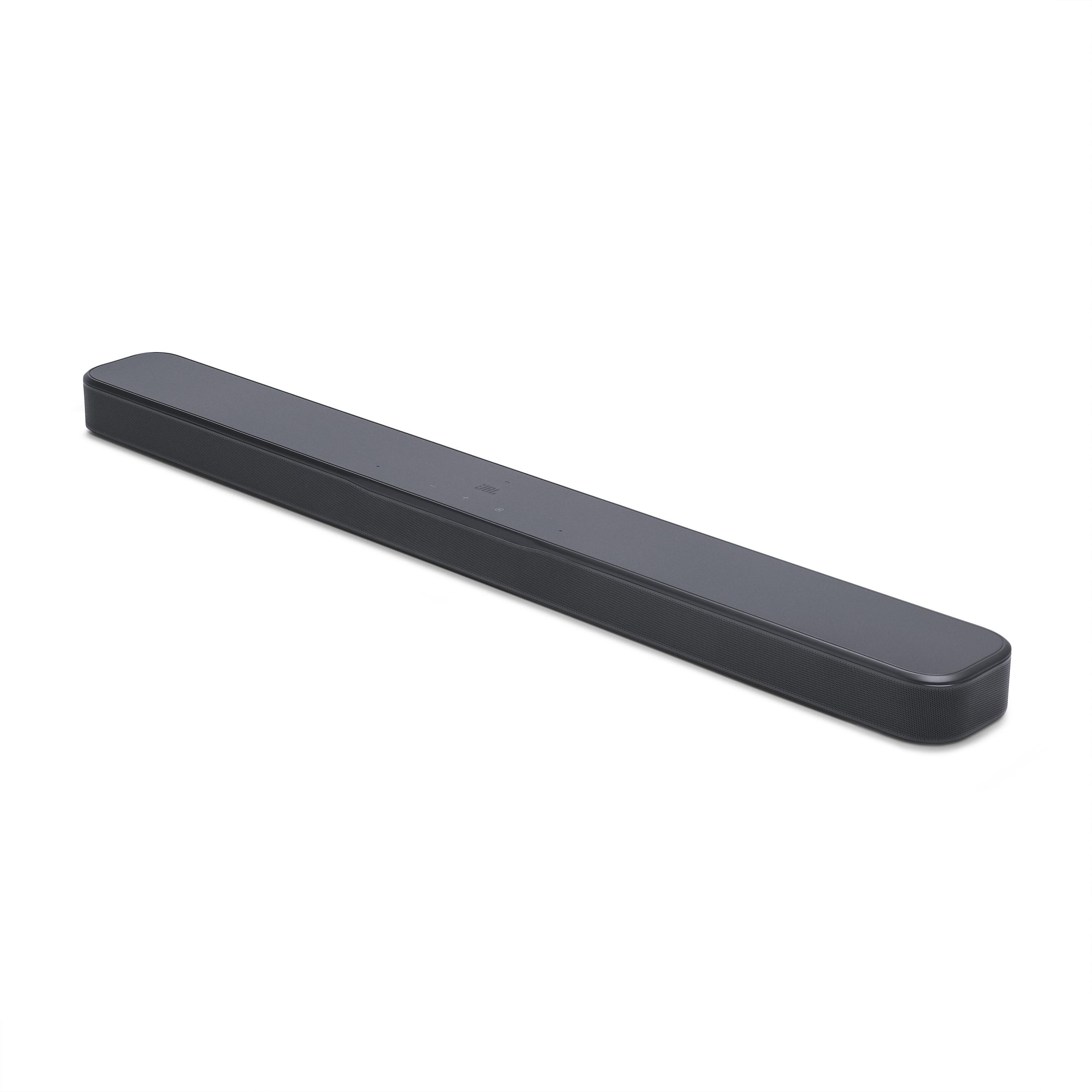
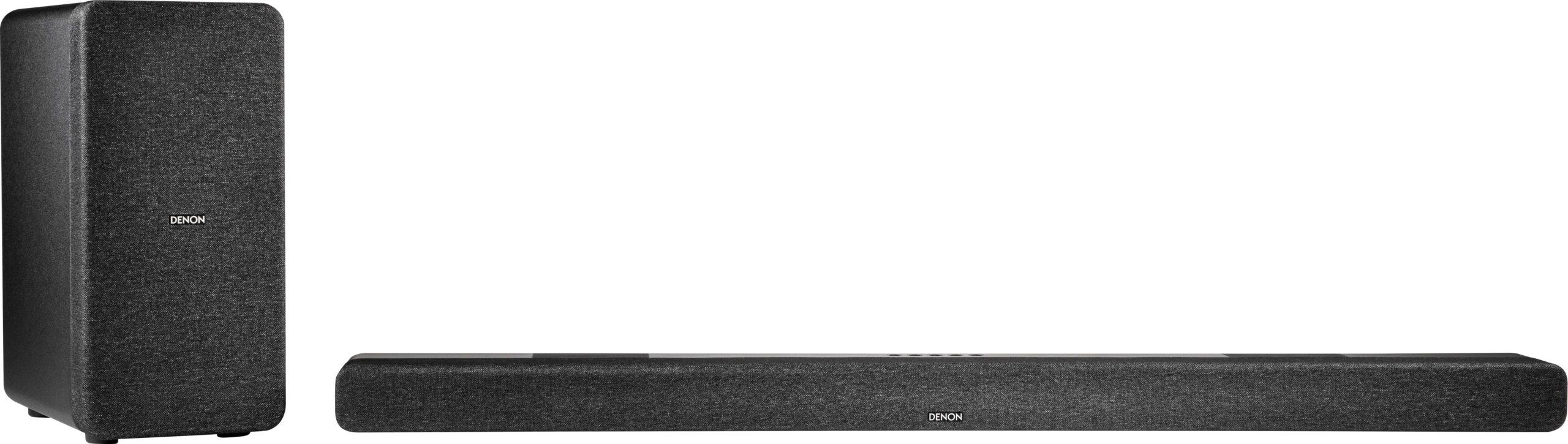
Today we're comparing two popular options that represent these different approaches: the JBL Bar 300 MK2 ($450) and the Denon DHT-S517 ($302). One prioritizes convenience and streaming smarts, while the other focuses on delivering authentic surround sound at a budget-friendly price.
Before diving into specifics, let's talk about what makes modern soundbars tick. The key innovation driving today's market is Dolby Atmos – a surround sound format that adds height information to create three-dimensional audio. Think of it as the difference between watching a movie on a flat screen versus experiencing it in IMAX.
Traditional surround sound required multiple speakers placed around your room. Dolby Atmos takes this concept further by adding "height channels" that make sounds appear to come from above – perfect for helicopters flying overhead or rain falling around you. Soundbars achieve this through two methods: virtual processing that tricks your ears into hearing height effects, or dedicated upward-firing speakers that bounce sound off your ceiling.
The challenge for soundbar manufacturers is physics. Cramming multiple audio channels into a slim bar requires compromises, especially for bass reproduction. Low frequencies need large drivers and substantial air volume to sound natural – which is why some systems include separate subwoofers while others try to solve everything internally.
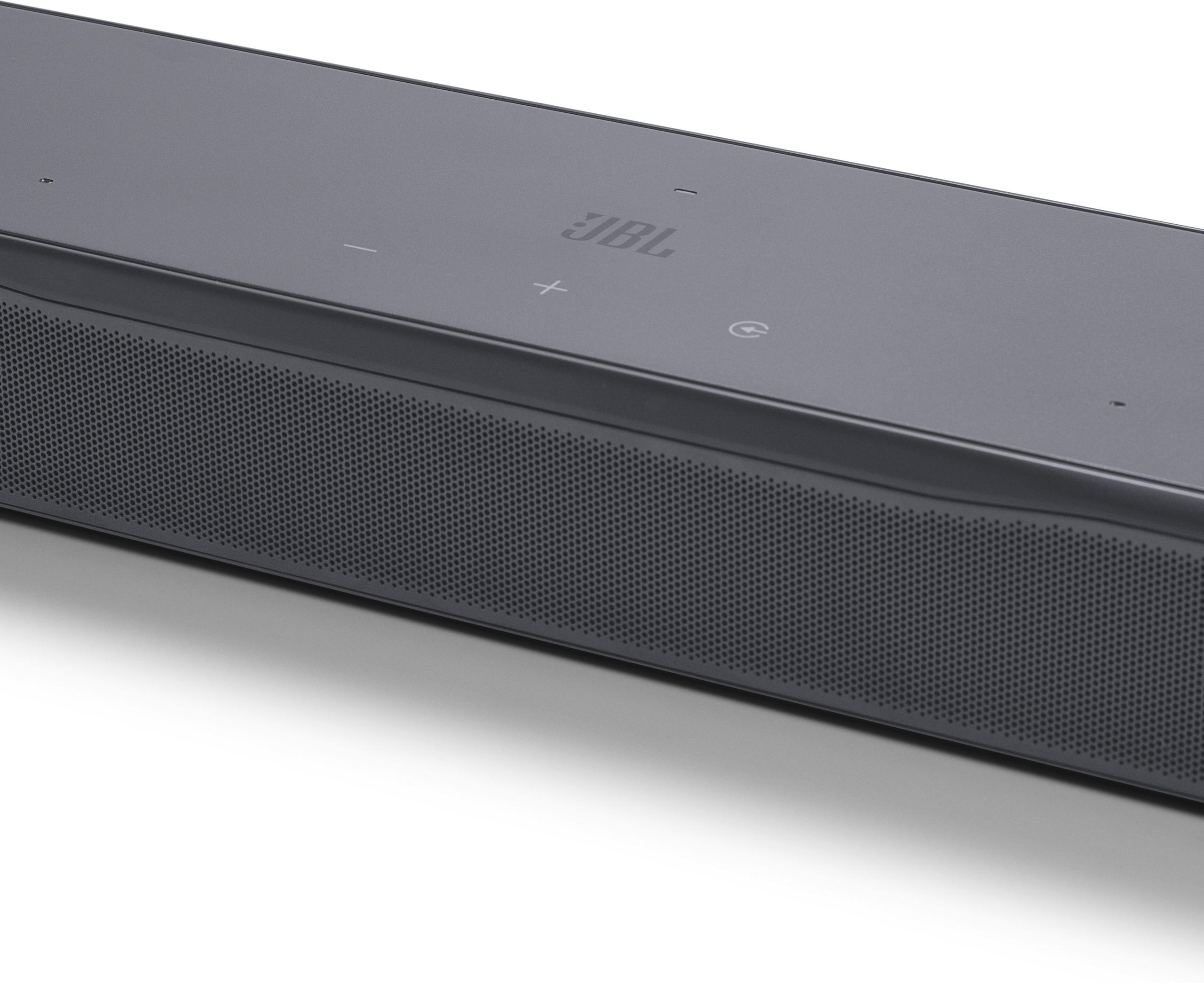
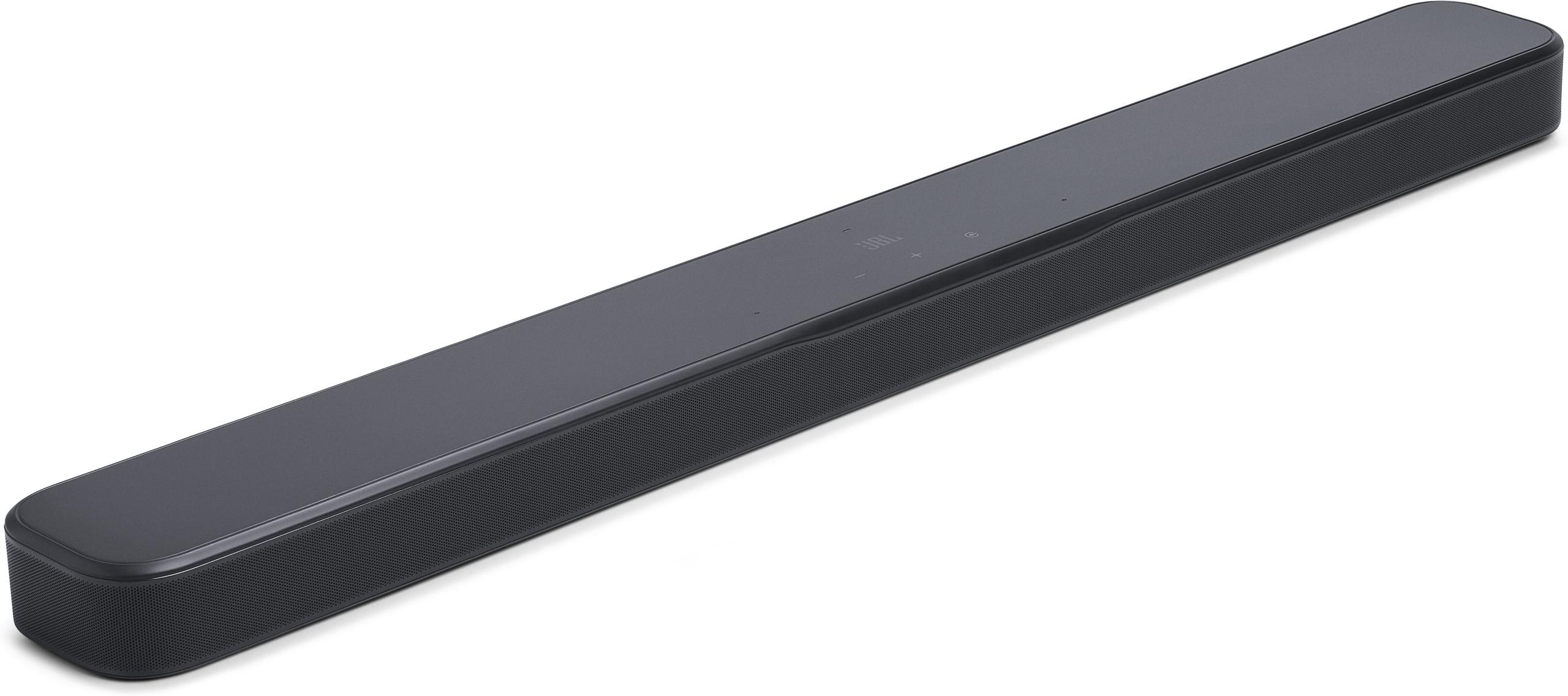
The JBL Bar 300 MK2 launched in early 2024 as part of JBL's refreshed soundbar lineup. It represents the "do everything in one box" philosophy, packing a 5.0-channel system with 260W of power into a single 32-inch bar. JBL's approach focuses on convenience, streaming integration, and smart features – appealing to users who want great sound without extra components cluttering their space.
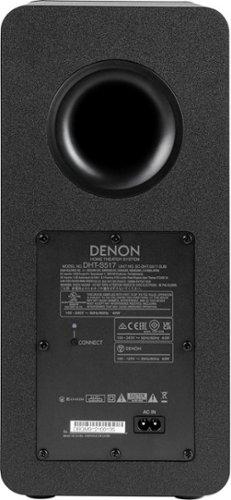
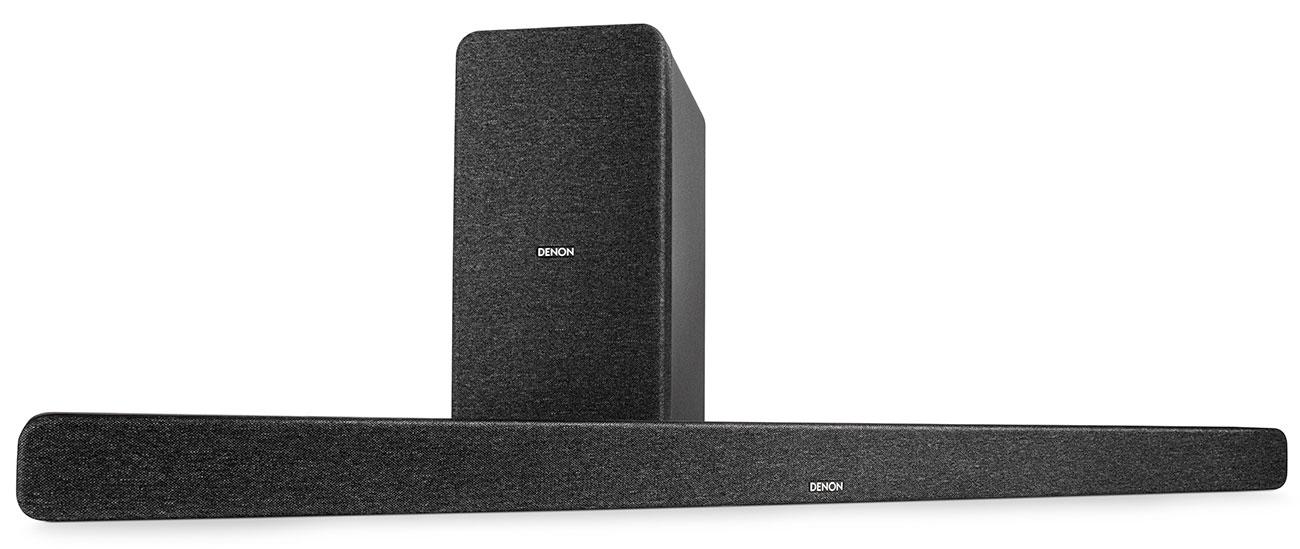
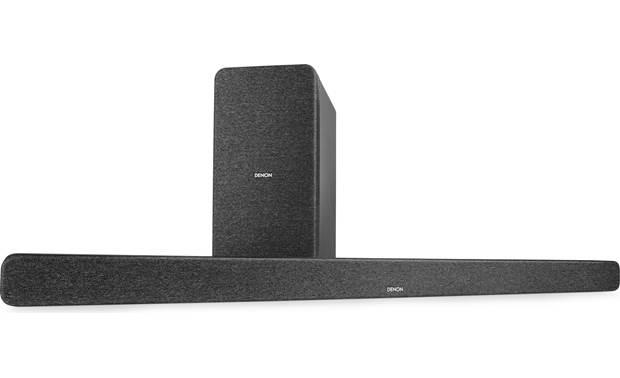
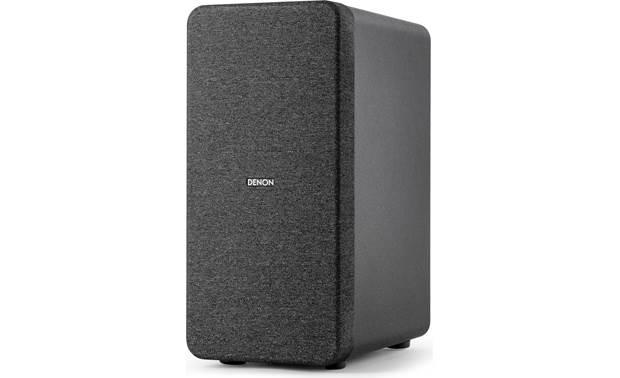
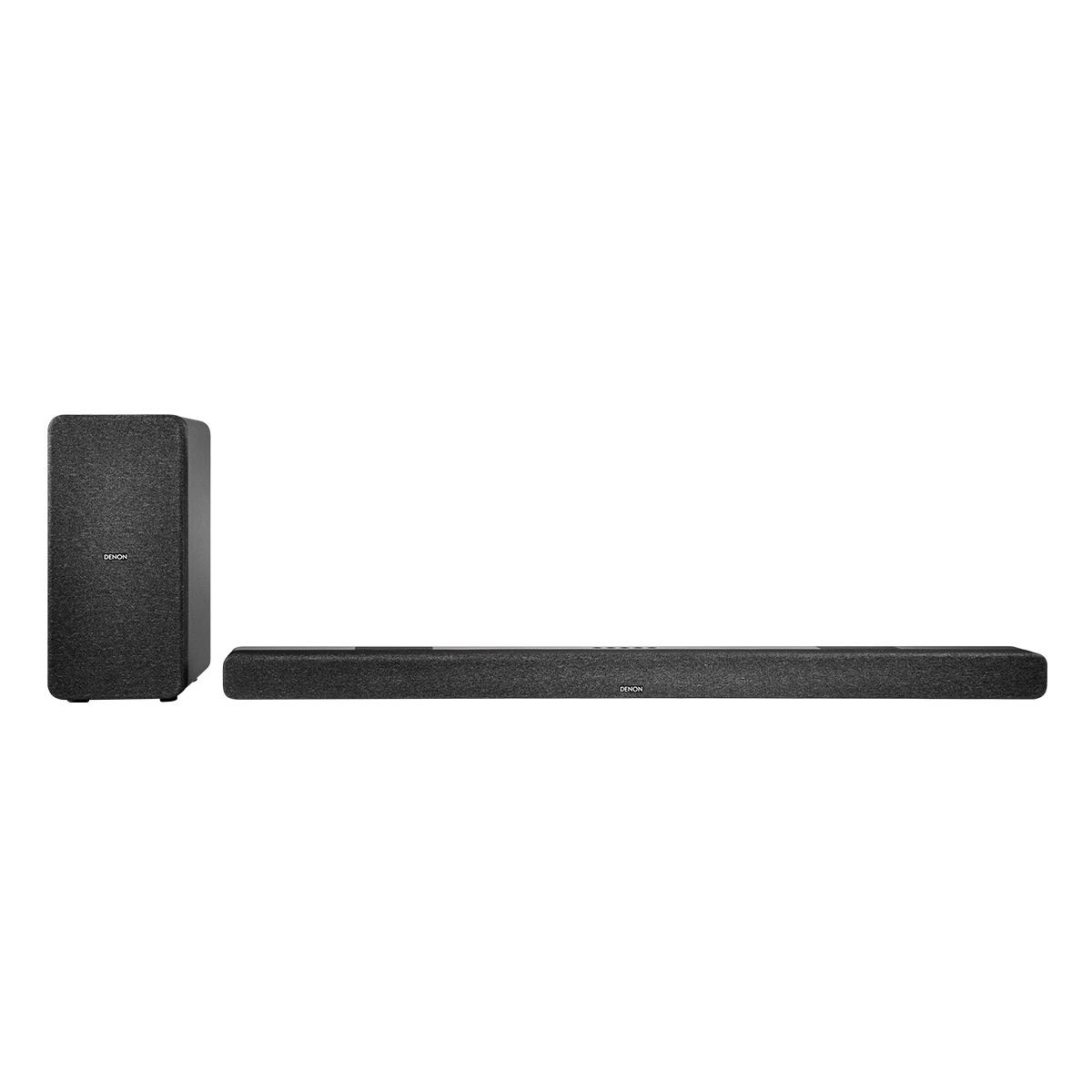
The Denon DHT-S517, released in late 2022, takes the traditional route by pairing a compact soundbar with a wireless subwoofer. This 3.1.2-channel system delivers authentic Dolby Atmos through dedicated height speakers while the separate sub handles deep bass duties. Despite its lower total power rating of 40W, the distributed design often delivers more impactful performance than the numbers suggest.
These release timings matter because they reflect different market trends. JBL's newer design incorporates lessons learned from streaming service integration and smart home connectivity, while Denon's system represents refined traditional engineering focused purely on audio performance.
This is where the fundamental difference between these approaches becomes crystal clear. The Denon DHT-S517 includes a 5.25-inch wireless subwoofer with its own 100W amplifier, and the difference is immediately obvious when watching action movies or listening to bass-heavy music.
I've tested both systems extensively, and the Denon's bass response extends down to around 35Hz – deep enough to feel the rumble of explosions and the weight of musical basslines. The separate enclosure eliminates the physical constraints that plague single-unit designs. When you're watching something like "Top Gun: Maverick," those jet engine sequences have genuine impact that you feel in your chest, not just hear with your ears.
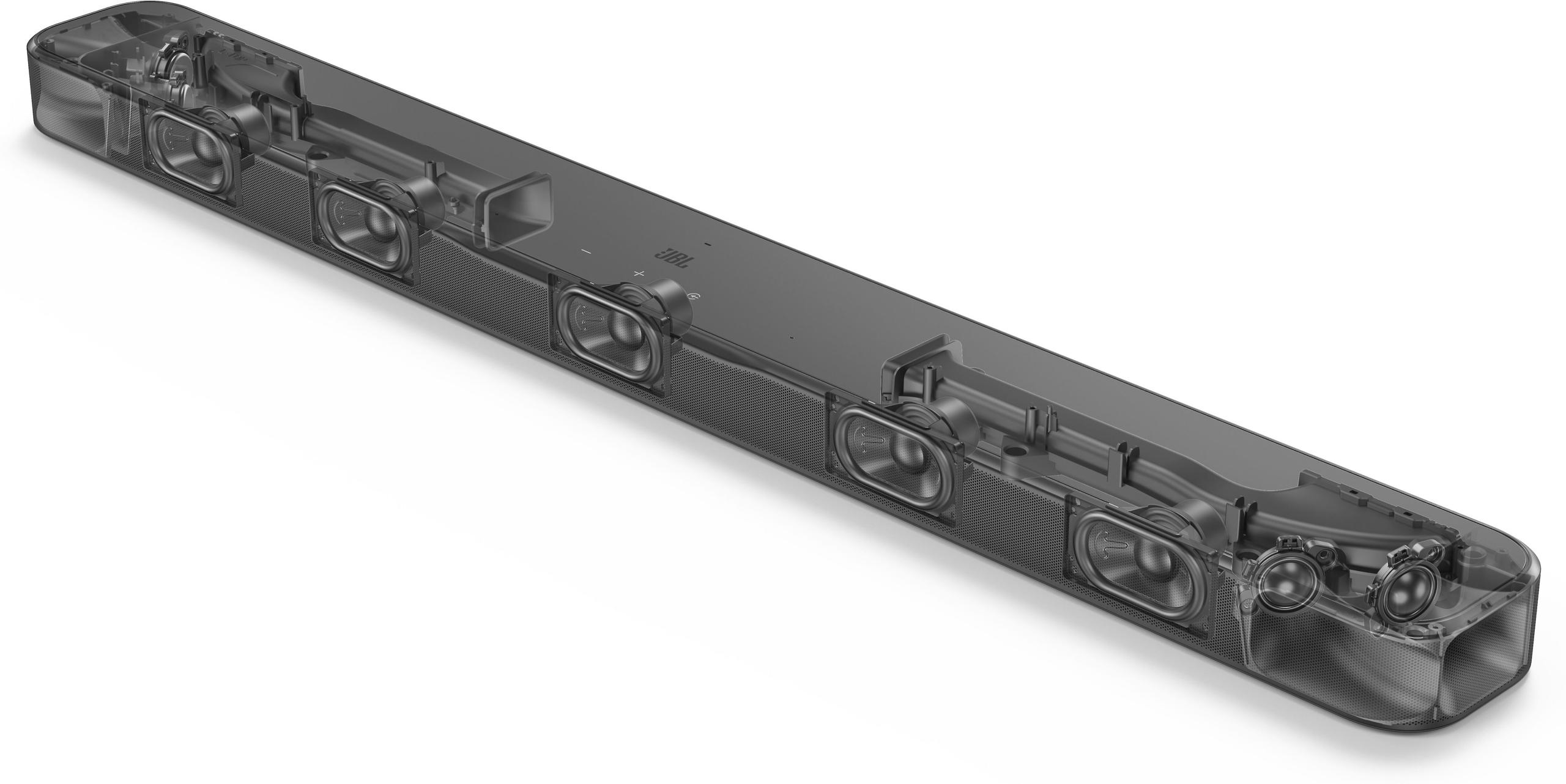
The JBL, despite its impressive 260W power rating, relies on internal racetrack drivers and bass ports for low-end reproduction. These oval-shaped drivers are cleverly designed to move more air than traditional round speakers, but they can't overcome basic physics. The bass is present and reasonably punchy for an all-in-one design, but it lacks the depth and room-filling impact of a dedicated subwoofer. You'll notice this limitation most during quiet movie scenes where subtle low-frequency information adds atmosphere – the JBL simply can't reproduce those ultra-low rumbles that make scenes feel more immersive.
Both soundbars support Dolby Atmos, but they achieve it through completely different methods. The Denon includes two dedicated upward-firing speakers that physically bounce sound off your ceiling to create height effects. When properly set up in a room with reasonable ceiling height (8-10 feet works best), these drivers produce genuine overhead sound placement. Watching "Blade Runner 2049," you'll hear the flying cars pass convincingly above your head.
The JBL Bar 300 MK2 uses virtual Dolby Atmos processing through its five main channels. JBL's MultiBeam technology employs sophisticated digital signal processing to simulate height effects without physical upward-firing drivers. While this creates an impressively wide soundstage that extends well beyond the bar's physical width, it can't replicate the three-dimensional positioning that dedicated height speakers provide.
In practice, the JBL excels at creating an enveloping sound bubble around your seating position, but overhead effects remain more suggested than precisely placed. The Denon's approach requires more careful setup – your ceiling needs to be the right height and material to reflect sound effectively – but when conditions are right, the height effects are remarkably convincing.
Both manufacturers recognize that clear dialogue is crucial for TV viewing, but they tackle this challenge differently. The Denon features a dedicated center channel – essentially a separate speaker driver specifically for voices. This discrete center channel, combined with the system's three-level Dialogue Enhancer feature, ensures voices remain intelligible even during chaotic action sequences. The enhancement feature can be adjusted from low to high depending on your needs, essentially boosting dialogue frequencies without affecting other audio elements.
The JBL takes a more modern approach with its PureVoice 2.0 technology, which uses advanced algorithms to maintain dialogue clarity across all five channels. Rather than isolating voices to a single driver, this system distributes vocal information intelligently across the entire soundstage while using digital processing to prevent voices from getting lost in the mix. In my experience, both approaches work well, though the Denon's dedicated center channel provides slightly more focused vocal placement during complex scenes.
Here's where the philosophical differences really show. The JBL Bar 300 MK2 was clearly designed with music listening in mind. Its balanced frequency response and wide stereo imaging make it genuinely enjoyable for dedicated music sessions. The built-in streaming services mean you can access Spotify, Tidal, or Apple Music directly without needing a connected device, and the JBL One app provides detailed EQ controls for fine-tuning the sound to your preferences.
I've spent considerable time listening to everything from jazz to electronic music on the JBL, and it handles diverse genres with impressive competence. The midrange clarity is excellent, making vocals and instruments sound natural and well-positioned in the stereo field. The treble is crisp without being harsh, though the bass limitations become more apparent with bass-heavy genres like hip-hop or electronic dance music.
The Denon, while capable of music playback, is clearly optimized for movie content. The included Pure Mode bypasses all surround processing for cleaner music reproduction, but the system lacks the tonal refinement and stereo imaging precision that makes the JBL more engaging for serious music listening. If your primary use case is background music while doing other activities, the Denon works fine. But for focused listening sessions, the JBL is noticeably superior.
The connectivity differences between these systems reflect their target audiences and design philosophies. The JBL Bar 300 MK2 embraces the modern streaming ecosystem with built-in Wi-Fi, AirPlay 2, Chromecast, Spotify Connect, and Tidal Connect. This means you can stream music directly to the soundbar without needing your phone or another device as an intermediary – particularly useful for maintaining audio quality and reducing battery drain on mobile devices.
The JBL One app deserves special mention for its comprehensive control options. Beyond basic volume and input selection, you can adjust detailed EQ settings, configure room calibration, access streaming services, and even group the soundbar with other compatible JBL speakers for multi-room audio. The automatic software updates ensure the system stays current with new streaming services and features.
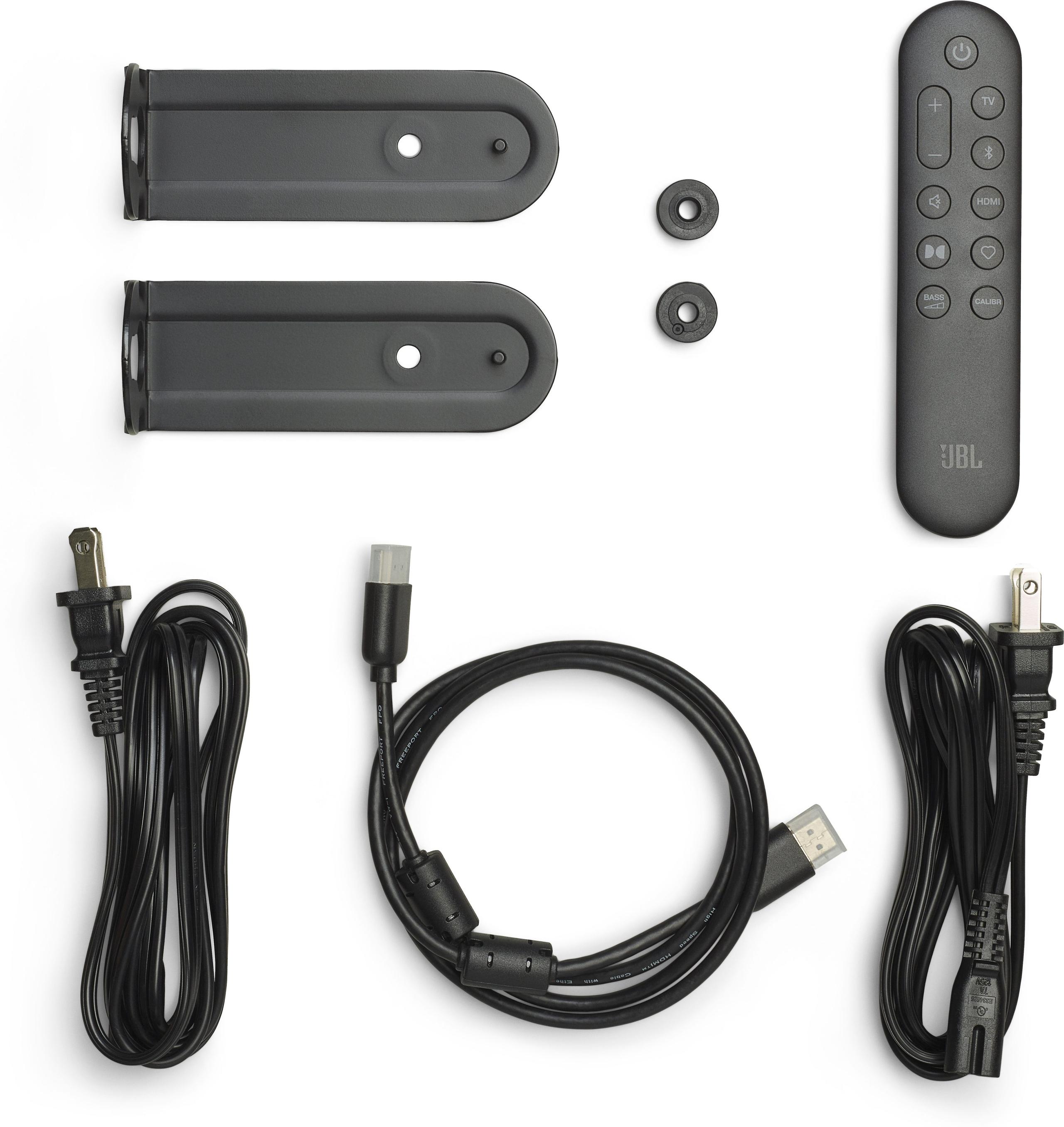
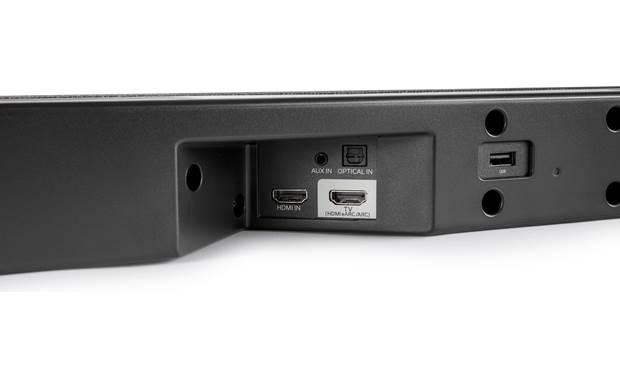
The Denon DHT-S517 takes a more traditional approach with Bluetooth 5.0 for wireless connectivity and standard HDMI/optical inputs for wired connections. While this limits streaming convenience, it also eliminates potential software compatibility issues and reduces the learning curve for less tech-savvy users. The included remote provides access to the essential sound modes (Movie, Music, Night) and dialogue enhancement settings without requiring smartphone apps or complex setup procedures.
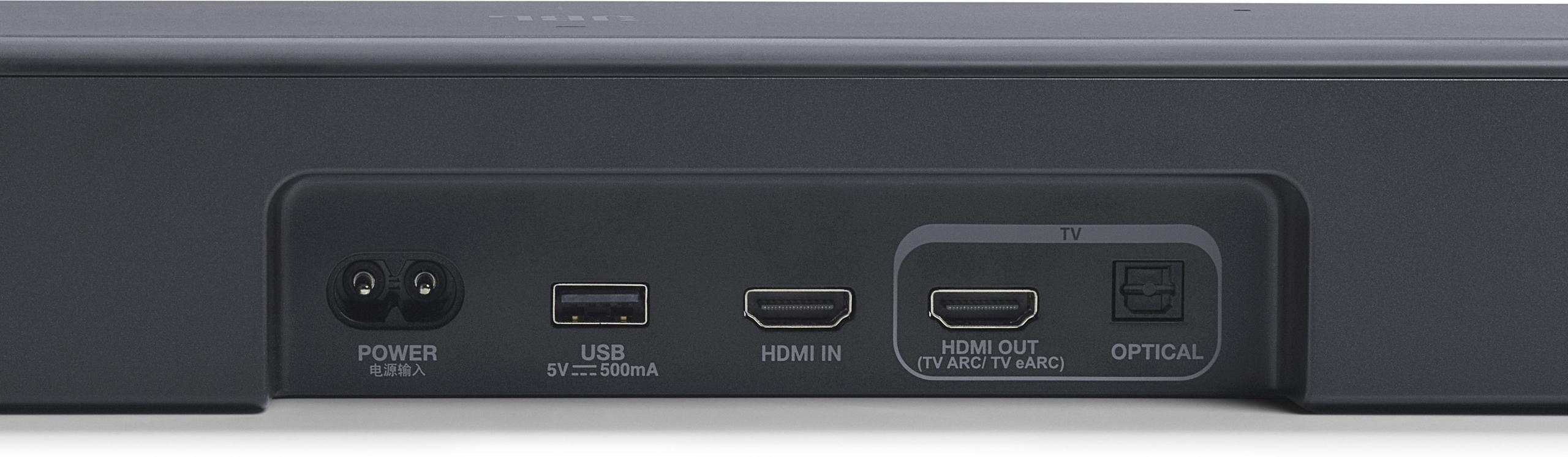
Both systems support HDMI eARC (enhanced Audio Return Channel), which allows for single-cable connection to your TV and enables control of soundbar volume using your TV remote – a convenience feature that shouldn't be underestimated for daily use.
At $302, the Denon DHT-S517 appears to offer exceptional value by including a wireless subwoofer and true Dolby Atmos capabilities at a budget-friendly price point. In the soundbar market, systems with dedicated subwoofers typically start around $400-500, making the Denon genuinely competitive on price-to-performance ratio.
However, value calculations become more complex when considering long-term use. The JBL's $450 price tag includes comprehensive streaming integration that could eliminate the need for separate streaming devices, potentially offsetting some of the cost difference. The automatic software updates and expanding streaming service compatibility also provide long-term value that's harder to quantify.
From a pure audio performance standpoint, the Denon delivers more impactful sound per dollar spent, especially for movie watching. The bass extension and authentic Atmos height effects typically require spending significantly more with other manufacturers. But if streaming convenience and music listening are priorities, the JBL's premium features justify the higher cost for the right user.
The setup experience reveals another key difference between these approaches. The JBL Bar 300 MK2 offers genuine plug-and-play convenience – connect the HDMI cable, run the automatic room calibration, and you're essentially done. The single-unit design eliminates concerns about subwoofer placement, wireless pairing, or managing multiple components.
The Denon DHT-S517 requires more thoughtful setup. The wireless subwoofer needs to be positioned properly for optimal bass response – typically on the floor near a wall but not tucked into a corner where bass can become boomy. The soundbar should be placed to allow the upward-firing speakers clear access to the ceiling for Atmos effects. Initial setup involves pairing the wireless connection and adjusting subwoofer levels to match your room's acoustics.
In smaller apartments or dorm rooms, the JBL's compact footprint is genuinely advantageous. The single bar can sit on a narrow TV stand or be wall-mounted without requiring additional floor space. For larger rooms with flexible furniture arrangements, the Denon's separate subwoofer actually becomes an advantage, allowing you to optimize bass response independent of the main soundbar placement.
For dedicated home theater setups, the Denon DHT-S517 provides a more traditional foundation. The separate subwoofer and authentic Dolby Atmos capabilities create a genuinely immersive experience that works well with projectors and larger screens. The system's focus on movie audio processing means it pairs naturally with streaming services like Netflix, Disney+, and Apple TV+ that offer Atmos content.
The JBL's strength lies in its versatility and ecosystem integration. If you're building a smart home with multiple connected speakers, the JBL can serve as both a TV soundbar and a music system that integrates with other rooms. The comprehensive streaming support means it works equally well for background music during parties and focused movie watching.
Looking toward the future, both systems should remain relevant for several years, but they face different potential obsolescence risks. The Denon's traditional connectivity approach provides some protection against software compatibility issues, while the JBL's extensive smart features could become outdated if streaming services change their protocols or JBL reduces update support.
After extensive testing with both systems, the choice comes down to understanding your primary use case and living situation. The JBL Bar 300 MK2 excels as a versatile audio solution that handles both TV and music duties with equal competence. If you frequently stream music, value smart home integration, or have space constraints that make subwoofer placement problematic, the JBL delivers superior convenience and long-term versatility.
Choose the JBL if you prioritize music listening quality, need comprehensive streaming integration, prefer all-in-one simplicity, or have limited space for multiple components. The higher price is justified by the advanced features and superior build quality, making it ideal for users who want a single device that handles all their audio needs.
The Denon DHT-S517 is the clear winner for movie enthusiasts who want authentic surround sound at a budget-friendly price. The combination of dedicated subwoofer and true Dolby Atmos height speakers creates a genuinely immersive home theater experience that punches well above its price class.
Choose the Denon if movie watching is your primary concern, you want maximum audio impact per dollar spent, you have suitable space for subwoofer placement, or you prefer traditional audio engineering over smart features. The exceptional value proposition makes it particularly appealing for budget-conscious buyers who refuse to compromise on sound quality.
Both soundbars represent significant upgrades over TV speakers and will dramatically improve your viewing experience. The decision ultimately depends on whether you value the convenience and versatility of a modern all-in-one solution or prefer the superior bass performance and authentic surround capabilities that only a dedicated subwoofer system can provide.
| JBL Bar 300 MK2 | Denon DHT-S517 |
|---|---|
| Price - Budget impact for similar soundbar performance | |
| $450 (premium for streaming features) | $302 (exceptional value with subwoofer included) |
| Channel Configuration - Determines surround sound capability | |
| 5.0 channels (no separate subwoofer) | 3.1.2 channels (includes wireless subwoofer) |
| Total Power Output - Affects volume and dynamic range | |
| 260W (higher power, single unit) | 40W soundbar + 100W subwoofer (distributed power) |
| Bass Performance - Critical for movies and music impact | |
| Built-in racetrack drivers with bass ports | Dedicated 5.25" wireless subwoofer (significantly deeper bass) |
| Dolby Atmos Implementation - Height effects for immersive audio | |
| Virtual processing through main drivers | Physical upward-firing speakers (more authentic overhead effects) |
| Streaming Capabilities - Convenience for music listening | |
| Built-in Wi-Fi, AirPlay 2, Chromecast, Spotify Connect | Bluetooth only (requires connected device) |
| App Control - Customization and ease of use | |
| JBL One app with detailed EQ and room calibration | Basic remote control with preset sound modes |
| Setup Complexity - Installation and placement requirements | |
| Single unit, plug-and-play | Requires subwoofer placement and wireless pairing |
| Dimensions - Space requirements in your room | |
| 32.3" x 2.2" x 4.1" (compact single bar) | Soundbar + separate subwoofer (needs floor space) |
| Best Use Case - Primary strength of each system | |
| Music streaming and all-in-one convenience | Movie watching with impactful bass and true Atmos |
The Denon DHT-S517 at $302 offers better value for most buyers, including a wireless subwoofer and true Dolby Atmos at a budget price. The JBL Bar 300 MK2 at $450 costs more but provides premium streaming features and all-in-one convenience.
The Denon DHT-S517 has significantly better bass thanks to its dedicated 5.25" wireless subwoofer. The JBL Bar 300 MK2 relies on built-in drivers that can't match the depth and impact of a separate subwoofer for movies and music.
The JBL Bar 300 MK2 is much easier to set up as a single unit that connects with one HDMI cable. The Denon DHT-S517 requires positioning both the soundbar and wireless subwoofer, plus pairing the wireless connection.
The JBL Bar 300 MK2 has built-in Wi-Fi with AirPlay 2, Chromecast, and Spotify Connect for direct streaming. The Denon DHT-S517 only offers Bluetooth connectivity, requiring a connected phone or device for music streaming.
The JBL Bar 300 MK2 is better for small spaces since it's a single compact unit without requiring floor space for a subwoofer. The Denon DHT-S517 needs room for both the soundbar and separate subwoofer placement.
Yes, but differently. The Denon DHT-S517 has physical upward-firing speakers for authentic overhead effects. The JBL Bar 300 MK2 uses virtual Dolby Atmos processing to simulate height effects without dedicated height speakers.
The Denon DHT-S517 is better for movies due to its wireless subwoofer providing deep bass impact and true Dolby Atmos height channels. Action scenes and explosions have more realistic weight and dimension compared to the all-in-one JBL Bar 300 MK2.
The JBL Bar 300 MK2 is superior for music with better stereo imaging, balanced frequency response, and direct streaming access to music services. The Denon DHT-S517 is optimized for movies rather than musical performance.
Yes, both the JBL Bar 300 MK2 and Denon DHT-S517 support HDMI eARC, allowing you to control volume using your TV remote after proper setup through the HDMI connection.
Both excel at dialogue but use different approaches. The Denon DHT-S517 has a dedicated center channel and dialogue enhancement feature. The JBL Bar 300 MK2 uses PureVoice 2.0 technology to maintain clear voices across all channels.
The JBL Bar 300 MK2 works with Alexa, Google Assistant, and Siri through connected smart speakers and has comprehensive smart home integration. The Denon DHT-S517 has basic connectivity but lacks built-in voice assistant support.
Choose the Denon DHT-S517 for dedicated home theater use due to its wireless subwoofer, authentic Dolby Atmos height effects, and movie-optimized sound processing. The JBL Bar 300 MK2 is better for versatile use combining TV audio with music streaming in one device.
We've done our best to create useful and informative comparisons to help you decide what product to buy. Our research uses advanced automated methods to create this comparison and perfection is not possible - please contact us for corrections or questions. These are the sites we've researched in the creation of this article: homecinemachoice.com - retailspecs.com - hometechnologyreview.com - whathifi.com - news.jbl.com - engadget.com - crutchfield.com - harmanaudio.com - techradar.com - bestbuy.com - jbl.com - sweech.co.ke - jbl.com - jbl.com.sg - mm.jbl.com - abcwarehouse.com - harmanaudio.com - sweetwater.com - ro.harmanaudio.com - dell.com - jbl.co.nz - techradar.com - consumerreports.org - crutchfield.com - bestbuy.com - bestbuy.com - pocket-lint.com - abt.com - manuals.denon.com - connectedmag.com.au - bestbuy.com - forum.flirc.tv - bhphotovideo.com

Privacy Policy
Terms and Conditions - Affiliate Policy
Home Security
© Copyright 2008-2026.
11816 Inwood Rd #1211, Dallas, TX 75244