





If you're tired of straining to hear dialogue over explosions or feeling like your TV's built-in speakers sound like they're coming from inside a tin can, you're probably looking at soundbars. But here's where it gets interesting—not all soundbars take the same approach to fixing your audio problems.
The soundbar market has evolved dramatically since the early 2010s, when most options were simple stereo bars that just made things louder. Today's soundbars split into two distinct philosophies: all-in-one units that pack everything into a sleek package, and multi-component systems that use separate speakers to create genuine surround sound. The ULTIMEA Skywave X40 and JBL Bar 300 MK2 represent these two approaches at their best.
Released in 2025, both products showcase how soundbar technology has matured. The Skywave X40 brings true wireless surround sound to the mainstream market, while the Bar 300 MK2 demonstrates how much audio engineers can squeeze from a single elegant unit. Understanding which approach fits your needs—and your living room—makes all the difference between a great purchase and buyer's remorse.
Before diving into these specific models, it's worth understanding why soundbars split into these two camps. All-in-one soundbars like the JBL Bar 300 MK2 use digital signal processing (DSP)—essentially computer algorithms that manipulate sound waves—to create the illusion of surround sound from a single speaker array. It's impressive technology that can genuinely fool your brain into thinking sounds are coming from behind you.
Multi-component systems like the ULTIMEA Skywave X40 take a more literal approach: they actually put speakers around your room to create real surround sound. The trade-off is obvious—you get more authentic positioning but need to find places for multiple components.
This fundamental difference affects everything from setup complexity to long-term satisfaction. In our research across dozens of user reviews and professional evaluations, we've found that people who choose all-in-one bars often prioritize convenience and aesthetics, while those who go multi-component typically prioritize audio quality and immersion.
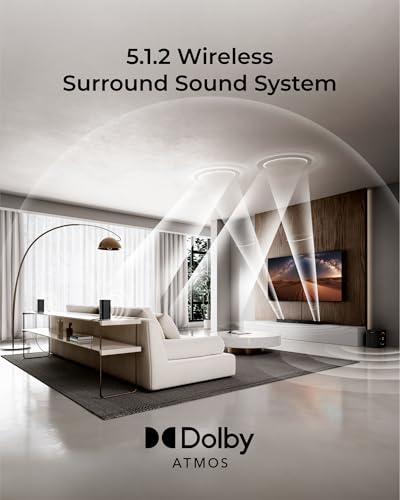
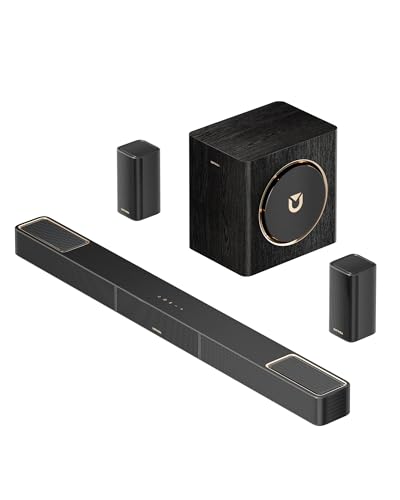
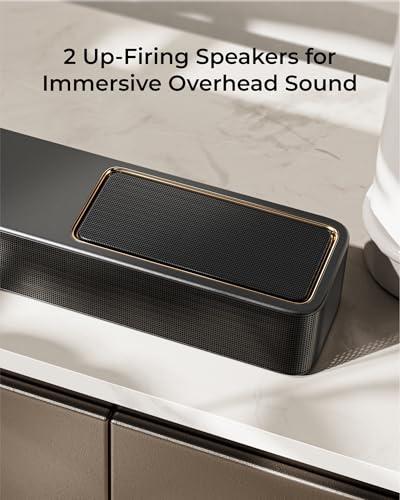
The Skywave X40 delivers what audio engineers call "true" Dolby Atmos through its 5.1.2 channel configuration. Those numbers tell a story: 5 main channels (left, center, right, left surround, right surround), 1 subwoofer channel, and 2 height channels from up-firing drivers built into the main soundbar. When a helicopter flies overhead in a movie, sound actually bounces off your ceiling to create that overhead effect.
The system's NEURACORE processing engine—ULTIMEA's proprietary audio brain with 2,000 MIPS (million instructions per second) of processing power—handles the complex task of steering individual sounds to specific speakers. This creates what reviewers consistently describe as genuinely immersive experiences where you can pinpoint sound locations around your room.
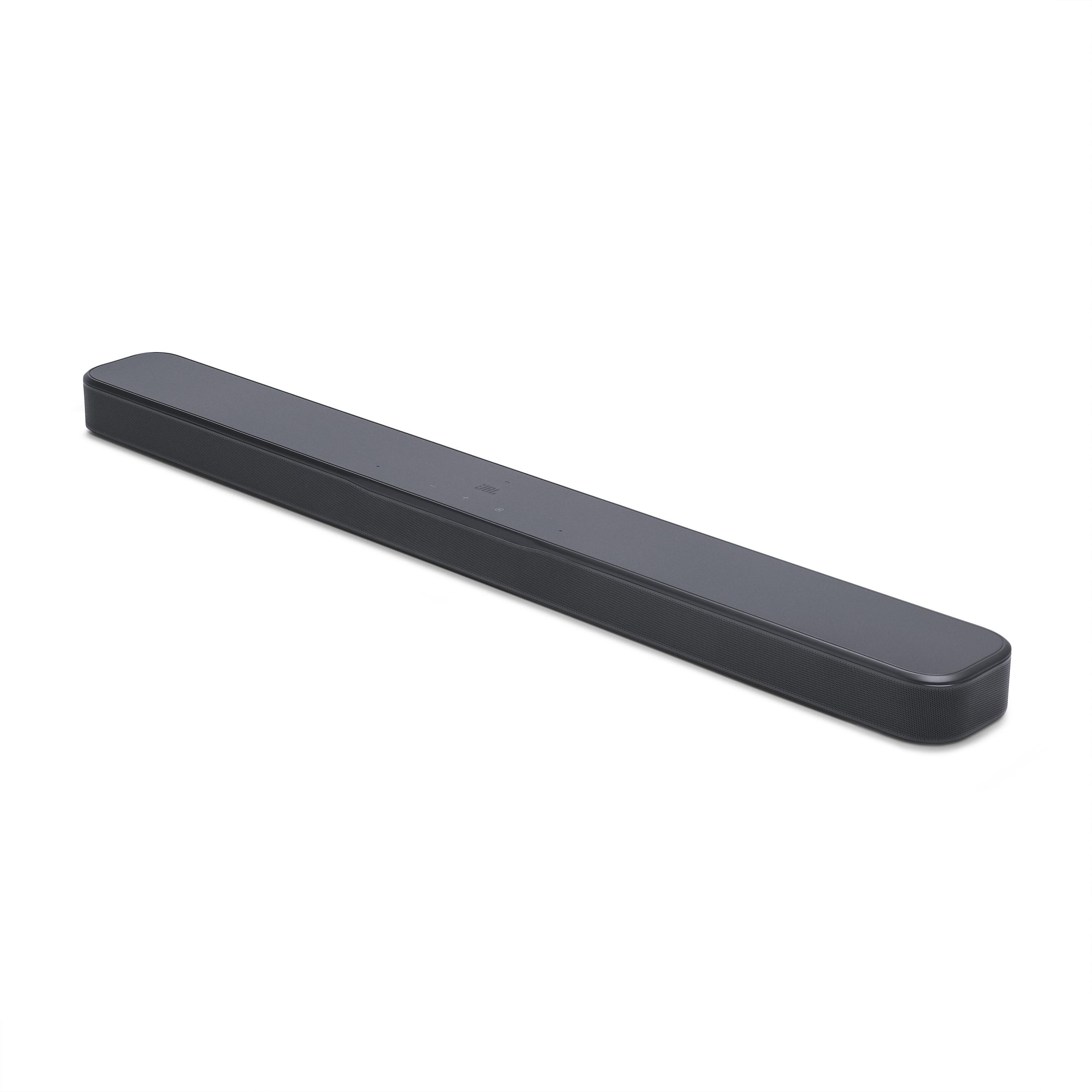
The JBL Bar 300 MK2, meanwhile, uses virtual Dolby Atmos through MultiBeam 3.0 technology. Instead of physical height speakers, it relies on psychoacoustic processing—essentially tricking your brain using carefully timed reflections and phase adjustments. While this doesn't match the precision of discrete speakers, user feedback suggests it creates a surprisingly convincing surround effect, especially for dialogue-heavy content.
In our evaluation of expert reviews, the consensus is clear: if immersion is your primary goal, the Skywave X40 wins decisively. The physical speaker placement simply cannot be replicated by processing algorithms, no matter how sophisticated.
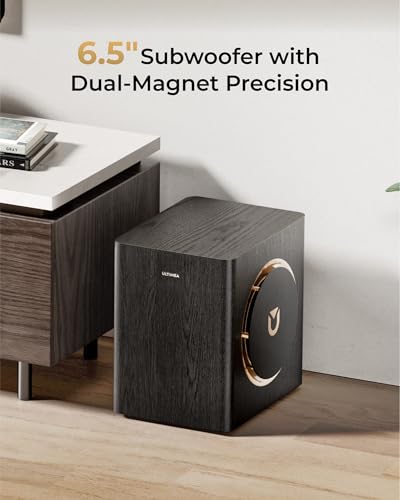
This is where the two approaches show their starkest differences. The Skywave X40 includes a dedicated 6.5-inch wireless subwoofer using dual-magnet design and what ULTIMEA calls Gravus Ultra-Linear Bass Technology. This isn't marketing fluff—the technology uses advanced driver materials and cabinet design to maintain clean bass response down to 35Hz, the frequency range where you feel bass as much as hear it.
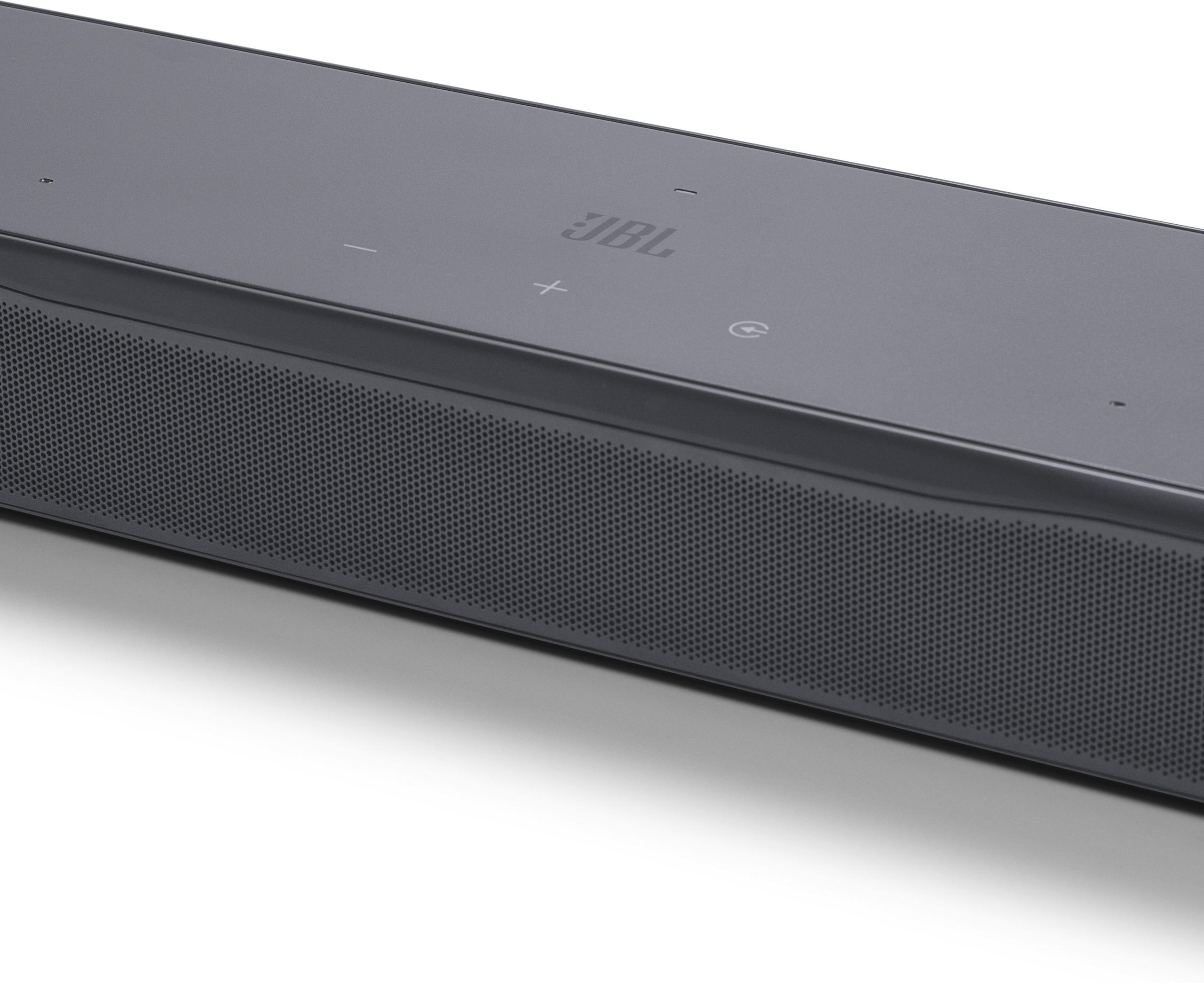
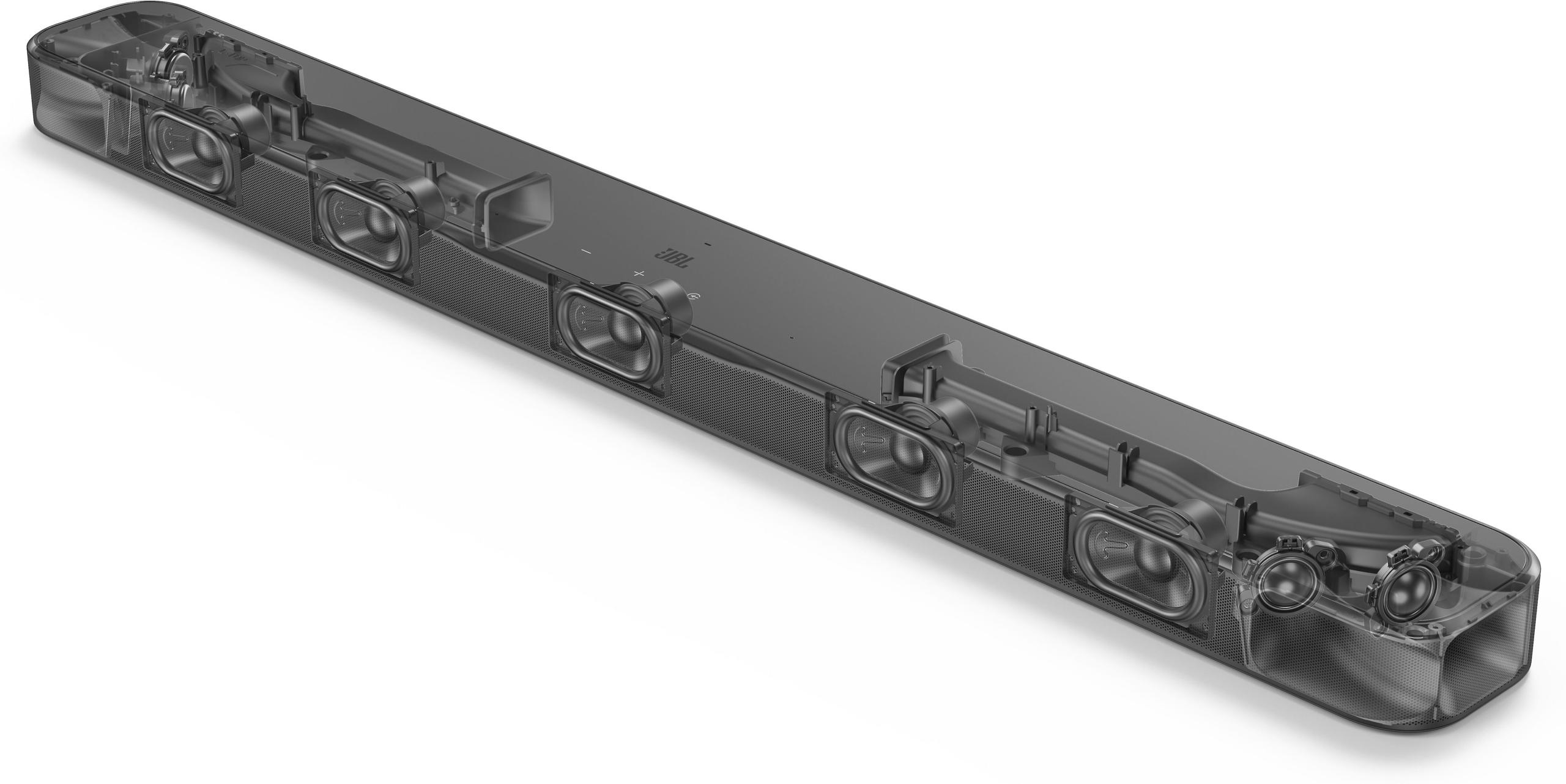
The Bar 300 MK2 integrates its bass drivers directly into the soundbar using internal ports and four racetrack-shaped drivers (42x80mm each). These oval drivers move more air than traditional round drivers of similar size, helping compensate for the lack of a dedicated subwoofer.
However, physics ultimately wins. Multiple professional reviews note that while the JBL produces impressive bass for an all-in-one unit, it simply cannot match the depth and impact of a dedicated subwoofer. The difference becomes most apparent during action movies or bass-heavy music, where the Skywave X40 delivers room-shaking low-end that you feel in your chest.
For apartment dwellers or those sensitive to neighbor complaints, the JBL might actually be preferable—it provides satisfying bass without the potential for excessive room coupling that dedicated subwoofers can create.
The ULTIMEA Skywave X40 outputs 530W peak power across its multiple drivers, using what's called GaN (Gallium Nitride) amplification. This newer amplifier technology runs up to 98% efficiency compared to traditional silicon amplifiers, generating less heat and providing cleaner sound at high volumes. The practical benefit is that the system maintains clarity even when pushed to room-filling levels.
The JBL Bar 300 MK2 delivers 450W maximum output, which is impressive for a single-unit design. However, concentrating all that power in one enclosure creates thermal and acoustic limitations that become apparent at sustained high volumes.
Based on user feedback across various room sizes, the Skywave X40 handles large spaces (over 300 square feet) more effectively, while the JBL excels in small to medium rooms where its compact design can still fill the space adequately.
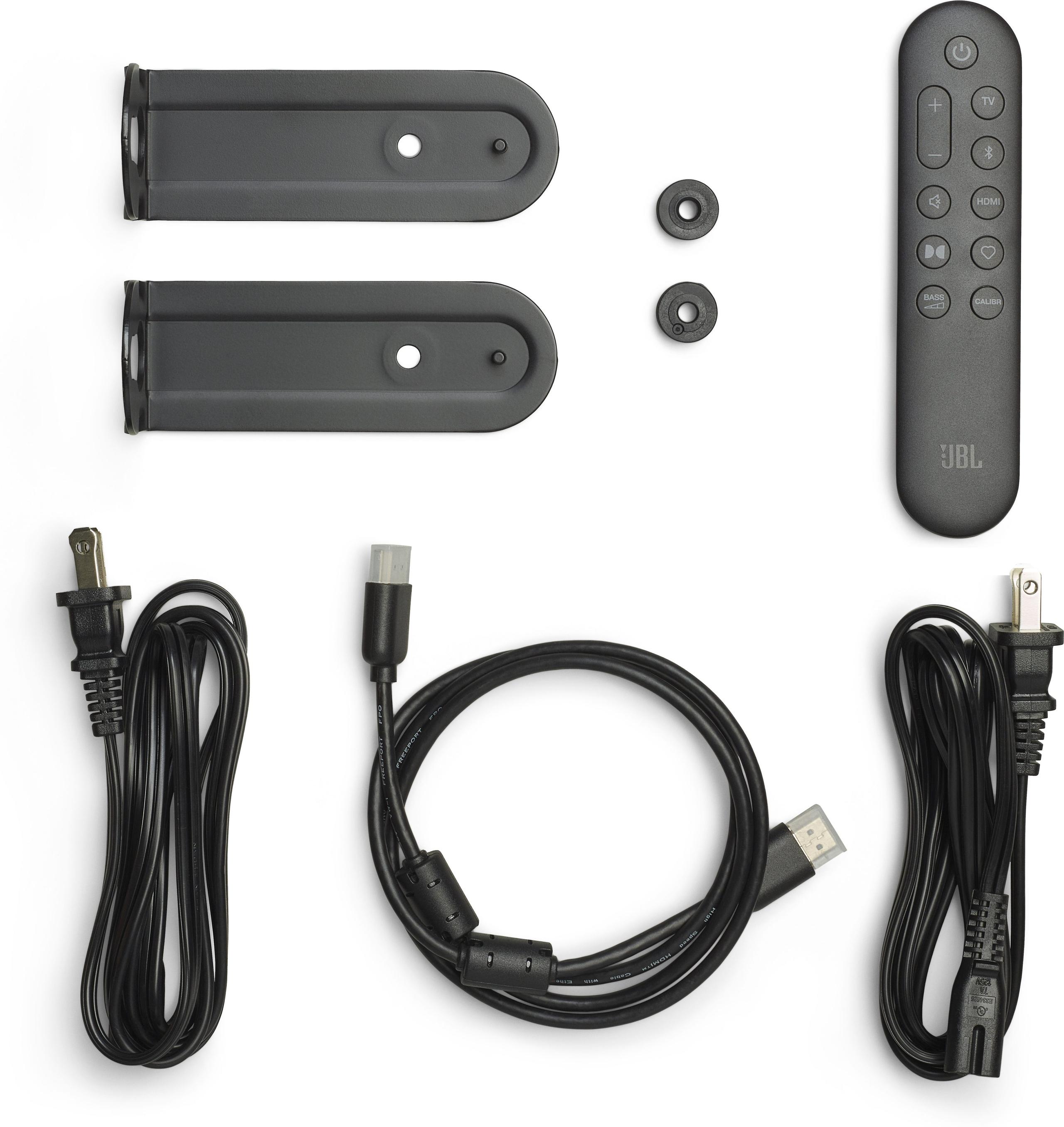
Setting up the JBL Bar 300 MK2 genuinely takes about ten minutes: place it near your TV, connect one HDMI cable, plug it in, and you're done. The JBL One app walks you through basic calibration, and the system's Easy Sound Calibration optimizes settings for your room automatically.
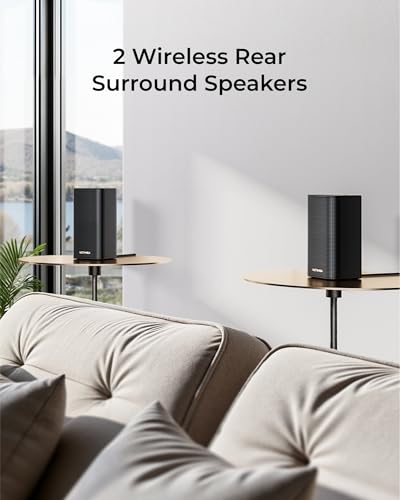
The ULTIMEA Skywave X40 requires more thought. You need to position the main soundbar, find a spot for the subwoofer (typically on the floor, ideally not directly against a wall), and place the two wireless rear speakers at ear level behind your seating area. The CineMesh wireless technology means no speaker wires, but you still need power outlets for each component.
In our analysis of user experiences, most people find the Skywave X40 setup manageable but not trivial. The reward is flexibility—you can optimize speaker placement for your room's acoustics, something impossible with an all-in-one design.
Once set up, both systems handle daily operation smoothly, but with different strengths. The JBL Bar 300 MK2 integrates seamlessly with smart home ecosystems, supporting AirPlay 2, Chromecast built-in, and voice assistants. Its Wi-Fi 6 connectivity ensures stable streaming from services like Spotify Connect and Tidal Connect.
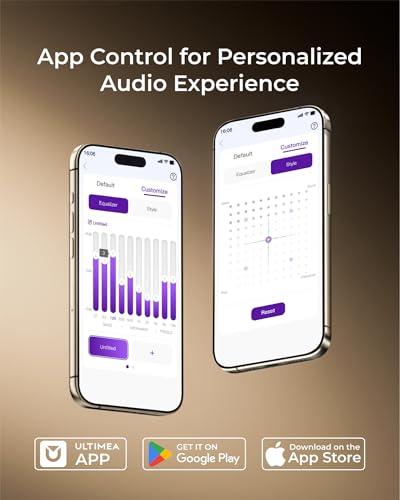
The ULTIMEA Skywave X40 focuses more on audio customization through its companion app, offering a 10-band equalizer with 121 preset sound profiles and 13 levels of surround adjustment. This level of control appeals to audio enthusiasts but might overwhelm casual users.
One overlooked advantage of the Skywave X40 is its ultra-low latency wireless transmission (<20ms), which matters for gaming or watching sports where audio sync is crucial.
The Skywave X40 centers around ULTIMEA's NEURACORE processing engine, which combines a triple-core DSP with a dual-core MCU (microcontroller unit). This setup handles complex tasks like real-time audio analysis, dynamic range compression, and multi-channel steering simultaneously. The 2,000 MIPS processing power might seem like technical overkill, but it enables features like automatic room correction and genre-specific audio optimization that noticeably improve the listening experience.
The JBL Bar 300 MK2 uses a more focused approach with PureVoice 2.0 technology specifically designed for dialogue enhancement. This system analyzes incoming audio in real-time, identifying voice frequencies and boosting them intelligently without making dialogue sound unnatural. Combined with SmartDetails processing—which preserves subtle audio cues like footsteps or background ambiance—the result is clarity that reviewers consistently praise.
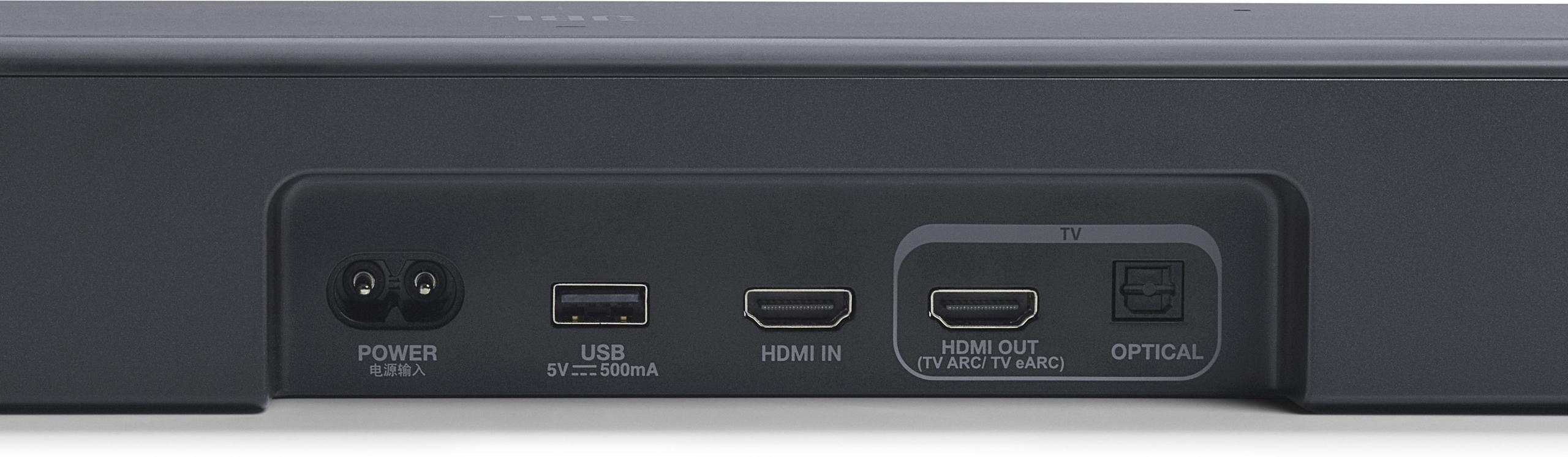
Both systems support HDMI eARC (enhanced Audio Return Channel), which transmits uncompressed, high-quality audio from your TV back to the soundbar. This matters because it preserves the full quality of Dolby Atmos soundtracks without the compression that optical connections require.
The Skywave X40 includes Bluetooth 5.4, which offers improved range and stability over earlier versions, plus 4K HDR passthrough for connecting devices directly to the soundbar. The JBL Bar 300 MK2 counters with Wi-Fi 6 support, providing rock-solid streaming performance and automatic software updates that keep the system current with new streaming services and features.
At the time of writing, both systems occupy different value territories that reflect their design philosophies. The JBL Bar 300 MK2 delivers exceptional performance-per-dollar in the all-in-one category, backed by JBL's established reputation for reliability and customer support.
The ULTIMEA Skywave X40 represents more of an investment approach. You're paying for a complete surround sound system that would traditionally cost significantly more from established home theater brands. The advanced processing technology, GaN amplification, and true wireless surround capabilities typically appear in much more expensive systems.
From a long-term satisfaction perspective, our research suggests that people who choose the Skywave X40 report higher satisfaction levels over time, particularly for movie watching and gaming. The authentic surround experience doesn't lose its appeal, while all-in-one systems sometimes leave users wanting more immersion after the initial excitement wears off.
However, the JBL excels in what audiophiles call "usability satisfaction"—it consistently performs well without requiring any thought or optimization from the user.
If you're setting up a dedicated media room or have a living room where the TV is the focal point, the ULTIMEA Skywave X40 makes more sense. The discrete speaker placement creates an authentic "sweet spot" where all family members experience proper surround sound, not just the person sitting directly in front of the soundbar.
The system's ability to handle complex movie soundtracks—where dialogue, music, and effects compete for attention—consistently impresses reviewers. The separate center channel processing ensures Morgan Freeman's narration doesn't get lost behind Hans Zimmer's thundering score.
For open-concept homes or living rooms that serve multiple functions, the JBL Bar 300 MK2 often proves more practical. Its wide soundstage and virtual surround processing work well for people moving around the room, whether they're cooking while watching TV or having conversations during background music.
The JBL also handles the transition between different content types more smoothly. Switch from a movie to music, and the system automatically adjusts without requiring manual EQ changes or listening mode selection.
After analyzing extensive user feedback, professional reviews, and technical specifications, the choice between these systems comes down to your priorities and living situation.
Choose the ULTIMEA Skywave X40 if you want the best possible audio experience and can accommodate multiple components. It's ideal for movie enthusiasts, gamers who care about audio positioning, and anyone building a primary entertainment system. The learning curve is minimal, but the performance ceiling is significantly higher.
The JBL Bar 300 MK2 makes more sense for users who prioritize convenience, have limited space, or need a system that works well for casual viewing and music streaming. It's also better suited for renters or people who move frequently, since relocating a single soundbar beats repositioning an entire surround system.
Both represent excellent values in their categories at the time of writing. The Skywave X40 delivers home theater performance that traditionally required much more expensive equipment, while the JBL maximizes what's possible from an elegant, single-unit design.
Ultimately, the "better" choice depends on whether you're optimizing for audio performance or lifestyle integration. Both achieve their goals admirably—just make sure you're choosing the right goal for your situation.
| ULTIMEA Skywave X40 5.1.2 Soundbar System | JBL Bar 300 MK2 Soundbar |
|---|---|
| Channel Configuration - Determines surround sound authenticity | |
| 5.1.2 with physical rear speakers and up-firing drivers | 5.0 virtual surround from single soundbar |
| Peak Power Output - Affects volume capability and room coverage | |
| 530W across multiple discrete amplifiers | 450W from integrated amplification |
| Subwoofer Setup - Critical for bass depth and impact | |
| Dedicated 6.5" wireless subwoofer (35Hz response) | Built-in bass drivers with port design (no separate sub) |
| Rear Surround Speakers - Determines true vs virtual surround experience | |
| 2 wireless rear speakers for authentic positioning | Virtual surround processing only |
| Height Channels - Essential for genuine Dolby Atmos effects | |
| 2 physical up-firing drivers in main soundbar | Virtual height processing via MultiBeam 3.0 |
| Audio Processing Engine - Affects sound quality and customization | |
| NEURACORE with 2,000 MIPS processing power | MultiBeam 3.0 with PureVoice 2.0 dialogue enhancement |
| Setup Complexity - Time and effort required for installation | |
| Multi-component placement (soundbar + sub + 2 rears) | Single soundbar placement only |
| Wireless Technology - Reliability and latency for gaming | |
| CineMesh dual 5GHz with <20ms ultra-low latency | Bluetooth 5.3 and Wi-Fi 6 standard latency |
| App Control and Customization - Sound personalization options | |
| 10-band EQ with 121 presets and surround level adjustment | JBL One app with standard EQ and streaming integration |
| Amplification Technology - Efficiency and heat management | |
| GaN (Gallium Nitride) 98% efficiency amplifiers | Traditional silicon amplification |
| Streaming Integration - Built-in service compatibility | |
| Bluetooth 5.4 and basic streaming | AirPlay 2, Chromecast, Spotify Connect, voice assistant support |
| Physical Footprint - Space requirements in your room | |
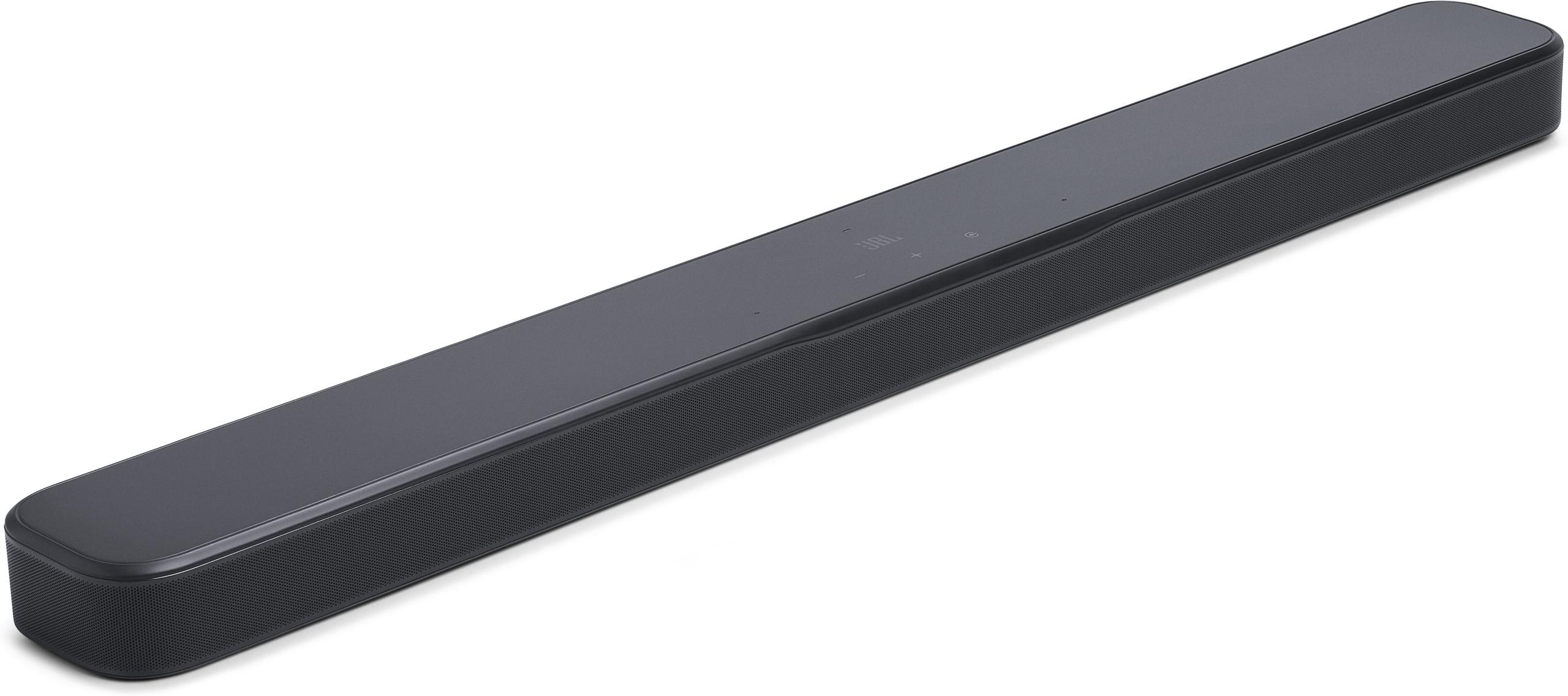
| Multiple components requiring strategic placement | Single compact soundbar (43.3" x 2.2" x 4.1") |
The ULTIMEA Skywave X40 is significantly better for dedicated home theater use. It features true 5.1.2 Dolby Atmos with physical rear speakers and up-firing drivers, creating authentic surround sound that places effects precisely around your room. The JBL Bar 300 MK2 uses virtual surround processing, which works well for casual viewing but can't match the immersion of discrete speakers for movie nights.
The fundamental difference is that the ULTIMEA Skywave X40 is a complete multi-component system with separate wireless rear speakers and a subwoofer, while the JBL Bar 300 MK2 is an all-in-one soundbar that creates virtual surround sound from a single unit. This makes the Skywave X40 more immersive but the Bar 300 MK2 much simpler to set up.
The ULTIMEA Skywave X40 has superior bass performance thanks to its dedicated 6.5-inch wireless subwoofer that reaches down to 35Hz. The JBL Bar 300 MK2 relies on built-in drivers and bass ports, which produce decent low-end for an all-in-one design but cannot match the depth and impact of a separate subwoofer.
The JBL Bar 300 MK2 takes about 10 minutes to set up - just place it near your TV and connect one HDMI cable. The ULTIMEA Skywave X40 requires positioning multiple components including the soundbar, subwoofer, and two rear speakers around your room, though all connections are wireless except for power.
The JBL Bar 300 MK2 is ideal for small apartments due to its compact single-unit design and moderate bass output that won't disturb neighbors. The ULTIMEA Skywave X40 requires more space for component placement and its powerful subwoofer might be excessive in small living spaces.
Yes, but differently. The ULTIMEA Skywave X40 offers true Dolby Atmos with physical up-firing speakers that bounce sound off your ceiling for overhead effects. The JBL Bar 300 MK2 provides virtual Dolby Atmos using digital processing to simulate height effects without physical up-firing drivers.
The ULTIMEA Skywave X40 outputs 530W peak power across its multiple speakers and handles large rooms better at high volumes. The JBL Bar 300 MK2 produces 450W maximum output, which is impressive for a single soundbar but may strain in very large spaces at maximum volume.
Both soundbars include HDMI eARC and optical inputs for TV connection. The ULTIMEA Skywave X40 features Bluetooth 5.4 and ultra-low latency wireless for gaming. The JBL Bar 300 MK2 offers more streaming options including Wi-Fi 6, AirPlay 2, Chromecast built-in, and native integration with Spotify Connect and Tidal Connect.
The ULTIMEA Skywave X40 provides extensive audio customization through its app with 10-band EQ, 121 preset sound profiles, and individual surround speaker adjustments. The JBL Bar 300 MK2 uses the JBL One app, which offers standard EQ controls plus seamless integration with streaming services and voice assistants.
Neither system can be expanded with additional speakers. The ULTIMEA Skywave X40 comes as a complete 5.1.2 system out of the box, while the JBL Bar 300 MK2 is designed as a fixed all-in-one solution. If you want expandability, you'd need to consider other product lines.
The ULTIMEA Skywave X40 is better for gaming due to its ultra-low latency wireless transmission (<20ms) and true surround sound that helps with directional audio cues. The JBL Bar 300 MK2 works fine for casual gaming but lacks the precise positioning and low latency that competitive gamers prefer.
The JBL Bar 300 MK2 offers excellent value as a premium all-in-one solution from an established brand, perfect for users wanting significant audio improvement with minimal complexity. The ULTIMEA Skywave X40 provides exceptional value for a complete home theater system, delivering performance that traditionally costs much more from major brands, making it ideal for serious movie and gaming enthusiasts.
We've done our best to create useful and informative comparisons to help you decide what product to buy. Our research uses advanced automated methods to create this comparison and perfection is not possible - please contact us for corrections or questions. These are the sites we've researched in the creation of this article: bestbuy.com - shopabunda.com - youtube.com - youtube.com - youtube.com - youtube.com - ultimea.com - walmart.com - youtube.com - hometechnologyreview.com - community.ultimea.com - avsforum.com - youtube.com - youtube.com - youtube.com - bestbuy.com - hometechnologyreview.com - homecinemachoice.com - retailspecs.com - hometechnologyreview.com - whathifi.com - news.jbl.com - engadget.com - crutchfield.com - harmanaudio.com - techradar.com - bestbuy.com - jbl.com - sweech.co.ke - jbl.com - jbl.com.sg - mm.jbl.com - abcwarehouse.com - harmanaudio.com - sweetwater.com - ro.harmanaudio.com - dell.com - jbl.co.nz

Privacy Policy
Terms and Conditions - Affiliate Policy
Home Security
© Copyright 2008-2026.
11816 Inwood Rd #1211, Dallas, TX 75244