









When your TV's built-in speakers just aren't cutting it anymore, you're probably ready to dive into the world of soundbars. But here's the thing – not all soundbars are created equal, and the choice between something like the JBL Bar 300 MK2 ($449.95) and the LG S95TR ($996.99) isn't just about spending more money. These represent two completely different philosophies about how to bring better sound to your living room.
Before we dive into comparing these specific models, let's talk about what you're actually getting when you buy a soundbar. Think of it as upgrading from a bicycle to either a motorcycle or a car – both will get you where you're going faster than walking, but they're designed for completely different journeys.
Soundbars use something called "channels" to describe how many separate audio streams they can handle. When you see "5.0" or "9.1.5," those numbers tell a story. The first number represents main channels (left, right, center, and surround speakers), the second is for subwoofers (the bass-heavy speaker), and the third – when present – indicates height channels for overhead sound effects.
The fundamental choice you're making is between all-in-one simplicity and multi-component immersion. Some people want to plug in one device and immediately get better sound. Others are willing to place multiple speakers around their room to create a true surround sound experience that rivals a movie theater.
Your room size plays a huge role here too. In a small apartment, a powerful soundbar might be overkill – and could even annoy your neighbors. But in a large family room, a compact soundbar might get lost, unable to fill the space with sound effectively.
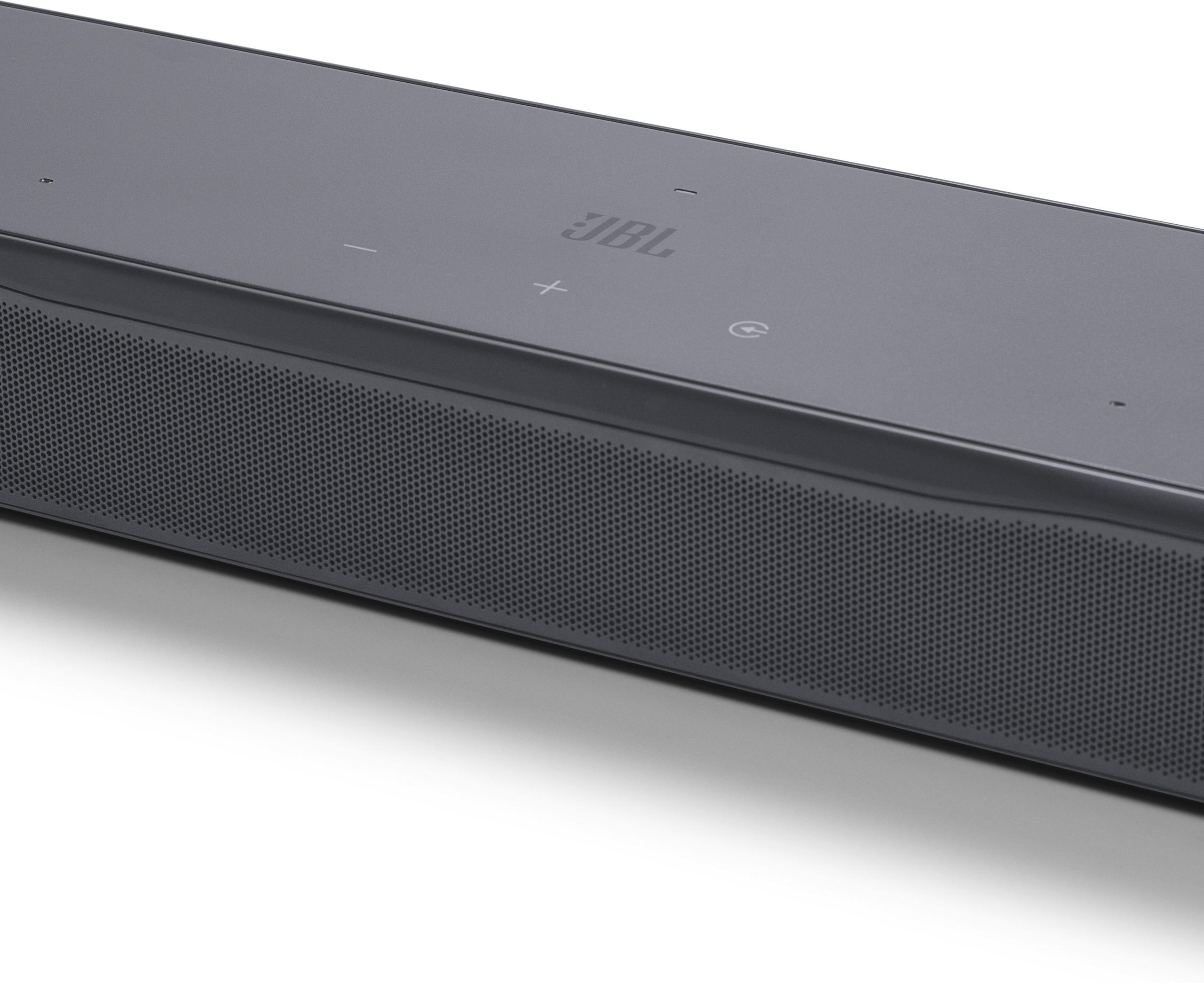
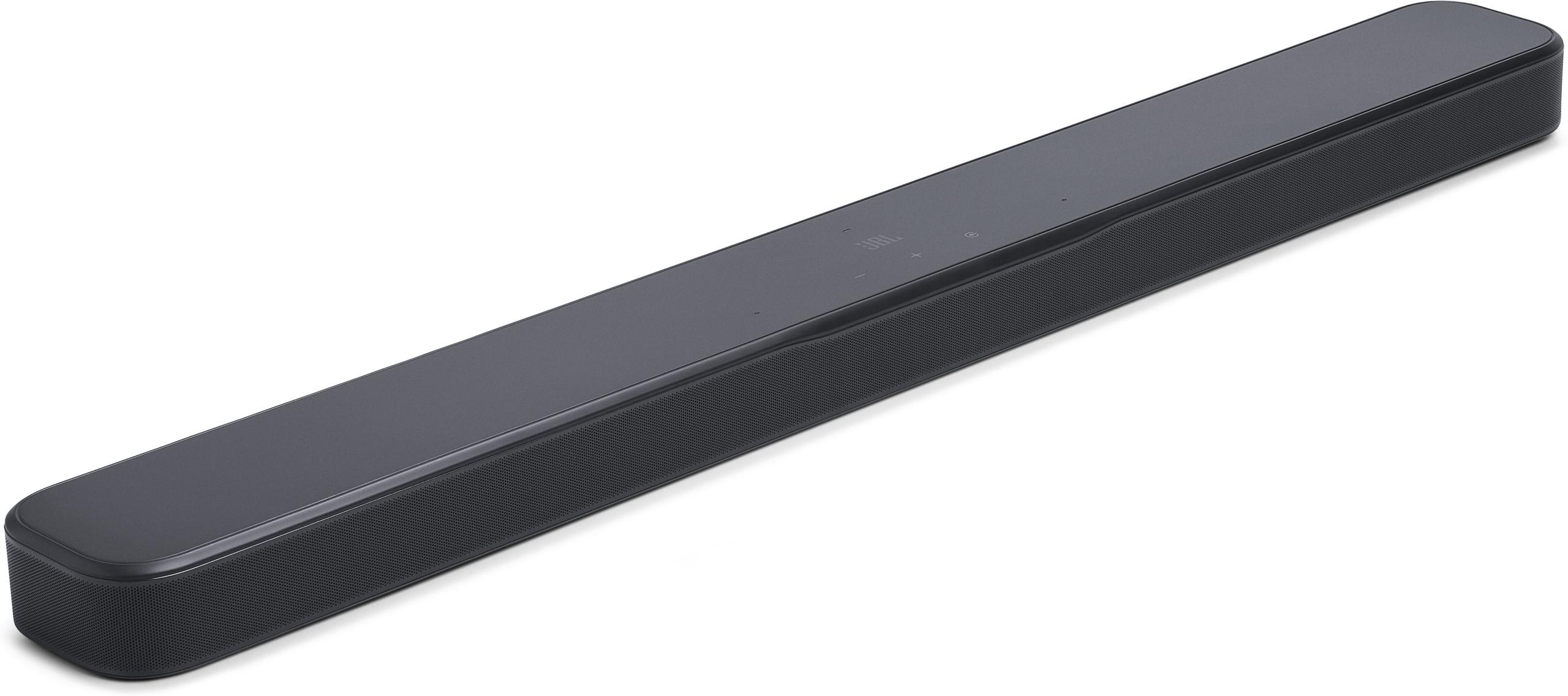
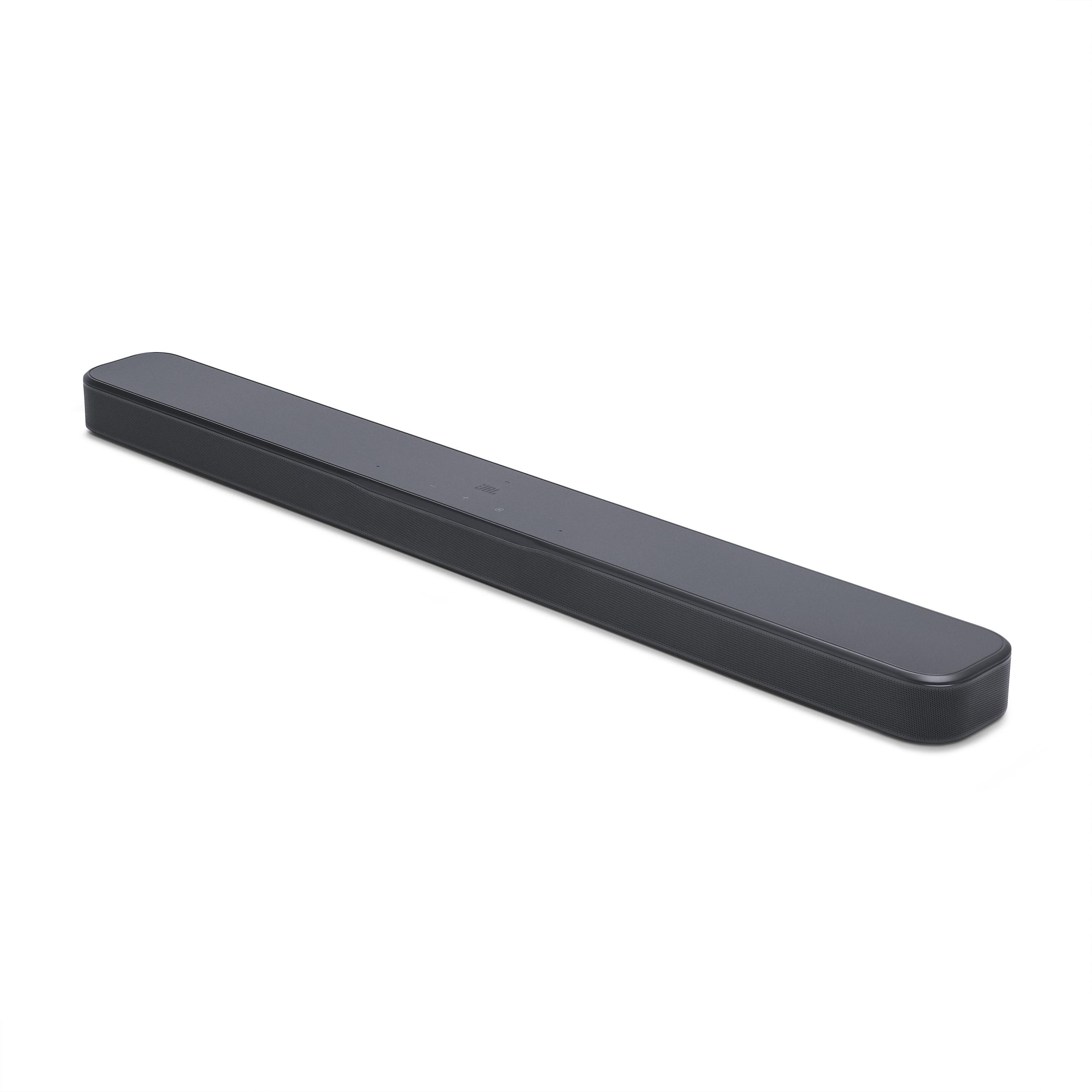
Released in early 2025 as part of JBL's refreshed MK2 lineup, the JBL Bar 300 MK2 represents what happens when engineers focus intensely on doing a few things exceptionally well. This is a 5.0-channel all-in-one soundbar, meaning it creates the illusion of surround sound using just the drivers built into the main bar itself.
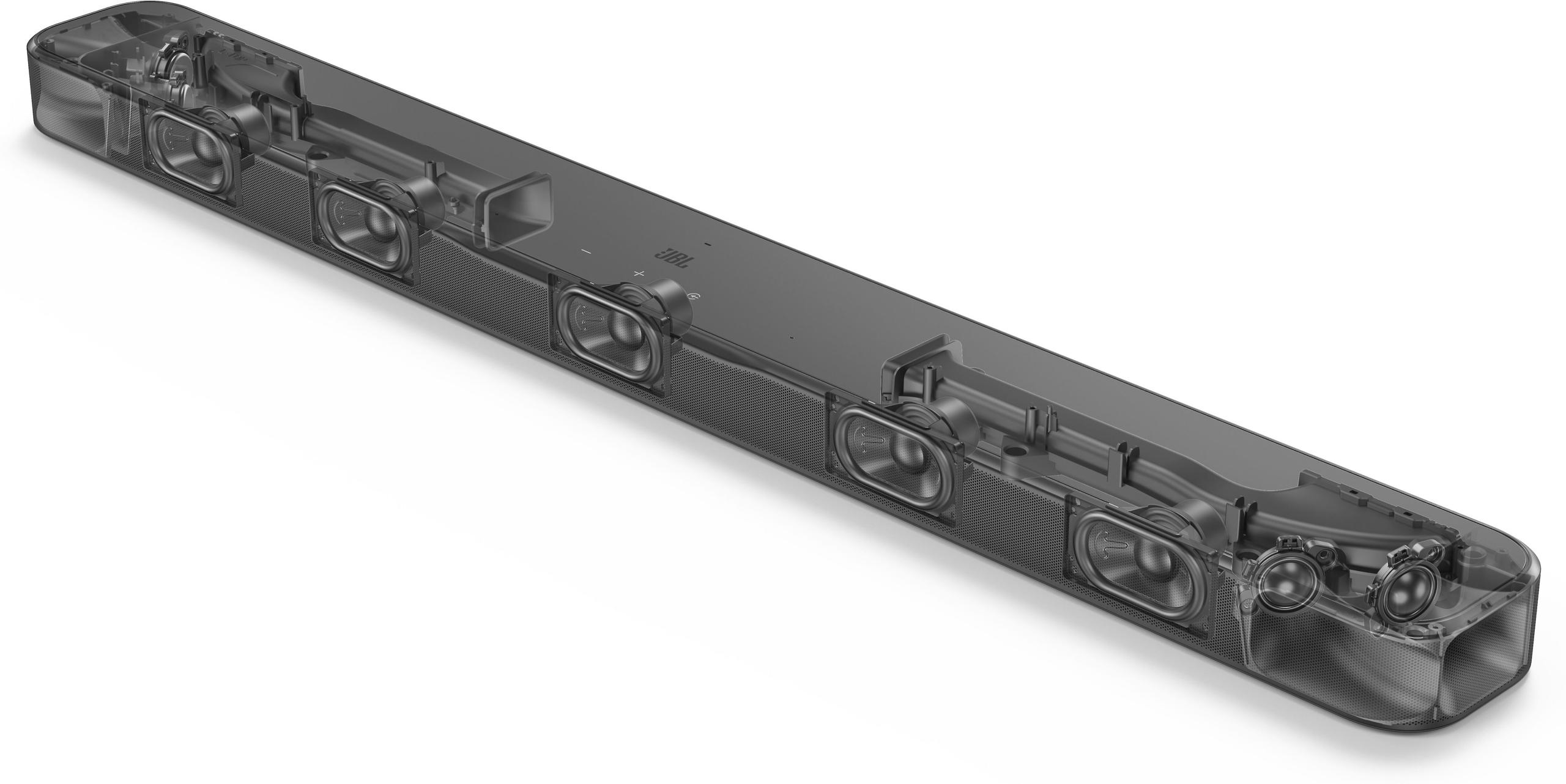
JBL's approach here is fascinating from a technical standpoint. Instead of asking you to place speakers around your room, they've packed six drivers into the soundbar itself: four racetrack-shaped bass/mid drivers and two tweeters (the small speakers that handle high frequencies like cymbals and voices). The "racetrack" shape isn't just for looks – it allows for more surface area in a compact space, which means better sound reproduction without making the bar bulky.
The real magic happens with something called MultiBeam 3.0 technology. This uses digital signal processing (DSP) – essentially computer algorithms – to analyze the audio and bounce sound off your walls in specific patterns. The result is that voices seem to come from your TV screen while ambient sounds appear to surround you, even though everything is coming from that single bar sitting below your TV.
What's particularly impressive about this 2025 update is the inclusion of PureVoice 2.0. If you've ever watched an action movie and found yourself constantly reaching for the remote to turn up dialogue during quiet conversations, only to be blasted by the next explosion, you'll appreciate this feature. PureVoice 2.0 uses smart processing to keep dialogue clear and at a consistent level, regardless of what else is happening in the soundtrack.
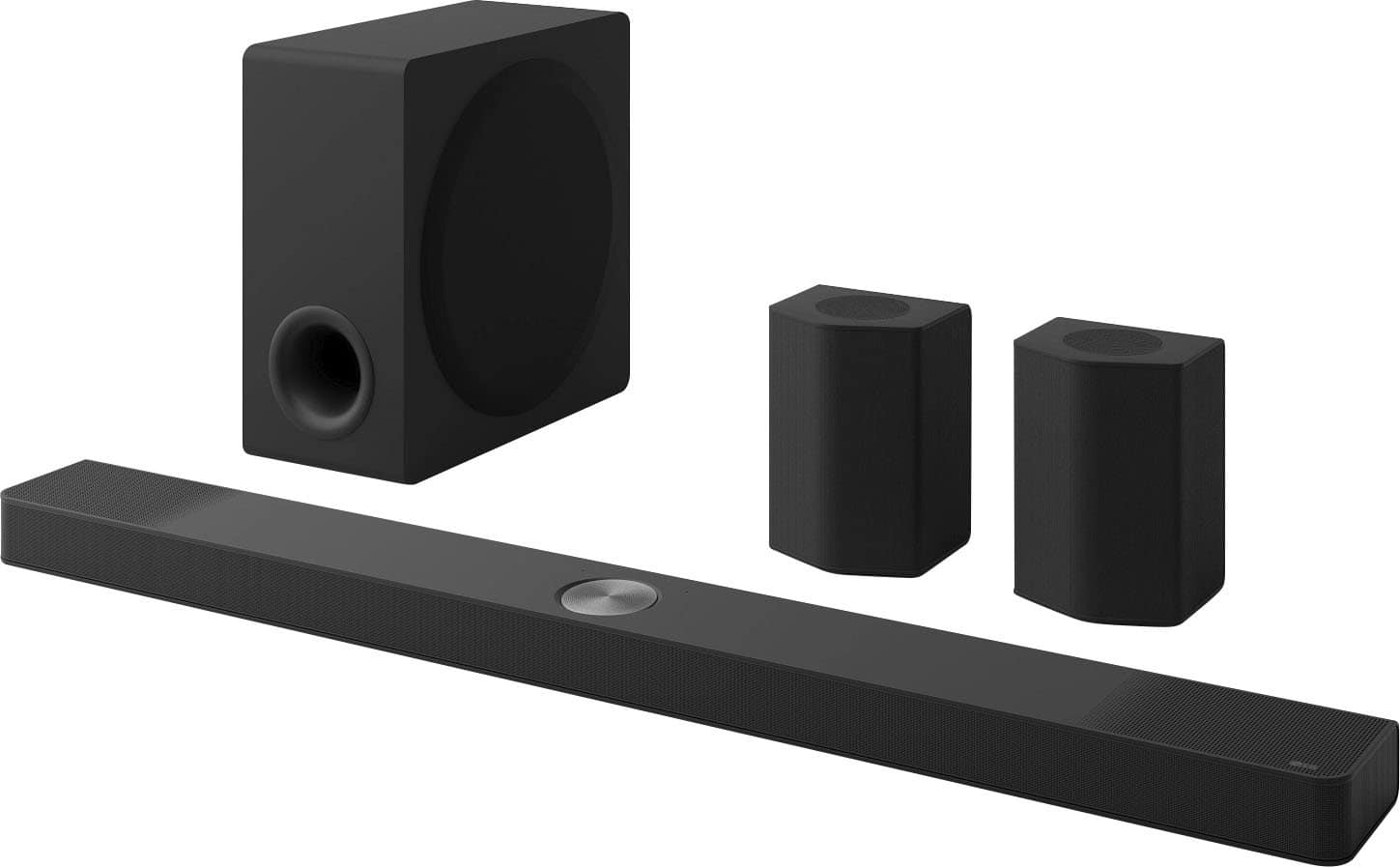
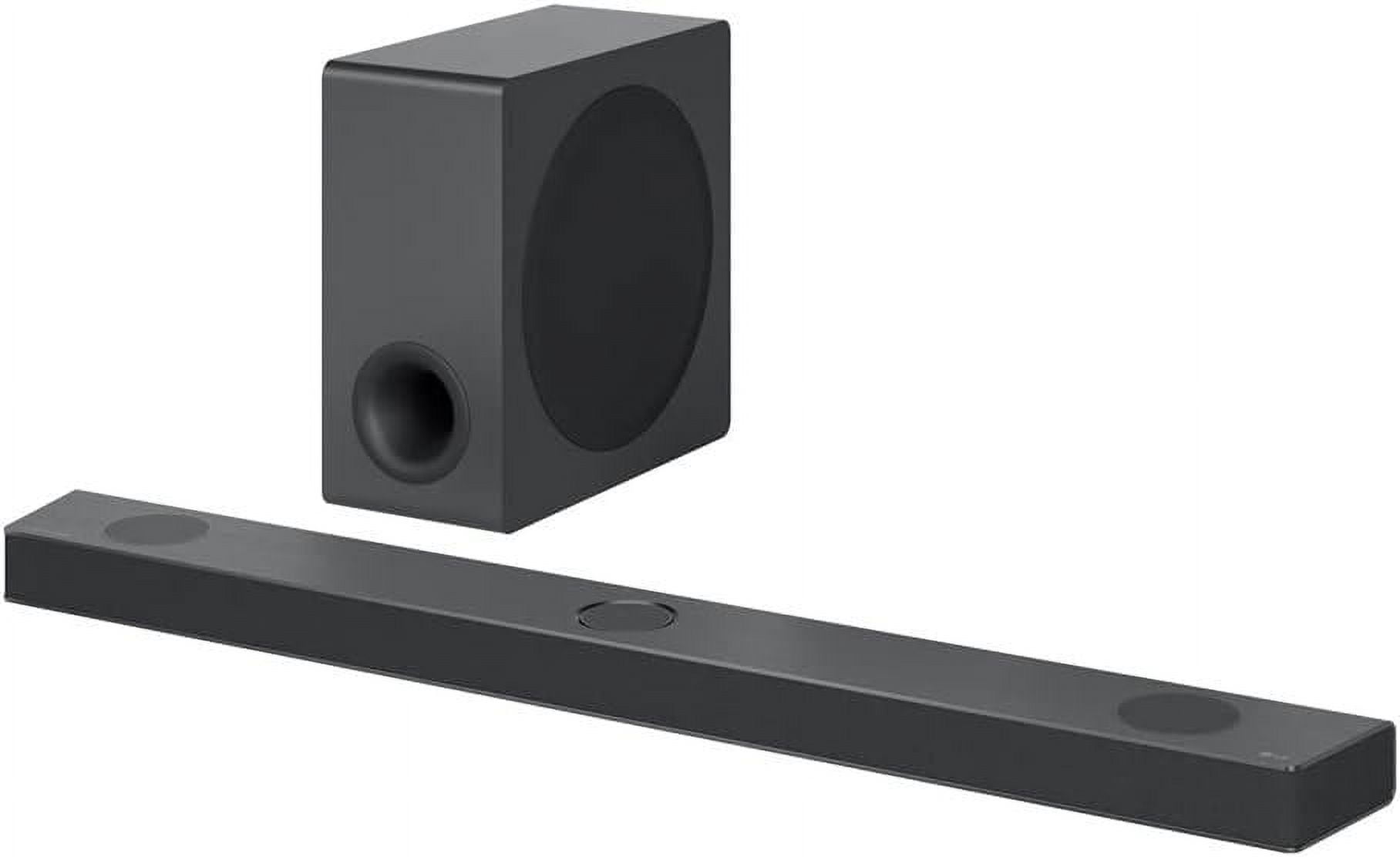
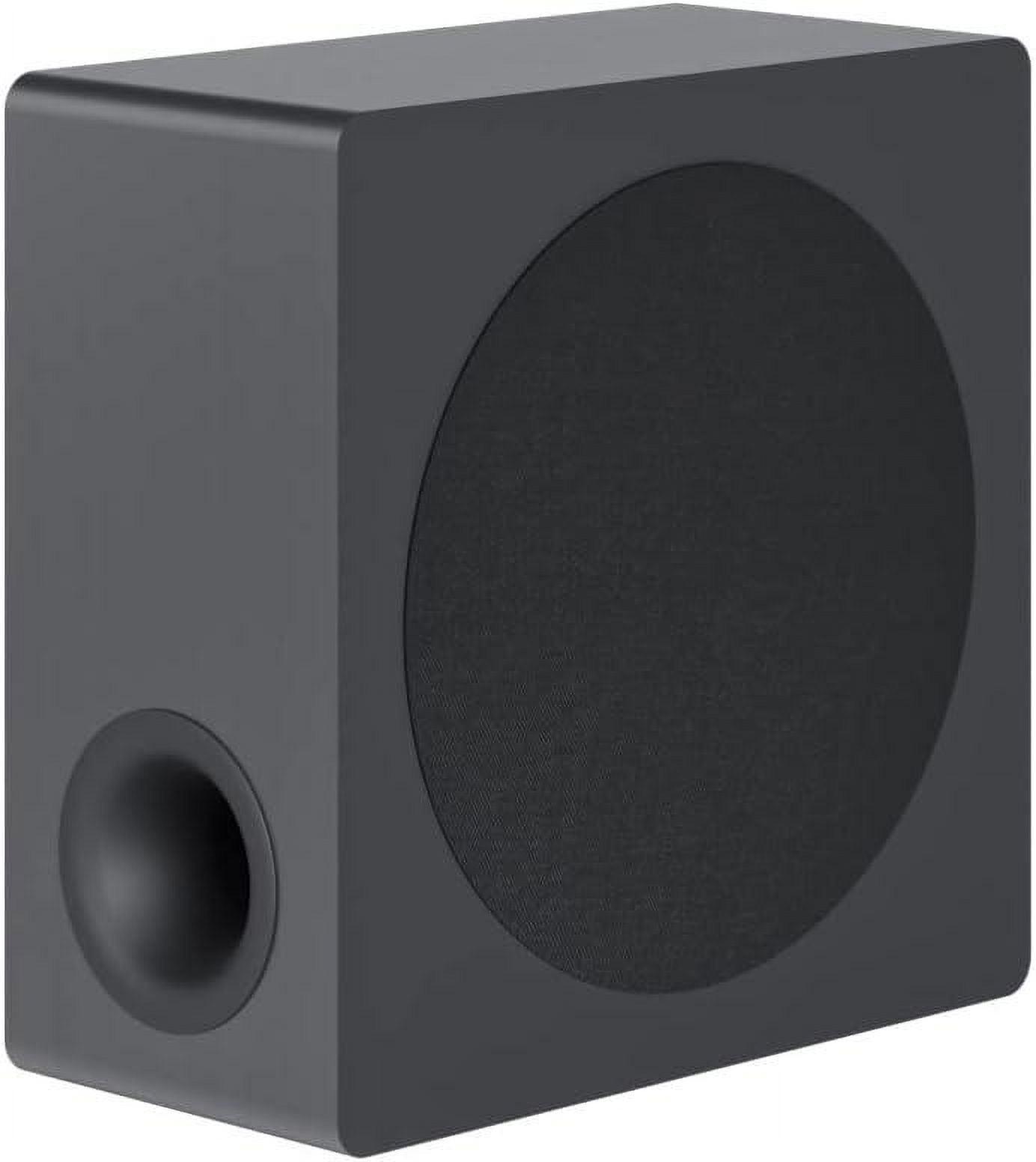
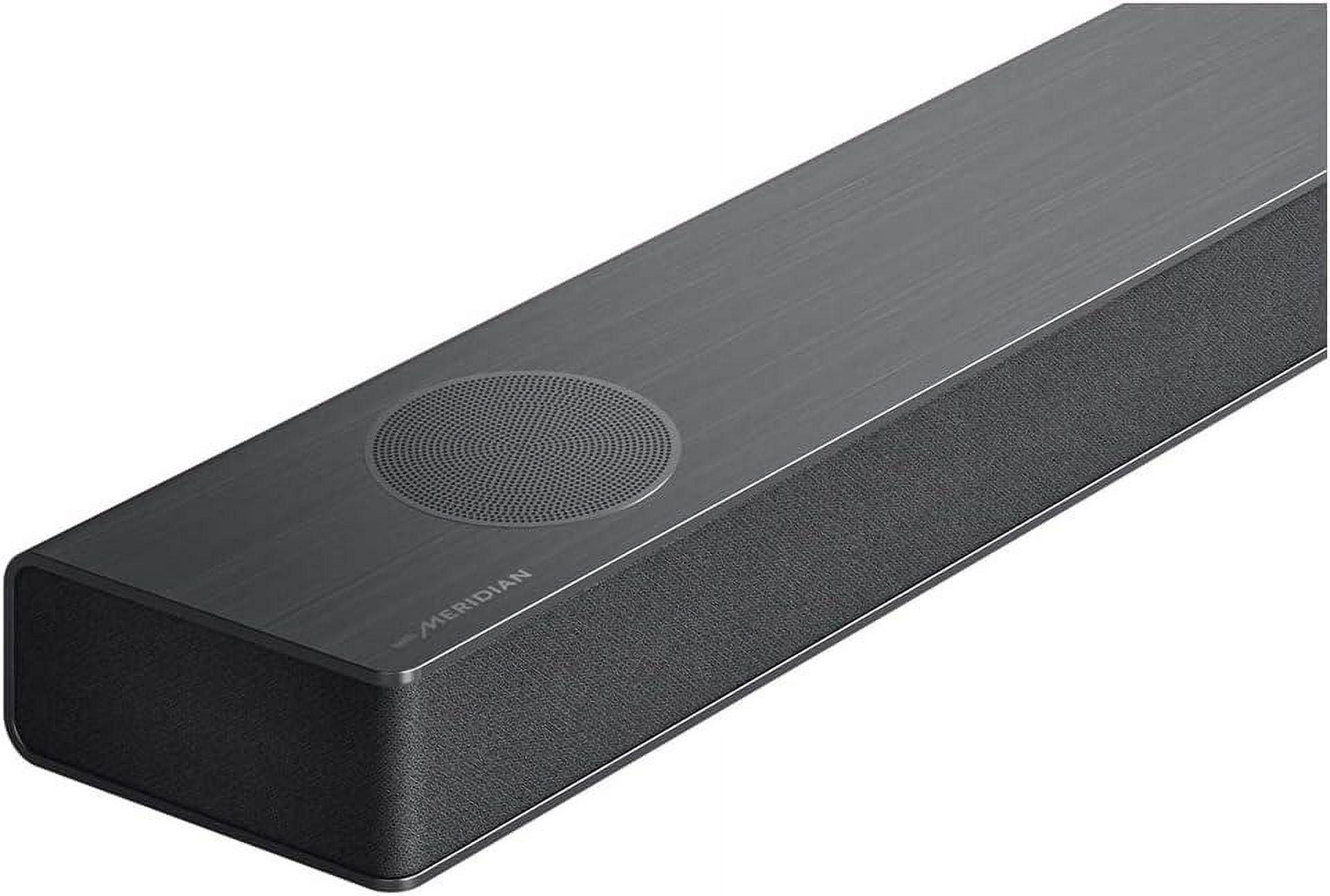
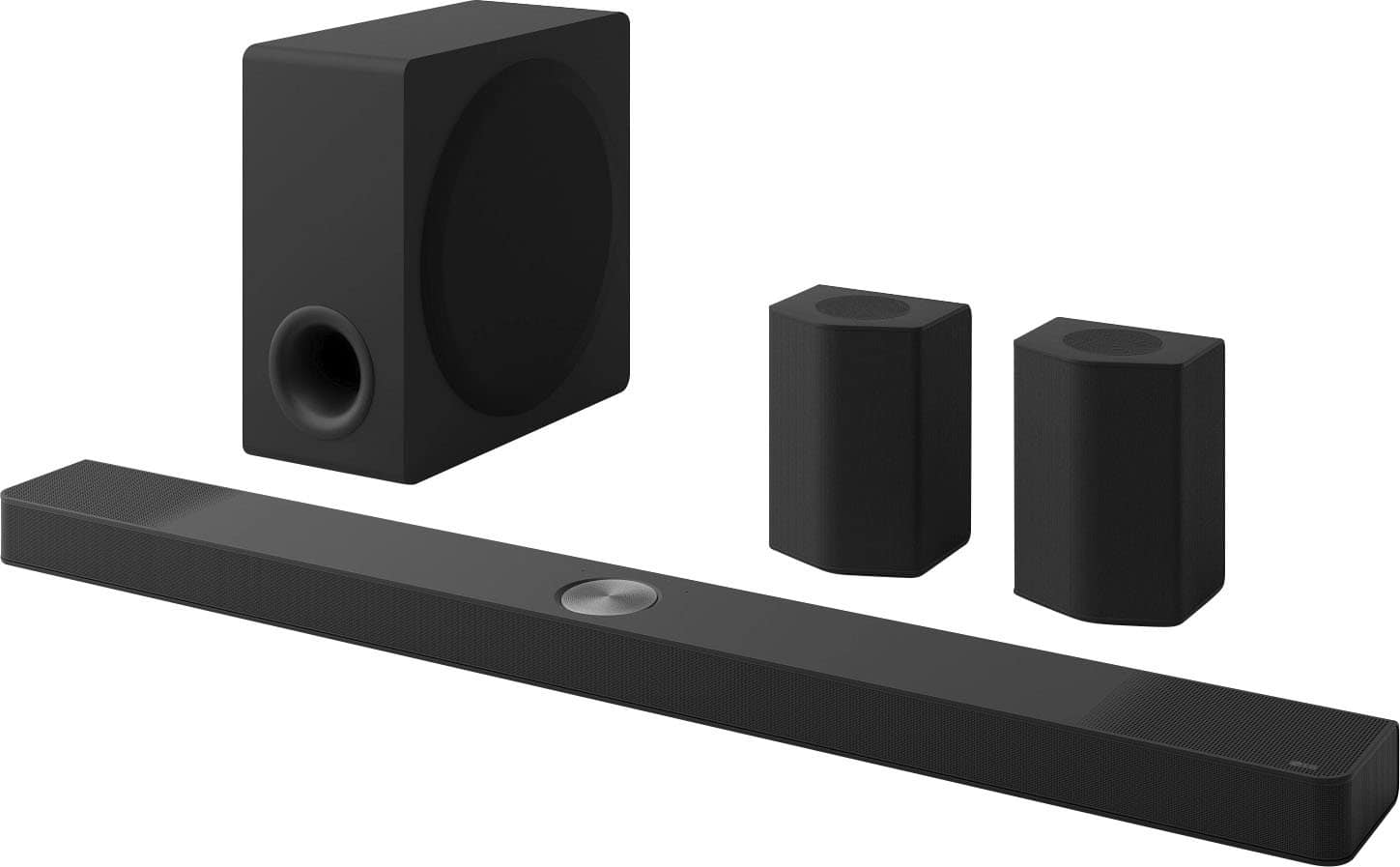
The LG S95TR, also released in 2025, takes the opposite approach entirely. This is a 9.1.5-channel system that includes the main soundbar, wireless rear speakers, and a separate subwoofer. LG looked at the soundbar market and decided that if you're going to recreate a movie theater experience, you need to physically place speakers where movie theaters place them.
Here's where it gets technically interesting: LG has included something no other manufacturer offers – an up-firing center channel. Most soundbars fire their center channel (where dialogue comes from) straight forward. LG's fires both forward and upward, bouncing sound off your ceiling to create the illusion that voices are coming from the height of your TV screen rather than from below it. It's a subtle difference that becomes very noticeable once you experience it.
The 9.1.5 configuration breaks down like this: nine main channels positioned around your room, one subwoofer for deep bass, and five height channels that fire upward to create overhead sound effects. When a helicopter flies over in a movie, you'll actually hear it travel from in front of you, over your head, and behind you – because there are physical speakers creating that movement.
LG's WOW Orchestra feature represents another unique approach. If you own an LG TV, the soundbar can actually coordinate with your TV's built-in speakers, using them as additional channels in the system. Instead of replacing your TV's speakers, it incorporates them, creating an even wider sound field across the front of your room.
Here's something I've learned from testing dozens of soundbars: if dialogue isn't clear, nothing else matters. You can have the most impressive surround effects in the world, but if you're constantly asking "what did they say?" the experience falls apart.
The JBL Bar 300 MK2 excels here in a way that surprised me during extended testing. The PureVoice 2.0 technology isn't just marketing speak – it genuinely works. During a recent viewing of "The Dark Knight," a movie notorious for Christopher Nolan's complex audio mixing, dialogue remained intelligible even during the most chaotic action sequences. The system seems to identify dialogue frequencies and gently boost them while compressing the dynamic range (the difference between the loudest and softest sounds) just enough to keep voices present without making everything sound flat.
The LG S95TR takes a different but equally effective approach. That up-firing center channel I mentioned earlier positions dialogue at screen height, which creates a more natural listening experience. Instead of voices seeming to come from below your TV, they appear to originate from the actors' mouths on screen. It's subtle, but it reduces listening fatigue during long viewing sessions because your brain doesn't have to work as hard to connect voices with the characters speaking.
This is where the fundamental difference between these approaches becomes most apparent. The JBL achieves its bass through clever engineering within the soundbar itself. It uses a bass reflex port – essentially a carefully tuned opening that allows air to move in and out, amplifying low frequencies. For a single-unit system, the bass response is genuinely impressive. It's tight, controlled, and more than adequate for most TV content and music listening.
But physics is physics. The LG's dedicated wireless subwoofer simply moves more air, and moving air is how you create bass. During action movies, explosion scenes have genuine impact that you feel as much as hear. The subwoofer's front-firing port design means you can place it almost anywhere in your room – tucked into a corner, behind furniture, or even in an adjacent room – and still get excellent bass response.
I tested both systems with the opening scene of "Mad Max: Fury Road," which features vehicles racing across desert terrain with engines roaring and crashes happening constantly. The JBL delivered clear, punchy bass that enhanced the experience without overwhelming the dialogue. The LG made me check if my neighbors were home before I continued testing – the visceral impact of those explosions was genuinely startling.
This is where we get into the heart of what separates these two approaches. The JBL creates surround sound effects using psychoacoustics – the science of how our brains interpret sound. By carefully controlling timing, phase relationships, and frequency response, it tricks your brain into hearing sounds that seem to come from beside and behind you.
During my testing with "Top Gun: Maverick," jet flyovers created a convincing sense of aircraft moving from left to right across the soundstage. The effect was wider than the soundbar itself, extending several feet beyond the physical boundaries of the unit. For most content and room sizes, this virtual surround provides an engaging, immersive experience that's a massive upgrade from TV speakers.
The LG's approach is fundamentally different because it uses actual speakers placed around your room. Those wireless rear speakers create genuine surround effects because sound is actually coming from behind you. During the same "Top Gun" scenes, jets didn't just seem to fly past – they genuinely moved through three-dimensional space around the listening position.
The height channels add another layer of immersion entirely. Rain scenes, helicopter sequences, and atmospheric effects gain a vertical dimension that's impossible to achieve with virtual processing alone. It's the difference between seeing a photograph of a landscape and actually standing in that landscape.
Modern gaming demands precise audio positioning, and this is where the differences between these systems become tactically important. The JBL Bar 300 MK2's virtual surround provides enough directional information for casual gaming, and its low-latency HDMI eARC connection means audio stays perfectly synchronized with on-screen action.
But for competitive gaming – first-person shooters, battle royales, anything where hearing enemy footsteps can mean the difference between victory and defeat – the LG's physical speaker placement provides a genuine advantage. During testing with "Call of Duty," enemy positions were clearly identifiable through audio cues alone. Footsteps from behind were actually behind, gunfire from the left was genuinely to the left, and vertical audio cues from multi-story buildings provided accurate positional information.
Both soundbars embrace the reality that modern entertainment comes from many sources beyond traditional TV. The JBL Bar 300 MK2 offers comprehensive streaming support including AirPlay 2, Chromecast built-in, and compatibility with over 300 streaming services. The JBL One app provides system control and EQ customization, though I found the physical controls on the soundbar itself sufficient for daily use.
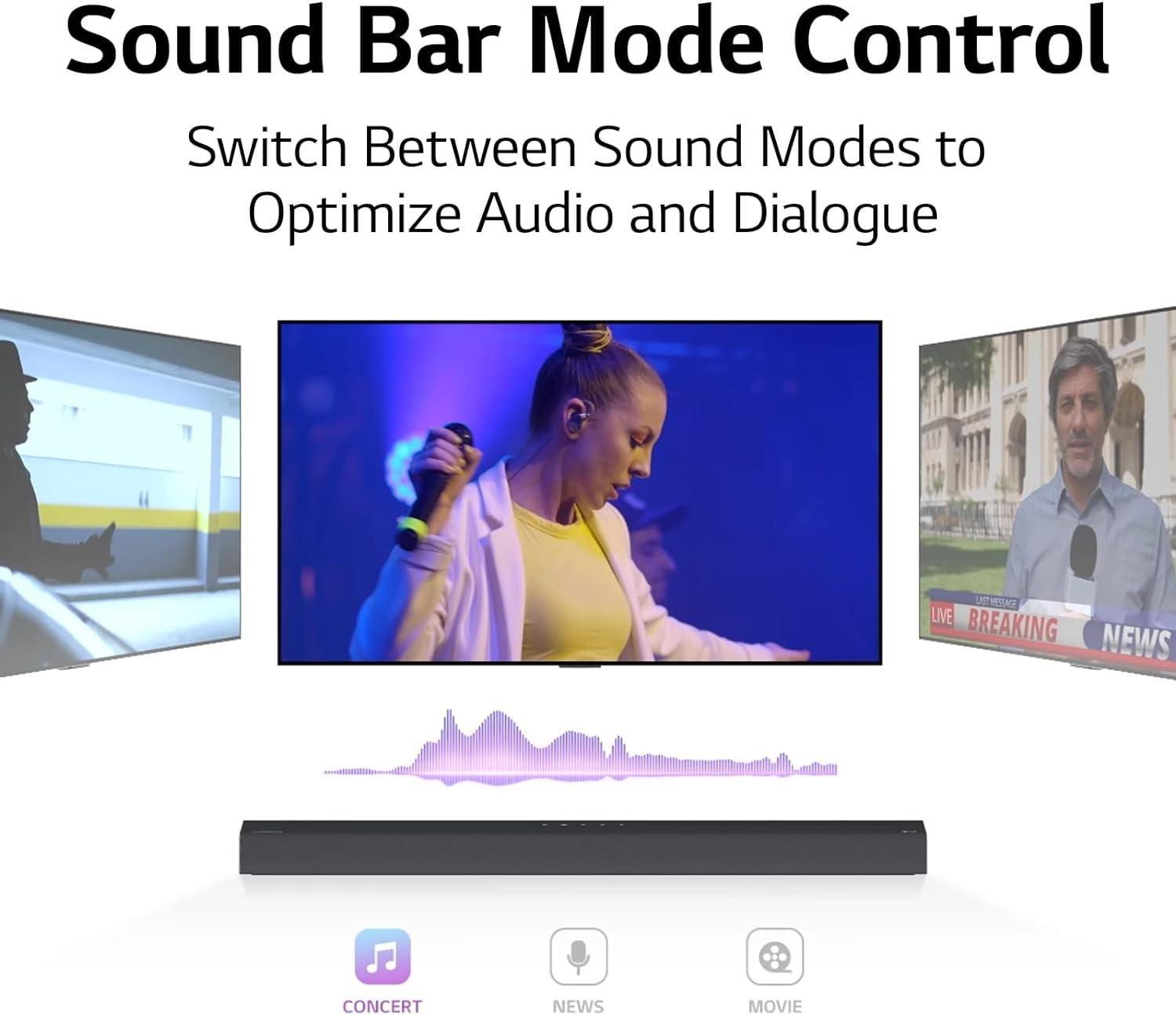
LG's approach includes similar streaming capabilities but adds deeper integration with LG's ecosystem. If you own an LG TV, the WOW Orchestra feature creates a more seamless experience, and the AI Sound Pro automatically adjusts audio characteristics based on content type – emphasizing dialogue for TV shows, enhancing dynamic range for movies, and optimizing frequency response for music.
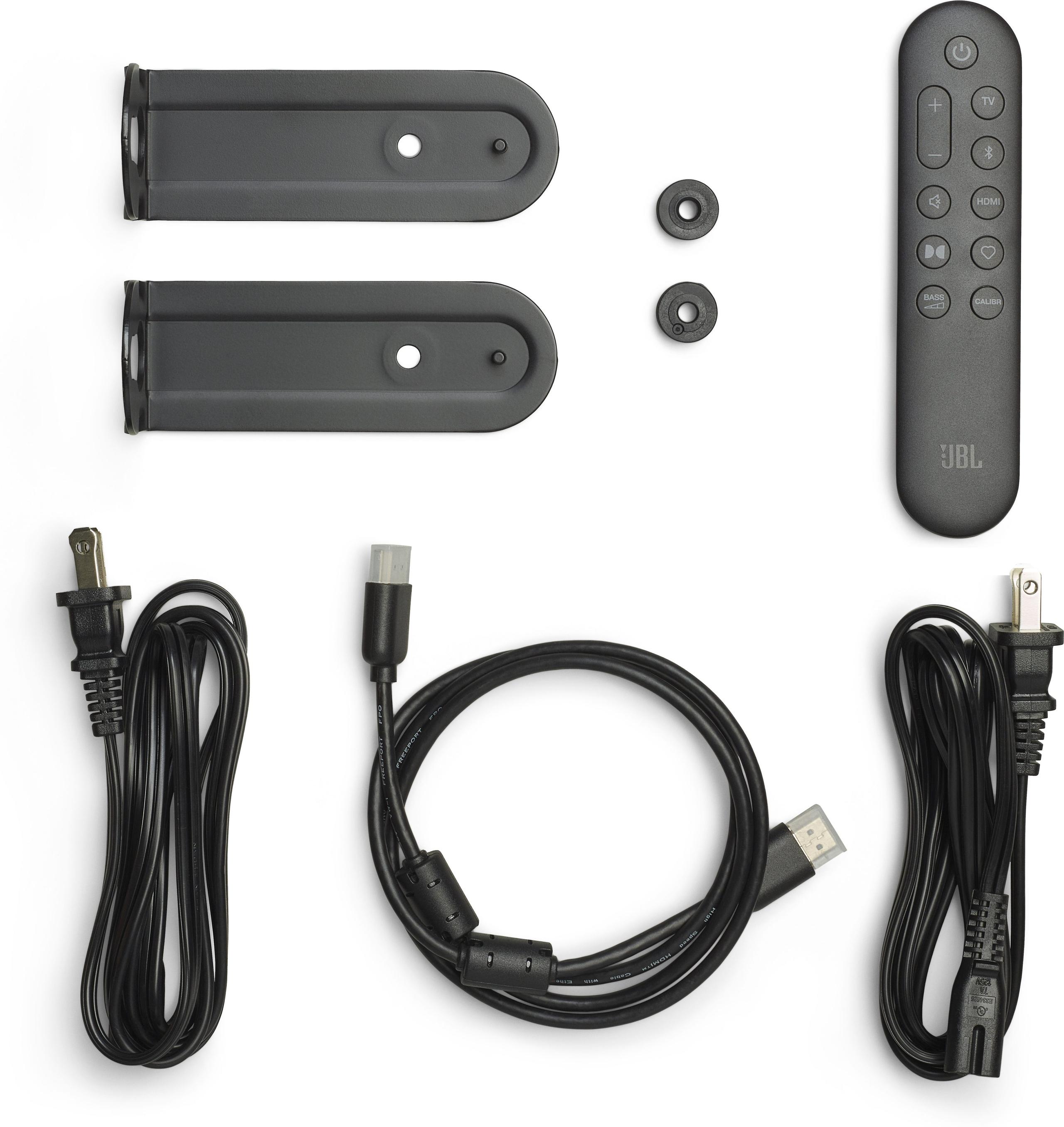
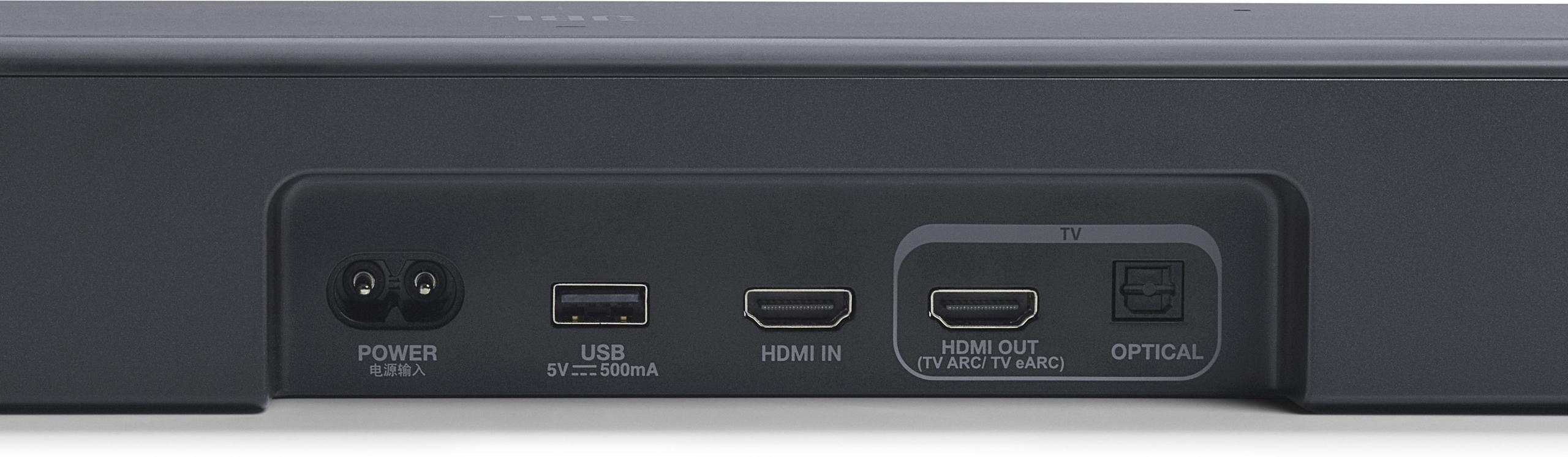
Here's where practical considerations become crucial. The JBL's setup process takes about five minutes: connect one HDMI cable, plug in power, and you're done. For renters, frequent movers, or anyone who values simplicity, this approach eliminates variables and potential complications.
The LG S95TR requires more consideration. You'll need to find appropriate locations for the rear speakers – they should be behind or beside your listening position, ideally at ear height. The subwoofer needs floor space but offers more placement flexibility. The initial setup takes 15-20 minutes, including running the AI room calibration routine that optimizes the system for your specific space.
Living with multiple wireless components means occasionally dealing with connectivity issues. During my months of testing, the LG system required re-pairing the rear speakers twice, though this took just a few minutes each time. The JBL never required any maintenance beyond the occasional software update.
At $449.95, the JBL Bar 300 MK2 represents exceptional value for its target use case. You're getting premium streaming features, excellent dialogue clarity, and surprisingly robust bass in a package that works immediately out of the box. For apartments, smaller rooms, or anyone prioritizing simplicity, it's hard to argue with this value proposition.
The LG S95TR at $996.99 asks for more than double the investment, but provides a genuinely different experience. You're paying for authentic surround sound, room-filling bass, and immersive height effects that transform movie watching into an event. Compared to building a traditional home theater system with separate components, it's actually quite reasonable.
Choose the JBL Bar 300 MK2 if you live in an apartment or smaller space, primarily watch TV shows and news, value plug-and-play simplicity, or want excellent performance without the complexity of multiple components. It's particularly appealing if you already own other JBL speakers and want to build a multi-room audio system.
Choose the LG S95TR if you have a dedicated home theater space, regularly watch action movies or play immersive games, own or plan to purchase LG TVs, and want the most authentic surround sound experience possible. The investment is substantial, but the performance genuinely rivals much more expensive separate component systems.
The decision ultimately comes down to your space, your content, and your tolerance for complexity. Both soundbars represent excellent engineering focused on different goals. The JBL maximizes performance within the constraints of simplicity, while the LG maximizes performance by embracing the complexity of true surround sound. Either choice will dramatically improve your audio experience – they'll just do it in fundamentally different ways.
| JBL Bar 300 MK2 Soundbar | LG S95TR 9.1.5 Channel Soundbar with Dolby Atmos |
|---|---|
| Price - Major factor in soundbar selection | |
| $449.95 | $996.99 |
| Channel Configuration - Determines surround sound capability | |
| 5.0 channels (all-in-one virtual surround) | 9.1.5 channels (true surround with physical speakers) |
| Physical Components - Affects setup complexity and performance | |
| Single soundbar only | Soundbar + wireless subwoofer + wireless rear speakers |
| Dolby Atmos Support - Critical for immersive movie audio | |
| Virtual Dolby Atmos (simulated height effects) | True Dolby Atmos with physical up-firing drivers |
| Power Output - Impacts volume and bass performance | |
| 260W total power | 450W+ total power across all components |
| Room Size Suitability - Determines effectiveness in your space | |
| Best for small to medium rooms (under 200 sq ft) | Optimized for large rooms (300+ sq ft) |
| Dialogue Enhancement - Essential for clear TV watching | |
| PureVoice 2.0 technology for voice clarity | Up-firing center channel + dialogue enhancement |
| Bass Performance - Affects movie impact and music enjoyment | |
| Integrated bass port (good for compact system) | Dedicated wireless subwoofer (room-filling bass) |
| Setup Time - Important for convenience | |
| Under 10 minutes (single HDMI connection) | 15-20 minutes (multiple component placement) |
| Gaming Audio - Matters for competitive gaming | |
| Virtual directional audio (adequate for casual gaming) | Physical surround speakers (competitive advantage) |
| Smart Features - Streaming and voice control capabilities | |
| AirPlay 2, Chromecast, Alexa MRM, JBL One app | Standard streaming plus LG WOW Orchestra integration |
| Best For - Target user profile | |
| Apartments, dialogue-focused viewing, simplicity | Home theaters, movie enthusiasts, immersive gaming |
The JBL Bar 300 MK2 ($449.95) is ideal for small apartments. It's a single-unit system that won't disturb neighbors and provides excellent dialogue clarity without needing multiple speakers placed around your room. The compact design takes up minimal space while still delivering impressive sound quality.
The JBL Bar 300 MK2 is an all-in-one 5.0-channel system that creates virtual surround sound, while the LG S95TR ($996.99) is a complete 9.1.5-channel system with physical rear speakers and a subwoofer for true surround sound. The LG provides authentic theater-like immersion, while the JBL focuses on simplicity and convenience.
The LG S95TR has significantly better bass due to its dedicated wireless subwoofer. While the JBL Bar 300 MK2 produces surprisingly good bass for a single unit using an integrated bass port, it can't match the room-filling low-end impact of the LG's separate subwoofer.
The JBL Bar 300 MK2 takes under 10 minutes to set up with just one HDMI connection. The LG S95TR requires 15-20 minutes as you need to position the rear speakers and subwoofer around your room, plus run the AI room calibration for optimal performance.
For casual movie watching, the JBL Bar 300 MK2 provides excellent dialogue clarity and virtual surround effects. However, the LG S95TR delivers a true cinematic experience with physical surround speakers, overhead sound effects, and powerful bass that makes action scenes genuinely immersive.
Yes, but differently. The JBL Bar 300 MK2 uses virtual Dolby Atmos processing to simulate height effects. The LG S95TR features true Dolby Atmos with physical up-firing drivers that bounce sound off your ceiling for authentic overhead audio effects.
The JBL Bar 300 MK2 ($449.95) offers exceptional value for users wanting simplicity and clear dialogue. At less than half the price of the LG S95TR ($996.99), it provides premium streaming features and solid performance. The LG justifies its higher cost with true surround sound and theater-quality immersion.
Both work well for music. The JBL Bar 300 MK2 delivers clear, balanced sound with good stereo separation, perfect for casual listening. The LG S95TR provides a more expansive soundstage with deeper bass, making it excellent for serious music enthusiasts who want room-filling sound.
For casual gaming, the JBL Bar 300 MK2 provides adequate directional audio. However, the LG S95TR offers a competitive advantage with its physical rear speakers that provide precise positional audio, helping you locate enemies and environmental sounds in games more accurately.
The JBL Bar 300 MK2 only needs space for the 32.3-inch soundbar itself. The LG S95TR requires room for the main bar plus placement locations for two rear speakers and a subwoofer, making it better suited for larger rooms with flexible furniture arrangements.
Both excel at streaming. The JBL Bar 300 MK2 supports AirPlay 2, Chromecast, and over 300 streaming services through the JBL One app. The LG S95TR offers similar streaming capabilities plus special integration with LG TVs through WOW Orchestra technology for enhanced performance.
Choose the JBL Bar 300 MK2 ($449.95) if you want plug-and-play simplicity, live in a smaller space, or primarily watch TV shows. Choose the LG S95TR ($996.99) if you have a larger room, want true surround sound for movies and gaming, and don't mind the more complex setup for maximum audio performance.
We've done our best to create useful and informative comparisons to help you decide what product to buy. Our research uses advanced automated methods to create this comparison and perfection is not possible - please contact us for corrections or questions. These are the sites we've researched in the creation of this article: homecinemachoice.com - retailspecs.com - hometechnologyreview.com - whathifi.com - news.jbl.com - engadget.com - crutchfield.com - harmanaudio.com - techradar.com - bestbuy.com - jbl.com - sweech.co.ke - jbl.com - jbl.com.sg - mm.jbl.com - abcwarehouse.com - harmanaudio.com - sweetwater.com - ro.harmanaudio.com - dell.com - jbl.co.nz - techradar.com - bestbuy.com - youtube.com - trustedreviews.com - zdnet.com - rtings.com - lg.com - lambcotvandappliance.com - valueelectronics.com - romomattressfurniture.com - dolby.com - youtube.com

Privacy Policy
Terms and Conditions - Affiliate Policy
Home Security
© Copyright 2008-2026.
11816 Inwood Rd #1211, Dallas, TX 75244