




When your TV's tinny speakers finally drive you to upgrade, you'll quickly discover that modern soundbars fall into two distinct camps. There are compact all-in-one units that use clever audio processing to simulate surround sound, and multi-component systems that physically place speakers around your room for authentic spatial audio. The choice between these approaches fundamentally shapes your entire home theater experience.
The Hisense AX5140Q and JBL Bar 300 MK2 represent these competing philosophies perfectly. At the time of writing, both systems are priced similarly in the mid-$300 range, making the decision less about budget and more about understanding which approach suits your living situation and entertainment priorities.
Before diving into specific products, it's crucial to understand what "5.1.4" and "5.0" actually mean. These numbers describe channel configurations—how many discrete audio streams the system can handle. The first number represents main channels (left, center, right, plus surrounds), the second indicates subwoofer channels, and the third (when present) shows height channels for overhead effects.
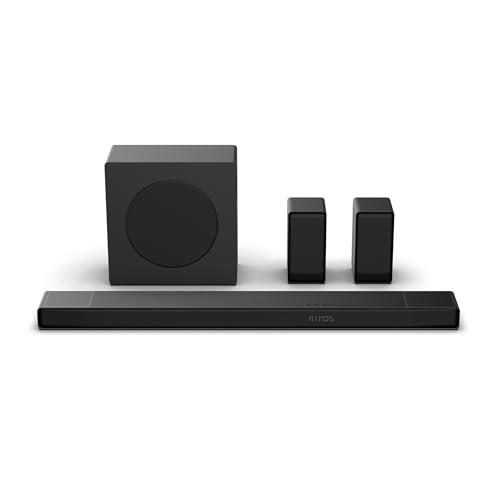
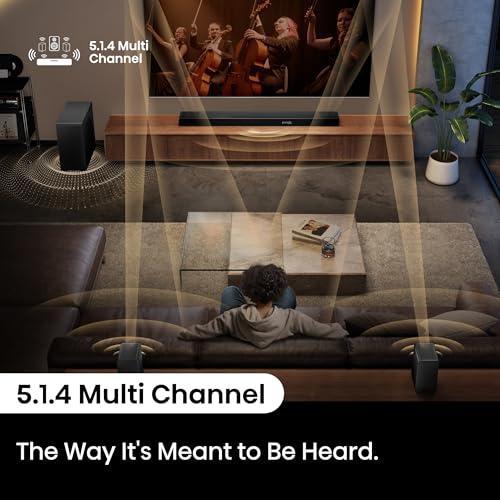
The Hisense AX5140Q is a true 5.1.4 system, meaning it has five main speakers, one subwoofer, and four height channels delivered through physical upfiring drivers. These upfiring drivers point toward your ceiling, bouncing sound downward to create the illusion of audio coming from above—essential for Dolby Atmos effects like helicopters overhead or rain falling around you.
Conversely, the JBL Bar 300 MK2 uses a 5.0 configuration within a single soundbar body. It creates virtual surround sound through MultiBeam technology, which fires audio at different angles and uses psychoacoustic processing to trick your brain into perceiving sounds coming from directions where no speakers actually exist.
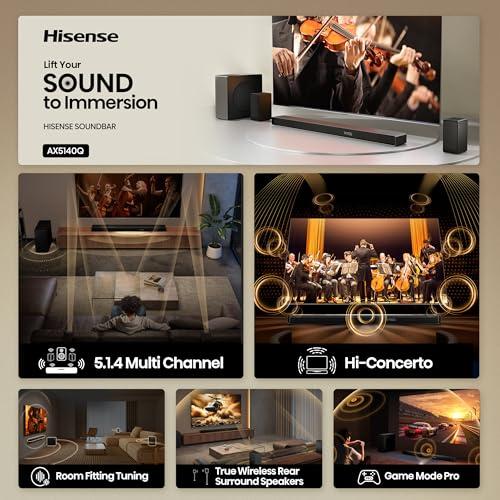
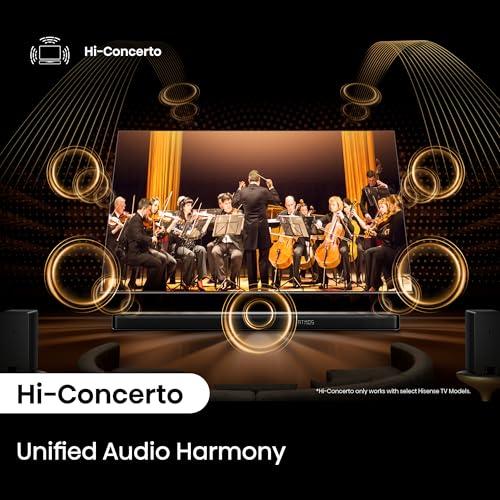
Both soundbars represent 2024-2025 generation technology, incorporating lessons learned from years of Dolby Atmos development. The Hisense AX5140Q builds on Hisense's growing audio expertise as the Chinese manufacturer expanded beyond TVs into premium audio. Their Hi-Concerto platform, introduced in recent years, creates seamless integration between Hisense TVs and soundbars—something most competitors still struggle with.
The JBL Bar 300 MK2 represents JBL's second-generation approach to compact Dolby Atmos. The "MK2" designation indicates significant improvements over the original Bar 300, particularly in bass response and virtual surround processing. JBL learned from user feedback that single-unit soundbars needed more sophisticated bass management and better dialogue clarity to compete with multi-component systems.
Since 2020, both virtual and physical surround technologies have matured considerably. Early Dolby Atmos soundbars often delivered disappointing height effects, but current-generation processing has become genuinely convincing. Similarly, wireless connectivity between soundbar components has improved dramatically, with fewer dropouts and better synchronization.
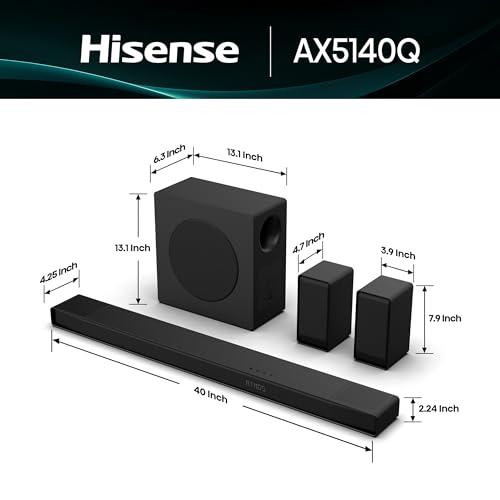
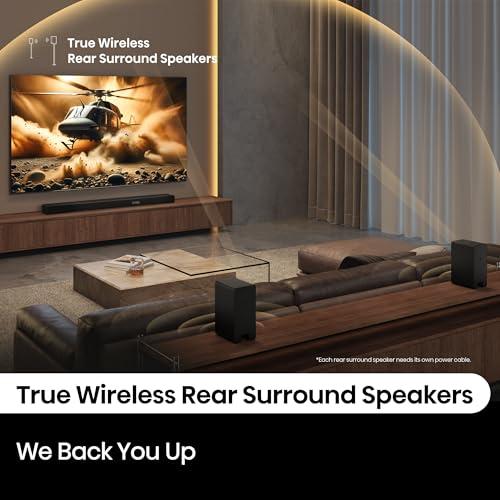
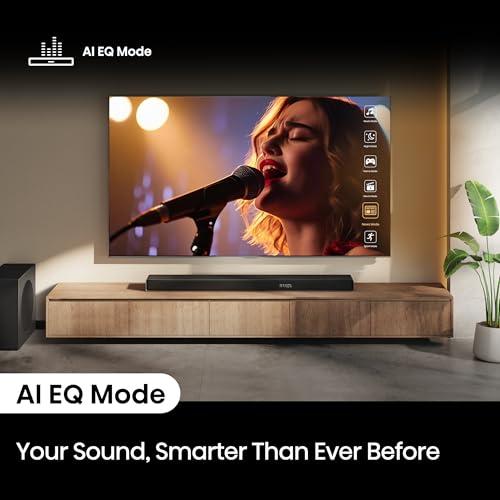
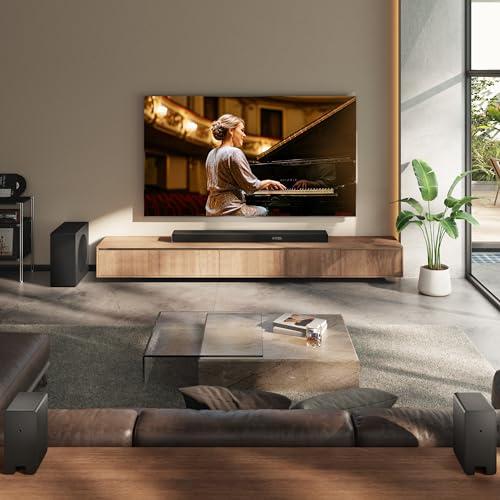
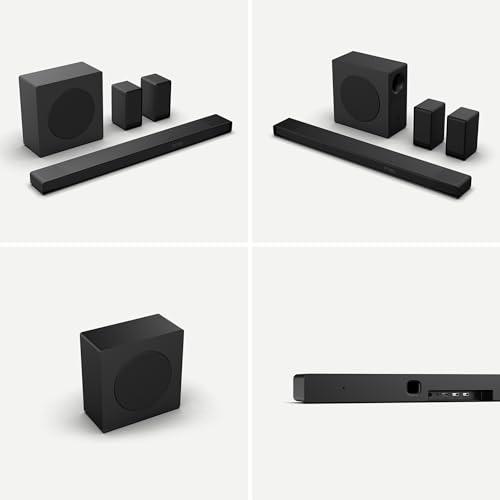
The Hisense AX5140Q takes the traditional home theater approach: put speakers where sounds should come from. This system includes a main soundbar, a wireless 6.5-inch subwoofer, and two wireless rear speakers, each containing upfiring drivers for height effects.
This physical distribution creates several advantages. When a movie scene has dialogue, it comes from the center channel in the main bar. When something explodes, the dedicated subwoofer handles the low-frequency impact without asking tiny drivers to produce frequencies they can't handle well. When action moves to the back of the scene, actual rear speakers positioned behind your seating area deliver those effects.
The wireless architecture deserves particular attention. Unlike older systems requiring speaker wire runs, everything communicates wirelessly except for power connections. The subwoofer doesn't need placement near the soundbar, giving you flexibility to position it where it sounds best in your room. The rear speakers similarly connect wirelessly, though they do need power outlets behind your seating area.
From our research into user experiences, the Hisense AX5140Q consistently delivers what people expect from "surround sound." Effects genuinely seem to move around the room rather than appearing to come from a single point source. This authenticity particularly shines during action sequences and immersive gaming, where precise directional audio cues matter.
The system's 600W maximum power output distributes across all components, meaning each driver operates within its optimal range rather than asking a few drivers to handle everything. Professional reviews consistently note that this approach produces cleaner sound at higher volumes compared to single-unit solutions.
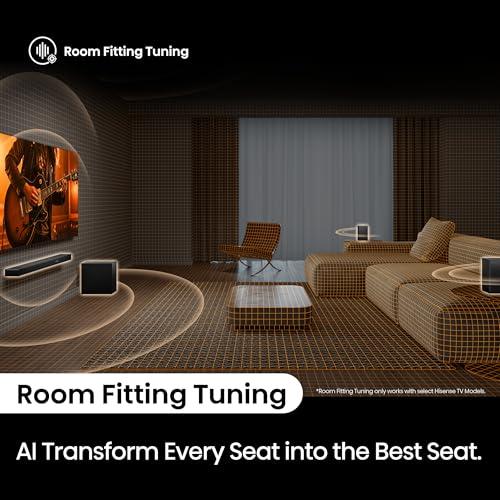
However, this authenticity comes with setup complexity. You need to position rear speakers appropriately, find suitable placement for the subwoofer, and ensure wireless signals remain stable. Room layout becomes crucial—in very small spaces, you might not notice significant benefits from the rear speakers.
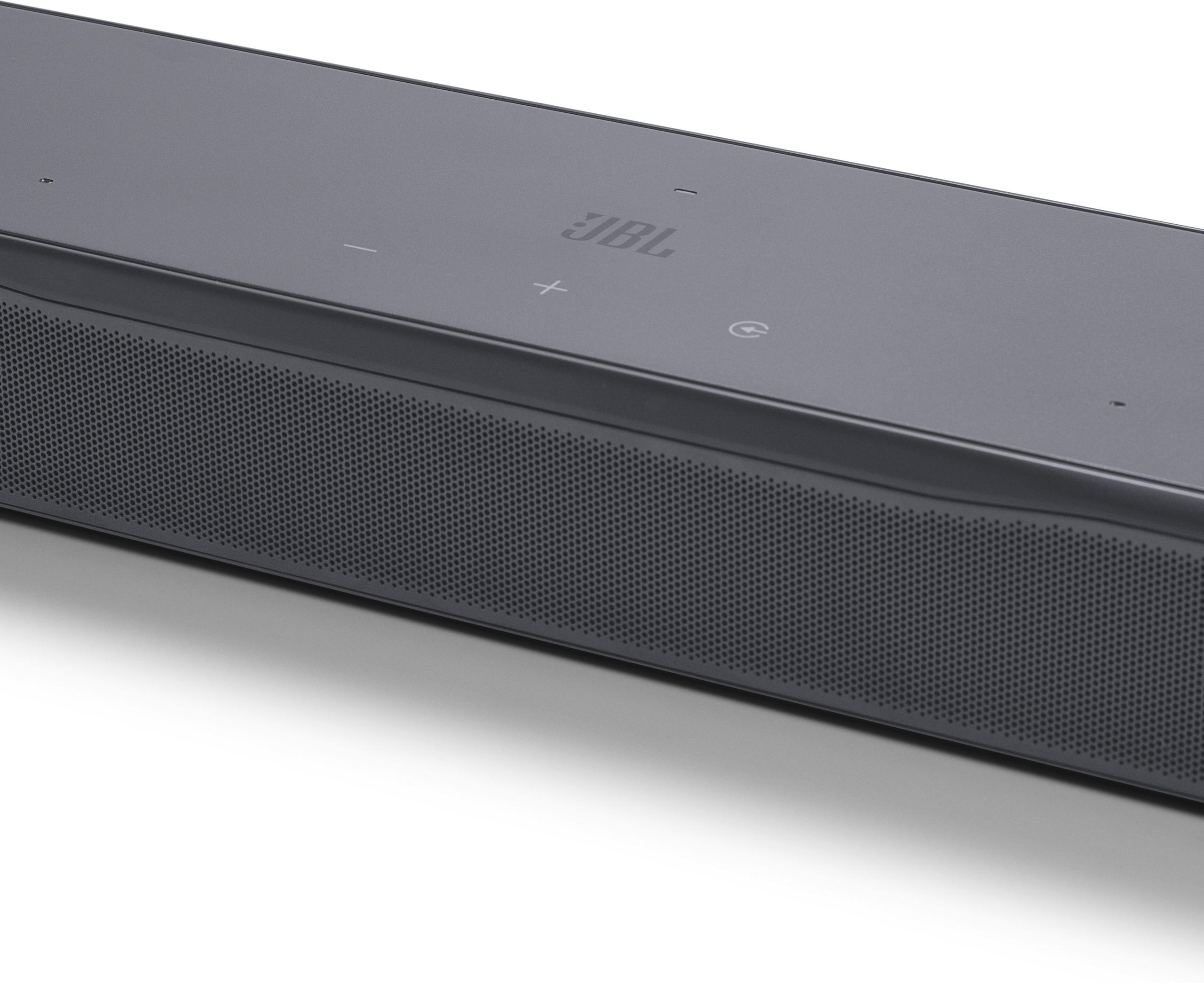
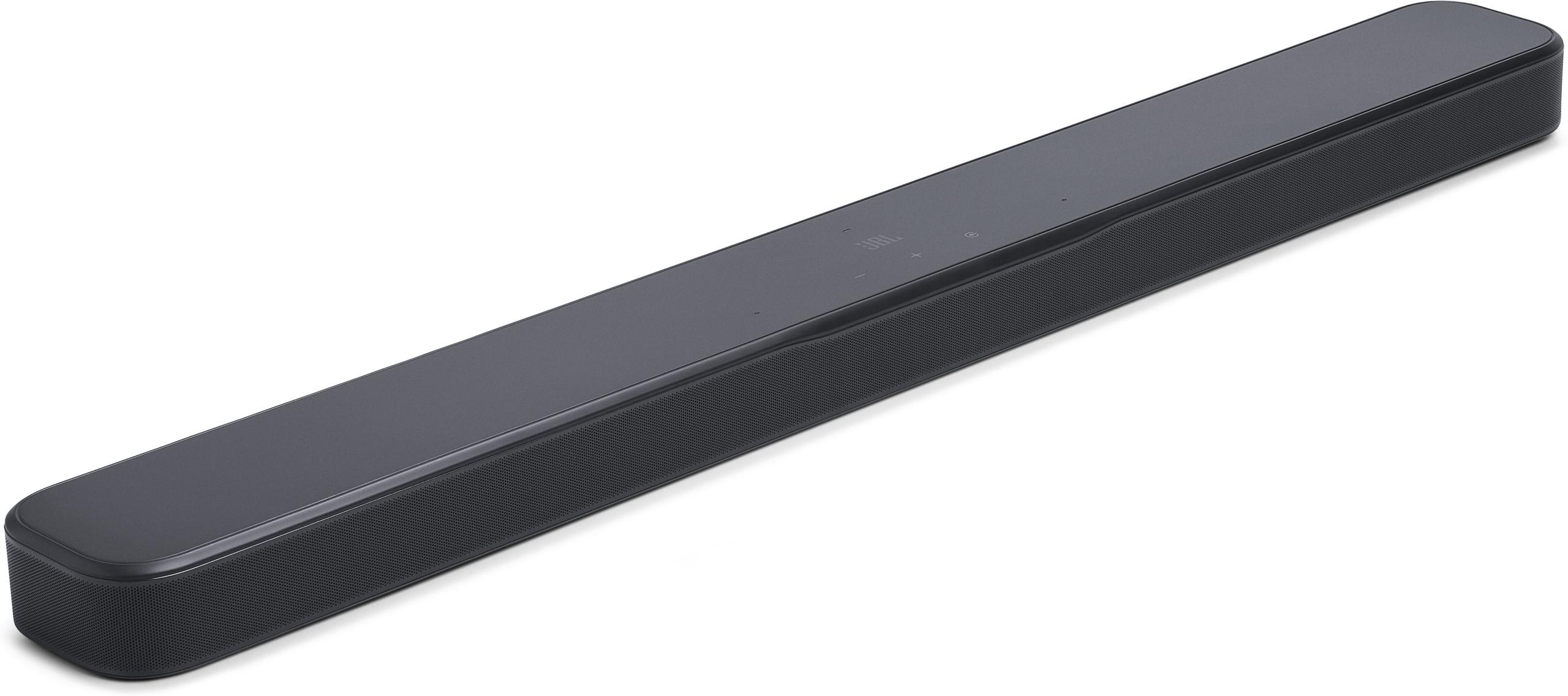
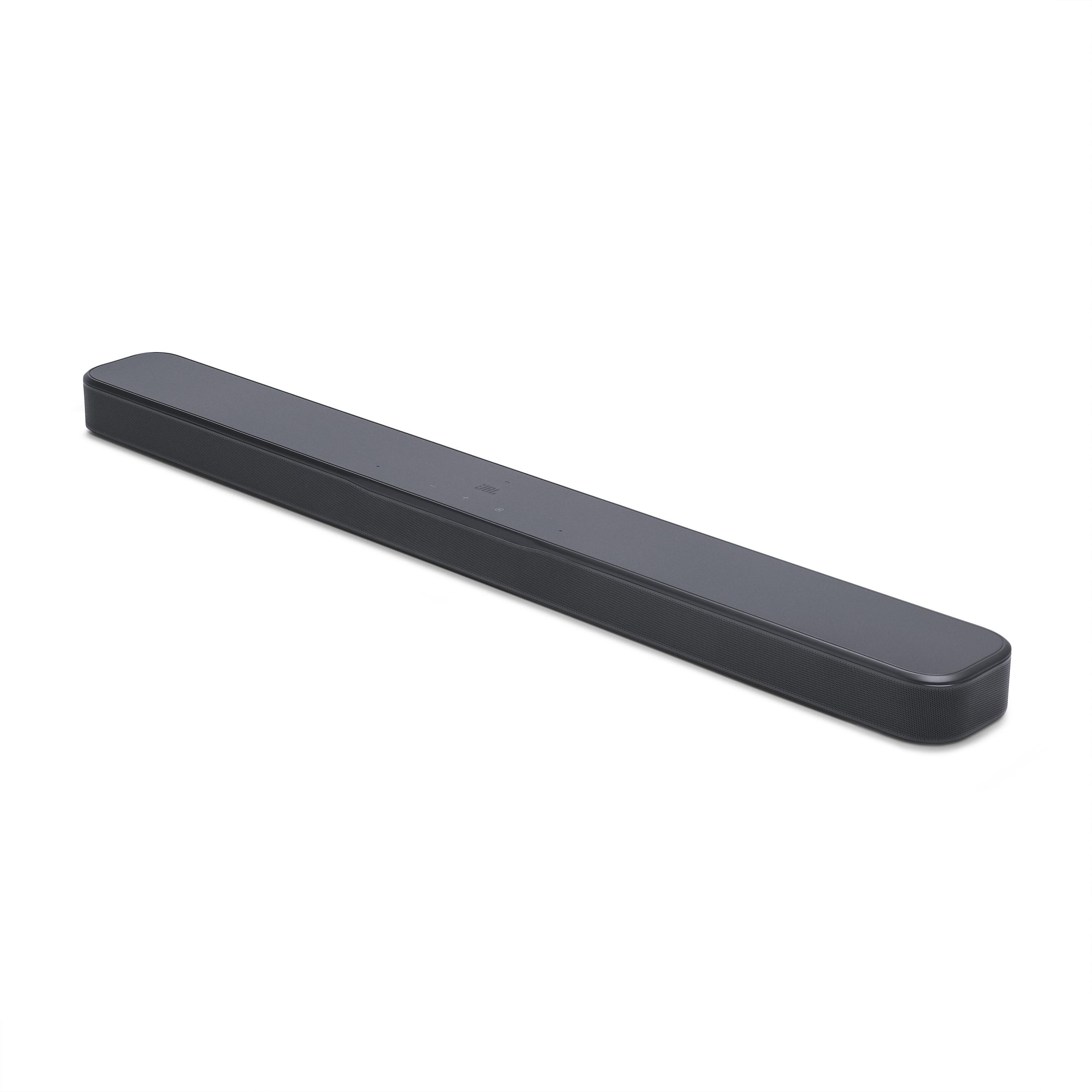
The JBL Bar 300 MK2 represents the opposite extreme: maximum performance from minimum components. This single 94cm-wide soundbar uses advanced signal processing to create the illusion of surround sound without requiring additional speakers.
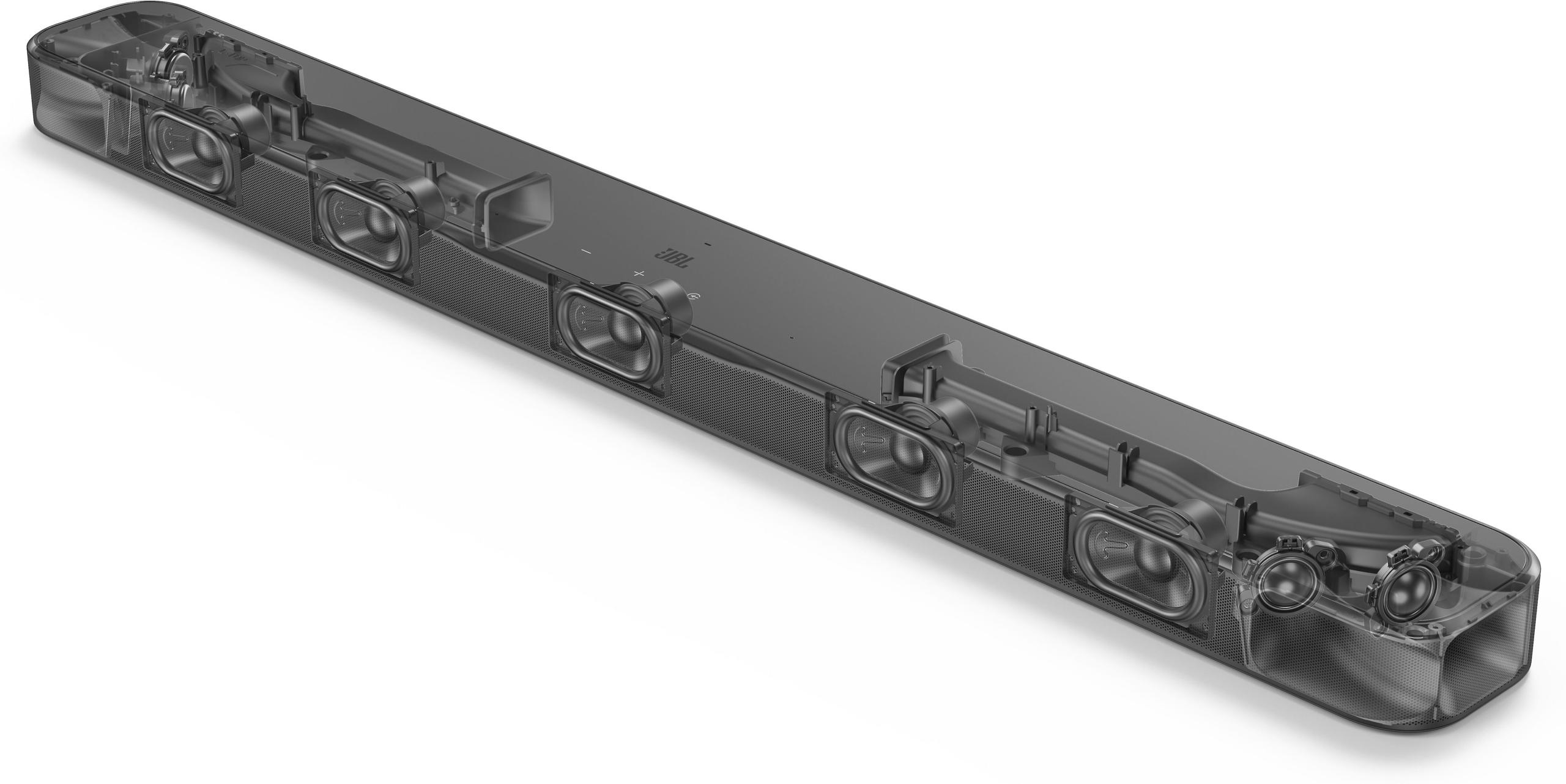
JBL's MultiBeam 3.0 technology deserves explanation. The soundbar contains multiple drivers positioned at different angles, firing audio in various directions. Digital signal processing then manipulates these audio streams, using your room's acoustics and psychoacoustic principles to create virtual sound sources. Your brain interprets these reflections and phase relationships as sounds coming from locations where no speakers exist.
The results are genuinely impressive for a single-unit design. Based on professional evaluations, the JBL Bar 300 MK2 creates a convincing sense of width and some height effects. Dialogue appears to come from the center even when you're sitting off-axis, and sound effects seem to extend beyond the physical boundaries of the soundbar.
The system's 450W power output is concentrated in carefully designed drivers within the main unit. Four racetrack bass drivers handle low frequencies, while dedicated tweeters manage highs. Built-in bass ports help extend low-frequency response without a separate subwoofer.
JBL's PureVoice 2.0 technology specifically addresses dialogue clarity—a common complaint with TV audio. This feature uses dynamic range processing and frequency shaping to ensure voices remain intelligible even during loud action sequences, without simply making everything louder.
The trade-offs are inherent to the physics involved. Virtual surround cannot create genuine rear effects because no sound actually originates from behind you. Similarly, bass response, while impressive for the form factor, cannot match what a dedicated subwoofer achieves. The laws of physics limit how much air a small driver can move.
Bass performance reveals the clearest difference between these approaches. The Hisense AX5140Q's dedicated 6.5-inch subwoofer can reproduce frequencies down to around 30Hz—low enough for true subsonic effects that you feel rather than hear. Action movie explosions, musical synthesizer drops, and gaming sound effects all benefit from this extended low-frequency response.
User reports consistently describe the Hisense subwoofer as providing "room-shaking" impact that transforms the viewing experience. The wireless design allows optimal placement—often corner placement maximizes room loading effects, amplifying bass output without distortion.
The JBL Bar 300 MK2 achieves remarkable bass for its size through clever engineering. Multiple racetrack drivers and tuned bass ports create substantial low-frequency output from the compact enclosure. However, physics imposes limits. While the bass is described as "surprisingly robust" and "room-filling," it cannot reproduce the deepest frequencies or provide the physical impact of a dedicated subwoofer.
This difference is most noticeable during bass-heavy content. Action movies, electronic music, and modern gaming all benefit significantly from extended low-frequency response. If your entertainment diet includes substantial amounts of this content, the Hisense advantage becomes pronounced.
Dolby Atmos represents one of the most significant audio advances in recent years. Unlike traditional surround sound that places effects around the horizontal plane, Atmos adds height information for three-dimensional audio. Rain can fall from above, aircraft can pass overhead, and atmospheric effects can surround you completely.
The Hisense AX5140Q implements true Dolby Atmos through four dedicated upfiring speakers. Two are integrated into the main soundbar, and two more are built into the rear speakers. These drivers fire audio toward your ceiling, which reflects downward to create genuine overhead effects.
Based on professional evaluations and user feedback, this approach produces convincing height effects when the room provides adequate ceiling reflectivity. The system creates what reviewers consistently describe as a "bubble of sound" around the listening position. Effects seem to move smoothly from front to back and bottom to top.
The JBL Bar 300 MK2 uses virtual Dolby Atmos processing to simulate height effects. While impressive for a single-unit solution, the limitations are inherent. Without physical height speakers, the system cannot create genuine overhead localization. Instead, it uses psychoacoustic processing to suggest height through frequency manipulation and timing cues.
User experiences with virtual Atmos vary significantly based on room acoustics and seating position. In optimal conditions, the effect can be convincing. However, it cannot match the precision and authenticity of physical height speakers.
For home theater enthusiasts who prioritize immersive audio experiences, the Hisense approach provides clear advantages. For casual viewing where convenience outweighs absolute performance, the JBL's virtual processing may suffice.
Clear dialogue ranks among the most important performance criteria for any soundbar. TV shows, movies, and streaming content all rely heavily on intelligible speech, yet many displays struggle with vocal clarity.
The JBL Bar 300 MK2 excels in this area through PureVoice 2.0 technology. This feature uses sophisticated signal processing to enhance speech frequencies while maintaining natural tonal balance. User reports consistently highlight exceptional dialogue performance, particularly noting that accented speech and whispered dialogue remain clear even during complex scenes.
The system's 5.0 configuration dedicates specific drivers to center channel reproduction, ensuring dialogue remains anchored regardless of seating position. Professional evaluations describe the vocal presentation as "crisp" and "well-defined."
The Hisense AX5140Q provides good dialogue clarity through its Active Voice Amplifier, though reviews suggest it's slightly less refined than JBL's specialized approach. The multi-component system's advantage lies more in overall dynamics and spatial effects than pure vocal optimization.
For content that's primarily dialogue-driven—TV series, documentaries, news programs—the JBL Bar 300 MK2 offers a slight edge. For mixed content including action and music, the systems perform more similarly.
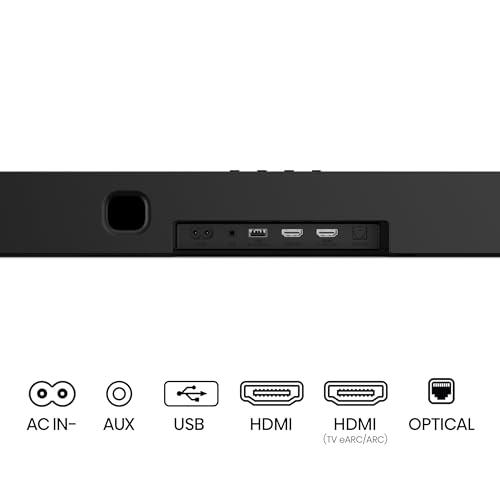
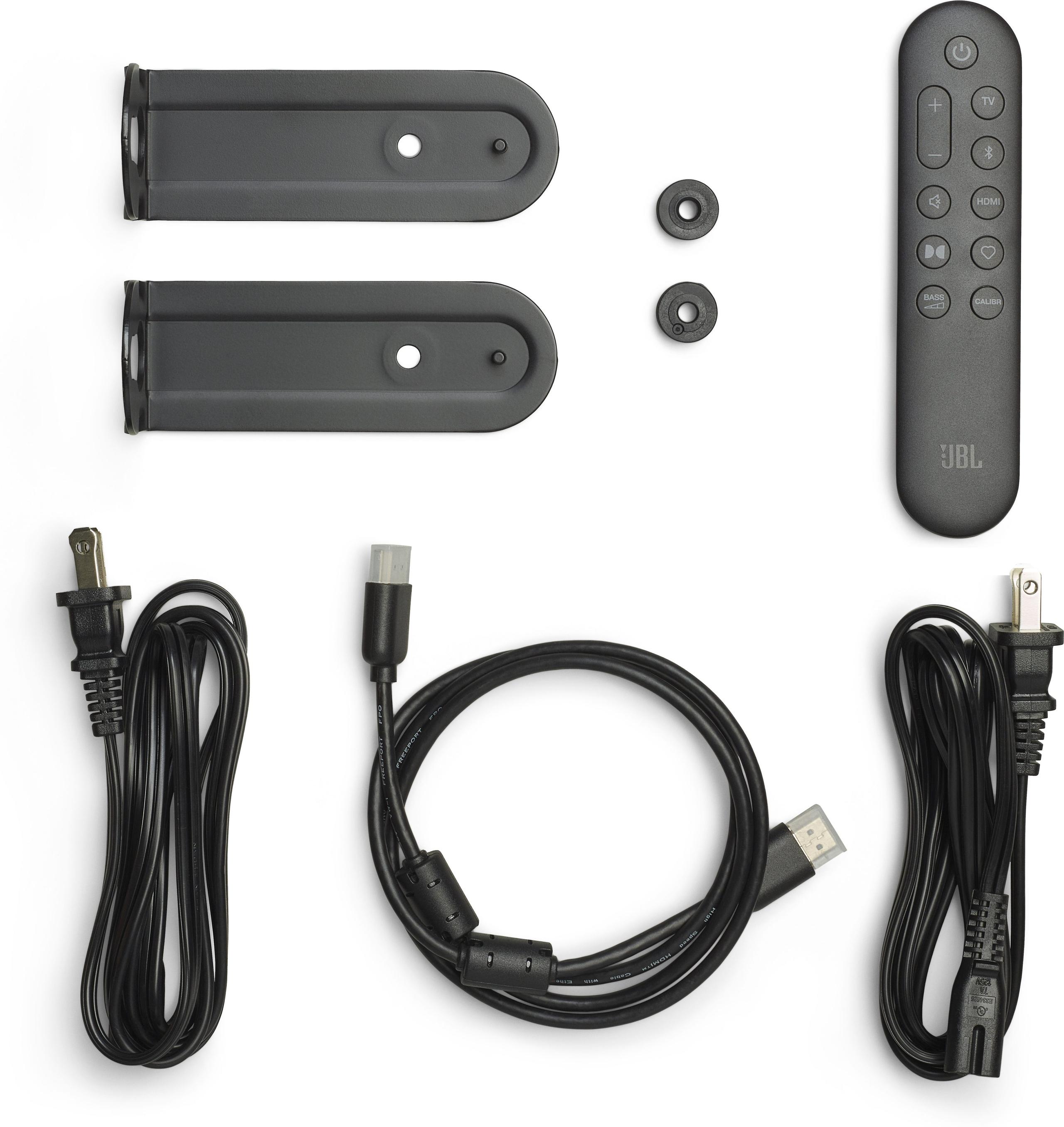
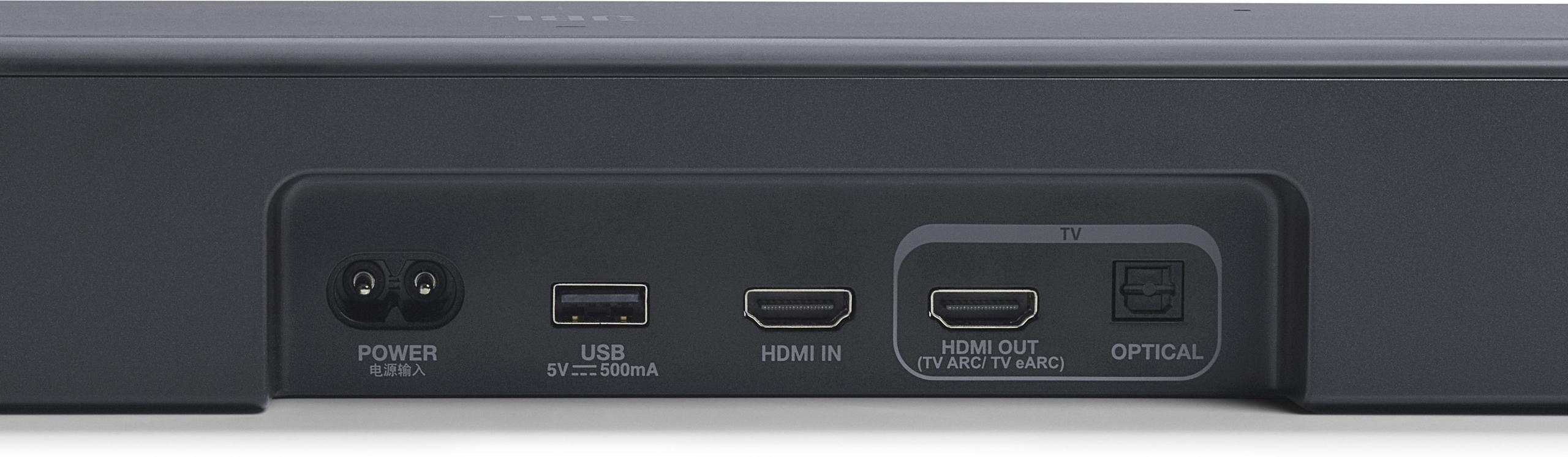
The setup experience differs dramatically between these systems. The JBL Bar 300 MK2 offers true plug-and-play operation. Connect one HDMI cable to your TV's eARC port, plug in power, and you're operational. The system auto-detects input signals and begins producing improved audio immediately.
This simplicity particularly benefits renters, frequent movers, or anyone wanting immediate gratification. There's no speaker positioning to optimize, no multiple power connections to manage, and no wireless pairing procedures beyond the initial setup.
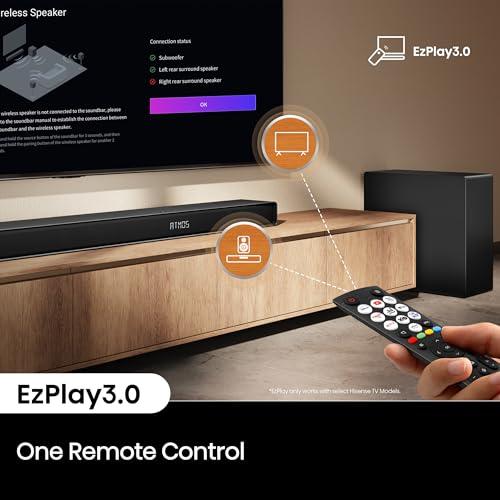
The Hisense AX5140Q requires more consideration but remains manageable based on user reports. You'll need to position the wireless subwoofer (corner placement often works best), place rear speakers behind your seating area, and ensure all components have power access. The wireless pairing typically happens automatically, but you may need to optimize positioning for best performance.
Room size and layout significantly impact the Hisense AX5140Q's effectiveness. In very small spaces, rear speakers may provide minimal benefit. In large, open-plan living areas, the system truly shines. The JBL Bar 300 MK2 adapts more readily to various room configurations through its virtual processing.
The JBL Bar 300 MK2 maintains minimal visual impact. Its compact 94cm width fits under most TVs without overhang, and its low profile rarely blocks display sensors. The clean design integrates well with modern entertainment centers.
The Hisense AX5140Q requires accommodation for multiple components. While the rear speakers are relatively compact, they need visible placement for optimal performance. The subwoofer, though wireless, must be positioned thoughtfully to balance performance and aesthetics.
For minimalist living spaces or situations where component visibility is problematic, the JBL approach offers clear advantages.
Both systems deliver substantial improvements over TV audio, but their value propositions differ significantly. At the time of writing, both are priced in the mid-$300 range, making the decision less about budget and more about priorities.
The JBL Bar 300 MK2 maximizes convenience and dialogue performance per dollar. It delivers approximately 80% of a premium soundbar experience at roughly half the typical cost of high-end alternatives. For users primarily watching TV series, news, and dialogue-heavy content, this represents exceptional value.
The Hisense AX5140Q maximizes raw performance per dollar. True 5.1.4 surround with dedicated subwoofer typically costs significantly more from established brands. For users wanting authentic home theater experiences, the system provides remarkable capability at its price point.
Expandability differs between approaches. The JBL Bar 300 MK2 cannot be expanded—what you purchase is your final configuration. The Hisense AX5140Q is already a complete surround system, though some users might eventually want larger subwoofers for very large rooms.
Your decision should align with your specific circumstances and priorities rather than abstract performance metrics.
Choose the JBL Bar 300 MK2 if you live in an apartment with space constraints, prioritize dialogue clarity above all else, move frequently, or want immediate setup satisfaction. Its virtual surround processing works well for most content types, and its compact design adapts to various living situations. The system particularly excels for streaming TV content and dialogue-heavy entertainment.
Choose the Hisense AX5140Q if you have adequate room for proper component placement, watch significant amounts of action movies or immersive content, prioritize authentic surround effects, or want the deepest possible bass impact. The system transforms action sequences and gaming experiences through genuine spatial audio and substantial low-frequency extension.
For most people upgrading from TV speakers, either option provides dramatic improvement. The question isn't whether you'll notice better audio—you absolutely will. The question is whether you prioritize convenience or authenticity, dialogue optimization or surround immersion, and immediate satisfaction or maximum performance potential.
Consider your primary content consumption patterns. If you primarily watch streaming TV shows and movies with occasional action content, the JBL Bar 300 MK2's strengths align well with your needs. If you regularly watch action movies, play immersive games, or listen to music through your TV setup, the Hisense AX5140Q's multi-component approach provides more substantial benefits.
The relatively small price difference between these systems means your decision can focus on approach and features rather than budget constraints. Both represent solid value in their respective categories, but they serve different user priorities and living situations. Understanding these differences ensures you choose the system that will provide years of satisfaction rather than eventual upgrade regret.
| Hisense AX5140Q | JBL Bar 300 MK2 |
|---|---|
| System Architecture - Determines authenticity of surround effects | |
| True 5.1.4 with physical rear speakers and subwoofer | Single-unit 5.0 with virtual surround processing |
| Dolby Atmos Implementation - Critical for overhead audio effects | |
| True Atmos with 4 physical upfiring drivers | Virtual Atmos through MultiBeam 3.0 processing |
| Bass Response - Most noticeable upgrade from TV speakers | |
| Dedicated wireless 6.5" subwoofer (down to ~30Hz) | Built-in bass ports and racetrack drivers (limited by size) |
| Power Output - Affects maximum volume and dynamics | |
| 600W distributed across all components | 450W concentrated in main soundbar unit |
| Setup Complexity - Major factor for convenience-focused buyers | |
| Multi-component placement required | Single HDMI connection, plug-and-play |
| Room Requirements - Determines if you can utilize full potential | |
| Benefits from larger rooms for rear speaker placement | Works effectively in any room size |
| Dialogue Clarity - Essential for TV shows and movies | |
| Active Voice Amplifier (good performance) | PureVoice 2.0 technology (exceptional performance) |
| Expandability - Future upgrade potential | |
| Complete system as-purchased | Cannot add components or upgrade |
| Wireless Connectivity - Affects streaming and device compatibility | |
| Bluetooth 5.3, Hi-Concerto integration | Wi-Fi, Bluetooth 5.0, AirPlay, Chromecast built-in |
| Physical Footprint - Important for smaller living spaces | |
| Multiple components requiring strategic placement | Compact 94cm soundbar only |
| Best Use Case - Who should prioritize each system | |
| Home theater enthusiasts wanting authentic surround | Apartment dwellers prioritizing convenience and dialogue |
The Hisense AX5140Q is a true 5.1.4 surround sound system with physical rear speakers and a wireless subwoofer, while the JBL Bar 300 MK2 is a single soundbar that creates virtual surround effects. The Hisense provides authentic spatial audio with components placed around your room, whereas the JBL uses advanced processing to simulate surround sound from one unit.
The JBL Bar 300 MK2 is better for small apartments because it's a single compact unit that doesn't require rear speaker placement or a separate subwoofer. The Hisense AX5140Q needs space for multiple components and benefits from larger rooms where rear speakers can be properly positioned.
The Hisense AX5140Q includes a dedicated wireless subwoofer for deep bass, while the JBL Bar 300 MK2 has built-in bass drivers and ports. You cannot add a subwoofer to the JBL, but the Hisense's dedicated sub provides significantly more powerful low-frequency response for action movies and music.
The JBL Bar 300 MK2 has superior dialogue clarity thanks to its PureVoice 2.0 technology, which specifically enhances speech intelligibility. While the Hisense AX5140Q offers good dialogue performance, the JBL excels at keeping voices clear even during loud action scenes.
The Hisense AX5140Q delivers true Dolby Atmos with four physical upfiring speakers that bounce sound off your ceiling for genuine overhead effects. The JBL Bar 300 MK2 uses virtual Dolby Atmos processing, which simulates height effects but cannot match the authenticity of physical height speakers.
The JBL Bar 300 MK2 is much easier to set up—just connect one HDMI cable and plug in power. The Hisense AX5140Q requires positioning multiple components including rear speakers and a subwoofer, though users report the wireless pairing process is still straightforward.
Both work for music, but the Hisense AX5140Q provides better musical separation with its discrete speakers and dedicated subwoofer. The JBL Bar 300 MK2 can struggle with complex musical passages, though it performs adequately for casual music listening through streaming services.
The Hisense AX5140Q is better for gaming because its physical rear speakers provide genuine directional audio cues essential for competitive gaming. The dedicated subwoofer also delivers more impactful sound effects. The JBL Bar 300 MK2 works for gaming but cannot match the spatial accuracy of true surround sound.
Yes, both the Hisense AX5140Q and JBL Bar 300 MK2 work with any TV that has HDMI ARC/eARC or optical audio outputs. The Hisense offers additional integration features with Hisense TVs, while the JBL provides broader streaming service compatibility.
The Hisense AX5140Q has significantly more powerful bass due to its dedicated 6.5-inch wireless subwoofer that can reproduce deep frequencies down to 30Hz. The JBL Bar 300 MK2 produces impressive bass for its compact size but cannot match the depth and impact of a dedicated subwoofer.
The Hisense AX5140Q is already a complete surround system and cannot be expanded further. The JBL Bar 300 MK2 also cannot be expanded—you cannot add rear speakers or a subwoofer later. Choose based on the configuration you want from the start.
Both offer excellent value in different ways. The JBL Bar 300 MK2 provides maximum convenience and dialogue performance in a compact package, while the Hisense AX5140Q delivers true surround sound with dedicated subwoofer typically found in much more expensive systems. Your choice depends on whether you prioritize simplicity or authentic surround performance.
We've done our best to create useful and informative comparisons to help you decide what product to buy. Our research uses advanced automated methods to create this comparison and perfection is not possible - please contact us for corrections or questions. These are the sites we've researched in the creation of this article: shop.hisense-usa.com - manuals.plus - dolby.com - youtube.com - gzhls.at - rtings.com - youtube.com - bestbuy.com - manuals.plus - bestbuy.com - hisense-usa.com - youtube.com - device.report - manuals.plus - youtube.com - device.report - manuals.plus - youtube.com - homecinemachoice.com - retailspecs.com - hometechnologyreview.com - whathifi.com - news.jbl.com - engadget.com - crutchfield.com - harmanaudio.com - techradar.com - bestbuy.com - jbl.com - sweech.co.ke - jbl.com - jbl.com.sg - mm.jbl.com - abcwarehouse.com - harmanaudio.com - sweetwater.com - ro.harmanaudio.com - dell.com - jbl.co.nz

Privacy Policy
Terms and Conditions - Affiliate Policy
Home Security
© Copyright 2008-2026.
11816 Inwood Rd #1211, Dallas, TX 75244