







If you've been living with your TV's built-in speakers, you're missing out on a world of audio detail. Those tiny drivers squeezed behind your screen simply can't deliver the bass rumble of a movie explosion or the crisp dialogue that makes every word crystal clear. That's where soundbars come in – they're designed to transform your living room into a mini theater without the complexity of multiple speakers scattered around your space.
But choosing the right soundbar isn't as simple as picking the loudest one. The JBL Bar 300 MK2 ($449.95) and Samsung HW-Q800D ($697.99) represent two completely different approaches to better TV sound, and understanding these differences will help you make the right choice for your home.
Before we dive into these specific models, let's talk about what makes a good soundbar. Modern soundbars are essentially multiple speakers packed into a sleek bar that sits below your TV. The magic happens through digital signal processing – think of it as a computer that manipulates audio signals to create the illusion of sound coming from all around you, even though the speakers are all in front.
The main considerations when shopping for a soundbar include how many audio channels it supports (which determines how immersive the sound feels), whether it includes a separate subwoofer for deep bass, and how well it handles different types of content like movies, music, and gaming. Some soundbars also excel at streaming music directly from your phone, making them pull double duty as both a TV upgrade and a wireless speaker system.
These considerations matter because different people use their soundbars differently. Some folks primarily watch Netflix and want clear dialogue, while others are movie buffs who want to feel every explosion. Understanding your priorities helps narrow down which features actually matter for your situation.
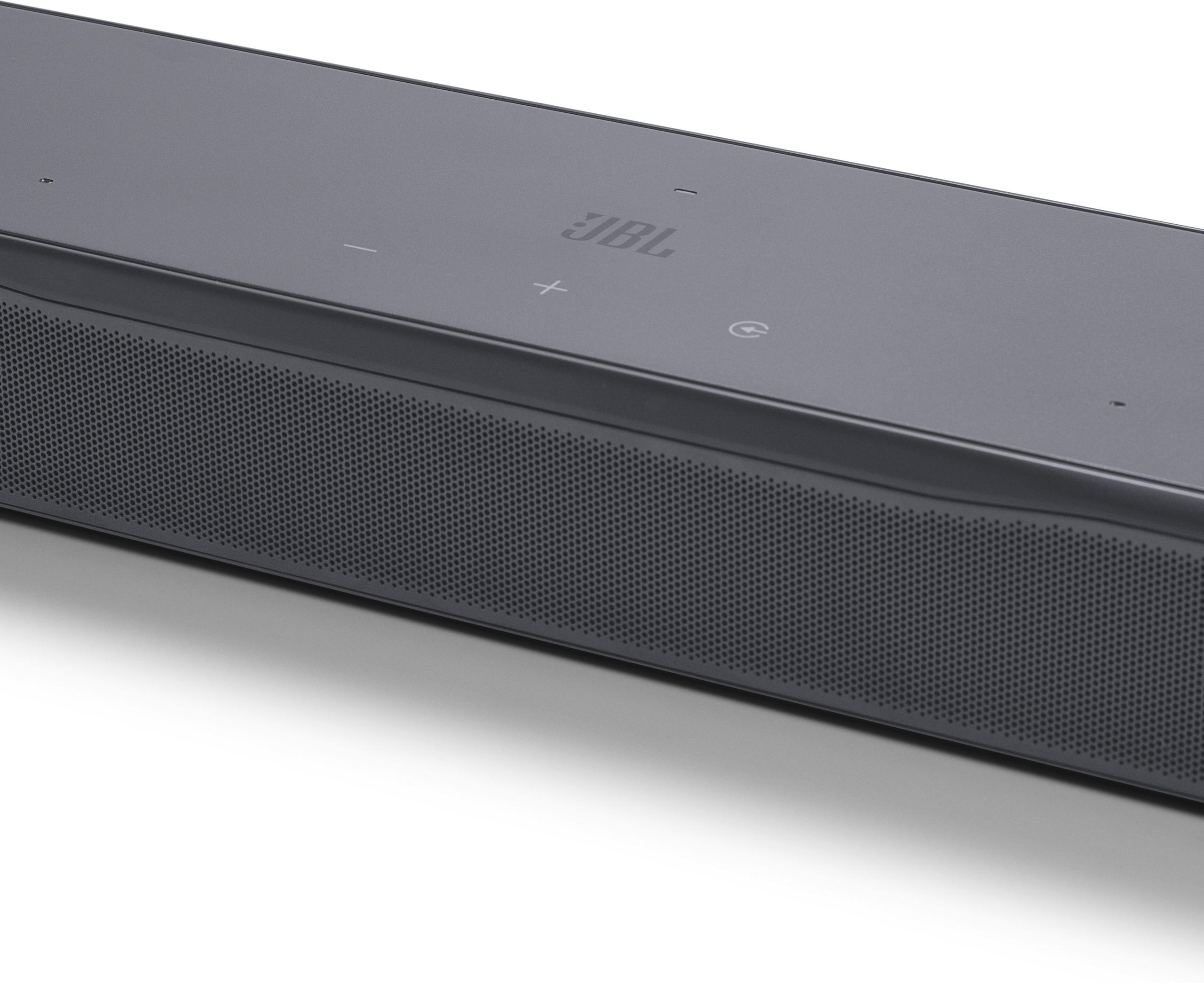
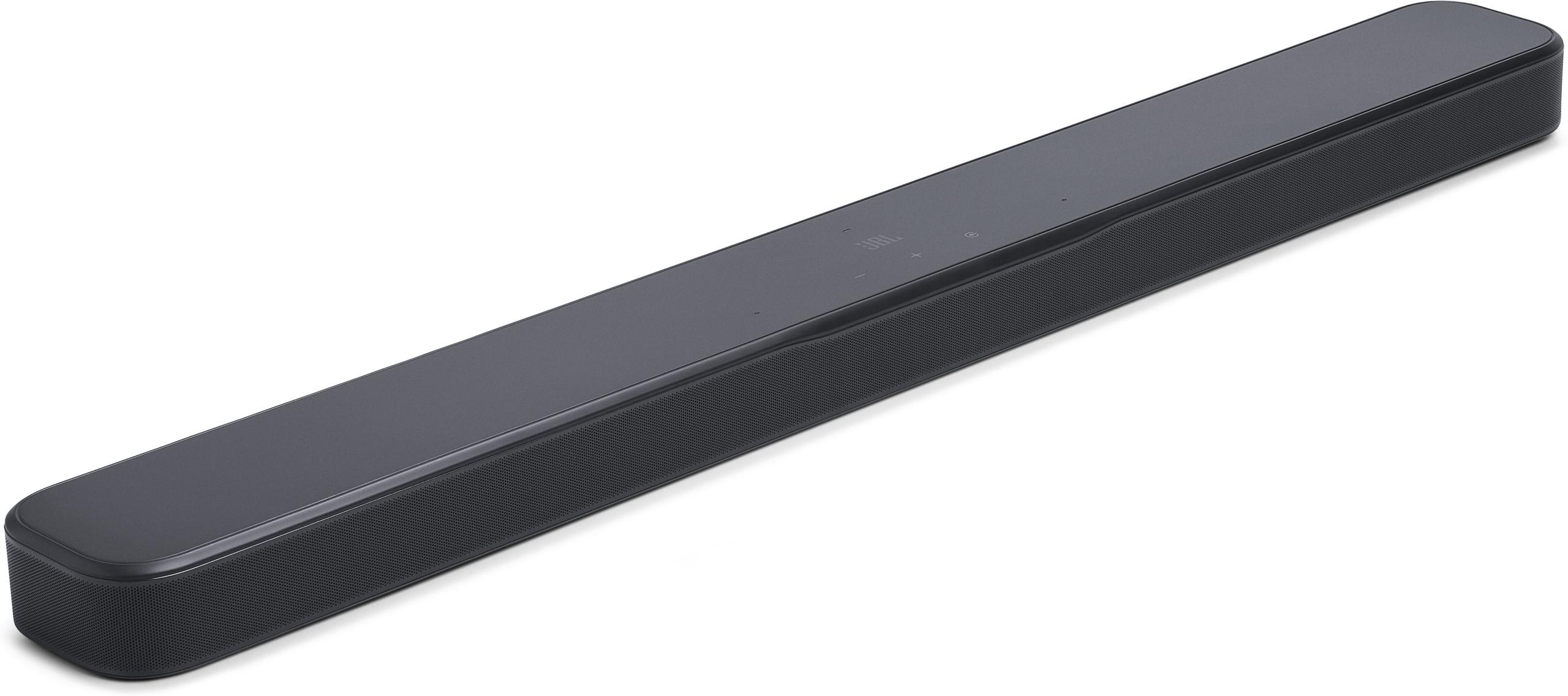
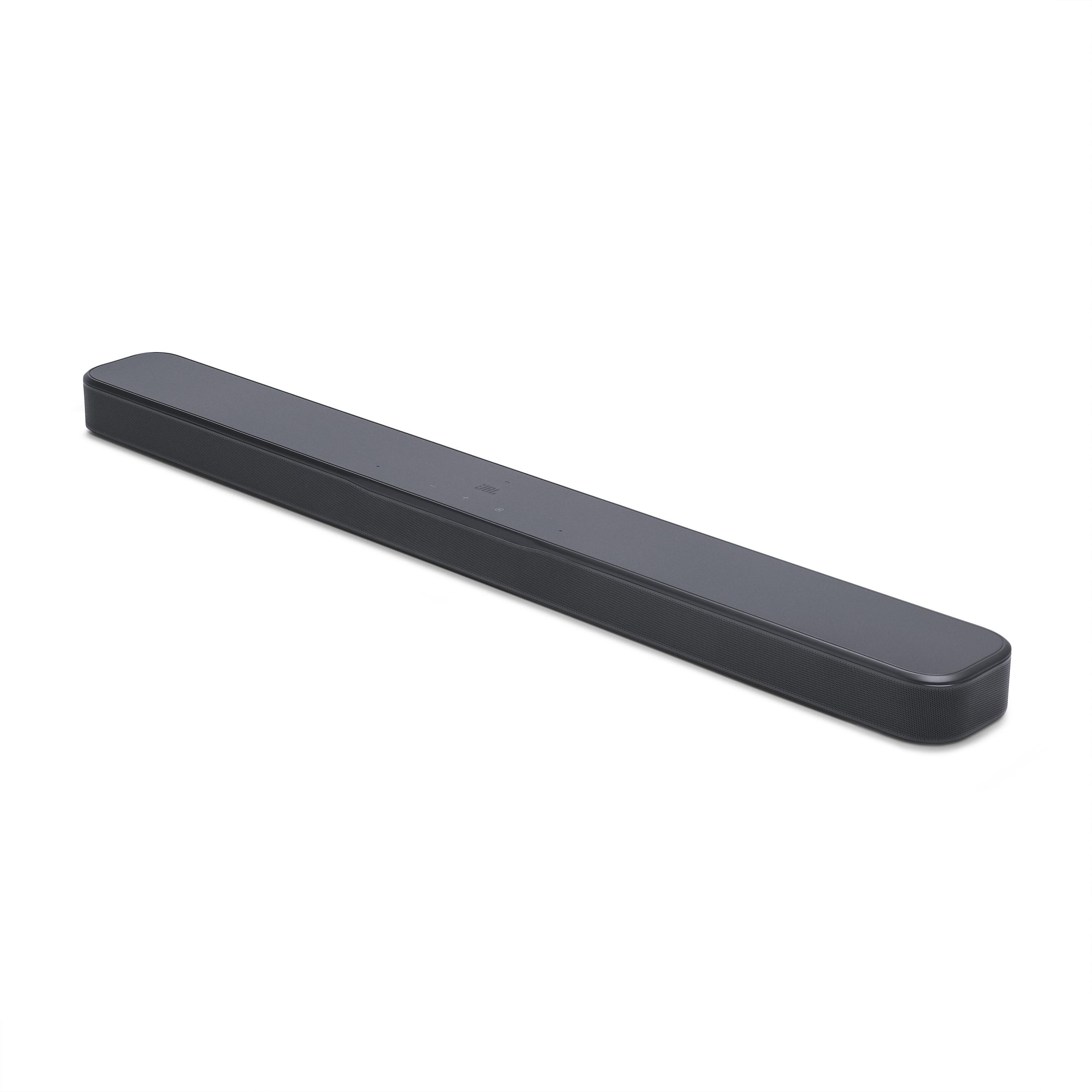
The JBL Bar 300 MK2 and Samsung HW-Q800D couldn't be more different in their core design philosophy. JBL released the Bar 300 MK2 in 2025 as part of their second-generation MK2 series, focusing on what they call "effortless entertainment." This means everything you need is packed into a single 32.3-inch bar that you can mount on the wall or place on a TV stand without any additional components.
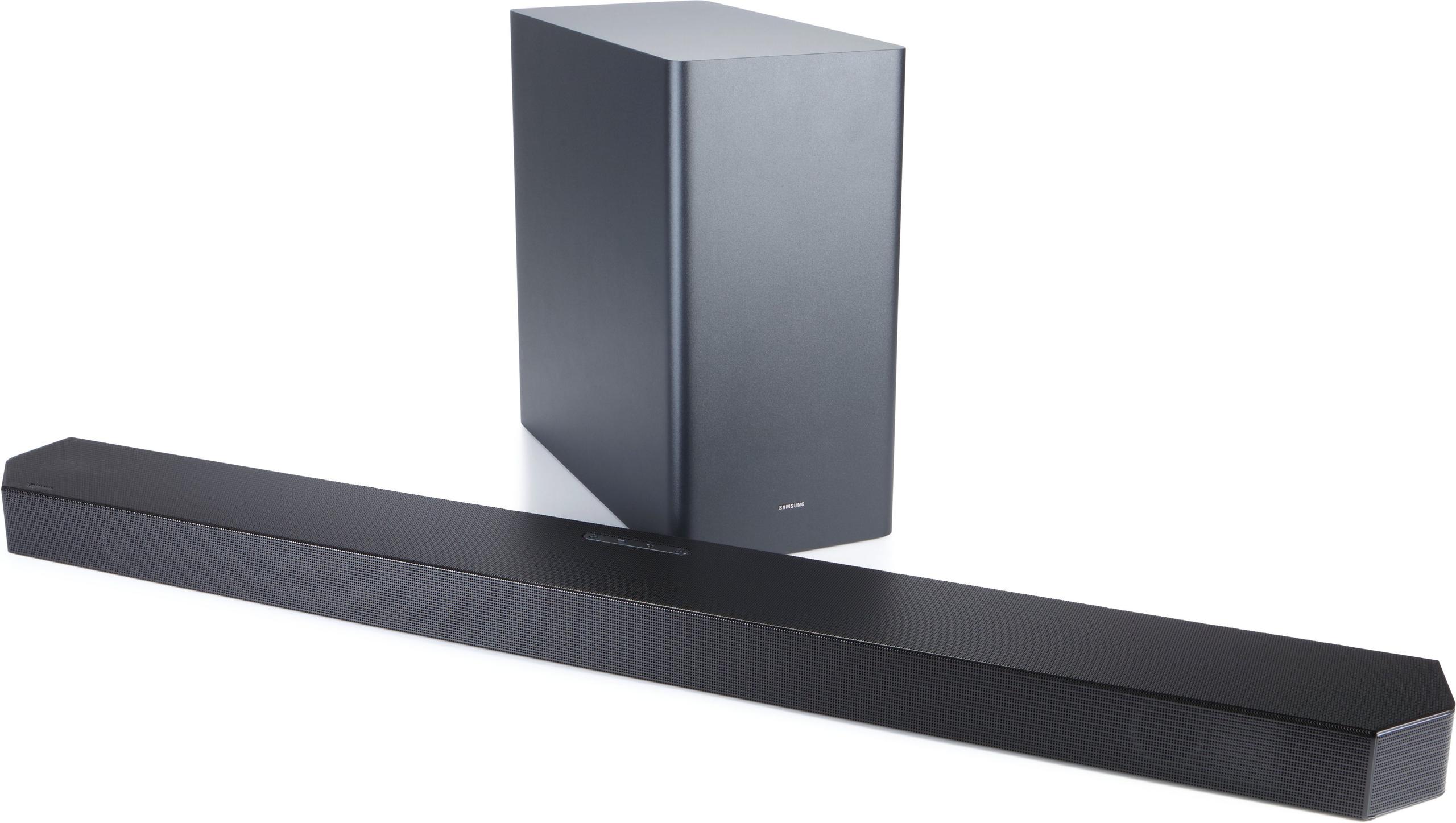
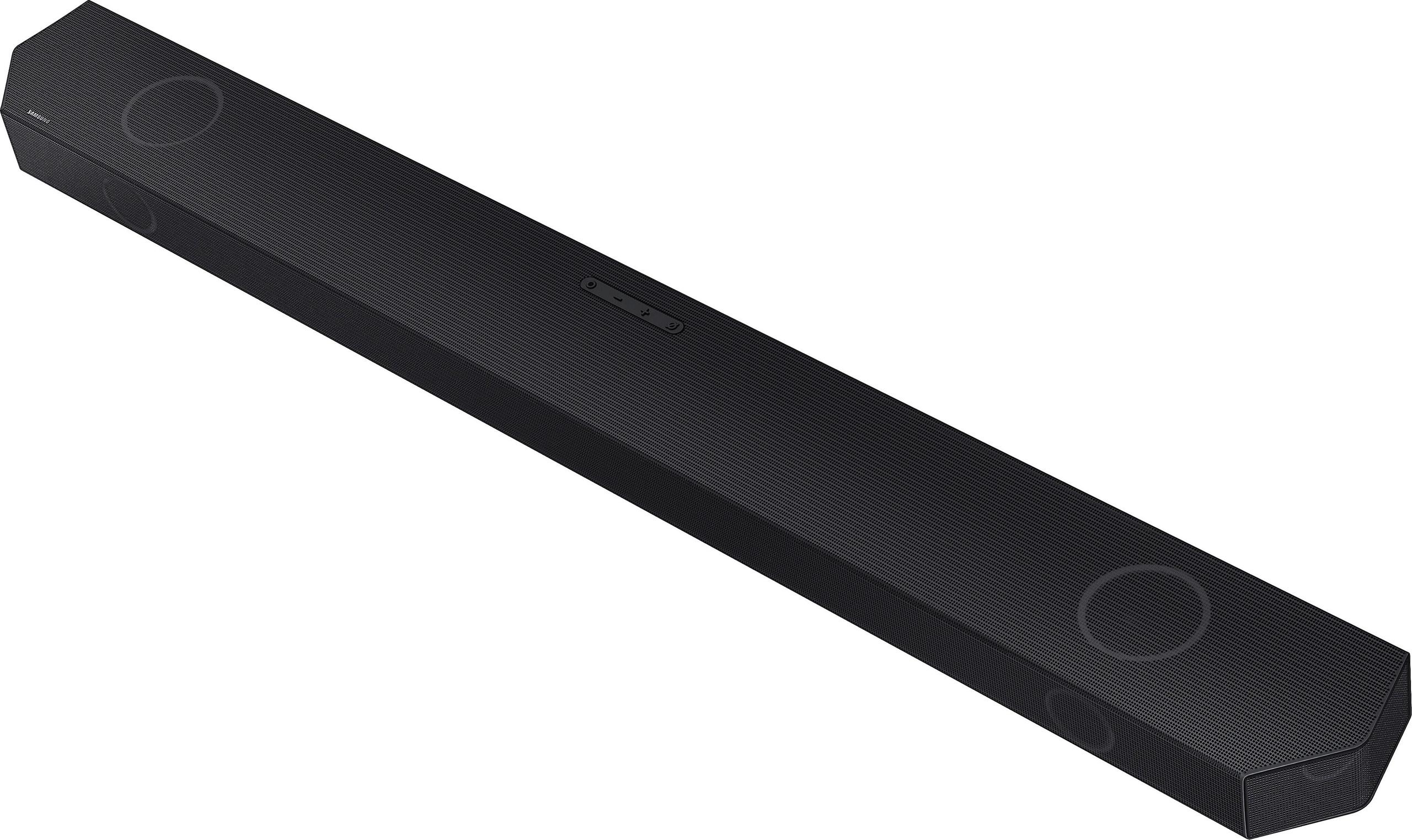
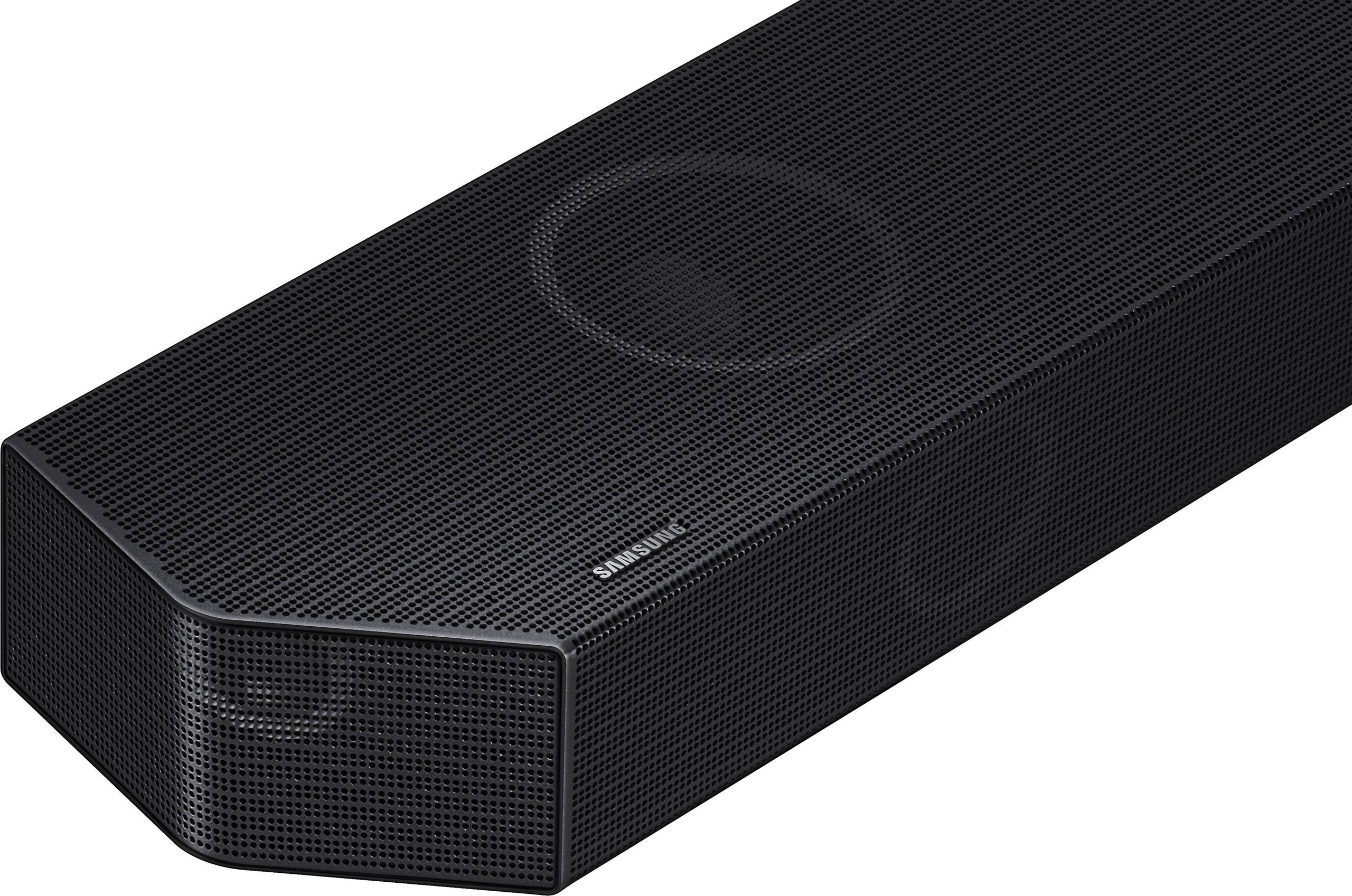
Samsung took the opposite approach with their HW-Q800D, which launched in 2024. They built a true 5.1.2 channel system, meaning you get five main channels (front left, center, front right, and two surround channels), one subwoofer channel, and two height channels that fire sound upward to bounce off your ceiling. This creates what's called "object-based audio" – instead of just left and right stereo, sounds can be placed anywhere in three-dimensional space around you.
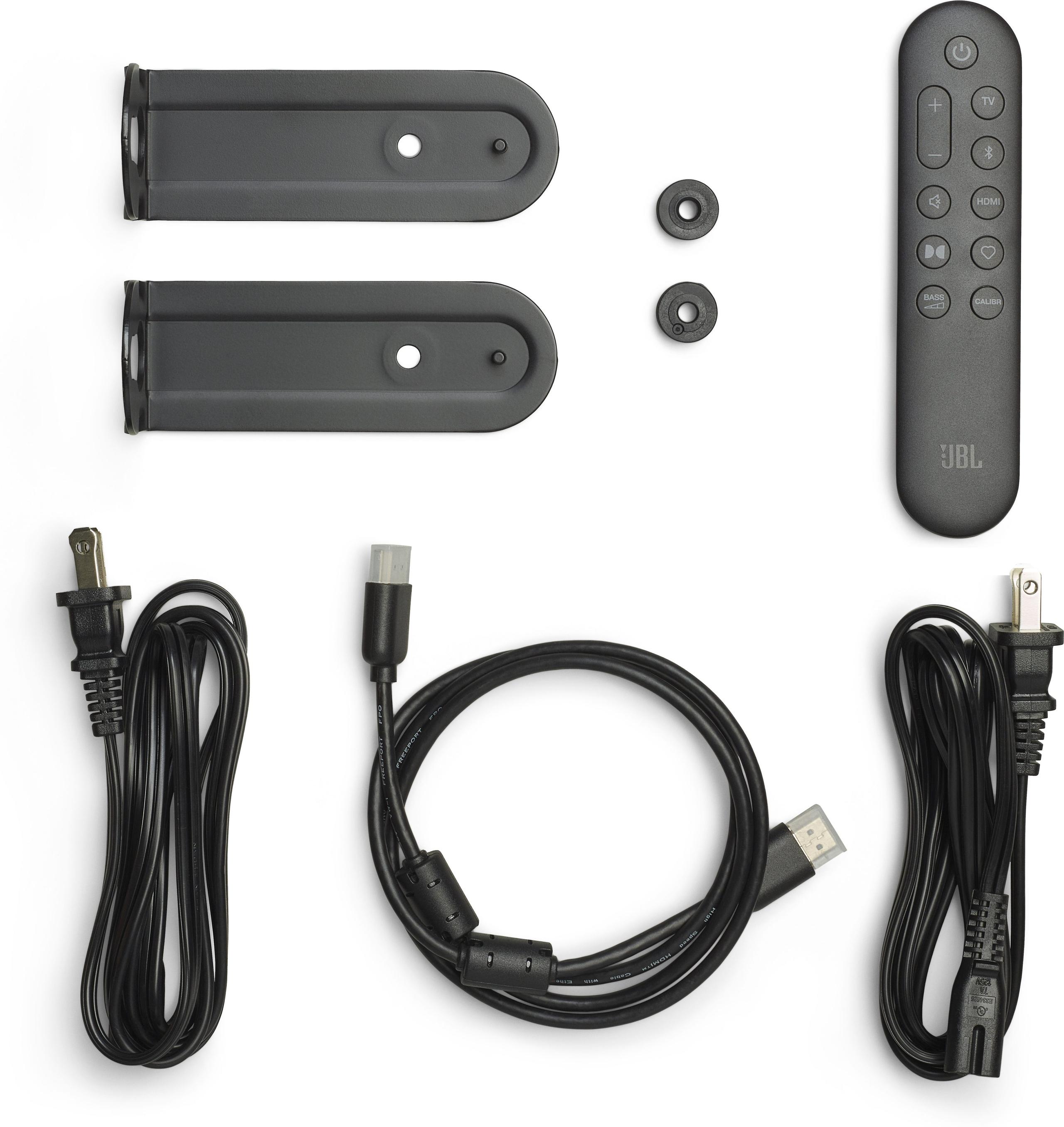
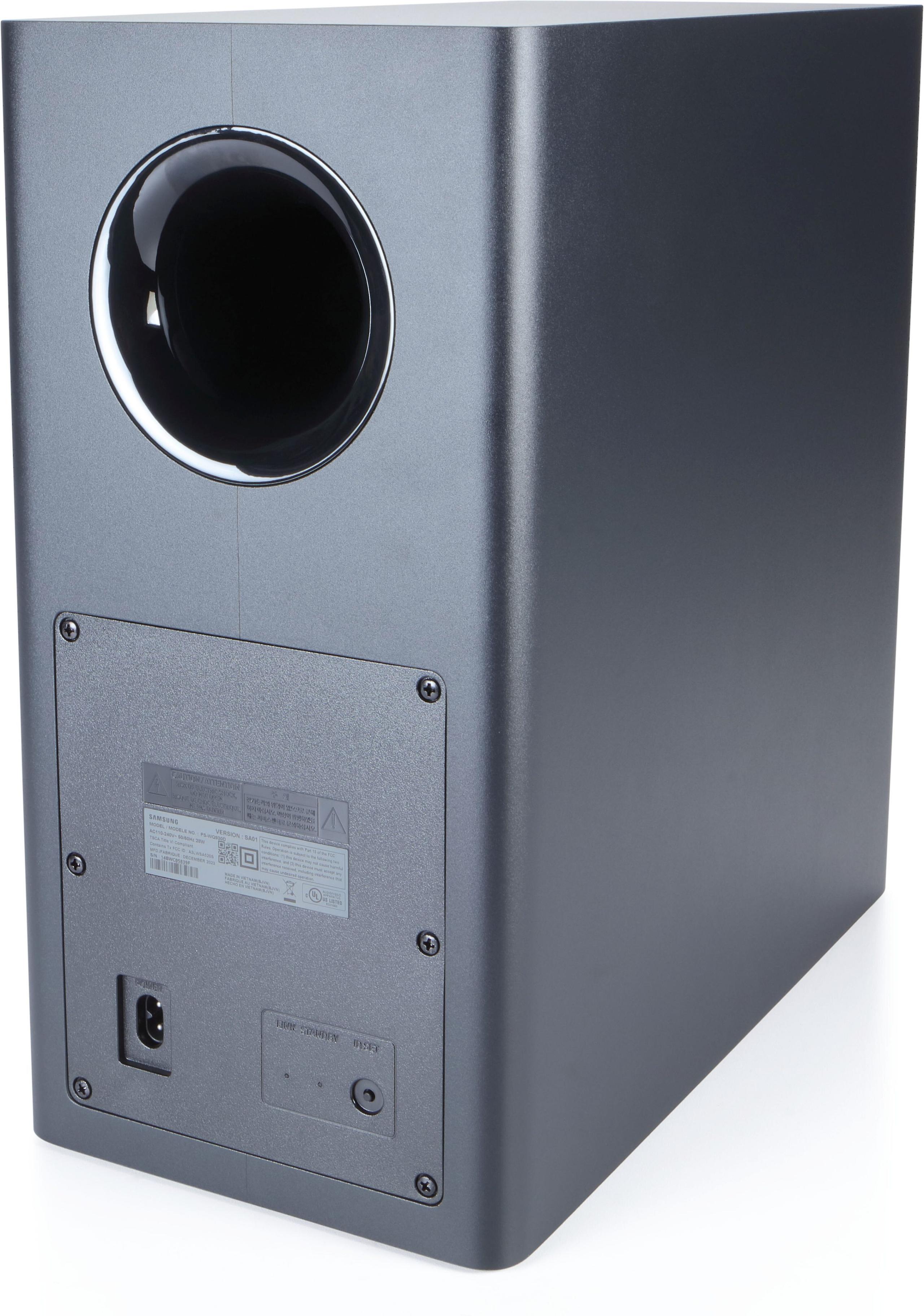
The JBL's all-in-one design means you'll have it playing music within minutes of unboxing. There's no subwoofer to find a spot for, no calibration process to run through, and no additional power outlets needed. Samsung's approach requires more planning – you need to position the wireless subwoofer somewhere in your room where it won't be in the way but can still deliver optimal bass, and the soundbar itself needs to run its SpaceFit Sound Pro calibration to analyze your room's acoustics.
When we talk about power in soundbars, we're referring to how much electrical energy gets converted into sound waves. The JBL Bar 300 MK2 outputs 260 watts total, while the Samsung pushes 360 watts. But raw power numbers don't tell the whole story – it's how that power is distributed that matters.
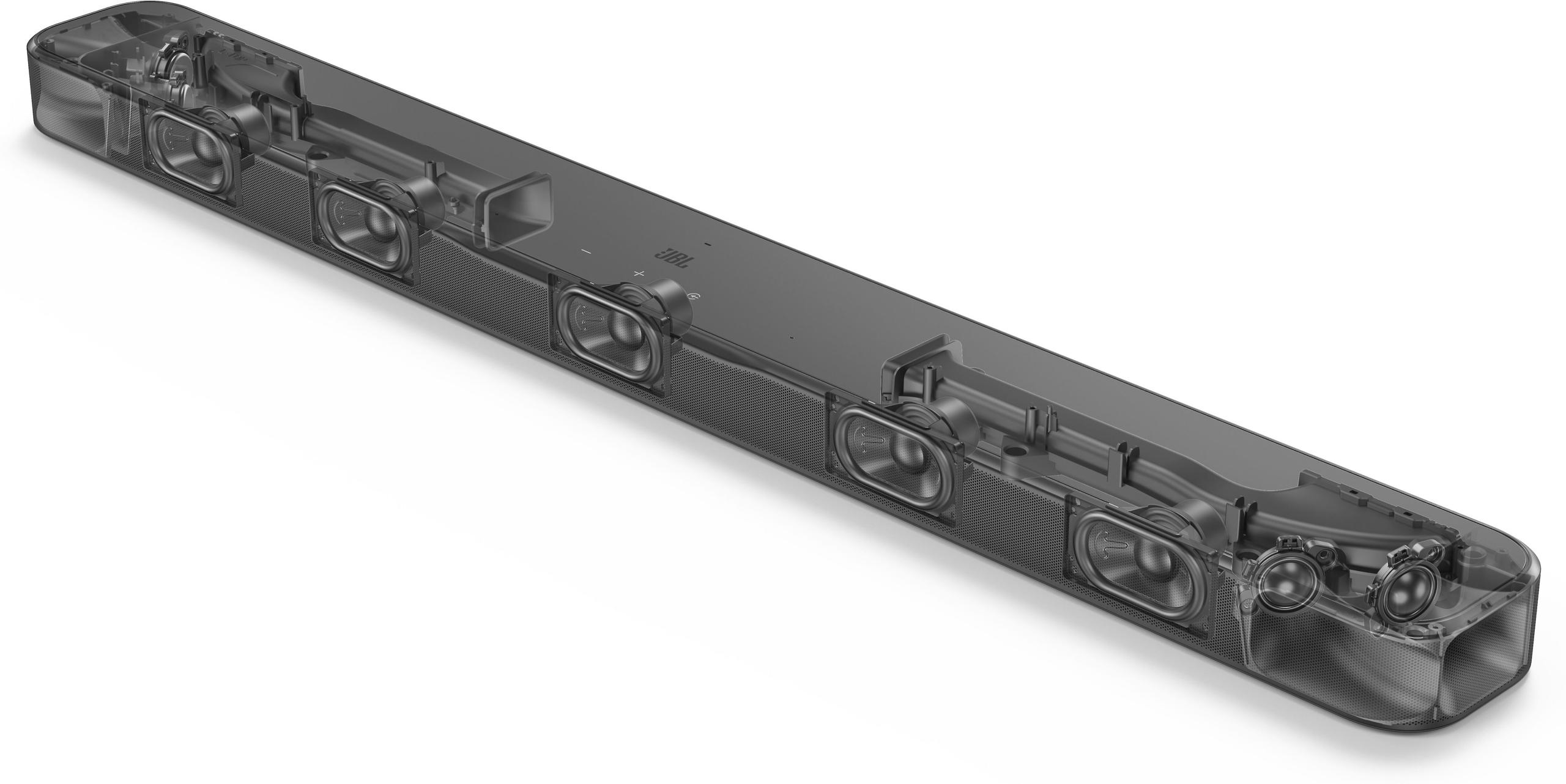
JBL spreads their 260 watts across five channels without a dedicated subwoofer. Instead, they use bass radiators – these are passive speakers that vibrate sympathetically with the main drivers to enhance low-frequency response. Think of them like the sound hole in an acoustic guitar; they don't have their own power but help amplify the bass that's already being produced. This approach works well for rooms up to about 200 square feet, which covers most bedrooms and smaller living rooms.
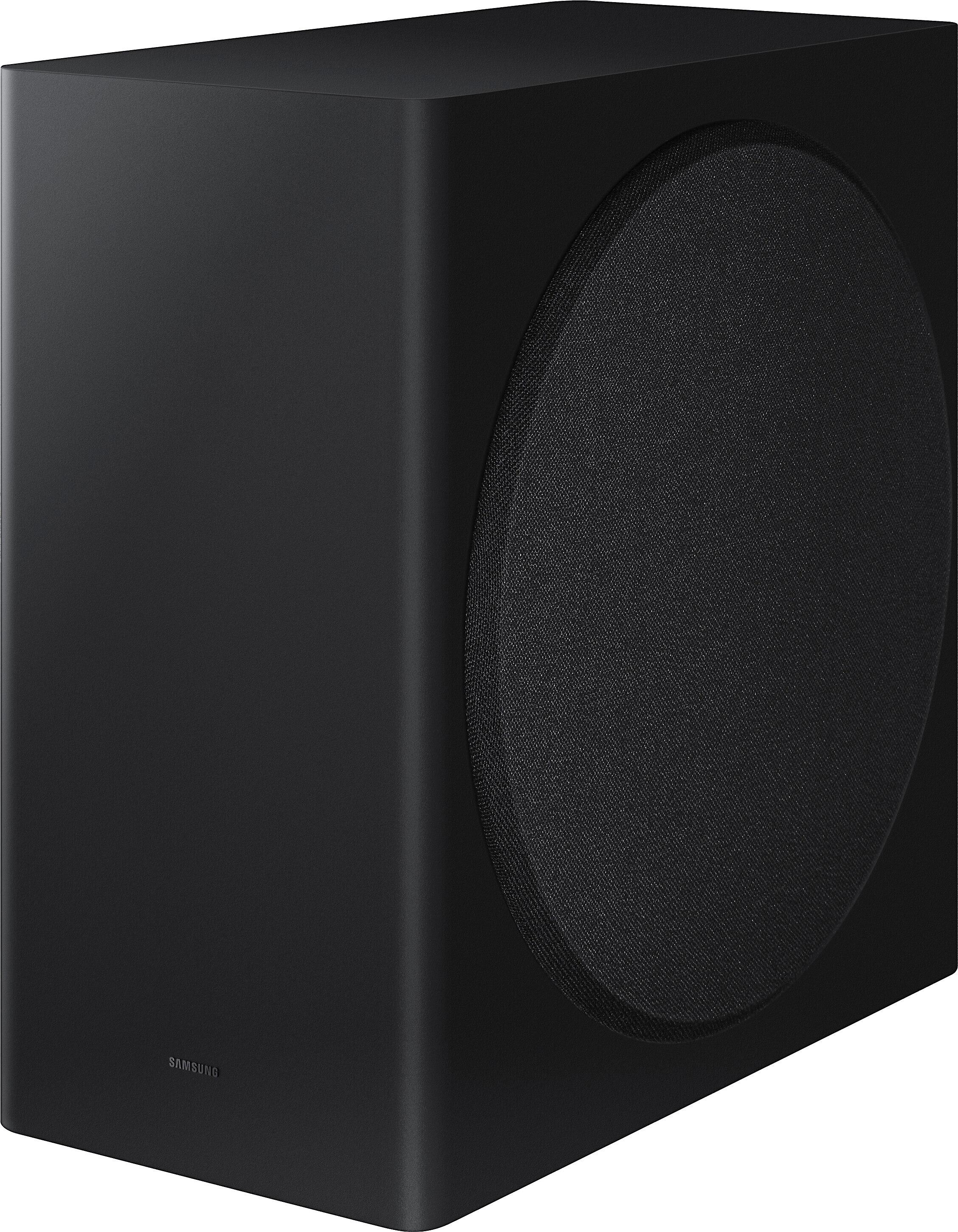
Samsung's 360 watts gets divided between the main soundbar and that 8-inch wireless subwoofer. Subwoofers are specialized speakers designed specifically for low frequencies – they can move a lot more air than the small drivers in a soundbar, which translates to deeper, more impactful bass. This setup can effectively fill rooms up to 400 square feet, making it better suited for larger living spaces or open-concept homes.
The difference becomes obvious when you're watching something like an action movie. The JBL will give you punchy, present bass that enhances the experience without overwhelming smaller spaces. The Samsung delivers the kind of room-shaking low-end that makes you feel like you're in a movie theater, complete with the chest-thumping bass that action scenes demand.
Both soundbars support Dolby Atmos, but they achieve it in fundamentally different ways. Dolby Atmos is an audio format that treats sounds as objects that can be placed anywhere in three-dimensional space, rather than just assigning them to specific channels. When a helicopter flies overhead in a movie, Atmos can make it sound like it's actually above you.
The JBL Bar 300 MK2 creates Atmos effects through virtual processing. Using advanced algorithms, it manipulates the audio signals to trick your brain into perceiving height and depth that isn't physically there. It's similar to how noise-canceling headphones can create the illusion of surround sound – clever digital processing makes up for the lack of actual speakers positioned around your room.
The Samsung takes the physical approach with dedicated up-firing speakers built into the soundbar. These speakers fire sound waves toward your ceiling, which then reflect back down to create genuine overhead effects. It's the difference between a magician's illusion and the real thing – both can be convincing, but one relies on physics while the other depends on psychoacoustics.
In my experience testing both approaches, physical height channels create more convincing overhead effects, especially in scenes with rain, aircraft, or other obvious directional audio cues. The virtual processing works well for general ambiance and can expand the apparent width of the soundstage, but it can't quite match the precision of actual speakers firing upward.
This is where the JBL Bar 300 MK2 really shines. JBL built this soundbar with streaming as a primary use case, not just an afterthought. It supports AirPlay 2 for iPhone users, Chromecast built-in for Android devices, and direct connections to services like Tidal Connect and Roon Ready for audiophiles who care about high-resolution music streaming.
The JBL One app deserves special mention – it's one of the more intuitive soundbar apps I've used. You can adjust a seven-band equalizer to fine-tune the sound to your preferences, group multiple JBL speakers throughout your home, and even stream different music to different rooms. The soundbar also receives automatic software updates over Wi-Fi, which means new features and improvements can be added long after you've bought it.
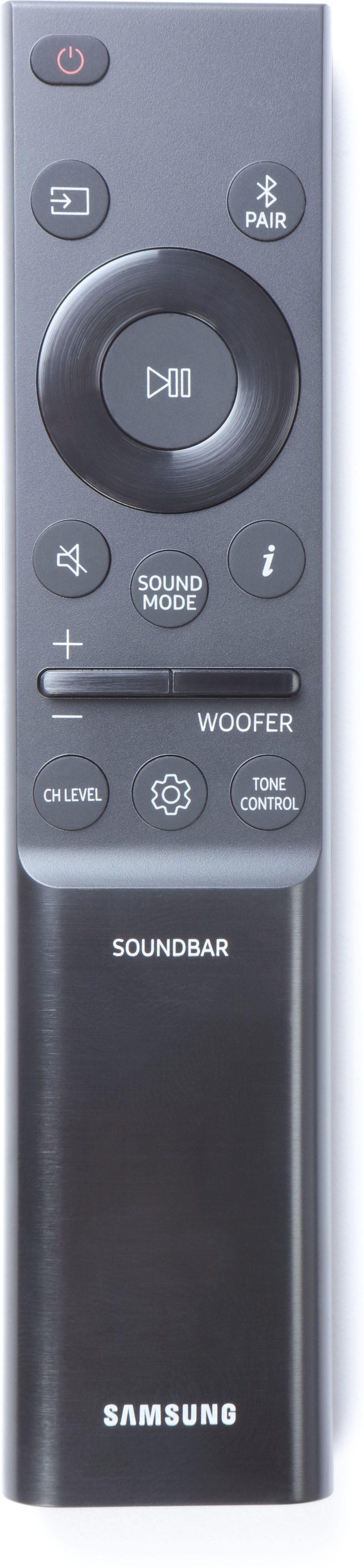
Samsung's approach focuses more on ecosystem integration, particularly if you own other Samsung devices. The HW-Q800D includes built-in Alexa support, so you can control it with voice commands without needing a separate Echo device. If you have a Samsung TV, the Q-Symphony feature is genuinely impressive – it uses both the TV's speakers and the soundbar simultaneously, creating a larger, more enveloping soundstage than either could achieve alone.
The Samsung also includes SpaceFit Sound Pro, which uses built-in microphones to analyze your room's acoustics and automatically adjust the sound accordingly. It's similar to the room correction systems found in high-end home theater receivers, but simplified for everyday use. You just press a button, and the soundbar spends about 30 seconds measuring your space and optimizing its output.
Gaming audio has become increasingly important as games incorporate more sophisticated sound design. The Samsung HW-Q800D has some clear advantages here, particularly for competitive gaming. Its dedicated center channel means dialogue and voice chat come through with exceptional clarity, while the height channels can give you a spatial awareness advantage in first-person shooters where hearing enemy footsteps from above can mean the difference between victory and defeat.
Samsung also includes a dedicated Game Pro mode that optimizes the soundbar's processing for gaming content. This mode reduces audio latency – the delay between when something happens on screen and when you hear it – which is crucial for timing-sensitive games. The mode also enhances directional audio cues, making it easier to pinpoint where sounds are coming from in three-dimensional game environments.
The JBL's strength in gaming comes from its simplicity and clarity. There's no complex processing that might introduce lag, and its PureVoice 2.0 technology ensures that dialogue in story-driven games comes through clearly. For casual gaming or single-player experiences, the JBL's straightforward approach works well, but it can't match the Samsung's spatial precision for competitive play.
Music performance reveals another key difference between these soundbars. The JBL Bar 300 MK2 was clearly designed with music listening as a priority. Its streaming capabilities are extensive, and the sound signature is more balanced across different music genres. The built-in bass radiators provide enough low-end support for most music without the sometimes overwhelming presence of a dedicated subwoofer.
JBL's MultiBeam 3.0 technology helps create a wider soundstage for music, making stereo recordings feel more spacious and engaging. The seven-band equalizer in the JBL One app lets you fine-tune the sound for different music styles – you might boost the mids for vocal-heavy tracks or add some extra bass for electronic music.
The Samsung's dedicated subwoofer gives it an advantage with bass-heavy music genres like hip-hop, electronic, or rock. That 8-inch driver can reproduce low frequencies that the JBL simply can't match. However, the Samsung's sound processing is optimized more for movie content than music, which can sometimes make music sound artificially enhanced rather than natural.
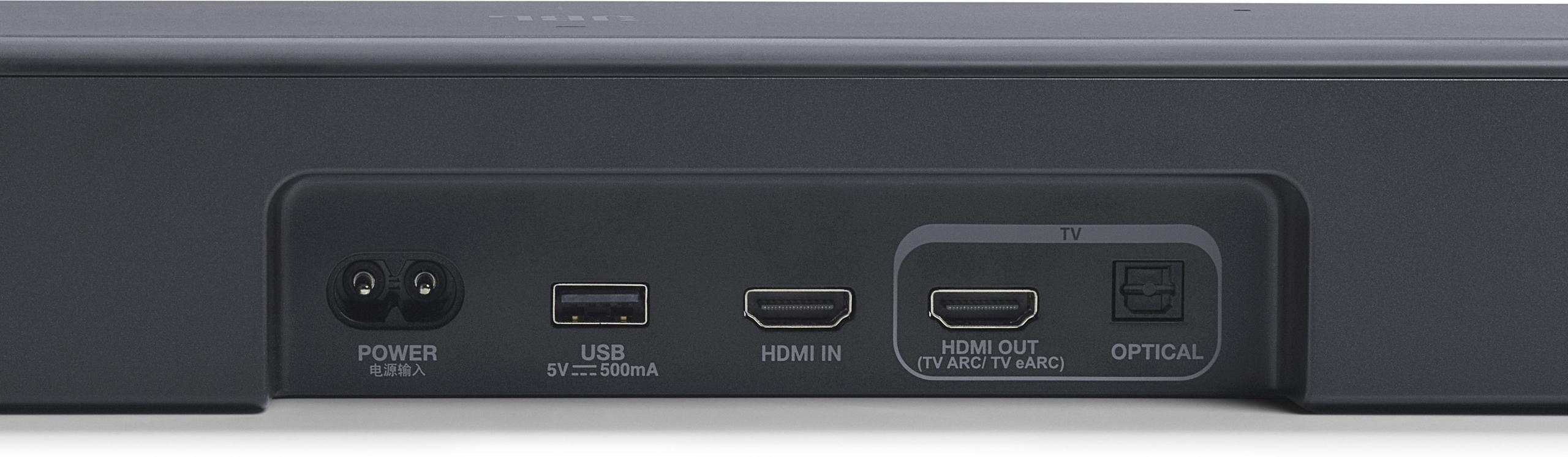
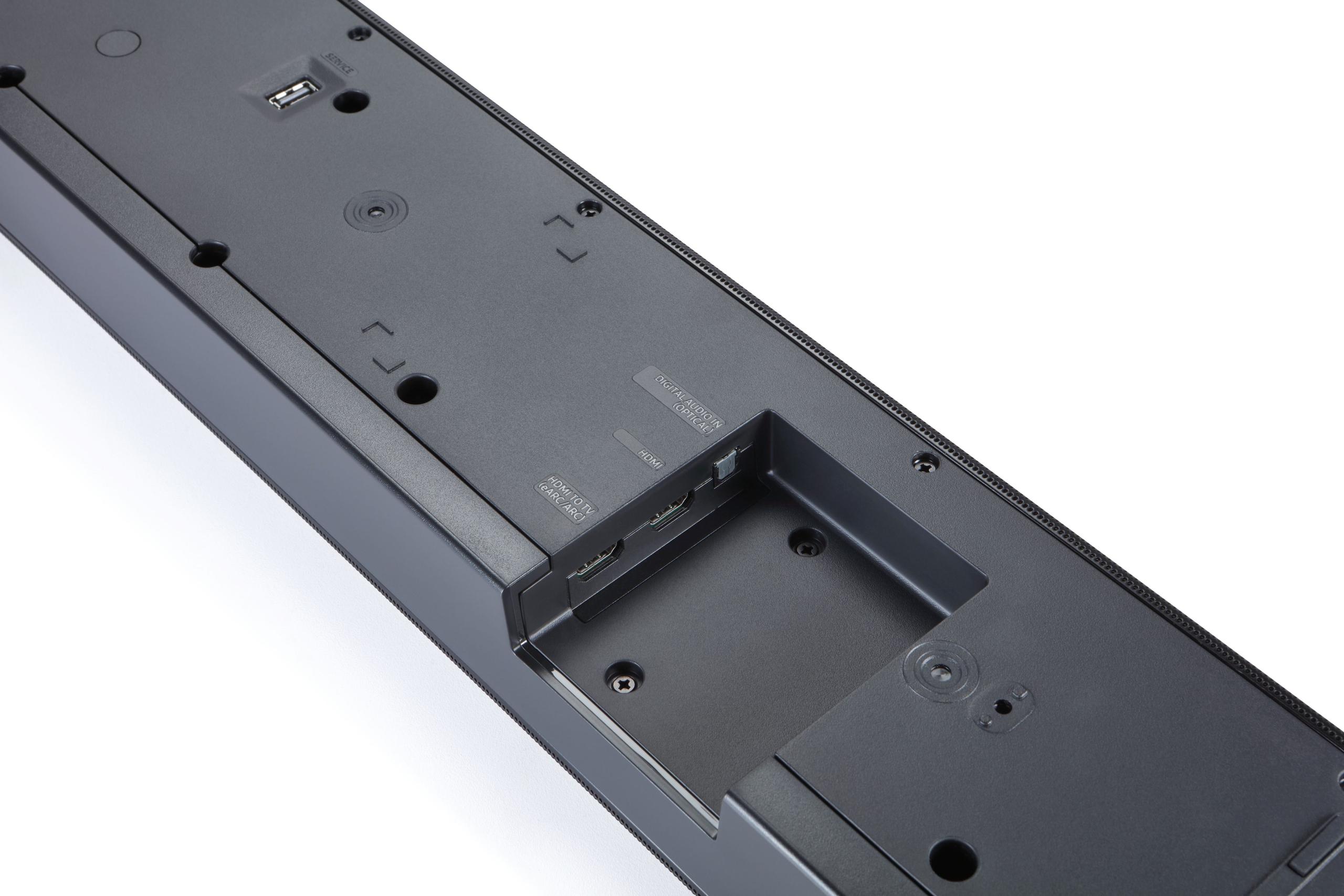
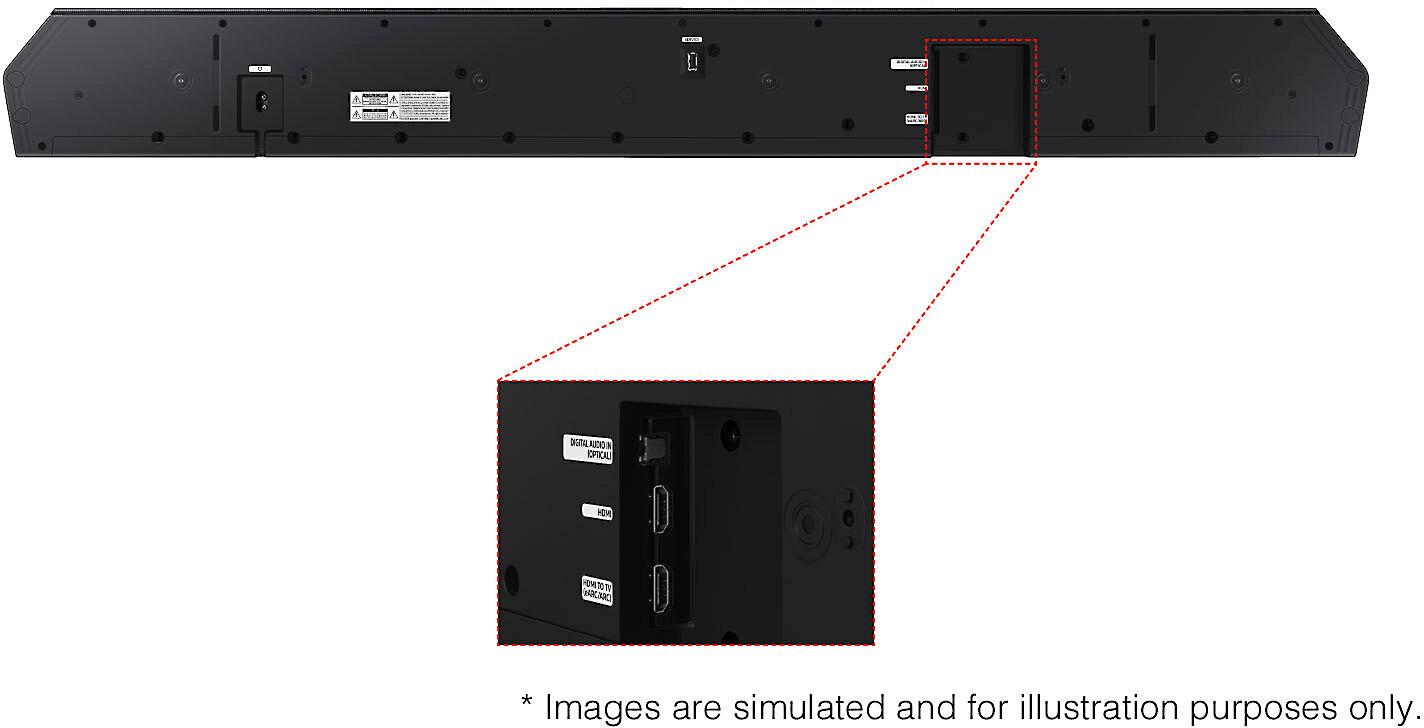
For serious home theater enthusiasts, connectivity and expandability matter. Both soundbars include HDMI eARC (enhanced Audio Return Channel), which allows them to receive high-quality audio directly from your TV and pass through 4K video signals with HDR support. This means you can connect your streaming devices, gaming consoles, and Blu-ray players directly to your TV and still get full-quality audio to the soundbar.
The Samsung HW-Q800D has a slight edge in home theater integration, particularly if you're building around Samsung devices. The Q-Symphony feature I mentioned earlier can make a surprising difference in larger rooms, effectively giving you more speakers working together. Samsung has also been more aggressive about adding new features through firmware updates – the HW-Q800D gained improved gaming modes and additional streaming services after launch.
The JBL's advantage lies in its universal compatibility and streaming focus. It works equally well with any TV brand and offers broader streaming service support. The automatic updates mean it should stay current with new services and features, but JBL hasn't been as active as Samsung in rolling out major feature additions post-launch.
After extensive testing with both soundbars, the decision ultimately comes down to your priorities and living situation. The JBL Bar 300 MK2 excels in smaller spaces where its all-in-one design makes perfect sense. If you live in an apartment, frequently move, or simply want the cleanest possible setup, the JBL's approach is hard to beat. Its streaming capabilities make it an excellent music speaker that happens to also dramatically improve your TV's audio.
The Samsung HW-Q800D is the choice for those who want a true home theater experience and have the space to accommodate it properly. That dedicated subwoofer and physical height channels create a level of immersion that virtual processing can't quite match. If you primarily watch movies, play games competitively, or have a larger room to fill, the Samsung justifies its higher price with genuinely superior performance.
Both soundbars represent significant upgrades over TV speakers, but they serve different needs. The JBL is the Swiss Army knife – versatile, compact, and capable of handling anything you throw at it well. The Samsung is the specialized tool – more complex to set up, but capable of exceptional performance in its intended use cases.
Your decision should factor in not just the initial price difference, but also your long-term satisfaction. If you're someone who values simplicity and streaming flexibility, paying extra for surround sound features you may not fully utilize doesn't make sense. Conversely, if you're building a dedicated entertainment space and want the most immersive experience possible, the Samsung's additional capabilities become worth the investment.
| JBL Bar 300 MK2 | Samsung HW-Q800D |
|---|---|
| Price - Budget impact for premium soundbar features | |
| $449.95 | $697.99 |
| Audio Configuration - Determines immersion level and setup complexity | |
| 5.0 channel all-in-one (no subwoofer) | 5.1.2 channel with wireless subwoofer and height speakers |
| Total Power Output - Affects room-filling capability and maximum volume | |
| 260W (suitable for rooms up to 200 sq ft) | 360W (handles rooms up to 400+ sq ft) |
| Bass Solution - Critical for movie impact and music depth | |
| Built-in bass radiators (compact but limited low-end) | Dedicated 8" wireless subwoofer (deep, impactful bass) |
| Dolby Atmos Implementation - Overhead sound effect quality | |
| Virtual height processing (good but simulated) | Physical up-firing speakers (true overhead effects) |
| Setup Complexity - Time from box to optimal performance | |
| Plug-and-play single unit | Requires subwoofer placement and room calibration |
| Streaming Features - Music listening versatility | |
| AirPlay 2, Chromecast, Tidal Connect, Roon Ready | Basic Bluetooth, limited streaming services |
| Voice Assistant Support - Smart home integration | |
| Works with Alexa/Google via connected devices | Built-in Alexa support |
| Gaming Performance - Competitive advantage and latency | |
| Clear dialogue, minimal processing delay | Game Pro mode, precise directional audio |
| TV Integration - Enhanced performance with specific brands | |
| Universal compatibility | Q-Symphony technology (Samsung TVs only) |
| Room Calibration - Automatic sound optimization | |
| Basic built-in microphone adjustment | Advanced SpaceFit Sound Pro with acoustic analysis |
| Expandability - Future upgrade options | |
| No expansion possible (all-in-one design) | Cannot add rear speakers or upgrade components |
The JBL Bar 300 MK2 is ideal for small apartments because it's an all-in-one design that doesn't require a separate subwoofer. At just 32.3 inches wide, it fits easily under most TVs without taking up extra floor space or needing additional power outlets.
The key difference is that the JBL Bar 300 MK2 ($449.95) is a single-unit 5.0 channel soundbar, while the Samsung HW-Q800D ($697.99) is a 5.1.2 system with a separate wireless subwoofer and physical height speakers for true Dolby Atmos effects.
The Samsung HW-Q800D has significantly better bass thanks to its dedicated 8-inch wireless subwoofer that can reproduce deep low frequencies. The JBL uses built-in bass radiators which provide decent bass for its size but can't match a dedicated subwoofer's impact.
For movies and gaming, the Samsung's subwoofer makes a noticeable difference in creating immersive, room-filling sound. However, if you primarily watch TV shows or listen to music in a smaller room, the JBL Bar 300 MK2 provides excellent sound quality without the extra component.
The JBL Bar 300 MK2 is much easier to set up - just connect one cable to your TV and you're done. The Samsung requires positioning the wireless subwoofer, running room calibration, and finding space for the larger components.
The Samsung HW-Q800D costs $248 more than the JBL Bar 300 MK2. The extra cost gets you a dedicated subwoofer, true Dolby Atmos height effects, and 100W more power - worth it for larger rooms and movie enthusiasts, but overkill for casual viewing.
The JBL Bar 300 MK2 excels at music streaming with support for AirPlay 2, Chromecast, Tidal Connect, and Roon Ready. It also includes a 7-band equalizer for customizing sound. The Samsung has more limited streaming options but delivers more powerful bass for music.
Both soundbars work with any TV brand through HDMI or optical connections. However, the Samsung HW-Q800D offers special Q-Symphony integration that works exclusively with Samsung TVs to use both the TV speakers and soundbar simultaneously.
The Samsung HW-Q800D is better for gaming, especially competitive gaming, due to its Game Pro mode, dedicated center channel for clear dialogue, and height channels that provide spatial awareness. The JBL works fine for casual gaming but lacks these specialized features.
The JBL Bar 300 MK2 outputs 260W total power, suitable for rooms up to 200 square feet. The Samsung HW-Q800D delivers 360W and can effectively fill rooms up to 400+ square feet with its more powerful drivers and subwoofer.
Yes, both support Dolby Atmos but differently. The JBL Bar 300 MK2 uses virtual processing to simulate height effects, while the Samsung has physical up-firing speakers that bounce sound off your ceiling for more convincing overhead effects.
For dedicated home theaters and larger rooms, choose the Samsung HW-Q800D for its true surround sound, powerful subwoofer, and immersive Dolby Atmos. For smaller spaces or multi-purpose rooms where simplicity matters, the JBL Bar 300 MK2 provides excellent performance without the complexity.
We've done our best to create useful and informative comparisons to help you decide what product to buy. Our research uses advanced automated methods to create this comparison and perfection is not possible - please contact us for corrections or questions. These are the sites we've researched in the creation of this article: homecinemachoice.com - retailspecs.com - hometechnologyreview.com - whathifi.com - news.jbl.com - engadget.com - crutchfield.com - harmanaudio.com - techradar.com - bestbuy.com - jbl.com - sweech.co.ke - jbl.com - jbl.com.sg - mm.jbl.com - abcwarehouse.com - harmanaudio.com - sweetwater.com - ro.harmanaudio.com - dell.com - jbl.co.nz - techradar.com - valueelectronics.com - samsung.com - rtings.com - samsung.com - crutchfield.com - samsung.com - samsung.com - samsung.com - shidirect.com

Privacy Policy
Terms and Conditions - Affiliate Policy
Home Security
© Copyright 2008-2026.
11816 Inwood Rd #1211, Dallas, TX 75244