




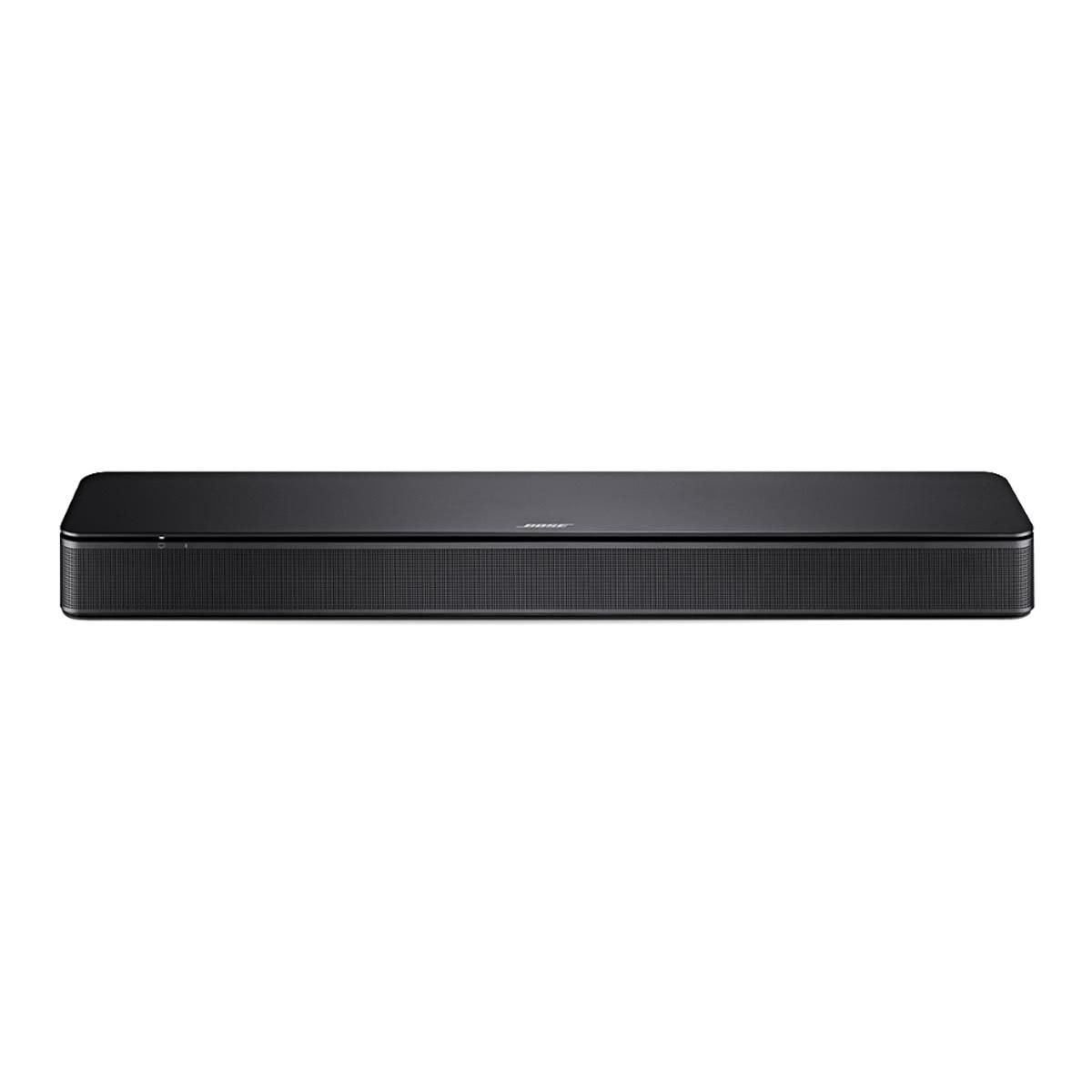
If you've ever struggled to hear dialogue clearly while watching TV, or noticed how flat and lifeless your favorite shows sound compared to the theater experience, you're not alone. TV manufacturers have made screens thinner and more beautiful over the years, but this comes at a cost – there's simply no room for decent speakers in those sleek designs. That's where soundbars come in, and choosing the right one can completely transform your viewing experience.
Today we're comparing two popular options that take very different approaches: the JBL Bar 300 MK2 at $449.95 and the Bose TV Speaker at $199.00. While both will dramatically improve your TV's audio, they're designed for different users and situations. Let me walk you through everything you need to know to make the right choice for your home.
Before diving into these specific models, it's worth understanding what separates good soundbars from great ones. The most important factors are audio performance (how clear dialogue sounds and how well it fills your room), room compatibility (whether it works well in your specific space), and feature set (the extra capabilities that might matter to your lifestyle).
The biggest consideration is often room size and viewing distance. A soundbar that sounds amazing in a cozy apartment might get lost in a large living room, while a powerful system designed for big spaces could overwhelm a bedroom setup. Content usage also matters significantly – if you mainly watch news and TV shows, your needs are very different from someone who wants a cinematic experience for movies and gaming.
Technology features have become increasingly important too. Modern soundbars can connect to your Wi-Fi network, stream music directly from your phone, and even integrate with smart home systems. However, these features add complexity and cost, so it's crucial to determine which ones you'll actually use.
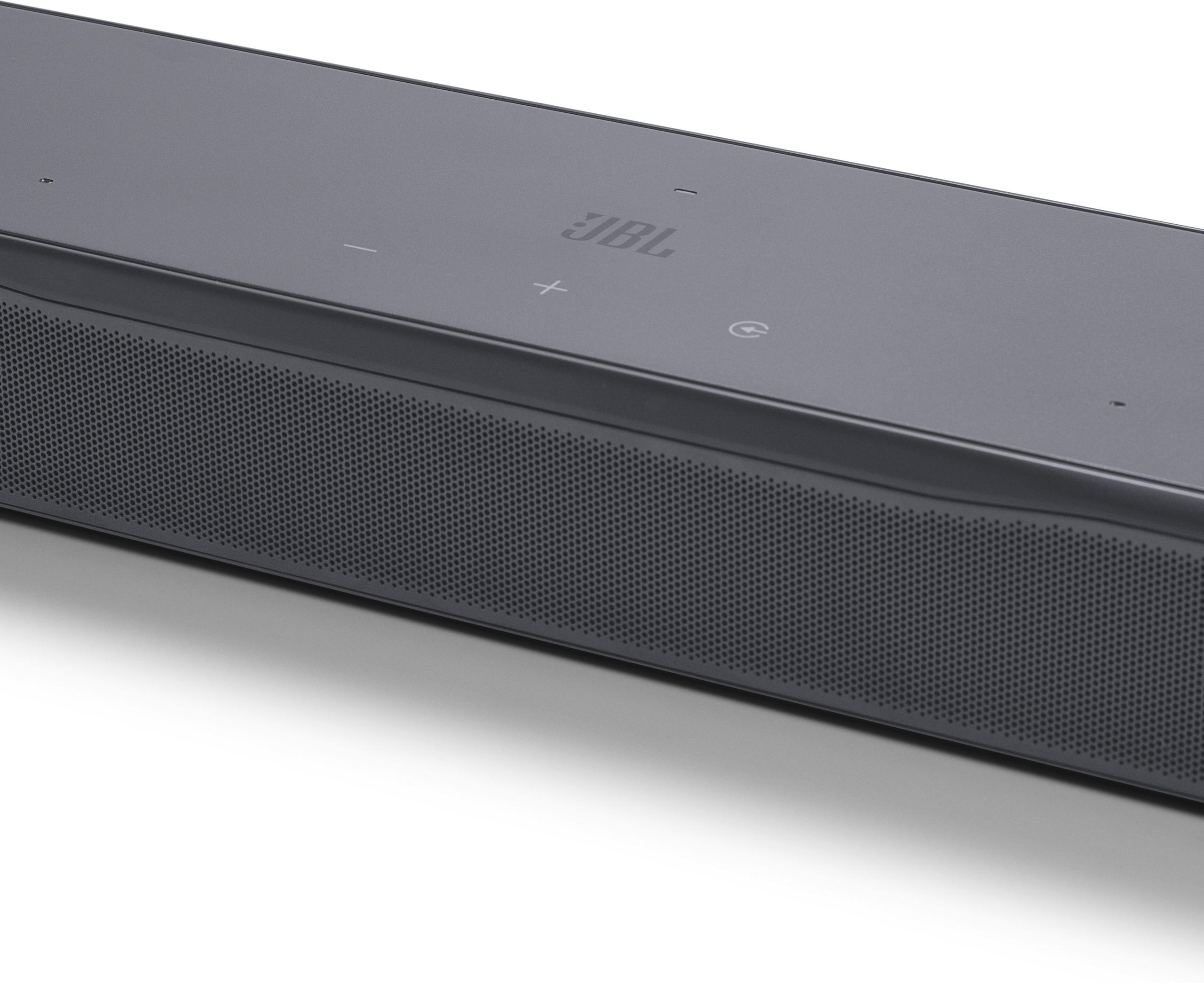
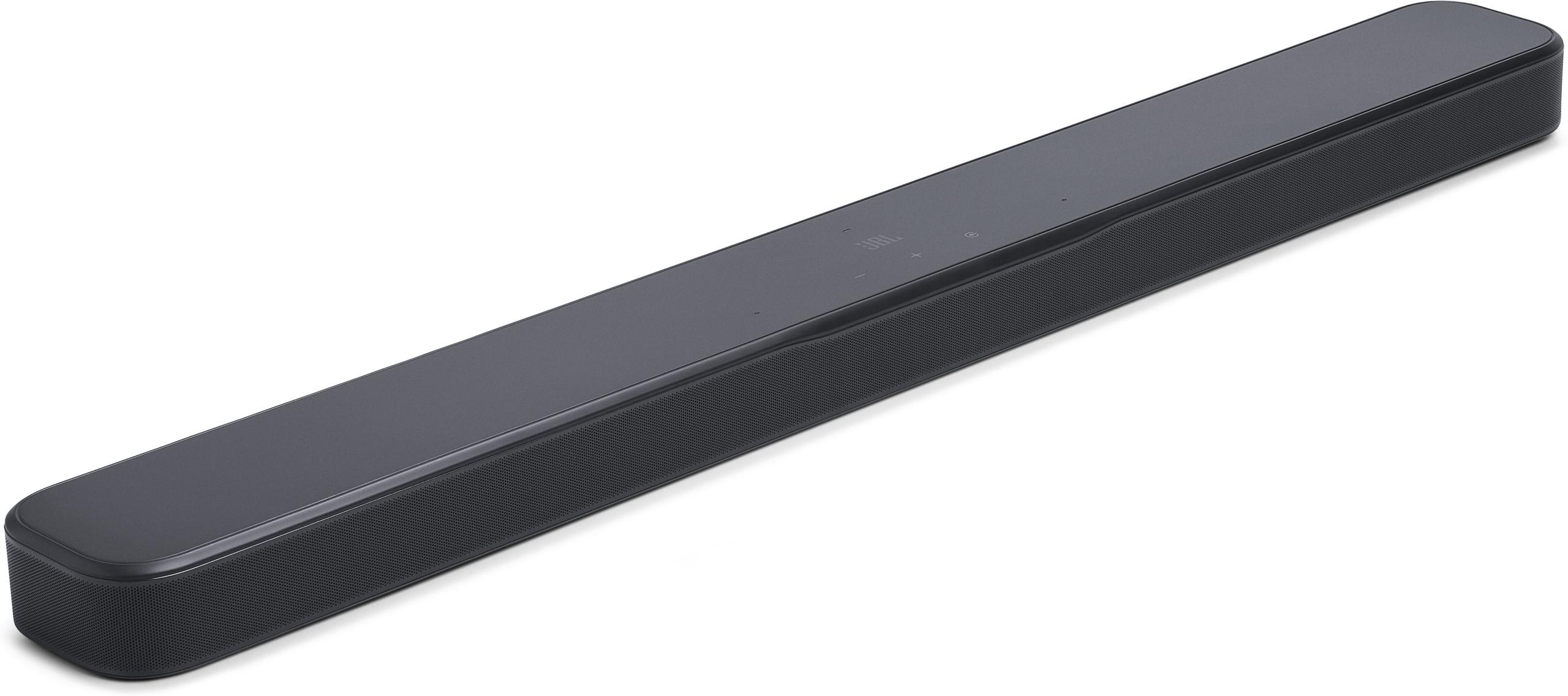
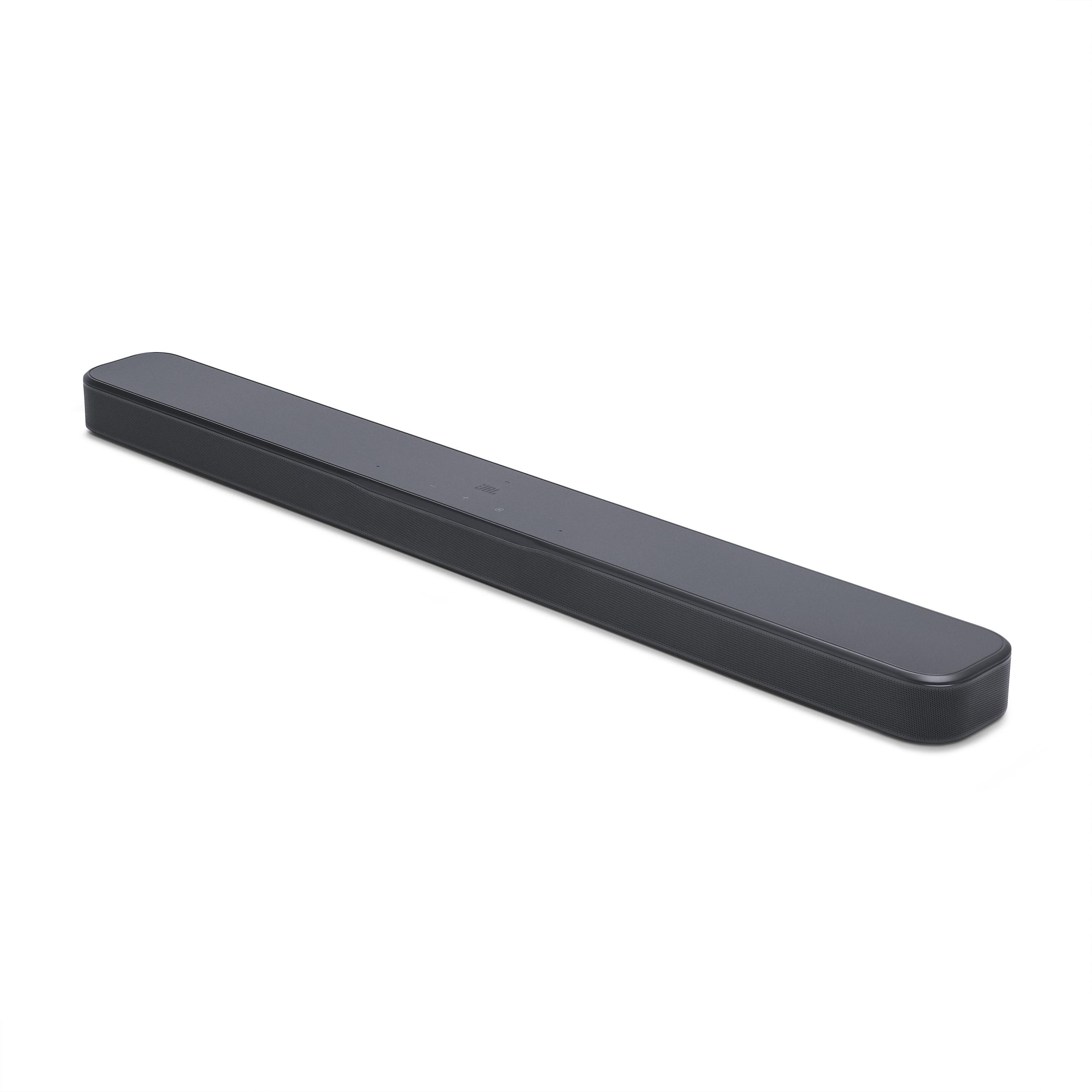
The JBL Bar 300 MK2 represents JBL's 2022 entry into the competitive mid-range soundbar market. Released as part of their updated MK2 series, it incorporates several technological advances that weren't available in earlier models. The most significant is Dolby Atmos processing, which creates a three-dimensional sound experience by bouncing audio off your ceiling to simulate height effects. This technology was once exclusive to expensive home theater systems but has now trickled down to more affordable soundbars.
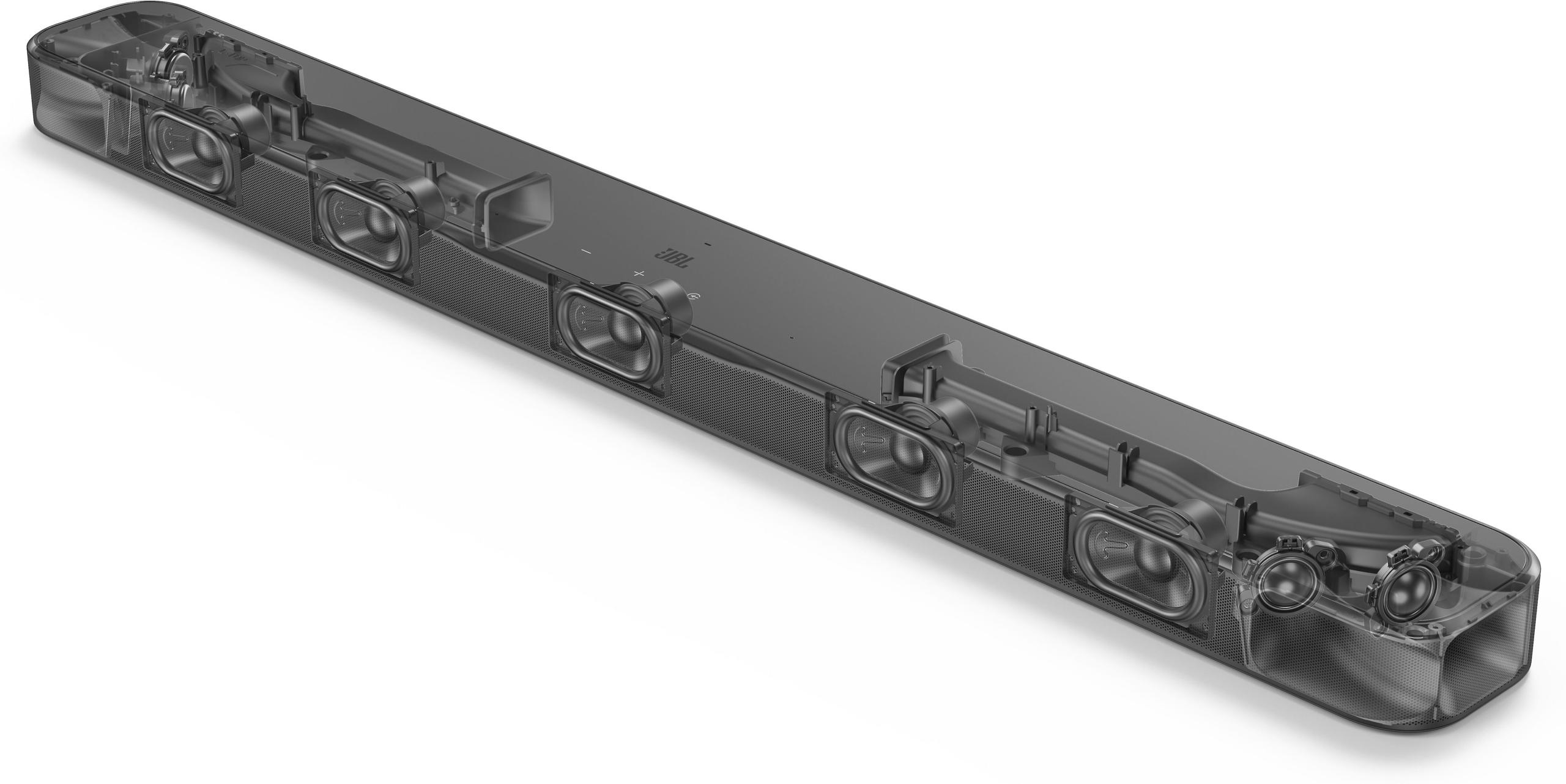
What makes the JBL particularly interesting is its MultiBeam 3.0 technology. This system uses advanced digital signal processing (DSP) – essentially computer algorithms that manipulate the audio signal – to project sound in multiple directions. Instead of just firing audio straight at you, it creates a wider soundstage that makes movies and music feel more immersive. The 5.0-channel configuration means it processes audio as if you had five separate speakers, even though everything comes from one compact unit.
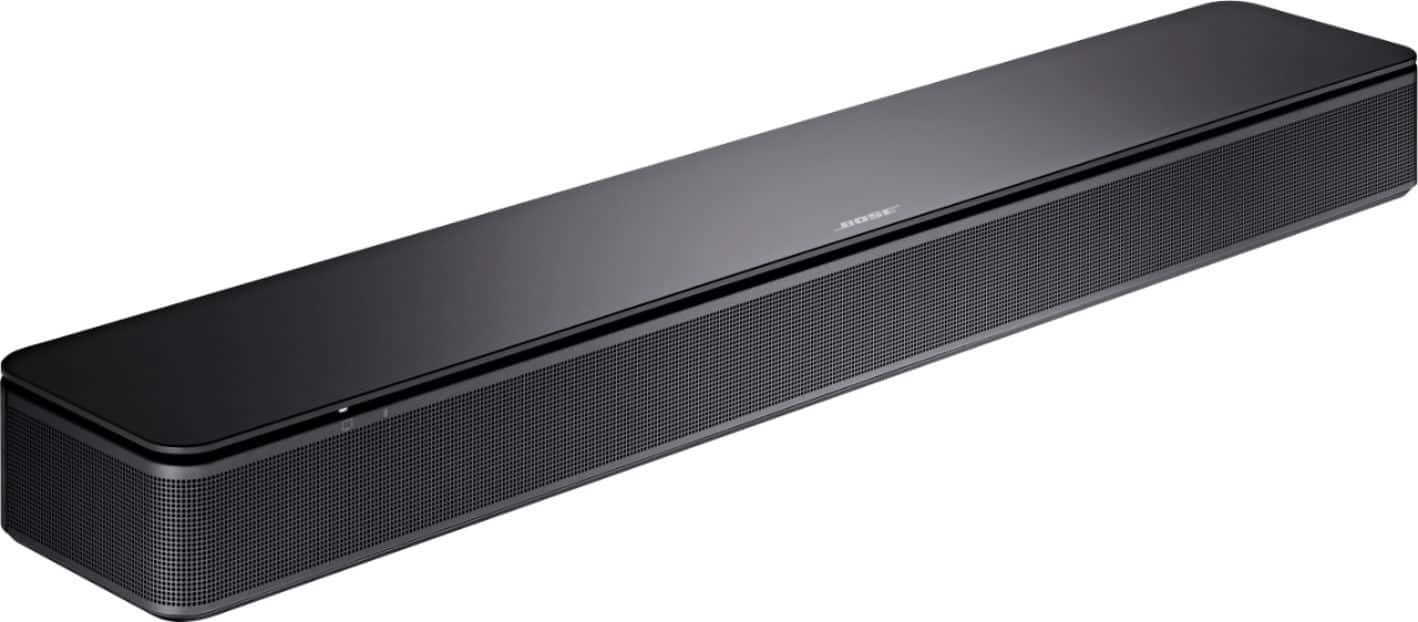
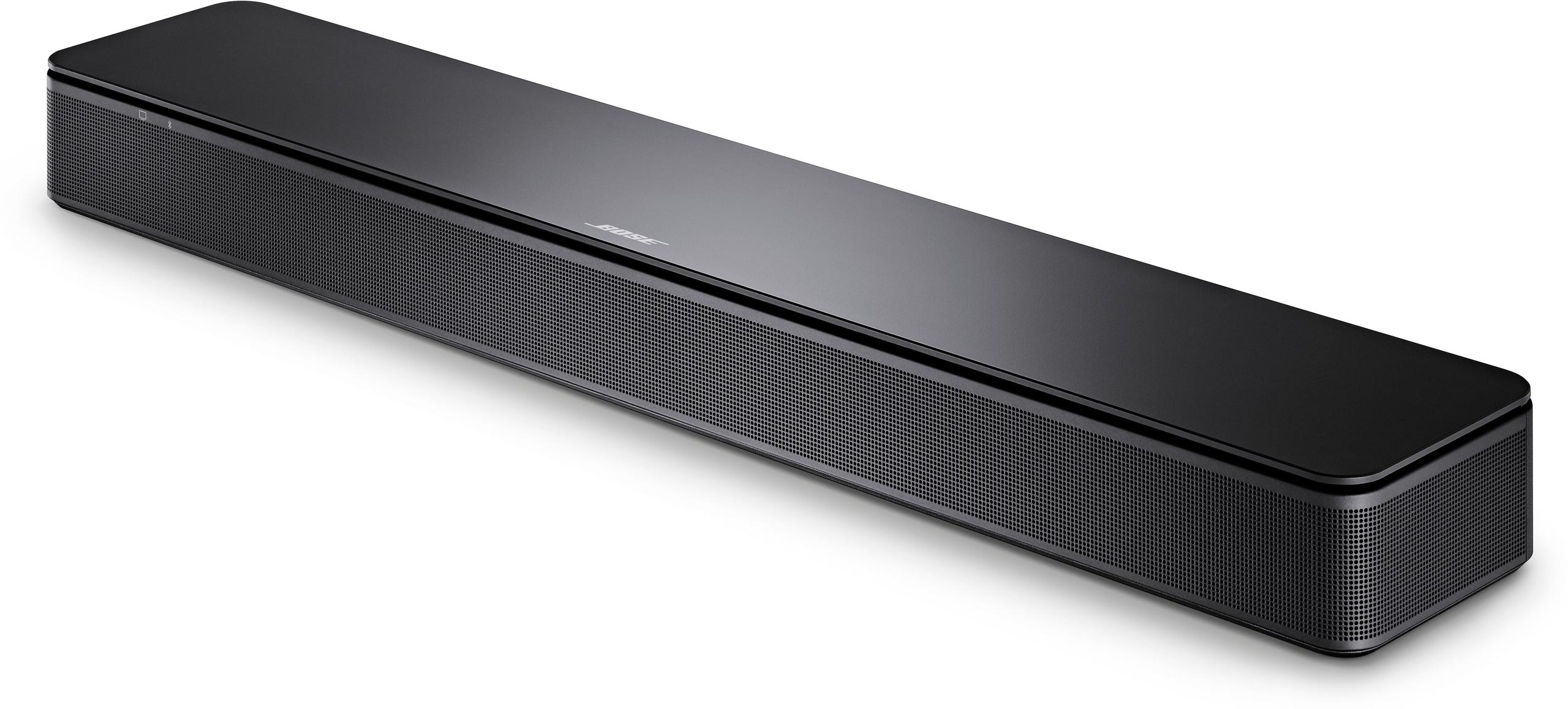
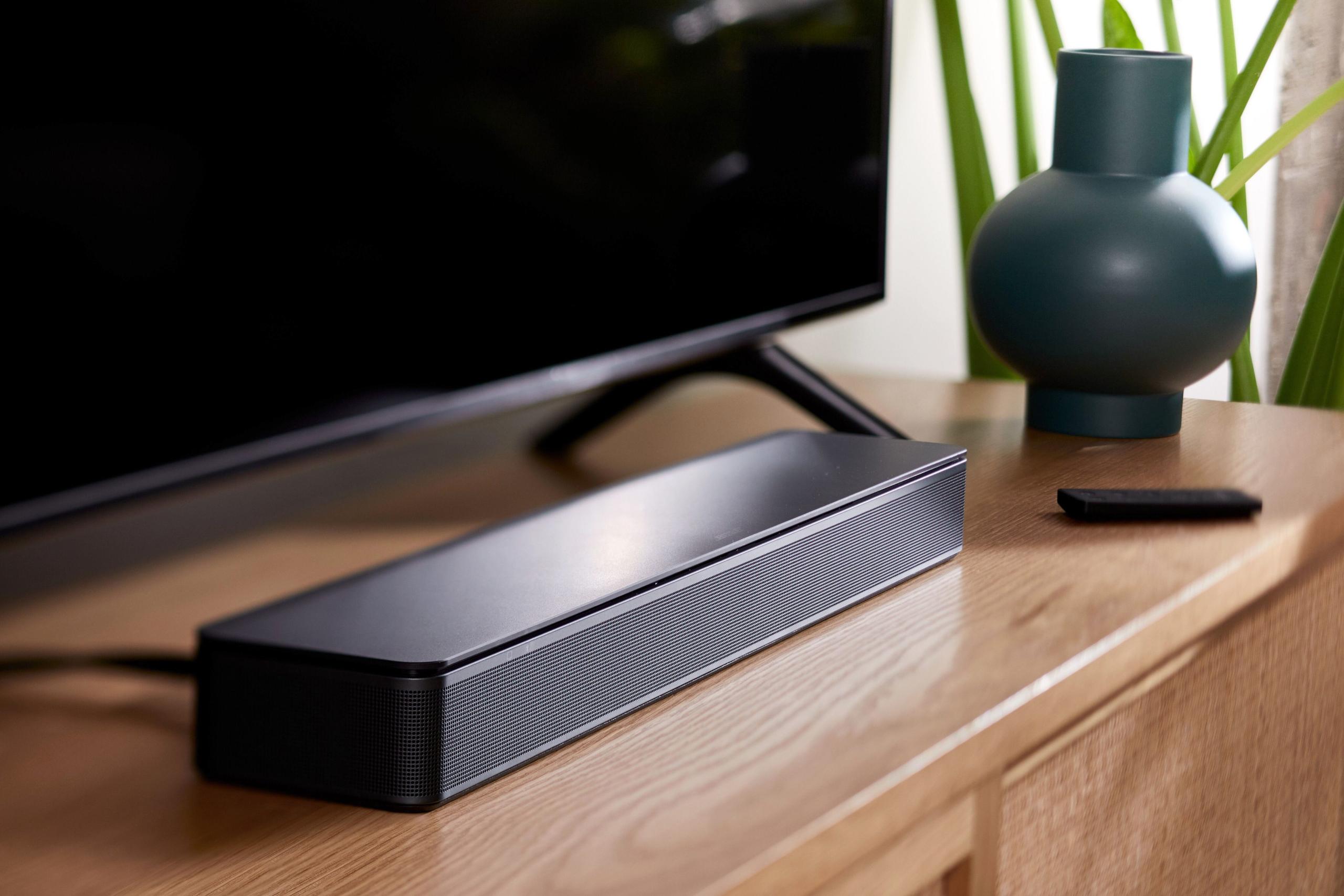
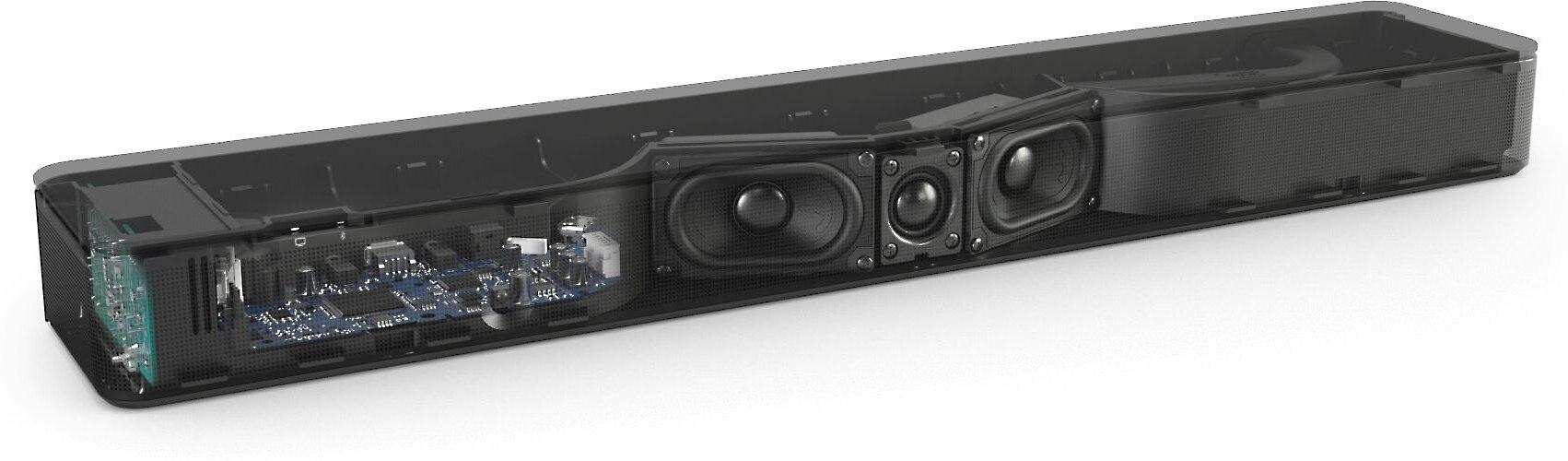
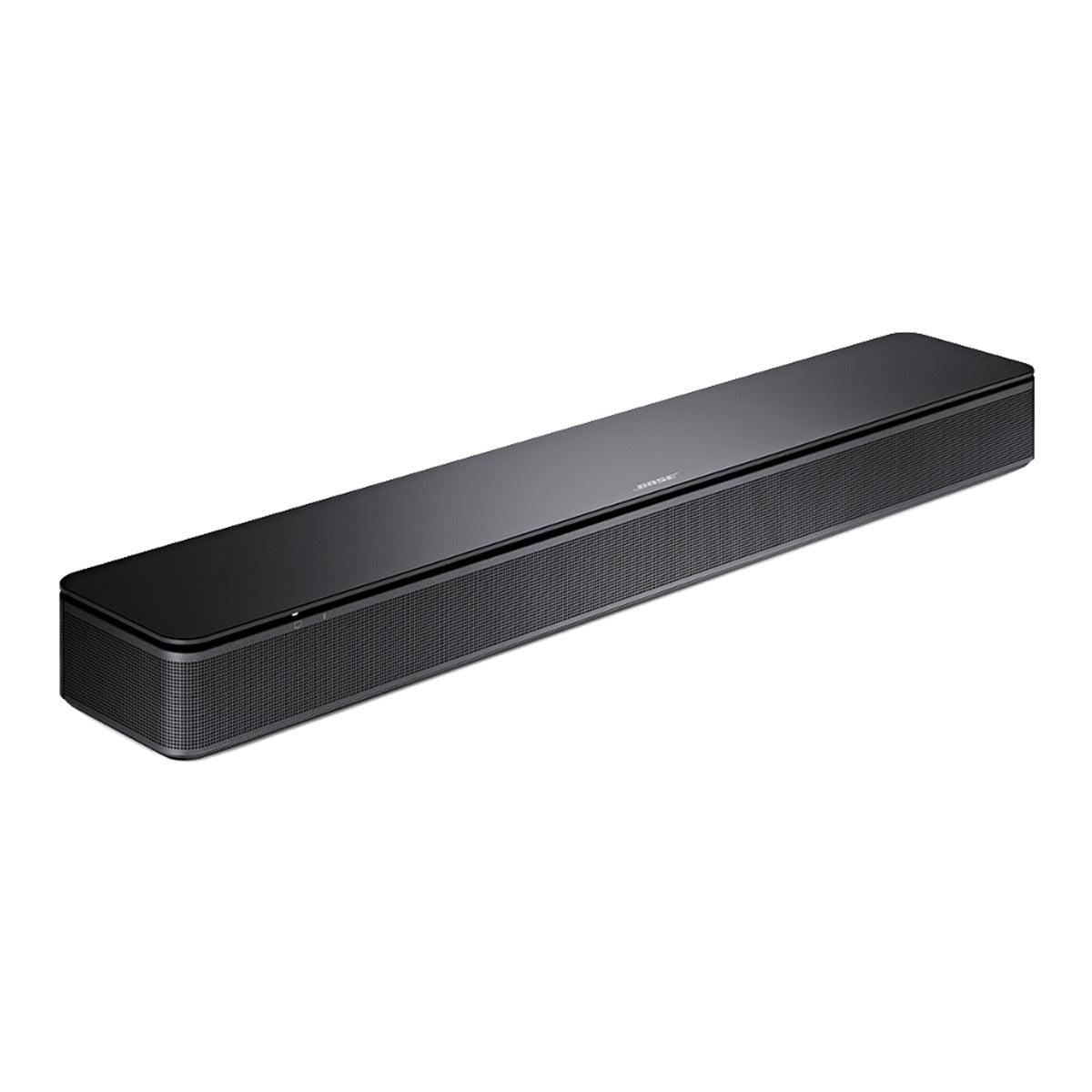
The Bose TV Speaker, released in 2020, takes a completely different approach. Rather than chasing the latest surround sound formats, Bose focused on perfecting what they call "dialogue mode." This feature analyzes whatever you're watching in real-time and adjusts the frequency response to make voices clearer and more intelligible. It's a 2.0-channel system, meaning it sticks to traditional left and right stereo sound, but it does this exceptionally well.
Since its release, Bose has made incremental improvements through firmware updates, but the core philosophy remains unchanged: simplicity and reliability over flashy features. This approach reflects Bose's decades of experience in audio engineering, where they've learned that consistent, balanced sound often trumps impressive specifications on paper.
The most important difference between these soundbars lies in their fundamental sound character. The JBL Bar 300 MK2 produces what I'd describe as an exciting, dynamic sound that immediately grabs your attention. Its 450-watt power output (a measure of how loud it can get without distortion) combined with specially designed racetrack drivers creates surprisingly deep bass for a single-unit soundbar. These racetrack drivers are oval-shaped speakers that can move more air than traditional round drivers, which explains why the JBL can produce such substantial low-end response.
The JBL's frequency response extends down to 50Hz, which means it can reproduce those rumbling explosions and dramatic musical scores that make action movies exciting. When you're watching something like "Top Gun: Maverick," you'll feel the jet engines in your chest, not just hear them. This low-end capability is particularly impressive considering there's no separate subwoofer taking up floor space.
However, this emphasis on excitement comes with trade-offs. Some reviewers have noted that the midrange – where most dialogue sits – can occasionally sound hollow during complex scenes with lots of simultaneous audio elements. It's not that dialogue is unclear, but rather that it can get overshadowed when explosions and music are competing for attention.
The Bose TV Speaker takes the opposite approach. Its dialogue mode is genuinely impressive, using sophisticated processing to identify and enhance human speech frequencies. When watching news programs or dialogue-heavy shows like "The West Wing," every word comes through with remarkable clarity. The overall sound signature is more balanced and natural, though it lacks the dramatic impact of the JBL.
Where Bose particularly excels is in what audio engineers call "midrange coherence" – the ability to reproduce vocals and instruments in a way that sounds natural and uncolored. This is crucial for music listening, where you want to hear what the artist intended rather than an enhanced or artificially exciting version.
Bass response reveals another fundamental difference between these approaches. The JBL's integrated bass port allows it to produce substantial low-end impact that can genuinely surprise first-time listeners. The five adjustable bass levels, controlled through the JBL One app, let you fine-tune the sound to your room's acoustics and personal preferences. In my experience, even modest adjustments can dramatically change how the soundbar interacts with your space.
The Bose TV Speaker takes a more restrained approach to bass, prioritizing control over impact. While it won't rattle your windows, it maintains better balance between bass and dialogue, which is often more important for everyday TV viewing. The optional Bass Module compatibility is clever here – you can start with the basic soundbar and add serious low-end later if you decide you want more impact.
For room filling capability, the JBL's higher power output and wider sound projection clearly advantage larger spaces. If you're sitting more than 12-15 feet from your TV, the JBL's ability to maintain clarity and impact at higher volumes becomes increasingly important. The Bose, while perfectly adequate for smaller rooms, can sound thin when asked to fill larger spaces.
This is where the technological gap between these soundbars becomes most apparent. The JBL Bar 300 MK2 uses virtual Dolby Atmos processing to create the illusion of sound coming from above and around you. While it can't match a true multi-speaker Atmos system with dedicated height speakers, the effect is surprisingly convincing for movies mixed in Atmos.
The MultiBeam technology works by creating precise delays and phase shifts in the audio signal, essentially tricking your ears into perceiving sounds as coming from locations where there are no actual speakers. During helicopter scenes in action movies, you'll genuinely hear the aircraft moving overhead. Gaming is where this really shines – in first-person shooters, you can often pinpoint enemy locations based on audio cues alone.
The SmartDetails technology, unique to the MK2 generation, focuses on preserving subtle audio elements that often get lost in the mixing process. Those quiet footsteps in a thriller or the gentle rustle of leaves in a nature documentary become more prominent and realistic.
The Bose TV Speaker makes no attempt at surround sound virtualization, instead focusing on excellent stereo imaging. The advantage here is better instrument separation and a more coherent soundstage for music. If you primarily listen to music through your TV setup, the Bose's more traditional approach often sounds more natural and less processed.
The feature gap between these soundbars is perhaps nowhere more evident than in their streaming capabilities. The JBL Bar 300 MK2 is essentially a smart speaker that happens to excel at TV audio. Its built-in Wi-Fi connects to your home network, enabling direct streaming from services like Spotify, Apple Music, and Tidal without needing your phone or TV as an intermediary.
The JBL One app serves as mission control for the entire experience, allowing you to adjust EQ settings, manage multi-room audio (if you have other compatible JBL speakers), and even update the soundbar's firmware automatically. The support for AirPlay, Chromecast, and Alexa Multi-Room Music means it integrates seamlessly with virtually any ecosystem you might already use.
Voice assistant compatibility is particularly handy once you get used to it. While the soundbar doesn't have built-in microphones, it works with Alexa, Google Assistant, or Siri through connected smart speakers. You can control volume, skip tracks, or even ask for weather updates without reaching for a remote.
The Bose TV Speaker keeps things deliberately simple with Bluetooth 4.2 connectivity for wireless music streaming. While this lacks the convenience of Wi-Fi streaming, it's also much more reliable and doesn't depend on your network stability. Sometimes simplicity is a feature, not a limitation.
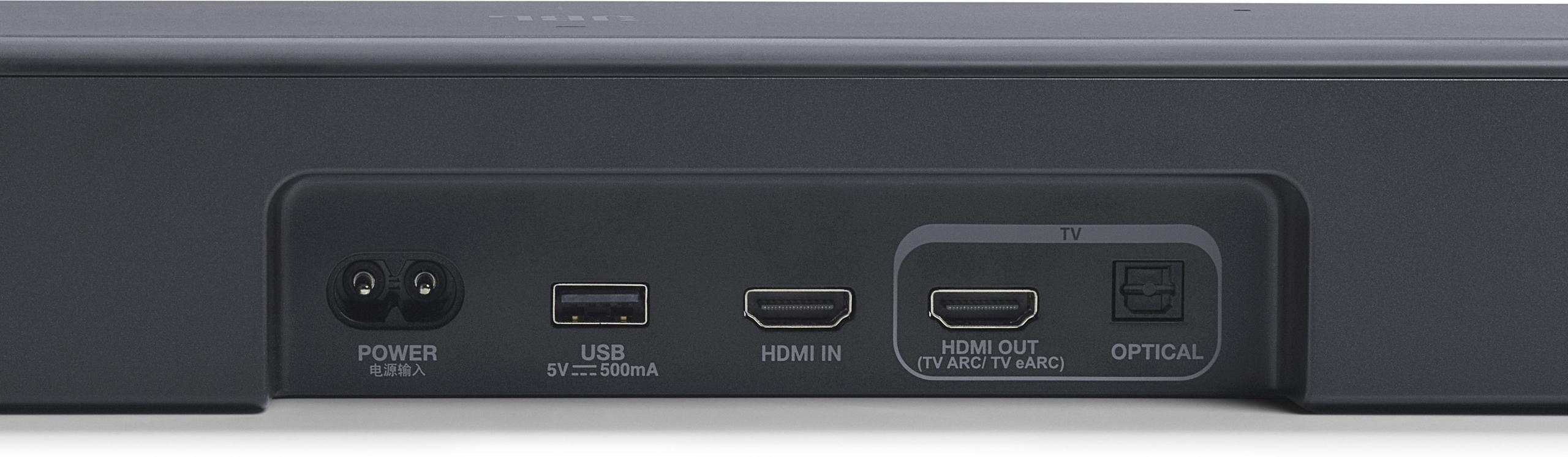
HDMI connectivity reveals another important difference. The JBL Bar 300 MK2 includes HDMI eARC (enhanced Audio Return Channel), which enables uncompressed audio formats and allows the soundbar to control your TV's volume. The 4K Dolby Vision passthrough means you can connect gaming consoles or streaming devices directly to the soundbar without sacrificing video quality.
This is particularly valuable for home theater setups where you might have multiple HDMI sources. The soundbar essentially becomes a hub, simplifying cable management while ensuring optimal audio quality. The automatic switching between sources works seamlessly in my experience, though initial setup requires more attention to detail.
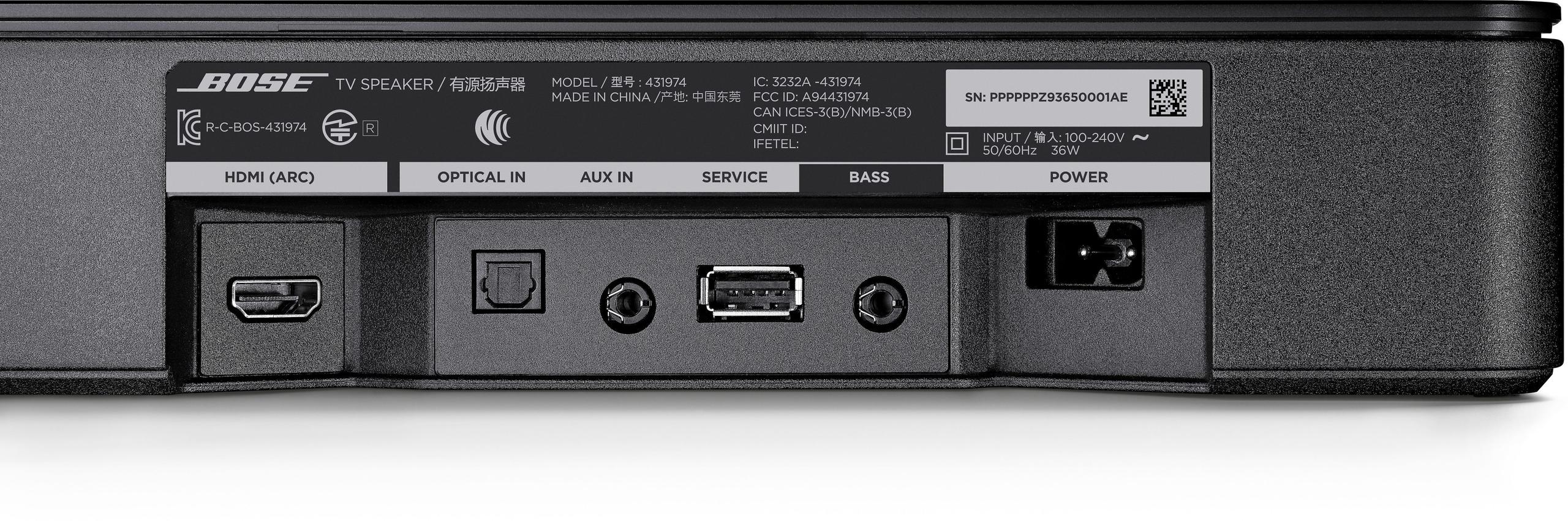
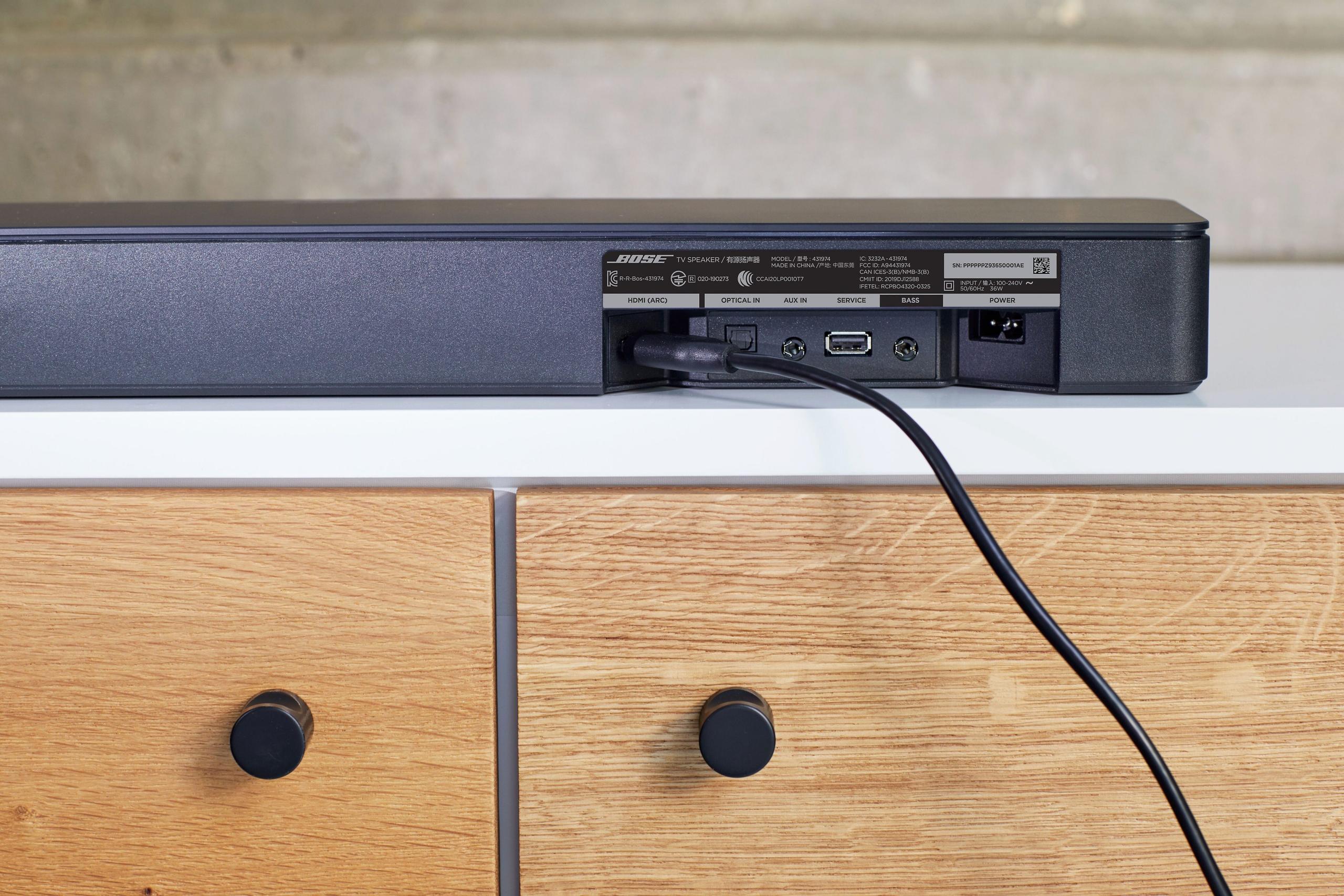
The Bose TV Speaker focuses on the essentials with optical digital input as the primary connection method, supplemented by HDMI ARC for newer TVs. The 3.5mm analog input is surprisingly useful for connecting older devices or situations where digital connections aren't working properly. The 3.5mm subwoofer output provides expansion possibilities that the JBL lacks entirely.
The JBL Bar 300 MK2 requires more initial investment in setup, but rewards careful configuration with better long-term performance. The automatic room calibration feature analyzes your space's acoustics and adjusts the sound accordingly – a process that takes about 30 seconds but makes a noticeable difference in how the soundbar performs in your specific room.
Setting up streaming services and Wi-Fi connectivity through the JBL One app is generally straightforward, though first-time users might find the number of options overwhelming. The app interface has improved significantly since the soundbar's launch, with clearer navigation and better explanation of features.
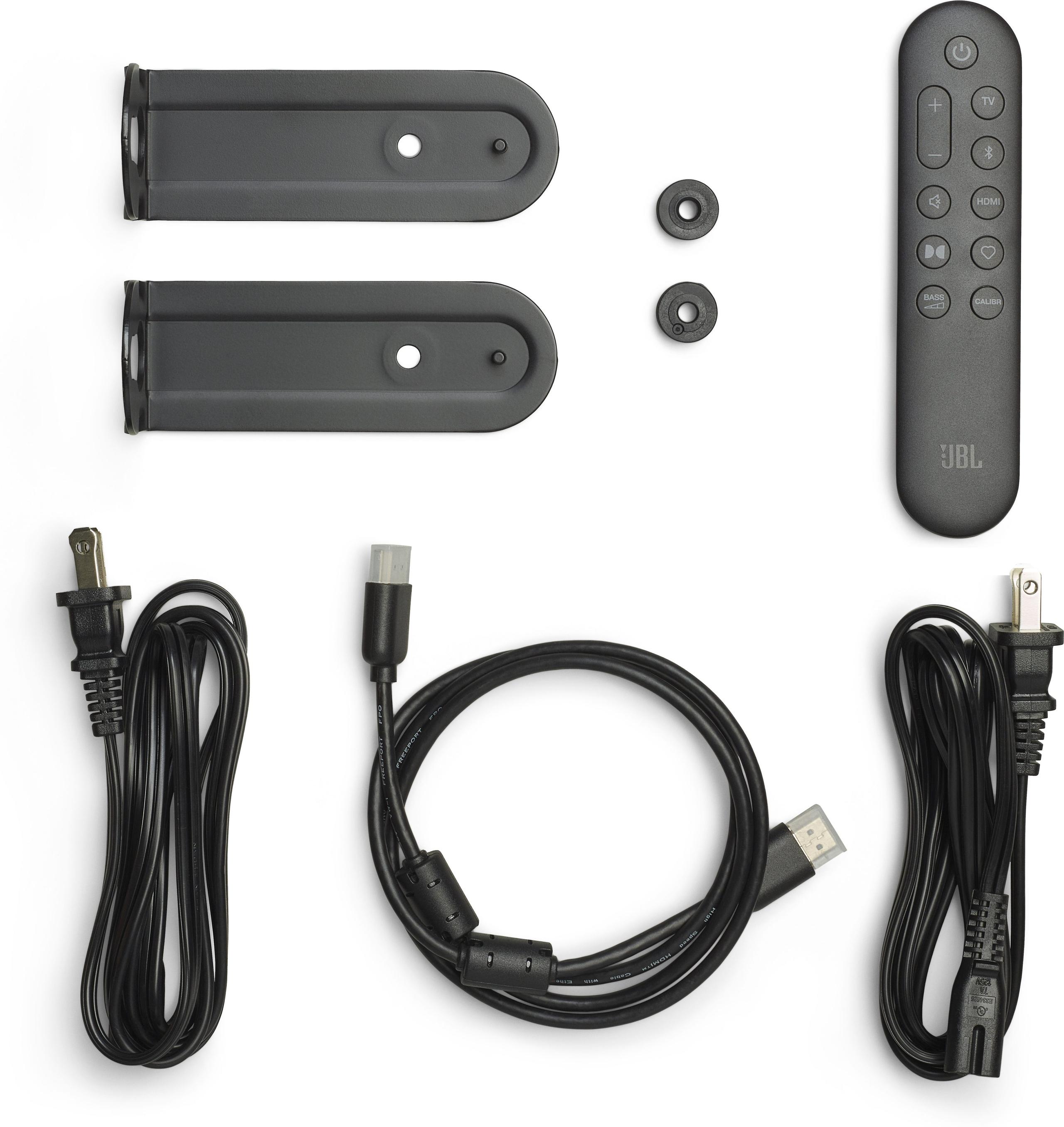
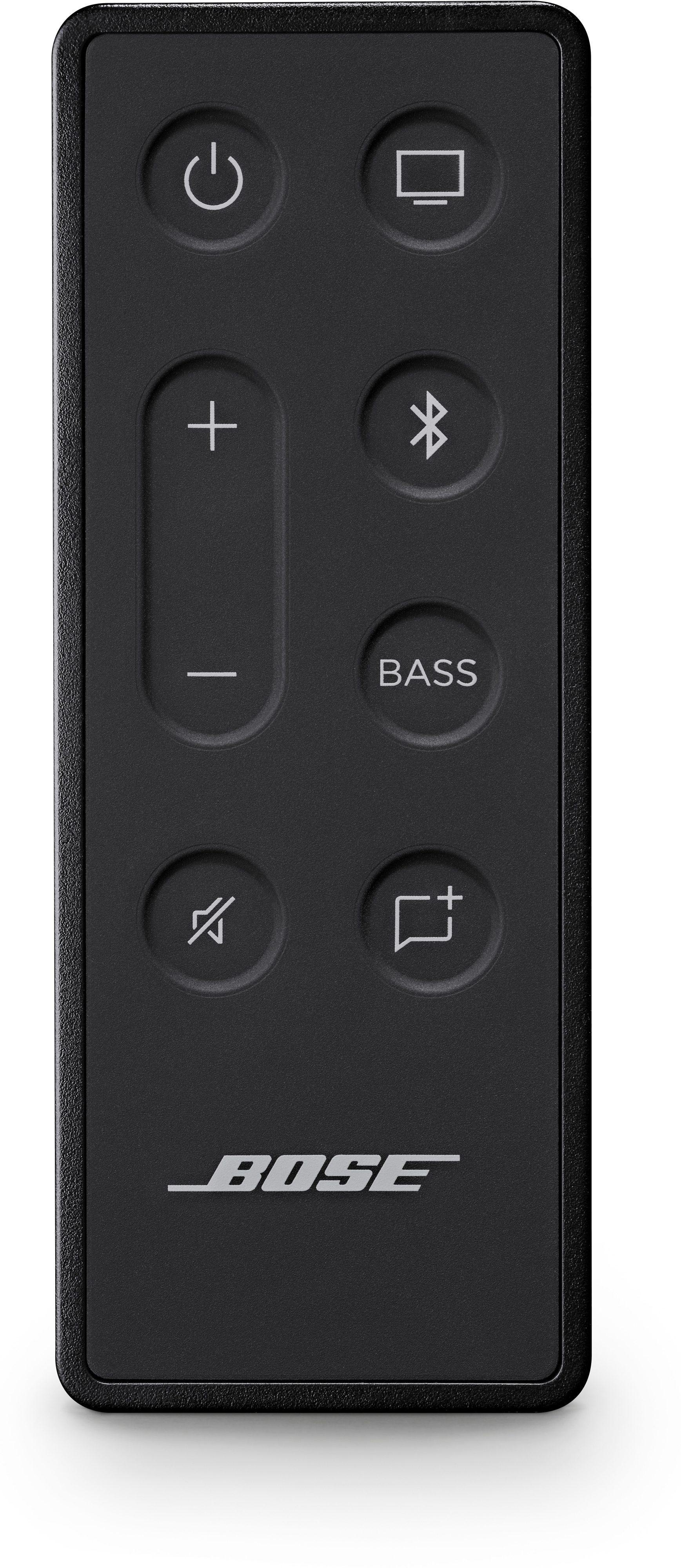
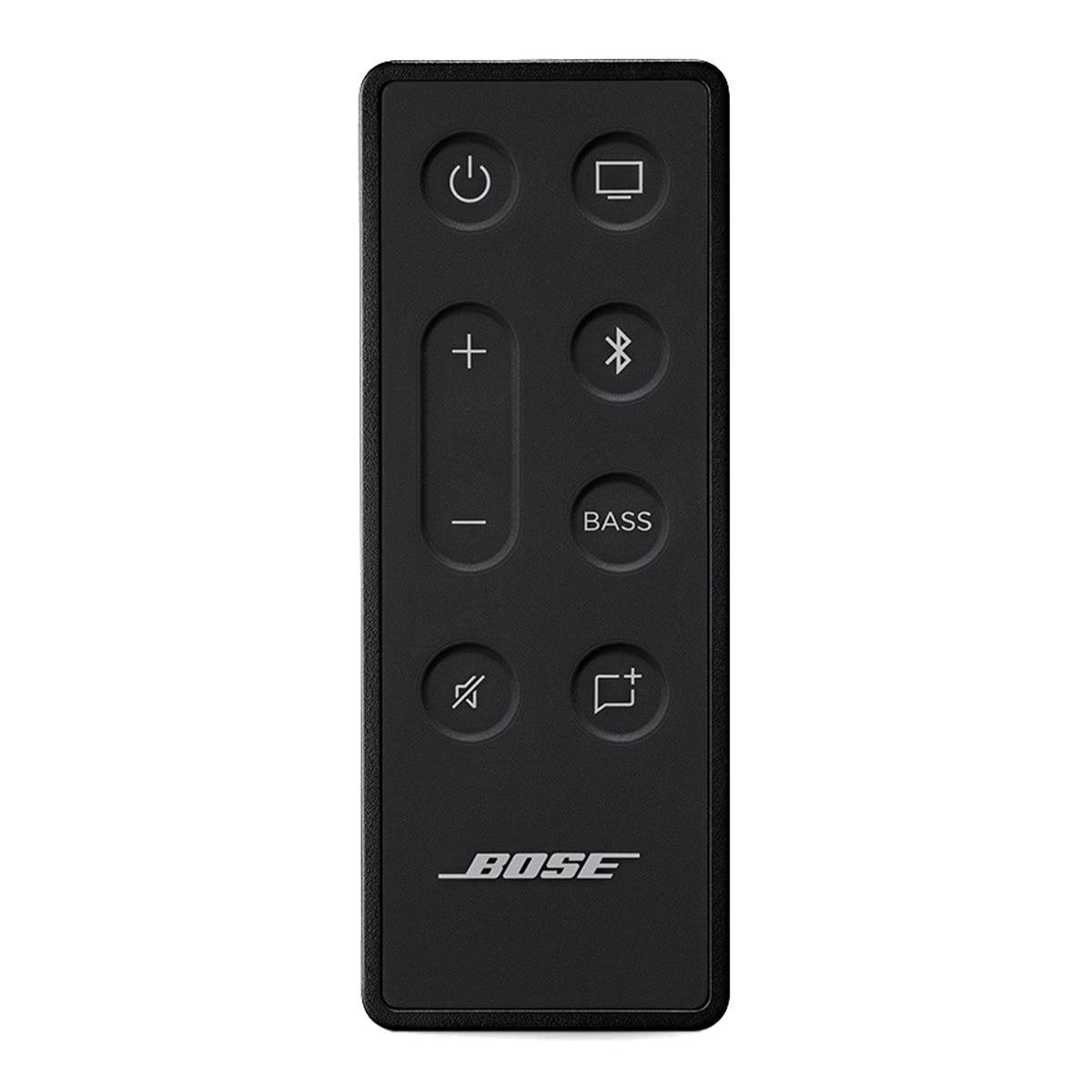
The Bose TV Speaker lives up to its plug-and-play reputation. Connect one cable (optical or HDMI), and you're operational within minutes. The LED indicators clearly show when features like dialogue mode are active, and the included remote controls all essential functions without app dependency.
Where these soundbars really differ is in their approach to ongoing functionality. The JBL Bar 300 MK2 receives regular software updates that have added new features since launch. The promised DTS Virtual:X support, arriving via over-the-air update in late 2025, demonstrates JBL's commitment to evolving the product post-purchase.
However, this connectivity comes with occasional hiccups. Some users report Wi-Fi connectivity issues or random shutdowns, though these seem to be isolated cases rather than systematic problems. The multiple control methods (app, voice, remote, TV) can occasionally conflict, creating momentary confusion about which device is controlling what.
The Bose TV Speaker prioritizes reliability over features. Its simpler design means fewer potential failure points, and Bose's reputation for customer service provides peace of mind. The physical remote control ensures you're never dependent on app functionality or network connectivity for basic operation.
The price difference between these soundbars reflects their different philosophies and target markets. The JBL Bar 300 MK2 at $449.95 positions itself as a complete home entertainment solution. When you consider that comparable streaming devices cost $100-200, and basic Dolby Atmos processors start around $300, the JBL's feature set justifies its premium pricing.
The long-term value proposition is strong if you use the advanced features. The built-in streaming eliminates the need for separate devices, the Dolby Atmos processing provides genuine immersion benefits, and the software update support suggests the soundbar will remain relevant longer than simpler alternatives.
The Bose TV Speaker at $199.00 represents exceptional value for its specific use case. For users primarily interested in improving TV dialogue clarity and occasional music listening, it delivers professional-quality performance at an accessible price point. The expansion path through optional bass modules means you're not locked into the initial configuration if your needs evolve.
For dedicated home theater setups, the JBL Bar 300 MK2 offers more sophisticated integration possibilities. The HDMI eARC connection enables advanced audio formats and centralized control, while the Dolby Atmos support ensures compatibility with modern movie soundtracks. The automatic calibration adapts to room treatments and furniture changes, maintaining optimal performance as your space evolves.
The limitation is expandability – what you buy is what you get. If you later decide you want rear speakers or a more powerful subwoofer, you'll need to replace the entire system rather than adding components.
The Bose TV Speaker takes a modular approach that some users prefer. Starting with the basic soundbar and adding the Bass Module later allows you to spread costs over time and ensure each component justifies its expense in your specific situation.
Choose the JBL Bar 300 MK2 if you want a comprehensive entertainment system that handles everything from Netflix binges to serious movie nights. Its Dolby Atmos processing and powerful bass response create genuine excitement for action movies and gaming. The streaming features and smart home integration add convenience that becomes more valuable over time. If you have a medium to large room and enjoy the latest blockbusters, the JBL's immersive capabilities justify the higher price.
The Bose TV Speaker is ideal if you prioritize clarity and simplicity over excitement and features. Its dialogue enhancement excels for news, documentaries, and conversation-heavy shows. The reliable operation and expansion possibilities make it perfect for users who want meaningful improvement without complexity. If you have a smaller space or prefer a gradual approach to system building, the Bose offers better value and flexibility.
Both soundbars deliver substantial improvements over TV speakers, but they serve different lifestyles and preferences. The JBL rewards users willing to embrace modern connectivity and processing for maximum immersion, while the Bose focuses on doing the basics exceptionally well. Your choice should align with how you actually use your entertainment system, not just what sounds impressive on paper.
| JBL Bar 300 MK2 Soundbar | Bose TV Speaker Soundbar |
|---|---|
| Price - Significant cost difference for different feature sets | |
| $449.95 (mid-range with premium features) | $199.00 (entry-level with quality focus) |
| Audio Channels - Affects surround sound capability | |
| 5.0 channels with virtual surround processing | 2.0 channels (traditional stereo) |
| Power Output - Determines volume and room-filling ability | |
| 450W maximum (excellent for large rooms) | Not specified (optimized for small-medium rooms) |
| Dolby Atmos Support - Creates immersive 3D audio experience | |
| Yes, with virtual height effects | No Atmos support |
| Dialogue Enhancement - Critical for clear speech | |
| PureVoice 2.0 technology | Dedicated Dialogue Mode (Bose's specialty) |
| Connectivity Options - Affects setup flexibility and future-proofing | |
| HDMI eARC, Optical, Wi-Fi, Bluetooth 5.0 | HDMI ARC, Optical, 3.5mm analog, Bluetooth 4.2 |
| Streaming Features - Eliminates need for separate devices | |
| Built-in Wi-Fi with AirPlay, Chromecast, Alexa MRM | Bluetooth-only wireless streaming |
| Smart Home Integration - Convenience for connected homes | |
| Compatible with Alexa, Google Assistant, Siri | No voice assistant support |
| Bass Performance - Important for movies and music | |
| Integrated bass port with 5 adjustable levels | Moderate bass with optional subwoofer expansion |
| Setup Complexity - Time investment vs. simplicity | |
| Auto-calibration and app setup required | Single-cable plug-and-play operation |
| Expandability - Future upgrade options | |
| No expansion capability (all-in-one design) | Compatible with Bose Bass Module 500/700 |
| Physical Size - Space considerations | |
| 32.3" x 2.2" x 4.1" (larger footprint) | 23.4" x 2.2" x 4.0" (more compact) |
| Best Use Case - Primary recommendation | |
| Movies, gaming, large rooms, tech enthusiasts | TV shows, news, small rooms, simplicity seekers |
The JBL Bar 300 MK2 at $449.95 offers better value if you want advanced features like Dolby Atmos, streaming capabilities, and powerful bass for movies and gaming. The Bose TV Speaker at $199.00 provides excellent value for basic TV audio improvement, especially if you prioritize dialogue clarity and simple operation. For most users focused on TV shows and news, the Bose delivers better bang for your buck.
The biggest difference is complexity versus simplicity. The JBL Bar 300 MK2 is a feature-rich soundbar with 5.0-channel virtual surround sound, Dolby Atmos, Wi-Fi streaming, and smart home integration. The Bose TV Speaker focuses on doing the basics exceptionally well with superior dialogue clarity, simple setup, and reliable performance without advanced features.
The Bose TV Speaker excels at dialogue clarity thanks to its dedicated Dialogue Mode that analyzes content in real-time to enhance speech. While the JBL Bar 300 MK2 has PureVoice technology for clear dialogue, the Bose is specifically engineered for TV watching and consistently delivers clearer, more intelligible speech across all types of programming.
Dolby Atmos adds a vertical dimension to sound, making movies more immersive by creating the illusion of sounds coming from above. The JBL Bar 300 MK2 includes virtual Dolby Atmos processing that's particularly beneficial for action movies and gaming. If you mainly watch TV shows and news, the Bose TV Speaker without Atmos will serve you perfectly well at a lower cost.
The Bose TV Speaker is better suited for small to medium rooms due to its balanced sound signature and compact size. Its 23.4-inch width fits better on smaller TV stands, and the sound doesn't overpower intimate spaces. The JBL Bar 300 MK2 is designed for larger rooms where its 450W power output and room-filling capabilities can be fully utilized.
Both soundbars support Bluetooth for wireless music streaming from your phone. The JBL Bar 300 MK2 offers more options with Wi-Fi connectivity, AirPlay, and Chromecast built-in, allowing direct streaming from music services without using your phone. The Bose TV Speaker uses Bluetooth 4.2 for phone connections, which is simpler but requires your phone to be the source.
The JBL Bar 300 MK2 produces significantly more bass thanks to its integrated bass port, racetrack drivers, and 450W power output. It can deliver room-shaking low-end that rivals some soundbar/subwoofer combinations. The Bose TV Speaker has more controlled, balanced bass that prioritizes clarity over impact, though you can add an optional Bass Module later for more low-end.
The Bose TV Speaker offers true plug-and-play setup with a single optical or HDMI cable connection and immediate operation. The JBL Bar 300 MK2 requires more initial setup including Wi-Fi configuration, app installation, and room calibration, but this extra effort results in optimized performance and access to advanced features.
The JBL Bar 300 MK2 is superior for movies and gaming due to its Dolby Atmos processing, 5.0-channel virtual surround sound, and powerful bass response. These features create a more immersive experience for action movies and help with positional audio in games. The Bose TV Speaker works fine for casual movie watching but lacks the excitement and immersion that dedicated gamers and movie enthusiasts prefer.
The Bose TV Speaker can be expanded with Bose Bass Module 500 or 700 subwoofers via a wired connection, allowing you to add serious low-end later. The JBL Bar 300 MK2 is an all-in-one design with no expansion options - what you buy is your complete system. This makes the Bose more flexible for gradual system building.
The JBL Bar 300 MK2 dominates in smart features with built-in Wi-Fi, compatibility with Alexa, Google Assistant, and Siri, plus direct streaming from music services. The JBL One app provides EQ control and multi-room audio management. The Bose TV Speaker deliberately avoids smart features, focusing instead on reliable basic operation with just Bluetooth connectivity.
For a dedicated home theater setup, the JBL Bar 300 MK2 is the better choice due to its Dolby Atmos support, HDMI eARC connectivity with 4K passthrough, and immersive surround sound processing. However, if your "home theater" is really just improved TV watching in a living room, the Bose TV Speaker provides excellent dialogue clarity and can be expanded with a subwoofer as your needs grow.
We've done our best to create useful and informative comparisons to help you decide what product to buy. Our research uses advanced automated methods to create this comparison and perfection is not possible - please contact us for corrections or questions. These are the sites we've researched in the creation of this article: homecinemachoice.com - retailspecs.com - hometechnologyreview.com - whathifi.com - news.jbl.com - engadget.com - crutchfield.com - harmanaudio.com - techradar.com - bestbuy.com - jbl.com - sweech.co.ke - jbl.com - jbl.com.sg - mm.jbl.com - abcwarehouse.com - harmanaudio.com - sweetwater.com - ro.harmanaudio.com - dell.com - jbl.co.nz - bestbuy.com - projectorscreen.com - forums.audioholics.com - digitaltrends.com - abt.com - crutchfield.com - staples.com - bestbuy.com - pcrichard.com - visions.ca - bose.com - assets.bose.com

Privacy Policy
Terms and Conditions - Affiliate Policy
Home Security
© Copyright 2008-2026.
11816 Inwood Rd #1211, Dallas, TX 75244