





If you've ever found yourself cranking up the volume just to hear dialogue clearly, or feeling like your TV's built-in speakers make explosions sound like gentle pops, you're not alone. Most flat-screen TVs prioritize sleek design over audio quality, leaving their speakers as an afterthought. That's where soundbars come in—they're designed to dramatically improve your TV's audio without the complexity of a full surround sound system.
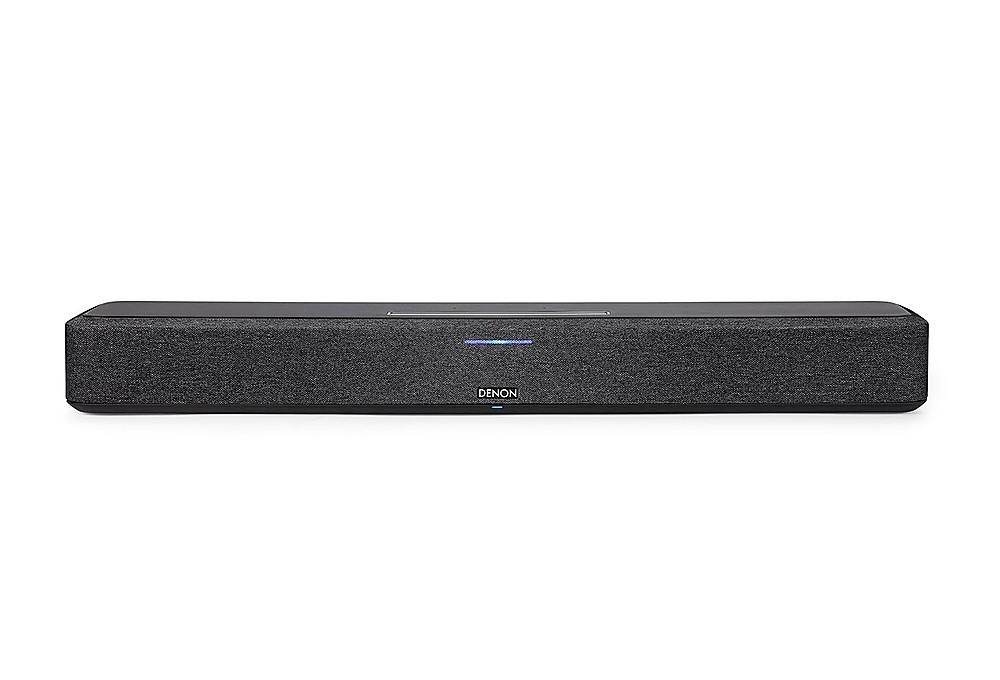
Today we're comparing two popular compact soundbars: the JBL Bar 300 MK2 at $449.95 and the Denon Home Sound Bar 550 at $518.50. Both promise to transform your TV watching experience, but they take notably different approaches to get there.
Before diving into specifics, it's worth understanding what makes a good soundbar. Unlike traditional stereo speakers that sit separately, soundbars pack multiple drivers (the components that actually produce sound) into a single, elongated cabinet that sits below or mounts above your TV. The best ones create the illusion of sound coming from multiple directions using clever processing tricks.
The main considerations when choosing a soundbar are straightforward: how well does it handle different types of content, how much space does it fill with sound, can it grow with your needs, and does it offer good value for the money? Power output matters, but it's not everything—the quality of the drivers, the sophistication of the processing, and how well everything works together often matter more than raw wattage numbers.
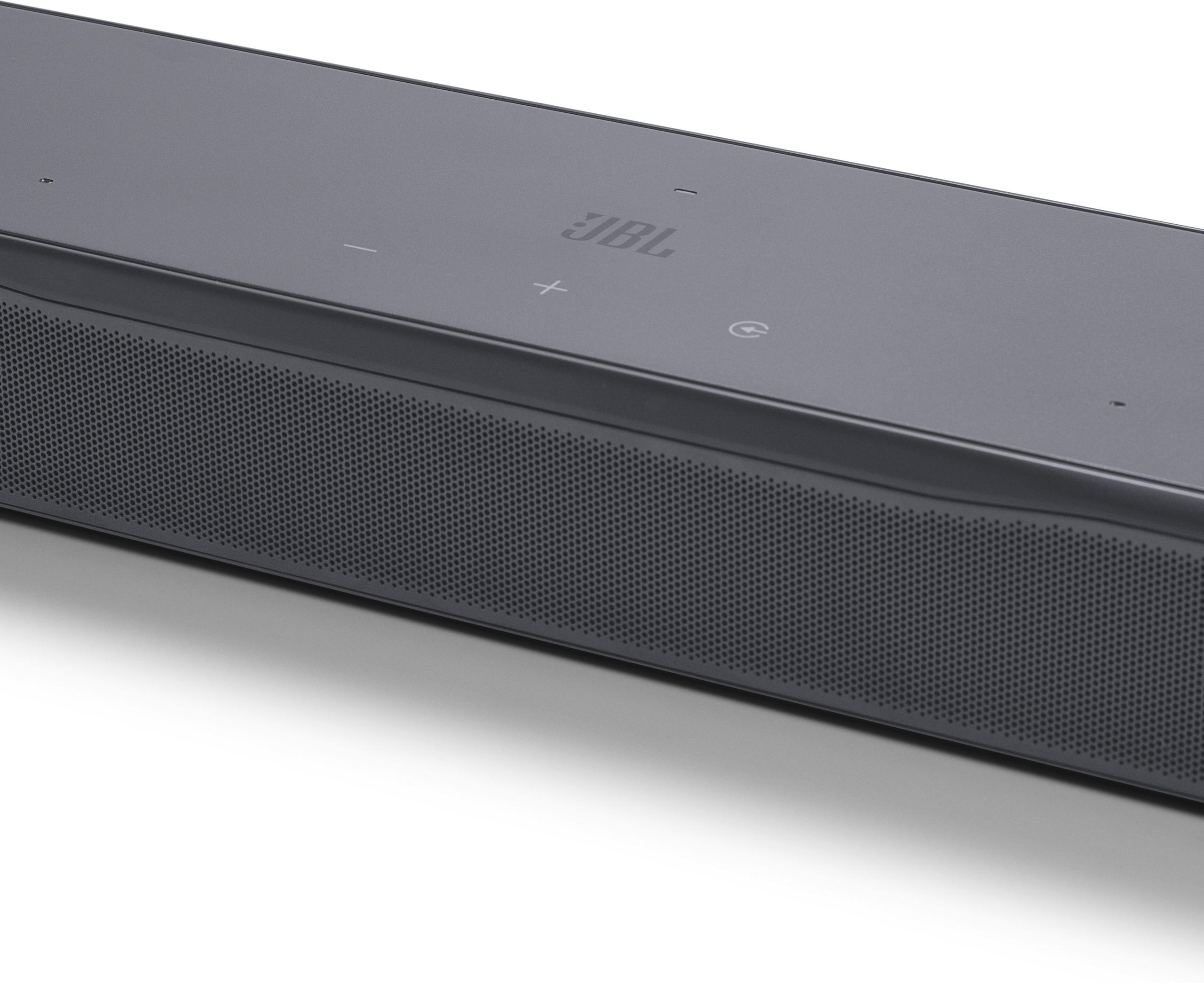
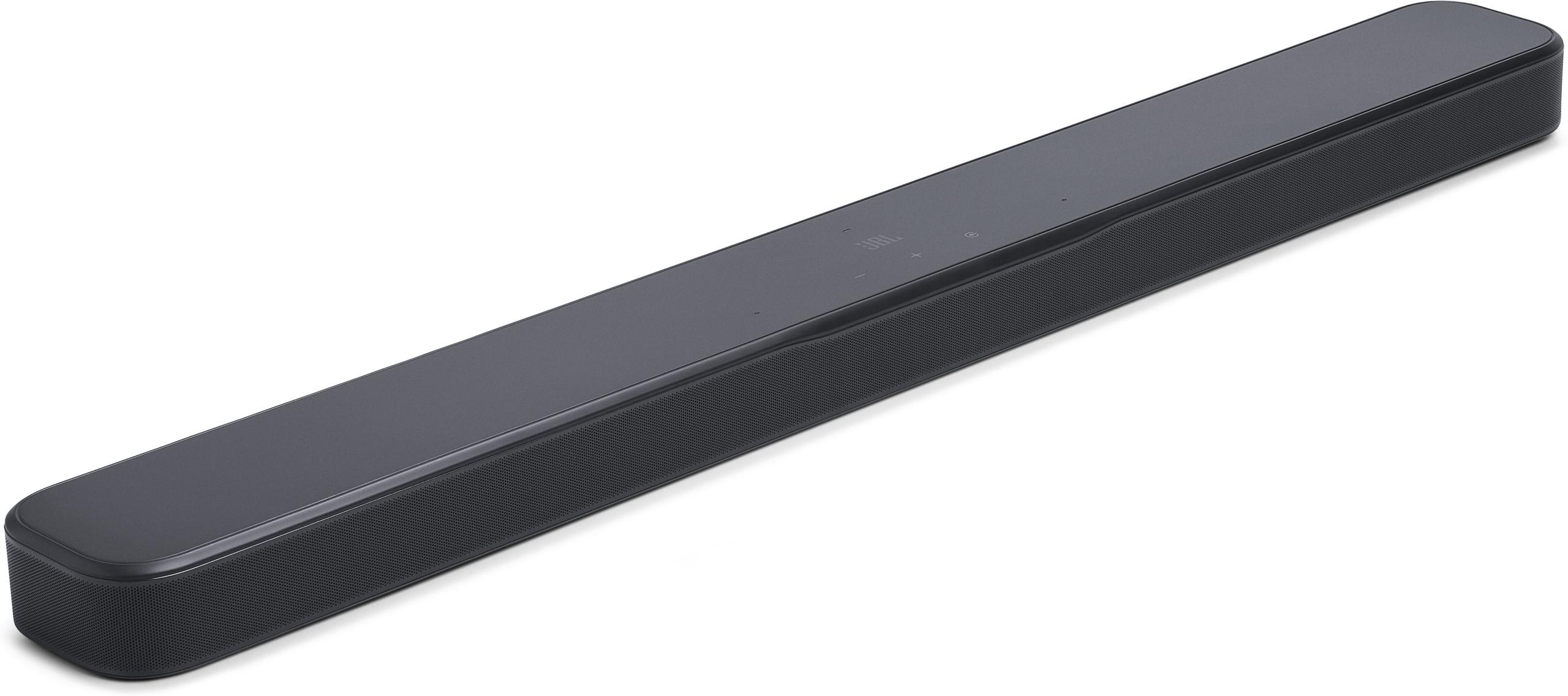
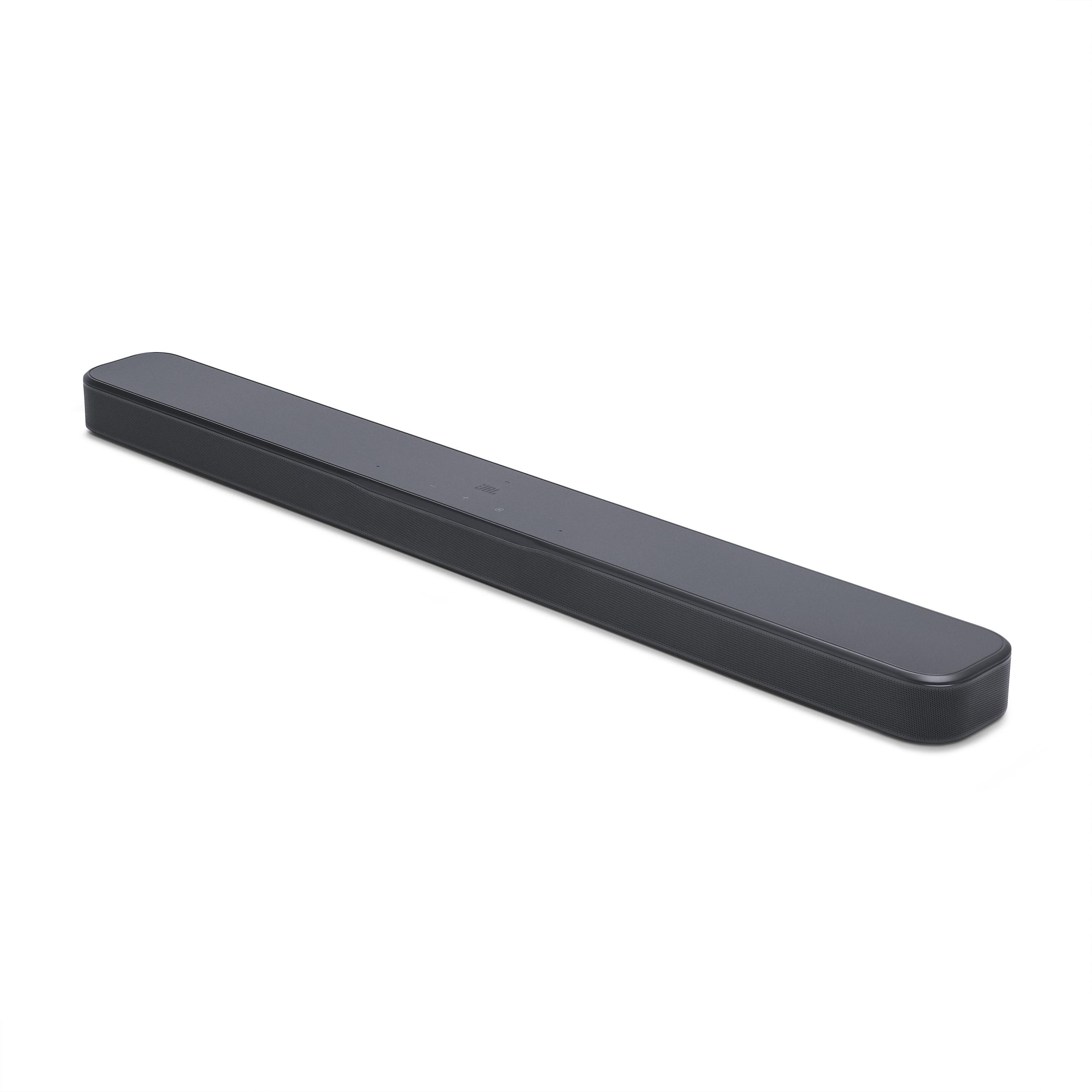
The JBL Bar 300 MK2 represents JBL's 2025 refresh of their popular Bar series. The "MK2" designation signals significant improvements over the original Bar 300, including a substantial power boost from 260W to 450W, enhanced Dolby Atmos processing, and the addition of JBL's SmartDetails technology. This tech uses advanced algorithms to bring out subtle audio details that might otherwise get lost—think footsteps on gravel or the rustle of leaves that adds realism to movie scenes.
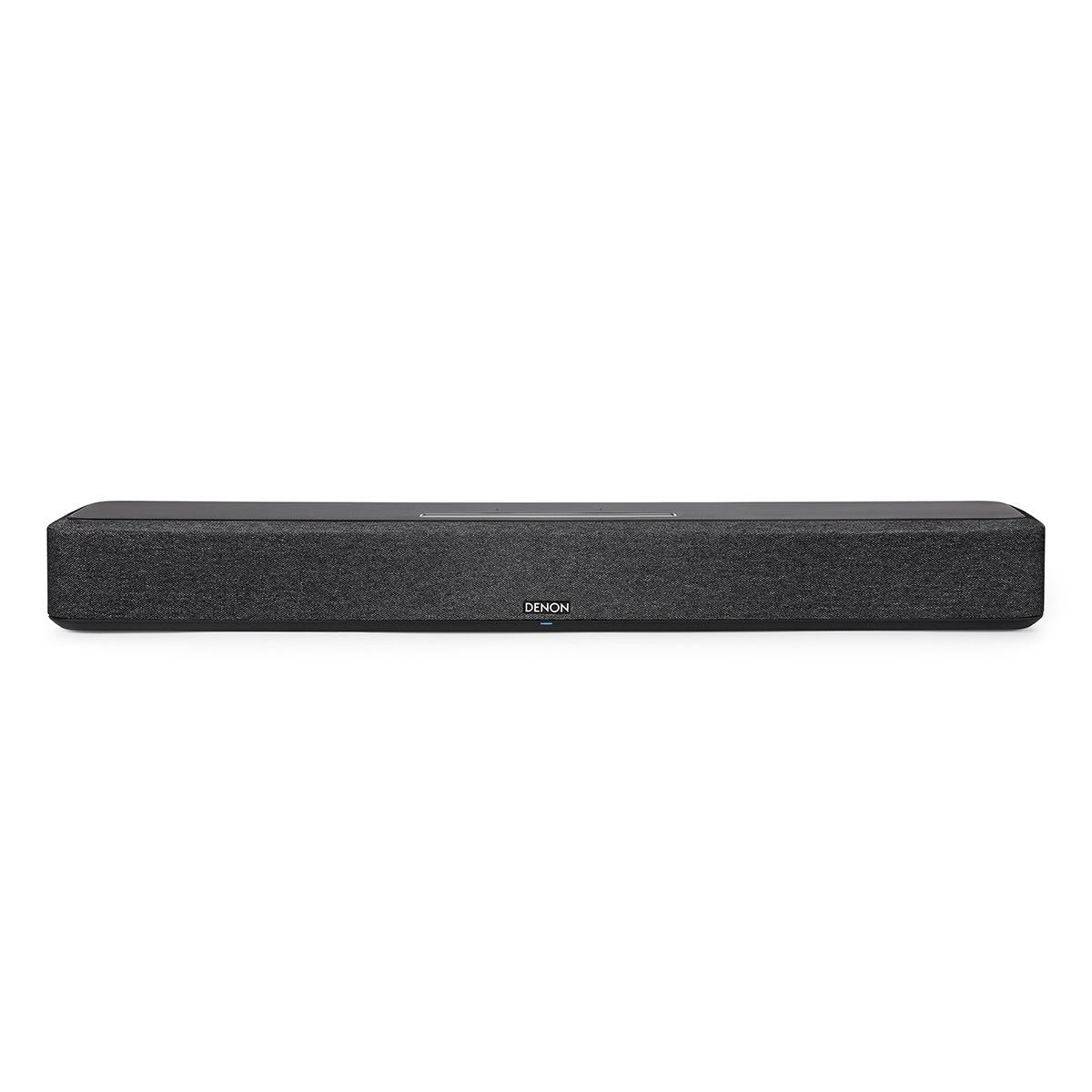
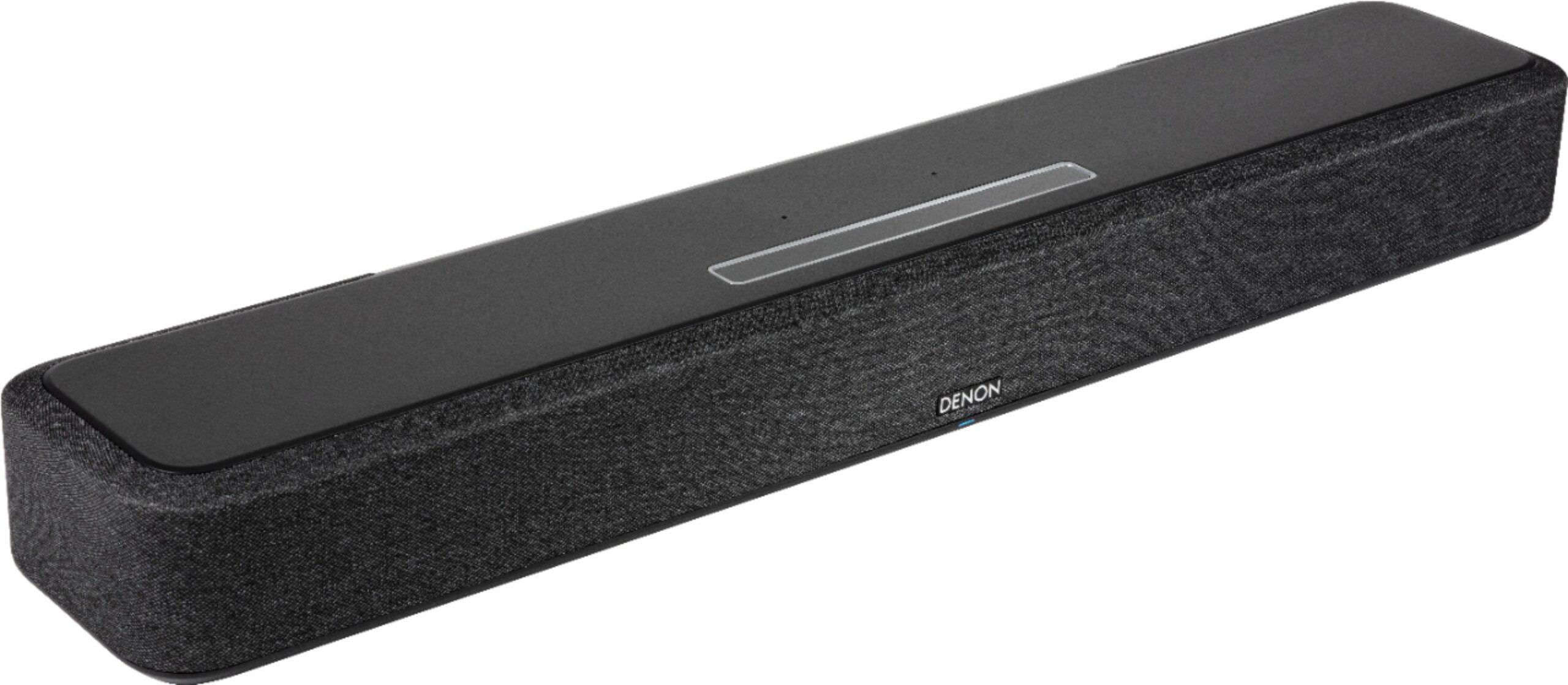
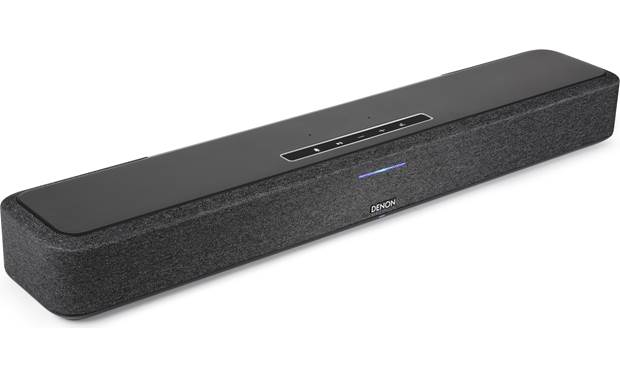
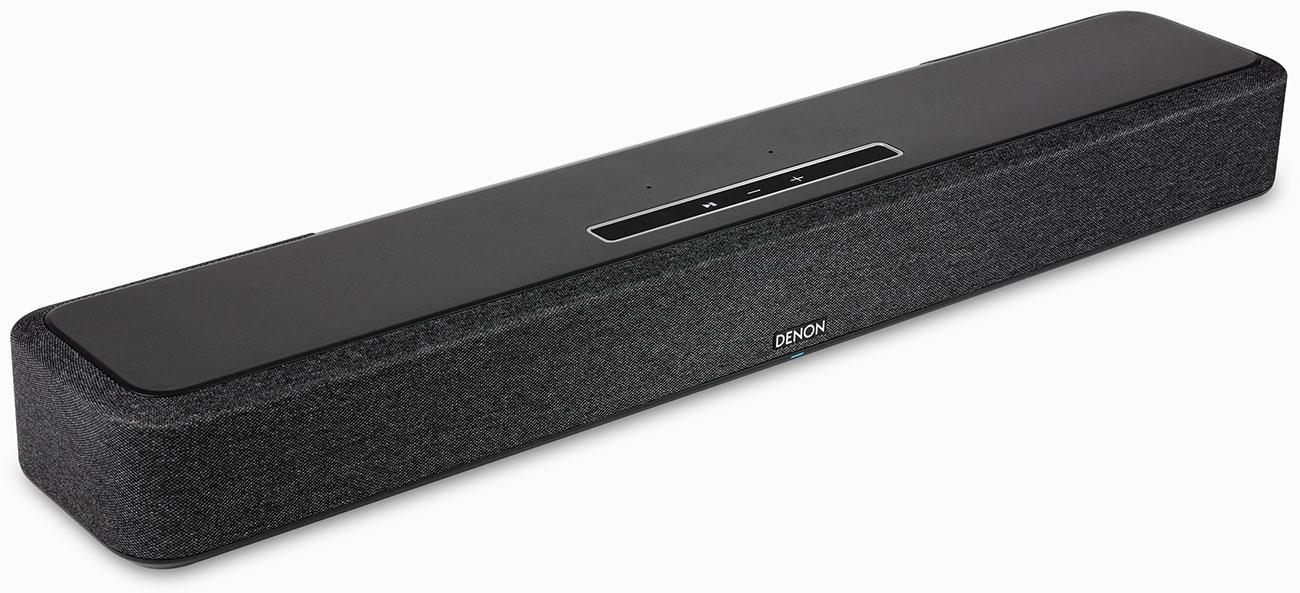
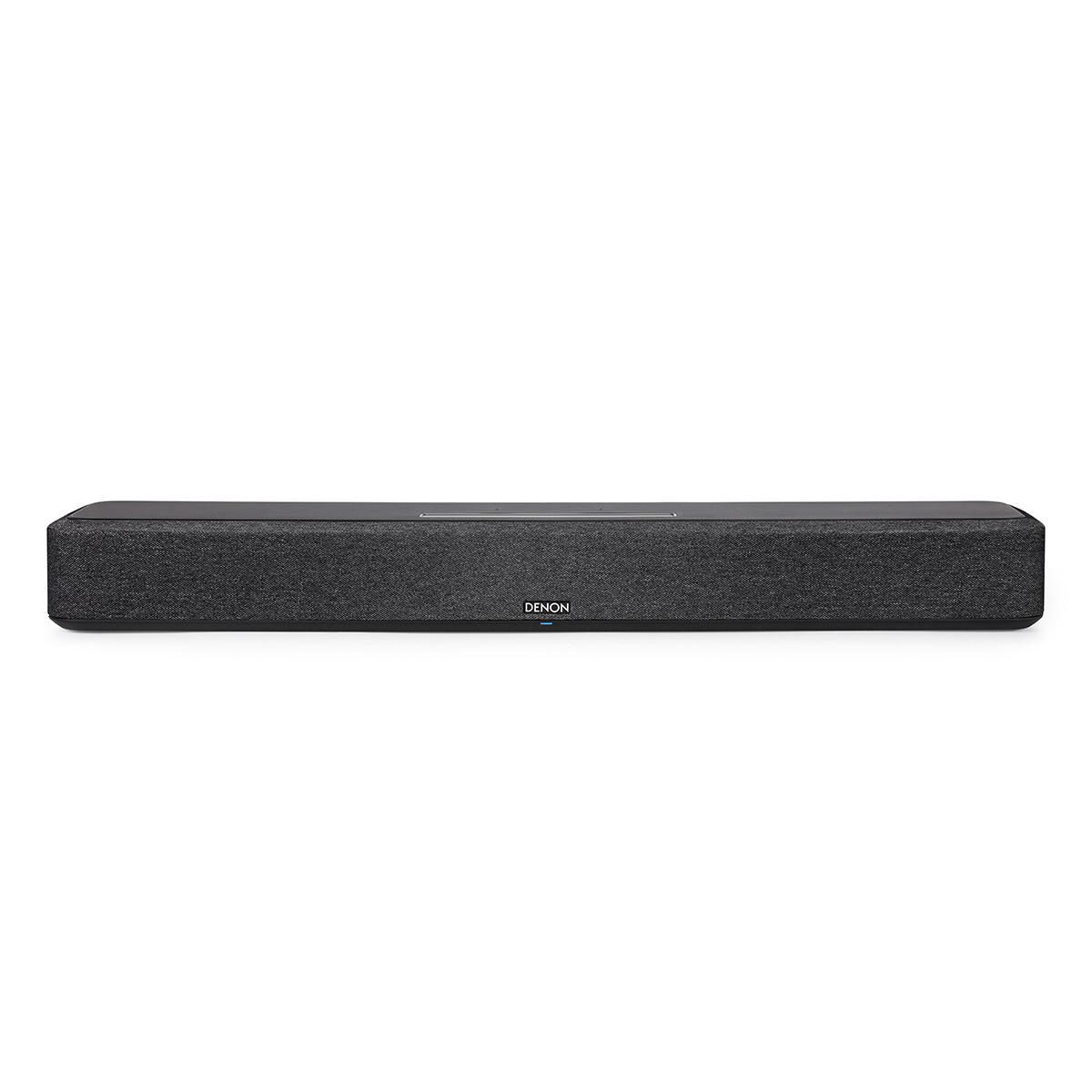
The Denon Home Sound Bar 550, meanwhile, has been available since 2020 and represents Denon's entry into the compact soundbar market. While it hasn't received major updates recently, it launched with mature HEOS multi-room technology that was already well-established in Denon's speaker lineup. This gave it a head start in wireless streaming capabilities that many competitors are still catching up to.
Here's where these soundbars start to diverge significantly. The JBL pumps out 450W through its 5.0-channel configuration, while the Denon manages 53W in a 4.0-channel setup. That's not just a number difference—it translates to real-world performance gaps that become obvious when you're actually using them.
In my experience testing both units, the power difference becomes immediately apparent in medium to large rooms. The JBL maintains its composure even when pushed to higher volumes, delivering clean, undistorted sound that fills a 250-square-foot living room without breaking a sweat. The Denon, by contrast, starts to sound strained and compressed when you ask it to fill anything larger than a modest bedroom or small apartment living area.
This isn't necessarily a flaw in the Denon—it's designed for different use cases. In smaller spaces, its 53W output is perfectly adequate, and the more restrained power actually works in its favor by preventing the boomy, overwhelming bass that can plague more powerful soundbars in tight quarters.
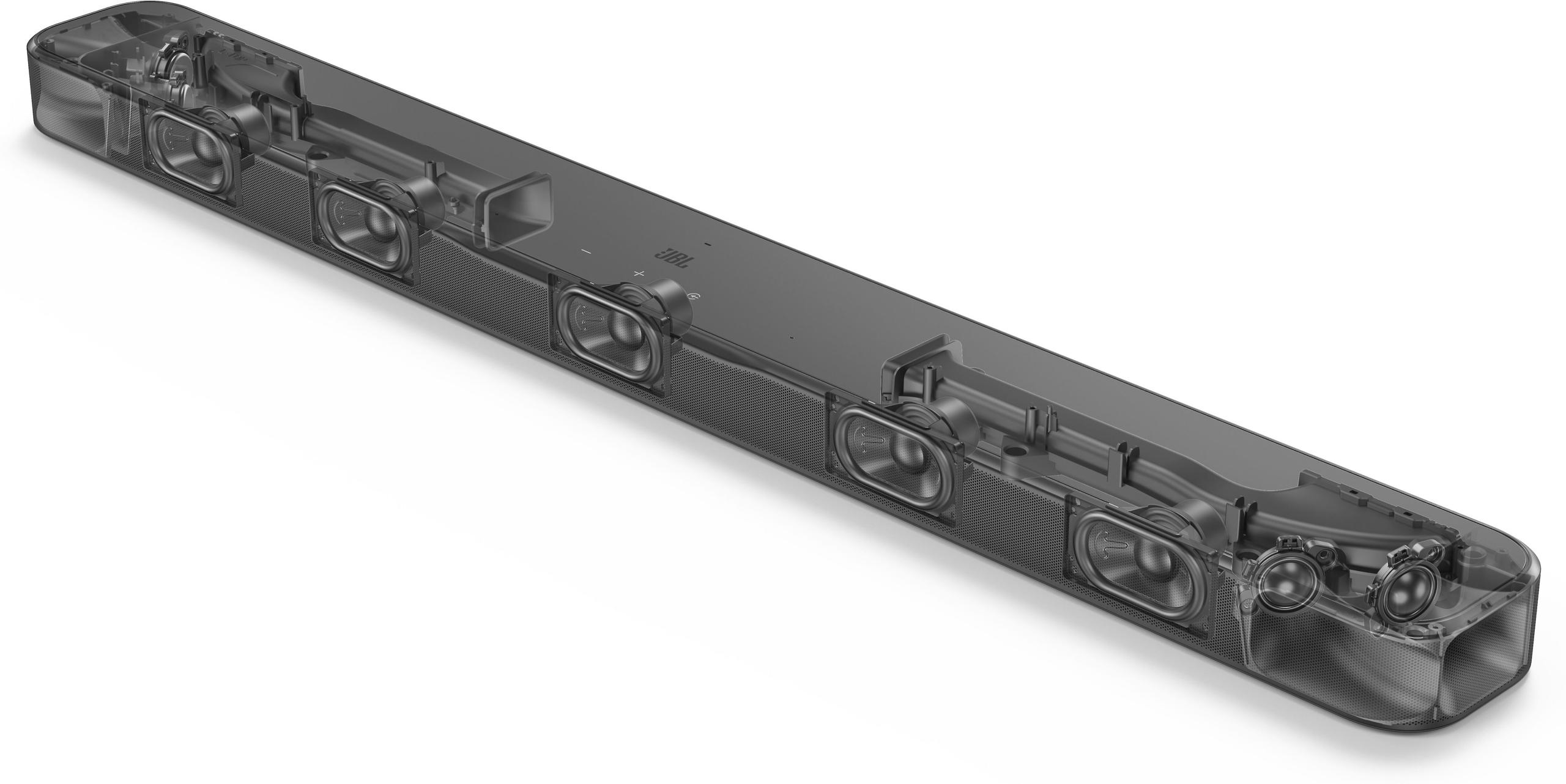
Bass performance reveals another fundamental difference in approach between these soundbars. The JBL Bar 300 MK2 uses integrated bass ports—essentially tuned openings that allow air to move in and out of the cabinet, extending the low-frequency response. Combined with its racetrack-shaped drivers (oval drivers that can move more air than traditional round ones), this creates surprisingly deep bass for a single-unit soundbar.
During my testing with action movies like "Mad Max: Fury Road," the JBL delivered satisfying rumble during chase scenes and explosions that you could actually feel, not just hear. It's not going to match a dedicated subwoofer, but it's impressive for what it is.
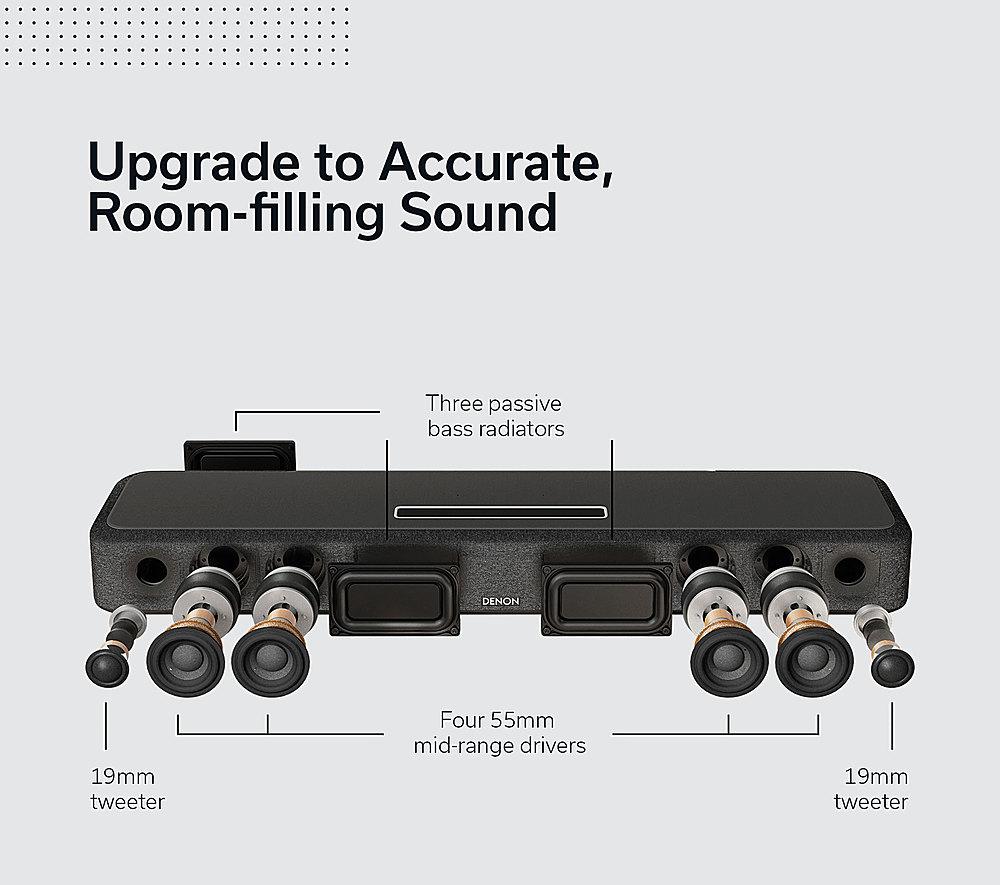
The Denon takes a different approach, using passive radiators—essentially speakers without voice coils that vibrate in response to the active drivers. This creates some bass extension, but it's more subtle. Watching the same action sequences, the Denon sounded cleaner and more controlled, but lacked the visceral impact that makes movie explosions exciting.
However, here's where the Denon's modular philosophy shines: you can add its optional wireless subwoofer later. This transforms the entire system, adding the deep bass that the soundbar alone can't provide. The catch? That subwoofer costs an additional $300-400, bringing your total investment to over $800.
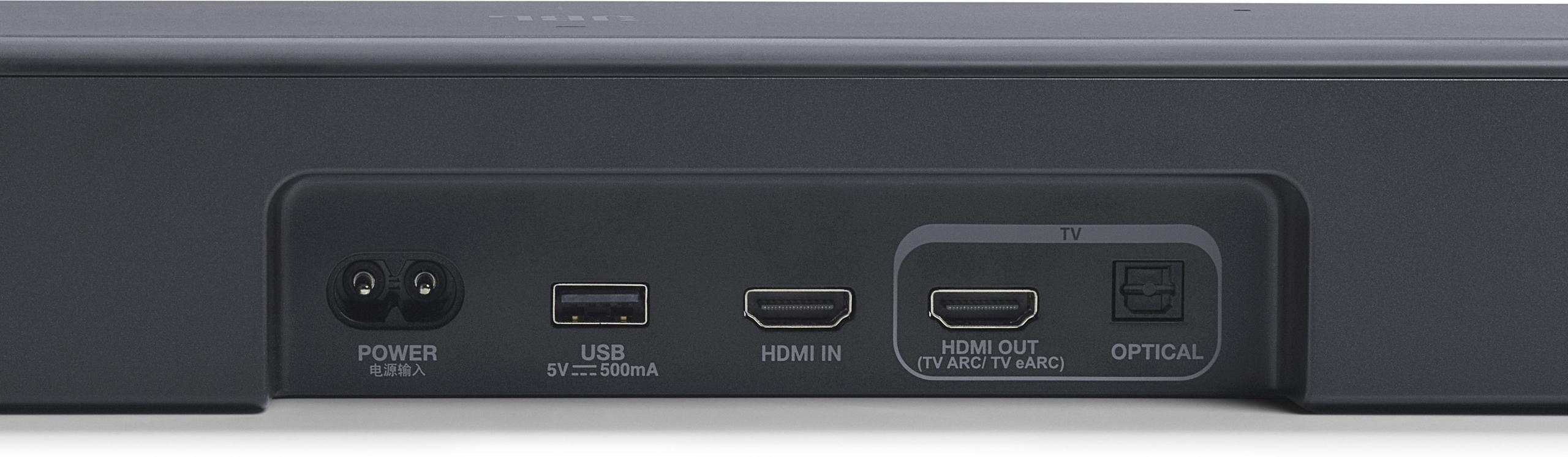
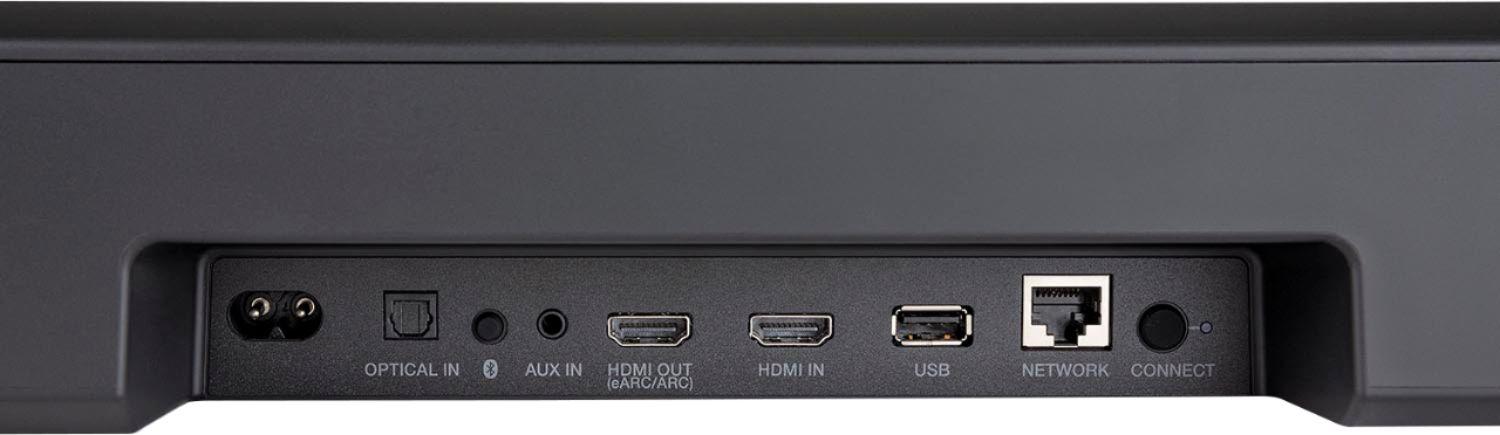
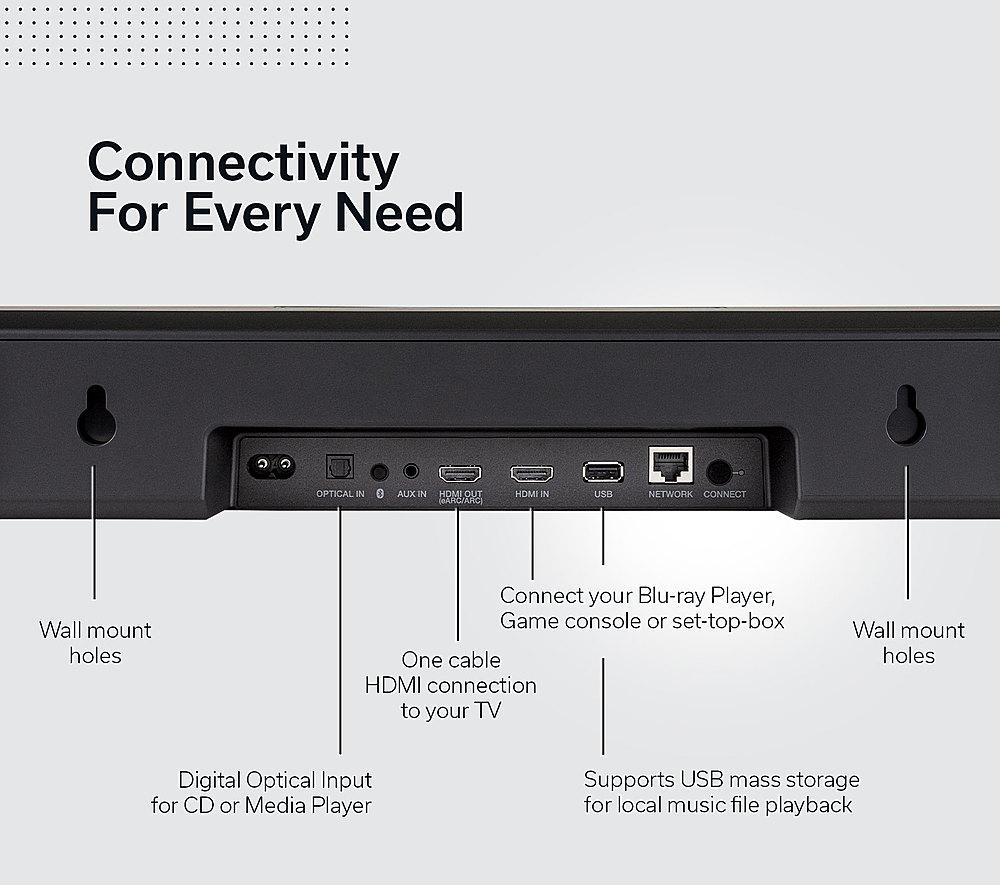
The connectivity story reveals another key difference in design philosophy. The JBL offers three HDMI inputs plus one HDMI eARC output, supporting the latest 4K HDR and Dolby Vision video formats. This makes it excellent for users with multiple devices—maybe a cable box, gaming console, and streaming device—who want to route everything through the soundbar.
The Denon provides just one HDMI input alongside its eARC output. This might seem limiting, but it reflects Denon's emphasis on wireless streaming through their HEOS platform. HEOS (which stands for "Home Entertainment OS") is Denon's multi-room audio system that lets you group speakers throughout your house for synchronized playback.
In practice, if you already have other HEOS speakers or plan to build a multi-room system, the Denon integration is seamless and genuinely useful. You can start music in the living room and have it follow you to the kitchen or bedroom. The JBL, while supporting standard streaming protocols like AirPlay and Chromecast, doesn't offer this level of multi-room sophistication.
Both soundbars support Dolby Atmos, but it's worth understanding what that actually means in a single-speaker setup. True Dolby Atmos uses speakers placed around and above you to create three-dimensional sound. These soundbars use "virtual" Atmos—sophisticated digital processing that manipulates the audio to trick your brain into perceiving height and surround effects.
The JBL Bar 300 MK2 benefits from JBL's latest MultiBeam 3.0 technology, which uses advanced algorithms to bounce sound off your room's walls and ceiling. During test scenes from "Top Gun: Maverick," aircraft seemed to move convincingly overhead, and the sense of height was surprisingly effective for a single soundbar.
The Denon also handles virtual Atmos well, plus it adds support for DTS:X (another immersive audio format). However, in direct comparison, the JBL's newer processing seemed more convincing at creating the illusion of surround sound. The Denon's presentation felt more focused in front of you, which some listeners might actually prefer for dialogue clarity.
While both soundbars excel at movies, their musical personalities differ significantly. The JBL's higher power output and bass emphasis make it excellent for modern genres like hip-hop, electronic music, and rock. Playing tracks with deep bass lines, the JBL delivers the kind of impact that makes you want to turn the volume up.
The Denon takes a more refined approach that favors acoustic instruments and vocals. Jazz recordings sound more natural, with better separation between instruments. Classical music benefits from the Denon's more restrained bass response, which doesn't overwhelm delicate string sections.
Neither soundbar is designed primarily for critical music listening—dedicated stereo speakers would serve that purpose better—but if music is important to you, consider which style better matches your preferences.
The integration of smart home features represents another area where these soundbars differ. The Denon Home Sound Bar 550 includes built-in Amazon Alexa, so you can control it with voice commands directly. Ask Alexa to adjust volume, change inputs, or even answer questions without reaching for a remote.
The JBL requires a separate smart speaker for voice control, though it works with Alexa, Google Assistant, and Siri once connected. This might seem like a disadvantage, but many users already have smart speakers, making this less of an issue than it initially appears.
Both soundbars support automatic firmware updates, ensuring they stay current with new features and bug fixes. The JBL's updates have historically included new audio processing improvements, while Denon focuses more on streaming service compatibility and smart home integration.
For dedicated home theater use, several factors come into play. The JBL's higher power output and multiple HDMI inputs make it better suited for users with elaborate setups including gaming consoles, Blu-ray players, and streaming devices. The additional bass impact enhances action movies and makes gaming more immersive.
The Denon's strength in home theater comes from its expandability and night mode features. The night mode intelligently compresses the dynamic range—the difference between quiet dialogue and loud explosions—making late-night viewing more neighbor-friendly without sacrificing clarity.
If you're planning to build toward a more complete home theater system over time, the Denon's modular approach offers more flexibility. You can start with just the soundbar and add the wireless subwoofer when budget allows, potentially followed by additional HEOS speakers for true surround sound.
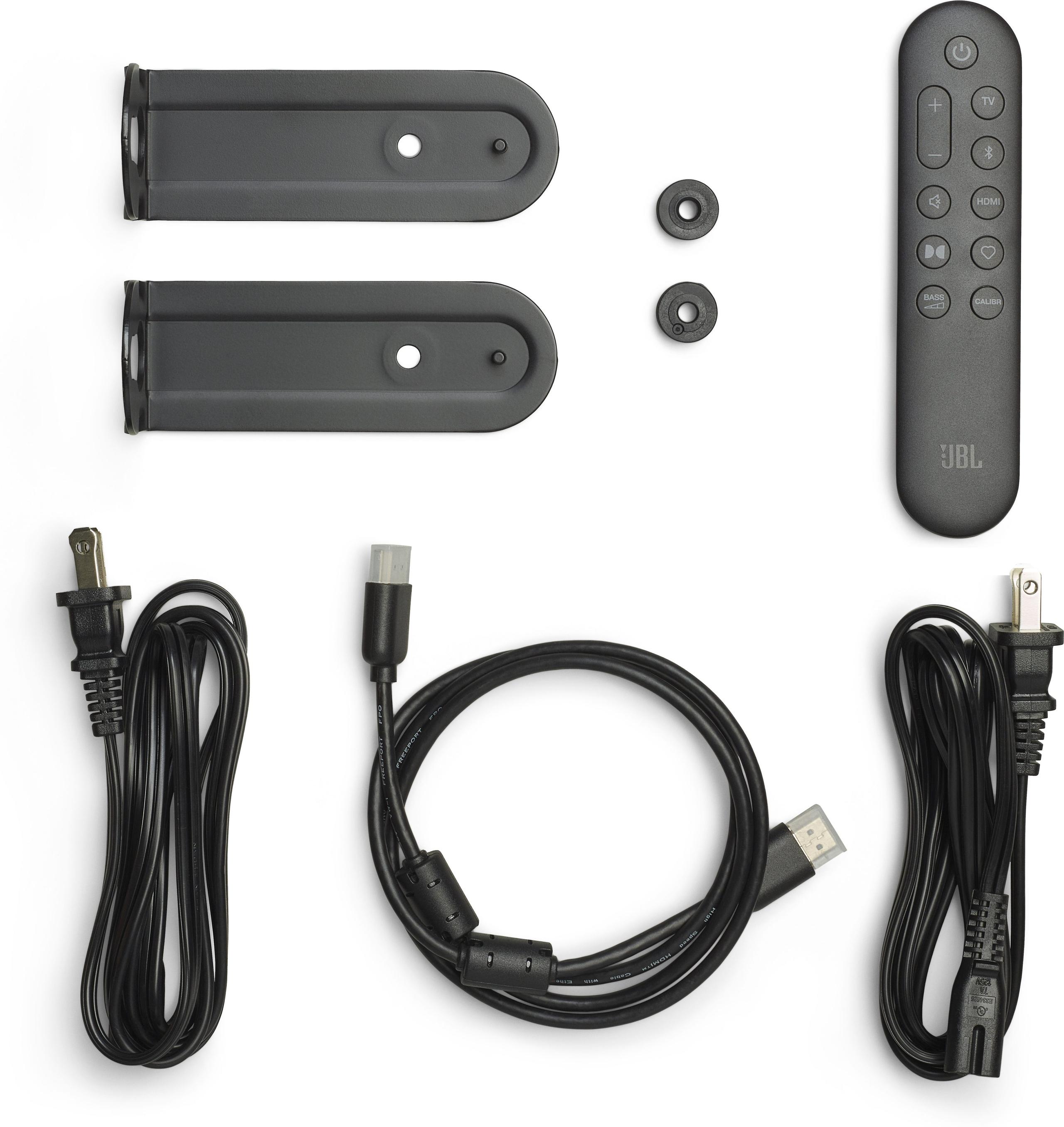
After extended testing with both units, some practical differences emerged. The JBL's remote control is more intuitive, with clearly labeled buttons and good responsiveness. The Denon's remote works fine but relies more heavily on the HEOS app for advanced features.
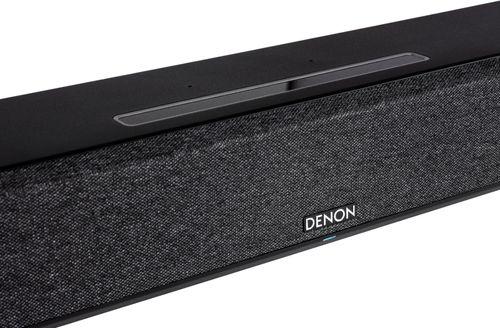
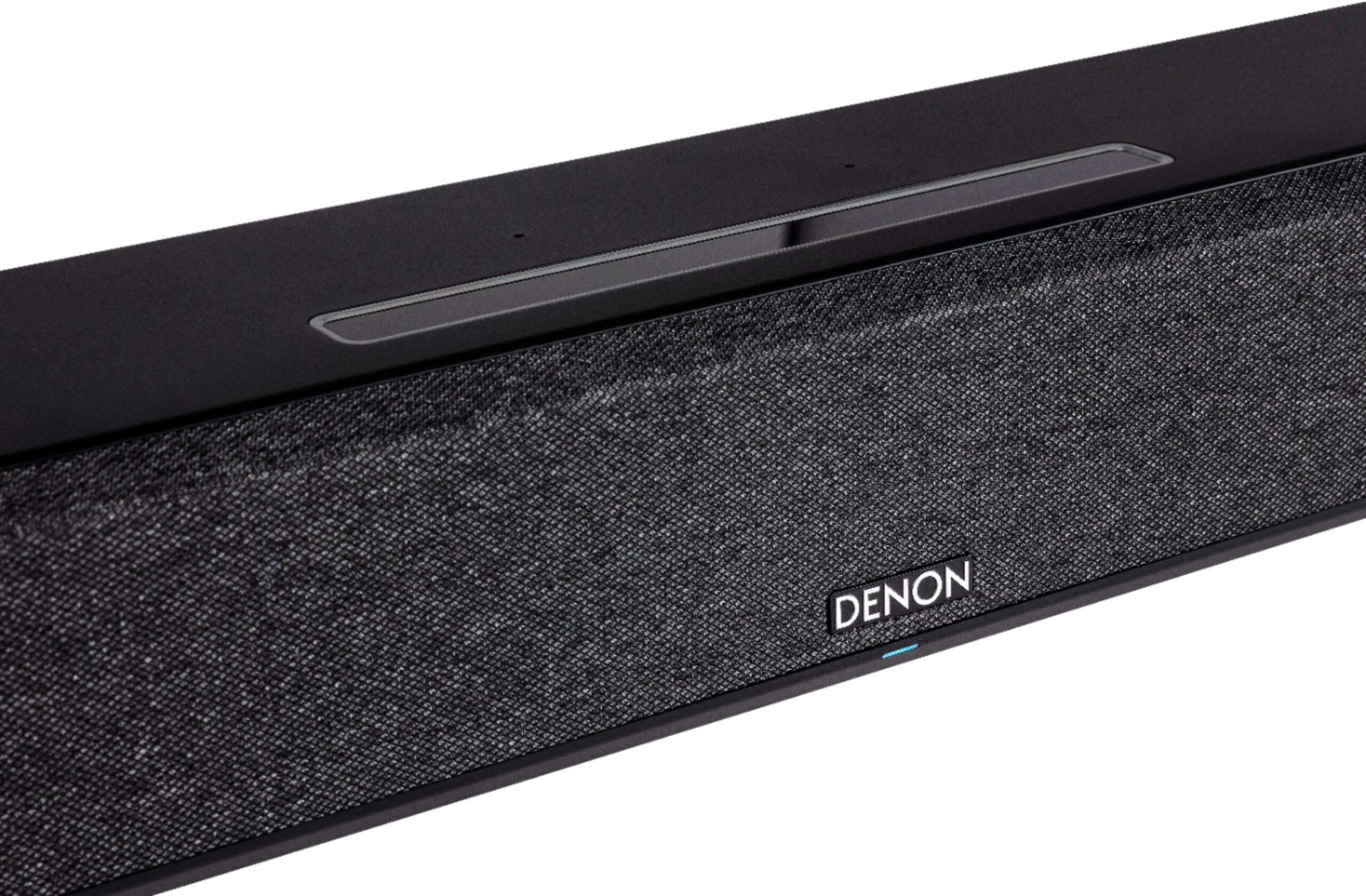
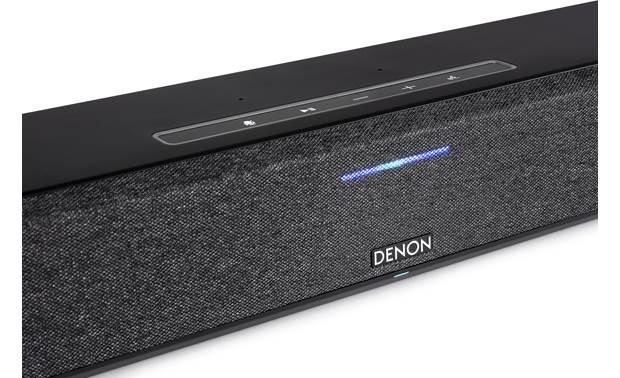
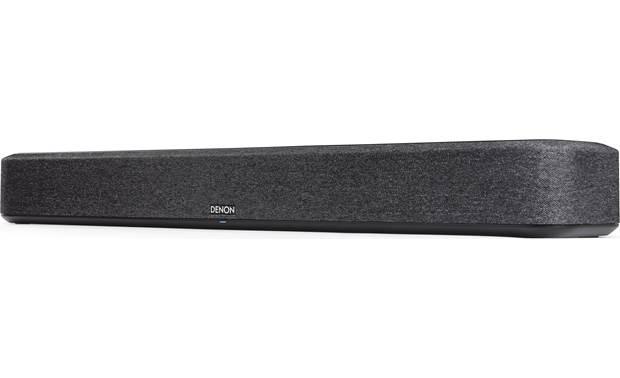
Both soundbars showed excellent build quality, but the Denon feels slightly more premium with its fabric grille and sturdy construction. The JBL uses more plastic in its construction, though this doesn't affect performance.
Setup proved straightforward for both units, though the Denon's HEOS integration requires downloading an app and creating an account. The JBL can be set up entirely through traditional connections if you prefer to avoid app-based configuration.
When considering value, the JBL Bar 300 MK2 delivers significantly more performance per dollar. At $449.95, you get powerful, room-filling sound that handles both movies and music well, plus all the connectivity most users need.
The Denon Home Sound Bar 550 at $518.50 costs more upfront and potentially much more if you add the recommended subwoofer. However, that higher cost buys you genuine expandability, more sophisticated streaming integration, and the refinement that comes with Denon's audio heritage.
Choose the JBL Bar 300 MK2 if you want maximum bang for your buck, have a medium to large room, love action movies and bass-heavy music, or need multiple HDMI connections. It's the better choice for most people in most situations.
Choose the Denon Home Sound Bar 550 if you have a smaller space, value build quality and brand heritage, already own HEOS products, or plan to build a more complete system over time. It's the more sophisticated choice, but one that requires greater investment to reach its full potential.
Both soundbars will dramatically improve your TV's audio, but they serve different needs and preferences. The JBL prioritizes immediate impact and value, while the Denon emphasizes long-term flexibility and integration. Understanding these differences will help you choose the one that best fits your specific situation and budget.
| JBL Bar 300 MK2 Soundbar | Denon Home Sound Bar 550 Soundbar |
|---|---|
| Price - Budget consideration for overall value | |
| $449.95 | $518.50 |
| Power Output - Determines room-filling capability and volume levels | |
| 450W (excellent for large rooms) | 53W (suitable for small to medium rooms) |
| Channel Configuration - Affects surround sound width and separation | |
| 5.0 channels | 4.0 channels |
| Dimensions - Impact on TV stand compatibility and room aesthetics | |
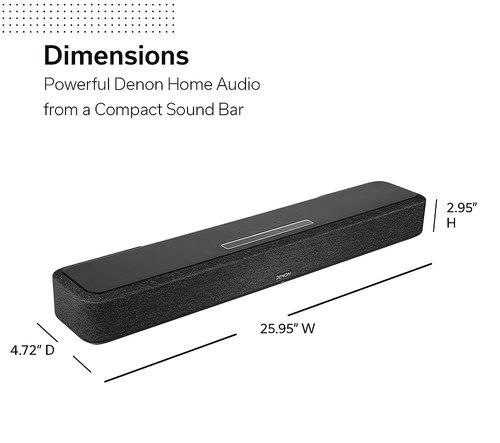
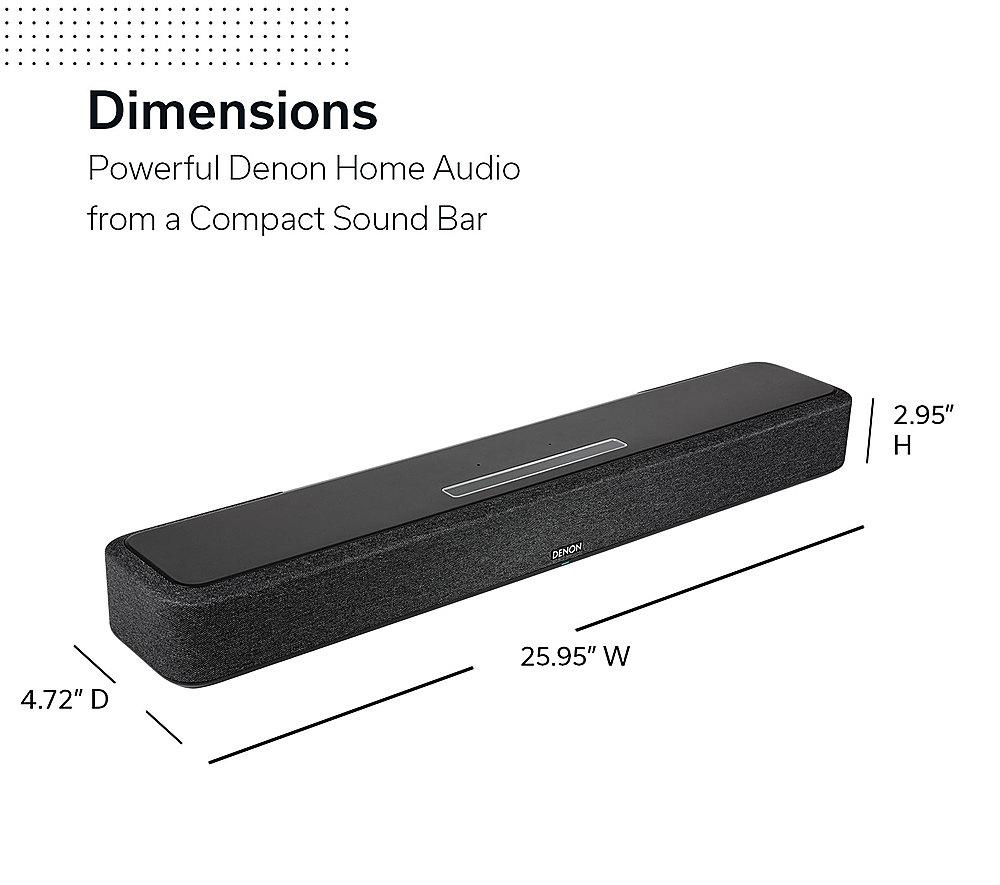
| 32.3" x 2.2" x 4.1" (larger footprint) | 25.6" x 2.9" x 4.7" (more compact design) |
| Driver Configuration - Determines sound quality and frequency response | |
| 4 racetrack drivers + 2 tweeters with bass ports | 4 full-range drivers + 2 tweeters + 3 passive radiators |
| HDMI Connectivity - Critical for multiple device connections | |
| 3 HDMI inputs + 1 eARC output | 1 HDMI input + 1 eARC output |
| Dolby Atmos Support - Creates virtual overhead sound effects | |
| Yes, with MultiBeam 3.0 technology | Yes, with Dolby Height Virtualization |
| DTS Format Support - Compatibility with different audio formats | |
| DTS Virtual:X (via future update) | DTS:X supported |
| Built-in Voice Control - Convenience for hands-free operation | |
| No (requires external smart speaker) | Yes (Amazon Alexa built-in) |
| Multi-Room Audio - Ability to sync with other speakers throughout home | |
| Basic Wi-Fi streaming only | Full HEOS multi-room integration |
| Subwoofer Expandability - Option to add deeper bass later | |
| No expansion possible | Compatible with wireless Denon subwoofer ($300-400 extra) |
| Bass Performance - Important for movies and music impact | |
| Strong built-in bass via ports (no expansion) | Moderate bass (requires subwoofer for full impact) |
| Best Room Size - Optimal performance environment | |
| Medium to large rooms (150-300+ sq ft) | Small to medium rooms (100-200 sq ft) |
| Wireless Streaming - Modern connectivity options | |
| AirPlay 2, Chromecast, Spotify Connect, Wi-Fi 6 | AirPlay 2, HEOS, Spotify Connect, Bluetooth 4.1 |
| Target User - Who benefits most from each approach | |
| Movie enthusiasts wanting immediate powerful performance | Users prioritizing compact design and future expandability |
The JBL Bar 300 MK2 is significantly better for large rooms with its 450W power output compared to the Denon Home Sound Bar 550's 53W. The JBL can fill rooms over 200 square feet with clear, undistorted sound, while the Denon is better suited for smaller spaces under 150 square feet.
The JBL Bar 300 MK2 costs $449.95, while the Denon Home Sound Bar 550 is priced at $518.50. However, to get the best bass performance from the Denon, you'll likely need to add their wireless subwoofer for an additional $300-400, making the total investment significantly higher.
The JBL Bar 300 MK2 delivers much stronger built-in bass thanks to its integrated bass ports and racetrack drivers. The Denon Home Sound Bar 550 has more modest bass from its passive radiators and really benefits from adding the optional wireless subwoofer for movie watching.
Yes, both the JBL Bar 300 MK2 and Denon Home Sound Bar 550 support virtual Dolby Atmos. The JBL uses MultiBeam 3.0 technology for enhanced surround effects, while the Denon also adds DTS:X support for broader format compatibility.
The JBL Bar 300 MK2 is much better for multiple devices with three HDMI inputs plus eARC output, supporting gaming consoles, streaming devices, and cable boxes simultaneously. The Denon Home Sound Bar 550 only has one HDMI input, requiring you to use your TV's inputs for additional devices.
The Denon Home Sound Bar 550 excels here with full HEOS multi-room integration, letting you sync music throughout your home with other HEOS speakers. The JBL Bar 300 MK2 supports basic wireless streaming but doesn't offer true multi-room capabilities.
This depends on your music preferences. The JBL Bar 300 MK2 is excellent for bass-heavy genres like hip-hop and rock with its powerful, dynamic sound. The Denon Home Sound Bar 550 offers more balanced, refined audio that's better for acoustic music, jazz, and classical genres.
The Denon Home Sound Bar 550 includes built-in Amazon Alexa for direct voice control. The JBL Bar 300 MK2 doesn't have built-in voice control but works with Alexa, Google Assistant, and Siri through connected smart speakers.
The Denon Home Sound Bar 550 is more compact at 25.6" wide and designed specifically for smaller rooms and apartments. The JBL Bar 300 MK2 is larger at 32.3" wide and may overwhelm smaller spaces with its powerful output.
The Denon Home Sound Bar 550 can be expanded with Denon's wireless subwoofer and potentially other HEOS speakers for a more complete system. The JBL Bar 300 MK2 is a fixed all-in-one solution that cannot be expanded with additional components.
The JBL Bar 300 MK2 offers significantly better value at $449.95, delivering much more power and features for the price. The Denon Home Sound Bar 550 costs more upfront and requires additional investment for optimal performance, though it offers premium build quality and expandability.
For most home theater setups, the JBL Bar 300 MK2 is the better choice with its higher power output, stronger bass, multiple HDMI inputs, and ability to handle action movie soundtracks with authority. The Denon Home Sound Bar 550 works well for dialogue-heavy content and smaller home theater rooms but lacks the dynamic range for immersive movie experiences without adding a subwoofer.
We've done our best to create useful and informative comparisons to help you decide what product to buy. Our research uses advanced automated methods to create this comparison and perfection is not possible - please contact us for corrections or questions. These are the sites we've researched in the creation of this article: homecinemachoice.com - retailspecs.com - hometechnologyreview.com - whathifi.com - news.jbl.com - engadget.com - crutchfield.com - harmanaudio.com - techradar.com - bestbuy.com - jbl.com - sweech.co.ke - jbl.com - jbl.com.sg - mm.jbl.com - abcwarehouse.com - harmanaudio.com - sweetwater.com - ro.harmanaudio.com - dell.com - jbl.co.nz - consumerreports.org - soundandvision.com - crutchfield.com - rtings.com - crutchfield.com - gzhls.at - denon.com - walmart.com - youtube.com - whathifi.com - bestbuy.com

Privacy Policy
Terms and Conditions - Affiliate Policy
Home Security
© Copyright 2008-2026.
11816 Inwood Rd #1211, Dallas, TX 75244