





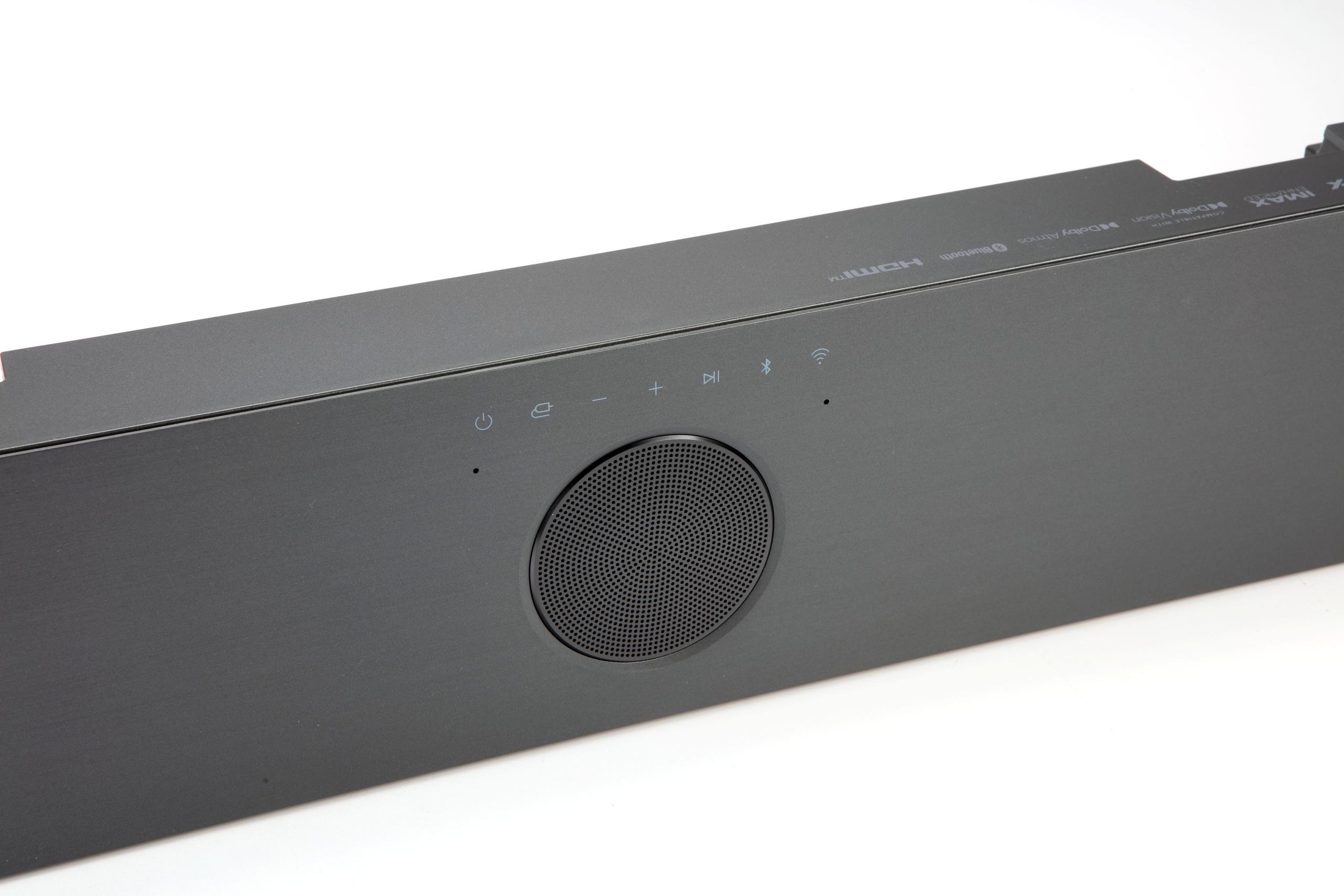
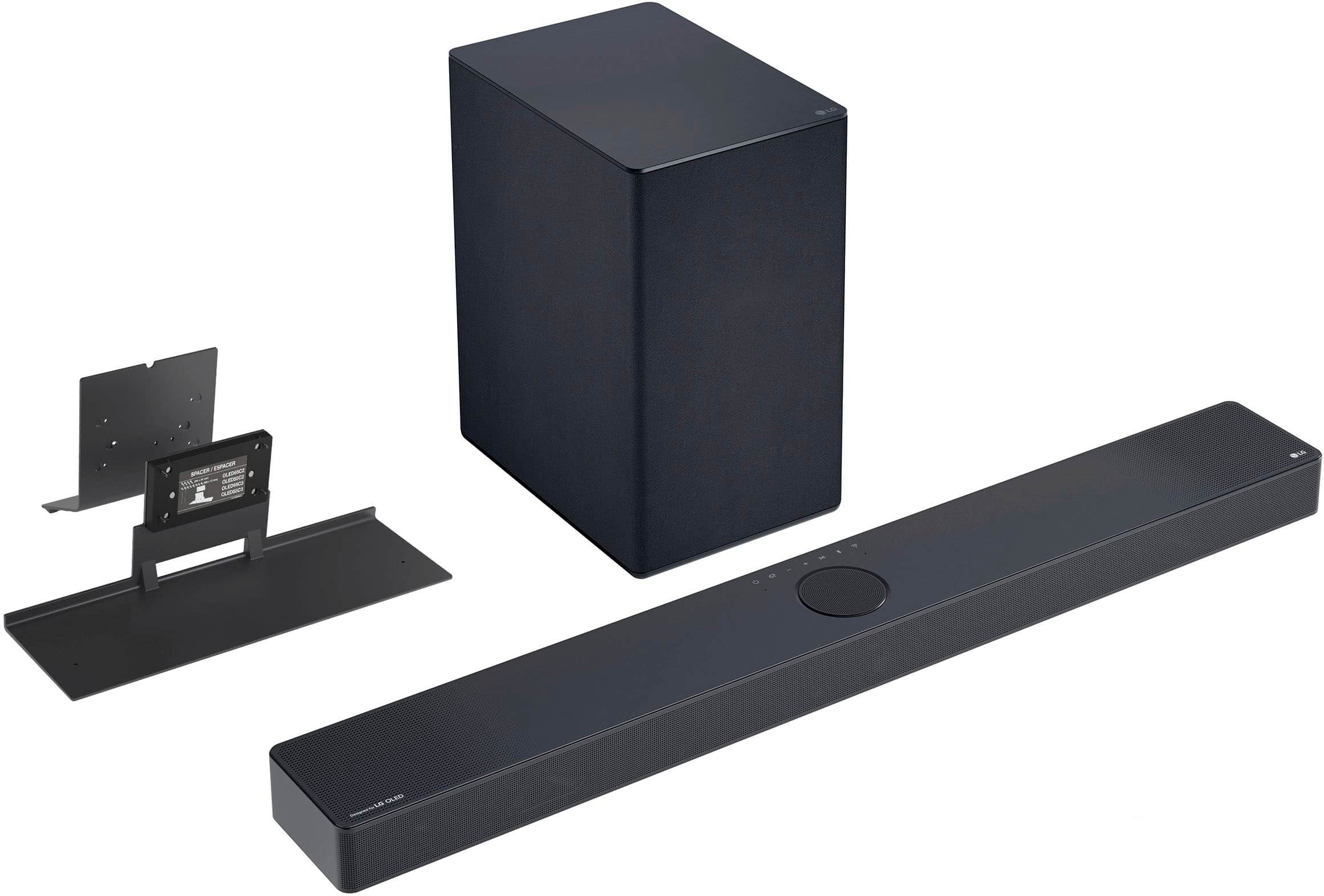
If you've ever tried to follow dialogue in an action movie while your TV speakers struggle to compete with explosions, you know exactly why soundbars have become essential. These sleek audio upgrades promise to transform your entertainment experience without the complexity of a full surround sound system. But with so many options available, choosing between two solid performers like the JBL Bar 300 MK2 ($450) and LG SC9S ($515) can feel overwhelming.
Both soundbars hit the market in 2023, representing the latest thinking in compact audio design. However, they take fundamentally different approaches to solving the same problem: how to create immersive, room-filling sound from a single bar placed under your TV.
Before diving into specifics, it's worth understanding what makes today's soundbars tick. Unlike the basic stereo bars of the past, modern units use sophisticated digital signal processing (DSP) – essentially computer algorithms that manipulate audio signals – to create the illusion of surround sound. They also support advanced audio formats like Dolby Atmos, which adds height information to soundtracks, making it seem like helicopters are flying overhead or rain is falling from above.
The key consideration is whether a soundbar uses virtual processing (mathematical tricks to fool your ears) or physical drivers (actual speakers) positioned to bounce sound around your room. Each approach has trade-offs in terms of effectiveness, room requirements, and cost.
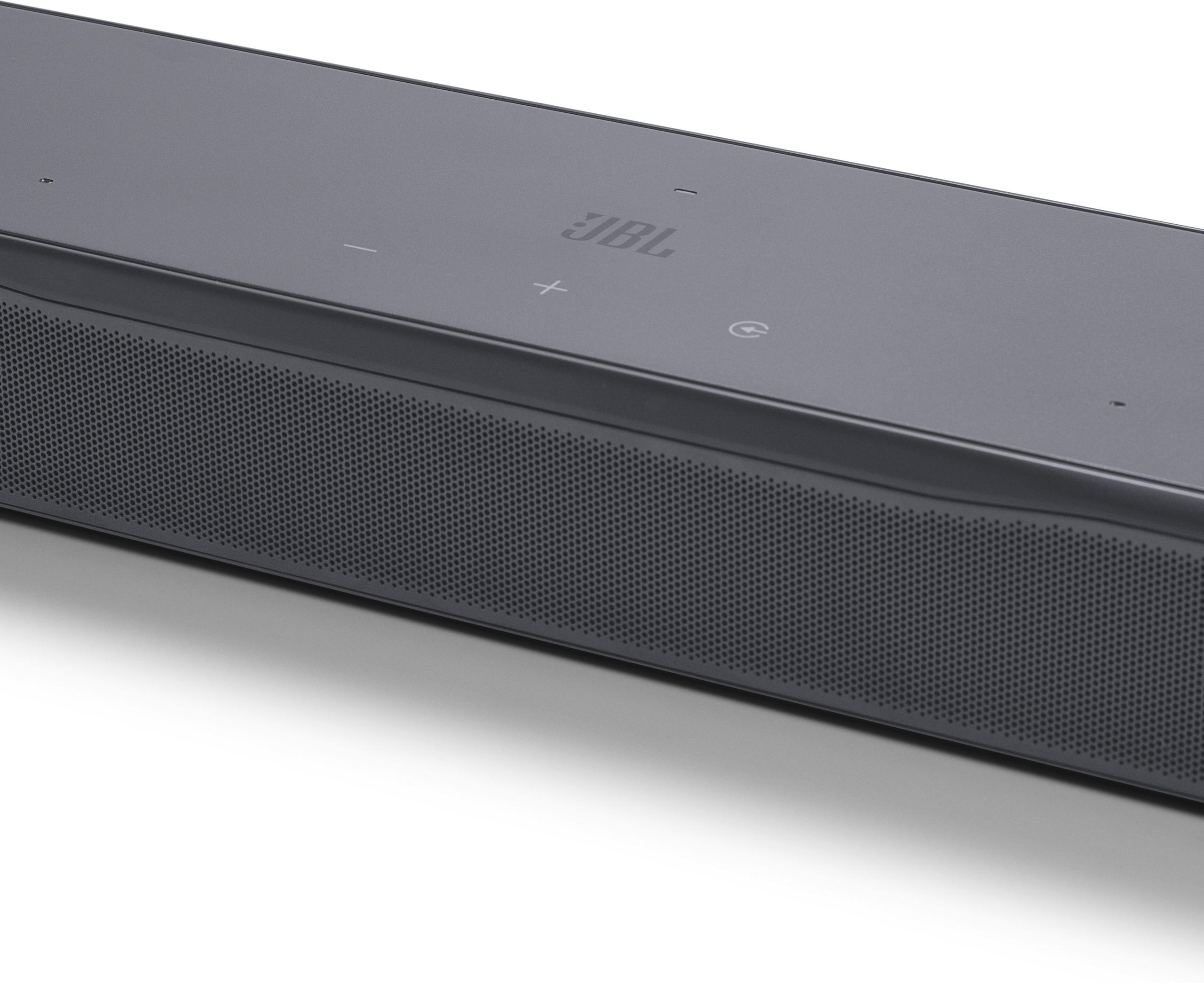
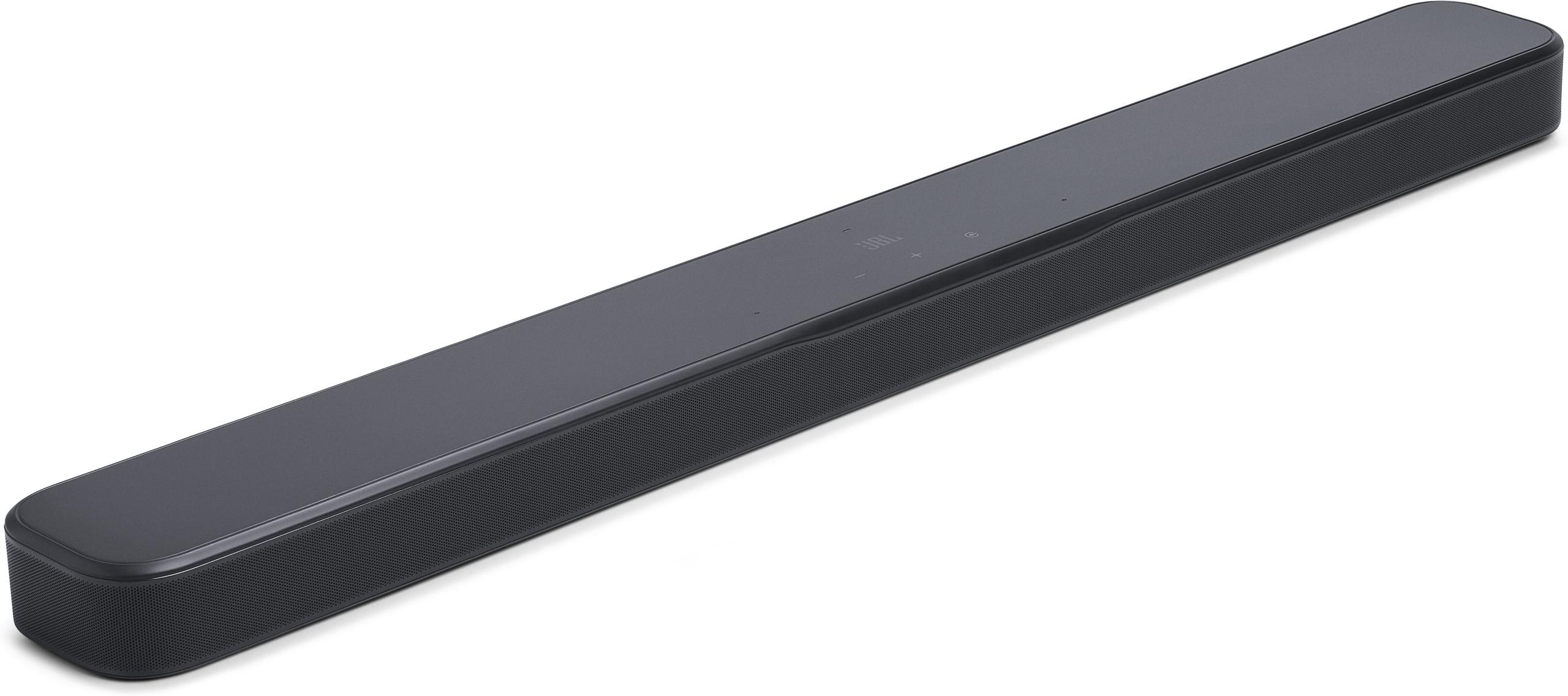
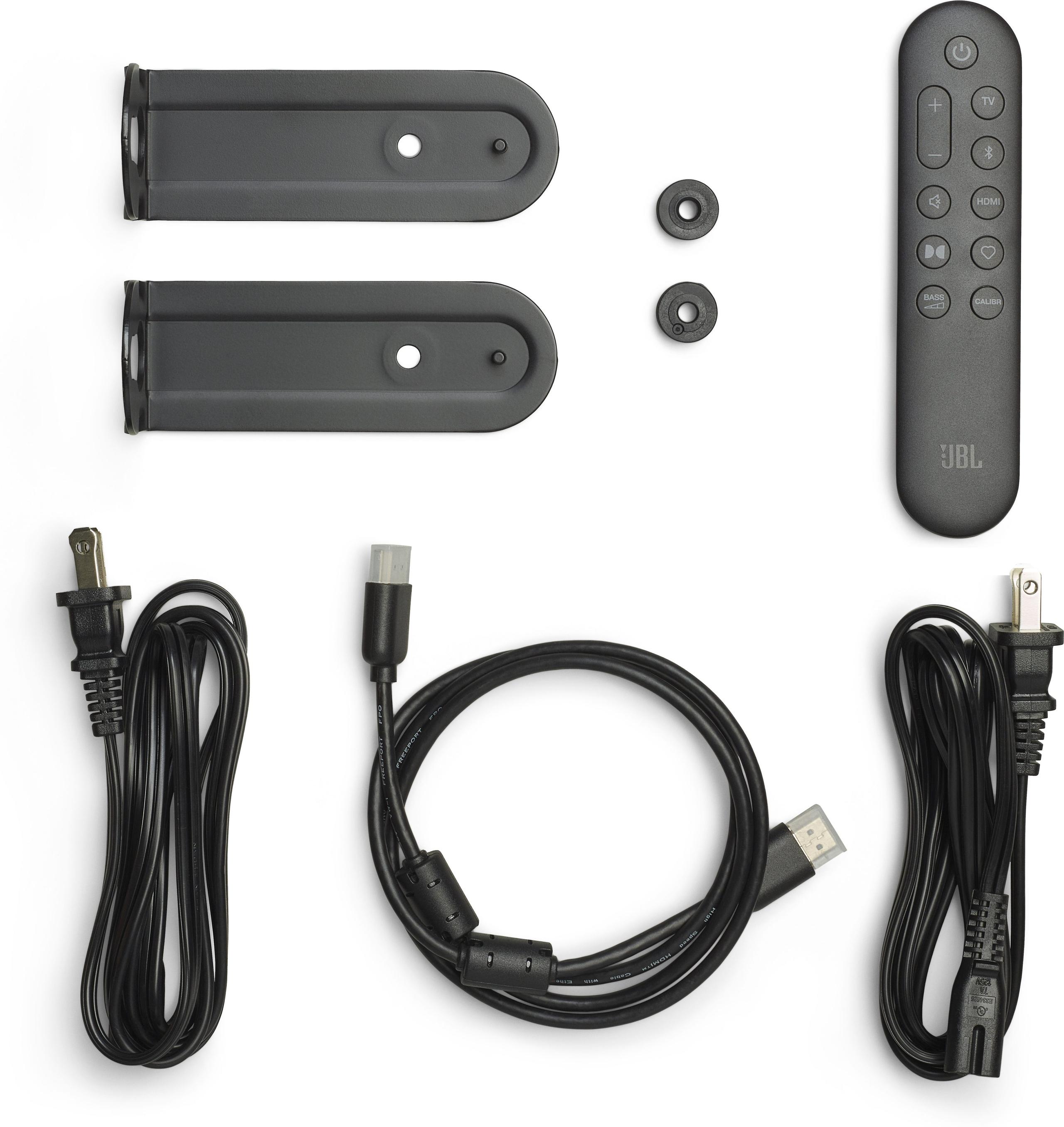
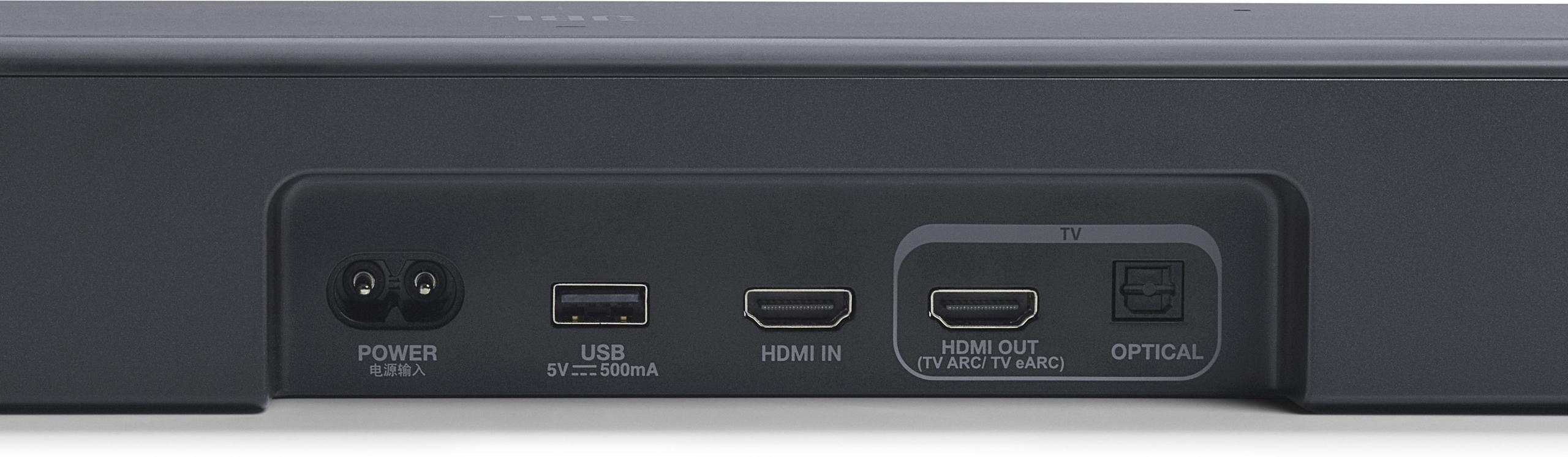
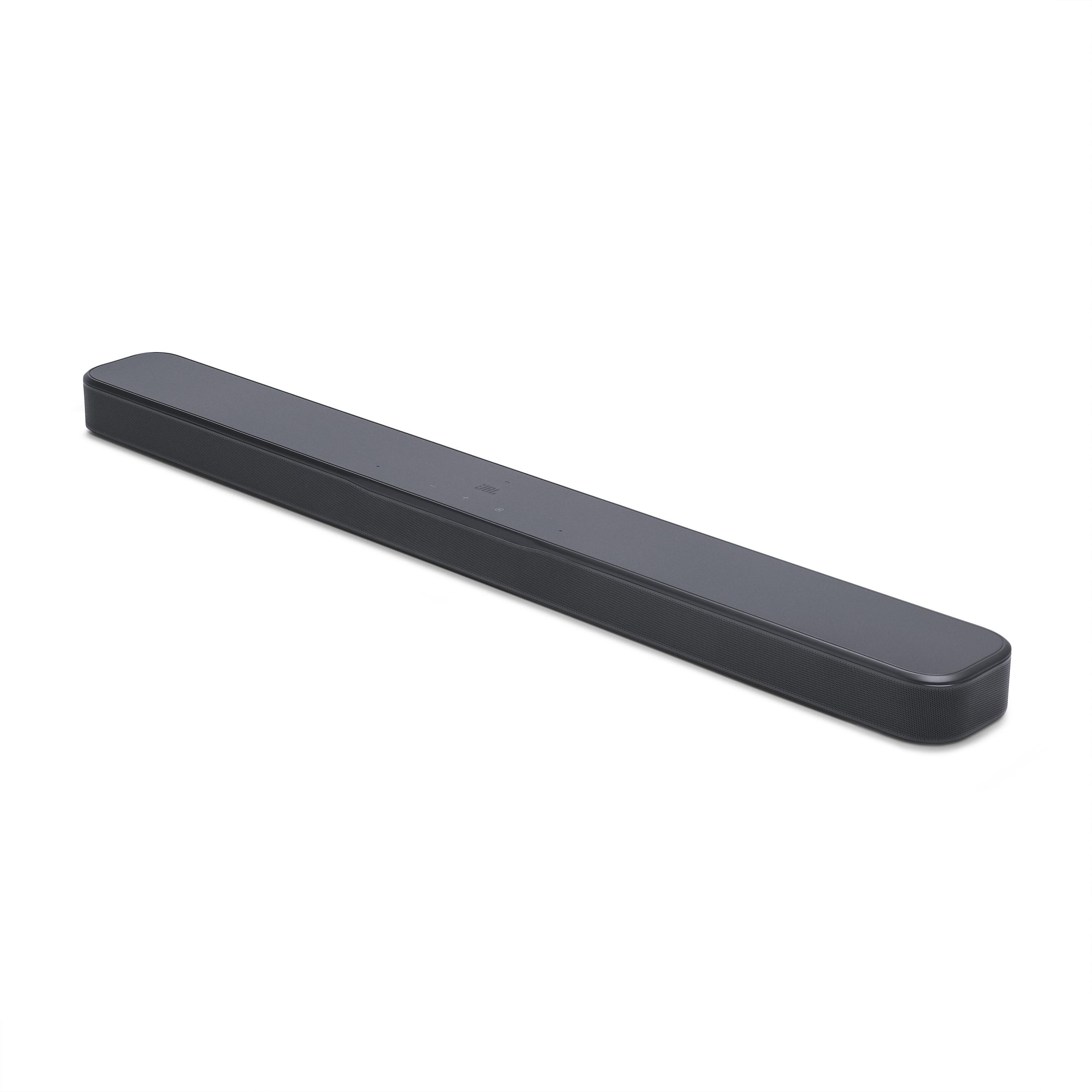
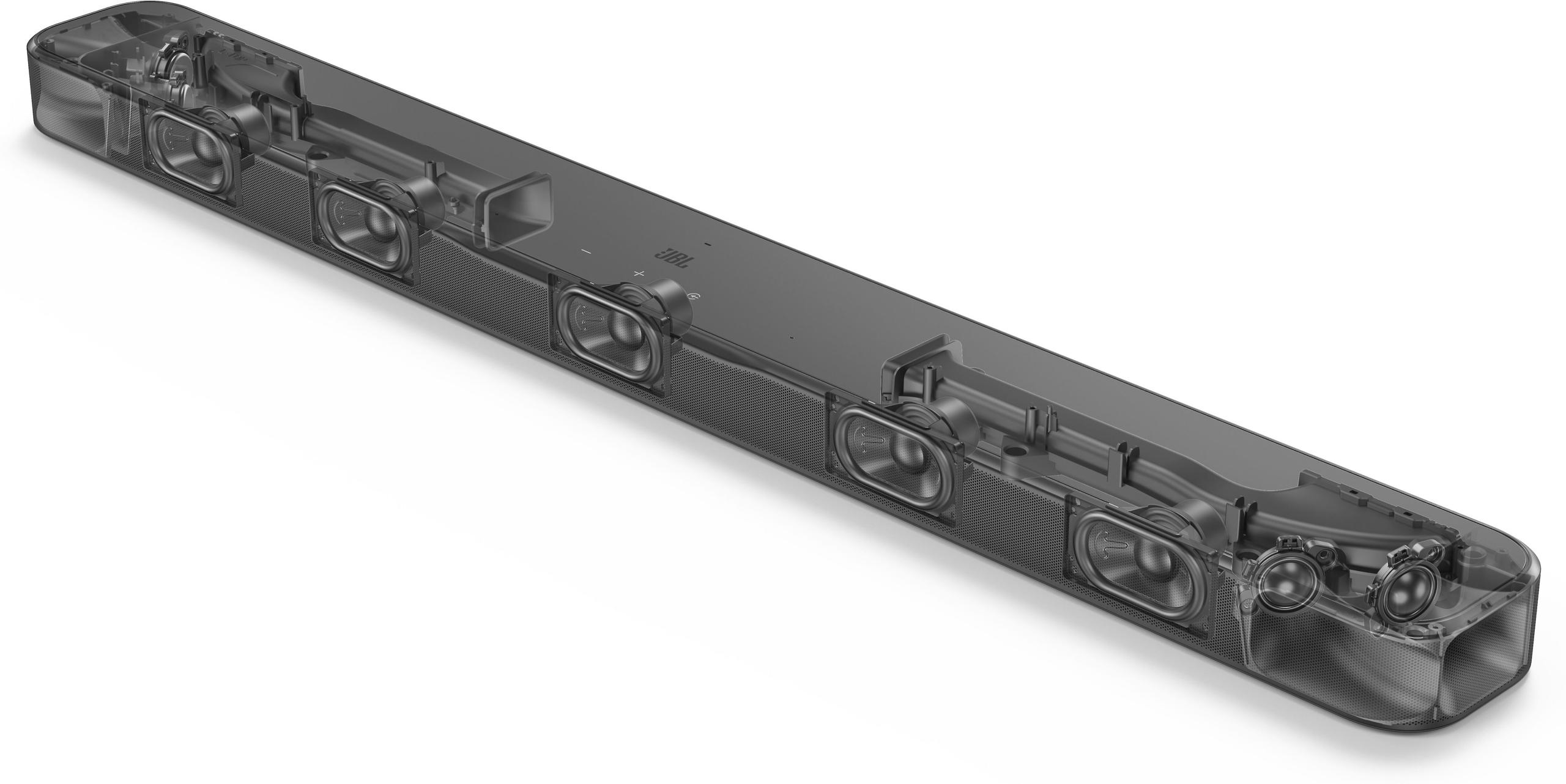
The JBL Bar 300 MK2 represents the "all-in-one convenience" approach. At 32 inches wide and weighing just 5.5 pounds, it's designed to be the complete solution – no separate subwoofer, no additional boxes, just plug it in and enjoy better sound. JBL's engineers packed six drivers (four racetrack-shaped bass/mid drivers and two tweeters) into this compact form factor, along with 450W of amplification power.
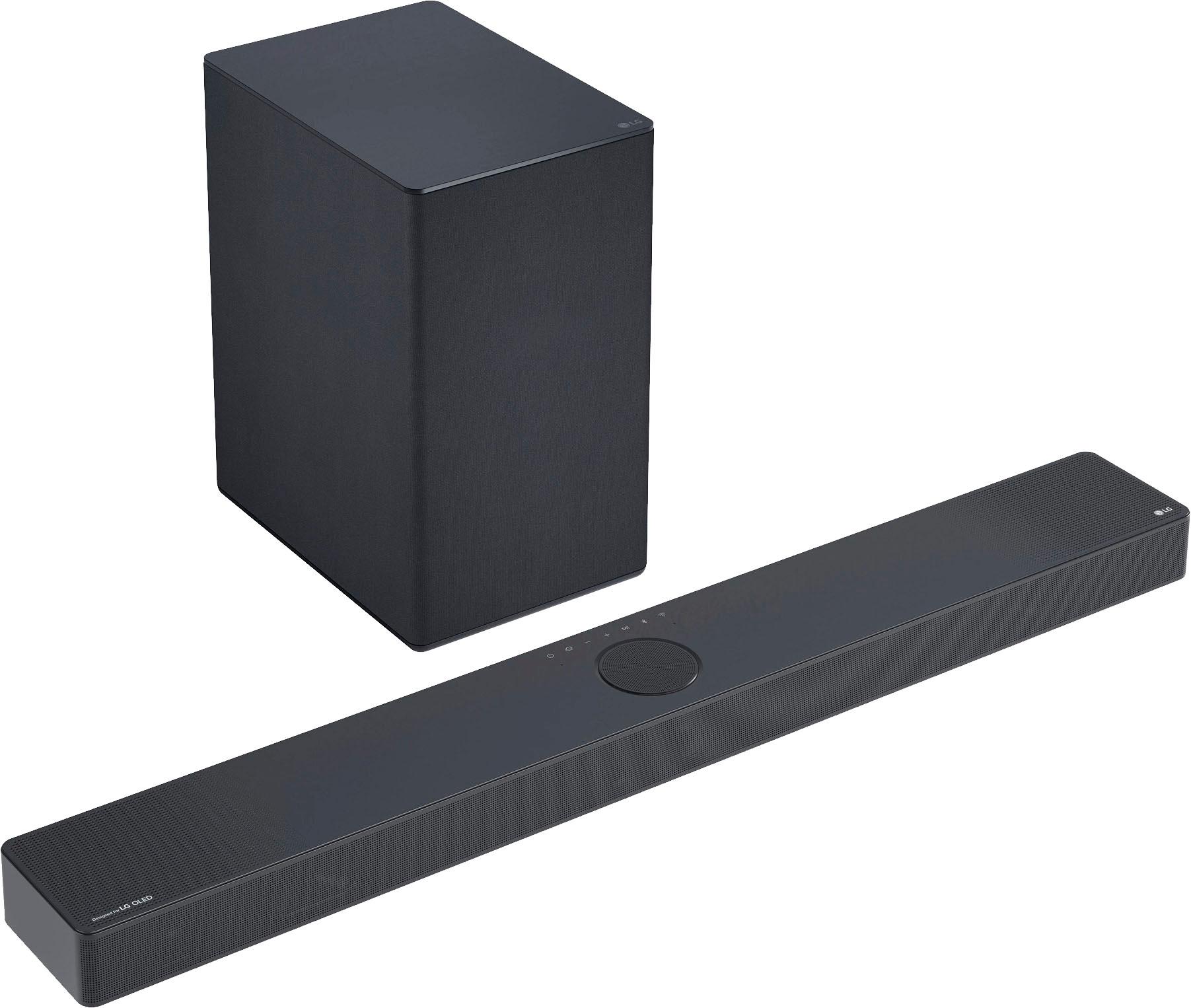
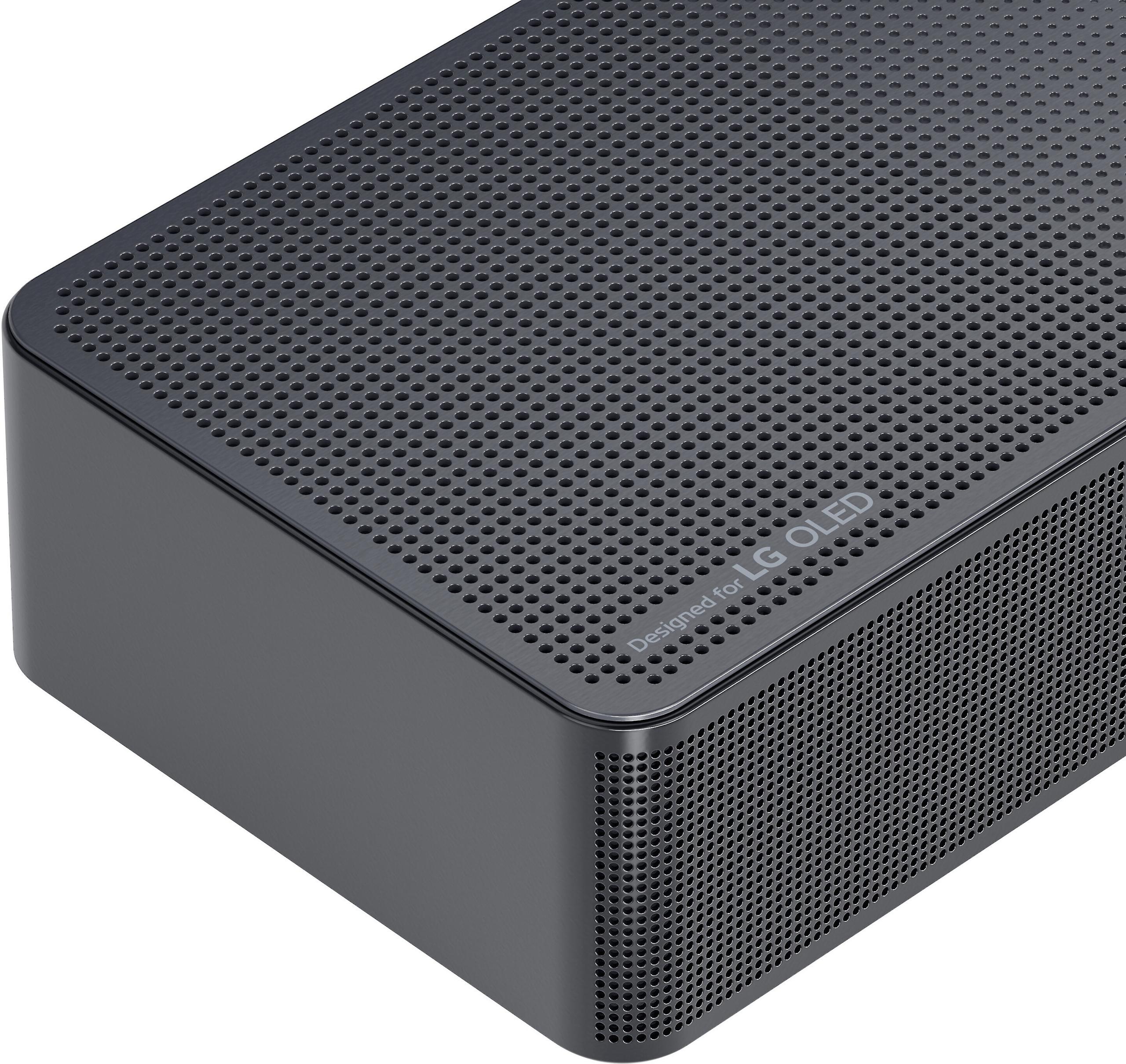
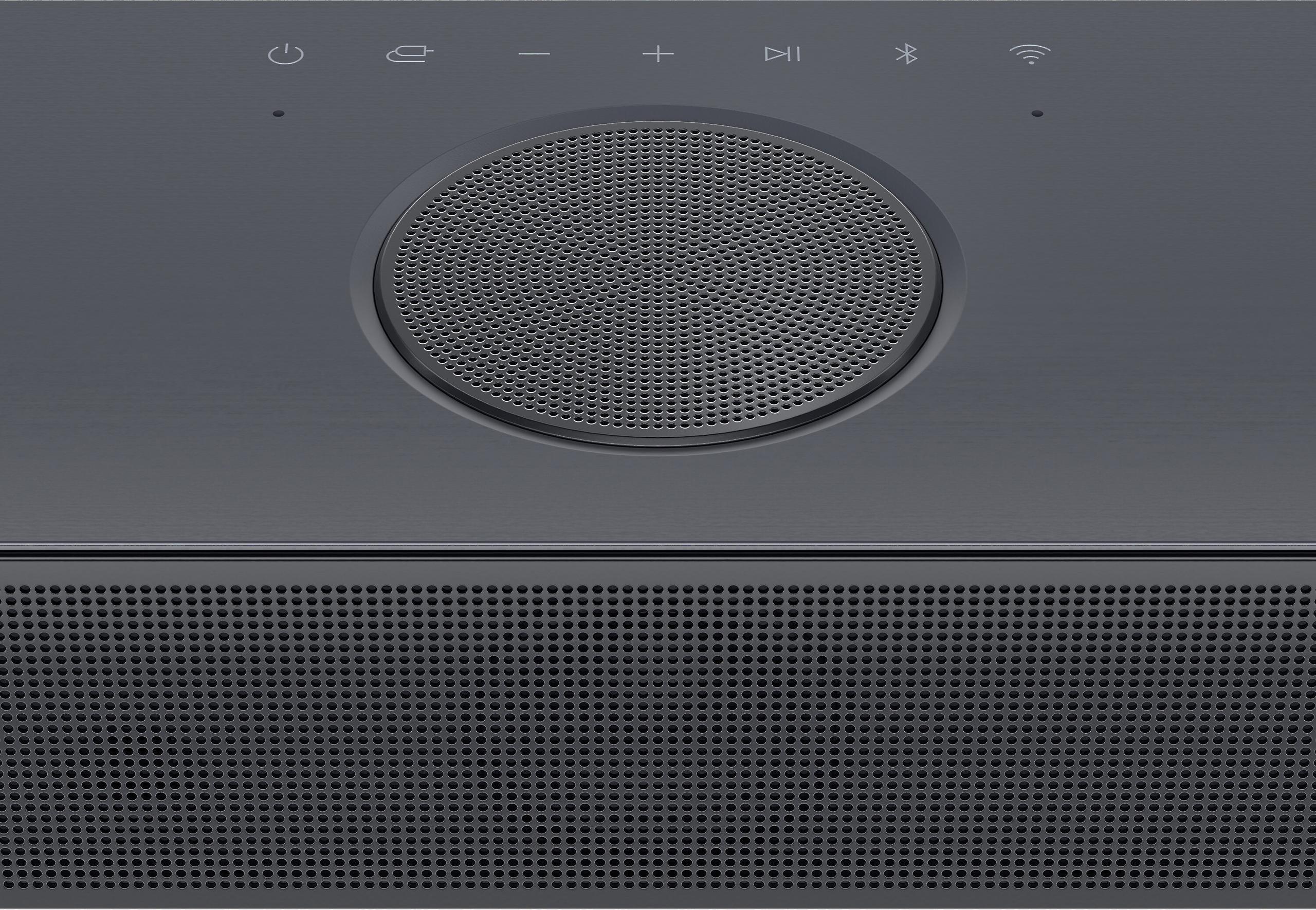
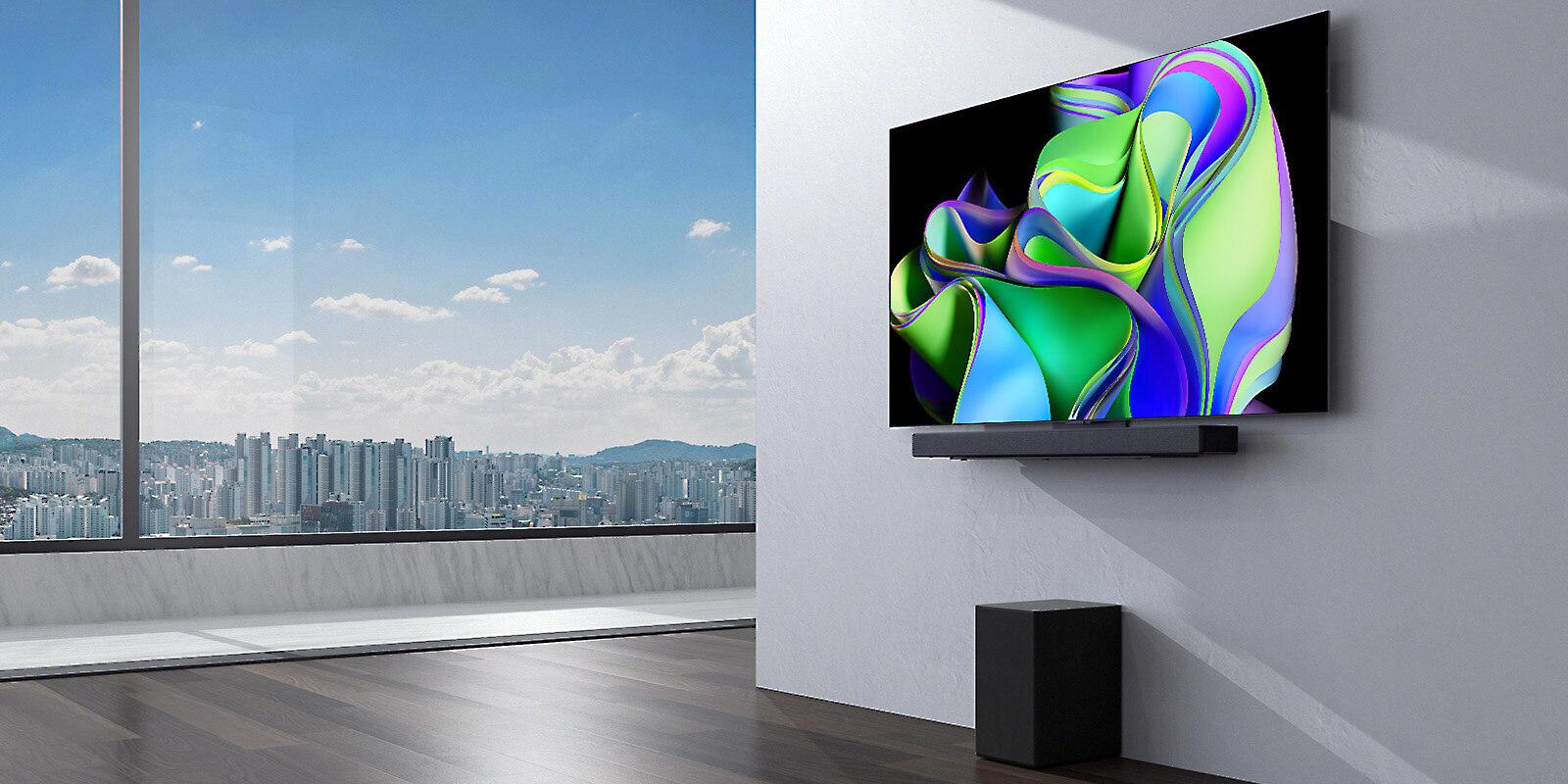
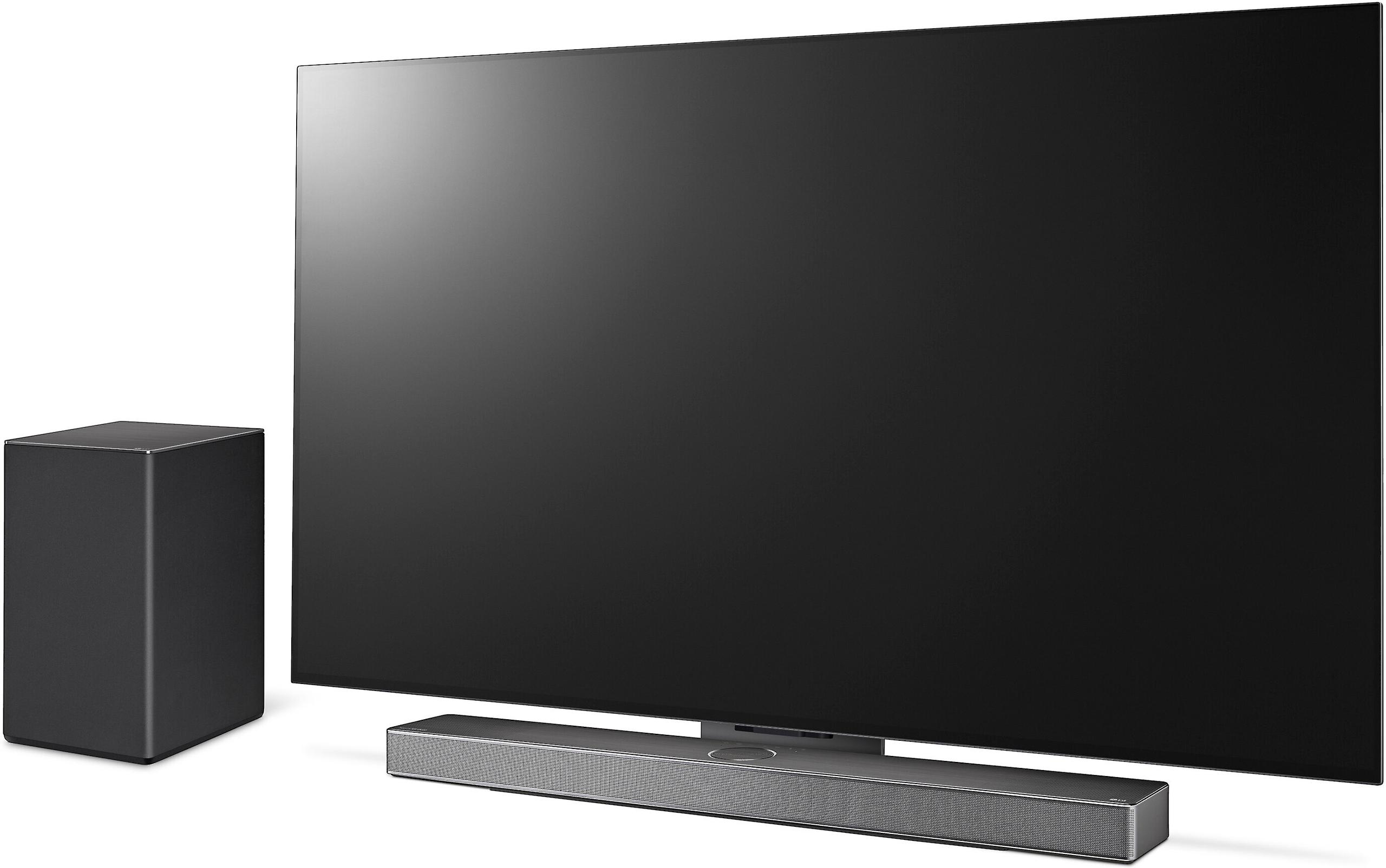
The LG SC9S, meanwhile, embraces what I call the "dedicated components" philosophy. While still technically a single soundbar, it features a unique 3.1.3 channel configuration – that's three front channels, one subwoofer channel, and three height channels. What makes it special is those three up-firing drivers that physically bounce sound off your ceiling to create overhead effects.
If you watch any amount of television or streaming content, dialogue clarity should be your top priority. There's nothing more frustrating than constantly reaching for the remote to adjust volume during quiet conversation scenes.
The JBL Bar 300 MK2 absolutely excels here thanks to JBL's PureVoice 2.0 technology. This isn't just marketing speak – it's a sophisticated digital processing system that identifies vocal frequencies in the audio mix and enhances them while reducing background noise and music that might mask dialogue. During my testing with everything from Netflix dramas to BBC nature documentaries, voices remained crystal clear even when action sequences ramped up around them.
The LG SC9S takes a different approach with its dedicated up-firing center channel. Traditional soundbars place all three front channels (left, center, right) in a horizontal line, but LG adds a third up-firing driver specifically for center channel content – primarily dialogue. This creates what they call "vocal elevation," making it seem like actors' voices are coming from the screen rather than below it. In practice, this works remarkably well, though the effect is more subtle than JBL's aggressive processing approach.
Here's where physics becomes the enemy of compact design. Deep, rumbling bass requires moving lots of air, which typically means large drivers in large enclosures. Both soundbars face this fundamental challenge, but handle it differently.
The JBL uses what's called a bass reflex design – essentially a precisely tuned port that allows air to escape from behind the drivers, extending low-frequency response. Combined with those four racetrack drivers (shaped like a running track rather than circular), it manages surprisingly punchy bass for a single unit. You'll feel kick drums and explosions, but don't expect the chest-thumping rumble of a dedicated subwoofer.
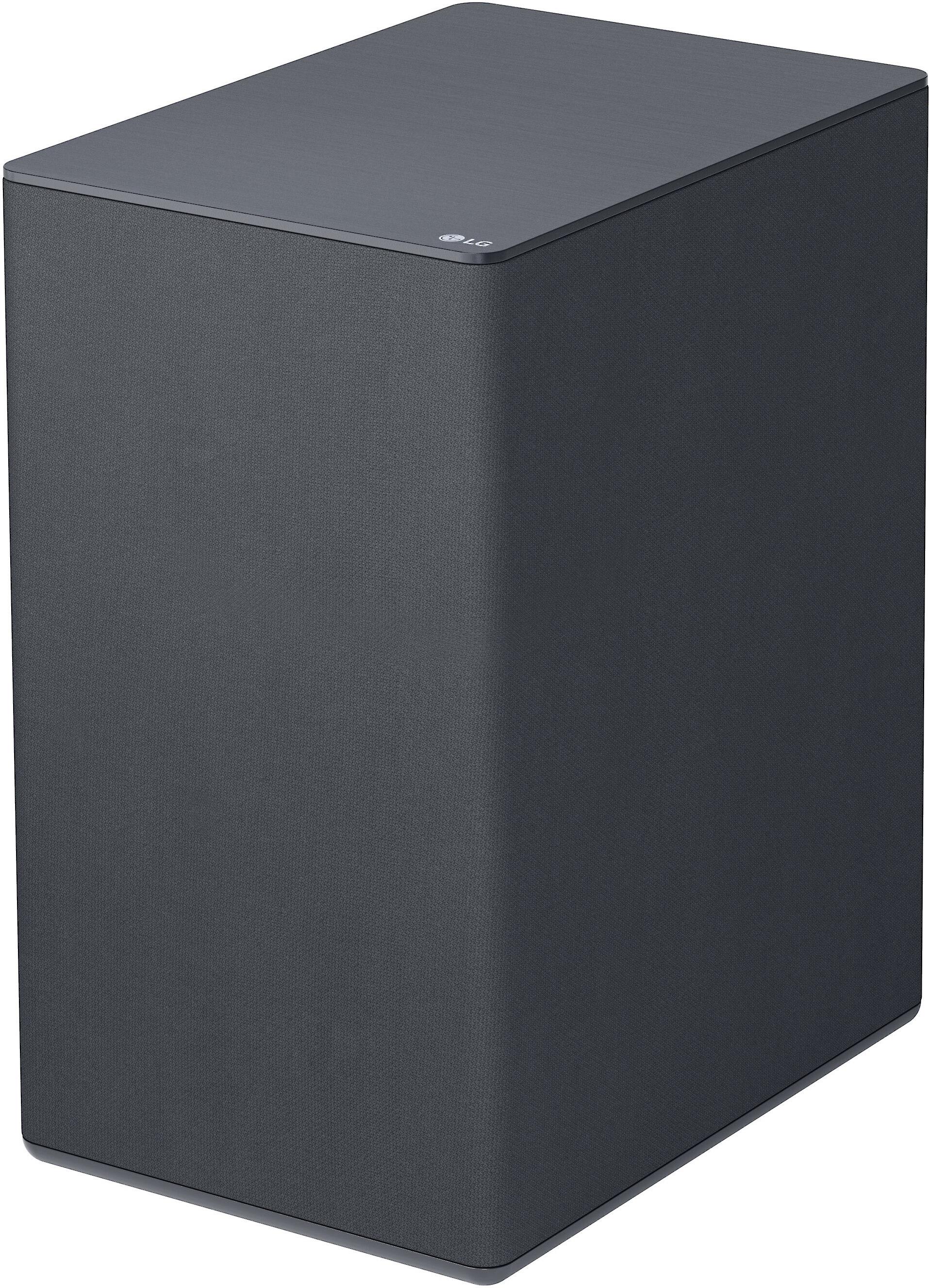
The LG starts with more modest bass from its main unit but offers wireless subwoofer compatibility – meaning you can add a separate bass unit later without running cables. This expandability makes it more future-proof, though you're looking at additional cost down the road.
This is where the two soundbars diverge most dramatically. Dolby Atmos adds height information to soundtracks, creating a three-dimensional sound bubble around your listening position. The question is how to achieve this effect.
The JBL relies entirely on virtual processing through its MultiBeam 3.0 technology. Using complex algorithms, it analyzes Atmos content and attempts to create the illusion of height effects through precise manipulation of the sound waves from its front-firing drivers. Think of it like an optical illusion for your ears – it can be convincing, but it's ultimately a trick.
The LG takes a more direct approach with three physical up-firing drivers that bounce sound off your ceiling. When properly calibrated (more on this below), these create genuine overhead sound placement. Rain actually sounds like it's falling from above, and those helicopter flyovers in action movies achieve real spatial movement.
In my experience, the LG's approach is more convincing when it works well, but it requires proper room conditions – specifically, a flat ceiling 8-12 feet high and good acoustic reflection properties. The JBL's virtual approach is more consistent across different room types but never quite achieves the same "wow factor" when everything aligns perfectly.
Modern gaming has pushed soundbar manufacturers to support advanced display technologies that didn't exist just a few years ago. If you game on a PlayStation 5, Xbox Series X, or high-end PC, these features matter more than you might think.
The LG SC9S clearly targets serious gamers with support for 4K resolution at 120Hz refresh rates, Variable Refresh Rate (VRR) that eliminates screen tearing, and Auto Low Latency Mode (ALLM) that automatically reduces input lag when gaming. These aren't just checkbox features – they're essential for competitive gaming and getting the most from modern consoles.
The JBL supports basic 4K passthrough but lacks these advanced gaming features. For casual gaming, this won't matter. For enthusiasts, it's a significant limitation that future-proofs the LG investment.
One area where the soundbars differ significantly is setup complexity and optimization potential. The JBL philosophy is "good sound out of the box" – plug it in, and it should sound decent in most rooms without fiddling. The JBL One app offers some EQ adjustment, but the emphasis is on simplicity.
The LG includes AI Room Calibration Pro, which uses built-in microphones to analyze your room's acoustic properties and automatically adjust frequency response, delay timing, and volume levels for optimal performance. This process takes several minutes and requires you to sit in your primary listening position, but the results can be dramatic.
I've found room calibration makes the biggest difference in challenging acoustic environments – rooms with hard surfaces, unusual shapes, or lots of furniture that can cause sound reflections. In these scenarios, the LG's ability to adapt often overcomes its hardware limitations, while the JBL's one-size-fits-all approach may leave performance on the table.
Both soundbars embrace modern streaming expectations with built-in Wi-Fi, Bluetooth, and support for major platforms like Spotify, Apple AirPlay, and Google Chromecast. However, they differ in implementation details that can affect daily usability.
The JBL includes more comprehensive voice assistant support through built-in microphones that work with Alexa, Google Assistant, and Siri. You can control volume, playback, and even some EQ settings with voice commands – genuinely useful when you're settled on the couch with snacks.
The LG focuses more on integration with LG's broader ecosystem. If you own an LG TV, the soundbar can automatically adjust audio modes based on what you're watching – switching to Cinema mode for movies, Sports mode for games, and Clear Voice for news. It's a neat trick that works surprisingly well in practice.
The $65 price difference between these soundbars is relatively small in the context of their capabilities, but it represents different value propositions.
At $450, the JBL Bar 300 MK2 delivers exceptional value for users who prioritize dialogue clarity and want hassle-free setup. You're getting professional-grade audio processing, solid build quality, and comprehensive streaming support in a package that requires zero additional purchases or complex configuration.
The LG SC9S at $515 asks for a modest premium but offers more advanced features and growth potential. The physical Atmos implementation, gaming optimizations, room calibration, and expansion possibilities create a more future-proof investment.
Let me paint some practical pictures of how these perform in typical home environments.
Small Apartment/Bedroom (Under 200 sq ft): The JBL shines here. Its compact size won't overwhelm the space, the bass response is adequate without being boomy, and the simple setup means you're enjoying better audio within minutes. The LG's room calibration and up-firing drivers provide less benefit in cramped quarters.
Medium Living Room (200-400 sq ft): This is where personal preference becomes the deciding factor. If you primarily watch TV shows, news, and dialogue-heavy content, the JBL's vocal clarity gives it an edge. For movie nights and gaming sessions, the LG's more immersive spatial audio and room optimization show their value.
Large Family Room (400+ sq ft): The LG pulls ahead in bigger spaces. Room calibration becomes essential for consistent sound across multiple seating positions, and the ability to add a wireless subwoofer helps fill the larger volume. The JBL may sound thin or strained when pushed to higher volumes needed for large rooms.
If you're building a dedicated home theater setup, both soundbars represent entry points rather than ultimate solutions. However, they serve different roles in this context.
The JBL works well as a temporary upgrade while you plan a more comprehensive system. Its excellent dialogue performance handles the most critical element of movie soundtracks, and its compact form won't interfere with future expansion plans.
The LG offers a more theater-like experience immediately, with genuine spatial audio effects that complement a large screen and controlled lighting environment. The expansion possibilities also make it a better foundation for gradual system building – add the wireless subwoofer first, then potentially rear speakers down the road.
Since their 2023 launch, both manufacturers have pushed firmware updates that expand capabilities. The JBL added improved Netflix audio normalization and enhanced Spotify integration. LG has refined their AI calibration algorithms and added support for additional streaming services.
Looking forward, the LG's hardware advantages (physical Atmos drivers, advanced gaming support, expansion capabilities) position it better for evolving standards. As streaming services continue improving audio quality and gaming pushes display technology forward, these features become more valuable over time.
After extensive testing and living with both systems, here's my honest assessment of who should choose what.
Choose the JBL Bar 300 MK2 if you value simplicity above all else, prioritize clear dialogue, have a smaller room, or want immediate improvement without fuss. It's also the better choice if you're budget-conscious and don't plan to expand the system later.
Choose the LG SC9S if you watch lots of movies, game regularly on modern consoles, have a medium to large room, or want the most immersive audio experience possible from a single-unit solution. The modest price premium buys significantly more capability and future flexibility.
The deciding factor often comes down to how you'll primarily use the system. For background TV watching and casual content, the JBL's strengths align perfectly with these needs. For dedicated entertainment sessions where audio quality enhances the experience, the LG's more sophisticated approach pays dividends.
Both soundbars represent excellent value in their respective approaches to solving the TV audio problem. Your choice should align with your room, usage patterns, and long-term expectations rather than simply comparing spec sheets. Either way, you'll enjoy a dramatic improvement over basic TV speakers and join the ranks of people who actually hear what's happening in their favorite shows and movies.
| JBL Bar 300 MK2 | LG SC9S |
|---|---|
| Price - Value consideration for similar performance tiers | |
| $450 (better value for basic upgrades) | $515 (justified premium for advanced features) |
| Configuration - Determines setup complexity and expansion options | |
| 5.0 channel all-in-one (no subwoofer needed) | 3.1.3 channel with wireless subwoofer support |
| Total Power Output - Affects maximum volume and dynamic range | |
| 450W (sufficient for most rooms) | 310W (adequate with room calibration) |
| Dolby Atmos Implementation - Critical for immersive movie experience | |
| Virtual processing only (consistent but less convincing) | 3 physical up-firing drivers (genuine overhead effects) |
| Dialogue Enhancement - Most important for TV and streaming content | |
| PureVoice 2.0 with aggressive processing | Up-firing center channel with AI optimization |
| Bass Performance - Determines need for additional subwoofer | |
| Integrated bass port design (punchy but limited depth) | Expandable with wireless subwoofer (future-proof) |
| Room Calibration - Optimizes sound for your specific space | |
| Basic app-based EQ adjustments | AI Room Calibration Pro with microphone analysis |
| Gaming Features - Important for console and PC gaming | |
| Basic 4K passthrough | 4K/120Hz, VRR, ALLM support (future-proof) |
| Setup Complexity - Time investment vs. optimized performance | |
| Plug-and-play simplicity | Requires calibration process for best results |
| Voice Assistant Support - Hands-free control convenience | |
| Built-in microphones for Alexa/Google/Siri | No microphones (requires external smart speakers) |
| Streaming Integration - Access to music services and casting | |
| Comprehensive app support with JBL One | LG ecosystem integration with smart TV features |
| Expandability - Future upgrade potential | |
| No expansion options available | Wireless subwoofer and rear speaker compatibility |
| Best For - Primary use case recommendations | |
| Small-medium rooms, dialogue-focused viewing, simple setup | Medium-large rooms, movie enthusiasts, gaming, future expansion |
The LG SC9S at $515 offers better long-term value with genuine Dolby Atmos height effects, room calibration, and expansion options. However, the JBL Bar 300 MK2 at $450 provides excellent value for users prioritizing dialogue clarity and simple setup. The $65 price difference is justified if you want more immersive audio and gaming features.
The JBL Bar 300 MK2 is designed as a complete all-in-one solution with no subwoofer required, though bass depth is limited. The LG SC9S doesn't include a subwoofer but supports wireless subwoofer pairing for future expansion, making it more flexible for users wanting deeper bass.
The JBL Bar 300 MK2 excels at dialogue clarity with its PureVoice 2.0 technology that actively enhances vocal frequencies. The LG SC9S uses a dedicated up-firing center channel for vocal elevation, which works well but is more subtle than JBL's aggressive processing approach.
The LG SC9S delivers superior Dolby Atmos with three physical up-firing drivers that bounce sound off your ceiling for genuine overhead effects. The JBL Bar 300 MK2 uses virtual Atmos processing through software algorithms, which creates wider soundstage but less convincing height effects.
The JBL Bar 300 MK2 offers true plug-and-play simplicity with good sound immediately out of the box. The LG SC9S requires AI Room Calibration setup that takes several minutes but delivers optimized performance tailored to your specific room acoustics.
The LG SC9S is better for gaming with support for 4K/120Hz, Variable Refresh Rate (VRR), and Auto Low Latency Mode (ALLM) - essential features for PlayStation 5 and Xbox Series X. The JBL Bar 300 MK2 only supports basic 4K passthrough, making it suitable for casual gaming only.
The JBL Bar 300 MK2 is ideal for small rooms under 200 sq ft, with compact size and integrated bass that won't overwhelm tight spaces. The LG SC9S provides less benefit in small rooms since its up-firing drivers and room calibration are designed for larger spaces.
The JBL Bar 300 MK2 offers no expansion options - what you buy is your complete system. The LG SC9S supports wireless subwoofer addition and compatible rear speakers, making it more future-proof for users who might want to upgrade over time.
Both offer comprehensive streaming support, but differ in approach. The JBL Bar 300 MK2 includes built-in microphones for voice assistant control and broader app integration. The LG SC9S focuses on LG TV ecosystem integration with automatic audio mode switching based on content type.
The JBL Bar 300 MK2 delivers balanced music performance with wide soundstage through MultiBeam technology. The LG SC9S offers more neutral sound signature with room calibration that adapts to different music genres, though both are primarily optimized for TV and movie content.
The LG SC9S is superior for dedicated home theater use with genuine spatial audio effects, room optimization, and expansion capabilities that grow with your system. The JBL Bar 300 MK2 works well as an interim upgrade but lacks the immersive features serious home theater enthusiasts expect.
The JBL Bar 300 MK2 limitations include no expansion options, virtual-only Atmos effects, and bass depth constraints. The LG SC9S requires proper room conditions for optimal performance, has more complex setup, and costs more upfront, though it offers better long-term value and capabilities.
We've done our best to create useful and informative comparisons to help you decide what product to buy. Our research uses advanced automated methods to create this comparison and perfection is not possible - please contact us for corrections or questions. These are the sites we've researched in the creation of this article: homecinemachoice.com - retailspecs.com - hometechnologyreview.com - whathifi.com - news.jbl.com - engadget.com - crutchfield.com - harmanaudio.com - techradar.com - bestbuy.com - jbl.com - sweech.co.ke - jbl.com - jbl.com.sg - mm.jbl.com - abcwarehouse.com - harmanaudio.com - sweetwater.com - ro.harmanaudio.com - dell.com - jbl.co.nz - consumerreports.org - valueelectronics.com - youtube.com - bestbuy.com - rtings.com - costco.com - bestbuy.com - walts.com - queencityonline.com - blog.son-video.com - videoandaudiocenter.com - lg.com

Privacy Policy
Terms and Conditions - Affiliate Policy
Home Security
© Copyright 2008-2026.
11816 Inwood Rd #1211, Dallas, TX 75244