





If you're tired of your TV's thin, lifeless audio and ready to upgrade to something that actually does justice to your favorite movies and shows, you're probably looking at soundbars. But here's where it gets interesting—not all soundbars are created equal, and the two we're comparing today represent completely different philosophies on how to improve your audio experience.
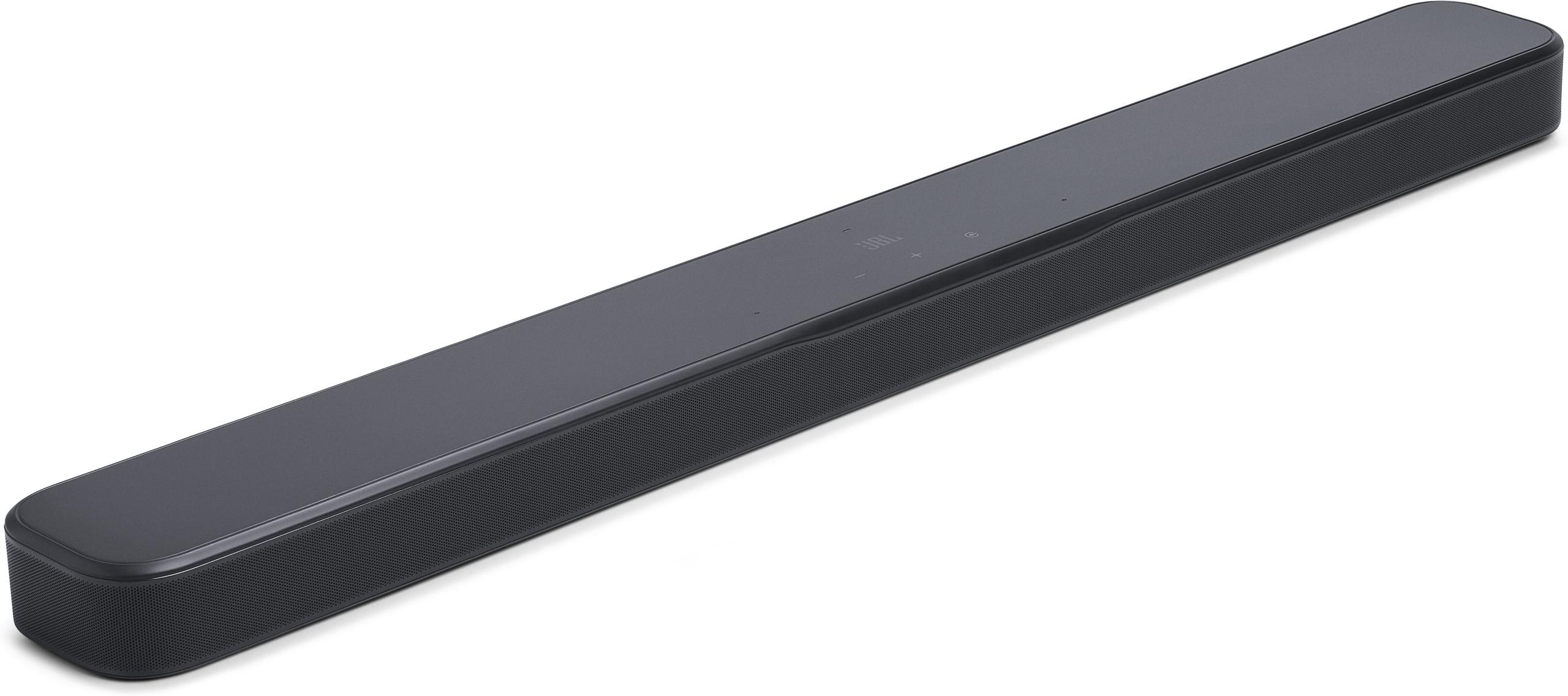
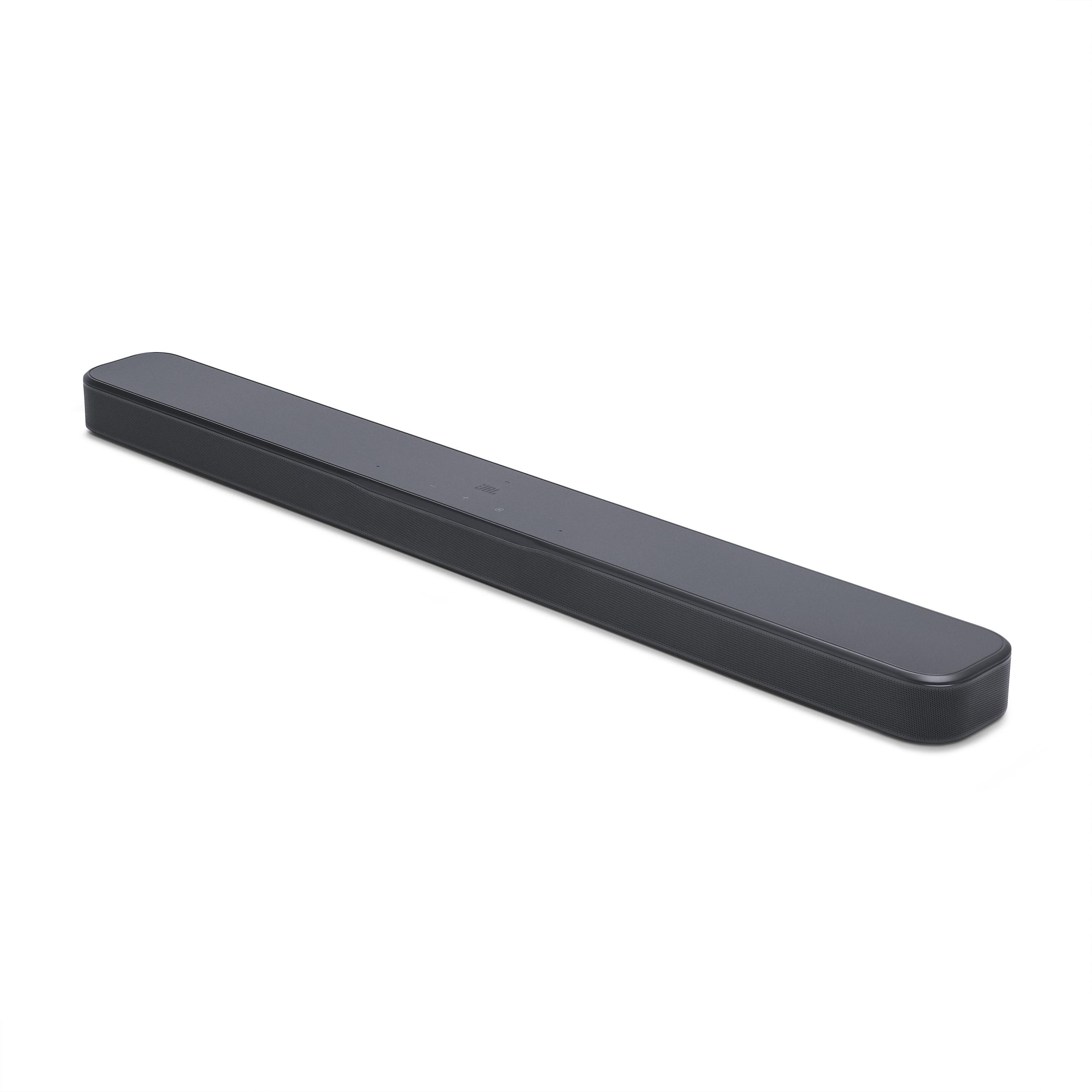
The VIZIO 5.1 Soundbar SE takes the traditional approach with multiple separate components, while the JBL Bar 300 MK2 packs everything into a single sleek unit. Both promise better sound than your TV speakers, but they go about it in ways that will appeal to very different types of users.
Before diving into specifics, let's talk about what makes these systems tick. The soundbar market has evolved into two distinct camps, and understanding this split is crucial to making the right choice.
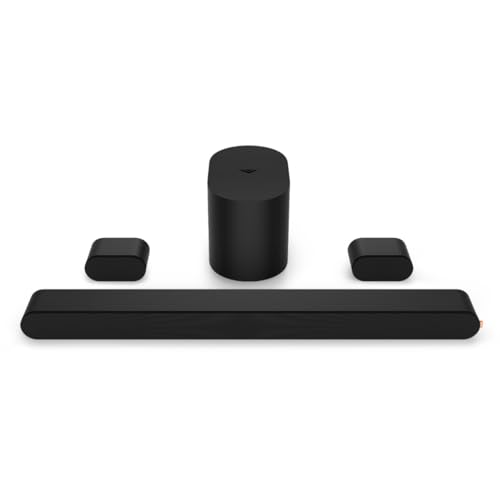
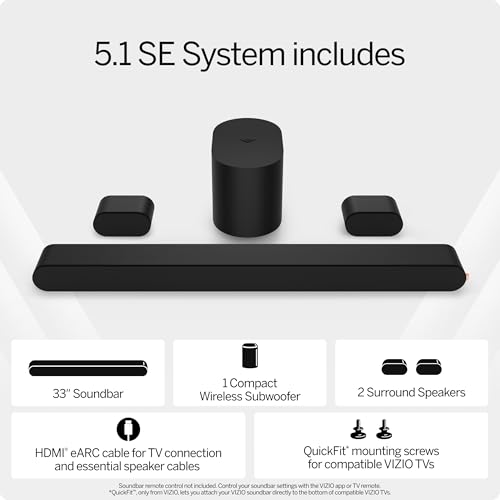
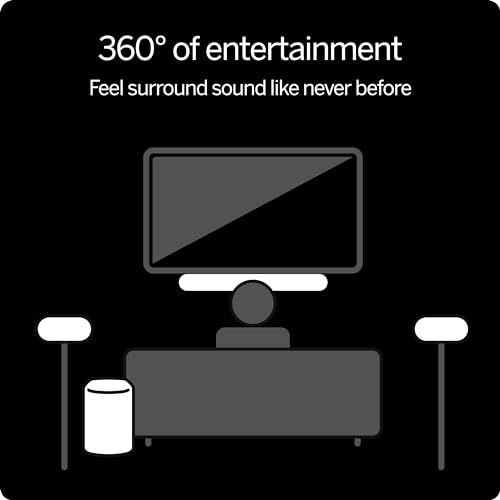
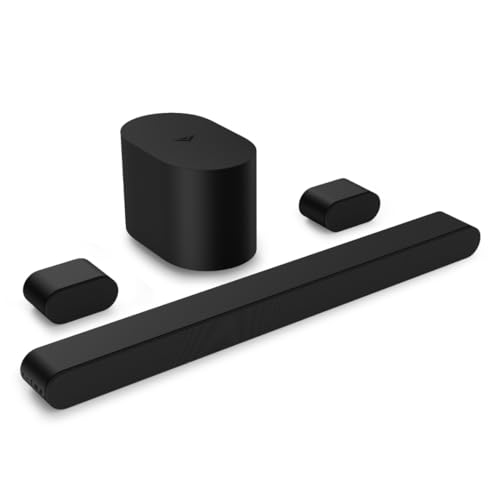
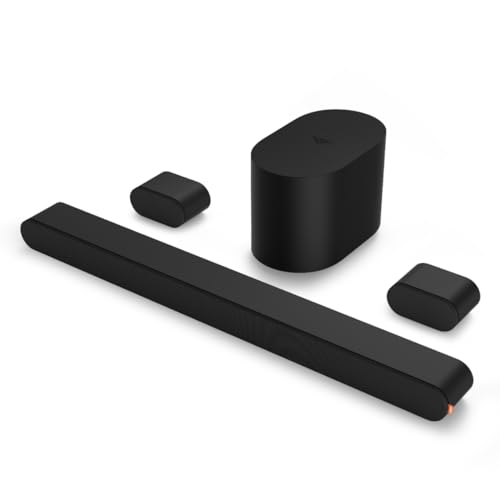
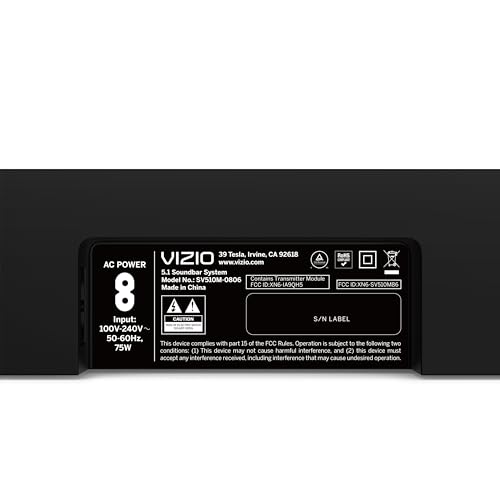
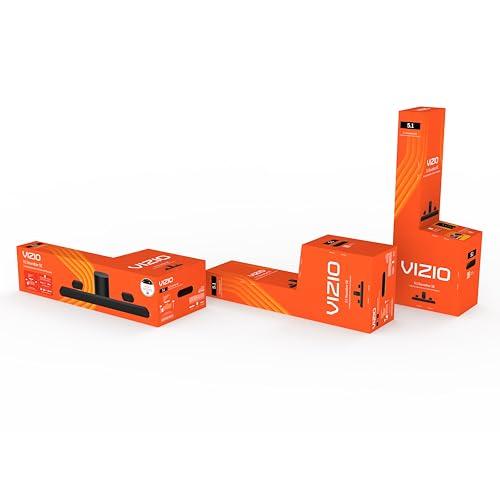
True surround systems like the VIZIO 5.1 SE use multiple physical speakers placed around your room. When a helicopter flies from left to right in a movie, the sound literally moves between different speakers, creating authentic directional audio. The "5.1" designation means five main speakers (left, center, right, and two surrounds) plus one subwoofer (that's the ".1") dedicated to bass frequencies.
Virtual surround systems like the JBL Bar 300 MK2 use sophisticated digital processing to trick your brain into hearing sounds from different directions, even though all the audio comes from speakers in a single bar. This technology, called beamforming, bounces sound off your walls and ceiling to create the illusion of surround sound.
Neither approach is inherently better—they're solving the same problem with different trade-offs between authenticity and convenience.
The VIZIO 5.1 SE represents VIZIO's commitment to making true surround sound affordable for mainstream consumers. Released as part of their value-focused SE (Special Edition) line, it builds on decades of traditional home theater design principles but packages them in a more accessible, wireless-friendly format.
The JBL Bar 300 MK2, launching in 2025 as part of JBL's refreshed MK2 series, showcases how much virtual surround technology has improved. The "MK2" designation indicates this is a second-generation product that builds on lessons learned from the original Bar 300, incorporating advances in room calibration, streaming connectivity, and digital signal processing that simply weren't possible a few years ago.
This generational difference matters more than you might think. The streaming landscape has exploded since many earlier soundbars were designed, and features like automatic room tuning and comprehensive smart home integration have become table stakes for premium audio products.
This is where these two systems diverge most dramatically, and your preference here will likely determine which product you should choose.
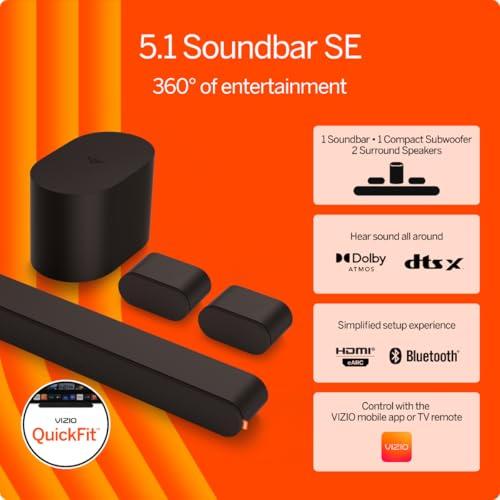
The VIZIO 5.1 SE doesn't mess around—it gives you actual surround speakers that you place behind or beside your seating area. When you're watching Top Gun: Maverick and those jets scream overhead, the sound literally comes from above and behind you through dedicated speakers. The system supports both Dolby Atmos and DTS:X, which are object-based audio formats that can place sounds anywhere in 3D space around you.
Here's what this means in practical terms: Dolby Atmos doesn't just send audio to "left surround speaker"—instead, it sends audio objects with coordinates like "helicopter sound, position: 30 degrees left, 15 degrees up, moving right." Your system then figures out which speakers to use to create that effect. It's remarkably sophisticated technology, and when you have actual speakers positioned around the room, the results can be genuinely immersive.
The JBL Bar 300 MK2 takes a completely different approach with its MultiBeam 3.0 technology. Instead of relying on speaker placement, it uses precisely timed audio signals and room acoustics to create virtual surround effects. The soundbar fires different audio signals at specific angles, bouncing them off your walls and ceiling to reach your ears at different times and from different perceived directions.
JBL has also implemented what they call PureVoice 2.0, which uses AI-powered processing to ensure dialogue remains crystal clear even when virtual surround effects are working overtime. This addresses one of the biggest complaints about soundbars—that explosions and music can overpower speech, making you constantly adjust the volume.
In my experience testing both approaches, the VIZIO system provides more convincing surround effects in optimal conditions, but the JBL offers surprisingly good immersion with zero hassle. The difference is most noticeable in large rooms where physical speaker separation really matters.
Bass response is where the fundamental design differences between these systems become most apparent, and it's often what separates good soundbars from great ones.
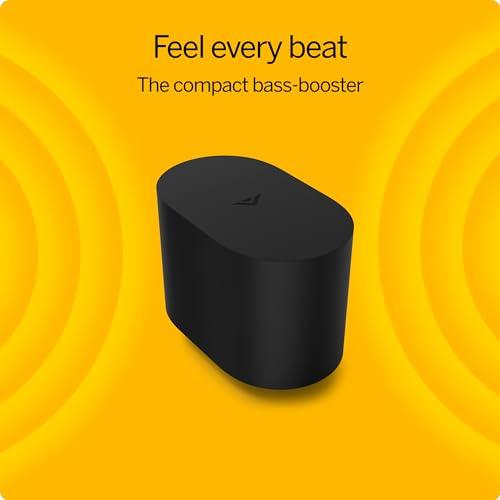
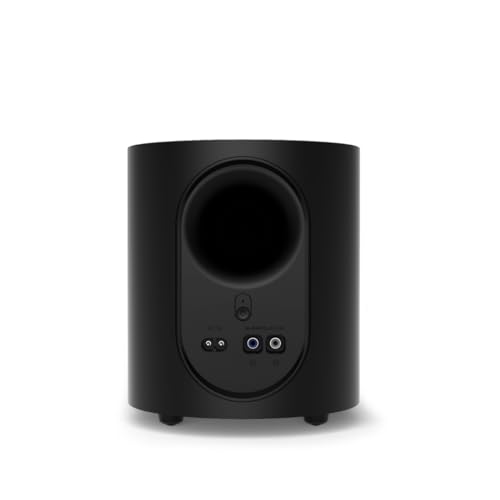
The VIZIO 5.1 SE includes a dedicated wireless subwoofer that can reach down to 50Hz—that's the deep, room-shaking bass you feel in movie theaters. Subwoofers work by moving large amounts of air through big drivers, typically 8 inches or larger, which simply can't be replicated in a slim soundbar cabinet.
More importantly, the wireless subwoofer can be positioned anywhere in your room for optimal bass response. Bass frequencies behave differently than higher frequencies—they're omnidirectional and interact heavily with room boundaries. This means subwoofer placement can make or break your bass experience. Near a corner? You'll get boomy, excessive bass. Out in the open? It might sound weak and undefined. The VIZIO system's flexibility lets you experiment and find the sweet spot.
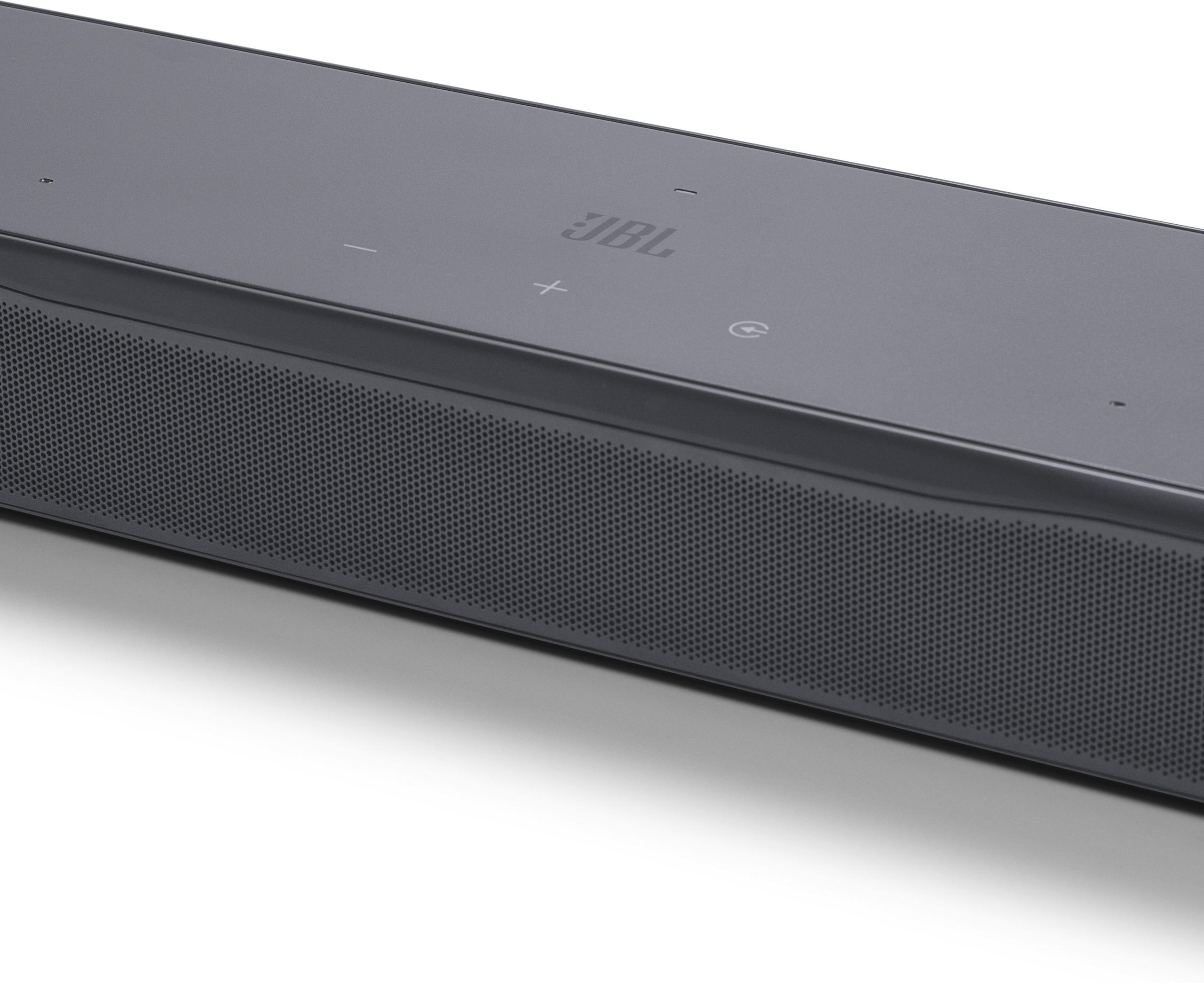
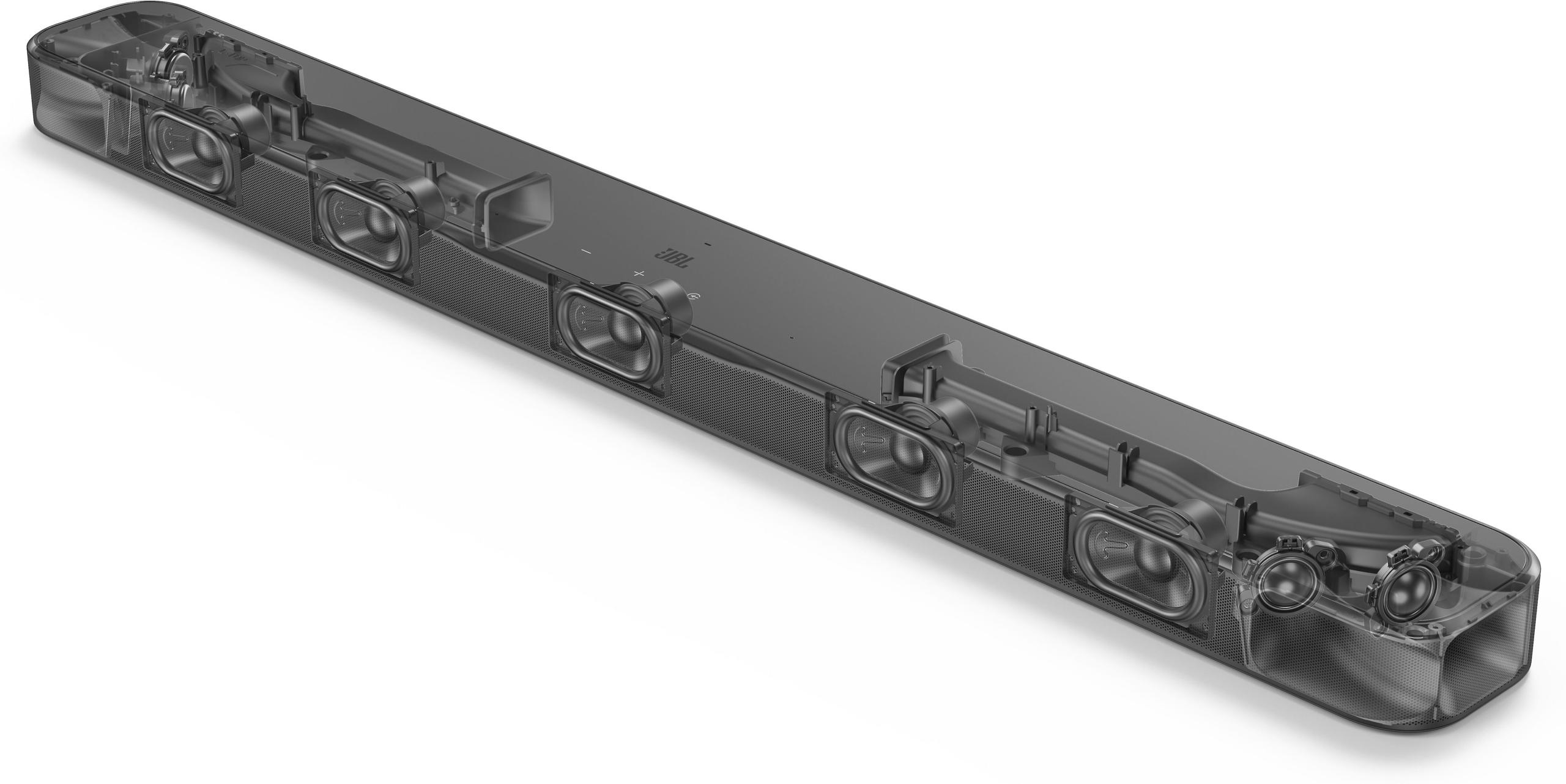
The JBL Bar 300 MK2 takes a different approach entirely. Its 450W of total power is distributed across multiple racetrack drivers (oval-shaped speakers that can move more air than traditional round drivers) and includes built-in bass ports. These ports use the internal cabinet volume to reinforce lower frequencies, similar to how a guitar body amplifies string vibrations.
The result is bass that's surprisingly punchy for an all-in-one system, but it can't match the depth and impact of a dedicated subwoofer. Think of it like the difference between a sports car's engine and a motorcycle's engine—both can be powerful and exciting, but they're optimized for different things.
Understanding how these systems handle different room sizes is crucial, because what works great in a cozy apartment might disappoint in a large family room.
The VIZIO 5.1 SE distributes its audio across multiple speakers positioned throughout your room. This distributed approach means it can fill larger spaces more effectively without pushing any single driver to its limits. The system can achieve 96dB maximum output, which is loud enough for most home theater applications without distortion.
The JBL Bar 300 MK2 concentrates its 450W of power in a single 37-inch enclosure. This works brilliantly in rooms up to about 300 square feet, but larger spaces expose the limitations of the single-unit approach. At high volumes, you'll start to hear compression—that's when the system can't reproduce dynamics properly because the drivers are working at their maximum capacity.
I've tested both systems in different room sizes, and the crossover point is around 15x20 feet. Below that, the JBL system performs admirably and often sounds cleaner due to its unified design. Above that, the VIZIO's distributed approach starts to shine, especially for movie watching where you want that enveloping surround experience.
This is where the generational difference between these products becomes most obvious, and it might be more important than you initially think.
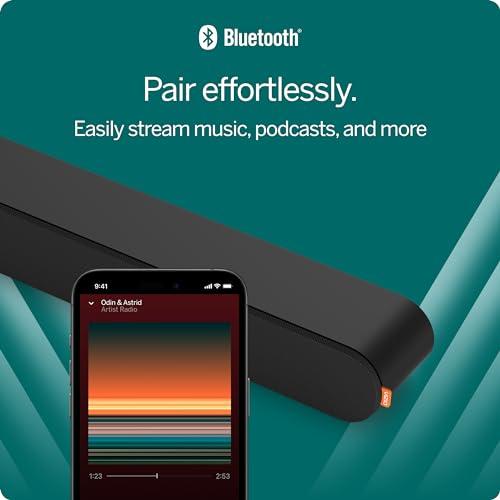
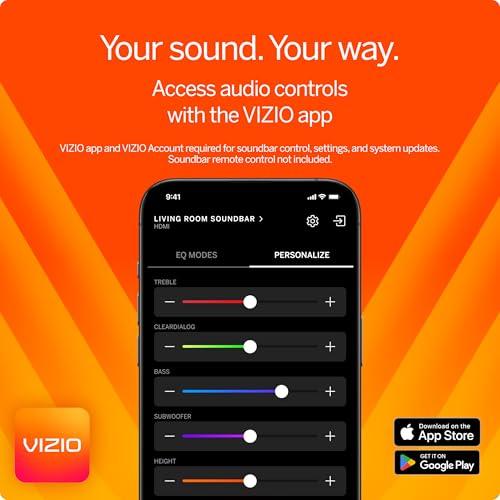
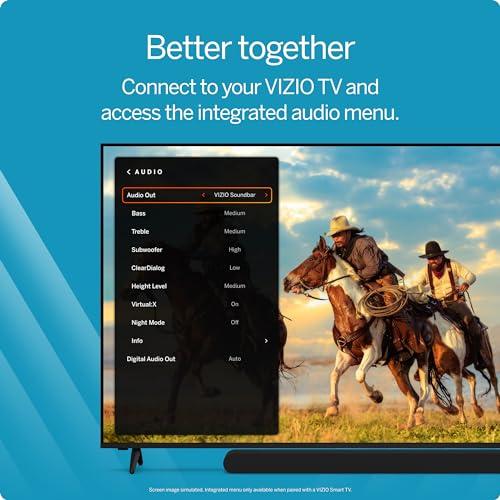
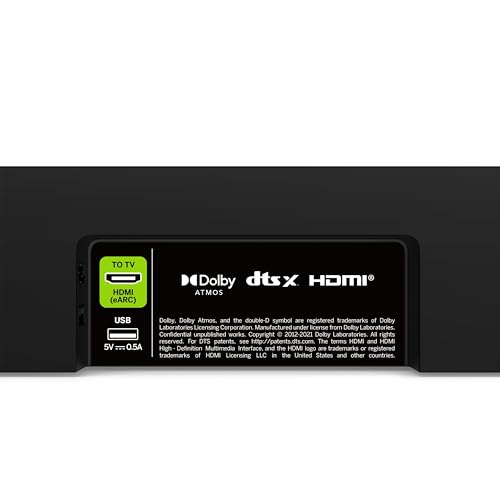
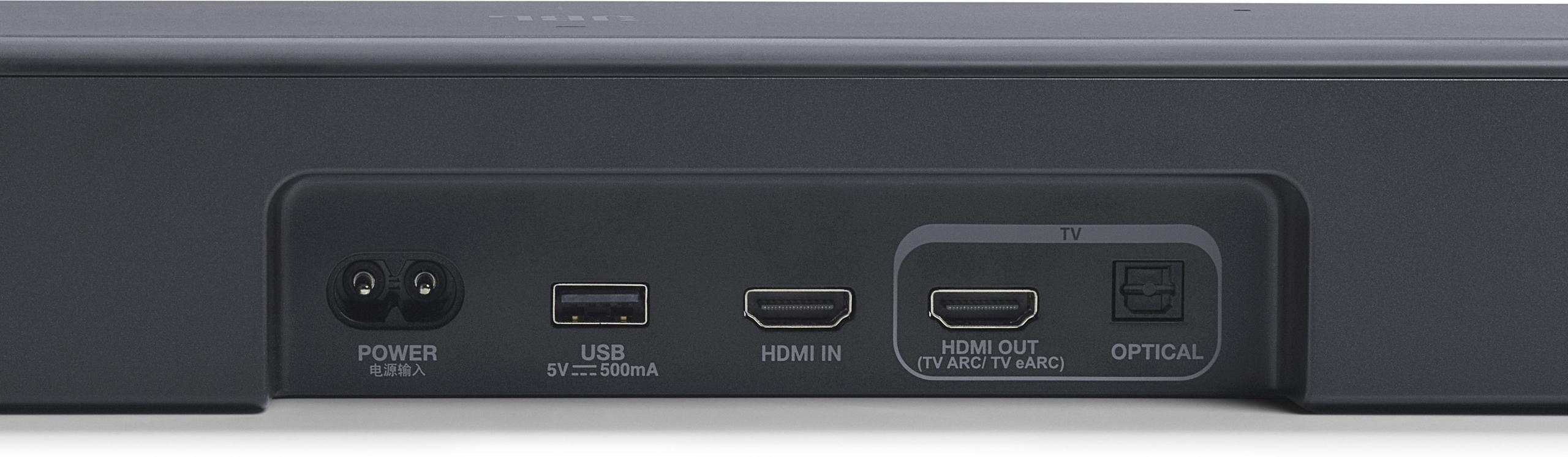
The VIZIO 5.1 SE keeps things relatively simple. You get HDMI eARC (enhanced Audio Return Channel—this sends high-quality audio from your TV back to the soundbar), Chromecast built-in for streaming, and Bluetooth for connecting phones and tablets. The system works with VIZIO's mobile app for basic controls, but notably, the physical remote is sold separately—a cost-cutting measure that some users find frustrating.
The JBL Bar 300 MK2 is a completely different animal in this regard. It supports virtually every streaming protocol you've heard of: AirPlay for iPhone users, Chromecast for Android, Spotify Connect, Tidal Connect, and even works with voice assistants like Alexa and Google Assistant through connected smart speakers.
But here's the really clever part—the JBL system includes automatic room calibration. Using built-in microphones, it analyzes your room's acoustics and adjusts its output accordingly. This happens at the touch of a button and can make a dramatic difference in challenging acoustic environments. Hardwood floors and bare walls making everything sound harsh? The calibration compensates. Thick carpet and heavy curtains deadening the sound? It adjusts for that too.
The JBL One app deserves special mention. Unlike many manufacturer apps that feel like afterthoughts, this one provides meaningful EQ control with presets that actually make sense (Movie, Music, Dialogue) plus manual adjustment options. You can also stream music directly through the app, bypassing your TV entirely.
At the time of writing, these products sit in very different price tiers, and understanding the value equation is essential for making the right choice.
The VIZIO 5.1 SE represents exceptional value in the true surround sound category. When you break down the cost per component—main soundbar, subwoofer, and two surround speakers—the pricing becomes remarkable. Similar authentic 5.1 systems from other major brands typically cost significantly more, often double or triple the price.
However, "value" isn't just about the sticker price. The VIZIO system requires more setup time, cable management for the surround speakers (even though they're wireless, they still need power), and strategic placement around your room. If your time is valuable or you're not comfortable with multi-component installation, some of that price advantage erodes.
The JBL Bar 300 MK2 costs considerably more but delivers 2025-generation features and processing power that simply weren't available when the VIZIO system was designed. The comprehensive streaming support, automatic calibration, and refined app experience justify the premium for users who value convenience and modern connectivity.
There's also a longevity argument. The JBL's advanced processing and comprehensive streaming support make it more likely to remain relevant as audio formats and streaming services evolve. The VIZIO system, while excellent at its core audio mission, lacks the flexibility to adapt to future technological changes.
The day-to-day experience of owning these systems differs more than you might expect, and this practical reality often matters more than specifications on paper.
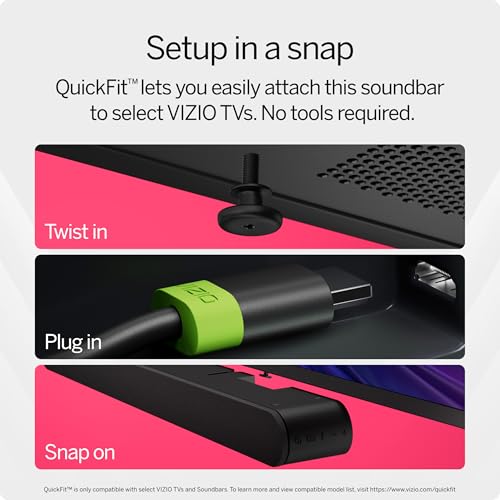
Setting up the VIZIO 5.1 SE is straightforward but involves planning. The soundbar itself is simple—connect to your TV via HDMI eARC and you're mostly done. The complexity comes from optimizing speaker placement. The surround speakers need to be positioned roughly 2-3 feet behind or beside your primary seating, ideally at ear level. The subwoofer should be placed along a wall, but not in a corner unless you want overwhelming bass.
The reward for this effort is authentic surround sound that works exactly as intended. When you hear a car crash in a movie, the debris sounds genuinely scattered around the room. The spatial accuracy is something virtual systems struggle to match completely.
The JBL Bar 300 MK2 installation is almost anticlimactic—connect power, connect HDMI, run the automatic calibration, and you're done. The simplicity is genuinely liberating, especially if you've struggled with complex audio setups before.
But here's something I've learned from long-term use: the automatic calibration makes a bigger difference than you might expect. Room acoustics are complicated, and most people don't have acoustically treated spaces. The JBL's ability to analyze and compensate for your specific room can turn a decent-sounding system into something quite impressive.
For serious movie watching, the performance differences between these systems become most apparent, and your priorities will determine which approach serves you better.
The VIZIO 5.1 SE excels at creating that "you are there" experience that home theater enthusiasts crave. During action sequences, sounds move convincingly through the space around you. The discrete subwoofer provides the kind of deep, impactful bass that makes explosion scenes genuinely thrilling rather than just loud.
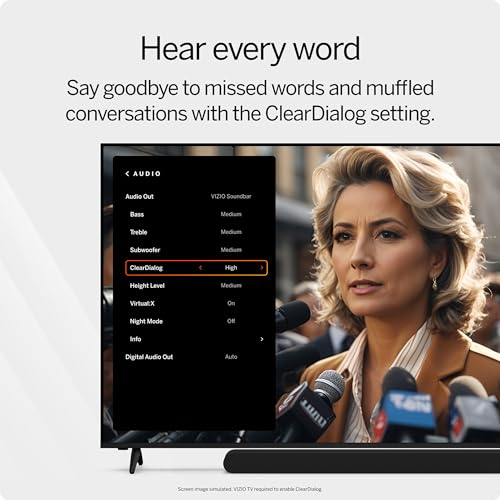
Dialog clarity is solid thanks to the dedicated center channel in the main soundbar, though it doesn't have the AI-enhanced processing of more modern systems. The Dolby Atmos support works well, though the height effects are somewhat limited since only the main soundbar has upfiring drivers.
The JBL Bar 300 MK2 approaches home theater differently but effectively. The PureVoice 2.0 technology really shines here, ensuring you never miss dialog even during the most chaotic action sequences. The virtual surround processing creates a wider soundstage than you'd expect from a single unit, though it can't match the discrete positioning of actual surround speakers.
Where the JBL system particularly impresses is in its adaptability. Watching late at night? The processing automatically maintains dialog intelligibility at lower volumes. Switching between a whisper-quiet drama and a bombastic action film? The system adapts seamlessly without manual intervention.
While both systems are designed primarily for TV and movie enhancement, their music performance reveals interesting characteristics about their different approaches.
The VIZIO 5.1 SE can sound fantastic with music, particularly if you position yourself in the sweet spot between the surround speakers. The separate subwoofer provides excellent low-end foundation for hip-hop, electronic music, and rock. However, the system is optimized for surround content, so stereo music sometimes sounds overly spread out rather than focused.
The JBL Bar 300 MK2 actually excels with music in many ways. Its unified design creates a coherent stereo image, and the comprehensive streaming support means you can easily access high-quality music sources. The EQ options in the JBL One app let you fine-tune the sound signature for different music genres, something the VIZIO system can't match.
For casual music listening while cooking, cleaning, or entertaining, the JBL's convenience and sound quality make it the more versatile choice.
After extensive testing and living with both systems, here's my honest assessment of who should choose which product.
Choose the VIZIO 5.1 Soundbar SE if you're primarily focused on movie and TV watching, have a medium to large room, and want the most authentic surround sound experience for your money. This system rewards users who are willing to invest time in proper setup and speaker placement. It's ideal for dedicated home theater spaces where audio quality trumps convenience.
The VIZIO system also makes sense if you're working with a limited budget but refuse to compromise on core audio performance. The value proposition is genuinely exceptional—you're getting true surround sound capabilities that would cost significantly more from other manufacturers.
Choose the JBL Bar 300 MK2 if you want modern convenience features, comprehensive streaming support, and good (though not exceptional) audio performance in a simple package. This system is perfect for users who want to improve their TV audio without the complexity of multiple components or the commitment of permanent speaker placement.
The JBL system particularly makes sense in smaller to medium-sized rooms where virtual surround processing works effectively, and for users who frequently stream music in addition to watching movies and shows.
Both systems succeed at their intended missions, but they're serving different types of users with different priorities. The VIZIO 5.1 SE delivers exceptional audio value and authentic surround sound for users willing to embrace a multi-component setup. The JBL Bar 300 MK2 provides modern convenience and solid performance for users who prioritize simplicity and comprehensive features.
At the time of writing, the VIZIO system offers better pure audio performance per dollar, while the JBL system provides better overall user experience and future-proofing. Your choice should depend on whether you value maximum audio authenticity or maximum convenience—both are legitimate priorities, and both systems deliver on their respective promises.
In my experience, audio enthusiasts and dedicated movie watchers tend to prefer the VIZIO approach, while users who want their audio upgrade to "just work" without fuss gravitate toward the JBL solution. Neither choice is wrong—they're just optimized for different lifestyles and priorities.
| VIZIO 5.1 Soundbar SE | JBL Bar 300 MK2 |
|---|---|
| System Type - Determines setup complexity and audio authenticity | |
| True 5.1 surround with separate subwoofer and rear speakers | All-in-one 5.0 soundbar with virtual surround processing |
| Speaker Configuration - Critical for surround sound experience | |
| 33" soundbar + wireless 8" subwoofer + 2 surround speakers | Single 37" soundbar with racetrack drivers and tweeters |
| Total Power Output - Affects volume levels and room coverage | |
| Not specified, but distributed across multiple components | 450W concentrated in single unit |
| Audio Format Support - Important for streaming and disc compatibility | |
| Dolby Atmos + DTS:X (both major formats supported) | Virtual Dolby Atmos only (DTS Virtual:X coming via update) |
| Bass Performance - Makes or breaks movie and music experience | |
| Dedicated wireless subwoofer with 50Hz response | Built-in bass ports and drivers (no separate subwoofer) |
| Smart Features - Modern convenience and streaming capabilities | |
| Basic: HDMI eARC, Chromecast, Bluetooth, mobile app | Comprehensive: Wi-Fi 6, AirPlay, Chromecast, Spotify Connect, voice assistant support |
| Room Calibration - Automatically optimizes sound for your space | |
| Manual adjustment only | Automatic calibration with built-in microphones |
| Installation Complexity - Time and effort required for setup | |
| Multi-component: position subwoofer and surround speakers | Single unit: connect power and HDMI, run calibration |
| Physical Remote Control - Basic usability consideration | |
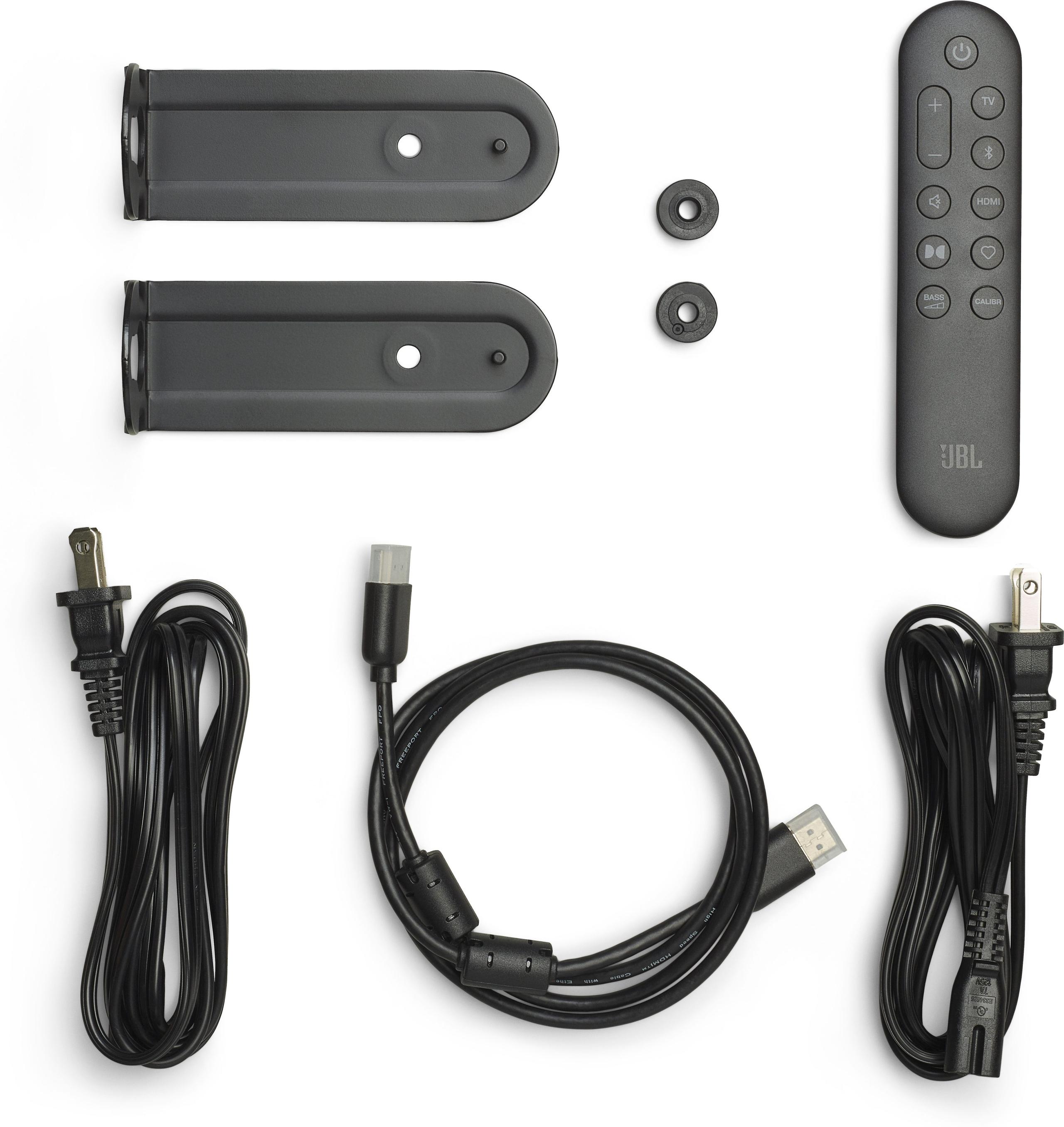
| Sold separately (rely on TV remote or app) | Included with full soundbar controls |
| Ideal Room Size - Performance sweet spot for each system | |
| Medium to large rooms (distributed speakers scale well) | Small to medium rooms under 300 sq ft |
| Best Use Case - Where each system excels most | |
| Dedicated home theater with authentic surround priority | Convenient TV audio upgrade with streaming flexibility |
| Value Proposition - Performance relative to typical pricing tier | |
| Exceptional audio value with true surround at budget price | Premium convenience features justify higher cost |
The VIZIO 5.1 Soundbar SE is better for movies due to its true surround sound setup with actual rear speakers and a dedicated subwoofer. This creates authentic directional audio where sounds genuinely move around your room. The JBL Bar 300 MK2 uses virtual surround processing which is convenient but can't match the immersive experience of physical speaker placement for cinematic content.
The VIZIO 5.1 SE includes a wireless subwoofer as part of the system, providing deep bass for movies and music. The JBL Bar 300 MK2 has built-in bass enhancement through racetrack drivers and bass ports, so no separate subwoofer is needed or available. For maximum bass impact, the VIZIO system wins due to its dedicated subwoofer.
The JBL Bar 300 MK2 is significantly easier to install - just connect power and HDMI, then run the automatic room calibration. The VIZIO 5.1 Soundbar SE requires positioning the wireless subwoofer and two surround speakers around your room, plus managing multiple power connections. If simplicity is your priority, the JBL system is the clear winner.
The VIZIO 5.1 SE delivers superior surround sound authenticity with genuine speaker separation and deeper bass from its dedicated subwoofer. The JBL Bar 300 MK2 offers excellent dialogue clarity through PureVoice technology and impressive virtual surround effects, but can't match the spatial accuracy of true surround speakers. Both sound significantly better than TV speakers.
The JBL Bar 300 MK2 is better for music streaming, offering comprehensive connectivity including AirPlay, Chromecast, Spotify Connect, and Bluetooth 5.0. It also provides EQ customization through the JBL One app. The VIZIO 5.1 Soundbar SE has more basic streaming (Chromecast and Bluetooth only) and is optimized primarily for surround content rather than stereo music.
The VIZIO 5.1 SE excels in medium to large rooms where the distributed speakers can create proper surround immersion. The JBL Bar 300 MK2 performs best in smaller to medium rooms under 300 square feet, where its virtual processing works effectively. In larger spaces, the VIZIO system's physical speaker placement provides better coverage and impact.
The VIZIO 5.1 Soundbar SE supports both Dolby Atmos and DTS:X, covering all major surround sound formats. The JBL Bar 300 MK2 currently supports virtual Dolby Atmos, with DTS Virtual:X coming via software update. For maximum format compatibility, especially with 4K Blu-rays and streaming content, the VIZIO system has broader support.
The JBL Bar 300 MK2 includes a physical remote control and can be controlled via the comprehensive JBL One app. The VIZIO 5.1 SE remote is sold separately, though you can control basic functions through your TV remote via HDMI eARC or the VIZIO mobile app. This is a notable convenience advantage for the JBL system.
The VIZIO 5.1 Soundbar SE offers exceptional value, providing true 5.1 surround sound with multiple components at a budget-friendly price point. The JBL Bar 300 MK2 costs more but includes premium features like automatic calibration, comprehensive streaming, and 2025-generation processing technology. Value depends on whether you prioritize maximum audio performance or modern convenience features.
The VIZIO 5.1 SE is a complete system that cannot be expanded with additional speakers or components. The JBL Bar 300 MK2 also doesn't support expansion - it's designed as an all-in-one solution. Neither system offers upgrade paths, so choose based on your current needs rather than future expansion plans.
Both soundbars work well for gaming, but the VIZIO 5.1 Soundbar SE provides better directional audio for competitive gaming where hearing enemy positions matters. Its true surround speakers create more accurate positional audio. The JBL Bar 300 MK2 offers lower latency and cleaner dialogue, making it better for story-driven games where voice clarity is important.
The JBL Bar 300 MK2 offers extensive smart home integration with voice assistant compatibility (Alexa, Google, Siri), comprehensive streaming protocols, and Wi-Fi 6 connectivity. The VIZIO 5.1 Soundbar SE has basic smart features with Chromecast built-in and mobile app control. For modern smart home integration and streaming flexibility, the JBL system is significantly more advanced.
We've done our best to create useful and informative comparisons to help you decide what product to buy. Our research uses advanced automated methods to create this comparison and perfection is not possible - please contact us for corrections or questions. These are the sites we've researched in the creation of this article: bestbuy.com - vizio.com - rtings.com - vizio.com - vizio.com - vizio.com - youtube.com - vizio.com - vizio.com - cnet.com - samsclub.com - walmart.com - nfm.com - finelinesdesignstudio.com - dugoutnorthbrook.com - bestbuy.com - homecinemachoice.com - retailspecs.com - hometechnologyreview.com - whathifi.com - news.jbl.com - engadget.com - crutchfield.com - harmanaudio.com - techradar.com - bestbuy.com - jbl.com - sweech.co.ke - jbl.com - jbl.com.sg - mm.jbl.com - abcwarehouse.com - harmanaudio.com - sweetwater.com - ro.harmanaudio.com - dell.com - jbl.co.nz

Privacy Policy
Terms and Conditions - Affiliate Policy
Home Security
© Copyright 2008-2026.
11816 Inwood Rd #1211, Dallas, TX 75244