



If you've been frustrated with your TV's tinny speakers and want to step into the world of cinematic sound without breaking the bank, you're probably looking at Dolby Atmos soundbars. These clever devices promise to deliver three-dimensional audio that makes you feel like you're inside the action—whether that's hearing helicopters fly overhead in a war movie or feeling the subtle rustle of leaves around you in a nature documentary.
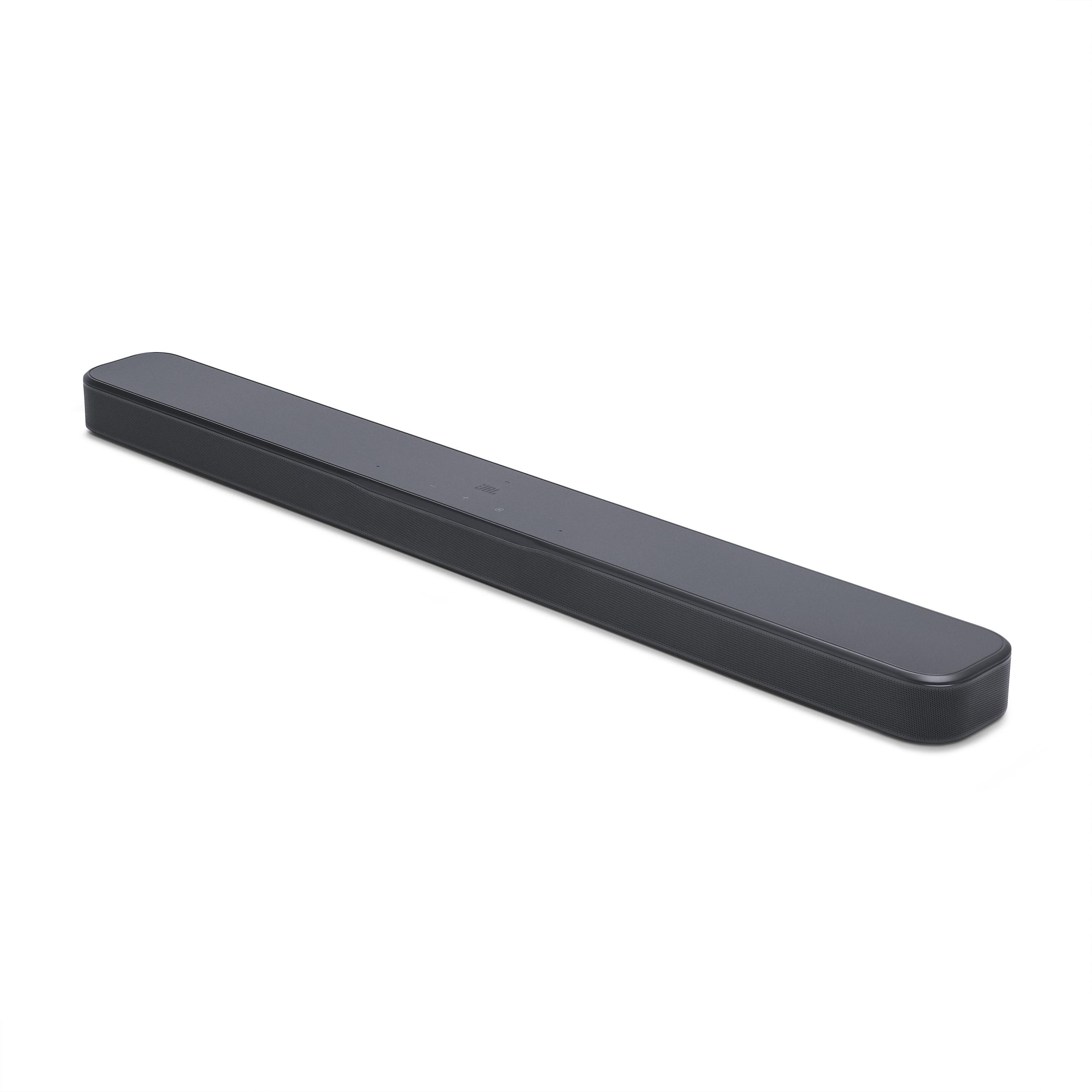
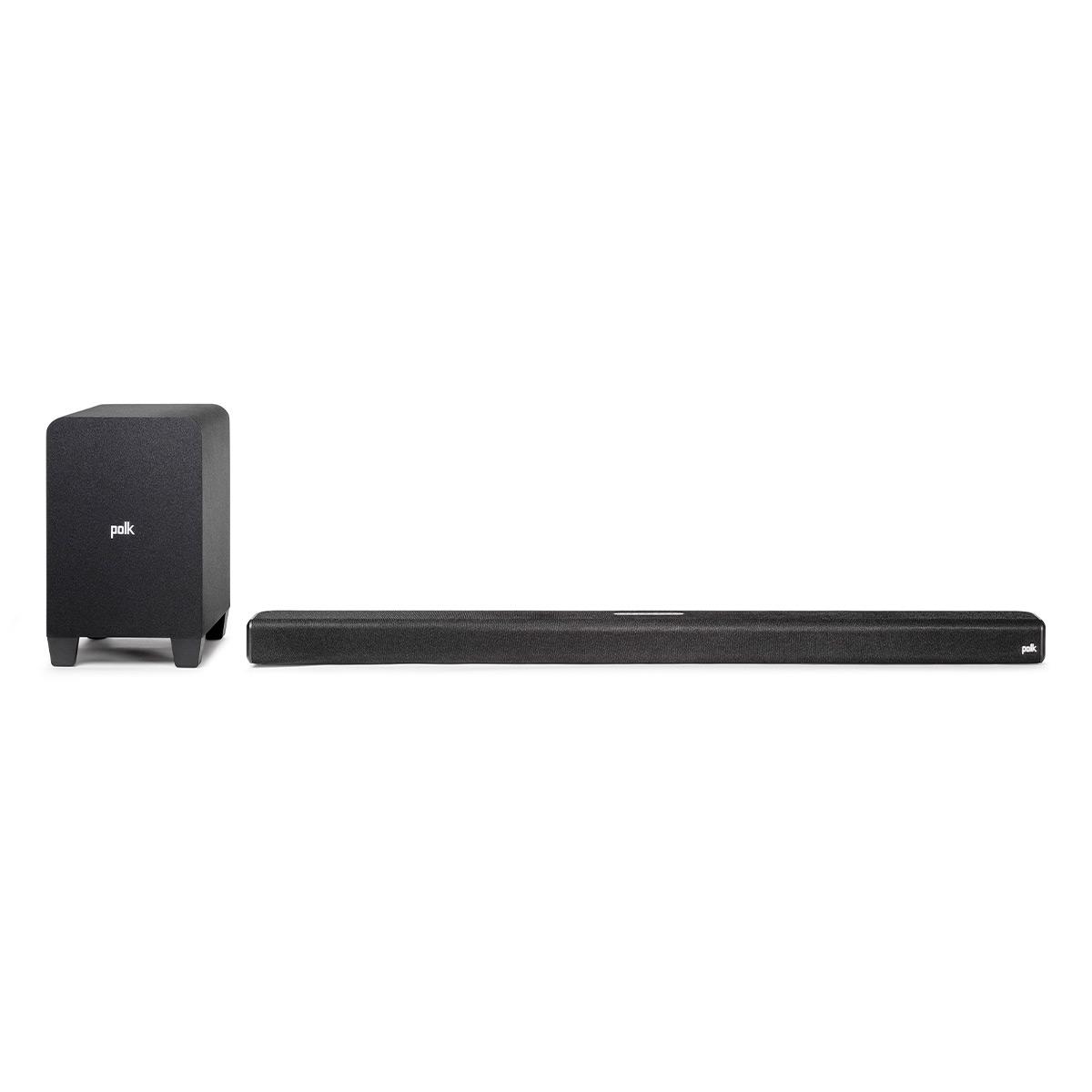
Today we're comparing two popular options that take very different approaches to achieving this immersive sound: the JBL Bar 300 MK2 ($449) and the Polk Audio Signa S4 ($299). Both promise Dolby Atmos performance, but they achieve it in completely different ways—and the differences matter more than you might think.
Before diving into these specific models, let's talk about what Dolby Atmos actually does and why it's become such a big deal in home audio. Traditional surround sound sends audio to speakers positioned around your room—left, right, center, and behind you. Dolby Atmos adds a crucial third dimension: height. Instead of sound coming at you horizontally, Atmos can place audio objects anywhere in a three-dimensional space around you.
The magic happens when a movie's sound engineer places a helicopter not just "somewhere to your left," but specifically "above and to your left, moving from front to back." Your brain processes these height cues and creates a much more realistic sense of space and movement.
But here's where it gets tricky: achieving this effect in a living room is challenging. True Atmos systems use speakers mounted in or on your ceiling, which isn't practical for most people. That's where these soundbars come in, using different tricks to create the illusion of height without ceiling speakers.
The main considerations when shopping in this category include how convincingly the system creates height effects, whether you need a separate subwoofer for proper bass, how well it handles different types of content (movies vs. music vs. TV shows), and what kind of connectivity options you need for your devices.
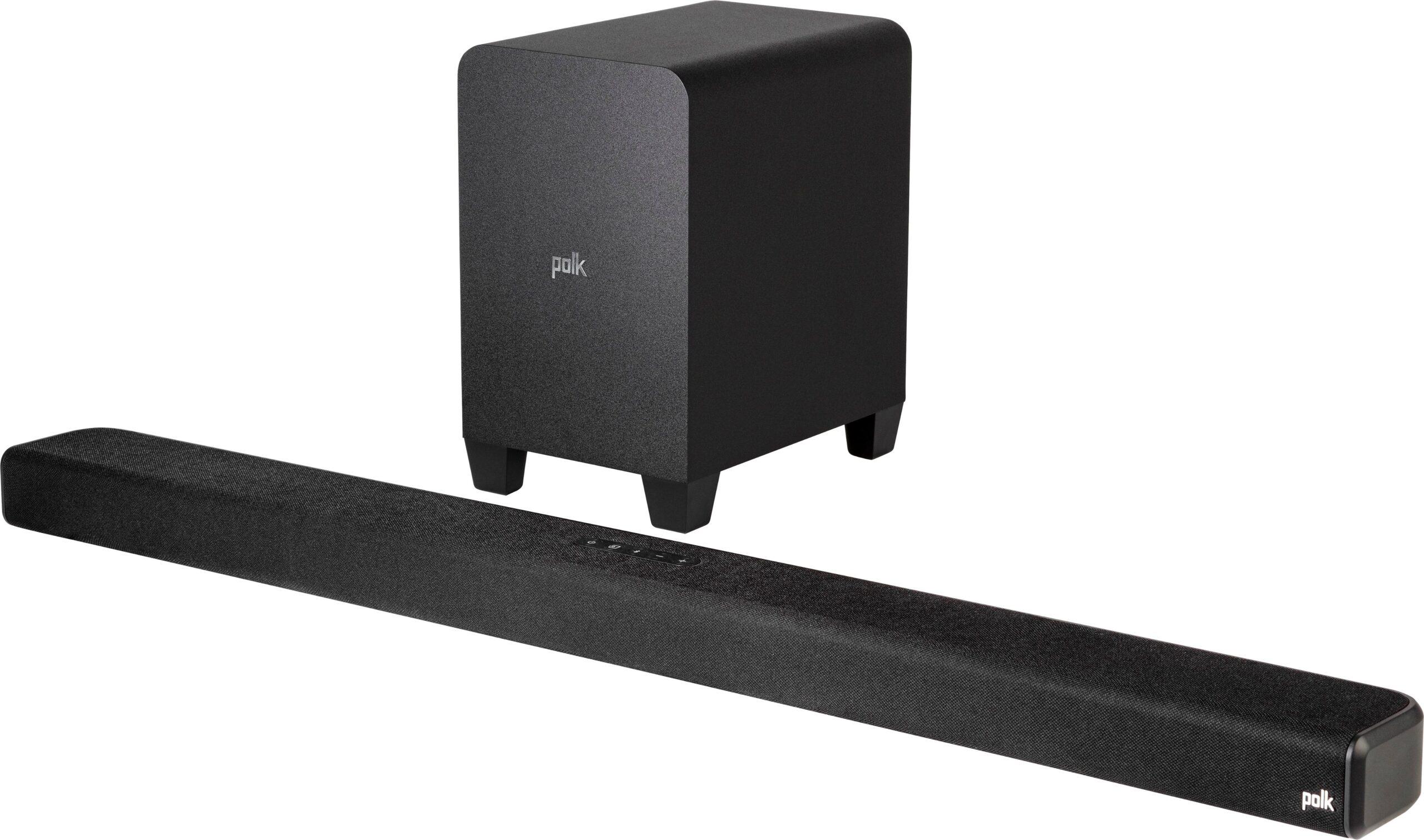
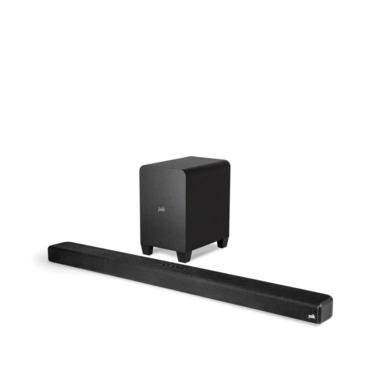
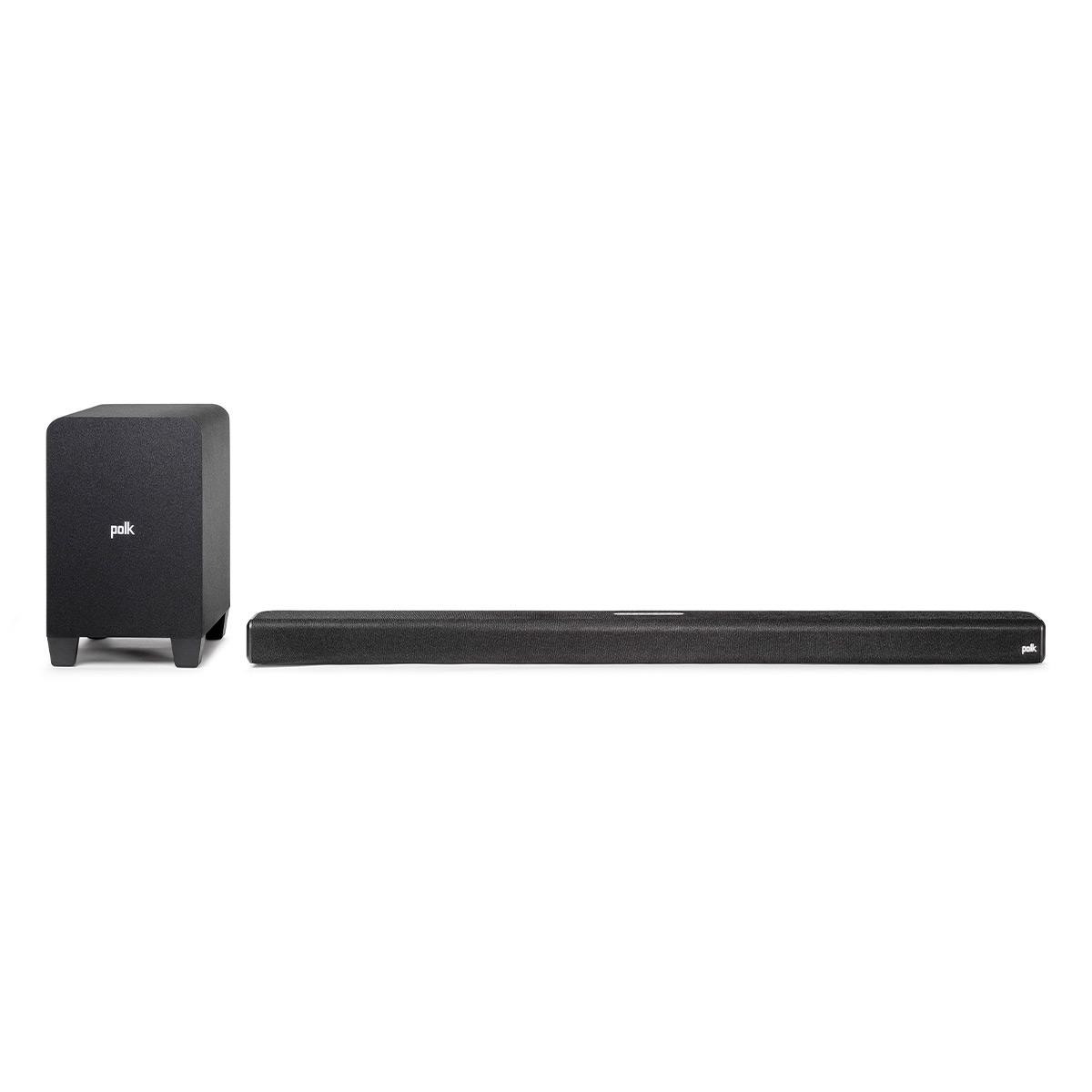
The Polk Audio Signa S4 launched in 2021 during the pandemic boom in home entertainment upgrades. Polk designed it as an affordable entry point into "real" Dolby Atmos, using physical upfiring drivers—small speakers that fire sound toward your ceiling, which then reflects down to create height effects. At $299, it was positioned as the cheapest way to get genuine Atmos hardware rather than digital simulation.
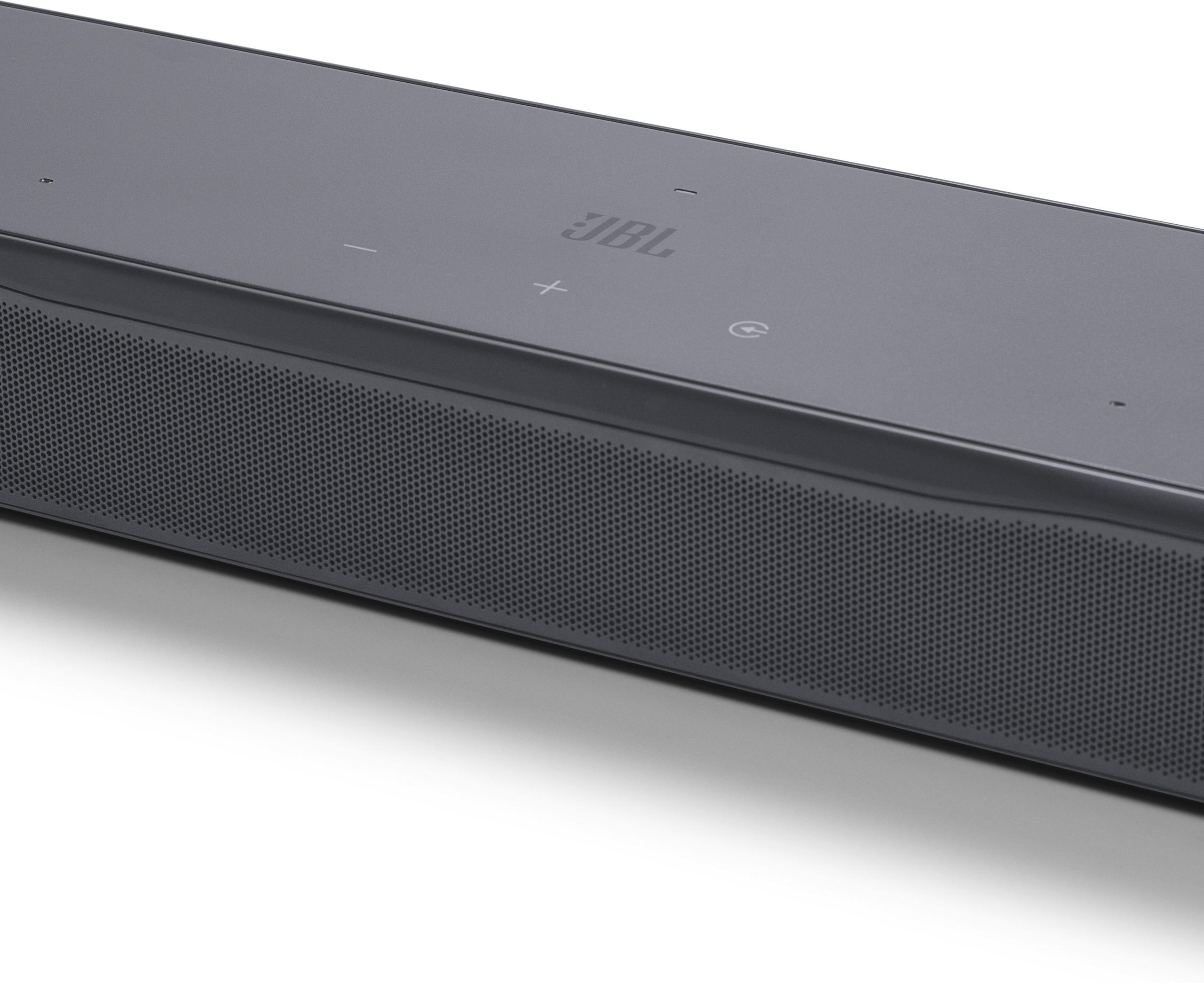
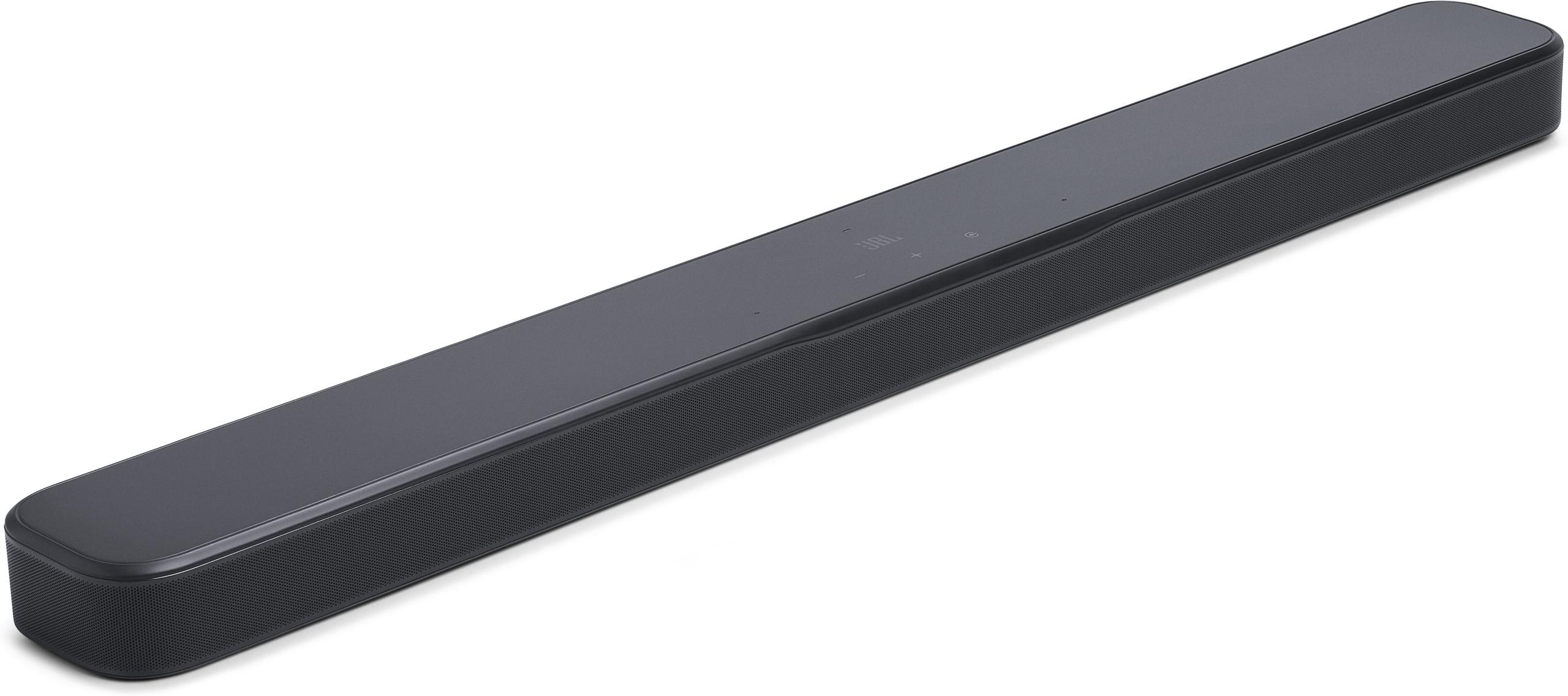
The JBL Bar 300 MK2, released in late 2024, represents a newer philosophy. Rather than using physical height speakers, JBL went all-in on advanced digital signal processing through their MultiBeam 3.0 technology. This system uses psychoacoustics—basically tricking your brain into hearing sounds from directions where there aren't actually any speakers. It's part of JBL's MK2 series refresh, which brought improved connectivity and processing power to their entire soundbar lineup.
The three-year gap between these products means they reflect different eras of soundbar development. The Polk represents the "let's add more speakers" approach that dominated the early 2020s, while the JBL shows the industry's recent shift toward sophisticated digital processing and wireless connectivity.
This is where these two soundbars couldn't be more different, and understanding the distinction is crucial to making the right choice.
The Polk Signa S4 uses what I'd call the "honest" approach to Dolby Atmos. It has two small speakers on top of the main soundbar that fire directly upward. These upfiring drivers send sound to your ceiling, which acts like a reflector, bouncing the audio back down to your listening position. When this works well, you genuinely hear sounds coming from above—helicopter rotors, raindrops, or the creaking of a ship's rigging seem to float in the air above your head.
However, this method is finicky. It works best with ceilings between 8-10 feet high that are relatively flat and reflective. Vaulted ceilings, textured surfaces, or very high ceilings can scatter the sound, reducing the effect. I've tested similar systems in different rooms, and the difference can be dramatic. In my living room with a 9-foot smooth ceiling, upfiring speakers create convincing height effects. In a friend's loft with 14-foot exposed beam ceilings, the same technology barely registers.
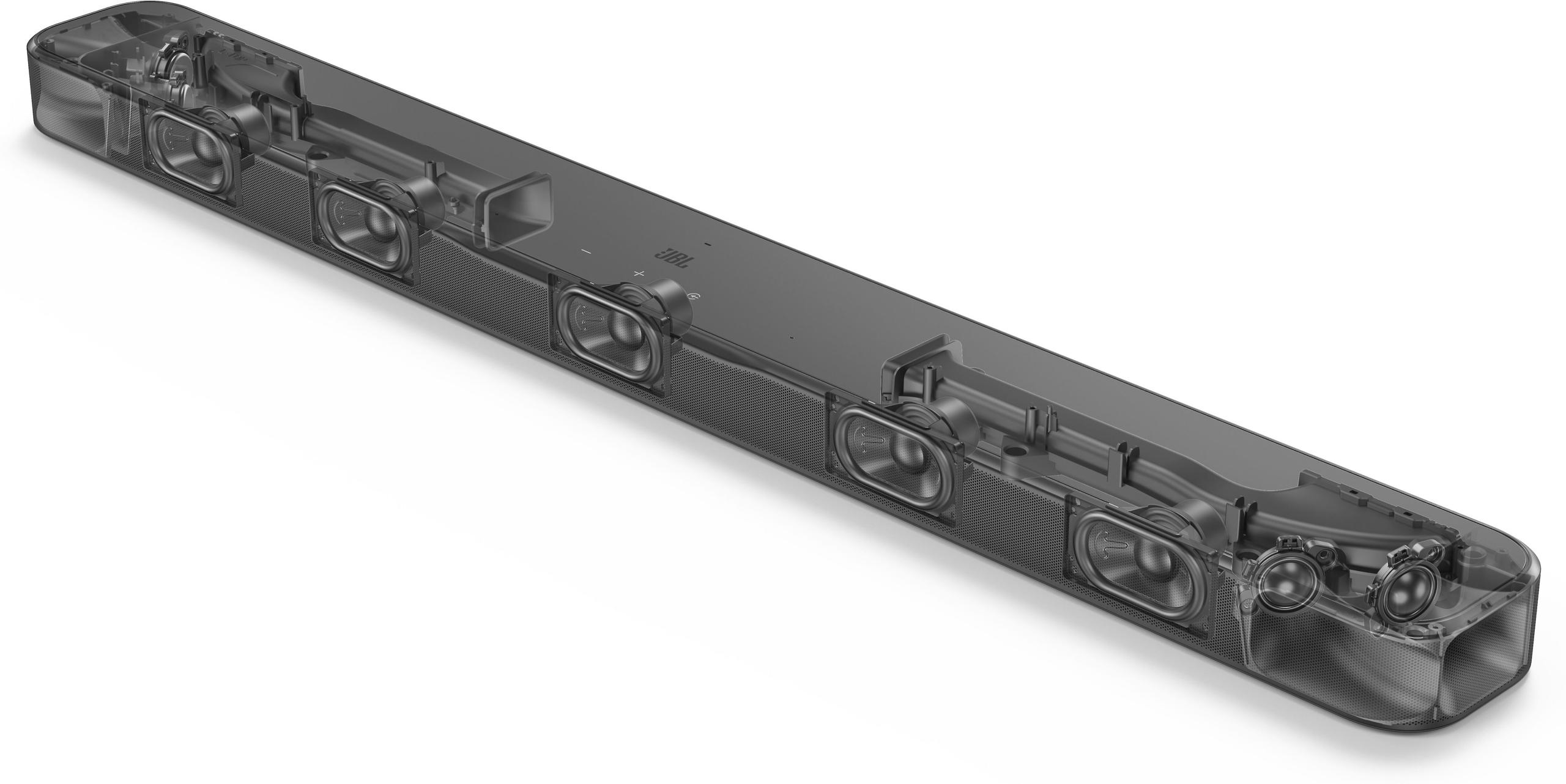
The JBL Bar 300 MK2 takes the virtual route with MultiBeam 3.0. Instead of actually putting sound above you, it uses sophisticated digital processing to manipulate the audio signals from its five speakers in ways that trick your brain into perceiving height and width beyond the physical soundbar. This psychoacoustic processing analyzes the incoming audio and applies complex algorithms to create the illusion of sound coming from directions where there are no speakers.
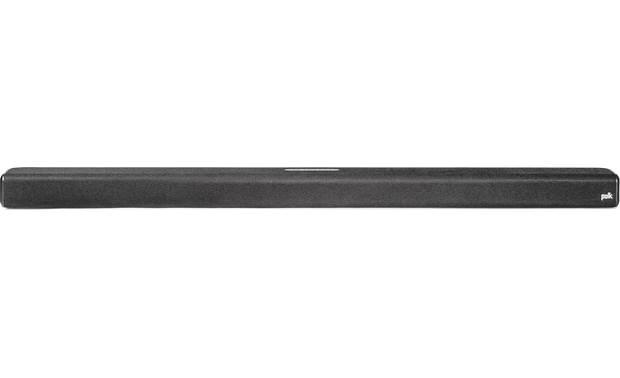
The advantage of JBL's approach is consistency. Whether you have perfect ceiling acoustics or a challenging room layout, MultiBeam processing delivers a similar experience. The soundstage—the perceived width and depth of the audio—extends well beyond the soundbar's physical dimensions. During testing, I was impressed by how voices seemed to come from specific locations across a wide front stage, even though all the drivers are packed into a single 41-inch bar.
However, virtual processing has its limitations. While it excels at creating width and some sense of height, it can't match the tangible overhead effects that physical upfiring speakers produce in ideal conditions. The height dimension feels more suggested than genuinely positioned above you.
Bass performance represents perhaps the biggest practical difference between these systems, and it comes down to physics that no amount of clever engineering can overcome.
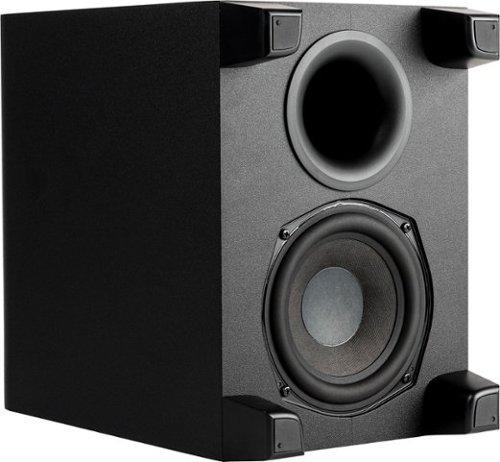
The Polk Signa S4 includes a wireless 5.9-inch subwoofer that automatically pairs with the soundbar when you power up the system. This dedicated bass driver handles all the low-frequency content—explosions, musical bass lines, and the rumbling undertones that give movie soundtracks their impact. The subwoofer connects wirelessly, so you can place it anywhere in your room for optimal bass response. I typically recommend putting it near a wall or corner, where room boundaries reinforce the low frequencies.
During testing with action movies like "Mad Max: Fury Road," the Polk's subwoofer delivers satisfying punch during chase scenes and explosive moments. The bass isn't audiophile-grade deep (it doesn't reach the very lowest frequencies below 35Hz), but it provides enough impact to make movie watching engaging without overwhelming dialogue or neighbors.
The JBL Bar 300 MK2 takes a different approach, integrating bass enhancement directly into the soundbar through specialized racetrack drivers and a tuned bass port. These oval-shaped drivers are designed to move more air than traditional circular speakers of the same size, while the bass port—essentially a carefully calculated hole in the enclosure—reinforces certain frequencies to boost perceived bass response.
This integrated approach has advantages: no separate box to place, no wireless connection to worry about, and surprisingly strong mid-bass performance for dialogue clarity and musical content. However, physics remains undefeated. The smaller internal drivers simply cannot move enough air to match a dedicated 6-inch subwoofer. During the same "Mad Max" test scenes, the JBL provides adequate bass for casual viewing but lacks the physical impact that makes action sequences truly engaging.
For music listening, the difference is less dramatic. Both systems handle the bass content in most songs adequately, though bass-heavy genres like hip-hop or electronic music clearly benefit from the Polk's dedicated subwoofer.
Clear dialogue is crucial for enjoying TV shows and movies, especially as streaming content often features more complex soundmixes with varying volume levels. Both systems address this need but through different methods.
The Polk Signa S4 uses a dedicated center channel driver—a speaker specifically designed to handle dialogue and vocal content. This driver sits in the middle of the soundbar and focuses solely on reproducing voices. Polk enhances this with their VoiceAdjust technology, which allows you to boost dialogue levels independently of other sound effects. This feature is particularly valuable if you're watching content with heavy accents, rapid dialogue, or scenes where voices compete with background music and effects.
The center channel approach works because most movie and TV audio is mixed with dialogue primarily assigned to the center channel. Having a physical driver dedicated to this content ensures voices remain clear and positioned, even during complex audio scenes.
The JBL Bar 300 MK2 creates a "phantom" center channel using its left and right drivers working together, enhanced by PureVoice 2.0 technology. This digital processing identifies dialogue frequencies and applies enhancement algorithms to improve clarity. While effective, this approach relies on your brain interpreting carefully timed audio signals from multiple drivers rather than having dialogue come from a single, focused source.
In practical testing, both systems deliver clear dialogue, but the Polk has an edge in challenging content. During dialogue-heavy dramas with overlapping conversations or foreign films with subtitles, the dedicated center channel provides more consistent vocal clarity.
While both soundbars are designed primarily for TV and movie content, their music performance reveals interesting differences in their underlying technologies.
The JBL Bar 300 MK2 excels at music reproduction, particularly stereo content. The MultiBeam processing creates an impressively wide soundstage that extends well beyond the soundbar's physical boundaries. When listening to well-recorded music, instruments seem positioned across a broad front stage rather than coming from a single point source. The two tweeters and four racetrack drivers deliver detailed midrange and crisp highs that make vocals and instruments sound natural and engaging.
Jazz recordings particularly showcase the JBL's strengths. The soundstage width allows you to perceive individual instruments in their respective positions, while the detailed drivers reproduce the subtle nuances of acoustic instruments. The bass port provides enough low-end support for most musical genres, though it can't match the impact of electronic music or hip-hop that benefits from deeper bass extension.
The Polk Signa S4 is competent with music but clearly optimized for surround content rather than stereo listening. The 3.1.2 channel configuration processes stereo music adequately, and the subwoofer adds welcome bass impact to musical content. However, the soundstage feels narrower than the JBL's virtual processing can achieve, and the overall presentation is more functional than engaging for critical music listening.
This is where the three-year age gap between these products becomes most apparent, reflecting how quickly connectivity expectations have evolved.
The JBL Bar 300 MK2 represents current-generation connectivity with comprehensive wireless support. Beyond basic Bluetooth 5.3, it includes Wi-Fi connectivity that enables AirPlay 2 (for Apple devices), Chromecast built-in (for Android and Google devices), and Spotify Connect (for direct streaming from the Spotify app). The JBL One app provides system control, EQ customization, and access to multiple streaming services.
This connectivity flexibility means you can stream music directly from services without going through your TV, control the soundbar with your voice through connected smart speakers, and integrate it with other JBL speakers for multi-room audio. The Wi-Fi connection also enables automatic firmware updates, ensuring the soundbar gains new features and improvements over time.
The Polk Signa S4 reflects 2021-era expectations with Bluetooth 4.2 as its primary wireless connectivity. While functional, this limits you to basic device pairing without the convenience of modern streaming protocols. You'll need to use your phone or tablet as an intermediary for most streaming services, and there's no app control or advanced customization options.
For users who primarily watch TV through cable, streaming devices, or gaming consoles connected via HDMI, the Polk's basic connectivity may be sufficient. However, if you want the soundbar to serve double-duty as a music system or integrate with smart home setups, the JBL's advanced connectivity becomes essential.
The feature gap between these systems extends beyond basic connectivity to overall user experience and customization options.
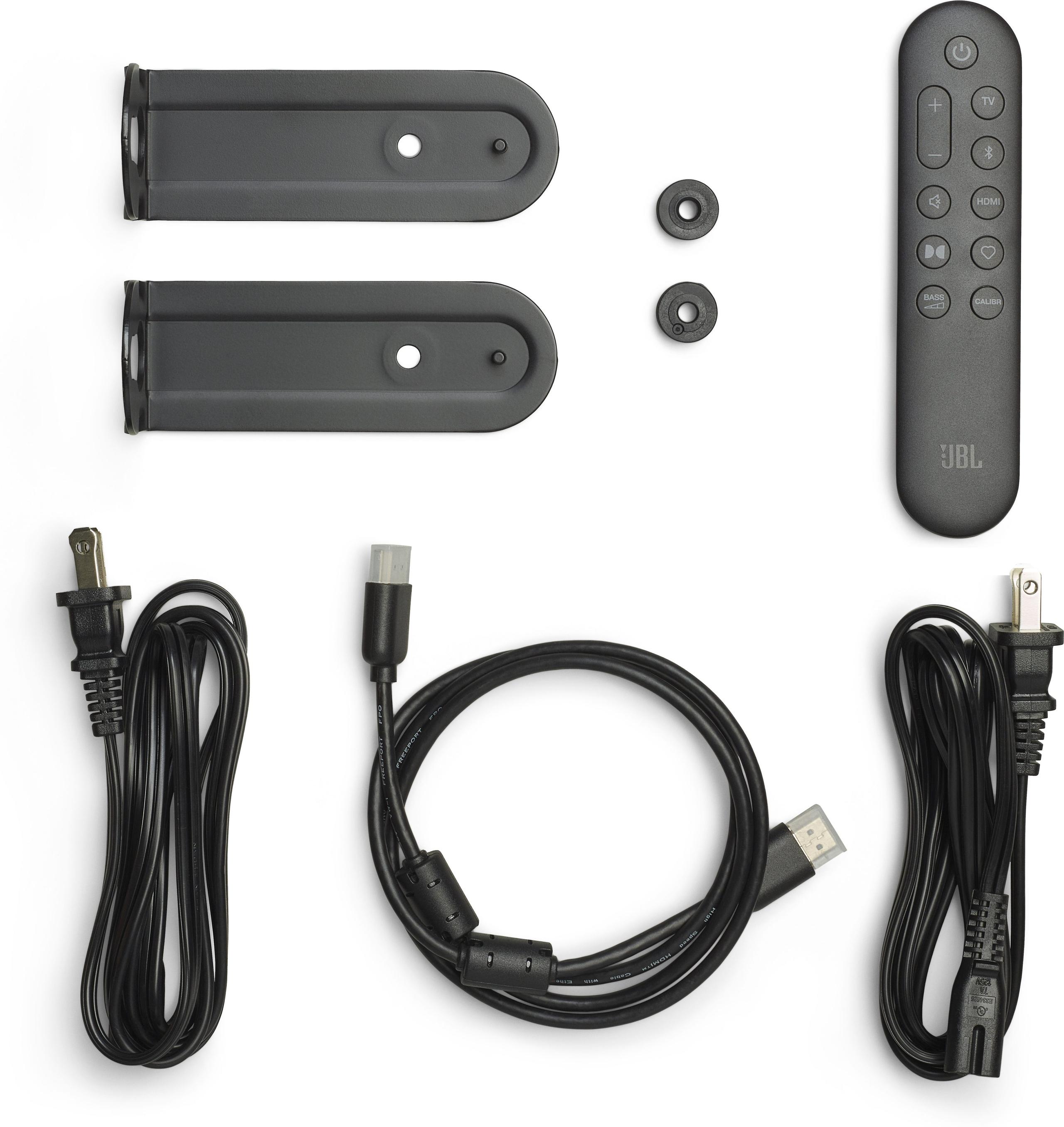
The JBL Bar 300 MK2 includes sophisticated room calibration that optimizes its output for your specific space. This automatic calibration analyzes your room's acoustics and adjusts the MultiBeam processing accordingly. The JBL One app provides extensive EQ customization, allowing you to adjust frequency response curves to match your preferences or room characteristics.
Additional smart features include voice assistant compatibility (working with Alexa, Google Assistant, and Siri through connected devices), automatic input switching, and customizable sound modes. The soundbar can also participate in JBL's multi-room ecosystem, allowing synchronized playback with other compatible JBL speakers throughout your home.
The Polk Signa S4 keeps things simple with three preset sound modes: Movie, Music, and Night. The Night mode is particularly useful, compressing the dynamic range to keep dialogue audible while reducing bass impact—perfect for late-night viewing without disturbing others. However, beyond these basic presets and the VoiceAdjust feature, customization options are limited.
Both soundbars are designed for easy integration with existing TV setups, but they have different requirements and considerations.
The Polk Signa S4 requires careful placement for optimal Atmos performance. The upfiring drivers need clear paths to the ceiling, so the soundbar shouldn't be placed inside a TV cabinet or under a shelf. The wireless subwoofer offers placement flexibility—you can position it anywhere in the room for optimal bass response without running cables.
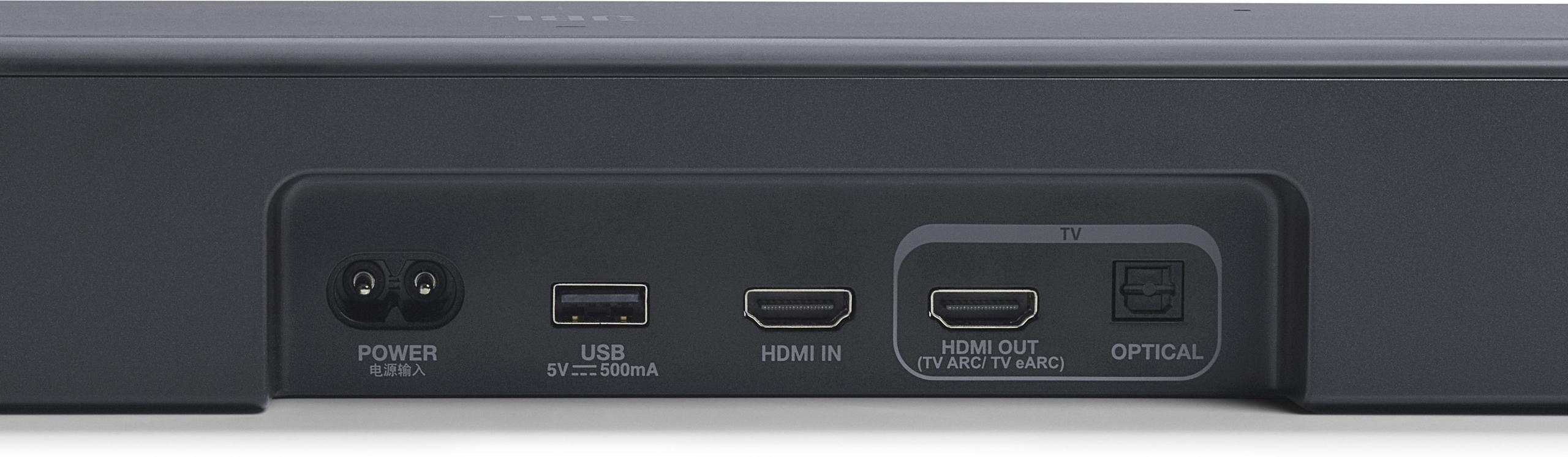
Setup is straightforward: connect via HDMI eARC or optical cable, pair the subwoofer (which happens automatically), and you're ready to go. The system works best in medium-sized rooms with appropriate ceiling heights and acoustics.
The JBL Bar 300 MK2 offers more placement flexibility since it doesn't rely on ceiling reflections. It can work effectively in TV cabinets or mounted on walls, though the MultiBeam processing performs optimally when the soundbar has some clearance around it. The single-unit design eliminates subwoofer placement considerations, making it ideal for smaller spaces or situations where additional components aren't practical.
Both systems support 4K video passthrough with HDR formats, ensuring compatibility with modern gaming consoles and streaming devices.
After extensive testing and consideration, the choice between these soundbars comes down to your priorities and specific situation.
Choose the Polk Audio Signa S4 ($299) if you're primarily focused on movies and TV content, have a room that supports upfiring Atmos (8-10 foot smooth ceilings), and want the most authentic Dolby Atmos experience at the lowest price. The physical subwoofer and dedicated center channel provide tangible benefits for cinematic content, and the $150 savings over the JBL makes it an excellent value for budget-conscious buyers.
The Polk is also the better choice if you prefer simple, straightforward operation without extensive connectivity or smart features. If you primarily use cable TV, gaming consoles, or streaming devices connected to your TV, the basic Bluetooth connectivity will serve your needs adequately.
Choose the JBL Bar 300 MK2 ($449) if you want a more versatile system that excels at both movies and music, need advanced connectivity for streaming and smart home integration, or have challenging room acoustics that might interfere with upfiring speakers. The premium price brings substantial improvements in connectivity, music performance, and overall sophistication.
The JBL is also preferable for smaller living spaces where a separate subwoofer isn't practical, or if you want a system that can serve as your primary music playback device in addition to improving TV audio.
Both the Polk Signa S4 and JBL Bar 300 MK2 deliver meaningful improvements over TV speakers and provide legitimate Dolby Atmos experiences, just through different approaches. The Polk offers the most straightforward path to physical Atmos effects and subwoofer impact at an attractive price. The JBL provides superior versatility, connectivity, and music performance for users willing to pay extra for a more sophisticated, future-ready system.
Consider your primary use cases, room characteristics, and how important advanced features are to your daily entertainment routine. Either choice will transform your TV watching experience—they just do it in distinctly different ways that appeal to different priorities and preferences.
| JBL Bar 300 MK2 ($449) | Polk Audio Signa S4 ($299) |
|---|---|
| Price - $150 difference affects value proposition significantly | |
| $449 (premium for advanced connectivity and processing) | $299 (best value for physical Atmos hardware) |
| Dolby Atmos Method - Determines authenticity of height effects | |
| MultiBeam 3.0 virtual processing (consistent across room types) | Physical upfiring drivers (more convincing in ideal rooms) |
| Subwoofer Inclusion - Critical for bass impact in movies | |
| No subwoofer (integrated bass port and drivers only) | Wireless 5.9" subwoofer included (superior bass depth) |
| Channel Configuration - Affects surround sound capability | |
| 5.0 channels (wider soundstage, no dedicated center) | 3.1.2 channels (dedicated center channel for dialogue) |
| Total Power Output - Influences maximum volume and dynamics | |
| 450W maximum output | Seven-driver array with subwoofer (power not specified) |
| Connectivity Options - Determines streaming and smart home integration | |
| Wi-Fi, AirPlay 2, Chromecast, Spotify Connect, Bluetooth 5.3 | Bluetooth 4.2 only (basic streaming capabilities) |
| App Control and Customization - Affects user experience and sound tuning | |
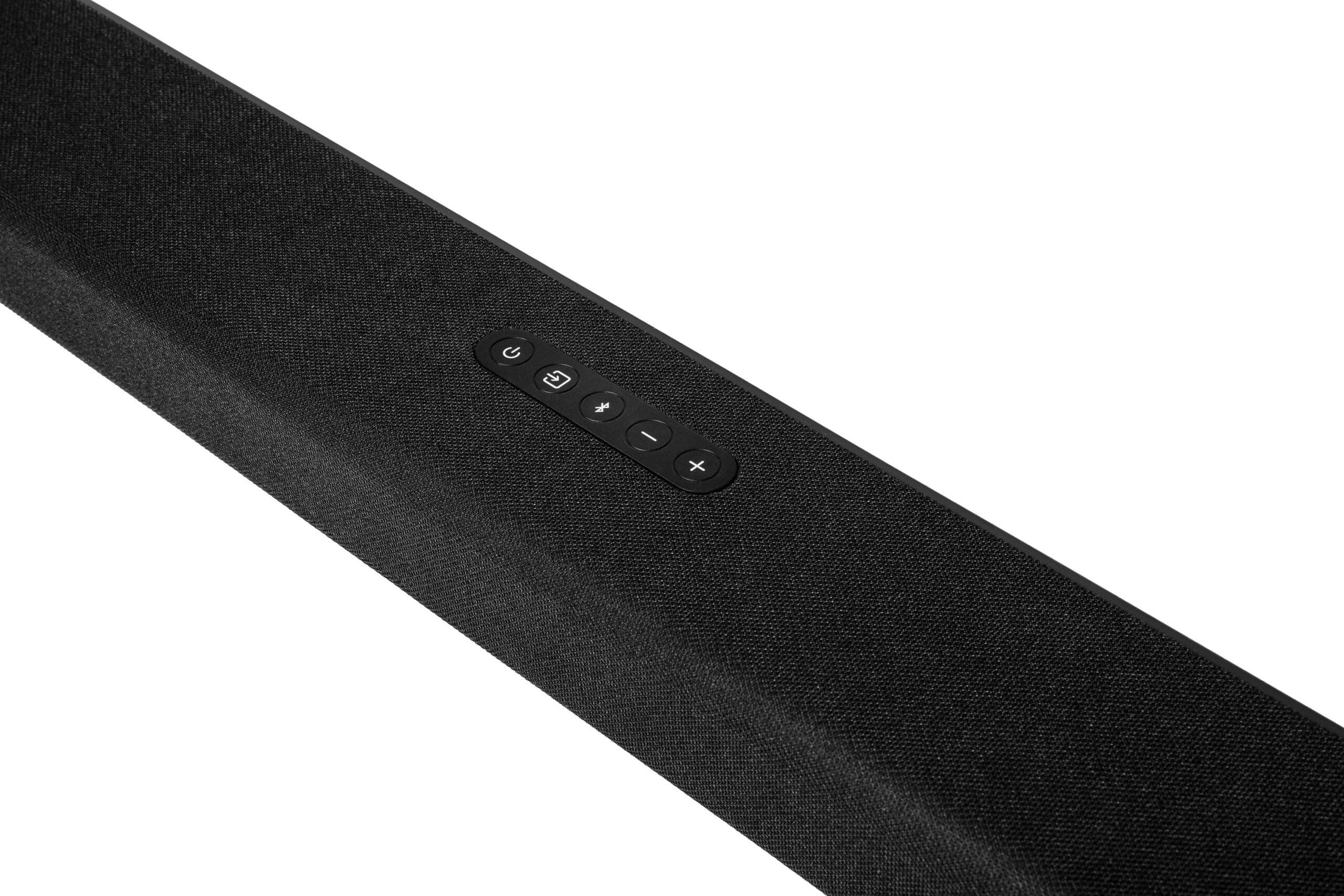
| JBL One app with EQ, room calibration, streaming control | No app control (basic presets via remote only) |
| Physical Design - Impacts placement flexibility and aesthetics | |
| Single all-in-one unit (compact, no subwoofer placement needed) | Soundbar + wireless subwoofer (requires two-unit placement) |
| Music Performance - Important for dual-purpose use as music system | |
| Excellent stereo imaging and wide soundstage | Functional but optimized for surround content |
| Dialogue Enhancement Technology - Crucial for TV show clarity | |
| PureVoice 2.0 with phantom center channel | VoiceAdjust with dedicated physical center channel |
| Room Compatibility - Affects performance in different spaces | |
| Works well in any room layout (virtual processing adapts) | Requires 8-10 ft smooth ceilings for optimal Atmos effects |
| Release Date - Indicates technology generation and feature set | |
| Late 2024 (latest connectivity and processing standards) | 2021 (proven technology, pre-advanced streaming era) |
The Polk Audio Signa S4 ($299) offers better value for most buyers, providing physical Dolby Atmos drivers and a wireless subwoofer for $150 less than the JBL Bar 300 MK2 ($449). However, the JBL justifies its higher price with advanced Wi-Fi connectivity, superior music performance, and more versatile room compatibility.
The Polk Audio Signa S4 has significantly better bass thanks to its included wireless 5.9-inch subwoofer, which delivers deeper low frequencies and more impactful sound for movies. The JBL Bar 300 MK2 relies on internal drivers and a bass port, which provides adequate bass for TV content but cannot match the physical impact of a dedicated subwoofer.
The JBL Bar 300 MK2 is better for small spaces because it's a single all-in-one unit with no separate subwoofer to place. It also won't disturb neighbors as much since the bass is more controlled. The Polk Signa S4 requires placement for both the soundbar and subwoofer, and the subwoofer can create more vibration through walls and floors.
Yes, both support Dolby Atmos but differently. The Polk Signa S4 uses physical upfiring speakers that bounce sound off your ceiling for genuine height effects. The JBL Bar 300 MK2 uses MultiBeam 3.0 virtual processing to simulate height effects through digital signal processing. The Polk provides more authentic Atmos in ideal rooms, while the JBL works consistently in any room layout.
The JBL Bar 300 MK2 is significantly better for music, offering excellent stereo imaging, a wide soundstage, and detailed sound reproduction across all frequencies. The Polk Audio Signa S4 is functional for music but optimized primarily for movie and TV surround sound content rather than stereo music performance.
Both soundbars support Bluetooth connectivity, but the JBL Bar 300 MK2 offers much more advanced options including Wi-Fi, AirPlay 2, Chromecast built-in, and Spotify Connect for direct streaming. The Polk Signa S4 only has basic Bluetooth 4.2, requiring you to use your phone as an intermediary for most streaming services.
The Polk Audio Signa S4 has superior dialogue clarity thanks to its dedicated physical center channel driver and VoiceAdjust technology, which lets you boost voice levels independently. The JBL Bar 300 MK2 uses PureVoice 2.0 with phantom center imaging, which is effective but not as focused as a dedicated center speaker for voice reproduction.
The Polk Signa S4 requires 8-10 foot smooth ceilings for optimal Dolby Atmos performance since its upfiring speakers bounce sound off the ceiling. The JBL Bar 300 MK2 works well in any room because it uses virtual processing rather than ceiling reflections, making it better for rooms with high, vaulted, or textured ceilings.
Both are relatively easy to set up, but the JBL Bar 300 MK2 offers more convenience with automatic room calibration and app-based control through the JBL One app. The Polk Audio Signa S4 has simpler setup with just basic remote control and three preset sound modes, making it more straightforward for users who prefer minimal complexity.
Yes, both the JBL Bar 300 MK2 and Polk Signa S4 support HDMI eARC connectivity with 4K passthrough and HDR formats including Dolby Vision. Both work excellently with PlayStation, Xbox, and Nintendo Switch consoles, though the JBL's wider soundstage may provide slightly better gaming immersion for competitive gaming.
The Polk Audio Signa S4 is generally better for dedicated home theater use due to its physical subwoofer providing impactful bass for action scenes and its upfiring drivers creating more convincing overhead effects in properly configured rooms. The JBL Bar 300 MK2 works well for casual movie watching but lacks the bass depth for truly cinematic experiences.
The key decision factor is whether you prioritize authentic Dolby Atmos with powerful bass (Polk Signa S4) or advanced connectivity with versatile performance (JBL Bar 300 MK2. Choose the Polk for dedicated TV and movie watching at a lower price, or choose the JBL for a premium all-in-one system that excels at both entertainment and music streaming.
We've done our best to create useful and informative comparisons to help you decide what product to buy. Our research uses advanced automated methods to create this comparison and perfection is not possible - please contact us for corrections or questions. These are the sites we've researched in the creation of this article: homecinemachoice.com - retailspecs.com - hometechnologyreview.com - whathifi.com - news.jbl.com - engadget.com - crutchfield.com - harmanaudio.com - techradar.com - bestbuy.com - jbl.com - sweech.co.ke - jbl.com - jbl.com.sg - mm.jbl.com - abcwarehouse.com - harmanaudio.com - sweetwater.com - ro.harmanaudio.com - dell.com - jbl.co.nz - soundandvision.com - audioholics.com - crutchfield.com - cnet.com - richersounds.com - crutchfield.com - rtings.com - polkaudio.com - walmart.com - polkaudio.com - crutchfield.com - youtube.com - profx.com

Privacy Policy
Terms and Conditions - Affiliate Policy
Home Security
© Copyright 2008-2026.
11816 Inwood Rd #1211, Dallas, TX 75244