





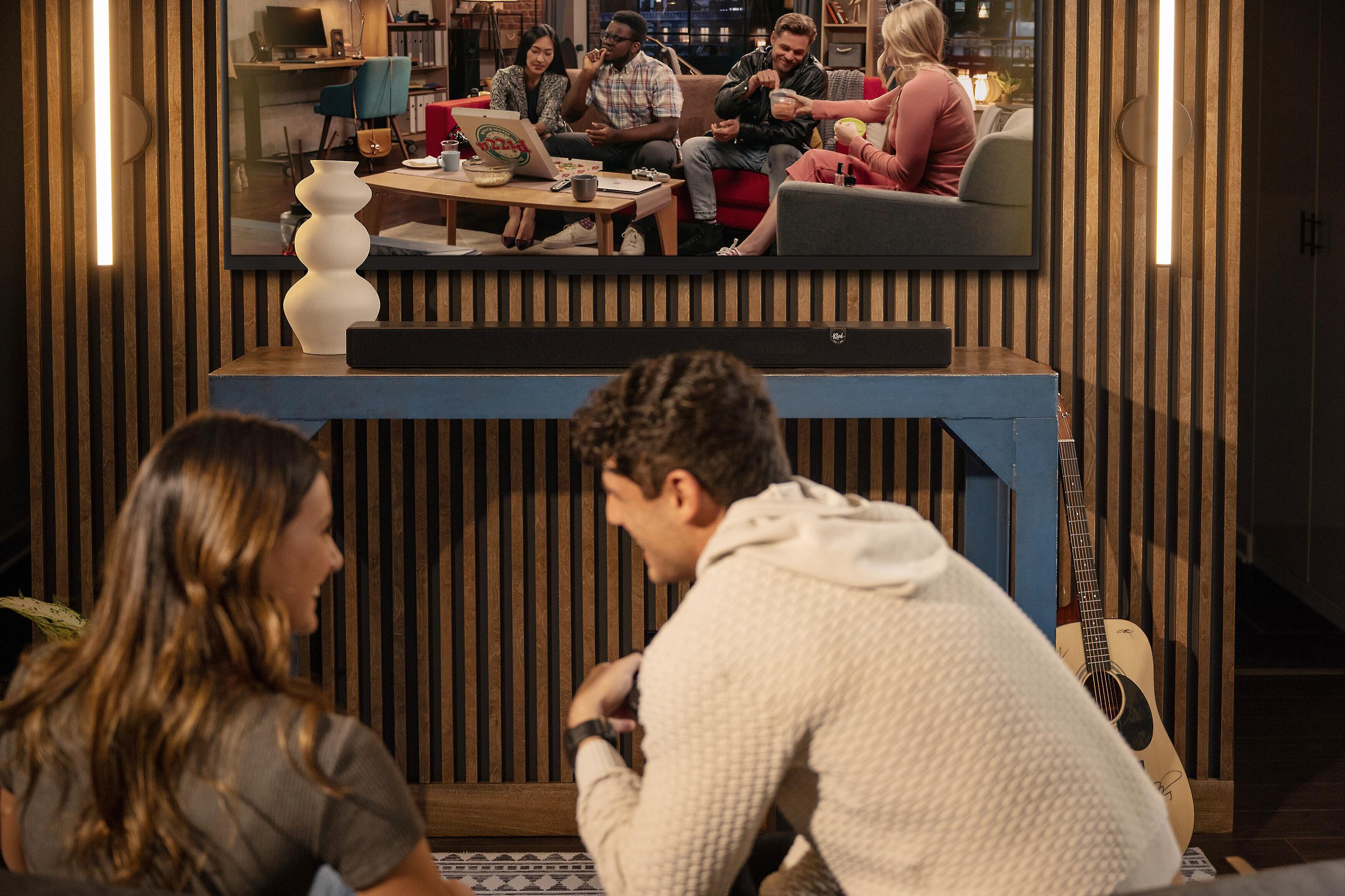
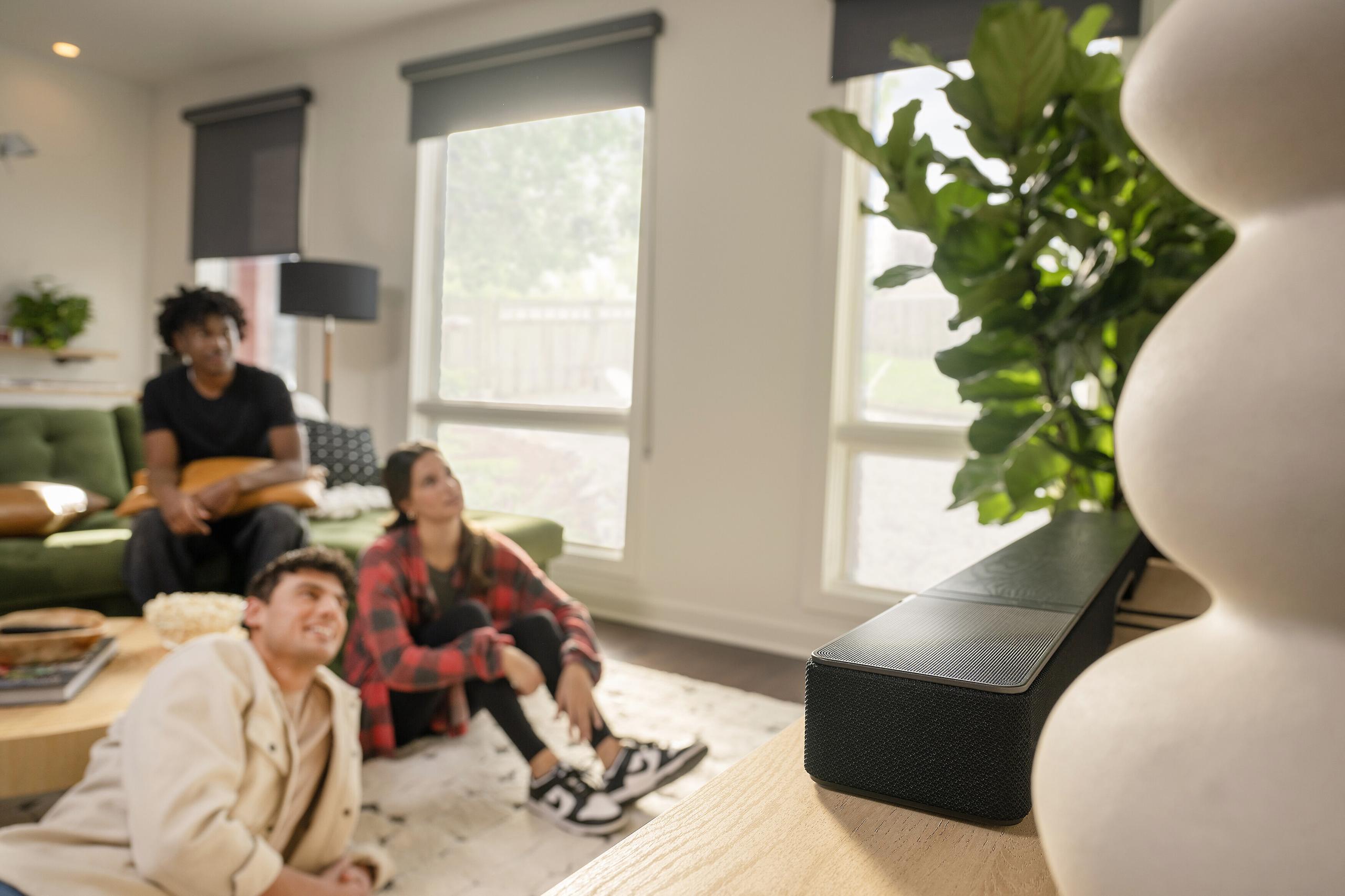
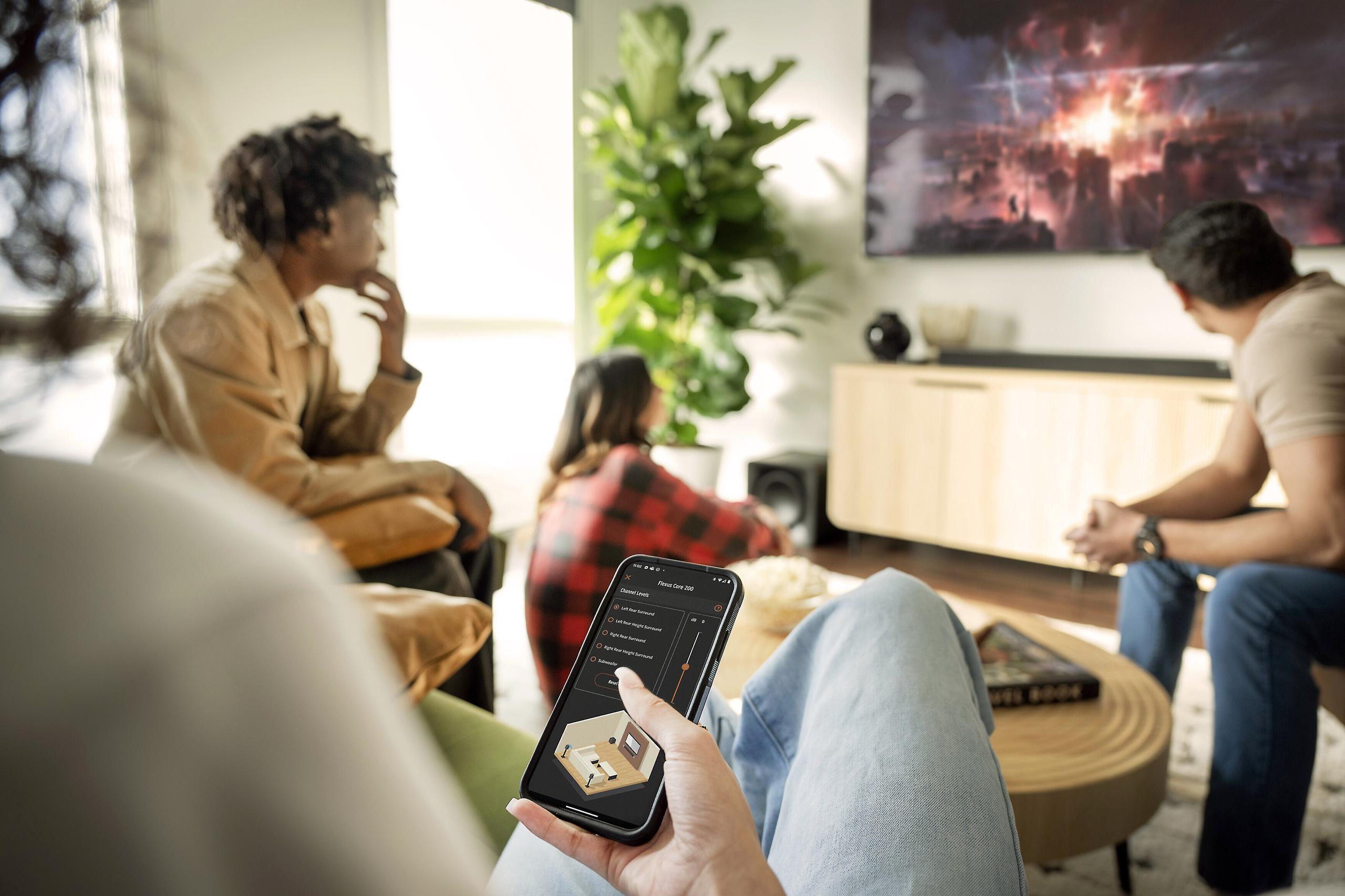
If you're tired of your TV's thin, lifeless audio but don't want to deal with a complicated surround sound setup, compact soundbars offer an appealing middle ground. These single-unit speakers promise to transform your viewing experience without the hassle of multiple speakers, receiver boxes, or complex wiring. But with so many options available, choosing the right one can feel overwhelming.
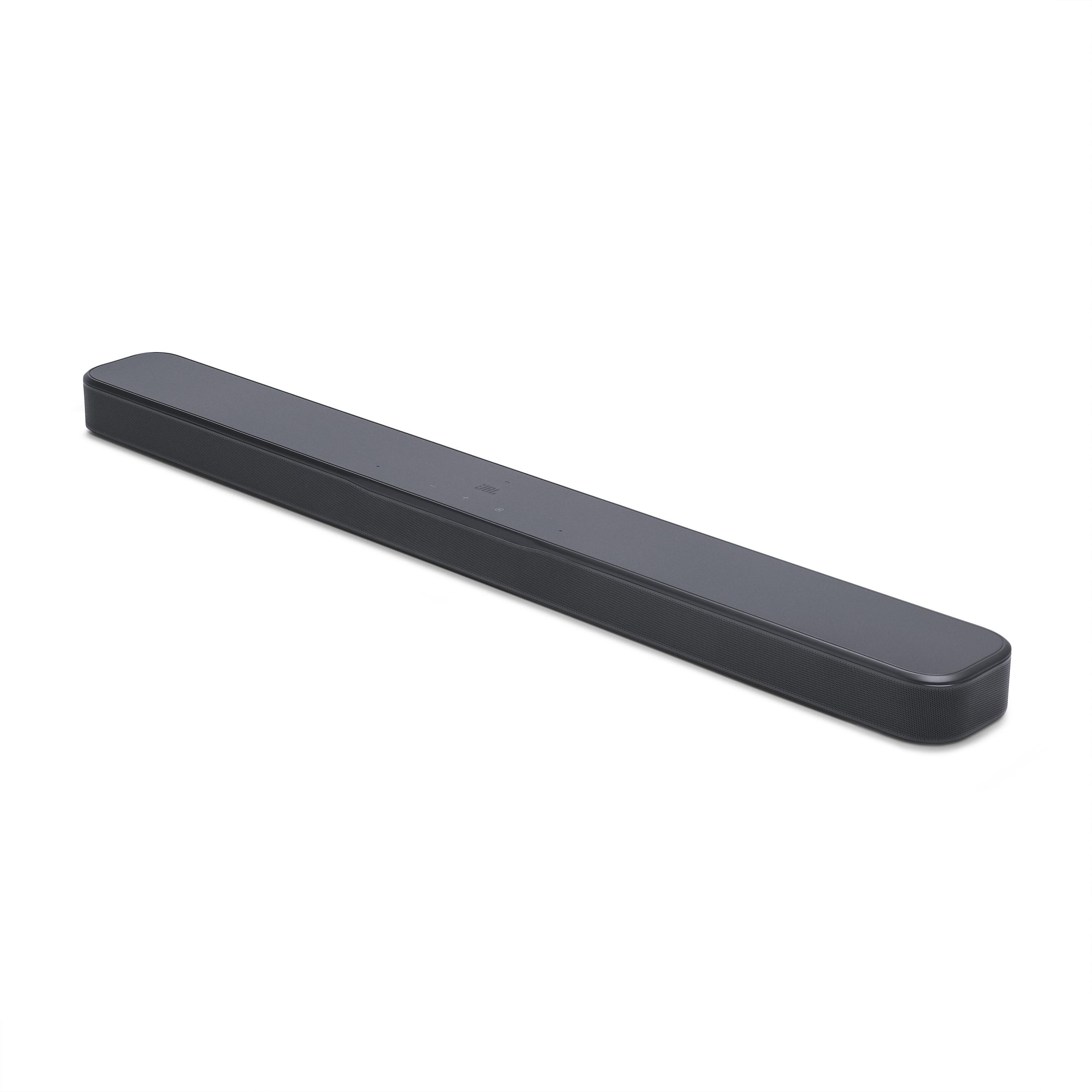
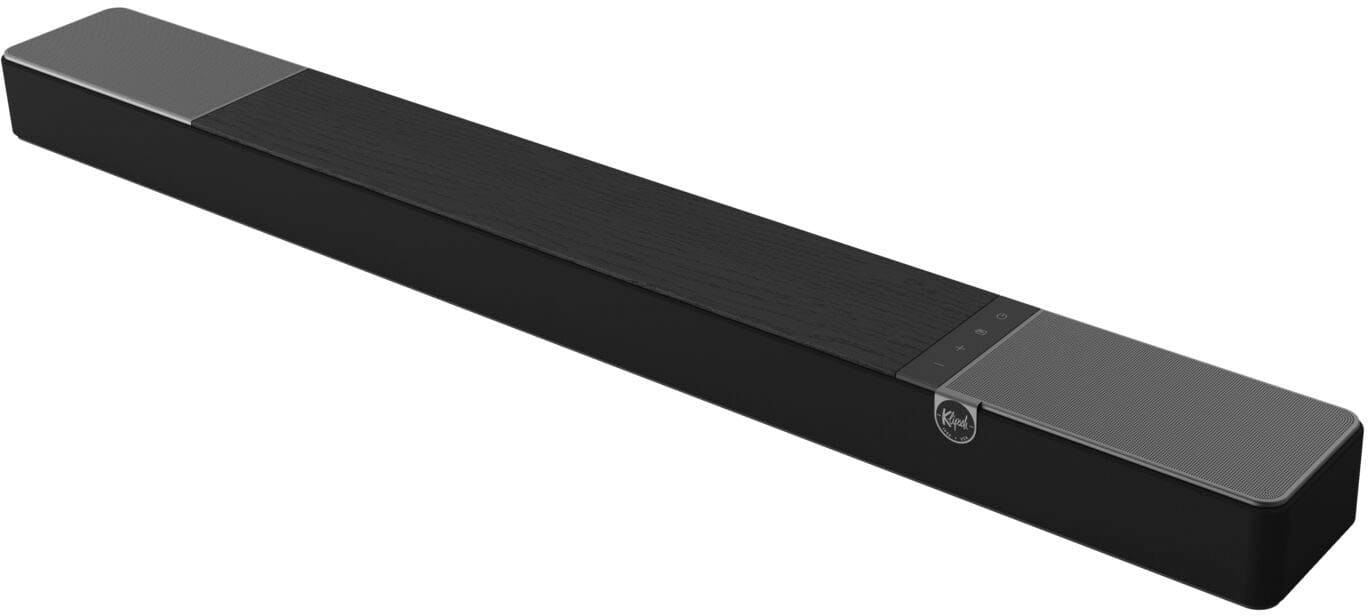
Today, we're diving deep into two popular compact soundbars that take distinctly different approaches: the JBL Bar 300 MK2 ($449.95) and the Klipsch Flexus Core 200 ($374.00). While both aim to upgrade your TV's audio, they represent fundamentally different philosophies about what matters most in a soundbar.
Before we jump into specifics, let's talk about what makes a soundbar "compact" and why these devices have become so popular. Unlike full home theater systems with separate speakers for each audio channel, compact soundbars pack multiple drivers (the actual speakers that produce sound) into a single, TV-width enclosure. They use clever engineering and digital processing to create the illusion of surround sound without cluttering your living room.
The magic happens through several key technologies. Beam forming uses precisely timed audio signals to direct sound toward specific areas of your room. Digital signal processing (DSP) manipulates the audio signal to create virtual surround effects, making it seem like sound is coming from behind or above you even though it's all coming from the front-facing soundbar. Some soundbars also include upfiring drivers – speakers that point toward the ceiling to bounce sound down and create overhead effects.
When evaluating compact soundbars, several factors matter most: how convincingly they create surround sound effects, how well they handle bass without a separate subwoofer, whether dialogue remains clear during loud action scenes, and how easy they are to set up and use daily.
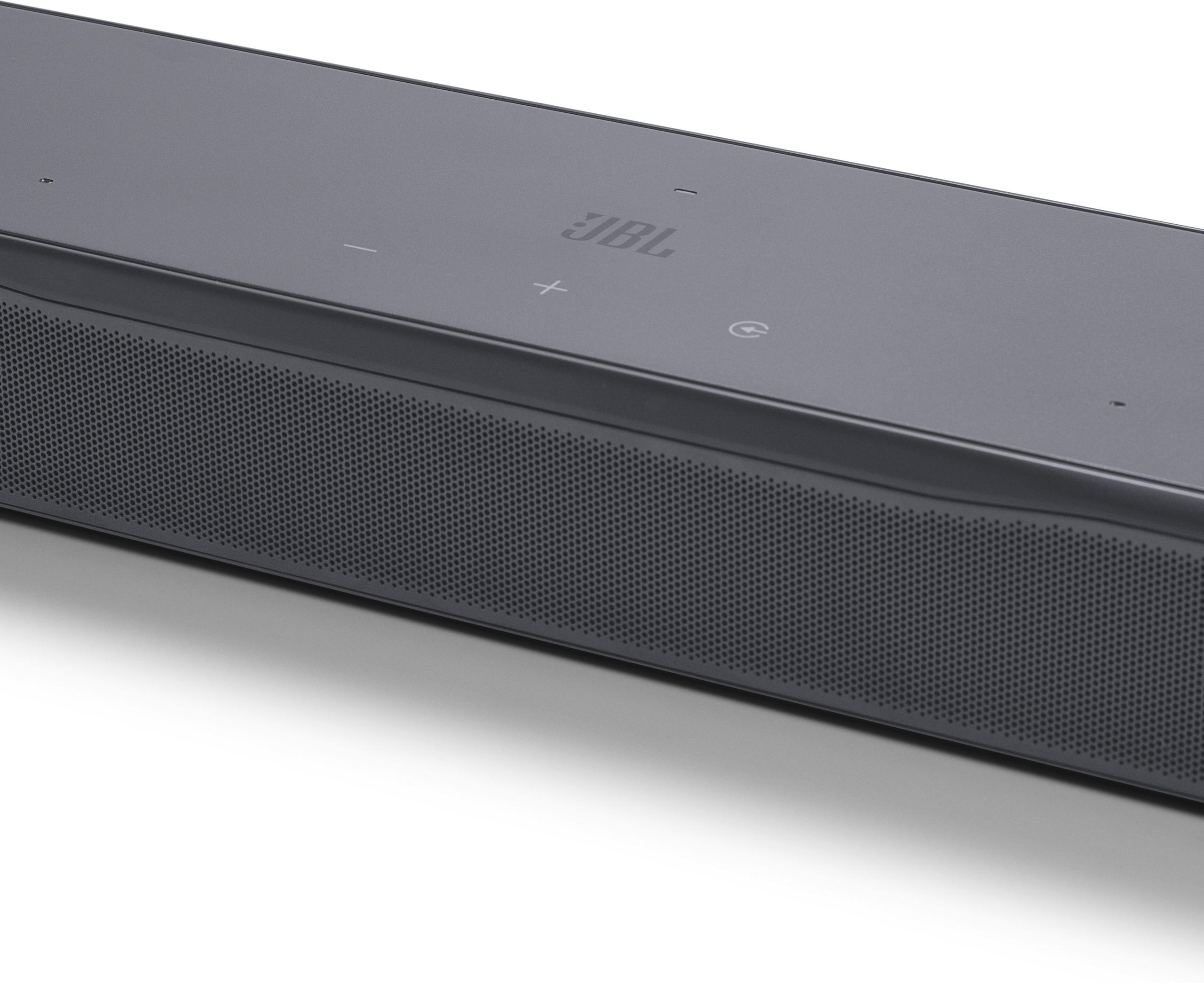
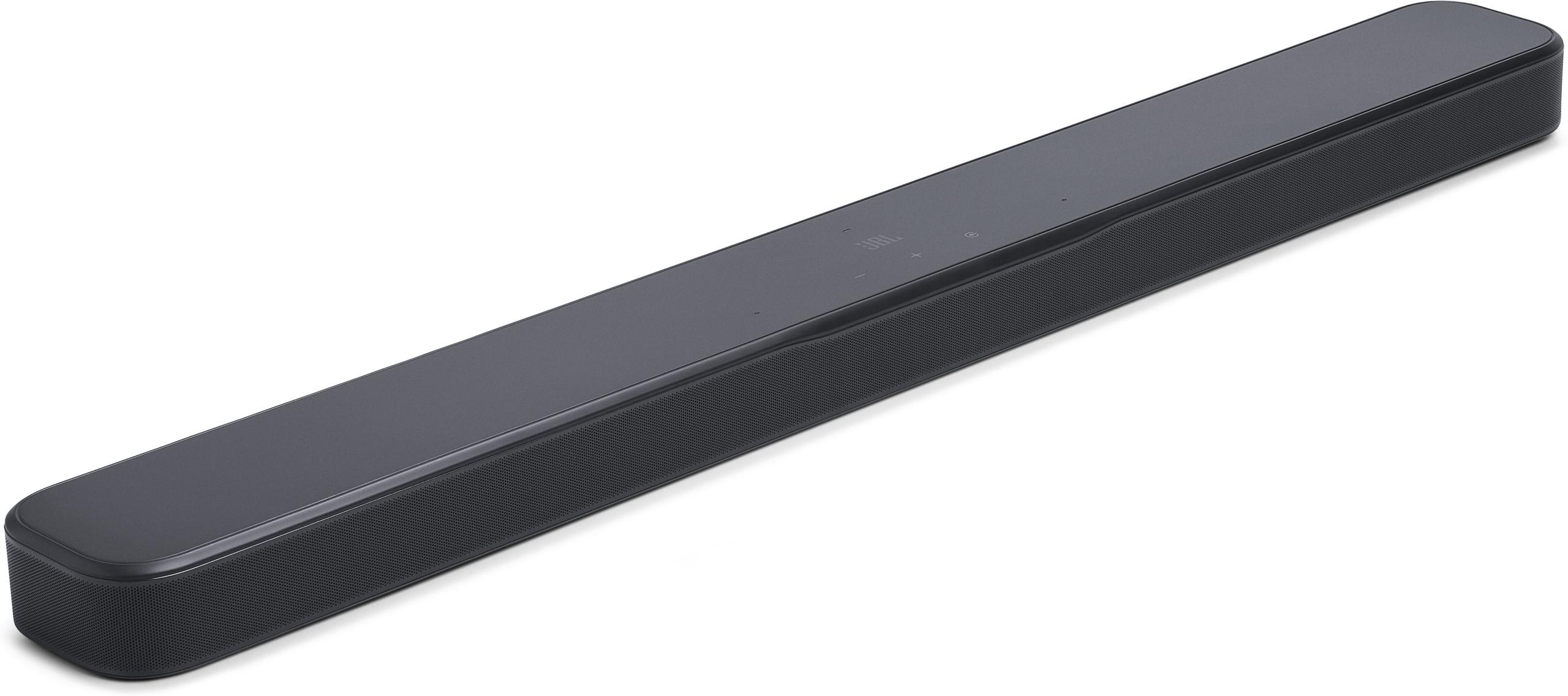
The JBL Bar 300 MK2 represents JBL's latest thinking in compact soundbar design, released in early 2025 as part of their updated MK2 series. This second-generation model significantly bumps up the power output compared to its predecessor – jumping from 260W to 450W maximum power – while adding new features like SmartDetails technology and improved PureVoice dialogue enhancement.
JBL has clearly prioritized connectivity and streaming integration with this generation. The Bar 300 MK2 includes built-in Wi-Fi, support for AirPlay, Chromecast, and Alexa Multi-Room Music, plus access to over 300 streaming services directly through the soundbar. This reflects the modern reality that many of us stream content directly rather than relying solely on cable boxes or Blu-ray players.
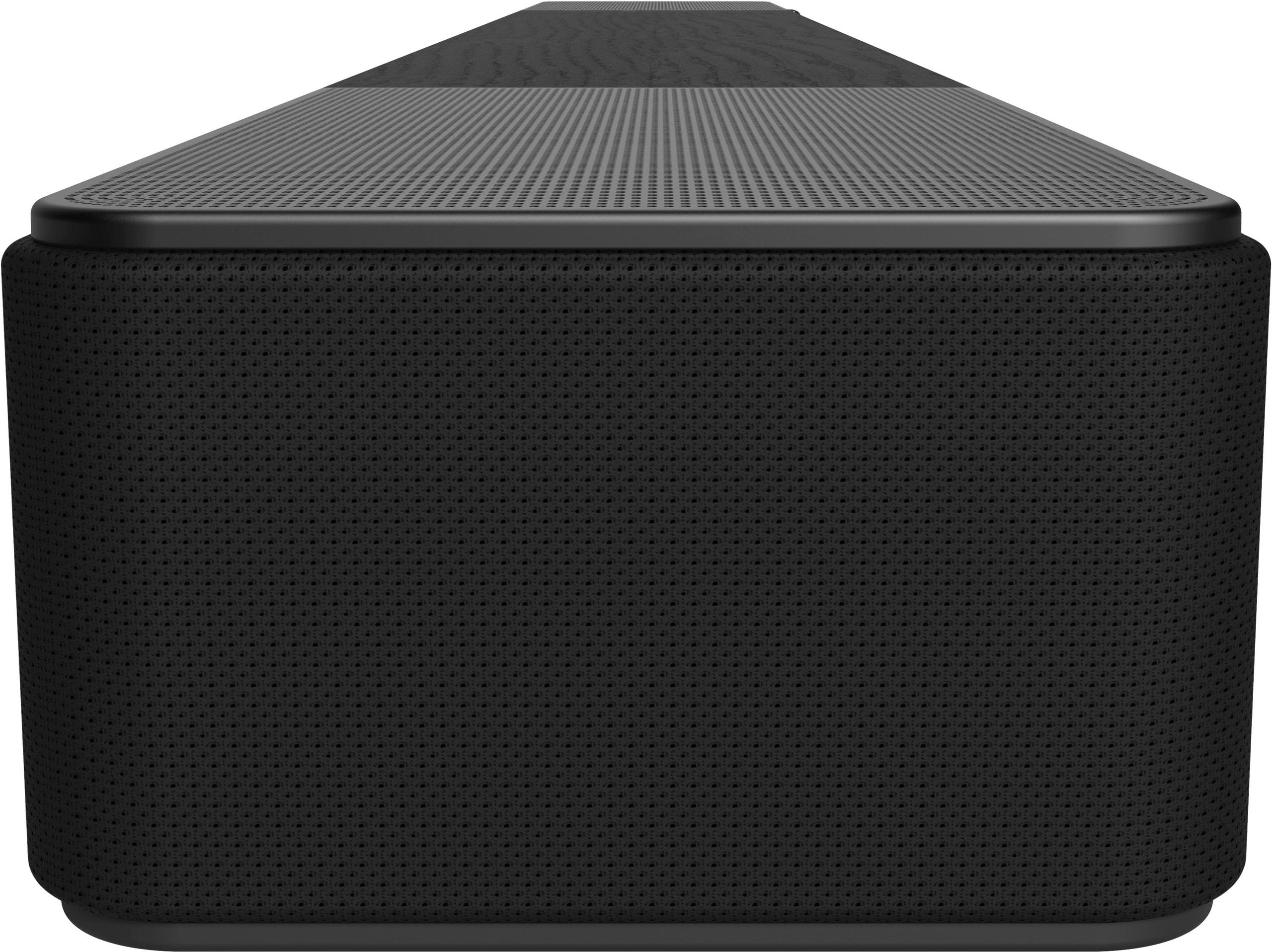
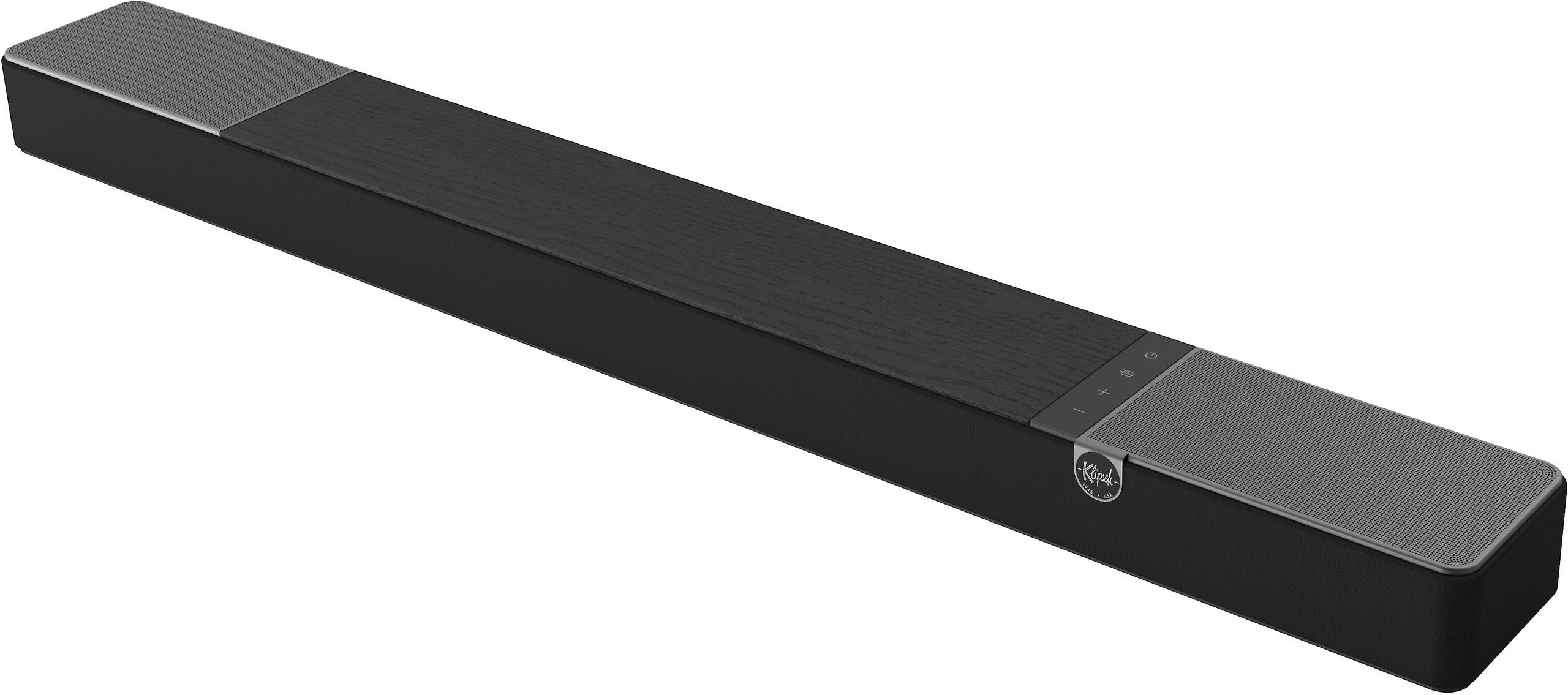
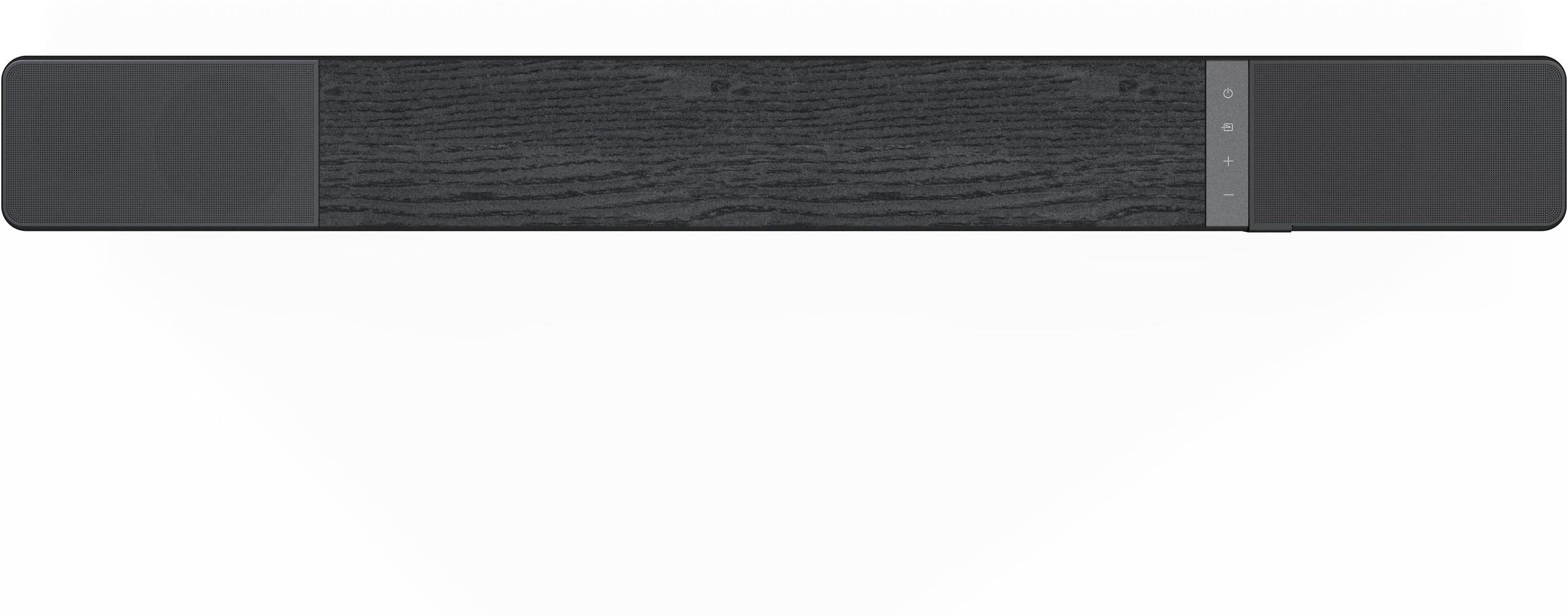
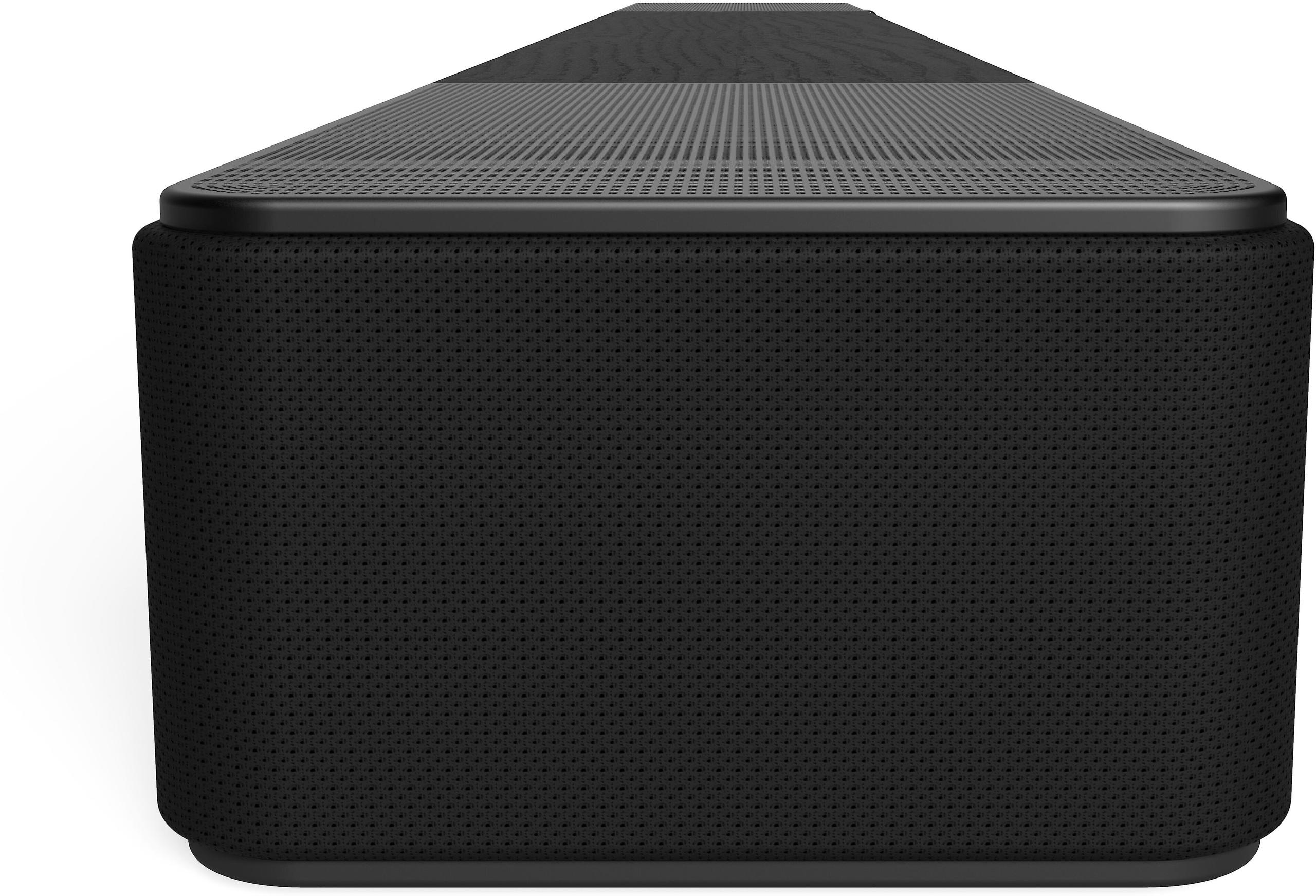
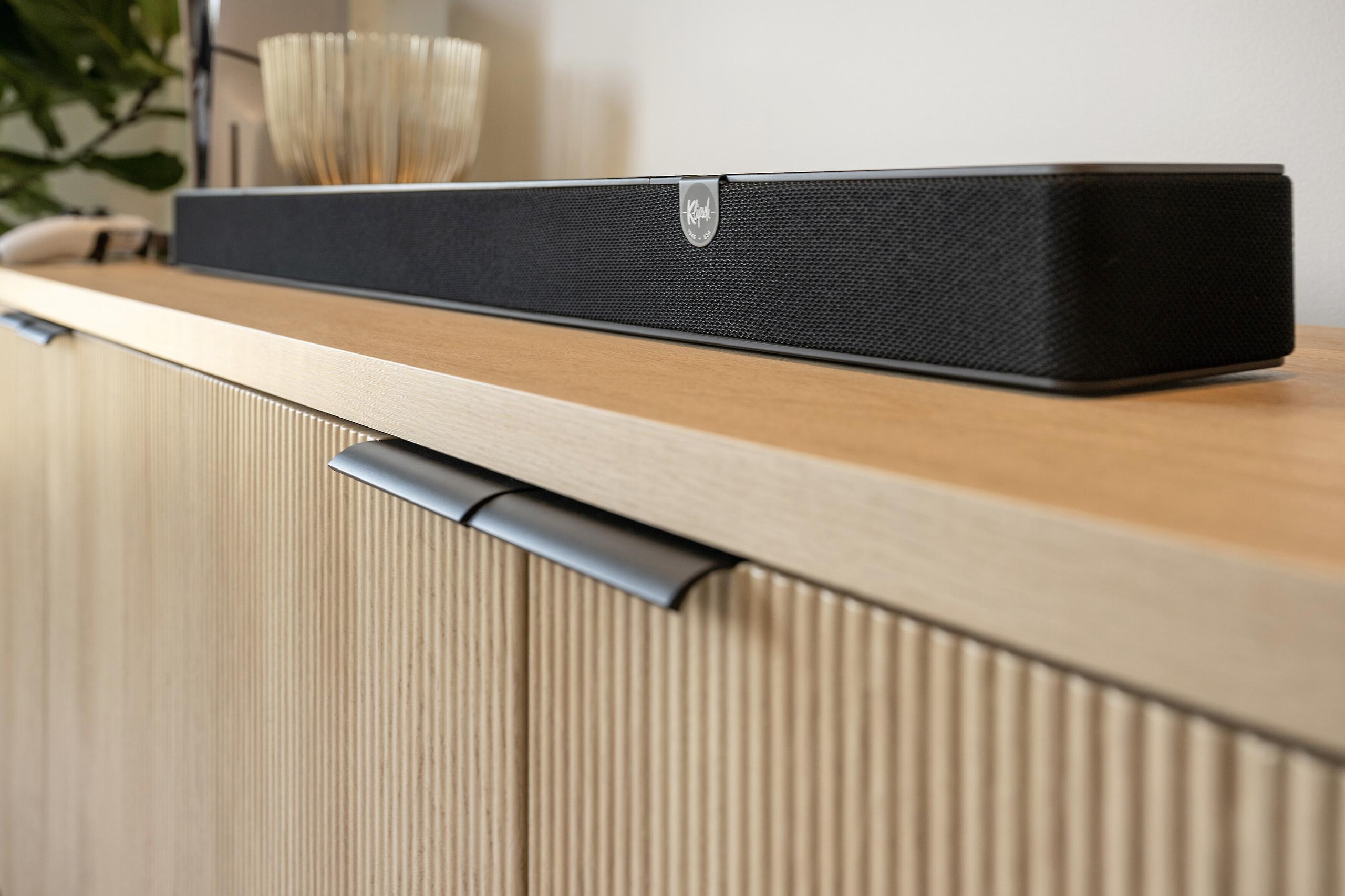
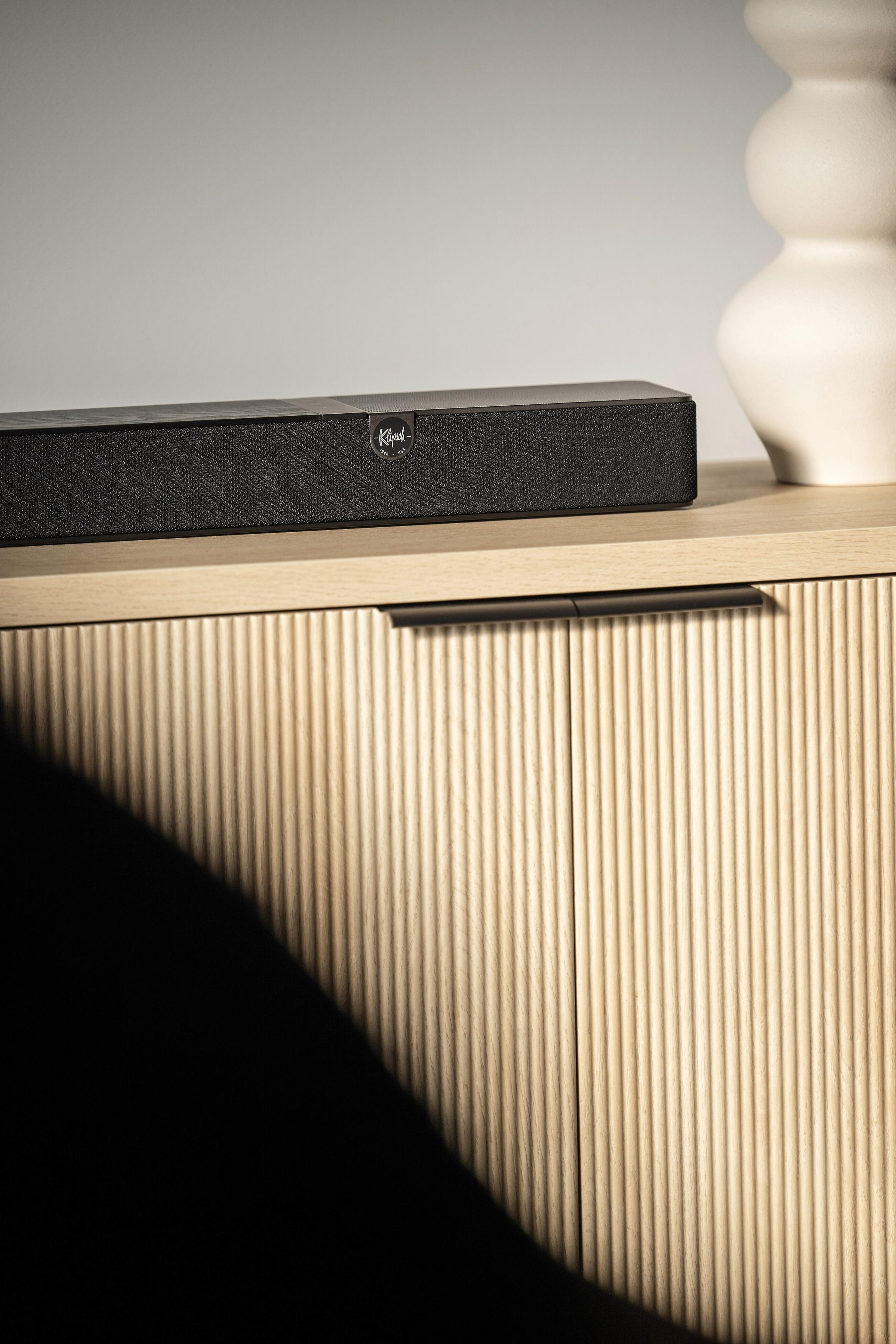
The Klipsch Flexus Core 200, released in 2024, takes a more traditional audiophile approach. Klipsch has been building speakers since 1946, and their philosophy emphasizes acoustic engineering over digital wizardry. The Flexus Core 200 features actual upfiring speakers for true Dolby Atmos effects, dual built-in subwoofers, and Klipsch's signature horn-loaded tweeter technology that's been refined over decades.
What's particularly interesting about the Klipsch is its modular design philosophy. While the JBL is designed as a complete, self-contained solution, the Flexus Core 200 is built to grow with your needs. You can add wireless subwoofers and surround speakers later using Klipsch's proprietary Transport wireless technology.
Here's where these two soundbars diverge most dramatically, and it comes down to a fundamental question: Is digitally processed virtual surround sound good enough, or do you need physical speakers pointing in different directions?
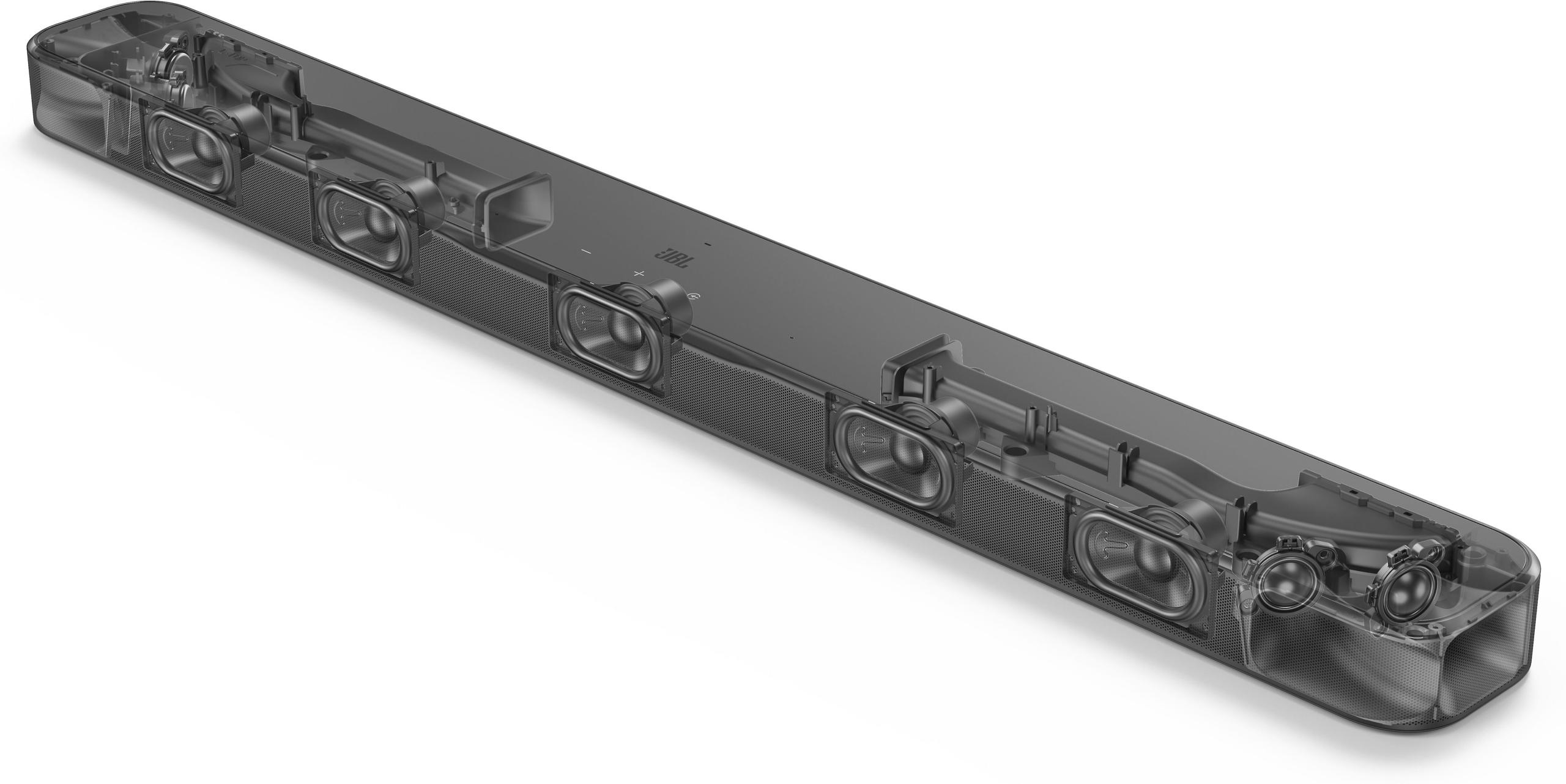
The JBL Bar 300 MK2 uses what's called "virtual Dolby Atmos." Instead of physical speakers pointing upward, it relies entirely on digital signal processing through JBL's MultiBeam 3.0 technology. Think of it like a sophisticated audio illusion – the soundbar analyzes the incoming Dolby Atmos signal and uses precise timing and frequency adjustments across its five main drivers to trick your brain into perceiving sounds coming from different directions.
In my testing, this works surprisingly well for casual viewing. When watching action movies, you can definitely sense sounds moving around the room, and there's a notable sense of width compared to basic TV speakers. The effect is most convincing when you're sitting in the sweet spot directly in front of the soundbar.
However, virtual processing has limitations. The surround effects become less convincing as you move off-axis or in larger rooms. The soundbar simply can't create genuine overhead effects – those helicopter flyovers or rain sounds that should come from above remain anchored to the front wall. For rooms larger than about 200 square feet, the virtual processing struggles to fill the space convincingly.
The Klipsch Flexus Core 200 takes a fundamentally different approach with actual upfiring drivers. These are physical 2.25-inch speakers that point toward your ceiling, designed to bounce sound down to create genuine overhead effects. Combined with the front-firing drivers, this creates what Klipsch calls a "true 3.1.2" system – three main channels, one subwoofer channel, and two height channels.
The difference is immediately noticeable with properly mixed Dolby Atmos content. Overhead sounds actually seem to come from overhead. Rain effects, aircraft, and atmospheric sounds have a three-dimensional quality that virtual processing simply can't match. The soundstage – the perceived width and height of the audio – extends well beyond the physical boundaries of the soundbar.
This approach works better in larger rooms too. Because you're dealing with actual reflected sound rather than digital trickery, the effects remain convincing even when you're not sitting in the perfect listening position. However, it does require more thoughtful placement. The ceiling above your soundbar needs to be reasonably flat and reflective for the upfiring drivers to work properly.
Both soundbars face the same challenge: delivering satisfying bass without a separate subwoofer. Their solutions reveal interesting engineering trade-offs.
The JBL Bar 300 MK2 uses what's called a "bass port" design combined with specialized racetrack drivers. Bass ports are essentially tuned openings in the speaker enclosure that allow air to move in and out, reinforcing low-frequency sounds. The racetrack drivers – so named because they're oval-shaped rather than round – can move more air than traditional circular drivers of the same height.
This system produces respectable bass for its size, with response extending down to about 50Hz. For comparison, most adult male voices bottom out around 85Hz, so the JBL can handle most music and dialogue without issue. However, the really deep rumbles – explosions, thunder, organ music – lack the physical impact that makes your couch shake.
I found the JBL's bass adequate for most content but occasionally wanting during action sequences. The opening scene of "Blade Runner 2049," with its earth-shaking synthesizer drones, doesn't quite deliver the visceral impact it should. Still, it's a significant improvement over TV speakers and won't leave you feeling like you're missing half the soundtrack.
The Klipsch Flexus Core 200 takes a more aggressive approach with dual 4-inch built-in subwoofers. These aren't just bass-enhanced drivers – they're dedicated low-frequency transducers designed specifically to move air and create physical impact.
The difference is substantial. The Klipsch reaches down to 43Hz, getting closer to that true "sub-bass" territory where you feel sound as much as hear it. More importantly, the dual subwoofer design provides more headroom – the ability to play loudly without distortion. When an explosion hits in a movie, you get that satisfying thump that makes action sequences feel properly dramatic.
During my listening tests, the Klipsch consistently delivered more satisfying bass across different content types. Music with deep electronic beats, movie soundtracks with orchestral timpani, and even dialogue with bass-heavy voices sounded fuller and more natural. The bass doesn't overwhelm the rest of the frequency spectrum either – it integrates well with the midrange and treble.
Clear dialogue is arguably the most important feature of any soundbar. You can tolerate mediocre surround effects or modest bass, but if you can't understand what the characters are saying, the whole experience falls apart.
The JBL Bar 300 MK2 addresses dialogue clarity through digital processing via its PureVoice 2.0 technology. This system analyzes the incoming audio signal in real-time, identifies frequency ranges where human speech typically occurs, and boosts those frequencies while reducing competing background noise.
The new SmartDetails feature goes a step further, using algorithms to enhance subtle audio nuances – footsteps, whispered conversations, environmental sounds that add realism to scenes. In practice, this creates very clear, intelligible dialogue that cuts through even complex movie soundtracks.
However, digital enhancement always involves trade-offs. While voices are certainly clear, they can sometimes sound slightly processed or artificial, especially compared to more natural-sounding systems. It's effective but not entirely transparent.
The Klipsch Flexus Core 200 uses a completely different approach rooted in decades of acoustic engineering. The centerpiece is a 0.75-inch horn-loaded tweeter – essentially a small speaker with a specially shaped horn that acts like a megaphone, efficiently directing high-frequency sounds toward your ears.
Horn-loaded tweeters have been a Klipsch signature since the company's founding, and they're particularly effective for dialogue reproduction. The human voice's critical frequency ranges (roughly 200Hz to 3,000Hz) are handled by this dedicated driver, which means voices sound natural and unprocessed while maintaining excellent clarity.
In side-by-side comparisons, the Klipsch approach wins on naturalness. Dialogue sounds like people actually talking rather than digitally enhanced versions of people talking. This becomes especially apparent during long dialogue scenes or when watching content with particularly nuanced performances.
Modern soundbars need to connect to various devices, but these two models take dramatically different approaches to connectivity.
The JBL Bar 300 MK2 is essentially a streaming hub that happens to be a soundbar. Built-in dual-band Wi-Fi connects directly to your home network, enabling access to Spotify, Tidal, Amazon Music, and hundreds of other streaming services without involving your TV at all.
AirPlay 2 support means iPhone and iPad users can stream audio directly to the soundbar. Chromecast built-in does the same for Android devices and Google services. Alexa Multi-Room Music lets you include the soundbar in whole-home audio setups if you have other Alexa-enabled devices.
The JBL One app serves as a control center for all these features, plus EQ adjustment, source switching, and firmware updates. It's genuinely convenient – you can start playing music from your phone even when the TV is off.
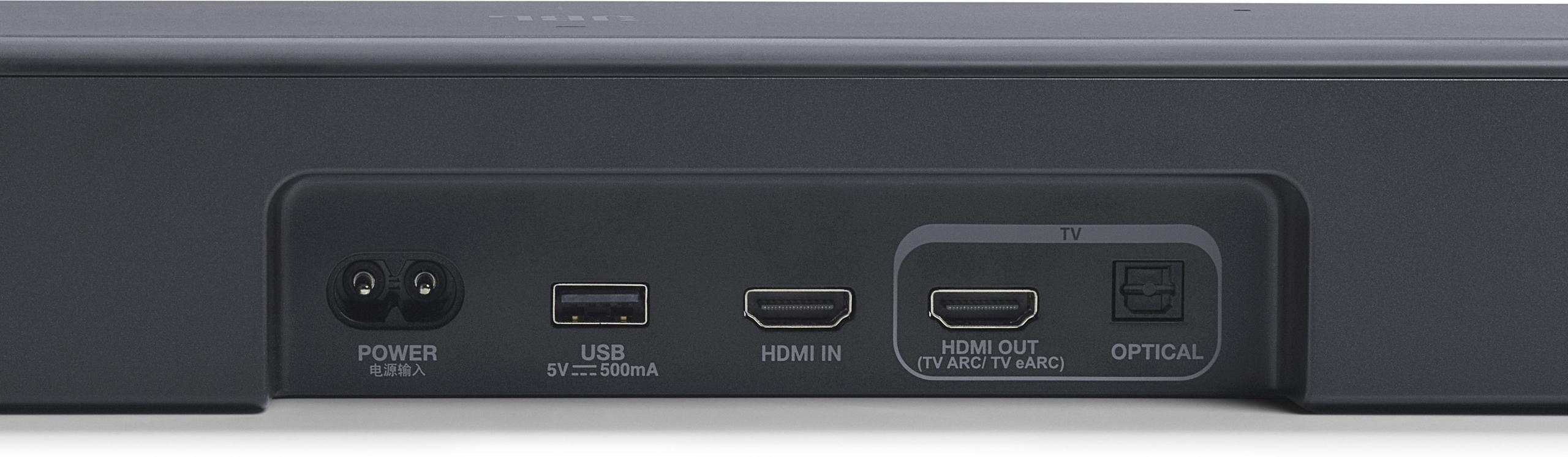
For traditional connections, you get HDMI eARC (which carries uncompressed audio from your TV), optical input, and Bluetooth 5.0. The HDMI connection also supports 4K HDR passthrough, so you can connect gaming consoles or streaming boxes through the soundbar without compromising video quality.
The Klipsch Flexus Core 200 takes a more focused approach. There's no built-in Wi-Fi or direct streaming service access. Instead, you get the essentials: HDMI eARC, optical input, USB-C, and Bluetooth for wireless audio.
This might seem limiting, but it reflects a different philosophy. Klipsch assumes you already have streaming covered through your TV's smart features, gaming console, or streaming box. The soundbar's job is to make whatever you're watching sound great, not to be another smart device competing for your attention.
The Klipsch Connect Plus app provides basic control and EQ adjustment, but it's much simpler than JBL's offering. Some users will appreciate this focused approach – one less app to manage, one fewer potential security concern, and no dependency on internet connectivity for basic operation.
Both soundbars aim for easy setup, but they define "easy" differently.
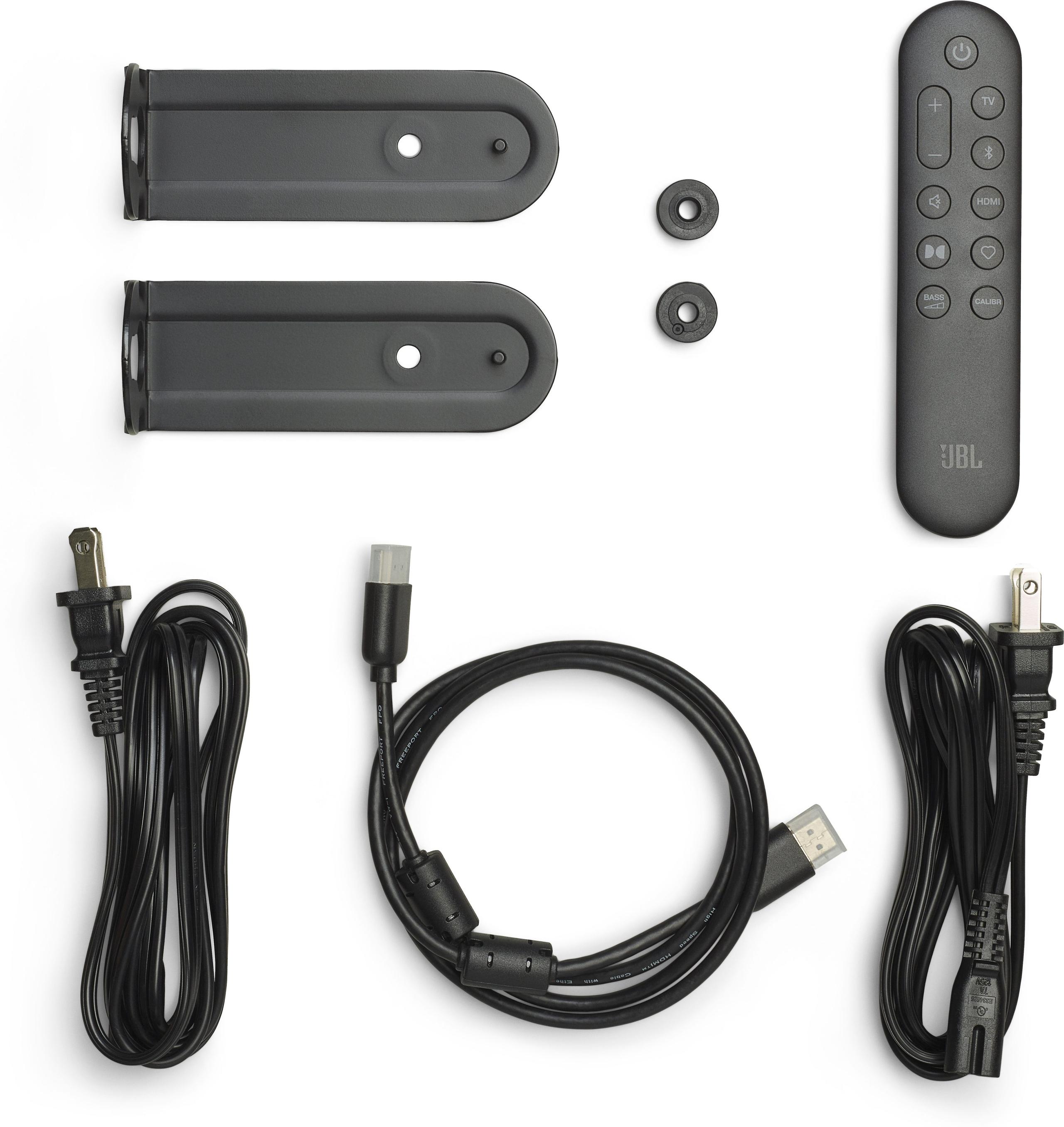
Setting up the JBL Bar 300 MK2 is remarkably straightforward. Connect the HDMI cable to your TV's eARC port, plug in power, and you're basically done. The soundbar includes automatic room calibration that uses built-in microphones to measure your room's acoustics and adjust the sound accordingly.
The automatic calibration works by playing test tones and analyzing how they bounce around your room. Within about 30 seconds, it creates a custom EQ profile optimized for your specific setup. It's not as sophisticated as room correction systems in high-end receivers, but it's effective and requires zero effort from you.
Daily operation is similarly effortless. HDMI-CEC (Consumer Electronics Control) means the soundbar automatically turns on and off with your TV, switches to the correct input, and responds to your TV remote's volume controls. Most users can set it up once and never think about it again.
The Klipsch Flexus Core 200 requires more hands-on setup to achieve optimal performance. Because the upfiring speakers depend on ceiling reflections, placement becomes critical. Too close to the wall, and the upfiring effects get muddled. Too far from your seating position, and the overhead illusion breaks down.
Klipsch provides detailed guidance on optimal placement, but it does require some experimentation. You'll likely spend time adjusting position, testing different content, and fine-tuning settings through the app. The payoff is potentially better performance, but it's definitely more work upfront.
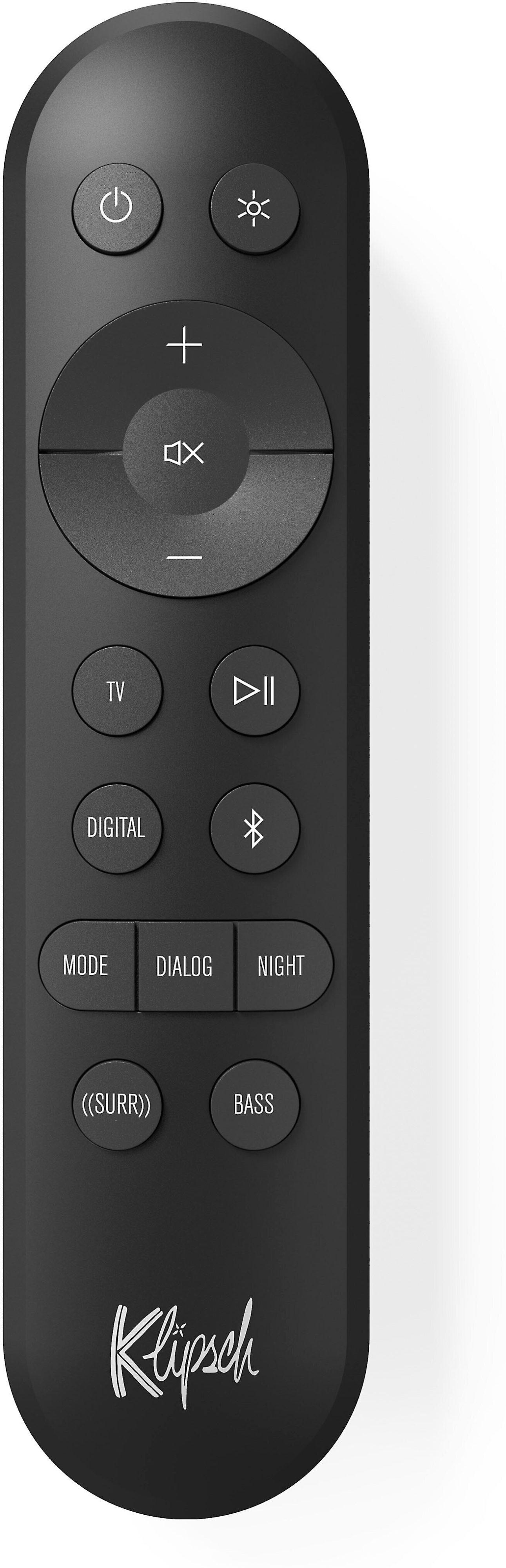
The Klipsch also offers various sound modes (Night, Voice, Movies, Music) and manual EQ adjustment. Night mode compresses dynamic range to keep explosions from waking the neighbors while ensuring dialogue remains audible. It's a thoughtful feature that many users will appreciate, but it requires knowing these options exist and how to access them.
The JBL Bar 300 MK2 is designed as a complete, self-contained solution. You cannot add additional speakers, subwoofers, or other components. What you buy is what you get, which has both advantages and disadvantages.
The advantage is simplicity – no decisions about expansion, no additional components to manage, no compatibility concerns. The disadvantage is inflexibility. If your needs change, if you move to a larger room, or if you decide you want more bass, your only option is replacing the entire soundbar.
The Klipsch Flexus Core 200 is built around expandability. Klipsch's Transport wireless technology allows seamless integration with additional Flexus components. You can add the Flexus Sub 100 wireless subwoofer for deeper bass, or the Flexus Surr 100 speakers for true rear surround effects.
This modular approach means you can start with just the soundbar and expand your system as budget and needs allow. The wireless connections eliminate the need for running cables, and everything integrates through the same app and remote control.
From a long-term value perspective, this expandability is significant. Your initial $374 investment can grow into a complete 5.1.2 or even 7.1.2 system without starting over from scratch. It's particularly appealing if you're not sure about your long-term audio needs or if you're budget-conscious but aspire to better sound eventually.
For serious home theater use, several factors become particularly important: how well the soundbar handles dynamic range (the difference between quiet and loud sounds), whether it can create convincing immersion during action sequences, and how it performs with different types of content.
The Klipsch Flexus Core 200 has clear advantages here. True Dolby Atmos processing means properly mixed movies sound as the directors intended. The dual subwoofers provide the dynamic impact that makes action sequences exciting rather than just loud. The horn-loaded tweeter ensures dialogue remains clear even during complex, effects-heavy scenes.
I've found the Klipsch particularly impressive with well-mixed action films like "Mad Max: Fury Road" or "1917." The overhead effects during aerial sequences feel genuinely three-dimensional, while explosion scenes have the kind of physical impact that makes you lean back in your seat.
The JBL Bar 300 MK2 is more of a mixed bag for home theater use. It's excellent for TV shows, documentaries, and dialogue-heavy content. The virtual surround processing works well enough to enhance the viewing experience without being distracting. However, it lacks the dynamic range and physical impact that makes big-budget action films truly exciting.
Where the JBL might have an edge is with streaming content optimization. Many streaming services use different audio compression and mastering than theatrical releases, and JBL's digital processing seems tuned to handle these variations well.
When we look at pure price-to-performance ratios, the Klipsch Flexus Core 200 ($374.00) offers compelling value. You get true Dolby Atmos, superior bass performance, natural dialogue reproduction, and expandability for $75 less than the JBL. From an audio quality standpoint, it's the clear winner.
However, value isn't just about audio performance. The JBL Bar 300 MK2 ($449.95) justifies its higher price through convenience features that some users will find indispensable. Built-in streaming, comprehensive smart home integration, and genuinely plug-and-play setup have real value if they match your lifestyle and priorities.
Choose the Klipsch Flexus Core 200 if you prioritize audio quality above all else. It's the better choice for movie enthusiasts, anyone with a medium to large room, and users who might want to expand their system later. The natural dialogue reproduction makes it particularly appealing for users with hearing difficulties or anyone who watches a lot of dialogue-heavy content.
Choose the JBL Bar 300 MK2 if convenience and streaming integration matter more than ultimate audio performance. It's ideal for smaller rooms, users who want the simplest possible setup, and anyone whose primary audio sources are streaming services rather than physical media or traditional TV broadcasts.
Both soundbars represent significant upgrades over TV speakers, but they cater to different priorities and use cases. The Klipsch delivers better sound for less money, while the JBL offers greater convenience and connectivity at a premium price. Your choice should depend on which set of trade-offs better matches your needs and preferences.
| JBL Bar 300 MK2 Soundbar | Klipsch Flexus Core 200 3.1.2 Soundbar |
|---|---|
| Price - Budget consideration for value comparison | |
| $449.95 | $374.00 |
| Audio Configuration - Determines surround sound capability | |
| 5.0 channel virtual (no physical height speakers) | 3.1.2 channel true Dolby Atmos (physical upfiring speakers) |
| Total Power Output - Affects maximum volume and dynamic range | |
| 260W RMS / 450W max | 185W RMS |
| Bass System - Critical for action movies and music impact | |
| Bass ports with racetrack drivers (adequate) | Dual 4" built-in subwoofers (superior impact) |
| Dolby Atmos Support - Essential for immersive movie experience | |
| Virtual Dolby Atmos (digital processing only) | True Dolby Atmos (physical upfiring drivers) |
| Frequency Response - Lower numbers mean deeper bass | |
| 50Hz - 20kHz | 43Hz - 20kHz (deeper bass capability) |
| Dialogue Clarity Technology - Important for clear speech | |
| PureVoice 2.0 digital enhancement | Horn-loaded tweeter (natural vocal reproduction) |
| Streaming Connectivity - Convenience for modern usage | |
| Built-in Wi-Fi, AirPlay, Chromecast, 300+ services | Bluetooth only (no built-in streaming) |
| Physical Inputs - Traditional device connections | |
| HDMI eARC, Optical, USB-C | HDMI eARC, Optical, USB-C |
| Smart Home Integration - Voice control and automation | |
| Alexa, Google Assistant, Siri compatible | Limited smart features |
| Expandability - Future upgrade potential | |
| Fixed configuration (cannot add speakers) | Modular system (can add wireless sub and surrounds) |
| Room Size Suitability - Performance in different spaces | |
| Best for rooms under 200 sq ft | Effective in rooms up to 300+ sq ft |
| Setup Complexity - Installation and optimization effort | |
| Plug-and-play with auto calibration | Manual positioning required for optimal Atmos |
| Weight and Mounting - Installation considerations | |
| 2.5 kg (easier wall mounting) | Heavier build (more substantial but harder to mount) |
The Klipsch Flexus Core 200 ($374) offers superior value with true Dolby Atmos, better bass performance, and expandability for $75 less than the JBL Bar 300 MK2 ($449.95). The JBL justifies its higher price only if you prioritize streaming convenience and smart home integration over audio quality.
The JBL Bar 300 MK2 uses virtual Dolby Atmos, which relies on digital processing to simulate overhead effects. The Klipsch Flexus Core 200 features true Dolby Atmos with physical upfiring speakers that bounce sound off your ceiling, creating more convincing three-dimensional audio effects.
The Klipsch Flexus Core 200 delivers superior bass with dual 4-inch built-in subwoofers that reach down to 43Hz. The JBL Bar 300 MK2 uses bass ports and reaches 50Hz, providing adequate but less impactful low-end performance for action movies and music.
The Klipsch Flexus Core 200 features a modular design that allows you to add wireless subwoofers and surround speakers using Klipsch's Transport technology. The JBL Bar 300 MK2 is a fixed configuration that cannot be expanded with additional components.
The JBL Bar 300 MK2 excels at streaming with built-in Wi-Fi, AirPlay, Chromecast, and access to 300+ streaming services directly. The Klipsch Flexus Core 200 only offers Bluetooth streaming, requiring you to use your TV or other devices for streaming services.
The Klipsch Flexus Core 200 uses a horn-loaded tweeter for natural, unprocessed dialogue clarity that's particularly helpful for users with hearing difficulties. The JBL Bar 300 MK2 employs PureVoice 2.0 digital enhancement, which is effective but can sound slightly artificial compared to the Klipsch's natural approach.
The Klipsch Flexus Core 200 performs better in rooms up to 300+ square feet thanks to its physical upfiring drivers and stronger bass output. The JBL Bar 300 MK2 is best suited for rooms under 200 square feet where its virtual processing remains convincing.
The JBL Bar 300 MK2 offers plug-and-play setup with automatic room calibration that optimizes sound in about 30 seconds. The Klipsch Flexus Core 200 requires manual positioning and fine-tuning to achieve optimal Dolby Atmos performance, but offers better results with proper setup.
The Klipsch Flexus Core 200 is superior for home theater use with true Dolby Atmos effects, dual subwoofers for dynamic impact, and natural dialogue reproduction that enhances movie watching. The JBL Bar 300 MK2 works well for casual viewing but lacks the immersion and impact needed for serious home theater enthusiasts.
The JBL Bar 300 MK2 integrates with Alexa, Google Assistant, and Siri for comprehensive smart home control and voice commands. The Klipsch Flexus Core 200 has limited smart features and focuses primarily on audio performance rather than voice assistant integration.
Both soundbars offer solid build quality, but they differ in approach. The Klipsch Flexus Core 200 features a heavier, more substantial build with premium materials and traditional audiophile design. The JBL Bar 300 MK2 is lighter and more modern-looking, making it easier to wall-mount and integrate into contemporary living spaces.
Both the JBL Bar 300 MK2 and Klipsch Flexus Core 200 include HDMI eARC, optical input, and USB-C connections for traditional devices. The key difference is that the JBL adds built-in Wi-Fi for streaming services, while the Klipsch relies on Bluetooth for wireless audio and focuses on traditional input sources.
We've done our best to create useful and informative comparisons to help you decide what product to buy. Our research uses advanced automated methods to create this comparison and perfection is not possible - please contact us for corrections or questions. These are the sites we've researched in the creation of this article: homecinemachoice.com - retailspecs.com - hometechnologyreview.com - whathifi.com - news.jbl.com - engadget.com - crutchfield.com - harmanaudio.com - techradar.com - bestbuy.com - jbl.com - sweech.co.ke - jbl.com - jbl.com.sg - mm.jbl.com - abcwarehouse.com - harmanaudio.com - sweetwater.com - ro.harmanaudio.com - dell.com - jbl.co.nz - soundandvision.com - avnirvana.com - avsforum.com - cnet.com - klipsch.com - klipsch.com - youtube.com - assets.klipsch.com - klipsch.com - worldwidestereo.com - klipsch.com - crutchfield.com - digitaltrends.com

Privacy Policy
Terms and Conditions - Affiliate Policy
Home Security
© Copyright 2008-2026.
11816 Inwood Rd #1211, Dallas, TX 75244