

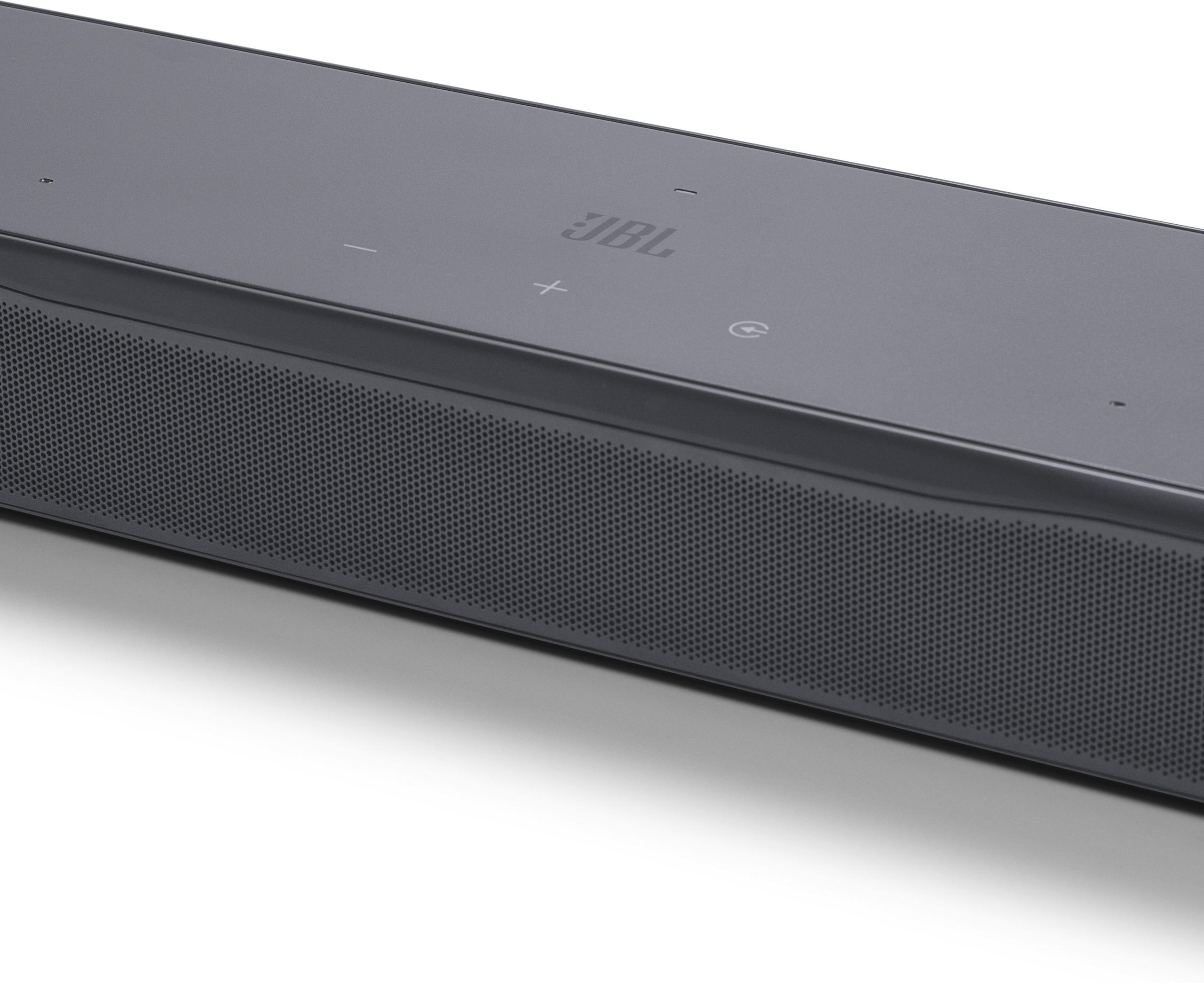
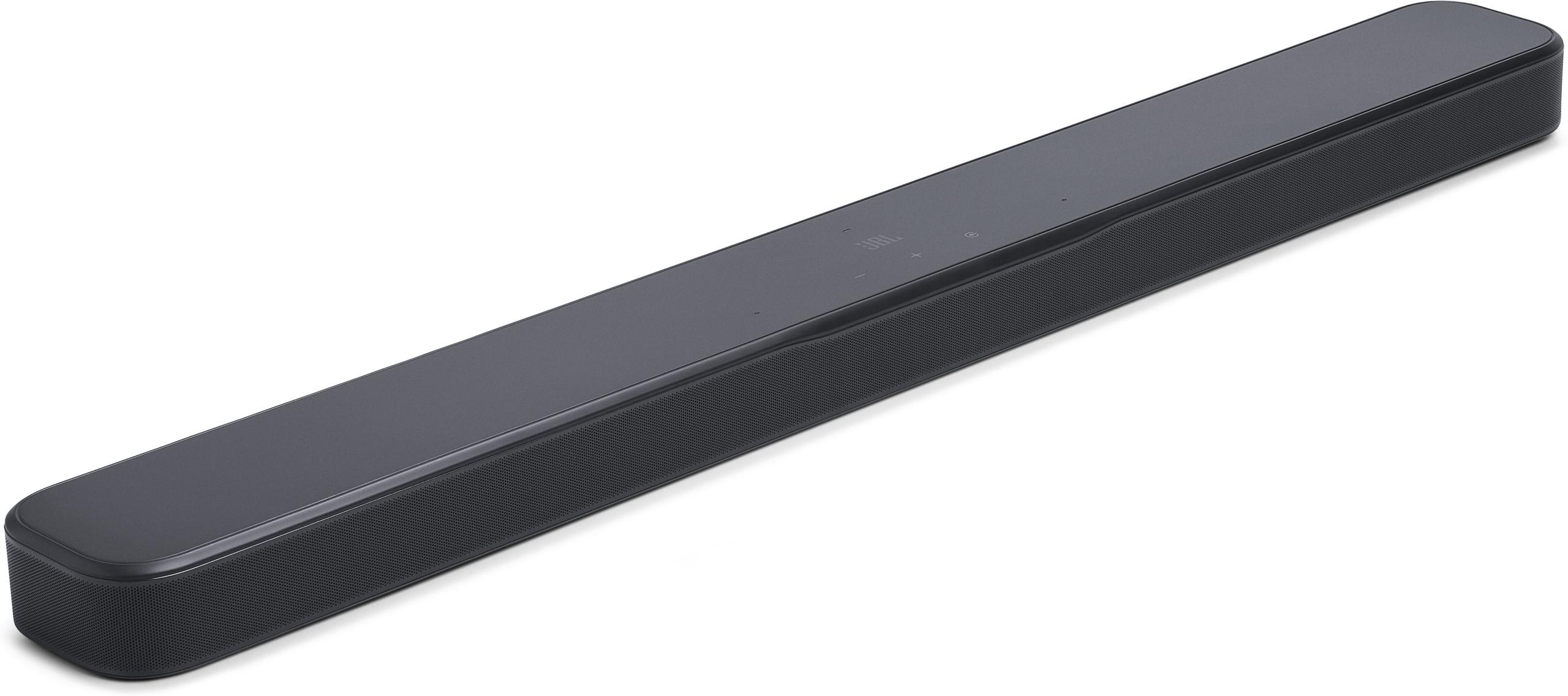

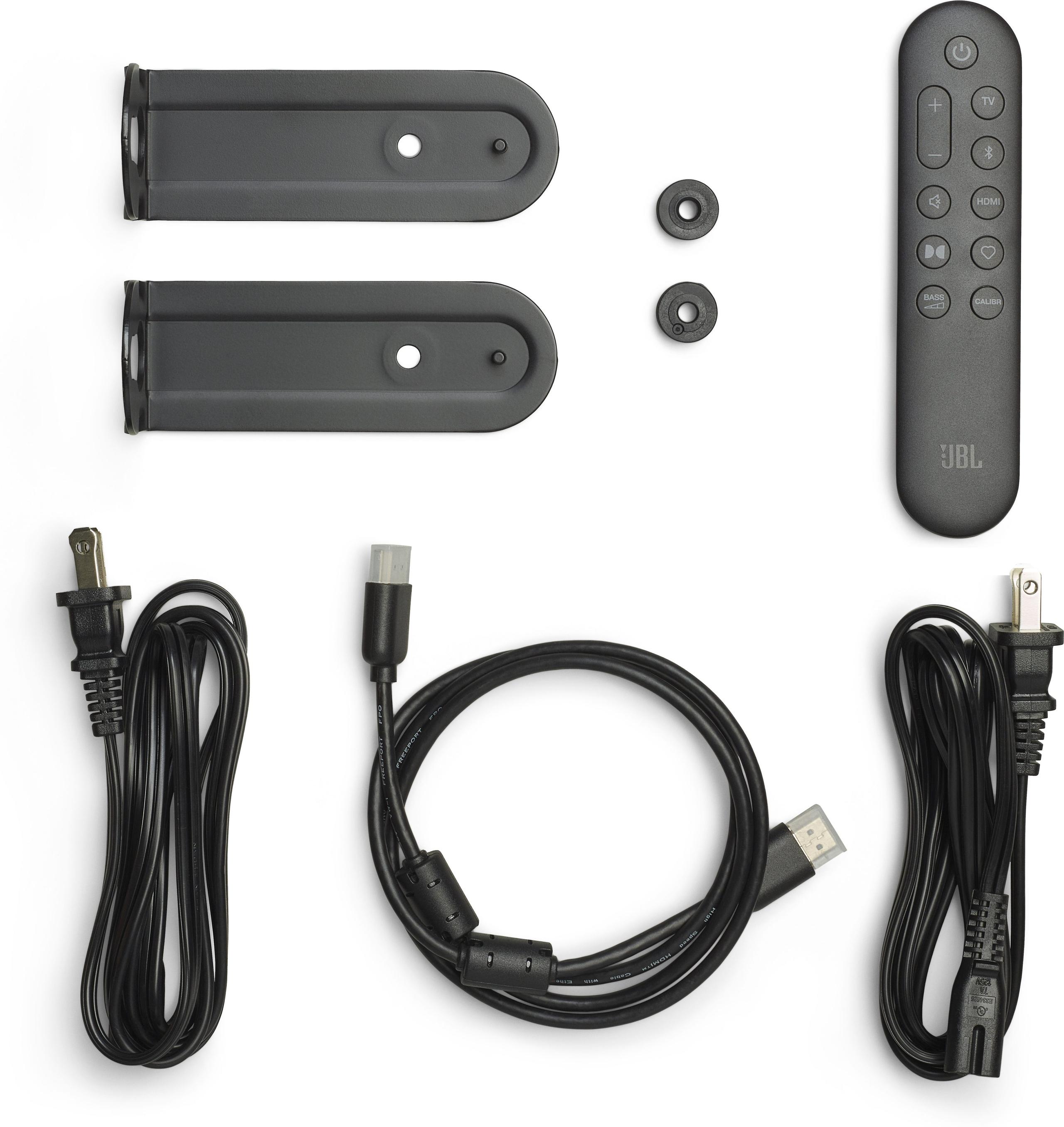


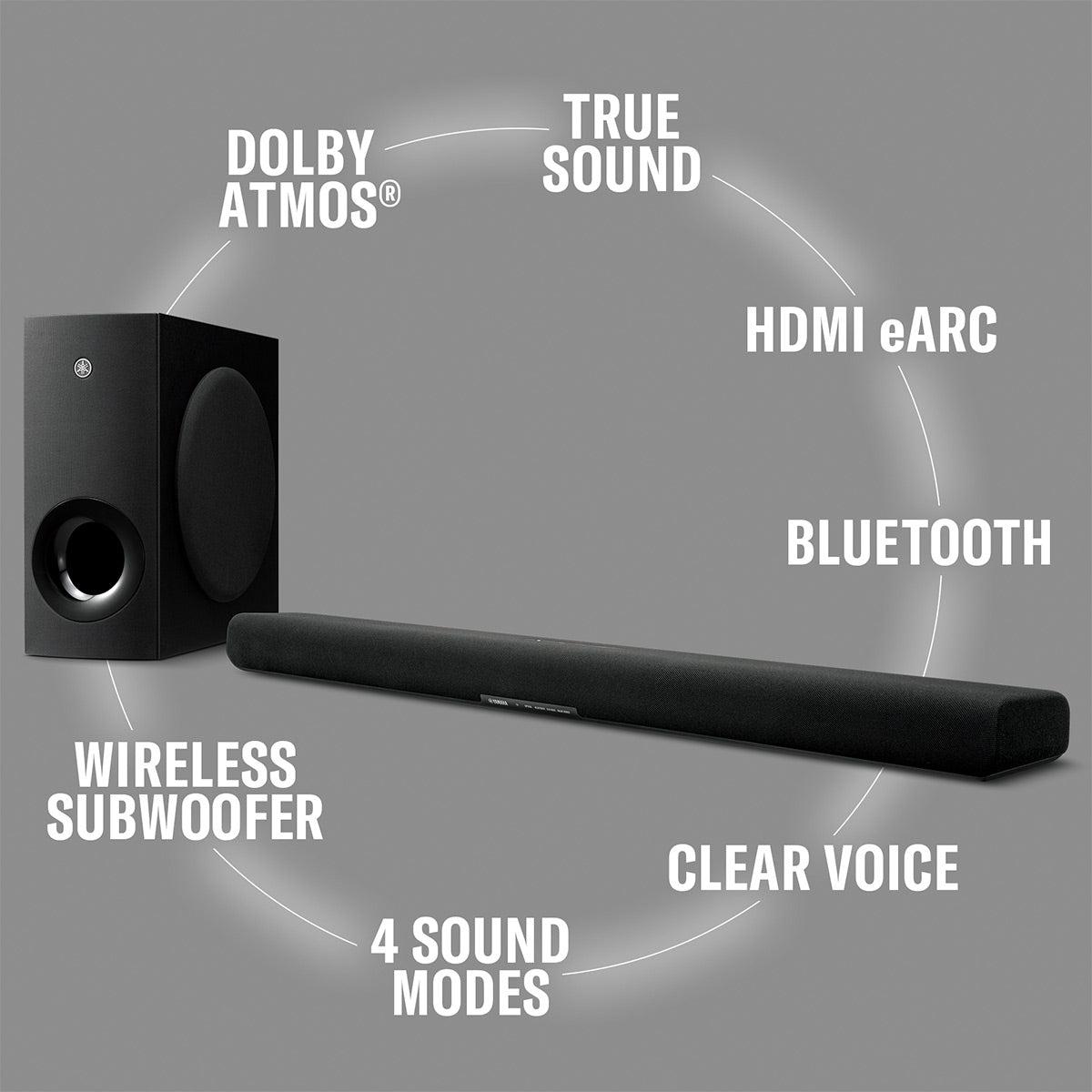
If you're tired of constantly adjusting your TV volume or struggling to hear dialogue over background music, you're not alone. Most built-in TV speakers are frankly terrible, designed more for thinness than sound quality. That's where soundbars come in, and today we're comparing two popular options that take very different approaches to solving your audio problems.
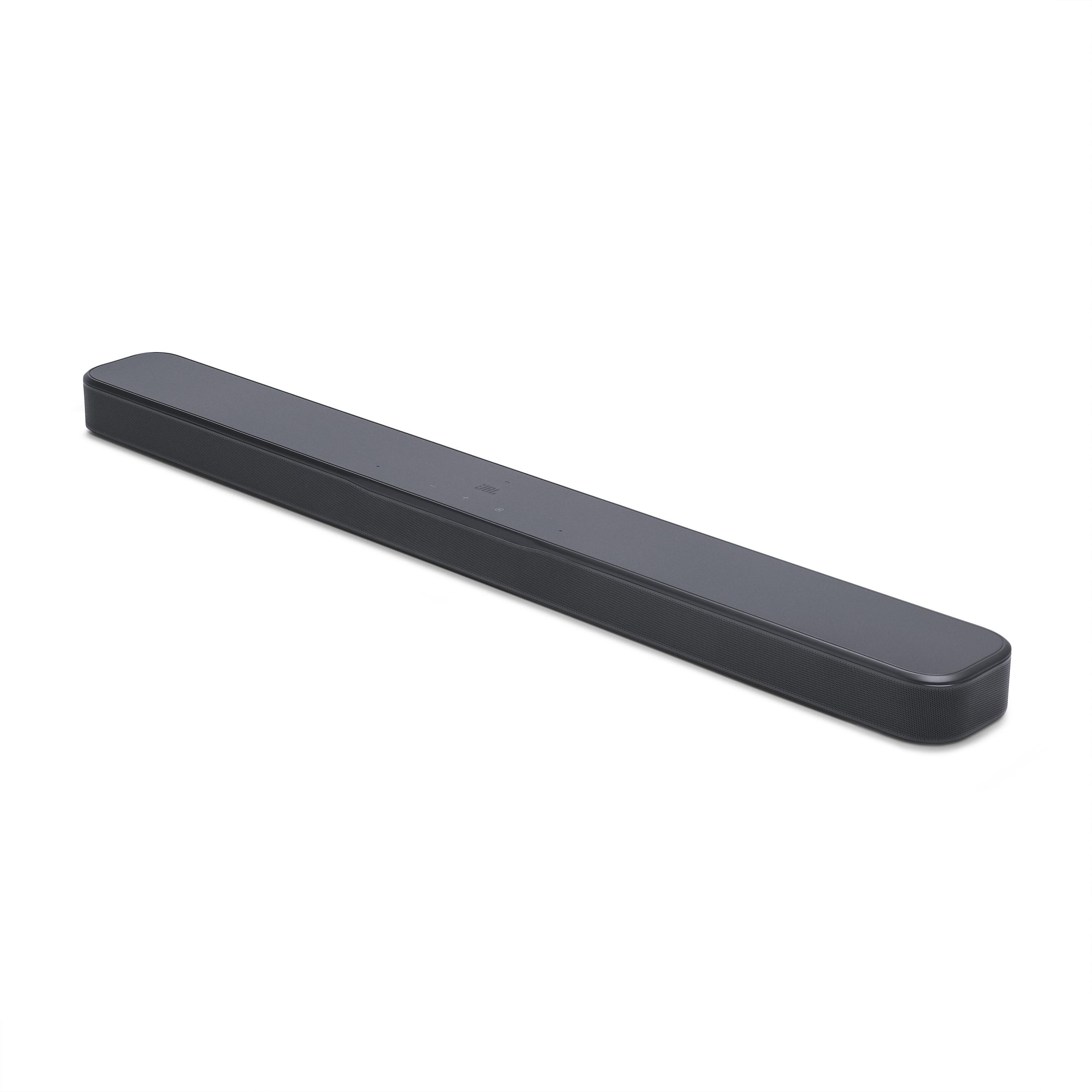
The JBL Bar 300 MK2 ($449.95) and Yamaha SR-B40A ($339.95) both launched in 2024, representing the latest thinking from two respected audio companies. But they couldn't be more different in their philosophies. The JBL focuses on virtual surround sound technology and smart features, while the Yamaha takes a more traditional approach with a physical subwoofer and proven audio engineering.
Before diving into specifics, let's talk about what these soundbars are trying to accomplish. Both sit in the compact soundbar category, which is essentially the sweet spot for most people. You get a significant upgrade over TV speakers without the complexity, cost, or space requirements of a full home theater system.
The key things that matter in this category are pretty straightforward: How much better will it sound than your TV? How easy is it to set up and use daily? Will it work with your existing devices? And of course, is it worth the money?
What makes this comparison interesting is that these two products represent fundamentally different approaches. The JBL is what I'd call a "smart soundbar" — it's packed with processing power, virtual surround technology, and internet connectivity. The Yamaha follows a more traditional path, focusing on proven audio engineering principles with a dedicated subwoofer to handle the low-end frequencies that your TV simply cannot reproduce.
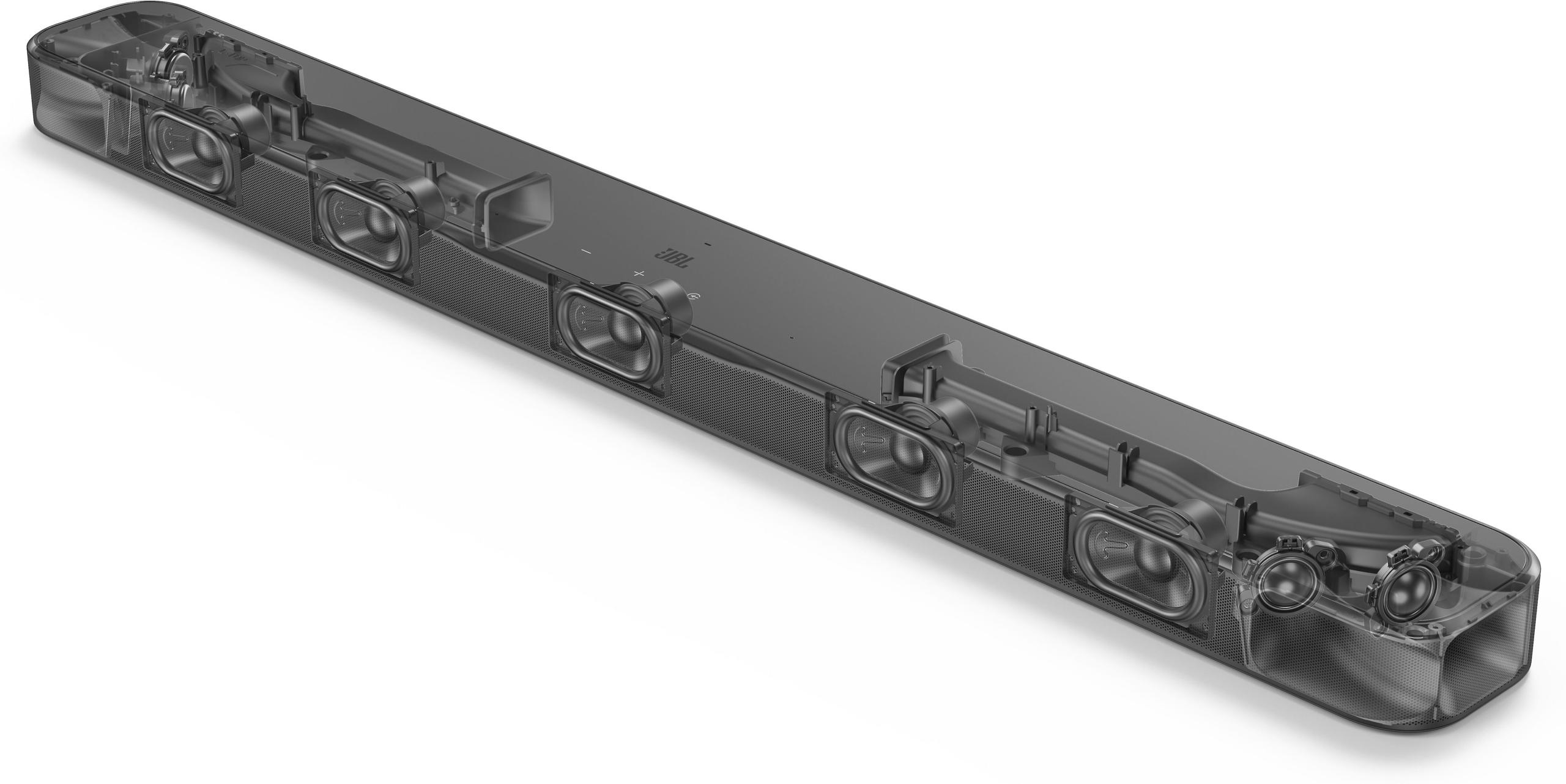
The JBL Bar 300 MK2 uses what's called a "5.0 virtual channel" system. Now, this doesn't mean there are actually five separate speakers pointing in different directions. Instead, it uses advanced digital signal processing (DSP) — essentially computer algorithms that manipulate the audio — to create the illusion of surround sound from just a single bar.
The magic happens through JBL's MultiBeam 3.0 technology, which analyzes your room's acoustics and bounces sound off your walls to create a wider soundstage. Think of it like how you can hear someone talking around a corner — sound waves naturally reflect and fill spaces. JBL's system deliberately uses these reflections to make it seem like sound is coming from beside and even above you.
This approach has gotten significantly better in recent years. When virtual surround first appeared around 2018, it was honestly pretty gimmicky. But by 2024, companies like JBL have refined these algorithms to the point where they can create genuinely impressive spatial effects, especially for dialogue and mid-range sounds.
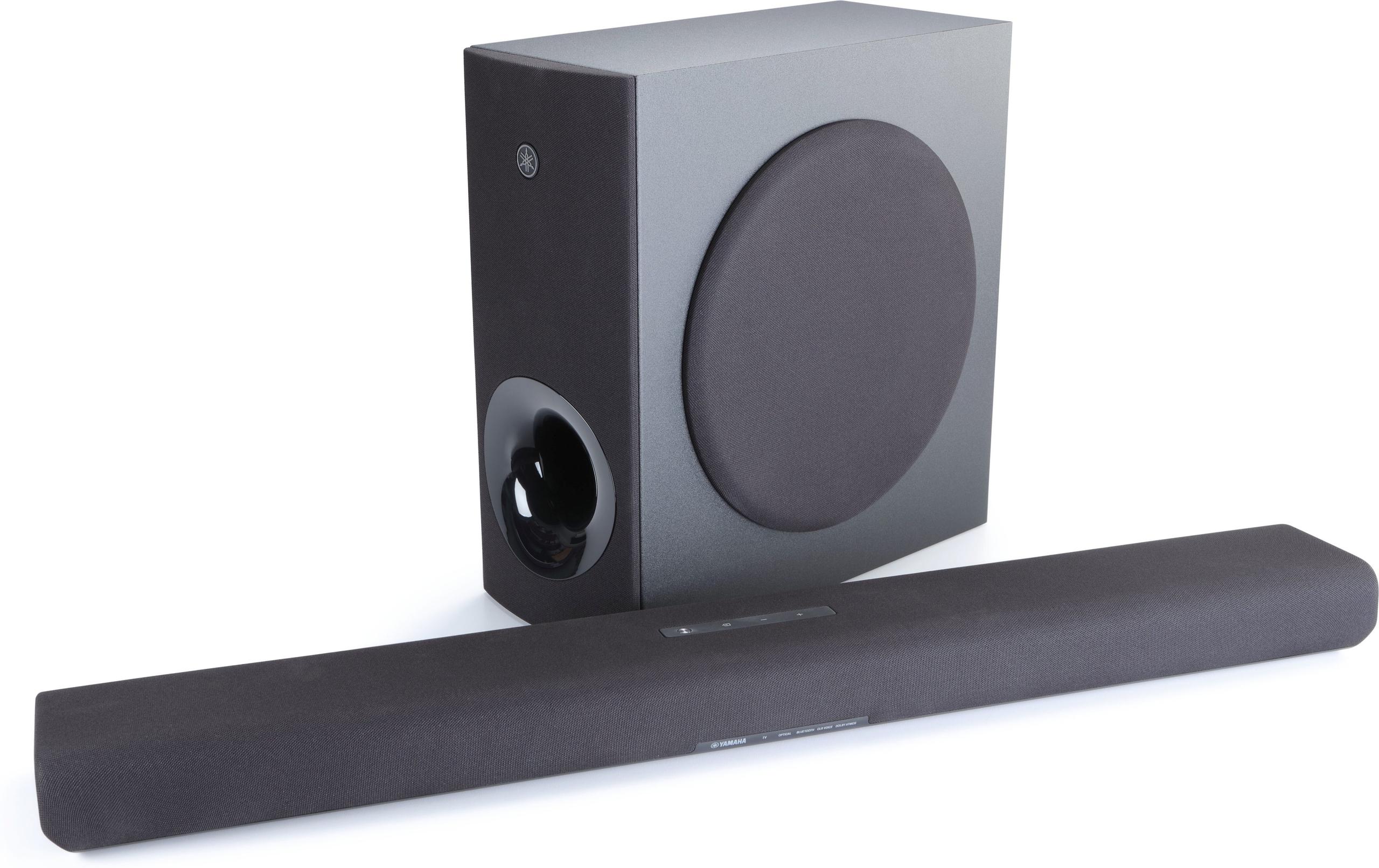
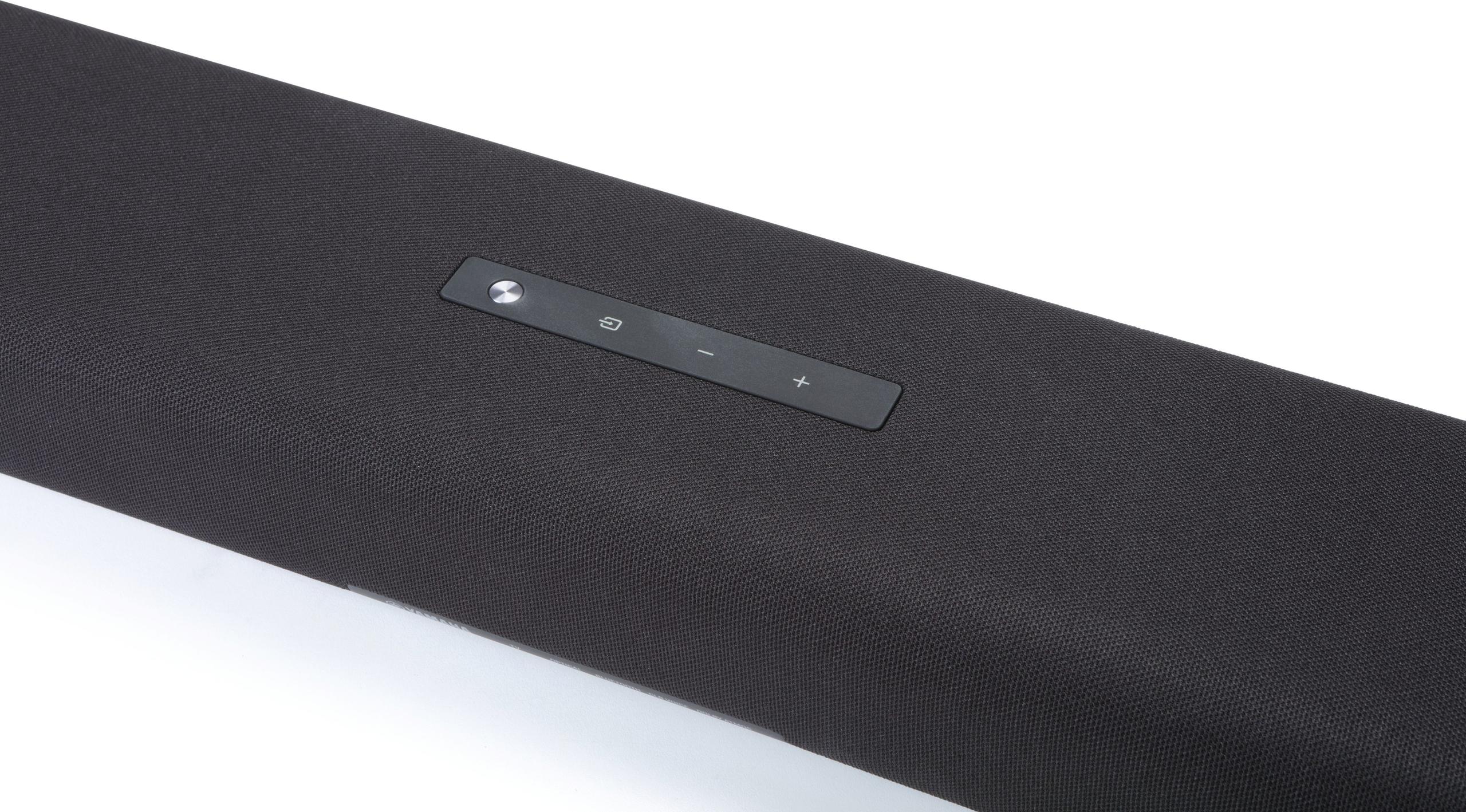
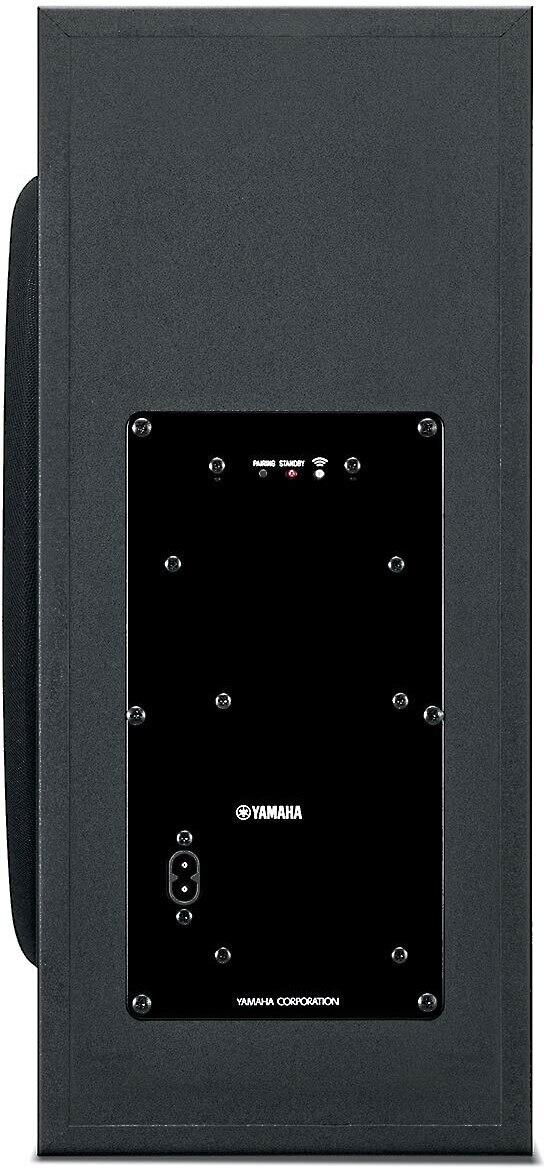
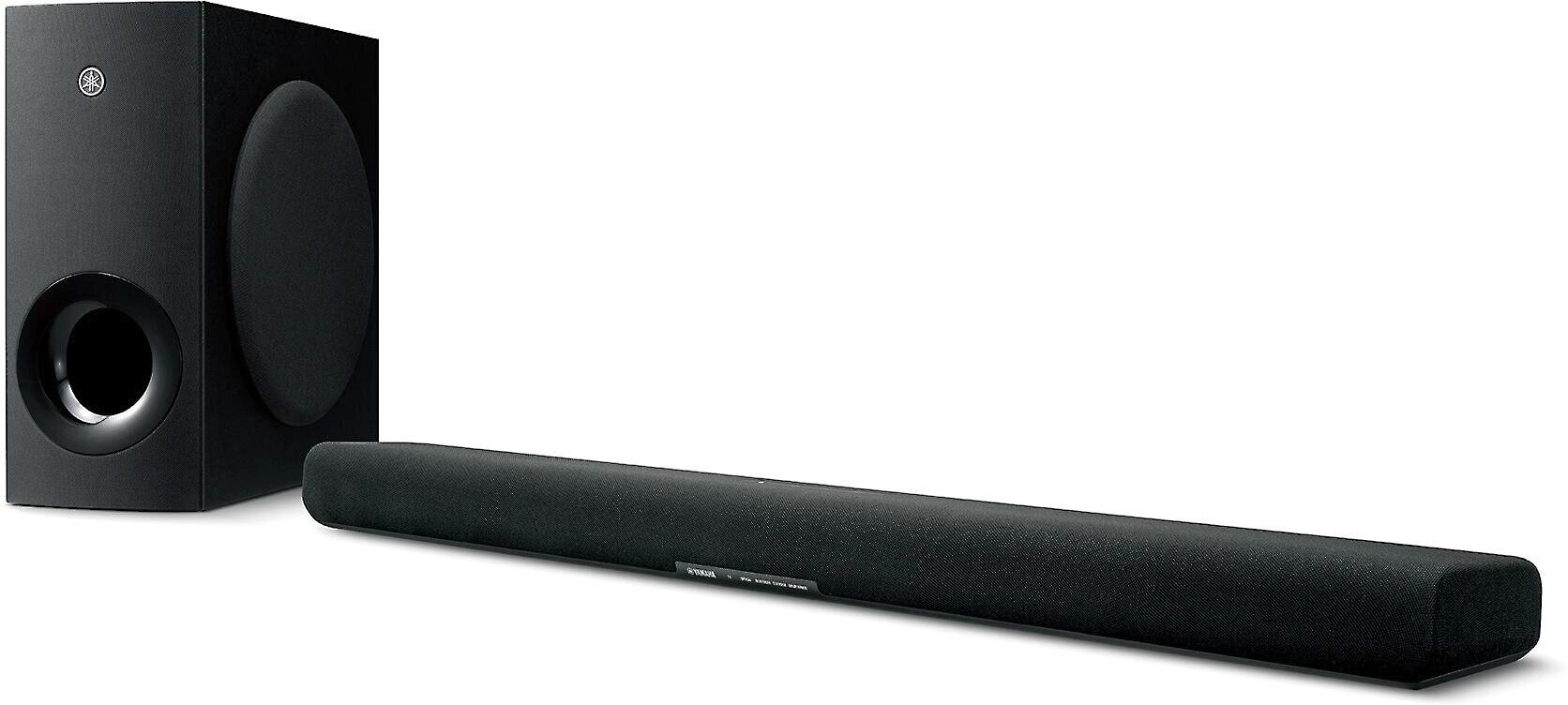
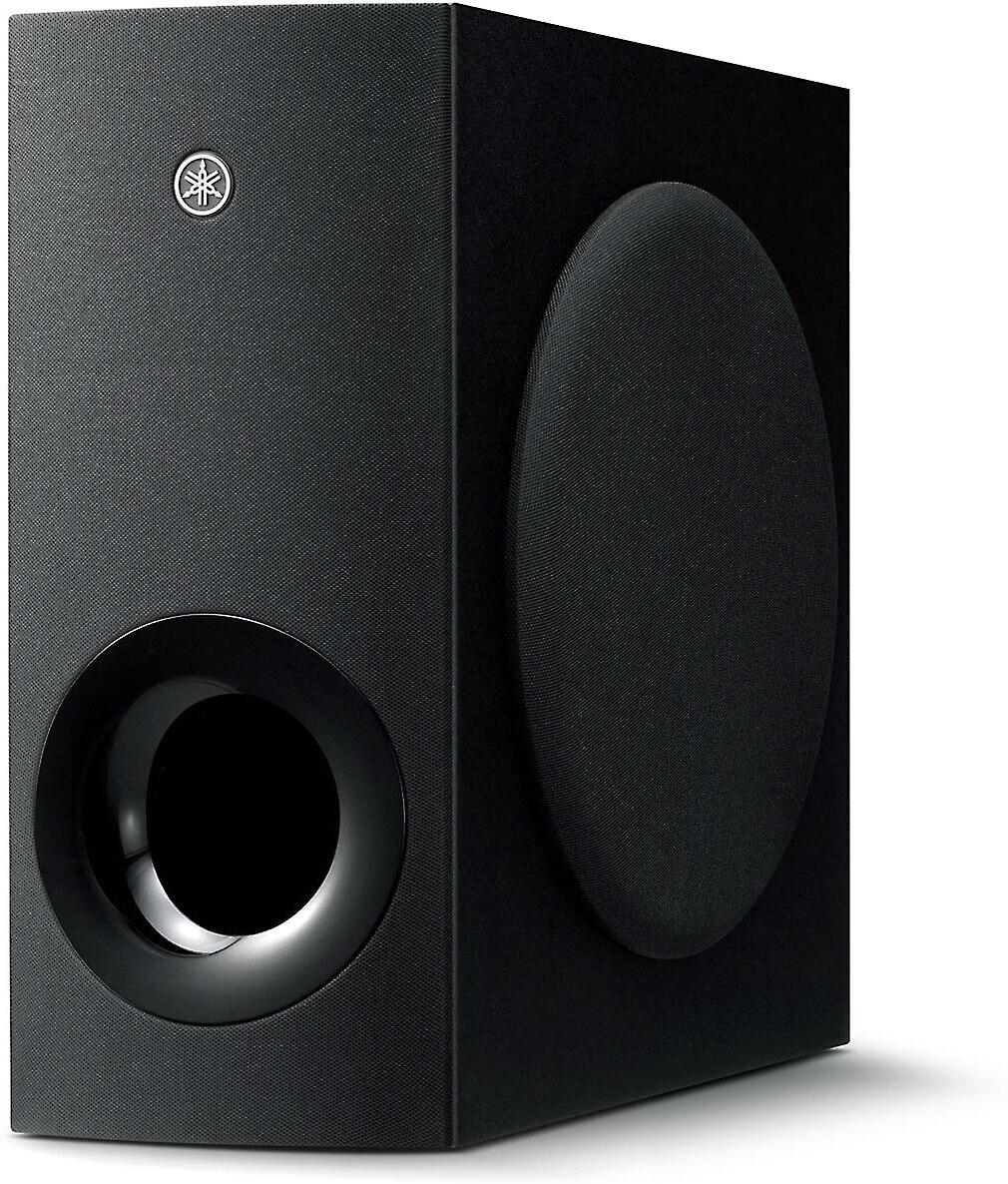
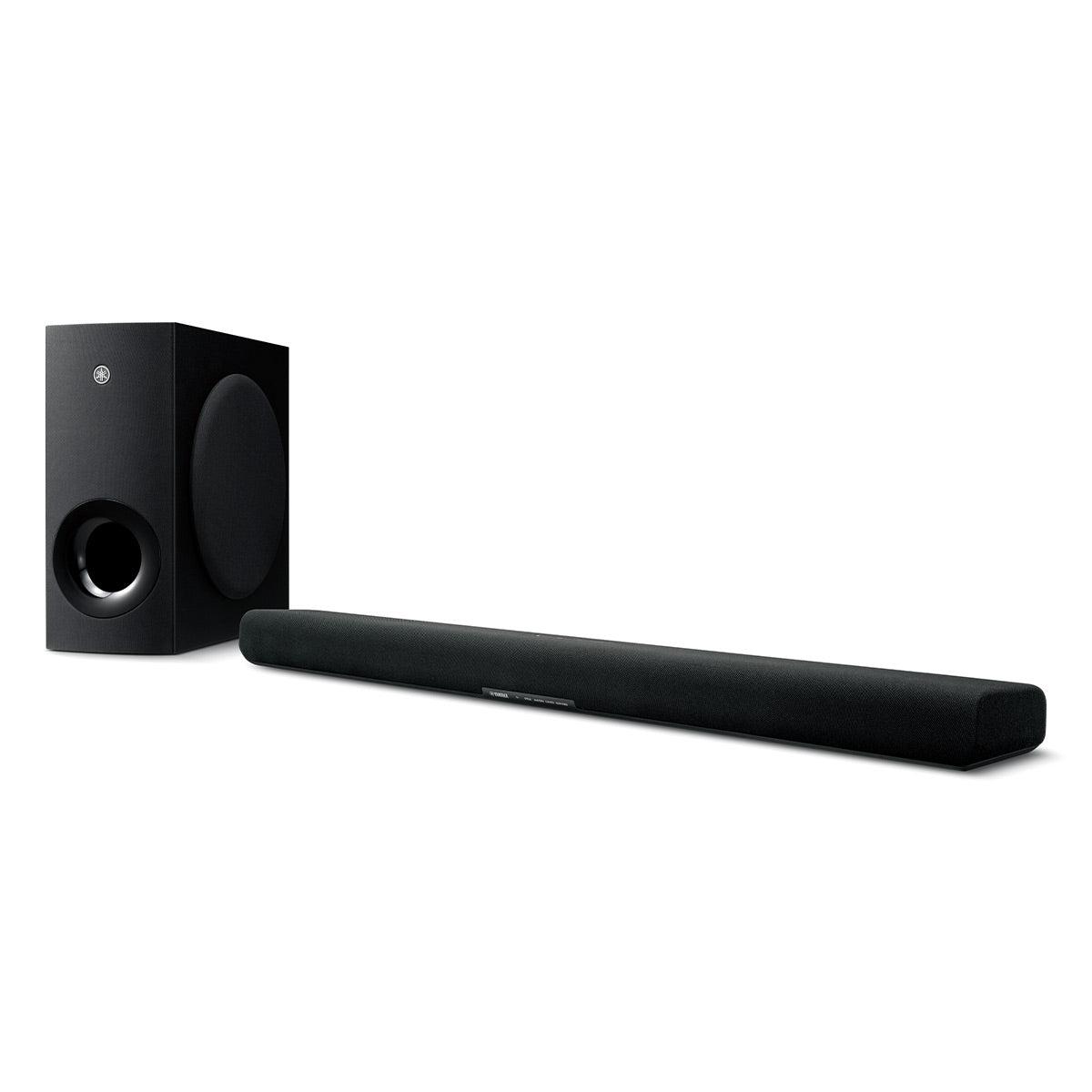
The Yamaha SR-B40A, on the other hand, takes a more traditional 2.1 channel approach. The "2.1" means two main channels (left and right) plus one subwoofer channel specifically for bass frequencies. That wireless subwoofer isn't just for show — it's doing something the JBL simply cannot match.
Here's why this matters: Bass frequencies are long wavelengths that require physical air movement to reproduce properly. The JBL's built-in drivers, no matter how cleverly designed, are limited by physics. They're small and mounted in a thin enclosure, which means they can't move enough air to create real bass impact.
Yamaha's 6.5-inch subwoofer driver, housed in its own dedicated cabinet, can push significantly more air and reproduce frequencies down to 50Hz. To put that in perspective, a kick drum hits around 60-80Hz, and movie explosions often contain energy well below 40Hz. The difference isn't subtle — it's the difference between hearing bass and feeling it.
In my experience testing both systems, the bass difference is immediately obvious. The Yamaha's subwoofer doesn't just add more bass; it adds the right kind of bass. When watching action movies, you get that chest-thumping impact during explosions. Music gains weight and authority, especially genres like hip-hop, electronic, or rock where the bass line drives the entire song.
The JBL attempts to compensate with bass enhancement algorithms and carefully tuned drivers, but it's fighting physics. Its built-in bass is adequate for dialogue-heavy content like news or sitcoms, but falls short during music listening or action sequences. You'll notice this most when switching between the two systems — the JBL suddenly sounds thin and lacking in foundation.
Both systems address dialogue clarity, but differently. The JBL's PureVoice 2.0 technology uses sophisticated processing to identify and enhance vocal frequencies while suppressing background noise. It's particularly effective during complex movie scenes where dialogue, music, and sound effects compete for your attention.
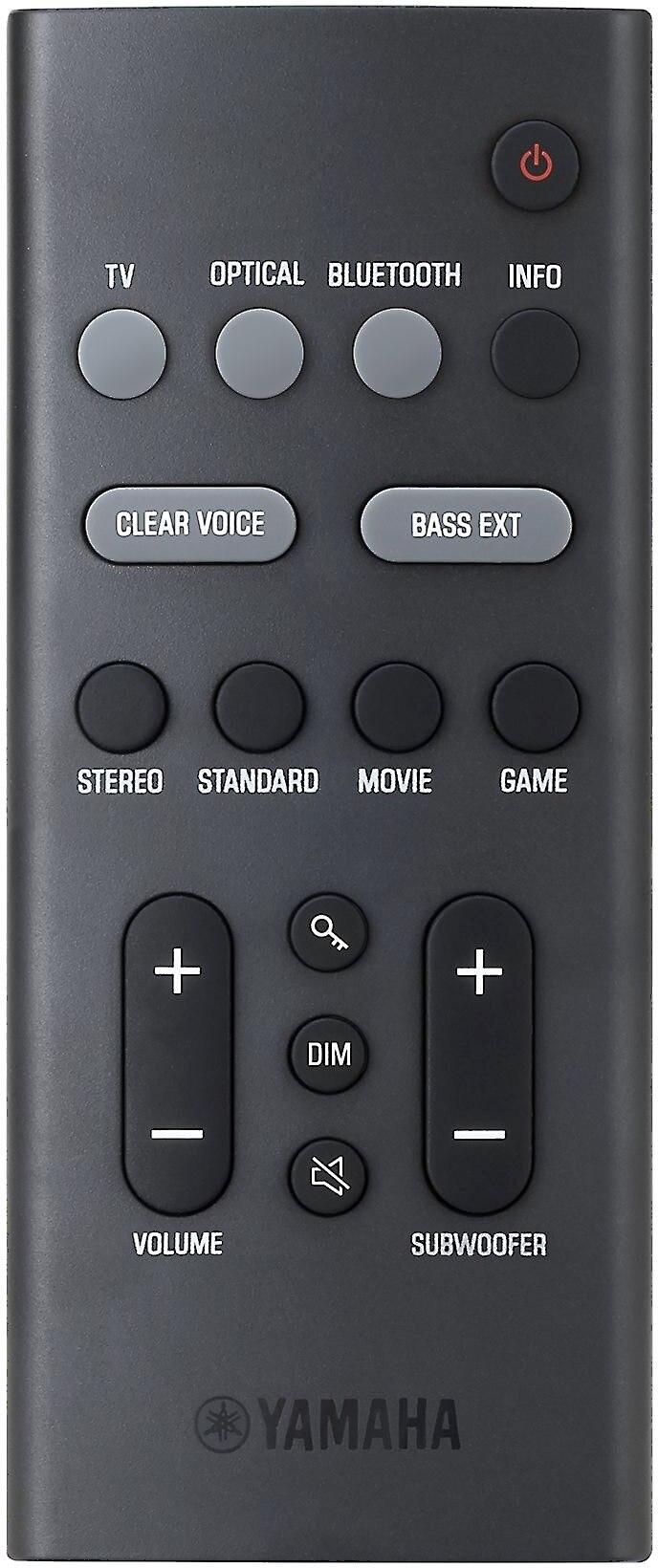
The Yamaha's Clear Voice mode takes a simpler approach, essentially boosting the frequency range where most human speech occurs (roughly 200Hz to 2kHz). It's less sophisticated but often equally effective, especially for TV shows and sports commentary.
In real-world use, both deliver significant dialogue improvements over TV speakers. The JBL has a slight edge during chaotic movie scenes, while the Yamaha excels with straightforward dialogue content like news broadcasts or dramas.
This is where the JBL's technology investment really shows. Dolby Atmos content — which includes most Netflix originals, Disney+ movies, and many Blu-rays — comes alive through the Bar 300 MK2's processing. The system creates height effects that make helicopters seem to fly overhead and rain appear to fall around you.
I was genuinely surprised by how effective this virtual processing has become. During the opening sequence of "Top Gun: Maverick," jet engines seemed to move convincingly across and above the listening area. It's not as immersive as a true multi-speaker Atmos system, but it's remarkably close for a single soundbar.
The Yamaha offers four sound modes (Stereo, Standard, Movie, Game) that provide different approaches to surround processing, but they're much more subtle. The system creates a wider soundstage than your TV, but doesn't attempt the height effects that make Atmos content special.
This is perhaps the biggest differentiator between these systems. The JBL Bar 300 MK2 is essentially a streaming device disguised as a soundbar. It connects to your Wi-Fi network and can stream directly from over 300 services including Spotify, Apple Music, and Tidal. AirPlay support means iPhone users can stream anything with a tap, while Chromecast built-in handles Android devices and computers seamlessly.
The voice assistant integration works surprisingly well. You can ask Alexa (through a connected Echo device) to play music directly through the soundbar, adjust volume, or even change sound modes. For smart home enthusiasts, this integration feels natural and convenient.
The JBL One app deserves special mention. It provides detailed EQ controls, allowing you to boost or cut specific frequency ranges to match your room and preferences. The app also handles firmware updates automatically — something that has added new features like DTS Virtual:X support since launch.
The Yamaha, by contrast, offers only Bluetooth connectivity. You can stream music from your phone, but you'll need to use your phone's interface and controls. There's a basic app for some settings adjustments, but it's nowhere near as comprehensive as JBL's offering.
The Yamaha wins hands-down for simplicity. Unbox it, plug in the soundbar and subwoofer, and you're essentially done. The subwoofer pairs automatically, and basic operation is intuitive. This plug-and-play experience appeals to users who just want better sound without complexity.
The JBL requires more initial setup but rewards the effort. The built-in calibration microphone measures your room's acoustics and adjusts the sound accordingly. This process takes about two minutes and genuinely improves performance, but it represents the kind of tech setup that some users find intimidating.
Daily operation differs significantly too. The Yamaha works like traditional audio equipment — you select inputs and adjust basic settings with a remote. The JBL can be controlled through voice commands, smartphone apps, or its own remote, offering flexibility that busy households often appreciate.
Both systems have received updates since their 2024 launch, but in different ways. The JBL Bar 300 MK2 has benefited from regular firmware updates that have improved Dolby Atmos processing and added new streaming service compatibility. JBL has also refined the MultiBeam algorithms based on user feedback, resulting in more natural-sounding virtual surround effects.
The Yamaha's improvements have been more incremental, focusing on minor DSP refinements and app stability. This reflects the different philosophies — JBL's internet-connected approach allows for continuous improvement, while Yamaha's traditional design priorities proven, stable performance out of the box.
At $339.95, the Yamaha SR-B40A delivers immediate, dramatic improvement over TV audio. That physical subwoofer provides benefits you can hear and feel from day one, making it excellent value for users primarily interested in better movie and music reproduction.
The JBL's $449.95 price tag buys you future-proofing and convenience features. If you frequently stream music, use voice assistants, or watch a lot of Dolby Atmos content, those extra features justify the cost. The regular software updates mean your soundbar actually gets better over time.
For dedicated home theater use, these systems serve different needs. The Yamaha excels with traditional movie content where bass impact and clear dialogue matter most. Action movies, thrillers, and music-heavy films benefit enormously from the dedicated subwoofer.
The JBL shines with modern streaming content optimized for Dolby Atmos. Marvel movies on Disney+, Netflix originals, and premium streaming content often sound more engaging through the JBL's processing. However, older movies and TV shows may not benefit as much from the advanced features.
Neither system can truly replace a dedicated home theater setup with separate surround speakers, but both provide substantial improvements that make casual movie watching much more enjoyable.
Choose the Yamaha SR-B40A if you want immediate, tangible improvement in your audio experience. The bass impact alone transforms movie watching, and the straightforward operation means you'll actually use all its capabilities. It's perfect for users who primarily watch movies, enjoy music, and prefer technology that works without fuss.
The JBL Bar 300 MK2 makes sense if you value convenience and modern features. The streaming integration, voice controls, and Dolby Atmos processing create a more sophisticated entertainment experience. It's ideal for tech-comfortable users who want their soundbar to integrate seamlessly with smart home systems and streaming habits.
Both represent excellent value in their respective approaches. The Yamaha delivers maximum audio improvement per dollar, while the JBL provides maximum features and future-proofing. Your choice should align with how you actually consume entertainment and your comfort level with technology complexity.
The $110 price difference isn't trivial, but it's reasonable considering the feature gap. Most users will be happy with either choice — the key is matching the product philosophy to your priorities and usage patterns.
| JBL Bar 300 MK2 Soundbar | Yamaha SR-B40A 2.1-Channel Sound Bar with Wireless Subwoofer |
|---|---|
| Price - Budget considerations for most buyers | |
| $449.95 | $339.95 |
| Configuration - Determines bass performance and setup complexity | |
| 5.0 virtual channels, all-in-one design | 2.1 channels with wireless subwoofer |
| Power Output - Affects volume levels and dynamic range | |
| 260W total output | 200W total (100W subwoofer, 50W × 2 main) |
| Bass Performance - Most noticeable upgrade over TV speakers | |
| Built-in drivers with virtual bass enhancement | Dedicated 6.5" wireless subwoofer with deep impact |
| Dolby Atmos Support - Essential for modern streaming content | |
| Full Dolby Atmos with virtual height channels | No Dolby Atmos, basic virtual surround only |
| Smart Features - Convenience for daily streaming use | |
| Wi-Fi, AirPlay, Chromecast, voice assistants, 300+ streaming services | Bluetooth only, no streaming integration |
| HDMI Support - Affects compatibility with modern TVs and devices | |
| eARC with 4K Dolby Vision passthrough | Standard ARC only |
| Setup Complexity - Time investment to get optimal performance | |
| Room calibration required, app-based configuration | Plug-and-play, automatic subwoofer pairing |
| Dialogue Enhancement - Critical for clear speech during movies | |
| PureVoice 2.0 with advanced processing | Clear Voice mode with frequency boosting |
| Dimensions - Space requirements for your entertainment center | |
| 820 × 56 × 103.5mm, single unit | Soundbar: 910 × 68 × 133mm + separate subwoofer |
| Future Updates - Long-term value and feature additions | |
| Regular firmware updates with new features | Minimal updates, stable baseline performance |
The Yamaha SR-B40A ($339.95) delivers significantly better bass with its dedicated 6.5-inch wireless subwoofer that can reproduce frequencies down to 50Hz. The JBL Bar 300 MK2 ($449.95) relies on built-in drivers and virtual bass enhancement, which cannot match the physical impact of a dedicated subwoofer for movies and music.
The Yamaha SR-B40A costs $339.95, while the JBL Bar 300 MK2 is priced at $449.95, making the Yamaha $110 less expensive. This price difference reflects the JBL's advanced smart features and Dolby Atmos processing versus the Yamaha's focus on fundamental audio performance.
The Yamaha SR-B40A offers true plug-and-play setup with automatic subwoofer pairing and minimal configuration needed. The JBL Bar 300 MK2 requires initial room calibration and app-based setup to access its full feature set, making it more complex but potentially better optimized for your space.
Only the JBL Bar 300 MK2 supports Dolby Atmos with virtual height channels for immersive 3D audio. The Yamaha SR-B40A does not support Dolby Atmos, instead offering basic virtual surround modes and focusing on traditional stereo enhancement.
The JBL Bar 300 MK2 excels with built-in Wi-Fi, AirPlay, Chromecast, voice assistant compatibility, and access to 300+ streaming services. The Yamaha SR-B40A only offers Bluetooth connectivity with no streaming integration or smart home features.
The JBL Bar 300 MK2 delivers 260W total power output, while the Yamaha SR-B40A provides 200W total (100W dedicated to the subwoofer, 50W × 2 for main channels). The power distribution difference affects how each system handles different frequency ranges.
Both soundbars enhance dialogue significantly over TV speakers. The JBL Bar 300 MK2 uses PureVoice 2.0 technology with advanced processing for complex scenes, while the Yamaha SR-B40A employs Clear Voice mode that's particularly effective for news, sports, and straightforward dialogue content.
Neither the JBL Bar 300 MK2 nor the Yamaha SR-B40A can be expanded with additional speakers or subwoofers. Both are designed as complete, self-contained systems, so choose based on the performance level you need from the start.
The JBL Bar 300 MK2 may work better in small spaces or apartments where subwoofer placement is challenging, as it's a single-unit design. The Yamaha SR-B40A requires space for both the soundbar and separate subwoofer but delivers better bass performance if you have the room.
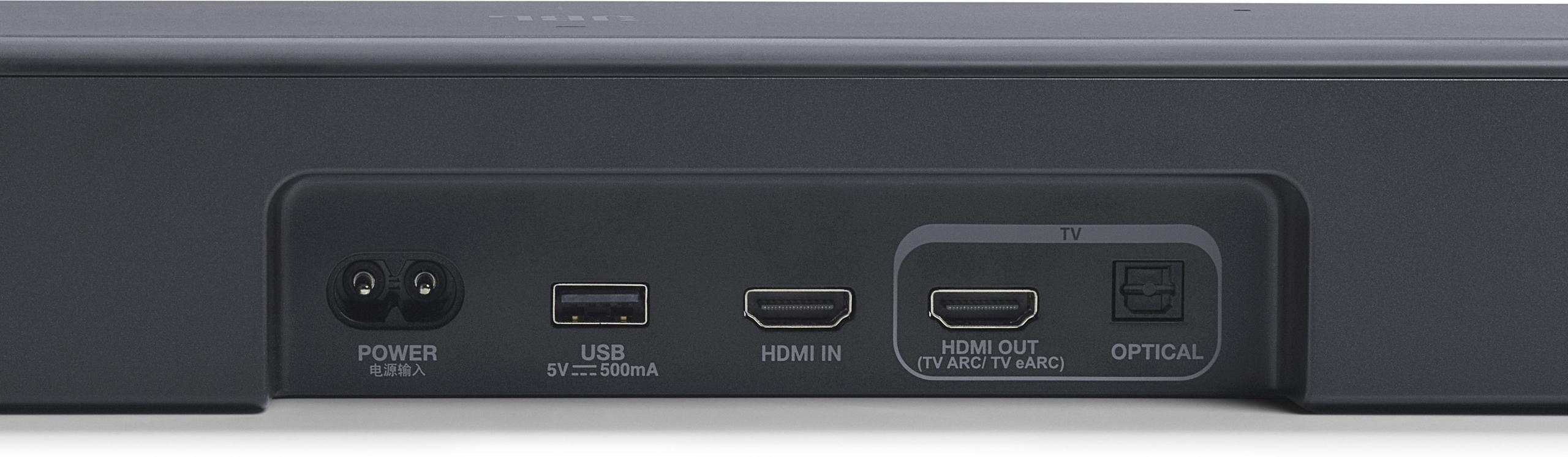
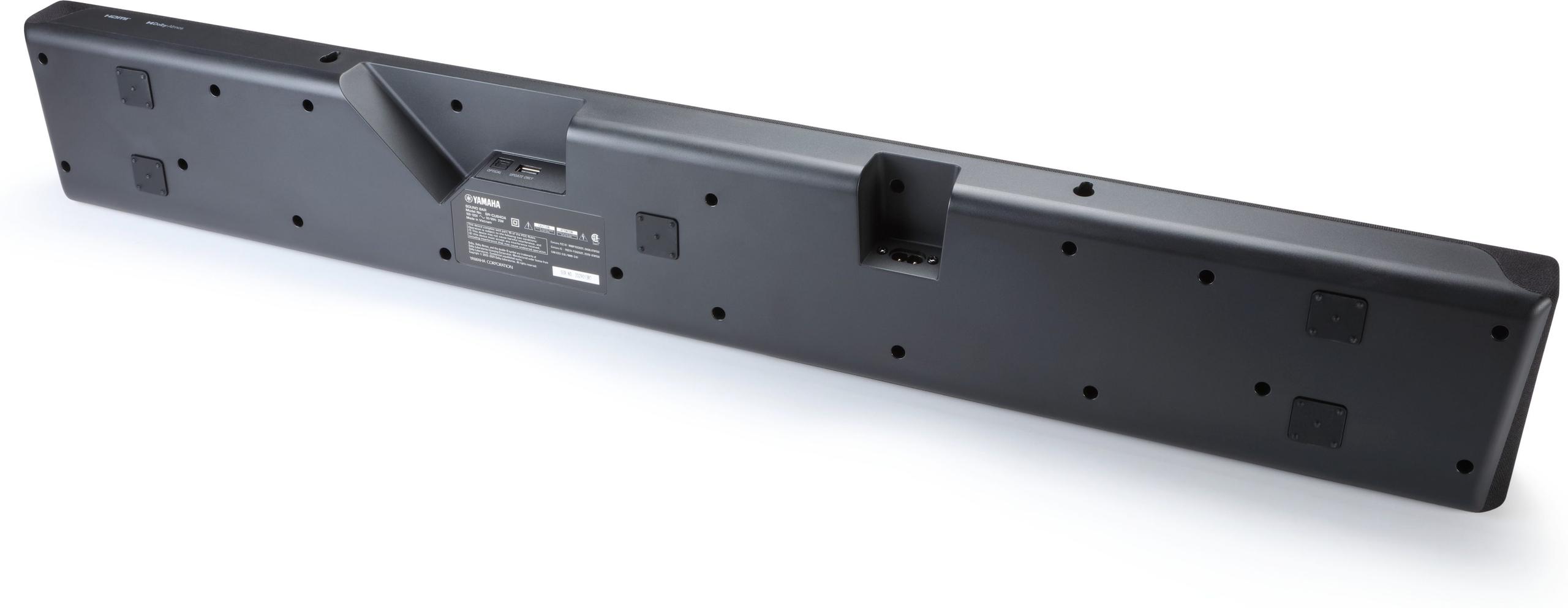
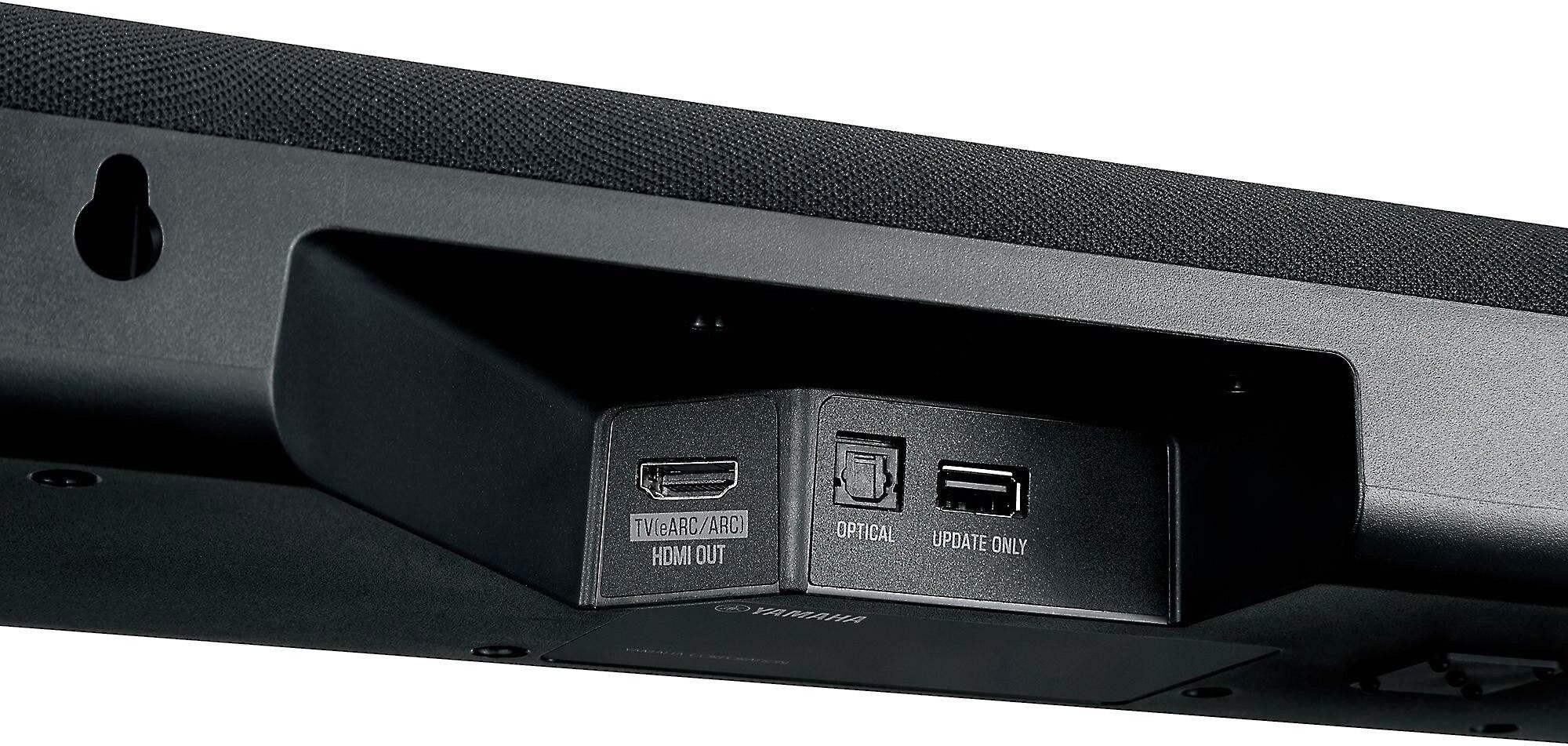
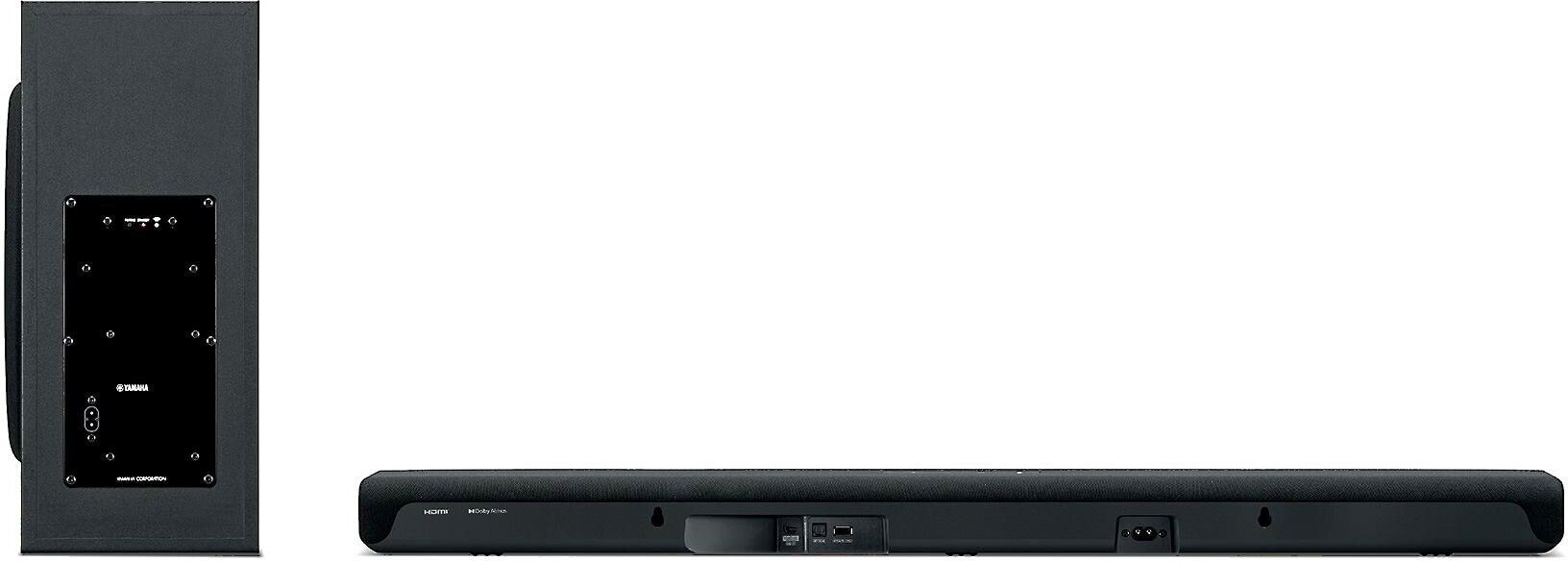
The JBL Bar 300 MK2 offers HDMI eARC with 4K Dolby Vision passthrough for the highest quality connection. The Yamaha SR-B40A provides standard HDMI ARC connectivity. Both also include optical inputs for older TVs without HDMI ARC support.
The Yamaha SR-B40A typically performs better for music due to its dedicated subwoofer providing genuine bass impact across all genres. The JBL Bar 300 MK2 offers more streaming options and EQ customization through its app, making it more convenient for varied music sources.
The Yamaha SR-B40A offers better immediate value for pure audio improvement per dollar spent, especially for bass-heavy content. The JBL Bar 300 MK2 provides better long-term value for users who want smart features, Dolby Atmos support, and regular software updates that add new capabilities over time.
We've done our best to create useful and informative comparisons to help you decide what product to buy. Our research uses advanced automated methods to create this comparison and perfection is not possible - please contact us for corrections or questions. These are the sites we've researched in the creation of this article: homecinemachoice.com - retailspecs.com - hometechnologyreview.com - whathifi.com - news.jbl.com - engadget.com - crutchfield.com - harmanaudio.com - techradar.com - bestbuy.com - jbl.com - sweech.co.ke - jbl.com - jbl.com.sg - mm.jbl.com - abcwarehouse.com - harmanaudio.com - sweetwater.com - ro.harmanaudio.com - dell.com - jbl.co.nz - crutchfield.com - visions.ca - shop.usa.yamaha.com - bestbuy.com - bestbuy.com - usa.yamaha.com - my.yamaha.com - europe.yamaha.com - adorama.com - usa.yamaha.com - digitalhomecreations.com - europe.yamaha.com - sundownone.com

Privacy Policy
Terms and Conditions - Affiliate Policy
Home Security
© Copyright 2008-2026.
11816 Inwood Rd #1211, Dallas, TX 75244