





If you've ever tried watching an action movie on your TV's built-in speakers, you know the struggle. Dialogue gets buried under explosions, bass sounds more like a paper bag rustling, and you're constantly reaching for the remote to adjust volume. This is exactly why soundbars have become essential home theater components—they solve the fundamental audio problems that modern flat-screen TVs create.
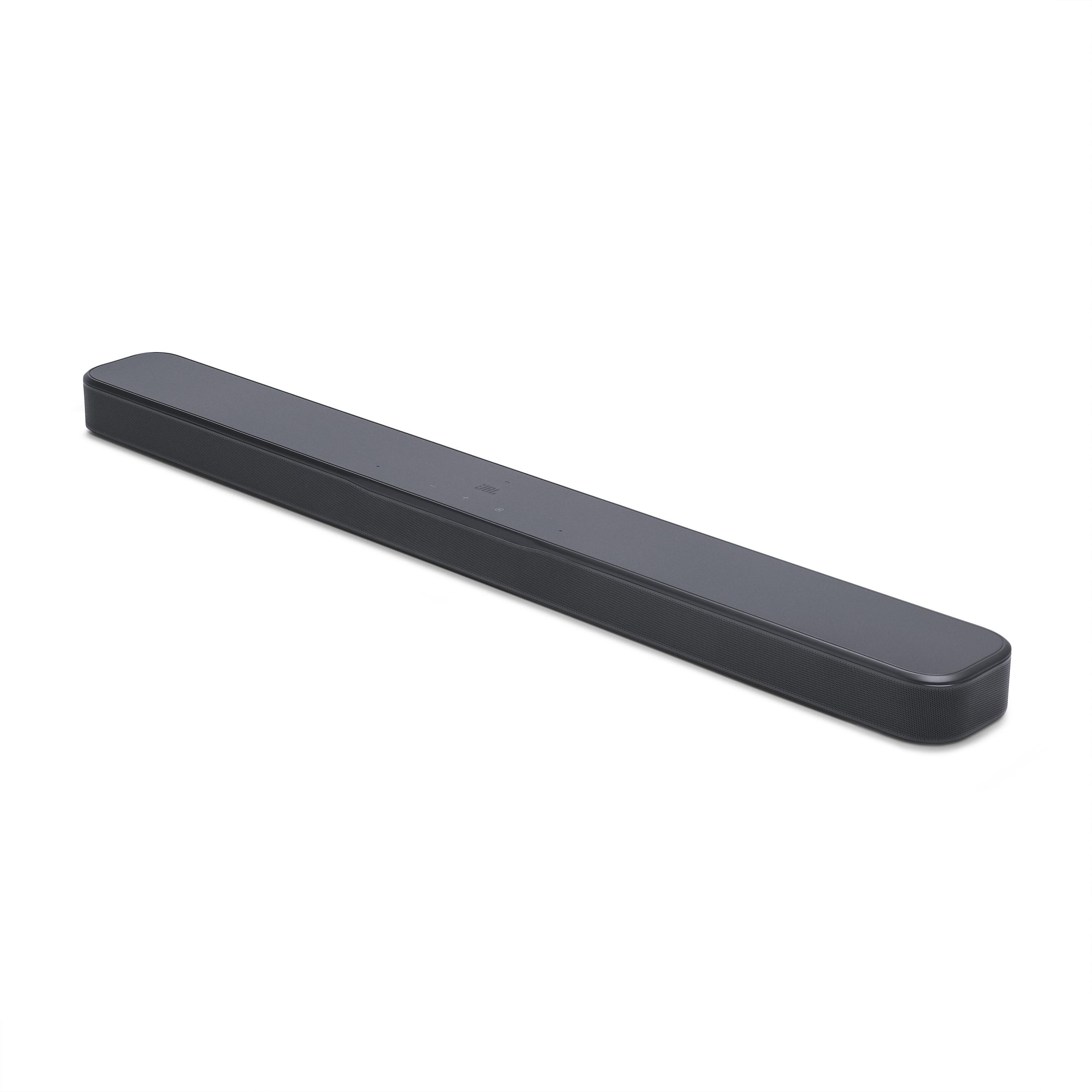
Today we're comparing two popular 2025 soundbars that take completely different approaches to solving these audio challenges: the JBL Bar 300 MK2 ($449.95) and the Samsung HW-S700D ($377.99). After spending considerable time with both systems, I can tell you they're designed for different types of users, even though they're trying to solve the same basic problem.
Before diving into specifics, it's worth understanding what we're looking for in a quality soundbar. The most critical factor isn't fancy features—it's dialogue clarity. Think about your daily TV watching: news, sitcoms, dramas, even action movies rely heavily on clear speech. Poor dialogue reproduction is the number one complaint I hear from people about their TV audio.
Beyond dialogue, bass response determines whether explosions feel impactful or wimpy, and whether music has the depth you'd expect. Surround sound virtualization (creating the illusion of speakers around you using clever audio processing) can make the difference between feeling like you're in a movie theater versus listening to audio from a small box.
The practical considerations matter just as much. Some people want the simplest possible setup—plug in one cable and you're done. Others don't mind managing additional components if it means better sound quality. Your living room layout, TV brand, and even your neighbors (if you're in an apartment) all influence which approach works best.
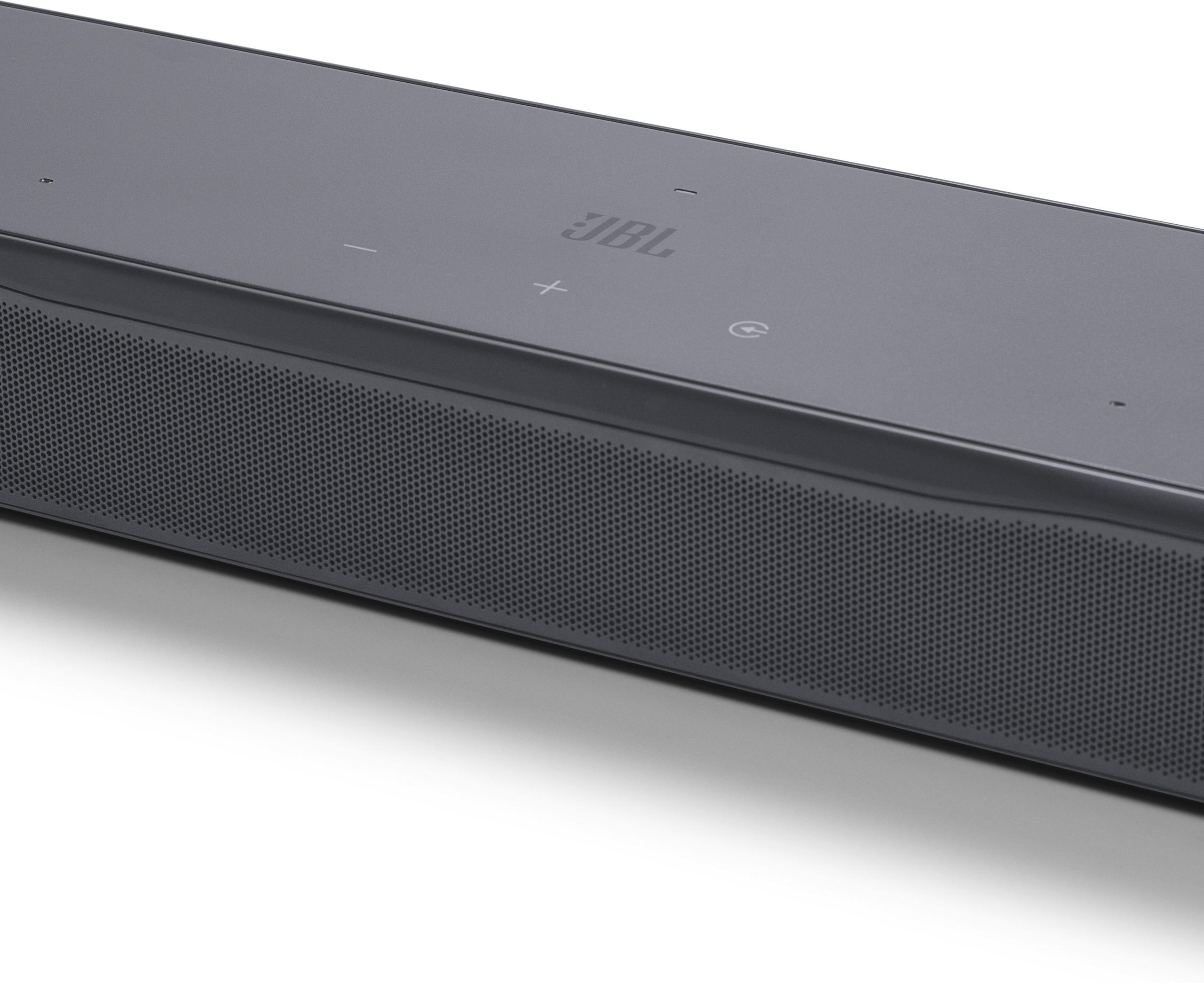
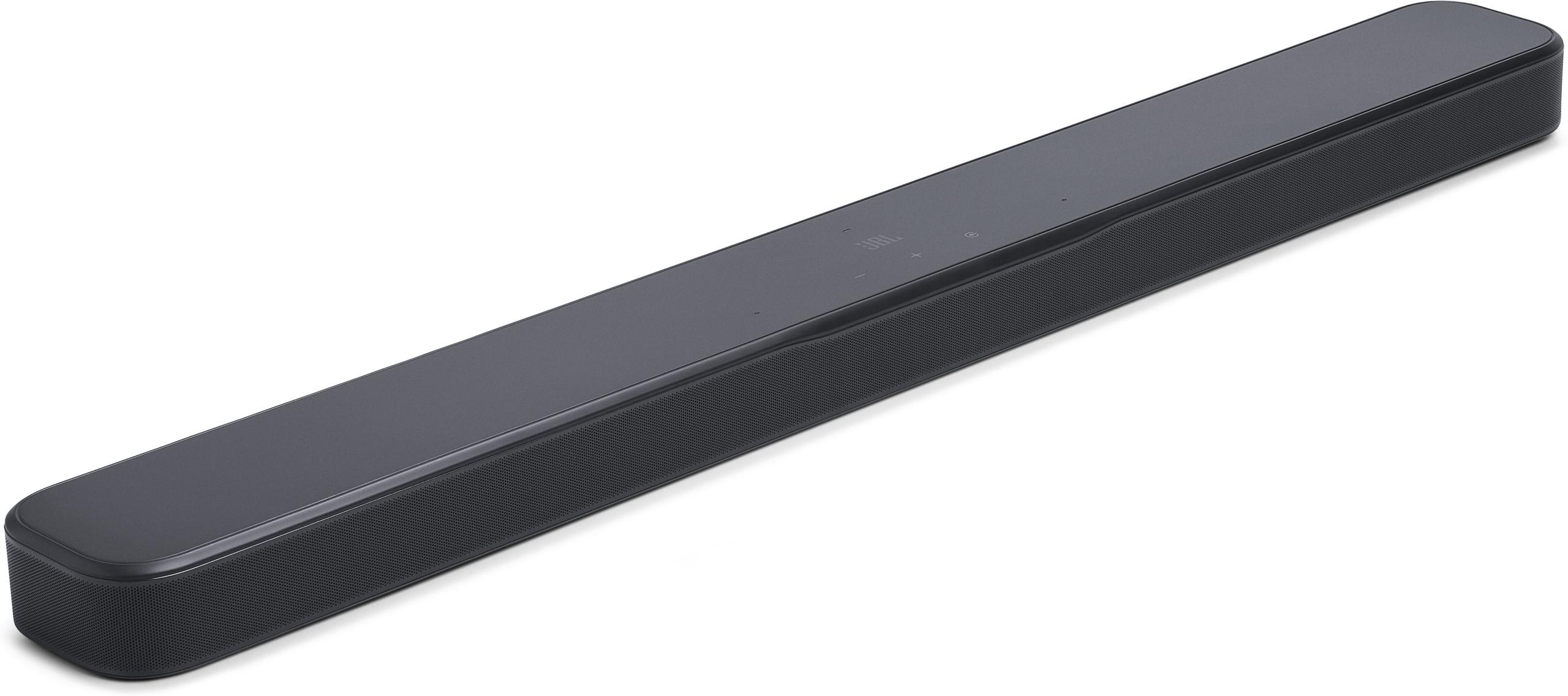
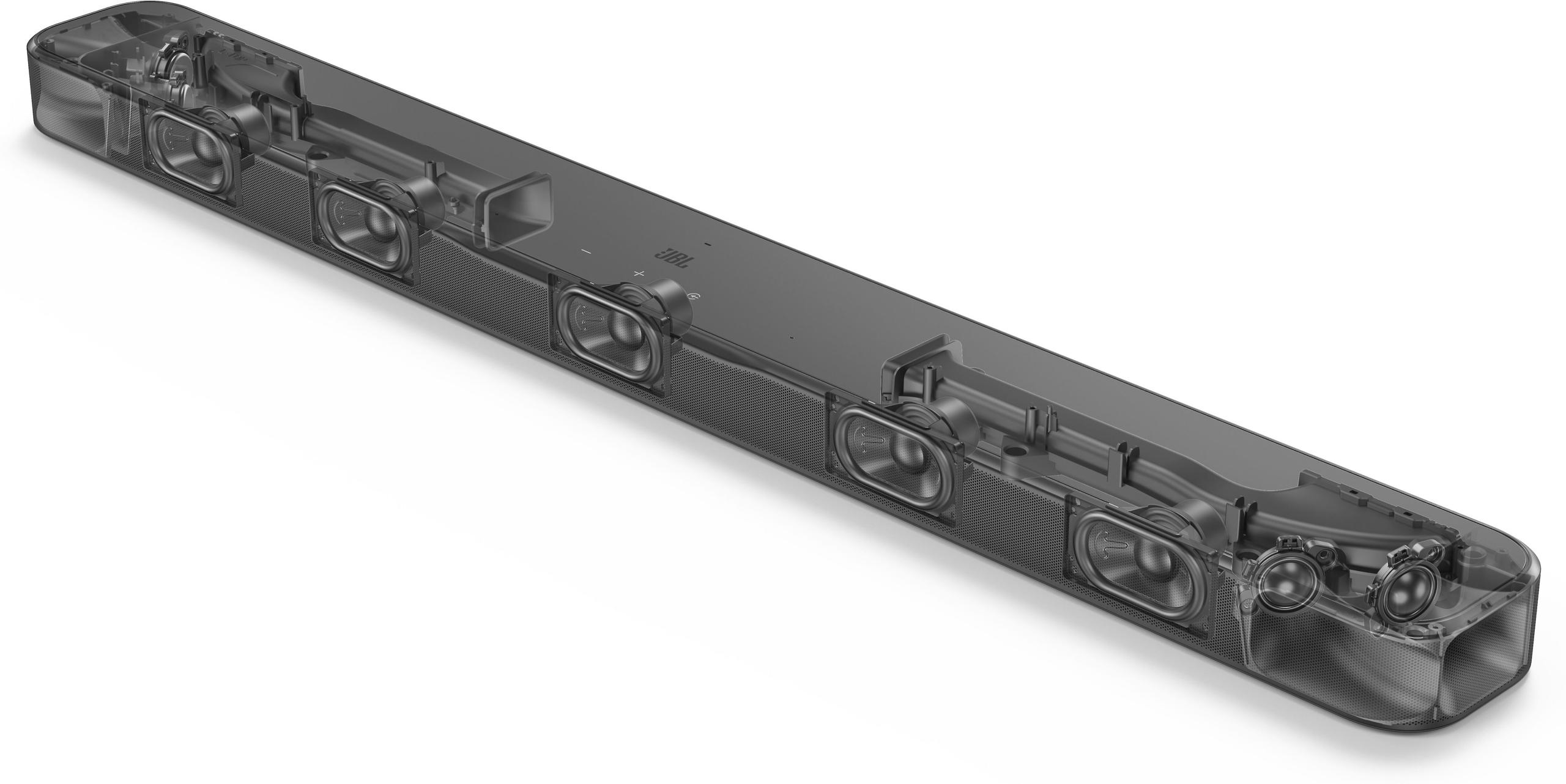
The JBL Bar 300 MK2, released in June 2025, represents the "everything in one bar" philosophy. JBL's engineering team crammed 450W of amplification, five audio channels, and sophisticated digital processing into a single 32-inch unit. There's no separate subwoofer to place, no additional cables to run—just the soundbar itself doing all the heavy lifting.
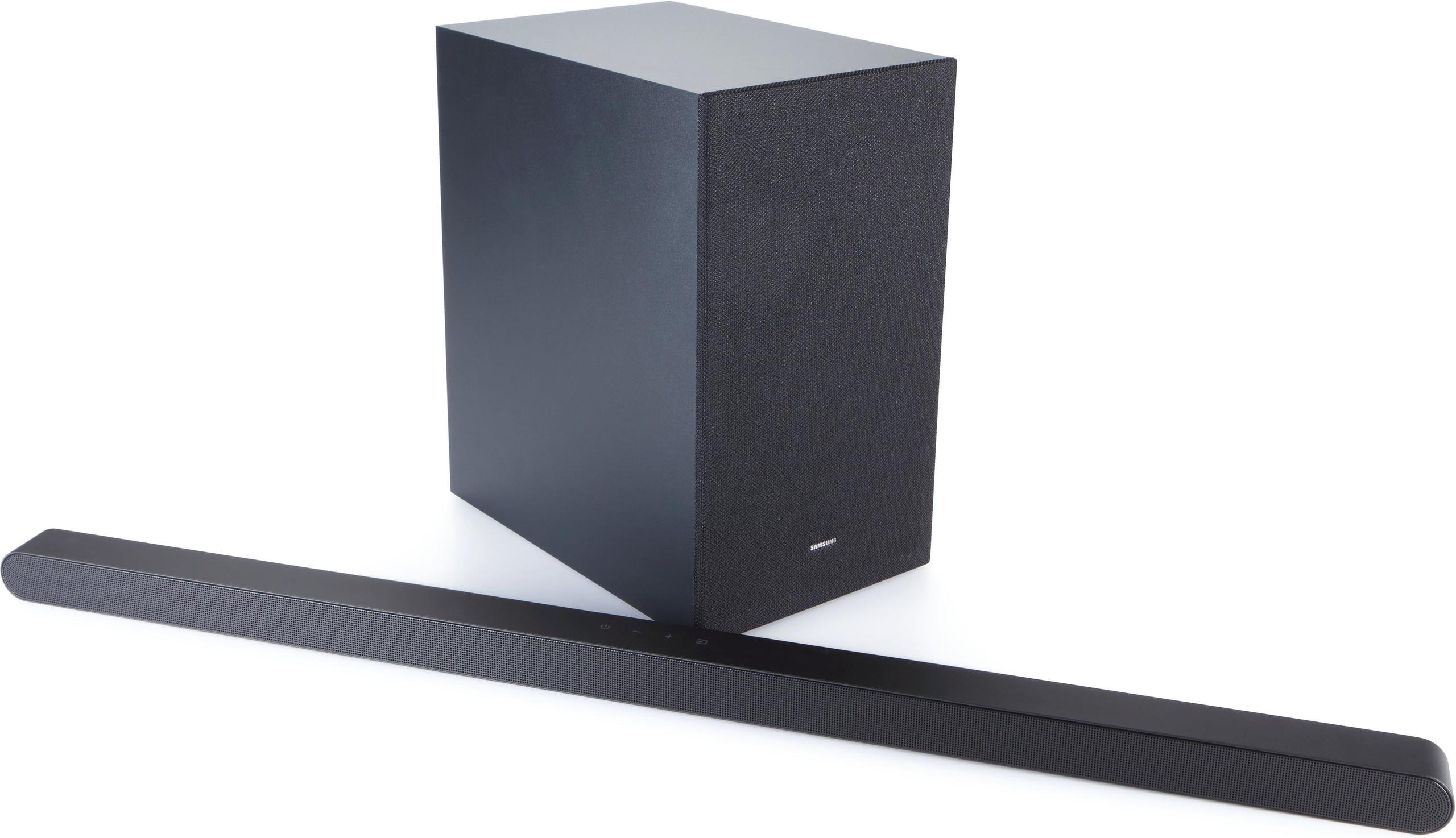
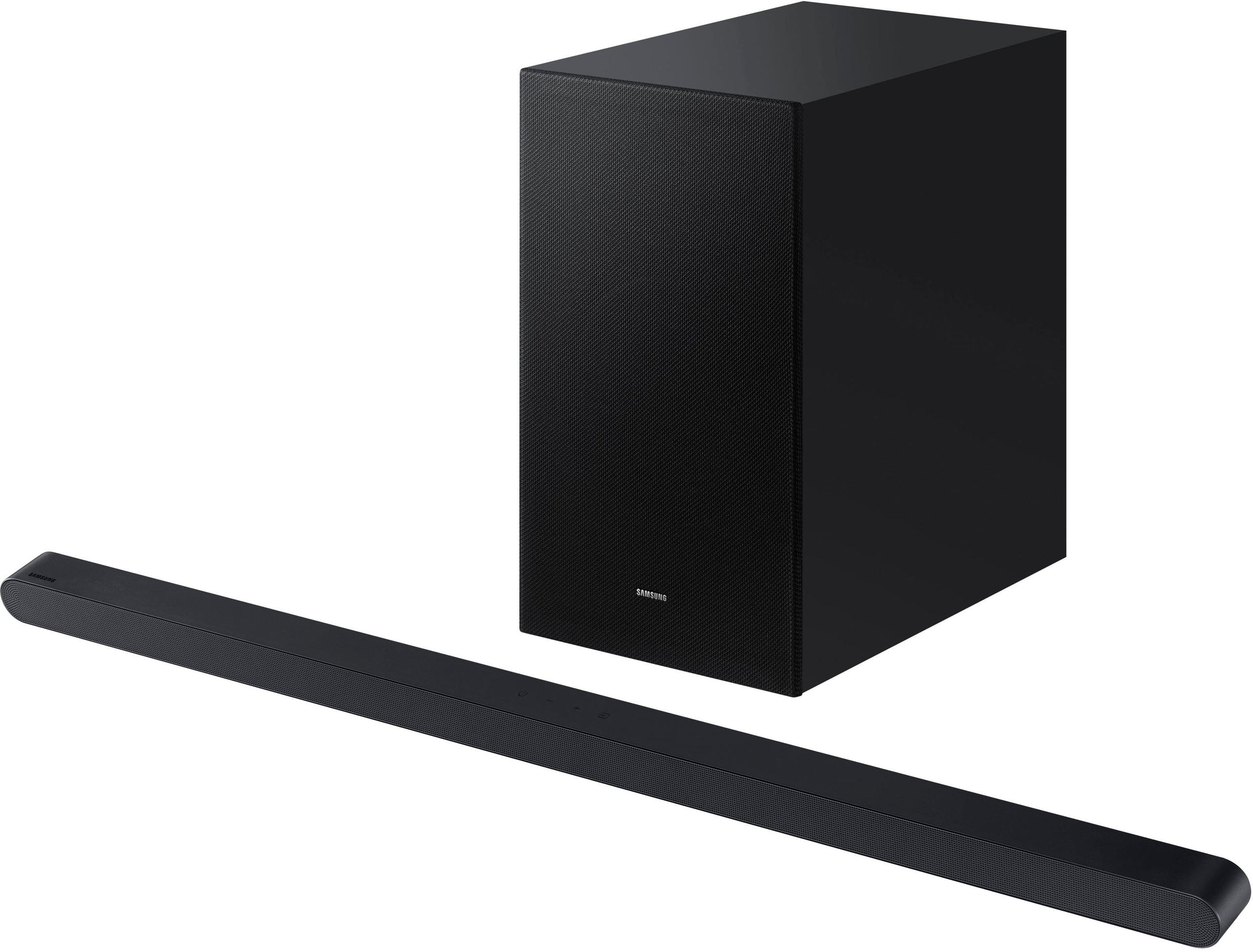
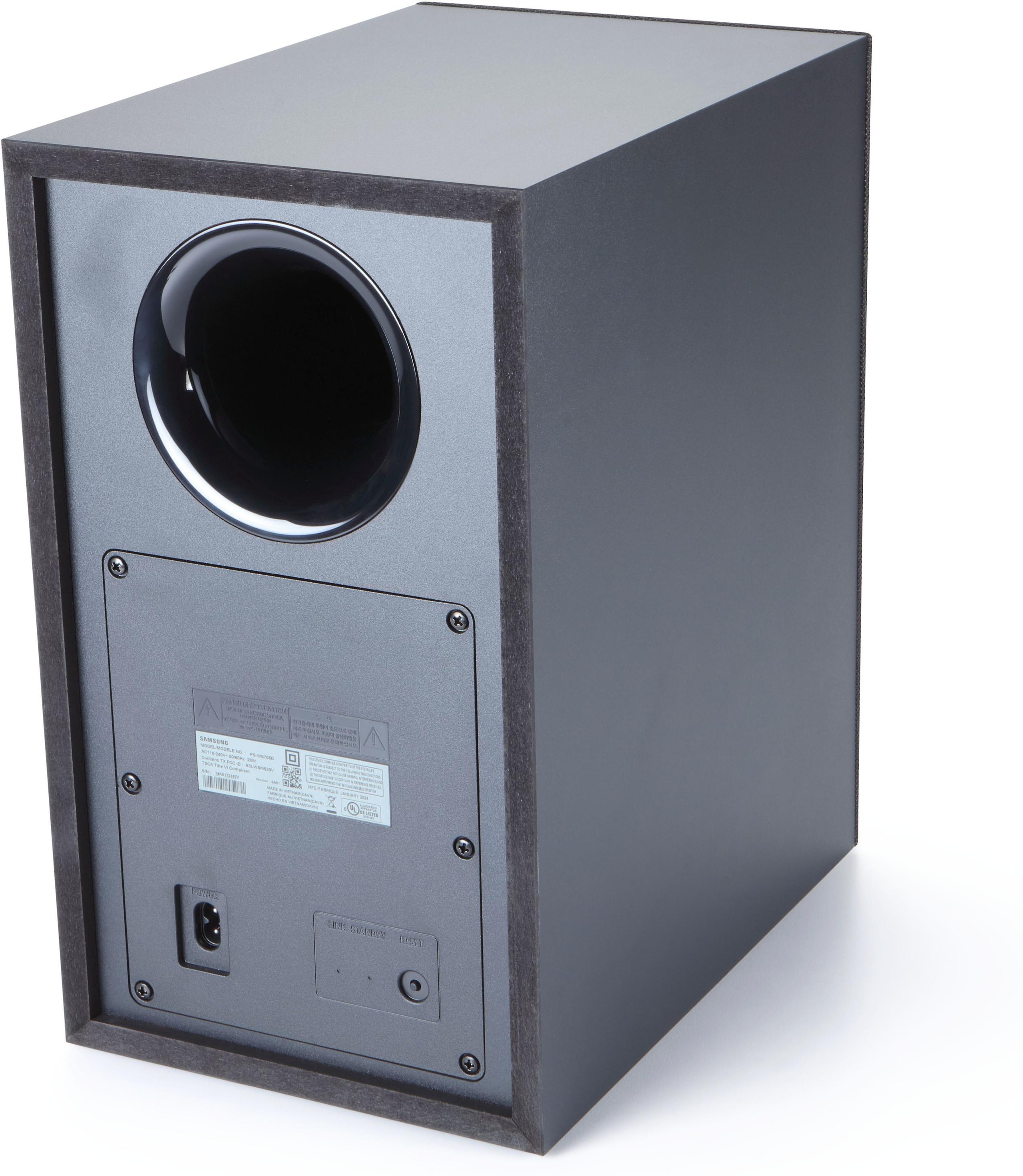
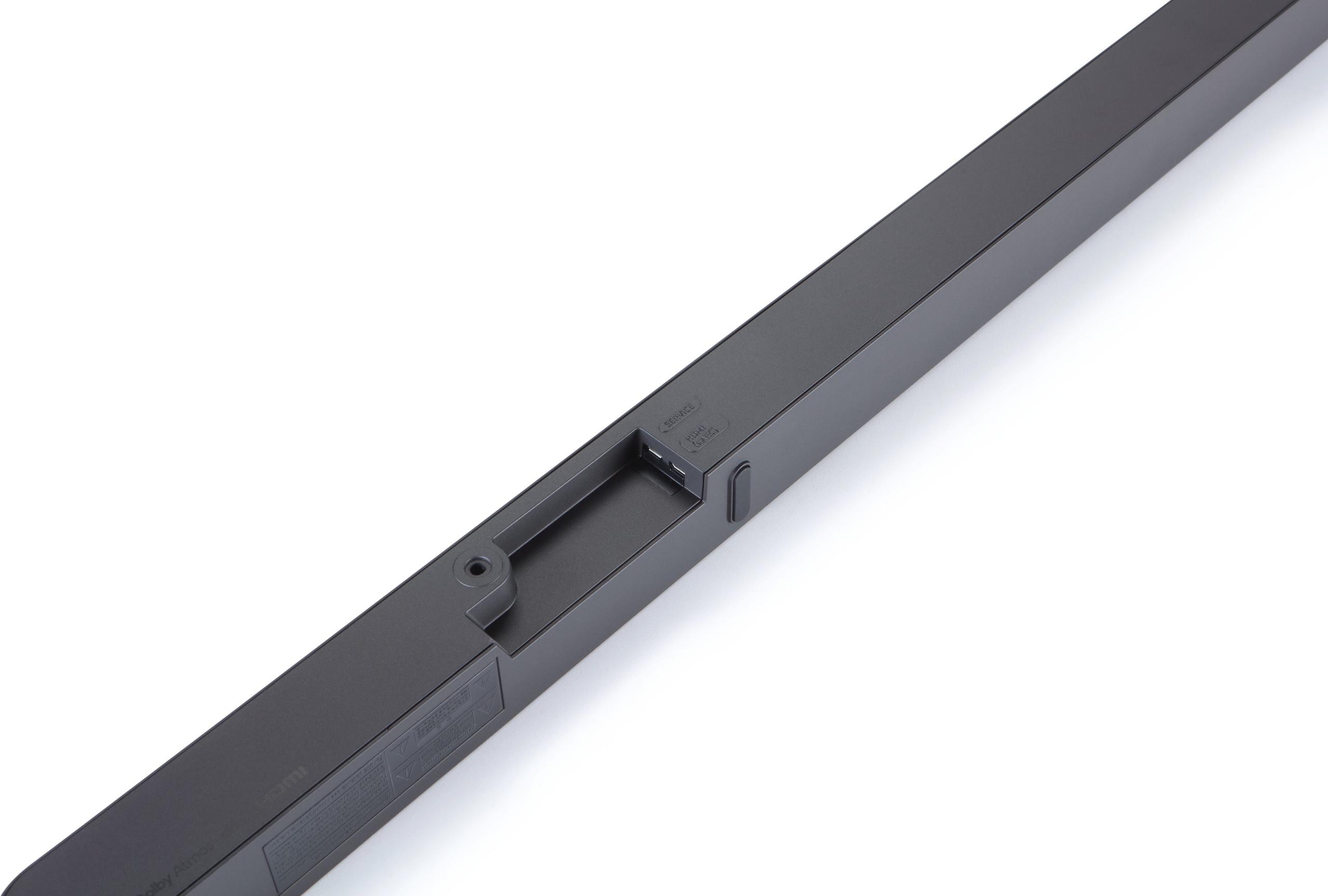
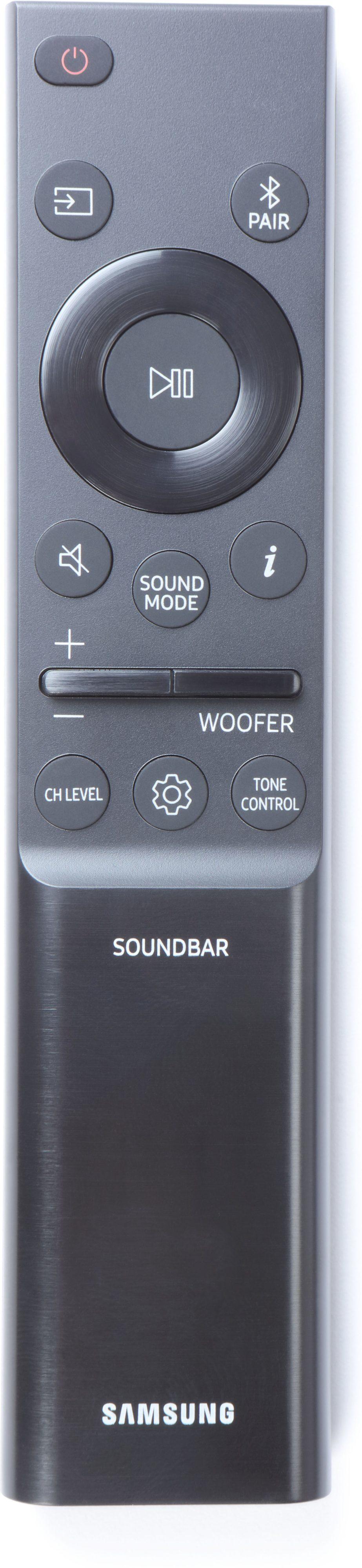
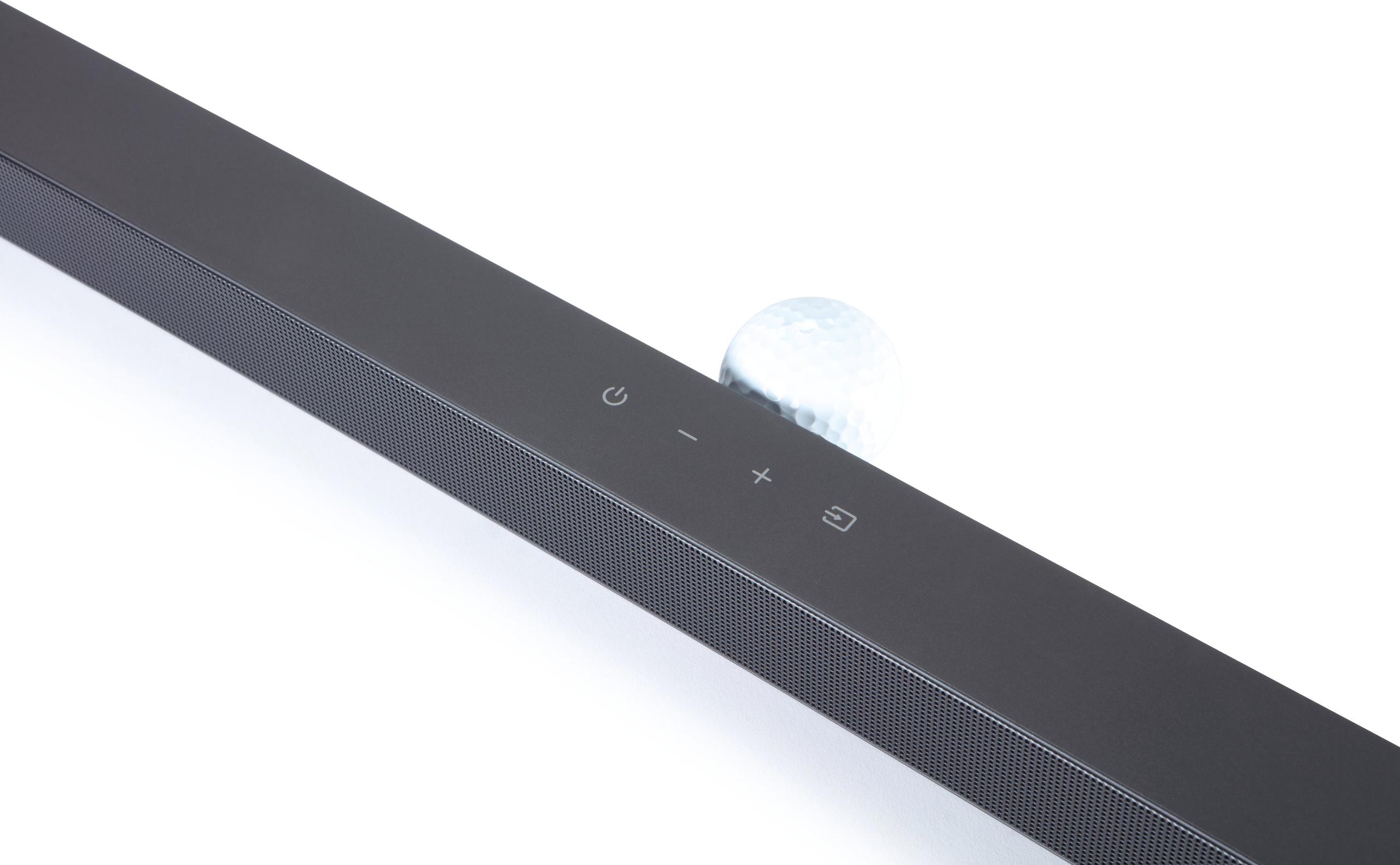
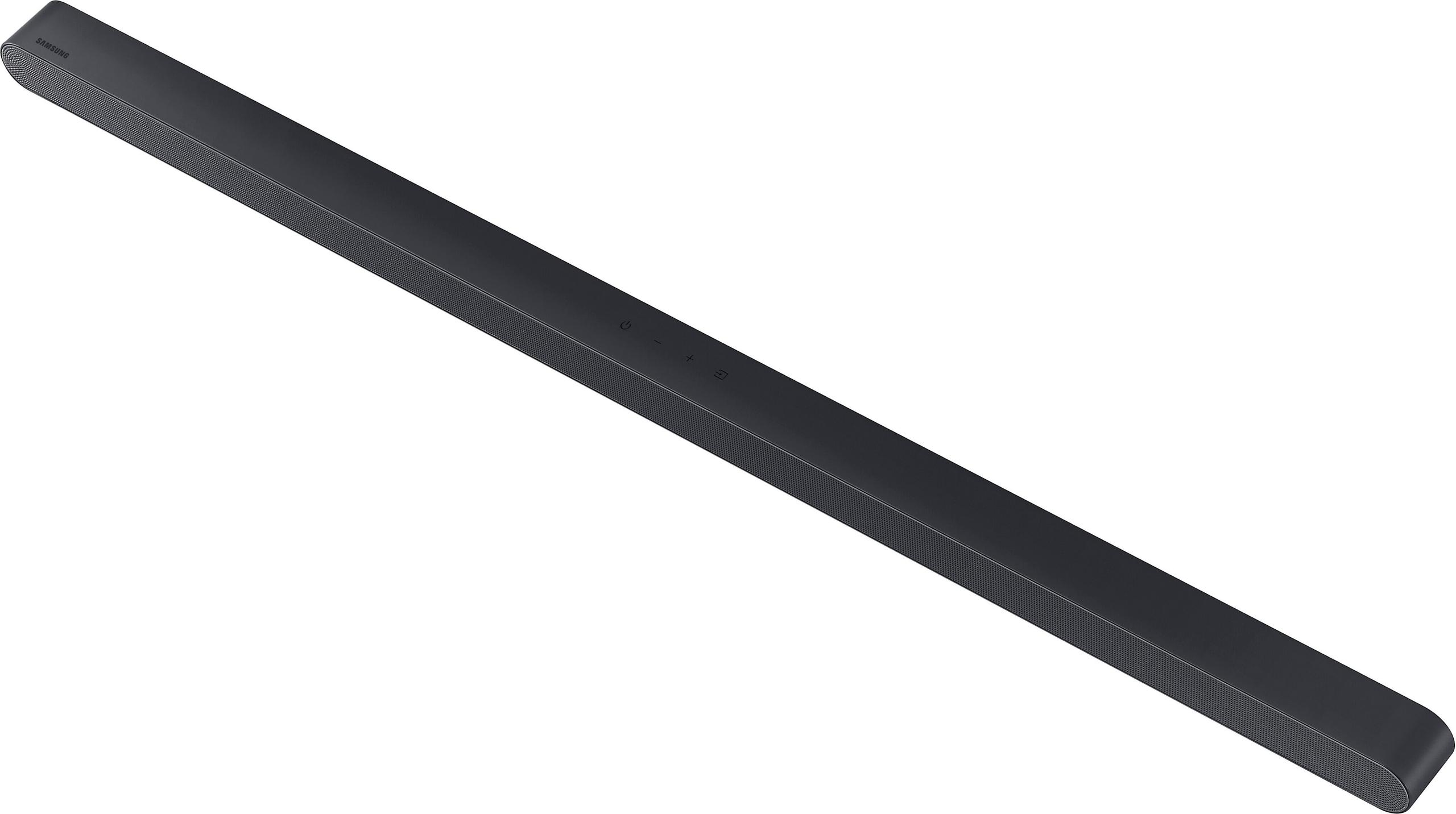
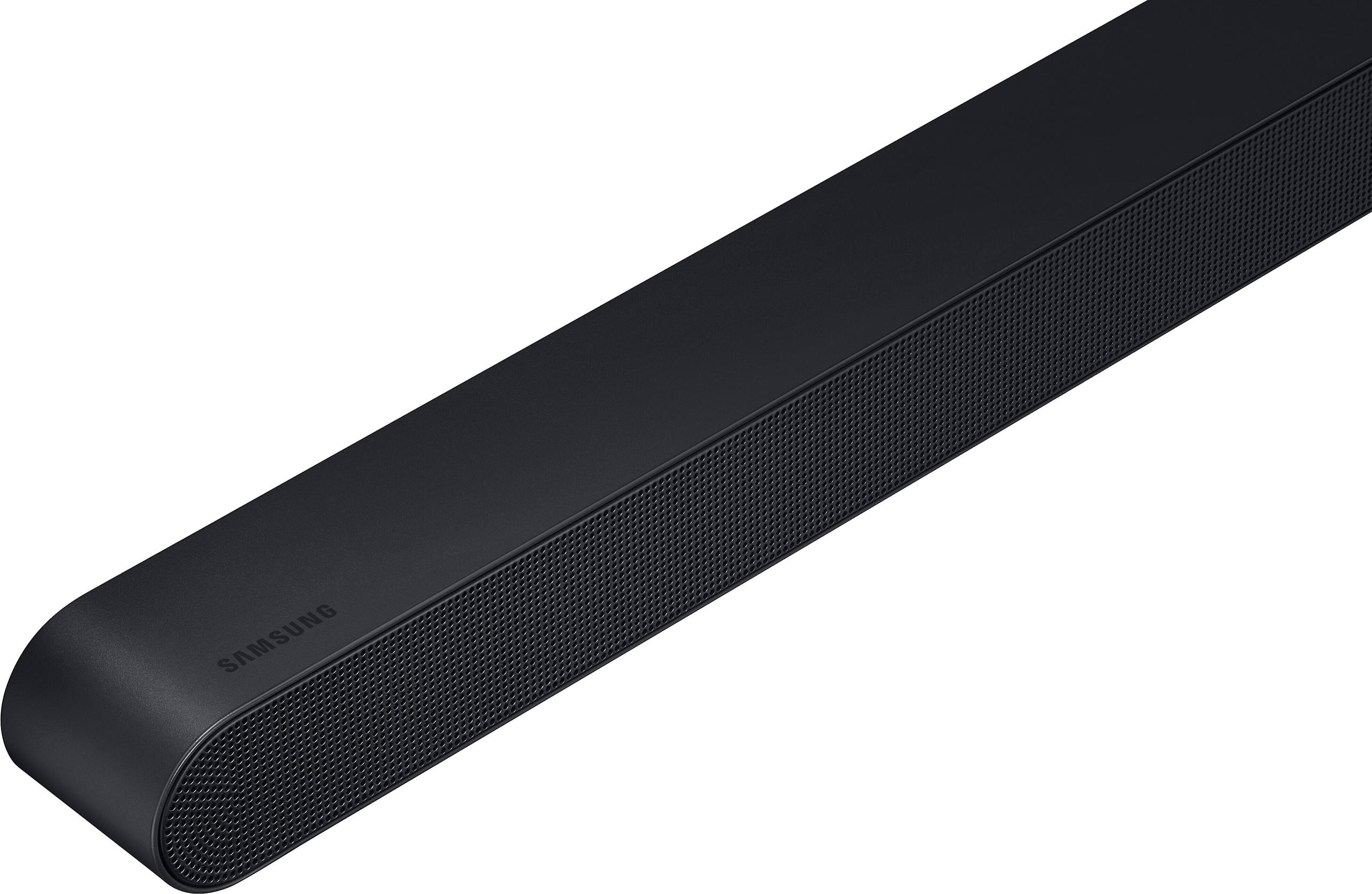
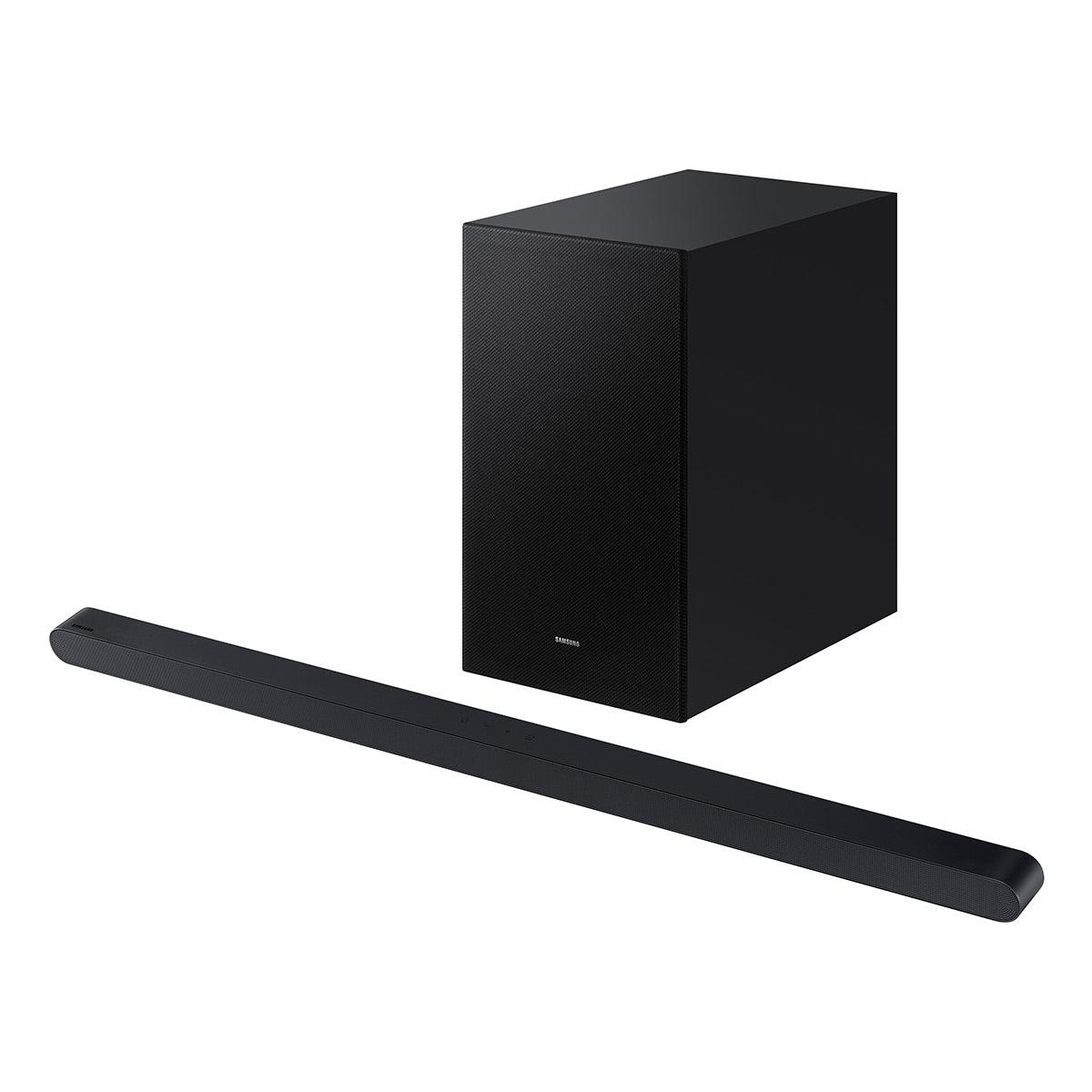
Meanwhile, the Samsung HW-S700D, which hit the market in early 2025, takes the traditional approach of pairing an ultra-slim soundbar with a dedicated wireless subwoofer. Samsung's philosophy here is specialization: let the soundbar handle dialogue and mid-range frequencies, while a purpose-built 6-inch subwoofer tackles the low-end grunt work.
Both approaches have merit, but they create very different user experiences. Having tested both extensively, I've found the choice often comes down to your priorities and living situation.
Here's where the JBL Bar 300 MK2 shows its engineering sophistication. JBL's PureVoice 2.0 technology goes beyond simple center channel emphasis—it uses advanced algorithms to analyze incoming audio and dynamically separate dialogue from background effects. During my testing with "Mad Max: Fury Road" (a notorious dialogue-killer), the JBL maintained speech intelligibility even during the most chaotic chase scenes.
The system works by identifying vocal frequency patterns and boosting them selectively, while simultaneously reducing competing frequencies in real-time. It's like having an audio engineer constantly adjusting levels to keep voices front and center. This matters enormously if you watch a lot of action movies, or if anyone in your household has hearing difficulties.
The Samsung HW-S700D takes a more traditional approach with its dedicated center channel speaker and Active Voice Amplifier (AVA) technology. The center channel—a speaker specifically designed for dialogue reproduction—handles most speech, while AVA provides additional enhancement. It's effective, particularly for standard TV content, but not quite as sophisticated as JBL's approach when content gets really busy.
In quieter scenes and standard TV programming, both systems deliver clear dialogue. But when things get chaotic—think Marvel movies or sports broadcasts with crowd noise—the JBL's more advanced processing gives it a meaningful edge.
This is where the Samsung HW-S700D demonstrates why dedicated subwoofers exist. Physics is unforgiving: producing deep bass requires moving significant amounts of air, which requires either large drivers or high excursion (how far the speaker cone can move). The JBL's integrated approach, while impressive for its size, simply cannot match the Samsung's dedicated 6-inch subwoofer.
During my testing with bass-heavy content like "Blade Runner 2049," the difference was immediately obvious. The Samsung's subwoofer provided the kind of low-frequency extension that you feel in your chest—that rumble when large ships move overhead or when Hans Zimmer's score hits those massive low notes. The JBL, despite its 450W of power and clever driver design, produced what I'd describe as "impressive for its size" bass, but it lacks that physical impact.
The Samsung's bass reflex cabinet design (a ported enclosure that enhances low-frequency output) extends the subwoofer's response well below what the JBL can achieve. You can also adjust the subwoofer level independently from -6 to +6dB, letting you fine-tune the balance for your room and preferences.
However, the JBL's integrated bass does have advantages. It's perfectly balanced with the rest of the frequency range since everything is designed as one system. There's no risk of the bass sounding disconnected or boomy, which can sometimes happen with separate subwoofers in difficult room placements.
Both soundbars use virtual surround processing—complex algorithms that manipulate stereo or multi-channel audio to create the illusion of sounds coming from around and above you. But they achieve this differently.
The JBL Bar 300 MK2 uses MultiBeam 3.0 technology, which fires precisely timed audio reflections off your room's walls to create virtual surround effects. Combined with its 5.0-channel configuration (left, center, right, plus two additional channels for width), it creates an impressively wide soundstage for a single-bar solution. The virtual Dolby Atmos processing adds height effects, making helicopter flyovers and rain sequences feel more three-dimensional.
The Samsung HW-S700D includes both Dolby Atmos and DTS Virtual:X processing, but its secret weapon is Q-Symphony technology. If you own a compatible Samsung TV, Q-Symphony allows the TV's built-in speakers to work in harmony with the soundbar, effectively doubling your available drivers. This creates a much more convincing surround effect than either system could achieve alone.
During my testing with a Samsung QLED TV, this integration was genuinely impressive. The TV speakers handled ambient effects and height information while the soundbar focused on dialogue and primary audio. The result felt more like a proper surround system than typical soundbar virtualization.
The Samsung also includes SpaceFit Sound Pro, which uses the soundbar's built-in microphone to analyze your room acoustics and automatically adjust the audio processing. It's similar to room correction systems found in high-end AV receivers, helping optimize performance regardless of your room's shape or furnishing.
Modern soundbars are essentially streaming devices with great speakers attached, and this is where the JBL Bar 300 MK2 really shines. Its connectivity roster reads like a streaming service greatest hits: AirPlay 2, Chromecast built-in, Alexa Multi-Room Music, Spotify Connect, Tidal Connect, and Roon Ready support.
The JBL One app provides detailed control over the soundbar's EQ settings, with customizable frequency adjustments that let you tailor the sound to your preferences or room acoustics. The app also handles software updates automatically, and JBL has promised a DTS Virtual:X update coming in late 2025—essentially adding a new surround format via software.
The Samsung HW-S700D includes AirPlay and Chromecast support, plus integration with Samsung's SmartThings ecosystem. If you're already invested in Samsung smart home products, this creates convenient unified control. The soundbar also includes Game Mode Pro, which automatically optimizes audio processing when it detects gaming console input—reducing audio latency and emphasizing directional cues that matter in competitive gaming.
Living in close quarters changes the soundbar equation significantly. The JBL Bar 300 MK2's all-in-one design eliminates the subwoofer placement puzzle entirely—no worrying about where to put a bass box that won't annoy downstairs neighbors. Its integrated bass processing provides enough low-end for most content without the room-shaking extremes that separate subwoofers can produce.
I've tested this scenario extensively, and the JBL's approach works particularly well in smaller spaces where you're sitting relatively close to the soundbar. The dialogue clarity remains excellent at lower volumes, and the wide soundstage created by MultiBeam processing doesn't require high volume levels to be effective.
For dedicated movie watching in larger rooms, the Samsung HW-S700D provides the more traditional home theater experience. The dedicated subwoofer placement flexibility lets you optimize bass response for your specific room—something that matters enormously for cinematic impact.
During my testing with various blockbuster films, the Samsung's physical bass extension made action sequences significantly more engaging. The low-frequency effects in movies like "Dune" and "Top Gun: Maverick" had the kind of visceral impact that enhances immersion. The JBL, while impressive, simply couldn't match that physical sensation.
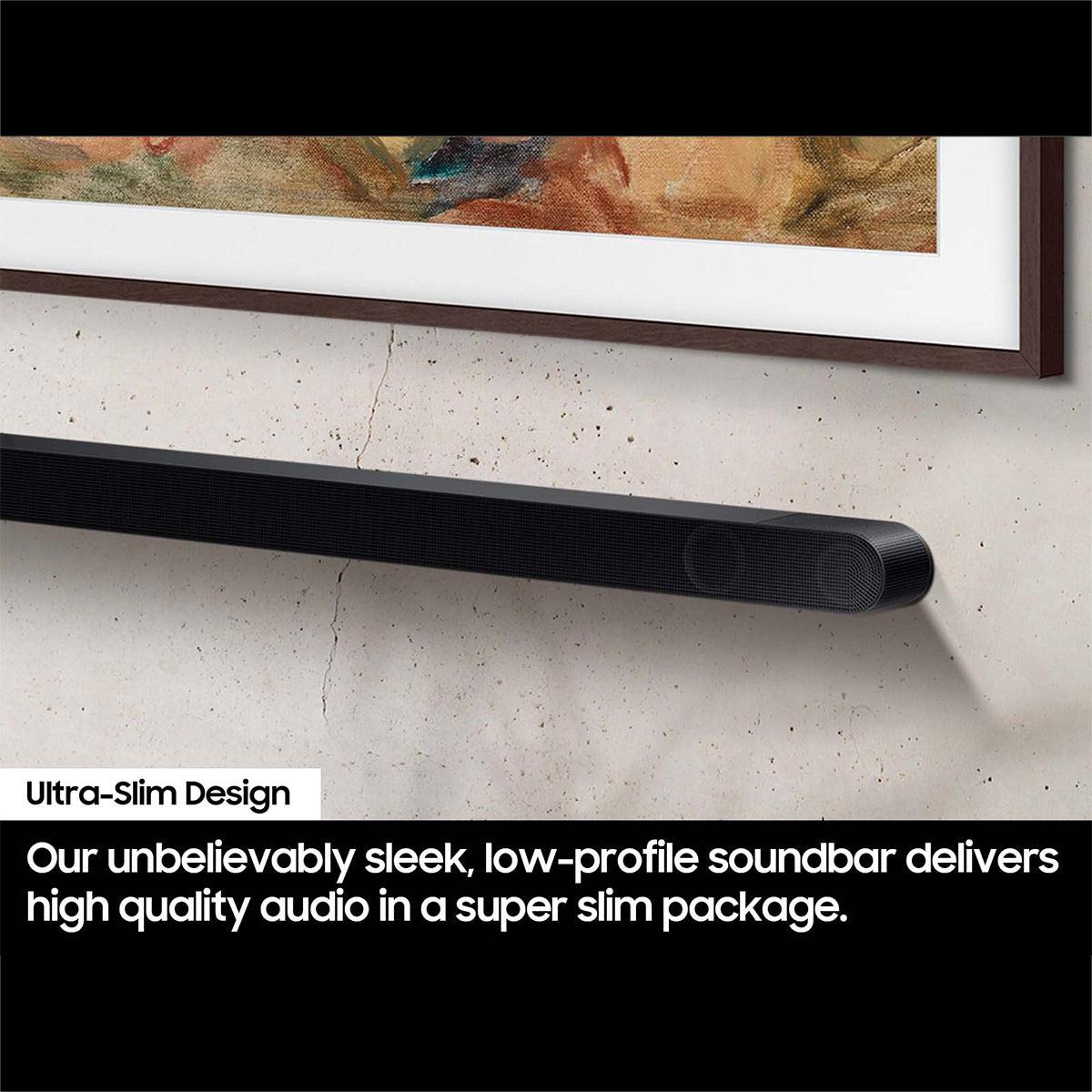
The Samsung's ultra-slim soundbar profile also works beautifully with wall-mounted TVs, creating a clean, integrated appearance that doesn't interfere with your TV's design.
If you own a Samsung TV, the HW-S700D becomes significantly more compelling due to Q-Symphony integration. This feature effectively turns your TV into a surround sound system, using the TV's speakers as additional channels. The soundbar and TV speakers are precisely time-aligned and EQ-matched to work as one cohesive system.
I tested this extensively with a Samsung QLED TV, and the difference was substantial. Movies and shows had a much more expansive soundstage, with better separation between dialogue, music, and effects. It's the closest thing to a true surround system that you can achieve with just two components.
At $377.99, the Samsung HW-S700D provides remarkable value. You're getting a sophisticated soundbar plus a dedicated wireless subwoofer for less money than the JBL's single-bar solution. From a pure hardware perspective, Samsung is giving you more components for less cost.
The JBL Bar 300 MK2 at $449.95 represents a premium for convenience and advanced processing. You're paying extra for the engineering challenge of cramming everything into one bar, plus JBL's more sophisticated dialogue processing and broader streaming support.
The value equation depends heavily on your priorities. If maximum sound quality per dollar is your goal, the Samsung wins handily. If convenience, advanced smart features, and cutting-edge dialogue processing matter more, the JBL's premium becomes justifiable.
Both soundbars represent 2025's state-of-the-art, but they approach future-proofing differently. The JBL Bar 300 MK2 emphasizes software updates, with automatic firmware updates and promised feature additions like DTS Virtual:X support coming later in 2025. This approach means your soundbar can gain new capabilities over time.
The Samsung HW-S700D focuses more on current compatibility, supporting all major audio formats out of the box. Its Q-Symphony technology will likely evolve with Samsung TV updates, potentially adding new integration features as Samsung's TV lineup advances.
Both approaches have merit, but I appreciate JBL's commitment to ongoing software enhancement. It's rare to see audio companies promise significant feature additions post-purchase.
After extensive testing with both systems, here's how I'd recommend making your choice:
Choose the JBL Bar 300 MK2 if you prioritize convenience above all else, have space constraints, or watch a lot of dialogue-heavy content where voice clarity matters most. Its advanced processing and comprehensive streaming support make it ideal for users who want a premium, simple solution.
Choose the Samsung HW-S700D if you want maximum sound quality for your money, have the space for a subwoofer, or own a Samsung TV that can take advantage of Q-Symphony. Its traditional approach delivers more impactful sound for less money, making it the better choice for dedicated home theater use.
Both soundbars represent significant upgrades over TV speakers, but they serve different needs. The Samsung gives you more sound for less money, while the JBL gives you more convenience and sophistication for a premium price. Your choice ultimately depends on whether physical audio performance or smart simplicity matters more to your daily viewing experience.
| JBL Bar 300 MK2 | Samsung HW-S700D |
|---|---|
| Price - Upfront cost and value proposition | |
| $449.95 (premium for convenience) | $377.99 (better hardware value) |
| Configuration - Determines setup complexity and bass performance | |
| 5.0-channel all-in-one (no subwoofer) | 3.1-channel with wireless 6" subwoofer |
| Total Power - Affects maximum volume and dynamic range | |
| 450W (all integrated) | Not specified (soundbar + dedicated sub) |
| Bass Performance - Critical for movies and music impact | |
| Integrated bass processing (impressive for size) | Dedicated 6" wireless subwoofer (superior depth) |
| Dialogue Enhancement - Most important daily use feature | |
| PureVoice 2.0 (advanced AI processing) | Dedicated center channel + AVA technology |
| Surround Sound - Creates immersive experience without rear speakers | |
| Virtual Dolby Atmos + MultiBeam 3.0 | Dolby Atmos + DTS Virtual:X |
| Smart TV Integration - Enhanced features with specific TV brands | |
| Universal compatibility (works with any TV) | Q-Symphony (doubles audio channels with Samsung TVs) |
| Streaming Support - Built-in music services and casting | |
| AirPlay 2, Chromecast, Alexa MRM, Spotify Connect, Tidal Connect, Roon Ready | AirPlay, Chromecast, SmartThings integration |
| Room Calibration - Automatic sound optimization | |
| Manual EQ via JBL One app | SpaceFit Sound Pro (automatic microphone-based) |
| Physical Setup - Space requirements and aesthetic impact | |
| Single 32.3" bar, 2.5kg (minimal footprint) | Ultra-slim bar + subwoofer placement required |
| Gaming Features - Optimized audio for console gaming | |
| Standard processing | Game Mode Pro (reduced latency, directional audio) |
| Future Updates - New features added over time | |
| Automatic updates, DTS Virtual:X coming late 2025 | Standard firmware updates |
The Samsung HW-S700D ($377.99) offers better value with a dedicated wireless subwoofer and soundbar for $72 less than the JBL Bar 300 MK2 ($449.95). You get more hardware components and superior bass performance at a lower price, making the Samsung the clear winner for budget-conscious buyers seeking maximum sound quality per dollar.
Yes, for truly impactful bass in movies and music, a dedicated subwoofer makes a significant difference. The Samsung HW-S700D includes a 6-inch wireless subwoofer that delivers deeper, more powerful bass than the JBL Bar 300 MK2's integrated bass processing. While the JBL produces impressive bass for a single-bar solution, it cannot match the physical low-frequency extension of a dedicated subwoofer.
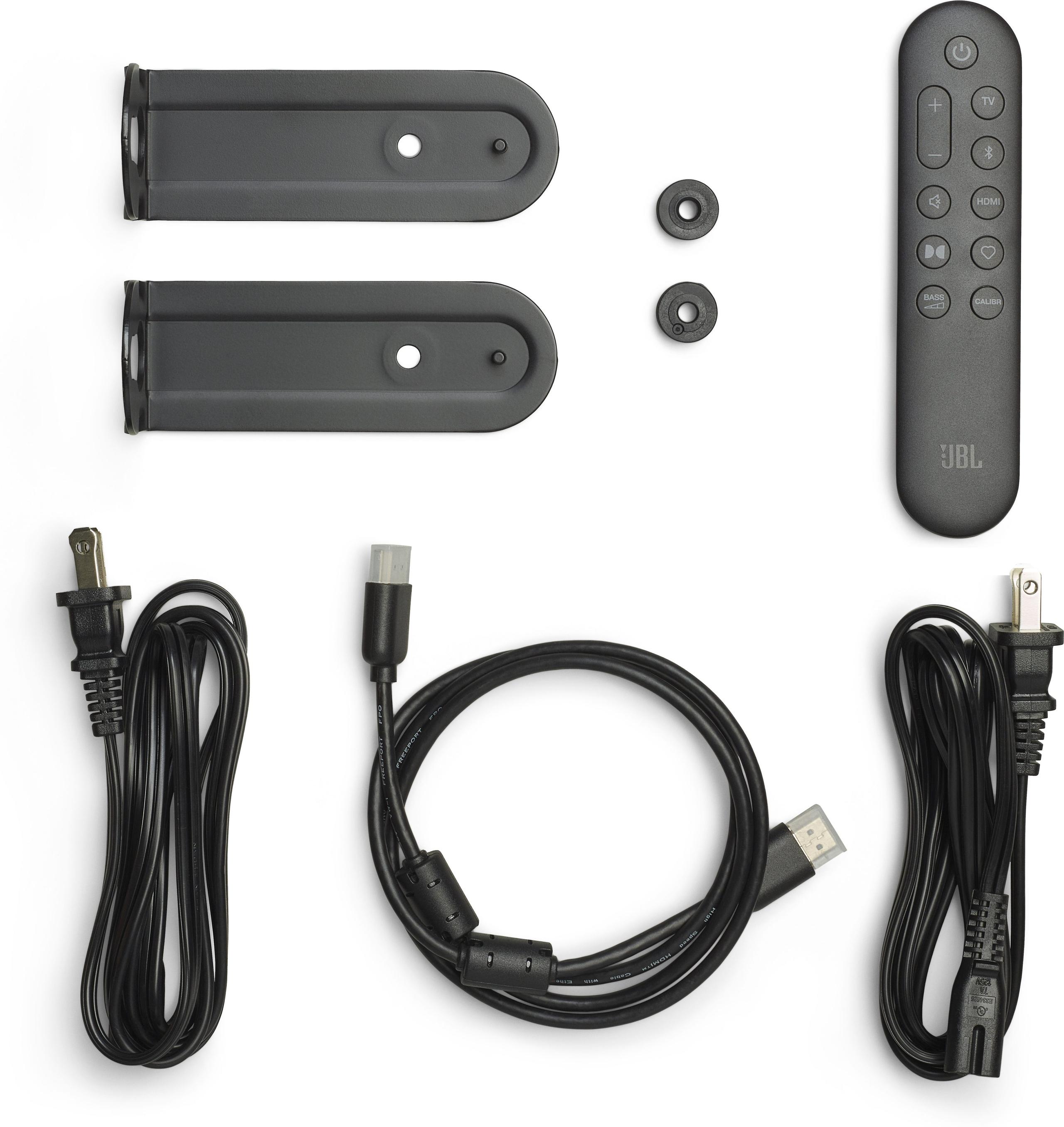
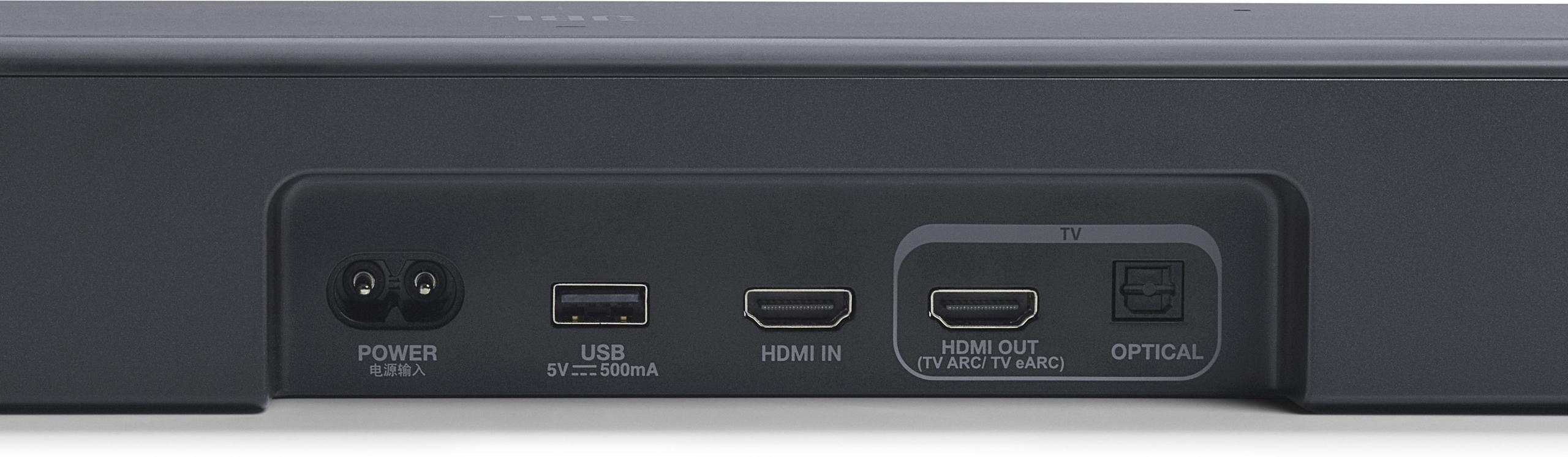
The JBL Bar 300 MK2 wins for simplicity with its all-in-one design requiring just one power cable and one HDMI connection to your TV. The Samsung HW-S700D requires placing and plugging in both the soundbar and wireless subwoofer, plus finding optimal subwoofer placement in your room for best bass performance.
The JBL Bar 300 MK2 excels in dialogue clarity with its advanced PureVoice 2.0 technology that uses AI processing to separate voices from background noise, even during chaotic action scenes. The Samsung HW-S700D has good dialogue through its dedicated center channel and Active Voice Amplifier, but the JBL's more sophisticated processing gives it the edge for speech intelligibility.
Both soundbars work with any TV brand through HDMI or optical connections. However, the Samsung HW-S700D offers significant advantages with Samsung TVs through Q-Symphony technology, which uses your TV's speakers alongside the soundbar for enhanced surround sound. The JBL Bar 300 MK2 provides consistent performance regardless of your TV brand.
The JBL Bar 300 MK2 is ideal for apartments with its compact single-bar design that eliminates subwoofer placement concerns and potential neighbor noise issues. Its integrated bass provides sufficient low-end for smaller spaces without the room-shaking power of the Samsung HW-S700D's dedicated subwoofer, which might be too much for close living quarters.
The JBL Bar 300 MK2 offers superior streaming support with AirPlay 2, Chromecast, Alexa Multi-Room Music, Spotify Connect, Tidal Connect, and Roon Ready compatibility. The Samsung HW-S700D includes AirPlay and Chromecast but lacks the extensive streaming service integration that makes the JBL more versatile for music listening.
Neither soundbar can be expanded with additional rear speakers or components. The JBL Bar 300 MK2 is designed as a complete 5.0-channel system, while the Samsung HW-S700D is a fixed 3.1-channel setup. If you want expandability, you'll need to consider higher-end soundbar systems that support wireless rear speakers.
The Samsung HW-S700D has the advantage for gaming with its dedicated Game Mode Pro that reduces audio latency and emphasizes directional sound cues important for competitive gaming. The JBL Bar 300 MK2 provides good gaming audio but lacks specialized gaming optimization features.
Both soundbars support Dolby Atmos through virtual processing rather than dedicated upfiring speakers. The JBL Bar 300 MK2 uses MultiBeam 3.0 technology to create virtual height effects, while the Samsung HW-S700D combines Dolby Atmos with Q-Symphony (on Samsung TVs) for more convincing surround effects. Neither provides true overhead sound like soundbars with physical upfiring drivers.
The Samsung HW-S700D features an ultra-slim profile specifically designed for wall-mounting aesthetics, creating a seamless look with flat-screen TVs. The JBL Bar 300 MK2 is compact but slightly thicker due to its all-in-one design. Both work with wall-mounted setups, but the Samsung's slim design integrates more elegantly.
For dedicated home theater use, the Samsung HW-S700D provides better cinematic impact with its dedicated subwoofer delivering the deep bass essential for movie soundtracks and effects. The JBL Bar 300 MK2 excels in dialogue clarity and convenience but cannot match the Samsung's physical bass extension that makes action movies and film scores truly immersive.
We've done our best to create useful and informative comparisons to help you decide what product to buy. Our research uses advanced automated methods to create this comparison and perfection is not possible - please contact us for corrections or questions. These are the sites we've researched in the creation of this article: homecinemachoice.com - retailspecs.com - hometechnologyreview.com - whathifi.com - news.jbl.com - engadget.com - crutchfield.com - harmanaudio.com - techradar.com - bestbuy.com - jbl.com - sweech.co.ke - jbl.com - jbl.com.sg - mm.jbl.com - abcwarehouse.com - harmanaudio.com - sweetwater.com - ro.harmanaudio.com - dell.com - jbl.co.nz - crutchfield.com - samsung.com - bestbuy.com - avsforum.com - walts.com - samsung.com - samsung.com - videoandaudiocenter.com - samsung.com - samsung.com - samsung.com - pcrichard.com

Privacy Policy
Terms and Conditions - Affiliate Policy
Home Security
© Copyright 2008-2026.
11816 Inwood Rd #1211, Dallas, TX 75244