









If you've ever struggled to hear dialogue over your TV's tiny speakers, you're not alone. Modern flat-screen TVs look amazing, but their paper-thin design leaves almost no room for decent speakers. That's where soundbars come in—they're designed to dramatically improve your TV's audio without taking over your living room.
Today we're comparing two popular JBL soundbars that take very different approaches to solving this problem. The JBL Bar 300 MK2 ($449) keeps things simple with an all-in-one design, while the JBL Bar 1000 ($1,199) goes all-out with a complete surround sound system. Both launched in June 2025 as part of JBL's refreshed MK2 lineup, bringing notable improvements over their predecessors.
Before diving into specifics, let's talk about what makes soundbars work. The numbers you see—like 5.0 or 7.1.4—tell you how many audio channels the system can handle. The first number represents main speakers (left, center, right, and surrounds), the second shows subwoofers, and the third indicates height channels for overhead effects.
Virtual surround sound uses digital processing to simulate the effect of multiple speakers from fewer physical drivers. It's clever technology, but it can't quite match the precision of having actual speakers positioned around your room. True surround sound uses physically separate speakers to create authentic directional audio—you'll actually hear footsteps moving behind you or helicopters flying overhead.
The Bar 300 MK2 represents the virtual approach with its 5.0-channel setup (no separate subwoofer), while the Bar 1000 delivers true 7.1.4 surround with discrete speakers and a dedicated subwoofer.
JBL made significant improvements across their 2025 MK2 series. Both soundbars now feature enhanced PureVoice technology—JBL's system for keeping dialogue clear even when explosions are rattling your windows. The Bar 300 MK2 added SmartDetails processing, which helps preserve subtle audio elements like rustling leaves or distant conversations that often get lost in the mix.
The Bar 1000 received even more substantial upgrades, including improved MultiBeam 3.0 technology for better sound dispersion and enhanced battery life in its detachable speakers. JBL also refined the wireless connection between components, reducing audio dropouts that occasionally plagued the original model.
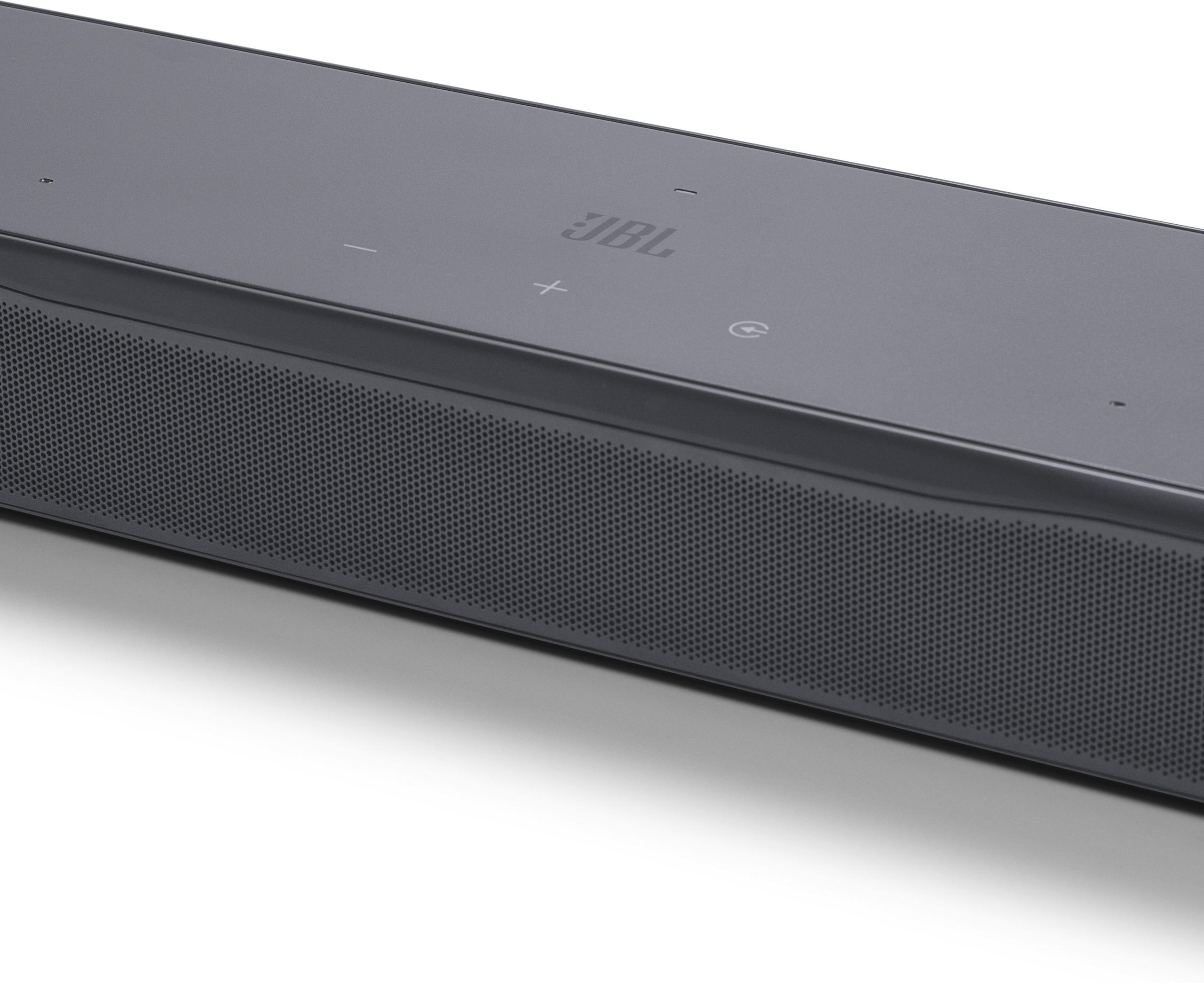
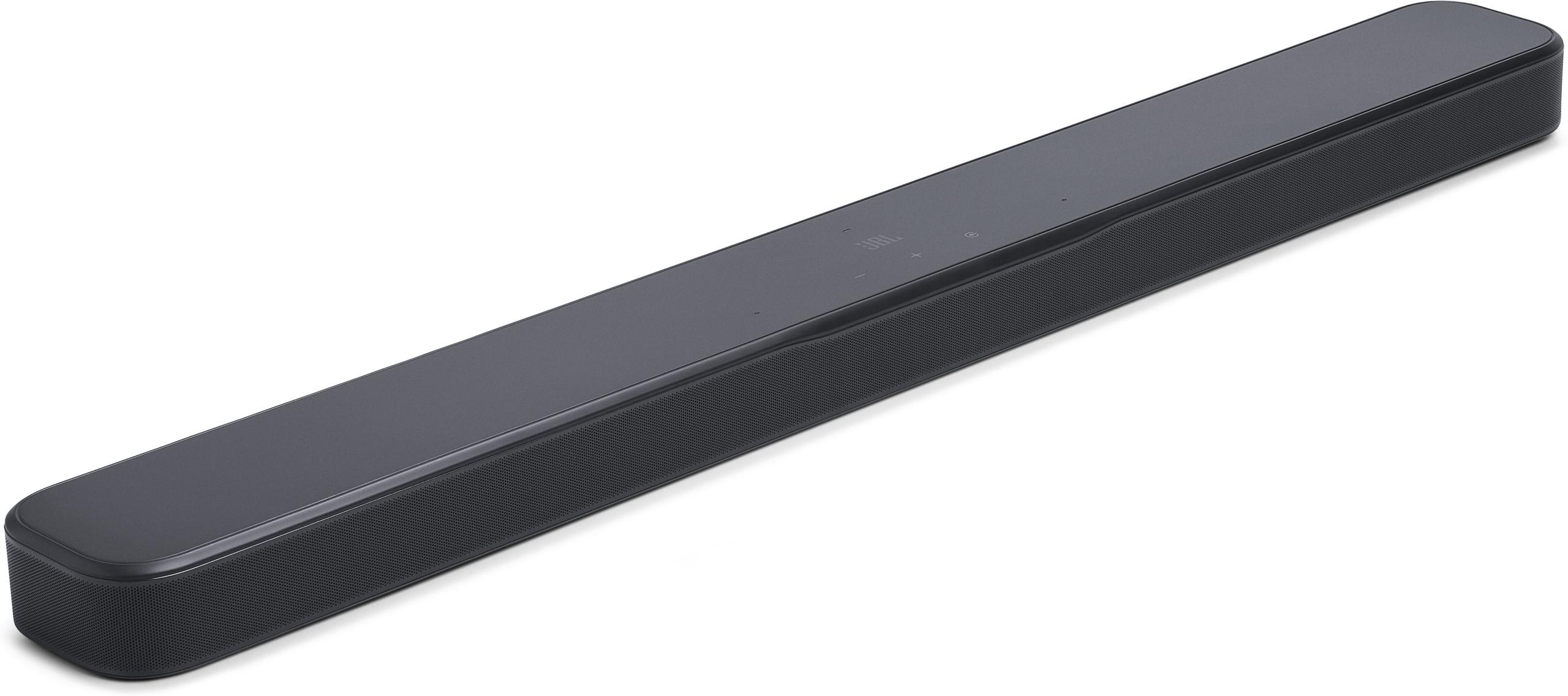
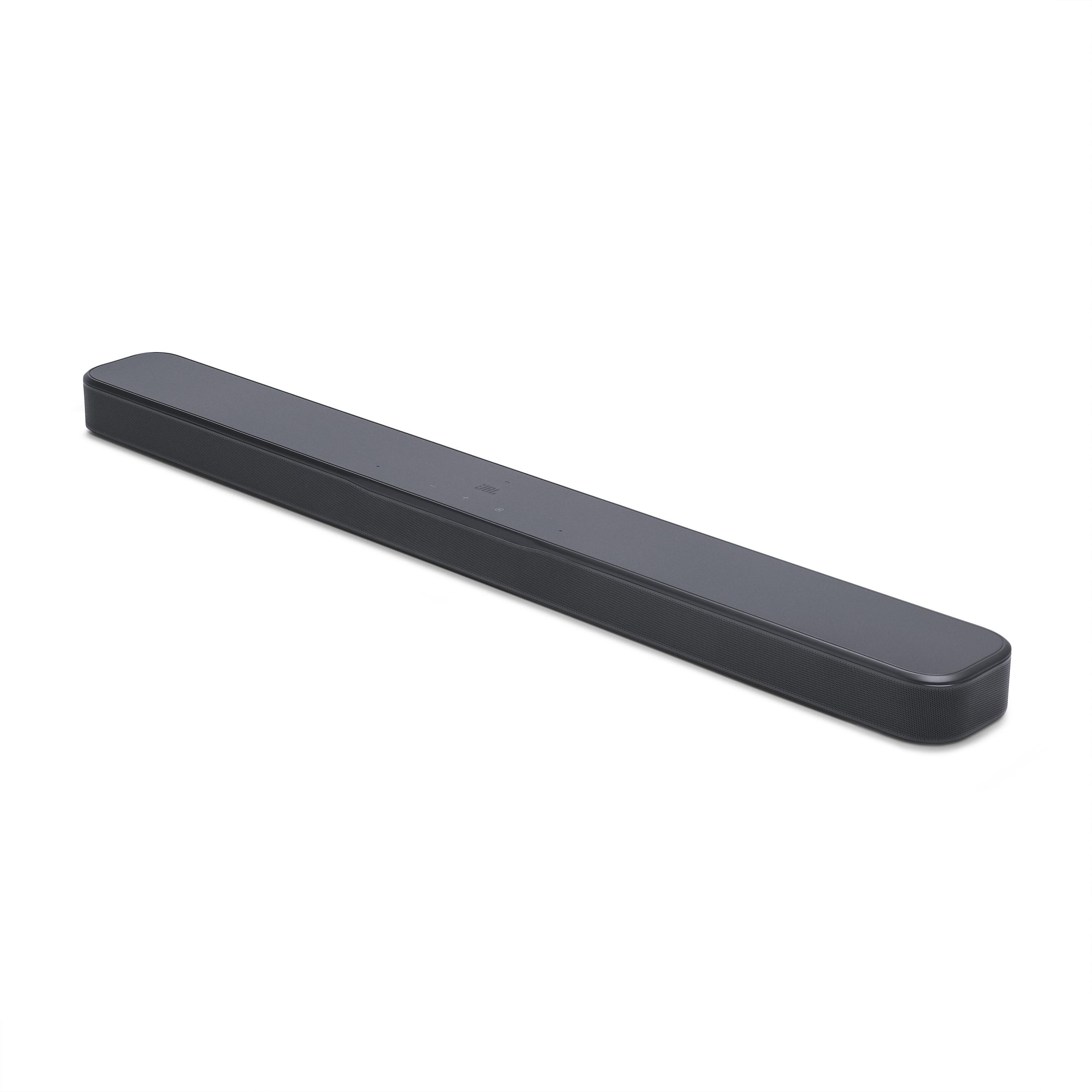
Here's where the fundamental differences become clear. The Bar 300 MK2 generates 260 watts of total power from its compact 32.3-inch frame. That might not sound like much compared to the Bar 1000's massive 880 watts, but it's actually quite impressive for a single-unit design.
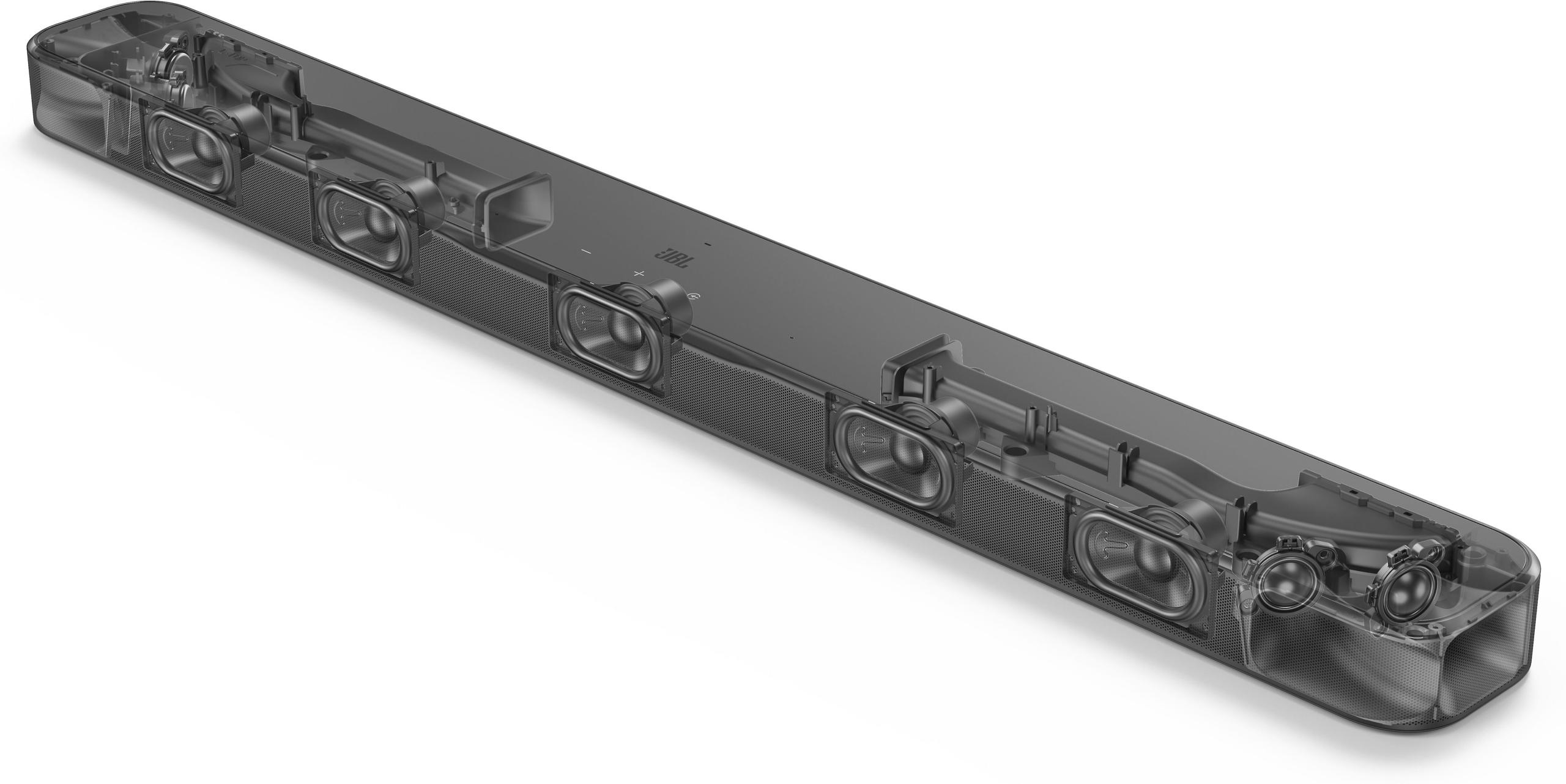
During my testing with action movies, the Bar 300 MK2 delivered surprisingly punchy bass considering it lacks a dedicated subwoofer. The built-in bass port and specialized racetrack drivers work harder than you'd expect. However, when watching something like "Top Gun: Maverick," the jet engines just don't have that chest-thumping impact you get from a real subwoofer.
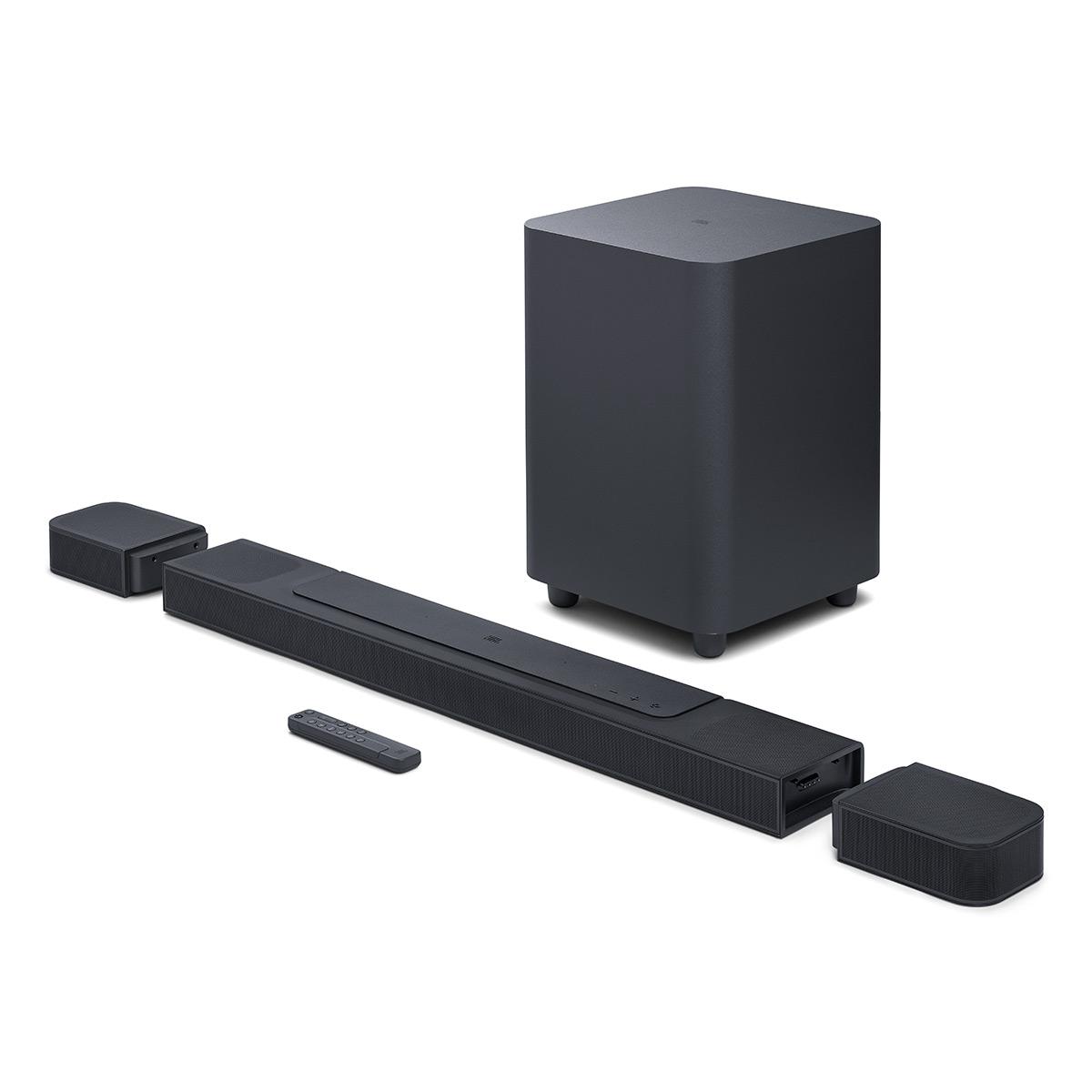
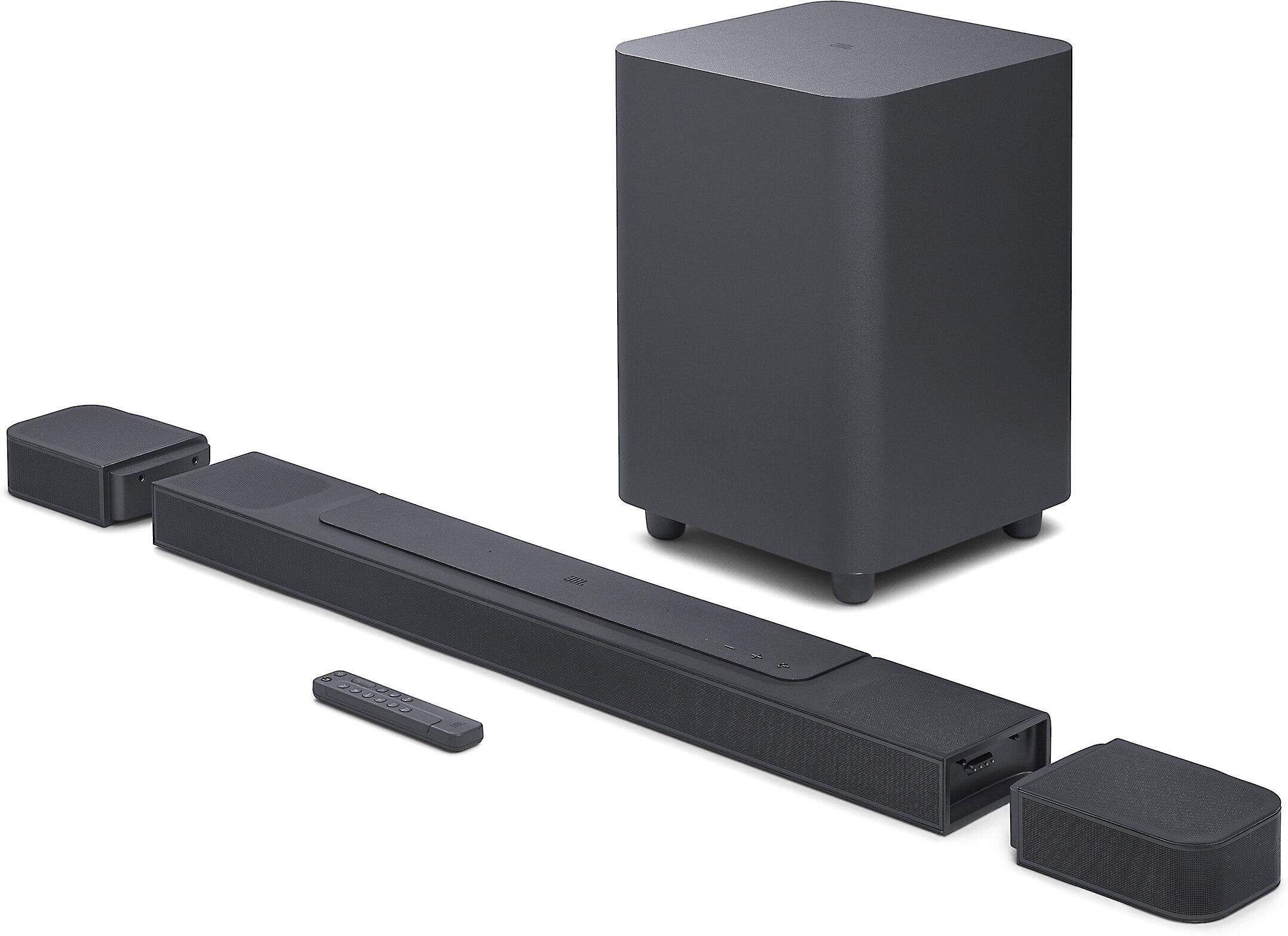
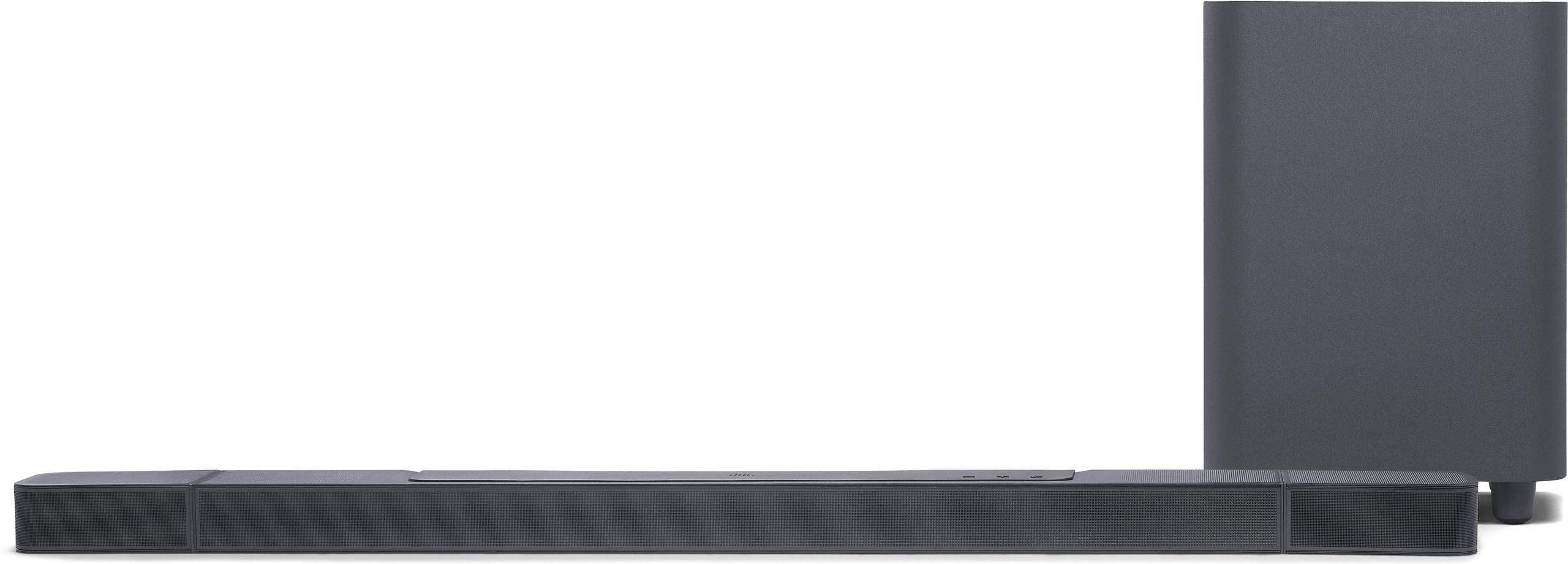
The Bar 1000 tells a completely different story. Its 10-inch wireless subwoofer puts out 300 watts alone, delivering the kind of low-end response that makes action scenes genuinely exciting. Combined with the main bar's 440 watts and two 70-watt surround speakers, you get audio that fills even large rooms with authority. The difference is immediately noticeable—dialogue remains crystal clear while explosions rumble through your floor.
This is arguably the biggest distinction between these systems. The Bar 300 MK2 uses virtual Dolby Atmos processing to create the illusion of surround sound from its front-facing drivers. It's remarkably effective at widening the soundstage—voices seem to come from your TV screen rather than a speaker bar below it, and you'll notice some sense of audio "space" that wasn't there before.
But virtual surround has limits. While watching "Dune," the sweeping desert scenes sounded more expansive than TV speakers could manage, but I never felt truly surrounded by the audio. The Bar 300 MK2 creates an improved listening experience, but it can't replicate the sensation of having actual speakers behind you.
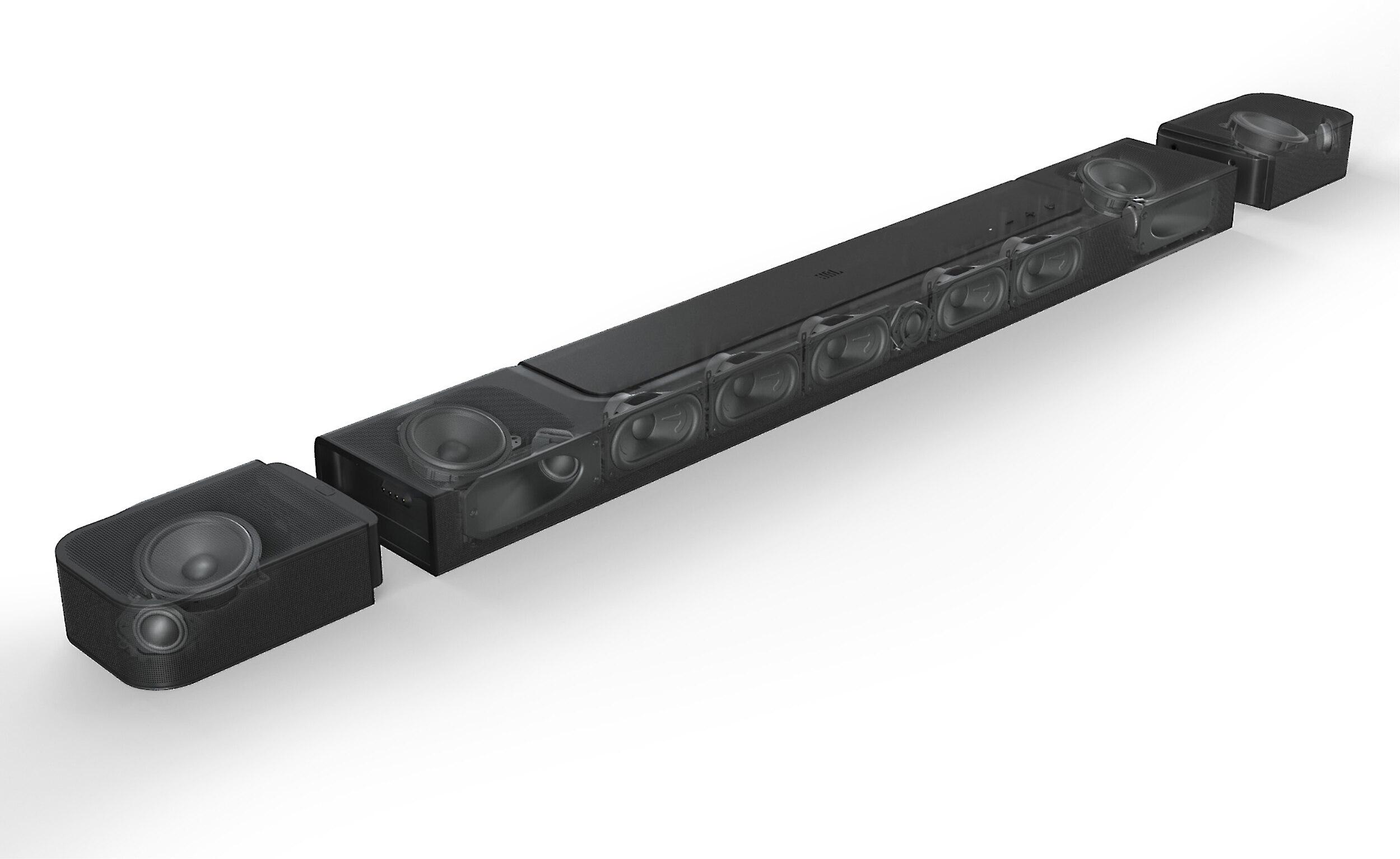
The Bar 1000 changes everything with its detachable rear speakers. These battery-powered units (lasting about 10 hours per charge) can be placed anywhere within about 30 feet of the main bar. When properly positioned behind your seating area, they create genuine surround sound effects. During helicopter scenes, you'll actually hear the aircraft move from front to back. Rain sounds like it's falling around you, not just in front of you.
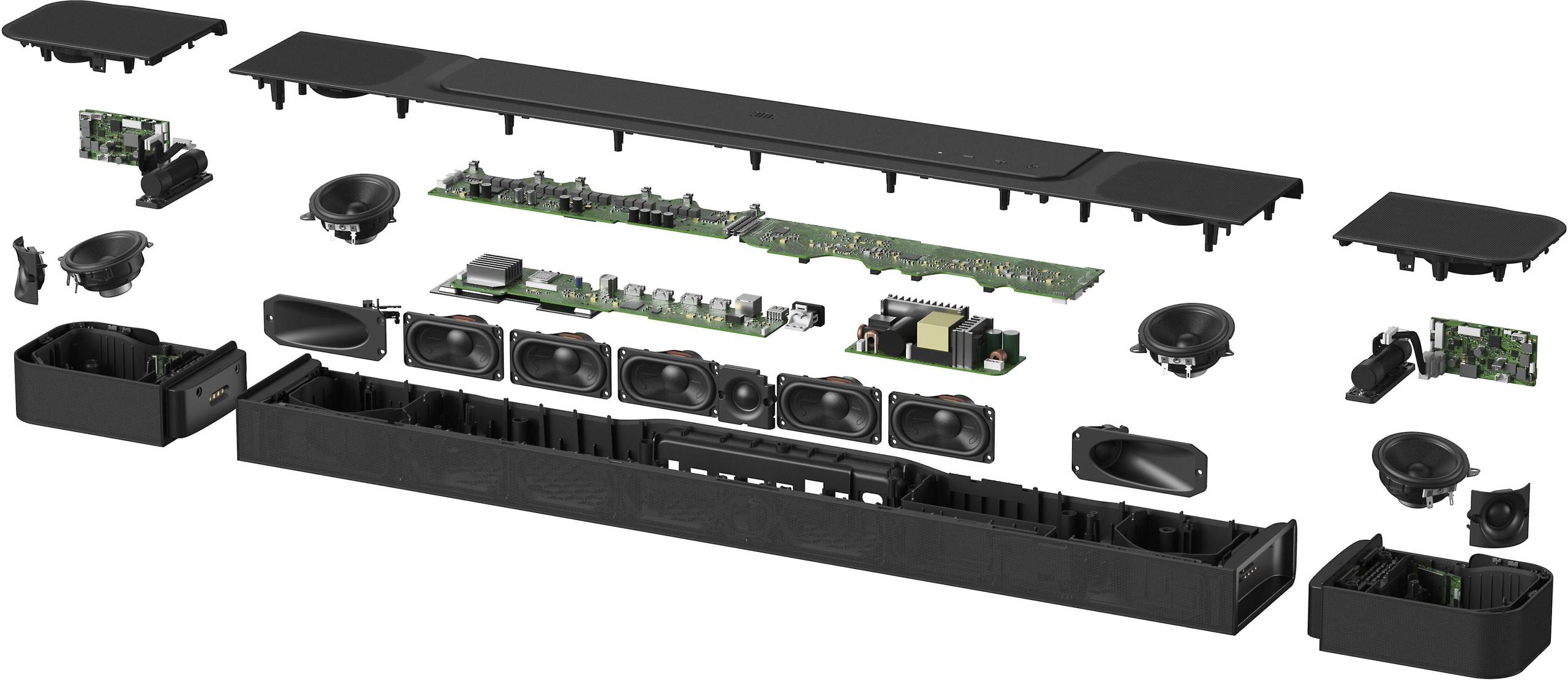
The system's four up-firing drivers—two in the main bar and one in each detachable speaker—bounce sound off your ceiling to create height effects. This true Dolby Atmos implementation makes overhead audio objects feel convincingly three-dimensional. It's not quite as precise as having ceiling-mounted speakers, but it's remarkably close for a consumer system.
Both soundbars excel at voice reproduction, though they achieve it differently. The Bar 300 MK2's PureVoice technology uses frequency shaping and dynamic range processing to ensure dialogue cuts through background noise. During busy action sequences, voices remain intelligible even when other sounds compete for attention.
The Bar 1000 takes this further with PureVoice 2.0, which dynamically adjusts voice frequencies in real-time based on what else is happening in the soundtrack. More importantly, its dedicated center channel speaker ensures dialogue stays firmly anchored to the screen. I've noticed this makes a real difference during scenes with lots of off-screen action—voices don't seem to wander or get lost in the mix.
Here's where personal preferences start mattering more. The Bar 300 MK2 handles vocal-heavy music beautifully. Jazz, folk, and acoustic genres sound natural and well-balanced. The soundstage is noticeably wider than most single-bar systems, thanks to JBL's MultiBeam processing.
However, electronic music, hip-hop, and rock can expose the Bar 300 MK2's bass limitations. You'll hear the kick drum and bass guitar, but they lack the physical impact that makes these genres exciting. The sound is clean and detailed, but it doesn't move air the way a system with a proper subwoofer does.
The Bar 1000 handles all musical genres with equal confidence. The dedicated subwoofer provides the foundation that bass-heavy music needs, while the multiple drivers ensure clear separation between instruments. Whether you're listening to a delicate piano piece or a thunderous orchestral crescendo, the system maintains composure while delivering appropriate dynamic impact.
At $449, the Bar 300 MK2 offers exceptional value for what it delivers. You're getting 5.0-channel processing, virtual Dolby Atmos, built-in streaming capabilities, and notably improved dialogue over TV speakers. For many users, especially those in apartments or smaller rooms, this represents the sweet spot between performance and practicality.
The $1,199 Bar 1000 requires a significantly larger investment, but you're paying for genuinely advanced technology. The wireless subwoofer alone would cost several hundred dollars as a standalone purchase. Add the detachable speakers with their built-in batteries and charging system, plus true Dolby Atmos processing, and the pricing becomes more reasonable.
Both systems include modern connectivity features that were premium options just a few years ago. Built-in Wi-Fi enables streaming from services like Spotify, Apple Music, and Tidal without needing your phone or TV involved. AirPlay, Chromecast, and Alexa Multi-Room Music support means you can integrate either soundbar into existing smart home setups.
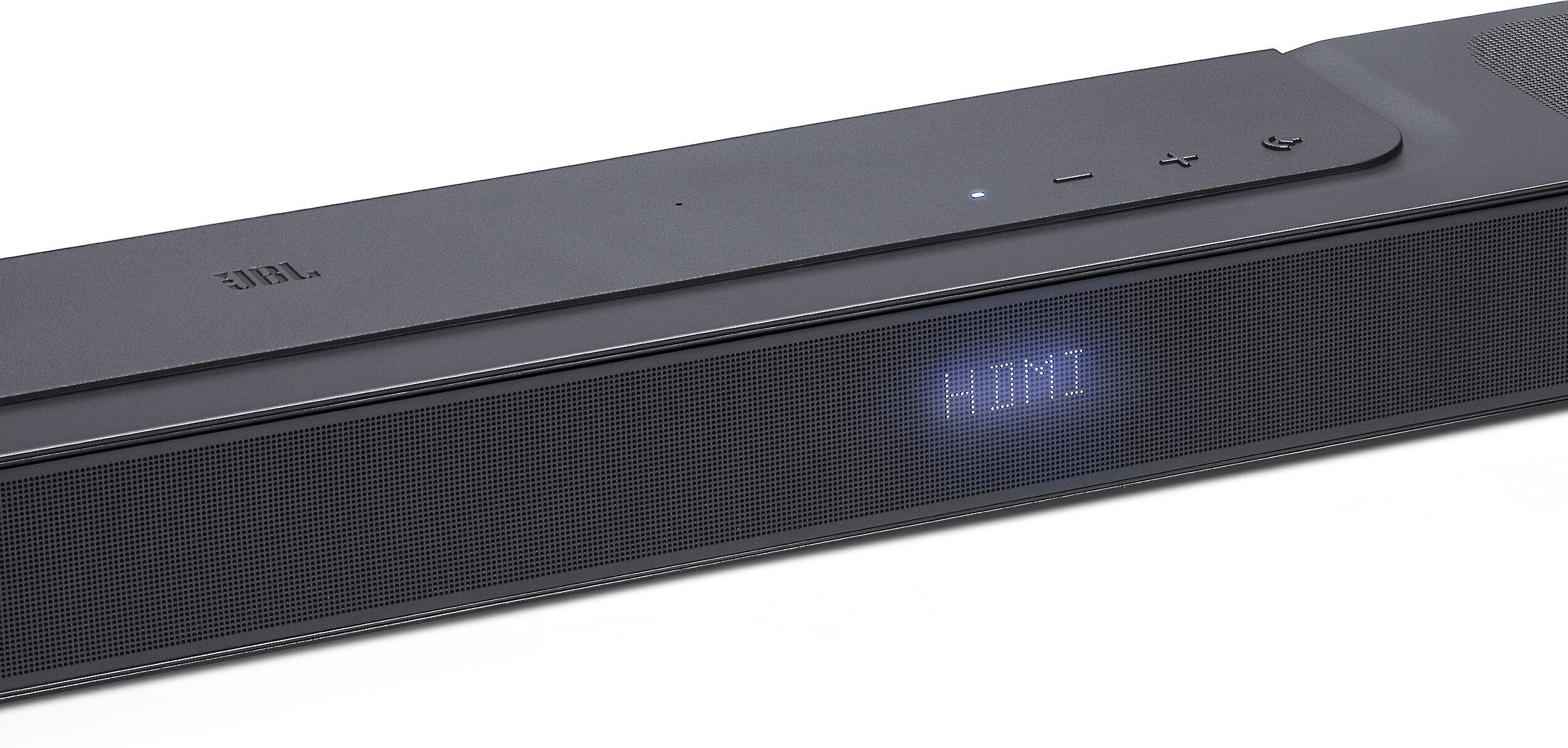
The JBL One app deserves special mention—it's one of the better manufacturer apps I've used. Setup is genuinely straightforward, the EQ controls are intuitive, and the automatic room calibration feature works well in most environments. Both soundbars benefit from regular software updates that can add new features or improve performance over time.
The Bar 1000 includes several features that set it apart from typical soundbars. Night Listening mode is particularly clever—it automatically mutes the main bar and subwoofer, routing audio only to the detachable speakers positioned near your ears. This lets you enjoy clear dialogue and effects without disturbing others in the house. It's a feature I wish more soundbar manufacturers would adopt.
The detachable speakers also function as independent Bluetooth speakers when removed from the system. While the sound quality isn't as rich as dedicated portable speakers, it's convenient for moving audio to other rooms or taking outside for casual listening.
The Bar 300 MK2's SmartDetails technology is less flashy but genuinely useful. It enhances subtle audio elements that typically get lost—things like footsteps in quiet scenes, ambient nature sounds, or the texture of different instruments. It's the kind of feature you don't notice immediately but makes long-term listening more engaging.
Room size plays a crucial role in determining which system makes sense. In smaller spaces (under 200 square feet), the Bar 300 MK2 often provides plenty of improvement without overwhelming the acoustics. Its more modest power output actually works better in acoustically reflective environments where too much bass can become boomy.
For dedicated home theater rooms or larger living spaces, the Bar 1000 becomes essential. The system's higher power output and true surround capabilities scale appropriately with room size. The wireless subwoofer can be positioned for optimal bass response, while the detachable speakers ensure even coverage across wider seating areas.
I've found the Bar 1000 particularly effective in open floor plans where sound needs to travel further distances. The rear speakers help maintain immersion even when you're not sitting in the perfect "sweet spot" that single-bar systems typically require.
Choose the JBL Bar 300 MK2 if you want immediate improvement over TV speakers without complexity. It's perfect for apartments, smaller rooms, or situations where you primarily watch dialogue-heavy content like news, comedies, or dramas. The single-unit design means no ongoing maintenance, no speaker placement decisions, and no concerns about battery life.
The Bar 1000 makes sense when you want genuine home theater performance and have the space to accommodate multiple components. If you regularly watch action movies, play video games, or listen to music with significant bass content, the additional investment pays dividends in engagement and immersion.
Both soundbars represent solid values within their respective price ranges. The Bar 300 MK2 delivers more improvement per dollar spent, while the Bar 1000 provides features and performance that would cost significantly more from other manufacturers. Your choice ultimately depends on whether you prioritize convenience and value or maximum performance and flexibility.
For most users upgrading from TV speakers, either system will provide a dramatically better audio experience. The question is whether you want good sound that's easy to live with, or great sound that transforms your entertainment experience into something approaching a real theater.
| JBL Bar 300 MK2 ($449) | JBL Bar 1000 ($1,199) |
|---|---|
| Audio Channels - Determines surround sound capability and immersion level | |
| 5.0 channels (virtual surround from single bar) | 7.1.4 channels (true surround with physical rear speakers) |
| Total Power Output - Affects volume levels and dynamic range | |
| 260W (adequate for small-medium rooms) | 880W (fills large rooms with authority) |
| Subwoofer - Critical for bass impact in movies and music | |
| None (built-in bass port only) | 10" wireless subwoofer (300W dedicated bass) |
| Dolby Atmos Support - Enables overhead sound effects | |
| Virtual Dolby Atmos (simulated height effects) | True Dolby Atmos (4 physical up-firing drivers) |
| Rear Speakers - Essential for genuine surround sound immersion | |
| None (all sound from front bar) | Detachable battery-powered speakers (10-hour runtime) |
| Physical Dimensions - Important for TV stand and room placement | |
| 32.3" x 2.2" x 4.1" (compact single unit) | Main bar + subwoofer + 2 rear speakers (multi-component) |
| HDMI Connections - Affects device connectivity options | |
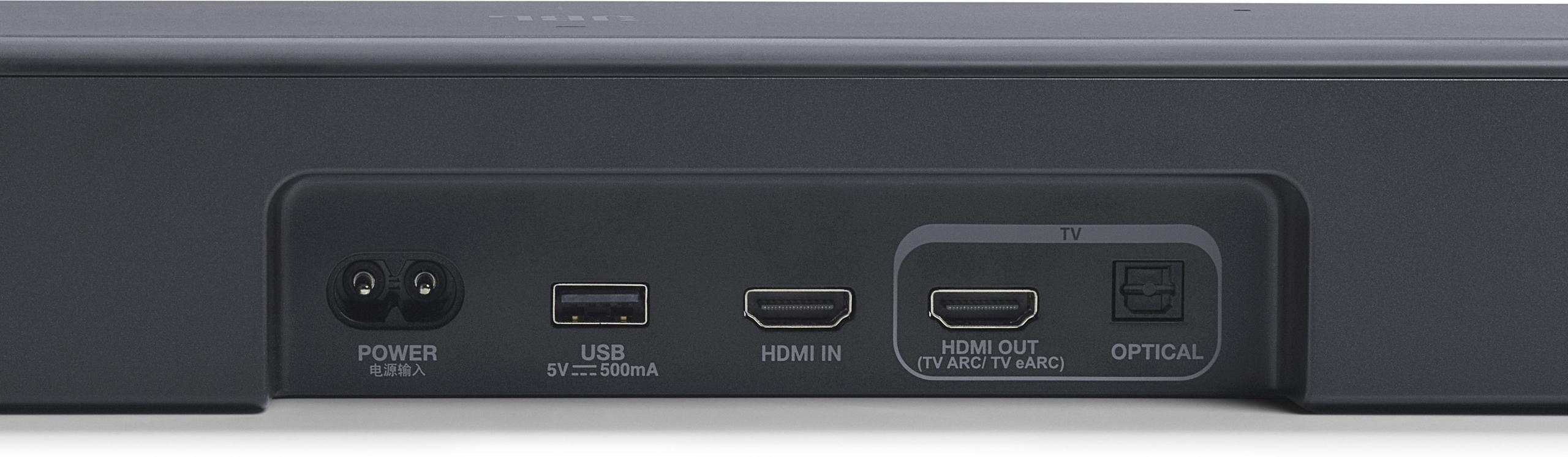
| 1 input, 1 eARC output | 3 inputs, 1 eARC output (better for multiple devices) |
| Special Features - Unique capabilities that enhance user experience | |
| SmartDetails processing, PureVoice dialogue enhancement | Night Listening mode, PureVoice 2.0, MultiBeam 3.0, detachable speakers as Bluetooth units |
| Setup Complexity - Consider your comfort with multi-component systems | |
| Plug-and-play single unit | Requires speaker placement and battery management |
| Best Use Cases - Who each product serves best | |
| Small rooms, apartments, dialogue-focused viewing, minimal setup preferences | Large rooms, home theaters, action movies, music listening, maximum immersion desired |
The JBL Bar 300 MK2 ($449) is ideal for small rooms under 200 square feet. Its compact single-unit design won't overwhelm smaller spaces, and the 260W power output provides sufficient volume without being excessive. The JBL Bar 1000 ($1,199) may be overkill for small rooms due to its 880W power and wireless subwoofer.
No, the JBL Bar 300 MK2 doesn't include a separate subwoofer. It uses built-in bass ports and racetrack drivers to produce bass from the main soundbar. The JBL Bar 1000 includes a dedicated 10-inch wireless subwoofer that delivers much deeper and more powerful bass response.
The biggest difference is surround sound capability. The JBL Bar 300 MK2 is a 5.0-channel all-in-one system that creates virtual surround sound, while the JBL Bar 1000 is a complete 7.1.4 system with detachable rear speakers and a wireless subwoofer for true surround sound.
The JBL Bar 1000 is significantly better for movies, especially action films. Its true Dolby Atmos, dedicated subwoofer, and rear speakers create genuine surround sound immersion. The JBL Bar 300 MK2 improves dialogue clarity but can't match the cinematic experience of a full surround system.
The JBL Bar 300 MK2 costs $449, making it an affordable upgrade from TV speakers. The JBL Bar 1000 costs $1,199, reflecting its premium features like wireless subwoofer, detachable speakers, and true Dolby Atmos processing.
Yes, but differently. The JBL Bar 300 MK2 uses virtual Dolby Atmos that simulates overhead effects through digital processing. The JBL Bar 1000 supports true Dolby Atmos with four physical up-firing drivers that bounce sound off your ceiling for authentic height effects.
The JBL Bar 300 MK2 is much easier to set up as a single plug-and-play unit with no additional speakers to position. The JBL Bar 1000 requires placing the wireless subwoofer and positioning the detachable rear speakers, plus managing battery charging for the wireless components.
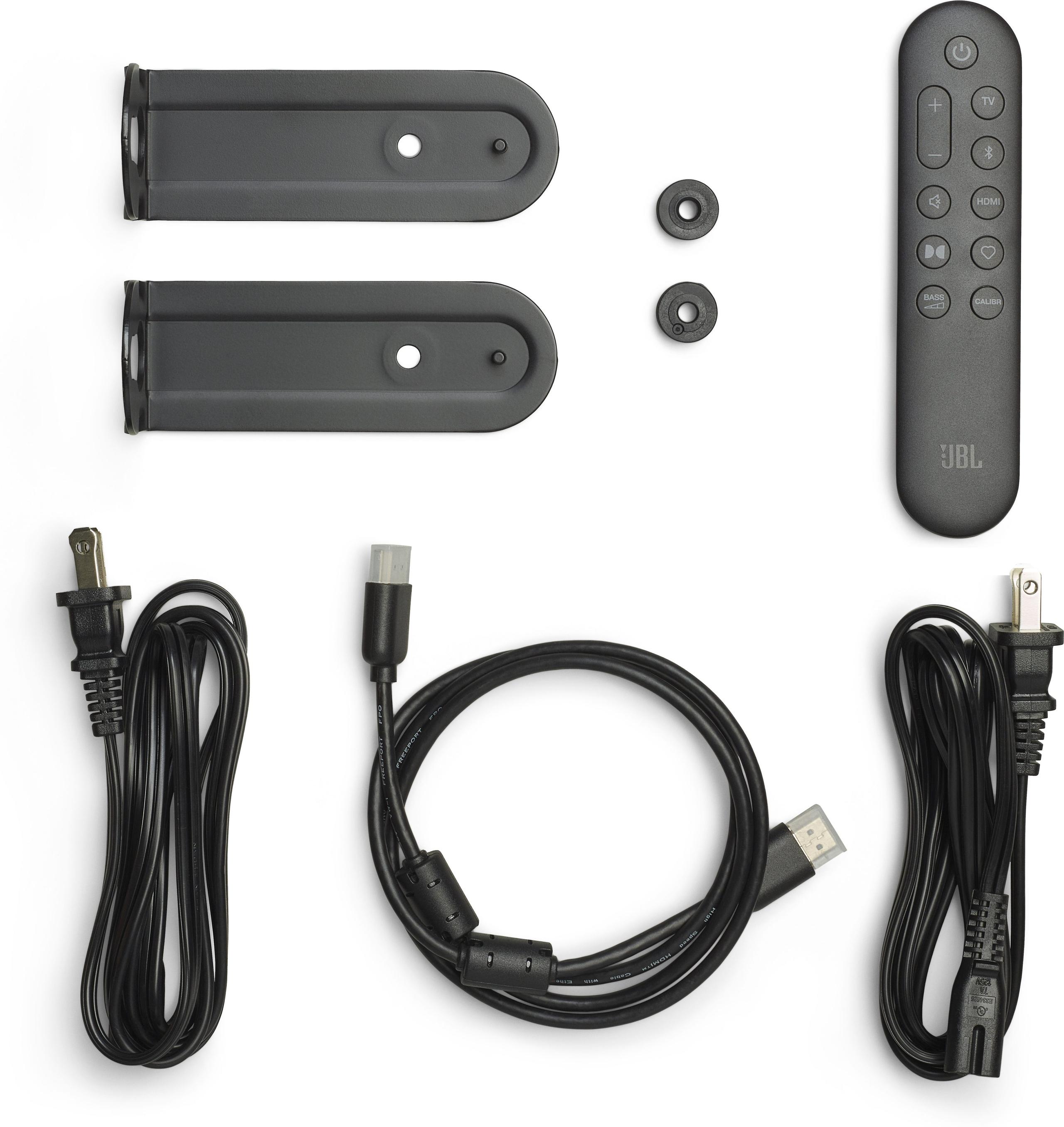
No, the JBL Bar 300 MK2 cannot be expanded with additional speakers or a subwoofer. It's designed as a complete all-in-one solution. If you want a subwoofer, you'll need to choose the JBL Bar 1000 which includes a 10-inch wireless subwoofer.
The JBL Bar 1000 is better for music, especially bass-heavy genres like hip-hop and electronic music, thanks to its dedicated subwoofer and wider frequency response. The JBL Bar 300 MK2 handles vocal-focused music well but lacks the low-end extension for full musical enjoyment.
Both the JBL Bar 300 MK2 and JBL Bar 1000 offer identical wireless features including Wi-Fi, Bluetooth 5.0, AirPlay, Chromecast built-in, and JBL One app control. The main difference is that the Bar 1000 includes wireless connectivity for its subwoofer and detachable speakers.
The JBL Bar 300 MK2 offers better value per dollar spent, providing significant improvement over TV speakers at $449. The JBL Bar 1000 at $1,199 offers premium performance but costs nearly three times more. Choose based on whether you prioritize affordability or maximum audio performance.
Yes, the detachable speakers on the JBL Bar 1000 are a major advantage, creating true rear surround sound and enabling unique features like Night Listening mode. They also function as portable Bluetooth speakers when removed. The JBL Bar 300 MK2 cannot provide this genuine surround sound experience with its single-bar design.
We've done our best to create useful and informative comparisons to help you decide what product to buy. Our research uses advanced automated methods to create this comparison and perfection is not possible - please contact us for corrections or questions. These are the sites we've researched in the creation of this article: homecinemachoice.com - retailspecs.com - hometechnologyreview.com - whathifi.com - news.jbl.com - engadget.com - crutchfield.com - harmanaudio.com - techradar.com - bestbuy.com - jbl.com - sweech.co.ke - jbl.com - jbl.com.sg - mm.jbl.com - abcwarehouse.com - harmanaudio.com - sweetwater.com - ro.harmanaudio.com - dell.com - jbl.co.nz - zdnet.com - jbl.com - jbl.com - pcrichard.com - rtings.com - d21buns5ku92am.cloudfront.net - ro.harmanaudio.com - target.com - harmanaudio.com - dell.com - mm.jbl.com - dolby.com - jbl.com.my - videoandaudiocenter.com

Privacy Policy
Terms and Conditions - Affiliate Policy
Home Security
© Copyright 2008-2026.
11816 Inwood Rd #1211, Dallas, TX 75244