


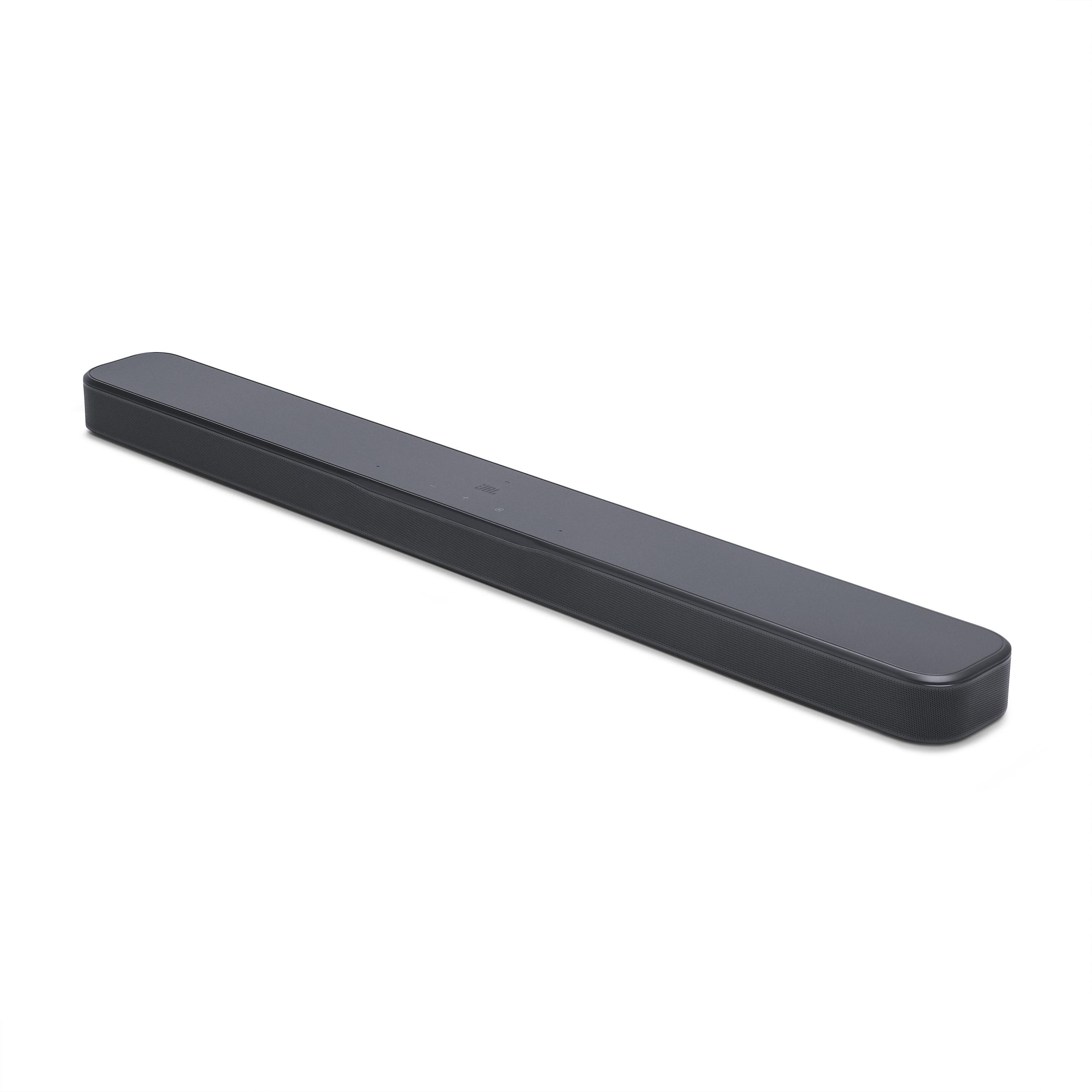

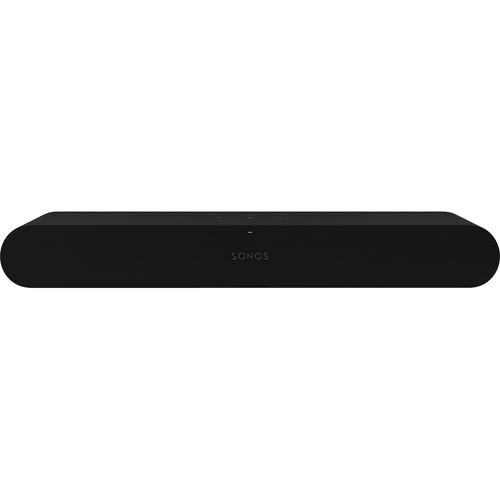


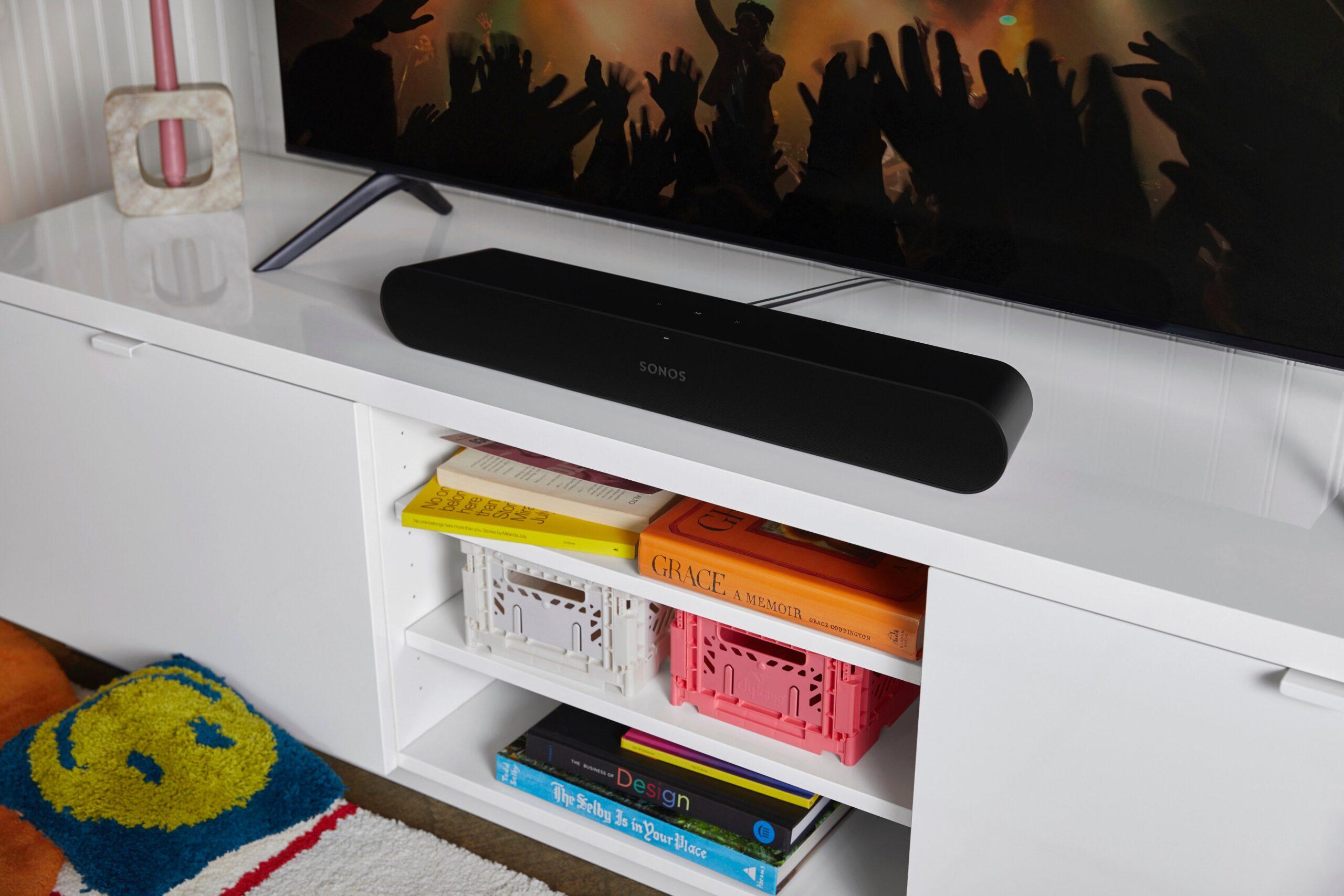
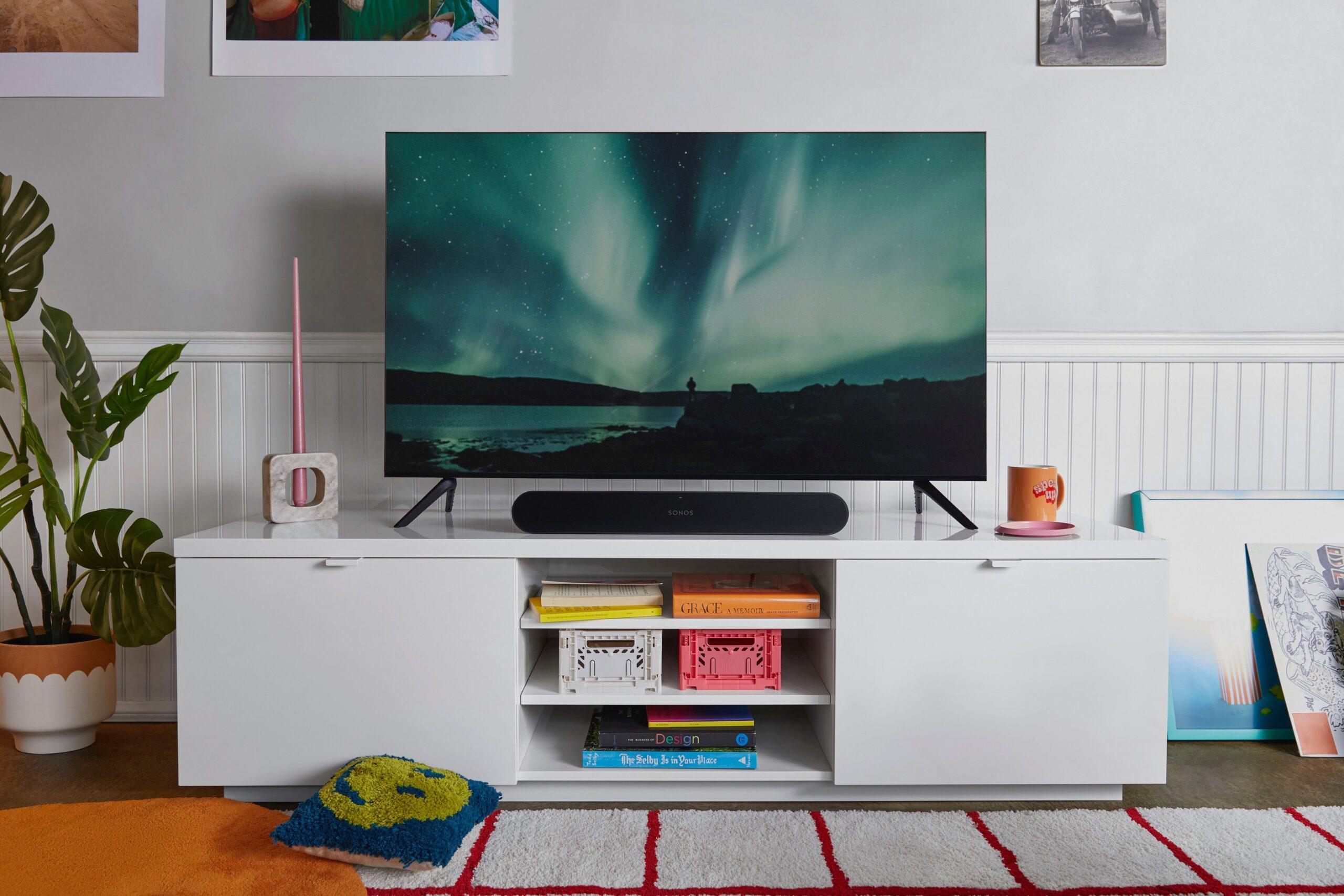
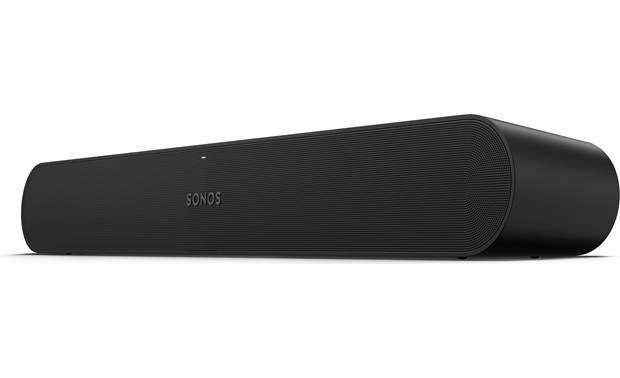
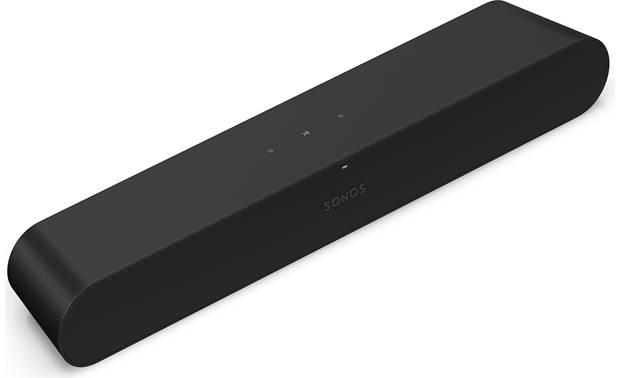
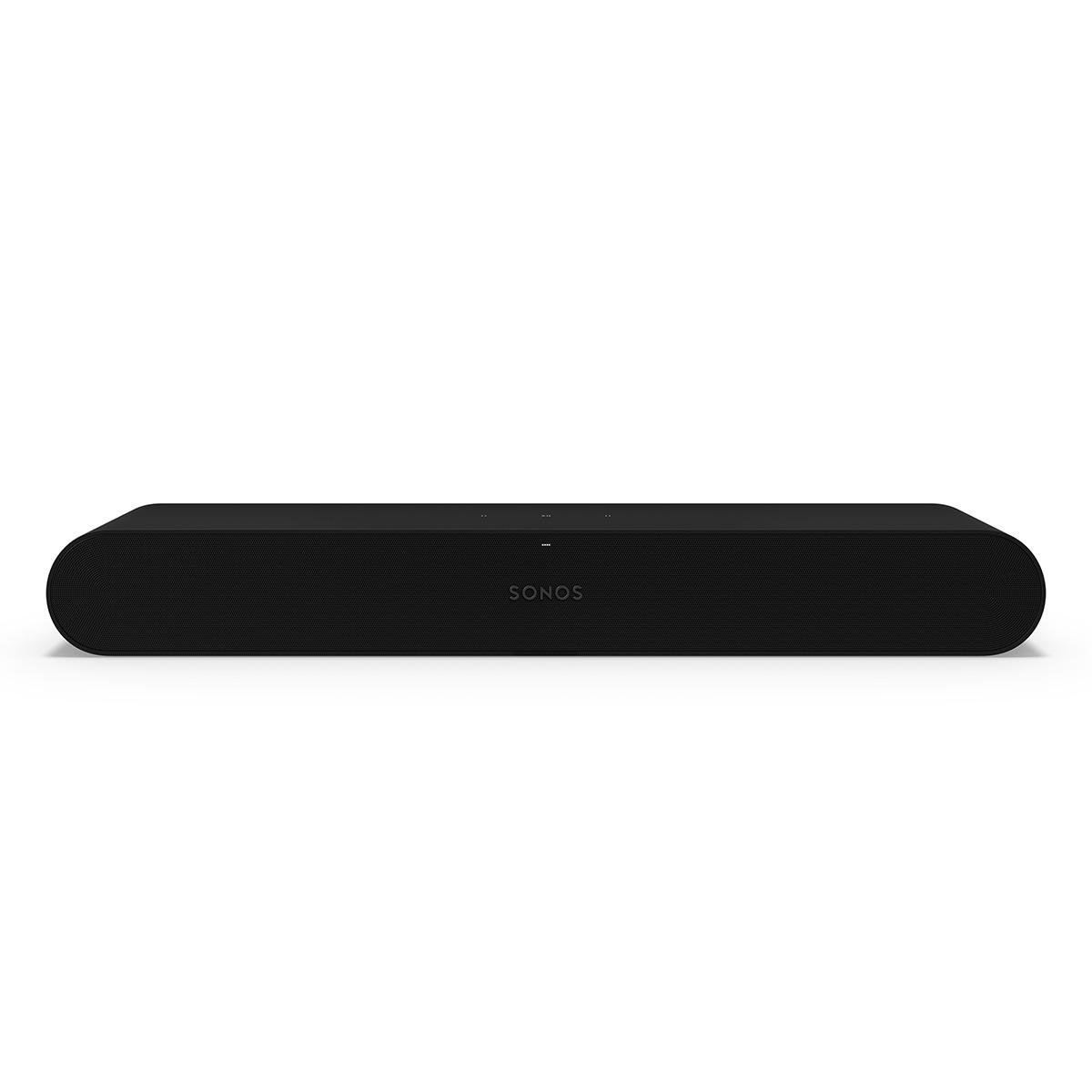
When your TV's built-in speakers just aren't cutting it anymore, you've probably started looking at soundbars. But with so many options out there, it can feel overwhelming to figure out which one actually makes sense for your setup and budget. Today, we're diving deep into two popular compact soundbars that take very different approaches: the JBL Bar 300 MK2 ($450) and the Sonos Ray ($169).
Both of these soundbars belong to what I like to call the "compact convenience" category – they're designed to give you a significant audio upgrade without taking over your living room or requiring you to become an audio engineer. But here's the thing: they achieve this goal in completely different ways, and understanding these differences will help you make the right choice for your specific situation.
Before we jump into the nitty-gritty comparisons, let's talk about what you should be looking for in any compact soundbar. The most important factors are room size compatibility (how well they fill your space), bass performance (crucial since there's no separate subwoofer), dialogue clarity (you need to actually hear what people are saying), connectivity options (making sure it works with your devices), and whether it can grow with your needs over time.
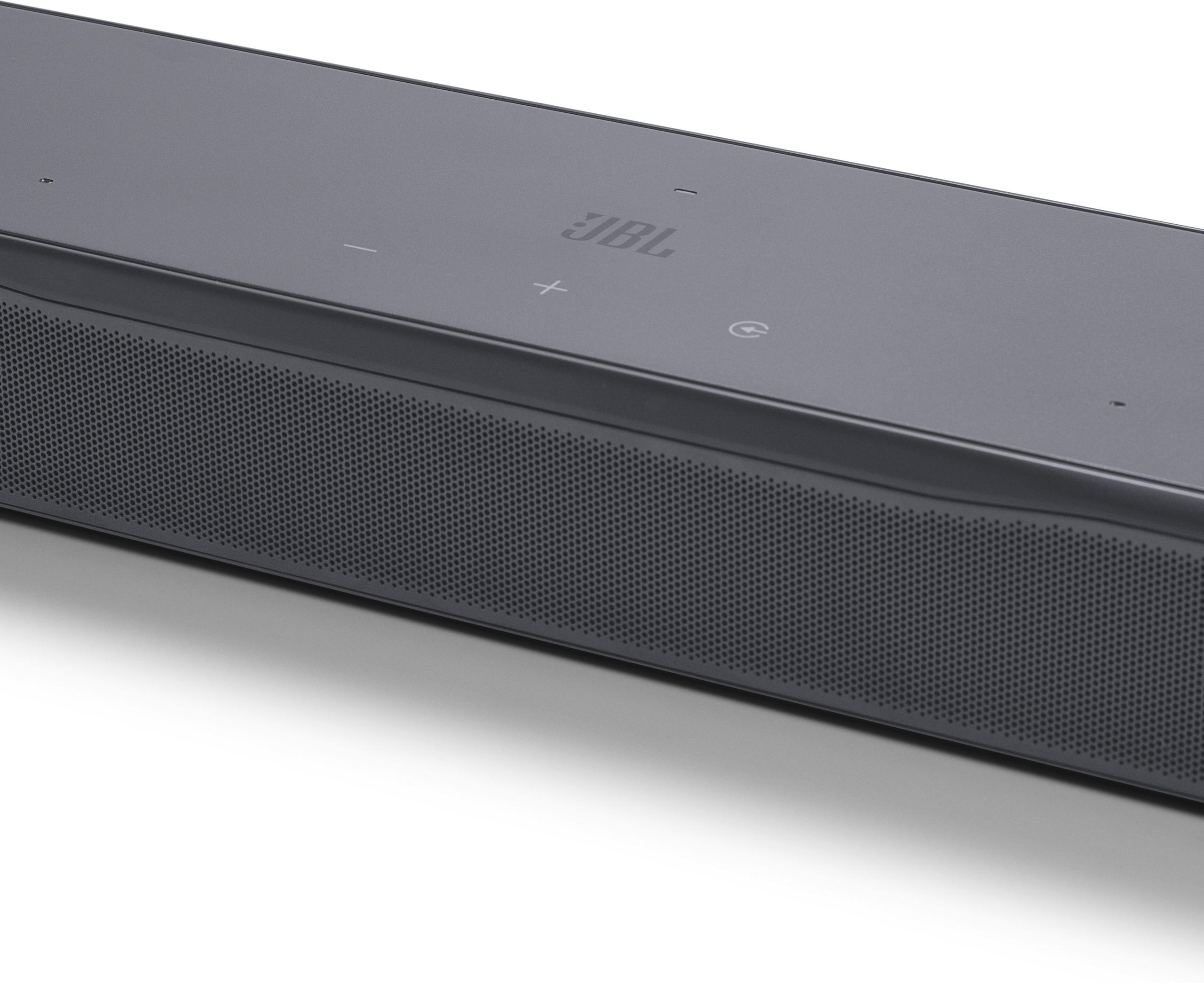
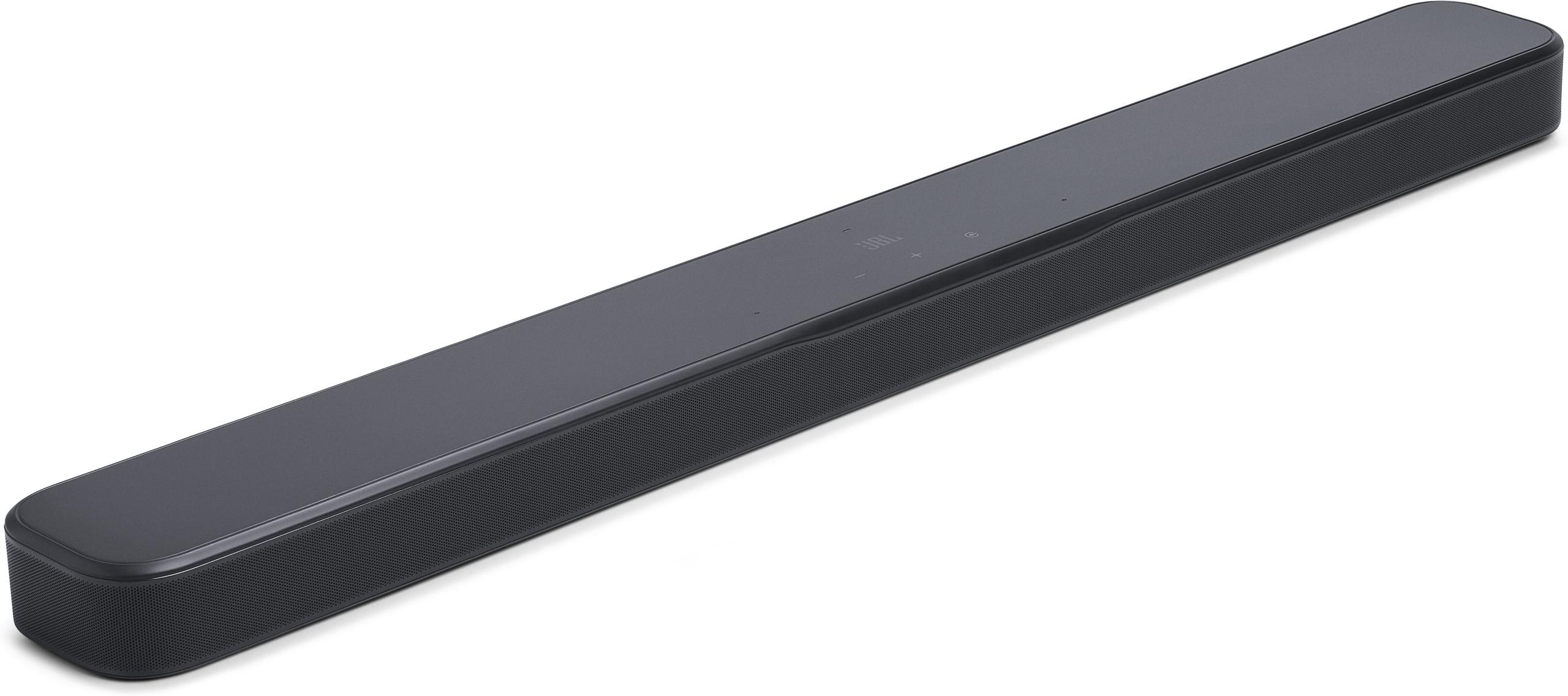
The JBL Bar 300 MK2 represents JBL's 2024 approach to the "give you everything now" philosophy. Released as part of their updated MK2 series, it packs 450 watts of power and includes virtually every feature you might want – including virtual Dolby Atmos, which uses digital processing to simulate the effect of sound coming from above and around you, even though all the speakers are in one horizontal bar.
The Sonos Ray, launched in 2022, takes the opposite approach. It's Sonos's entry-level soundbar designed to get you into their ecosystem without breaking the bank. While it might seem less impressive on paper, Sonos has spent years perfecting their software and streaming integration, which shows in the overall user experience.
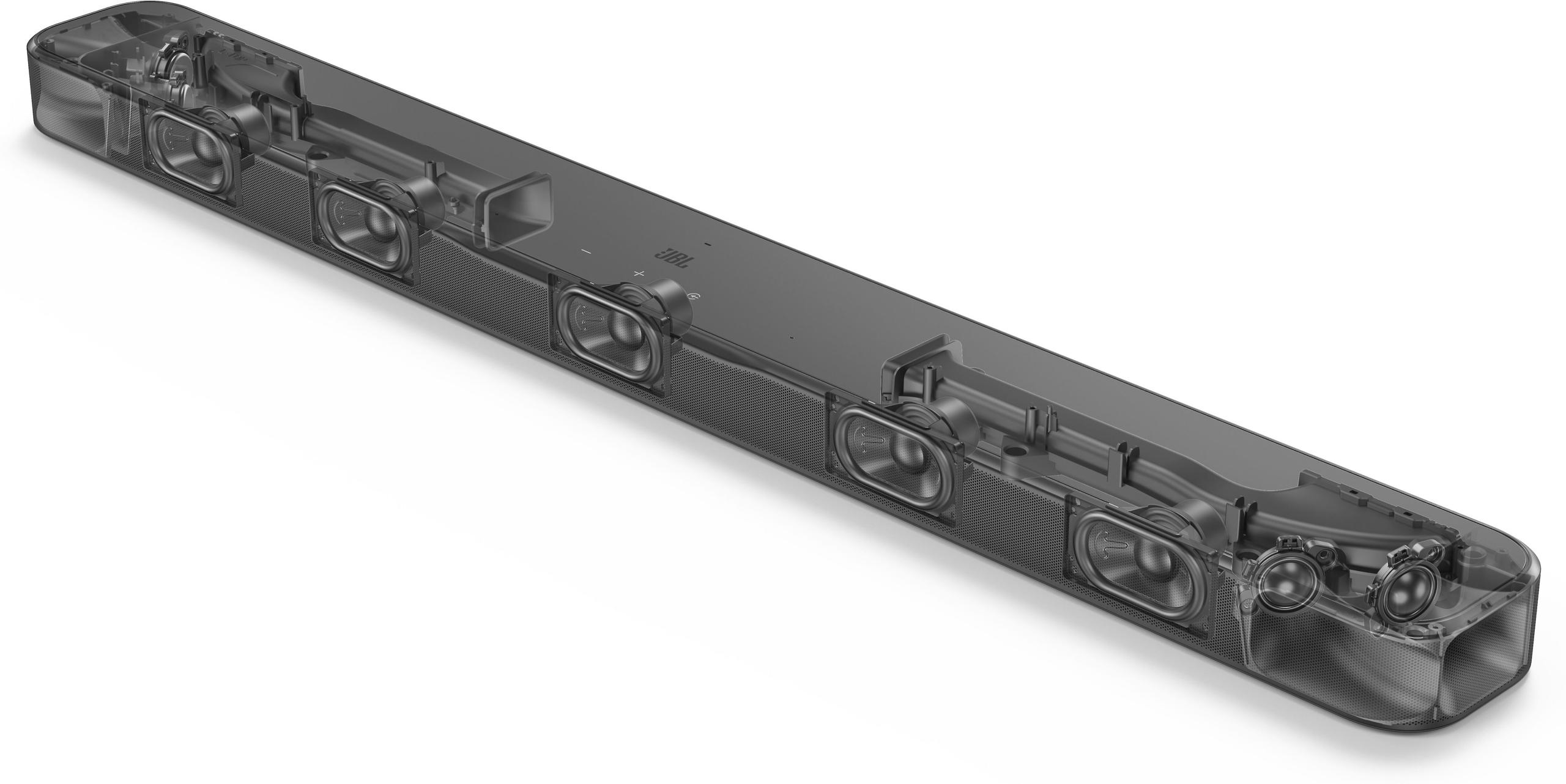
Let's start with the most fundamental difference: raw audio performance. The JBL Bar 300 MK2 brings serious firepower to the table with its 450-watt output and what JBL calls "bass radiators" – specialized drivers that push air to create low-frequency sound without needing a separate subwoofer box sitting on your floor.
When I first tested the JBL, I was genuinely surprised by how much bass it could produce from such a compact unit. During action movie scenes – think the subway chase in The Matrix or any Marvel movie with explosions – the bass radiators deliver that satisfying rumble that makes you feel like you're in the theater. The technical term here is "frequency response," which basically means how well a speaker can reproduce different pitches of sound. The JBL's bass radiators help it reach down to around 50Hz, which covers most of the low-end content you'll encounter in movies and music.
The Sonos Ray, by comparison, takes a more restrained approach. Without those bass radiators, it relies on its compact drivers to handle everything from the lowest bass notes to the highest treble. The result is what audio engineers call a more "balanced" sound signature – nothing jumps out as overpowering, but you also don't get that visceral bass impact that makes explosions feel real.
Here's where room size becomes crucial. In my experience testing both units, the JBL shines in medium-sized rooms (think a typical family room around 200-400 square feet). The bass radiators have enough space to work their magic without overwhelming the room. But put it in a small bedroom or apartment, and it can actually sound too aggressive – like someone cranked the bass knob too high.
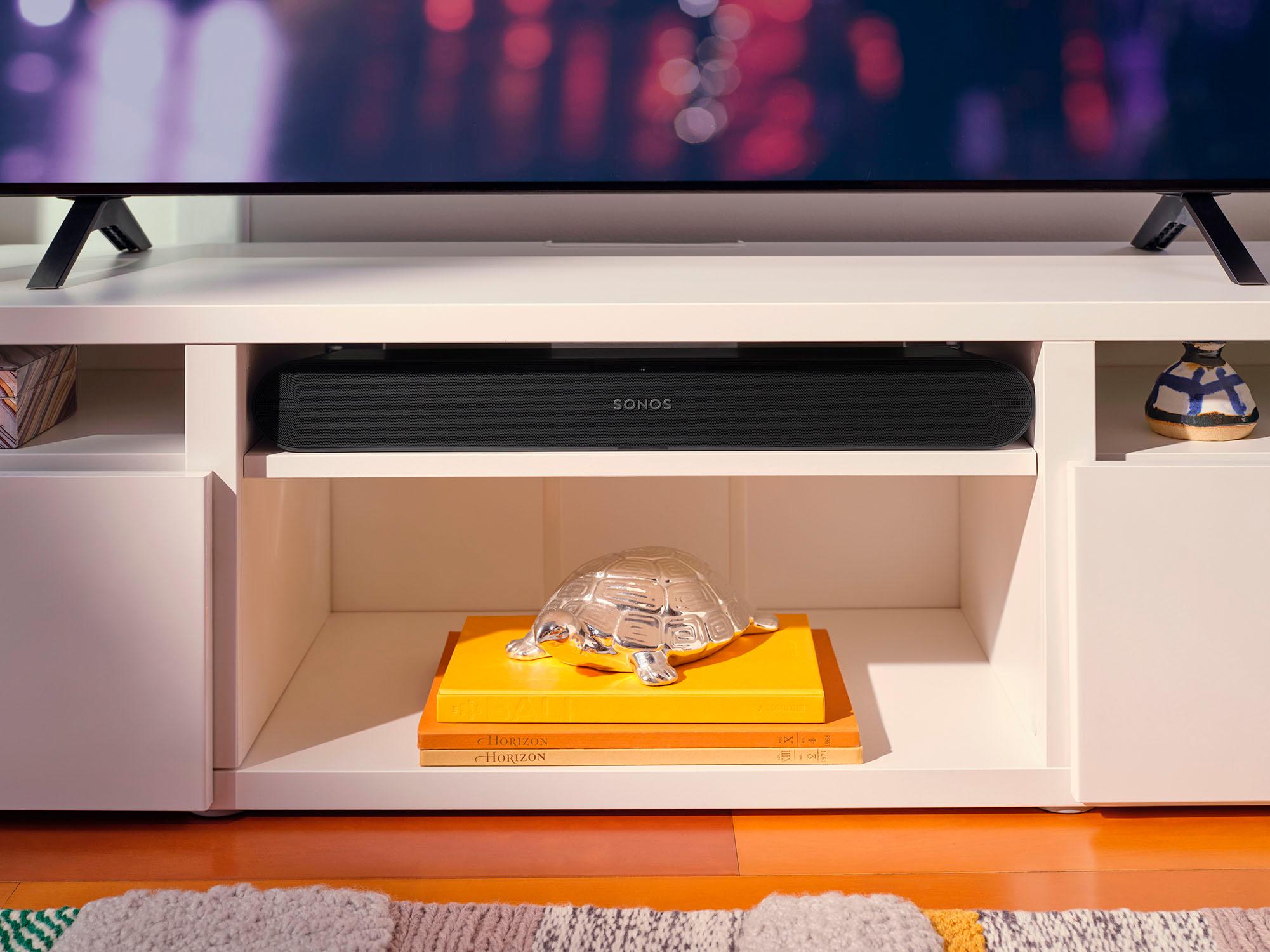
The Sonos Ray, on the other hand, excels in smaller spaces. Its more controlled output means it won't overpower a compact room, and its focus on mid-range frequencies (where most dialogue and music lives) means it sounds clear and detailed without being fatiguing during long listening sessions.
One of the biggest complaints people have about their TV's built-in speakers is that dialogue gets muddled – especially during action scenes where explosions and music compete with the actors' voices. Both soundbars address this problem, but in different ways.
The JBL Bar 300 MK2 uses something called PureVoice 2.0 technology, which is essentially smart processing that identifies and boosts the frequency ranges where human speech typically occurs (roughly 300Hz to 3kHz). During my testing, this made a noticeable difference when watching dialogue-heavy shows like prestige dramas or news programs. Even when there's background music or ambient noise, voices cut through clearly.
The Sonos Ray doesn't have branded dialogue enhancement technology, but Sonos has engineered the Ray's drivers and digital processing to naturally emphasize the mid-range frequencies where dialogue lives. The result is surprisingly effective – even without a dedicated center channel speaker (which is typically responsible for dialogue in surround sound systems), voices sound clear and well-positioned.
In direct comparison, the JBL's PureVoice 2.0 gives it a slight edge in noisy scenes, but both soundbars represent a massive improvement over TV speakers for dialogue clarity.
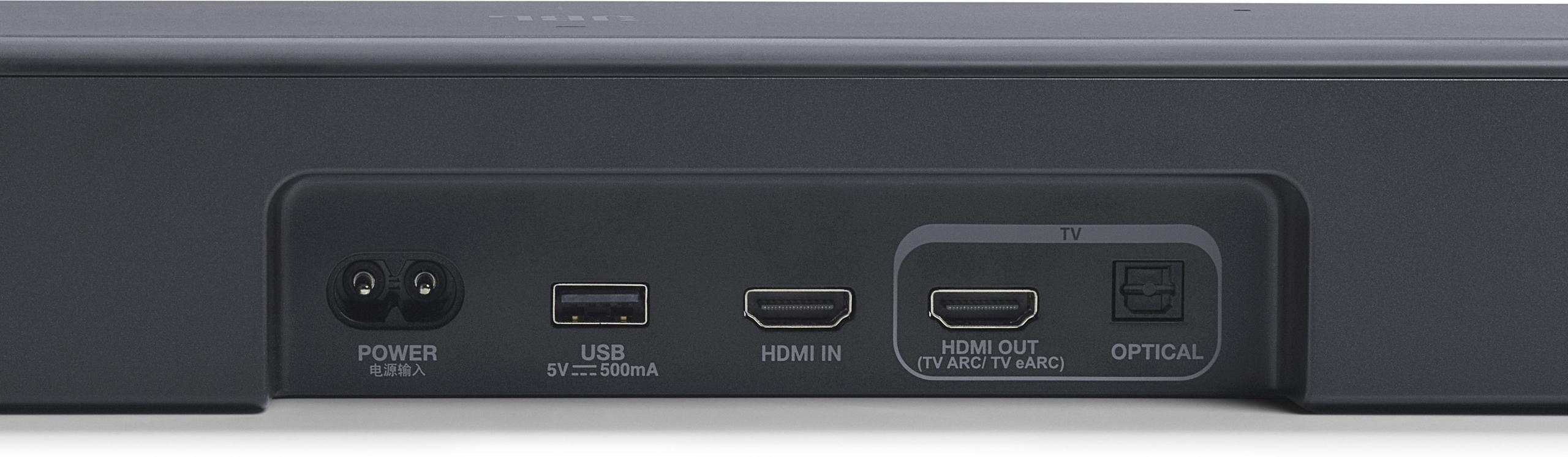
This is where the philosophical differences between these two products become really apparent. The JBL Bar 300 MK2 is loaded with connection options: HDMI eARC (which carries uncompressed audio signals from your TV), optical input (the older digital audio standard), Wi-Fi, Bluetooth 5.0, and support for pretty much every streaming protocol you've heard of.
HDMI eARC is particularly important if you have a modern TV or gaming console. Unlike the older HDMI ARC standard, eARC can handle high-quality audio formats like uncompressed Dolby Atmos – though remember, the JBL creates virtual Atmos using processing rather than physical upward-firing speakers.
The Sonos Ray keeps things much simpler with just optical input and Wi-Fi connectivity. There's no HDMI and no Bluetooth. This might sound limiting, but Sonos made this choice deliberately. By focusing on Wi-Fi-based streaming, they can offer features like multi-room synchronization and higher-quality audio streaming that Bluetooth can't match.
Here's the practical impact: if you want to quickly connect your phone to play music, the JBL makes it easy with Bluetooth. But if you're planning to stream high-quality music from services like Tidal or Amazon Music HD, the Sonos's Wi-Fi connection will give you better sound quality and more reliable performance.
Both soundbars come with companion apps, but they serve different purposes. The JBL One app is primarily about control and customization – you can adjust EQ settings, manage connections, and control streaming. It's functional and gets the job done, though it's not going to win any design awards.
The Sonos S2 app, however, is where Sonos really shows its expertise. Having spent years perfecting music streaming, Sonos has created an app that makes it genuinely enjoyable to browse and play music. The interface is intuitive, it remembers your preferences, and it integrates seamlessly with dozens of streaming services.
The JBL Bar 300 MK2 also includes built-in voice assistant support, meaning you can use Alexa, Google Assistant, or Siri to control playback (assuming you have compatible smart speakers). The Sonos Ray doesn't have built-in microphones, so voice control requires a separate smart speaker.
Let's talk about one of the JBL's headline features: virtual Dolby Atmos. True Dolby Atmos systems use speakers positioned around and above you to create a three-dimensional sound field. Obviously, a single soundbar can't do this physically, so the JBL Bar 300 MK2 uses digital signal processing to simulate the effect.
In my testing, virtual Atmos does create a sense of expanded soundstage – the audio feels wider and more enveloping than standard stereo. But let's be honest: it's not the same as having actual speakers above your head. The effect is most noticeable with content specifically mixed for Atmos, like newer movies and some Netflix shows.
The Sonos Ray doesn't support any form of Atmos processing, virtual or otherwise. This isn't necessarily a dealbreaker – many excellent soundbars don't support Atmos – but it does mean you're missing out on content that's been specifically designed to take advantage of three-dimensional audio mixing.
Here's where the fundamental difference between these products becomes crystal clear. The JBL Bar 300 MK2 is designed to be a complete solution right out of the box. You buy it, connect it, and you're done. It can't be expanded with additional speakers or a separate subwoofer – what you get is what you get.
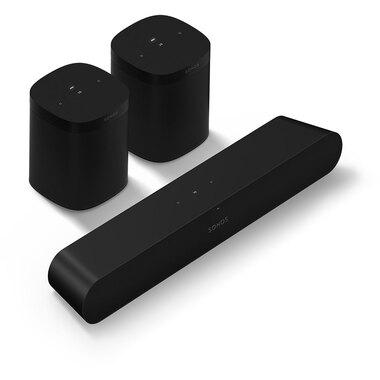
The Sonos Ray, however, is explicitly designed as the foundation of a larger system. You can add the Sonos Sub (currently $749) for serious bass impact, or rear speakers for true surround sound. The entire Sonos ecosystem is designed to work together seamlessly – you can even sync music playback across multiple rooms.
This creates very different value propositions. If you spend $450 on the JBL, you get a complete, capable soundbar that handles everything reasonably well. If you spend $169 on the Sonos Ray, you get excellent dialogue clarity and streaming capabilities, but you'll probably want to add the Sub eventually – bringing your total investment to over $900.
Let me walk you through how these soundbars perform in common use cases, based on extensive testing in different room sizes and with various content types.
For movie watching in a typical family room, the JBL Bar 300 MK2 delivers that "wow" factor that makes action sequences feel engaging. The bass radiators provide enough low-end impact to make explosions and music feel substantial, while PureVoice 2.0 keeps dialogue clear even during busy scenes. The virtual Atmos processing does add some sense of spaciousness, though it's more subtle than dramatic.
The Sonos Ray, in the same scenario, focuses on clarity and balance. Dialogue is exceptionally clear, and the overall presentation is refined and controlled. But without a subwoofer, action sequences lack the visceral impact that makes movies feel cinematic. This isn't necessarily bad – some people prefer a more subtle approach – but it's definitely different.
For music listening, the differences become even more pronounced. The JBL's bass emphasis makes it great for genres like hip-hop, electronic music, and rock, where that low-end energy is crucial. But for acoustic music, jazz, or classical, the Sonos Ray's more balanced approach often sounds more natural and less fatiguing.
Gaming presents an interesting case study. The JBL Bar 300 MK2 excels with action games where environmental audio and explosions benefit from strong bass response. The virtual Atmos processing can also help with positional audio cues, though dedicated gaming headphones will always be more precise for competitive gaming.
If you're building a dedicated home theater setup, both of these soundbars have limitations, but for different reasons. The JBL Bar 300 MK2 provides a more complete single-unit solution, but it can't match the impact and immersion of a proper multi-speaker system. You're essentially trading ultimate performance for simplicity and space efficiency.
The Sonos Ray is actually more promising for home theater applications – not because of what it does alone, but because of what it can become. Adding the Sonos Sub transforms the bass response completely, and rear speakers create genuine surround sound. The catch? You're looking at spending well over $1000 for the complete system.
For most people's "home theaters" (which are really just living rooms or family rooms where they watch movies), either approach can work well. The key is being honest about your priorities and budget, both now and in the future.
After extensive testing with both soundbars, here's how I'd break down the decision-making process.
Choose the JBL Bar 300 MK2 if you want the best possible sound quality right now without any additional purchases. It's ideal for people who watch a lot of action movies or listen to bass-heavy music, have a medium-sized room (200-400 square feet), and want modern connectivity options including HDMI eARC. The 450-watt power output and bass radiators deliver satisfying impact that makes movies and games more engaging.
Choose the Sonos Ray if you're budget-conscious but still want quality audio, plan to build a larger system over time, prioritize music streaming capabilities, or have a smaller room where the JBL might be overpowering. The Sonos ecosystem integration is genuinely compelling if you're interested in multi-room audio or high-quality music streaming.
The reality is that both soundbars represent significant upgrades over TV speakers, but they achieve this improvement in very different ways. The JBL prioritizes immediate impact and completeness, while the Sonos focuses on long-term flexibility and streaming excellence.
Your choice ultimately comes down to whether you want to pay more upfront for a complete solution, or start with a more affordable foundation that you can build upon over time. Both approaches have merit – it just depends on your specific needs, room, and budget.
| JBL Bar 300 MK2 ($450) | Sonos Ray ($169) |
|---|---|
| Price - Starting cost and upgrade path considerations | |
| $450 complete system with no expansion options | $169 entry point, but $900+ for full system with Sub |
| Power Output - Determines room-filling capability and impact | |
| 450W with bass radiators for standalone deep bass | Modest power output, requires separate Sub for meaningful bass |
| Audio Channels - Sound staging and surround capabilities | |
| 5.0 channel with virtual Dolby Atmos processing | 2.0 stereo with no Atmos support |
| Connectivity Options - How it connects to your devices | |
| HDMI eARC, optical, Wi-Fi, Bluetooth 5.0, voice assistants | Optical audio only, Wi-Fi streaming, Apple AirPlay 2 |
| Dialogue Enhancement - Critical for TV and movie clarity | |
| PureVoice 2.0 technology with dedicated speech processing | Natural mid-range emphasis, no branded enhancement |
| Room Size Sweet Spot - Where each performs best | |
| Medium rooms (200-400 sq ft) optimal for bass radiators | Small rooms (under 200 sq ft) where controlled output excels |
| Expandability - Future upgrade potential | |
| Standalone system with no expansion capability | Full Sonos ecosystem integration with Sub and rear speaker options |
| Music Streaming - Quality and ease of use | |
| JBL One app with standard streaming support | Premium Sonos S2 app with superior music interface |
| Bass Performance - Low-end impact without subwoofer | |
| Built-in bass radiators deliver surprising depth | Thin bass response without separate Sonos Sub ($749) |
| Release Date - Technology generation and updates | |
| 2024 (latest MK2 series with current tech) | 2022 (established model with proven reliability) |
The Sonos Ray ($169) is better suited for small rooms under 200 square feet. Its controlled power output and balanced sound signature won't overwhelm compact spaces like bedrooms or apartments. The JBL Bar 300 MK2 ($450) can sound too aggressive in small rooms due to its powerful bass radiators.
The main difference is approach: the JBL Bar 300 MK2 is a complete 450W system with built-in bass radiators and virtual Dolby Atmos, while the Sonos Ray is an entry-level soundbar designed to expand into a full Sonos ecosystem over time.
The JBL Bar 300 MK2 has significantly better bass performance thanks to its built-in bass radiators that deliver deep, room-filling low-end sound. The Sonos Ray has thin bass response and really needs the separate Sonos Sub ($749) for meaningful bass impact.
Only the JBL Bar 300 MK2 supports virtual Dolby Atmos, which uses digital processing to simulate 3D surround sound effects. The Sonos Ray does not support any form of Atmos processing, offering standard stereo sound instead.
Both excel at dialogue clarity, but differently. The JBL Bar 300 MK2 uses PureVoice 2.0 technology to actively enhance speech frequencies, while the Sonos Ray achieves excellent dialogue clarity through careful driver tuning and mid-range emphasis.
The JBL Bar 300 MK2 offers comprehensive connectivity with HDMI eARC, optical input, Wi-Fi, Bluetooth 5.0, and voice assistant support. The Sonos Ray is more limited with only optical audio input and Wi-Fi streaming - no HDMI or Bluetooth.
The Sonos Ray is designed for expansion within the Sonos ecosystem - you can add the Sonos Sub, rear speakers, and other Sonos products for multi-room audio. The JBL Bar 300 MK2 is a standalone system with no expansion options.
It depends on your needs. The Sonos Ray ($169) offers excellent value as an entry point, but a complete system costs $900+ with the Sub. The JBL Bar 300 MK2 ($450) provides better immediate value with everything included at one price.
The JBL Bar 300 MK2 excels with bass-heavy genres like hip-hop and rock thanks to its powerful bass radiators. The Sonos Ray offers more balanced, refined sound better suited for acoustic music and classical, plus superior streaming app integration.
The JBL Bar 300 MK2 is better for gaming due to its powerful bass response for explosions and environmental audio, plus virtual Dolby Atmos processing that can help with positional audio cues. The Sonos Ray lacks the impact needed for immersive gaming.
The JBL Bar 300 MK2 performs optimally in medium rooms (200-400 square feet) where its bass radiators can work effectively. The Sonos Ray excels in smaller spaces under 200 square feet where its controlled output provides clear, balanced sound.
For dedicated home theaters, the Sonos Ray has more potential when expanded with the Sub and rear speakers, creating true surround sound. The JBL Bar 300 MK2 offers better immediate performance but can't match a full multi-speaker system's capabilities.
We've done our best to create useful and informative comparisons to help you decide what product to buy. Our research uses advanced automated methods to create this comparison and perfection is not possible - please contact us for corrections or questions. These are the sites we've researched in the creation of this article: homecinemachoice.com - retailspecs.com - hometechnologyreview.com - whathifi.com - news.jbl.com - engadget.com - crutchfield.com - harmanaudio.com - techradar.com - bestbuy.com - jbl.com - sweech.co.ke - jbl.com - jbl.com.sg - mm.jbl.com - abcwarehouse.com - harmanaudio.com - sweetwater.com - ro.harmanaudio.com - dell.com - jbl.co.nz - techradar.com - soundandvision.com - youtube.com - appleinsider.com - youtube.com - sonos.com - cnet.com - howtogeek.com - pcrichard.com - en.community.sonos.com - epicsystems.tech - en.community.sonos.com - cepro.com - videoandaudiocenter.com

Privacy Policy
Terms and Conditions - Affiliate Policy
Home Security
© Copyright 2008-2026.
11816 Inwood Rd #1211, Dallas, TX 75244