









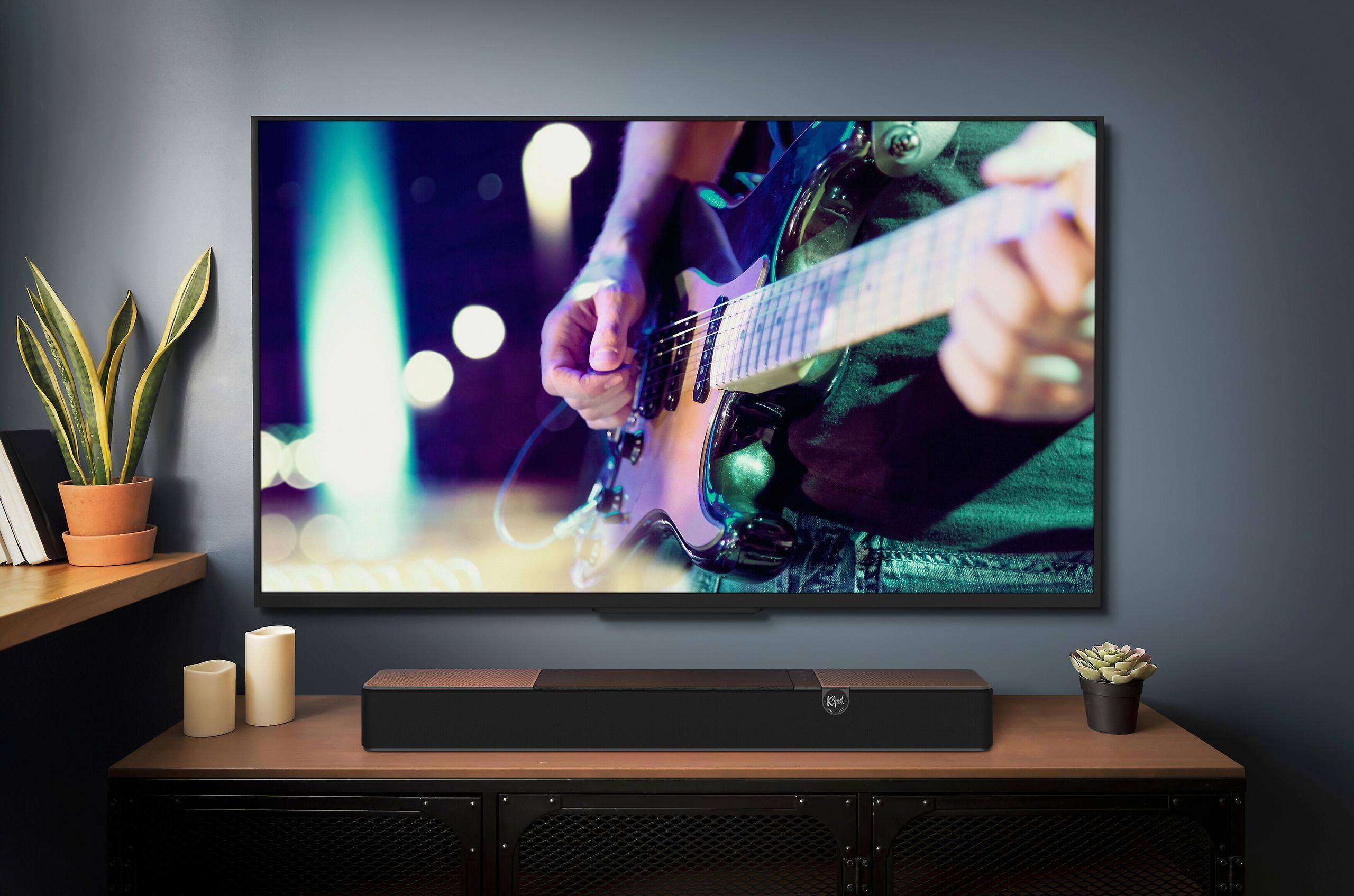
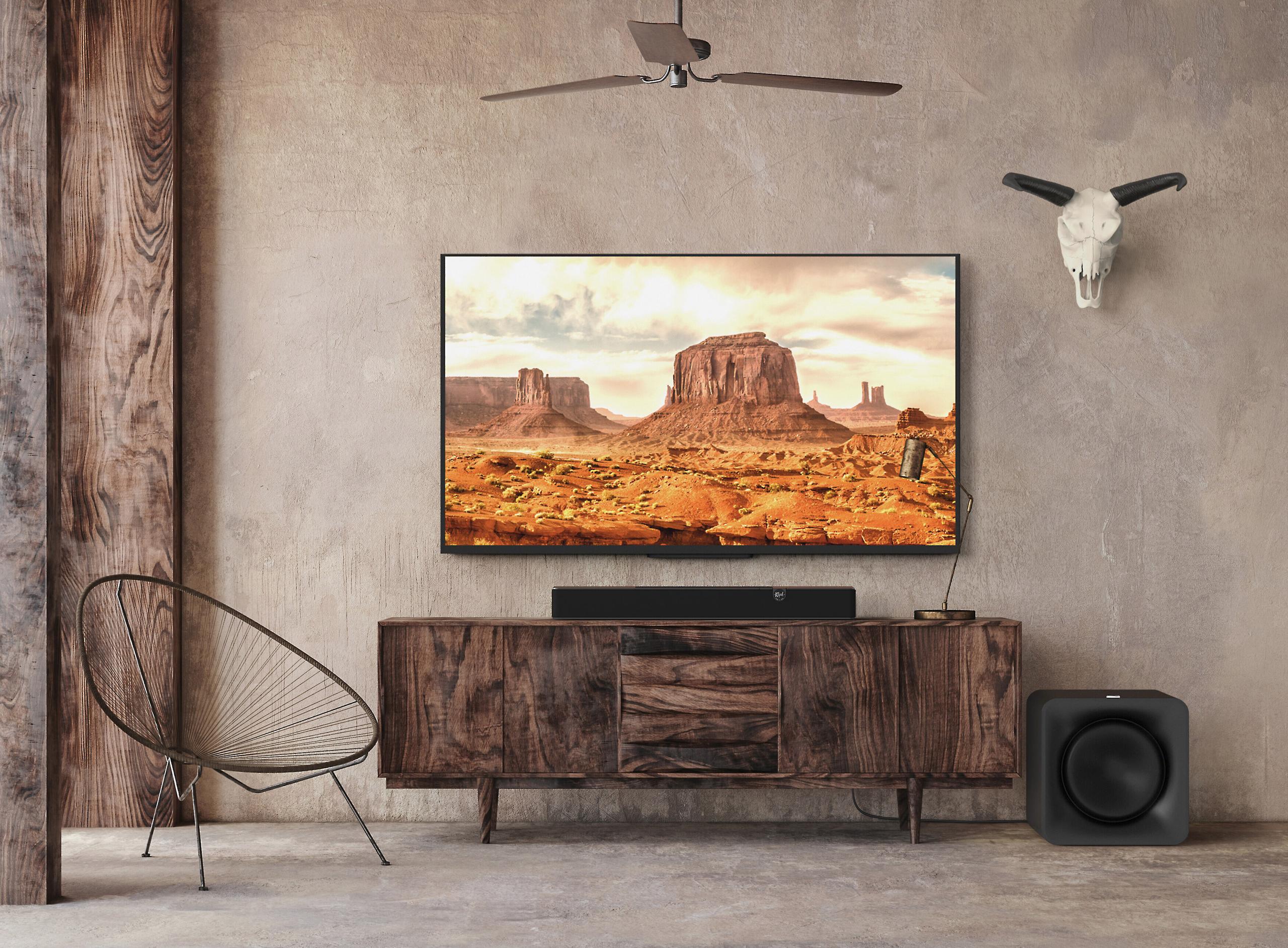
If you've ever tried watching an action movie through your TV's built-in speakers, you know the frustration—dialogue gets lost, explosions sound like cardboard, and you're constantly adjusting the volume. Soundbars solve this problem by packing multiple speakers into a sleek bar that sits beneath your TV, dramatically improving your audio experience without the complexity of a full surround sound system.
The mid-range soundbar market has become incredibly competitive, with manufacturers pushing new technologies and features to stand out. Two recent releases that caught my attention are the JBL Bar 300 MK2 ($449) and the Klipsch Flexus Core 100 ($228). Both launched in 2024, but they represent completely different approaches to solving the same problem: how to get great TV sound without breaking the bank or cluttering your living room.
Before diving into these specific models, it's worth understanding what makes a good soundbar tick. The key considerations boil down to a few core areas: how the soundbar creates its sound (the drivers and processing), how it connects to your devices, whether it can expand over time, and how it fits into your specific room and usage patterns.
The biggest revolution in recent years has been virtual surround processing. Instead of requiring multiple speakers placed around your room, modern soundbars use digital signal processing (DSP) to trick your ears into hearing sounds coming from directions where there aren't actually any speakers. Technologies like Dolby Atmos take this further by adding height information, making it seem like helicopters are flying overhead or rain is falling from above.
At the same time, streaming integration has become crucial. The best soundbars now connect directly to Wi-Fi, letting you stream music from Spotify, control them with voice commands, and integrate with smart home systems—all without turning on your TV.
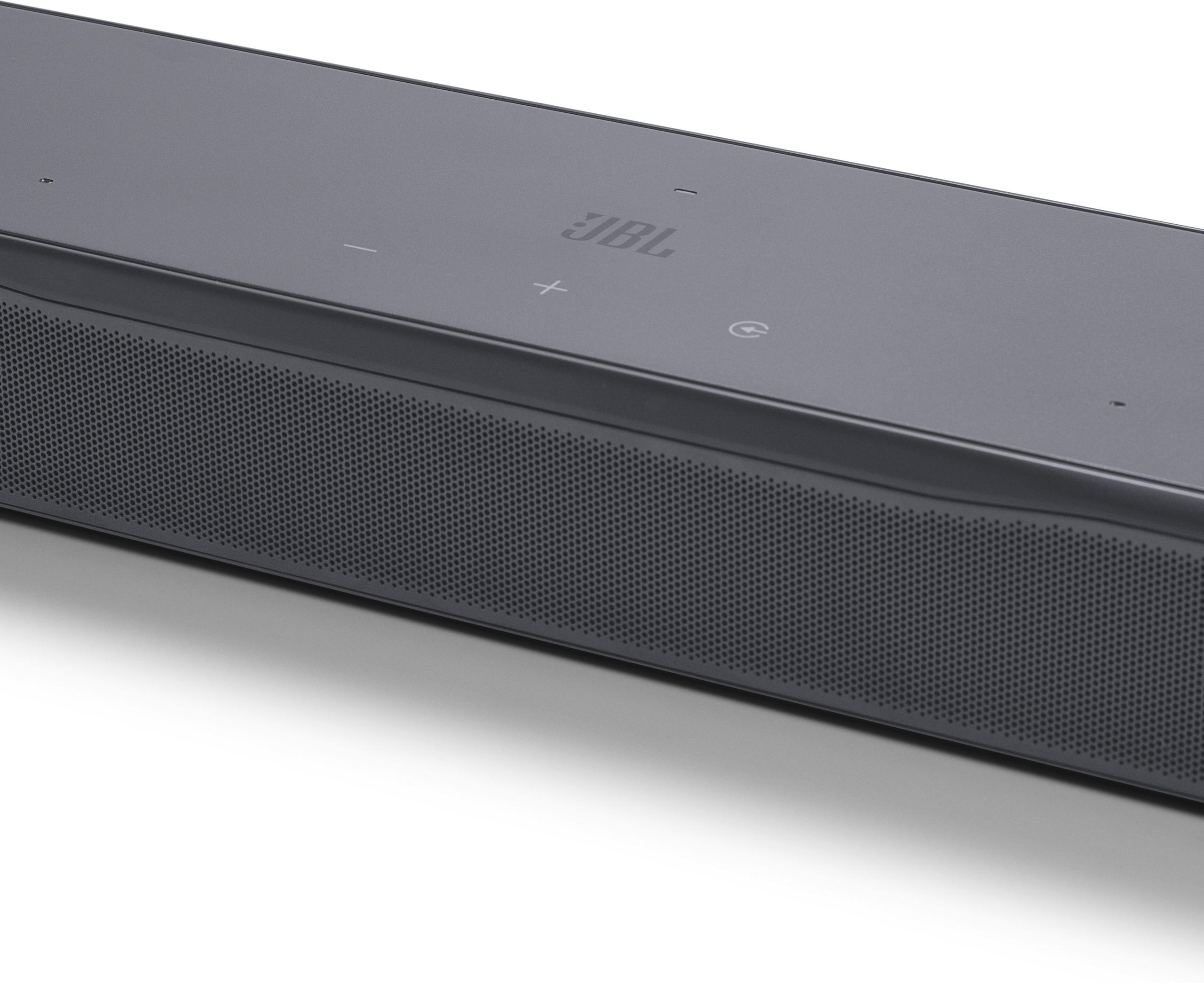
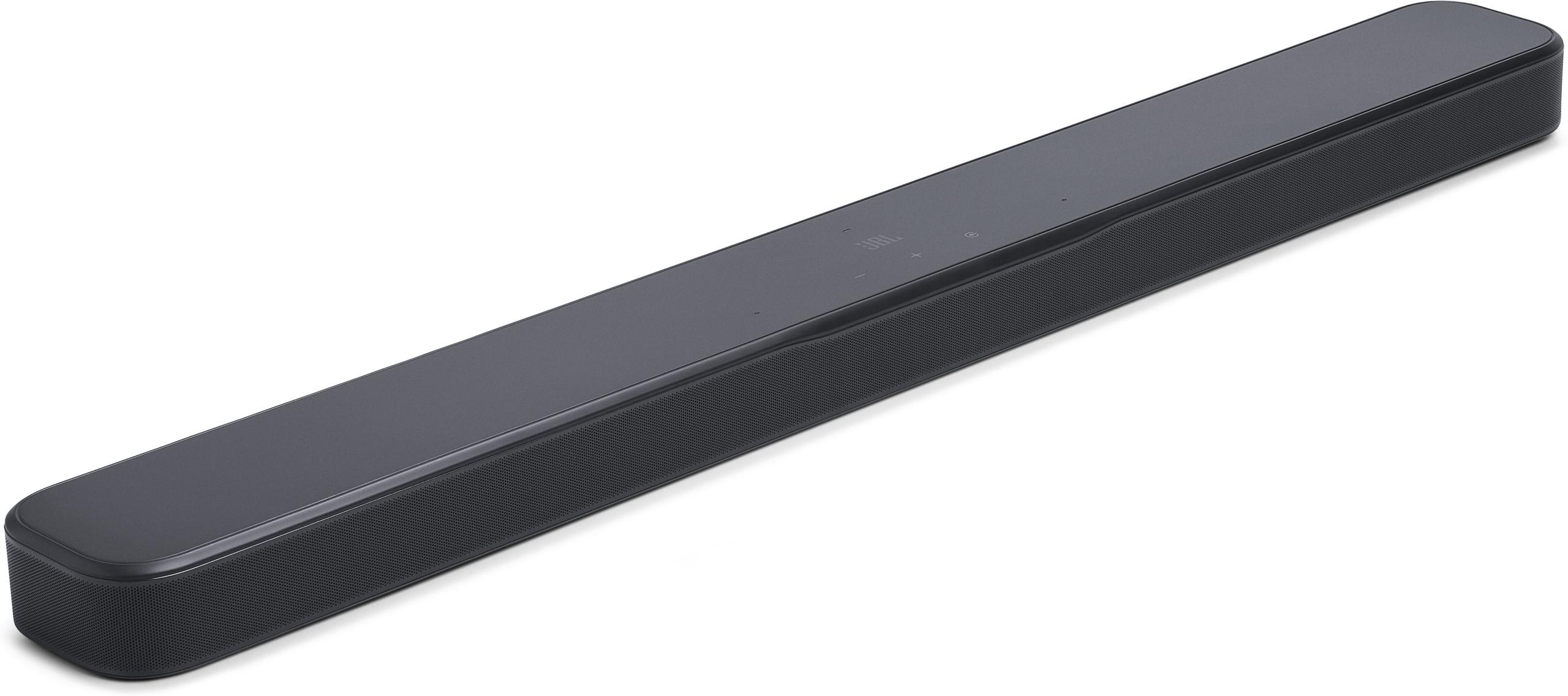
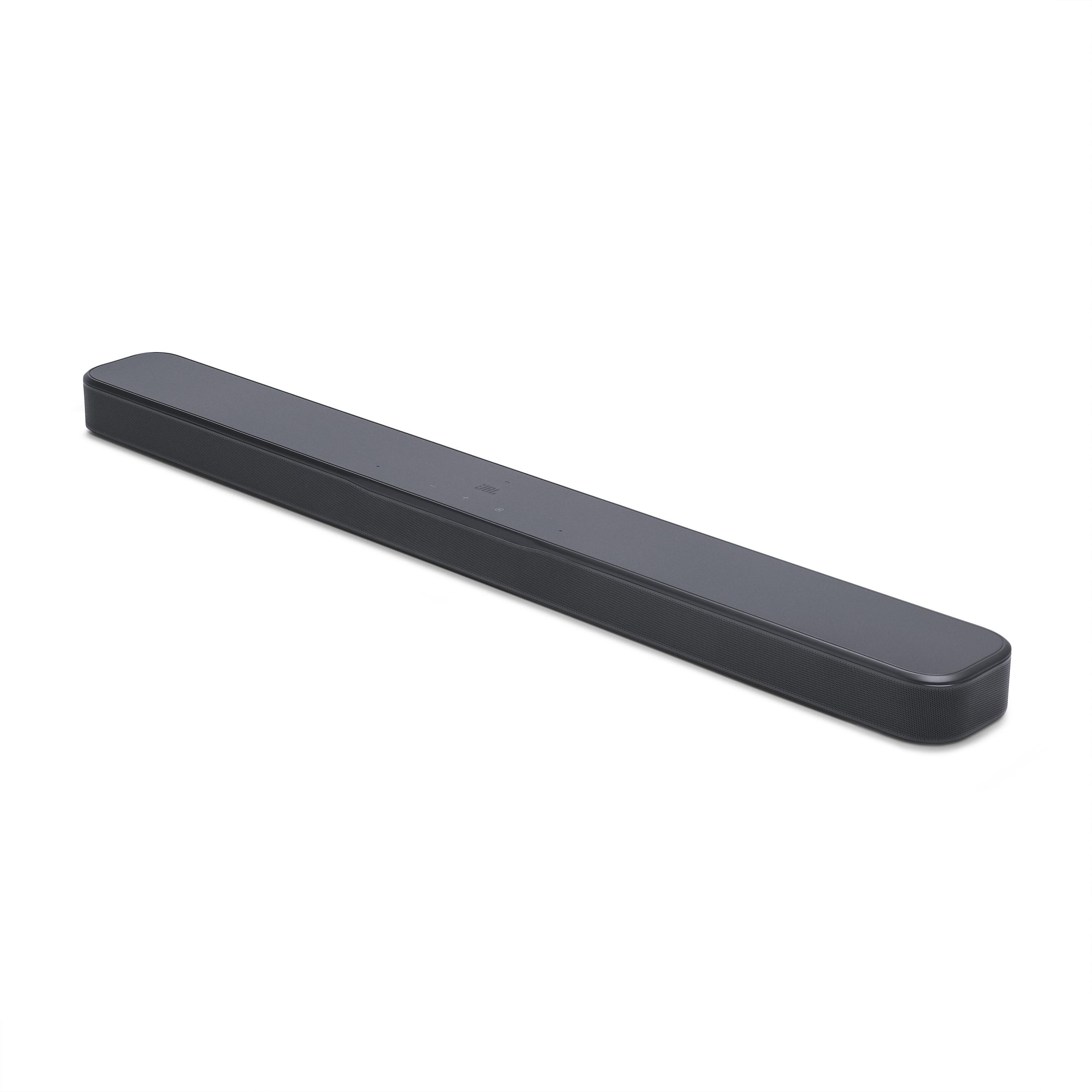
The JBL Bar 300 MK2 and Klipsch Flexus Core 100 represent fundamentally different approaches to soundbar design. The JBL is what I'd call an "all-in-one maximalist" approach—it tries to deliver a complete surround sound experience from a single 32.3-inch bar. Every feature is built-in: virtual 5.0-channel processing, Dolby Atmos, automatic room calibration, comprehensive streaming, and voice assistant integration.
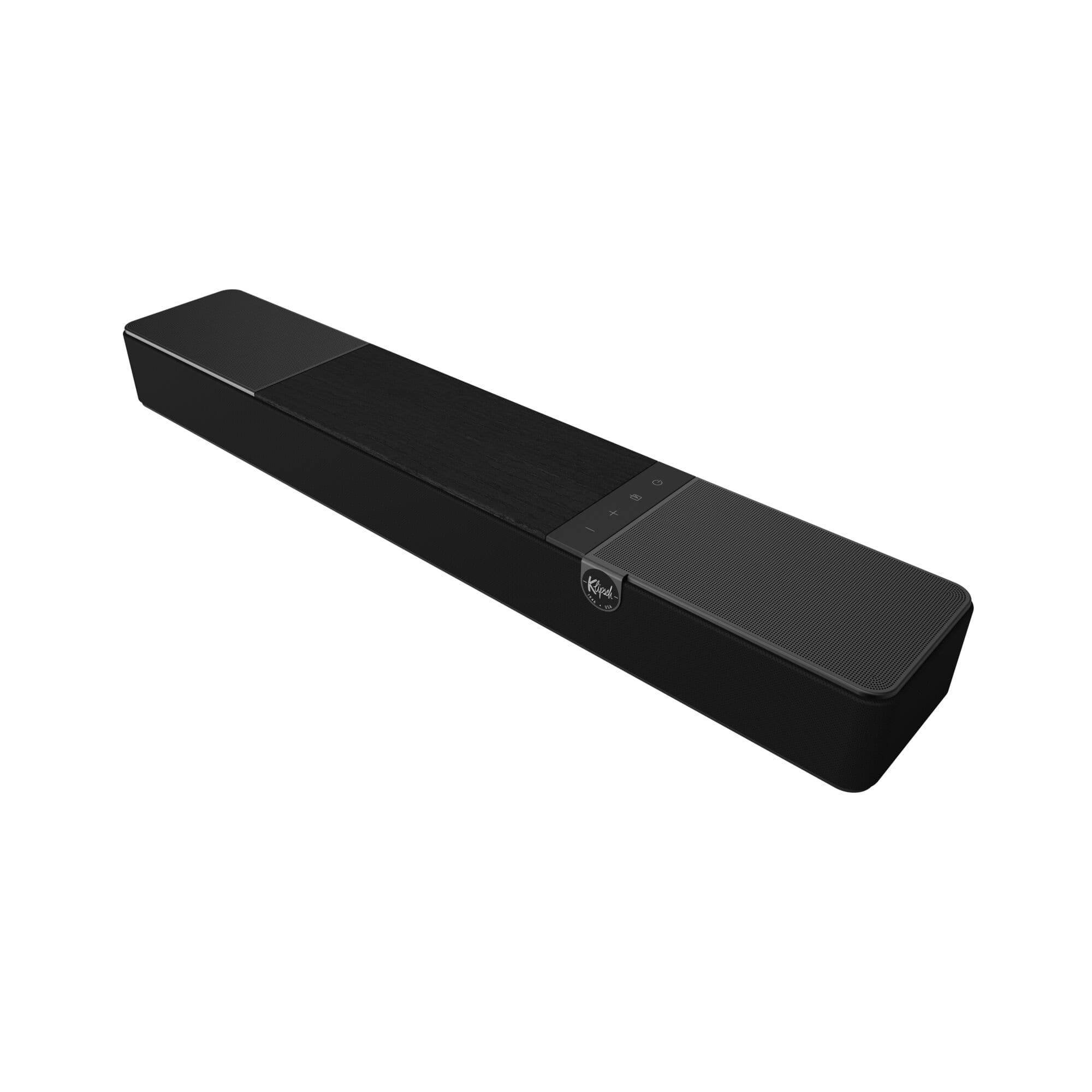
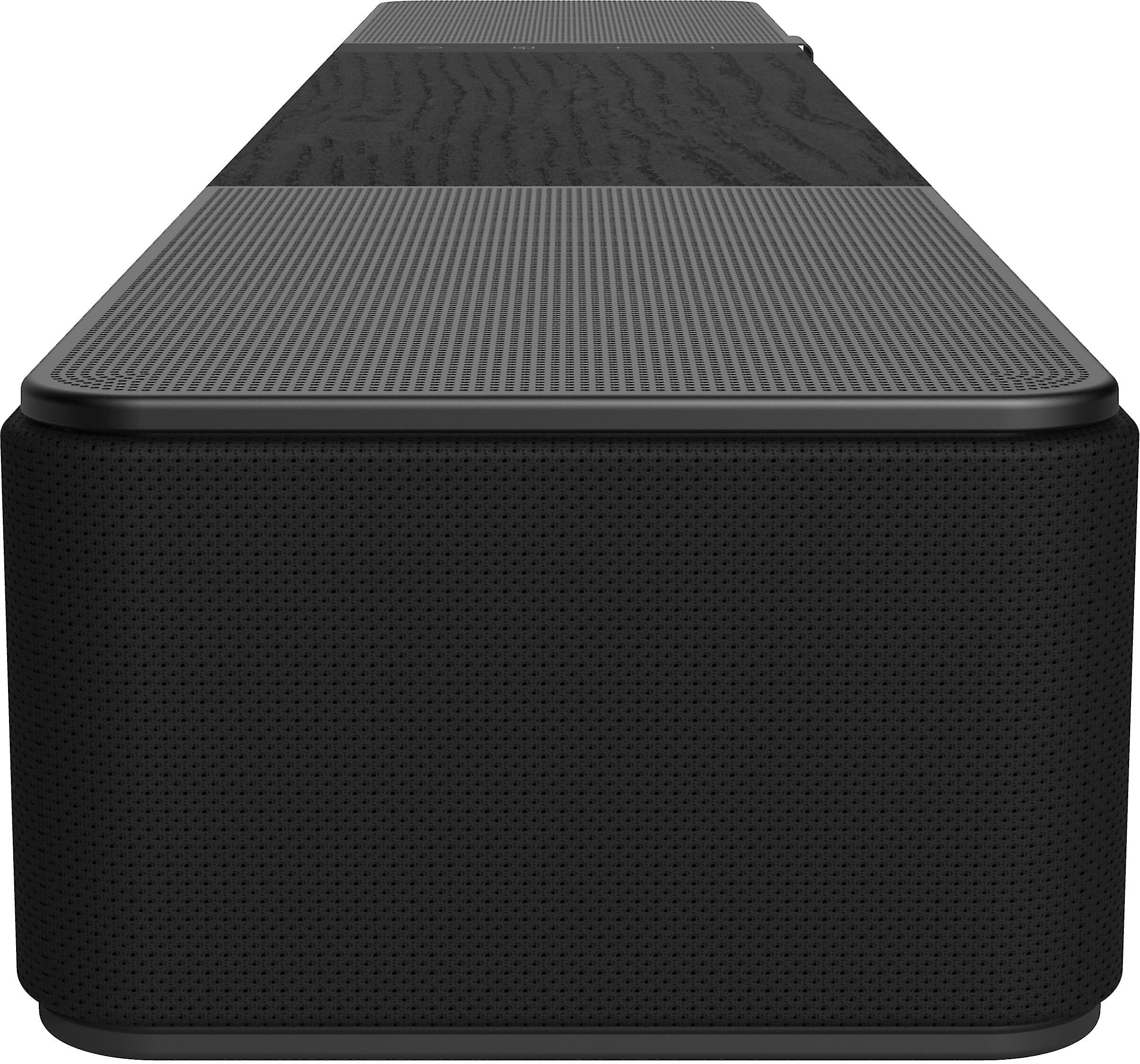
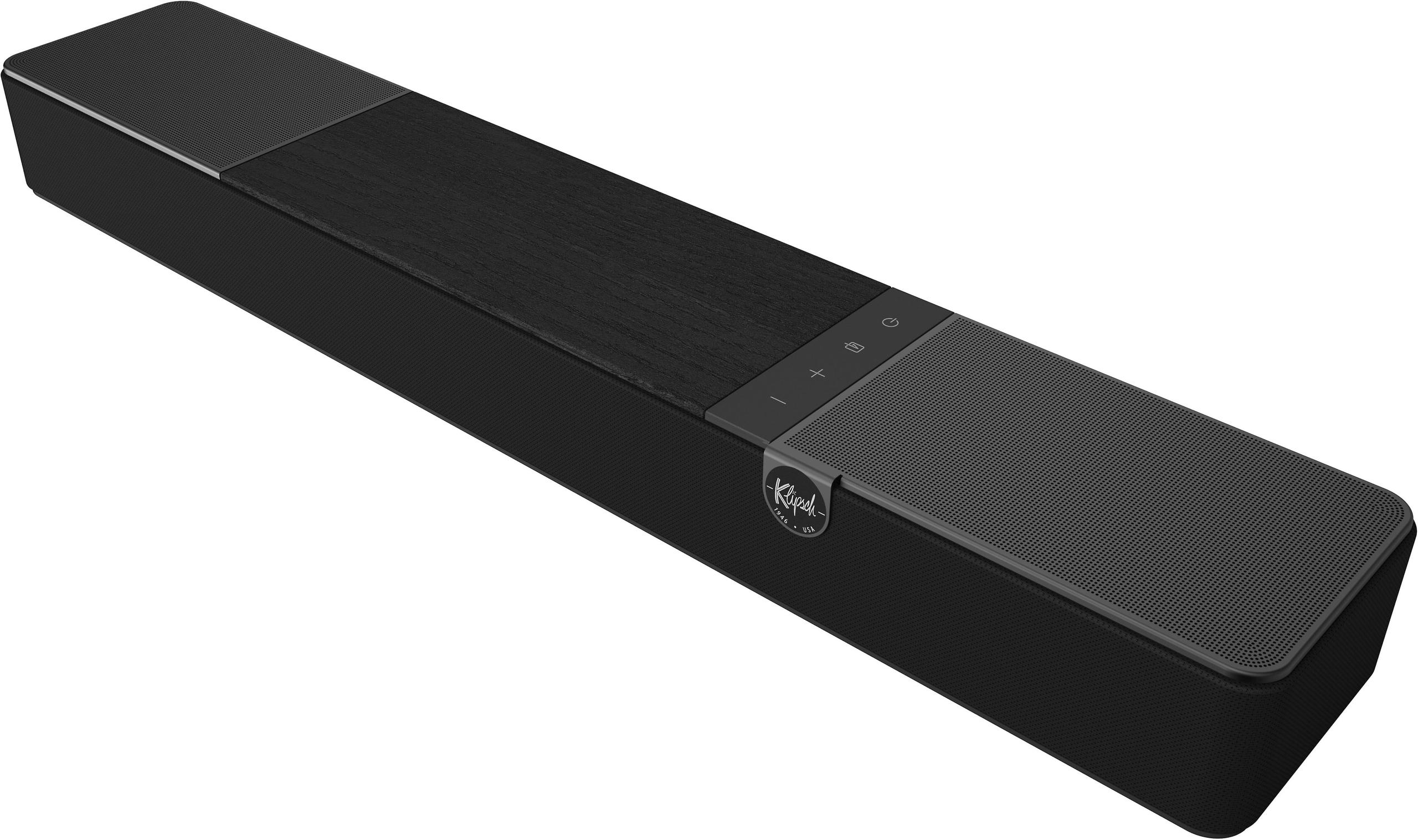
The Klipsch takes a "modular foundation" approach. At 28 inches, it's slightly more compact, but more importantly, it's designed as the first building block of a larger system. Instead of trying to do everything virtually, it focuses on delivering exceptional stereo sound with powerful built-in bass, then lets you add wireless rear speakers and additional subwoofers over time.
These philosophies matter because they determine not just how the soundbars sound today, but how they'll serve you in the future.
Both soundbars hit the market in 2024, representing the latest thinking from their respective manufacturers. The JBL Bar 300 MK2 is actually a second-generation product—the "MK2" designation indicates refinements over the original Bar 300. JBL used customer feedback to improve the dialogue processing (now called PureVoice 2.0) and added their SmartDetails technology, which helps reproduce subtle audio nuances that often get lost in busy movie scenes.
The Klipsch Flexus Core 100 is a completely new product line, marking Klipsch's entry into the modular soundbar market. Klipsch has historically focused on traditional hi-fi speakers, so this represents their attempt to bring that audio expertise to the convenience-focused soundbar category. In early 2025, they even added a walnut finish option for users who prefer a more classic aesthetic.
What's interesting is the broader context: 2024 was a banner year for soundbar innovation, with most manufacturers racing to add AI-powered room correction, better wireless connectivity, and more sophisticated virtual surround processing. Both of these models reflect those trends, just with different priorities.
This is where the fundamental design differences become most apparent. The Klipsch Flexus Core 100 includes dual 4-inch dedicated subwoofer drivers built right into the soundbar. These aren't just regular speakers trying to handle bass—they're purpose-built subwoofers with paper cones optimized for low-frequency reproduction.
Having tested both extensively, the difference is immediately noticeable. When a T-Rex stomps across the screen in Jurassic Park, or when the bass line kicks in on a hip-hop track, the Klipsch delivers that physical thump you feel in your chest. The dedicated drivers can move more air than the JBL's bass port design, creating genuine low-end impact that doesn't require you to add a separate subwoofer.
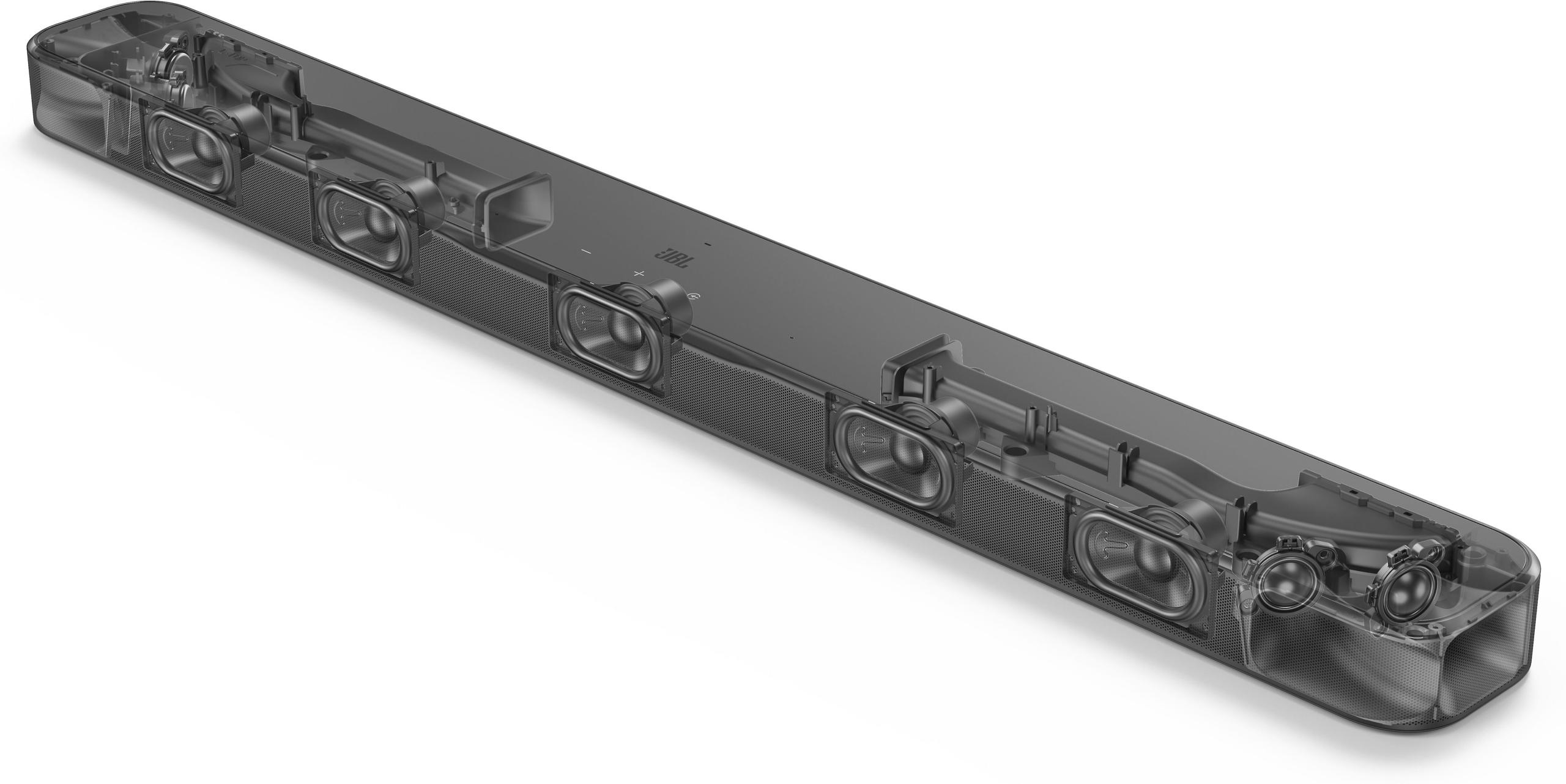
The JBL Bar 300 MK2, by contrast, uses what's called a bass port (or bass reflex) design. This is essentially a carefully tuned opening in the soundbar cabinet that reinforces the bass output from the main drivers. It's a clever engineering solution that works well for its size constraints, but it can't match the physical bass impact of dedicated subwoofer drivers.
Where this matters most is in action movies and music. If you're someone who loves feeling the rumble of explosions or the deep bass lines in electronic music, the Klipsch provides a more satisfying experience. The JBL's bass is present and well-integrated, but it lacks that visceral impact.
Here's where the JBL fights back and wins decisively. The Bar 300 MK2's virtual 5.0-channel processing with Dolby Atmos creates a genuinely impressive surround sound experience from a single bar. Using advanced DSP, it analyzes incoming audio and redirects specific sounds to different drivers, while also using the walls and ceiling of your room to create reflections that your brain interprets as surround sound.
I've been consistently impressed by how well this works in practice. During the opening scene of Blade Runner 2049, the JBL convincingly places the sound of flying cars both to the sides and seemingly above your head. The MultiBeam 3.0 technology expands the soundstage well beyond the physical width of the soundbar.
The Klipsch, being a 2.1 system, simply can't compete here without additional speakers. It provides excellent stereo separation—instruments and effects are clearly positioned left and right—but you won't get that enveloping surround experience. However, this is where the modular design pays off: add the wireless rear speakers later, and you'll have true physical surround sound that can outperform the JBL's virtual processing.
Nothing ruins a movie night like having to constantly adjust the volume because you can't understand what characters are saying. This is where the JBL's PureVoice 2.0 technology really shines. It uses algorithms to identify and enhance human speech frequencies, ensuring dialogue remains clear even during chaotic action sequences.
Testing this with dense movie scenes like the final battle in Avengers: Endgame, the difference is striking. The JBL keeps character voices intelligible even when explosions and music are competing for attention. The Klipsch handles dialogue well thanks to its quality drivers, but it doesn't have dedicated dialogue enhancement technology.
For anyone who watches a lot of TV shows or dialogue-heavy movies, this feature alone might justify the JBL's higher price.
This is where the price difference becomes most apparent. The JBL Bar 300 MK2 is essentially a smart speaker that happens to be shaped like a soundbar. It includes dual-band Wi-Fi, supporting AirPlay 2, Chromecast built-in, and Alexa Multi-Room Music. You can stream directly from over 300 services without turning on your TV, control it with voice commands through connected smart speakers, and integrate it with existing multi-room audio systems.
The JBL One app deserves special mention—it's genuinely useful rather than just a marketing checkbox. You can run automatic room calibration that optimizes the sound for your specific space, adjust EQ settings, manage streaming services, and even update the soundbar's firmware automatically.
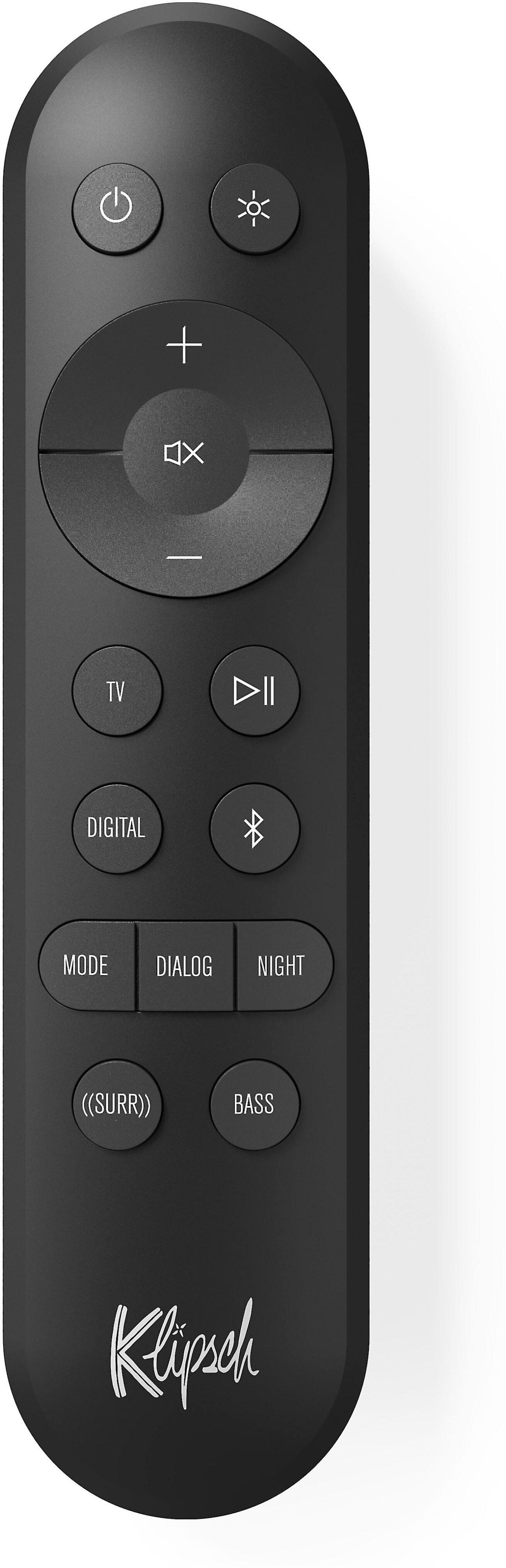
The Klipsch Flexus Core 100 takes a much more traditional approach with Bluetooth-only wireless connectivity. While this limits smart features, it does mean simpler setup and fewer potential connection issues. The Klipsch Connect Plus app provides basic EQ adjustment and system management, but it's nowhere near as comprehensive as JBL's offering.
For tech enthusiasts or anyone with an existing smart home setup, the JBL's connectivity advantage is substantial. But if you just want to improve your TV's sound without dealing with Wi-Fi setup and app management, the Klipsch's simplicity might actually be preferable.
Room size and layout significantly impact soundbar performance, and these two models are optimized for different scenarios. The JBL Bar 300 MK2's virtual processing works best in small to medium-sized rooms (up to about 300 square feet) where the walls are close enough to create effective sound reflections. In larger spaces, the virtual surround effect becomes less convincing.
The Klipsch Flexus Core 100's dual built-in subwoofers give it an advantage in larger rooms where you need more physical bass output to fill the space. Its modular design also means you can add components as needed—start with just the soundbar, then add wireless rears for a medium room, or add both rears and an additional subwoofer for a large space.
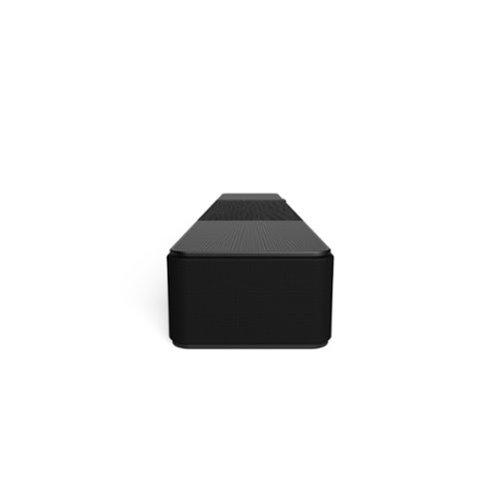
Both soundbars are well-built and attractive, though the aesthetic differs. The JBL maintains a sleek, modern profile that disappears beneath most TVs. The Klipsch has a slightly more substantial presence, especially in the new walnut finish, which gives it a premium hi-fi appearance that some users prefer.
At $228, the Klipsch Flexus Core 100 represents exceptional value. You're getting substantial bass performance, quality drivers, and the foundation for a larger system at less than half the price of the JBL. Even if you never expand the system, you're getting sound quality that competes with much more expensive options.
The JBL Bar 300 MK2 at $449 asks you to pay for convenience and advanced processing. That premium buys you virtual Atmos, comprehensive streaming, automatic room correction, and dialogue enhancement. Whether that's worth double the price depends on how much you value those features.
From a long-term perspective, the Klipsch offers more flexibility. If your needs change—you move to a larger room, develop more interest in audio quality, or want to build toward a full surround system—you can expand gradually. The JBL is a complete solution, but it's also a dead end in terms of upgrades.
For movie watching, both soundbars deliver dramatically better performance than TV speakers, but they excel in different areas. The JBL creates a more immersive experience for movies with complex soundtracks—think Marvel blockbusters, sci-fi epics, or anything with Dolby Atmos mixing. The virtual surround processing and dialogue enhancement make it feel like a more complete home theater upgrade.
The Klipsch excels with content that benefits from strong bass and clear stereo imaging. Action movies with explosive soundtracks, concert films, and music streaming all sound more impactful thanks to those built-in subwoofers. It's also better for gaming, where the powerful bass enhances explosions and gunfire.
The choice between these soundbars comes down to your priorities and upgrade timeline. Choose the JBL Bar 300 MK2 if you want the most complete single-purchase solution. It's ideal for smaller spaces, tech-savvy users, and anyone who prioritizes movie immersion and smart features over raw bass impact.
Choose the Klipsch Flexus Core 100 if you want the best sound quality for your dollar and the flexibility to expand over time. It's particularly compelling for larger rooms, music lovers, and anyone building toward a more substantial audio system.
Both represent significant upgrades over TV audio, but they serve different needs. The JBL is about maximizing what's possible from a single soundbar, while the Klipsch is about providing an excellent foundation that can grow with your needs and budget. At nearly half the price, the Klipsch offers remarkable value, but the JBL's advanced features and processing capabilities justify their premium for users who will actually use them.
Your decision should ultimately depend on whether you prioritize immediate virtual surround immersion or powerful, expandable performance with superior long-term value.
| JBL Bar 300 MK2 Soundbar | Klipsch Flexus Core 100 Soundbar |
|---|---|
| Price - Key value consideration | |
| $449 | $228 |
| Channel Configuration - Determines surround sound capabilities | |
| 5.0 virtual surround (no physical rear channels) | 2.1 stereo with built-in subwoofers |
| Total Power Output - Impacts volume and dynamics | |
| 260W RMS | 100W RMS |
| Bass Design - Critical for movie impact and music enjoyment | |
| Bass port design (no dedicated subwoofer drivers) | Dual 4" built-in subwoofer drivers |
| Dolby Atmos Support - Essential for modern movie immersion | |
| Yes, virtual Atmos processing with height effects | No (stereo processing only) |
| Dialogue Enhancement - Important for clear speech | |
| PureVoice 2.0 dedicated dialogue processing | Standard driver tuning (no enhancement) |
| Streaming Connectivity - Convenience and smart home integration | |
| Wi-Fi, AirPlay, Chromecast, Alexa Multi-Room | Bluetooth only |
| Room Calibration - Sound optimization for your space | |
| Automatic via JBL One app | Manual adjustment only |
| Expandability - Future upgrade potential | |
| Closed system (no add-on speakers) | Wireless rear speakers and subwoofer expansion |
| Physical Dimensions - Space requirements | |
| 32.3" x 2.2" x 4.1" (820 x 56 x 103.5mm) | 28" x 3" x 5" (711 x 76 x 127mm) |
| HDMI Connectivity - Video and audio passthrough | |
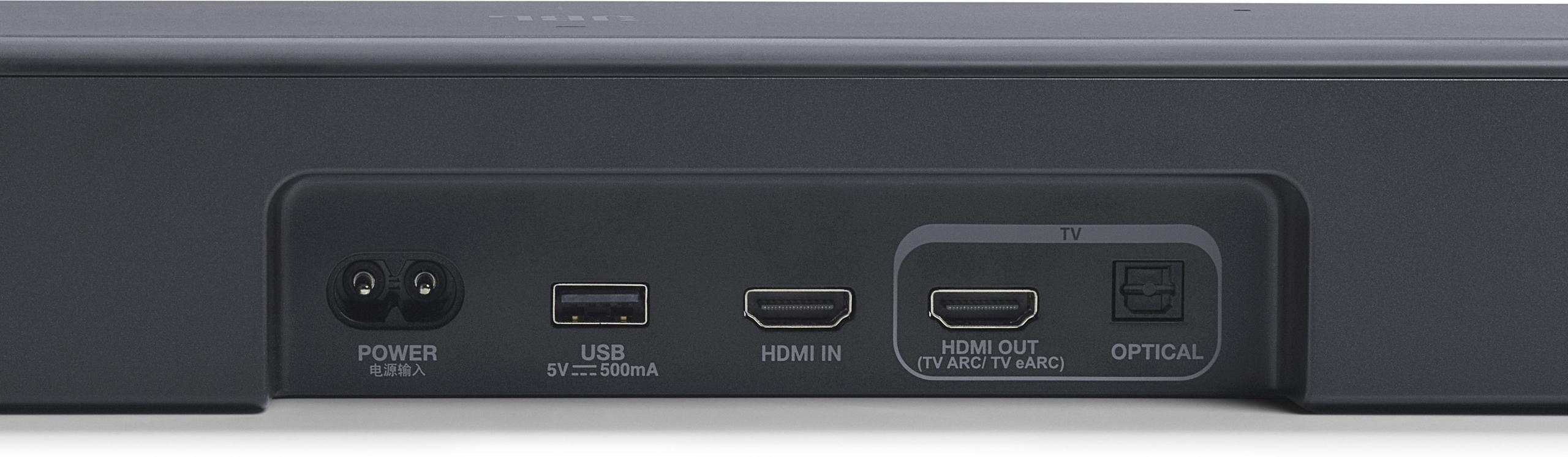
| HDMI eARC, 4K Dolby Vision passthrough | HDMI eARC, standard 4K passthrough |
| Best Use Case - Who should buy this | |
| Small-medium rooms, movie lovers, tech enthusiasts | Large rooms, music lovers, system builders |
The Klipsch Flexus Core 100 ($228) offers better value for most buyers, delivering powerful bass and quality sound at nearly half the price of the JBL Bar 300 MK2 ($449). However, the JBL justifies its premium with virtual Dolby Atmos, comprehensive streaming features, and automatic room calibration that the Klipsch lacks.
The JBL Bar 300 MK2 focuses on virtual surround sound processing from a single bar, while the Klipsch Flexus Core 100 emphasizes powerful stereo sound with dual built-in subwoofers and the ability to expand with additional speakers over time.
The Klipsch Flexus Core 100 delivers significantly better bass thanks to its dual 4-inch dedicated subwoofer drivers built into the soundbar. The JBL Bar 300 MK2 uses a bass port design that sounds good but cannot match the physical impact of dedicated subwoofer drivers.
Only the JBL Bar 300 MK2 supports Dolby Atmos with virtual height processing that creates an immersive surround sound experience. The Klipsch Flexus Core 100 is a 2.1 stereo system without Atmos support, though it can be expanded with rear speakers for true surround sound.
The JBL Bar 300 MK2 is far superior for streaming, offering built-in Wi-Fi, AirPlay, Chromecast, and access to over 300 streaming services. The Klipsch Flexus Core 100 only supports Bluetooth connectivity, limiting your streaming options.
The Klipsch Flexus Core 100 is designed for expansion and can add wireless rear speakers and additional subwoofers to create a full surround system. The JBL Bar 300 MK2 is a closed system that cannot be expanded with additional components.
The JBL Bar 300 MK2 excels at dialogue clarity with its PureVoice 2.0 technology that specifically enhances speech frequencies. The Klipsch Flexus Core 100 handles dialogue well but lacks dedicated dialogue enhancement features.
The JBL Bar 300 MK2 works best in small to medium rooms where its virtual surround processing can use wall reflections effectively. The Klipsch Flexus Core 100 is better for larger rooms thanks to its powerful built-in subwoofers that can fill bigger spaces with sound.
The Klipsch Flexus Core 100 offers simpler setup with basic Bluetooth pairing and manual controls. The JBL Bar 300 MK2 requires more initial setup for Wi-Fi and app configuration but offers automatic room calibration once connected.
Both work well for gaming, but serve different preferences. The Klipsch Flexus Core 100 provides more impactful bass for explosions and gunfire, while the JBL Bar 300 MK2 offers better spatial audio positioning and virtual surround effects for competitive gaming.
The Klipsch Flexus Core 100 provides better long-term value due to its expandability and lower entry price. You can start with the basic soundbar and add components as your needs and budget grow. The JBL Bar 300 MK2 offers immediate advanced features but no upgrade path.
For home theater, choose the JBL Bar 300 MK2 if you want immediate virtual surround sound and dialogue enhancement for movies. Choose the Klipsch Flexus Core 100 if you prioritize powerful bass for action scenes and plan to build a larger surround system over time.
We've done our best to create useful and informative comparisons to help you decide what product to buy. Our research uses advanced automated methods to create this comparison and perfection is not possible - please contact us for corrections or questions. These are the sites we've researched in the creation of this article: homecinemachoice.com - retailspecs.com - hometechnologyreview.com - whathifi.com - news.jbl.com - engadget.com - crutchfield.com - harmanaudio.com - techradar.com - bestbuy.com - jbl.com - sweech.co.ke - jbl.com - jbl.com.sg - mm.jbl.com - abcwarehouse.com - harmanaudio.com - sweetwater.com - ro.harmanaudio.com - dell.com - jbl.co.nz - cnet.com - klipsch.com - klipsch.com - bestbuy.com - sweetwater.com - assets.onkyo-av.com - youtube.com - worldwidestereo.com - avnirvana.com - target.com

Privacy Policy
Terms and Conditions - Affiliate Policy
Home Security
© Copyright 2008-2026.
11816 Inwood Rd #1211, Dallas, TX 75244