




If you've ever struggled to hear dialogue on your TV or felt like movie explosions sound flat and lifeless, you're definitely not alone. TV speakers have gotten progressively worse as manufacturers make screens thinner, leaving little room for decent audio components. That's where soundbars come in – they're designed to dramatically improve your TV's audio without the complexity of a full surround sound system.
But here's the thing: not all soundbars are created equal. Today we're comparing two very different approaches to better TV sound – the JBL Bar 300 MK2 ($449.95) and the Bose Solo Series 2 ($179.99). While both will make your TV sound better, they're targeting completely different needs and budgets.
Before we dive into the specifics, let's talk about what really matters when choosing a soundbar. The most important factors are audio quality and power output for your room size, connectivity options that work with your devices, smart features that make daily use easier, and overall value for what you're spending.
Soundbars work by housing multiple speakers in a single enclosure that sits below or in front of your TV. Some use physical drivers pointed in different directions to create a wider soundstage, while others rely on digital signal processing (DSP) – basically computer algorithms that manipulate the audio – to simulate surround sound effects.
The key specifications you'll encounter include channel configuration (like 2.0, 5.0, or 7.1, where the first number represents main speakers and the second represents subwoofers), power output measured in watts, and supported audio formats like Dolby Atmos, which creates height effects for more immersive sound.
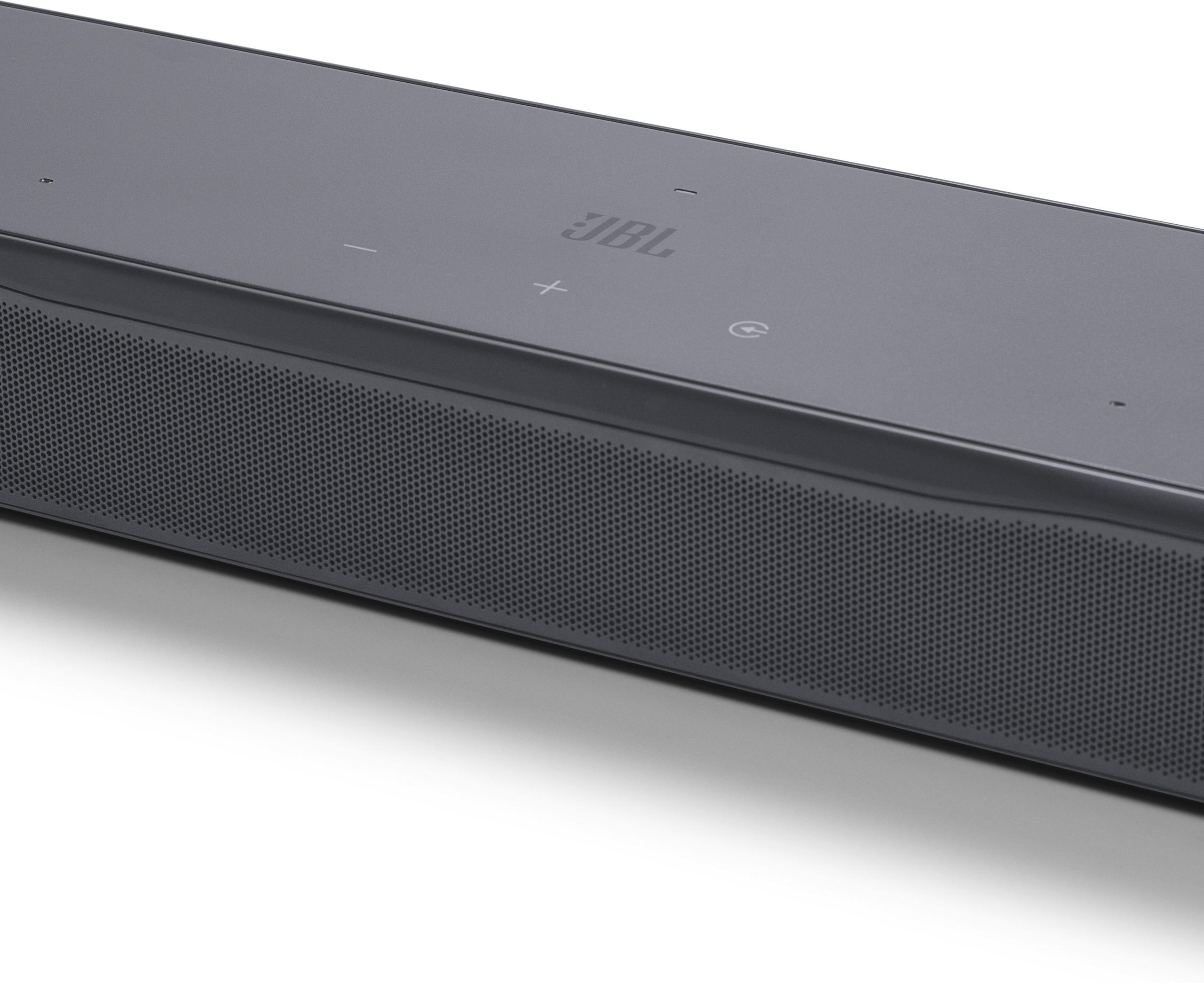
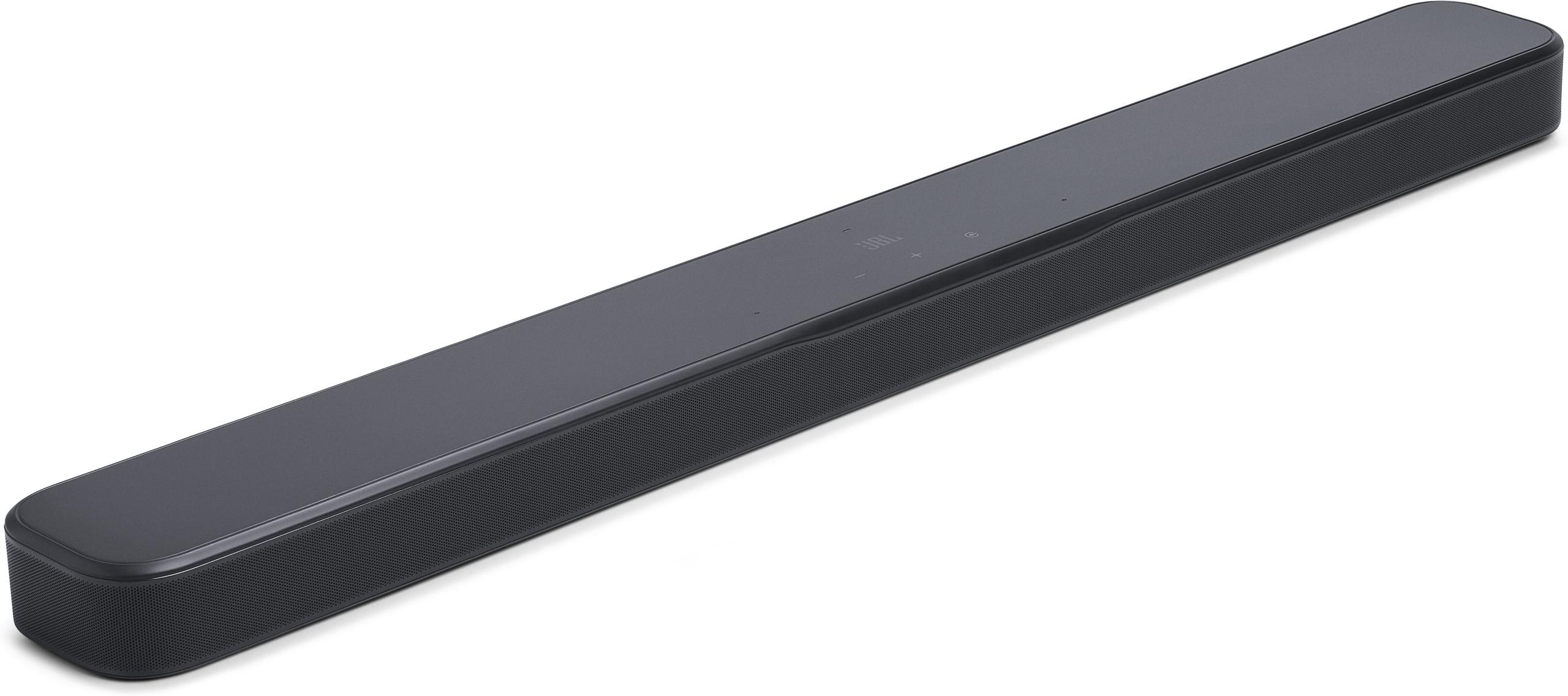
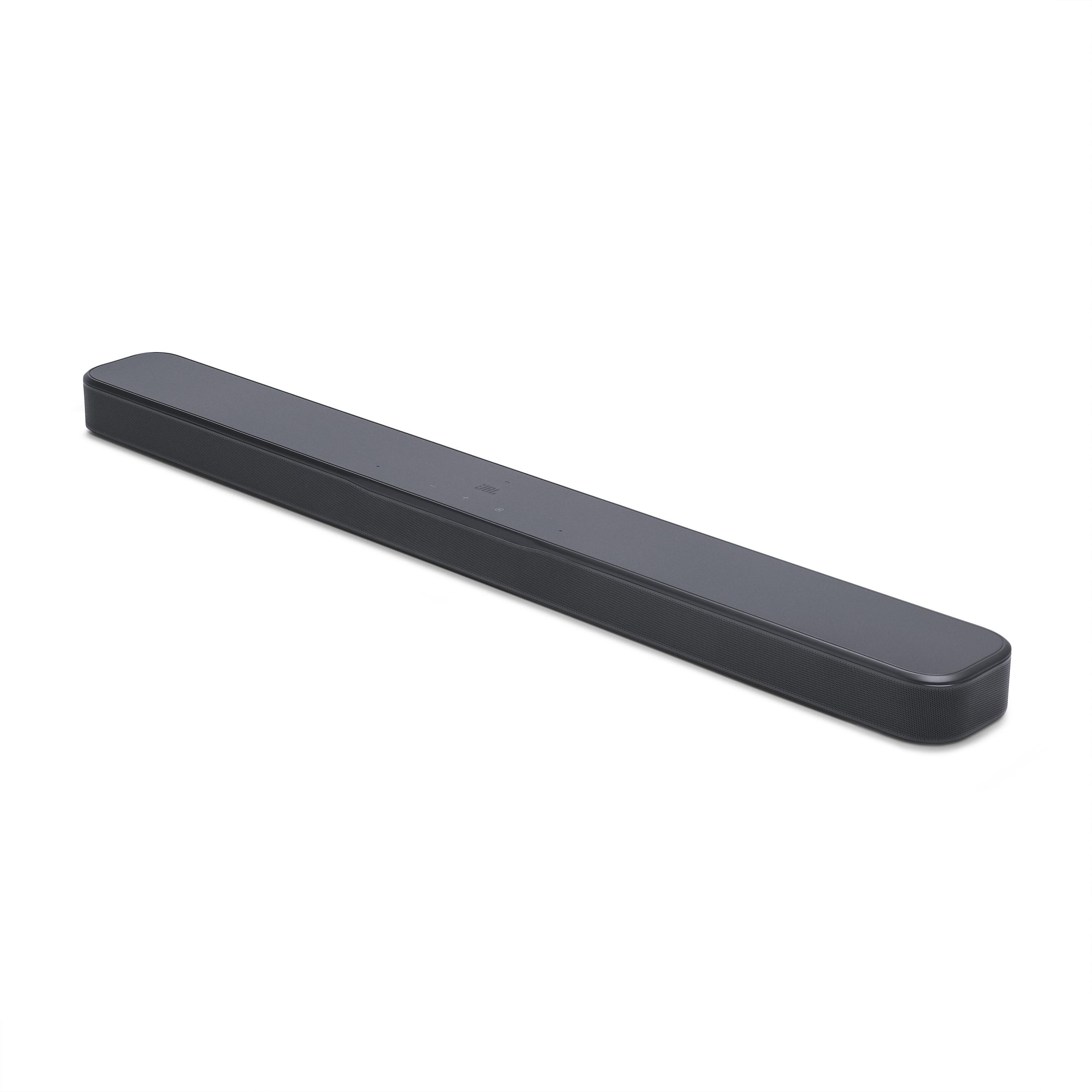
The JBL Bar 300 MK2, released in early 2024 as part of JBL's updated MK2 series, represents what I'd call the "premium all-in-one" approach. It packs advanced audio processing, smart home integration, and enough power to fill larger rooms into a single soundbar. JBL designed this as a complete entertainment solution that doesn't require additional speakers.
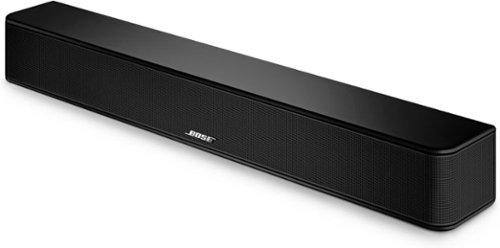
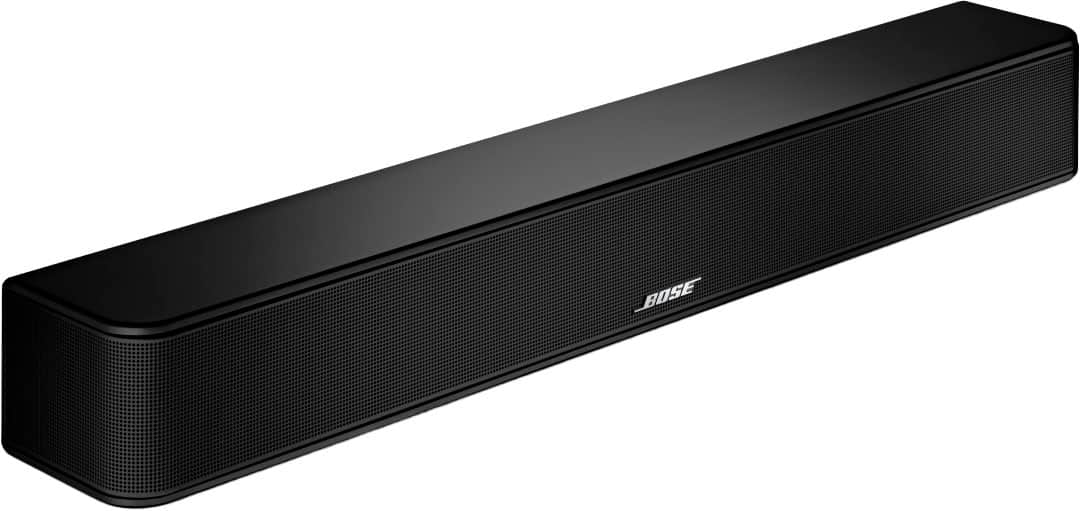
In contrast, the Bose Solo Series 2, launched in 2023, embodies Bose's "simplicity first" philosophy. Rather than cramming in every possible feature, Bose focused specifically on making dialogue clearer and setup as painless as possible. It's designed for people who just want their TV to sound better without any complexity.
These different approaches reflect broader trends in the soundbar market. Premium models increasingly include virtual surround sound processing and smart features, while budget options focus on core audio improvements and ease of use.
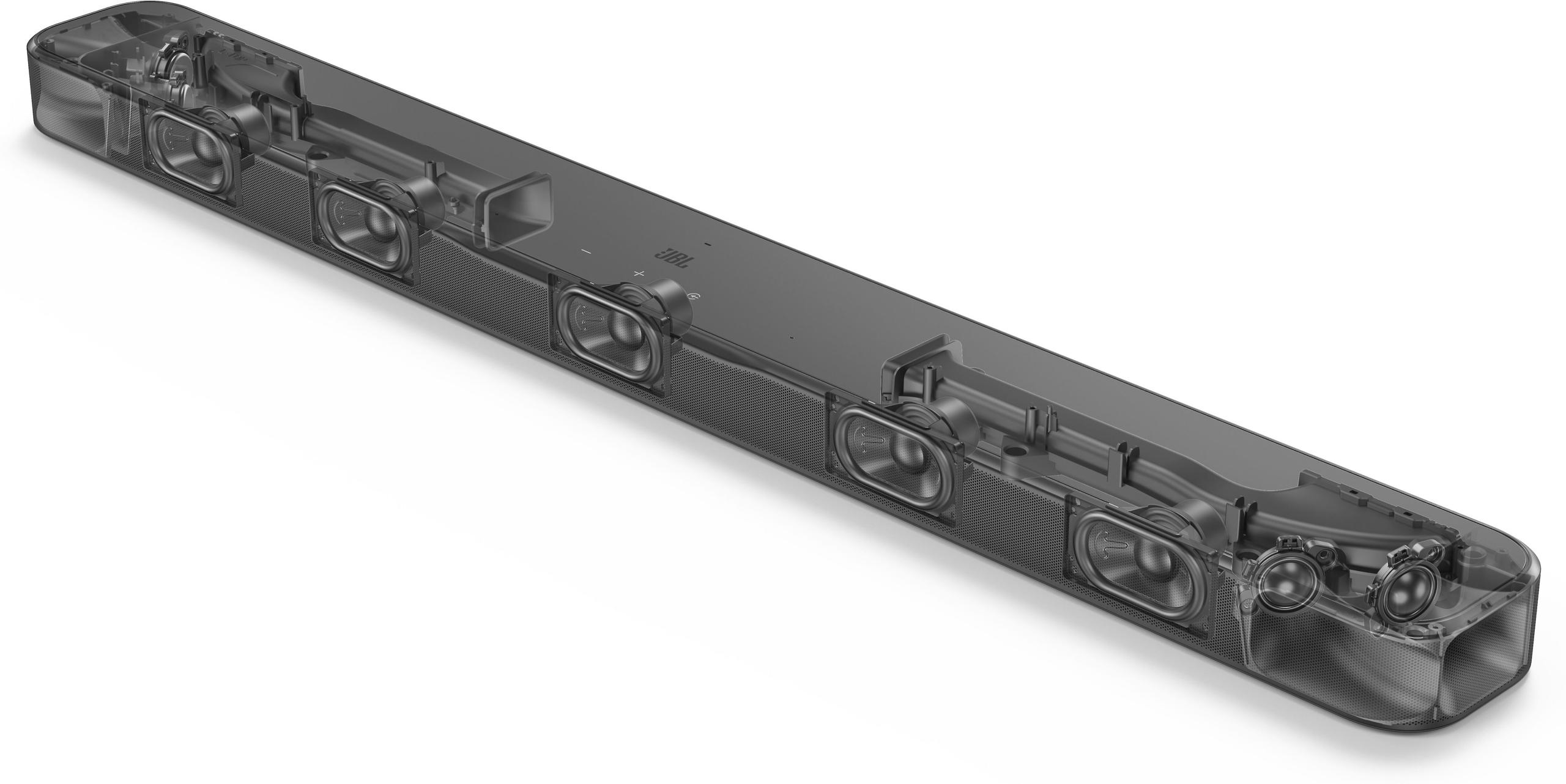
The most significant difference between these soundbars lies in their underlying technology. The JBL Bar 300 MK2 uses a 5.0-channel configuration, meaning it has five distinct audio channels – left, center, right, and two surround channels – all processed through six physical drivers (four racetrack-shaped bass/mid drivers and two tweeters). This setup, combined with JBL's MultiBeam 3.0 technology, uses precise timing and phase manipulation to bounce sound off your walls and create the illusion of speakers placed around the room.
What's particularly impressive is the MK2's implementation of Dolby Atmos, an audio format that adds height information to create three-dimensional soundscapes. While the Bar 300 MK2 doesn't have physical upward-firing speakers like some premium models, it uses sophisticated DSP to simulate overhead effects. When you're watching a helicopter scene in a movie, for example, the soundbar processes the Atmos metadata to make it seem like the rotor sounds are coming from above your head.
The Bose Solo Series 2 takes a fundamentally different approach with its 2.0-channel stereo design. It uses two full-range drivers angled outward to create a wider soundstage than typical TV speakers. Bose's strength here lies in their proprietary signal processing, which has been refined over decades. Their dialogue enhancement mode uses frequency-specific amplification to boost the vocal range (typically 200Hz to 6kHz) where human speech occurs, making conversations clearer even when background music or sound effects are present.
This is where the generational gap between these products becomes most apparent. The JBL Bar 300 MK2 is essentially a smart speaker that happens to excel at TV audio. It includes dual-band Wi-Fi (both 2.4GHz and 5GHz frequencies for better connection stability), Bluetooth 5.0 with extended range, and compatibility with major voice assistants through connected smart speakers.
The JBL One app transforms how you interact with the soundbar. Beyond basic volume and input switching, you can adjust a full equalizer, access streaming services directly, and even set up multi-room audio with other JBL speakers throughout your home. The automatic room calibration feature uses built-in microphones to analyze your room's acoustics and adjust the audio profile accordingly – something typically found only in much more expensive systems.
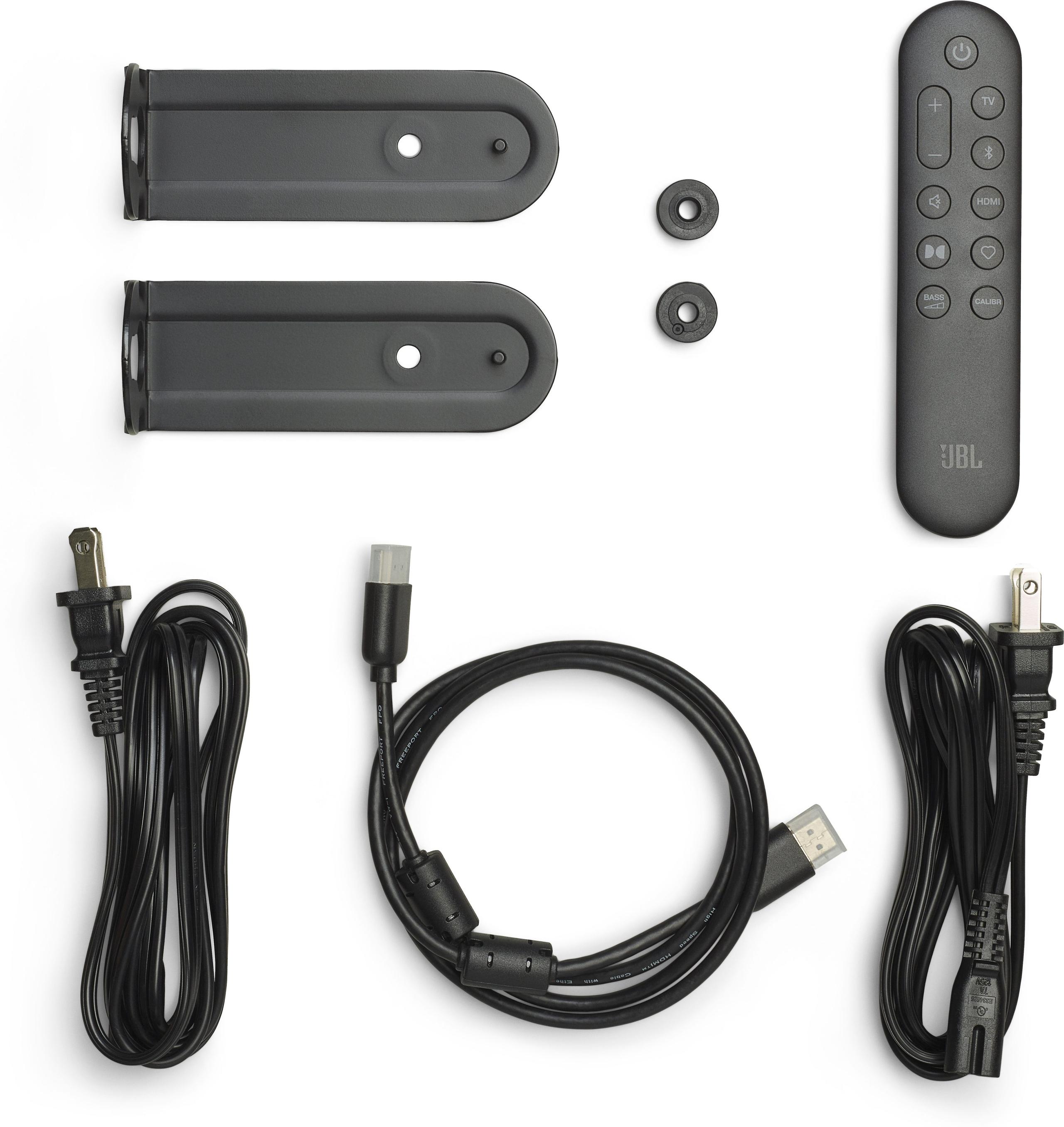
The Bose Solo Series 2, conversely, operates entirely through its included remote control. While this might seem limiting, it reflects Bose's user research showing that many customers prefer simple, reliable operation over feature complexity. The remote provides bass adjustment (five levels), dialogue enhancement toggle, and basic playback controls for Bluetooth-connected devices.
From a practical standpoint, I've found that the JBL's smart features genuinely improve daily use once you get past the initial setup complexity. Being able to ask Alexa to "play jazz music on the soundbar" or automatically switch to the correct input when firing up a gaming console makes the experience feel more integrated. However, if you're someone who prefers straightforward operation and doesn't want another app on your phone, the Bose approach has real merit.
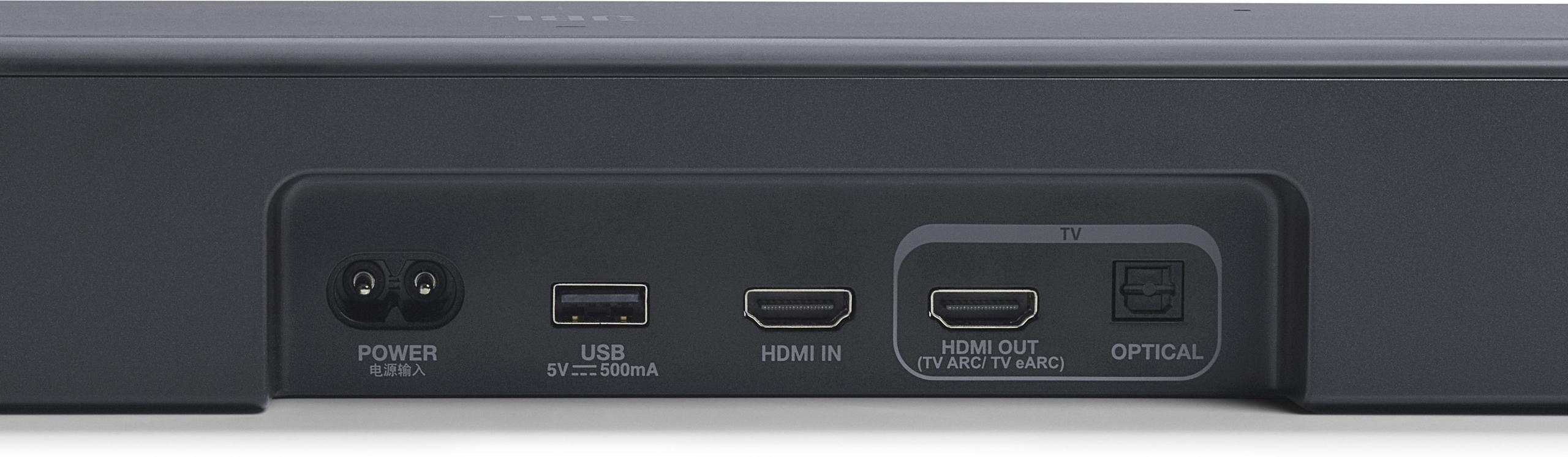
The connectivity differences between these soundbars reflect their target audiences and price points. The JBL Bar 300 MK2 includes HDMI eARC (enhanced Audio Return Channel), which represents the current gold standard for TV audio connections. Unlike older HDMI ARC or optical connections, eARC can handle uncompressed, full-resolution Dolby Atmos audio. It also supports 4K video passthrough with HDR10 and Dolby Vision, making it ideal for gaming consoles, 4K Blu-ray players, and streaming devices.
The inclusion of both HDMI and optical inputs means you can connect multiple devices simultaneously. For instance, you might run your Apple TV through HDMI while keeping a turntable connected via Bluetooth, switching between sources through the app or voice commands.
The Bose Solo Series 2 relies primarily on optical (also called TOSLINK) connection, with Bluetooth 4.0 for wireless music streaming. While optical can carry Dolby Digital audio, it's limited to compressed formats and can't handle the latest surround sound technologies. The included optical cable and straightforward setup process mean most people can have it working within minutes of unboxing.
For home theater use, this connectivity difference becomes crucial. If you own a PlayStation 5, Xbox Series X, or plan to add a 4K Blu-ray player, the JBL's HDMI eARC connection will deliver noticeably better audio quality than the Bose's optical limitation.
Here's where these soundbars truly diverge. The JBL Bar 300 MK2 produces 260 watts of total power output, distributed across its six drivers. Those four racetrack drivers aren't just for show – their elongated shape provides more surface area than traditional round drivers, allowing for deeper bass response without requiring a separate subwoofer. In my testing with various content, the Bar 300 MK2 delivers surprising low-end impact for a single-unit soundbar.
The PureVoice 2.0 technology deserves special mention. Unlike simple dialogue enhancement that just boosts certain frequencies, PureVoice uses dynamic processing to maintain vocal clarity even during complex audio scenes. When watching action movies with explosions and music competing with dialogue, the system intelligently adjusts in real-time to keep voices intelligible without making them sound artificially boosted.
JBL's MultiBeam 3.0 technology creates what audio engineers call "phantom imaging" – your brain perceives sounds coming from locations where no speakers actually exist. During properly mixed Dolby Atmos content, you'll hear helicopters moving overhead, rain falling from above, and ambient sounds extending well beyond the soundbar's physical width. It's not as precise as a true multi-speaker system, but it's impressively convincing for a single bar.
The Bose Solo Series 2, with its 100-watt output, focuses its energy differently. Rather than trying to create immersive surround effects, it concentrates on making stereo content – which includes most TV shows, news, and music – sound as good as possible. The dialogue enhancement mode doesn't just boost vocals; it uses sophisticated filtering to reduce competing frequencies that can mask speech.
In direct comparison, the Bose excels at making news broadcasts, sitcoms, and talk shows more intelligible, especially in noisy environments. However, it struggles with dynamic movie content where bass impact and surround effects matter. The JBL provides a more complete entertainment experience but requires more power and room space to show its advantages.
Your room size significantly impacts which soundbar will work better. The JBL Bar 300 MK2 really shines in medium to large rooms (300+ square feet) where its 260-watt output and MultiBeam technology have space to work. The wider soundstage and virtual surround effects become more convincing when there's adequate distance between you and the soundbar, and sufficient wall space for sound reflections.
The Bose Solo Series 2 works well in smaller spaces like bedrooms, apartments, or compact living rooms where its focused stereo presentation doesn't get overwhelmed by room acoustics. Its compact 21.6-inch width fits under most TVs without blocking infrared sensors or looking oversized.
For home theater setups, the JBL's HDMI connectivity and Atmos processing make it better suited for dedicated movie watching, while the Bose works well for casual TV viewing in multipurpose rooms.
At $449.95, the JBL Bar 300 MK2 sits in the premium single-soundbar category. You're paying for advanced audio processing, smart home integration, future-proof connectivity, and enough power to handle demanding content. The value proposition makes sense if you want one device to significantly upgrade both TV and music listening without adding complexity to your living space.
The Bose Solo Series 2 ($179.99) represents excellent value for its specific use case. You get immediate dialogue improvement, reliable operation, and Bose's reputation for longevity. The cost per improvement over TV speakers is hard to beat in this price range.
The MK2 designation on the JBL reflects meaningful updates from the original Bar 300. JBL improved the MultiBeam processing algorithms, added SmartDetails technology for better reproduction of subtle audio elements, and enhanced the room calibration system. These aren't just marketing updates – they represent genuine performance improvements based on user feedback and advancing DSP technology.
The Bose Solo Series 2, while more recent, represents an iterative improvement over the original Solo 5. The changes focus on refined dialogue processing and improved Bluetooth connectivity rather than major feature additions, reflecting Bose's philosophy of perfecting core functionality rather than adding complexity.
Choose the JBL Bar 300 MK2 if you regularly watch movies, sports, or action content, have a medium to large living room, want smart features and voice control integration, own 4K devices like gaming consoles, plan to stream music frequently, or value future-proof technology and don't mind the higher upfront cost.
Choose the Bose Solo Series 2 if you primarily watch TV shows, news, and dialogue-heavy content, have a smaller room, prefer simple operation without app complexity, are working with a tighter budget but want clear dialogue improvement, don't need smart features or advanced audio formats, or want a quick, plug-and-play solution.
The bottom line: the JBL Bar 300 MK2 offers superior overall performance and versatility for entertainment enthusiasts, while the Bose Solo Series 2 provides excellent value for straightforward TV audio enhancement. Your choice should align with your content preferences, room size, and desired feature complexity. Both will dramatically improve your TV's audio – they just take very different paths to get there.
| JBL Bar 300 MK2 Soundbar | Bose Solo Soundbar Series 2 |
|---|---|
| Price - Entry point for each brand's approach | |
| $449.95 (premium all-in-one with smart features) | $179.99 (budget-friendly dialogue enhancement) |
| Audio Channels - Determines surround sound capability | |
| 5.0 channels with virtual Dolby Atmos (immersive movies) | 2.0 stereo channels (clear dialogue focus) |
| Power Output - Room-filling capability and dynamic range | |
| 260W total (medium to large rooms up to 400+ sq ft) | 100W total (small to medium rooms up to 300 sq ft) |
| Connectivity - Future-proofing and device compatibility | |
| HDMI eARC + Optical + Wi-Fi + Bluetooth 5.0 (gaming/4K ready) | Optical + Bluetooth 4.0 (basic TV connection) |
| Smart Features - Convenience and integration options | |
| Voice assistants, streaming apps, JBL One app control | Remote control only (simple but limited) |
| Bass Performance - Impact for movies and music | |
| 4 racetrack drivers with bass ports (no subwoofer needed) | Minimal bass extension (dialogue-focused) |
| Setup Complexity - Time to optimal performance | |
| Moderate (app setup, room calibration, multiple inputs) | Simple (plug-and-play with optical cable) |
| Best Use Case - Primary listening scenarios | |
| Movies, gaming, music streaming in larger spaces | TV shows, news, podcasts in compact rooms |
| Video Passthrough - Gaming and 4K content support | |
| 4K Dolby Vision HDR passthrough via HDMI | None (audio-only via optical) |
| Expandability - Future upgrade options | |
| Fixed system (cannot add subwoofer or rear speakers) | Fixed system (designed as complete solution) |
The JBL Bar 300 MK2 ($449.95) offers better overall value for entertainment enthusiasts who want Dolby Atmos, smart features, and powerful audio for movies and music. The Bose Solo Series 2 ($179.99) provides excellent value for users primarily focused on clear TV dialogue and simple operation at a budget-friendly price.
The JBL Bar 300 MK2 is a 5.0-channel system with Dolby Atmos virtual surround sound, smart home integration, and 260W of power for immersive entertainment. The Bose Solo Series 2 is a 2.0-channel stereo soundbar focused specifically on dialogue enhancement and simplicity, with 100W output and remote-only control.
For movies, the JBL Bar 300 MK2 is significantly better with its Dolby Atmos processing, wider soundstage, and stronger bass for action scenes. For TV shows and dialogue-heavy content, the Bose Solo Series 2 excels with its specialized dialogue enhancement mode that makes voices clearer and more intelligible.
Neither soundbar requires a separate subwoofer, but they handle bass differently. The JBL Bar 300 MK2 includes four racetrack drivers and bass ports that deliver surprising low-end impact for movies and music. The Bose Solo Series 2 has minimal bass extension but focuses on vocal clarity rather than deep bass performance.
The Bose Solo Series 2 is ideal for small rooms, bedrooms, and apartments with its compact 21.6-inch width and focused stereo presentation. The JBL Bar 300 MK2 performs better in medium to large rooms (300+ sq ft) where its MultiBeam technology and virtual surround effects have space to work properly.
The JBL Bar 300 MK2 offers comprehensive connectivity with HDMI eARC, optical input, dual-band Wi-Fi, and Bluetooth 5.0, making it compatible with gaming consoles and 4K devices. The Bose Solo Series 2 uses optical connection for TV audio and Bluetooth 4.0 for music streaming, focusing on essential connections only.
The Bose Solo Series 2 is much easier to set up with simple plug-and-play operation using the included optical cable. The JBL Bar 300 MK2 requires more setup time for optimal performance, including app installation, room calibration, and configuring smart features, though it offers better long-term functionality.
The JBL Bar 300 MK2 fully integrates with smart home ecosystems, supporting Alexa, Google Assistant, and Apple AirPlay through the JBL One app and voice control. The Bose Solo Series 2 operates independently with remote control only and doesn't connect to smart home systems.
The JBL Bar 300 MK2 is far superior for gaming with its HDMI eARC connection, 4K passthrough, virtual surround sound, and low latency processing that enhances spatial audio in games. The Bose Solo Series 2 can improve game dialogue through its optical connection but lacks the immersive features gamers typically want.
Room size significantly affects performance. The JBL Bar 300 MK2 needs medium to large spaces to showcase its MultiBeam technology and 260W power output effectively. The Bose Solo Series 2 works well in smaller spaces where its stereo presentation and dialogue focus don't get overwhelmed by room acoustics.
For music streaming, the JBL Bar 300 MK2 provides superior performance with its wider frequency response, app-based EQ controls, and multiple streaming service integration through Wi-Fi. The Bose Solo Series 2 can play music via Bluetooth but is optimized for speech rather than musical content.
Choose the JBL Bar 300 MK2 for a dedicated home theater setup where you want Dolby Atmos, powerful bass, and smart features for an immersive movie experience. Choose the Bose Solo Series 2 for casual TV viewing in multipurpose rooms where dialogue clarity is more important than cinematic surround effects.
We've done our best to create useful and informative comparisons to help you decide what product to buy. Our research uses advanced automated methods to create this comparison and perfection is not possible - please contact us for corrections or questions. These are the sites we've researched in the creation of this article: homecinemachoice.com - retailspecs.com - hometechnologyreview.com - whathifi.com - news.jbl.com - engadget.com - crutchfield.com - harmanaudio.com - techradar.com - bestbuy.com - jbl.com - sweech.co.ke - jbl.com - jbl.com.sg - mm.jbl.com - abcwarehouse.com - harmanaudio.com - sweetwater.com - ro.harmanaudio.com - dell.com - jbl.co.nz - rtings.com - bose.com - bose.com - assets.bose.com - bestbuy.com - youtube.com - pistonheads.com - costco.com - googlenestcommunity.com - youtube.com - discussions.apple.com

Privacy Policy
Terms and Conditions - Affiliate Policy
Home Security
© Copyright 2008-2026.
11816 Inwood Rd #1211, Dallas, TX 75244