









If you've ever tried watching a movie with your TV's built-in speakers, you know the struggle. Dialogue gets lost during action scenes, explosions sound like muffled pops, and forget about feeling immersed in the experience. That's where soundbars come in – they're designed to solve these exact problems without turning your living room into a speaker obstacle course.
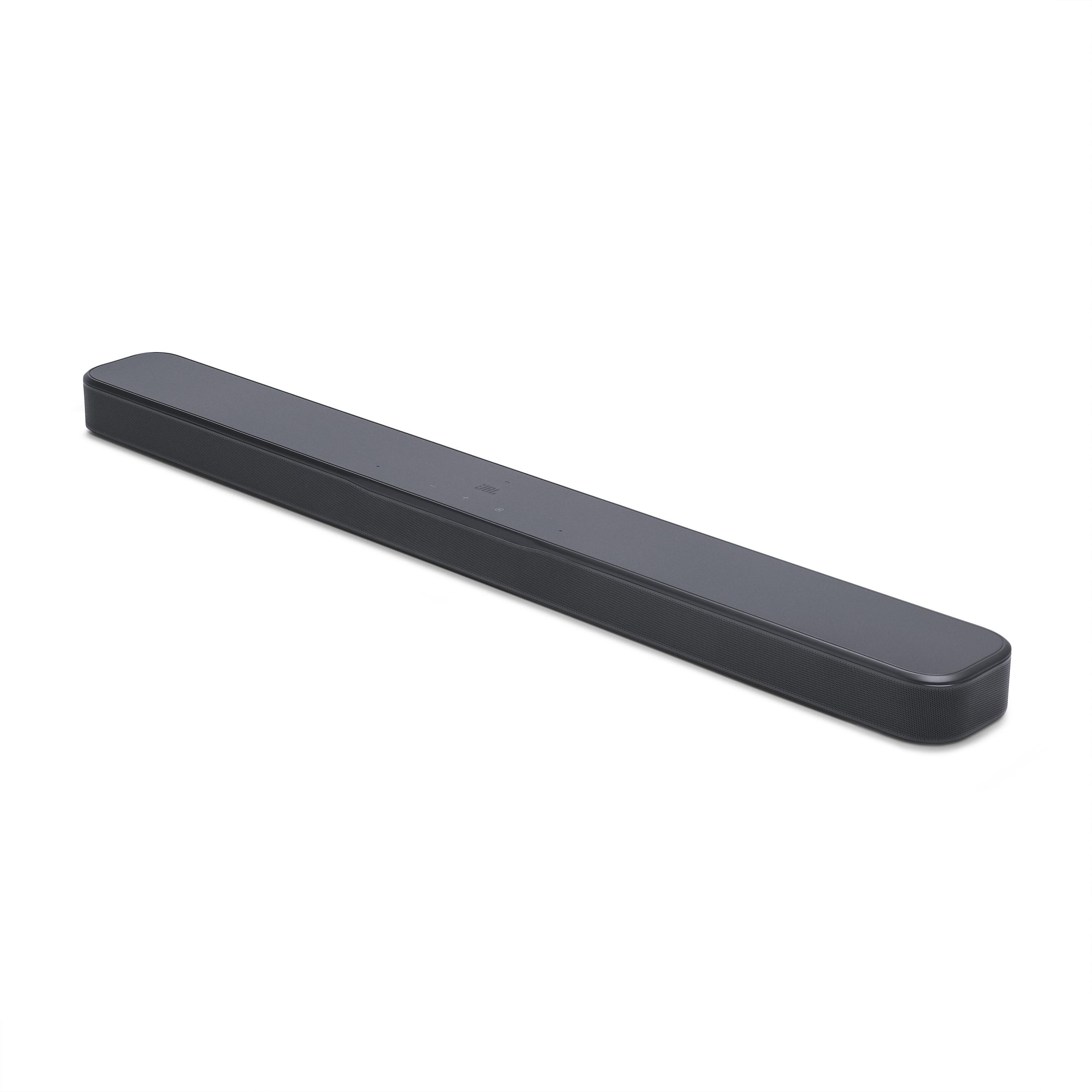
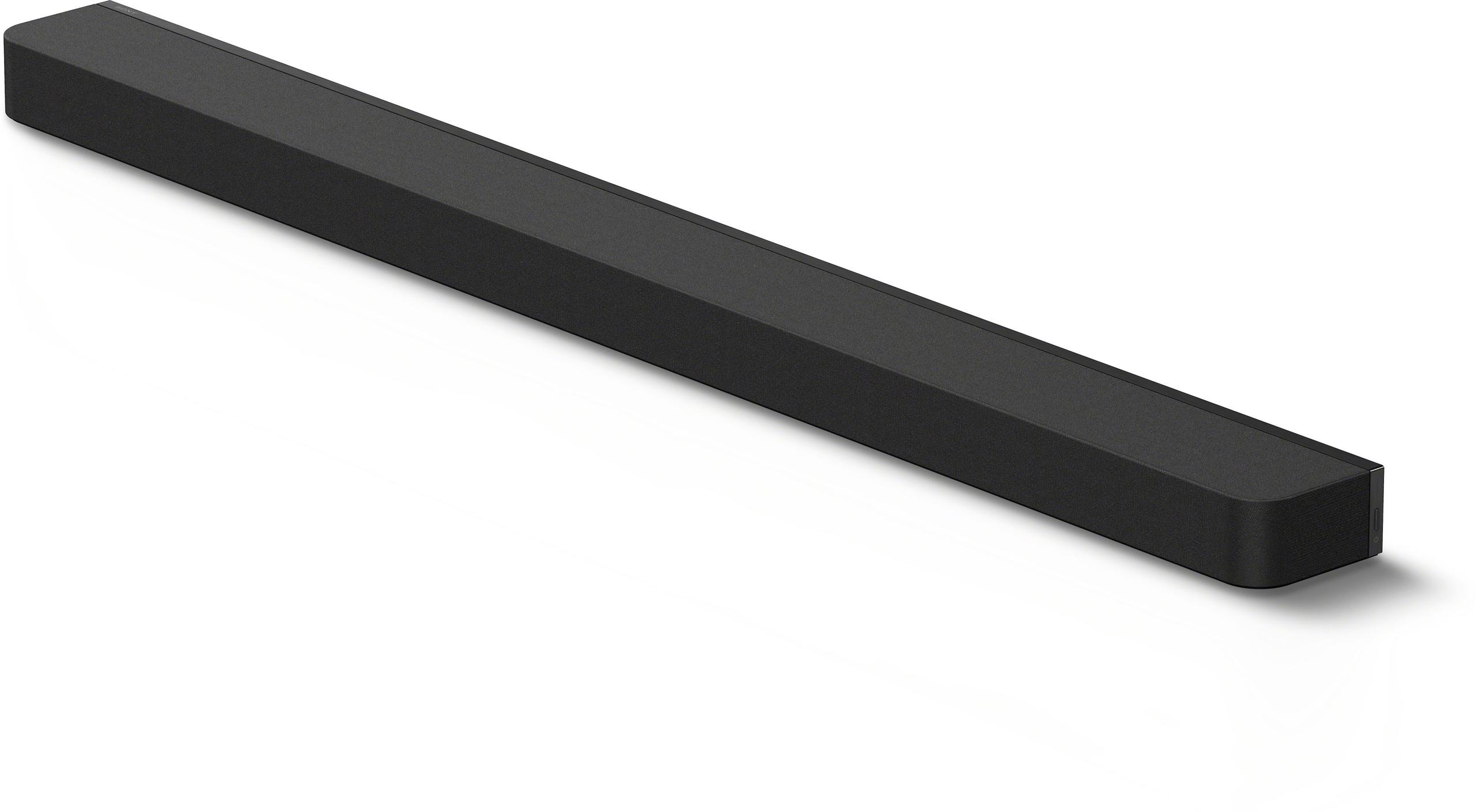
The soundbar market has exploded over the past few years, with manufacturers pushing the boundaries of what's possible from a single, sleek device. Today, we're comparing two compelling options that take very different approaches to premium audio: the JBL Bar 300 MK2 at $449.95 and the Sony BRAVIA Theater Bar 9 at $538.97.
Before diving into specifics, let's talk about what makes a great soundbar in 2024-2025. The biggest game-changer has been spatial audio – technologies like Dolby Atmos that create the illusion of sound coming from above and around you, not just from the front. This works through a combination of special audio processing and carefully positioned speakers that bounce sound off your ceiling and walls.
Room size plays a huge role in soundbar performance. A compact unit might sound amazing in a bedroom but get completely lost in a large family room. Similarly, the type of content you watch matters enormously. If you're mostly streaming Netflix shows, your priorities will differ from someone who's building a dedicated home theater for 4K Blu-ray movies.
The key considerations when shopping for a soundbar include dialogue clarity (can you actually hear what actors are saying?), bass response (does it have enough low-end punch?), spatial effects (does it create an immersive surround experience?), and future expandability (can you add more speakers later?).
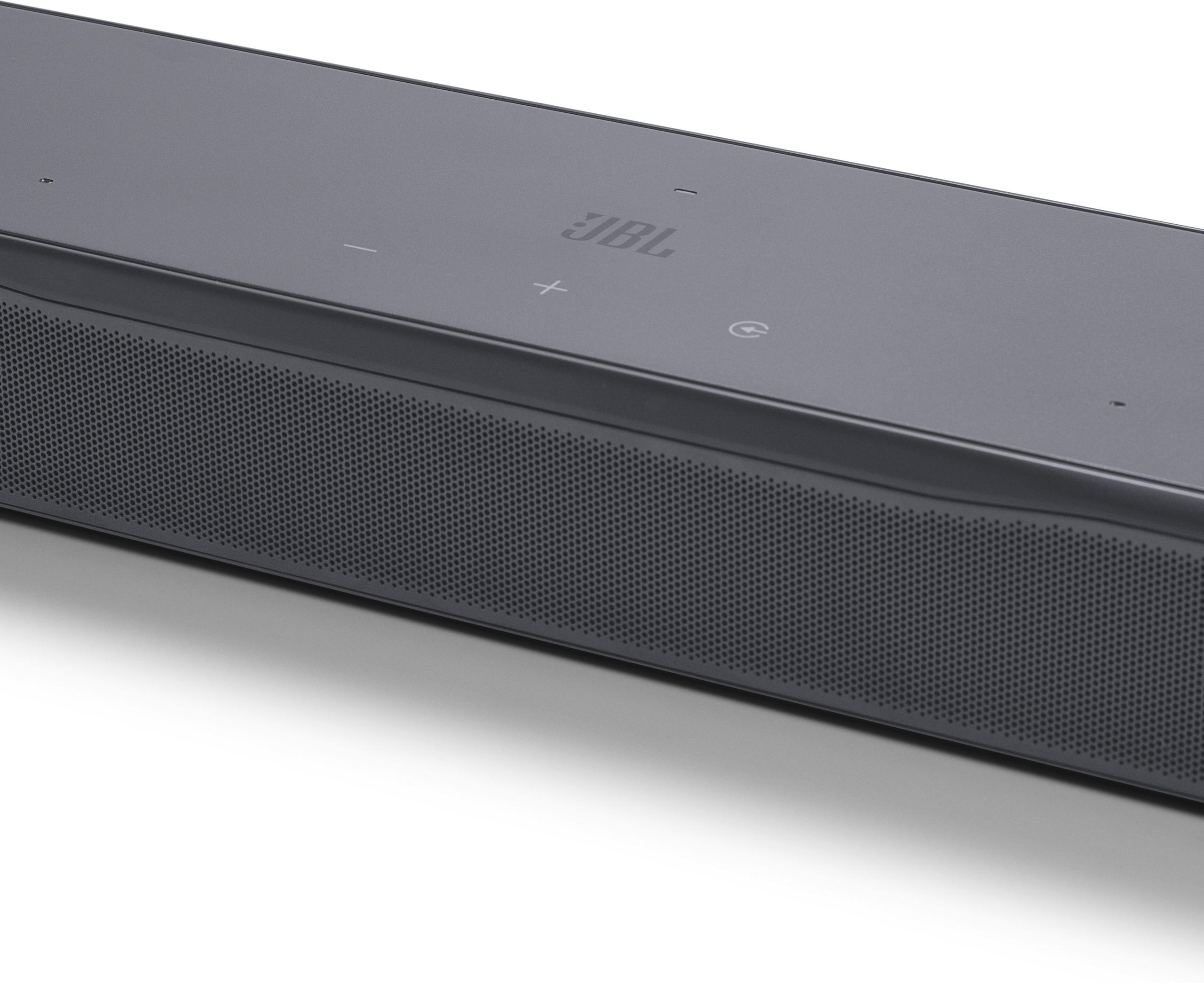
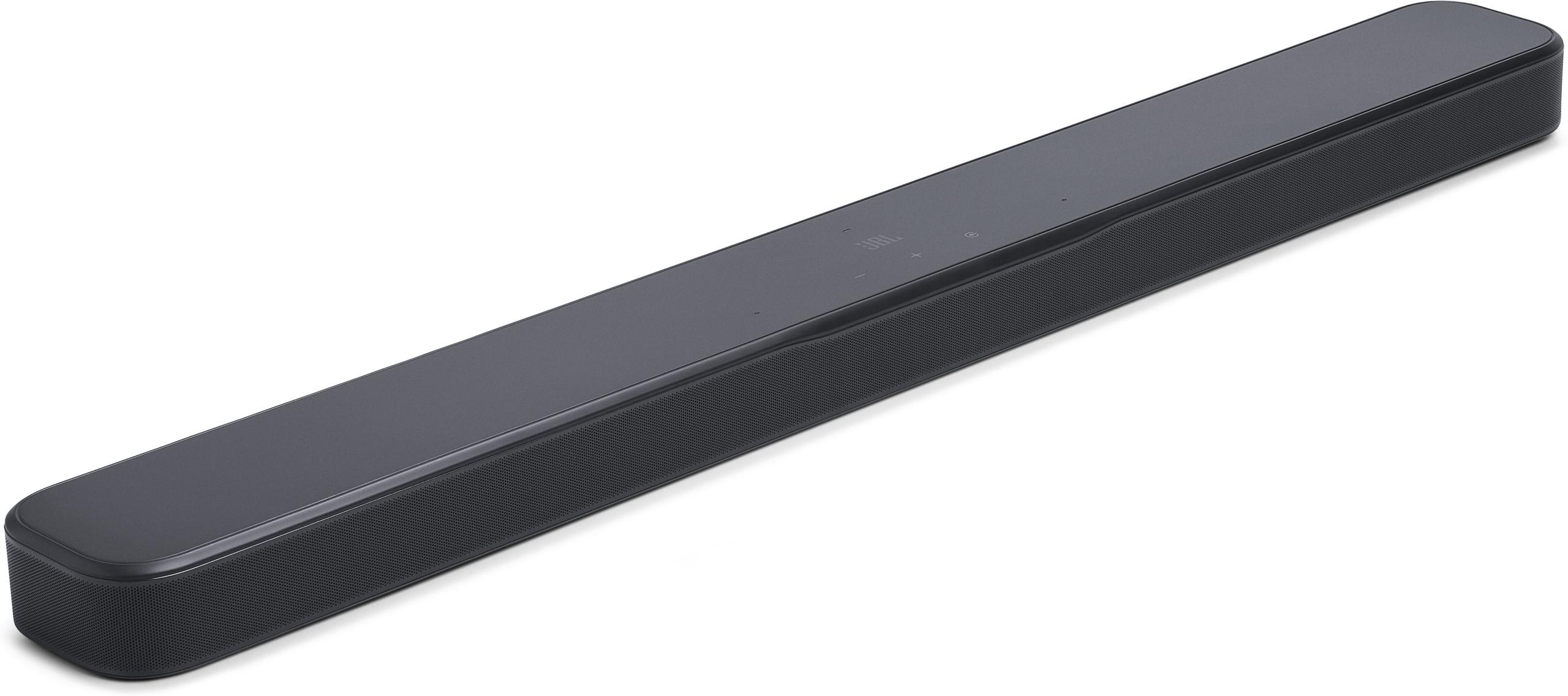
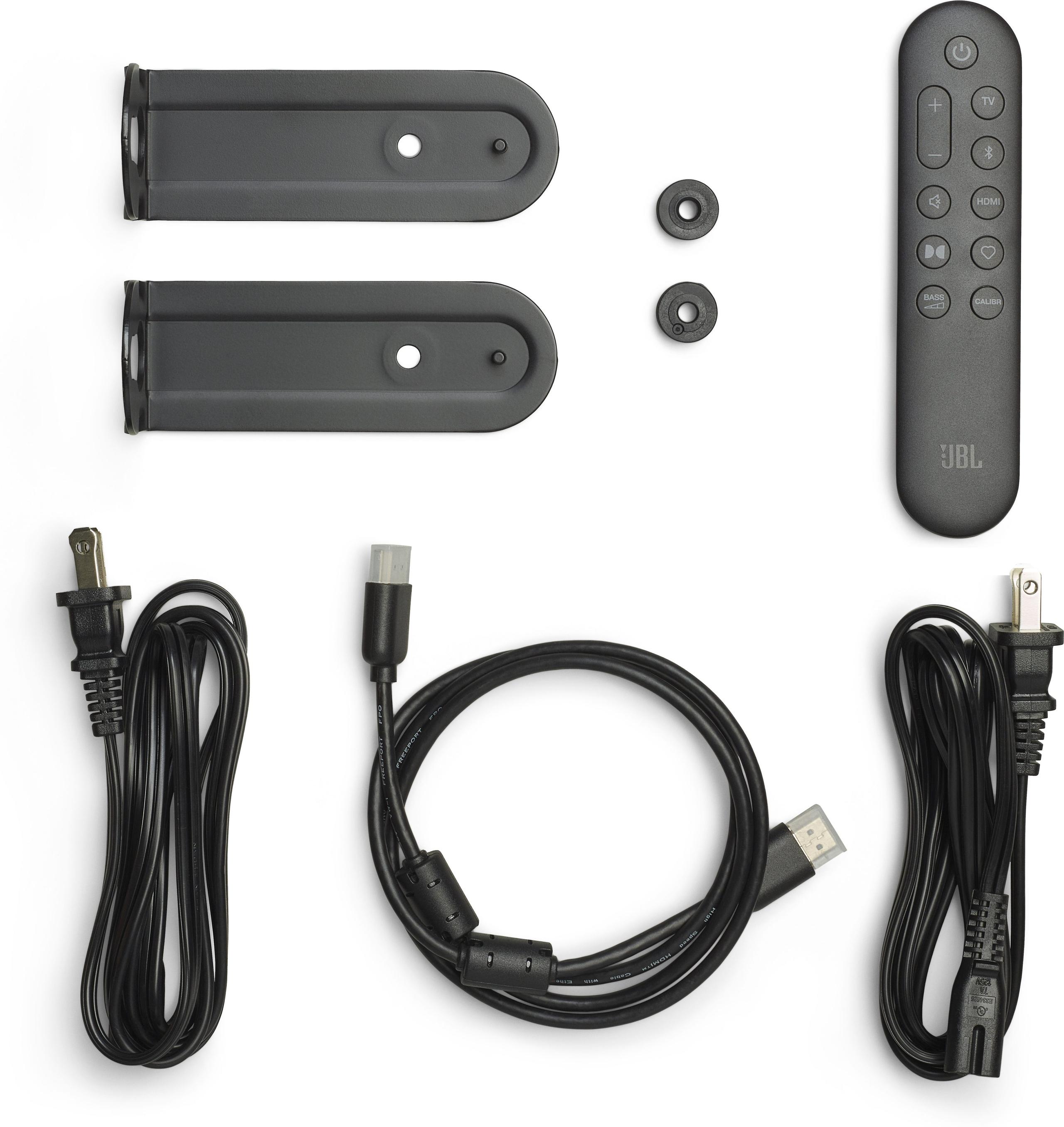
JBL released the Bar 300 MK2 in late 2024 as an updated version of their popular Bar 300. The "MK2" designation indicates this is a second-generation model with refined features, though JBL kept the same core philosophy: deliver excellent sound quality in a simple, all-in-one package that anyone can set up and enjoy immediately.
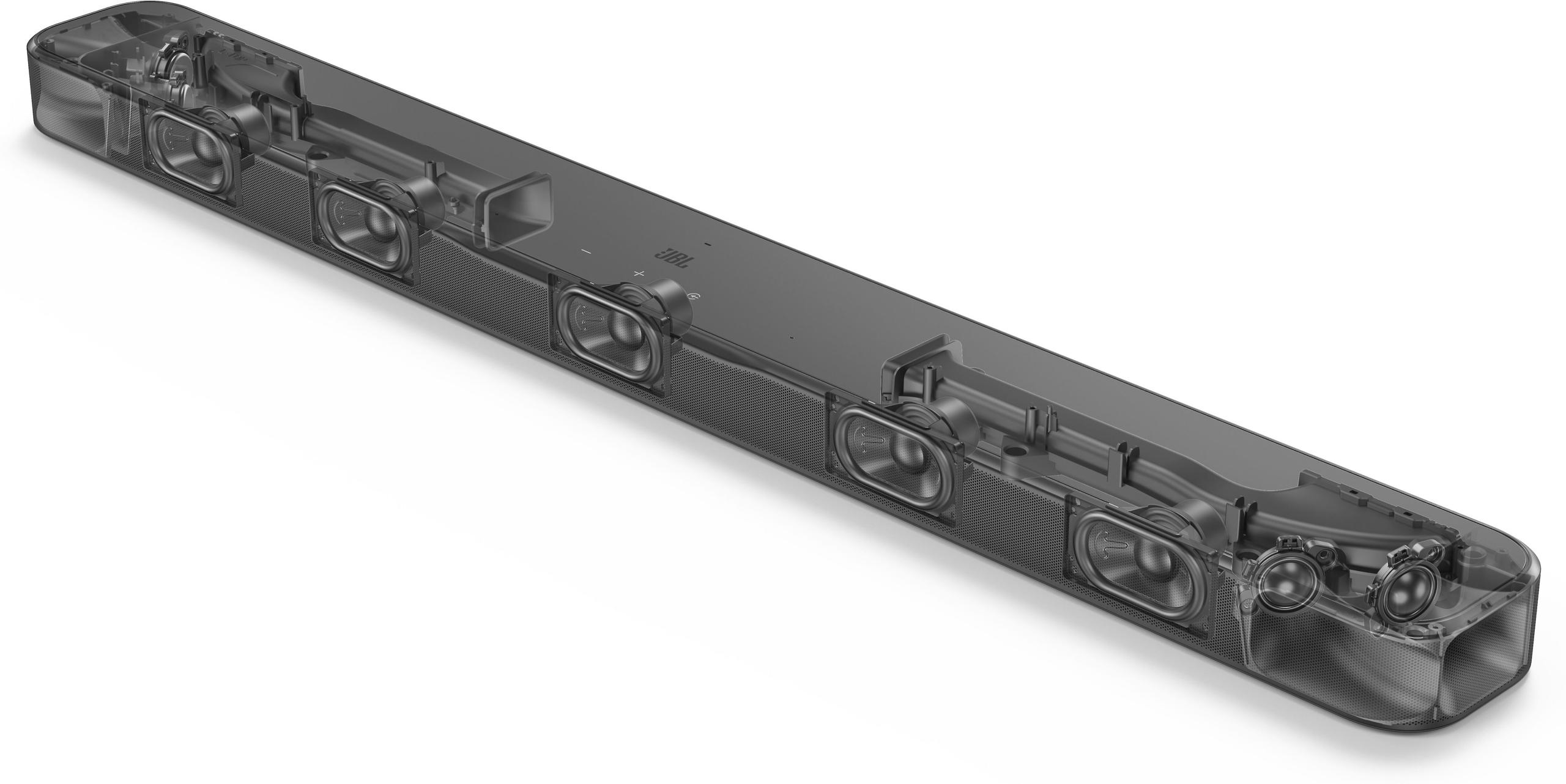
This soundbar uses a 5.0-channel configuration, which means it has five main audio channels (left, center, right, and two surround channels) but no dedicated subwoofer – that's what the ".0" indicates. Instead of a separate bass unit, JBL built bass ports and specialized racetrack drivers directly into the soundbar itself. The total power output reaches 450W, which is impressive for a single unit.
The standout feature here is PureVoice 2.0 technology. This uses advanced algorithms to identify and enhance human voices in the audio mix, ensuring dialogue stays clear even when explosions are rumbling or music is swelling. I've found this particularly valuable when watching complex action movies where traditional soundbars often bury conversations under effects.
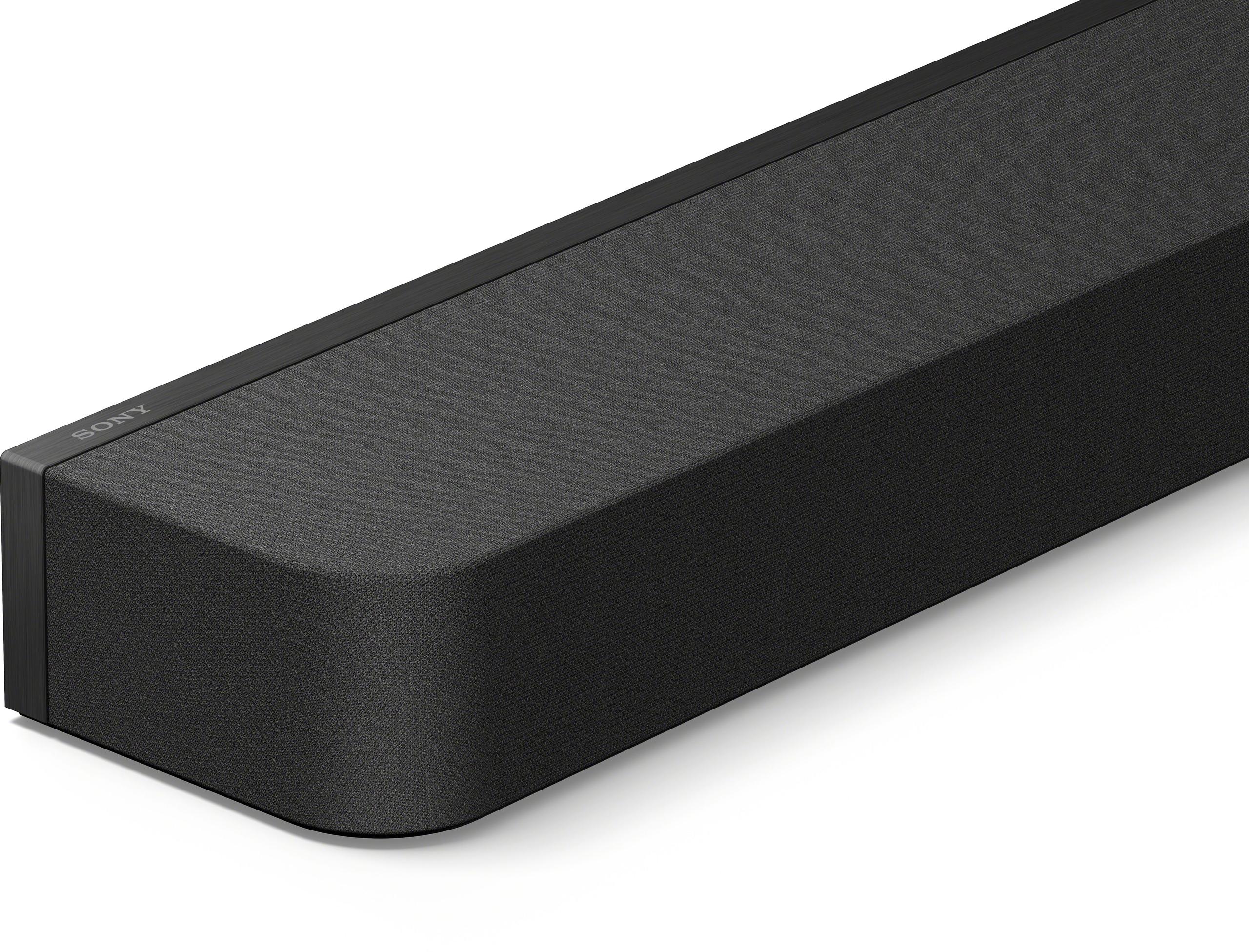
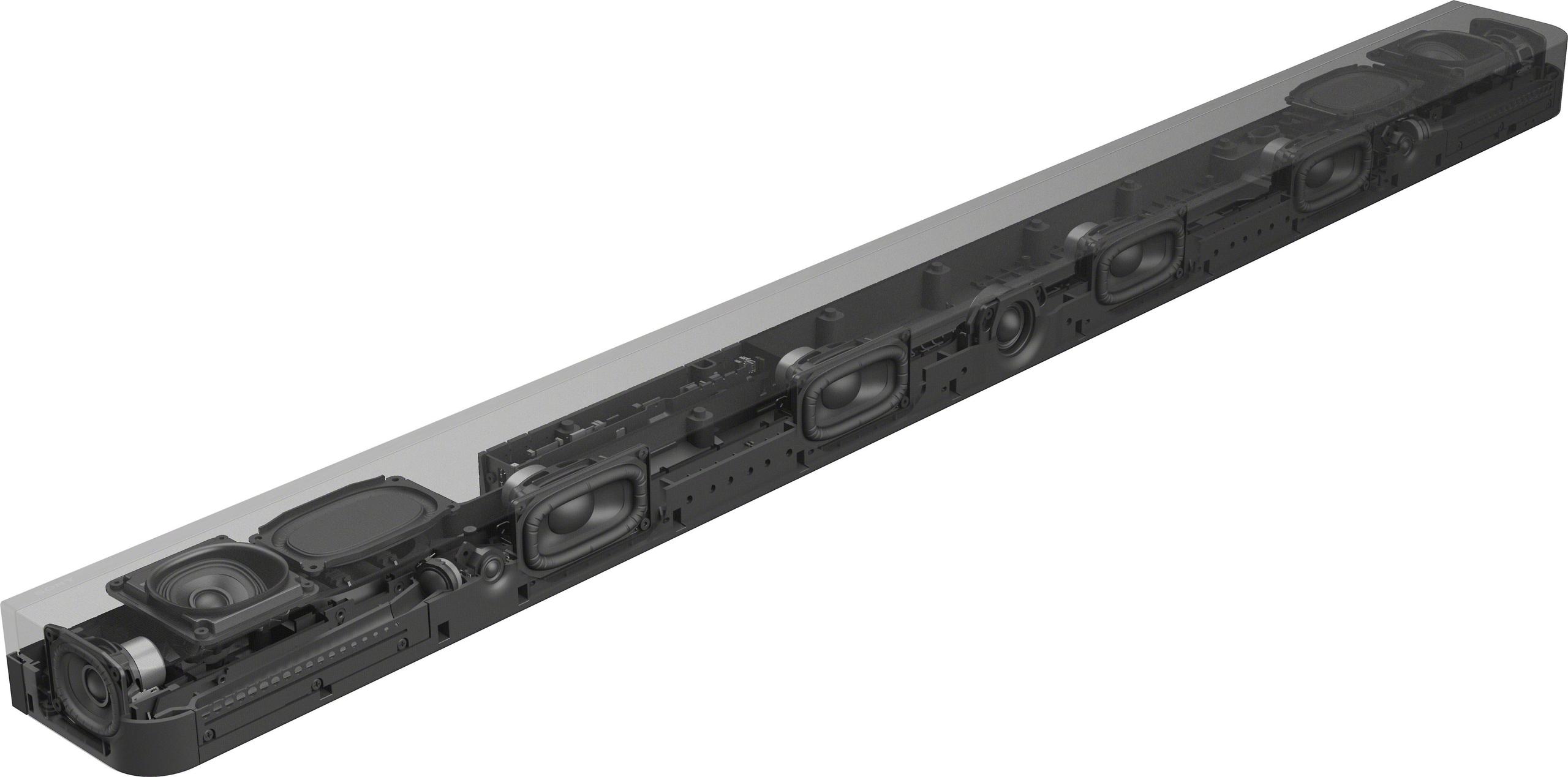
Sony launched the BRAVIA Theater Bar 9 in early 2025 as part of their premium home theater lineup. This represents Sony's most sophisticated single-soundbar solution, packing 13 individual speakers into one sleek unit. Unlike the JBL's virtual approach, Sony uses actual up-firing drivers – speakers that point toward the ceiling to create genuine overhead effects.
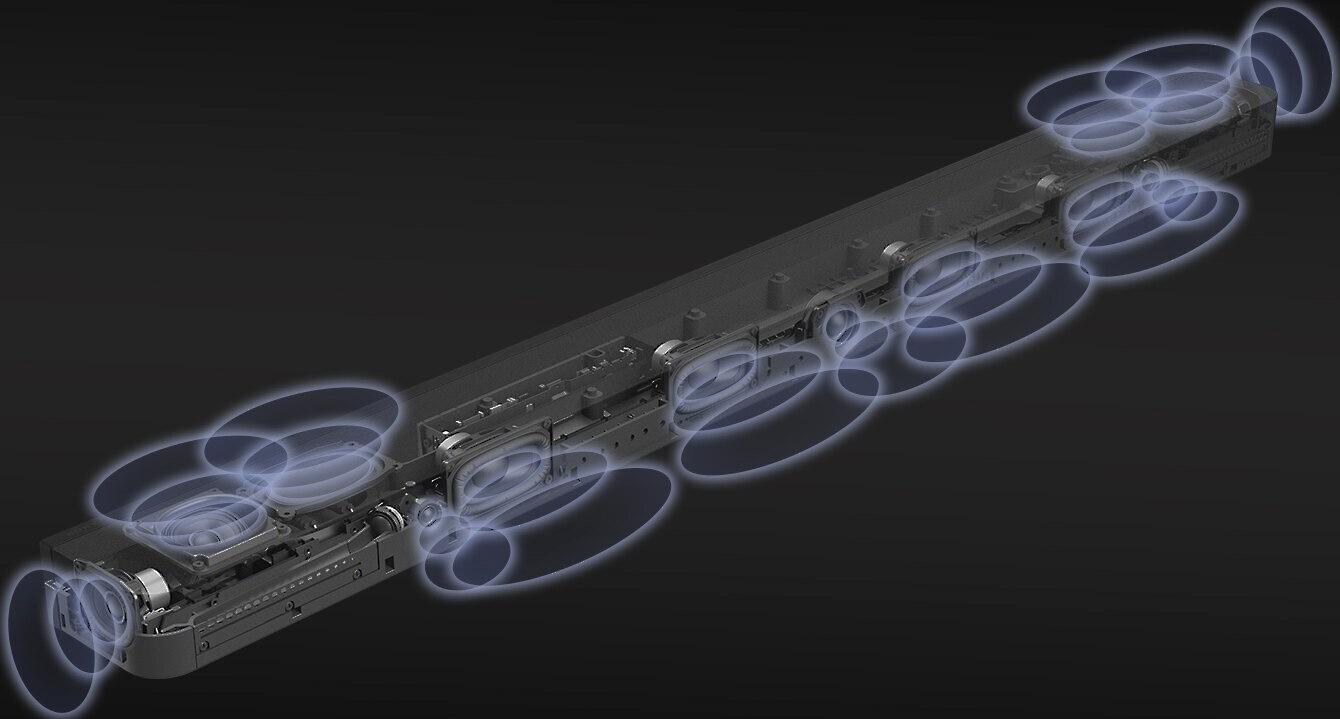
The headline feature is 360 Spatial Sound Mapping, Sony's proprietary technology that goes beyond standard Dolby Atmos processing. It creates "phantom speakers" by precisely controlling how sound reflects off your room's surfaces. Think of it like acoustic billiards – the soundbar calculates exactly how to bounce audio around your space to simulate speakers that aren't actually there.
For Sony BRAVIA TV owners, there's an additional treat: Acoustic Centre Sync. This feature actually uses your TV as an additional center speaker, making dialogue appear to come directly from the screen rather than from below it. It's a subtle but remarkably effective enhancement that makes conversations feel more natural.
This is where the fundamental design differences become apparent. The JBL Bar 300 MK2 treats dialogue enhancement as its primary mission. PureVoice 2.0 doesn't just boost mid-range frequencies where voices live – it actually analyzes the audio stream to identify speech patterns and dynamically adjusts the sound mix to keep voices prominent.
In practice, this means you can follow conversations in busy scenes without constantly reaching for the remote to adjust volume. I've tested this with everything from Marvel movies (notoriously difficult to understand) to British crime dramas with heavy accents, and the JBL consistently delivers clear speech without making voices sound artificial or processed.
The Sony takes a different approach. Its 13-speaker array includes dedicated center-channel drivers that handle most dialogue, while the Acoustic Centre Sync feature (when paired with compatible BRAVIA TVs) creates an even more natural presentation. However, without a BRAVIA TV, the Sony doesn't match the JBL's specialized voice processing.
Winner: JBL for universal dialogue clarity; Sony for BRAVIA TV owners seeking the most natural voice presentation.
Here's where the Sony BRAVIA Theater Bar 9 really flexes its muscles. Those 13 speakers aren't just for show – they include dedicated up-firing drivers that actually fire sound toward your ceiling, creating genuine overhead effects. When a helicopter flies across the screen, you'll hear it travel above your head in a way that virtual processing simply can't match.
The 360 Spatial Sound Mapping goes even further, using advanced room modeling to create phantom speakers throughout your space. It's not just reflecting sound randomly – the system actually maps your room's acoustics and calculates precise timing and phase relationships to fool your brain into hearing speakers that don't exist.
The JBL relies entirely on virtual processing through its MultiBeam technology. While this creates a noticeably wider soundstage than basic TV audio, it can't compete with the Sony's physical implementation when it comes to precise object tracking and overhead effects.
That said, the JBL's approach has advantages. Virtual surround processing is less dependent on room acoustics and seating position. The Sony's spatial effects work best in rooms with appropriate ceiling height (at least 8 feet) and reflective surfaces. In apartments with low ceilings or heavily furnished spaces, the differences become less pronounced.
Winner: Sony by a significant margin for immersive surround experiences, especially in well-suited rooms.
Neither soundbar includes a separate subwoofer, so both face the same fundamental challenge: generating meaningful bass from relatively small drivers. The JBL Bar 300 MK2 addresses this through integrated bass ports and specially designed racetrack drivers that can move more air than traditional round speakers.
The result is surprisingly punchy bass for action movies and music, though it obviously can't match the deep, room-shaking low end you'd get from a dedicated subwoofer. The bass is present and adds impact to explosions and music, but doesn't extend into the lowest frequencies where you feel sound in your chest.
Sony's approach uses four woofers spread across the Theater Bar 9's length, which helps distribute bass more evenly but doesn't necessarily create more of it. The multiple drivers can handle higher volumes without distortion, but the fundamental limitation remains.
Both manufacturers offer optional subwoofers (Sony's SW5 costs around $299), but only Sony designed their soundbar with expansion in mind from the beginning.
Winner: Slight edge to JBL for bass impact from the soundbar alone, but Sony wins for expandability.
For music listening, the differences in driver configuration become apparent quickly. The Sony's 13-speaker array provides much better instrument separation – you can pick out individual guitars, drums, and vocals more easily. The frequency response is more balanced across the spectrum, making it suitable for everything from classical music to hip-hop.
The JBL's 5.0 configuration delivers a more focused, bass-forward presentation that works well for pop music and electronic genres but can sound somewhat compressed with complex musical arrangements. The soundstage, while wide for its design, doesn't match the Sony's ability to place instruments in distinct spatial locations.
However, the JBL's streaming integration is superior. It supports Spotify Connect, AirPlay, Chromecast, and multiple other protocols natively, making it incredibly easy to play music from any device. The Sony offers similar features but with a more complex setup process.
Winner: Sony for audiophile music listening; JBL for convenient music streaming and casual listening.
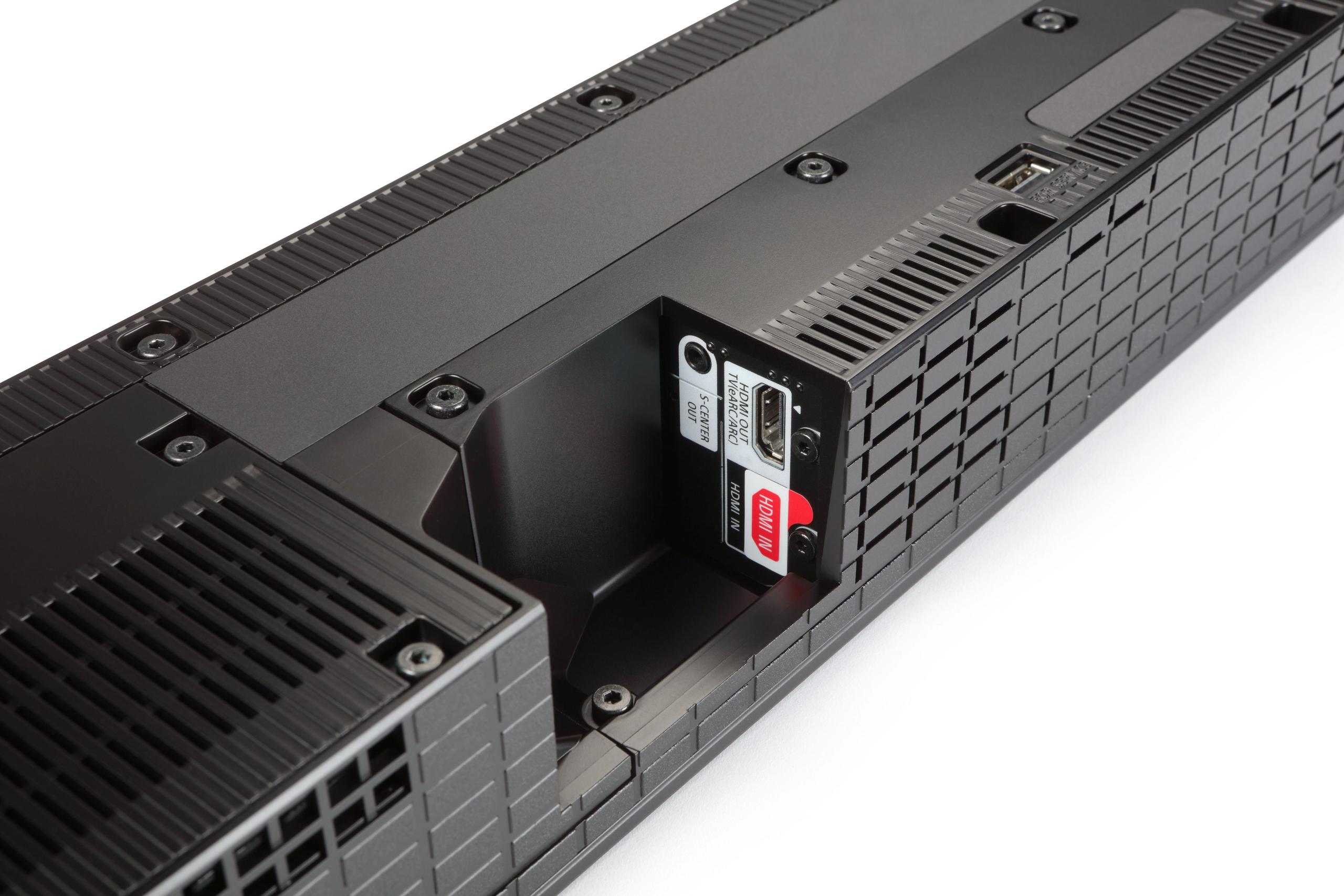
This is where release timing becomes crucial. The Sony BRAVIA Theater Bar 9, launched in 2025, includes full HDMI 2.1 support with features like 4K/120Hz passthrough, Variable Refresh Rate (VRR), and Auto Low Latency Mode (ALLM). These features are essential for getting the most out of PlayStation 5, Xbox Series X, or high-end PC gaming.
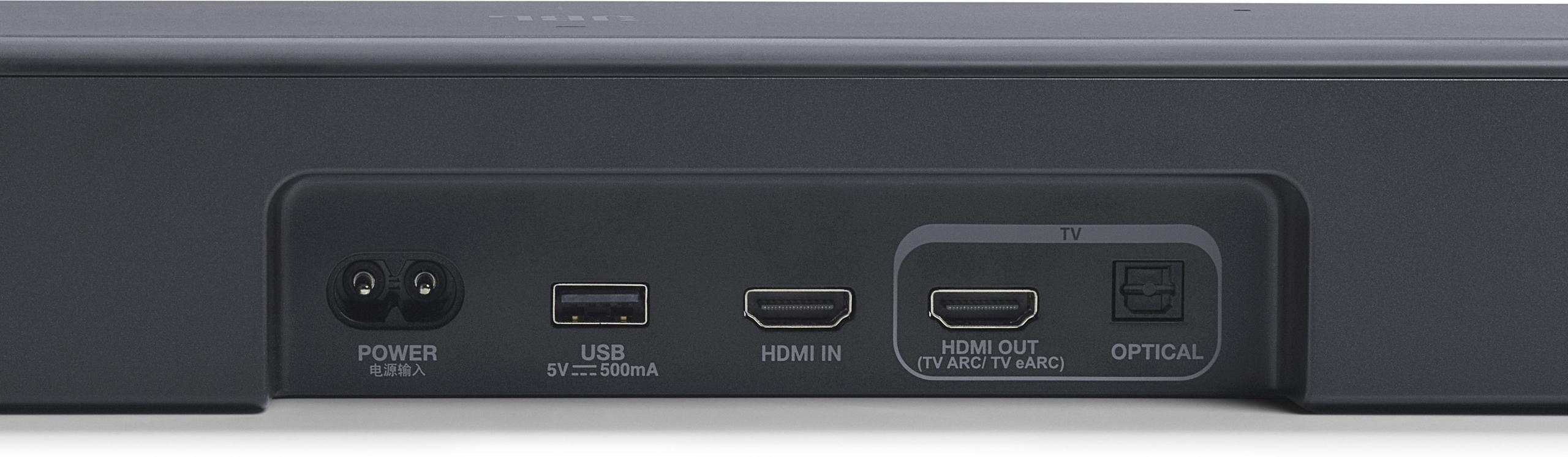
The JBL Bar 300 MK2, despite being a 2024 model, still uses HDMI 2.0 connectivity. While this handles 4K/60Hz content perfectly fine for movies and TV shows, it becomes a bottleneck for next-generation gaming that outputs 4K at 120Hz.
For gaming audio specifically, both soundbars handle directional cues well, though the Sony's spatial processing provides more precise positional audio for competitive gaming.
Winner: Sony decisively for serious gamers with next-gen consoles.
At $449.95, the JBL Bar 300 MK2 represents excellent value for buyers who want immediate audio improvement without complexity. You get genuinely impressive sound quality, industry-leading dialogue enhancement, and seamless streaming integration in a package that requires zero technical knowledge to enjoy.
The $90 price difference for the Sony BRAVIA Theater Bar 9 at $538.97 buys you significantly more sophisticated audio technology, future-proof connectivity, and the ability to expand the system later. However, you'll need the right room conditions and content to fully appreciate these advantages.
Consider total cost of ownership too. The JBL is complete as purchased – there's nothing else to buy. The Sony practically begs for expansion with optional wireless rears ($299) and subwoofer ($299), potentially tripling your investment for the full experience.
For dedicated home theater use, room size becomes the determining factor. In spaces under 300 square feet, the JBL Bar 300 MK2 actually makes more sense. The Sony's spatial effects need room to breathe, and in cramped quarters, you're paying for features you can't fully utilize.
In larger spaces of 400+ square feet with appropriate ceiling height, the Sony BRAVIA Theater Bar 9 transforms the experience. The 360 Spatial Sound Mapping truly creates an enveloping soundfield that makes you forget you're listening to a single soundbar. Combined with the expansion options, it can grow into a legitimate home theater system.
Seating position matters more with the Sony. Its effects work best from a central listening position, while the JBL's more focused approach delivers consistent performance regardless of where you sit.
Choose the JBL Bar 300 MK2 if:
Choose the Sony BRAVIA Theater Bar 9 if:
Both soundbars represent significant upgrades over TV audio, but they serve different needs and preferences. The JBL excels at making everyday TV and music listening more enjoyable with minimal fuss. The Sony aims higher, offering genuine home theater immersion for those willing to invest in the full experience.
Ultimately, your choice comes down to whether you value simplicity and immediate satisfaction (JBL) or cutting-edge technology with room to grow (Sony). Either way, you'll be getting a soundbar that will transform your viewing experience for years to come.
| JBL Bar 300 MK2 Soundbar | Sony BRAVIA Theater Bar 9 Soundbar |
|---|---|
| Price - Entry cost for premium soundbar features | |
| $449.95 (complete system, no additions needed) | $538.97 (expandable with optional wireless components) |
| Speaker Configuration - Determines surround sound capabilities | |
| 5.0 channels (virtual surround processing) | 13-speaker array with dedicated up-firing drivers |
| Dolby Atmos Implementation - Critical for immersive movie audio | |
| Virtual Atmos processing (software-based height effects) | True Atmos with physical up-firing drivers for overhead sound |
| Power Output - Affects maximum volume and dynamic range | |
| 450W total system power | Not specified (13 individual amplified drivers) |
| Voice Enhancement - Essential for clear dialogue | |
| PureVoice 2.0 technology with AI voice optimization | Standard center channel plus optional TV speaker sync |
| HDMI Connectivity - Future-proofing for gaming and 8K content | |
| HDMI 2.0 with eARC (4K/60Hz maximum) | HDMI 2.1 with eARC (4K/120Hz, VRR, ALLM support) |
| Expandability - Ability to add subwoofer or rear speakers | |
| None (sealed all-in-one system) | Optional SW5 subwoofer and SA-RS5 wireless rears available |
| Room Size Optimization - How much space needed for best performance | |
| Ideal for small to medium rooms (up to 300 sq ft) | Requires larger rooms (400+ sq ft) for full spatial effects |
| Streaming Integration - Built-in music service support | |
| Spotify Connect, AirPlay, Chromecast, extensive app support | Basic streaming with more complex setup process |
| TV Brand Integration - Special features with matching TVs | |
| Universal compatibility with any TV brand | Acoustic Centre Sync exclusive to Sony BRAVIA TVs |
| Bass Performance - Low-end impact without separate subwoofer | |
| Integrated bass ports with surprising punch for size | Quad woofers but limited deep bass without SW5 add-on |
The JBL Bar 300 MK2 at $449.95 offers better value for most buyers who want excellent dialogue clarity and streaming features in a simple package. The Sony BRAVIA Theater Bar 9 at $538.97 provides more advanced spatial audio technology but requires a larger room and potentially additional speakers to justify the extra cost.
The JBL Bar 300 MK2 is a complete 5.0-channel system focused on simplicity and voice enhancement, while the Sony BRAVIA Theater Bar 9 uses 13 speakers with true up-firing drivers for more immersive surround sound and can be expanded with wireless components.
The JBL Bar 300 MK2 excels at dialogue clarity thanks to its PureVoice 2.0 technology that specifically enhances speech. The Sony BRAVIA Theater Bar 9 offers good dialogue but is more focused on cinematic surround effects than voice optimization.
Neither the JBL Bar 300 MK2 nor the Sony BRAVIA Theater Bar 9 includes a subwoofer, but both produce decent bass for their size. The Sony offers an optional SW5 wireless subwoofer for $299, while the JBL has no expansion options but delivers surprisingly punchy bass from its integrated design.
The Sony BRAVIA Theater Bar 9 is significantly better for gaming due to its HDMI 2.1 support, enabling 4K/120Hz, VRR, and low-latency features essential for PS5 and Xbox Series X. The JBL Bar 300 MK2 uses older HDMI 2.0 technology that limits next-gen gaming performance.
The JBL Bar 300 MK2 works well in small to medium rooms up to 300 square feet. The Sony BRAVIA Theater Bar 9 needs larger spaces of 400+ square feet with adequate ceiling height to fully utilize its 360 Spatial Sound Mapping technology.
The Sony BRAVIA Theater Bar 9 offers superior Dolby Atmos with dedicated up-firing drivers that create genuine overhead effects. The JBL Bar 300 MK2 uses virtual Atmos processing, which creates a wider soundstage but cannot match the Sony's physical height channels.
The Sony BRAVIA Theater Bar 9 can be expanded with optional wireless rear speakers and a subwoofer to create a full surround system. The JBL Bar 300 MK2 is a sealed system with no expansion options - what you buy is the complete setup.
The JBL Bar 300 MK2 is significantly easier to set up with plug-and-play operation and excellent streaming app integration. The Sony BRAVIA Theater Bar 9 offers more features but requires more complex setup, especially for room calibration and optimal spatial audio performance.
The Sony BRAVIA Theater Bar 9 provides better music reproduction with superior instrument separation from its 13-speaker array. The JBL Bar 300 MK2 offers a more bass-forward sound that works well for popular music and has better streaming service integration for convenience.
For dedicated home theater setups, the Sony BRAVIA Theater Bar 9 delivers more cinematic immersion with its spatial audio technology and expansion options. However, the JBL Bar 300 MK2 may be sufficient for smaller home theaters where dialogue clarity is the primary concern.
Choose the JBL Bar 300 MK2 if you want excellent dialogue, simple setup, and great value at $449.95. Choose the Sony BRAVIA Theater Bar 9 at $538.97 if you have a large room, prioritize immersive surround sound, own a Sony TV, or plan to expand the system with additional speakers.
We've done our best to create useful and informative comparisons to help you decide what product to buy. Our research uses advanced automated methods to create this comparison and perfection is not possible - please contact us for corrections or questions. These are the sites we've researched in the creation of this article: homecinemachoice.com - retailspecs.com - hometechnologyreview.com - whathifi.com - news.jbl.com - engadget.com - crutchfield.com - harmanaudio.com - techradar.com - bestbuy.com - jbl.com - sweech.co.ke - jbl.com - jbl.com.sg - mm.jbl.com - abcwarehouse.com - harmanaudio.com - sweetwater.com - ro.harmanaudio.com - dell.com - jbl.co.nz - rtings.com - residentialsystems.com - rtings.com - bestbuy.com - valueelectronics.com - sony.com - sony.co.uk - sony.co.uk - rtings.com - sony.co.in - sony.com - pocket-lint.com - sony.com - crutchfield.com

Privacy Policy
Terms and Conditions - Affiliate Policy
Home Security
© Copyright 2008-2026.
11816 Inwood Rd #1211, Dallas, TX 75244