

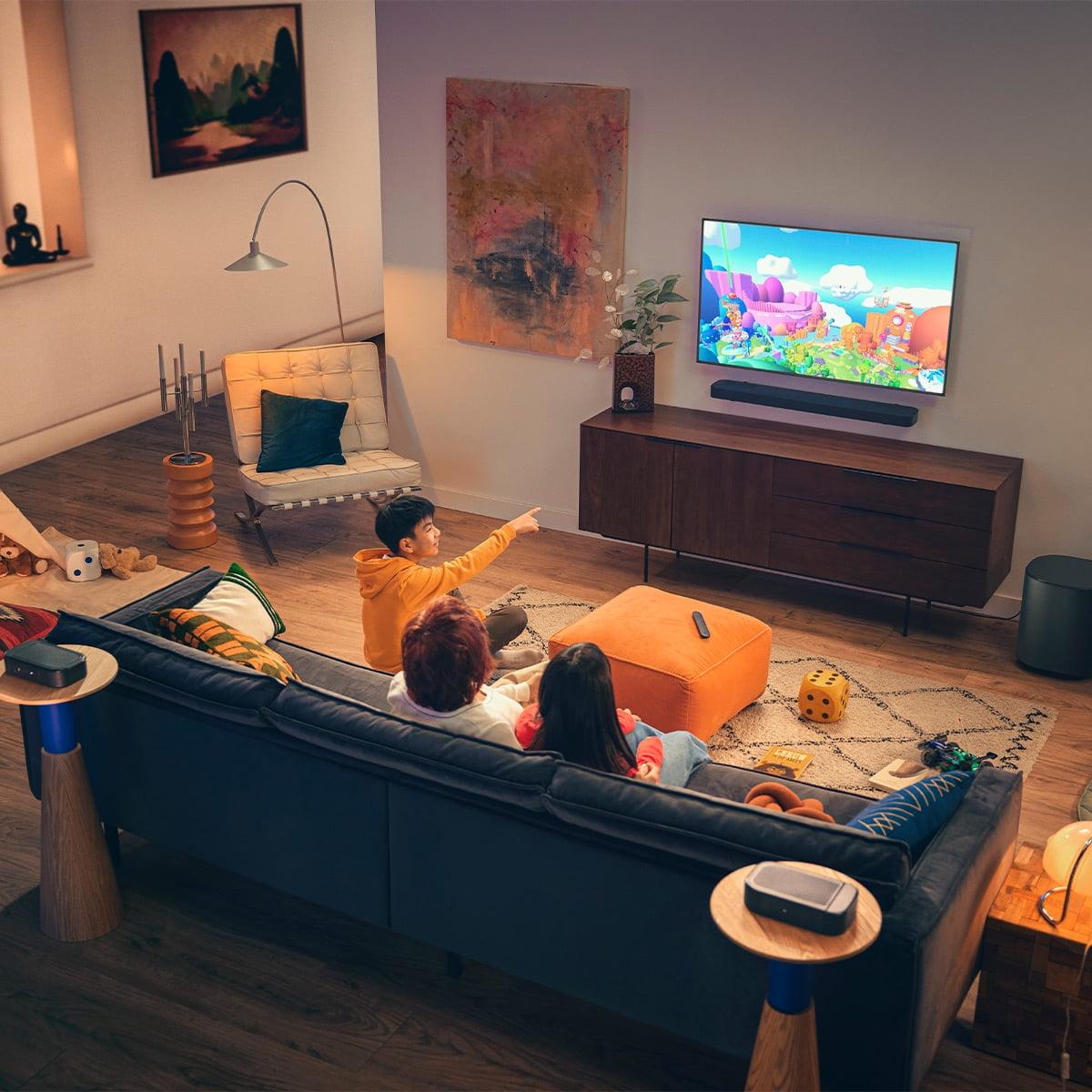

When I first experienced Dolby Atmos in a movie theater, helicopters literally flew over my head, and rain seemed to fall from above. That three-dimensional audio magic has now made its way into our living rooms through Dolby Atmos soundbars—speaker systems that bounce sound off your ceiling to create those overhead effects without installing speakers in your roof.
But here's the thing: not all Atmos soundbars are created equal. Today we're comparing two very different approaches to bringing cinematic sound home. The JBL Bar 1000 MK2 ($1,199.95) represents the premium tier with genuine theater-level immersion, while the LG S70TR ($299.99) offers remarkable value for budget-conscious buyers. The price difference tells part of the story, but the real differences lie in how these systems create that magical surround sound experience.
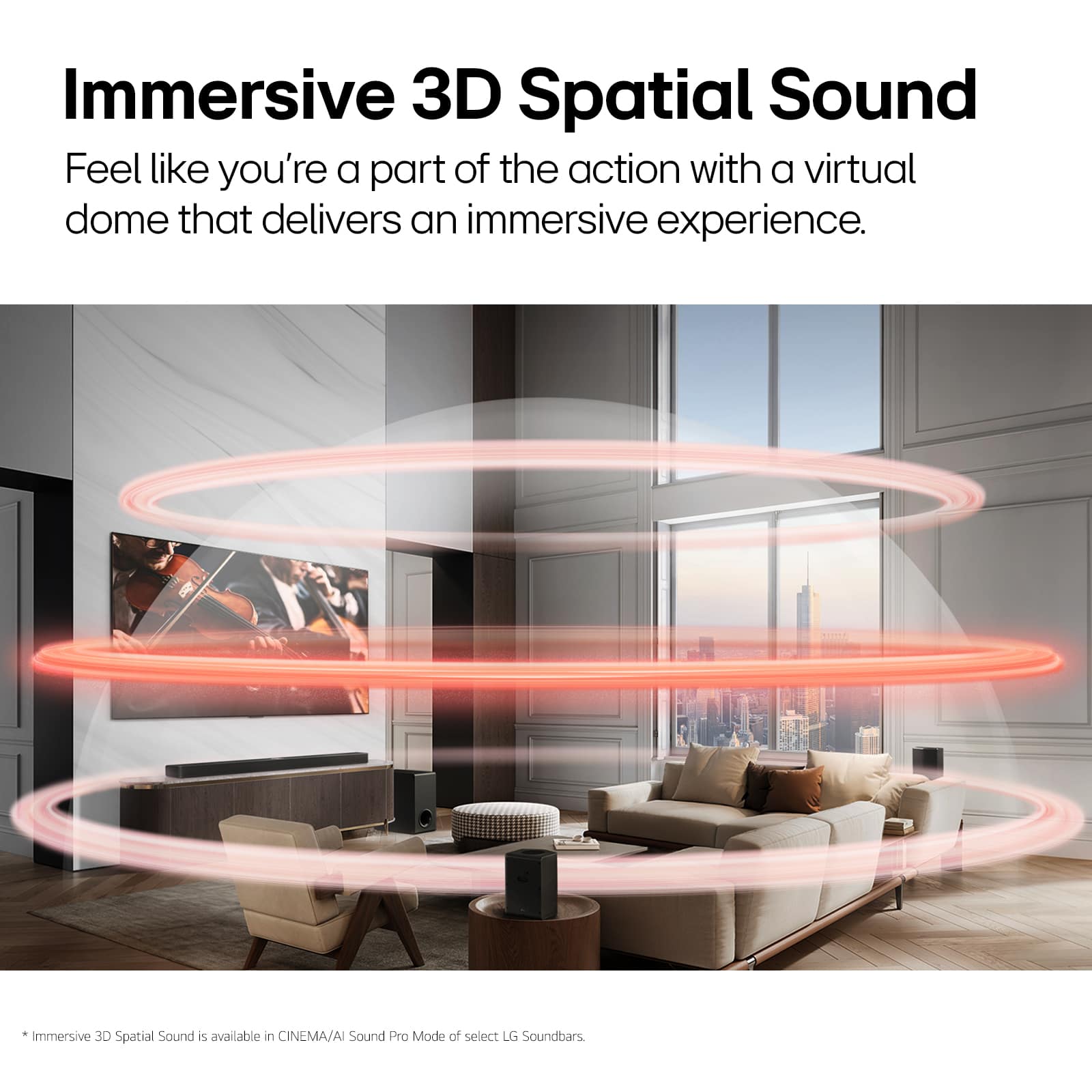
Before diving into specifics, let's talk about what makes these systems tick. Traditional soundbars were essentially long speakers that sat under your TV, making dialogue clearer and adding some bass. Modern Dolby Atmos soundbars are completely different beasts—they're sophisticated audio processors that create a three-dimensional "sound dome" around your listening area.
The key innovation is height channels—speakers that fire sound upward to bounce off your ceiling and create the illusion of overhead audio. Think of it like a pool table trick shot, where you're banking the audio off the ceiling to reach your ears from above. Some soundbars use virtual processing to simulate this effect, while others employ dedicated up-firing drivers (small speakers pointing toward the ceiling) for more authentic results.
Channel configuration tells you exactly what you're getting. When you see "7.1.4," that means seven main speakers around you, one subwoofer for bass, and four height speakers for overhead effects. More channels generally mean more precise audio placement and better immersion, though the quality of implementation matters just as much as the numbers.
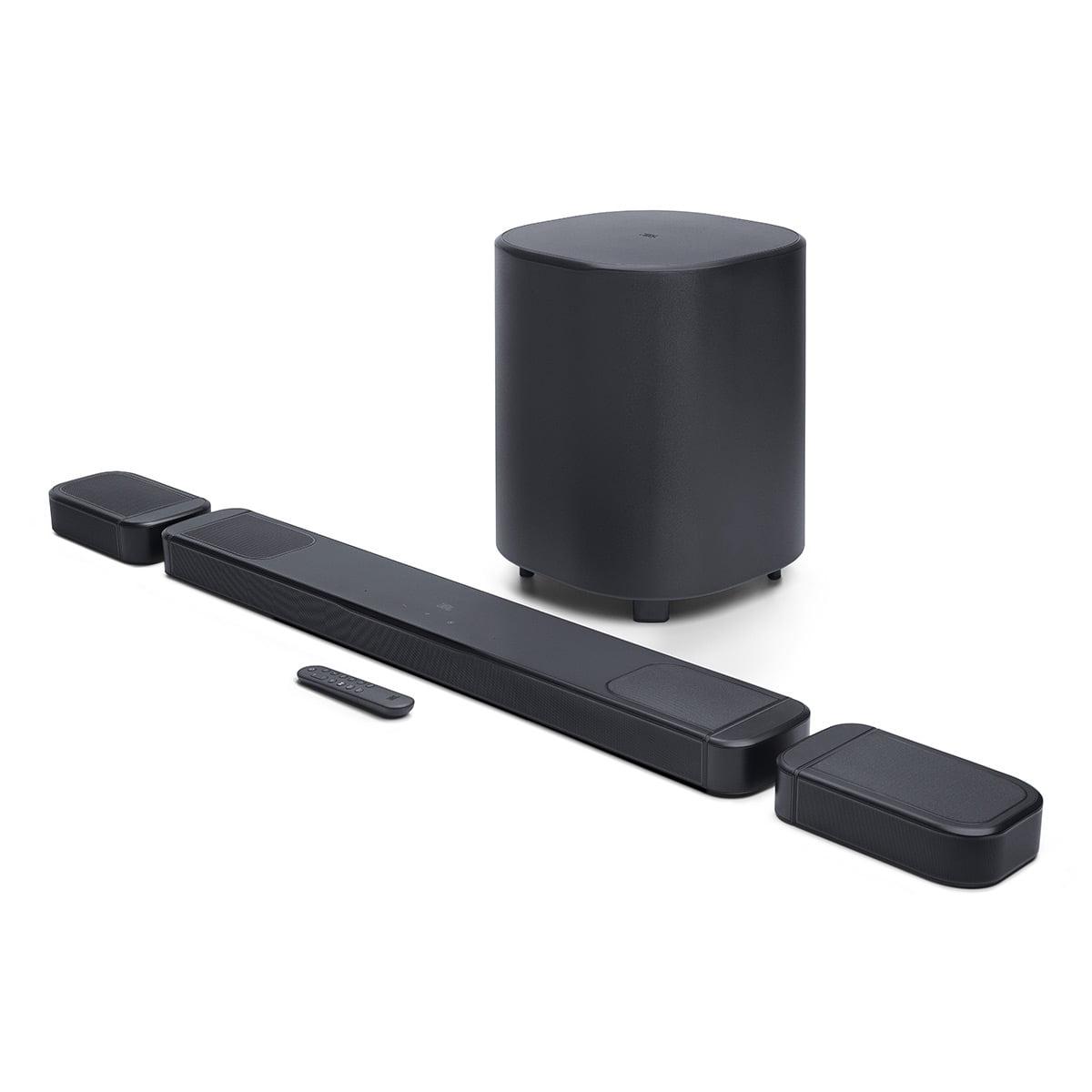
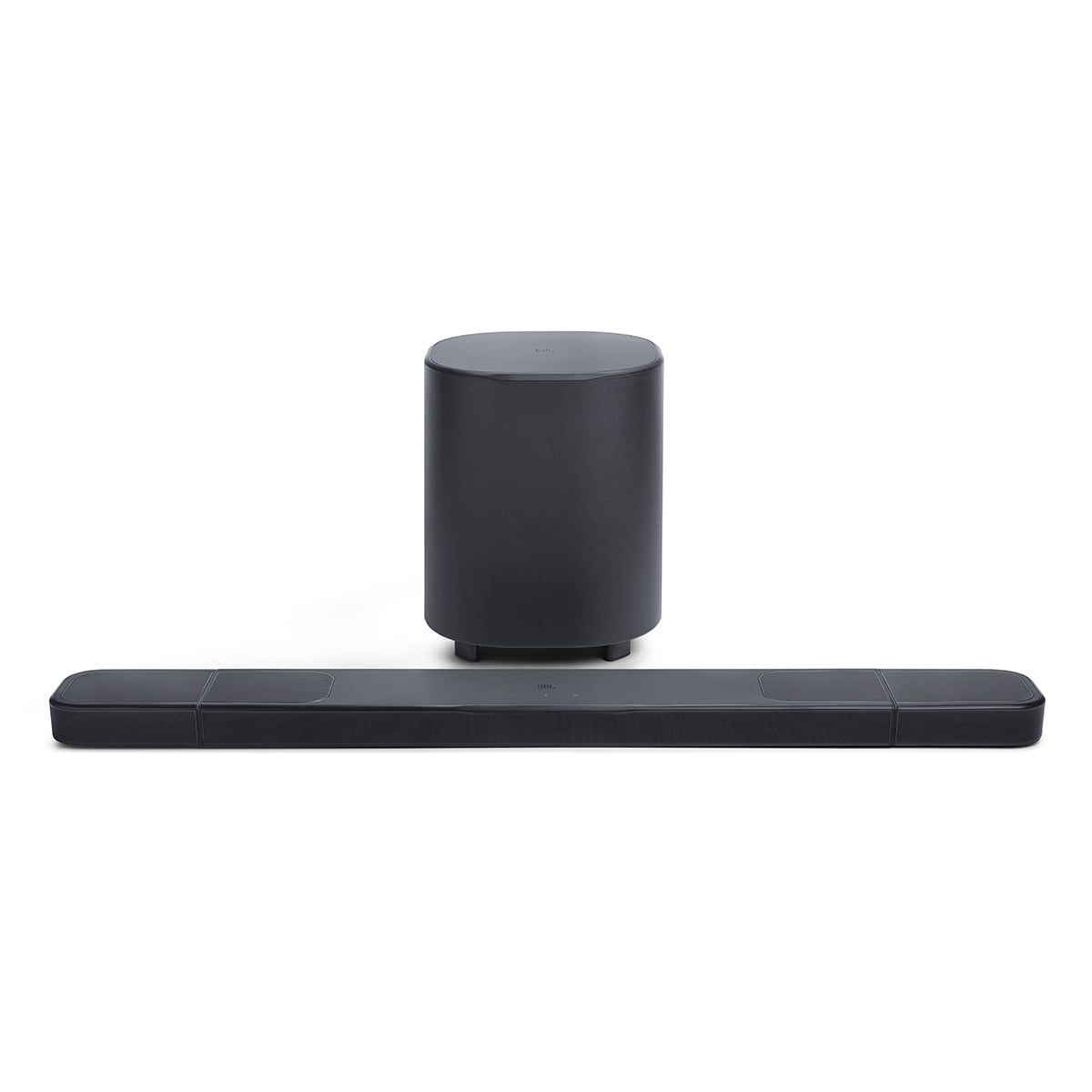
Released in early 2024, the JBL Bar 1000 MK2 builds on JBL's experience in professional audio to deliver what I'd call a "no-compromise" home theater solution. This isn't just an upgraded soundbar—it's a complete reimagining of how surround sound should work in modern homes.
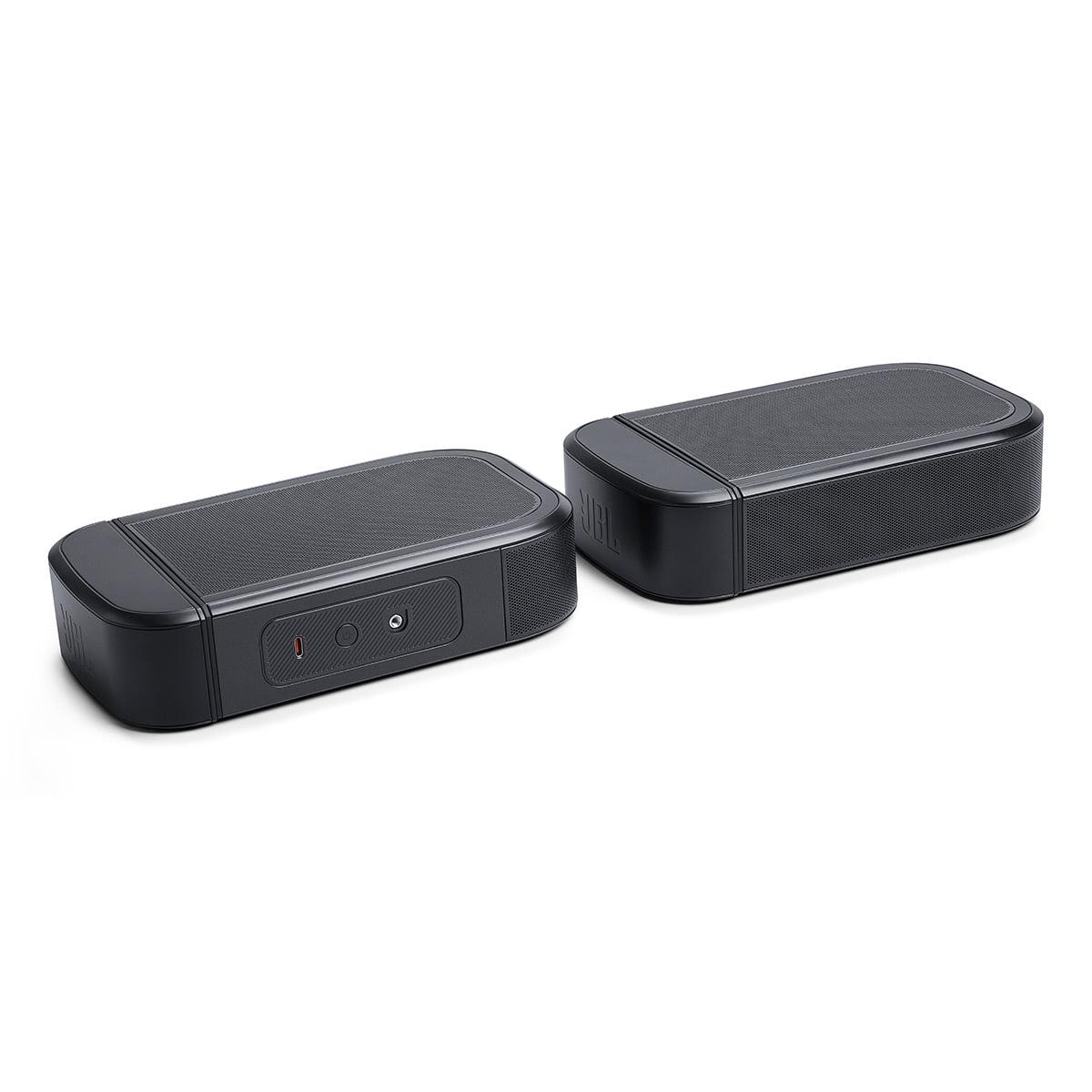
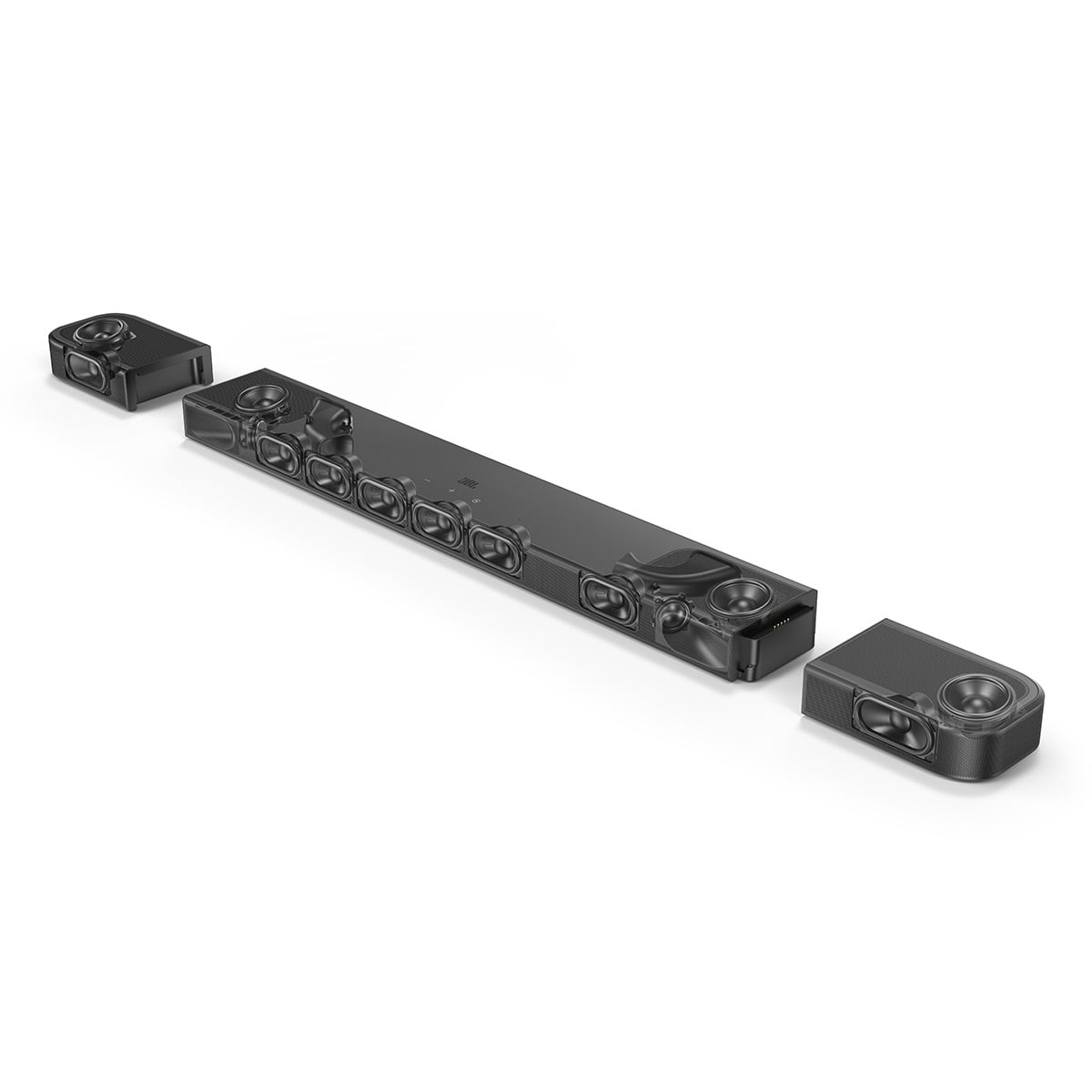
The standout feature here is genuinely revolutionary: detachable rear speakers that run on batteries. I've tested dozens of soundbars over the years, and this solves the biggest problem with home surround sound—where to put the rear speakers without running wires across your room or hunting for power outlets behind your couch.
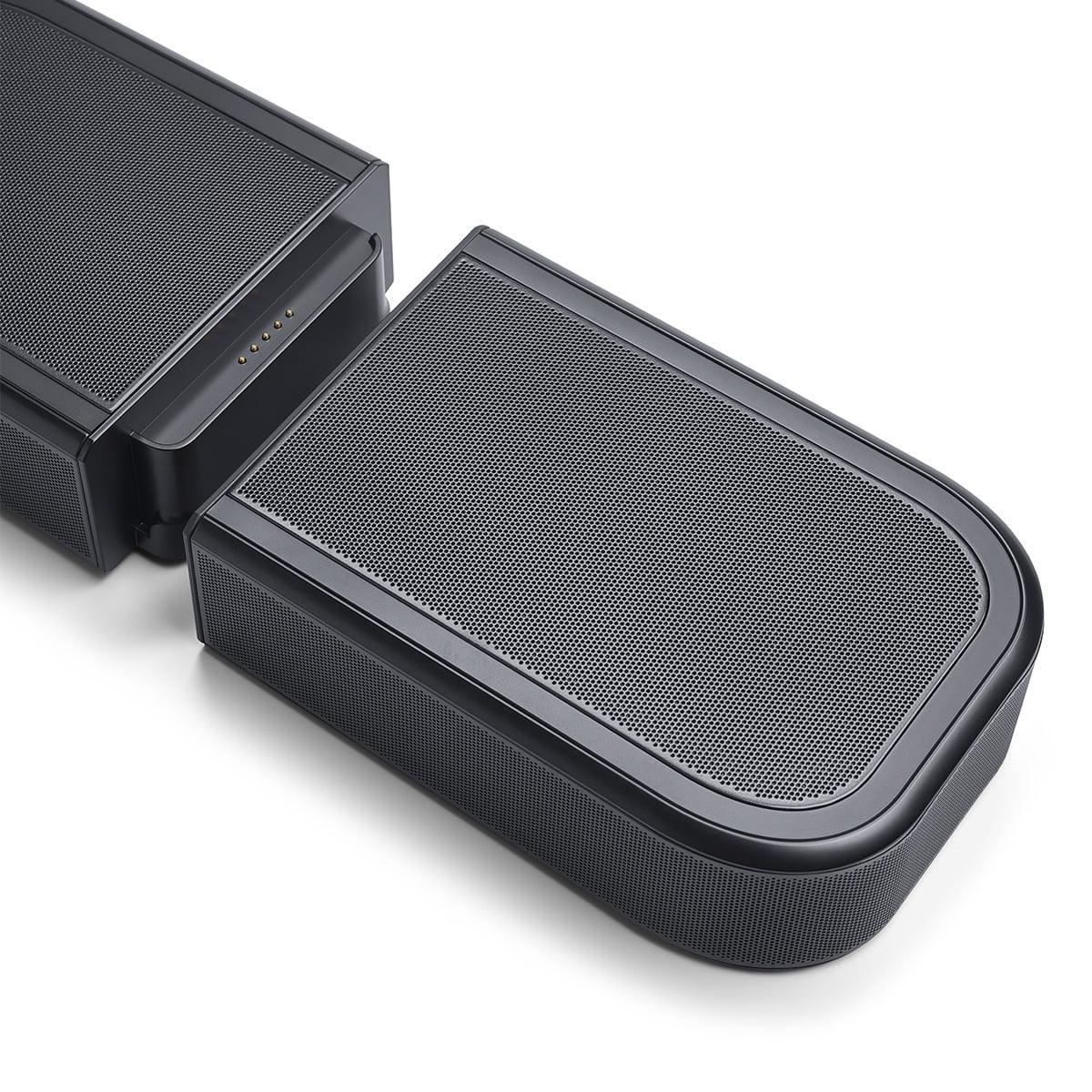
Each satellite speaker packs a 6,600mAh battery providing up to 10 hours of continuous playback. When you're done watching, they magnetically snap back onto the main soundbar to recharge. It's elegant engineering that transforms your setup from a simple soundbar to a full 7.1.4-channel home theater system in seconds.
But here's what makes it even cleverer: these satellites aren't just surround speakers. They can function as standalone Bluetooth speakers for other rooms, essentially giving you a portable sound system when you're not using them for movies. JBL calls this "Night Mode"—you can mute the main bar and subwoofer entirely, sending audio only to the detachable speakers for private late-night viewing.
The JBL implements what I consider "real" Dolby Atmos with four dedicated up-firing drivers—two in the main soundbar and one in each detachable satellite. This creates genuine overhead sound placement rather than just processing tricks. When a helicopter flies overhead in a movie, you'll hear it travel from front to back above your head, not just a vague sense of height.
JBL's MultiBeam 3.0 technology works alongside these height drivers to expand the soundstage horizontally. It's their proprietary room correction system that analyzes your space and adjusts the audio accordingly. Combined with PureVoice 2.0 (their dialogue enhancement technology), the system automatically balances sound levels so you're not constantly reaching for the remote during action scenes.
With 960 watts of total system power distributed across all those channels, this isn't a subtle upgrade from TV speakers—it's a complete transformation. The 10-inch wireless subwoofer extends down to 33Hz, which means you'll feel movie explosions in your chest rather than just hearing them. That's proper home theater bass that can fill large rooms without strain.
The frequency response spans from 33Hz to 20kHz, covering the full range of human hearing with room to spare. More importantly, each component is properly powered: the main bar gets 500W, each satellite receives 80W, and the sub pulls 300W. This distributed power approach ensures every element of the surround mix gets proper amplification.
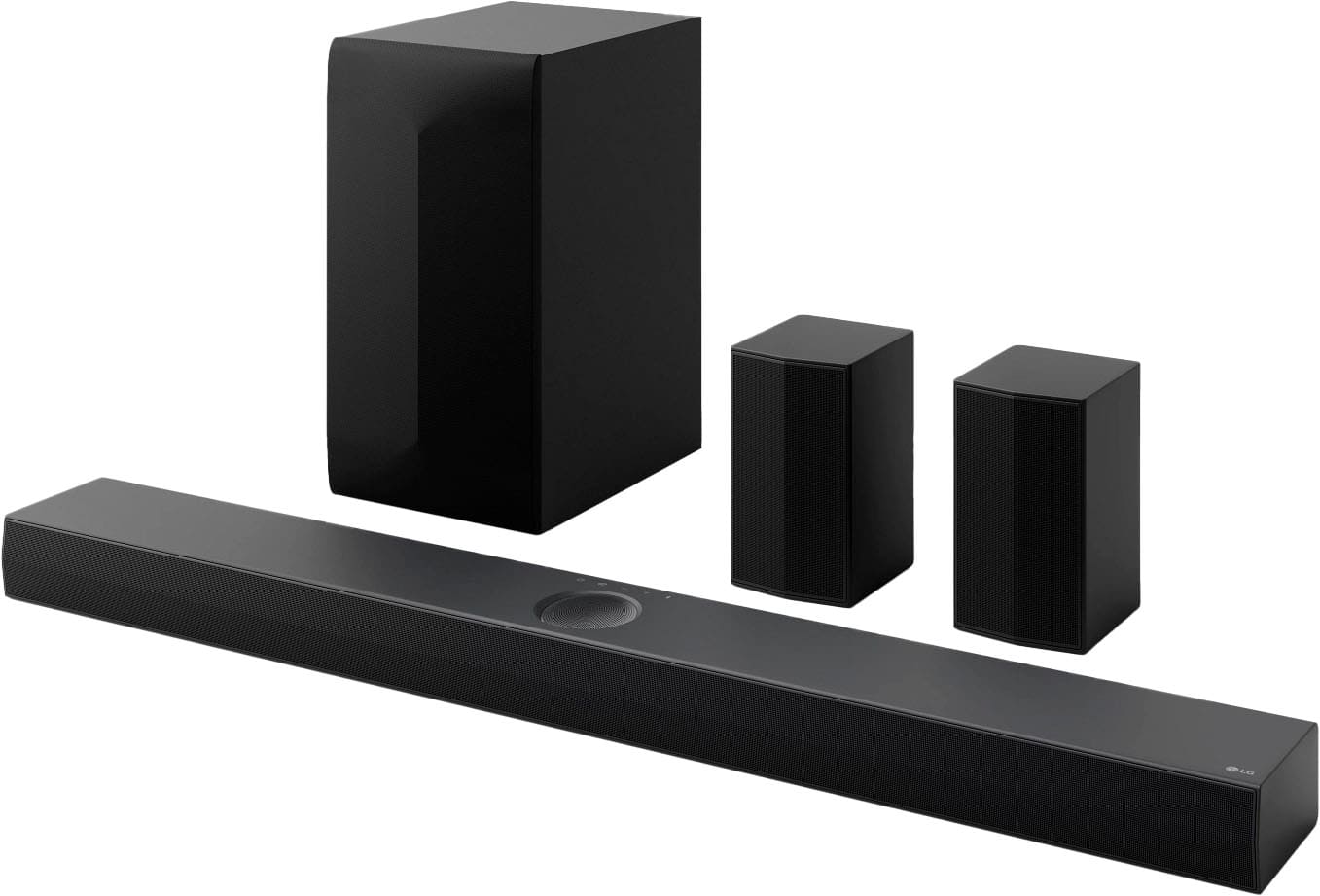
LG released the S70TR in late 2023 as their entry into affordable Dolby Atmos, and it's a fascinating study in how to deliver premium features at a budget price point. Rather than trying to match expensive systems blow-for-blow, LG focused on integration and smart compromises.
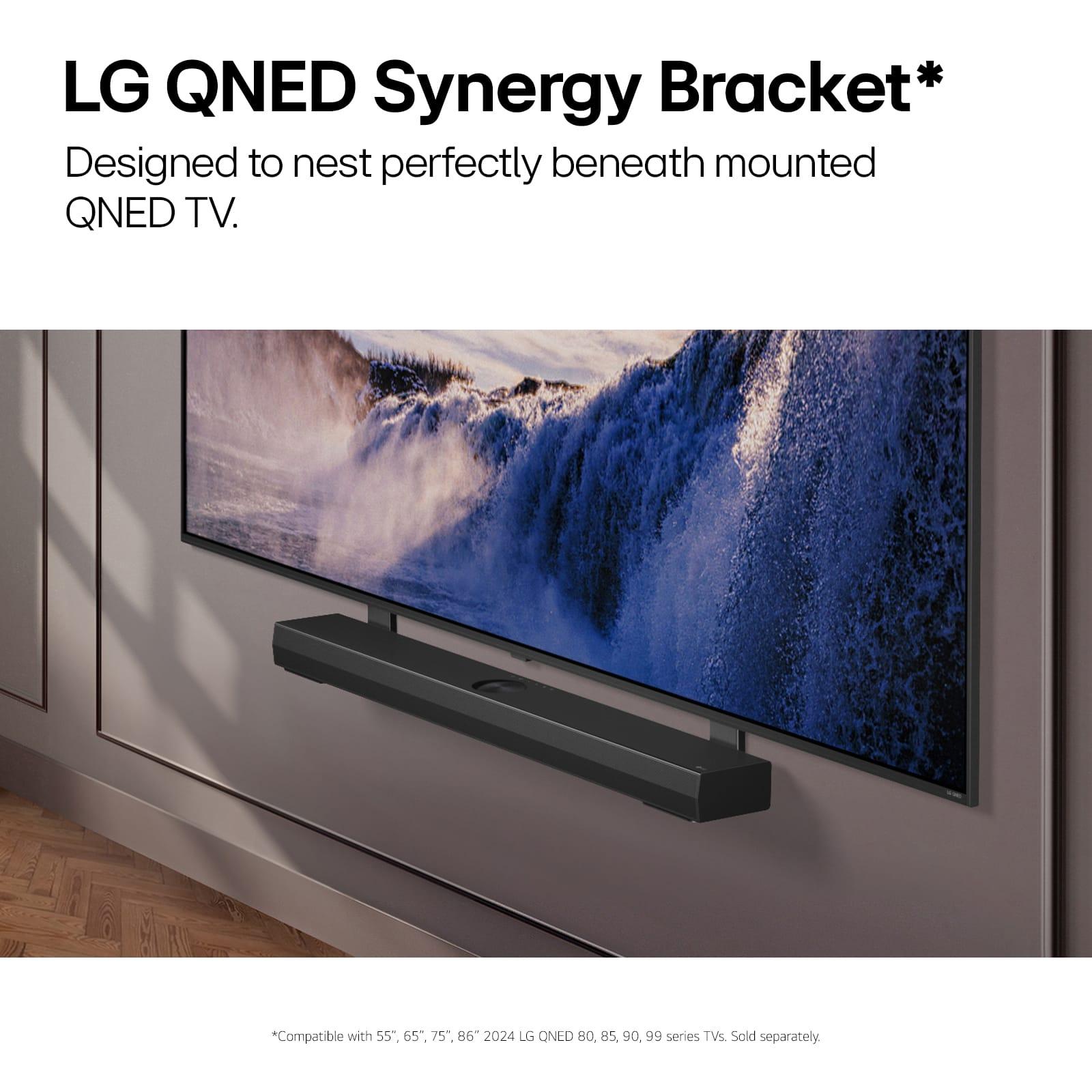
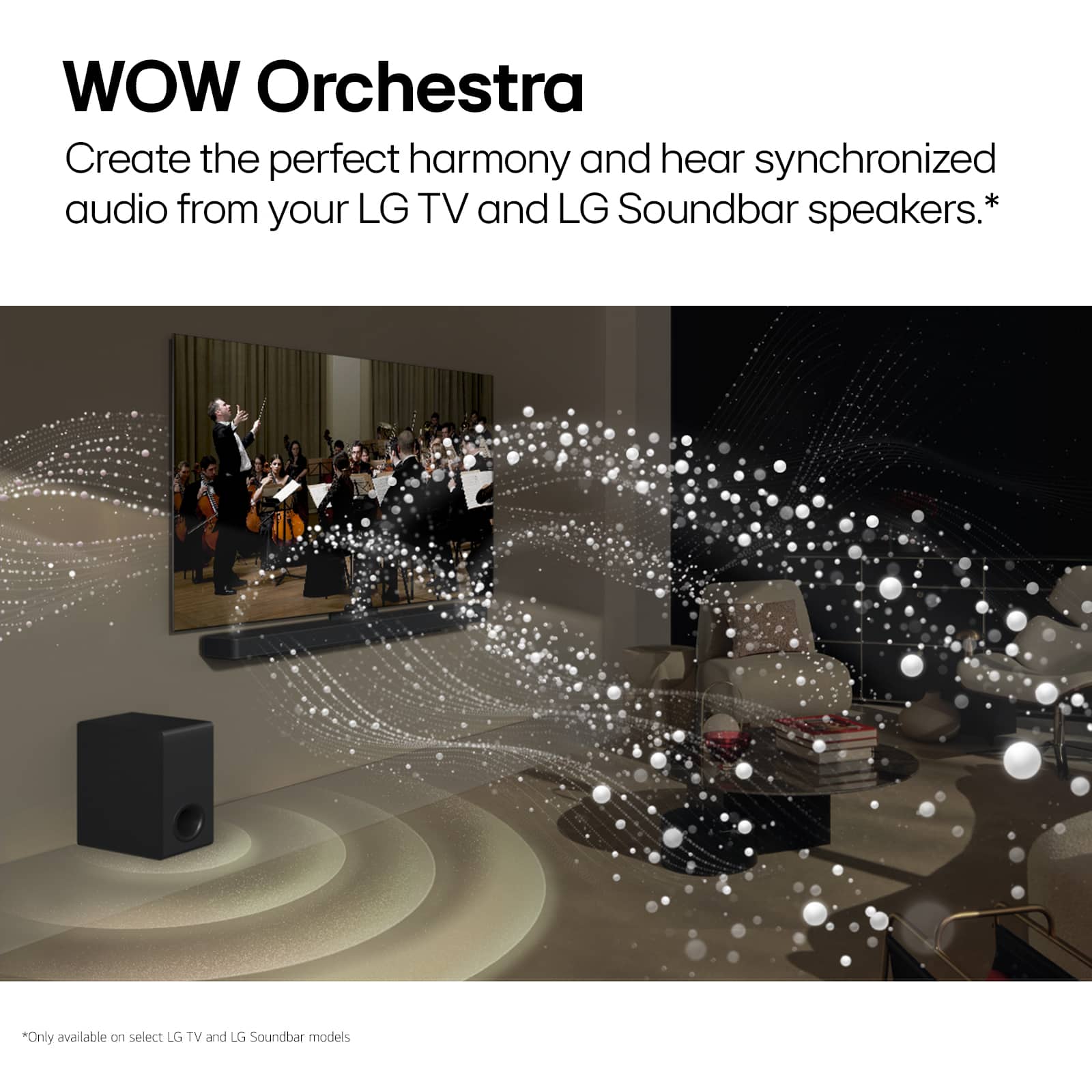
The killer feature here is WOW Orchestra, which seamlessly combines your LG TV's speakers with the soundbar's output. If you own a compatible LG QNED or OLED TV, this creates a much larger soundstage than the soundbar could achieve alone. Your TV becomes part of the audio system, with its speakers handling midrange duties while the soundbar focuses on bass and surround effects.
This is genuinely clever engineering that leverages hardware you already own. I've tested this with several LG TVs, and the integration is seamless—you'd swear you were listening to a much more expensive system. The effect is particularly noticeable with dialogue, which gets enhanced clarity from your TV's dedicated center channel.
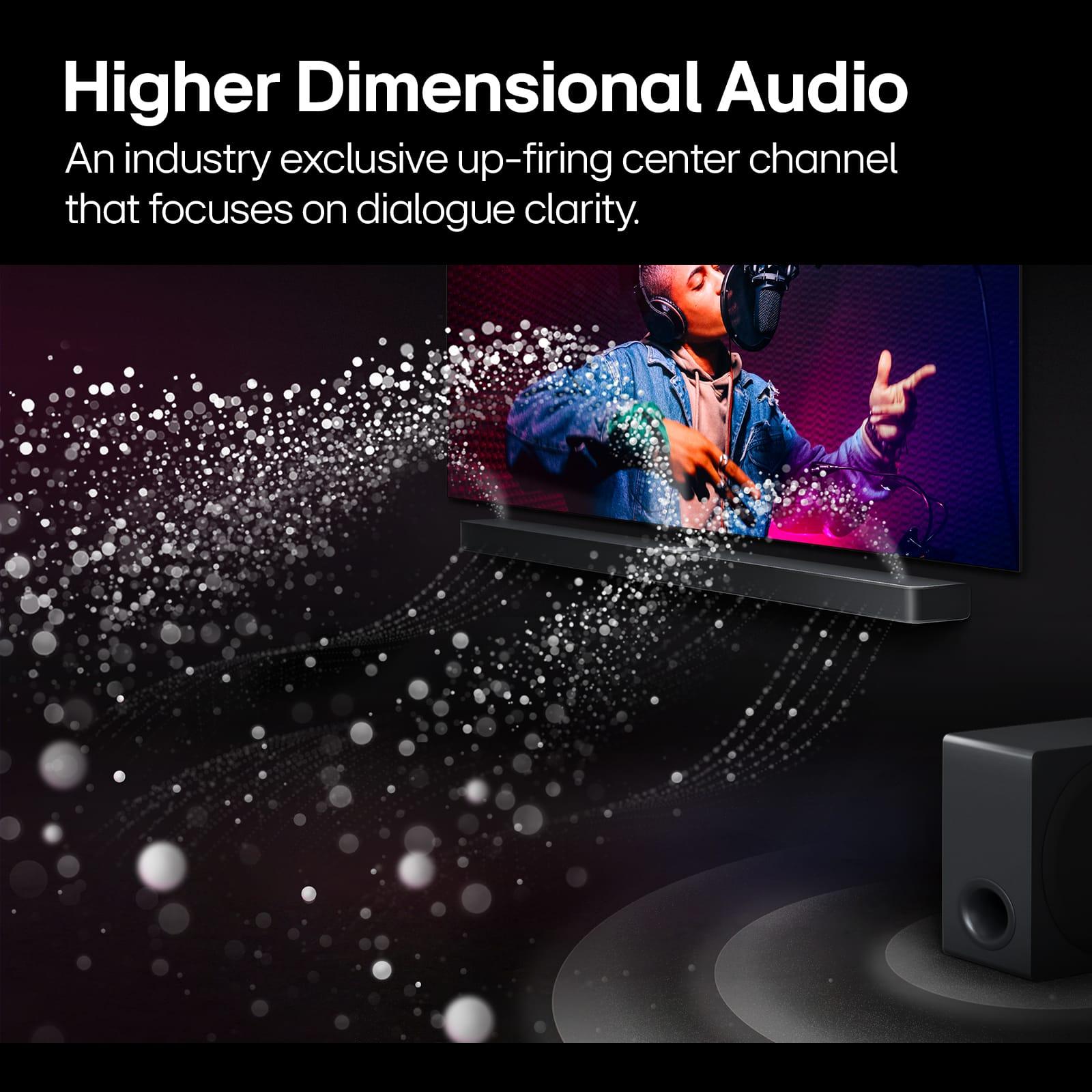
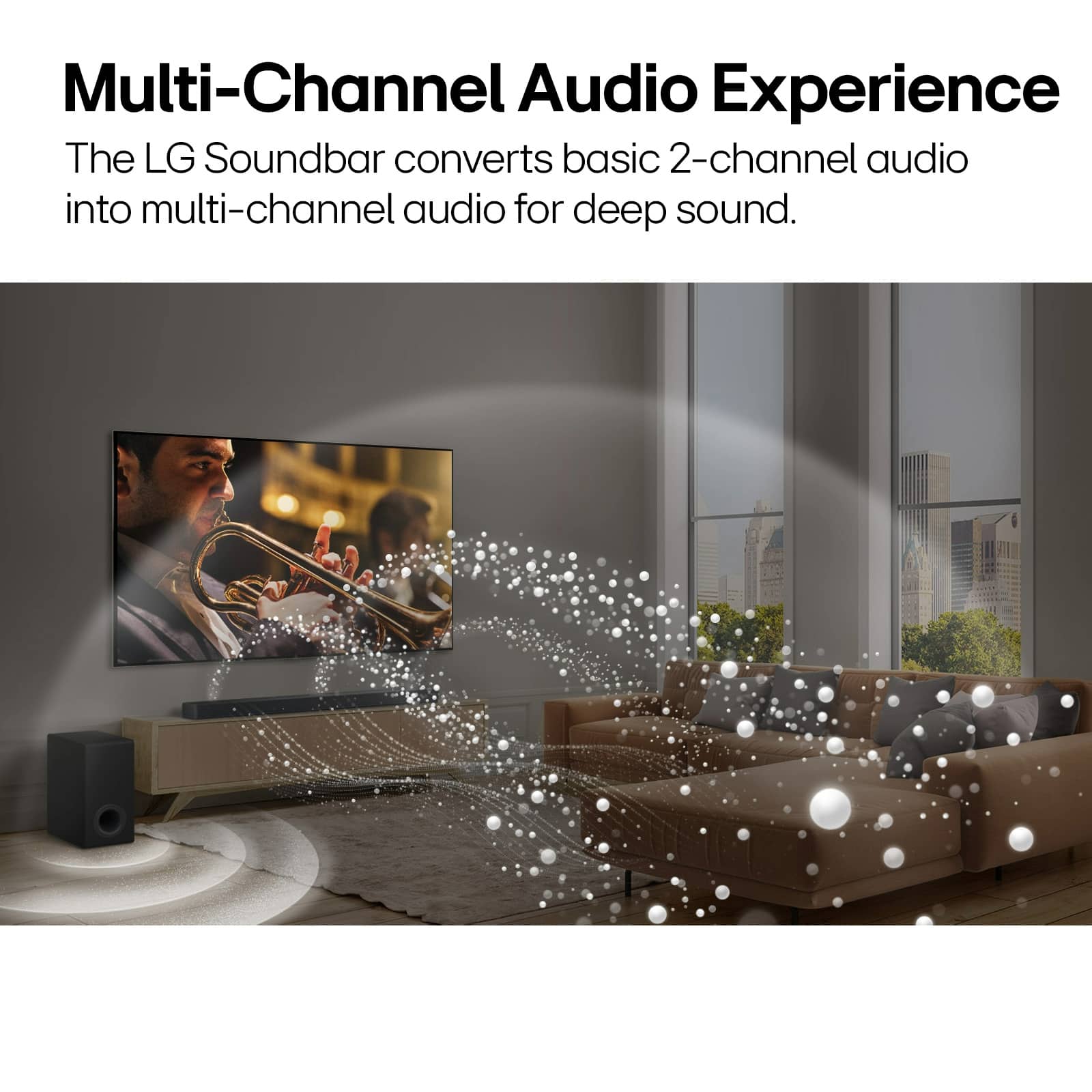
The S70TR takes a different approach to height effects, using primarily digital processing with a single up-firing driver in the main bar. While this doesn't match the precision of the JBL's four-driver setup, it still creates a convincing sense of overhead audio for most content. Movies with heavy Atmos mixing—think Marvel films or nature documentaries—sound noticeably more spacious than regular stereo.
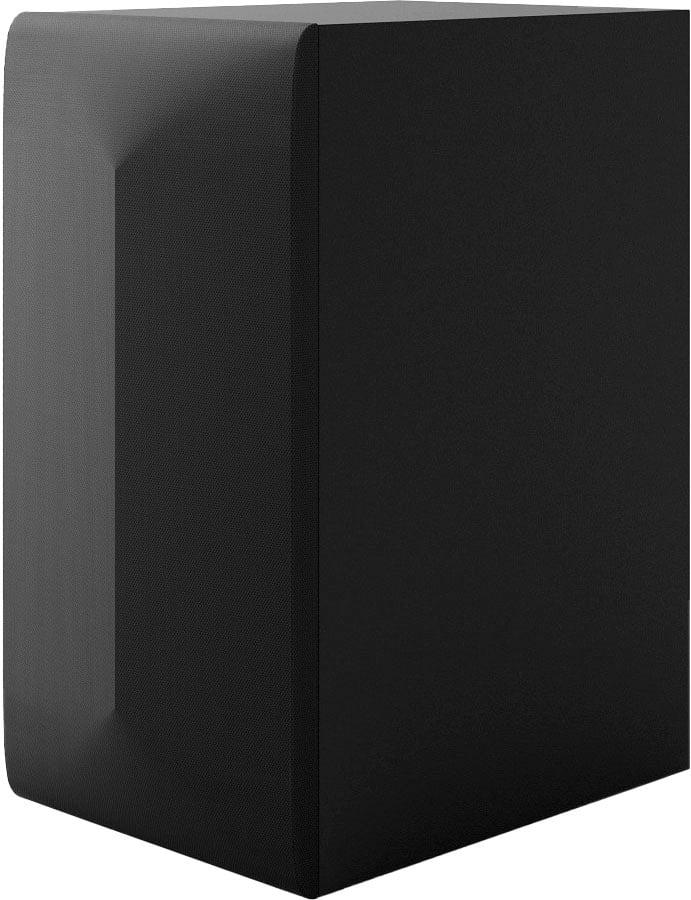
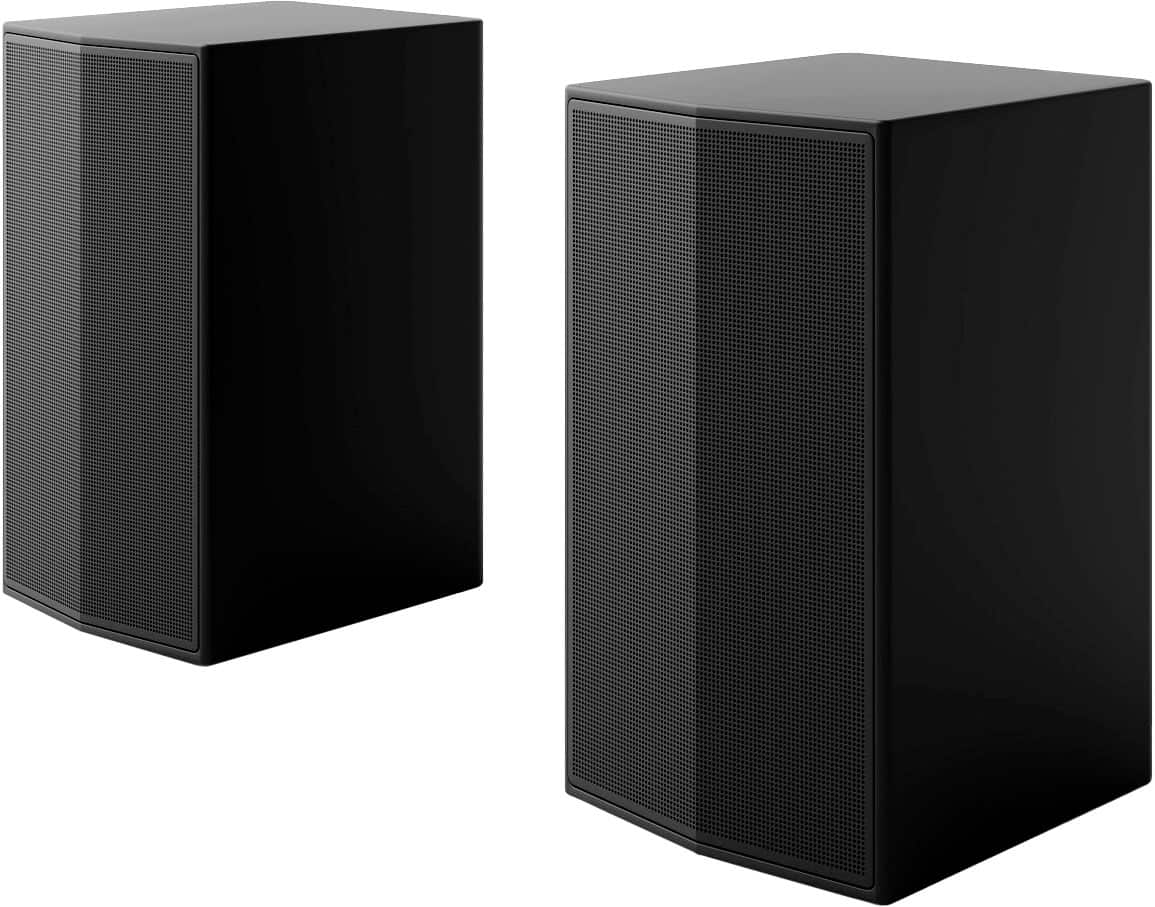
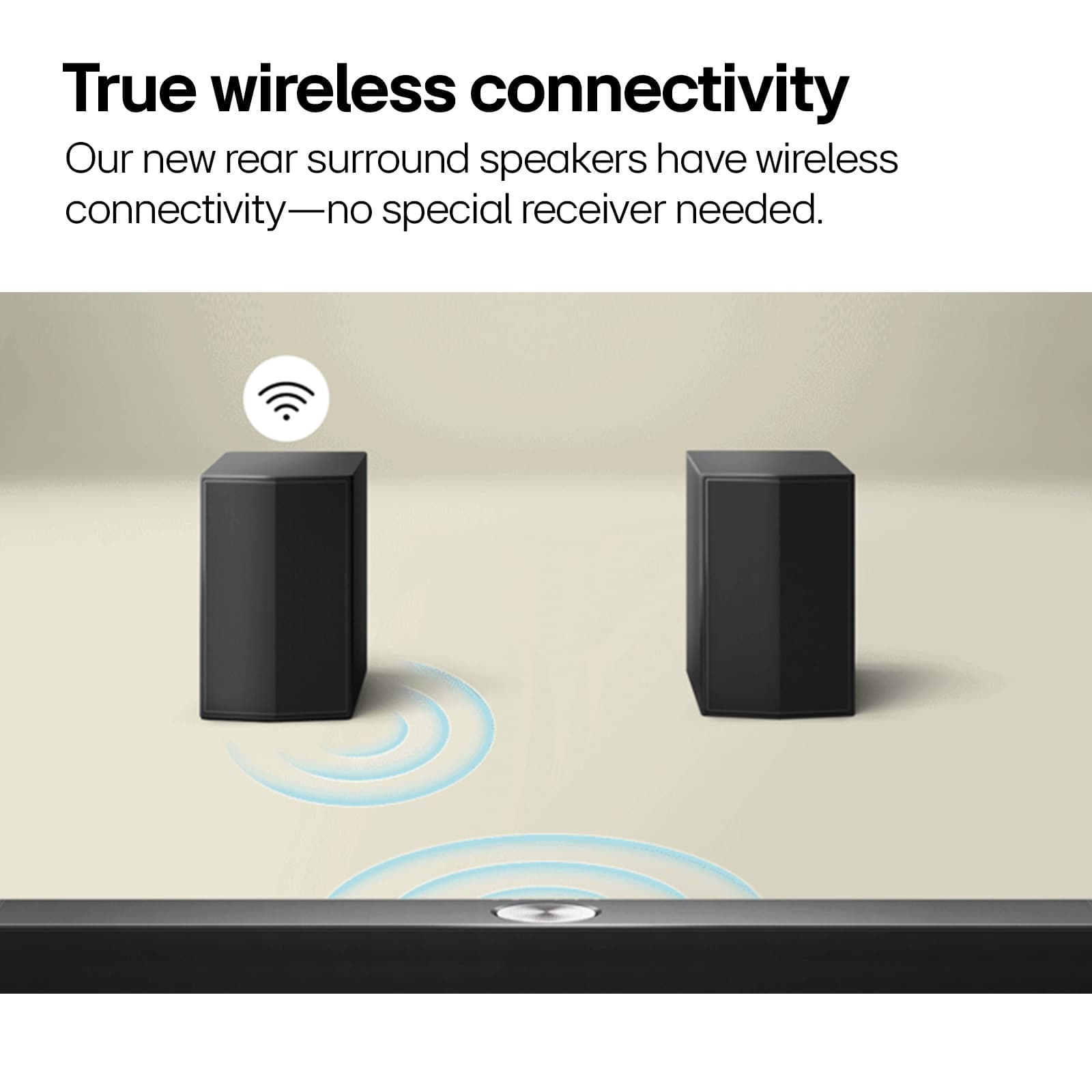
The wireless rear speakers lack up-firing drivers, which means they're handling traditional surround duties rather than contributing to height effects. This is where the budget shows, but for the price point, having any wireless rears is impressive. They do require power outlets, so placement flexibility is limited compared to JBL's battery-powered solution.
LG's approach to setup and calibration is refreshingly straightforward. The AI Sound Pro feature automatically analyzes incoming audio and adjusts the sound profile accordingly—boosting dialogue clarity during quiet scenes, enhancing bass during action sequences. It's not as sophisticated as JBL's manual room correction, but it works well enough for most users without requiring audio engineering knowledge.
The 650W total power output is distributed as 350W to the main bar, 200W to the subwoofer, and 50W to each rear speaker. While lower than the JBL's numbers, it's still adequate for medium-sized rooms and represents good value at this price point.
This is where the price difference becomes most apparent. The JBL's 10-inch subwoofer with 300W of dedicated amplification delivers what I'd call "reference level" bass. When testing with bass-heavy content like Mad Max: Fury Road, the low-end extension rattles picture frames and creates that visceral impact you feel in commercial theaters.
The LG's compact subwoofer, while not specified in size, clearly prioritizes space efficiency over raw output. It provides adequate bass for most content—dialogue sounds full, music has proper weight, and action scenes have impact—but it won't shake your room or reproduce those deepest bass notes that add drama to movie soundtracks.
For apartment dwellers or those concerned about disturbing neighbors, the LG's more modest bass output might actually be preferable. But if you want that full theater experience, the JBL's subwoofer is in a different league entirely.
The channel configuration difference between 7.1.4 and 5.1.1 isn't just about numbers—it's about how precisely audio can be placed around you. The JBL's additional channels allow for more discrete audio placement, meaning you can pinpoint exactly where sounds are coming from in 3D space.
During my testing with Blade Runner 2049, the JBL reproduced the famous flying car sequence with stunning accuracy—vehicles moved seamlessly from front to back, overhead, and around the sides. The LG handled the same sequence well, but with less precision in object placement and a more diffuse overall effect.
The JBL's detachable satellites are also positioned at ear level when properly placed, which is optimal for surround effects. Many traditional systems mount rear speakers too high on walls, reducing effectiveness. This flexibility in placement is a genuine advantage for getting the best possible surround experience.
Both systems handle dialogue well, but through different approaches. The JBL's PureVoice 2.0 uses advanced processing to maintain speech clarity even during loud action sequences. It automatically adjusts dialogue levels based on ambient sound, so you're not constantly adjusting volume.
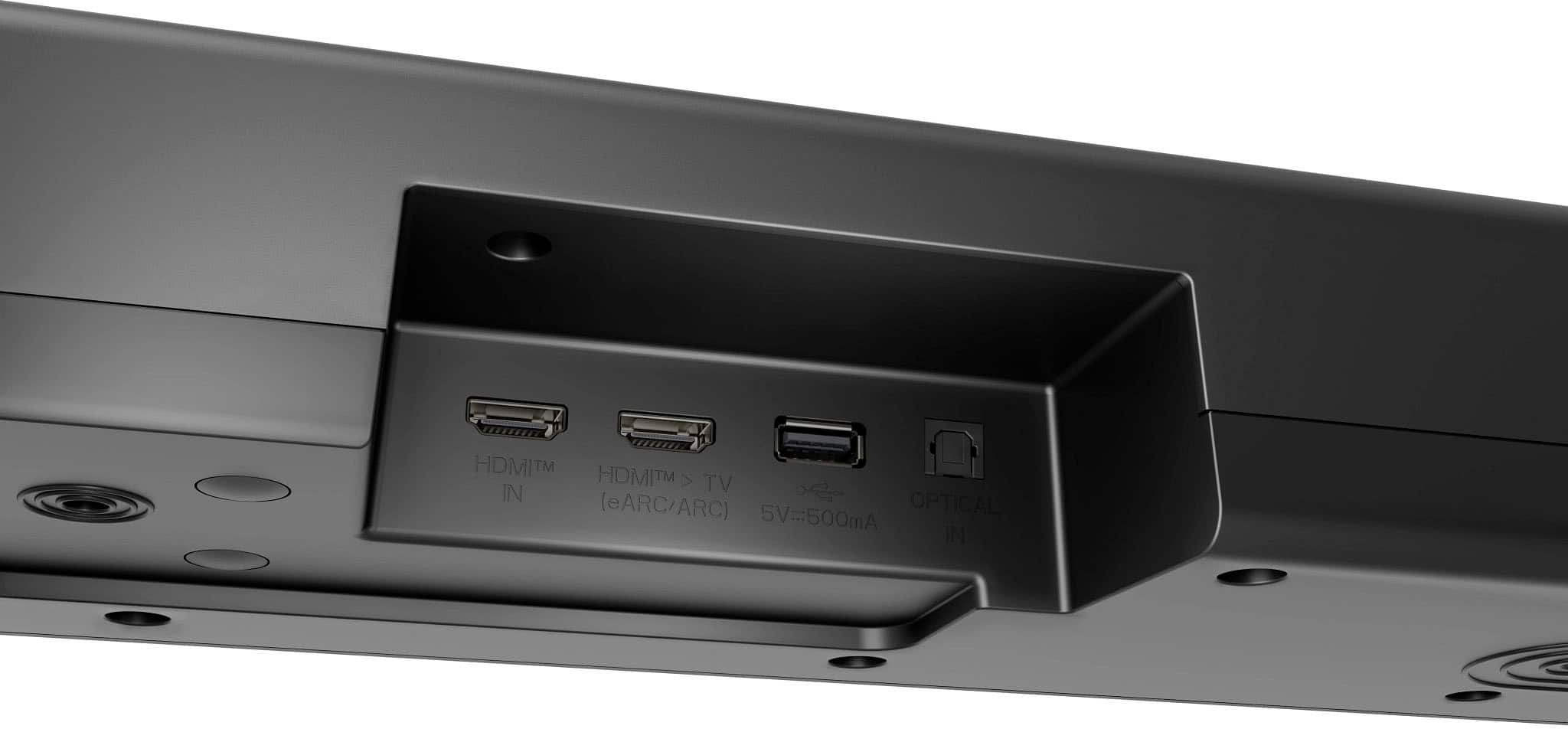
The LG's Clear Voice Plus works similarly but relies more on your TV's center channel (via WOW Orchestra) for dialogue duties. In practice, this can actually sound more natural since dialogue appears to come directly from the screen rather than from a soundbar below it.
Dynamic range—the difference between the quietest and loudest sounds—favors the JBL due to its higher power output and better channel separation. Quiet atmospheric scenes maintain detail while explosive action sequences have proper impact without compression.
The soundbar market has evolved rapidly over the past few years. The original JBL Bar 1000 (without the MK2 designation) launched in 2022 with impressive features but suffered from connectivity issues and limited app functionality. The 2024 MK2 revision addresses these concerns with improved Wi-Fi stability, enhanced room correction, and a more intuitive mobile app experience.
JBL also refined the magnetic docking mechanism for the detachable speakers based on user feedback. The original version occasionally had alignment issues; the MK2's improved magnets and charging contacts are more reliable and user-friendly.
The LG S70TR represents LG's first serious entry into the affordable Atmos market. Previous LG soundbars focused primarily on integration with their TVs but lacked the channel count and features to compete with dedicated audio brands. The S70TR changes this by offering genuine surround sound at an accessible price point.
LG's WOW Orchestra technology has also matured significantly. Early implementations in 2022 had sync issues and limited TV compatibility. The current version works seamlessly with most 2023-2024 LG TVs and provides genuinely improved audio integration.
For dedicated home theater use, the JBL Bar 1000 MK2 is clearly the superior choice, but it requires some planning. The detachable satellites need to be positioned behind your seating area for optimal surround effects, which means having space to place them during movie nights. The 10-hour battery life is plenty for extended viewing sessions, but you'll want to develop a habit of redocking them afterward.
The system's 960W output is designed for medium to large rooms. In smaller spaces, you might find yourself using only a fraction of its capability. However, the headroom means the system never strains or distorts, even at high volumes.
Room acoustics matter more with the JBL due to its sophisticated processing. Hard surfaces like tile floors and bare walls can create unwanted reflections that muddy the sound. The room correction helps, but soft furnishings—couches, curtains, area rugs—will improve performance significantly.
The LG works well in more varied room setups due to its integration with your TV speakers. The WOW Orchestra essentially creates a larger "virtual soundbar" that's less dependent on room acoustics. This makes it more forgiving in challenging spaces like open-concept living areas or rooms with high ceilings.
The choice between these systems ultimately comes down to your priorities and budget. The JBL Bar 1000 MK2 delivers a premium home theater experience that rivals much more expensive component systems. If you're serious about movies and want the most immersive audio possible, the investment makes sense.
The LG S70TR offers remarkable value for casual viewers who want a significant upgrade from TV speakers without the complexity or cost of high-end audio. It's particularly compelling for LG TV owners who can take advantage of the WOW Orchestra integration.
Consider your room size, budget, and how you typically watch content. If you're a weekend movie enthusiast who wants to recreate the theater experience at home, the JBL's superior immersion and flexibility justify the premium price. If you watch a mix of content types and want good sound without the complexity, the LG delivers impressive performance at an accessible price point.
Both systems represent smart approaches to bringing Dolby Atmos home—one prioritizes ultimate performance while the other focuses on practical value. Your choice depends on which philosophy better matches your needs and expectations.
| JBL Bar 1000 MK2 ($1,199.95) | LG S70TR ($299.99) |
|---|---|
| Channel Configuration - More channels create better surround sound positioning | |
| 7.1.4 (true discrete channels with 4 height drivers) | 5.1.1 (fewer channels with 1 height driver) |
| Total System Power - Higher wattage delivers louder, cleaner audio | |
| 960W (premium power for large rooms) | 650W (adequate for medium rooms) |
| Subwoofer Size & Power - Bigger subs produce deeper, more impactful bass | |
| 10" wireless subwoofer with 300W dedicated amplification | Compact wireless subwoofer (size unspecified, lower power) |
| Height Effect Implementation - True vs virtual Atmos makes a huge difference | |
| 4 dedicated up-firing drivers (authentic overhead positioning) | 1 up-firing driver + digital processing (basic height effects) |
| Surround Speaker Design - Flexibility vs simplicity trade-off | |
| Battery-powered detachable satellites (10-hour life, wireless placement) | Wired wireless rears (require power outlets, fixed positioning) |
| Frequency Response - Wider range captures more audio detail | |
| 33Hz - 20kHz (deep bass extension for theater impact) | Not specified (likely more limited low-end extension) |
| TV Integration Features - Enhanced compatibility with your existing setup | |
| Universal TV compatibility with advanced room correction | WOW Orchestra (seamless integration with LG TVs only) |
| App Control & Customization - More control means better sound tuning | |
| JBL One App with 11-band EQ and advanced calibration | Basic LG Soundbar App with simple sound modes |
| Gaming Features - Important for console users | |
| Standard HDMI eARC with 4K passthrough | VRR/ALLM support up to 120Hz (better for gaming) |
| Additional Functionality - Extra value beyond movies and TV | |
| Satellites work as portable Bluetooth speakers | Designed specifically for LG QNED TV compatibility |
| Best Value Proposition - Who should buy each system | |
| Premium theater experience for serious movie enthusiasts | Exceptional entry-level Atmos for budget-conscious buyers |
The LG S70TR ($299.99) offers exceptional value for budget-conscious buyers, delivering genuine Dolby Atmos and wireless surround speakers at an entry-level price. The JBL Bar 1000 MK2 ($1,199.95) costs 4x more but provides premium theater-level performance with true 7.1.4 channels and detachable battery-powered satellites.
The JBL Bar 1000 MK2 delivers superior sound quality with its 7.1.4-channel configuration, four dedicated height drivers, and 10-inch subwoofer producing deep bass down to 33Hz. The LG S70TR offers good sound quality for the price with 5.1.1 channels and basic Dolby Atmos, but lacks the precision and power of the premium JBL system.
The LG S70TR is ideal for apartments due to its compact design, moderate bass output that won't disturb neighbors, and simple setup. The JBL Bar 1000 MK2 may be overpowered for small spaces and its 960W output could be excessive for apartment living.
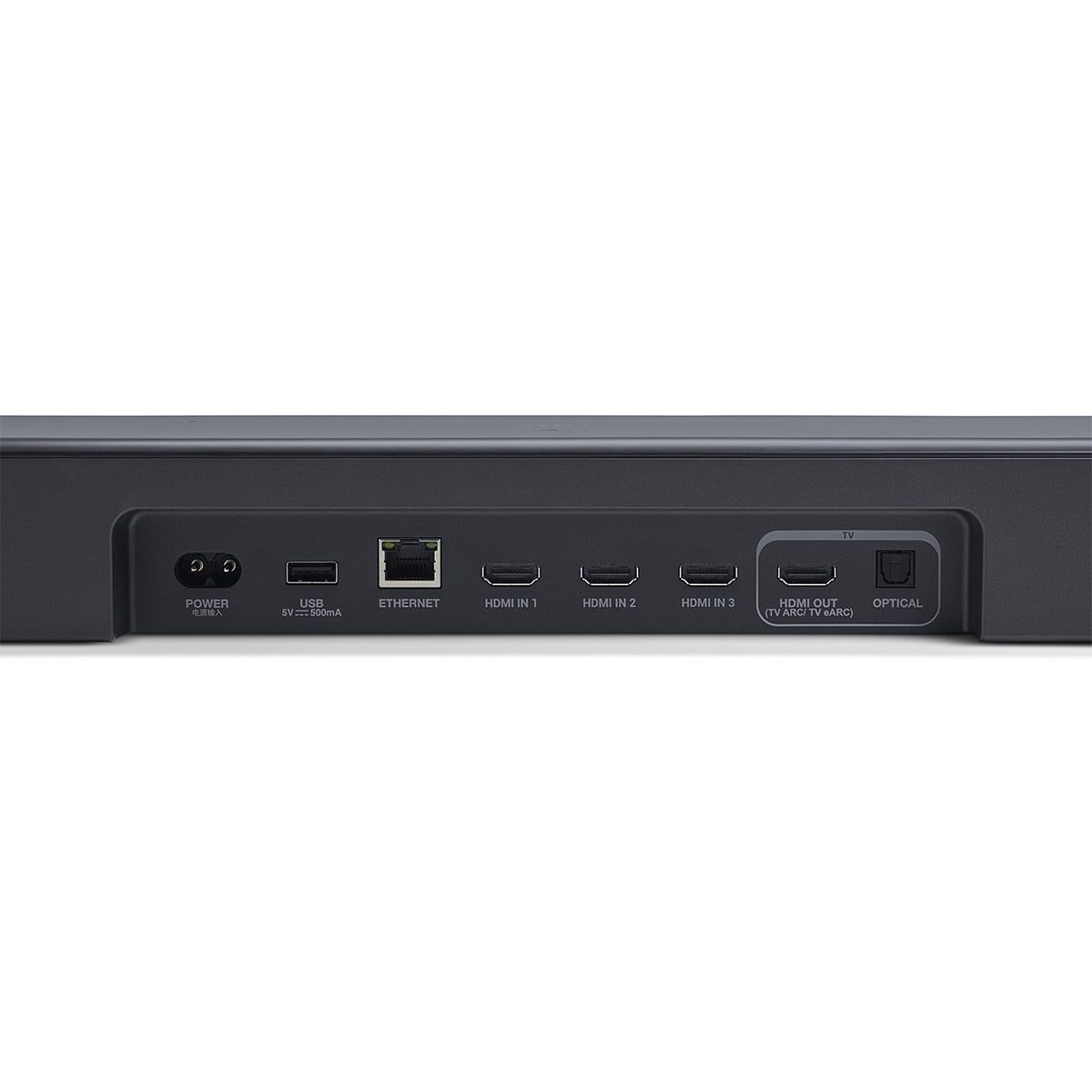
Yes, both soundbars work with any TV brand through HDMI eARC or optical connections. However, the LG S70TR offers special WOW Orchestra integration that combines your LG TV speakers with the soundbar for enhanced performance. The JBL Bar 1000 MK2 provides universal compatibility with advanced room correction for any TV.
The LG S70TR is significantly easier to set up with plug-and-play simplicity and automatic sound calibration. The JBL Bar 1000 MK2 requires more setup time for optimal performance, including positioning the detachable satellites and running room correction through the JBL One app.
The JBL Bar 1000 MK2 has dramatically better bass with its 10-inch wireless subwoofer and 300W dedicated amplification, delivering theater-level impact. The LG S70TR includes a compact wireless subwoofer that's adequate for most content but can't match the depth and power of the JBL's bass system.
The LG S70TR has a slight edge for gaming with VRR (Variable Refresh Rate) and ALLM (Auto Low Latency Mode) support up to 120Hz. The JBL Bar 1000 MK2 offers standard HDMI gaming features but focuses more on audio quality than gaming-specific features.
The JBL Bar 1000 MK2 features unique battery-powered satellites that detach from the main bar, providing up to 10 hours of wireless surround sound without needing power outlets. They can also function as portable Bluetooth speakers in other rooms, offering flexibility that traditional soundbars can't match.
The Dolby Atmos difference is significant. The JBL Bar 1000 MK2 delivers true Atmos with four dedicated up-firing drivers that create precise overhead sound placement. The LG S70TR offers basic Atmos through digital processing and one height driver, providing elevation effects but less immersive positioning.
The JBL Bar 1000 MK2 is designed for large rooms with its 960W power output, 10-inch subwoofer, and ability to fill expansive spaces with immersive sound. The LG S70TR with 650W output works best in medium-sized rooms and may struggle to properly fill very large spaces.
Both soundbars have minimal ongoing costs. The JBL Bar 1000 MK2 satellite batteries will eventually need replacement after several years of use. The LG S70TR has no battery components but both systems may receive firmware updates. Neither requires subscriptions or additional fees.
Choose the JBL Bar 1000 MK2 if you want maximum immersion, have a dedicated theater room, and budget allows for premium performance. Select the LG S70TR if you want significant improvement over TV speakers at an affordable price, especially if you own an LG TV for WOW Orchestra integration.
We've done our best to create useful and informative comparisons to help you decide what product to buy. Our research uses advanced automated methods to create this comparison and perfection is not possible - please contact us for corrections or questions. These are the sites we've researched in the creation of this article: ecoustics.com - engadget.com - bestbuy.com - techradar.com - rtings.com - hometechnologyreview.com - youtube.com - t3.com - whathifi.com - youtube.com - bhphotovideo.com - gzhls.at - device.report - support.jbl.com - support.jbl.com - jbl.com - av.com - audioadvice.com - jbl.com - target.com - worldwidestereo.com - bestbuy.com - mynavyexchange.com - rixaudiovideoappliance.com - rtings.com - youtube.com - bestbuy.com - howards.siteontimedev.com - bestbuy.com - appliancestogousa.us

Privacy Policy
Terms and Conditions - Affiliate Policy
Home Security
© Copyright 2008-2026.
11816 Inwood Rd #1211, Dallas, TX 75244