

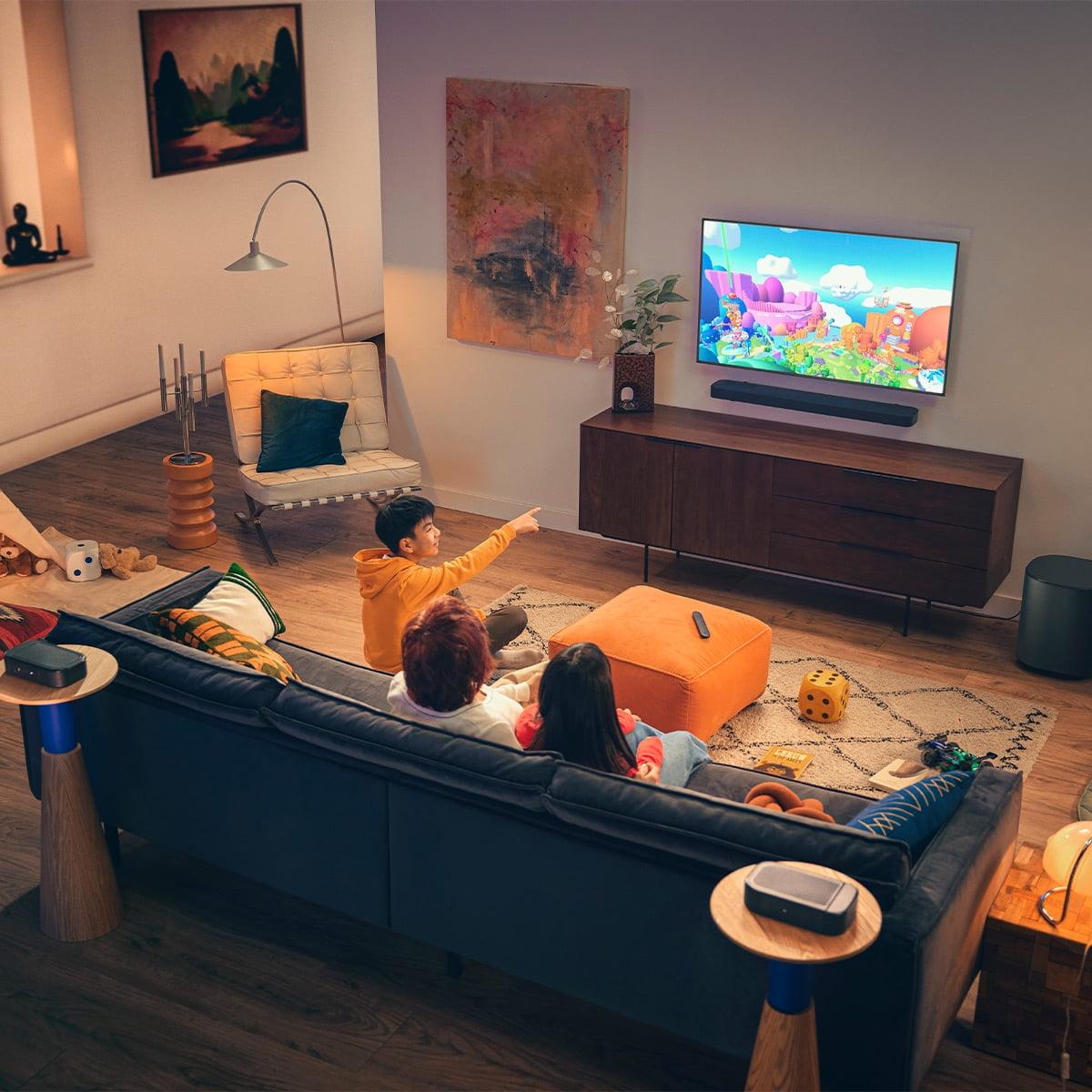



If you've been struggling to hear dialogue on your favorite shows or wondering why movie explosions sound like distant firecrackers, you're experiencing what millions of TV owners face daily. Modern TVs, despite their stunning 4K visuals, have arguably the worst audio in television history. Their paper-thin designs simply can't accommodate the speakers needed for decent sound. That's where soundbars come in—they're the bridge between terrible TV audio and the complexity of full surround sound systems.
But choosing the right soundbar can feel overwhelming. Today we're comparing two very different approaches: the premium JBL Bar 1000 MK2 ($1,199) and the budget-friendly Samsung HW-B550D ($178). These aren't just different price points—they represent entirely different philosophies about what a soundbar should do and who it should serve.
The soundbar market has exploded over the past few years, and for good reason. Traditional surround sound systems require multiple speakers, an AV receiver (the brain that processes audio signals), careful room planning, and often professional installation. Soundbars promised to solve the TV audio problem with a single, sleek device that could sit elegantly below your screen.
However, not all soundbars are created equal. The key considerations when shopping include your room size and layout, which determines how much power you need and whether virtual or physical surround speakers make sense. Content preferences matter too—someone who mainly watches the news has very different needs than a Marvel movie marathon enthusiast. Your tolerance for setup complexity is crucial, as is your budget and what features you consider essential versus nice-to-have.
The technology has evolved rapidly. Early soundbars were essentially wide speakers that made dialogue clearer. Today's premium models use advanced digital signal processing (DSP)—computer algorithms that manipulate audio in real-time—to create convincing surround effects. Some even include physical surround speakers and support Dolby Atmos, a newer audio format that adds height channels to create three-dimensional sound bubbles around listeners.
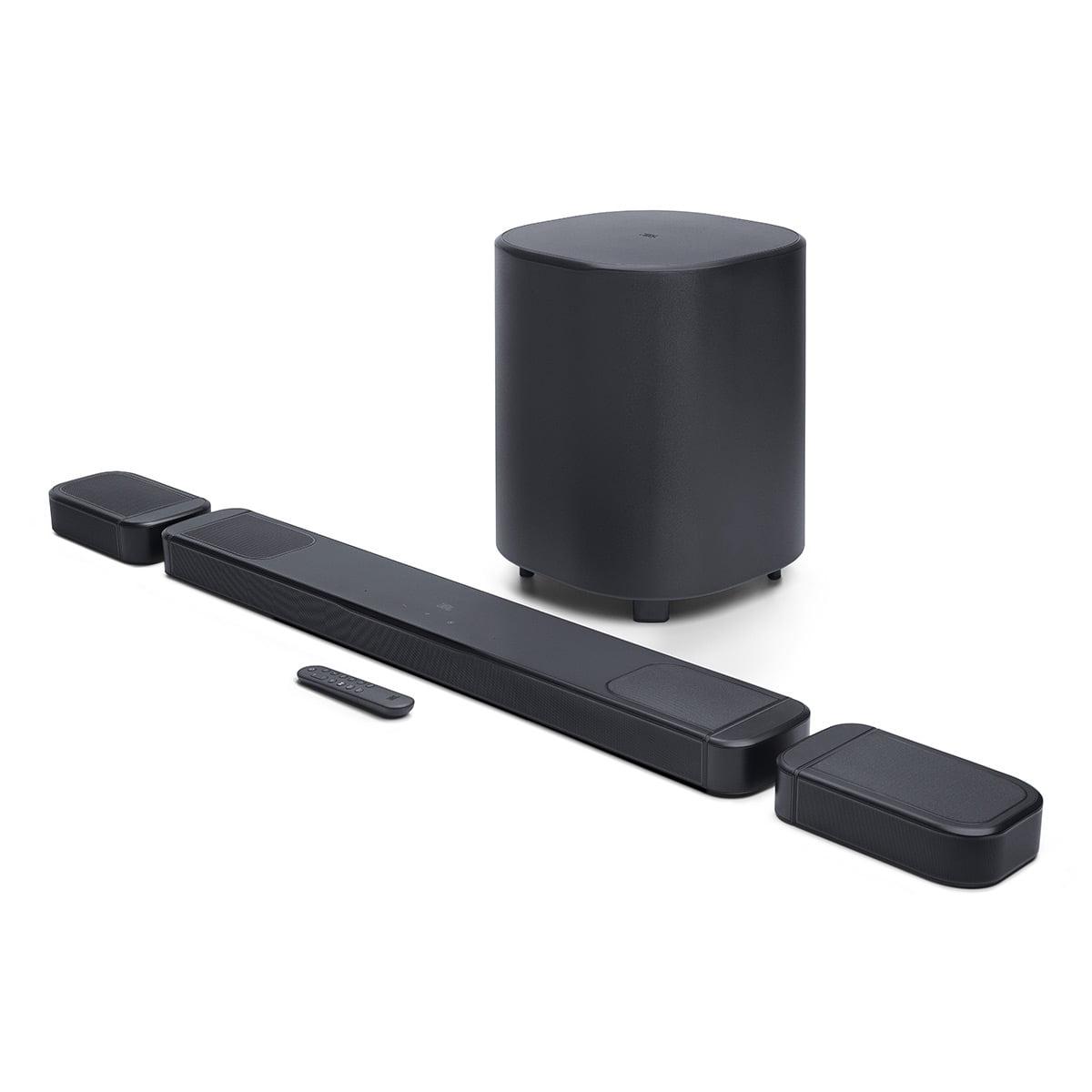
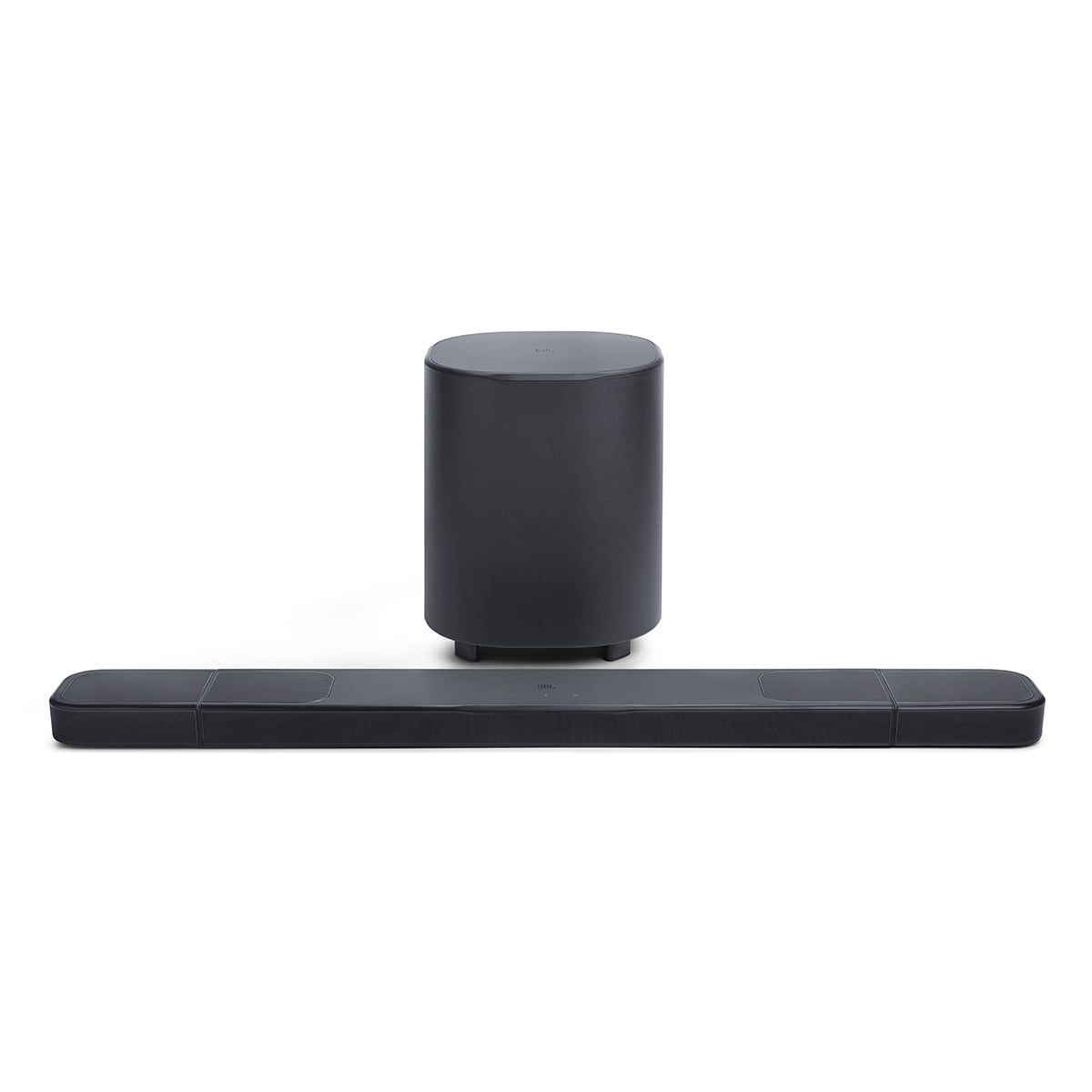
The JBL Bar 1000 MK2, released in early 2024 as an update to JBL's popular Bar 1000 series, represents the premium end of soundbar technology. Priced at $1,199, it's targeting serious home theater enthusiasts who want cinema-quality audio without the complexity of separate components. The "MK2" designation indicates this is the second generation, with JBL improving the wireless connectivity, adding their newer MultiBeam 3.0 technology, and refining the detachable speaker design based on user feedback from the original model.
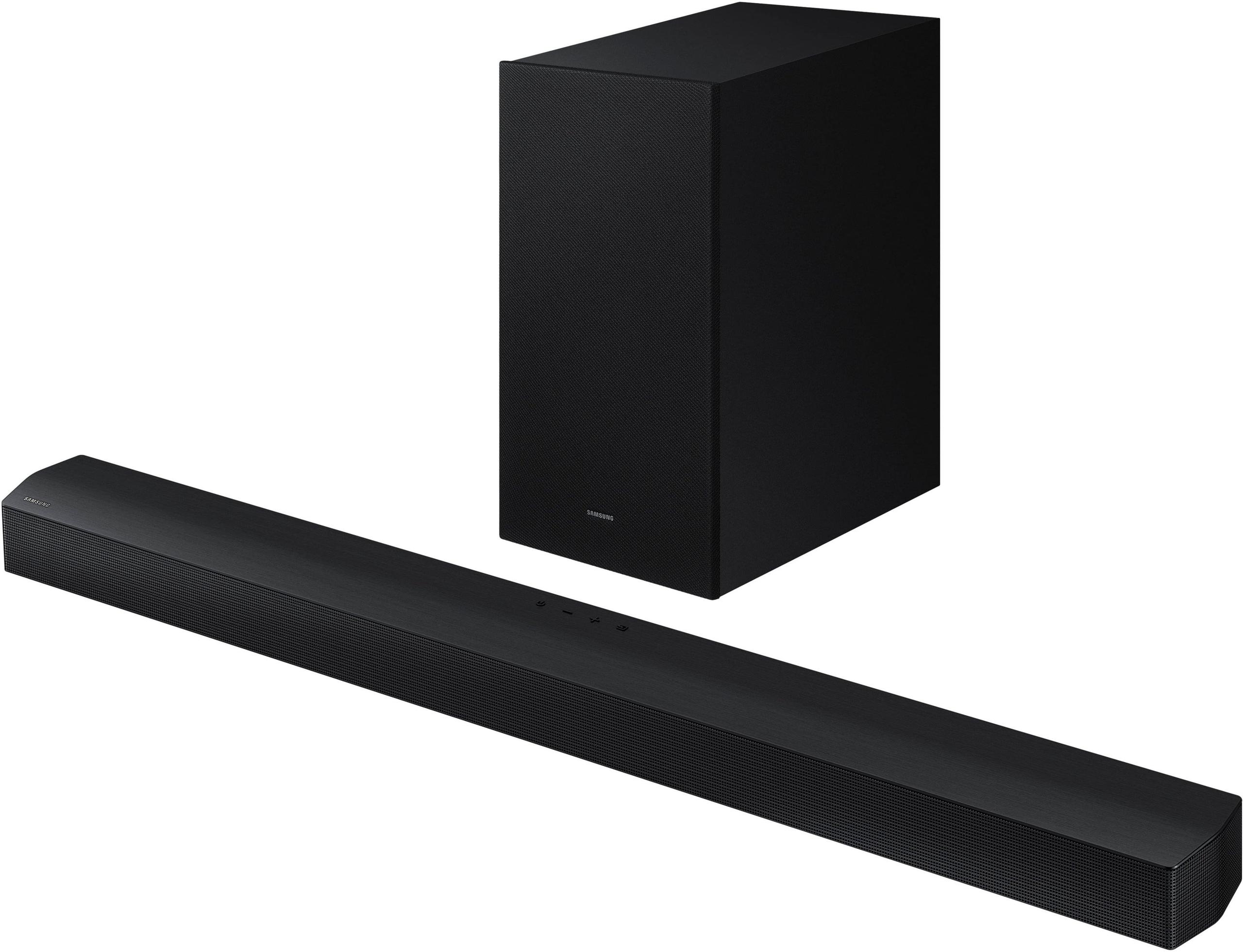
On the opposite end sits the Samsung HW-B550D, launched in 2024 as part of Samsung's entry-level B-series lineup. At $178, it's designed for mainstream consumers who want better TV audio without breaking the bank or dealing with complicated setups. Samsung has been refining this budget formula for years, focusing on dialogue clarity and ease of use rather than cutting-edge features.
These products serve fundamentally different markets, but both solve the same core problem: making your TV sound better. The question is how much better, and what you're willing to pay—and set up—to get there.
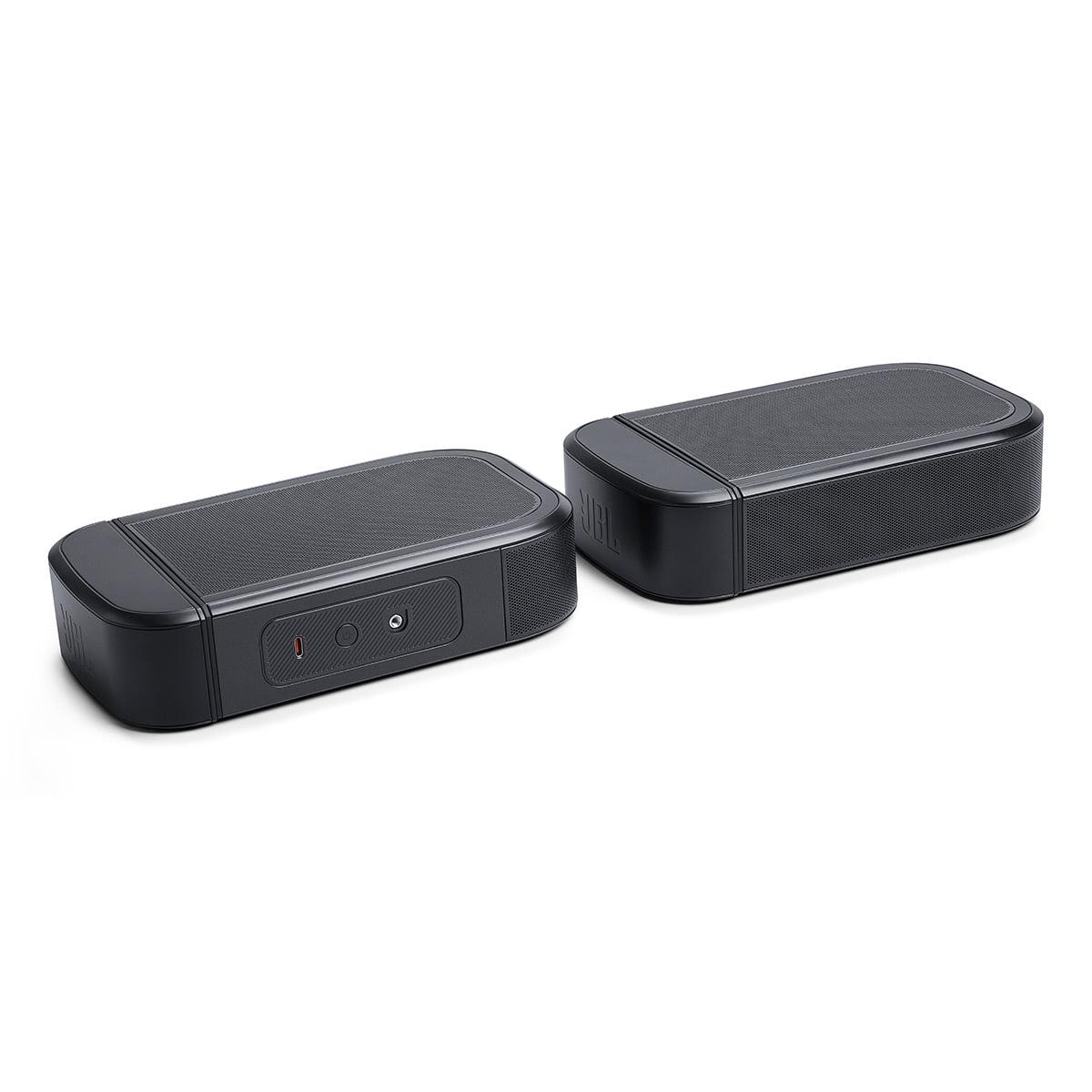
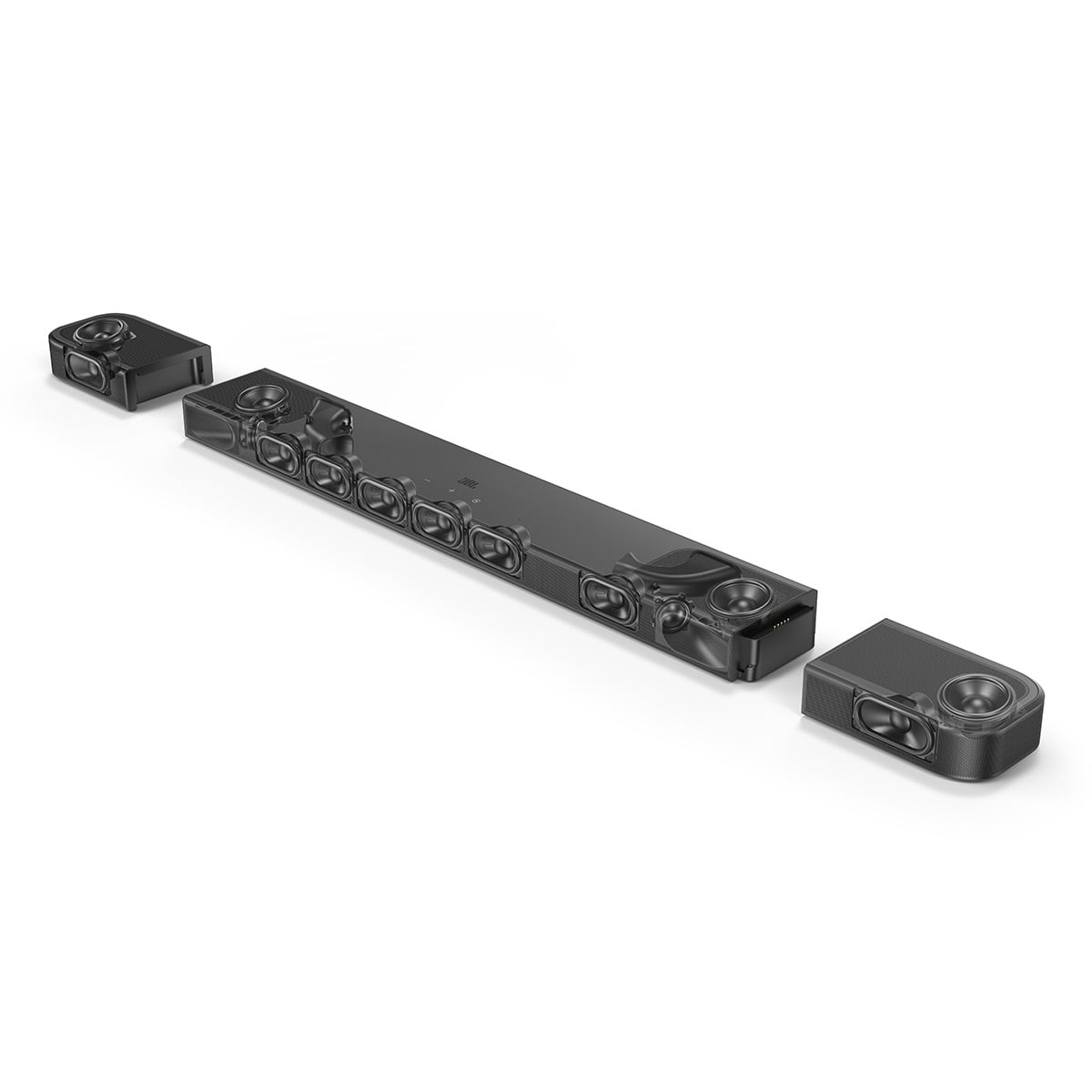
The JBL Bar 1000 MK2 creates what I'd describe as a genuine "holy cow" moment when you first experience true Dolby Atmos content. Unlike virtual surround systems that use clever audio processing tricks, this system includes actual physical speakers that detach from the main soundbar and can be placed behind your seating area. These aren't just decorative—they're full-range speakers with their own amplifiers and even up-firing drivers for height effects.
What makes this special is the 7.1.4 channel configuration. The "7.1" refers to seven main speakers (left, center, right, four surrounds, plus one subwoofer for bass), while the ".4" indicates four height channels that fire sound upward to bounce off your ceiling. When you're watching a scene with helicopters flying overhead or rain falling, you'll actually hear those effects coming from above and behind you, not just from the front of the room.
The system's 960 watts of total power is distributed across all these speakers, with the main soundbar delivering 500W, each detachable surround speaker contributing 80W, and the 10-inch wireless subwoofer adding 300W of dedicated bass. This isn't just about volume—it's about having enough clean power to handle complex soundtracks without compression or distortion.
JBL's MultiBeam 3.0 technology adds another layer of sophistication. This proprietary system uses the soundbar's multiple drivers and advanced DSP to create additional virtual sound points between the physical speakers, expanding the soundstage width beyond the bar itself. Combined with their PureVoice 2.0 dialogue enhancement, which automatically adjusts voice clarity based on ambient room sound, the result is remarkably immersive.
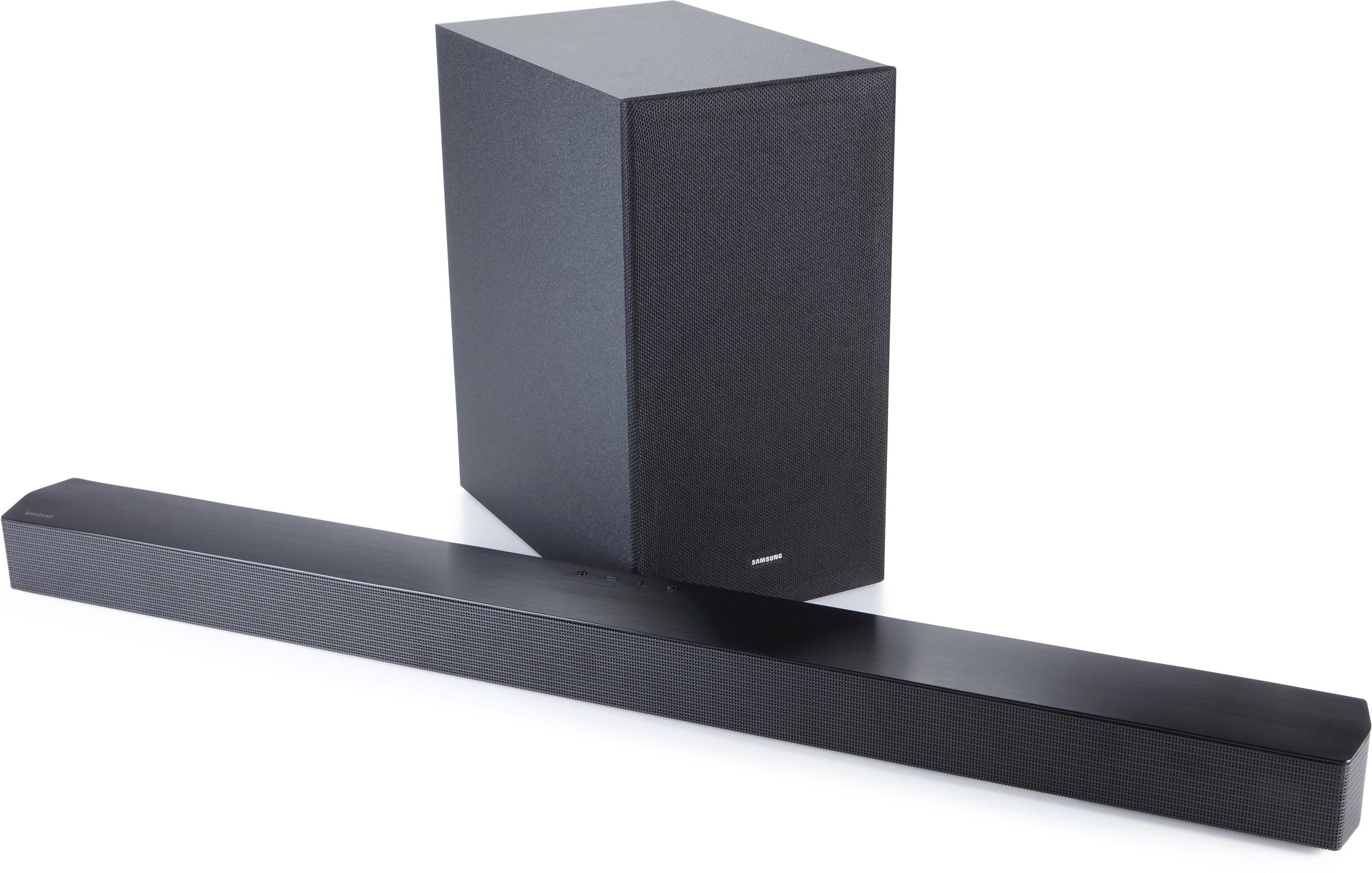
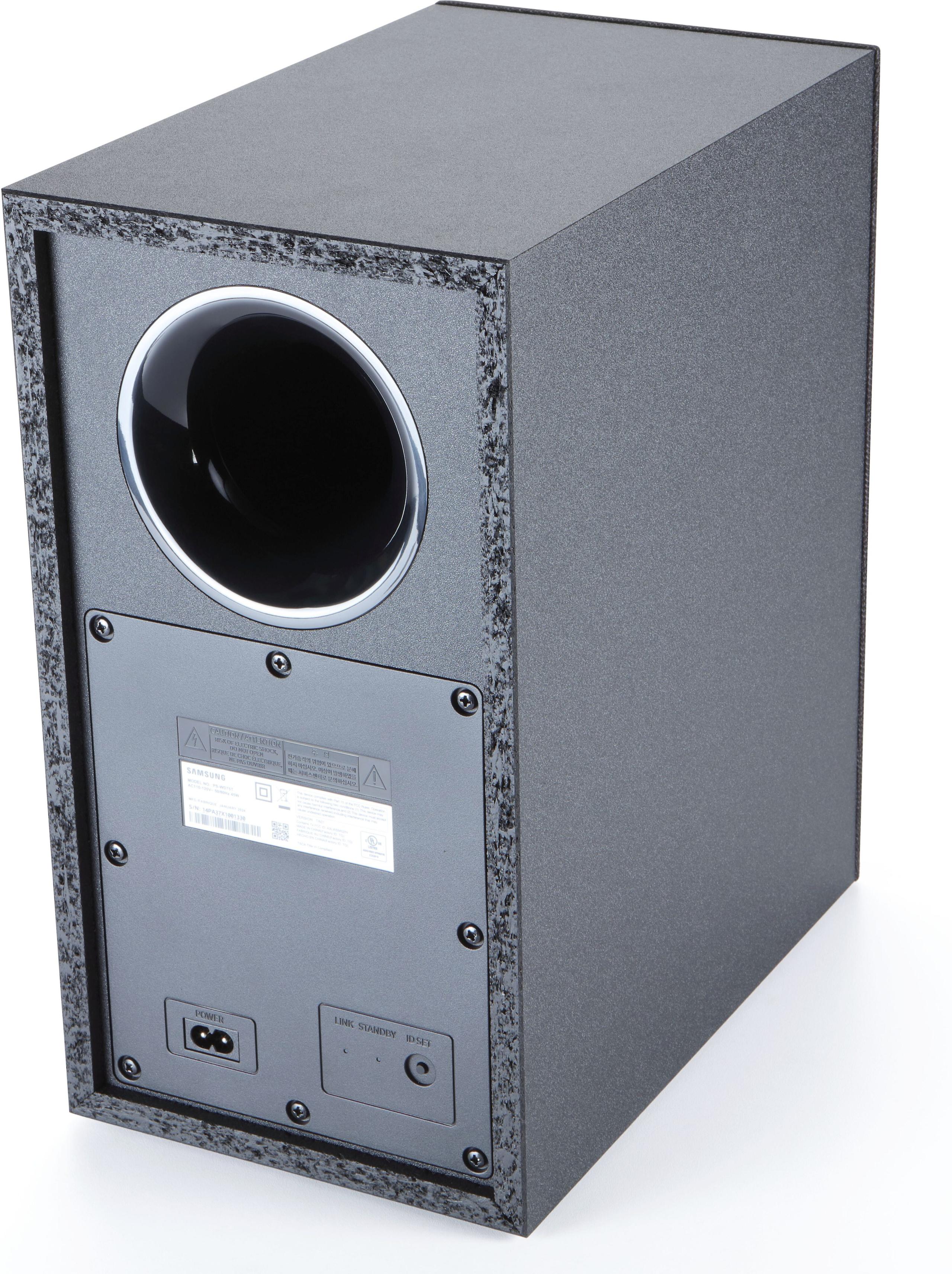
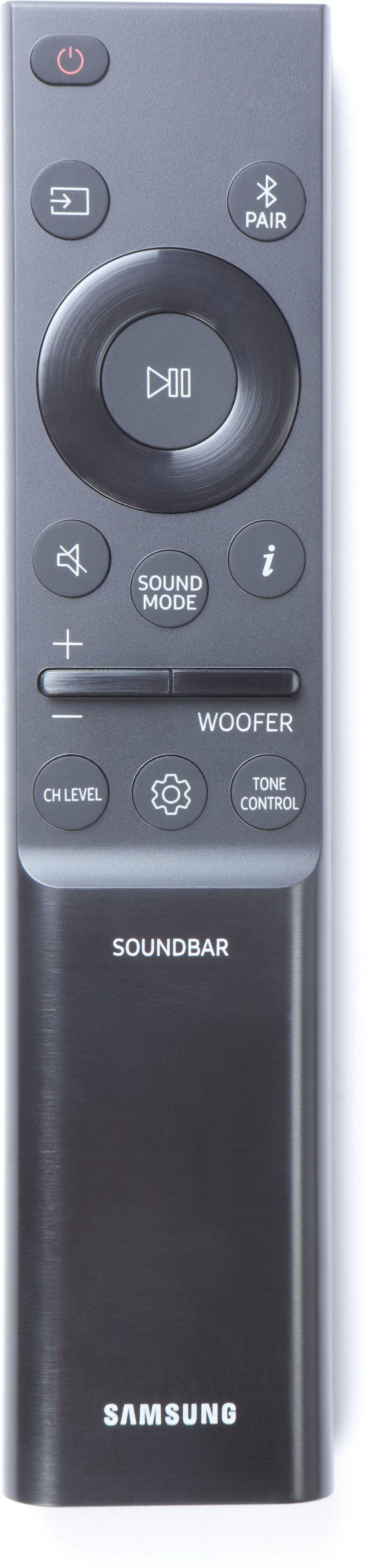
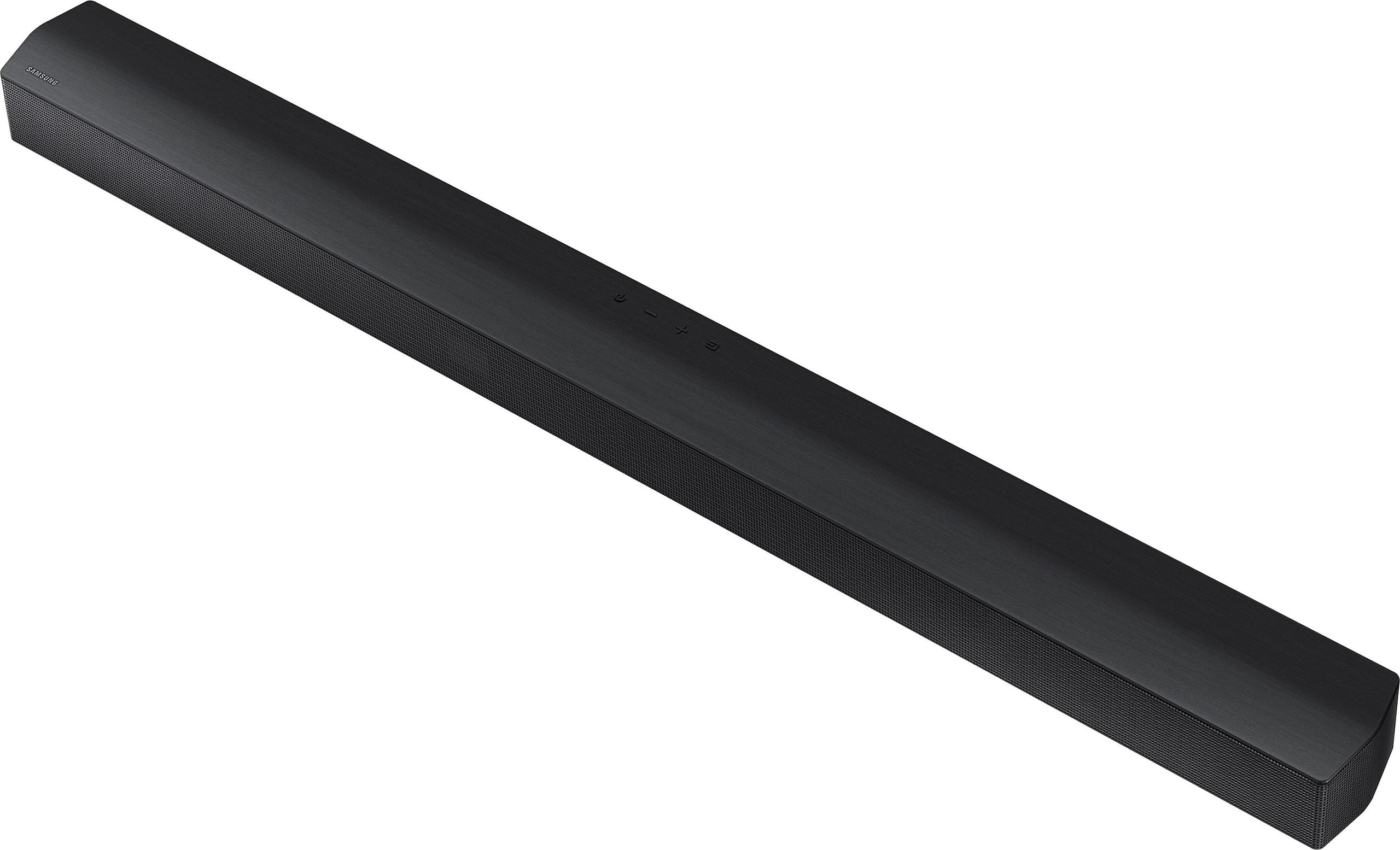
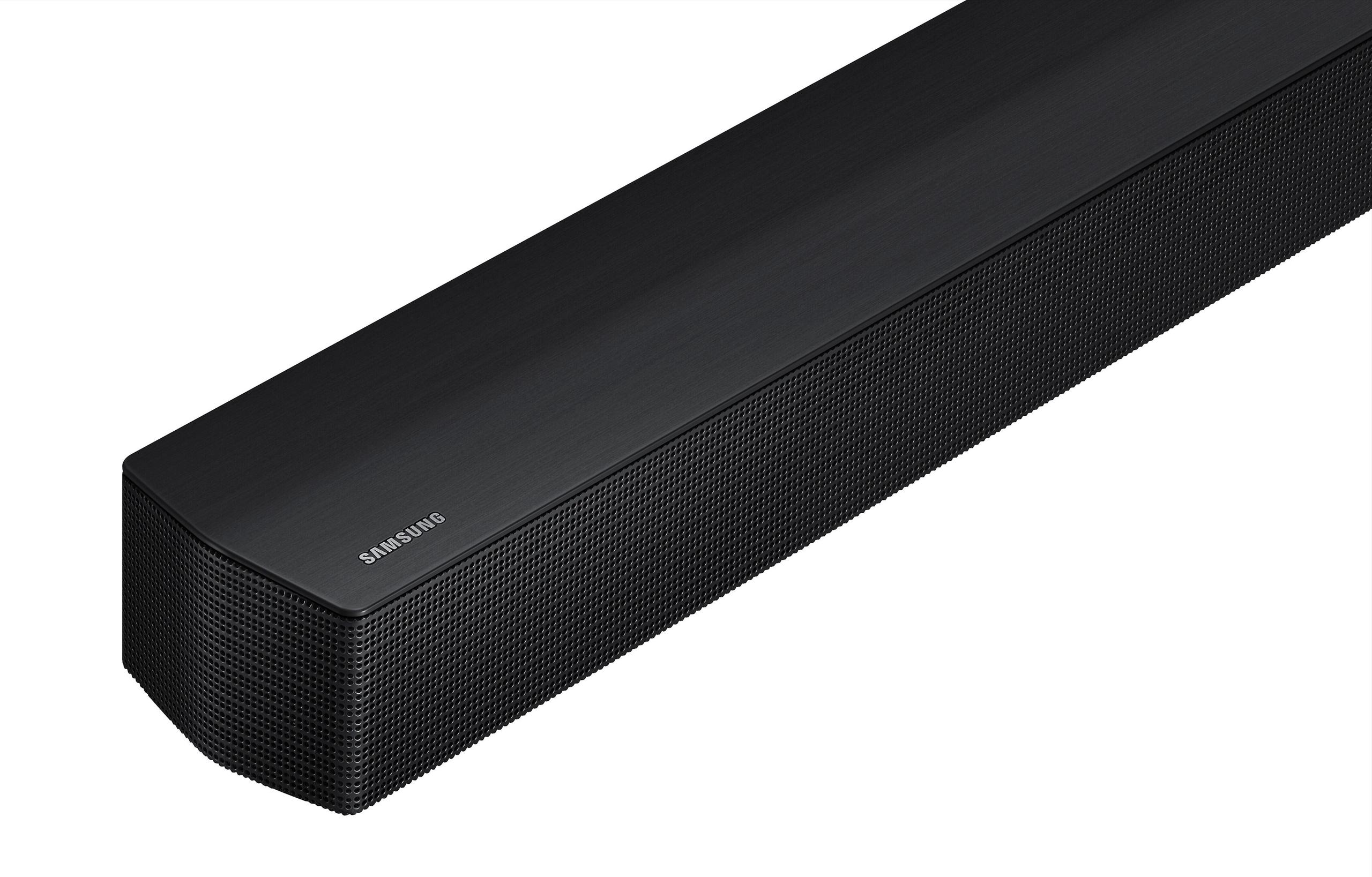
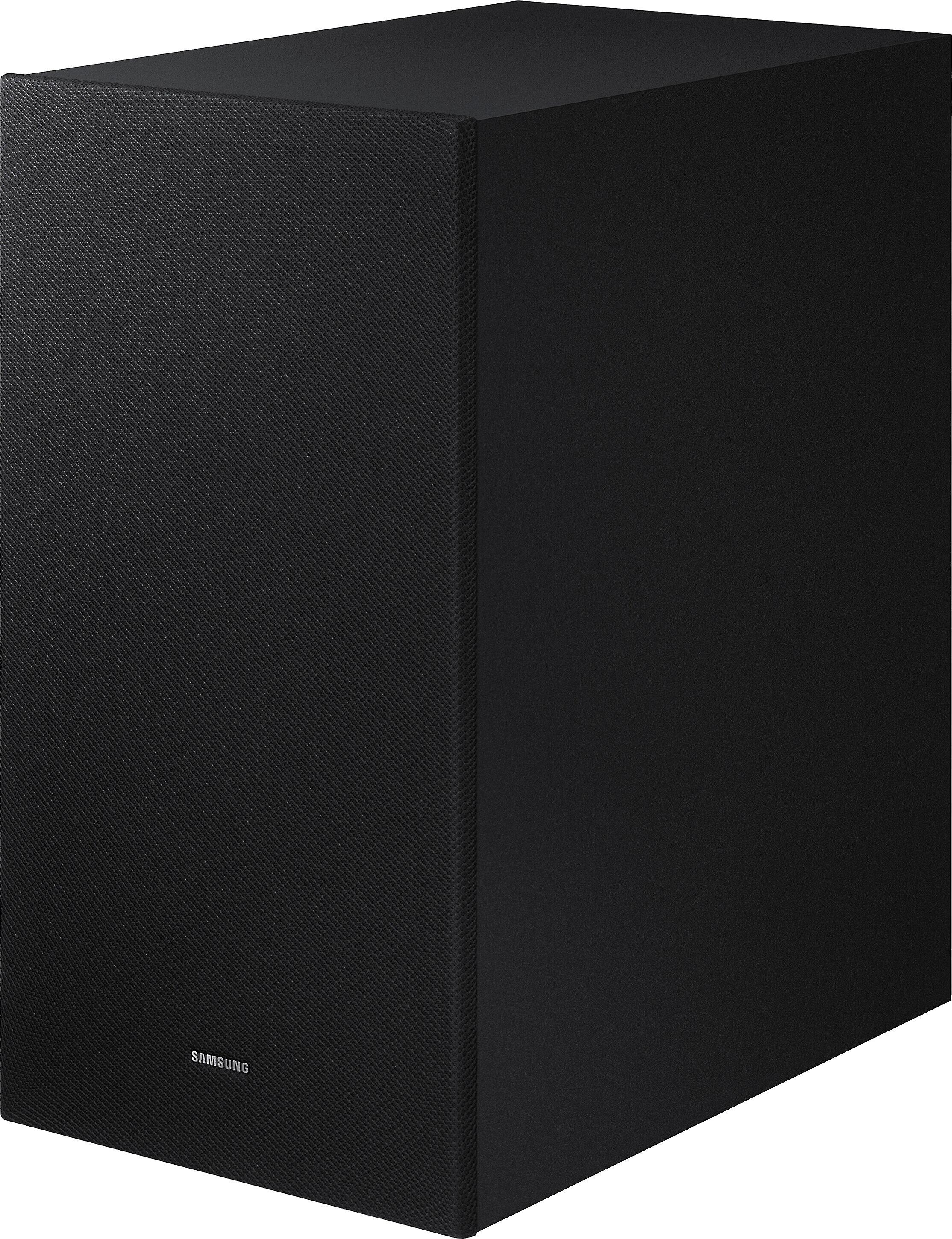
The Samsung HW-B550D takes a completely different approach, and that's not necessarily a bad thing. Instead of trying to recreate a full surround experience, it focuses on doing a few things really well. The 3.1 channel setup includes dedicated left, center, and right speakers in the main bar, plus a separate wireless subwoofer for bass.
The center channel is crucial here—it's specifically designed to handle dialogue and vocals. This is why many users report immediately clearer speech when switching from TV speakers to this soundbar. The dedicated center channel means voices aren't competing with music and sound effects for the same drivers.
Samsung's DTS Virtual:X technology attempts to create surround effects using just the front-facing speakers. While it can't match the physical presence of actual rear speakers, it does create a wider soundstage than you'd get from TV speakers or basic soundbars. The effect is subtle but noticeable, particularly with content that has distinct left-right audio elements.
The Adaptive Sound Lite feature automatically analyzes incoming audio and adjusts the soundbar's processing accordingly. Watching a quiet drama? It'll boost dialogue frequencies. Switched to an action movie? It'll enhance dynamic range and impact. This happens seamlessly in the background, which many users appreciate more than manual sound mode switching.
This is where the difference in philosophy becomes most apparent. The JBL's 10-inch subwoofer is a serious piece of equipment that can genuinely rattle walls and shake floors. It's designed for movie moments—explosions, dinosaur footsteps, starship engines. The bass boost mode can add even more low-end impact when you want maximum rumble.
The Samsung's subwoofer is more modest, designed to add bass depth without overwhelming smaller rooms or annoying neighbors. It provides enough low-end enhancement to make action scenes more engaging while maintaining the focus on dialogue clarity. For apartment dwellers or those who primarily watch TV shows rather than action movies, this measured approach often works better.
The power difference between these systems is substantial, but power specs can be misleading. The JBL Bar 1000 MK2's 960 watts is distributed across multiple speakers and amplifier channels, each optimized for specific frequency ranges. This distributed power means the system can play louder with less distortion and handle complex soundtracks without different elements competing for the same amplifier headroom.
In practical terms, the JBL can easily fill rooms of 20x25 feet or larger without strain. The detachable rear speakers ensure even coverage throughout the space, eliminating the common soundbar problem of having great sound in the "sweet spot" but poor audio at the room's edges.
The Samsung HW-B550D is more suited to small-to-medium rooms—think typical apartments or bedrooms up to about 15x15 feet. Push it much beyond that size, and you'll notice the limitations. The system simply doesn't have the power reserves or speaker placement to maintain consistent coverage in larger spaces.
However, for its intended room sizes, the Samsung performs admirably. The sound remains clear and balanced even at higher volumes, and the bass doesn't become overwhelming in smaller spaces—a common problem with overpowered systems in compact rooms.
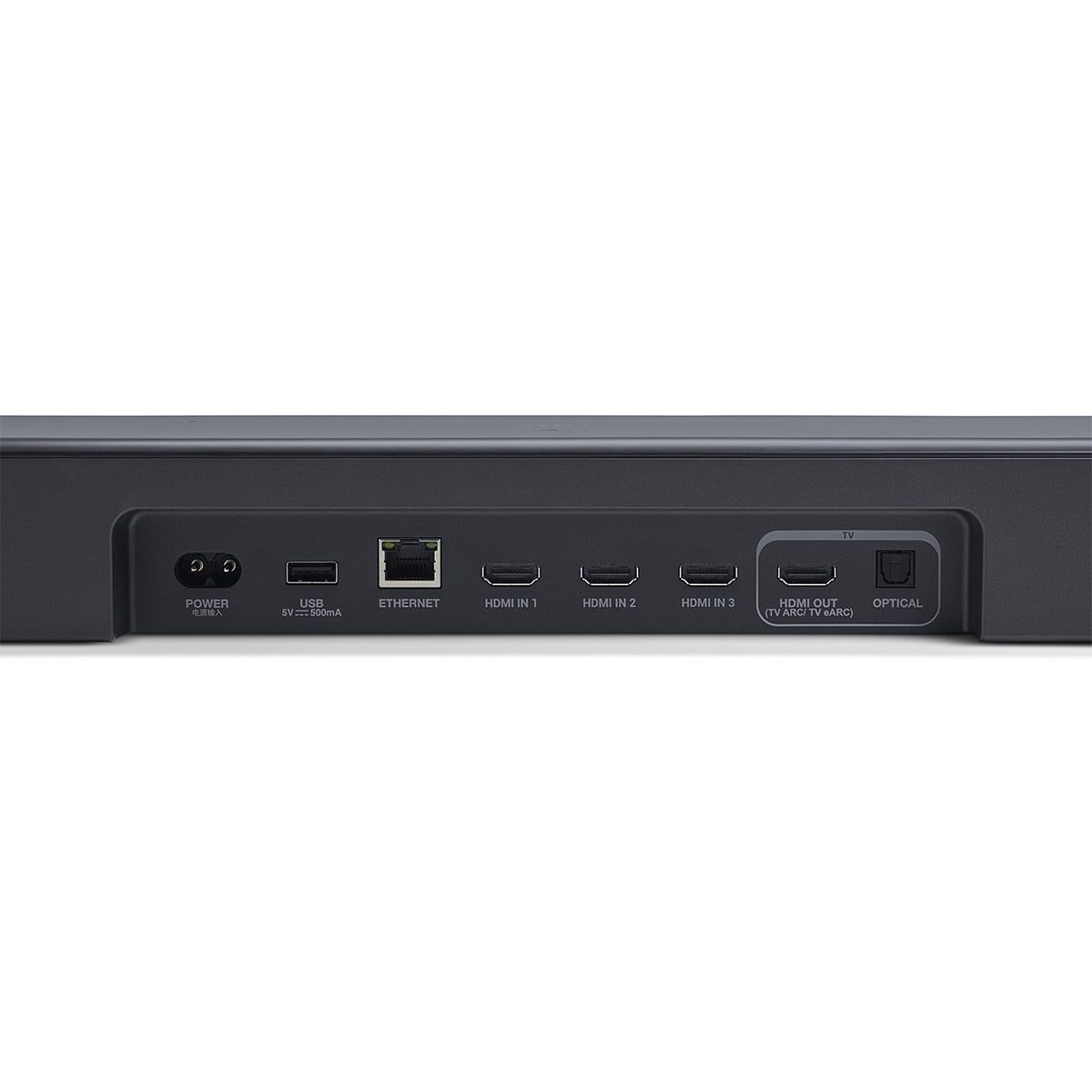
Modern soundbars are increasingly connected devices, and the feature gap between these two models is significant. The JBL Bar 1000 MK2 includes three HDMI inputs plus eARC output, optical input, USB for media playback, Bluetooth 5.3, and dual-band Wi-Fi. The Wi-Fi connectivity enables streaming services like Spotify Connect, AirPlay 2, and Chromecast Built-In, essentially making it a standalone audio system.
The JBL One app provides extensive control over EQ settings, sound modes, and even room calibration features. You can fine-tune the audio signature to match your room's acoustics and personal preferences. The app also enables the unique Night Mode, which routes audio only to the detachable speakers for private listening—imagine watching a late-night action movie without waking the house.
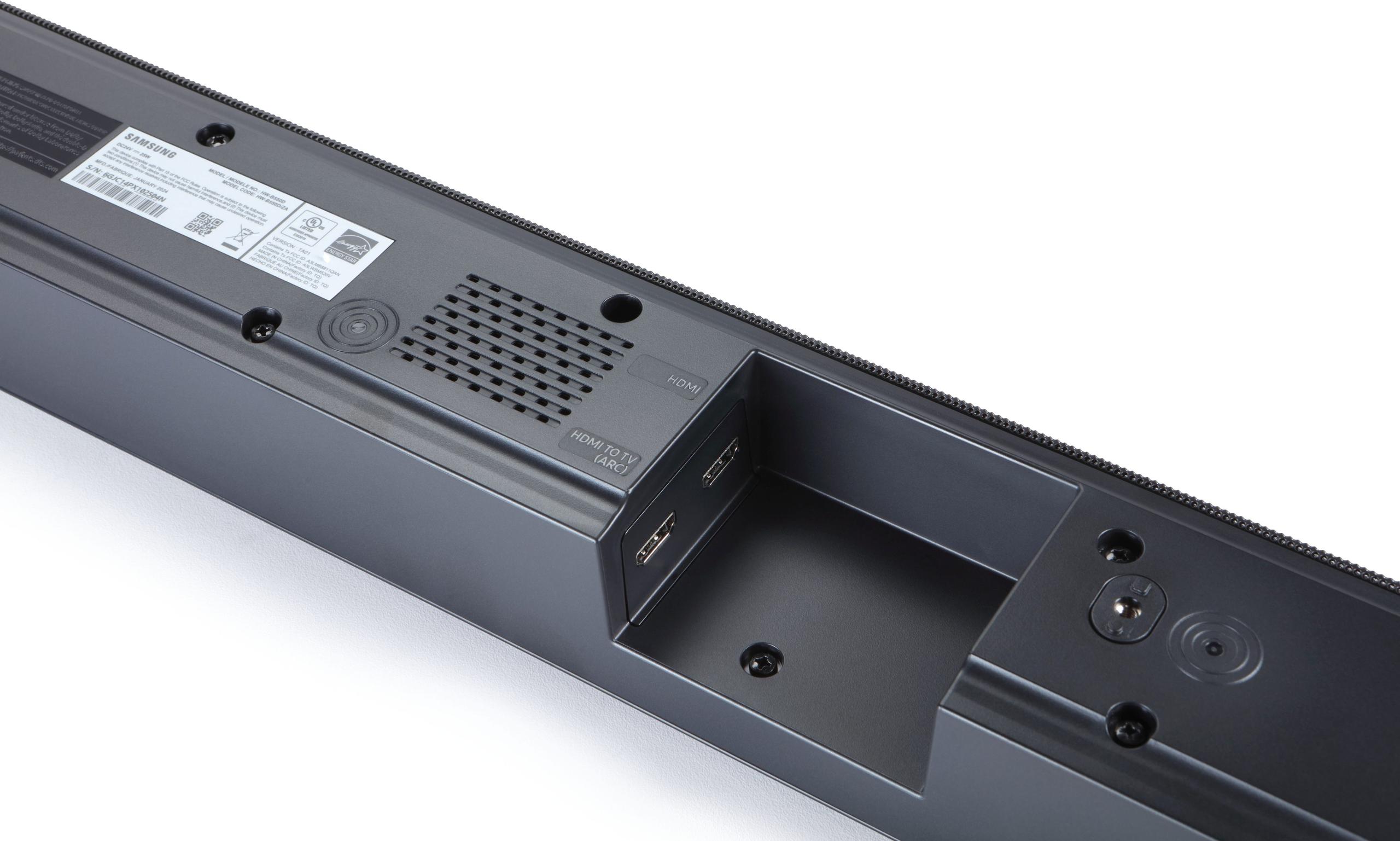
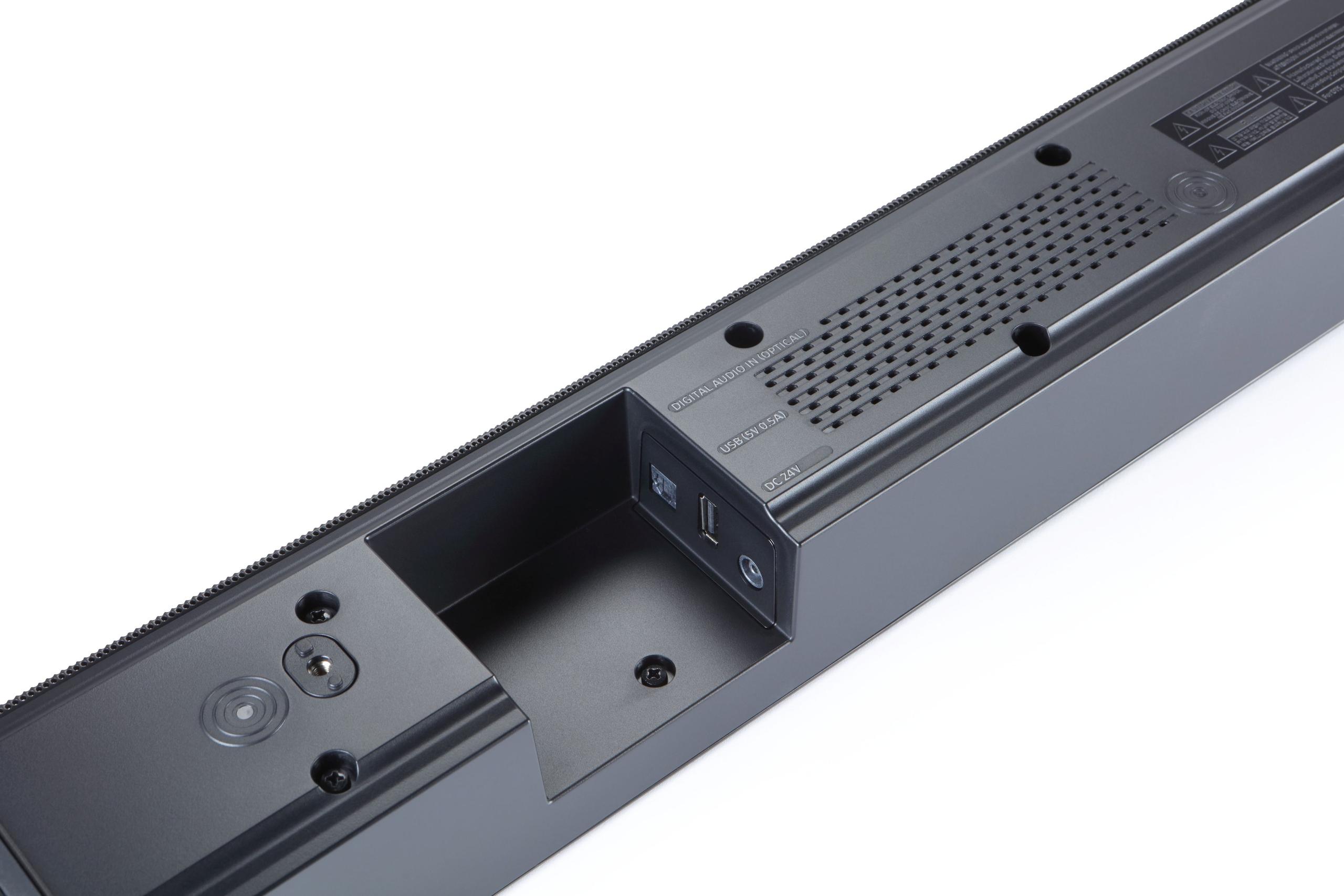
The Samsung HW-B550D keeps connectivity simple: HDMI ARC, optical input, and Bluetooth 4.2. There's no Wi-Fi, no dedicated app, and no advanced streaming features. What it does offer is seamless integration with Samsung TVs, including the ability to control the soundbar with your TV remote and automatic power on/off synchronization.
This simpler approach has merit. Many users just want their soundbar to work with their TV without additional complexity. The Samsung delivers on this promise with plug-and-play setup that typically requires no configuration beyond connecting a single cable.
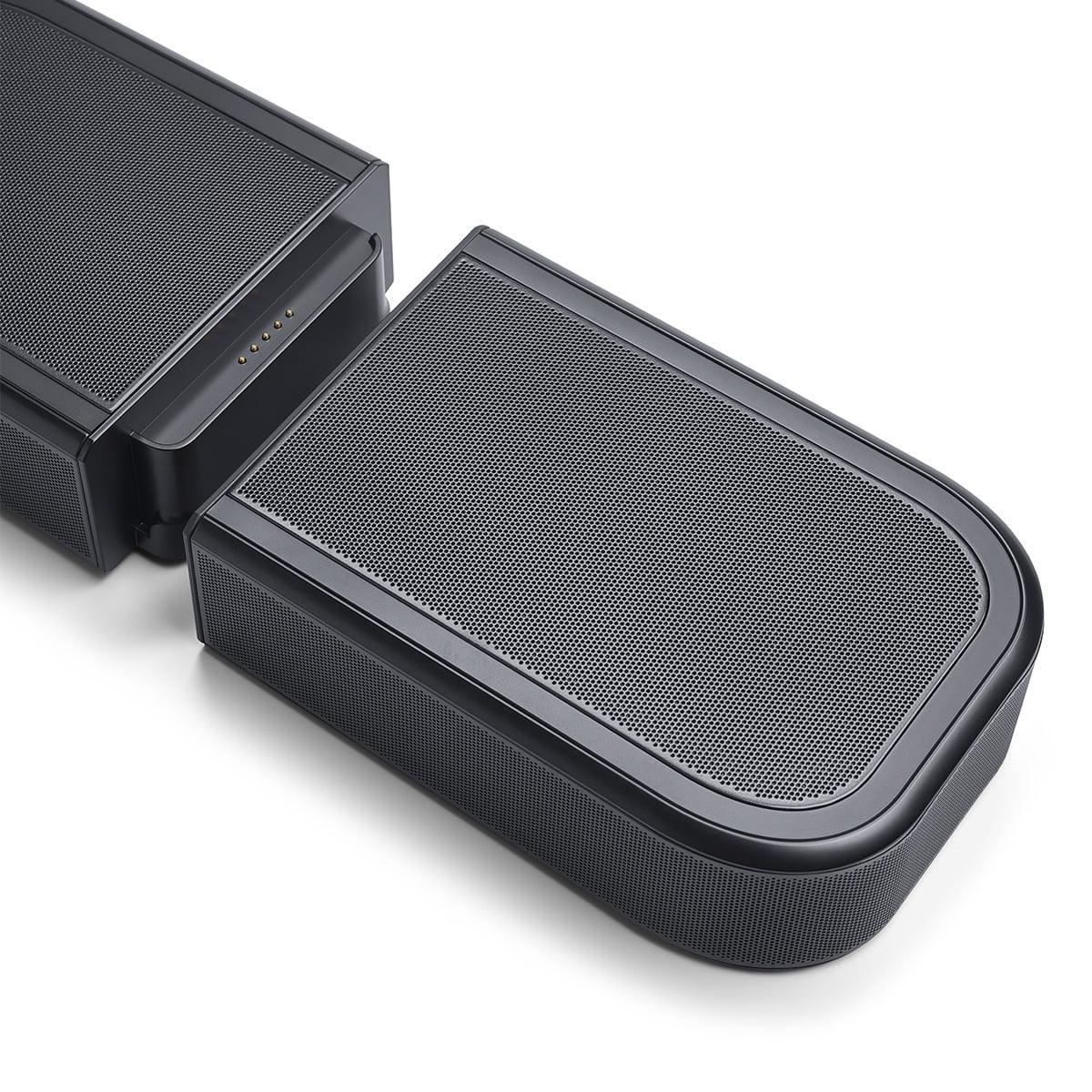
The JBL's detachable wireless speakers deserve special attention because they're genuinely innovative. These aren't just removable speakers—they're fully functional wireless speakers with 10-hour battery life that can be used independently around your home. Need background music in the kitchen? Pop off a speaker and take it with you. Hosting a backyard party? Both speakers can provide stereo sound away from the main system.
When docked to the main soundbar, they automatically charge and function as rear surround speakers. The magnetic connection is satisfyingly solid, and the wireless connection is stable and low-latency—crucial for maintaining audio sync with on-screen action.
This flexibility addresses one of the biggest complaints about traditional soundbar systems: permanent rear speaker placement. With the JBL, you can have true surround sound when you want it and clean aesthetics when you don't.
Setting up the JBL Bar 1000 MK2 requires more planning than plugging in a basic soundbar. You'll need to position the detachable speakers behind your seating area, run through the room calibration process, and potentially adjust settings through the app. For home theater enthusiasts, this setup process is part of the fun—fine-tuning everything for optimal performance.
The Samsung HW-B550D embodies the "it just works" philosophy. Connect one HDMI cable (or optical if your TV lacks ARC), and you're typically good to go. The automatic audio detection and Samsung TV integration mean most users can be enjoying better sound within minutes of opening the box.
This difference in complexity reflects each product's target audience. The JBL rewards users willing to invest time in proper setup, while the Samsung prioritizes immediate improvement with minimal effort.
For dedicated home theater use, the JBL Bar 1000 MK2 is clearly the superior choice, but it comes with requirements. You need a room large enough to properly position surround speakers, seating that allows for optimal speaker placement, and preferably a space where you can control lighting and ambient noise.
The true Dolby Atmos experience shines with properly mastered content. Streaming services like Netflix, Disney+, and Amazon Prime Video offer increasing amounts of Atmos content, as do 4K Blu-rays. The difference is immediately apparent in films like "Top Gun: Maverick" or "Dune," where aircraft movements and environmental effects create genuine spatial awareness.
However, if your "home theater" is really just your living room where you also read, work, and live daily life, the Samsung's approach might be more practical. It provides a substantial upgrade over TV speakers without demanding room layout compromises or optimal seating positions.
The $1,000+ price difference between these soundbars represents more than just feature differences—it's about different value propositions entirely. The JBL Bar 1000 MK2 costs six times more than the Samsung HW-B550D, but delivers exponentially more capability in the right environment.
For the JBL, you're paying for true surround sound hardware, premium amplification, advanced connectivity, and innovative features like detachable speakers. The system is future-proof with support for the latest audio formats and streaming protocols. It's also expandable—JBL's ecosystem allows adding more speakers for multi-room audio.
The Samsung represents exceptional value for essential soundbar functionality. At $178, it costs less than many people spend on a single dinner out, yet provides a transformative improvement over TV speakers. The focus on dialogue clarity and simple operation serves the vast majority of users who just want their TV to sound better.
Choose the JBL Bar 1000 MK2 if you have a dedicated home theater space or large living room (15x20 feet minimum), regularly watch Dolby Atmos content from streaming services or 4K Blu-rays, have a budget that allows for premium audio equipment, and enjoy the process of optimizing and fine-tuning your entertainment system. The JBL rewards investment with truly immersive audio that can rival much more expensive separates systems.
Choose the Samsung HW-B550D if you're working with smaller spaces, primarily watch TV shows, news, and dialogue-heavy content, want immediate improvement without complexity, prefer simple plug-and-play setup, or need to keep costs under $200 while still getting meaningful audio enhancement.
The decision ultimately comes down to matching the product to your specific situation. Both soundbars excel in their intended roles, but trying to use either outside its designed purpose will lead to disappointment. The JBL transforms dedicated viewing spaces into convincing home theaters, while the Samsung solves TV audio problems affordably and effectively for everyday use.
In my experience, most people underestimate how much better audio can enhance their viewing experience—until they try a quality soundbar. Whether you choose the premium immersion of the JBL or the practical improvement of the Samsung, you'll wonder how you ever watched TV without one.
| JBL Bar 1000 MK2 ($1,199) | Samsung HW-B550D ($178) |
|---|---|
| Channel Configuration - Determines surround sound capability | |
| 7.1.4 channels with physical rear speakers | 3.1 channels (front-facing only) |
| Dolby Atmos Support - Essential for overhead sound effects | |
| True Dolby Atmos with 4 up-firing drivers | No Atmos support (DTS Virtual:X only) |
| Total System Power - Affects volume and room coverage | |
| 960W (fills rooms 20x25+ ft) | Not specified (suitable for rooms up to 15x15 ft) |
| Subwoofer Size - Impacts bass depth and impact | |
| 10" wireless subwoofer with bass boost | Compact wireless subwoofer |
| Rear Speaker Setup - Key difference in surround experience | |
| Detachable wireless speakers (10hr battery) | No rear speakers included |
| HDMI Connectivity - Important for modern AV setups | |
| 3 HDMI inputs + eARC output | 1 HDMI input + ARC output |
| Smart Features - Streaming and app control capabilities | |
| Wi-Fi, AirPlay 2, Chromecast, JBL One app | Bluetooth only, no dedicated app |
| Room Calibration - Optimizes sound for your space | |
| Automatic room calibration included | No calibration features |
| Ideal Room Size - Based on power and speaker placement | |
| Large rooms (15x20+ ft) with dedicated seating | Small-medium rooms (up to 15x15 ft) |
| Setup Complexity - Time investment required | |
| Moderate (rear speaker placement + calibration) | Simple (single cable connection) |
| Best Use Case - Primary viewing habits this serves | |
| Movies, gaming, Atmos content in home theaters | TV shows, news, dialogue-heavy content |
| Value Proposition - What you get for the price difference | |
| True surround immersion with premium features | Essential TV audio upgrade at budget price |
The JBL Bar 1000 MK2 ($1,199) is a premium 7.1.4-channel system with true Dolby Atmos, detachable wireless rear speakers, and a 10" subwoofer designed for large home theaters. The Samsung HW-B550D ($178) is a budget-friendly 3.1-channel soundbar focused on dialogue clarity and simple setup for smaller rooms.
The Samsung HW-B550D is ideal for small apartments due to its compact design, moderate bass output that won't disturb neighbors, and simple setup requiring no rear speaker placement. The JBL Bar 1000 MK2 is designed for larger spaces and may be overwhelming in small rooms.
Only the JBL Bar 1000 MK2 supports true Dolby Atmos with physical up-firing drivers that create overhead sound effects. The Samsung HW-B550D uses DTS Virtual:X to simulate surround effects but doesn't support Dolby Atmos content.
The JBL Bar 1000 MK2 has significantly better bass with its large 10" wireless subwoofer that delivers room-shaking low-end for movies and music. The Samsung HW-B550D includes a smaller subwoofer that adds bass depth without overwhelming smaller spaces.
The Samsung HW-B550D offers plug-and-play setup with just one HDMI cable connection and automatic TV integration. The JBL Bar 1000 MK2 requires positioning detachable rear speakers, room calibration, and app configuration for optimal performance.
The Samsung HW-B550D excels at TV shows and news with its dedicated center channel for dialogue clarity, Voice Enhancement mode, and Adaptive Sound Lite that automatically optimizes speech. The JBL Bar 1000 MK2 is designed more for movies and immersive content.
Yes, the JBL Bar 1000 MK2 features unique detachable speakers with 10-hour battery life that can be used independently as portable Bluetooth speakers throughout your home, then reattached for surround sound when needed.
This depends on your needs. The Samsung HW-B550D offers exceptional value at $178 for essential TV audio improvement. The JBL Bar 1000 MK2 provides premium home theater value at $1,199 for users wanting true surround sound and advanced features.
The Samsung HW-B550D works well in rooms up to 15x15 feet with no rear speaker placement required. The JBL Bar 1000 MK2 needs larger rooms (15x20+ feet) with space behind seating for optimal rear speaker positioning.
The JBL Bar 1000 MK2 offers extensive connectivity with 3 HDMI inputs, eARC, optical, USB, Bluetooth 5.3, Wi-Fi, and streaming services like AirPlay 2 and Chromecast. The Samsung HW-B550D provides basic connectivity with HDMI ARC, optical input, and Bluetooth.
The JBL Bar 1000 MK2 excels for gaming with true surround sound, low latency, and immersive directional audio that enhances gameplay. The Samsung HW-B550D includes a dedicated Game Mode but lacks the spatial audio advantages of true surround speakers.
For dedicated home theaters, the JBL Bar 1000 MK2 is the clear choice with its 7.1.4-channel configuration, true Dolby Atmos support, powerful amplification, and cinema-quality immersion. The Samsung HW-B550D is better suited for casual TV viewing in living spaces rather than dedicated theater rooms.
We've done our best to create useful and informative comparisons to help you decide what product to buy. Our research uses advanced automated methods to create this comparison and perfection is not possible - please contact us for corrections or questions. These are the sites we've researched in the creation of this article: ecoustics.com - engadget.com - bestbuy.com - techradar.com - rtings.com - hometechnologyreview.com - youtube.com - t3.com - whathifi.com - youtube.com - bhphotovideo.com - gzhls.at - device.report - support.jbl.com - support.jbl.com - jbl.com - av.com - audioadvice.com - jbl.com - target.com - worldwidestereo.com - bestbuy.com - crutchfield.com - avsforum.com - consumerreports.org - abt.com - pcrichard.com - samsung.com - samsung.com - rtings.com - samsung.com - jeffsappliance.com

Privacy Policy
Terms and Conditions - Affiliate Policy
Home Security
© Copyright 2008-2026.
11816 Inwood Rd #1211, Dallas, TX 75244