

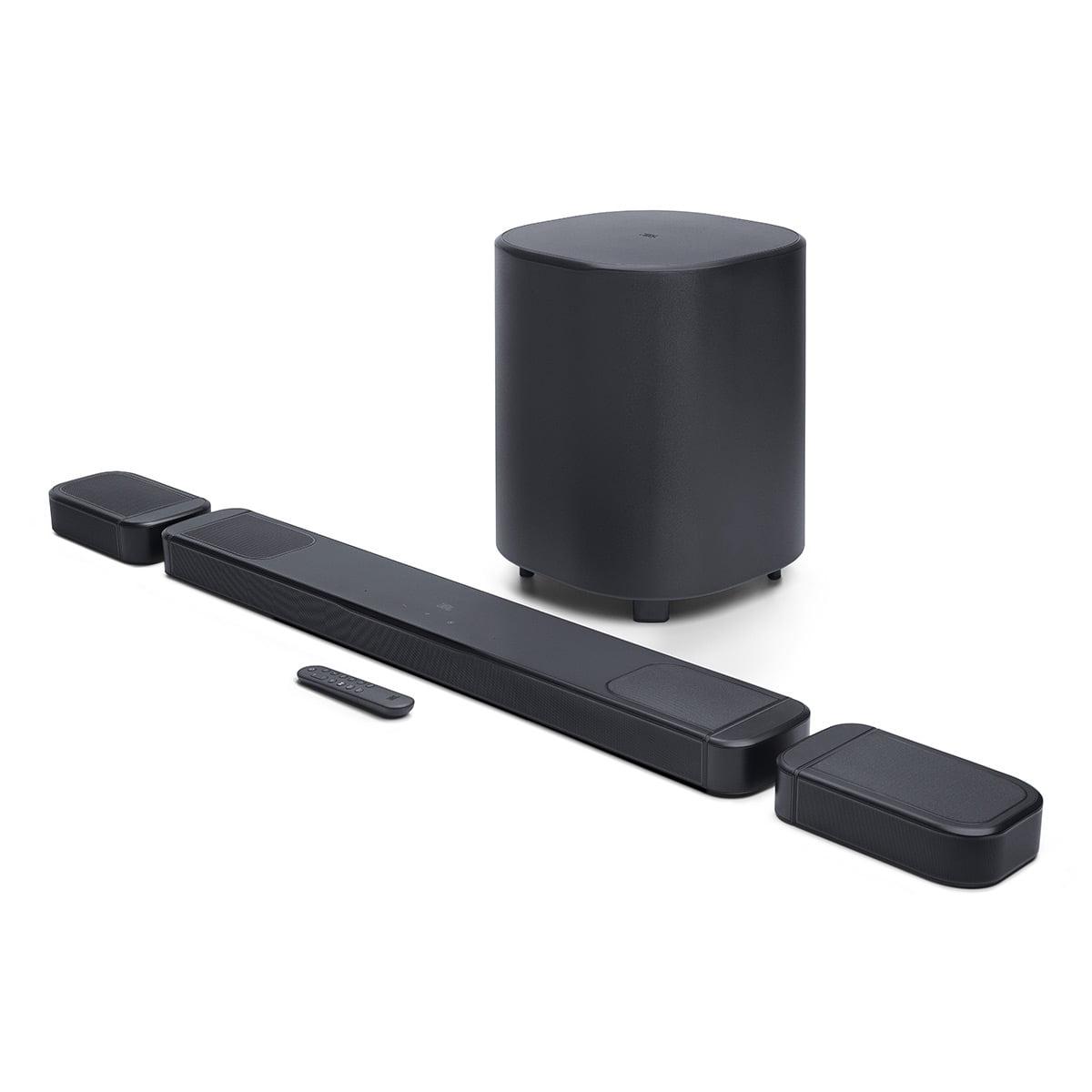
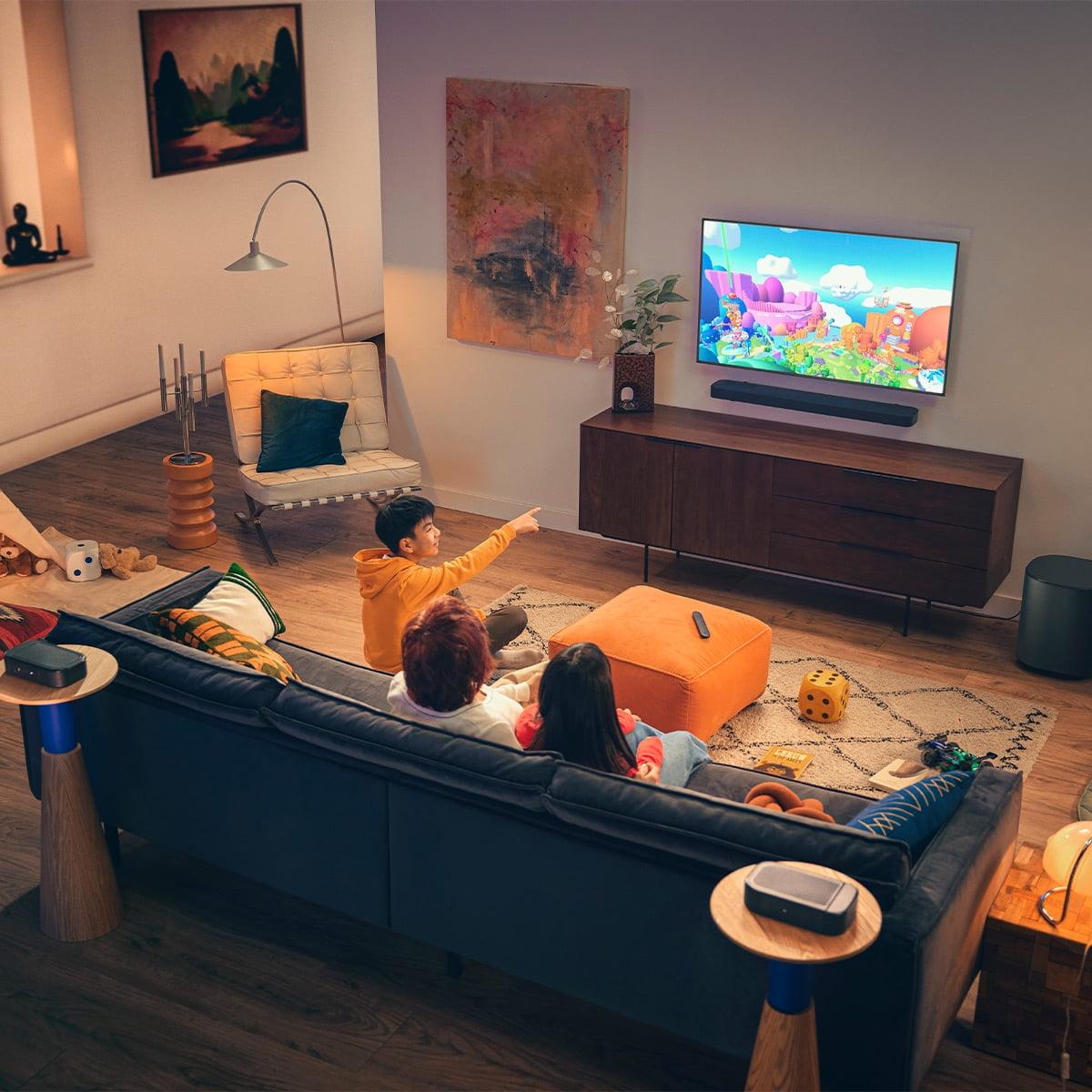


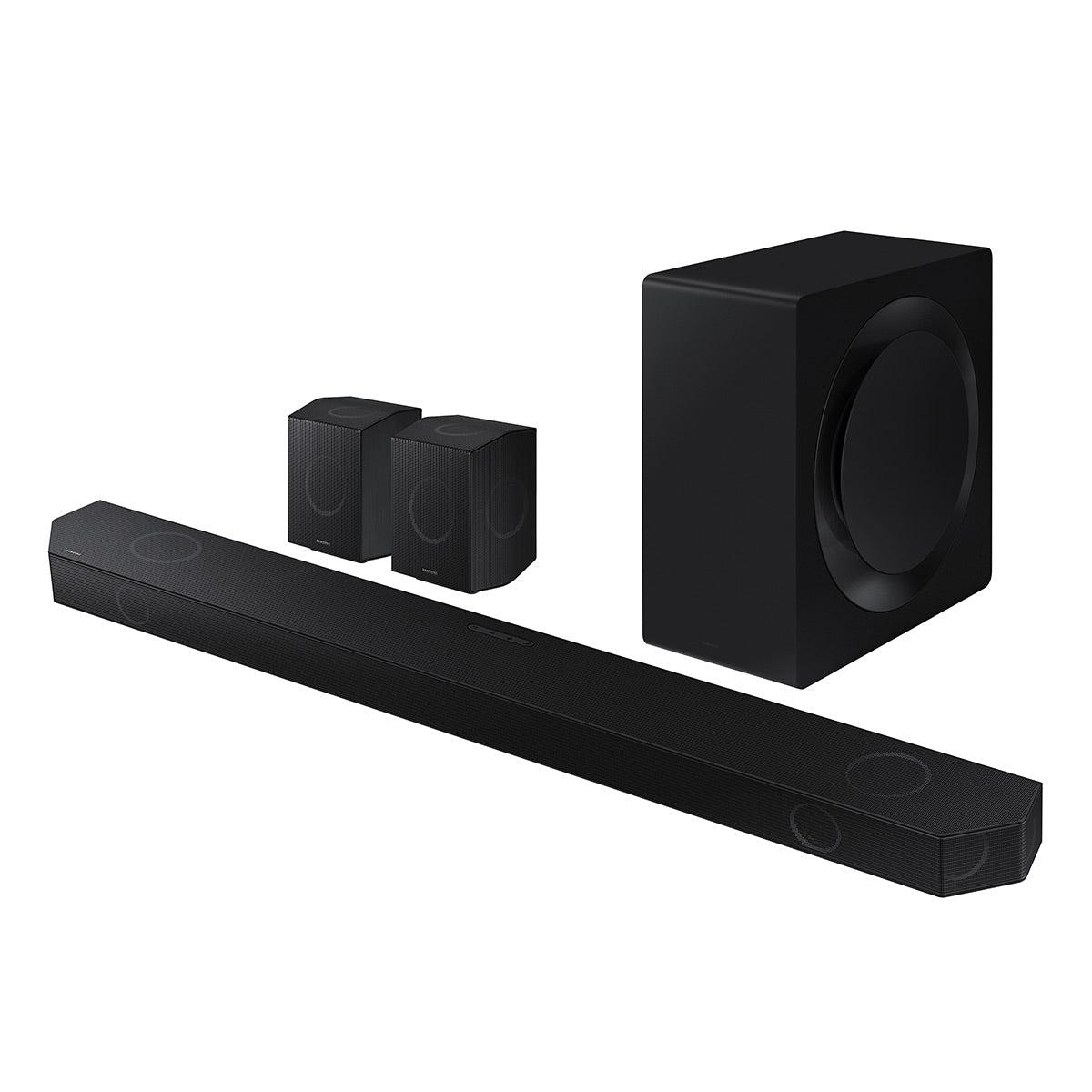
Shopping for a premium soundbar can feel overwhelming, especially when you're comparing two excellent options like the JBL Bar 1000 MK2 ($1,199.95) and the Samsung HW-Q990D ($740.00). Both promise to transform your TV's weak built-in speakers into a cinematic experience, but they take surprisingly different approaches to get there. After spending time with both systems, I can tell you the differences matter more than you might expect.
Before diving into these specific models, let's talk about what separates premium soundbars from their cheaper cousins. The main game-changer is Dolby Atmos – a surround sound format that adds height to your audio. Instead of just hearing sounds from left, right, and center, Dolby Atmos lets you hear helicopters flying overhead or rain falling from above. This requires special up-firing drivers (speakers that bounce sound off your ceiling) working alongside traditional forward-firing ones.
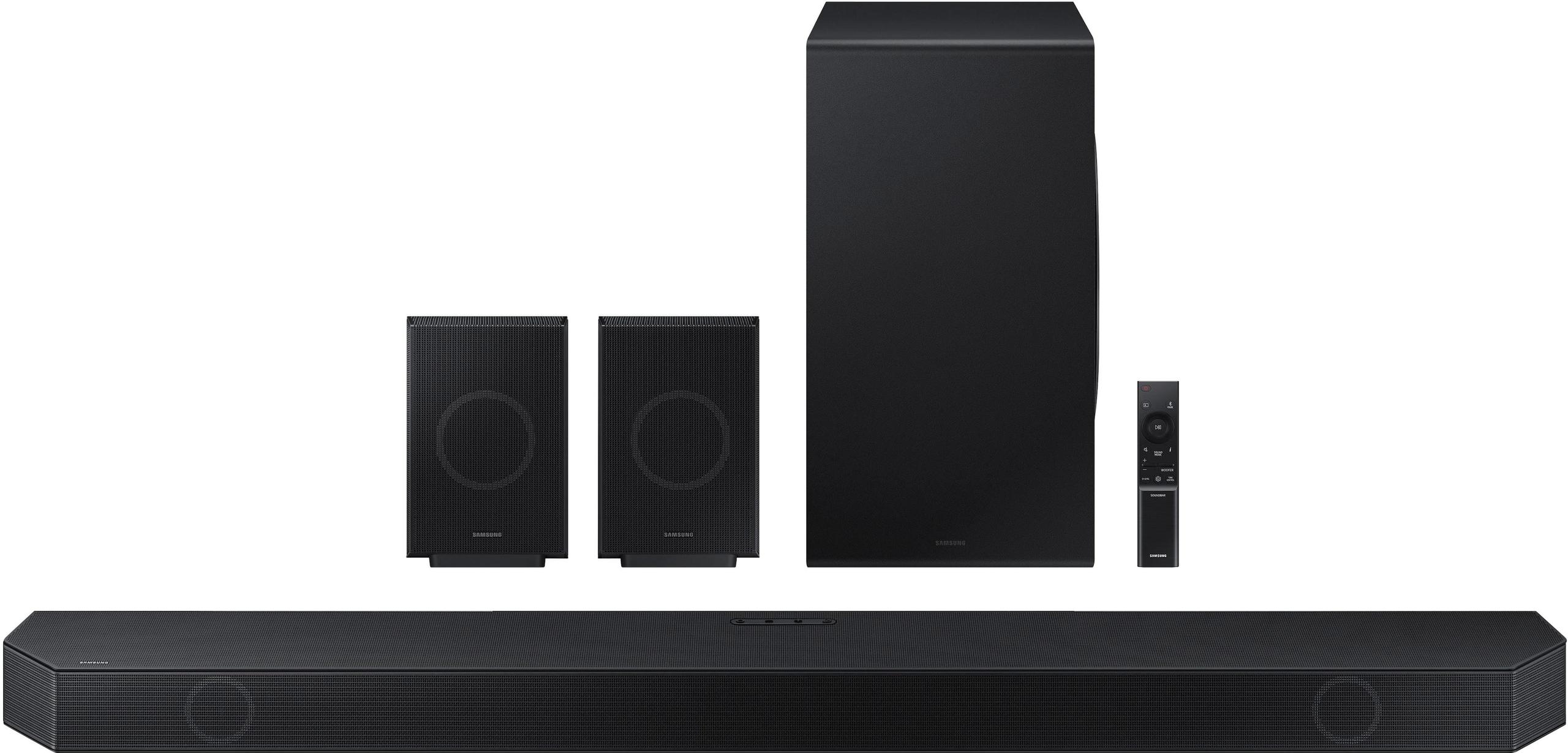
Premium soundbars also include wireless subwoofers for deep bass and rear speakers to complete the surround experience. The channel configuration numbers (like 7.1.4 or 11.1.4) tell you how many speakers you're getting: the first number is main channels, the second is subwoofers, and the third is height channels. More channels generally mean more precise sound placement, though setup complexity increases too.
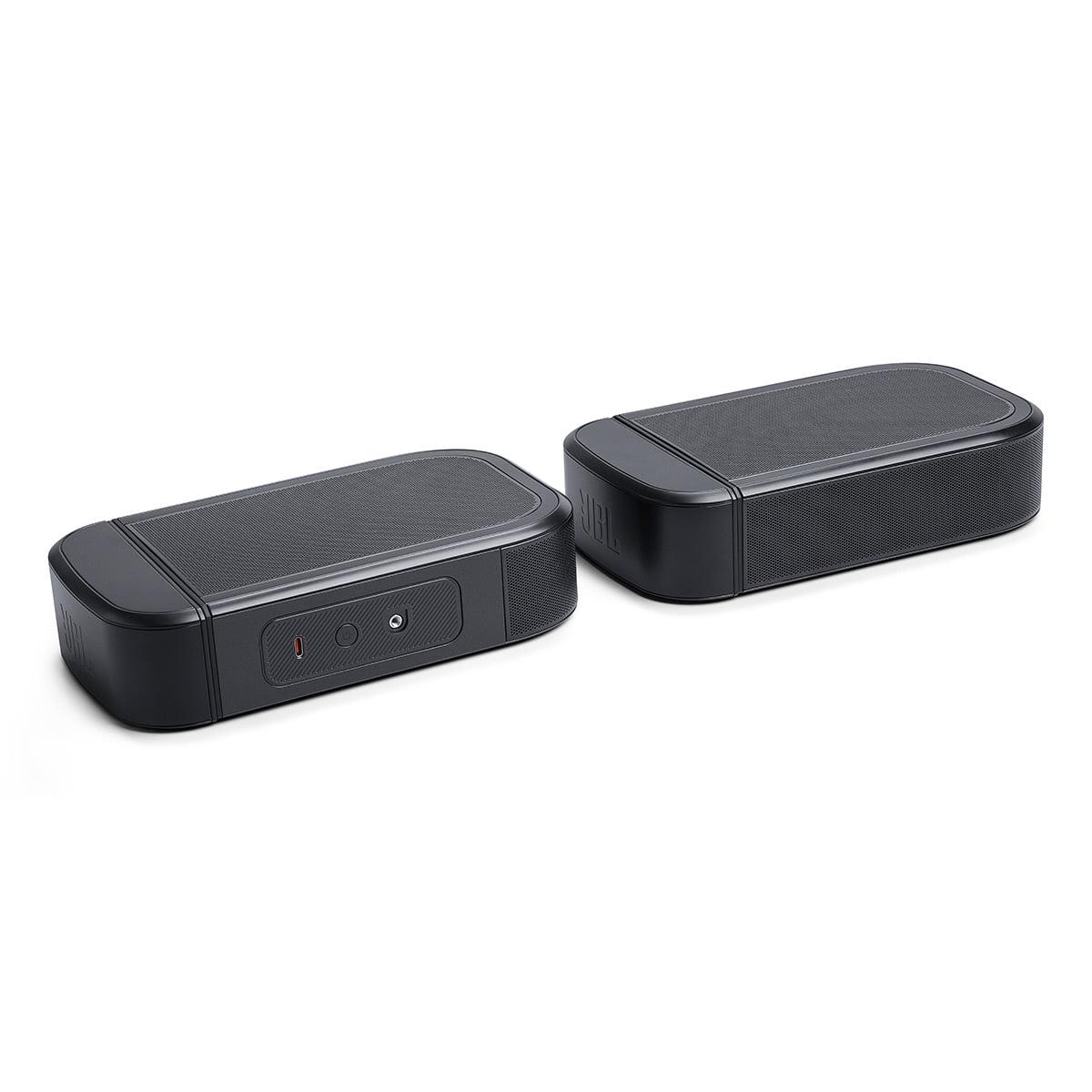
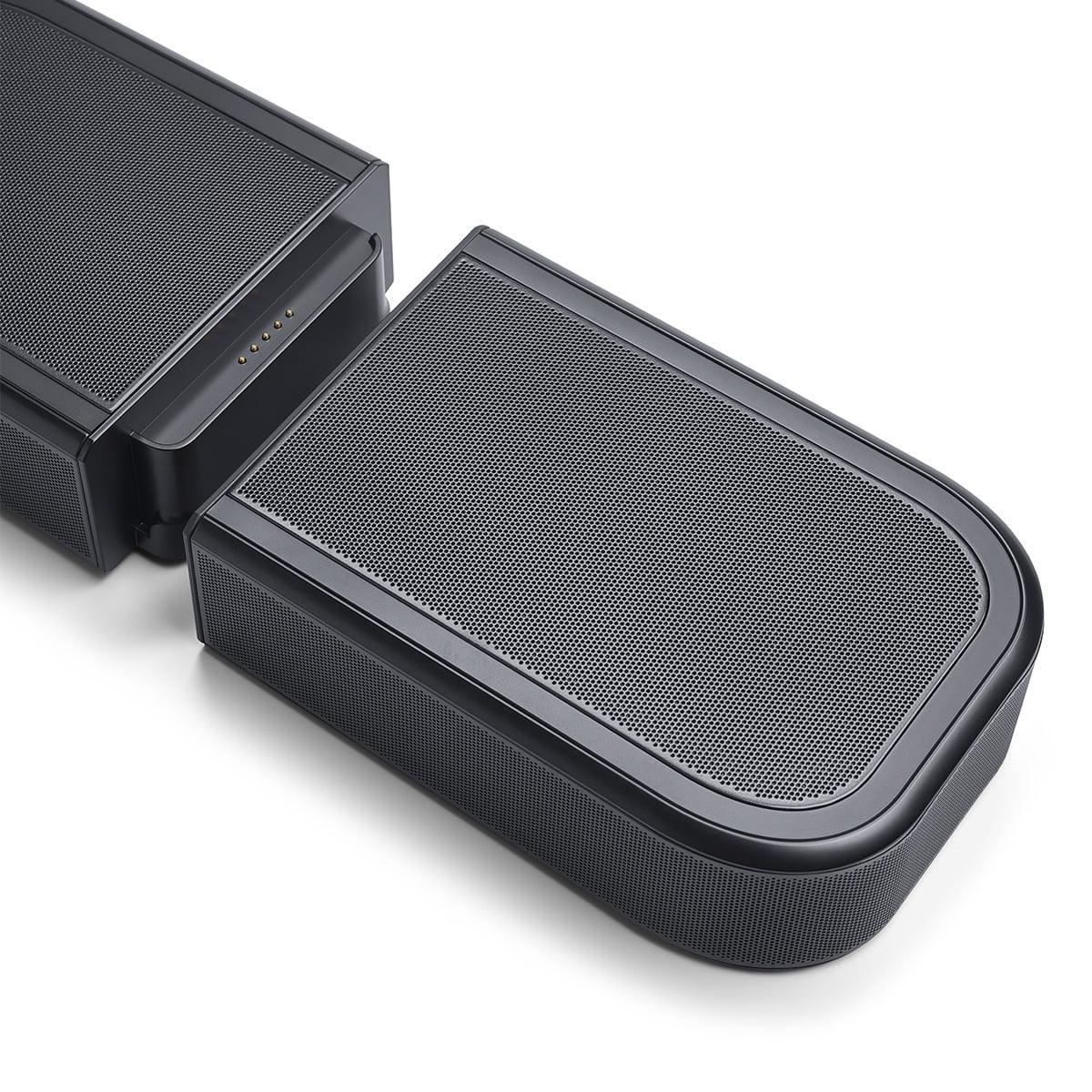
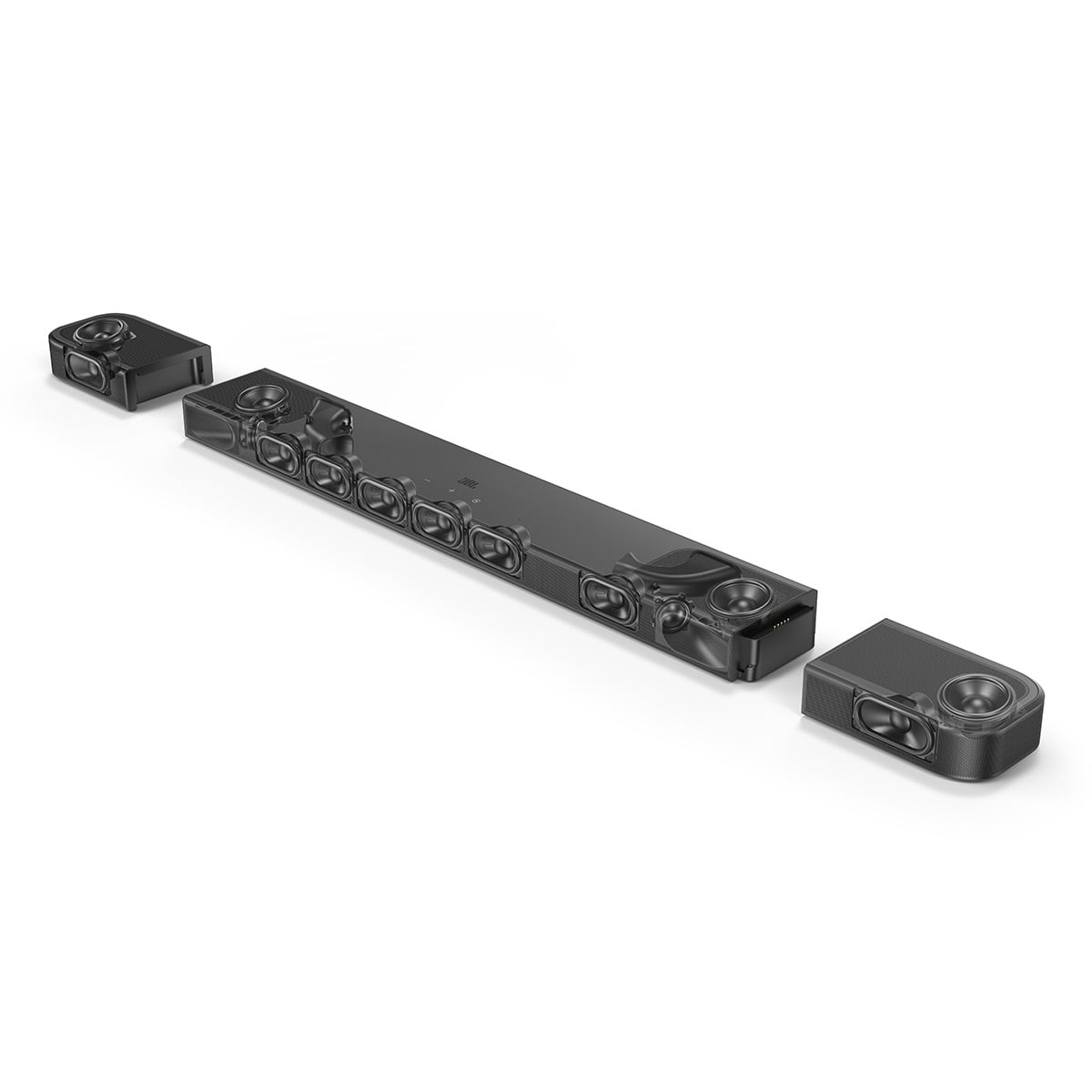
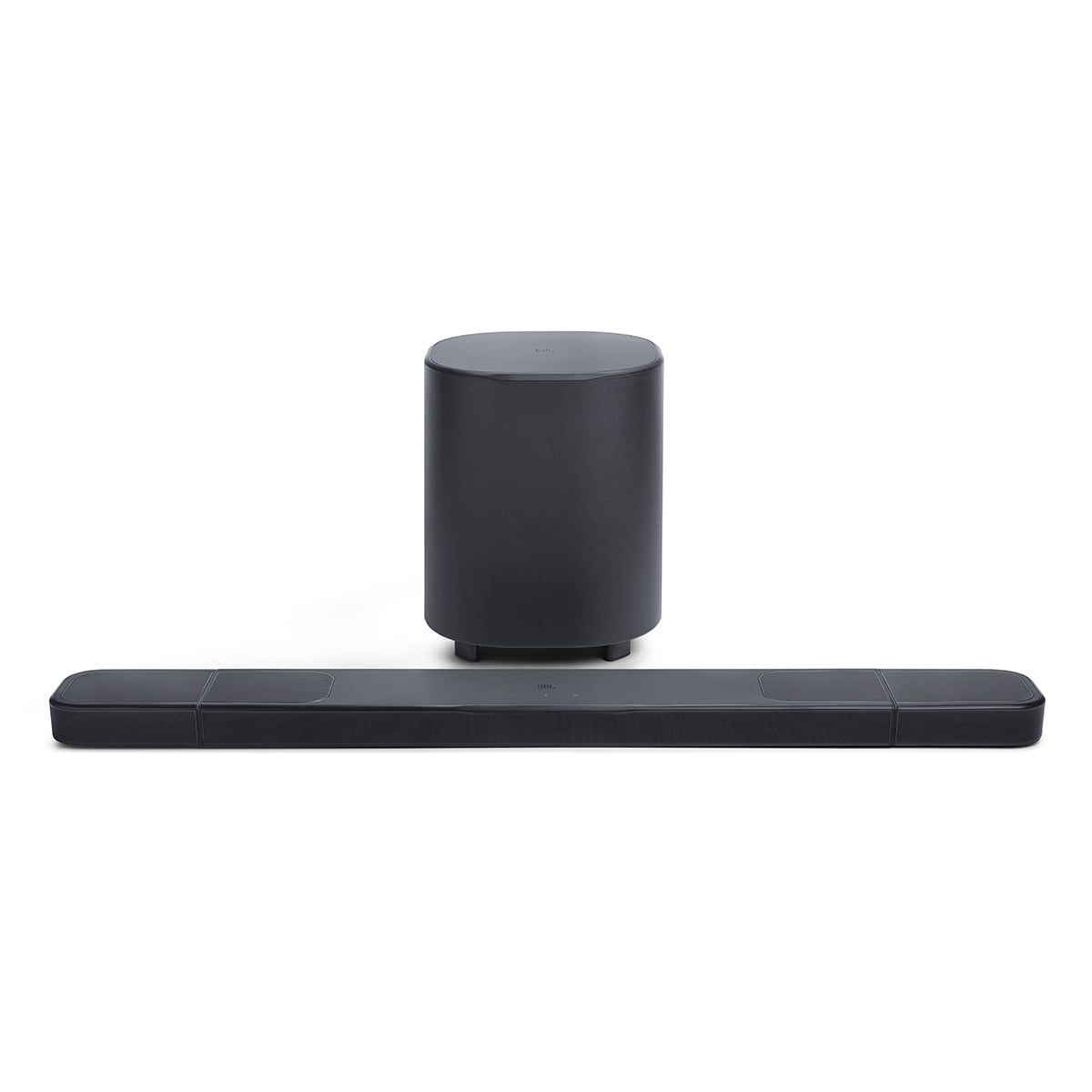
The JBL Bar 1000 MK2 launched in 2025 as JBL's answer to installation headaches. Its standout feature? Detachable rear speakers that run on batteries for up to 10 hours. No power outlets needed behind your couch – just place them wherever sounds best. This 7.1.4-channel system pumps out 960 watts through its 10-inch wireless subwoofer and those clever detachable satellites.
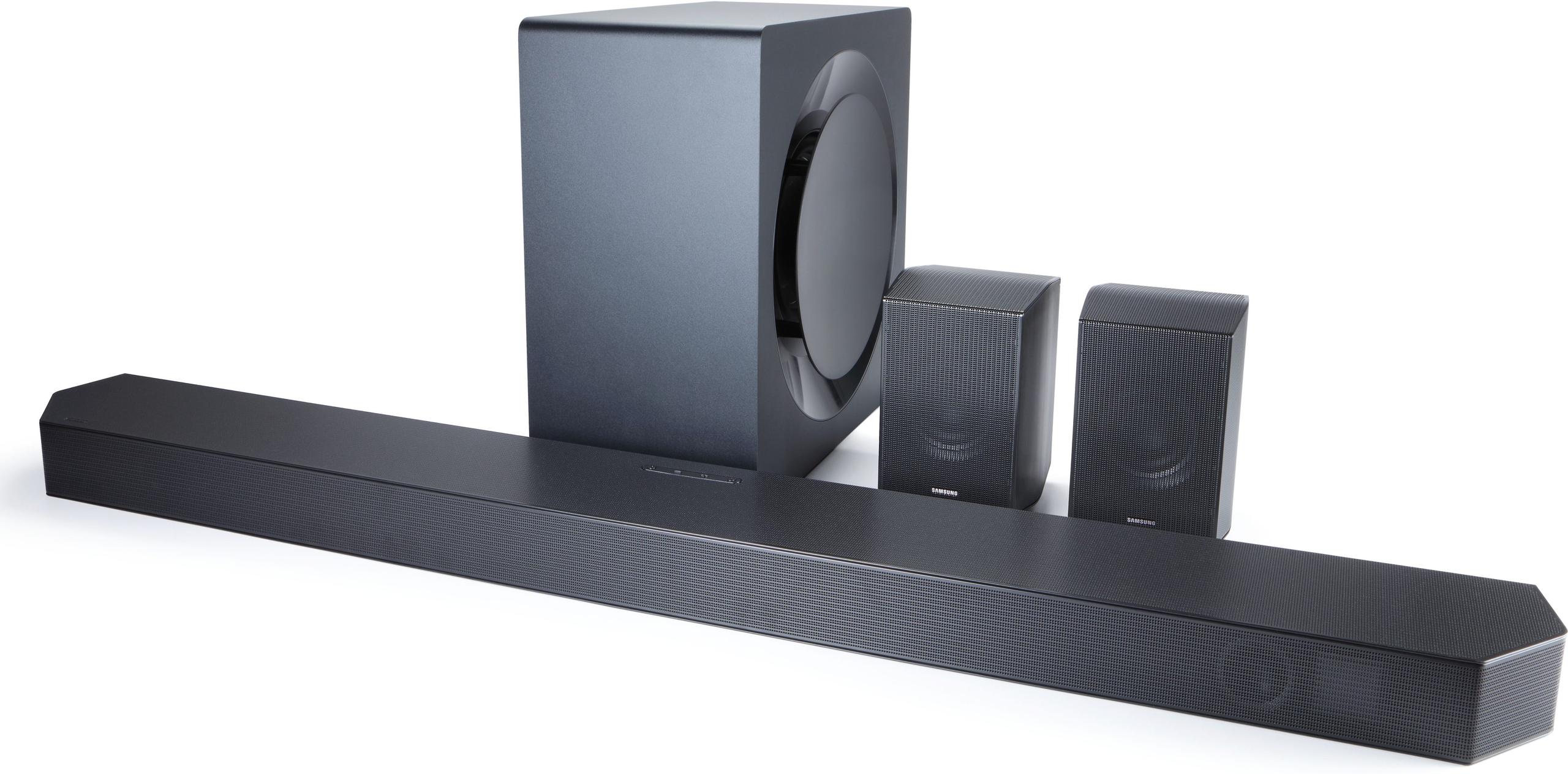
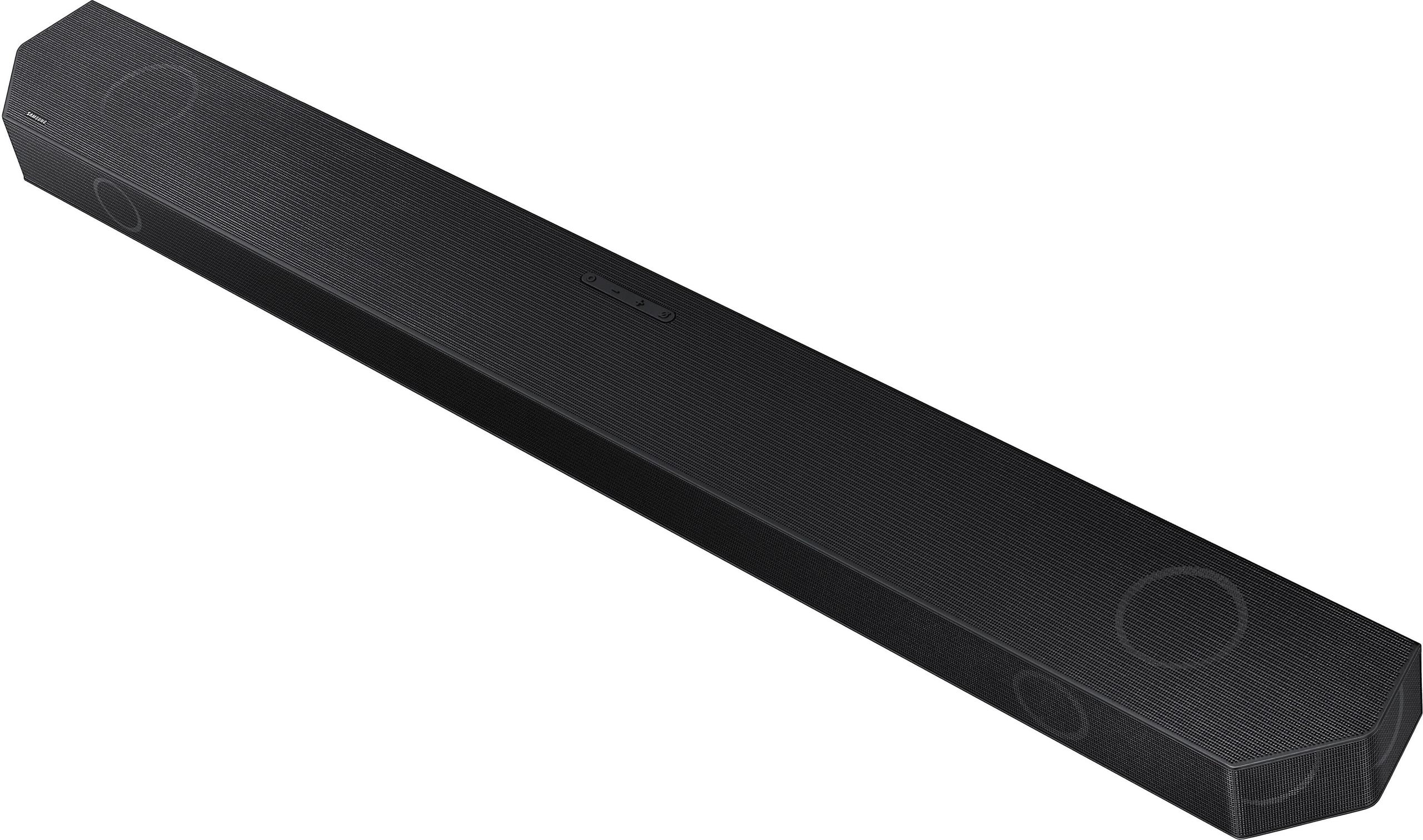
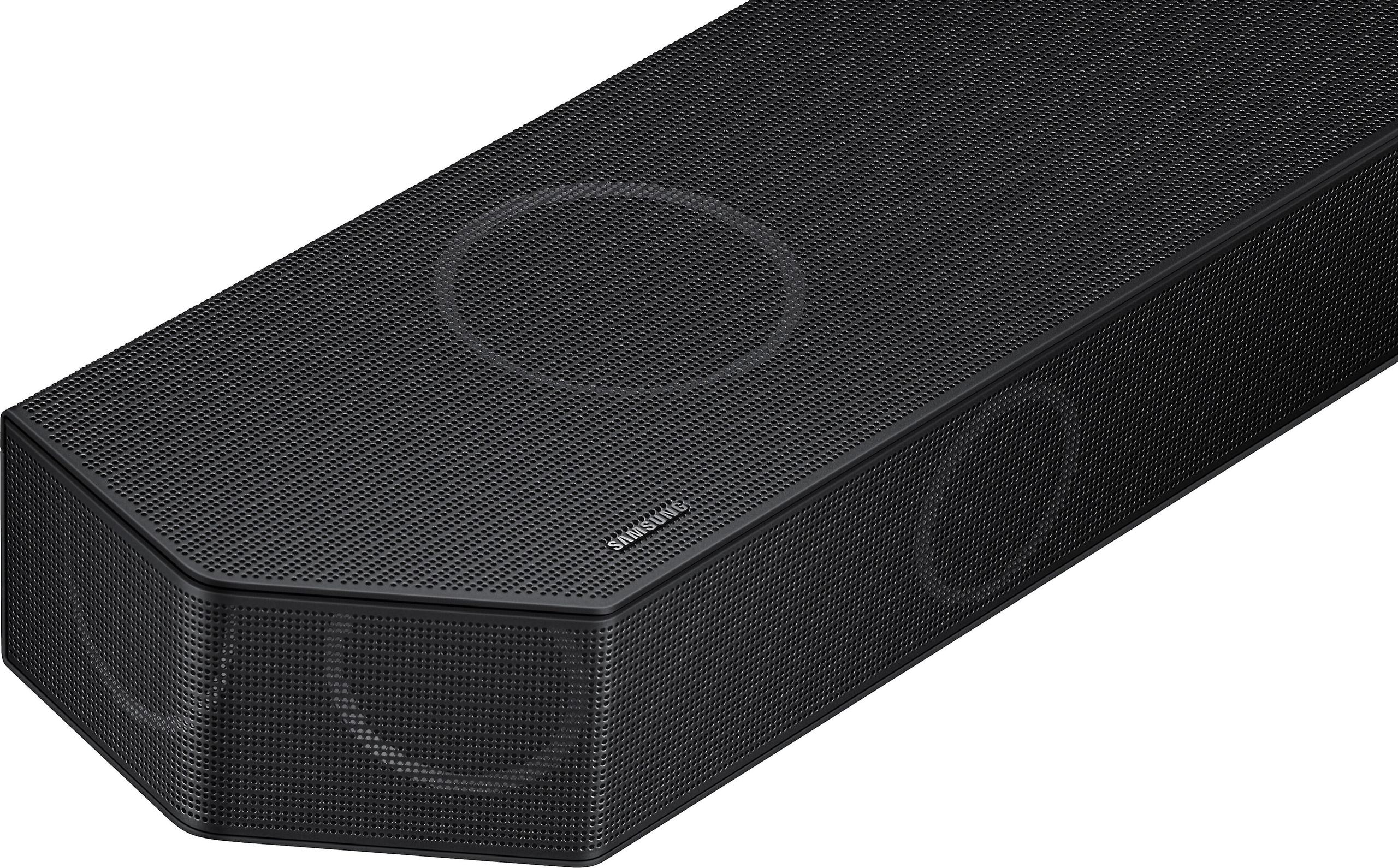
Meanwhile, the Samsung HW-Q990D arrived in 2024 representing the "more is better" philosophy. This 11.1.4-channel beast packs 22 individual drivers across four separate units, each precisely tuned for its role. While its rear speakers need power outlets, Samsung compensates with advanced room calibration and cutting-edge gaming features.
The price difference is striking – Samsung's flagship costs $460 less than JBL's mid-range offering. That immediately raises questions about value, which we'll explore throughout this comparison.
Having tested both systems extensively, the bass difference hits you immediately. The JBL Bar 1000 MK2's 10-inch subwoofer doesn't just deliver bass – it commands your attention. Action movie explosions feel visceral, with enough low-end punch to rattle picture frames. This larger driver moves more air, creating that physical sensation you feel in movie theaters.
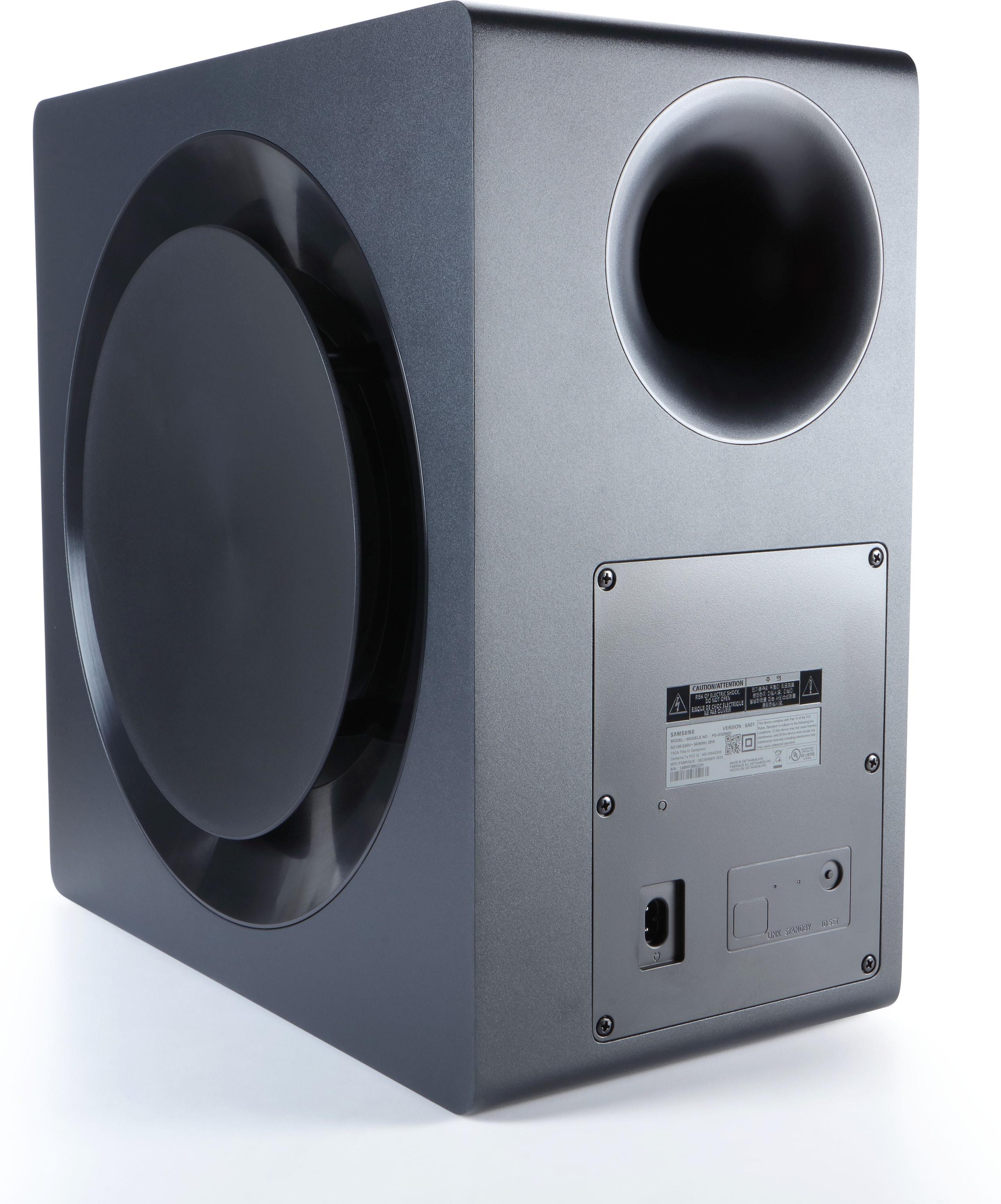
The Samsung's 8-inch sub takes a more refined approach. It integrates seamlessly with the main soundbar, never calling attention to itself. While it can't match JBL's raw impact, it provides cleaner, more accurate bass that doesn't overwhelm dialogue or muddy mid-range frequencies. For music listening, Samsung's approach often works better since bass lines remain clear rather than boomy.
I've noticed the difference is most apparent in smaller rooms. The JBL's powerful bass can actually become problematic in spaces under 200 square feet, where reflections amplify the low-end even further. The Samsung adapts better to various room sizes thanks to its SpaceFit Sound Pro technology – more on that later.
The Samsung's 11.1.4 setup provides noticeably better sound placement precision. With 22 total drivers working together, sounds move smoothly across the soundstage instead of jumping between discrete locations. This matters most during complex scenes – imagine a car chase where the engine sound smoothly pans from left to right as the vehicle crosses the screen.
JBL's 7.1.4 configuration still creates impressive immersion, but you can sometimes identify where specific sounds originate. The detachable rear speakers do excellent work with surround effects, and their up-firing drivers contribute convincingly to the height experience. However, the Samsung's additional channels fill in gaps that become apparent during direct comparison.
Both systems tackle the eternal problem of hearing dialogue clearly during loud action scenes, but their solutions differ significantly. JBL's PureVoice 2.0 monitors ambient sound levels and automatically boosts dialogue when needed. It works well but can feel heavy-handed, sometimes making voices sound artificially prominent.
Samsung's Active Voice Amplifier Pro takes a more sophisticated approach, analyzing the entire audio mix to enhance dialogue without making it sound processed. The difference becomes obvious during Marvel movies – Samsung maintains natural-sounding conversation even when Thor's hammer strikes create thunderous impacts.
For Samsung TV owners, the advantage becomes even more pronounced. Q Symphony lets the soundbar work with your TV's built-in speakers, using them specifically for dialogue enhancement. This creates a wider center channel that makes voices easier to locate and understand.
The detachable speaker concept initially seemed gimmicky until I experienced the freedom it provides. Need rear speakers for movie night but don't want permanent installations? Pop them off the main bar, place them behind your seating area, and enjoy true surround sound. Finished watching? Reattach them to charge overnight.
This flexibility solves real problems. Apartment dwellers can avoid drilling holes or running cables across doorways. The 10-hour battery life easily handles marathon viewing sessions, and the speakers recharge automatically when docked. I've used them as portable Bluetooth speakers in other rooms – a surprisingly useful bonus feature.
The Night Listening mode deserves special mention. It mutes the main soundbar and subwoofer while sending all audio to the rear speakers only. Perfect for late-night viewing without disturbing sleeping family members or neighbors.
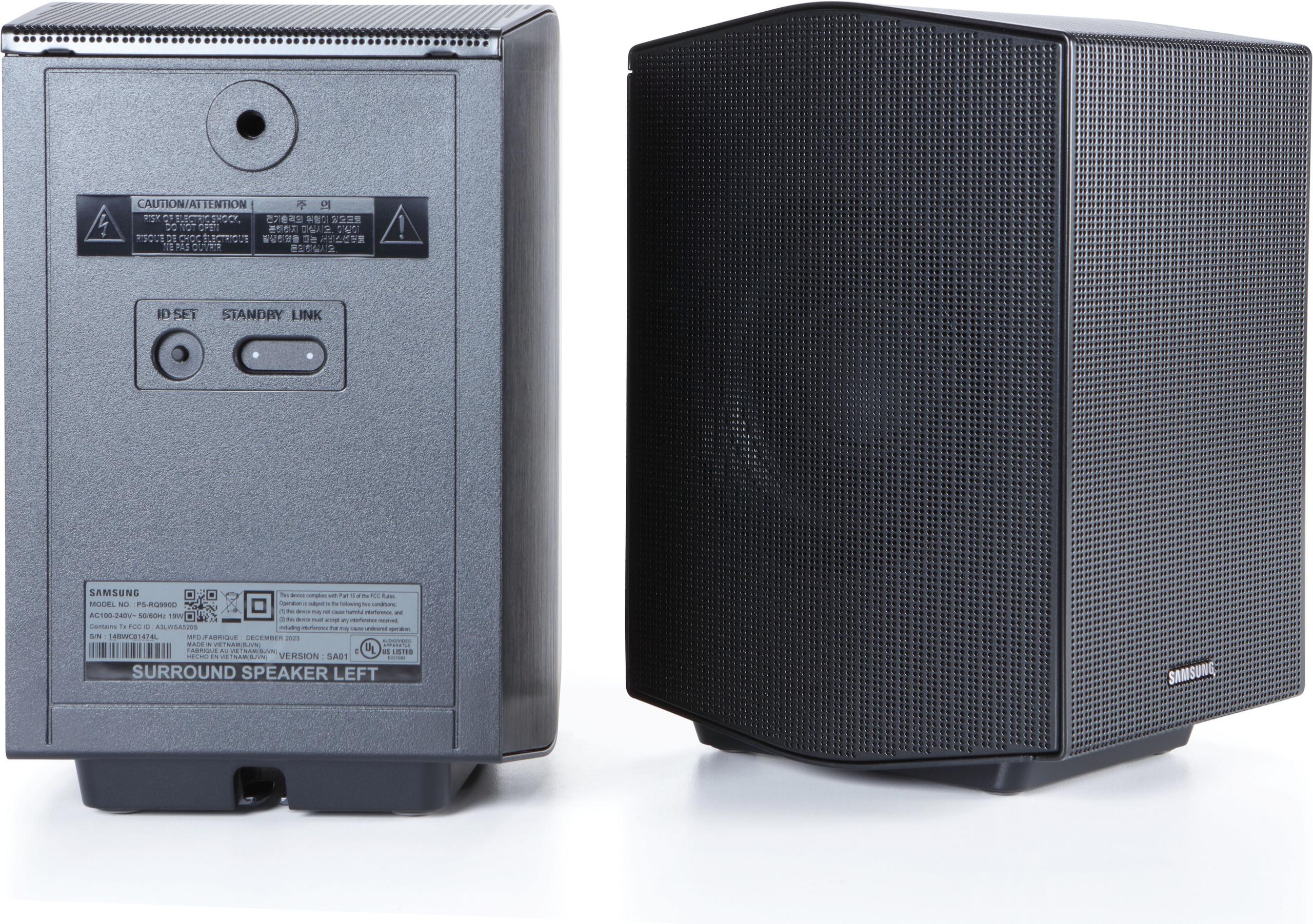
While Samsung's rear speakers require power outlets, the payoff comes through automated optimization. SpaceFit Sound Pro uses built-in microphones to analyze your room's acoustics, adjusting the sound profile accordingly. Unlike older calibration systems requiring test tones and manual measurements, this happens continuously and invisibly.
The difference in large rooms is substantial. Samsung automatically compensates for hard surfaces that create echoes or soft furnishings that absorb high frequencies. The HW-Q990D consistently delivered balanced sound across different listening positions, while the JBL required manual EQing through its app to achieve similar results.
Here's where the 2024 vs 2025 release dates create interesting dynamics. You'd expect the newer JBL to have more advanced connectivity, but Samsung actually leads significantly.
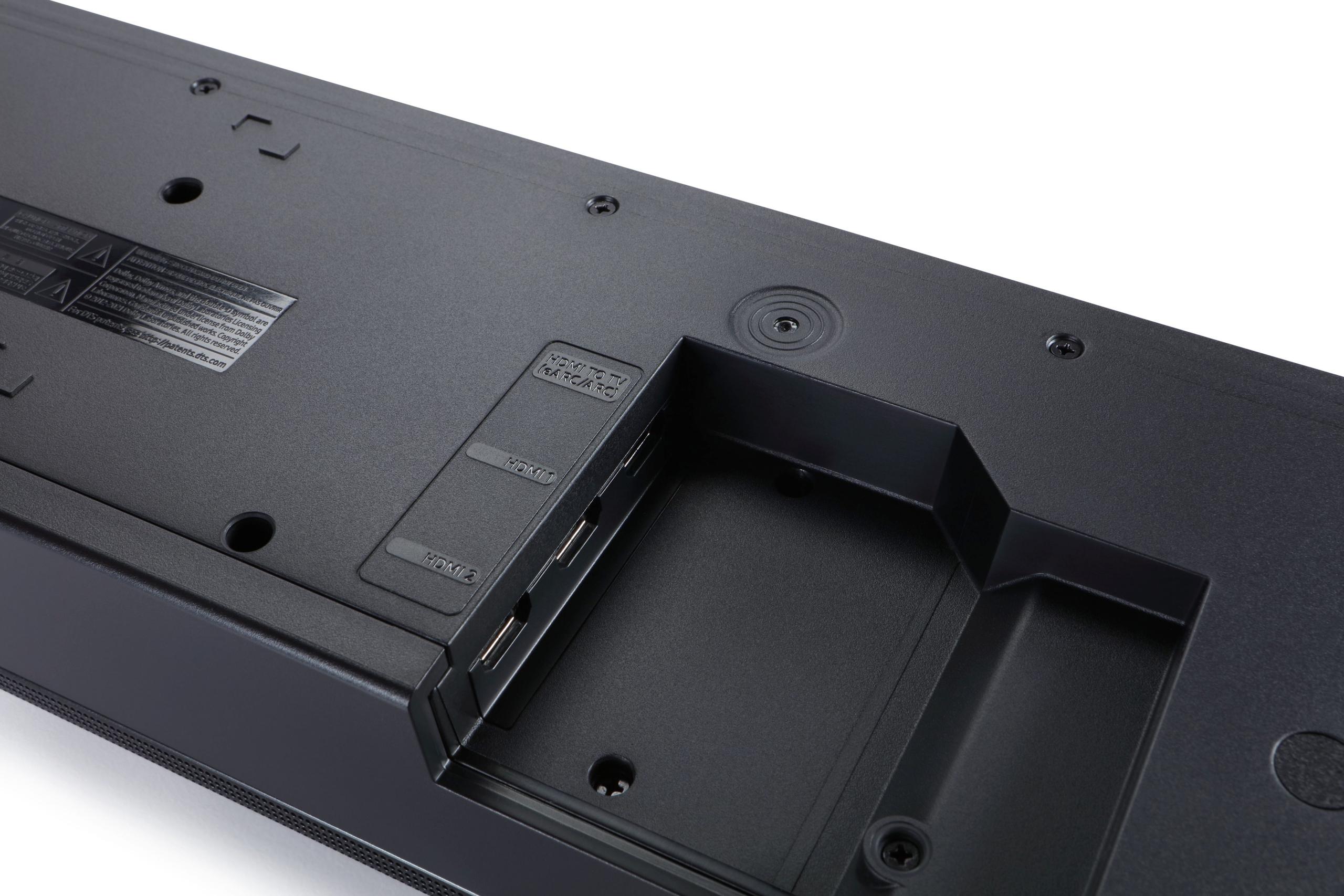
The Samsung HW-Q990D includes HDMI 2.1 with features modern gamers demand: 4K/120Hz passthrough, Variable Refresh Rate (VRR), and Auto Low Latency Mode (ALLM). These ensure your PlayStation 5 or Xbox Series X displays games at maximum resolution and refresh rate while maintaining minimal input lag.
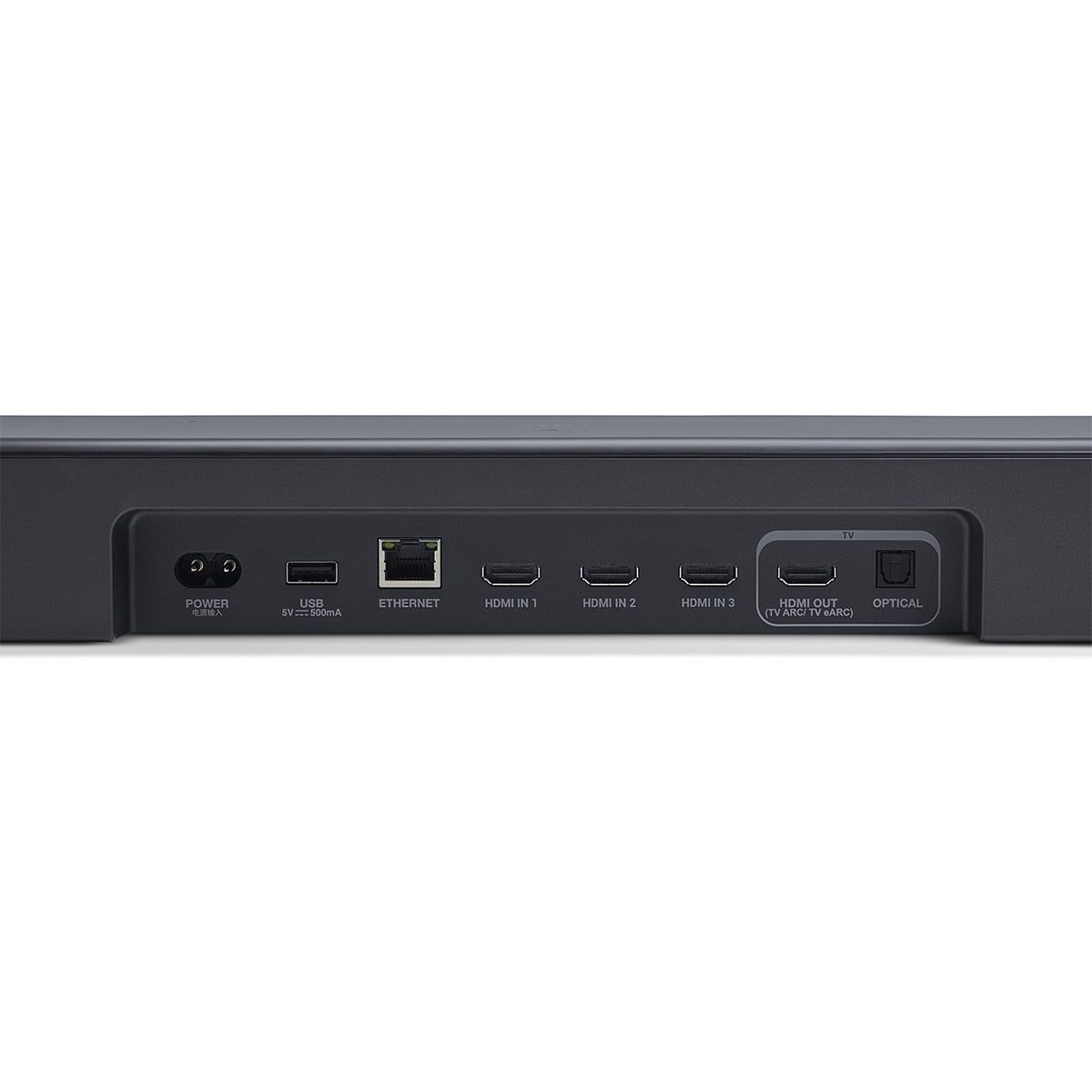
JBL's HDMI eARC support handles most content well but lacks these gaming optimizations. If you're serious about gaming, this becomes a dealbreaker. Samsung's Game Mode Pro even adjusts audio processing based on game genres – first-person shooters get enhanced directional audio while RPGs emphasize atmospheric elements.
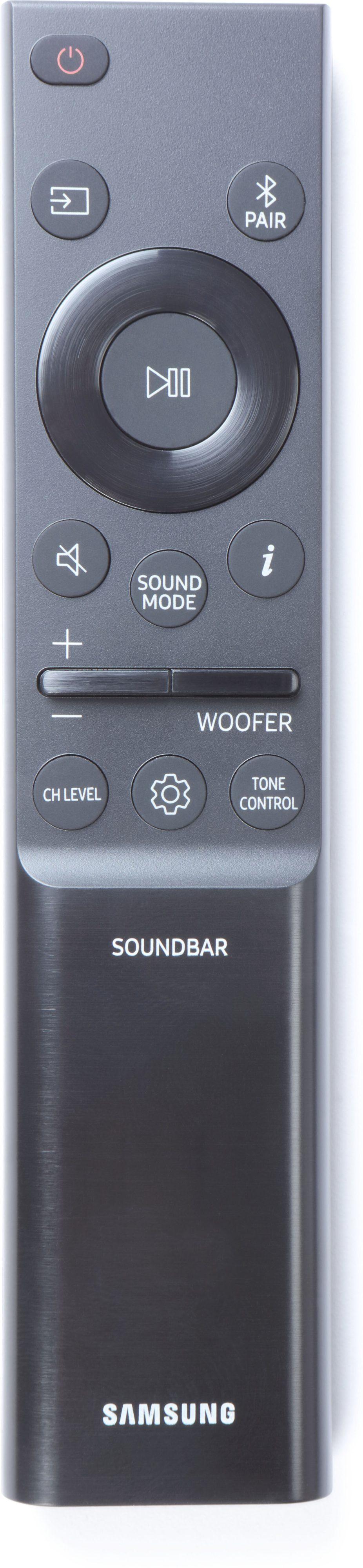
Both systems handle streaming well, supporting AirPlay 2, Chromecast, and Spotify Connect. Samsung adds built-in voice assistants (Alexa, Bixby, Google Assistant) for hands-free control, though this feature feels more like checking boxes than providing genuine utility.
For cinematic experiences, both systems excel but in different ways. The JBL Bar 1000 MK2 creates visceral impact that makes action sequences feel enormous. Watching "Top Gun: Maverick," jet engines roared with authority while the 10-inch sub reproduced engine rumble you feel in your chest.
The Samsung provides more subtle but arguably superior immersion. During the same scenes, individual sound elements remained distinct – you could hear cockpit switches clicking while engines roared and wind whistled. The wider soundstage made aerial sequences feel more expansive, though without JBL's raw impact.
Samsung wins decisively for music. Its balanced frequency response and precise channel separation reveal details that JBL's more aggressive tuning sometimes masks. Acoustic performances sound natural and spacious, while electronic music benefits from clean bass that doesn't overwhelm other elements.
JBL's approach works better for bass-heavy genres. Hip-hop and electronic dance music sound powerful and engaging, though critical listeners might prefer Samsung's accuracy for jazz, classical, or acoustic content.
No contest here – Samsung's HDMI 2.1 features and Game Mode Pro make it the clear choice for modern gaming. Low latency ensures responsive controls while 4K/120Hz support maximizes your console's capabilities. The precise sound placement helps with competitive gaming where hearing enemy footsteps accurately can mean victory or defeat.
At $740 versus $1,199.95, the price difference seems significant until you consider what each system offers. The Samsung HW-Q990D provides more channels, newer technology, automated calibration, and gaming features while costing $460 less. From a pure features-per-dollar perspective, Samsung dominates.
However, value isn't just about specifications. JBL's detachable speakers solve specific problems that matter tremendously to some users. If running power cables to rear speakers is impossible in your setup, that $460 premium might be worthwhile.
The technology timing creates additional considerations. Samsung's 2024 release means it incorporates newer processing chips and connectivity standards. JBL's 2025 launch focused on refining the detachable speaker concept rather than advancing overall technology, which partially explains the pricing disconnect.
Samsung employs elliptical midrange drivers in its main soundbar – an interesting design choice that provides wider dispersion than traditional round drivers. Combined with strategically placed tweeters and woofers, this creates a broader "sweet spot" where the sound remains balanced regardless of listening position.
JBL uses racetrack drivers (oval-shaped) that excel at moving air efficiently in compact spaces. These work particularly well in the detachable speakers, where space constraints limit driver size. The up-firing drivers in both the main bar and rear speakers use traditional round designs optimized for ceiling reflection.
Samsung's advantage extends to digital signal processing. The HW-Q990D incorporates machine learning algorithms that analyze content in real-time, making micro-adjustments to optimize clarity and impact. This AI Sound Boost feature distinguishes between dialogue, music, and effects, applying appropriate processing to each.
JBL relies more on traditional DSP with user-adjustable EQ settings through its app. While this provides more manual control, it requires user knowledge and experimentation to achieve optimal results.
Installation flexibility is crucial. Renters, frequent movers, or anyone who can't run power cables to rear positions will appreciate the battery-powered satellites. The ability to quickly transform from a simple soundbar to full surround setup makes it perfect for flexible living situations.
Bass impact is your priority. If you want to feel explosions, thunder, and engine roars physically, JBL's 10-inch sub delivers unmatched impact in this price range. Home theater enthusiasts who prioritize visceral experience over analytical accuracy will prefer this approach.
You value unique functionality. The detachable speakers double as portable Bluetooth units, Night Listening mode enables private viewing, and the overall system offers capabilities no competitor matches.
You want maximum value. More channels, better technology, automated calibration, and gaming features at a lower price make this an exceptional deal. It's rare to find flagship performance at mid-range pricing.
Gaming matters. HDMI 2.1 features, low latency processing, and Game Mode Pro optimization make this essential for serious gamers. The Samsung HW-Q990D future-proofs your setup for next-generation consoles and PC gaming.
You own a Samsung TV. Q Symphony integration provides enhanced dialogue clarity and expanded soundstage width that competing systems can't match.
Audio accuracy is important. The 11.1.4 channel configuration and sophisticated processing deliver more precise sound placement and better overall balance.
After extensive testing, the Samsung HW-Q990D emerges as the better choice for most users. Its combination of advanced features, superior value, and excellent performance makes it hard to beat. The $460 savings could fund a universal remote, streaming device, or even start your next upgrade fund.
However, the JBL Bar 1000 MK2 serves users with specific needs exceptionally well. If its unique detachable speaker design solves your installation challenges, the premium pricing becomes more palatable. The superior bass impact also appeals to home theater enthusiasts who prioritize visceral experience.
Both systems will dramatically improve your TV's audio, but Samsung's technological advantages and value proposition make it the safer recommendation for most living rooms. JBL's innovative approach deserves consideration if its specific strengths align with your needs and room constraints.
The soundbar market continues evolving rapidly, with manufacturers pushing boundaries in different directions. Samsung focuses on technological advancement and ecosystem integration, while JBL emphasizes innovative physical design and user flexibility. Your choice ultimately depends on which philosophy better matches your priorities, space, and budget.
| JBL Bar 1000 MK2 Soundbar System | Samsung HW-Q990D 11.1.4 Channel Sound Bar |
|---|---|
| Price - Significant $460 difference affects overall value | |
| $1,199.95 | $740.00 |
| Channel Configuration - More channels provide better sound placement | |
| 7.1.4 (7 channels, 1 sub, 4 height) | 11.1.4 (11 channels, 1 sub, 4 height) |
| Total Power Output - Higher wattage enables louder, more dynamic sound | |
| 960W max / 480W RMS | 656W total output |
| Subwoofer Size - Larger drivers produce deeper, more impactful bass | |
| 10-inch wireless subwoofer | 8-inch wireless subwoofer |
| Rear Speaker Design - Determines installation flexibility and placement options | |
| Detachable, battery-powered (10-hour runtime) | Wired, require power outlets |
| HDMI Connectivity - HDMI 2.1 essential for modern gaming and 4K/120Hz content | |
| HDMI eARC only (older standard) | HDMI 2.1 with 4K/120Hz passthrough |
| Room Calibration - Auto-tuning saves setup time and optimizes sound | |
| Manual setup via JBL One App | SpaceFit Sound Pro (automatic calibration) |
| Gaming Features - Important for console gamers wanting optimized audio | |
| Basic audio processing | Game Mode Pro with genre-specific optimization |
| Release Year - Newer products typically include more advanced technology | |
| 2025 | 2024 |
| Total Driver Count - More drivers enable precise sound positioning | |
| Not specified (estimated 12-14) | 22 individual drivers |
| Smart TV Integration - Enhanced performance when paired with same brand | |
| Universal compatibility | Q Symphony with Samsung TVs |
| Unique Features - Distinctive capabilities that set each system apart | |
| Night Listening mode, portable rear speakers | Active Voice Amplifier Pro, AI Sound Boost |
The Samsung HW-Q990D ($740.00) costs significantly less than the JBL Bar 1000 MK2 ($1,199.95), with a $460 price difference. Despite the lower price, the Samsung actually offers more channels (11.1.4 vs 7.1.4) and newer technology features.
The JBL Bar 1000 MK2 uses a 7.1.4 configuration with 7 main channels, 1 subwoofer, and 4 height channels. The Samsung HW-Q990D features an 11.1.4 setup with 11 main channels, 1 subwoofer, and 4 height channels. More channels mean better sound placement and smoother audio transitions across the soundstage.
The JBL Bar 1000 MK2 delivers more powerful bass with its 10-inch wireless subwoofer compared to Samsung's 8-inch sub. The JBL provides deeper, more impactful low-end that's especially noticeable during action movies, while the Samsung offers more balanced and accurate bass integration.
Yes, both the JBL Bar 1000 MK2 and Samsung HW-Q990D support Dolby Atmos and DTS:X with dedicated up-firing drivers. The Samsung's 11.1.4 configuration provides more precise overhead effects, while the JBL's 7.1.4 setup still delivers convincing height audio for immersive movie experiences.
The Samsung HW-Q990D is superior for gaming with HDMI 2.1 support, 4K/120Hz passthrough, Variable Refresh Rate, and Game Mode Pro optimization. The JBL Bar 1000 MK2 lacks these modern gaming features and only offers basic HDMI eARC connectivity.
The JBL Bar 1000 MK2 features detachable, battery-powered rear speakers that don't require power outlets. They provide up to 10 hours of runtime, can be used as portable Bluetooth speakers, and enable flexible placement without cable constraints - a major advantage over traditional wired rear speakers.
The Samsung HW-Q990D includes SpaceFit Sound Pro technology that automatically calibrates audio using built-in microphones to analyze room acoustics. The JBL Bar 1000 MK2 requires manual setup and adjustment through the JBL One mobile app.
The Samsung HW-Q990D offers significant advantages with Samsung TVs through Q Symphony technology, which uses both the TV's speakers and soundbar together for enhanced dialogue clarity and wider soundstage. The JBL Bar 1000 MK2 works with all TV brands but lacks this specialized integration.
The JBL Bar 1000 MK2 delivers 960W maximum power (480W RMS), while the Samsung HW-Q990D provides 656W total output. The JBL's higher power enables louder volume levels and more dynamic sound, though the Samsung's efficient design and more drivers often provide better overall audio quality.
The JBL Bar 1000 MK2 offers easier physical installation since its rear speakers are battery-powered and don't require power outlets or cable runs. However, the Samsung HW-Q990D provides easier audio setup with automatic room calibration, while JBL requires manual adjustment.
Yes, both the JBL Bar 1000 MK2 and Samsung HW-Q990D include wireless subwoofers for flexible placement. The JBL features a larger 10-inch driver for more powerful bass, while Samsung uses an 8-inch driver that integrates more seamlessly with the overall sound signature.
The Samsung HW-Q990D provides exceptional value at $740 with more channels, newer technology, gaming features, and automatic calibration. The JBL Bar 1000 MK2 costs $460 more but offers unique detachable speakers and more powerful bass - making it worthwhile only if those specific features solve your setup challenges.
We've done our best to create useful and informative comparisons to help you decide what product to buy. Our research uses advanced automated methods to create this comparison and perfection is not possible - please contact us for corrections or questions. These are the sites we've researched in the creation of this article: ecoustics.com - engadget.com - bestbuy.com - techradar.com - rtings.com - hometechnologyreview.com - youtube.com - t3.com - whathifi.com - youtube.com - bhphotovideo.com - gzhls.at - device.report - support.jbl.com - support.jbl.com - jbl.com - av.com - audioadvice.com - jbl.com - target.com - worldwidestereo.com - techradar.com - avsforum.com - valueelectronics.com - samsung.com - rtings.com - samsung.com - avsforum.com - samsung.com - cdwg.com - youtube.com - whathifi.com

Privacy Policy
Terms and Conditions - Affiliate Policy
Home Security
© Copyright 2008-2026.
11816 Inwood Rd #1211, Dallas, TX 75244