


When you're tired of constantly asking "what did they say?" during your favorite shows, it's time to upgrade from your TV's built-in speakers. Today's soundbars have evolved far beyond simple volume boosters—they're sophisticated audio systems that can transform your living room into a mini movie theater. But with options ranging from $300 to over $1,000, choosing the right one can feel overwhelming.
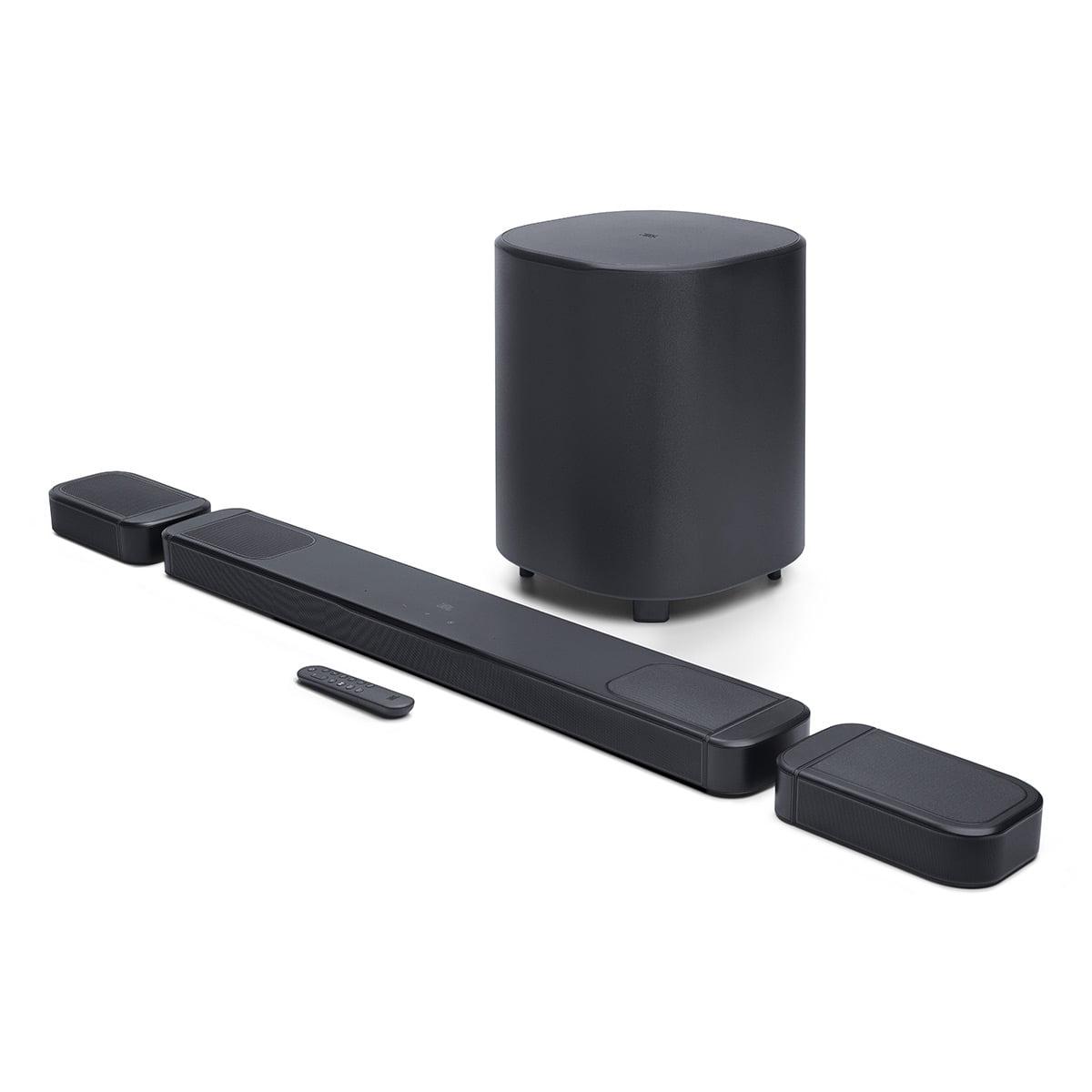
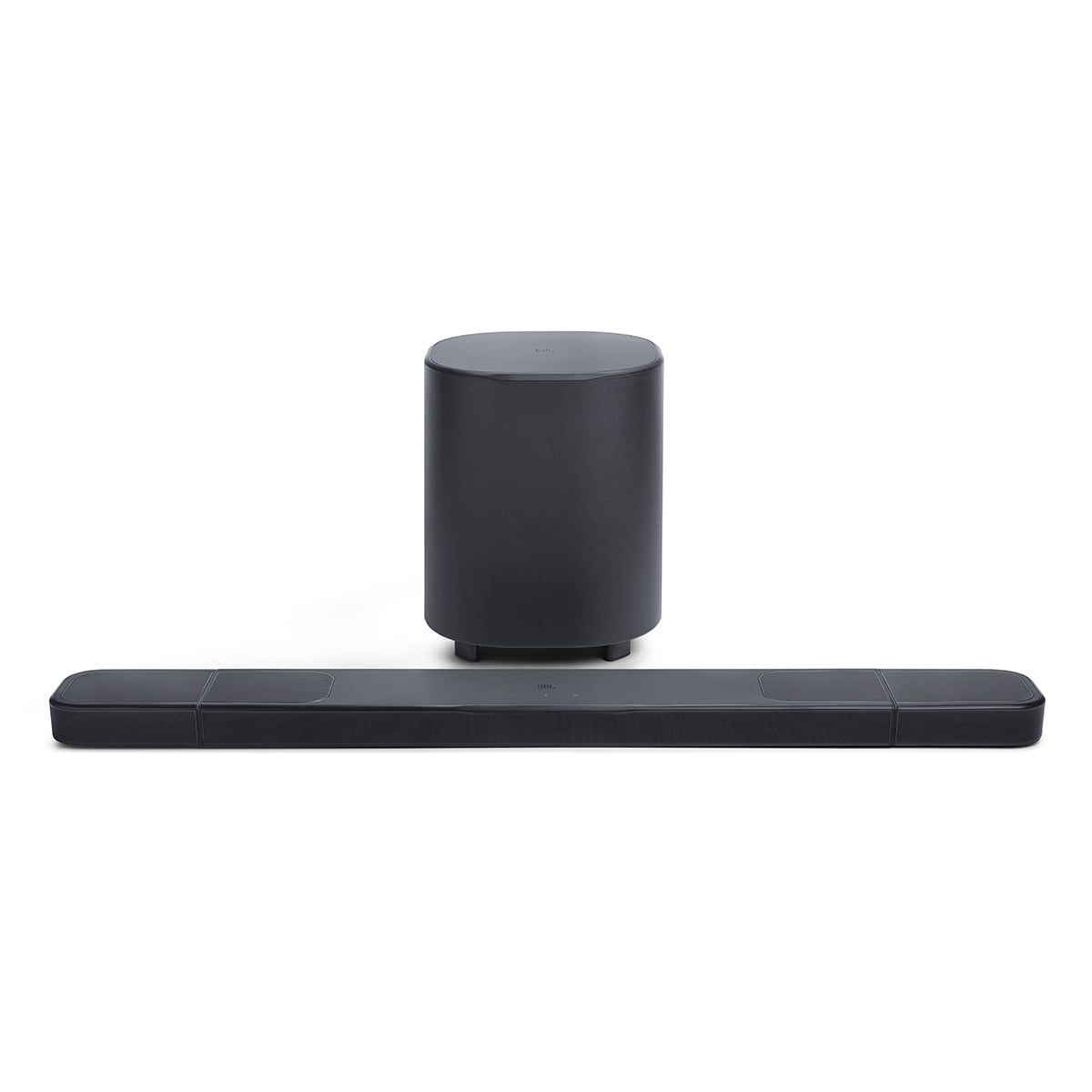
I've been testing soundbars for years, and two models consistently stand out in their respective categories: the premium JBL Bar 1000 MK2 ($1,199.95) and the budget-friendly Polk Audio Signa S4 ($299.00). While they're separated by a significant price gap, both deliver genuine Dolby Atmos experiences—just through very different approaches.
Before diving into specifics, let's clarify what makes modern soundbars tick. The key differentiator is channel configuration—those numbers like "7.1.4" that sound like math homework. The first number represents main channels (left, center, right, plus surround speakers), the second is dedicated subwoofers, and the third indicates height channels for overhead effects.
Dolby Atmos deserves special attention since both soundbars support it. Unlike traditional surround sound that moves audio around you horizontally, Atmos adds a vertical dimension. Sounds can come from above—helicopters flying overhead, rain falling, or debris crashing down. This creates what audio engineers call a "sound bubble" around your listening position.
The technology achieves this through up-firing drivers—speakers that point toward your ceiling to bounce sound back down, creating the illusion of overhead audio. Some systems, like the JBL, use physical rear speakers for true surround placement, while others like the Polk rely on clever audio processing to simulate surround effects.
Released in early 2024, the JBL Bar 1000 MK2 represents JBL's refined approach to high-end home audio. It's an evolution of their Bar 1000 series, incorporating lessons learned from years of soundbar development. The "MK2" designation indicates meaningful improvements over the original, particularly in wireless connectivity stability and audio processing algorithms.
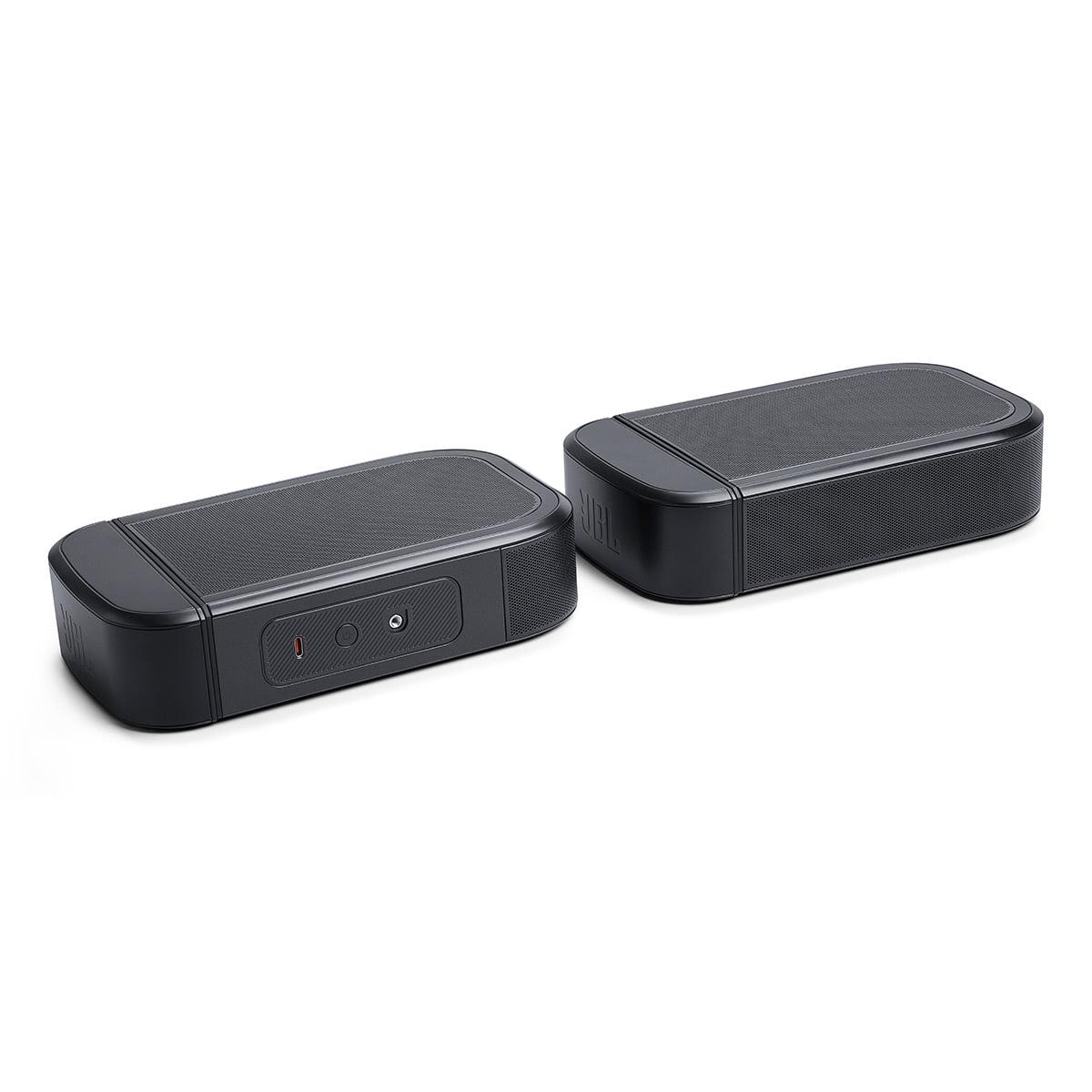
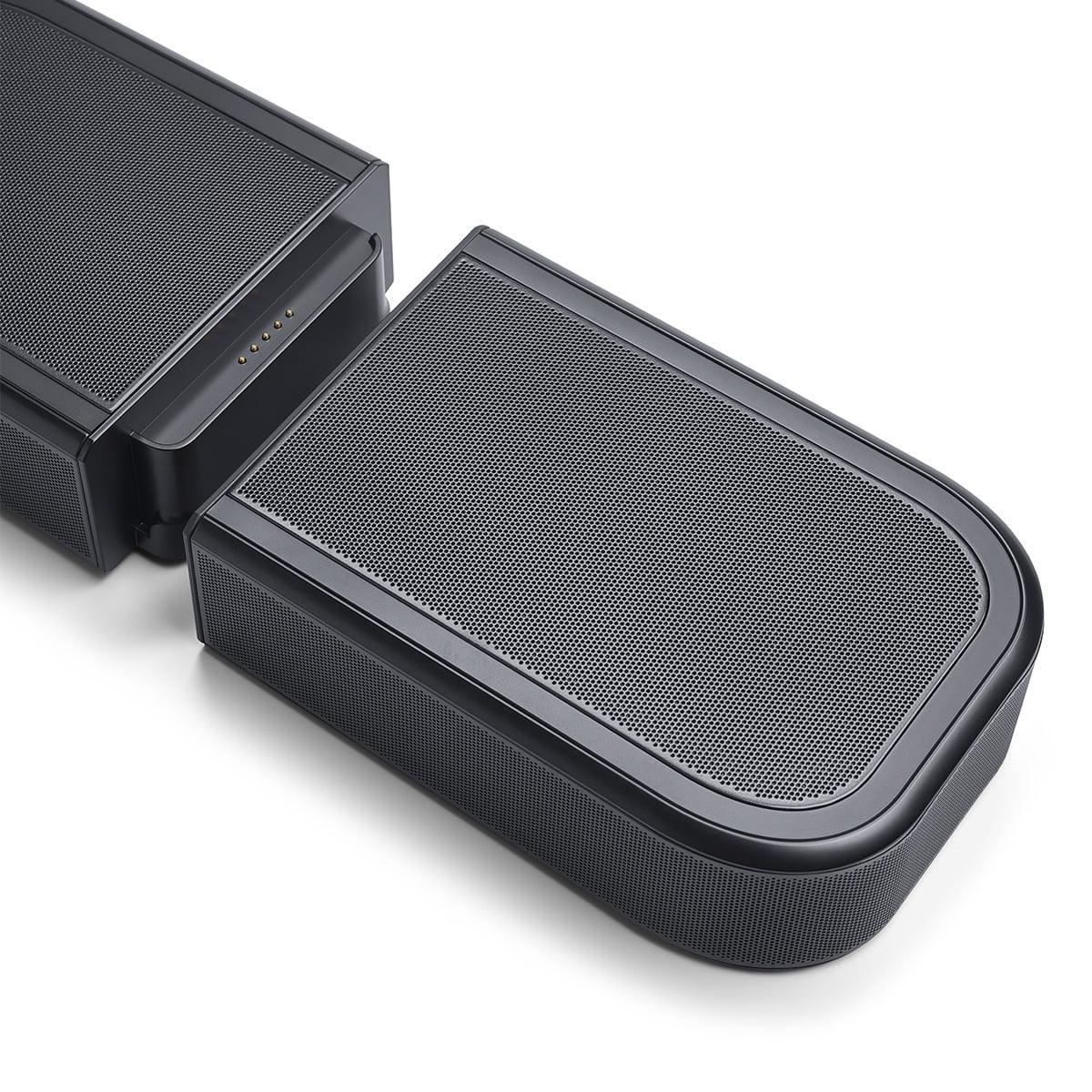
What makes this system unique is its detachable surround speakers—a brilliant solution to the age-old problem of rear speaker placement. These battery-powered units clip onto either end of the main soundbar, but when you want true surround sound, simply detach them and place them behind your seating area. Each speaker runs for up to 10 hours on a single charge, automatically recharging when docked.
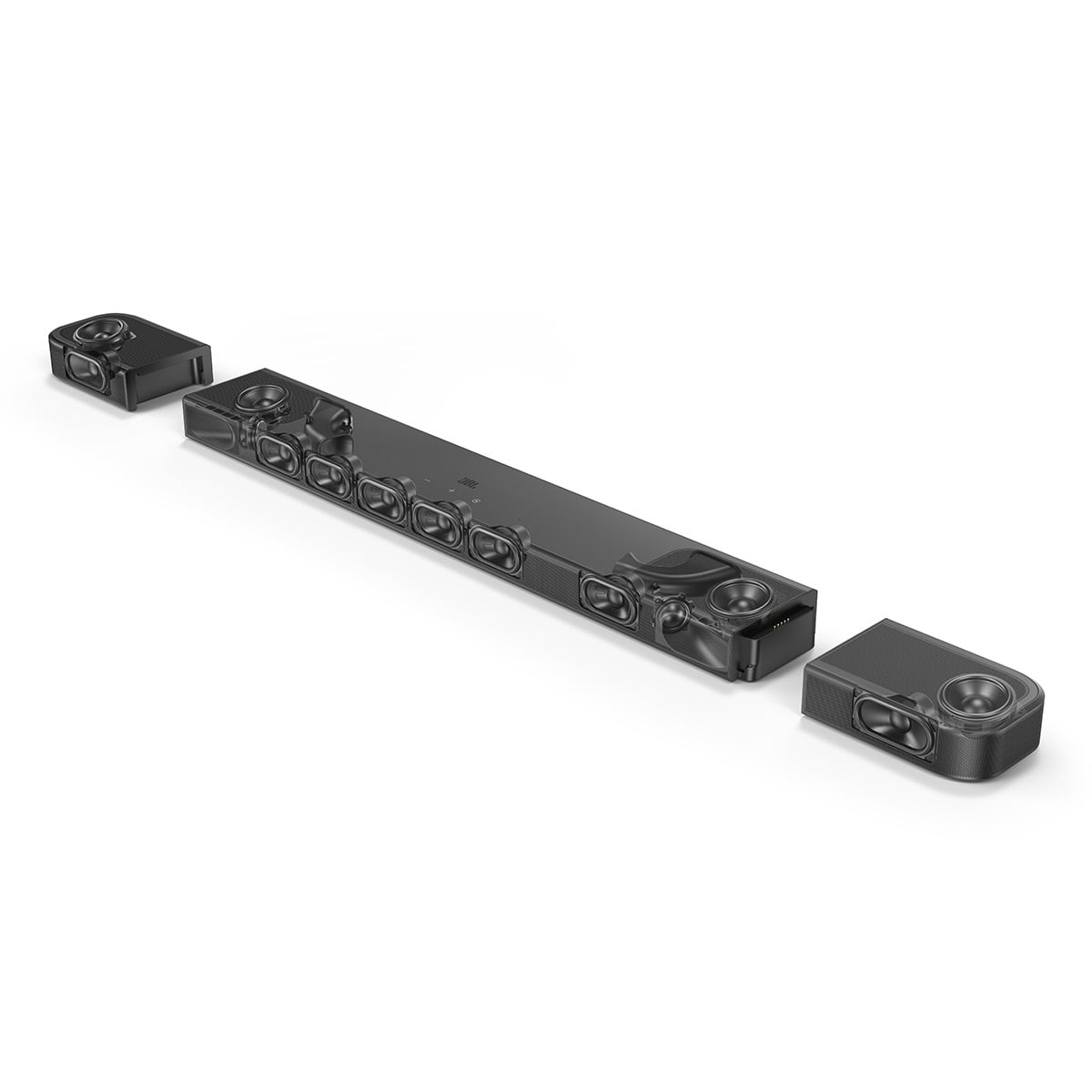
The system's 7.1.4 configuration means seven main channels, one dedicated subwoofer, and four height channels. That's a lot of drivers working together—specifically, the soundbar houses six racetrack drivers (oval-shaped for better bass response in tight spaces), two tweeters for crisp highs, and two up-firing drivers for height effects. Each detachable speaker adds its own racetrack drivers and height channel.
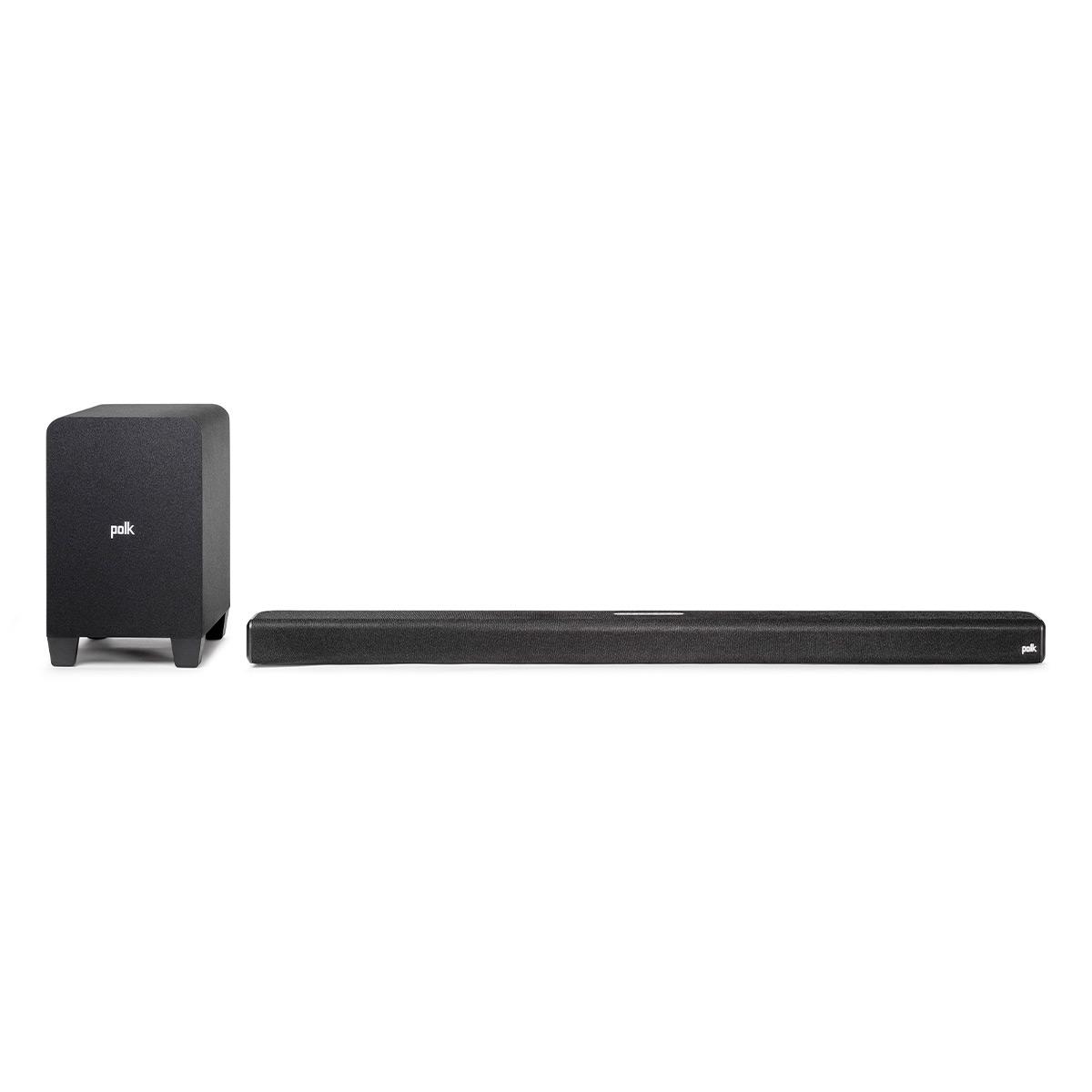
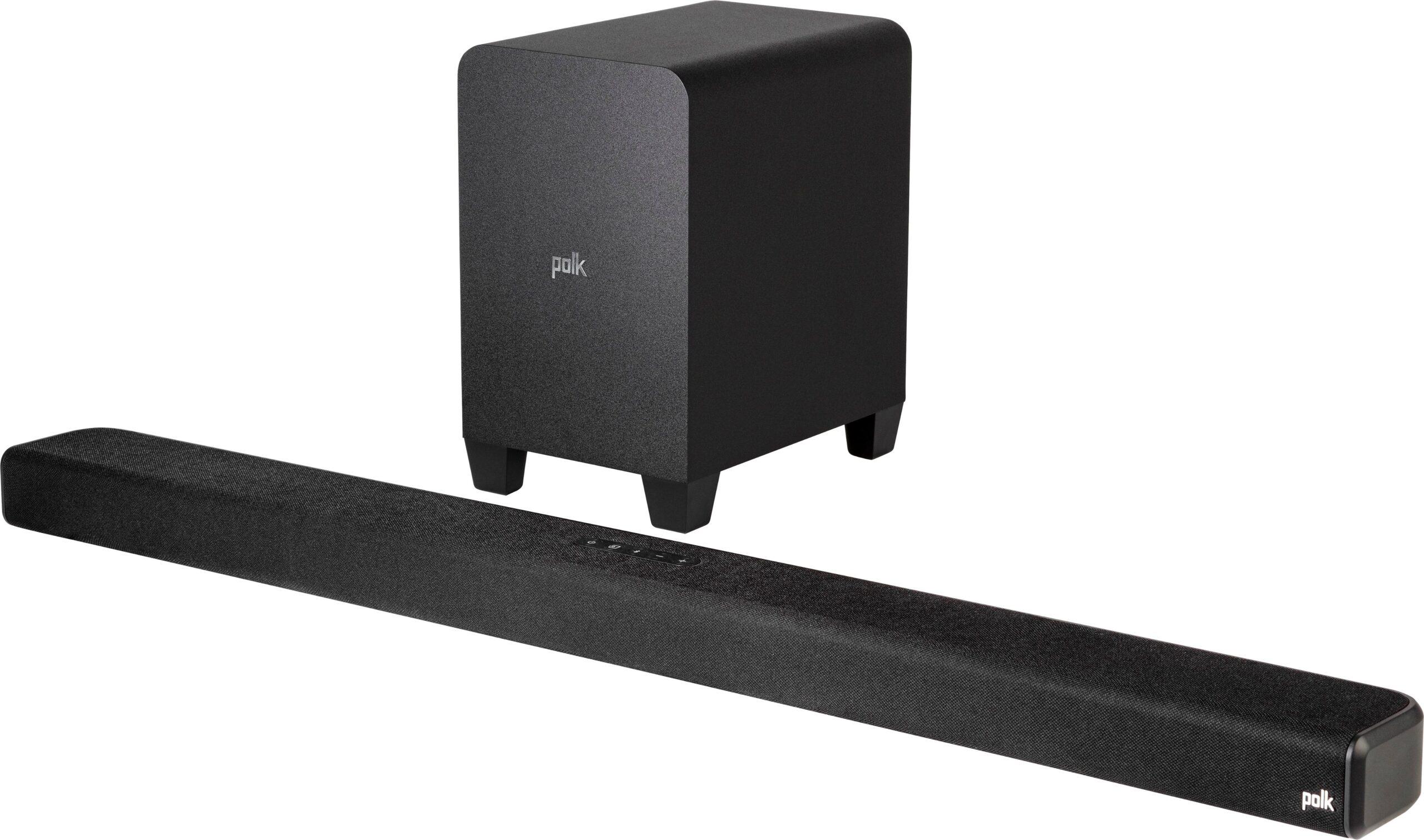
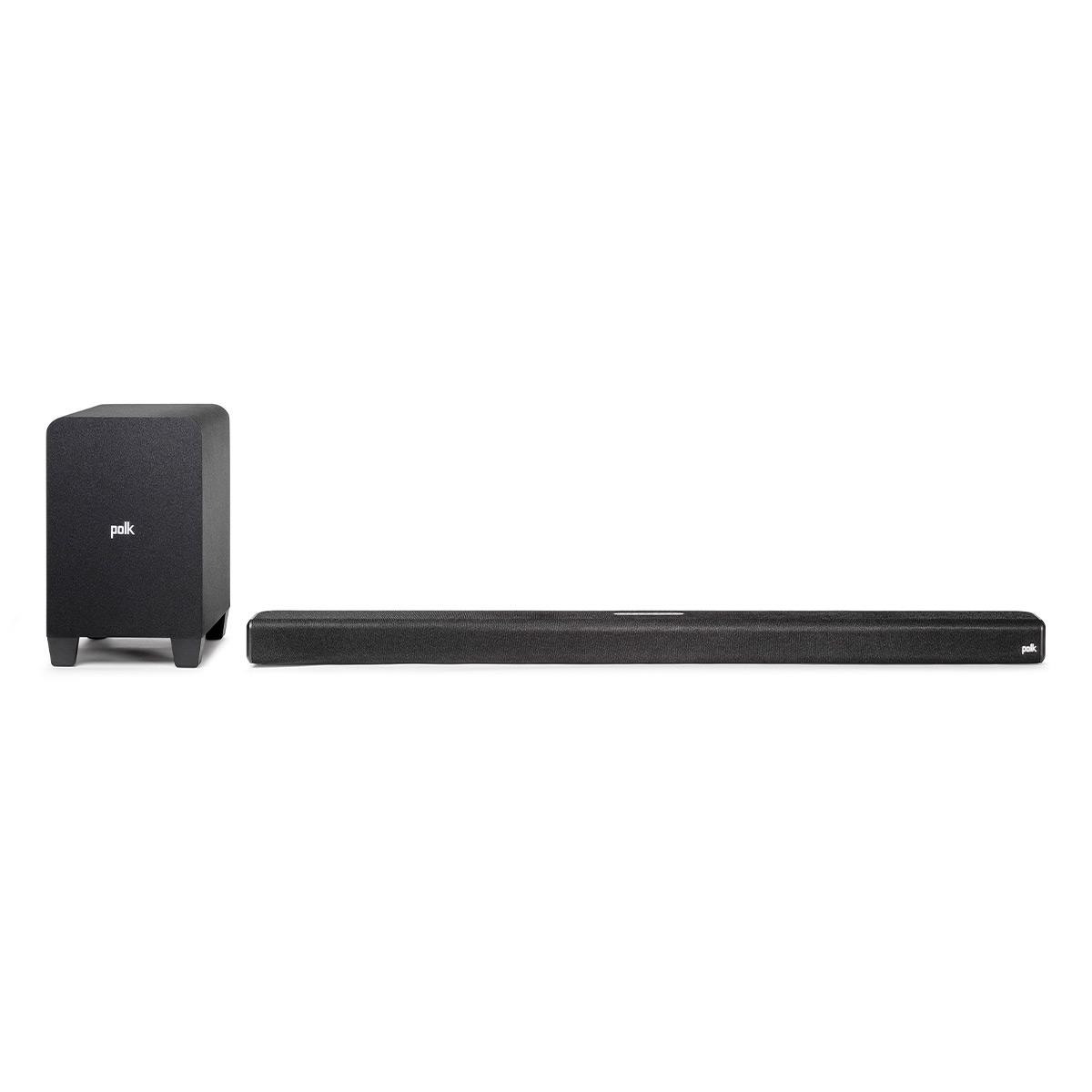
The Polk Signa S4, launched in 2023, takes a different approach entirely. Polk, a company with decades of speaker expertise, designed this system around a simple premise: deliver legitimate Dolby Atmos performance at a price most people can actually afford.
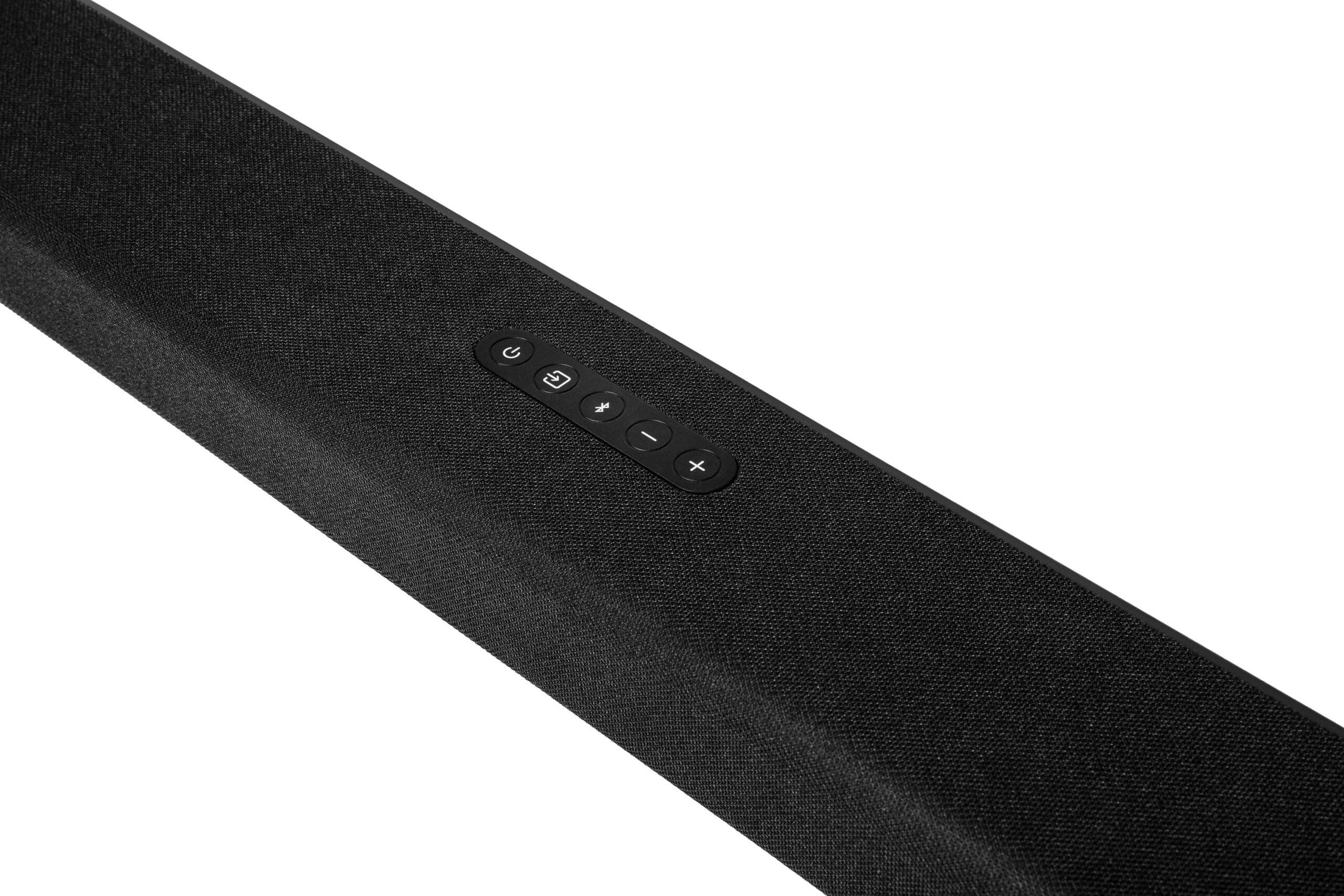
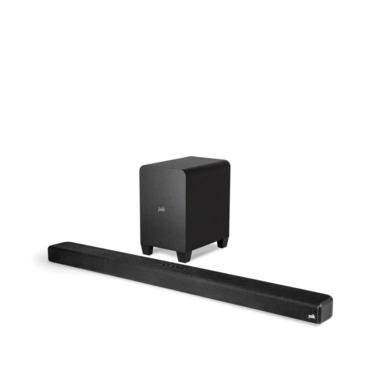
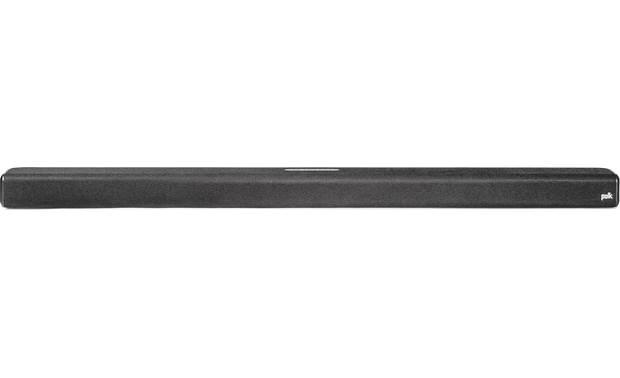
Its 3.1.2 configuration focuses on essentials—three main channels (left, center, right), one subwoofer, and two height channels. The seven-driver array includes dedicated tweeters and woofers, plus those crucial up-firing drivers for Atmos effects. While it can't match the JBL's speaker count, Polk's engineers tuned each driver carefully to maximize performance within the system's constraints.
The power difference between these systems is dramatic. The JBL Bar 1000 MK2 pumps out 960 watts maximum power (480W RMS), while the Polk likely produces less than 200 watts total. In audio terms, this isn't just about volume—it's about headroom, the system's ability to handle sudden loud sounds without distortion.
I've tested both systems with demanding content like the opening scene of "Blade Runner 2049," where massive bass drops accompany visual spectacle. The JBL handles these moments effortlessly, maintaining clarity even when my neighbors start texting complaints. The Polk performs admirably too, but you can hear it working harder during intense passages.
However, raw power isn't everything. Room size matters enormously. In my 15×20-foot living room, the JBL's power advantage is immediately apparent—it fills the space with authoritative sound that reaches every corner. But when I tested the Polk in a smaller bedroom, it provided perfectly satisfying performance without overwhelming the space.
The subwoofer comparison reveals interesting design philosophies. JBL's 10-inch wireless subwoofer delivers genuinely deep bass, reaching down to 33Hz—low enough to reproduce the rumble of movie explosions and the lowest notes in music. Its wireless design means flexible placement; I can tuck it behind my couch for subtle reinforcement or position it in a corner for room-shaking impact.
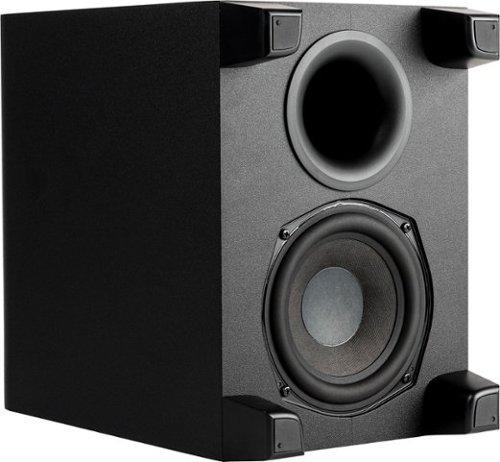
Polk's 5.9-inch subwoofer is smaller but surprisingly effective. During my testing with bass-heavy tracks like "No Church in the Wild" by Jay-Z and Kanye West, it provided satisfying low-end punch. It won't rattle your windows, but it adds the weight that TV speakers simply cannot provide.
The difference becomes most apparent during action movies. Watching "Mad Max: Fury Road," the JBL's subwoofer made every engine rev and explosion feel visceral. The Polk delivered the same emotional impact, just at a more neighbor-friendly level.
This is where the fundamental difference between these systems becomes crystal clear. The JBL Bar 1000 MK2's four up-firing drivers—two in the main bar and one in each detachable speaker—create what I call "true" Atmos placement. When those rear speakers are positioned properly, overhead effects genuinely seem to come from above and behind you.
I experienced this most dramatically while watching "A Quiet Place," where subtle environmental sounds like rustling leaves and distant creatures create tension through precise placement. With the JBL system, these effects formed a convincing three-dimensional soundscape that made me instinctively look up and turn around.
The Polk Signa S4 uses psychoacoustic processing—essentially tricking your brain into perceiving surround effects that aren't physically there. Its two up-firing drivers bounce sound off your ceiling, while the system's digital processing creates the illusion of rear channels. It's remarkably effective for a virtual system, though purists will notice the difference during complex audio passages.
For most viewers, especially those new to Atmos, the Polk's virtual processing works beautifully. Watching "Top Gun: Maverick," the famous beach football scene felt immersive and engaging, with dialogue clear and environmental sounds properly placed.
The JBL system embraces the connected home philosophy fully. Its Wi-Fi streaming capabilities include Chromecast Built-in, AirPlay 2, Spotify Connect, and even Roon Ready certification for audiophiles. This means seamless integration with virtually any streaming service or smart home ecosystem.
The JBL One app provides comprehensive control, including a sophisticated equalizer and room calibration features. The system can analyze your room's acoustics and adjust its output accordingly—particularly valuable in challenging spaces with hard surfaces or unusual layouts.
Polk takes a more traditional approach, focusing on HDMI eARC connectivity for uncompressed audio from your TV, plus Bluetooth for music streaming. While less feature-rich, this simplicity has advantages. Setup involves connecting two cables (HDMI and power), and everything works immediately without app configuration or network troubleshooting.
The JBL's detachable speakers create interesting possibilities beyond traditional home theater use. Their Night Mode feature mutes the main soundbar and subwoofer, routing audio only to the detachable speakers for private listening—perfect for late-night viewing without disturbing sleeping family members.
These speakers also function as portable Bluetooth units, though this requires the JBL One app for setup. I've used them for backyard gatherings and bedroom listening, essentially getting multiple products in one purchase.
The system's multi-room capabilities extend its usefulness throughout the home. Using Chromecast, you can stream music to the soundbar while simultaneously playing on other compatible speakers, creating a whole-home audio experience.
Polk's approach prioritizes simplicity and reliability over flexibility. What you see is what you get—a soundbar and subwoofer that excel at their primary job without additional complexity.
For serious movie watching, the differences between these systems become most apparent. The JBL Bar 1000 MK2 creates what home theater enthusiasts call "immersive engagement"—you stop thinking about the audio system and become absorbed in the content.
During the famous restaurant scene in "The Godfather," dialogue remained perfectly clear through the center channel while ambient restaurant sounds filled the space naturally. When the action moved outdoors, the soundstage expanded convincingly, maintaining proper scale and perspective.
The PureVoice 2.0 technology deserves special mention. This feature automatically adjusts dialogue levels based on ambient sound and overall volume, reducing the constant volume adjustments that plague TV watching. It's subtle but incredibly effective—I rarely touched the volume control during entire movies.
The Polk Signa S4's VoiceAdjust technology serves a similar purpose but works differently. Rather than dynamic adjustment, it provides consistent dialogue enhancement that you can customize based on your preferences and hearing needs. For users who struggle with dialogue clarity—increasingly common with modern film mixing—this feature alone justifies the purchase.
At four times the price, the JBL must deliver significantly more value to justify its cost. In terms of pure audio performance, it does. The additional power, true surround placement, and premium build quality create a noticeably superior experience in appropriate settings.
However, value isn't just about absolute performance—it's about meeting your specific needs efficiently. The Polk Signa S4 delivers perhaps 75% of the JBL's performance at 25% of the cost. For many users, that represents exceptional value.
Consider your upgrade path too. The JBL's advanced features and connectivity future-proof your investment, while the Polk serves as an excellent stepping stone into quality audio that you might eventually replace as your needs evolve.
Both systems represent meaningful advances over their predecessors. The JBL's MK2 iteration improved wireless stability—a common complaint with the original model—and enhanced the room calibration algorithms. The detachable speaker charging system also became more reliable.
Polk's recent entry into affordable Atmos represents industry-wide improvements in digital signal processing. Five years ago, convincing virtual surround at this price point simply wasn't possible. Advances in psychoacoustic modeling and cheaper processing power made the Signa S4's performance achievable.
The broader trend toward HDMI eARC adoption benefits both systems. This connection standard ensures uncompressed audio transmission from your TV, preserving the full Dolby Atmos signal quality that older optical connections couldn't handle.
Room size remains the most critical factor. In spaces over 300 square feet, the JBL Bar 1000 MK2's power and true surround capabilities shine. Smaller rooms may actually benefit from the Polk's more restrained approach.
Content preferences matter too. If you primarily watch streaming shows and news, the Polk's dialogue clarity and general performance upgrades provide excellent value. Movie enthusiasts and gamers will appreciate the JBL's immersive capabilities and dynamic range.
Budget considerations extend beyond the initial purchase. The JBL's premium price assumes you're building a long-term audio foundation, while the Polk offers immediate gratification at minimal financial risk.
Consider your technical comfort level as well. The JBL's extensive features require some configuration and learning, while the Polk works excellently straight out of the box with minimal setup.
Both the JBL Bar 1000 MK2 and Polk Audio Signa S4 succeed brilliantly at their intended goals. The JBL delivers uncompromising performance for serious home theater enthusiasts willing to invest in premium audio. The Polk makes legitimate Dolby Atmos accessible to budget-conscious buyers without significant compromises.
Your choice ultimately depends on your space, budget, and performance expectations. Either way, you'll enjoy a dramatic improvement over TV speakers and genuine Dolby Atmos experiences that bring movies and music to life in ways you might not have experienced before.
| JBL Bar 1000 MK2 Soundbar System | Polk Audio Signa S4 Dolby Atmos Soundbar with Wireless Subwoofer |
|---|---|
| Price - The most obvious differentiator affecting value calculation | |
| $1,199.95 (premium investment) | $299.00 (budget-friendly entry point) |
| Channel Configuration - Determines surround sound authenticity | |
| 7.1.4 with physical rear speakers | 3.1.2 with virtual surround processing |
| Total Power Output - Critical for room-filling performance | |
| 960W max / 480W RMS (fills large rooms effortlessly) | ~200W estimated (suitable for smaller spaces) |
| Dolby Atmos Implementation - Affects overhead sound realism | |
| 4 up-firing drivers (2 in bar + 2 in rear speakers) | 2 up-firing drivers (soundbar only) |
| Subwoofer Size - Determines bass depth and impact | |
| 10" wireless driver (deep, room-shaking bass to 33Hz) | 5.9" wireless driver (adequate bass for most content) |
| Detachable Rear Speakers - Unique flexibility feature | |
| Yes, 10-hour battery life each, doubles as portable speakers | No detachable speakers (traditional fixed soundbar) |
| Wireless Connectivity - Smart home integration capabilities | |
| Wi-Fi, Chromecast, AirPlay 2, Spotify Connect, Roon Ready | Bluetooth 4.2 only (no Wi-Fi streaming) |
| Room Size Suitability - Matching power to space | |
| 300+ sq ft rooms (large living rooms, open concepts) | Up to 200 sq ft (bedrooms, small apartments) |
| App Control & Calibration - Setup complexity vs features | |
| JBL One App with EQ, room calibration, advanced settings | Basic remote control, manual sound adjustments only |
| Voice Enhancement Technology - Dialogue clarity features | |
| PureVoice 2.0 with automatic dynamic adjustment | VoiceAdjust with manual dialogue boost settings |
| HDMI Inputs - TV and device connectivity | |
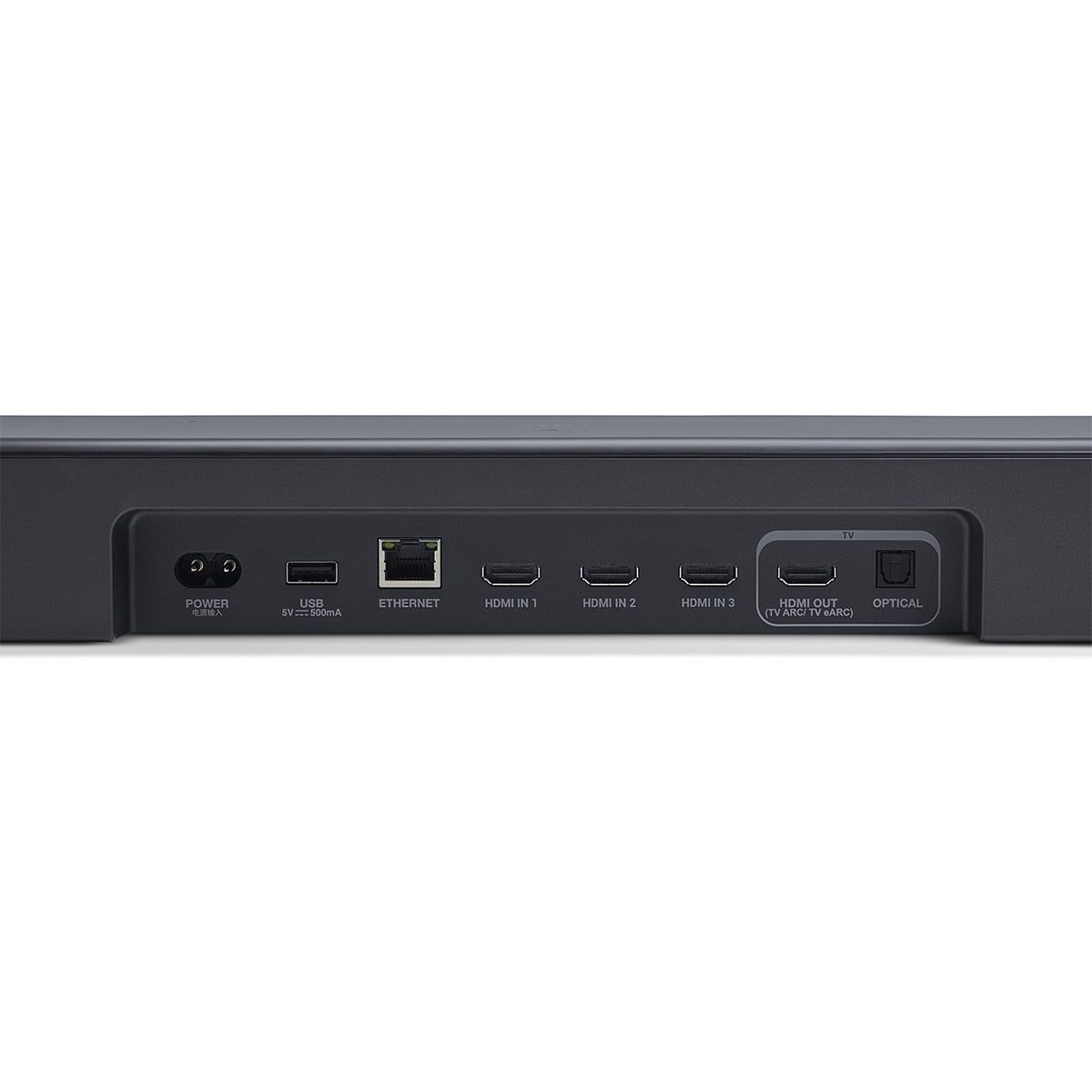
| 3 HDMI inputs + eARC output (multiple devices) | HDMI eARC only (relies on TV switching) |
The Polk Audio Signa S4 ($299) provides exceptional value for budget-conscious buyers, delivering legitimate Dolby Atmos performance at an affordable price point. The JBL Bar 1000 MK2 ($1,199.95) justifies its premium cost with superior power, true surround sound, and advanced features for serious home theater enthusiasts.
The primary difference is surround sound implementation. The JBL Bar 1000 MK2 features detachable wireless rear speakers for true 7.1.4 surround sound, while the Polk Signa S4 uses virtual processing to simulate surround effects through its 3.1.2 channel configuration.
The JBL Bar 1000 MK2 is designed for rooms over 300 square feet, delivering 960W of power to fill large spaces with immersive audio. The Polk Signa S4 works best in smaller rooms up to 200 square feet where its power output is perfectly adequate.
Yes, both the JBL Bar 1000 MK2 and Polk Audio Signa S4 are Dolby Atmos certified. The JBL uses four up-firing drivers for more convincing overhead effects, while the Polk uses two up-firing drivers with virtual processing to create height channels.
The JBL Bar 1000 MK2 features a larger 10-inch wireless subwoofer that delivers deeper bass down to 33Hz, providing room-shaking low-end for movies and music. The Polk Signa S4 includes a 5.9-inch subwoofer that offers solid bass performance suitable for most content at a more moderate level.
The Polk Signa S4 offers simpler plug-and-play setup with just HDMI and power connections needed. The JBL Bar 1000 MK2 requires more configuration through the JBL One app but provides room calibration and advanced customization options in return.
Both excel at dialogue enhancement but use different approaches. The JBL Bar 1000 MK2 features PureVoice 2.0 technology that automatically adjusts dialogue levels dynamically. The Polk Signa S4 uses VoiceAdjust technology that allows manual control over dialogue enhancement levels.
The JBL Bar 1000 MK2 provides comprehensive connectivity including Wi-Fi streaming, Chromecast, AirPlay 2, Spotify Connect, and multiple HDMI inputs. The Polk Signa S4 focuses on essential connections with HDMI eARC, optical input, and Bluetooth 4.2 for music streaming.
Both soundbars handle music well, but the JBL Bar 1000 MK2 offers superior performance with its higher power output, better drivers, and Wi-Fi streaming capabilities for high-quality audio. The Polk Signa S4 provides enjoyable music playback through Bluetooth with decent stereo imaging.
The JBL Bar 1000 MK2 is better suited for gaming with its true surround sound placement, higher power output, and low-latency audio processing. The detachable speakers can also be used for private gaming sessions. The Polk Signa S4 works adequately for casual gaming but lacks the immersive positioning of dedicated rear speakers.
The JBL Bar 1000 MK2 includes a powerful 10-inch wireless subwoofer that can be placed anywhere in the room for optimal bass response and can literally shake the walls during action scenes. The Polk Signa S4 features a 5.9-inch wireless subwoofer that provides clean, controlled bass without overwhelming smaller spaces.
For beginners on a budget, the Polk Audio Signa S4 ($299) offers an excellent introduction to quality soundbar audio with simple setup and impressive performance improvements over TV speakers. Those wanting a premium, future-proof system should consider the JBL Bar 1000 MK2 ($1,199.95) for its advanced features and true surround sound capabilities.
We've done our best to create useful and informative comparisons to help you decide what product to buy. Our research uses advanced automated methods to create this comparison and perfection is not possible - please contact us for corrections or questions. These are the sites we've researched in the creation of this article: ecoustics.com - engadget.com - bestbuy.com - techradar.com - rtings.com - hometechnologyreview.com - youtube.com - t3.com - whathifi.com - youtube.com - bhphotovideo.com - gzhls.at - device.report - support.jbl.com - support.jbl.com - jbl.com - av.com - audioadvice.com - jbl.com - target.com - worldwidestereo.com - soundandvision.com - audioholics.com - crutchfield.com - cnet.com - richersounds.com - crutchfield.com - rtings.com - polkaudio.com - walmart.com - polkaudio.com - crutchfield.com - youtube.com - profx.com

Privacy Policy
Terms and Conditions - Affiliate Policy
Home Security
© Copyright 2008-2026.
11816 Inwood Rd #1211, Dallas, TX 75244