

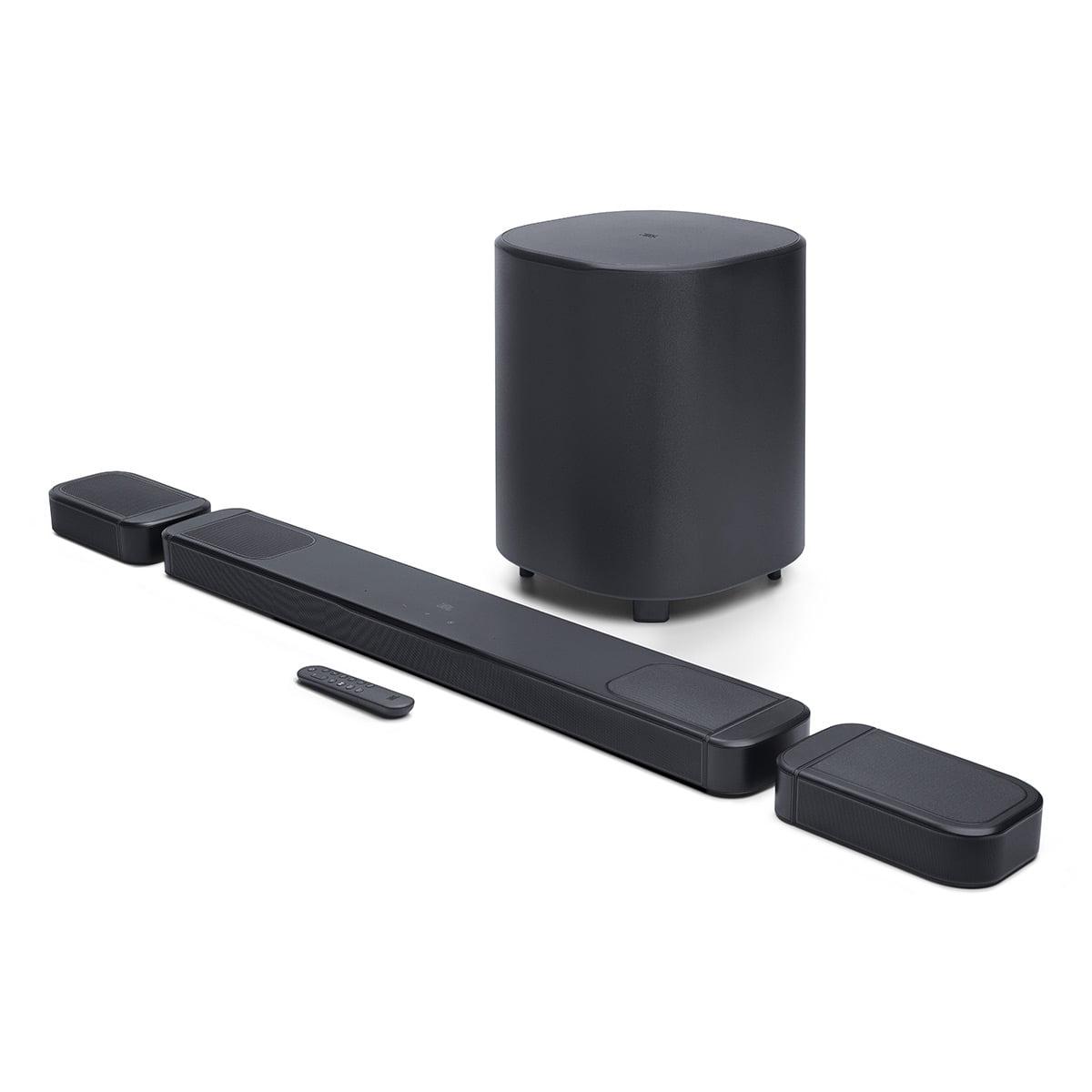

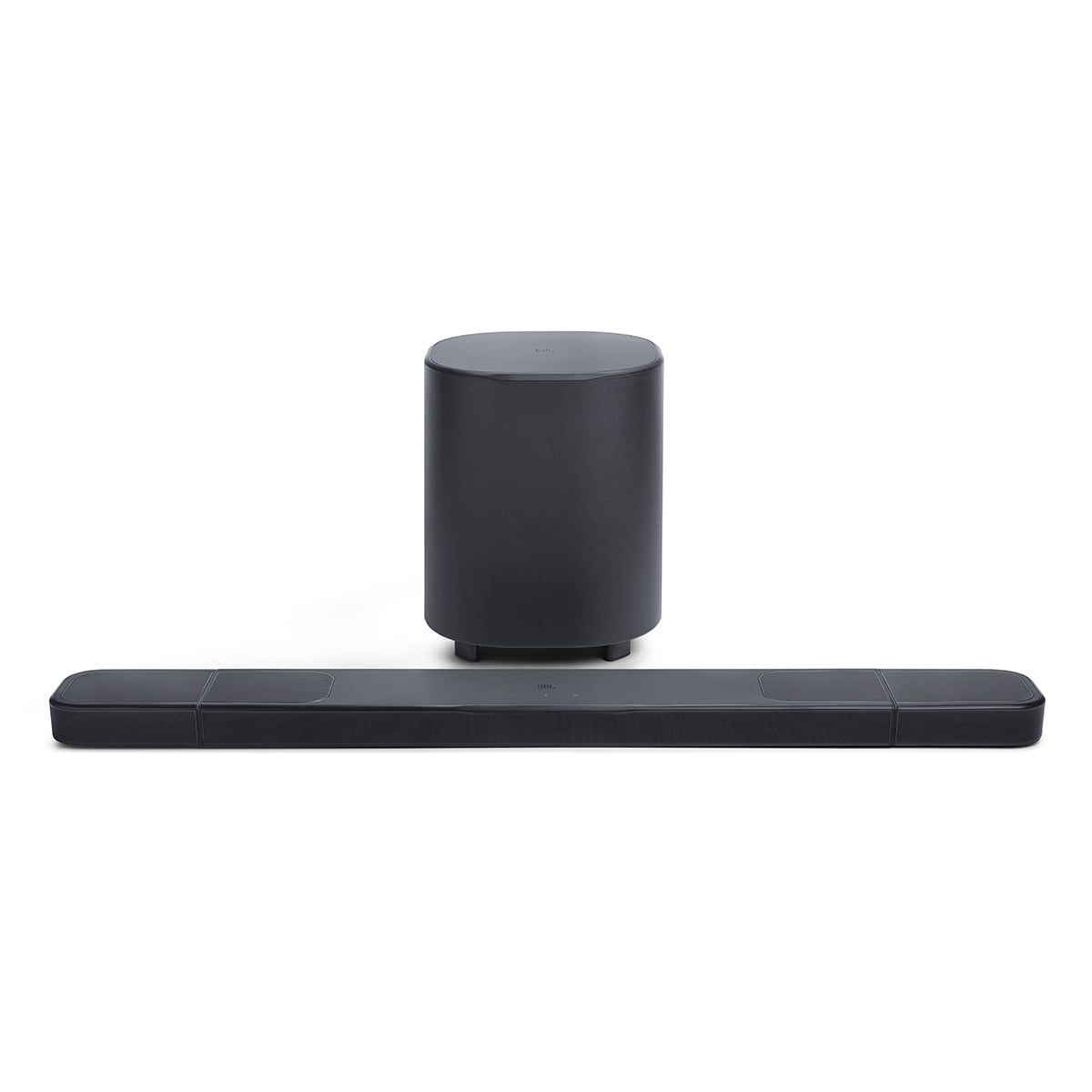
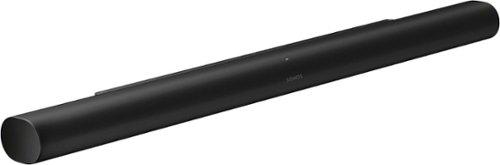
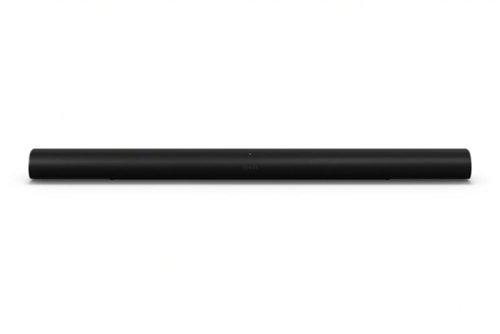
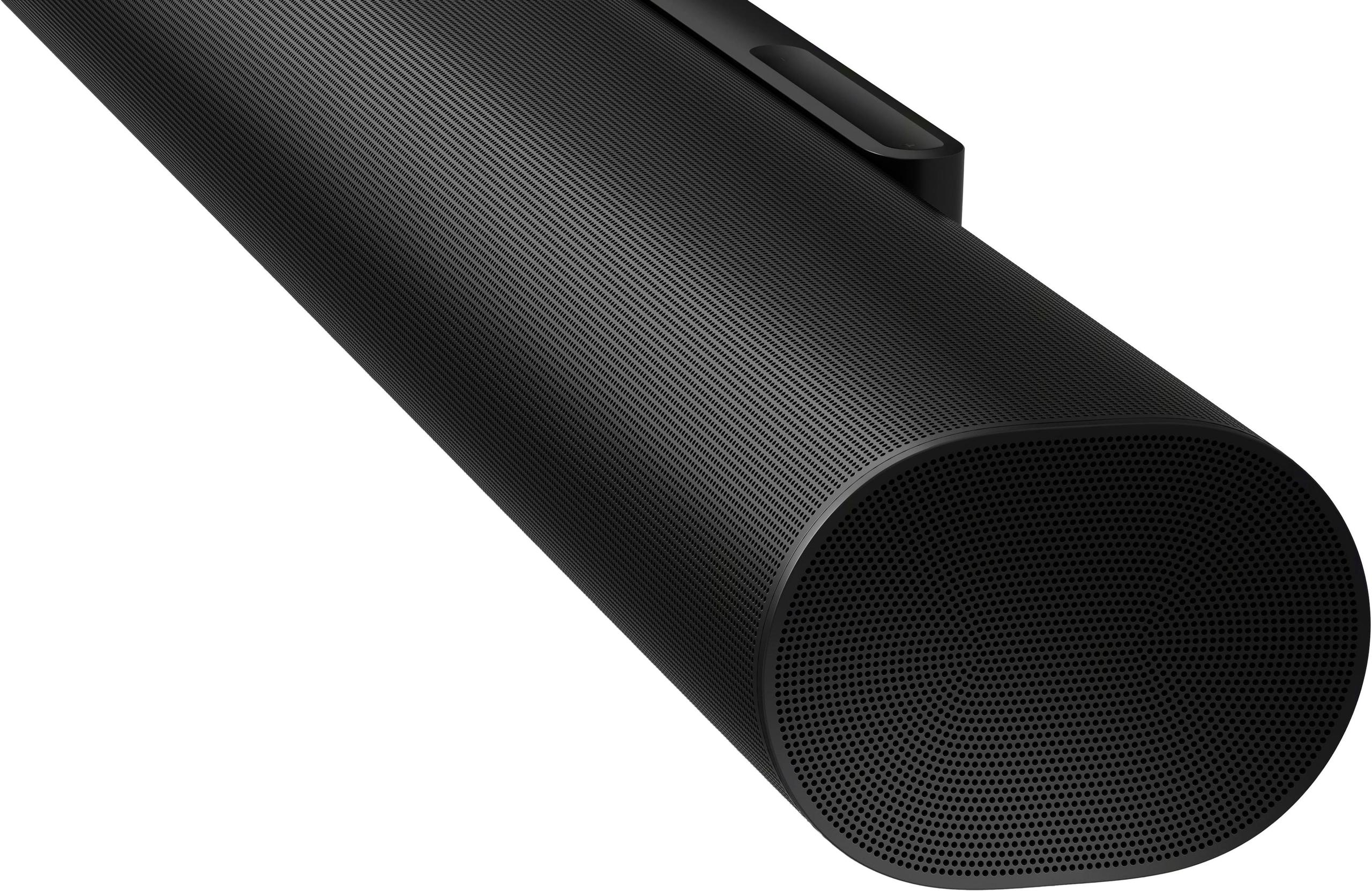
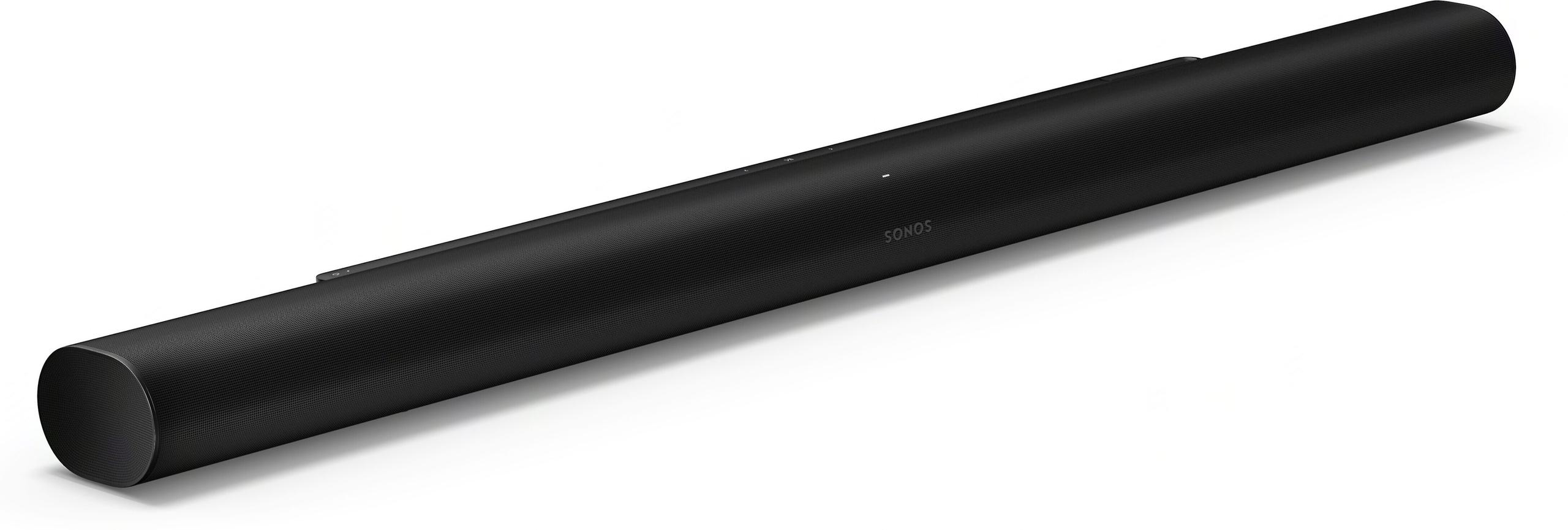
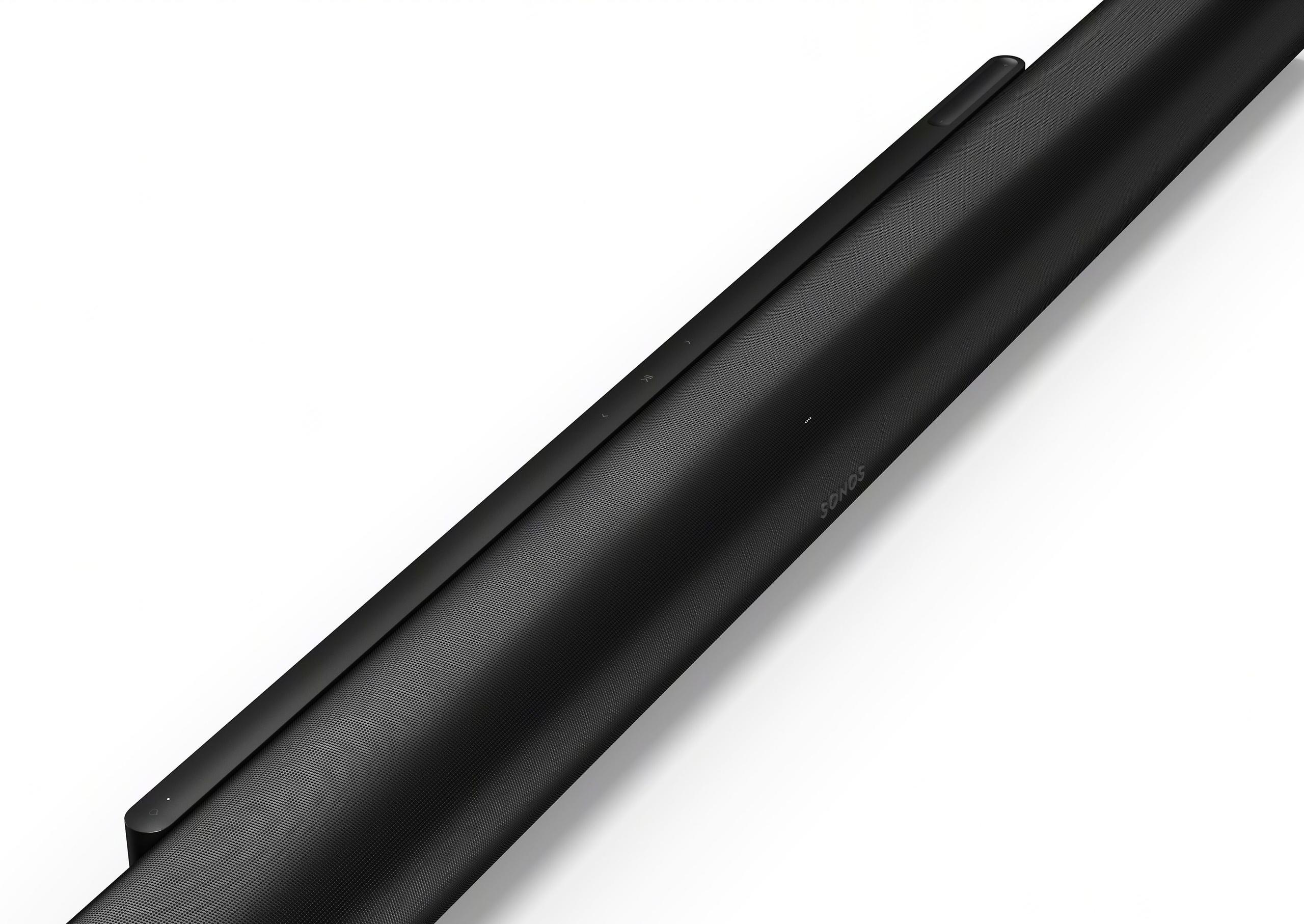
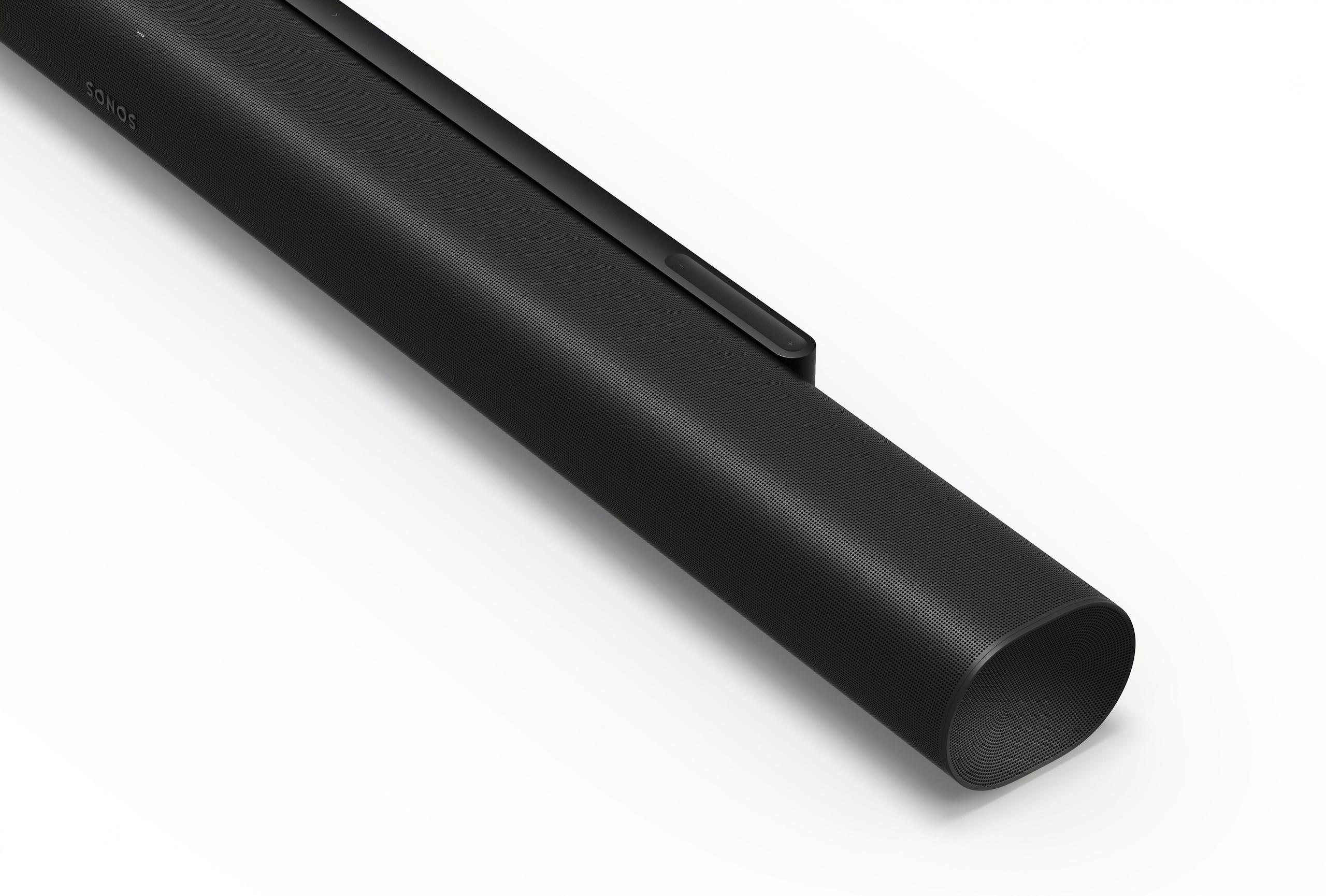
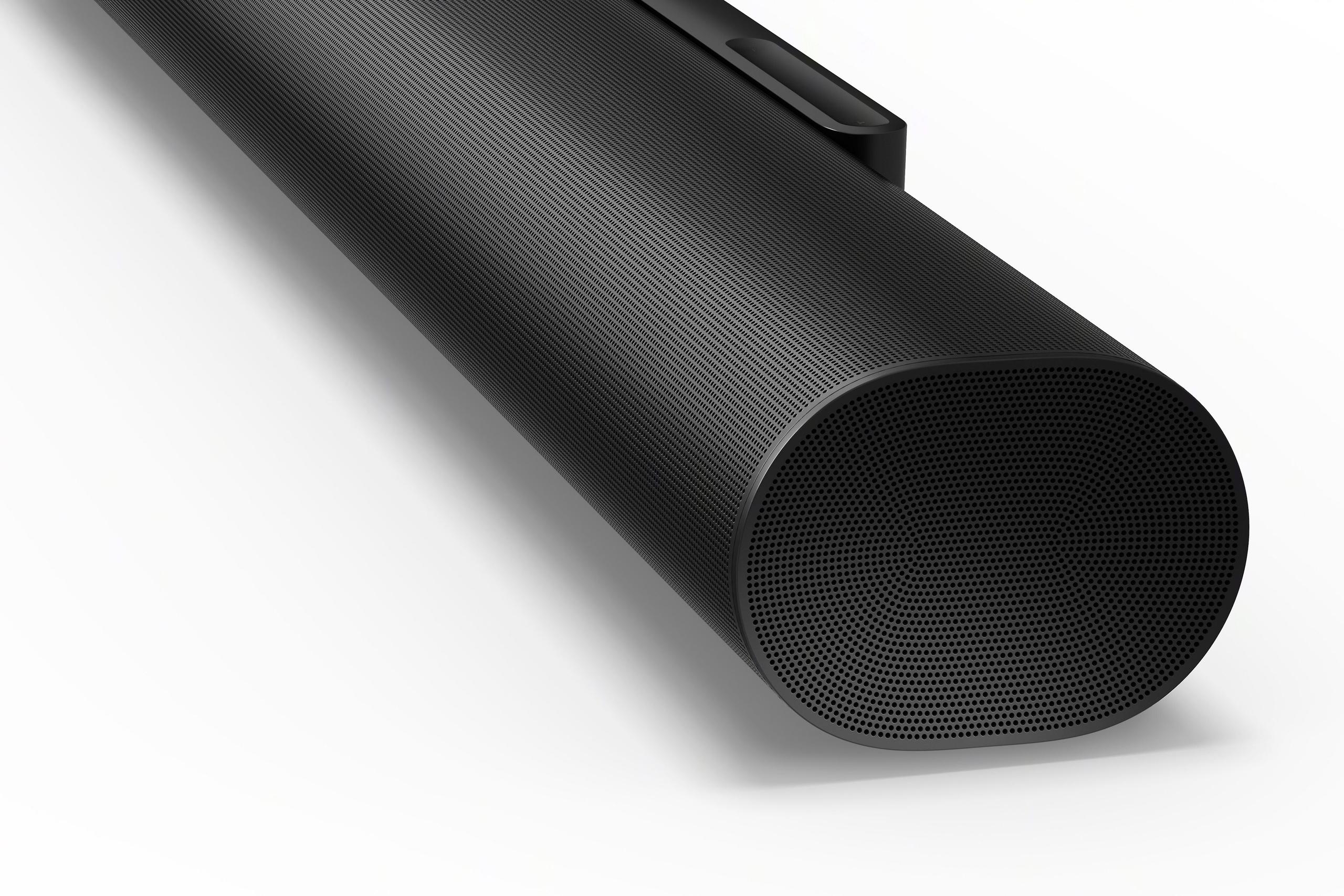
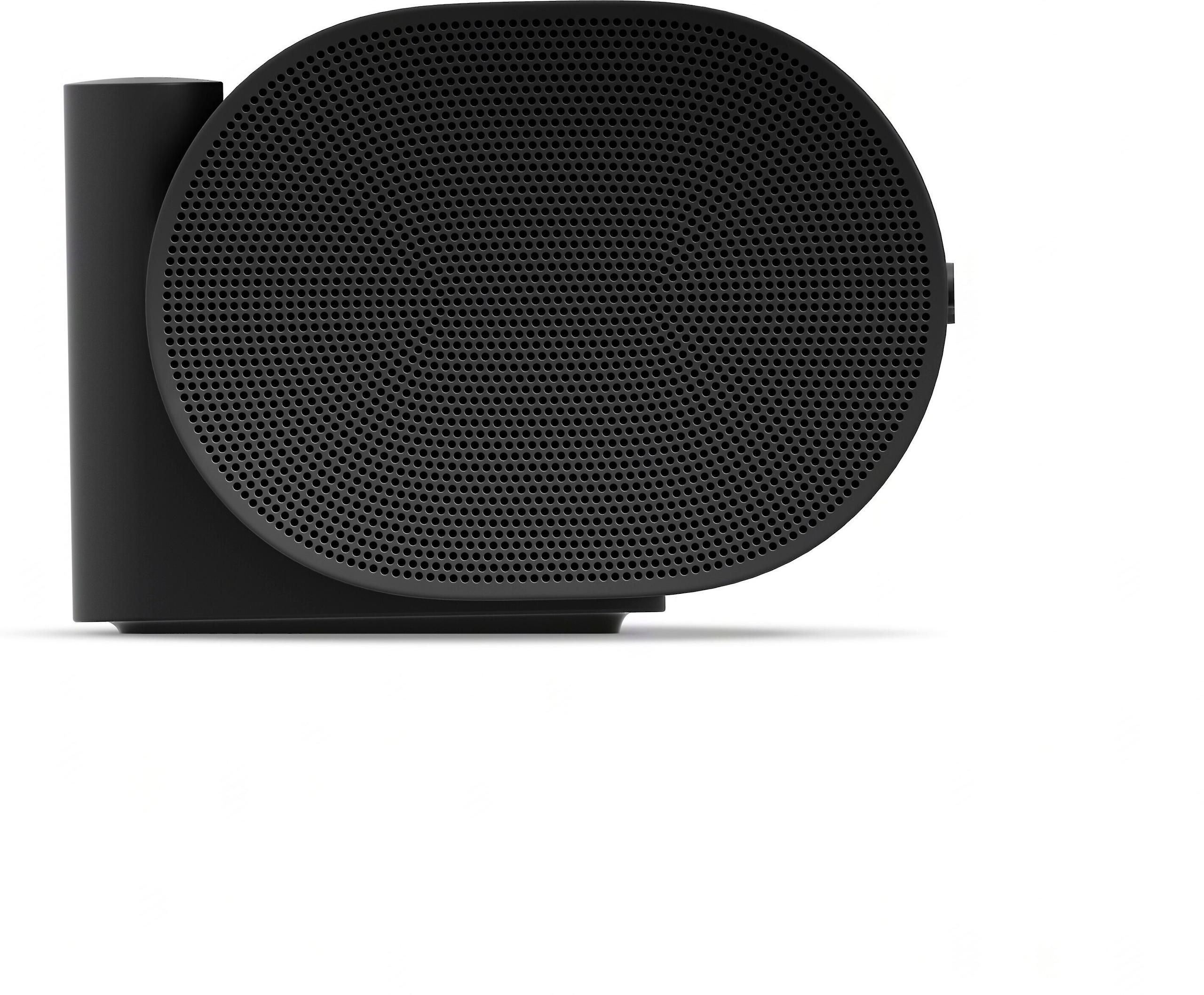
If you've been shopping for a premium soundbar lately, you've probably noticed that the choices can feel overwhelming. Two standout options that keep appearing in top recommendations are the JBL Bar 1000 MK2 ($1,199.95) and the Sonos Arc Ultra ($949.05). Both promise to transform your living room into a cinematic experience, but they take dramatically different approaches to get there.
I've spent considerable time with both systems, and while they're both excellent in their own ways, the differences between them are significant enough that your choice will depend heavily on what you prioritize most. Let me walk you through everything you need to know to make the right decision for your home theater setup.
Before diving into the comparison, it's worth understanding what we're dealing with here. Both of these are premium Dolby Atmos soundbars, which means they're designed to create that "surround sound from everywhere" experience you get in movie theaters. Dolby Atmos works by adding height channels to traditional surround sound – imagine sound coming from above and around you, not just from the sides.
The key challenge for any soundbar is creating this immersive experience from what's essentially a single long speaker. Traditional surround sound requires multiple speakers placed around your room, but these systems use clever engineering tricks like up-firing drivers (speakers that bounce sound off your ceiling) and advanced audio processing to simulate that multi-speaker experience.
What makes these two particularly interesting is how differently they approach this challenge. The JBL Bar 1000 MK2 goes for a "give you everything" approach, while the Sonos Arc Ultra focuses on being the centerpiece of a larger ecosystem.
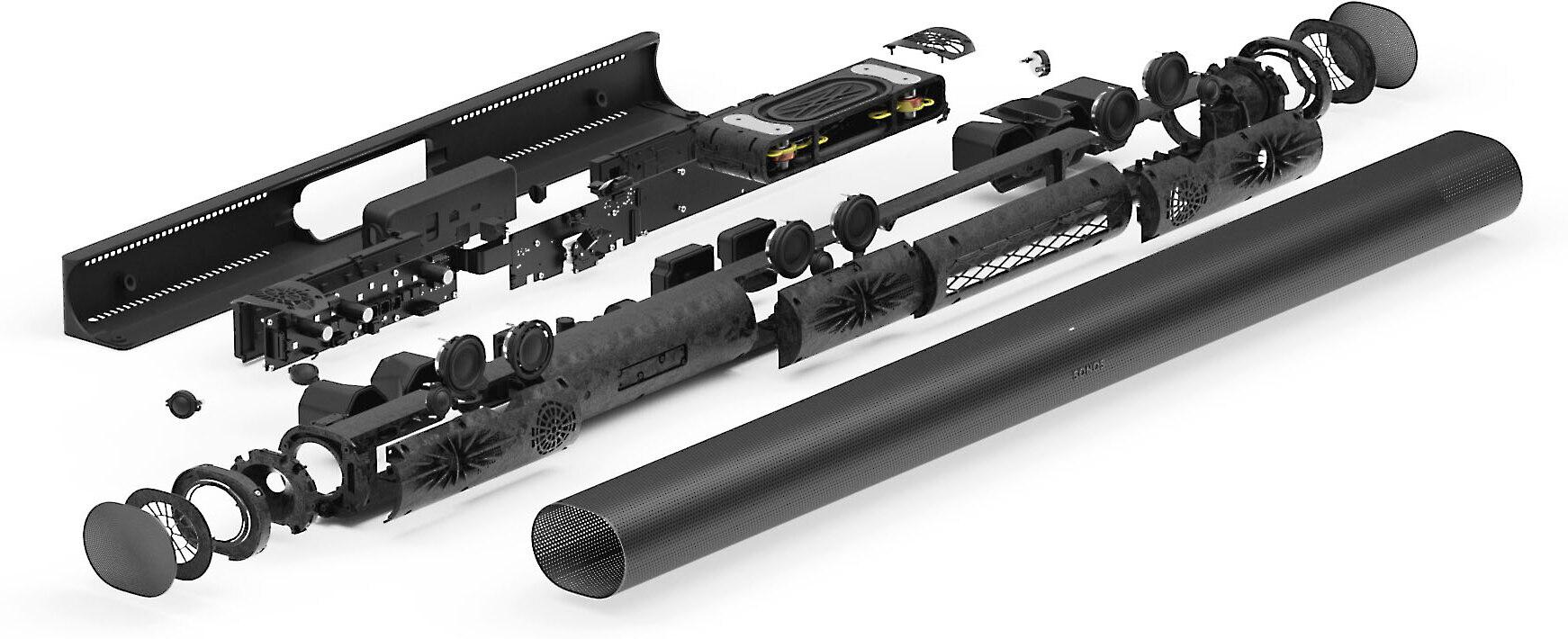
The Sonos Arc Ultra hit the market in late 2024 as the successor to the highly regarded original Arc. Sonos completely redesigned the internal architecture, moving from 11 drivers to 14 drivers and introducing their new Sound Motion woofer technology. This woofer tech is particularly clever – it produces much deeper bass than you'd expect from such a compact unit by virtually eliminating mechanical vibration.
The JBL Bar 1000 MK2, released in June 2025, represents JBL's answer to the growing demand for flexible, modular soundbar systems. It's an evolution of their Bar 1000 concept, bumping total power from 880W to 960W and refining the detachable speaker design. The "MK2" designation indicates this is a second-generation product, building on lessons learned from the original.
These timing differences matter because the JBL had the advantage of seeing how the market responded to the Sonos Arc Ultra's innovations, particularly around bass performance and ecosystem integration.
Here's where these two systems really diverge, and it's probably the most important factor in your decision.
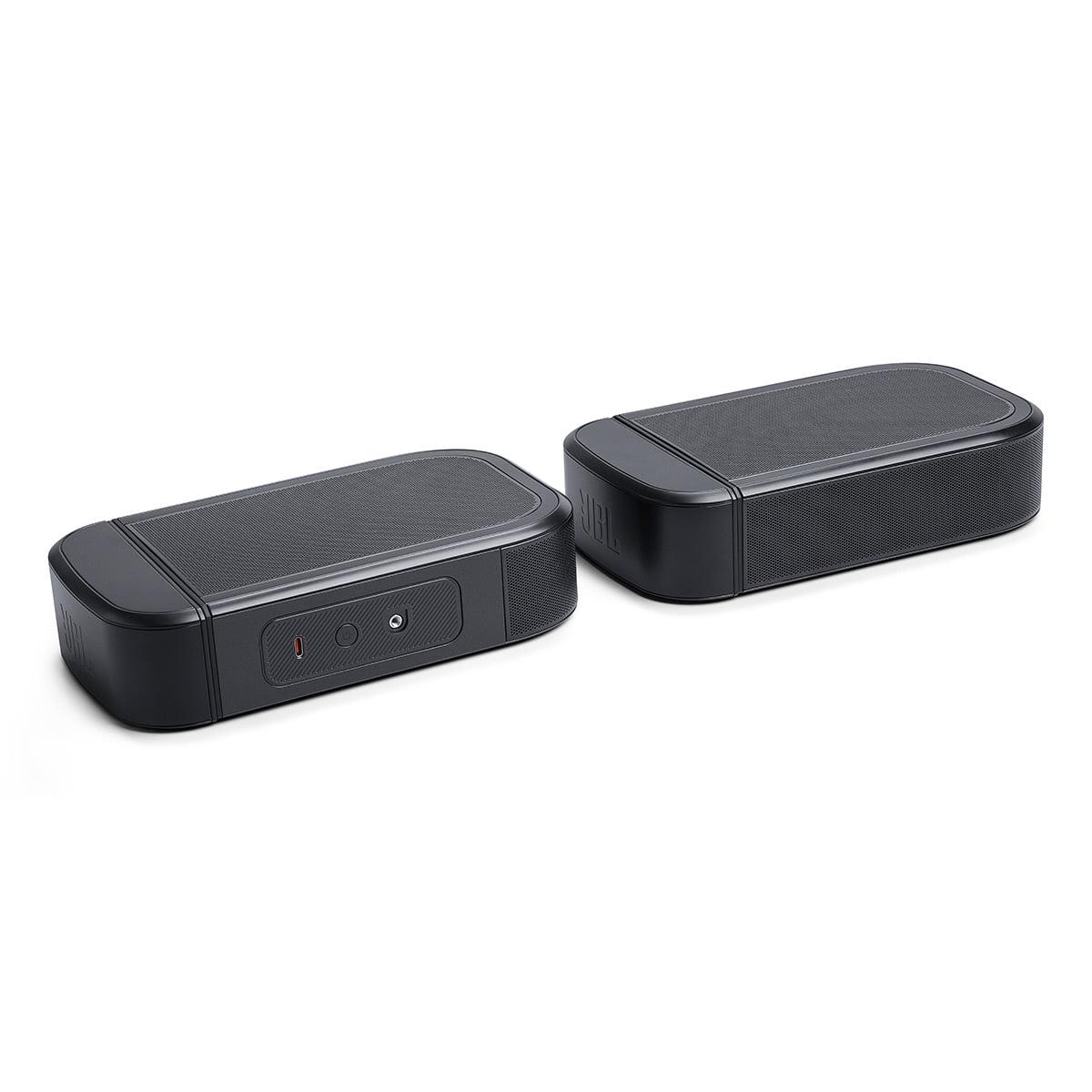
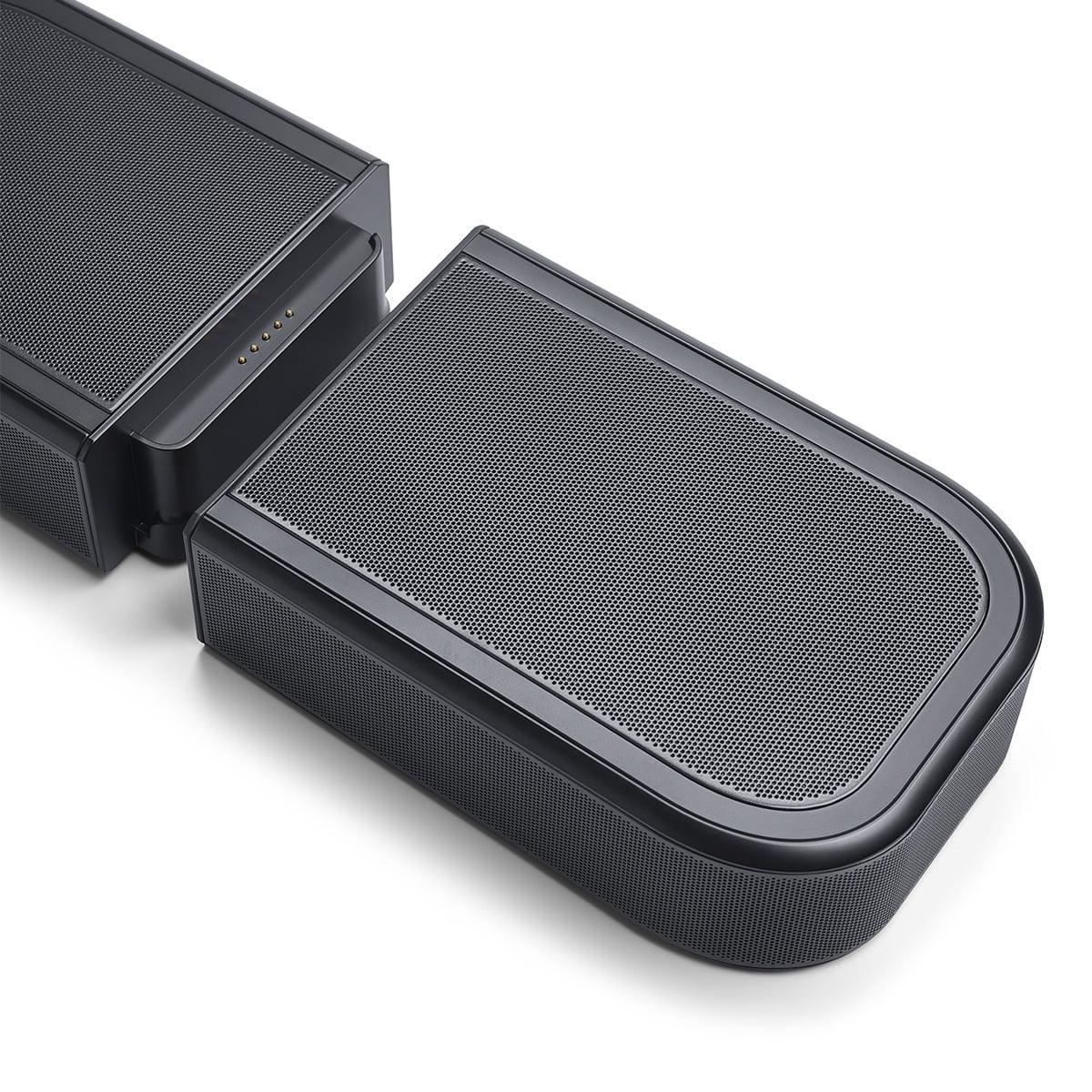
The JBL Bar 1000 MK2 is built around the idea that one size doesn't fit all situations. The star feature is its detachable wireless rear speakers that magnetically attach to either end of the main soundbar. When you want true surround sound, you simply pull these speakers off and place them behind your seating area. Each speaker has a 10-hour battery life and charges when docked back on the main bar.
But here's what makes this system really clever: those detachable speakers aren't just surround speakers. They're fully functional Bluetooth speakers that you can take outside for a barbecue, bring to a friend's house, or use in your bedroom. I've found this dual functionality surprisingly useful – it's like getting a bonus set of portable speakers with your soundbar purchase.
The system also includes a substantial 10-inch wireless subwoofer that delivers the kind of deep, room-shaking bass that makes action movies truly exciting. This creates a complete 7.1.4-channel system (seven ear-level channels, one subwoofer, four height channels) right out of the box.
The Sonos Arc Ultra takes a fundamentally different approach. It's designed as a premium single soundbar that creates a 9.1.2-channel experience through advanced driver placement and audio processing. Those numbers might seem higher than the JBL's, but they're achieved differently – through virtualization rather than physical speaker placement.
The Arc Ultra shines when you think of it as part of a larger Sonos ecosystem. If you already have Sonos speakers throughout your home, this soundbar seamlessly integrates with them. You can play the same music in every room, or have the TV audio follow you as you move around the house. It's an elegant solution, but achieving true surround sound requires purchasing additional components: a Sonos Sub ($799) and rear speakers (around $179 each).
This is where the fundamental design differences really show themselves. The JBL's included 10-inch subwoofer provides deep, impactful bass that you can feel in your chest during explosion scenes or when listening to bass-heavy music. It's the kind of bass that makes you understand why movie theaters have massive subwoofers hidden around the room.
The Sonos Arc Ultra, despite its innovative Sound Motion woofer technology, simply cannot match this level of bass impact without adding the separate Sonos Sub. The Sound Motion technology is impressive – it produces more bass than you'd expect from the compact form factor – but physics is physics. A dedicated 10-inch driver in its own enclosure will always outperform an integrated solution.
In my testing, watching action sequences from movies like "Top Gun: Maverick," the difference was immediately apparent. The JBL delivered that visceral rumble during jet engine scenes, while the Sonos provided a more restrained, refined bass response that left me wanting more impact.
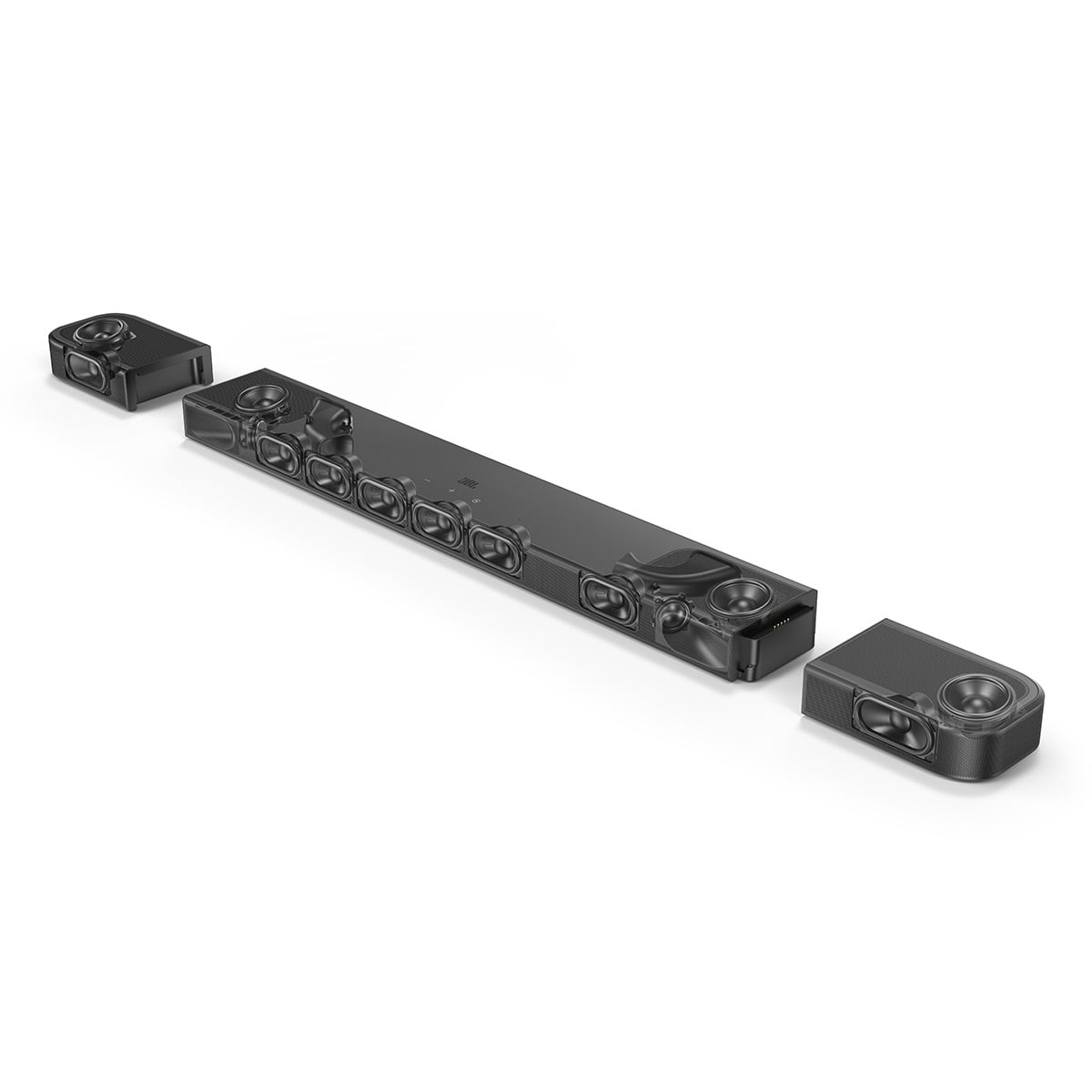
For creating those overhead sound effects that make Dolby Atmos special, both systems use up-firing drivers that bounce sound off your ceiling. The JBL has four of these (two in the main bar, one in each detachable speaker), while the Sonos has two.
More up-firing drivers generally means better height effects, and in practice, the JBL does create a more convincing sense of sound coming from above and around you. When watching scenes with helicopters or rain, the effect is more immersive with the physical rear speakers providing true directional audio.
However, the Sonos counters with superior driver quality and tuning. Its 14-driver array includes seven precisely-tuned tweeters and six midwoofers, creating more accurate sound reproduction overall. The soundstage is wide and detailed, even if it doesn't have quite the same three-dimensional presence as the JBL's setup.
Both systems handle dialogue well, but through different methods. The Sonos Arc Ultra uses dedicated center channel drivers and offers three levels of speech enhancement that you can adjust based on your hearing preferences and room acoustics. This gives you fine control over how prominent voices are in the mix.
The JBL employs PureVoice 2.0 technology, which automatically adjusts dialogue clarity based on ambient sound levels and content. It's more of a "set it and forget it" approach that works well in practice, though it gives you less manual control than the Sonos system.
In my experience, both handle dialogue clearly, but the Sonos edges ahead slightly for users who have specific hearing needs or prefer to fine-tune their audio experience.
The JBL Bar 1000 MK2's modular design opens up use cases that the Sonos simply can't match. The Night Listening mode is particularly clever – it mutes the main soundbar and subwoofer while sending audio only to the detachable speakers. This means you can watch late-night movies without disturbing sleeping family members or neighbors, using just the front-placed speakers for a more contained audio experience.
The portable speaker functionality adds another dimension entirely. I've taken the detachable speakers camping, used them for outdoor parties, and even brought one to a hotel room for better audio while traveling. It's functionality you don't realize you want until you have it.
The system can also adapt to your space and needs. Want just a simple soundbar and subwoofer setup? Leave the rear speakers attached. Need full surround for movie night? Detach and place them behind your seating. It's the kind of flexibility that makes the system feel future-proof.
The Sonos Arc Ultra excels in smart home integration in ways the JBL cannot match. Built-in voice control through Alexa and Sonos's own voice assistant means you can control your TV, adjust volume, and manage your music without reaching for a remote. The integration with streaming services is seamless, and the Sonos app provides one of the best user experiences in the audio industry.
If you already have Sonos speakers throughout your home, the Arc Ultra becomes the centerpiece of a whole-home audio system. You can start music in the living room and have it follow you to the kitchen, or play different music in each room while maintaining perfect synchronization.
The multi-room capabilities are particularly impressive for entertaining. During parties, you can have the same playlist playing throughout your entire home, all perfectly synchronized and controlled from a single app.
The JBL's 960W total system power gives it a significant advantage in larger rooms. This isn't just about getting louder – it's about maintaining clean, undistorted sound at higher volumes. In my 20x15 foot living room, the JBL could fill the space with authority, while the Sonos, though still capable, showed some limitations when pushed to higher volumes.
The power distribution in the JBL system is also more comprehensive: 500W for the main soundbar, 160W total for the detachable speakers, and 300W for the subwoofer. This balanced power allocation means each component can perform its role without straining.
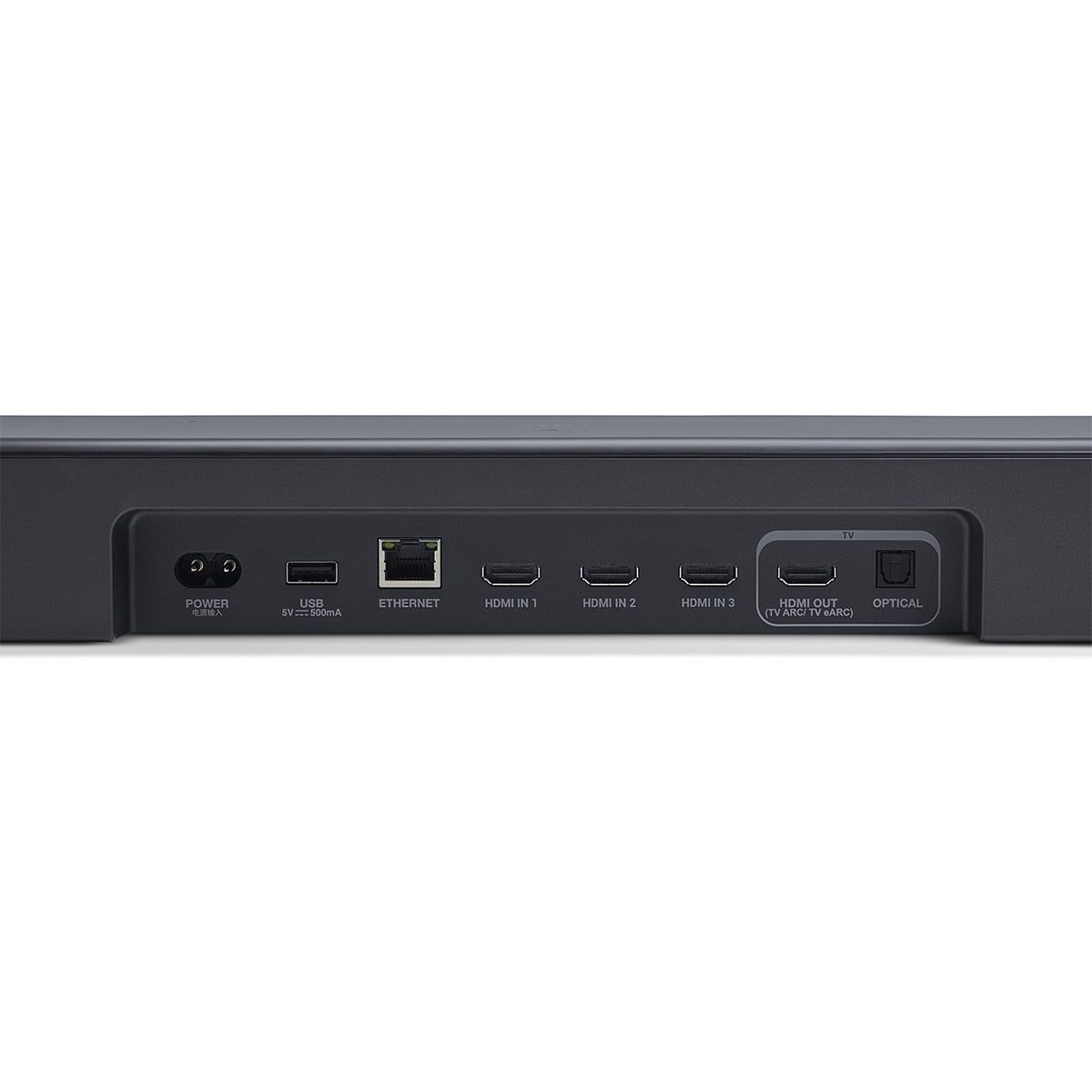
Both systems offer extensive connectivity, but with different focuses. The JBL includes three HDMI inputs plus eARC, making it more suitable for users with multiple source devices. It also supports Bluetooth 5.3, which the Sonos lacks entirely – a surprising omission for a premium product in 2024.
The Sonos focuses on network-based connectivity with dual-band Wi-Fi, AirPlay 2, and various streaming protocols. This makes it better suited for users who primarily stream content rather than connecting physical devices.
Here's where the decision gets interesting from a financial perspective. The JBL Bar 1000 MK2 at $1,199.95 costs $250 more upfront than the Sonos Arc Ultra at $949.05. However, to achieve comparable surround sound capabilities, the Sonos system requires additional purchases:
This brings the total Sonos system cost to approximately $2,106 – nearly double the JBL's price for similar functionality.
The JBL provides immediate value with everything included, while the Sonos offers a more gradual upgrade path. If you're someone who likes to buy audio equipment over time, the Sonos approach might appeal to you. But if you want the complete experience right away, the JBL represents significantly better value.
For dedicated home theater use, several factors favor the JBL Bar 1000 MK2. The included subwoofer provides the kind of bass impact that makes action movies truly engaging. The true rear channel placement creates more convincing surround effects than virtualization can achieve. And the higher power output means the system can handle the dynamic range of movie soundtracks without compression.
The Night Listening mode is particularly valuable for home theater use. Many premium soundbars get too quiet during dialogue and too loud during action scenes when you're trying to watch late at night. The JBL's solution of using only the front speakers during night mode provides a more consistent volume level that won't wake the household.
The Sonos Arc Ultra is no slouch for home theater use, especially if you prioritize dialogue clarity and don't mind adding a subwoofer later. Its speech enhancement features are particularly helpful for users with hearing difficulties, and the overall sound quality is refined and accurate.
After extensive use with both systems, I'd recommend the JBL Bar 1000 MK2 for most buyers seeking a premium soundbar experience. The combination of immediate surround sound capabilities, included subwoofer, flexible usage options, and better overall value makes it the more compelling choice for the majority of users.
The modular design isn't just a gimmick – it genuinely adds functionality that you'll use and appreciate. Whether it's the portable speaker capability, the night listening mode, or simply the convenience of true surround sound without additional purchases, the JBL delivers on its promises.
However, the Sonos Arc Ultra remains the better choice for users already invested in the Sonos ecosystem or those who prioritize smart home integration above all else. If you have Sonos speakers throughout your home and value seamless multi-room audio, the Arc Ultra's integration capabilities justify its premium ecosystem pricing.
For newcomers to premium audio who want the most immersive experience possible right out of the box, the JBL Bar 1000 MK2 represents the better investment. It's a complete solution that grows with your needs rather than requiring additional purchases to reach its full potential.
Both soundbars will significantly improve your TV audio experience, but the JBL's comprehensive approach and superior value proposition make it the winner for most home theater enthusiasts.
| JBL Bar 1000 MK2 Soundbar System | Sonos Arc Ultra Dolby Atmos Soundbar |
|---|---|
| Price - Upfront cost vs total system cost | |
| $1,199.95 (complete system included) | $949.05 (soundbar only, $2,100+ for full surround) |
| Channel Configuration - Determines surround sound immersion | |
| 7.1.4 channels with physical rear speakers | 9.1.2 channels via virtualization only |
| Subwoofer Included - Critical for bass impact in movies | |
| Yes, 10-inch wireless subwoofer (300W) | No, requires separate $799 Sonos Sub |
| Rear Speakers - True surround vs simulated | |
| Detachable wireless speakers with 10-hour battery | Not included, $358 for pair of Era 100s |
| Total System Power - Room-filling capability | |
| 960W (ensures clean sound at high volumes) | Undisclosed (likely lower, compression at high volumes) |
| Up-firing Drivers - Dolby Atmos height effects | |
| 4 drivers (more convincing overhead sound) | 2 drivers (good but less immersive) |
| Portable Functionality - Bonus versatility | |
| Detachable speakers work as Bluetooth speakers | None (single fixed soundbar) |
| Voice Control - Hands-free operation | |
| App-based control only | Built-in Alexa and Sonos Voice Control |
| Multi-room Audio - Whole home integration | |
| Basic streaming, no multi-room sync | Full Sonos ecosystem integration |
| Bluetooth Support - Device connectivity | |
| Bluetooth 5.3 included | No Bluetooth (Wi-Fi streaming only) |
| HDMI Inputs - Multiple device connections | |
| 3 HDMI inputs + eARC | 1 HDMI eARC only |
| Night Mode - Late viewing without disturbing others | |
| Dedicated Night Listening mode (front speakers only) | Standard night mode (volume reduction) |
| Setup Complexity - Getting optimal sound | |
| Moderate (place rear speakers, position subwoofer) | Simple (single bar, app-based tuning) |
The JBL Bar 1000 MK2 ($1,199.95) offers better overall value because it includes everything needed for a complete surround sound system - rear speakers and a 10-inch subwoofer. While the Sonos Arc Ultra ($949.05) costs less upfront, you'll need to spend an additional $1,100+ for a subwoofer and rear speakers to match the JBL's capabilities, bringing the total to over $2,000.
With the JBL Bar 1000 MK2, no additional purchases are required - it comes with detachable wireless rear speakers and a subwoofer for complete 7.1.4 surround sound. The Sonos Arc Ultra works as a standalone soundbar but requires purchasing separate rear speakers ($358) and a subwoofer ($799) for true surround sound with deep bass.
The JBL Bar 1000 MK2 has significantly better bass performance thanks to its included 10-inch wireless subwoofer that delivers room-shaking low-end for action movies. The Sonos Arc Ultra uses Sound Motion woofer technology for improved bass over standard soundbars, but cannot match the depth and impact of a dedicated subwoofer without purchasing the separate Sonos Sub.
Yes, both the JBL Bar 1000 MK2 and Sonos Arc Ultra work with all TV brands through HDMI eARC connections. The JBL also offers three additional HDMI inputs for connecting multiple devices directly, while the Sonos focuses on a single eARC connection and relies more on smart TV apps for content.
The Sonos Arc Ultra is simpler to set up as it's a single soundbar with app-based room tuning and built-in voice control. The JBL Bar 1000 MK2 requires more initial setup since you need to position the detachable rear speakers and subwoofer around your room, but the magnetic docking system makes this straightforward.
Both soundbars fully support Dolby Atmos surround sound. The JBL Bar 1000 MK2 uses four up-firing drivers (two in the main bar, one in each rear speaker) for height effects, while the Sonos Arc Ultra uses two up-firing drivers. The JBL's additional up-firing speakers generally create more convincing overhead sound effects.
The Sonos Arc Ultra has built-in Amazon Alexa and Sonos Voice Control for hands-free operation. The JBL Bar 1000 MK2 doesn't include built-in voice control but can be controlled through the JBL One mobile app and works with your TV's existing voice remote functions.
Both excel at music, but with different strengths. The Sonos Arc Ultra offers more refined, audiophile-quality sound reproduction and seamless integration with streaming services. The JBL Bar 1000 MK2 provides more powerful, dynamic sound with deeper bass and the unique ability to use the detachable speakers as portable Bluetooth speakers throughout your home.
Both offer night modes, but the JBL Bar 1000 MK2 has a superior solution with its Night Listening mode that mutes the main bar and subwoofer while using only the front-placed detachable speakers for quieter, more controlled audio. The Sonos Arc Ultra uses traditional night mode that reduces loud sounds and boosts quiet dialogue.
The Sonos Arc Ultra is designed for gradual expansion within the Sonos ecosystem - you can add the Sonos Sub, rear speakers, and integrate with other Sonos speakers throughout your home. The JBL Bar 1000 MK2 comes complete but offers different flexibility through its detachable speakers that can be used as portable Bluetooth speakers in other rooms.
The JBL Bar 1000 MK2 is better suited for large rooms with its 960W total power output and physical rear speaker placement that provides true surround sound coverage. The Sonos Arc Ultra can handle medium to large rooms well but may require additional rear speakers and a subwoofer for optimal performance in very large spaces.
The core difference is philosophy: the JBL Bar 1000 MK2 provides a complete, modular surround sound system with detachable rear speakers and included subwoofer, while the Sonos Arc Ultra focuses on being a premium single soundbar that integrates with a broader smart home ecosystem and can be expanded over time with additional purchases.
We've done our best to create useful and informative comparisons to help you decide what product to buy. Our research uses advanced automated methods to create this comparison and perfection is not possible - please contact us for corrections or questions. These are the sites we've researched in the creation of this article: ecoustics.com - engadget.com - bestbuy.com - techradar.com - rtings.com - hometechnologyreview.com - youtube.com - t3.com - whathifi.com - youtube.com - bhphotovideo.com - gzhls.at - device.report - support.jbl.com - support.jbl.com - jbl.com - av.com - audioadvice.com - jbl.com - target.com - worldwidestereo.com - bestbuy.com - shopjetson.com - youtube.com - ign.com - crutchfield.com - dowtechnologies.com - sonos.com - appleinsider.com - pcrichard.com - clefdesol.com - sonos.com - businessinsider.com - audioadvice.com - en.community.sonos.com

Privacy Policy
Terms and Conditions - Affiliate Policy
Home Security
© Copyright 2008-2026.
11816 Inwood Rd #1211, Dallas, TX 75244