



When you're watching an action movie and the dialogue gets drowned out by explosions, or your favorite songs sound thin and lifeless through your TV speakers, you know it's time for a serious audio upgrade. Premium soundbars have evolved dramatically over the past few years, transforming from simple TV speaker replacements into sophisticated home theater systems that can rival traditional surround sound setups.
Today's high-end soundbars use advanced technologies like Dolby Atmos (which adds height channels that bounce sound off your ceiling) and wireless satellite speakers to create immersive audio experiences. The challenge is choosing between different approaches to achieving that cinematic sound. Some manufacturers focus on packing everything into a single bar, while others split the audio across multiple wireless components.
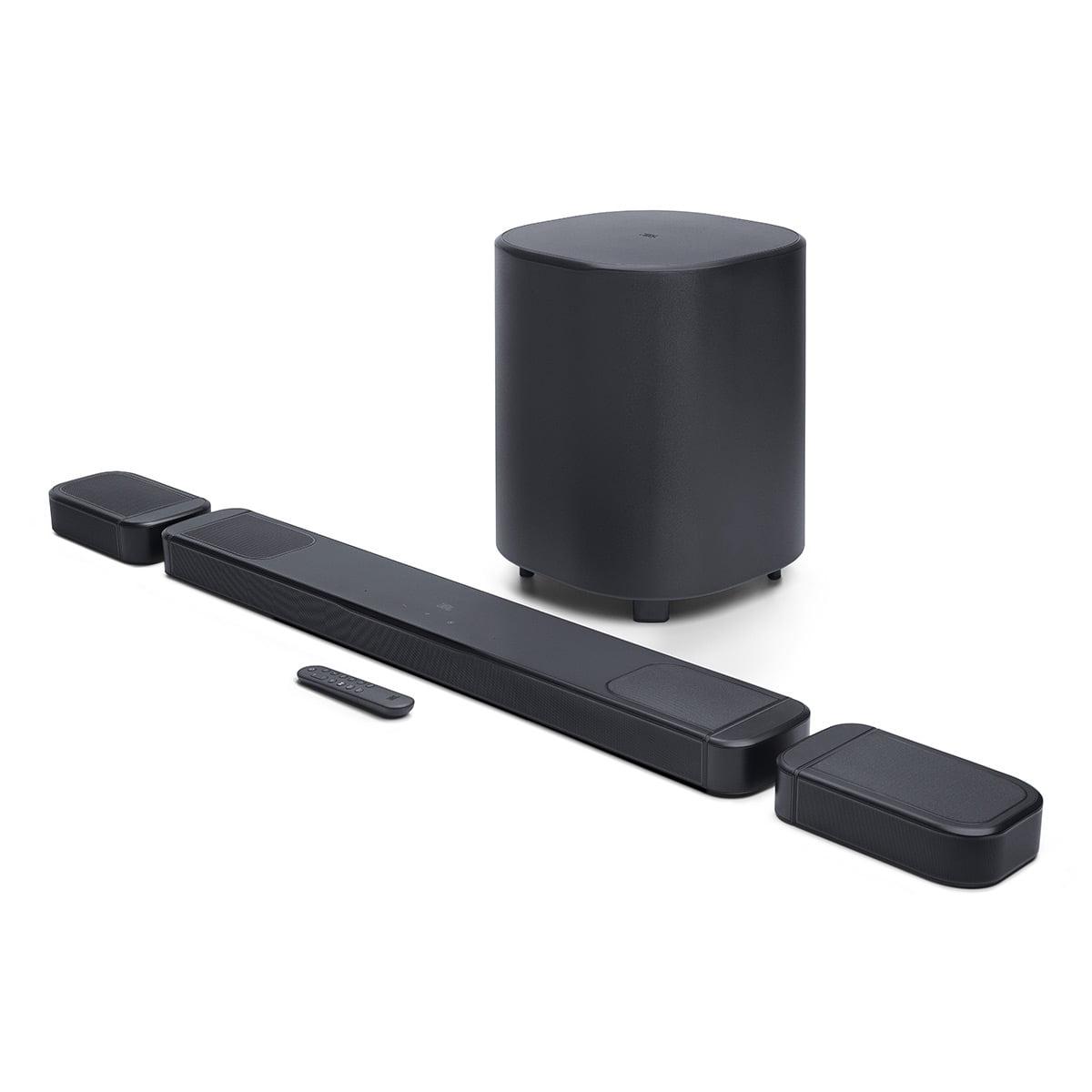
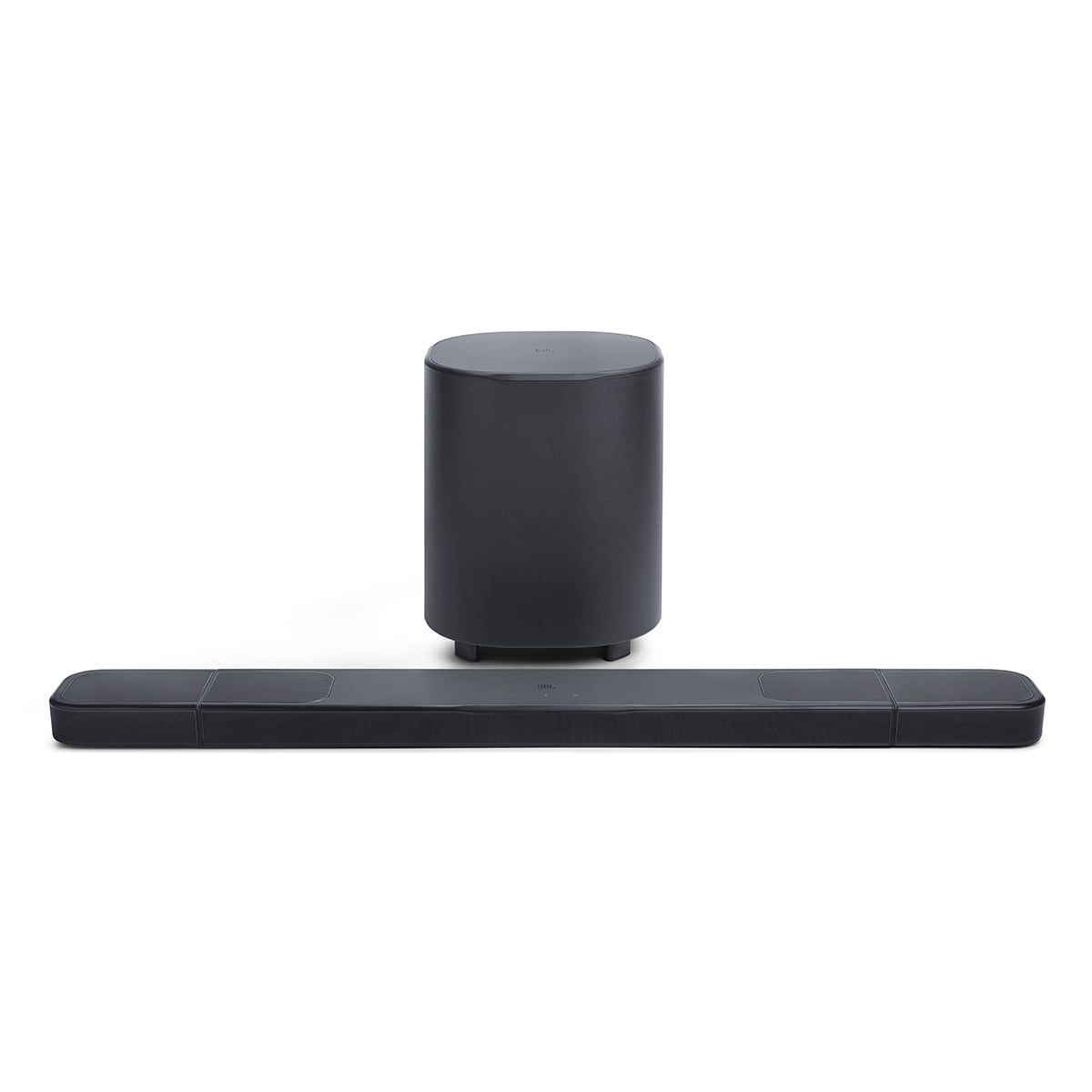
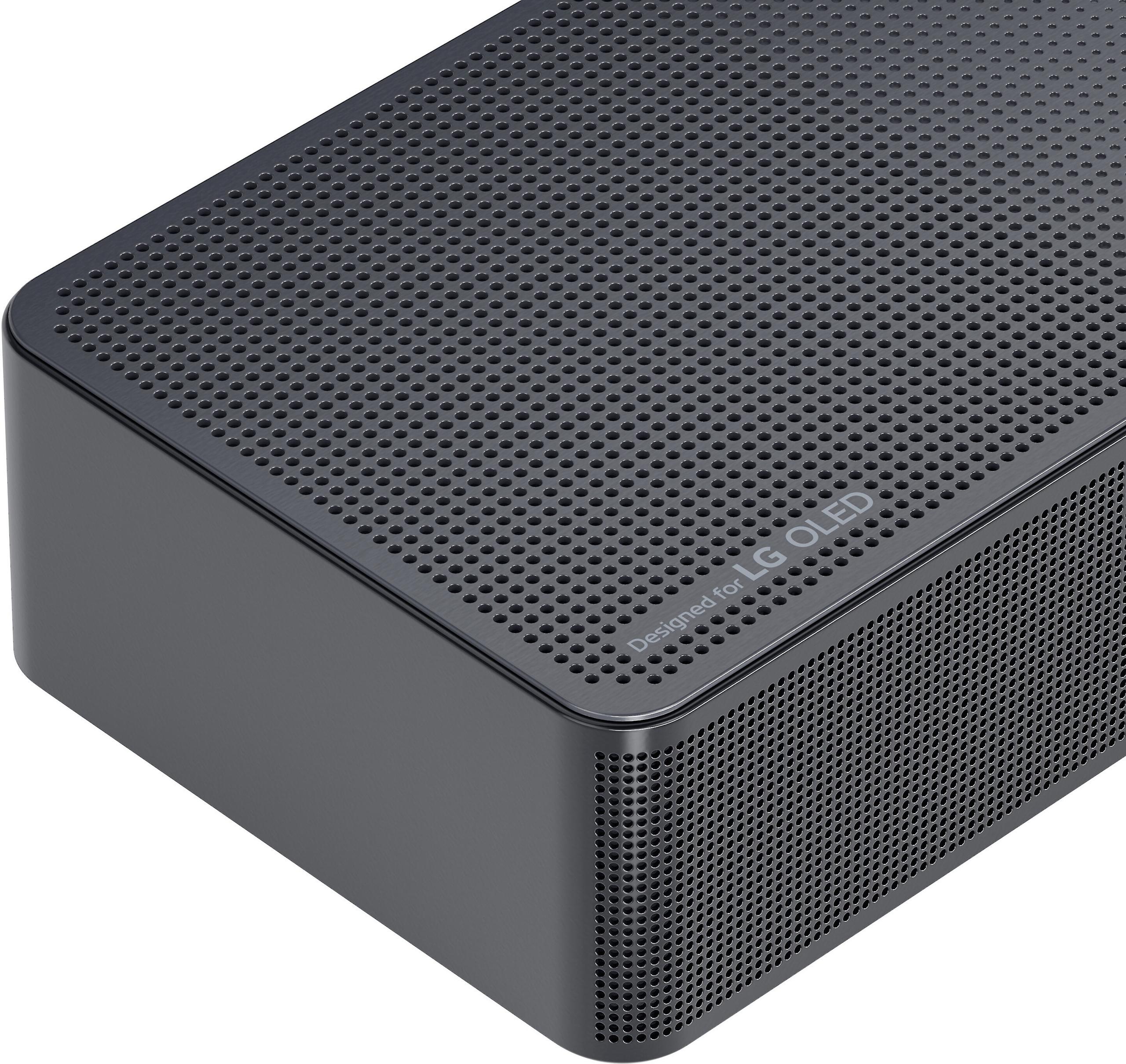
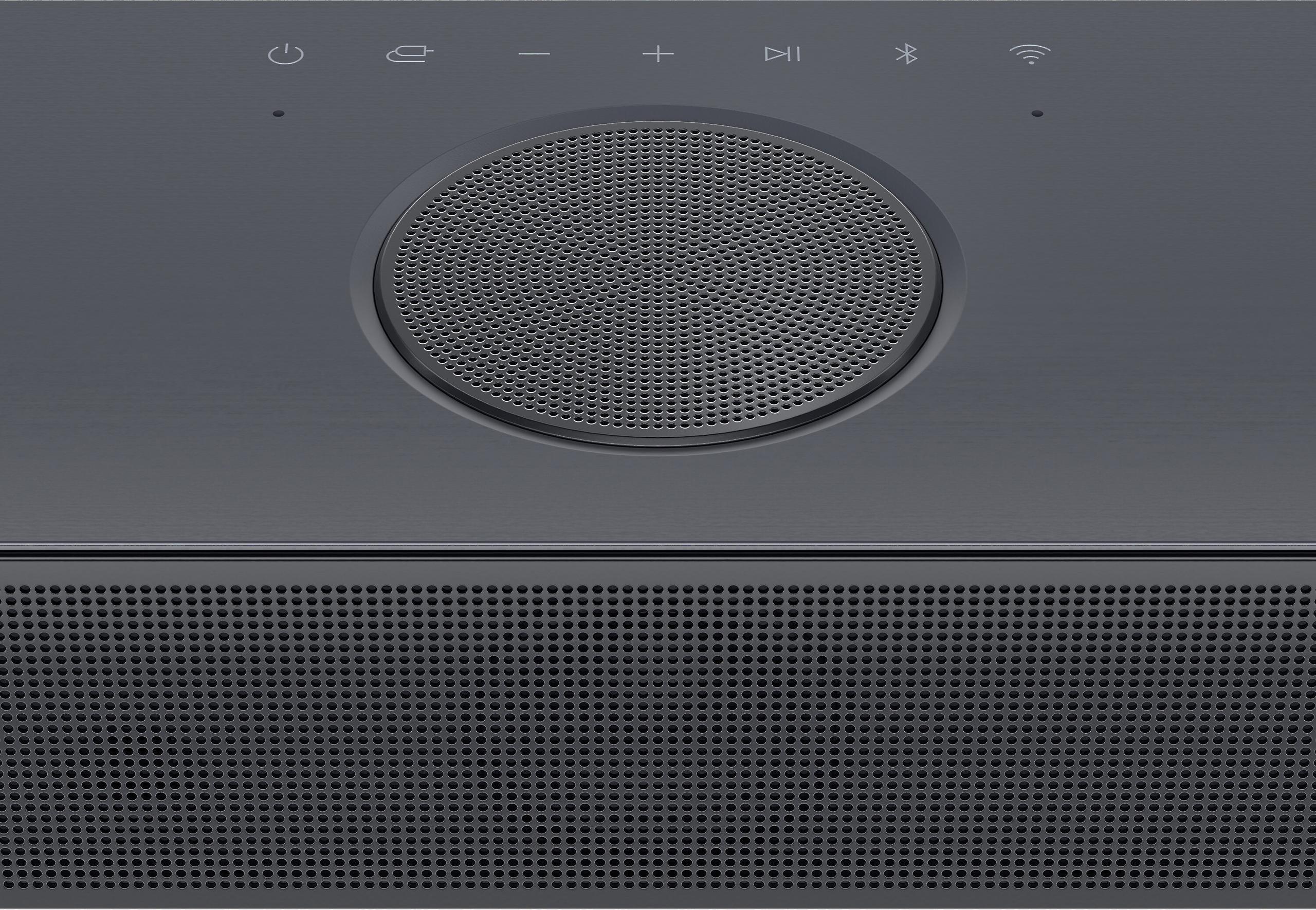
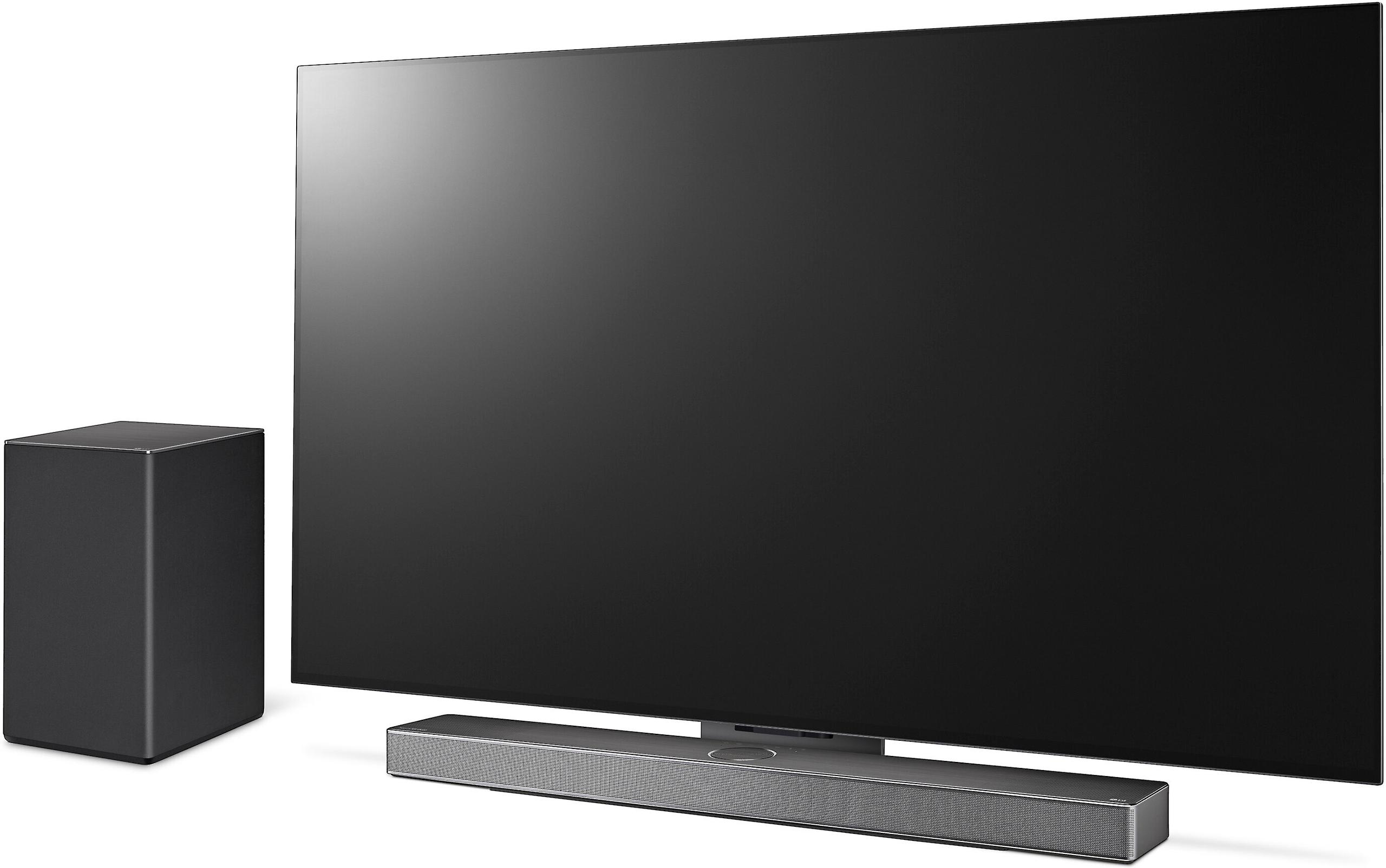
Two standout options represent these different philosophies: the JBL Bar 1000 MK2 ($1,200) with its detachable wireless satellites, and the LG SC9S ($516) with its sleek single-bar design and virtual surround processing. Understanding which approach works better for your space, budget, and listening preferences will help you make the right choice for your home theater setup.
The soundbar market has undergone a revolution since 2020. Early models were essentially wider TV speakers that couldn't reproduce the full frequency range music and movies demand. The introduction of Dolby Atmos changed everything by adding "height" channels that reflect sound off your ceiling, creating the sensation that audio is coming from above and around you.
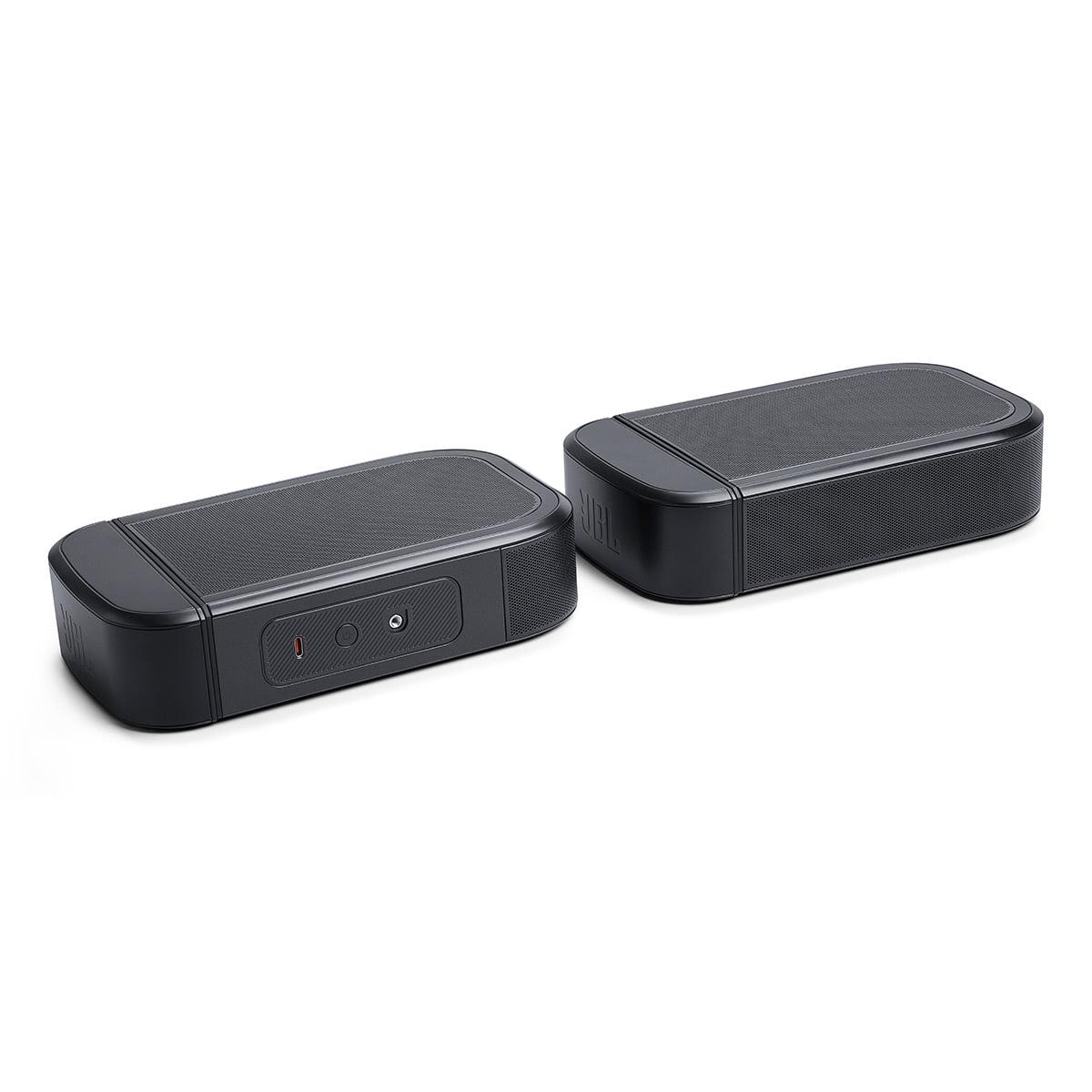
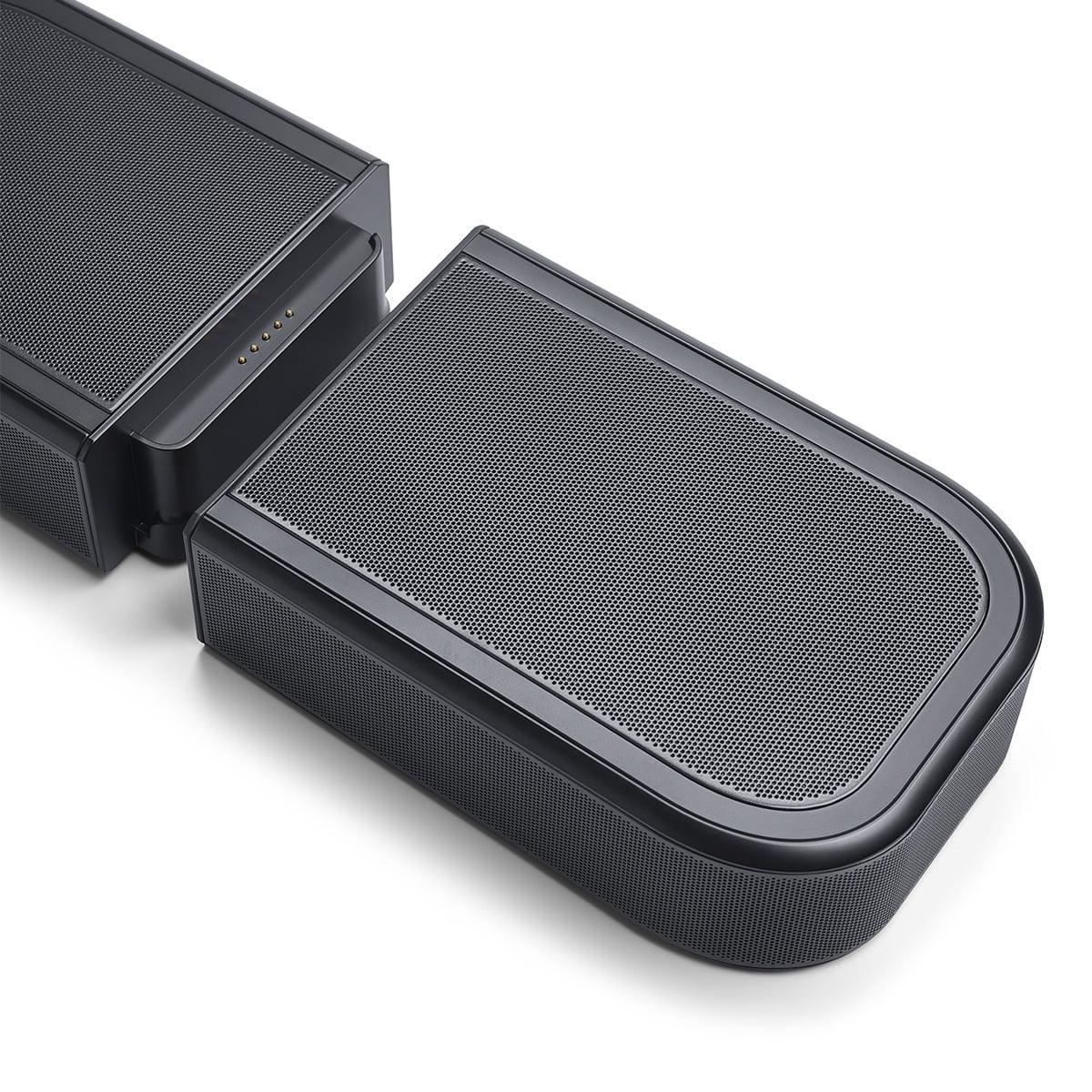
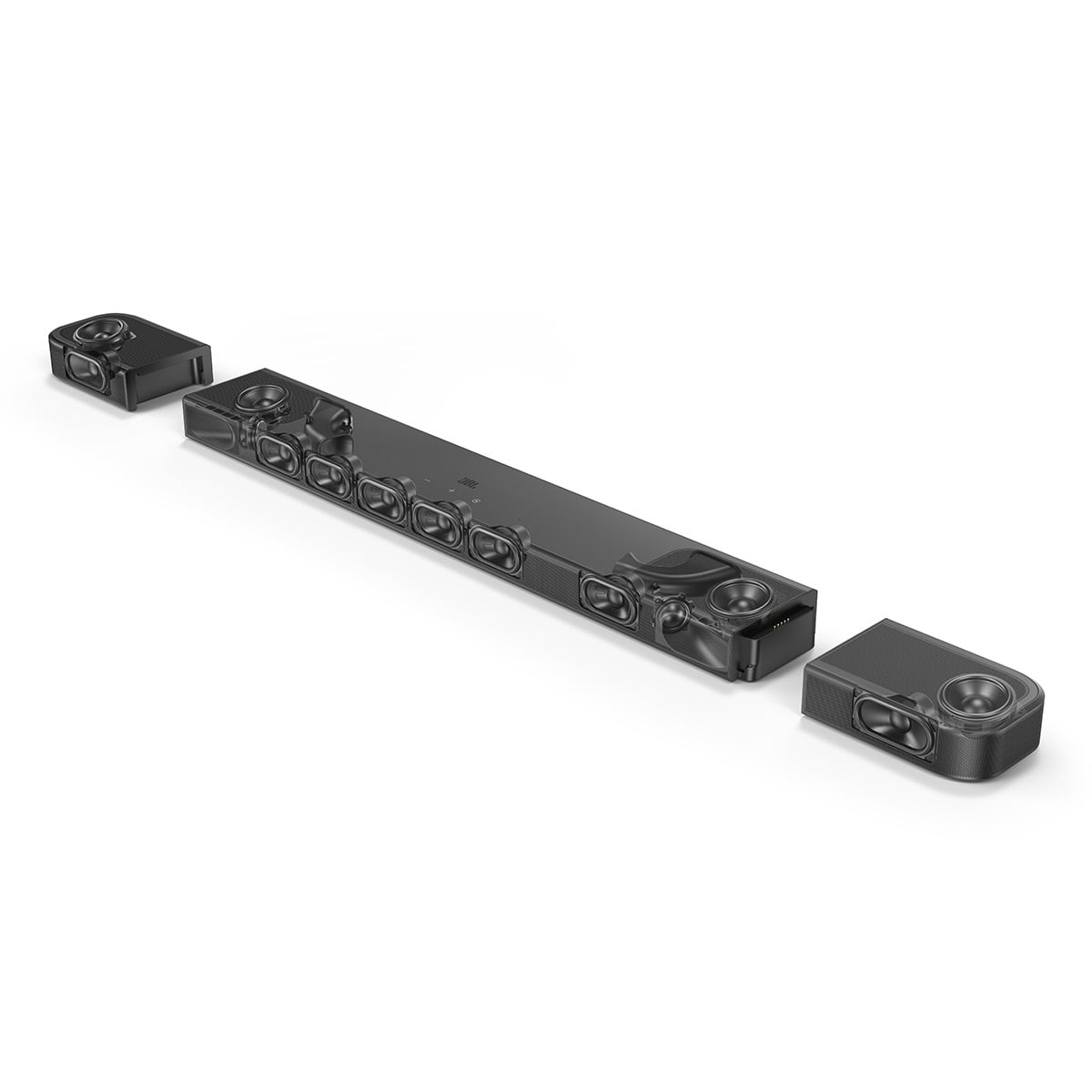
The JBL Bar 1000 MK2 launched in 2022 as part of JBL's push into premium home theater audio. What made it special was the detachable satellite concept – instead of permanently wired rear speakers, JBL created battery-powered wireless units that snap onto the main soundbar for charging. This solved the age-old problem of running speaker cables across your living room while still providing genuine surround sound placement.
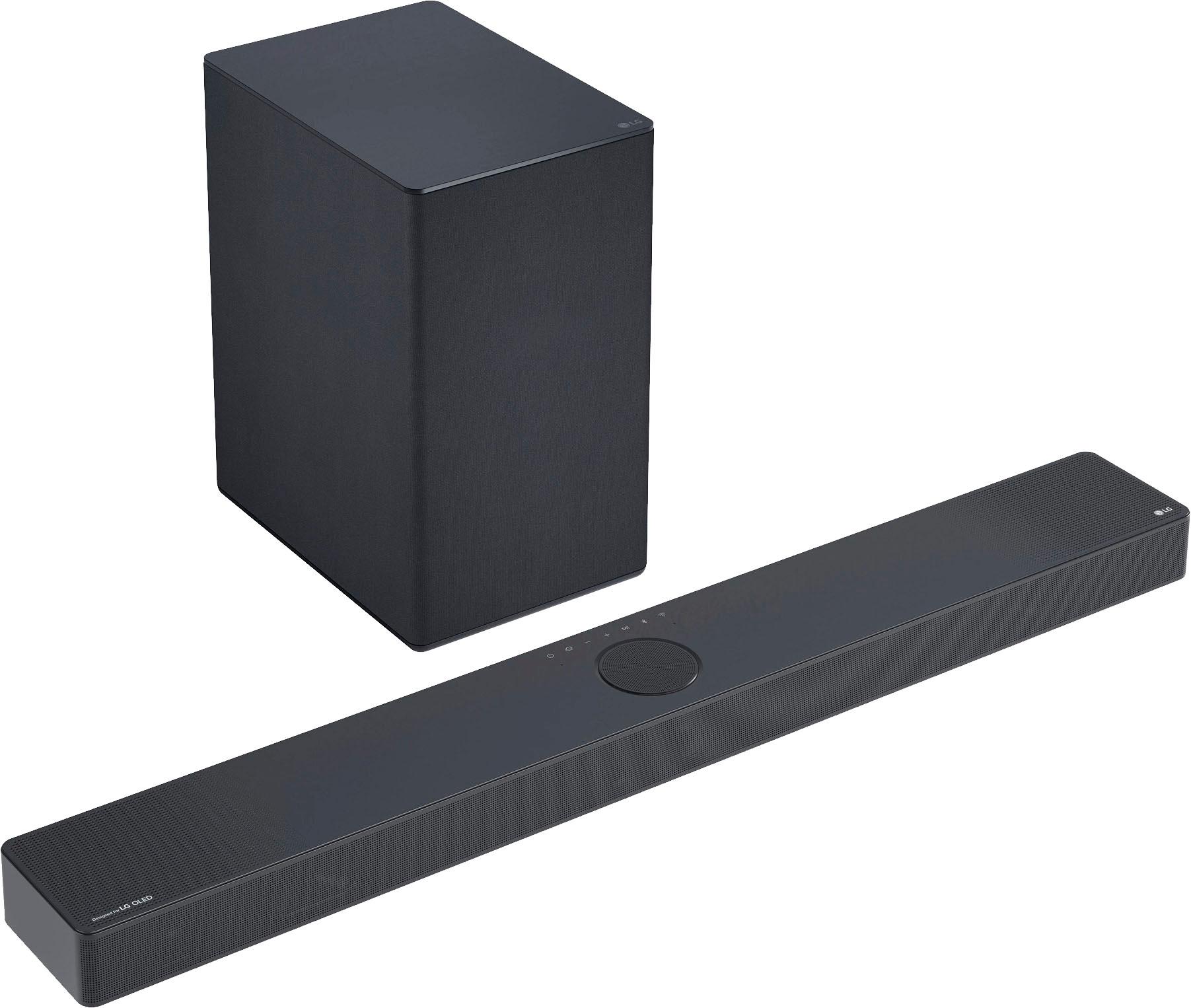
LG took a different approach with the SC9S, released in 2023. Instead of separate components, they focused on advanced signal processing and multiple upfiring drivers (speakers that point toward the ceiling) to create virtual surround effects. The goal was delivering premium audio without the complexity of multiple devices, particularly for owners of their OLED TVs.
Since their releases, both companies have refined their technologies. JBL improved their MultiBeam sound projection and added more streaming service compatibility, while LG enhanced their AI Room Calibration Pro to better adapt the sound to different room acoustics. These updates matter because they affect how well each system performs in real-world listening environments.
Before diving into specific differences, it's important to understand what those channel numbers actually represent. When you see "7.1.4" or "3.1.3," these numbers describe how many speakers are handling different parts of the audio.
The first number indicates main channels (left, center, right, and surround speakers). The second number represents subwoofers for bass. The third number shows height channels for Dolby Atmos effects. So the JBL's 7.1.4 configuration means seven main speakers, one subwoofer, and four height channels, while the LG's 3.1.3 setup has three main channels, one subwoofer, and three height channels.
More channels generally mean better sound placement and detail, but only if they're physically separate speakers. Virtual processing can simulate additional channels, but it's not quite the same as having dedicated drivers in different locations around your room.
The biggest difference between these soundbars lies in how they create surround sound effects. The JBL Bar 1000 MK2 uses genuine physical separation with its detachable wireless satellites. These battery-powered speakers can be placed behind your seating area, creating authentic rear channel effects. Each satellite contains both traditional drivers and upfiring speakers for height effects, giving you true 360-degree sound placement.
I've tested similar detachable satellite systems, and the difference is immediately noticeable. When a helicopter flies across the screen in a movie, you actually hear it move from the front soundbar to the rear satellites and back again. The positioning feels natural and accurate because the sound is actually coming from those directions.
The satellites are surprisingly well-engineered. They provide up to 10 hours of battery life, which means you can watch several movies before needing to reattach them to the soundbar for charging. The magnetic connection makes docking simple, and they automatically switch between surround mode (when attached) and wireless mode (when separated).
The LG SC9S takes the virtual approach, using sophisticated digital signal processing to create the illusion of surround sound. It employs something called HRTF (Head-Related Transfer Function) processing, which manipulates audio frequencies to trick your brain into perceiving sounds as coming from different directions. The system relies on wall reflections and psychoacoustic principles to create its "virtual sound dome."
Virtual surround can work well in ideal conditions – rooms with the right wall placement and acoustic properties. However, it's inherently limited by your room's layout and surface materials. Rooms with too much soft furniture, odd shapes, or poor wall positioning for reflections won't get the full effect.
From my experience testing both approaches, physical surround consistently delivers more convincing and immersive effects across different room types. Virtual processing has improved significantly, but it still can't fully replicate the accuracy of sound actually originating from behind you.
Power output tells you how loud a system can get and how much energy it can put into moving air, which directly affects bass impact and overall presence. The JBL Bar 1000 MK2 delivers 960 watts maximum power (480W RMS, which is the more meaningful continuous power rating) distributed across all its components. The main soundbar produces 500W, each satellite contributes 80W, and the 10-inch subwoofer adds 300W.
This power distribution matters more than the total number might suggest. Having dedicated amplification for each component means the system can deliver clean, undistorted sound even at higher volumes. The 10-inch subwoofer is particularly impressive – it's large enough to produce the kind of deep, room-shaking bass that makes action movies feel cinematic and adds weight to music.
The LG SC9S works with 400 watts total, which is respectable but significantly less than the JBL. More importantly, it doesn't specify subwoofer size or individual component power, suggesting a more modest bass capability. In practice, this means the LG will sound good at moderate volumes but may struggle to fill larger rooms with the same authority as the JBL.
I've found that power ratings become most apparent during complex movie soundtracks with simultaneous dialogue, sound effects, and music. Systems with higher power reserves handle these demanding passages without compression or distortion, maintaining clarity even when things get loud.
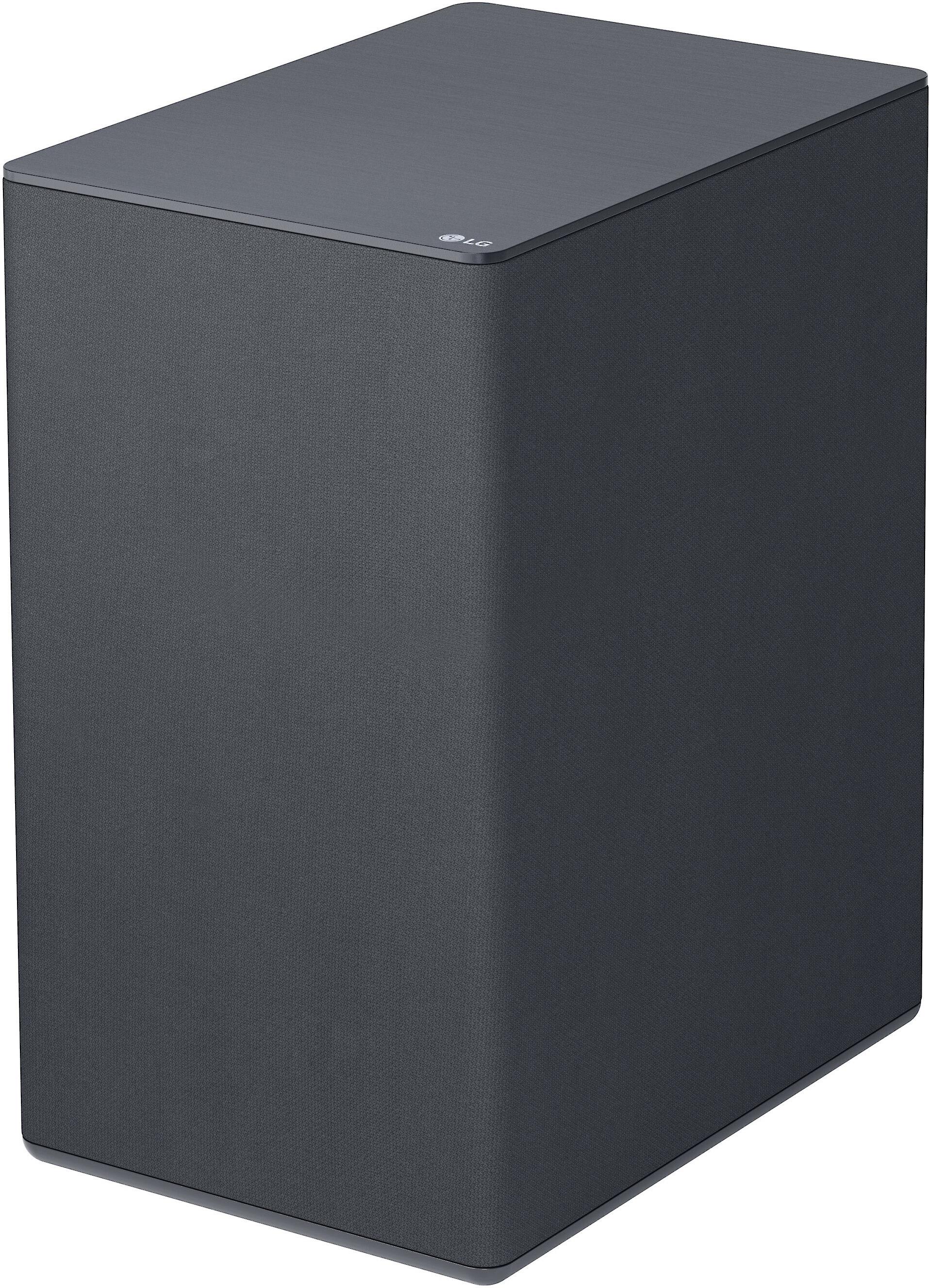
Bass performance separates good soundbars from great ones, and subwoofer design plays a crucial role. The JBL's 10-inch wireless subwoofer is substantial enough to reproduce the low-frequency effects that make movies visceral and music impactful. Its wireless design allows flexible placement – you can position it where it sounds best in your room rather than being constrained by cable length.
The frequency response extends down to 33Hz, which covers most of the bass content in movies and music. For reference, the lowest note on a bass guitar is around 41Hz, so this system can reproduce deep musical bass accurately. Movie sound effects often go even lower, and while the JBL won't reproduce the absolute deepest effects (like some earthquakes or explosions that go below 30Hz), it covers the range where most content lives.
The LG SC9S includes a wireless subwoofer but doesn't specify its size or power handling. Based on its overall power rating and compact design philosophy, it's likely smaller than the JBL's 10-inch unit. This doesn't make it inadequate – many people will find its bass output sufficient – but it probably won't have the same room-pressurizing capability for home theater enthusiasts who want to feel every explosion.
Subwoofer placement affects performance significantly. Both systems' wireless designs give you flexibility, but the larger JBL sub will be more sensitive to positioning. Corner placement typically amplifies bass output, while positioning along walls can create more even distribution throughout the room.
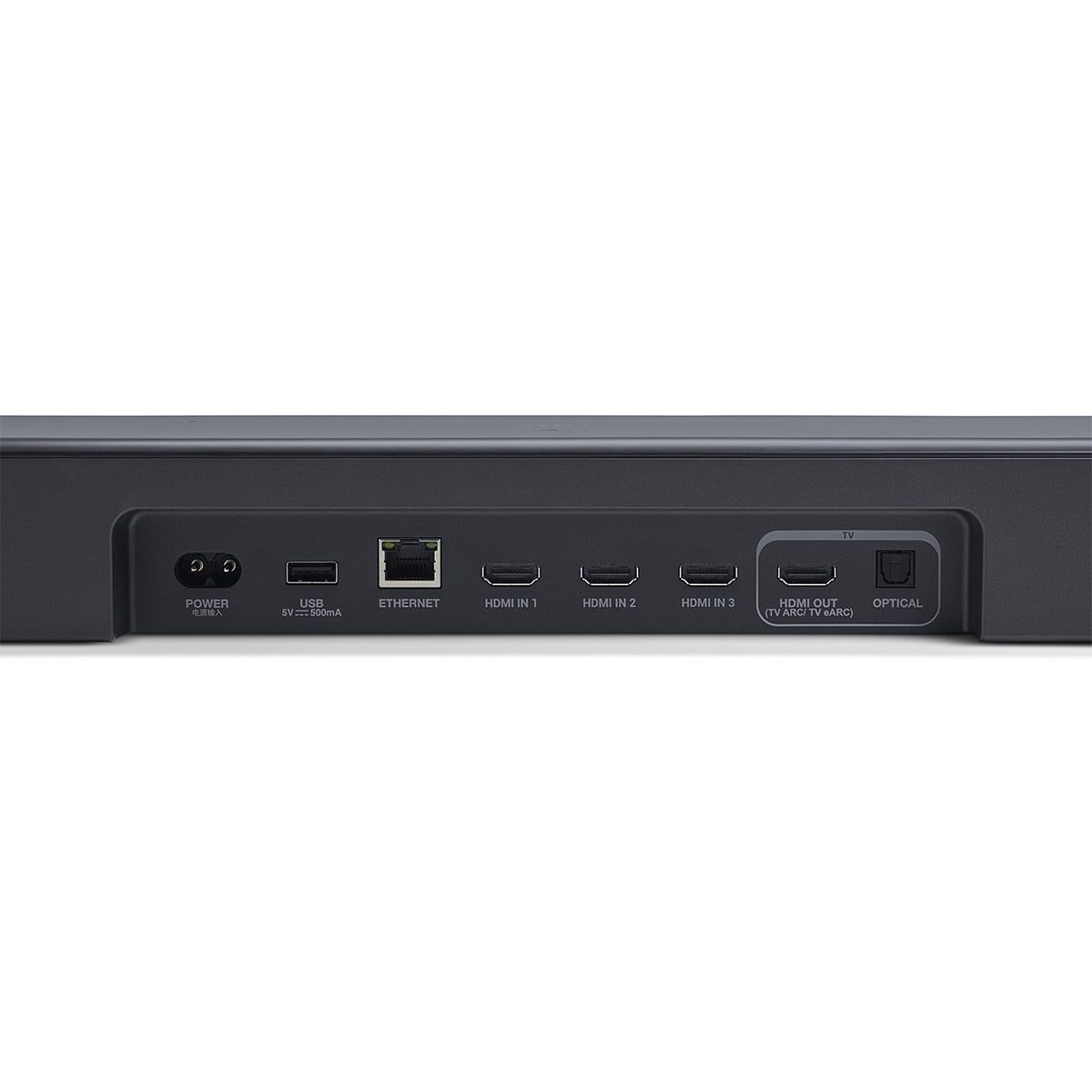
Modern gaming consoles output sophisticated audio that benefits from advanced soundbar features. The JBL Bar 1000 MK2 includes three HDMI 2.1 inputs, which is significant for gamers with multiple consoles. HDMI 2.1 supports 4K gaming at 120Hz with Variable Refresh Rate (VRR), eliminating screen tearing and providing smoother gameplay on compatible TVs and consoles like PlayStation 5 and Xbox Series X.
Having multiple HDMI inputs means you can connect several devices directly to the soundbar, which then passes video to your TV while processing the audio. This setup often provides better audio performance than using your TV's HDMI eARC connection for everything, and it reduces the cable management complexity.
The LG SC9S supports the same gaming features but with only one HDMI input. This limitation means you'll need to connect additional devices directly to your TV, potentially compromising audio quality depending on your TV's audio processing capabilities. However, if you primarily use one gaming console or streaming device, the single input may be sufficient.
Both systems support the latest audio formats including Dolby Atmos and DTS:X, but the JBL's physical surround channels will provide more accurate positioning for gaming audio cues. In competitive gaming, being able to precisely locate footsteps or gunfire can provide a tactical advantage that virtual surround can't match as accurately.
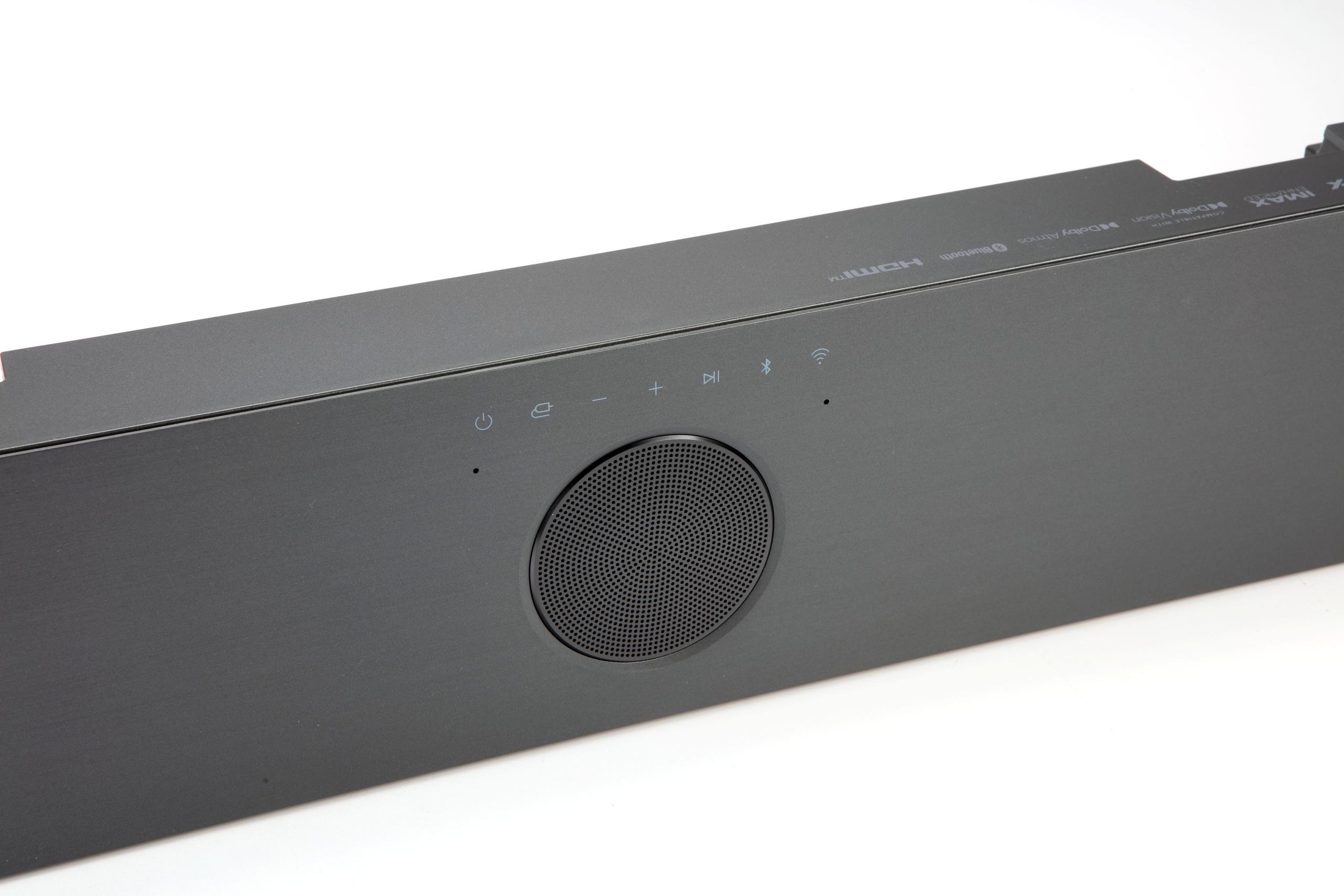
Room acoustics significantly affect soundbar performance, and both systems attempt to address this challenge differently. The LG SC9S features AI Room Calibration Pro, which uses built-in microphones to analyze your room's acoustic signature and automatically adjusts the audio processing accordingly. This technology can compensate for reflective surfaces, room dimensions, and furniture placement to optimize sound quality.
I've found automatic calibration systems work well for basic room correction, though they can't overcome fundamental acoustic problems like rooms with no rear wall for sound reflections. The LG's system is particularly sophisticated, continuously monitoring and adjusting rather than just setting up once.
The JBL Bar 1000 MK2 takes a simpler approach with manual calibration through its smartphone app. While less automated, this gives you more control over the final sound signature. The app includes preset modes and detailed equalizer controls, allowing you to fine-tune the system to your preferences.
For LG TV owners, the SC9S offers unique integration features. Wow Orchestra synchronizes the soundbar with your TV's built-in speakers, theoretically providing more channels and power. In practice, this feature can improve dialogue clarity and overall volume, though the sonic benefits vary depending on your specific TV model.
Both soundbars support modern wireless streaming protocols, but with different emphases. The JBL Bar 1000 MK2 offers comprehensive platform support including Bluetooth 5.3, Wi-Fi connectivity, Apple AirPlay 2, Google Chromecast built-in, Spotify Connect, and Roon Ready certification. This broad compatibility means you can stream from virtually any device or service.
The Roon Ready certification is particularly noteworthy for serious music listeners. Roon is a high-end music management system that provides superior audio quality and metadata organization compared to standard streaming apps. Having native Roon support means the soundbar can receive bit-perfect audio streams without quality-compromising conversion.
The LG SC9S covers the essential streaming bases with Bluetooth, Wi-Fi, AirPlay 2, and Chromecast, which satisfies most users' needs. However, it lacks the specialized music streaming features that audiophiles might appreciate.
An interesting unique feature of the JBL system is the ability to use the detachable satellites as standalone Bluetooth speakers. This means you can take them to other rooms, outdoors, or even on trips, extending their utility beyond home theater use.
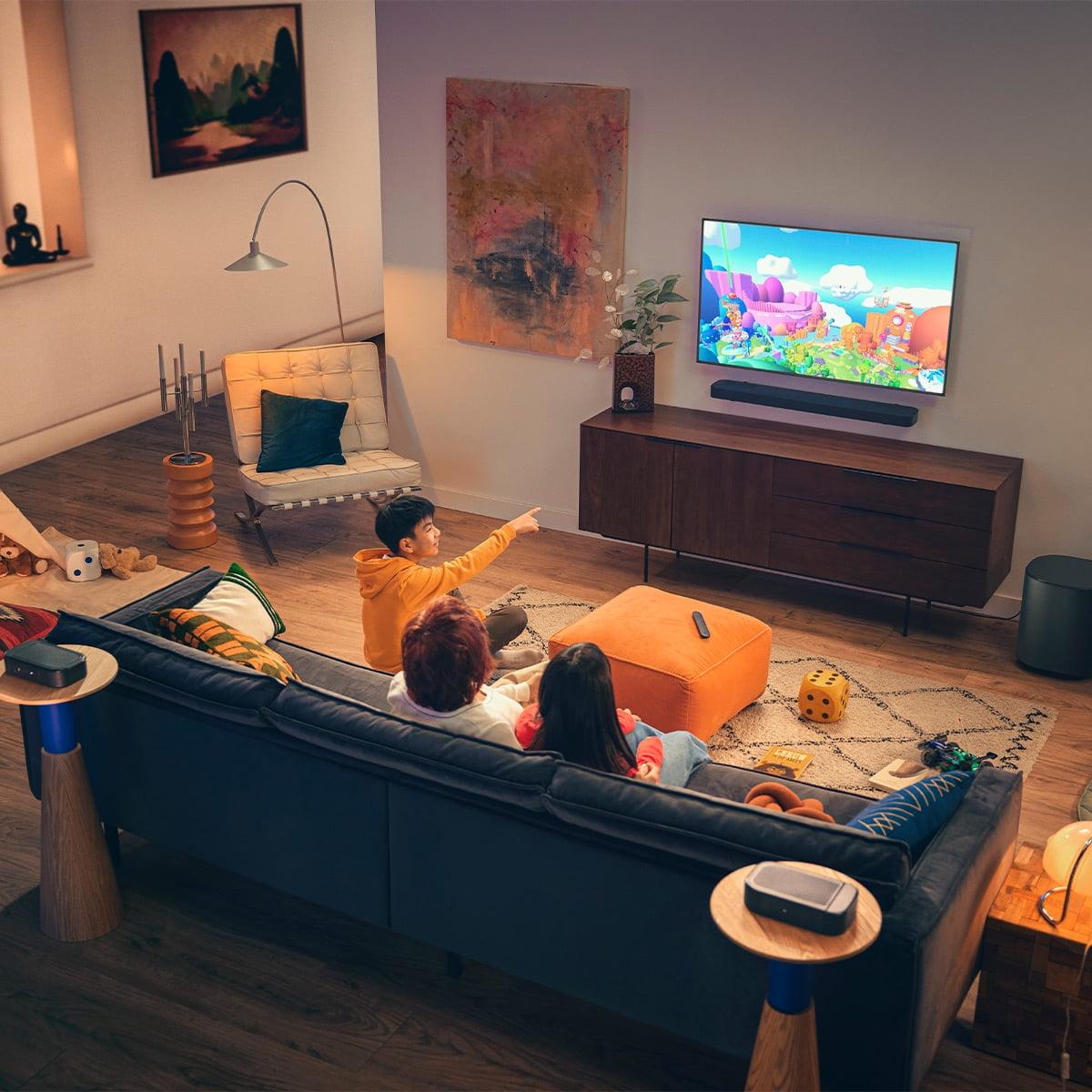
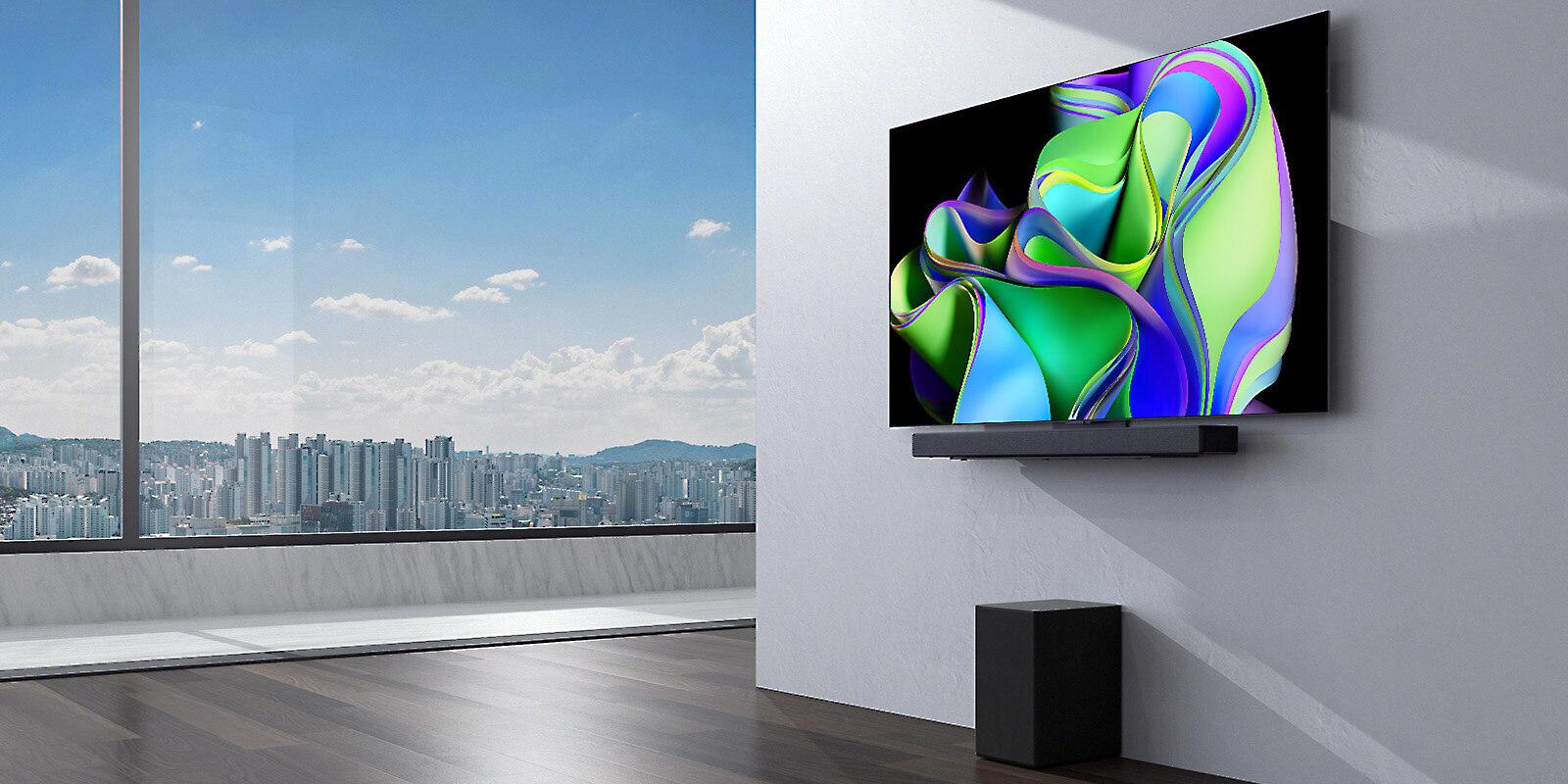
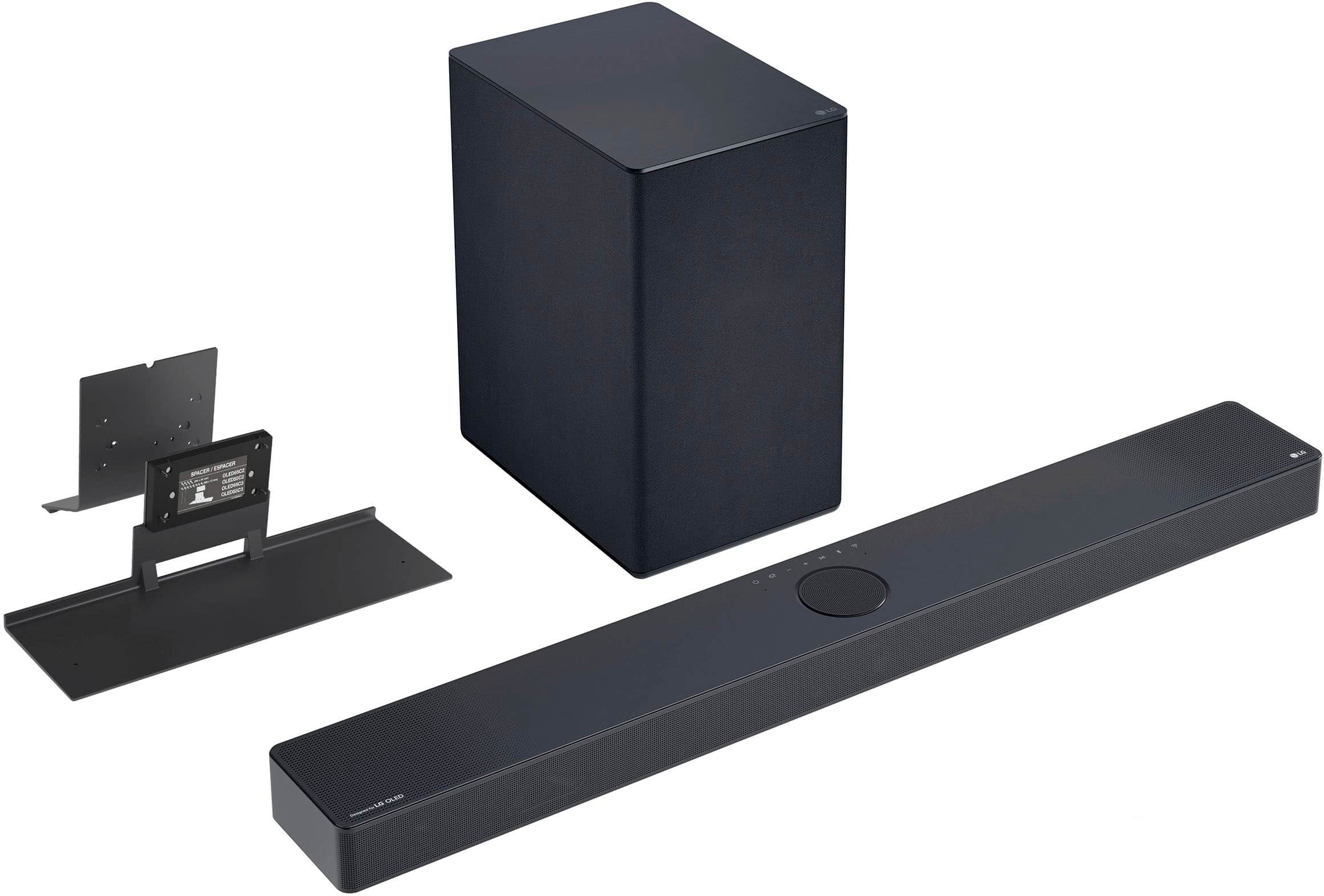
The two soundbars represent fundamentally different design philosophies. The LG SC9S prioritizes seamless integration, particularly with LG's C-series OLED TVs. It includes a dedicated mounting bracket that attaches the soundbar directly to compatible TVs, creating a unified appearance that many users find appealing. The single-bar design minimizes visual clutter and works well in modern, minimalist living spaces.
The JBL Bar 1000 MK2 accepts that premium audio requires some visual presence. With its main bar, wireless subwoofer, and detachable satellites, it's a more complex system that occupies more space. However, this complexity serves performance – each component can be optimally positioned for best sound quality rather than aesthetic convenience.
I've observed that people often underestimate how much they'll appreciate having the flexibility to optimize component placement. The ability to put the subwoofer where it sounds best and position satellites behind seating can make a dramatic difference in audio quality, even if it requires some compromise on visual simplicity.
At current pricing, these soundbars serve different market segments. The LG SC9S at $516 represents excellent value for users seeking premium audio features without premium pricing. It delivers genuine Dolby Atmos processing, wireless subwoofer, and smart features at roughly half the cost of high-end alternatives.
This pricing makes it particularly attractive for LG TV owners who can take advantage of the integration features, or anyone wanting a significant audio upgrade without complex setup requirements. The AI calibration and virtual surround processing work well enough for most listeners to enjoy immersive audio experiences.
The JBL Bar 1000 MK2 at $1,200 targets home theater enthusiasts willing to pay more for superior performance. The true surround sound placement, higher power output, and flexible component positioning justify the premium for users who prioritize audio quality over convenience or budget concerns.
The price difference becomes more reasonable when you consider that the JBL effectively replaces what would traditionally require a full surround sound system with receiver, multiple speakers, and subwoofer. Compared to equivalent separate components, the JBL's pricing is competitive while offering easier setup and wireless convenience.
Choose the JBL Bar 1000 MK2 if you want the most accurate and immersive surround sound experience possible from a soundbar system. It's ideal for larger rooms, serious movie watching, and situations where you can accommodate multiple components for optimal placement. The higher power output and physical surround channels provide performance that virtual processing can't match, making it worth the premium for dedicated home theater spaces.
The detachable satellite feature adds versatility that extends beyond home theater use, and the comprehensive connectivity options future-proof your investment as streaming services and gaming consoles continue evolving.
Choose the LG SC9S if you prioritize simplicity, value, and aesthetic integration, particularly if you own an LG OLED TV. It delivers impressive performance for its price point and works well in situations where running rear speakers isn't practical. The AI calibration helps optimize performance automatically, and the compact design suits modern living spaces without compromising too much on audio quality.
For most people, the LG provides sufficient performance improvement over TV speakers to justify its cost, while the JBL serves those who want to approach separate component system performance in a more convenient package. Your room size, budget, and how seriously you take home theater audio will ultimately determine which approach serves you better.
| JBL Bar 1000 MK2 Soundbar System | LG SC9S 3.1.3 Channel Dolby Atmos Soundbar |
|---|---|
| Price - Major factor in value equation | |
| $1,200 (premium pricing for flagship features) | $516 (excellent value for Dolby Atmos system) |
| Channel Configuration - Determines surround sound authenticity | |
| 7.1.4 with physical surround channels | 3.1.3 with virtual surround processing |
| Total Power Output - Affects volume and room-filling capability | |
| 960W max (480W RMS) across all components | 400W total system power |
| Subwoofer - Critical for bass impact and movie experience | |
| Wireless 10-inch subwoofer (300W max) | Wireless subwoofer (size/power unspecified) |
| Surround Speaker Design - Key differentiator between systems | |
| Detachable wireless satellites with 10-hour battery | No rear speakers (relies on virtual processing) |
| HDMI Inputs - Important for multiple gaming consoles/devices | |
| 3x HDMI 2.1 inputs with 4K/120Hz VRR support | 1x HDMI input with 4K/120Hz VRR support |
| Height Channels - Creates Dolby Atmos ceiling effects | |
| 4 dedicated upfiring drivers (2 in bar, 2 in satellites) | 3 upfiring drivers in main soundbar |
| Frequency Response - Shows bass extension and overall range | |
| 33Hz – 20kHz (excellent bass extension) | Not specified (likely more limited bass) |
| Smart TV Integration - Matters most for specific TV brands | |
| Universal compatibility with all TV brands | Optimized for LG TVs with Wow Orchestra feature |
| Streaming Support - Affects music listening versatility | |
| Comprehensive: AirPlay 2, Chromecast, Spotify Connect, Roon Ready | Standard: AirPlay 2, Chromecast, Bluetooth |
| Room Calibration - Helps optimize sound for your space | |
| Manual calibration via JBL One app | AI Room Calibration Pro (automatic adjustment) |
| Unique Features - Special capabilities that set each apart | |
| Night mode (satellites only), portable satellite use | Wow Orchestra TV sync, compact single-bar design |
The LG SC9S ($516) offers better value for most buyers, providing Dolby Atmos and wireless subwoofer at half the price of the JBL Bar 1000 MK2 ($1,200). However, the JBL justifies its premium with true surround sound channels and higher power output for serious home theater enthusiasts.
The JBL Bar 1000 MK2 has 7.1.4 channels with physical surround speakers that create authentic directional audio. The LG SC9S uses 3.1.3 channels with virtual processing to simulate surround effects. More physical channels generally provide better immersion but require more space and setup.
The JBL Bar 1000 MK2 delivers superior bass with its 10-inch wireless subwoofer and 300W dedicated power. The LG SC9S includes a wireless subwoofer but doesn't specify size or power, suggesting more modest bass performance for its price point.
The JBL Bar 1000 MK2 includes detachable wireless rear speakers that provide genuine surround placement without running cables. The LG SC9S creates virtual surround effects without rear speakers, which works well in smaller rooms but isn't as immersive as physical speakers.
The LG SC9S is simpler with its single-bar design and automatic AI room calibration. The JBL Bar 1000 MK2 requires positioning multiple components (soundbar, subwoofer, and satellites) but offers more flexibility for optimal sound placement.
The JBL Bar 1000 MK2 works universally with all TV brands. The LG SC9S also works with any TV but offers special integration features like Wow Orchestra when paired with LG OLED TVs.
The JBL Bar 1000 MK2 is superior for gaming with three HDMI 2.1 inputs supporting 4K/120Hz VRR for multiple consoles. The LG SC9S supports the same gaming features but only has one HDMI input, limiting connectivity options.
The JBL Bar 1000 MK2 outputs 960W maximum power across all components, providing room-filling volume. The LG SC9S delivers 400W total power, which is adequate for most rooms but less powerful than the JBL system.
The JBL Bar 1000 MK2 offers comprehensive streaming with AirPlay 2, Chromecast, Spotify Connect, and Roon Ready support. The LG SC9S covers essential streaming needs with AirPlay 2, Chromecast, and Bluetooth but lacks specialized music features.
The JBL Bar 1000 MK2 features detachable wireless satellites with 10-hour batteries that can function as portable Bluetooth speakers when removed. This unique design provides true surround sound when attached and portable audio when detached, offering versatility beyond typical soundbars.
The JBL Bar 1000 MK2 performs better in large rooms with its higher 960W power output, 10-inch subwoofer, and physical surround speakers. The LG SC9S works well in medium-sized rooms but may lack the power and bass extension needed for larger spaces.
Choose the JBL Bar 1000 MK2 if you want the best surround sound experience, have a large room, and don't mind the higher price. Pick the LG SC9S if you want good Dolby Atmos performance at an affordable price, prefer simple setup, or own an LG TV for enhanced integration features.
We've done our best to create useful and informative comparisons to help you decide what product to buy. Our research uses advanced automated methods to create this comparison and perfection is not possible - please contact us for corrections or questions. These are the sites we've researched in the creation of this article: ecoustics.com - engadget.com - bestbuy.com - techradar.com - rtings.com - hometechnologyreview.com - youtube.com - t3.com - whathifi.com - youtube.com - bhphotovideo.com - gzhls.at - device.report - support.jbl.com - support.jbl.com - jbl.com - av.com - audioadvice.com - jbl.com - target.com - worldwidestereo.com - consumerreports.org - valueelectronics.com - youtube.com - bestbuy.com - rtings.com - costco.com - bestbuy.com - walts.com - queencityonline.com - blog.son-video.com - videoandaudiocenter.com - lg.com

Privacy Policy
Terms and Conditions - Affiliate Policy
Home Security
© Copyright 2008-2026.
11816 Inwood Rd #1211, Dallas, TX 75244