

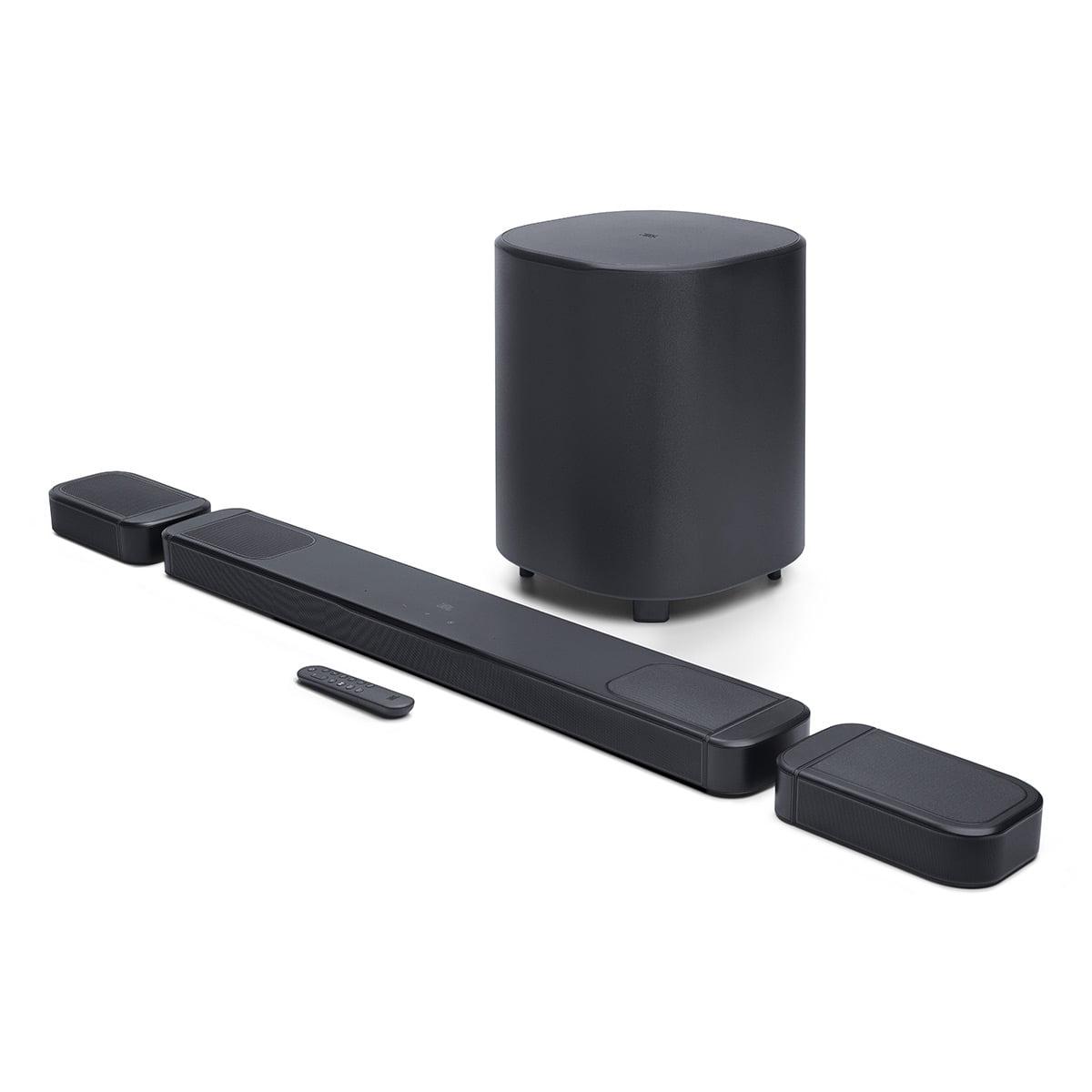
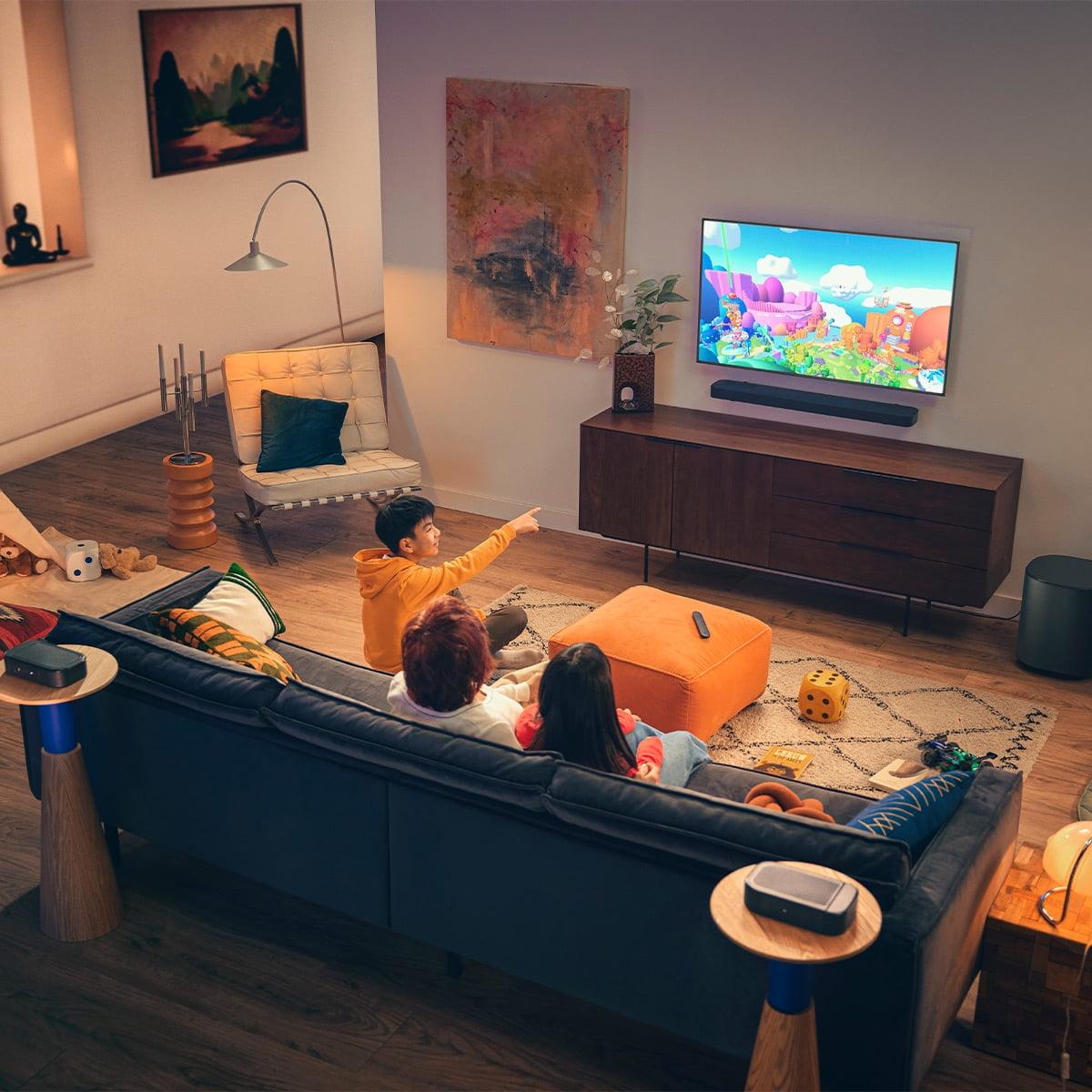
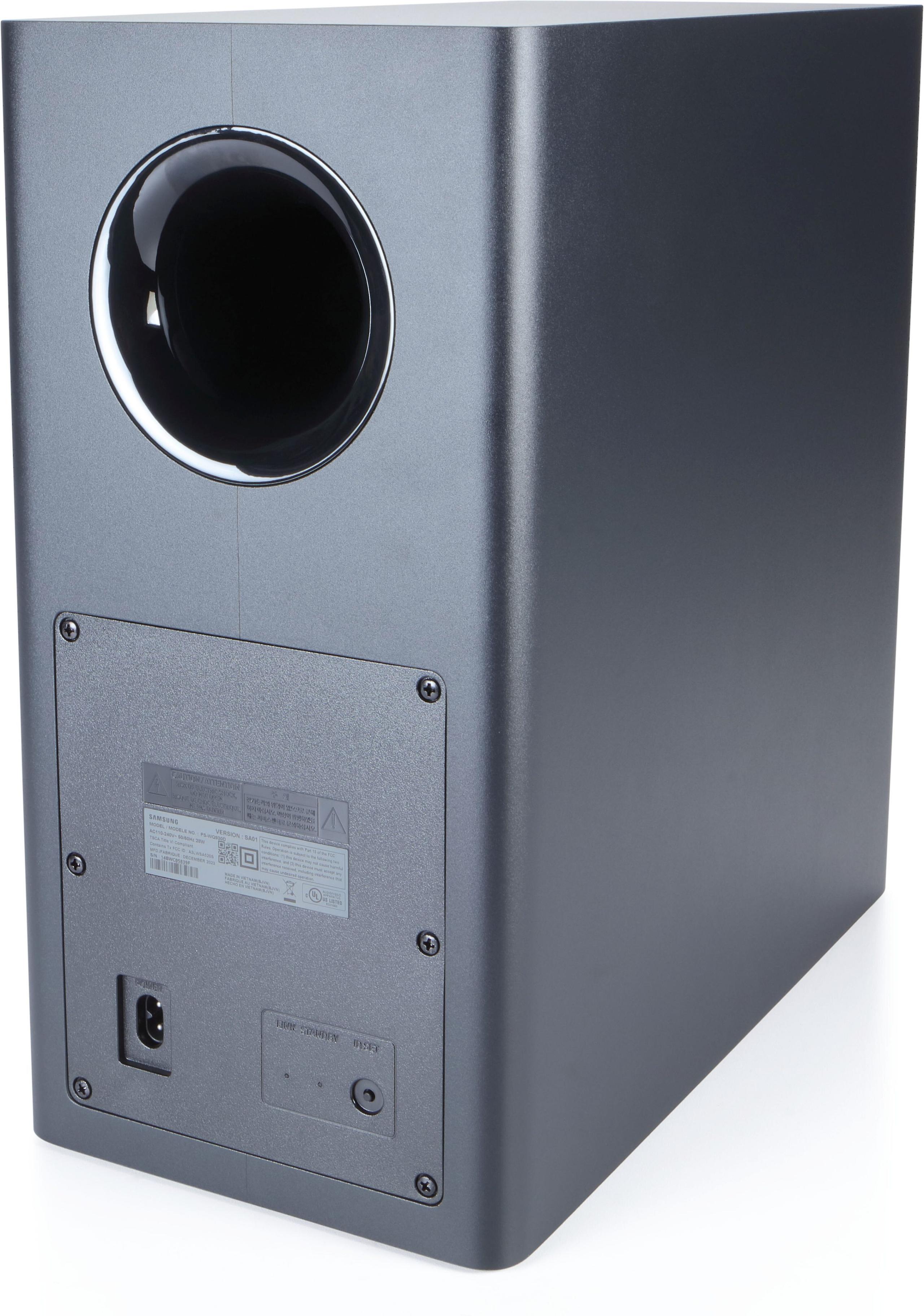
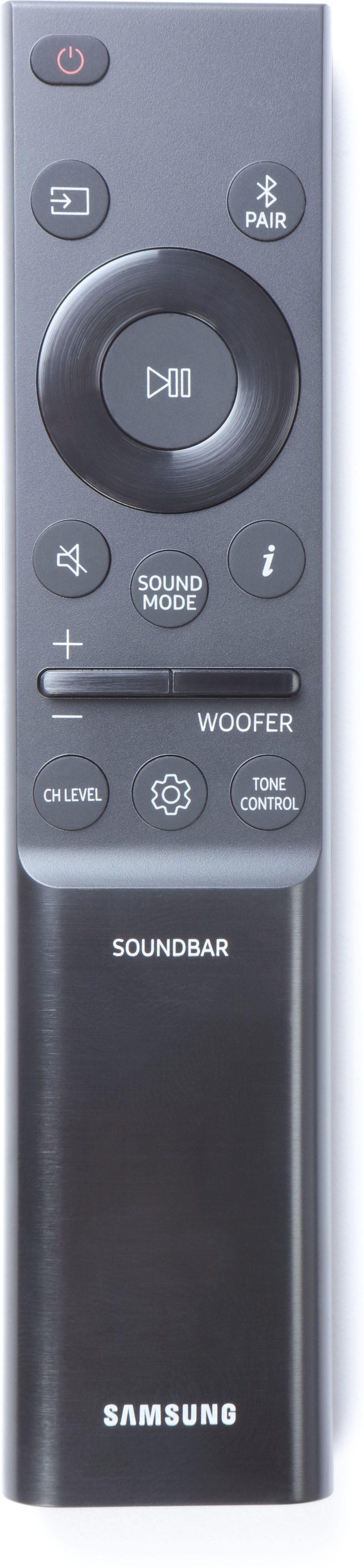
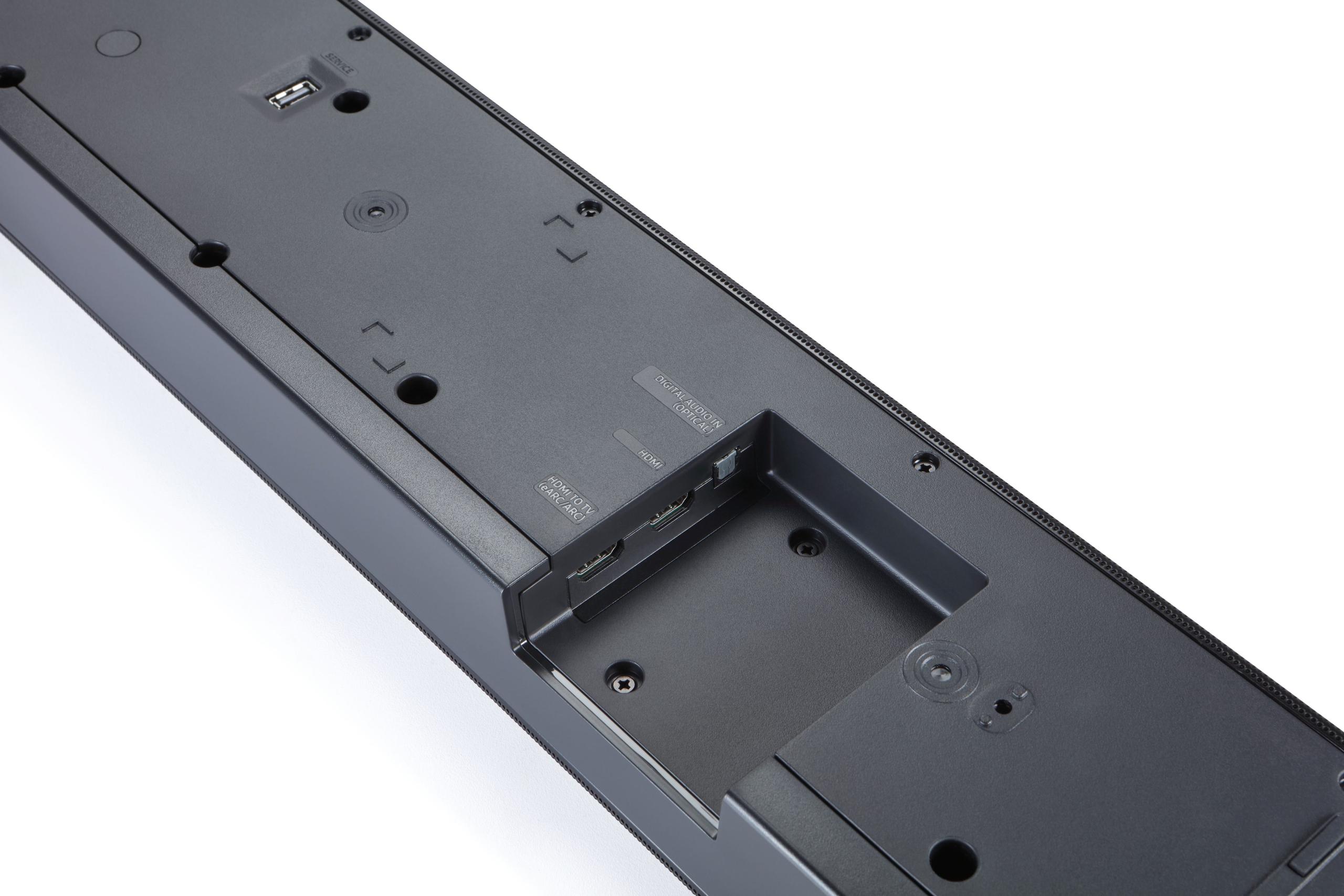
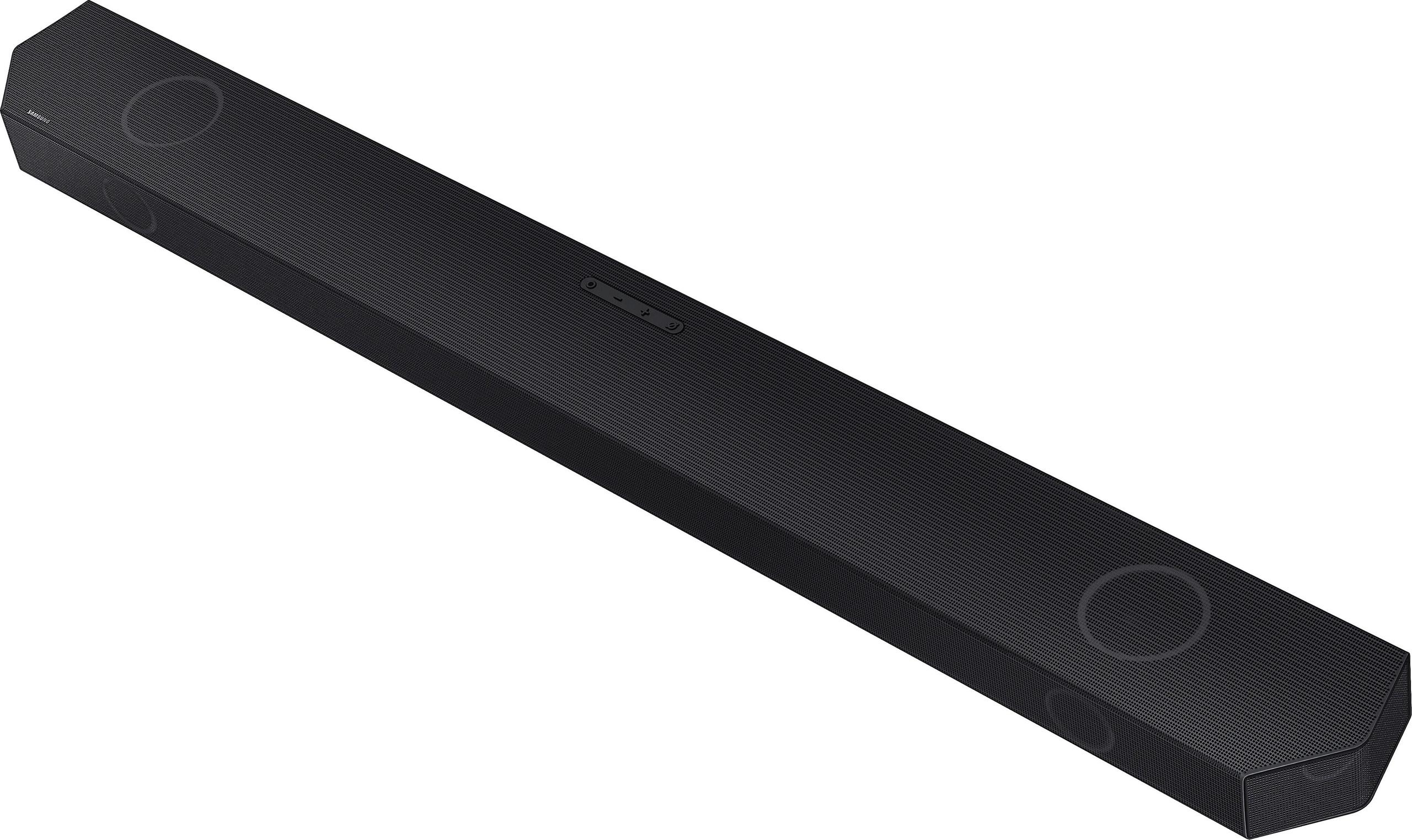




When your TV's built-in speakers just aren't cutting it anymore, a quality soundbar can transform your living room into something approaching a real theater experience. But with dozens of options flooding the market, choosing between premium models like the JBL Bar 1000 MK2 ($1,199.95) and the Samsung HW-Q800D ($697.99) requires understanding what actually makes a difference in your daily viewing.
I've spent considerable time with both systems, and while they're both excellent soundbars, they take fundamentally different approaches to solving the same problem: making your movies, shows, and music sound dramatically better than basic TV audio.
Before diving into specifics, it's worth understanding what separates premium soundbars from the basic models. The key factors that actually impact your experience include channel configuration (how many distinct audio paths the system can handle), whether surround effects come from physical speakers or digital processing, how well the system adapts to your room's acoustics, and how seamlessly it integrates with your existing setup.
Channel configuration is often misunderstood. When you see "7.1.4" on the JBL or "5.1.2" on the Samsung, those numbers tell a story. The first digit represents front channels (left, center, right, plus extras), the second is subwoofer channels, and the third indicates height channels for overhead effects. More channels generally mean more precise audio placement, but only if implemented well.
The difference between physical and virtual surround is crucial. Physical surround uses actual speakers placed around your room, while virtual surround uses digital signal processing (DSP) to trick your brain into perceiving directional audio from a single bar. Both can work, but they excel in different scenarios.
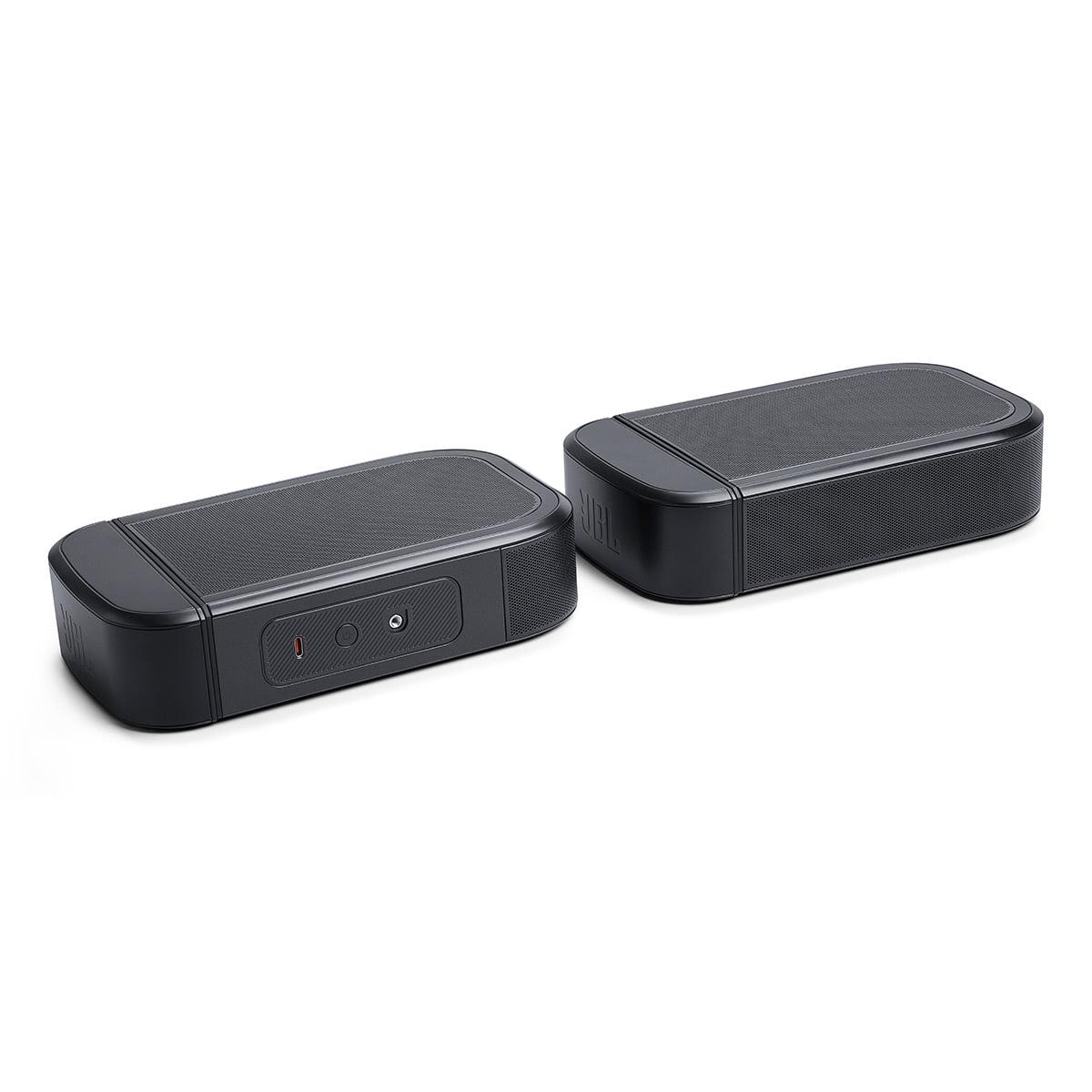
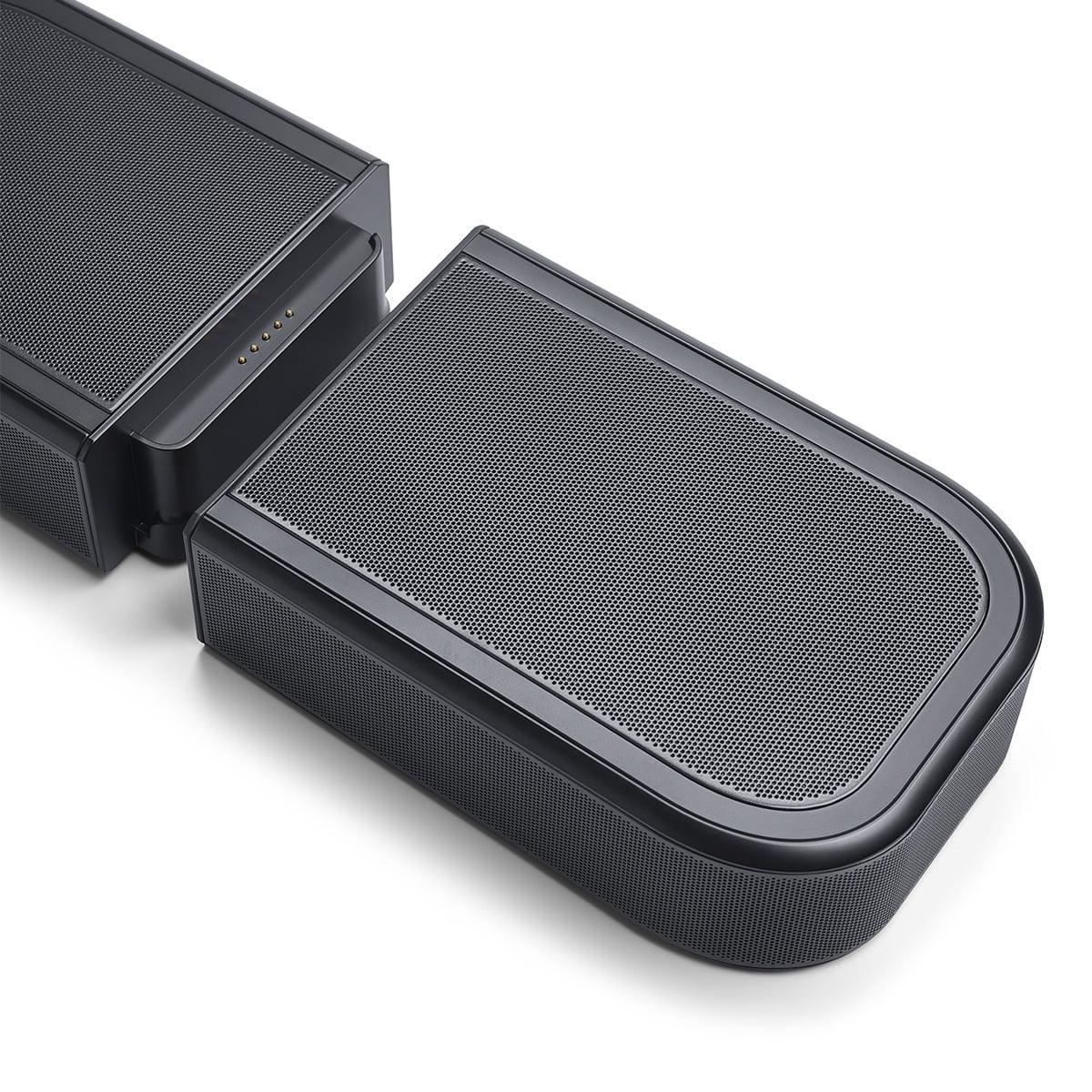
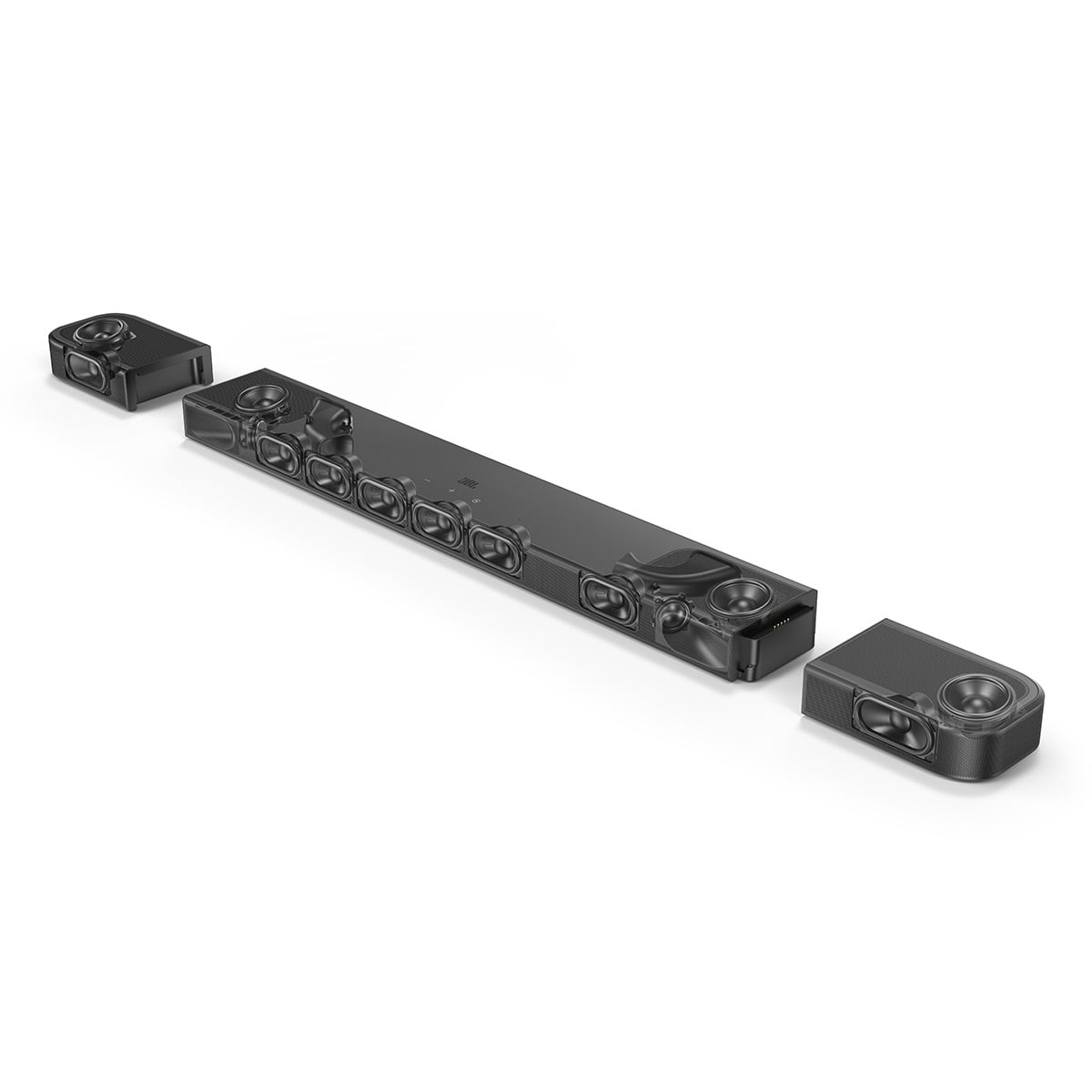
The JBL Bar 1000 MK2 launched in June 2025 as JBL's refined take on premium home theater audio. It represents the company's philosophy that true surround sound requires actual surround speakers, but acknowledges that most people don't want the complexity of traditional home theater systems. JBL's solution? Make the rear speakers detachable and battery-powered, so you can have authentic surround when you want it, and simpler setup when you don't.
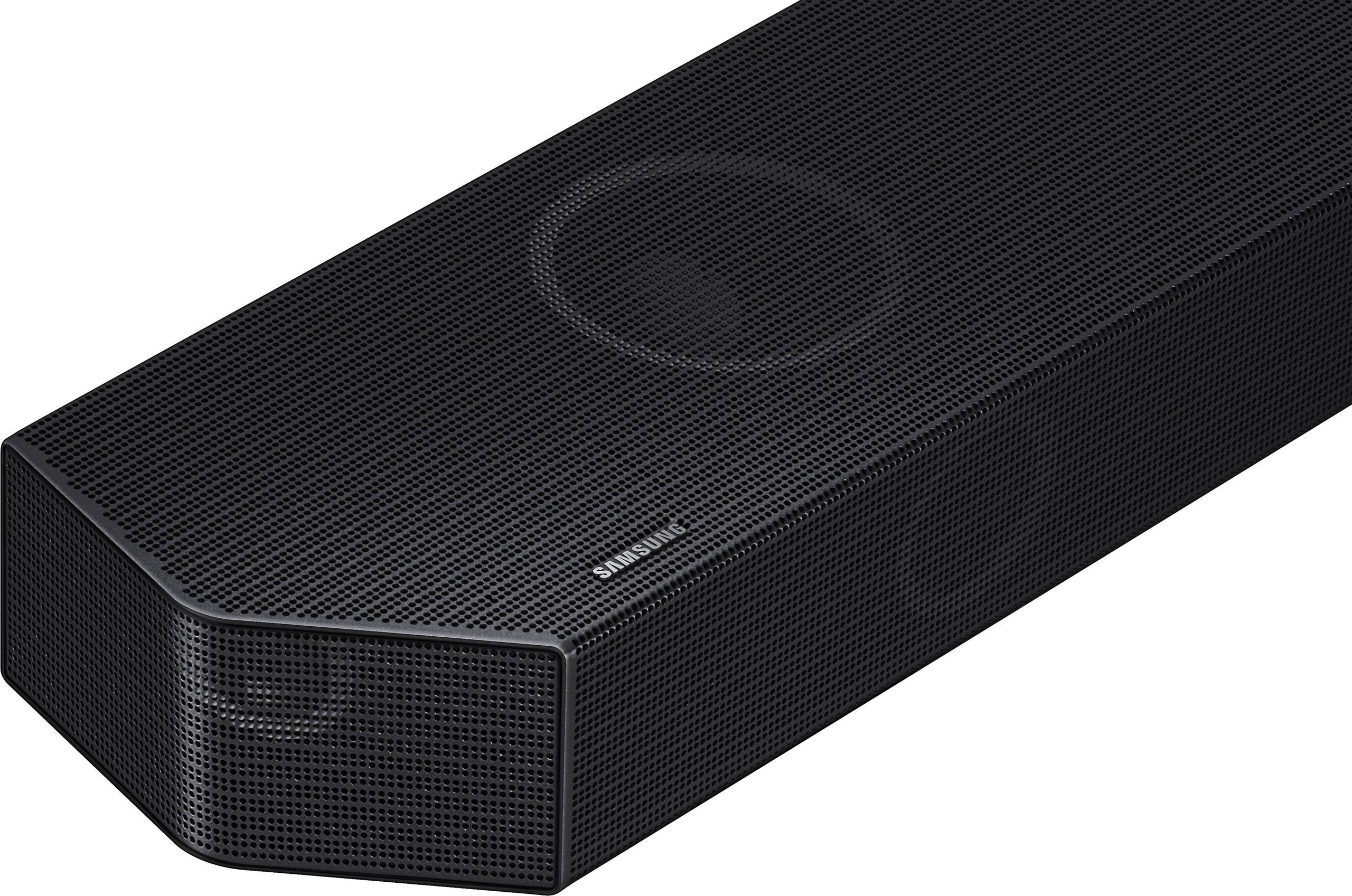
Samsung released the HW-Q800D in 2024 as part of their strategy to create seamless ecosystem integration. Rather than competing purely on audio specs, Samsung focused on making their soundbar work brilliantly with Samsung TVs while delivering solid performance for everyone else. It's a more traditional approach that prioritizes reliability and value over cutting-edge features.
The tech improvements since these releases have been incremental but meaningful. JBL's MK2 series benefits from improved MultiBeam technology that better projects sound off your walls, while Samsung's 2024 models feature more sophisticated AI-driven audio processing that adapts to content in real-time.
Here's where the fundamental difference between these systems becomes apparent. The JBL Bar 1000 MK2 delivers true 7.1.4-channel audio with physical speakers that you can actually place behind your seating area. When I first set up the JBL system, the difference was immediately obvious during helicopter scenes in movies – you genuinely hear the aircraft moving from front to back through physical space, not just processing tricks.
The system's four up-firing drivers (two in the main bar, one in each detachable rear speaker) create what's called Dolby Atmos height effects. These bounce sound off your ceiling to simulate overhead audio, like rain falling or aircraft passing above. In my testing room with 9-foot ceilings, these effects were convincing and added genuine immersion to compatible content.
JBL's MultiBeam 3.0 technology works by analyzing your room and projecting sound at specific angles to bounce off walls, creating a wider soundstage than the physical bar alone could produce. It's not magic, but in rectangular rooms with reasonably reflective walls, it does create a more enveloping experience than traditional forward-firing speakers.
The Samsung takes a different approach with its 5.1.2 configuration, relying on sophisticated virtual surround processing instead of physical rear speakers. Samsung's strength lies in their SpaceFit Sound Pro technology, which uses built-in microphones to measure your room's acoustics and automatically adjust the audio processing accordingly. This happens without any manual intervention – you just turn it on, and the system adapts.
Where Samsung really shines is with Q-Symphony technology. If you own a compatible Samsung QLED TV, the soundbar can actually use your TV's speakers as additional channels, creating a more immersive experience than either component could deliver alone. I tested this with a Samsung QN90B, and the integration was seamless – the TV and soundbar worked together to create a cohesive soundfield that felt much larger than the sum of its parts.
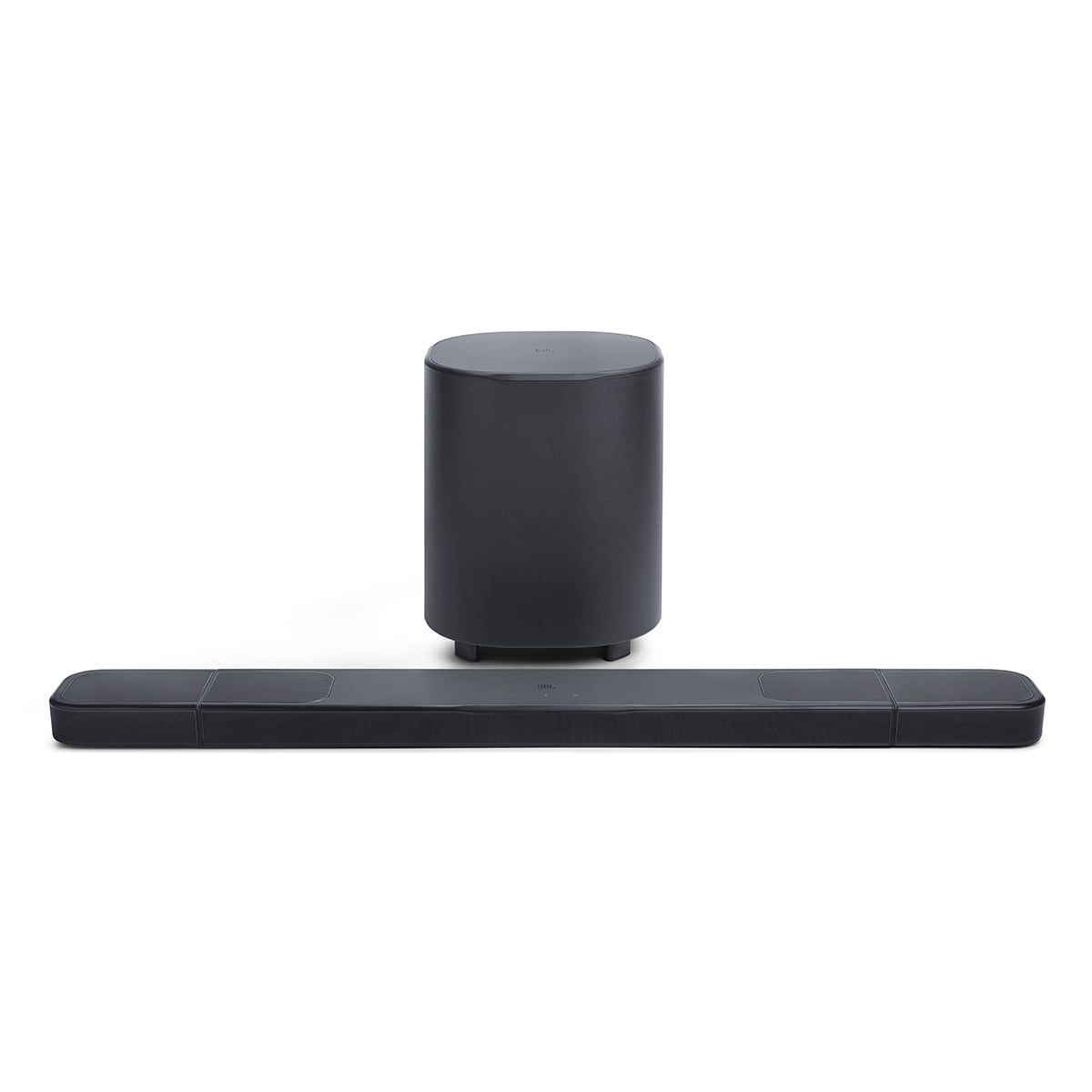
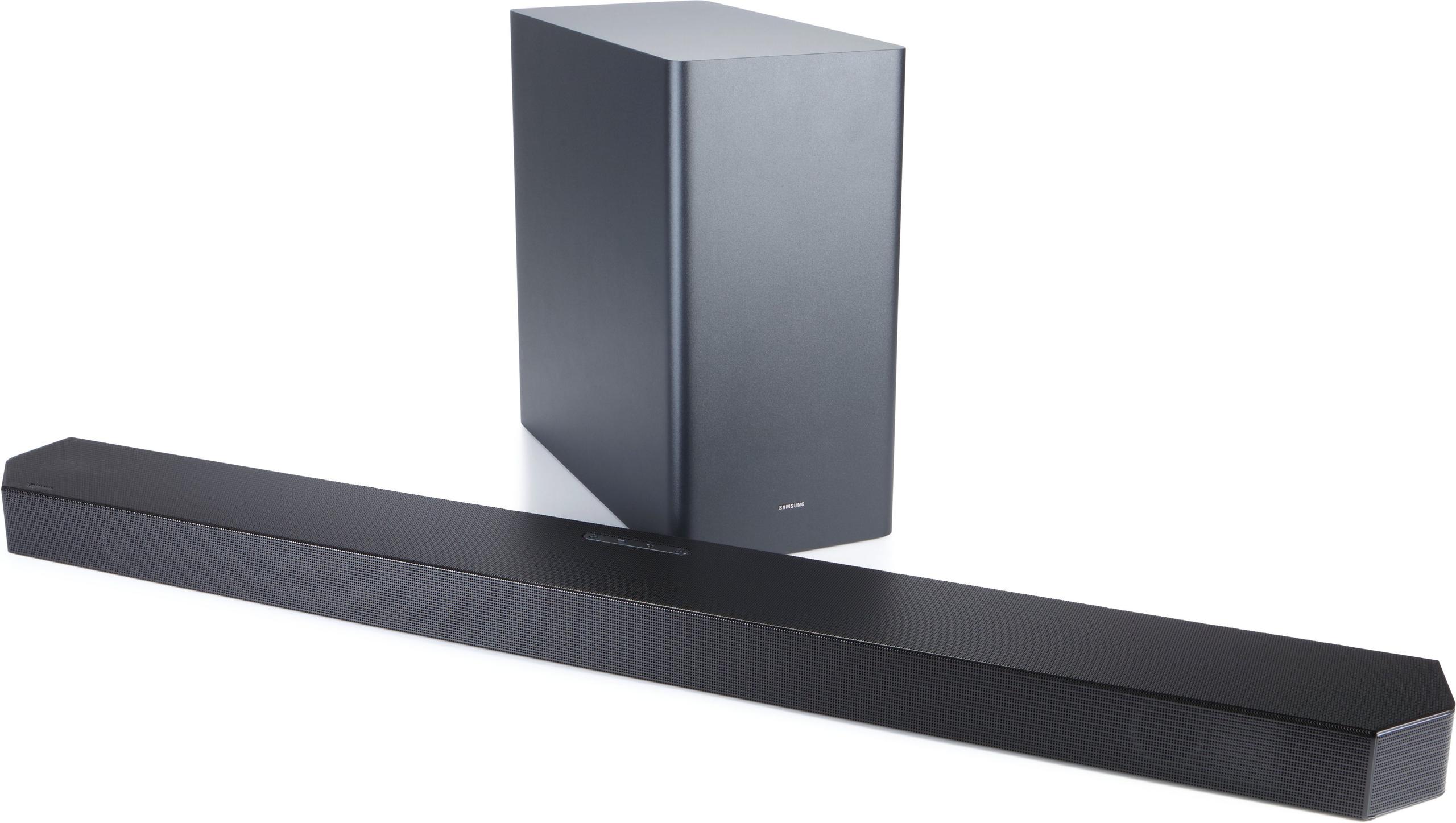
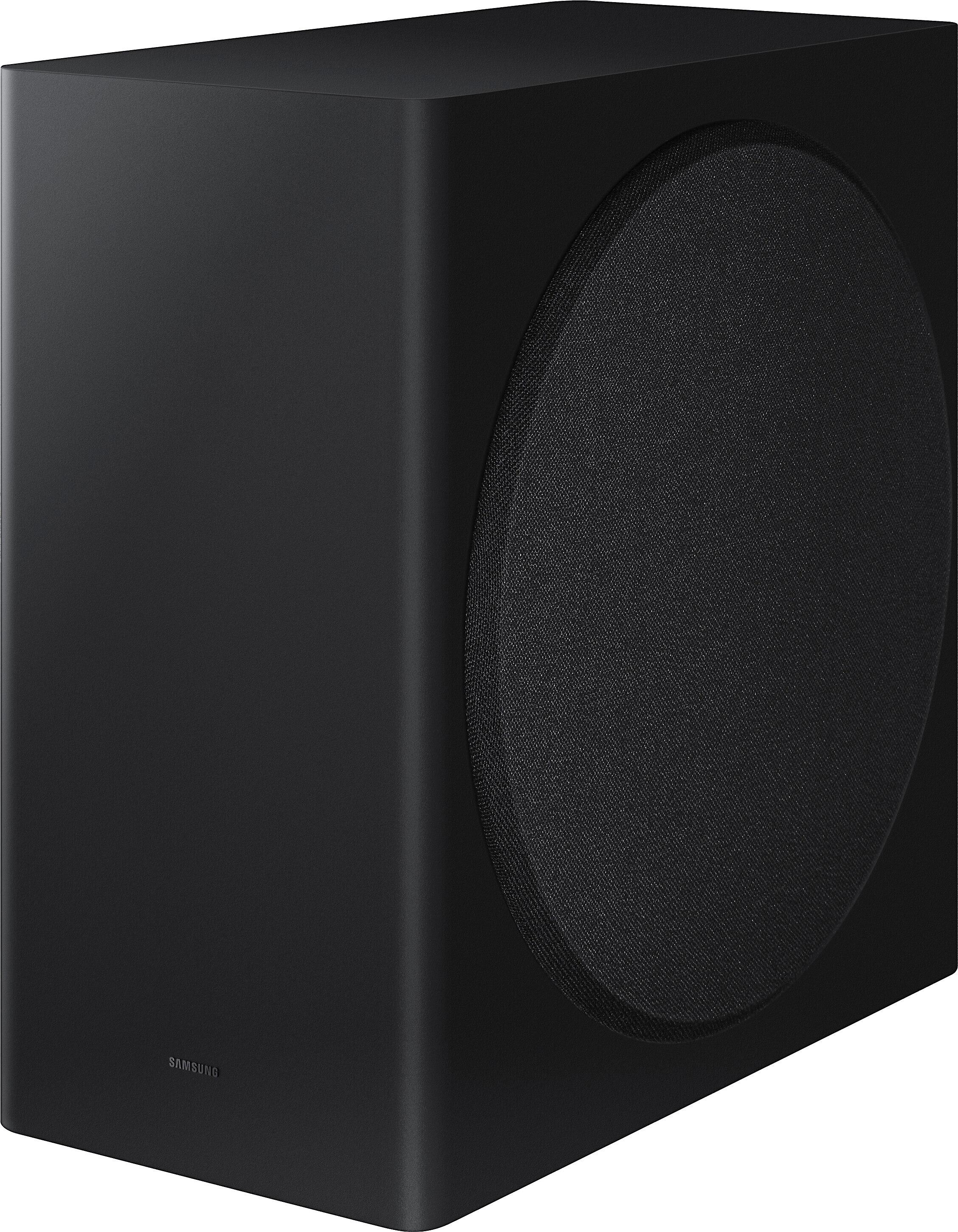
The bass difference between these systems is substantial and immediately noticeable. The JBL's 10-inch wireless subwoofer produces deeper, more impactful low-frequency effects than Samsung's 8-inch unit. During action sequences with explosions or low-frequency effects, the JBL can physically shake furniture in ways the Samsung simply can't match.
But raw power isn't everything. The Samsung's bass integration is more refined for everyday content. While it won't rattle your windows during Marvel movies, it provides tight, controlled bass that complements dialogue and music without overwhelming the mix. For apartment dwellers or anyone concerned about disturbing neighbors, this more measured approach might actually be preferable.
The JBL's subwoofer reaches down to 33Hz, which covers most movie content and music with authority. The Samsung doesn't publish specific low-frequency specifications, but in testing, it handles most content adequately while struggling with the most demanding bass-heavy material.
This is where personal preference and content consumption habits really matter. Both systems feature dedicated center channels for dialogue, but they implement voice enhancement differently.
Samsung's Active Voice Amplifier (AVA) technology continuously analyzes audio content and automatically boosts dialogue when it detects competing sounds like music or effects. In practice, this means you're less likely to reach for the volume control during movies with dramatic soundtrack swells. The system is particularly effective with TV shows and news content where clear speech is paramount.
JBL's PureVoice 2.0 takes a more nuanced approach, adjusting dialogue optimization based on both content analysis and ambient room sound. If your air conditioner kicks on or family members are talking in the kitchen, the system compensates automatically. During my testing, this worked well but required the JBL One app to be running for optimal performance.
Both systems include night modes that compress dynamic range – essentially reducing the difference between quiet dialogue and loud action sequences. This is invaluable for late-night viewing when you can't blast explosions but still want to hear every word of dialogue clearly.
At first glance, the $500 price difference between these systems seems significant, but the value equation is more complex than simple dollars and cents.
The JBL Bar 1000 MK2 ($1,199.95) includes everything you need for a complete 7.1.4 surround system: the main soundbar, wireless subwoofer, and two detachable rear speakers with built-in batteries. You're getting a complete home theater audio solution in one purchase.
The Samsung HW-Q800D ($697.99) provides excellent 5.1.2 performance out of the box, but it's expandable. Samsung sells optional rear speakers (the SWA-9500S kit) for around $150-200, bringing the total system cost to roughly $850-900 for full surround sound. This modular approach lets you start with the basics and expand later, which works well for budget-conscious buyers or those unsure about committing to rear speakers.
From a cost-per-channel perspective, the JBL delivers about $150 per effective audio channel, while the Samsung base system provides about $140 per channel (or roughly $160 per channel if you add the rear speakers later). The pricing is surprisingly competitive when viewed this way.
One of the JBL's most compelling features is something no other soundbar manufacturer offers: truly portable rear speakers. Each detachable speaker includes a 6,600mAh battery providing up to 10 hours of playback. This means you can take them outside for parties, use them in other rooms via Bluetooth, or employ the unique "Night Listening" mode where only the rear speakers play audio for private listening.
I've used this feature more than expected. During summer gatherings, pulling the rear speakers off the soundbar and using them as portable Bluetooth speakers around the patio worked brilliantly. The sound quality remains excellent even when separated from the main system.
The Samsung's strength lies in ecosystem integration rather than portability. If you're invested in Samsung's smart home ecosystem, the HW-Q800D integrates seamlessly with SmartThings, allowing voice control and automation scenarios that extend beyond simple audio playback.
For gaming, both systems offer advantages. The JBL's true surround sound provides precise directional audio cues crucial for competitive gaming, while the Samsung's Game Pro mode reduces audio processing latency for more responsive gameplay.
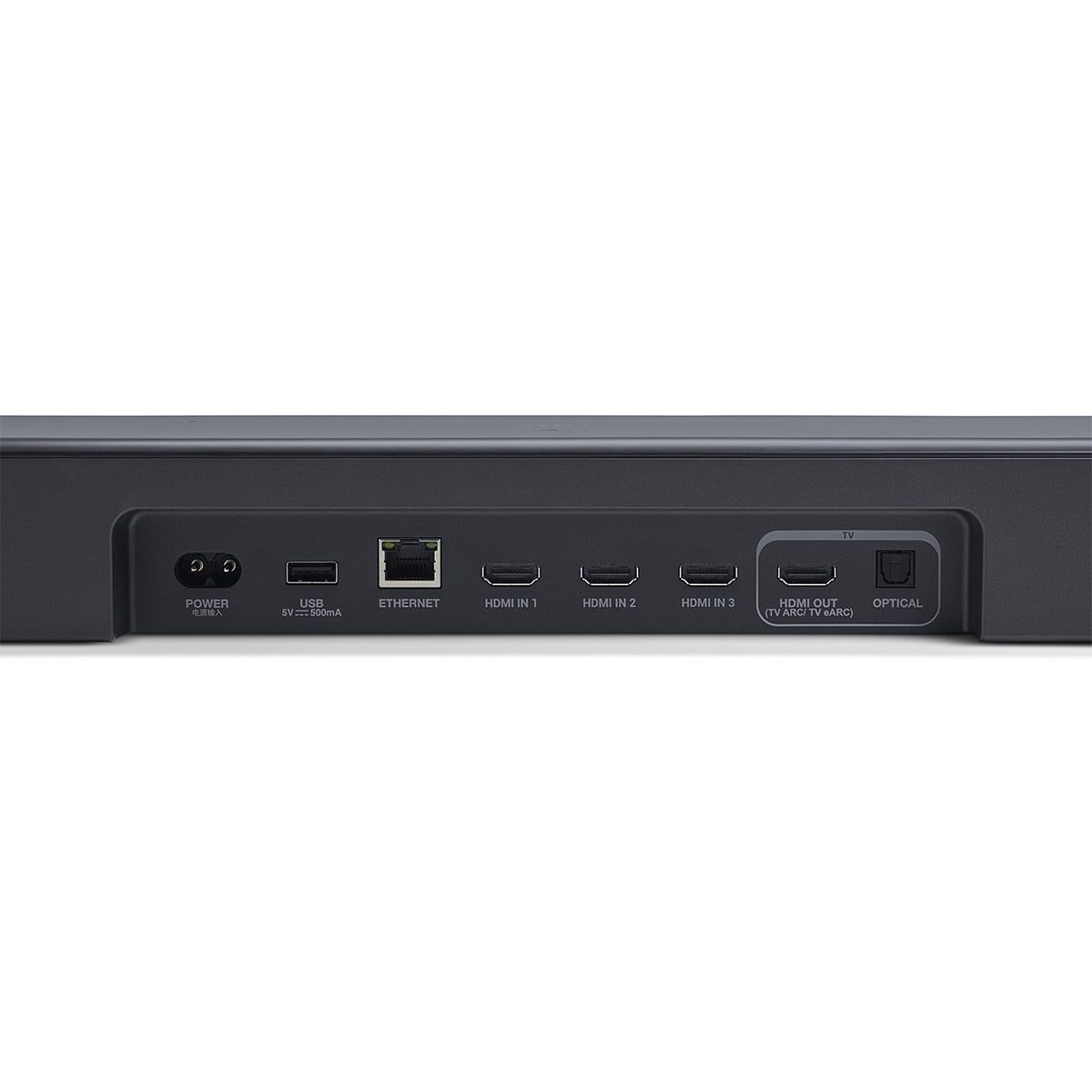
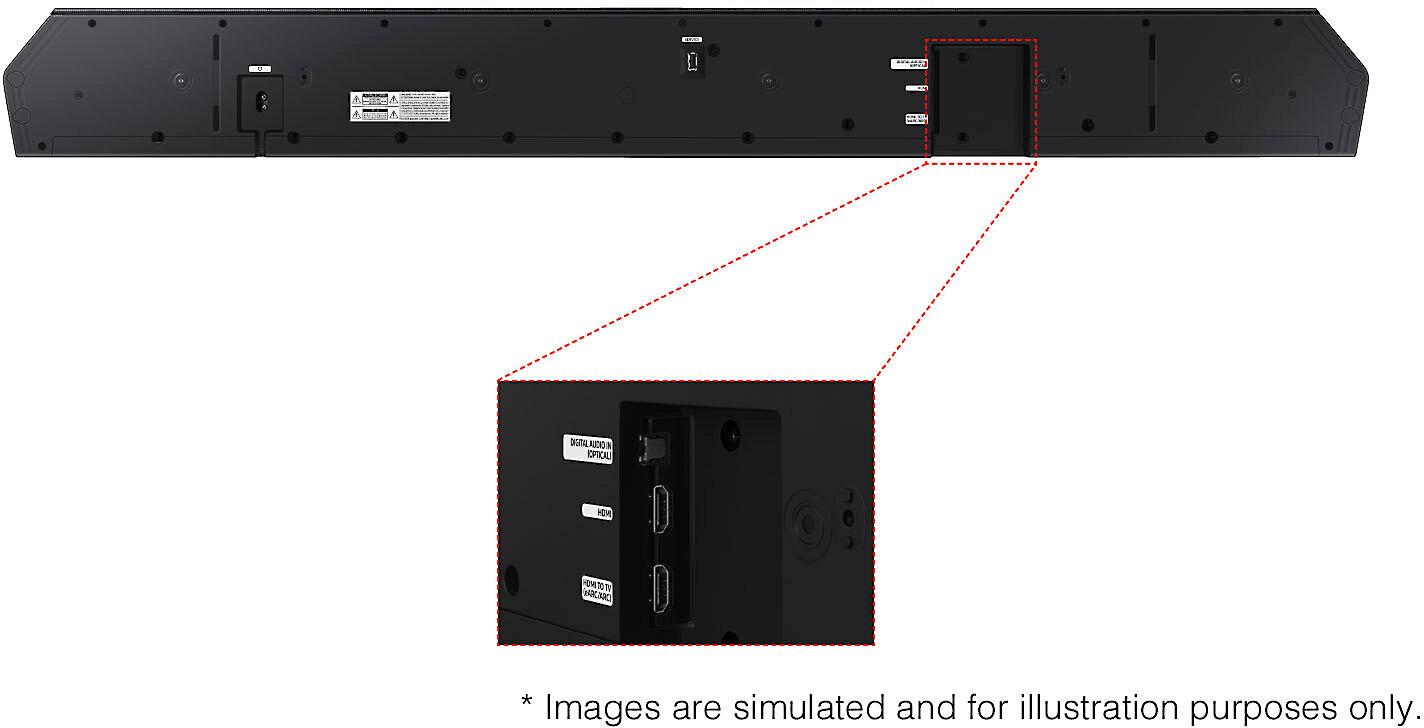
Installation complexity differs significantly between these systems. The Samsung essentially plug-and-play: connect the HDMI cable, pair the wireless subwoofer (which happens automatically), and you're done. The SpaceFit Sound Pro calibration runs automatically, requiring no user intervention.
The JBL requires more thought about rear speaker placement, but the battery-powered design eliminates wiring concerns. The detachable speakers need periodic charging, but they dock automatically on the main soundbar when not in use. Setup through the JBL One app is straightforward, though manual room calibration can be finicky depending on your room's acoustics.
Long-term ownership considerations favor different approaches. Samsung's established service network and integration with their TV ecosystem suggests better long-term support. JBL's more complex system with detachable components could potentially face battery degradation issues over several years, though the initial battery life is impressive.
Choose the JBL Bar 1000 MK2 if you have a dedicated home theater space or large living room where you can take advantage of true surround sound. The system excels with action movies, immersive gaming, and any content where directional audio effects matter. The detachable speakers add genuine flexibility for households that value adaptability over simplicity.
The higher price point reflects premium features and complete system inclusion. You're paying for authentic surround sound, powerful bass, and unique portability features that no competitor offers. For home theater enthusiasts willing to invest in superior immersion, the JBL delivers experience that justifies its cost.
Choose the Samsung HW-Q800D if you prioritize value, ecosystem integration, or gradual system building. The base system provides excellent performance for most content types, with optional expansion when budget allows. Samsung TV owners get additional benefits through Q-Symphony integration that effectively adds channels without additional speakers.
The Samsung approach works particularly well for mixed-use living spaces where the soundbar handles everything from morning news to evening movies. Its more conservative bass output and superior dialogue processing make it ideal for apartment living or households with varying audio preferences.
Both soundbars dramatically improve upon TV speakers, but they serve different priorities. The JBL maximizes immersive performance and offers unique flexibility through its detachable design. The Samsung optimizes value and integration while providing solid performance across all content types.
Your choice ultimately depends on whether you prioritize cutting-edge features and maximum immersion (JBL) or proven performance with smart integration and expansion options (Samsung). Either way, you're getting a substantial upgrade that will transform your home entertainment experience for years to come.
| JBL Bar 1000 MK2 Soundbar System | Samsung HW-Q800D 5.1.2 Channel Soundbar |
|---|---|
| Price - Initial investment required | |
| $1,199.95 | $697.99 |
| Channel Configuration - Determines surround sound immersion | |
| 7.1.4 channels with physical rear speakers | 5.1.2 channels with virtual surround processing |
| Total Power Output - Maximum volume and dynamic range | |
| 960W max / 480W RMS (room-filling for large spaces) | 360W total (adequate for medium rooms) |
| Subwoofer Size - Bass depth and impact | |
| 10-inch wireless subwoofer (deeper, more impactful bass) | 8-inch wireless subwoofer (controlled, apartment-friendly) |
| Rear Speakers - True vs. virtual surround experience | |
| Included detachable battery-powered speakers | Optional add-on (SWA-9500S kit ~$150-200) |
| Up-Firing Drivers - Dolby Atmos height effects | |
| 4 physical drivers (2 in bar, 1 in each rear speaker) | 2 drivers with virtual processing |
| Frequency Response - Audio range coverage | |
| 33Hz – 20kHz (extends to deep bass territory) | Not specified (typical range expected) |
| Battery Life - Portability and flexibility | |
| 10 hours per detachable speaker | N/A (fixed configuration) |
| Room Calibration - Setup convenience | |
| Manual calibration via JBL One App | Automatic SpaceFit Sound Pro with built-in mics |
| TV Integration - Ecosystem benefits | |
| Universal compatibility with all TV brands | Q-Symphony with Samsung TVs adds extra channels |
| Streaming Connectivity - Wireless music options | |
| Wi-Fi, Bluetooth 5.3, AirPlay 2, Chromecast, Spotify Connect | Bluetooth 5.2, SmartThings integration |
| Best For - Target user and room type | |
| Home theater enthusiasts, large rooms, true surround priority | Samsung TV owners, value seekers, gradual expansion preference |
The Samsung HW-Q800D ($697.99) offers better value for most buyers, providing excellent 5.1.2 surround sound at a lower price point. However, the JBL Bar 1000 MK2 ($1,199.95) delivers superior performance with true 7.1.4 surround sound and includes detachable rear speakers, justifying its higher cost for home theater enthusiasts.
The key difference is surround sound approach: the JBL Bar 1000 MK2 includes physical detachable rear speakers for authentic 7.1.4 surround sound, while the Samsung HW-Q800D uses virtual 5.1.2 processing with optional rear speakers sold separately. The JBL also features a larger 10-inch subwoofer compared to Samsung's 8-inch sub.
The JBL Bar 1000 MK2 delivers significantly better bass with its 10-inch wireless subwoofer that reaches down to 33Hz and 300W of dedicated bass power. The Samsung HW-Q800D has an 8-inch subwoofer that provides adequate but less impactful bass, making it more suitable for apartments or smaller rooms.
Physical rear speakers like those included with the JBL Bar 1000 MK2 provide more authentic surround effects, especially for movies and gaming. The Samsung HW-Q800D creates decent virtual surround sound without rear speakers, but you can add Samsung's optional rear speaker kit later for about $150-200 to improve the experience.
The Samsung HW-Q800D is easier to set up with automatic room calibration and plug-and-play installation. The JBL Bar 1000 MK2 requires more consideration for rear speaker placement and manual calibration through the JBL One app, though the wireless design eliminates complicated wiring.
Both soundbars work with all TV brands, but the Samsung HW-Q800D offers special Q-Symphony integration with Samsung TVs that uses your TV's speakers as additional channels. The JBL Bar 1000 MK2 provides universal compatibility without brand-specific features.
The JBL Bar 1000 MK2 excels for gaming with its true surround sound providing precise directional audio cues crucial for competitive gaming. The Samsung HW-Q800D offers a dedicated Game Pro mode that reduces audio lag, making it solid for gaming but without the spatial advantages of physical rear speakers.
The JBL Bar 1000 MK2 delivers 960W maximum power (480W RMS), making it suitable for large rooms and high-volume listening. The Samsung HW-Q800D provides 360W total power, which is adequate for medium-sized rooms but may experience compression at maximum volumes.
Both perform well for music, but differently: the JBL Bar 1000 MK2 offers more dynamic range and powerful bass ideal for electronic and rock music, while the Samsung HW-Q800D provides better tonal balance for acoustic and vocal-focused content with clearer dialogue processing.
Only the JBL Bar 1000 MK2 offers portability through its detachable rear speakers, which have 10-hour batteries and work as standalone Bluetooth speakers. The Samsung HW-Q800D is a fixed installation system without portable capabilities.
For dedicated home theater setups, the JBL Bar 1000 MK2 is superior with its true 7.1.4 surround sound, four up-firing drivers for Dolby Atmos height effects, and powerful bass that can fill large rooms. The Samsung HW-Q800D works well for casual home theater use but lacks the immersive qualities needed for serious movie watching.
The JBL Bar 1000 MK2 includes everything needed: main soundbar, wireless subwoofer, two detachable rear speakers, and all cables. The Samsung HW-Q800D includes the main bar, wireless subwoofer, and remote, but rear speakers must be purchased separately if desired, adding $150-200 to the total cost.
We've done our best to create useful and informative comparisons to help you decide what product to buy. Our research uses advanced automated methods to create this comparison and perfection is not possible - please contact us for corrections or questions. These are the sites we've researched in the creation of this article: ecoustics.com - engadget.com - bestbuy.com - techradar.com - rtings.com - hometechnologyreview.com - youtube.com - t3.com - whathifi.com - youtube.com - bhphotovideo.com - gzhls.at - device.report - support.jbl.com - support.jbl.com - jbl.com - av.com - audioadvice.com - jbl.com - target.com - worldwidestereo.com - techradar.com - valueelectronics.com - samsung.com - rtings.com - samsung.com - crutchfield.com - samsung.com - samsung.com - samsung.com - shidirect.com

Privacy Policy
Terms and Conditions - Affiliate Policy
Home Security
© Copyright 2008-2026.
11816 Inwood Rd #1211, Dallas, TX 75244