

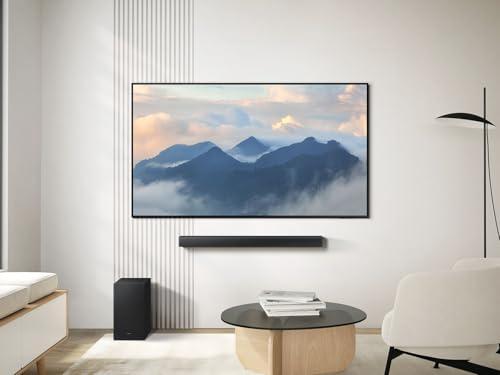
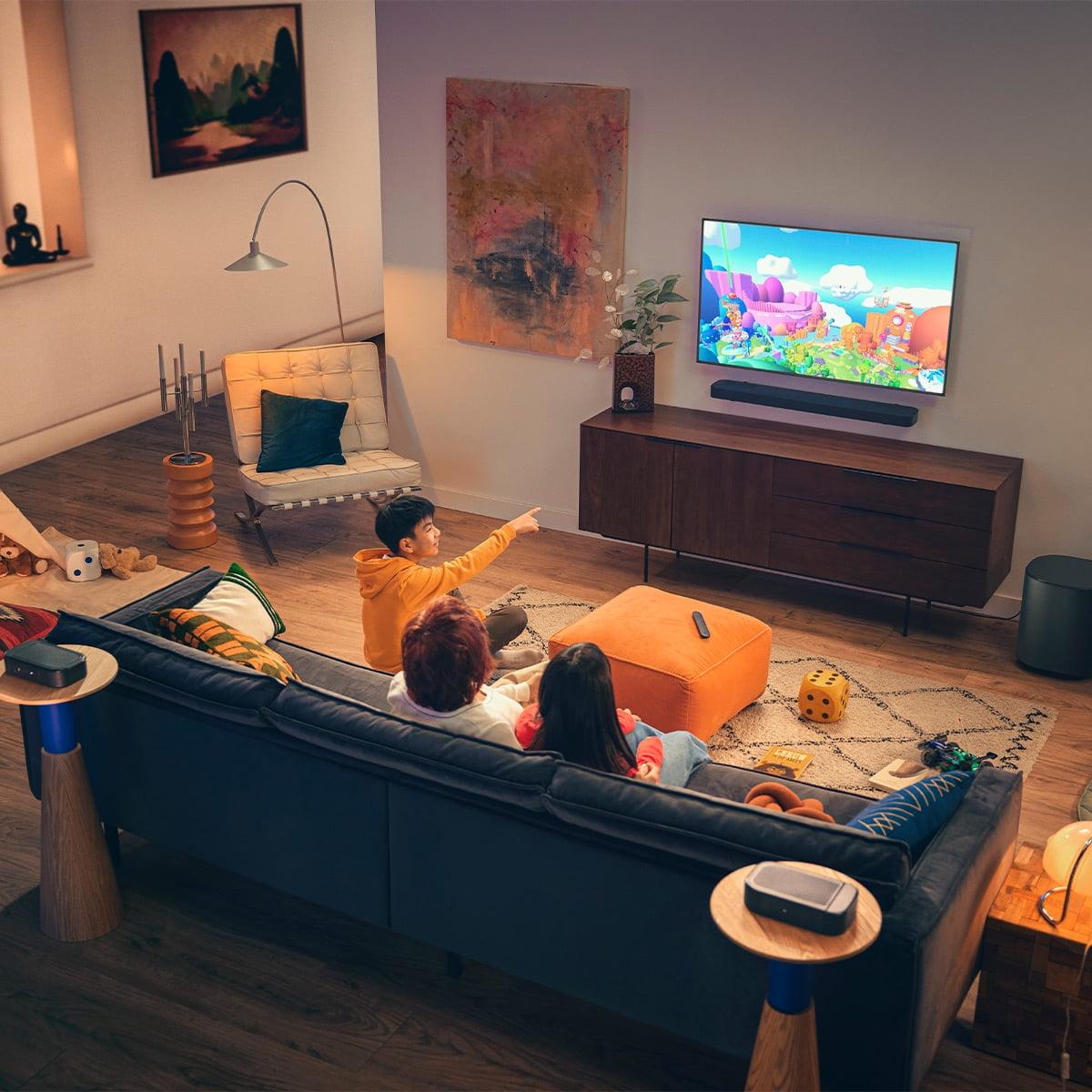
When your TV's built-in speakers make dialogue sound like it's coming from the bottom of a well, it's time for a soundbar upgrade. But with options ranging from basic dialogue enhancers to full-blown Dolby Atmos systems, choosing the right one can feel overwhelming. Today we're comparing two soundbars that represent fundamentally different approaches to better TV audio: the Samsung HW-B630F and the JBL Bar 1000 MK2.
Released in 2025, both represent the latest thinking in their respective categories. The Samsung HW-B630F embodies the "smart upgrade" philosophy—give me dramatically better dialogue and decent surround effects without breaking the bank or complicating my setup. The JBL Bar 1000 MK2, also from 2025, takes the "no compromises" approach with genuine surround speakers and enough power to rattle your neighbors' windows.
Before diving into specifics, let's demystify some key concepts that'll help you understand what you're actually buying.
Channel configuration is probably the most important spec to understand. When you see "3.1" or "7.1.4," those numbers tell you exactly how many speakers are working to create your sound experience. The first number represents main speakers (left, center, right), the second is dedicated subwoofers for bass, and the third (if present) indicates height channels that fire sound upward for Dolby Atmos effects.
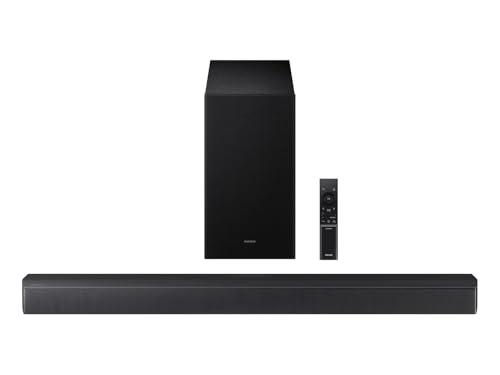
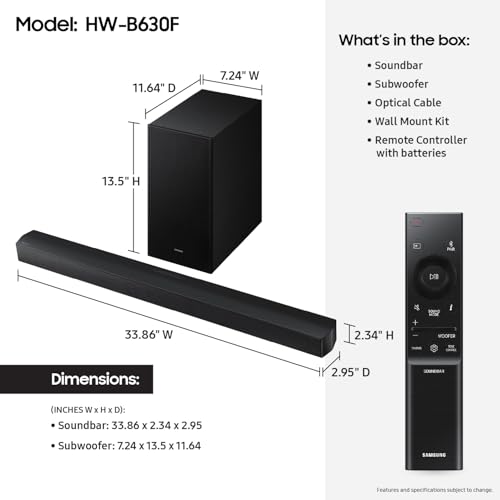
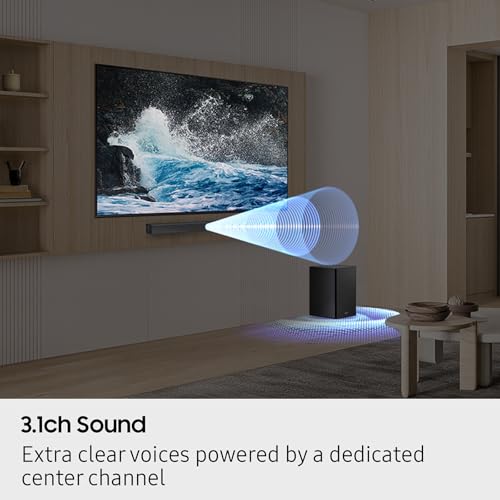
The Samsung HW-B630F uses a 3.1 setup, meaning it has three main speakers in the soundbar plus a separate subwoofer. That center speaker is crucial—it's specifically tuned to handle dialogue, which is why dedicated center channels make voices so much clearer than TV speakers that try to squeeze everything through the same drivers.
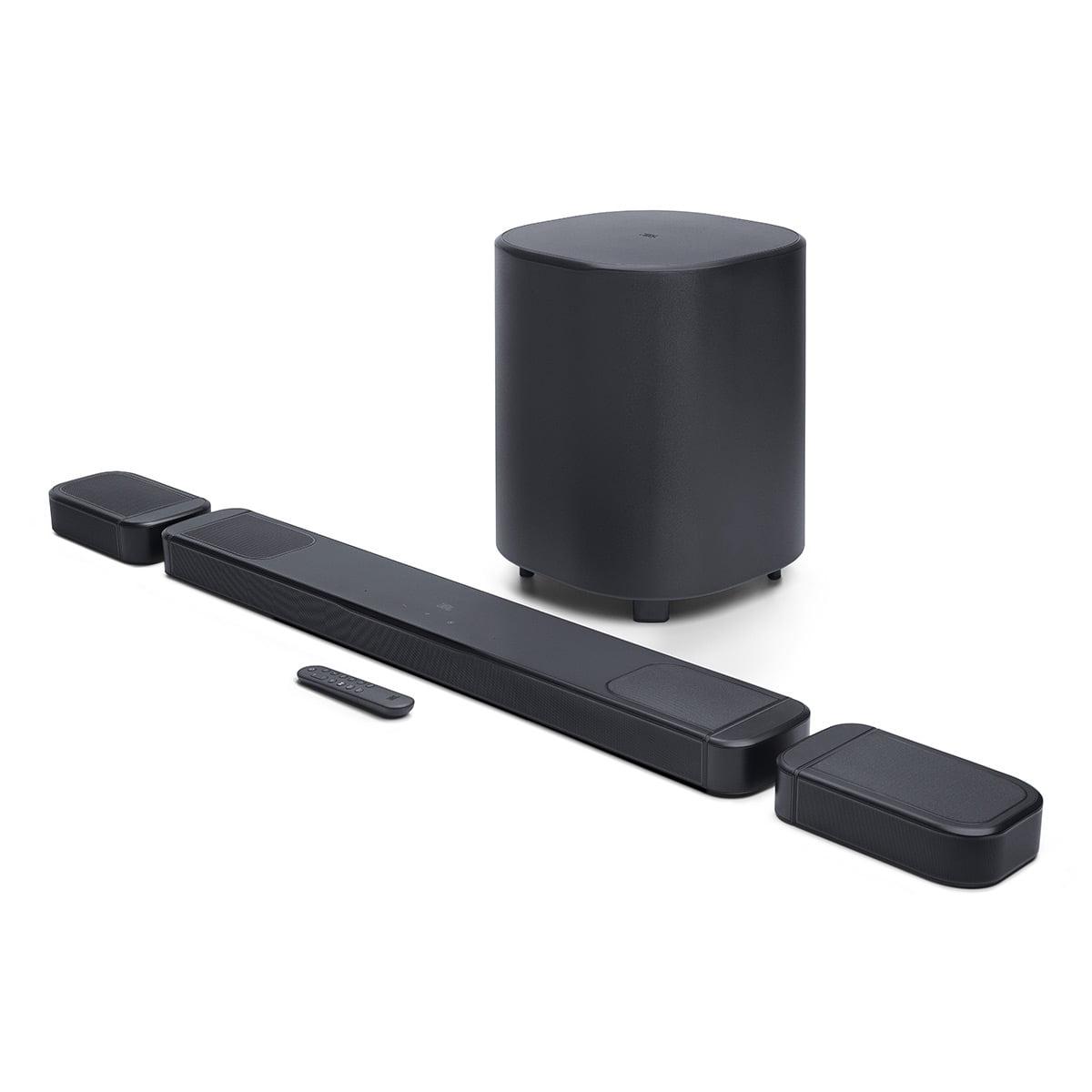
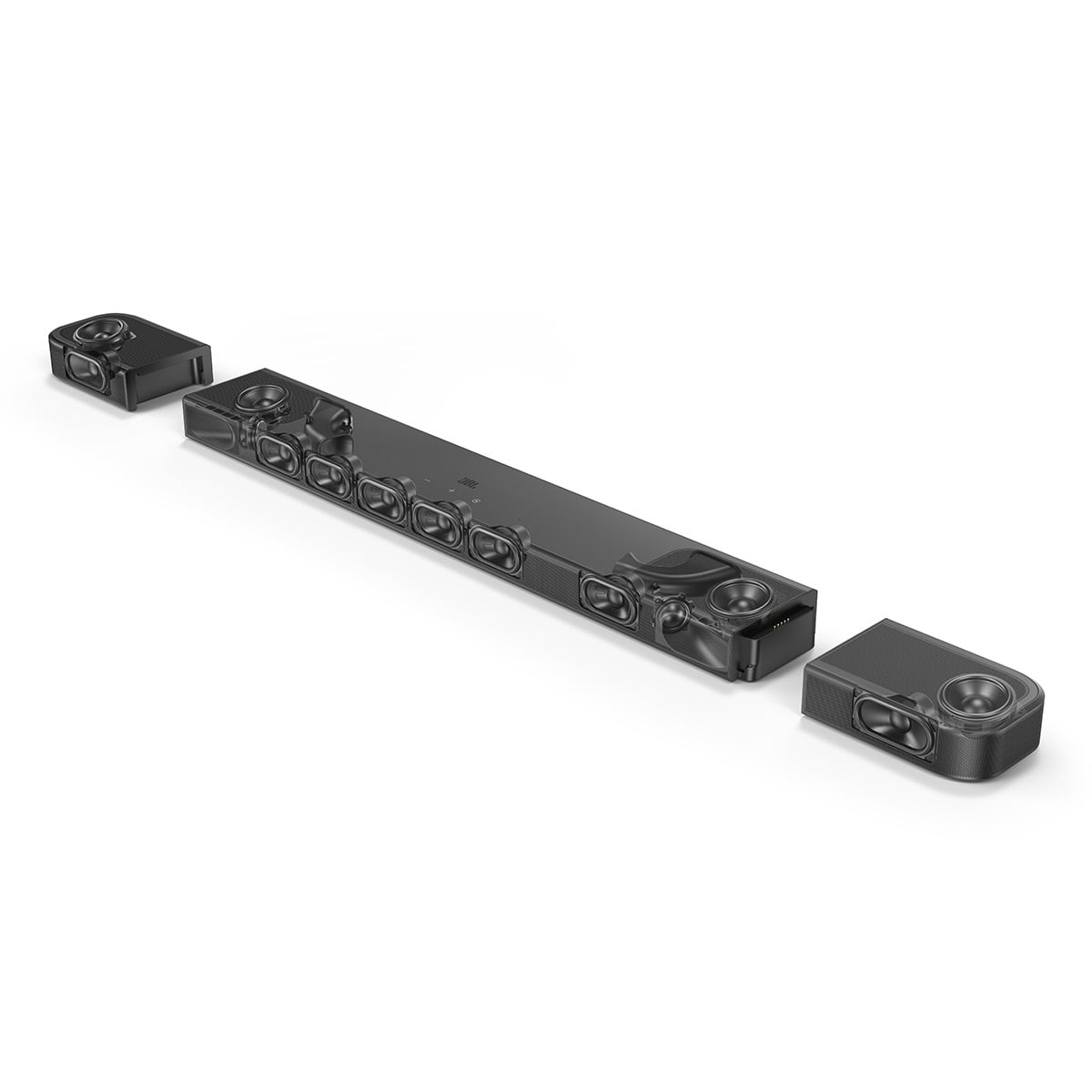
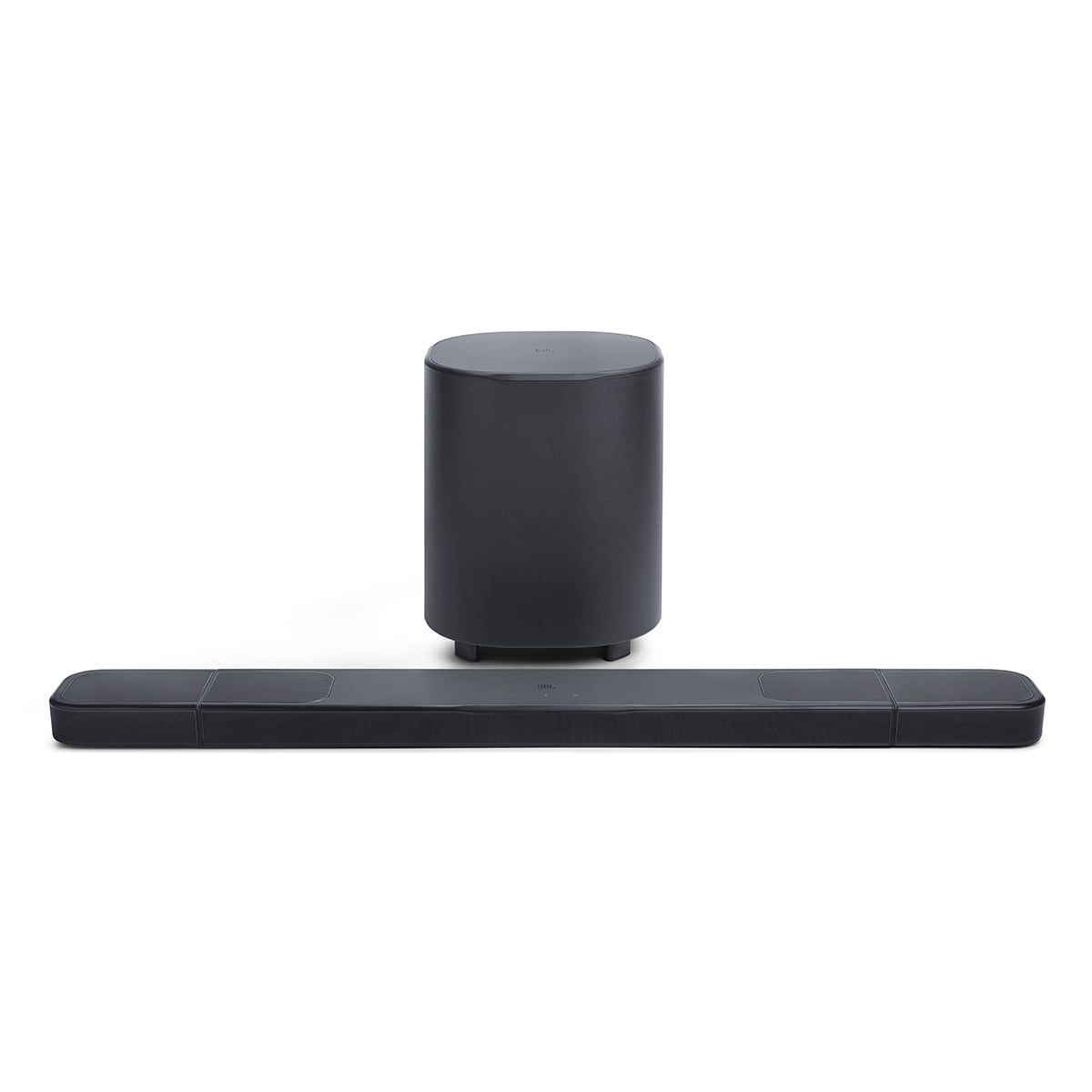
The JBL Bar 1000 MK2 operates as a 7.1.4 system, which sounds complex but breaks down simply: seven main speakers (including detachable rear speakers), one subwoofer, and four height speakers that bounce sound off your ceiling to create overhead effects.
Virtual versus physical surround represents perhaps the biggest philosophical divide in modern soundbars. Virtual surround uses digital processing to trick your brain into hearing sounds that seem to come from behind or beside you, even though all the speakers are in front. It's like an audio optical illusion—clever engineering that works surprisingly well for the price. Physical surround actually places speakers around your room to create genuine directional audio.
The Samsung HW-B630F exemplifies what happens when engineers focus intensely on solving the most common TV audio problems without overcomplicating the solution. Released in 2025 as part of Samsung's refreshed B-series lineup, it incorporates several years of refinement in virtual surround processing and dialogue enhancement.
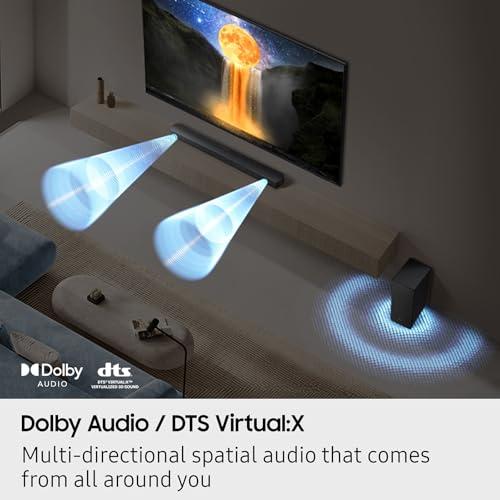
Samsung's 2025 models benefit from improved DTS Virtual:X processing compared to earlier generations. This technology analyzes incoming audio and redistributes sounds across the soundbar's three speakers to create the perception of a much wider soundstage. During our research into user experiences, people consistently report being surprised by how effectively the Samsung HW-B630F makes movie soundtracks feel expansive despite having no rear speakers.
The real star here is Adaptive Sound, Samsung's scene-intelligent processing that continuously monitors what you're watching and adjusts accordingly. When you switch from a quiet drama to an action sequence, the system automatically rebalances the audio without you touching a button. It's the kind of feature that sounds gimmicky until you experience how seamlessly it works in practice.
For dialogue clarity—which let's be honest, is why most people buy soundbars—the Samsung HW-B630F excels through a combination of its dedicated center channel and Voice Enhance mode. The center speaker uses drivers specifically chosen and tuned for human vocal frequencies, while Voice Enhance applies targeted EQ adjustments that lift dialogue without making everything sound artificially bright.
The wireless subwoofer deserves mention for what it accomplishes within obvious budget constraints. While it won't satisfy bass-heads or handle the deepest movie soundtracks with authority, it provides enough low-frequency support to make explosions feel impactful and music sound fuller than what any soundbar alone could manage.
Samsung's Game Mode represents thoughtful engineering for an increasingly important use case. It uses cross-talk cancellation to help you pinpoint directional audio cues—like enemy footsteps in competitive gaming—while maintaining clear communication audio for multiplayer sessions.
The JBL Bar 1000 MK2 represents JBL's refinement of their most ambitious soundbar concept. The "MK2" designation indicates this is the second generation of their detachable speaker system, incorporating lessons learned from the original's reception and addressing early adopter feedback.
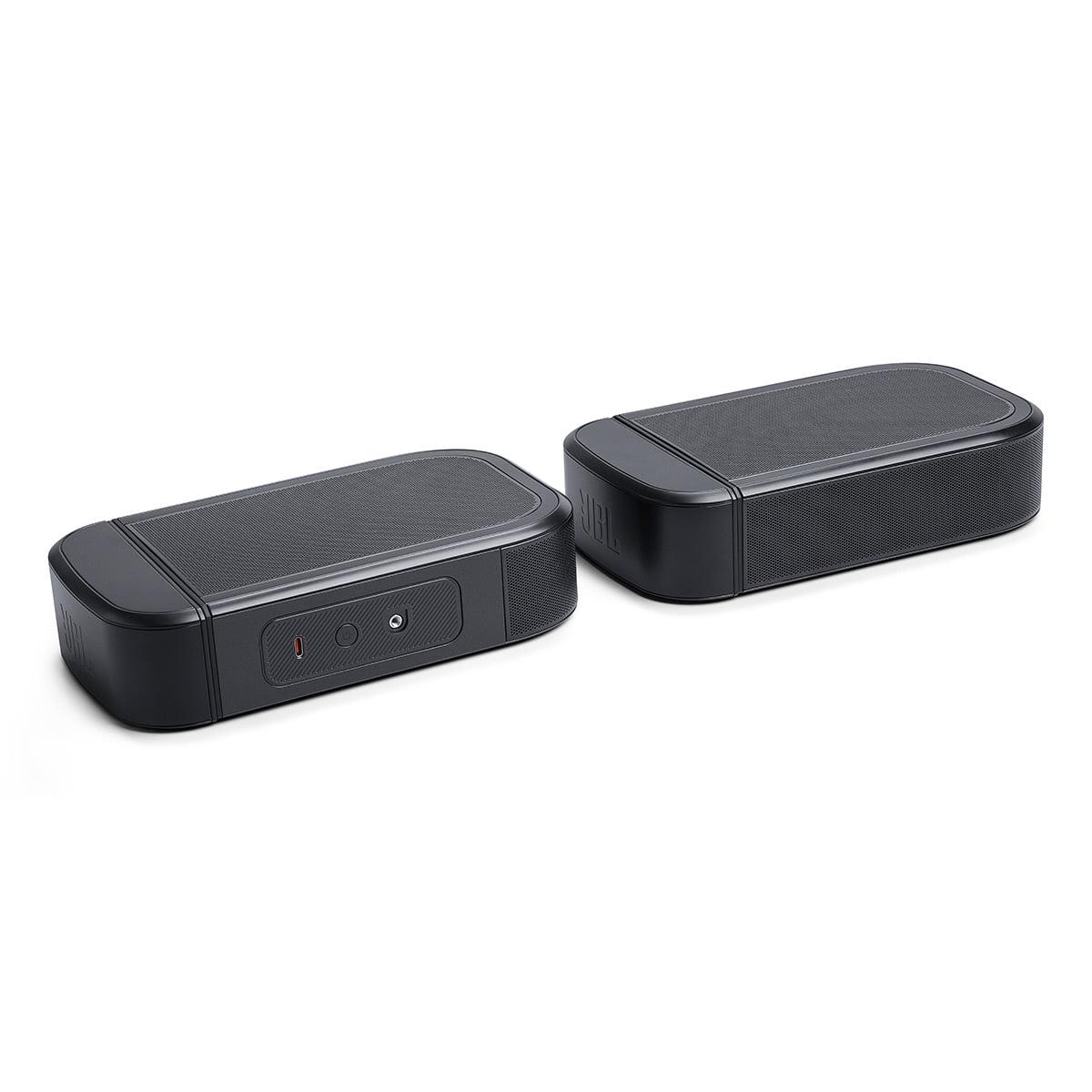
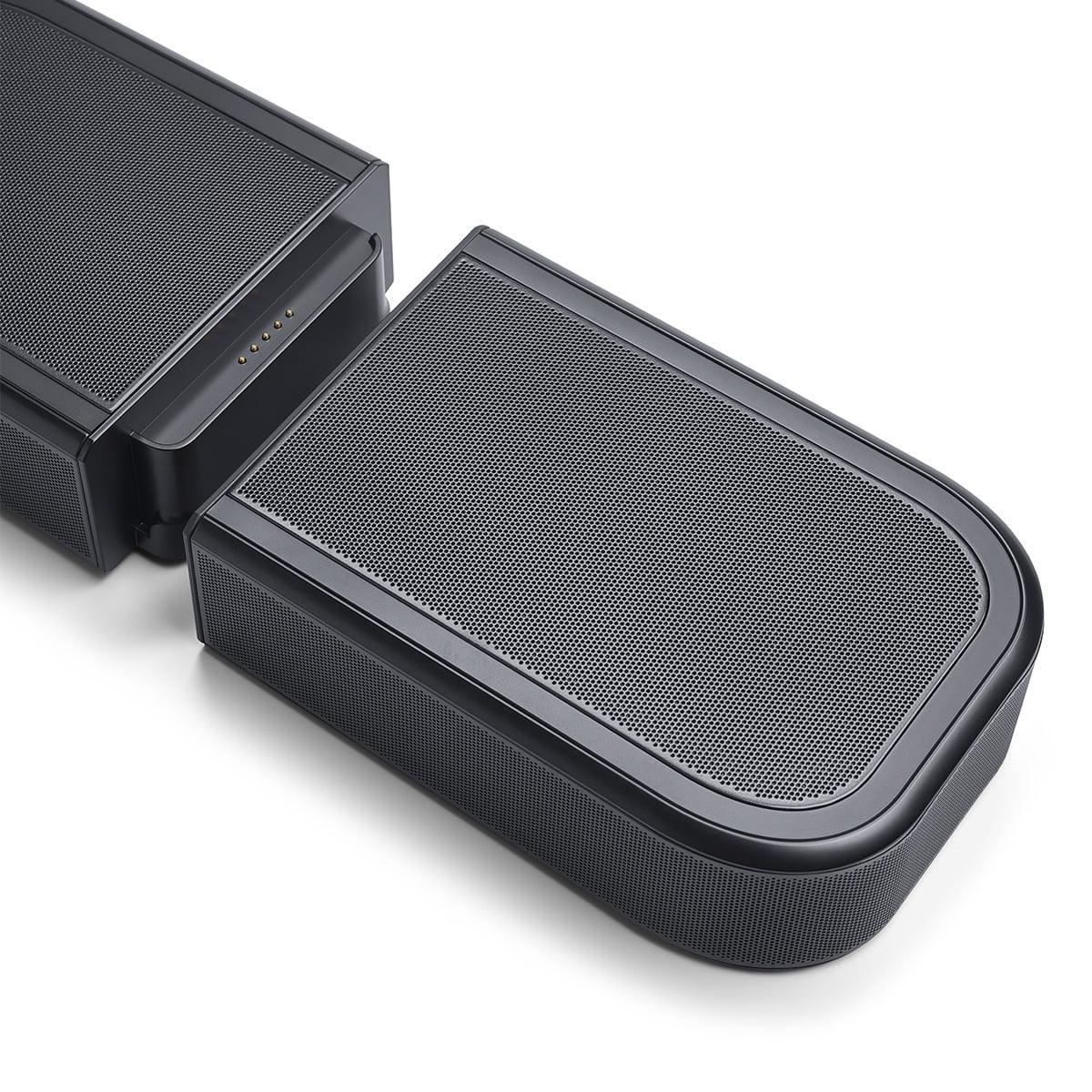
The standout innovation remains those detachable rear speakers. Each speaker module houses its own amplifier, digital processing, and a substantial 6600mAh battery providing up to 10 hours of operation. When docked to the main soundbar, they charge automatically and receive audio wirelessly. When detached, they become portable Bluetooth speakers while still maintaining their surround duties through Wi-Fi connectivity.
This solves one of home theater's most persistent problems: getting audio cables to rear speakers without running wires across your living room or through walls. The JBL Bar 1000 MK2 eliminates that complexity while providing genuine surround sound that virtual processing simply cannot match.
The difference in immersion is dramatic. Where the Samsung HW-B630F creates a convincing illusion of surround sound, the JBL Bar 1000 MK2 delivers the real thing. You can close your eyes during a movie and accurately point to where specific sounds originate—helicopters circling overhead, footsteps moving from room to room, ambient environmental effects that create genuine spatial awareness.
JBL's MultiBeam 3.0 technology works alongside those physical speakers to create an even wider soundstage. Unlike basic beam-forming that just fires sound in different directions, MultiBeam uses phase relationships between multiple drivers to create acoustic "sweet spots" throughout your listening area rather than just in one optimal position.
The 10-inch subwoofer deserves recognition as a serious piece of audio engineering. With 300W of dedicated amplification, it delivers bass that you feel as much as hear. During action sequences, explosions don't just sound big—they create physical pressure waves that interact with your furniture and room boundaries.
PureVoice 2.0 represents JBL's approach to dialogue enhancement, but it works differently than Samsung's system. Rather than simply boosting vocal frequencies, it uses AI to monitor ambient sound levels and dynamically adjust dialogue volume to maintain intelligibility. If background noise increases in your room, PureVoice compensates automatically without affecting other audio elements.
Both systems excel at dialogue clarity but achieve it through different philosophies. The Samsung HW-B630F uses a more aggressive approach, with Voice Enhance mode applying noticeable midrange emphasis that ensures speech cuts through complex soundtracks. This works exceptionally well for TV shows, news, and dialogue-heavy dramas where voice intelligibility is paramount.
The JBL Bar 1000 MK2 takes a more nuanced approach. PureVoice 2.0's AI-driven processing maintains more natural tonal balance while ensuring dialogue remains clear. The result sounds less processed, with voices that seem to float naturally in space rather than being artificially elevated. For movie watching, this creates a more cinematic experience where dialogue feels integrated into the sound design rather than separated from it.
This is where the systems diverge most dramatically. The Samsung HW-B630F's subwoofer handles typical TV and movie content adequately, providing enough low-frequency support to make action scenes feel impactful. However, it lacks the authority for bass-heavy music or the deepest movie soundtracks. You'll hear the bass, but you might not feel it.
The JBL Bar 1000 MK2's 10-inch subwoofer operates in a different league entirely. With its larger driver and dedicated 300W amplifier, it produces bass you experience physically. Movie explosions create pressure waves that you feel in your chest, while music playback reveals low-frequency details that smaller systems simply cannot reproduce. This isn't just about loudness—it's about accessing the full frequency spectrum that modern content creators use to build emotional impact.
The surround sound comparison reveals the fundamental philosophical difference between these systems. The Samsung HW-B630F uses DTS Virtual:X processing to create remarkably convincing surround effects from its front-facing speakers. Sound seems to wrap around you, with effects appearing to originate from your sides and even slightly behind your listening position.
However, virtual surround has inherent limitations. The effect works best in specific listening positions and can break down if you move around or if your room acoustics don't cooperate. It's impressive technology that works well for casual viewing, but it cannot achieve the precision of physical speaker placement.
The JBL Bar 1000 MK2 with its detachable rear speakers creates genuine surround sound that maintains accuracy regardless of where you sit or how your room is configured. Sounds move smoothly around the listening space with pinpoint accuracy. The four up-firing drivers add authentic height effects that create a true three-dimensional soundstage.
During complex movie scenes, the difference becomes unmistakable. The Samsung HW-B630F creates an engaging, wider-than-TV audio experience. The JBL Bar 1000 MK2 creates an enveloping audio environment that places you inside the action.
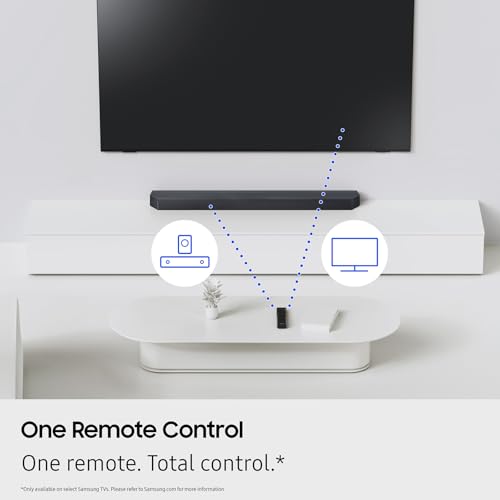
The Samsung HW-B630F wins decisively on simplicity. Connect one HDMI cable to your TV, and the system automatically handles the rest. The subwoofer pairs wirelessly without intervention, and if you own a Samsung TV, One Remote functionality lets you control the soundbar with your existing TV remote. It's the kind of setup that takes minutes and requires no technical knowledge.
The JBL Bar 1000 MK2 demands more consideration but rewards the effort. Positioning the detachable rear speakers requires thought about your room layout and seating arrangement. The JBL One app's room calibration process takes about 10 minutes but makes a substantial difference in performance. Users consistently report that proper calibration unlocks significantly better sound quality, making the extra effort worthwhile.
For daily operation, the Samsung HW-B630F emphasizes simplicity. Most users set it to Adaptive Sound mode and rarely need to adjust anything else. The JBL Bar 1000 MK2 offers more granular control through its app, which audio enthusiasts appreciate but might overwhelm casual users.
The detachable speaker concept proves more useful than initially obvious. Beyond creating true surround sound, those rear speakers function as high-quality portable Bluetooth speakers for other rooms, outdoor use, or travel. It's an unexpected versatility that adds value beyond the primary home theater function.
At the time of writing, these systems occupy very different price tiers, which reflects their different design philosophies and target audiences.
The Samsung HW-B630F represents exceptional value in the mid-range soundbar category. For significantly less money than premium Atmos systems, it delivers most of what casual users actually need: dramatically clearer dialogue, decent bass, and convincing virtual surround effects. It's the soundbar equivalent of a well-equipped mainstream sedan—not the fastest or most luxurious option, but exceptionally good at meeting real-world needs efficiently.
The JBL Bar 1000 MK2 commands premium pricing but justifies it through genuine technological innovation and uncompromising performance. The detachable speaker system solves real problems that have plagued home theater setups for decades, while delivering audio quality that rivals dedicated component systems costing significantly more. It's the soundbar equivalent of a luxury sports car—expensive, but delivering capabilities that cheaper alternatives simply cannot match.
For dedicated home theater use, the systems serve different purposes. The Samsung HW-B630F works best as a significant upgrade over TV speakers for casual movie watching. It makes dialogue clear, adds missing bass, and creates a more engaging experience without the complexity of a full surround system.
The JBL Bar 1000 MK2 approaches true home theater capability. With genuine Dolby Atmos processing, authentic surround speaker placement, and substantial power handling, it delivers an experience that satisfies serious movie enthusiasts. The detachable speakers solve the primary compromise that keeps many people from attempting real surround sound setups.
However, both systems work best with appropriate room sizes. The Samsung HW-B630F suits small to medium rooms where its power limitations won't become apparent. The JBL Bar 1000 MK2 needs space to breathe—larger rooms where its substantial power output and surround capabilities can be fully utilized.
Both 2025 models represent significant evolution from their predecessors. Samsung's 2025 B-series incorporates improved virtual surround processing and more sophisticated AI-driven sound optimization compared to earlier generations. The advancements make virtual surround more convincing while requiring less manual adjustment from users.
JBL's MK2 designation indicates substantial improvements over the original Bar 1000. Enhanced battery life (10 hours versus 8 in the original), more stable wireless connectivity, and refined acoustic tuning address early adopter concerns while maintaining the innovative detachable speaker concept.
Looking forward, both approaches represent sustainable design philosophies. Samsung's focus on AI-driven optimization and virtual processing aligns with trends toward smarter, more automated audio systems. JBL's physical speaker approach provides upgrade paths and flexibility that pure virtual systems cannot match.
The choice between the Samsung HW-B630F and JBL Bar 1000 MK2 ultimately depends on your priorities, room size, and budget comfort level.
Choose the Samsung HW-B630F if you want immediate, dramatic improvement over TV speakers without complexity or high cost. It's perfect for small to medium rooms, dialogue-focused viewing, and anyone who values simplicity. Samsung TV owners get additional benefits through ecosystem integration that makes the whole system feel seamless.
The Samsung HW-B630F particularly suits apartment dwellers, casual movie watchers, and anyone whose primary frustration is simply hearing dialogue clearly. Its virtual surround processing works well enough for most content, while its dialogue enhancements solve the most common TV audio complaint.
Choose the JBL Bar 1000 MK2 if you want genuine surround sound capability and have both the budget and room size to take advantage of its capabilities. It's ideal for larger rooms, serious movie watching, and anyone who appreciates the flexibility of detachable speakers.
The JBL Bar 1000 MK2 makes sense for home theater enthusiasts, larger living spaces, and users who frequently watch Dolby Atmos content. Its authentic surround capabilities and substantial power output justify the premium for those who will fully utilize its capabilities.
Consider your viewing habits honestly. If you primarily watch TV shows, news, and casual streaming content, the Samsung HW-B630F provides everything you need with impressive efficiency. If you regularly watch movies, appreciate high-quality audio, and have the space for proper surround speaker placement, the JBL Bar 1000 MK2 delivers an experience that virtual processing cannot match.
Both represent excellent engineering within their intended markets. The key is matching the system to your actual needs rather than buying more capability than you'll use or less than you need.
| Samsung HW-B630F B-Series 3.1ch Soundbar System | JBL Bar 1000 MK2 Soundbar System |
|---|---|
| Channel Configuration - Determines surround sound capability and dialogue clarity | |
| 3.1 channels (virtual surround via DTS Virtual:X) | 7.1.4 channels (true surround with physical rear speakers) |
| Surround Speaker Setup - Key factor for immersive movie experience | |
| No rear speakers (virtual surround processing only) | Detachable wireless rear speakers with 10-hour battery life |
| Dolby Atmos Support - Essential for modern movie soundtracks | |
| No (uses DTS Virtual:X for height simulation) | Yes (true Dolby Atmos with 4 up-firing drivers) |
| Power Output - Determines room size compatibility and volume capability | |
| Not specified (budget-tier amplification) | 960W max / 480W RMS (substantial power for large rooms) |
| Subwoofer Specifications - Critical for bass impact in movies and music | |
| Wireless subwoofer (size/power unspecified) | 10-inch wireless subwoofer with 300W dedicated amplification |
| HDMI Connectivity - Affects compatibility with multiple sources and video quality | |
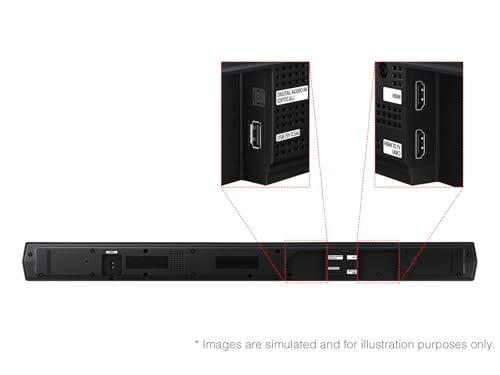
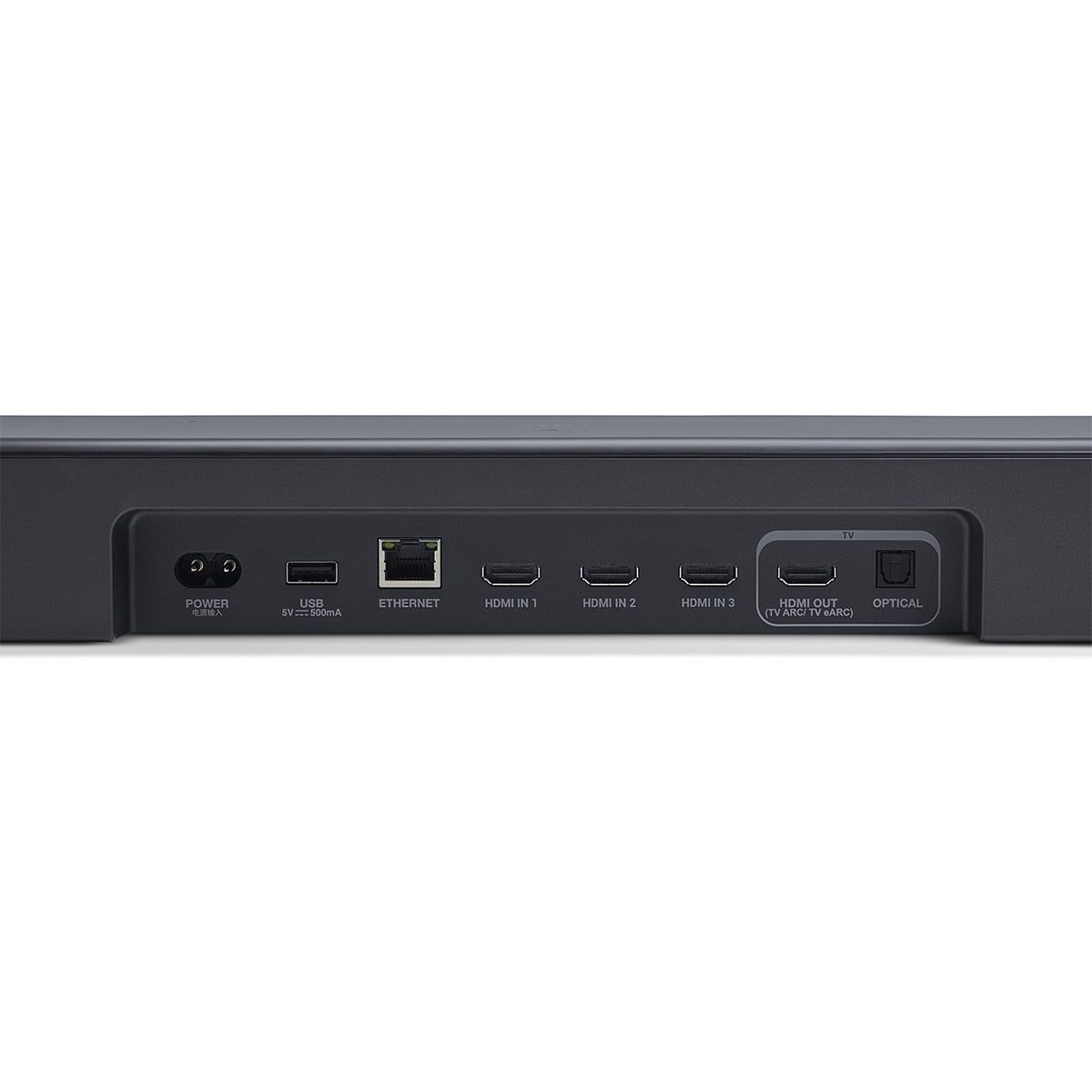
| 1x HDMI input + ARC (basic TV connection) | 3x HDMI inputs + eARC with 4K Dolby Vision pass-through |
| Dialogue Enhancement Technology - Most important feature for TV viewing | |
| Voice Enhance mode with dedicated center channel | PureVoice 2.0 with AI-driven adaptive dialogue optimization |
| Streaming and Wireless Features - Convenience for music playback | |
| Bluetooth 4.2 with Multi-Connection | Bluetooth 5.3, Wi-Fi, AirPlay 2, Chromecast, Spotify Connect |
| Setup Complexity - Time and effort required for optimal performance | |
| Plug-and-play (single HDMI connection) | Requires rear speaker positioning and app-based room calibration |
| Smart TV Integration - Seamless control with your existing remote | |
| Excellent Samsung TV integration (One Remote, Q-Symphony) | Universal TV compatibility with JBL One app control |
| Ideal Room Size - Maximum space where system performs optimally | |
| Small to medium rooms (under 300 sq ft) | Medium to large rooms (300+ sq ft) |
| Target User - Who gets the most value from each system | |
| Budget-conscious buyers wanting clear dialogue and simple setup | Home theater enthusiasts seeking authentic surround sound experience |
The Samsung HW-B630F excels at dialogue clarity with its dedicated center channel and Voice Enhance mode, making it ideal for TV shows and news. The JBL Bar 1000 MK2 uses PureVoice 2.0 AI technology for more natural-sounding dialogue that adapts to ambient noise. For pure speech intelligibility, the Samsung HW-B630F has a slight edge, while the JBL Bar 1000 MK2 offers more sophisticated processing.
The Samsung HW-B630F uses virtual surround processing to simulate rear effects without physical speakers, which works well for casual viewing. The JBL Bar 1000 MK2 includes detachable wireless rear speakers that provide true surround sound with precise positional audio. If you want authentic surround effects for movies, the JBL Bar 1000 MK2 delivers a significantly more immersive experience.
The JBL Bar 1000 MK2 features a 10-inch subwoofer with 300W of dedicated power, delivering deep, room-shaking bass that you can physically feel. The Samsung HW-B630F includes a wireless subwoofer that provides adequate bass for most content but lacks the authority of the JBL system. For impactful movie explosions and music, the JBL Bar 1000 MK2 is the clear winner.
The Samsung HW-B630F offers true plug-and-play setup with a single HDMI connection and automatic wireless subwoofer pairing. The JBL Bar 1000 MK2 requires positioning detachable rear speakers and running a 10-minute room calibration through the JBL One app. If you want immediate improvement with minimal effort, choose the Samsung HW-B630F.
Both the Samsung HW-B630F and JBL Bar 1000 MK2 work with any TV brand through HDMI or optical connections. However, the Samsung HW-B630F offers enhanced integration with Samsung TVs, including One Remote control and Q-Symphony technology. The JBL Bar 1000 MK2 provides universal compatibility without brand-specific advantages.
The Samsung HW-B630F includes a dedicated Game Mode with cross-talk cancellation to help locate directional audio cues like footsteps in competitive games. The JBL Bar 1000 MK2 offers superior positional accuracy through its physical surround speakers. For competitive gaming, the Samsung HW-B630F's Game Mode is optimized for this use, while the JBL Bar 1000 MK2 provides more immersive single-player experiences.
The Samsung HW-B630F does not support Dolby Atmos but uses DTS Virtual:X to simulate height effects. The JBL Bar 1000 MK2 features true Dolby Atmos support with four up-firing drivers that bounce sound off your ceiling for authentic overhead effects. If Dolby Atmos content is important to you, only the JBL Bar 1000 MK2 provides genuine support.
The Samsung HW-B630F provides exceptional value for budget-conscious buyers, delivering clear dialogue and decent surround effects at an accessible price point. The JBL Bar 1000 MK2 commands premium pricing but justifies it with genuine surround speakers, powerful bass, and innovative detachable speaker technology. Value depends on your budget and performance expectations.
The Samsung HW-B630F is optimized for small to medium rooms under 300 square feet, where its power output is adequate. The JBL Bar 1000 MK2 with its 960W maximum power is designed for medium to large rooms over 300 square feet. Matching the soundbar to your room size is crucial for optimal performance.
The Samsung HW-B630F supports Bluetooth 4.2 with Multi-Connection for pairing two devices simultaneously. The JBL Bar 1000 MK2 offers more streaming options including Bluetooth 5.3, Wi-Fi, AirPlay 2, Chromecast Built-In, and Spotify Connect. For versatile music streaming, the JBL Bar 1000 MK2 provides significantly more options.
The Samsung HW-B630F requires virtually no maintenance with its simple plug-and-play design and no batteries to charge. The JBL Bar 1000 MK2 requires periodic charging of its detachable rear speakers, though they offer 10-hour battery life and charge automatically when docked. Both systems are reliable, but the Samsung HW-B630F is more maintenance-free.
For casual home theater viewing with clear dialogue and simple setup, the Samsung HW-B630F provides excellent results without complexity. For serious home theater enthusiasts wanting authentic Dolby Atmos, true surround sound, and powerful bass, the JBL Bar 1000 MK2 delivers a cinema-like experience. Your choice depends on how seriously you take home theater audio and your willingness to invest in premium performance.
We've done our best to create useful and informative comparisons to help you decide what product to buy. Our research uses advanced automated methods to create this comparison and perfection is not possible - please contact us for corrections or questions. These are the sites we've researched in the creation of this article: samsung.com - bhphotovideo.com - crutchfield.com - youtube.com - bestproducts.com - videoandaudiocenter.com - pcrichard.com - bhphotovideo.com - samsung.com - youtube.com - requiremints.com - karlsonline.com - crutchfield.com - youtube.com - donstv.com - samsung.com - bhphotovideo.com - youtube.com - youtube.com - crutchfield.com - costco.ca - rtings.com - crutchfield.com - accio.com - bhphotovideo.com - manuals.plus - samsung.com - saraappliance.com - ecoustics.com - engadget.com - bestbuy.com - techradar.com - rtings.com - hometechnologyreview.com - youtube.com - t3.com - whathifi.com - youtube.com - bhphotovideo.com - gzhls.at - device.report - support.jbl.com - support.jbl.com - jbl.com - av.com - audioadvice.com - jbl.com - target.com - worldwidestereo.com

Privacy Policy
Terms and Conditions - Affiliate Policy
Home Security
© Copyright 2008-2026.
11816 Inwood Rd #1211, Dallas, TX 75244