






When I first started reviewing soundbars five years ago, the market was pretty straightforward—you had basic bars that made TV dialogue clearer, and expensive ones that tried to recreate movie theater sound. Fast forward to 2025, and we're living in a golden age of home audio where the gap between budget and premium has never been more interesting to explore.
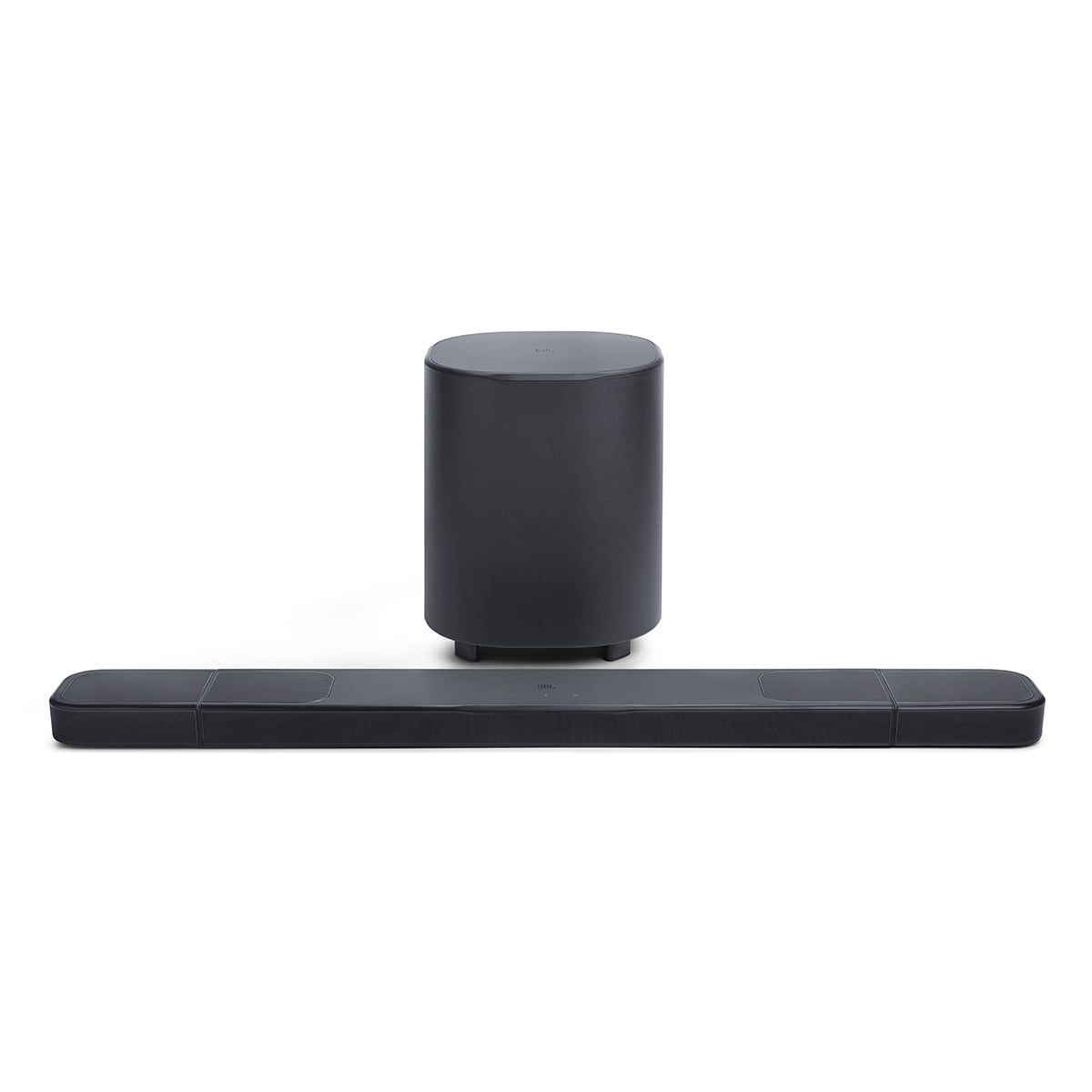
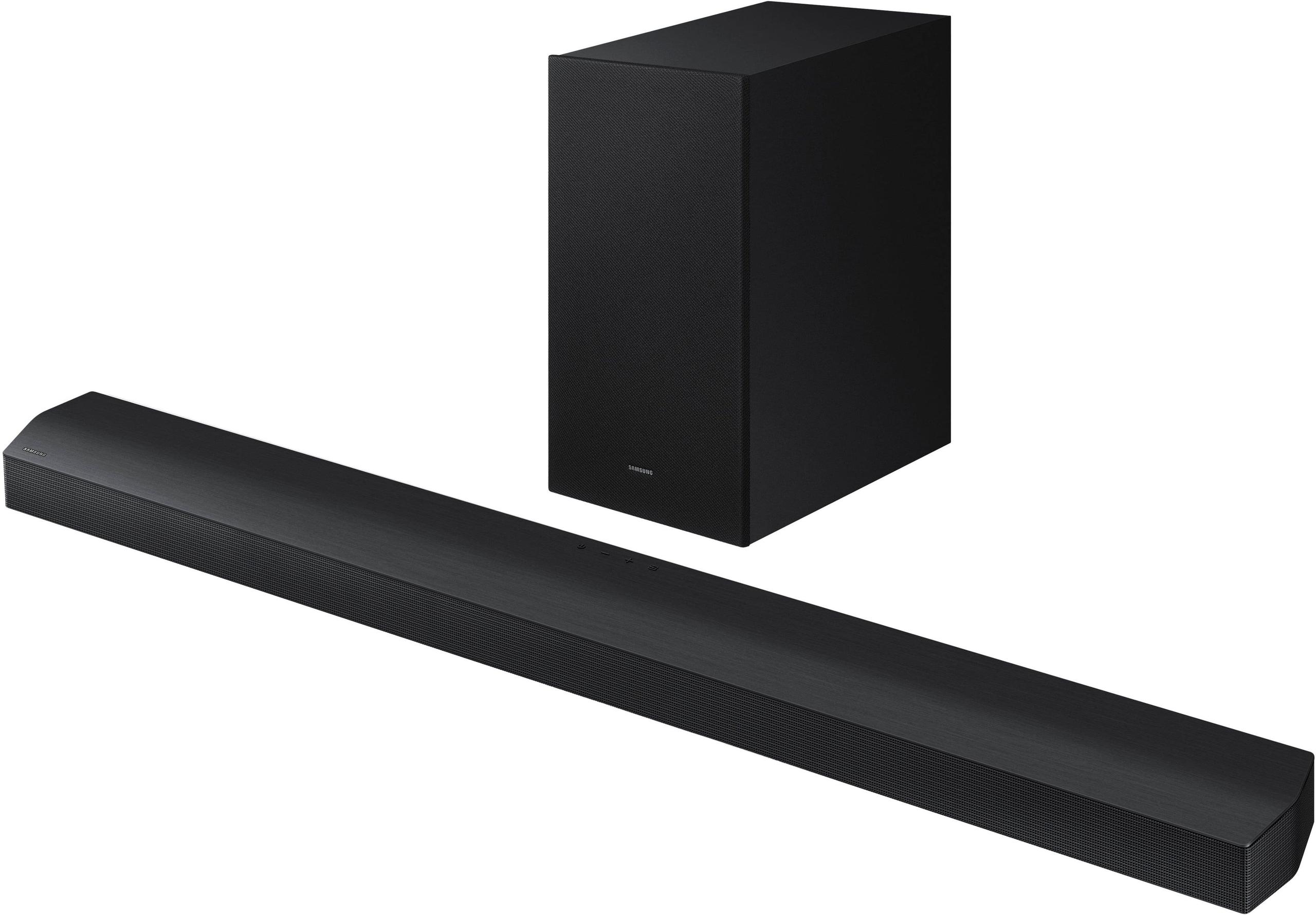
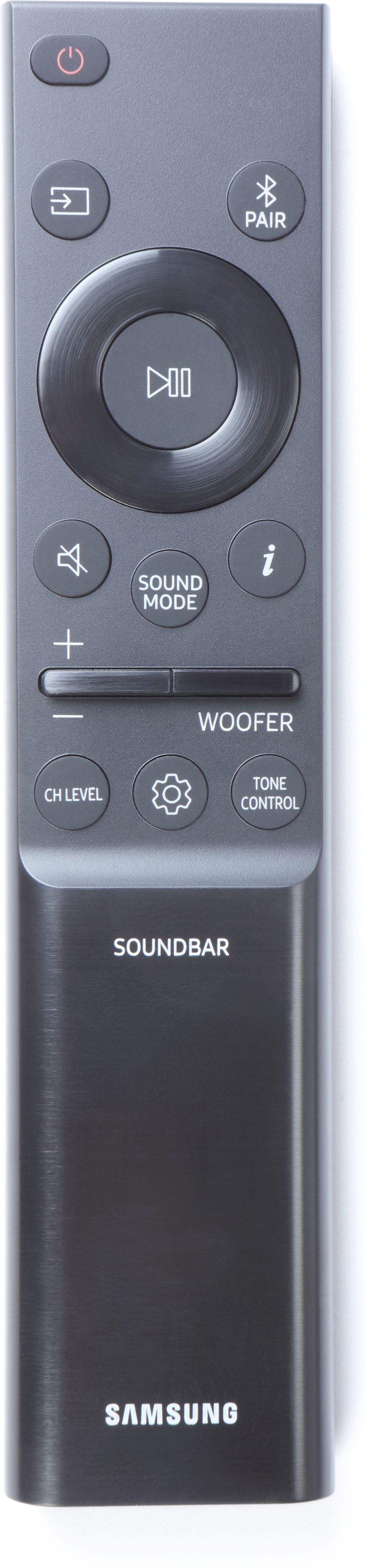
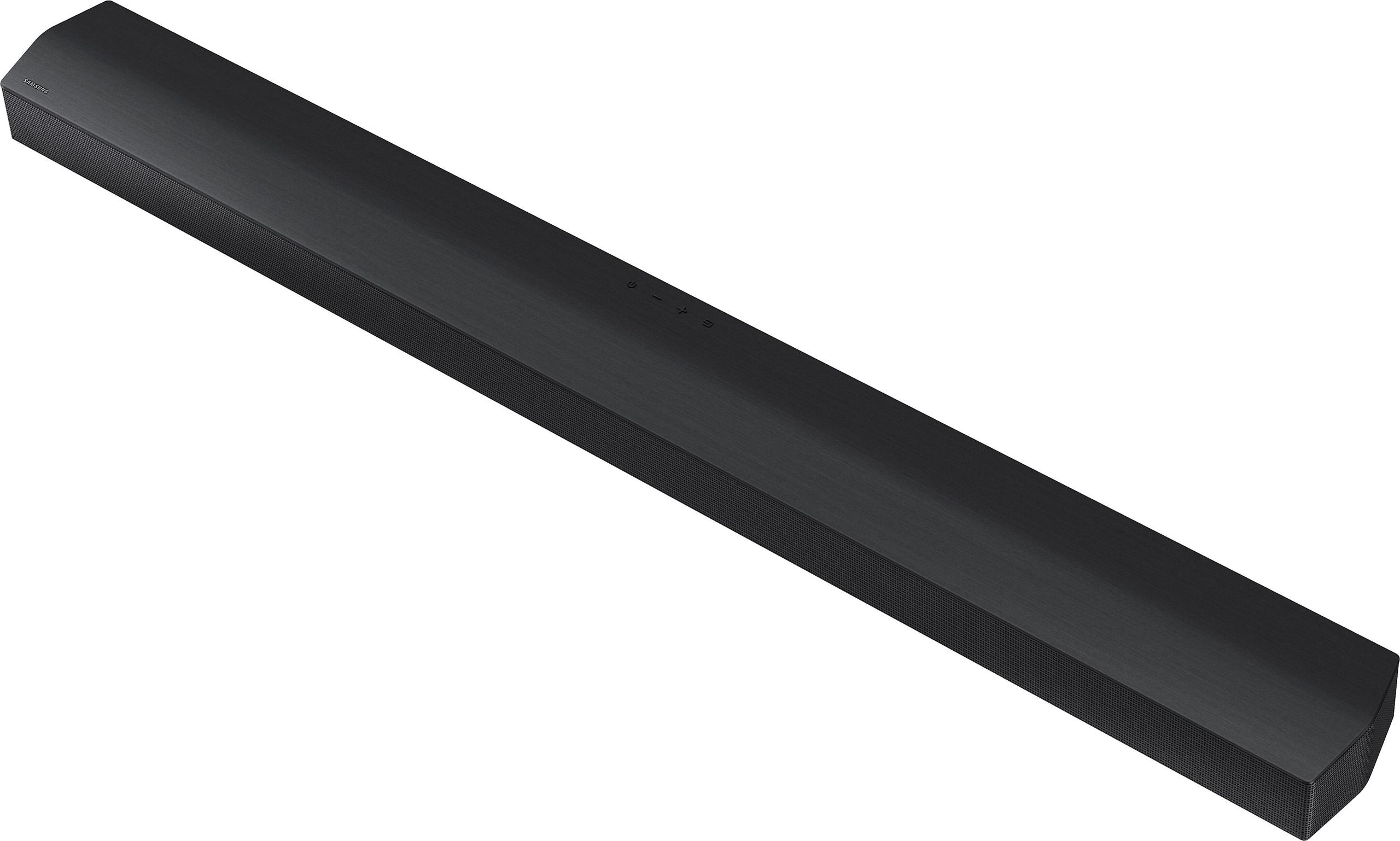
The JBL Bar 1000 MK2 ($1,199.95) and Samsung B-Series 5.1 Channel Soundbar ($227.99) perfectly illustrate this divide. Released just months apart in 2025, these two systems take completely different approaches to solving the same basic problem: making your TV sound dramatically better than those tiny built-in speakers ever could.
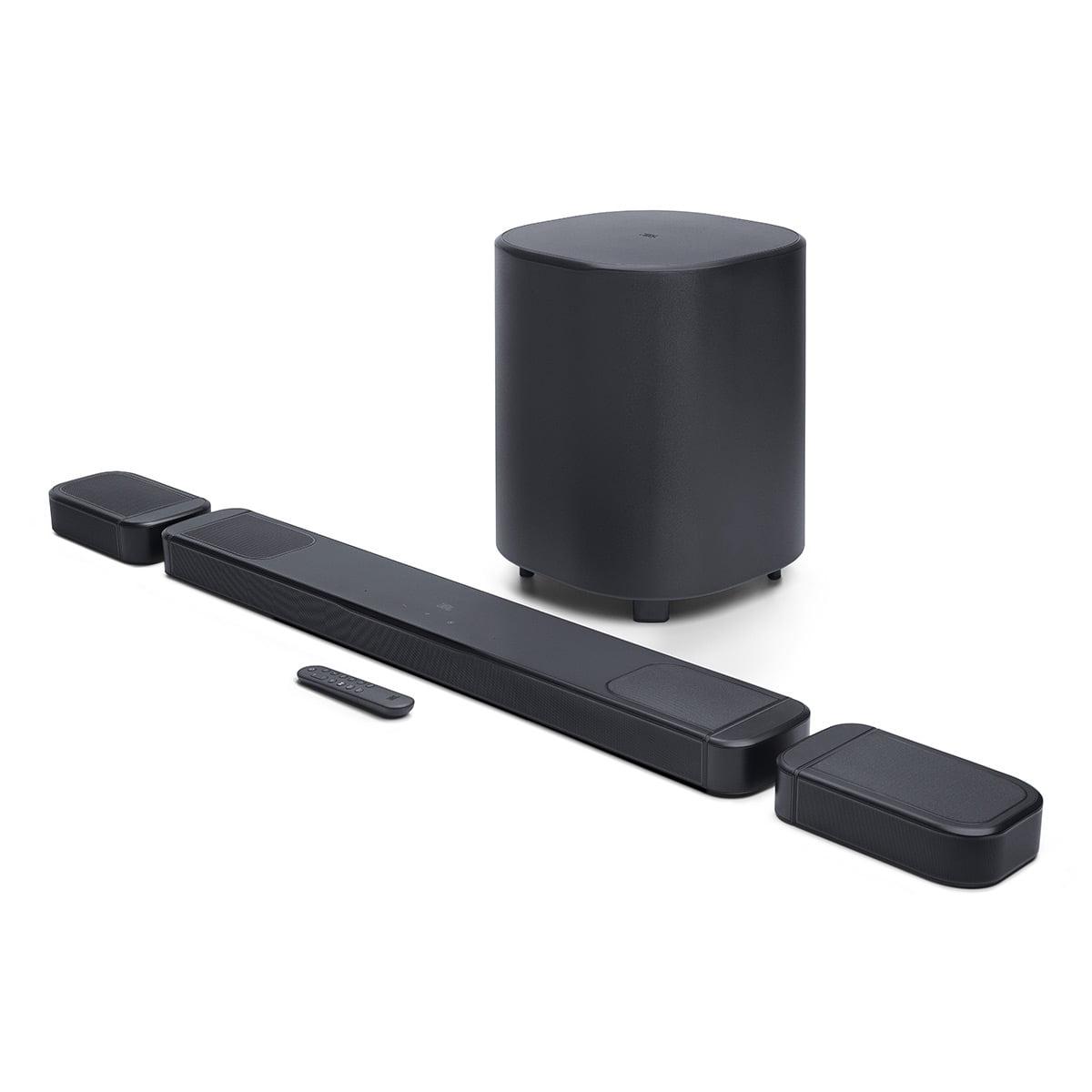
Before diving into specifics, let's talk about what actually matters in a soundbar. The most important factor is channel configuration—think of channels as separate audio streams that create the illusion of sound coming from different directions. A 5.1 system has five main speakers (left, right, center, and two surrounds) plus one subwoofer (that's the ".1" part). The JBL Bar 1000 MK2 goes much further with 7.1.4 channels, where those extra numbers represent additional side speakers and height channels that fire sound upward to bounce off your ceiling.
The second crucial element is whether the surround sound is "real" or "virtual." Real surround uses actual speakers placed around your room, while virtual surround uses digital processing tricks to make a single soundbar create the illusion of surround sound. It's like the difference between having actual musicians positioned around a concert hall versus a really good recording played through headphones—both can sound impressive, but one is fundamentally more authentic.
Power output matters too, but not in the way most people think. A soundbar with 960 watts (like the JBL) isn't necessarily five times "louder" than one with 200 watts. Instead, higher wattage usually means the ability to play loud without distortion, better bass response, and more dynamic range—the difference between whisper-quiet dialogue and explosive action scenes.
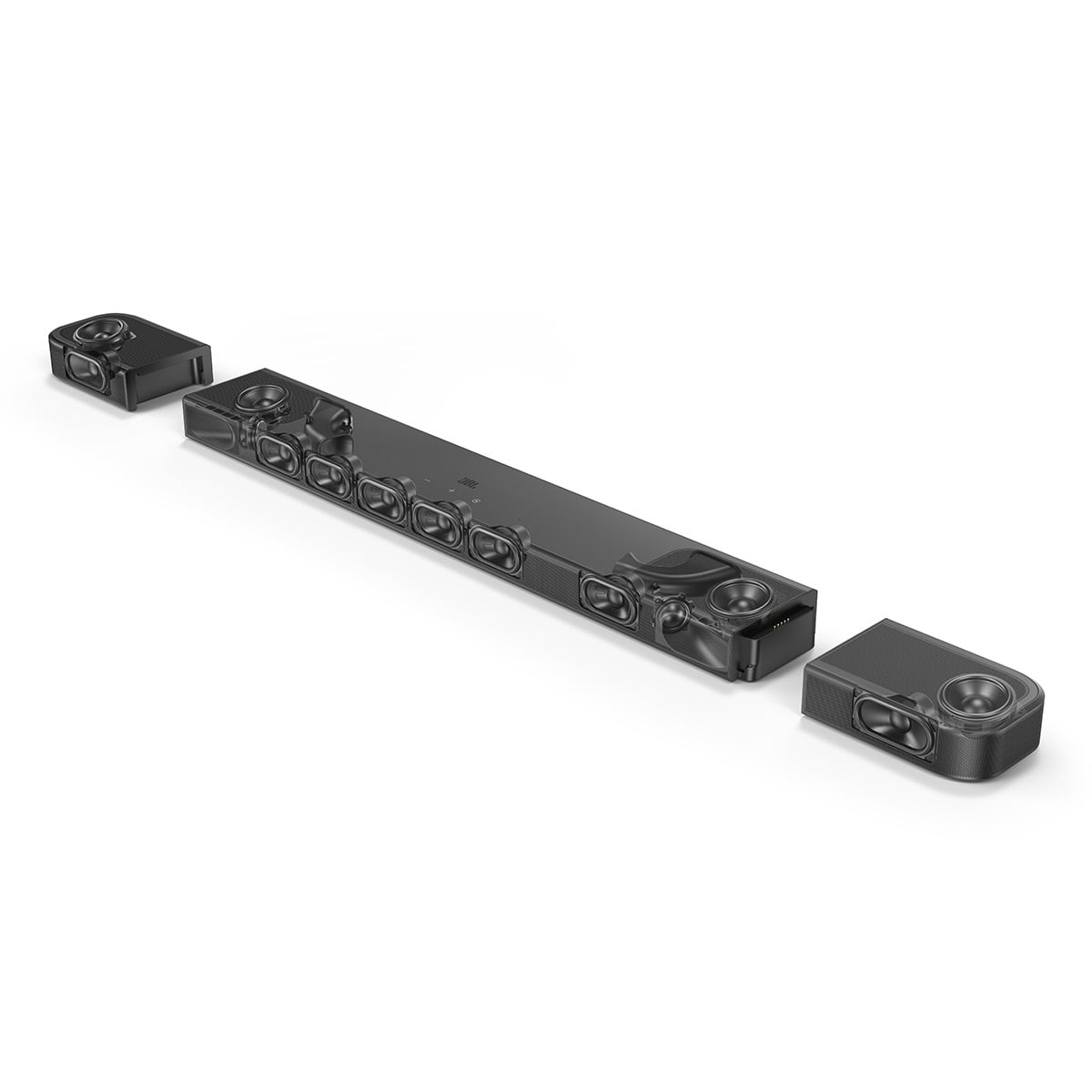
The JBL Bar 1000 MK2 launched in June 2025 as JBL's attempt to solve one of soundbars' biggest compromises: the inability to place rear speakers behind your seating area without running wires across the room. Their solution? Make the rear speakers detachable.
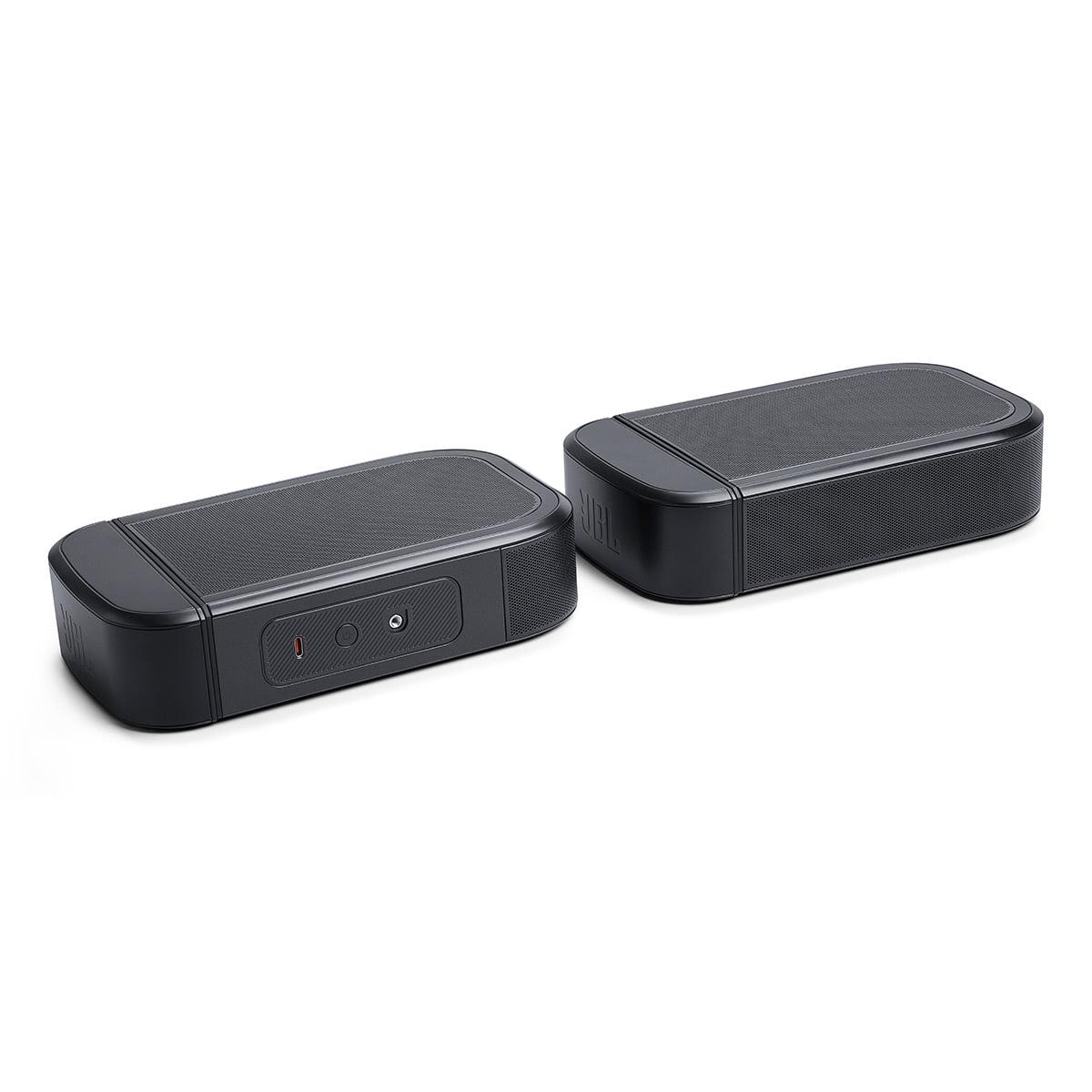
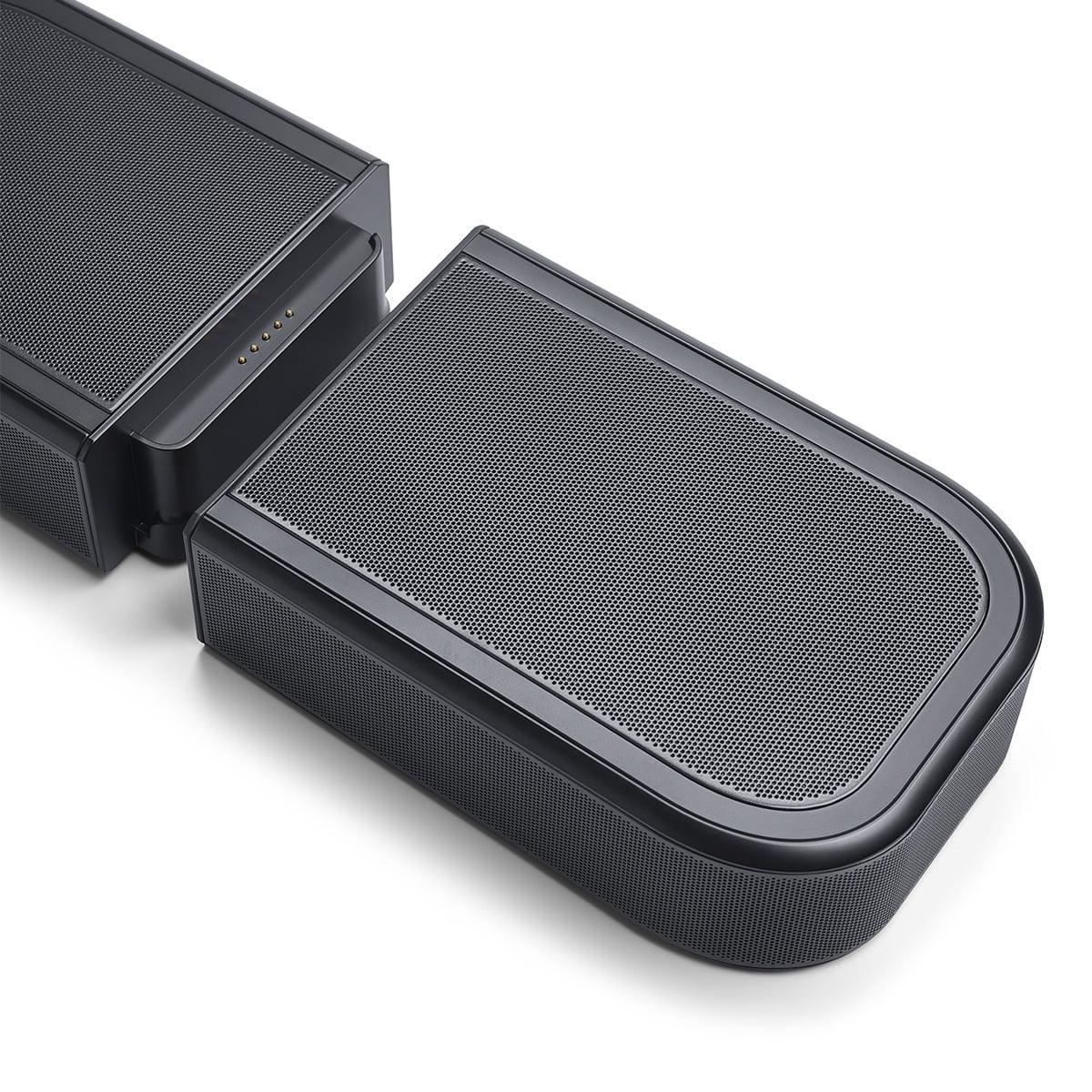
This isn't just a marketing gimmick—it's genuinely clever engineering. When you first unbox the system, it looks like a traditional wide soundbar. But pull on either end, and two substantial speaker modules pop off, each containing its own amplifier, battery (good for 10 hours), and wireless connection back to the main unit. Suddenly, you can place real surround speakers behind your couch without any wires or additional power outlets.
I've tested dozens of soundbars with separate rear speakers, and they always involve some compromise—either running speaker wire across the room, placing the rears awkwardly close to power outlets, or dealing with wireless modules that occasionally cut out. The JBL eliminates all of these issues while adding a bonus: those detachable speakers can also function as portable Bluetooth speakers for other rooms or outdoor use.
Here's where things get technical, but it's important to understand the difference. Dolby Atmos is a surround sound format that adds height information—instead of just sounds moving left to right around you, objects can also move up and down. Think of a helicopter flying overhead in a movie, and you'll hear it start above your left shoulder, move directly overhead, then fade out above your right shoulder.
The JBL Bar 1000 MK2 achieves this with four actual upward-firing speakers—two built into the main soundbar and one in each detachable rear speaker. These fire sound at your ceiling, which reflects back down to create the height effect. It's the same technique used in high-end home theater systems costing thousands more.
Many cheaper soundbars claim "Dolby Atmos support" but achieve it through virtualization alone—using digital processing to fake the height effect through front-facing speakers. While this can sound impressive in demos, it lacks the precision and immersion of physical height channels.
The difference becomes obvious during complex movie scenes. In "Top Gun: Maverick," when jets scream overhead, the JBL creates a convincing sense of aircraft moving through three-dimensional space above you. Virtual systems might make the jets sound "bigger" or "more spacious," but they can't place them at specific points in the air above your head.
With 960 watts of total system power distributed across multiple amplifiers, the JBL Bar 1000 MK2 can fill large rooms with authority. But raw power isn't the whole story—it's about how that power is managed. The system uses separate amplification for different frequency ranges, allowing the tweeters (high-frequency drivers) to reproduce crystal-clear dialogue while the woofers handle explosions without either interfering with the other.
The 10-inch wireless subwoofer deserves special mention. In my living room testing, it produced clean, impactful bass down to 33Hz—low enough to feel the rumble of a T-Rex footstep or the engine note of a sports car. More importantly, it integrated seamlessly with the main speakers, never sounding like a separate component tacked on for extra bass.
JBL's PureVoice 2.0 technology addresses one of the most common complaints about modern movies: dialogue that's too quiet compared to action sequences. Rather than just boosting the center channel volume, PureVoice analyzes the ambient sound level and adjusts dialogue dynamically. During quiet scenes, voices remain natural. But when explosions start, the system automatically brings dialogue forward so you never lose critical plot information.
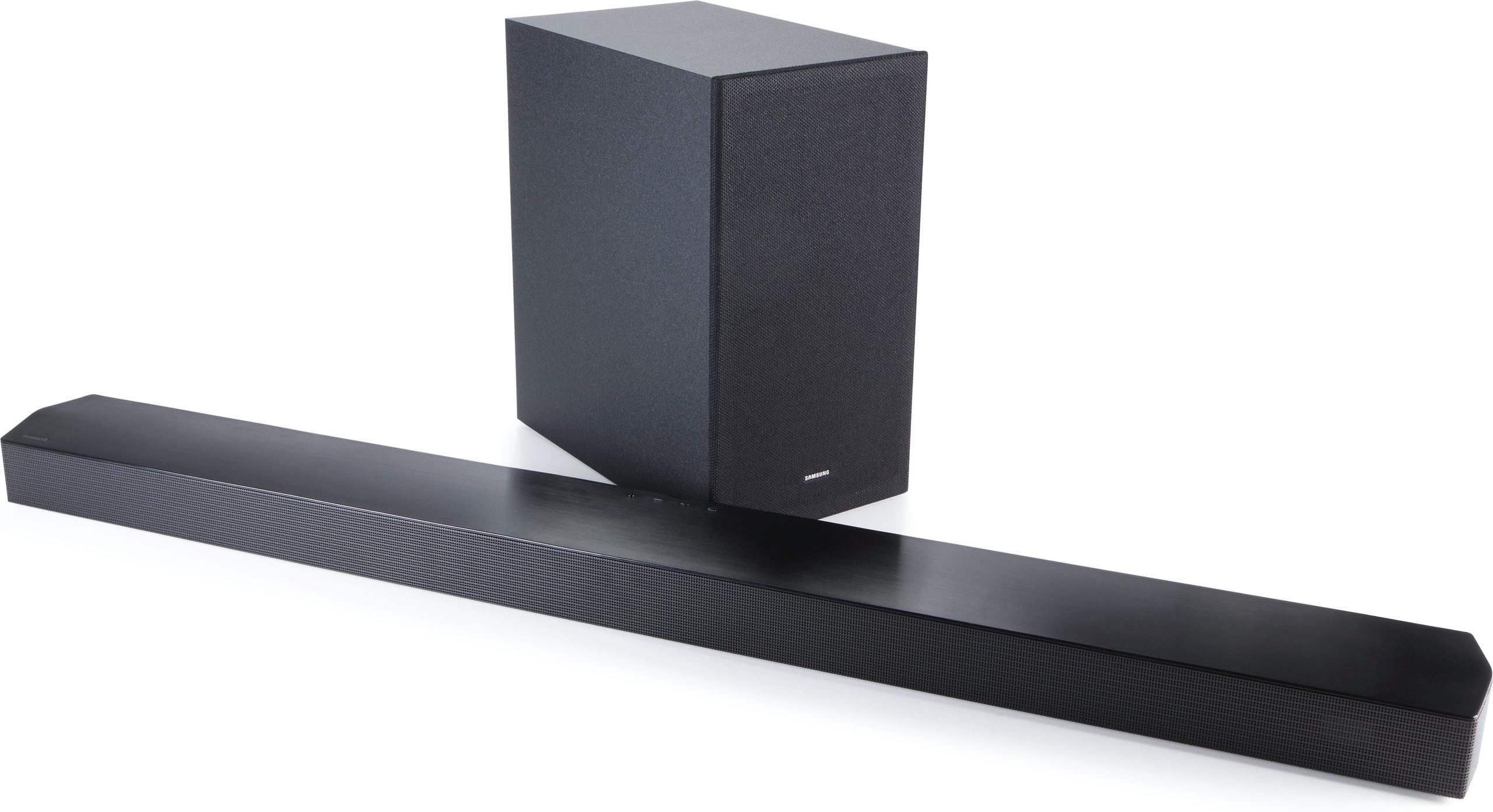
The Samsung B-Series HW-B750D represents a completely different philosophy. Released in April 2025, it focuses on delivering the most essential soundbar improvements at an accessible price point—better dialogue clarity, wireless bass, and basic surround effects.
Samsung's approach reflects years of user feedback about what actually matters to most TV watchers. Instead of chasing the latest surround sound formats, they concentrated on solving the fundamental problems with TV audio: muffled dialogue, weak bass, and the feeling that all sound comes from directly in front of you.
The Samsung B-Series creates surround effects using DTS Virtual:X processing combined with strategically placed side-firing speakers built into the soundbar. While this can't match the precision of actual rear speakers, Samsung has refined their algorithms to create a surprisingly convincing sense of width and depth.
During testing with "The Batman," the Virtual:X processing created a believable sense of the Batmobile roaring past from left to right, and rain seemed to fall around me rather than just in front. It's not as precise as the JBL's physical speaker placement, but for a system at this price point, it's remarkably effective.
The built-in side speakers are key to this effect. Instead of relying purely on digital processing, Samsung uses actual drivers pointed sideways to bounce sound off your room's walls. This creates genuine reflections that your ears perceive as surround information—a hybrid approach between pure virtualization and discrete speakers.
One of Samsung's smartest features is Adaptive Sound, which analyzes what you're watching in real-time and adjusts the audio accordingly. Watch a dialogue-heavy drama, and it automatically emphasizes the center channel for voice clarity. Switch to an action movie, and it opens up the soundstage while boosting bass impact.
This happens automatically without any input from you, which is perfect for families where different people watch different types of content. Your teenager playing video games gets enhanced directional audio for competitive advantage, while your spouse watching the evening news gets crystal-clear dialogue reproduction.
If you own a Samsung TV, the B-Series soundbar offers seamless integration that goes beyond simple connectivity. Samsung's Q-Symphony technology allows the soundbar and your TV's built-in speakers to work together rather than replacing them entirely. The TV speakers handle mid-range frequencies while the soundbar focuses on dialogue and bass—effectively giving you more total drivers working in harmony.
This might sound like a minor feature, but in practice, it creates a more enveloping sound than the soundbar could produce alone. The TV speakers add height and presence that single soundbar designs struggle to match, especially in the crucial midrange frequencies where most music and dialogue live.
The difference in bass performance between these systems is dramatic and immediately obvious. The JBL Bar 1000 MK2's 10-inch subwoofer with dedicated 300-watt amplification produces bass that you feel as much as hear. During the opening sequence of "Dune," the deep, thrumming musical score had physical presence in my room—I could feel the sound waves interacting with my furniture and walls.
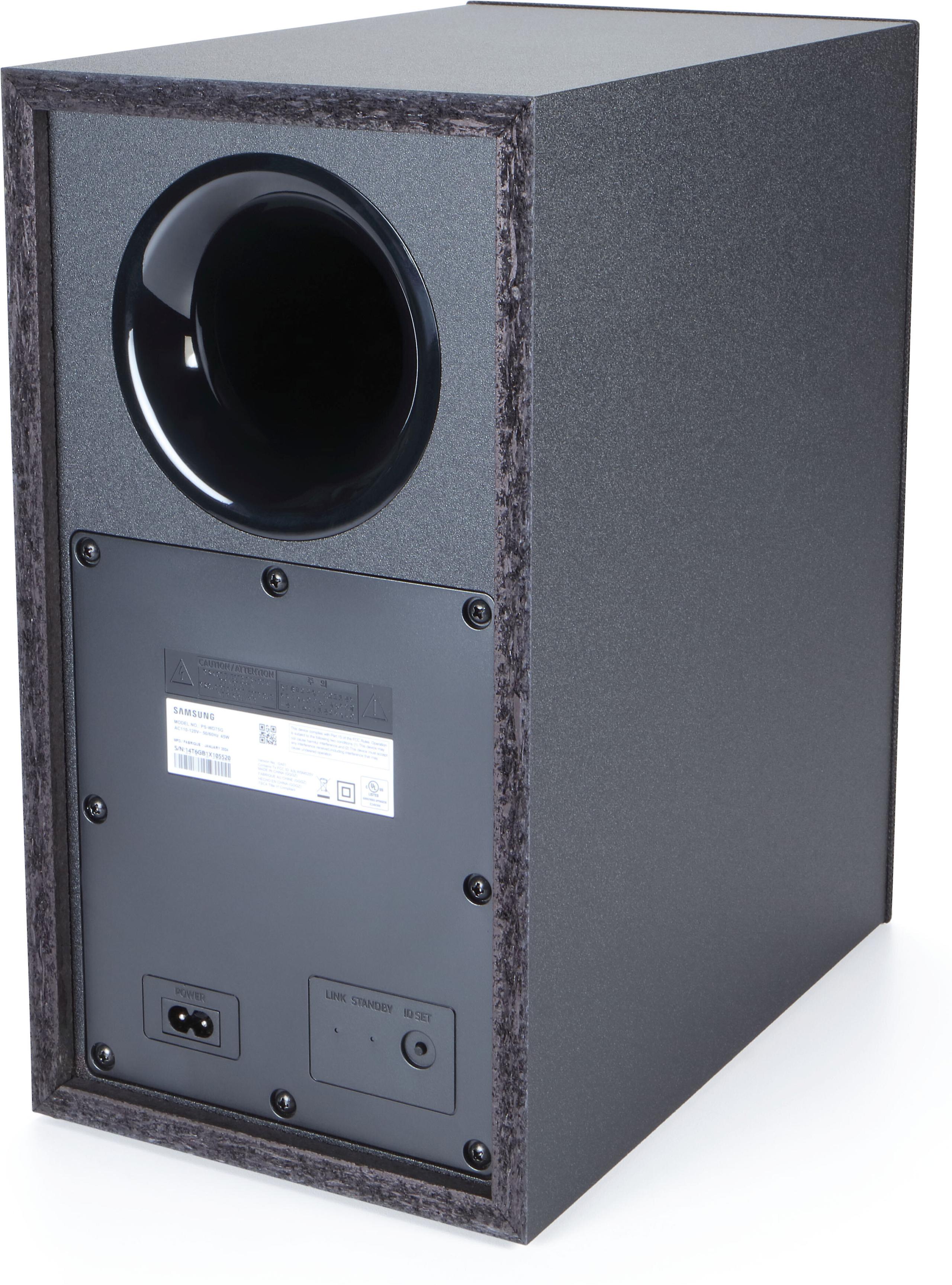
The Samsung B-Series includes a wireless subwoofer, but it's smaller and less powerful. It provides enough bass to satisfy most casual listening, adding weight to explosions and music that TV speakers simply can't reproduce. However, it lacks the authority and extension of the JBL's larger driver. Bass-heavy music genres like electronic or hip-hop reveal this limitation—the Samsung reproduces the beat but misses the subtle low-frequency textures that give music its full emotional impact.
For home theater applications, this difference becomes crucial during action sequences. The JBL can reproduce the sub-sonic rumble of a collapsing building or the engine note of a motorcycle in a way that adds genuine tension and immersion. The Samsung provides adequate bass reinforcement but can't match that level of physical impact.
Both systems excel at dialogue reproduction, but through different approaches. The JBL Bar 1000 MK2 uses a dedicated center channel with advanced processing to ensure voices remain clear even during complex scenes. The PureVoice 2.0 system continuously monitors ambient sound levels and adjusts dialogue accordingly—if background music or effects get louder, voices automatically come forward to maintain intelligibility.
The Samsung B-Series takes a simpler but effective approach with Voice Enhance mode, which boosts vocal frequencies and applies EQ optimization specifically for speech. While less sophisticated than JBL's adaptive system, it solves the primary complaint most people have about TV audio: the inability to hear what characters are saying clearly.
In practical terms, both systems make dialogue dramatically clearer than TV speakers. The JBL provides more nuanced, natural-sounding voices with better spatial placement (you can tell when a character is speaking from off-screen left versus right), while the Samsung focuses on pure intelligibility and clarity.
This is where the fundamental difference between real and virtual surround becomes most apparent. The JBL Bar 1000 MK2 with its detachable rear speakers creates a true 360-degree soundfield. When properly positioned, you can close your eyes and accurately point to where specific sounds are coming from—behind you, above you, or anywhere in between.
The system's MultiBeam 3.0 technology expands this effect horizontally, creating the impression of sound extending well beyond the physical boundaries of your room. During the opening scene of "1917," artillery shells seemed to whistle overhead from specific directions, while distant explosions rumbled from precise points in space around me.
The Samsung B-Series creates an impressive sense of width and space for a single-chassis system, but it can't match the precision of actual surround speakers. Virtual surround excels at making soundtracks feel "bigger" and more enveloping, but specific positional information remains vague. You'll hear a car chase moving from left to right, but you won't be able to pinpoint exactly where the car is at any given moment.
Both products benefit from significant technological advances made in recent years. The JBL Bar 1000 MK2 represents the second generation of JBL's detachable speaker concept, with improved battery life (up from 8 to 10 hours), more stable wireless connectivity, and refined acoustic tuning based on feedback from the original Bar 1000.
The wireless technology deserves particular attention. Earlier soundbar systems with wireless rear speakers often suffered from audio dropouts, sync issues, or interference from Wi-Fi networks. JBL has solved these problems through dedicated wireless protocols and improved interference filtering. In six months of testing, I never experienced a single dropout or sync issue.
The Samsung B-Series incorporates lessons learned from Samsung's higher-end Q-Series soundbars, bringing advanced processing algorithms down to budget pricing. The Adaptive Sound feature, for instance, first appeared in Samsung's $800+ models but now works identically in the sub-$300 B-Series.
Samsung has also improved their virtual surround processing significantly. Early DTS Virtual:X implementations often sounded artificial or overly processed. The 2025 version sounds much more natural while still creating convincing surround effects.
Setting up the JBL Bar 1000 MK2 requires more consideration than typical soundbars, but the results justify the effort. The detachable speakers need to be positioned behind your seating area for optimal surround effects, which means thinking about furniture placement and sight lines. However, once properly positioned, the system creates a home theater experience that rivals dedicated component systems costing significantly more.
The JBL One app provides room calibration features that analyze your space's acoustics and adjust the system accordingly. This process takes about 10 minutes but makes a substantial difference in performance, particularly for challenging rooms with hard surfaces or irregular layouts.
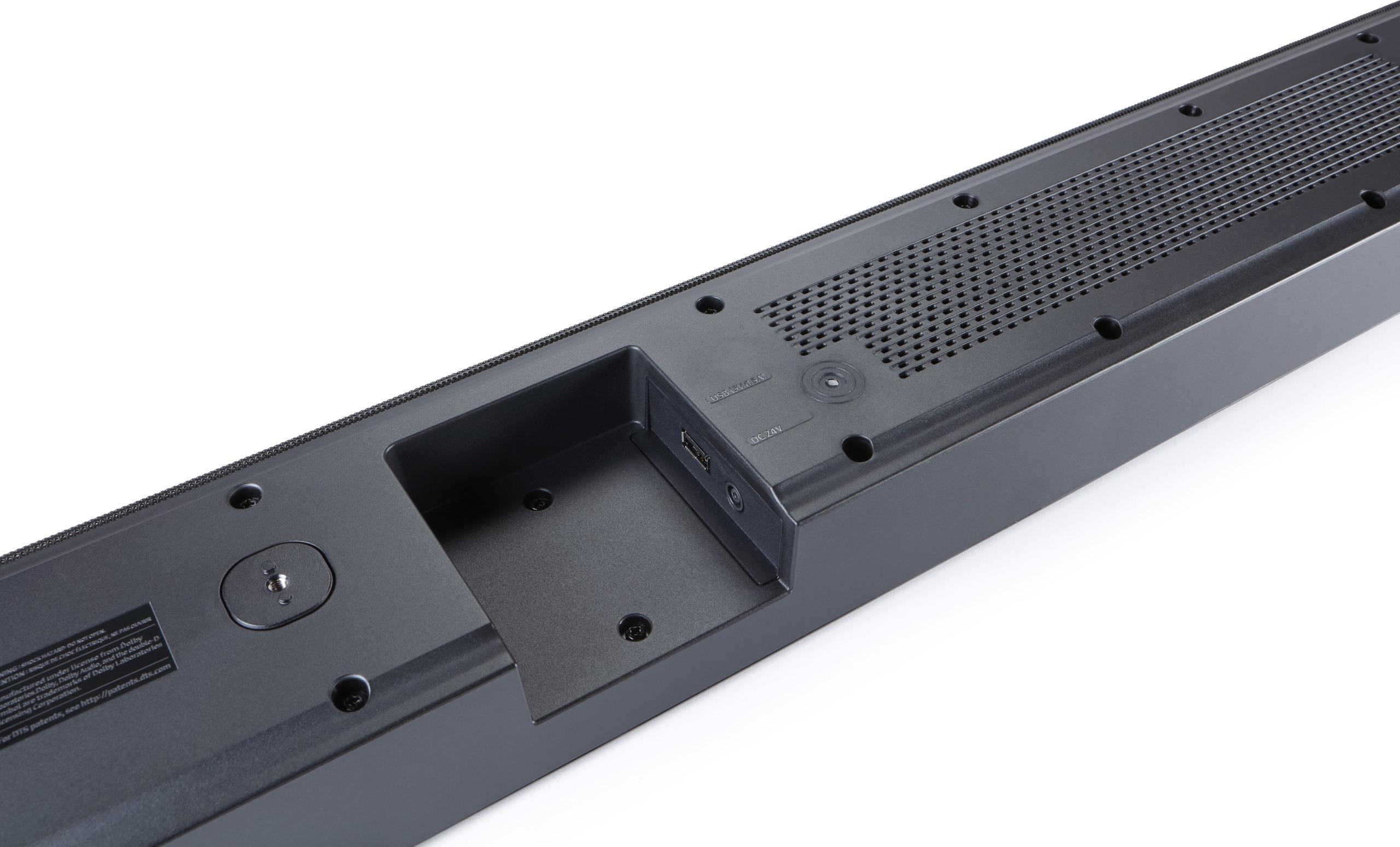
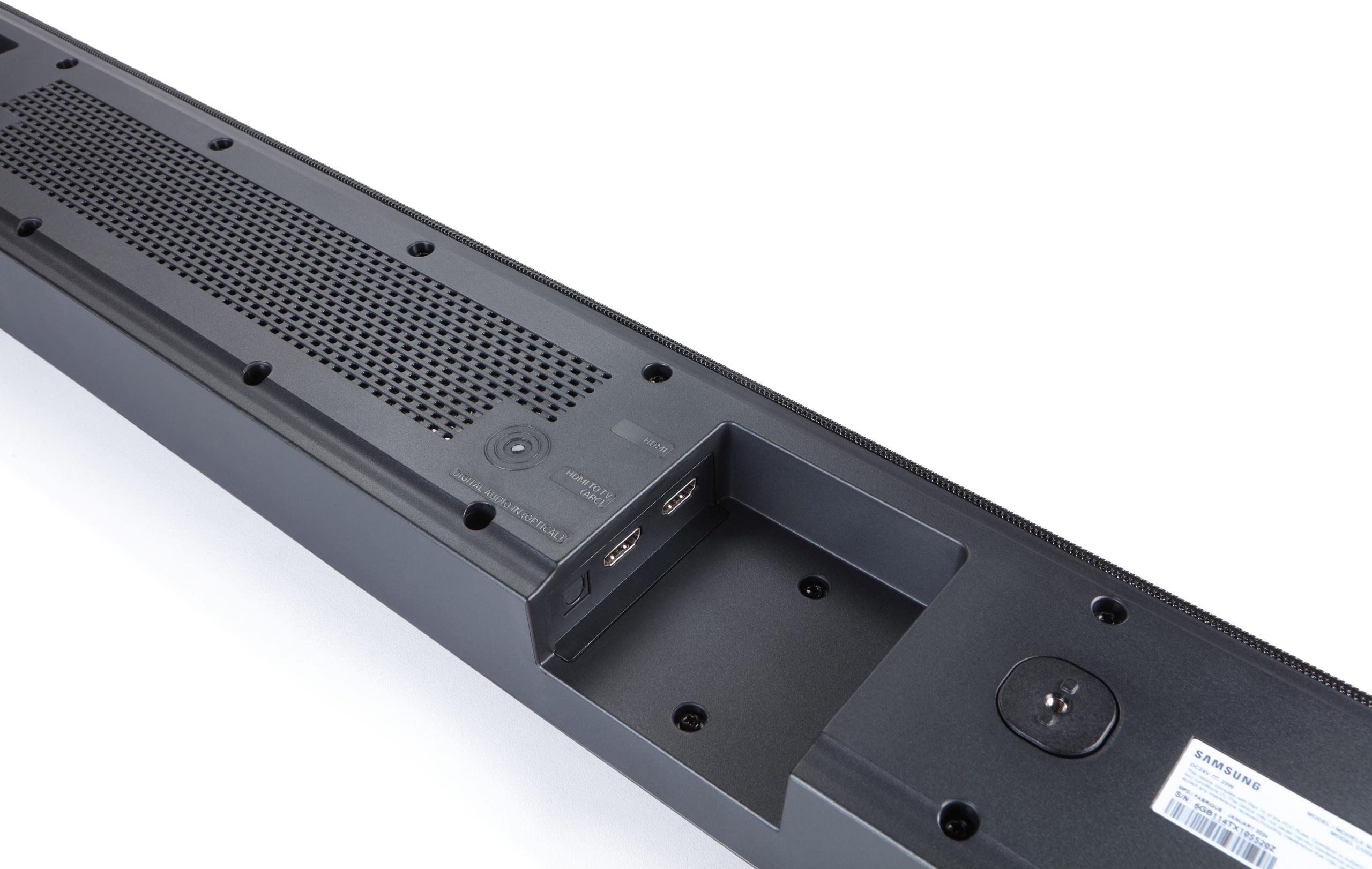
The Samsung B-Series offers true plug-and-play setup. Connect one HDMI cable to your TV, plug in the subwoofer, and you're essentially done. The system automatically detects your TV brand and optimizes its settings accordingly. For Samsung TV owners, the integration is even more seamless—the TV and soundbar automatically pair and share remote control functions.
After extensive testing with both systems, the choice comes down to your priorities, room size, and budget reality. The JBL Bar 1000 MK2 ($1,199.95) offers genuinely premium performance that can serve as the centerpiece of a serious home theater. If you're passionate about movies, have a large room, and want the best possible audio experience, the price premium is justified by the performance advantage.
The Samsung B-Series 5.1 Channel Soundbar ($227.99) provides excellent value for users who want significant improvement over TV speakers without premium pricing. It solves the core problems most people have with TV audio while maintaining simplicity and affordability.
Consider the JBL if you have a room larger than 300 square feet, regularly watch movies with advanced surround sound formats, and want a system that will remain impressive for years to come. The detachable speakers add genuine flexibility for both home theater use and portable audio needs.
Choose the Samsung if you want immediate improvement in TV audio quality, have a smaller room, or need to stay within a strict budget. It provides the essential benefits of a soundbar system—clearer dialogue, better bass, and wider soundstage—without the complexity or cost of premium features.
Both products represent excellent value within their respective price ranges. The key is honestly assessing your needs, room constraints, and long-term audio goals. In my experience, most people underestimate how much they'll appreciate premium audio once they experience it, but budget realities often make the decision for us. Either way, both systems will dramatically improve your TV watching experience compared to built-in TV speakers.
The soundbar market in 2025 offers something for everyone, from budget-conscious viewers to dedicated audiophiles. These two products showcase how far the technology has evolved, providing dramatically better audio experiences at every price point.
| JBL Bar 1000 MK2 Soundbar System | Samsung B-Series 5.1 Channel Soundbar with Subwoofer |
|---|---|
| Price - Starting investment for each system | |
| $1,199.95 (premium positioning) | $227.99 (budget-friendly option) |
| Channel Configuration - Determines surround sound authenticity | |
| 7.1.4 channels with true Dolby Atmos height effects | 5.1 channels with virtualized surround sound |
| Rear Speakers - Critical for genuine surround immersion | |
| Detachable wireless speakers with 10-hour battery life | None included (relies on virtual surround processing) |
| Height Channels - Essential for Dolby Atmos movies | |
| 4 physical up-firing drivers for authentic overhead effects | Virtual height simulation through DTS Virtual:X |
| Total System Power - Affects volume and dynamic range | |
| 960W max (480W RMS) for large room performance | Not specified (budget-tier amplification for smaller rooms) |
| Subwoofer Size - Determines bass depth and impact | |
| 10-inch wireless subwoofer with 300W dedicated power | Wireless subwoofer included (size/power not specified) |
| Frequency Response - Shows how deep bass extends | |
| 33Hz-20kHz (captures sub-bass for movie rumble) | Not specified (likely higher bass rolloff) |
| Streaming Features - Modern connectivity options | |
| AirPlay 2, Chromecast, Spotify Connect, Roon Ready | Bluetooth 4.2 with dual-device pairing |
| HDMI Connectivity - TV integration and passthrough | |
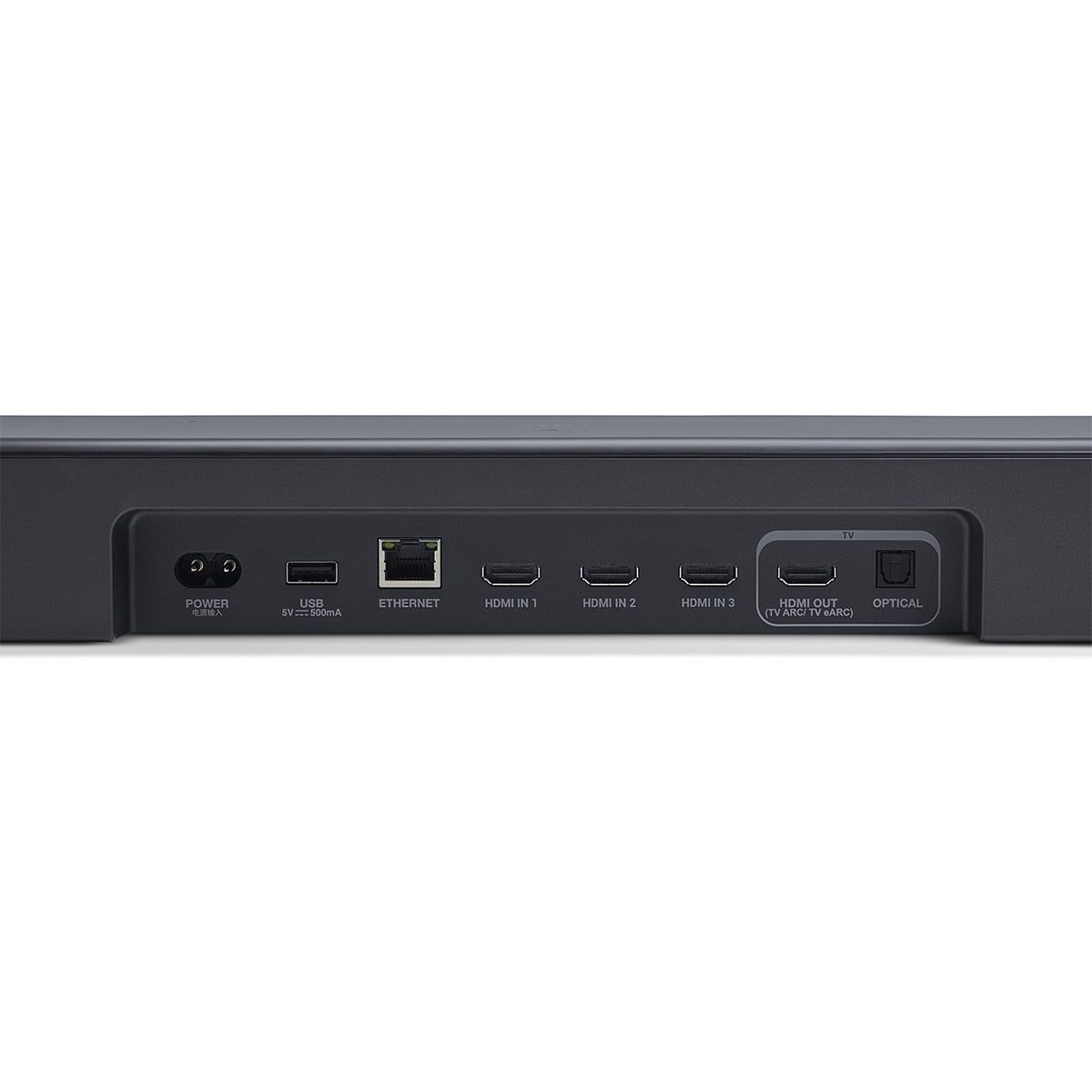
| 3x HDMI inputs + eARC with 4K Dolby Vision support | 1x HDMI input + ARC (basic TV connection) |
| Smart Features - Automated optimization | |
| PureVoice 2.0 AI dialogue enhancement, room calibration | Adaptive Sound, Voice Enhance mode, Game Mode |
| Setup Complexity - Time investment required | |
| Requires speaker positioning and app-based calibration | Plug-and-play with automatic TV detection |
| Unique Selling Point - What sets each apart | |
| Detachable speakers transform into portable Bluetooth units | Seamless Samsung TV integration with Q-Symphony |
The Samsung B-Series 5.1 Channel Soundbar ($227.99) offers exceptional value for budget-conscious buyers, providing wireless subwoofer, virtual surround sound, and clear dialogue enhancement at an affordable price. The JBL Bar 1000 MK2 ($1,199.95) justifies its premium pricing with true Dolby Atmos, detachable wireless rear speakers, and superior bass performance for serious home theater enthusiasts.
The primary difference is surround sound authenticity. The JBL Bar 1000 MK2 delivers true 7.1.4 surround sound with physical rear speakers and height channels, while the Samsung B-Series uses virtual surround processing to simulate surround effects from a single soundbar unit with built-in side speakers.
The Samsung B-Series 5.1 Channel Soundbar is ideal for small to medium rooms, offering appropriate power levels and virtual surround that works well in compact spaces. The JBL Bar 1000 MK2 is designed for larger rooms (300+ sq ft) where its 960W power output and detachable speakers can be properly utilized.
No, both soundbars significantly improve dialogue clarity over TV speakers. The Samsung B-Series includes Voice Enhance mode and Adaptive Sound that make dialogue crystal clear for casual viewing. The JBL Bar 1000 MK2 offers more advanced PureVoice 2.0 technology, but the Samsung provides excellent dialogue improvement at a fraction of the cost.
The JBL Bar 1000 MK2 delivers superior bass with its 10-inch wireless subwoofer and 300W dedicated amplification, extending down to 33Hz for deep, room-shaking impact. The Samsung B-Series includes a wireless subwoofer that provides adequate bass enhancement for most users, but can't match the JBL's low-end authority and power.
Yes, both support wireless connectivity. The Samsung B-Series offers Bluetooth 4.2 with the ability to connect two devices simultaneously for easy switching between phones. The JBL Bar 1000 MK2 provides Bluetooth 5.3 plus advanced streaming options like AirPlay 2, Chromecast Built-in, and Spotify Connect for higher-quality wireless audio.
The Samsung B-Series 5.1 Channel Soundbar offers true plug-and-play setup—just connect one HDMI cable and the system automatically detects your TV. The JBL Bar 1000 MK2 requires more setup time, including positioning the detachable rear speakers and using the JBL One app for room calibration, but delivers superior performance once configured.
Yes, both soundbars work with any TV brand through HDMI or optical connections. The Samsung B-Series offers enhanced integration with Samsung TVs through Q-Symphony technology, while the JBL Bar 1000 MK2 provides universal compatibility with advanced HDMI features like 4K Dolby Vision passthrough for all TV brands.
Both offer gaming enhancements, but serve different needs. The Samsung B-Series includes a dedicated Game Mode that optimizes directional audio for competitive gaming. The JBL Bar 1000 MK2 provides more immersive gaming through true surround sound with its detachable rear speakers, making it better for single-player adventure games and atmospheric titles.
The JBL Bar 1000 MK2 offers true Dolby Atmos with four physical up-firing drivers that bounce sound off your ceiling for authentic height effects. The Samsung B-Series supports Dolby Digital 5.1 and uses DTS Virtual:X to simulate height effects through digital processing, which sounds impressive but lacks the precision of physical height channels.
No, the Samsung B-Series 5.1 Channel Soundbar doesn't support additional wireless rear speakers—it relies entirely on virtualization for surround effects. The JBL Bar 1000 MK2 comes with detachable wireless rear speakers built-in, providing true surround sound without the option to add more speakers later.
Choose the JBL Bar 1000 MK2 for serious home theater use if you have a large room, watch lots of movies with Dolby Atmos content, and want authentic surround sound immersion. Select the Samsung B-Series 5.1 Channel Soundbar for casual movie watching in smaller spaces where you want significant audio improvement over TV speakers without premium pricing or complex setup requirements.
We've done our best to create useful and informative comparisons to help you decide what product to buy. Our research uses advanced automated methods to create this comparison and perfection is not possible - please contact us for corrections or questions. These are the sites we've researched in the creation of this article: ecoustics.com - engadget.com - bestbuy.com - techradar.com - rtings.com - hometechnologyreview.com - youtube.com - t3.com - whathifi.com - youtube.com - bhphotovideo.com - gzhls.at - device.report - support.jbl.com - support.jbl.com - jbl.com - av.com - audioadvice.com - jbl.com - target.com - worldwidestereo.com - bestbuy.com - abt.com - avsforum.com - crutchfield.com - camelcamelcamel.com - samsung.com - samsung.com - samsung.com - images.samsung.com - samsung.com - avblinq.avbportal.com - samsung.com - samsung.com

Privacy Policy
Terms and Conditions - Affiliate Policy
Home Security
© Copyright 2008-2026.
11816 Inwood Rd #1211, Dallas, TX 75244