

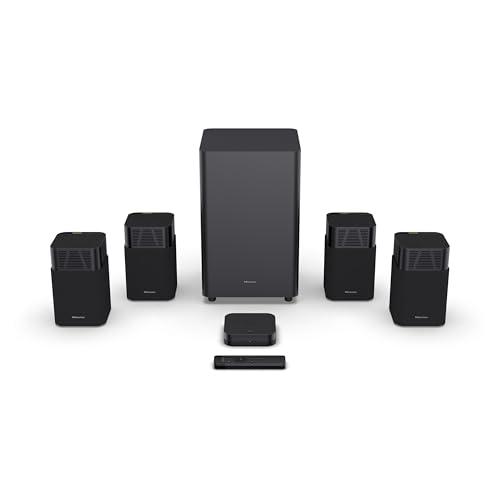
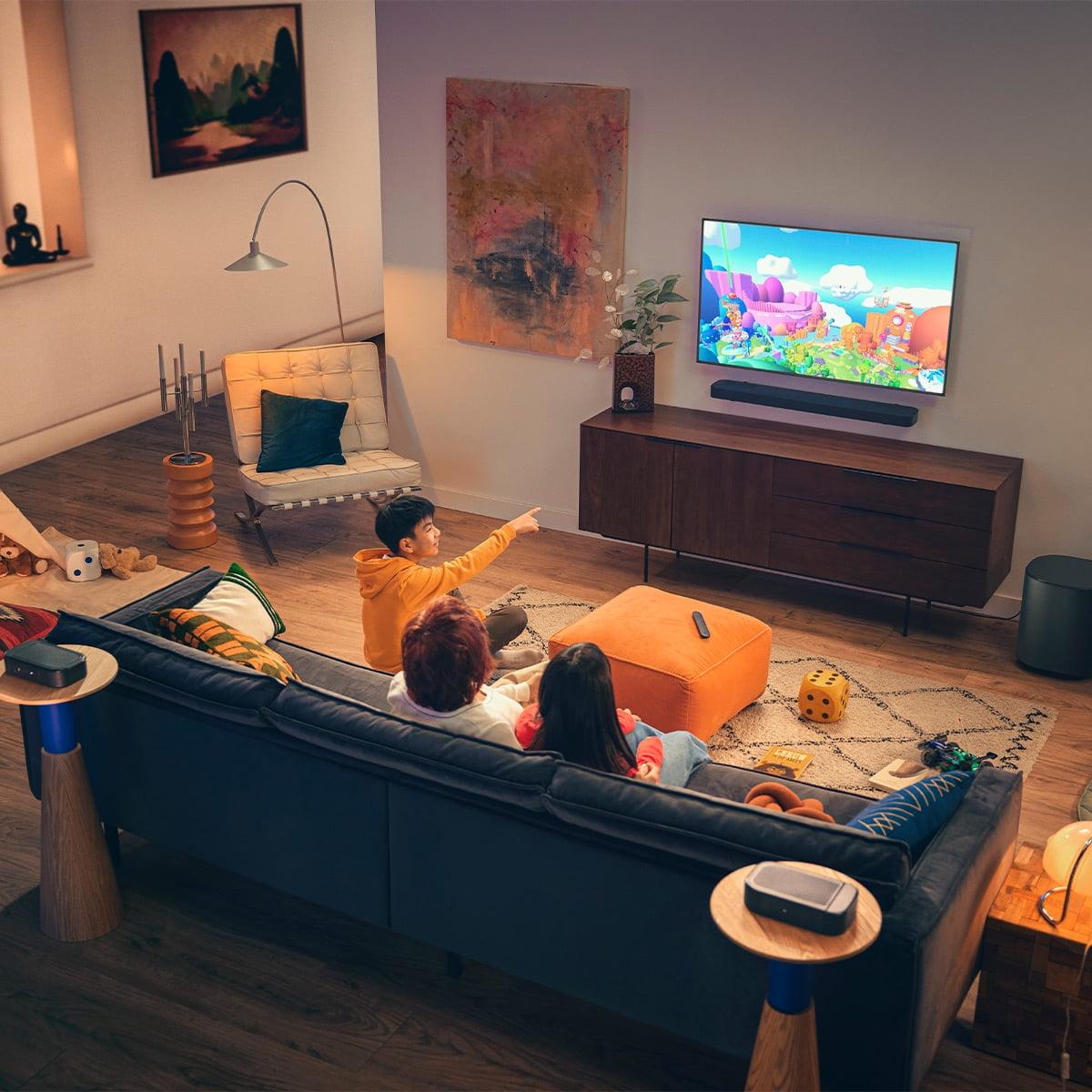
When it comes to upgrading your home entertainment setup, the choice between a traditional soundbar and a full wireless surround system has become increasingly compelling. Two standout options released in 2025 represent different philosophies in this evolving space: the Hisense HT Saturn and the JBL Bar 1000 MK2. Both promise to transform your living room into a cinematic experience, but they take distinctly different approaches to get there.
At the time of writing, the JBL Bar 1000 MK2 sits at a notably lower price point than the Hisense HT Saturn, making the value proposition particularly interesting. The question isn't just which sounds better, but which delivers the right balance of performance, features, and convenience for your specific needs.
Before diving into the specifics, it's worth understanding what we're really comparing here. Both systems represent the next evolution beyond traditional soundbars—they're wireless surround sound systems that aim to recreate the theater experience without running speaker wires throughout your room.
The key considerations when evaluating these systems come down to spatial audio performance (how convincingly they create that "surround bubble" around you), setup flexibility, audio quality across different content types, smart integration with your existing devices, and ultimately, value for money.
What makes 2025 particularly exciting for this category is how manufacturers have finally solved the wireless reliability issues that plagued earlier systems. Both the Hisense HT Saturn and JBL Bar 1000 MK2 use advanced wireless protocols that maintain rock-solid connections between components—something that was hit-or-miss even just a few years ago.
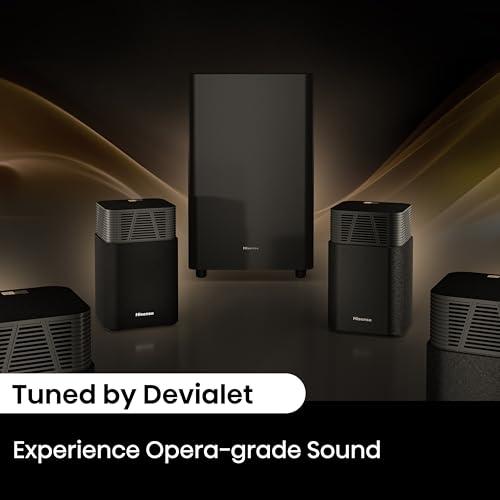
The Hisense HT Saturn represents what happens when a TV manufacturer partners with high-end audio specialists. Hisense collaborated with Devialet, the French company famous for their extremely expensive but acoustically excellent speakers, to create something they call "opera-grade" sound tuning.
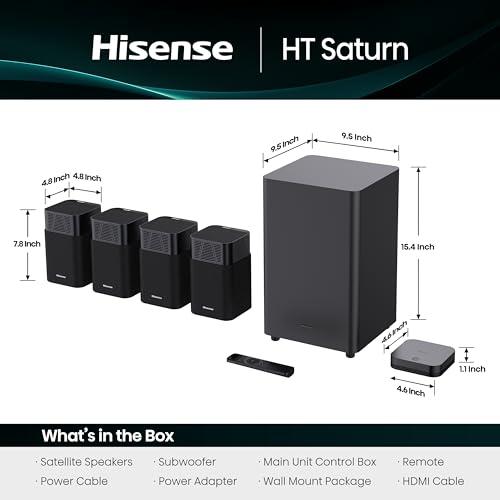
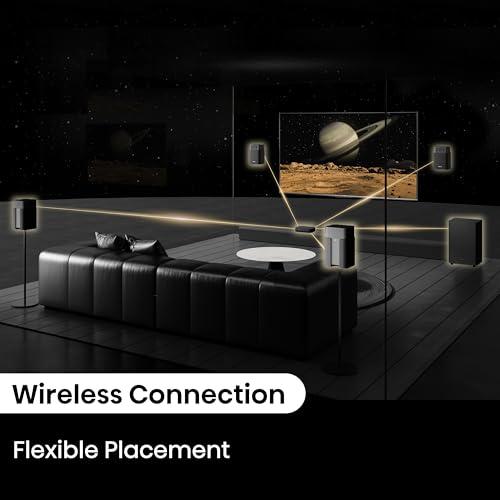
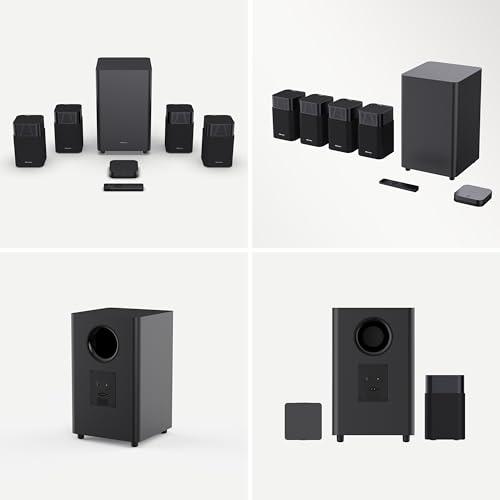
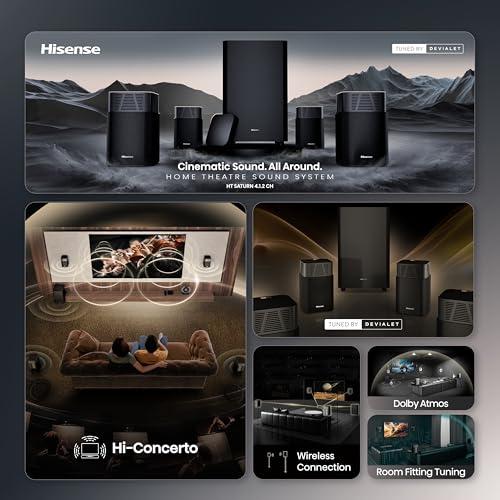
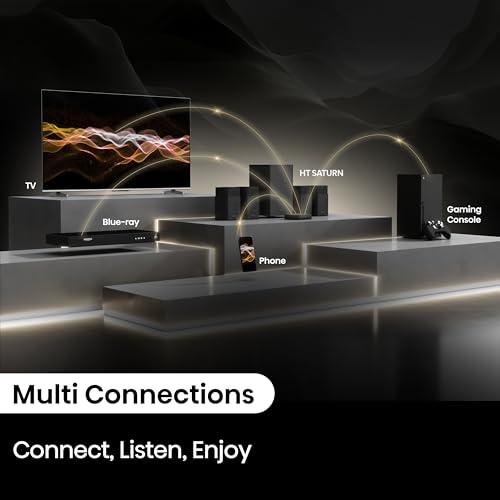
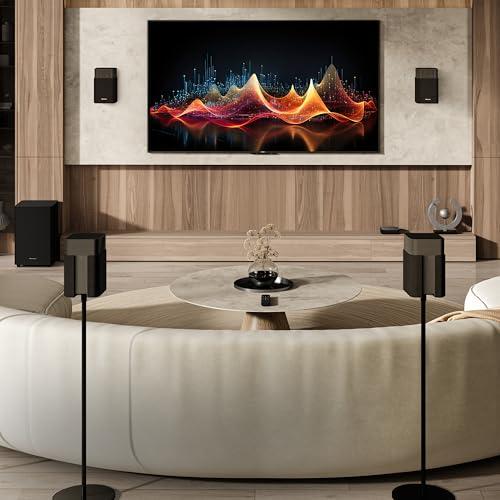
This system uses a 4.1.2 channel configuration, which means four main channels (front left/right, rear left/right), one subwoofer channel, and two height channels for Dolby Atmos effects. What makes it unique is the completely wireless satellite design—unlike most "wireless" systems that still require speaker wires between the main unit and satellites, the HT Saturn has four independent satellite speakers that connect wirelessly to a small central hub.
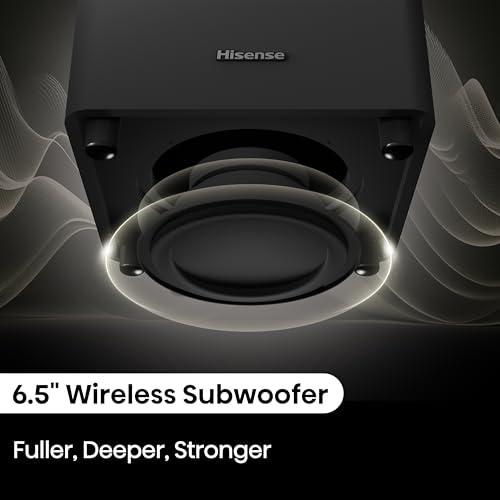
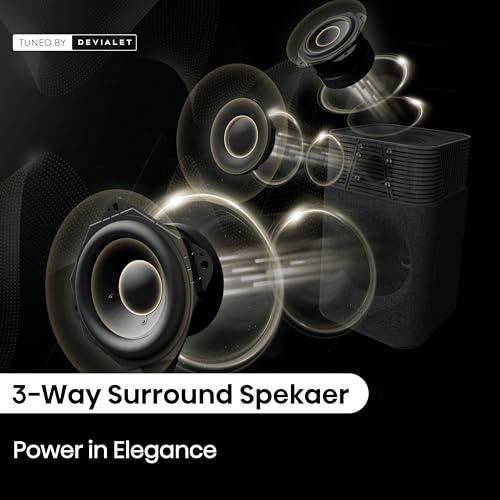
Each satellite is a sophisticated three-way speaker design, meaning it has separate drivers for bass, midrange, and treble frequencies. This allows for much clearer sound reproduction compared to simpler two-way designs. The system totals 13 individual speakers across all components: eight full-range drivers, four tweeters (including the upward-firing ones for height effects), and one 6.5-inch subwoofer.
The Devialet tuning really shows in how the system handles what's called "phantom center" reproduction. Most surround systems have a dedicated center channel speaker for dialogue, but the HT Saturn creates this effect by precisely balancing the left and right front speakers. When done well, voices appear to come from the center of your TV screen even though there's no speaker there—and based on our research into user feedback, Hisense largely succeeds here.
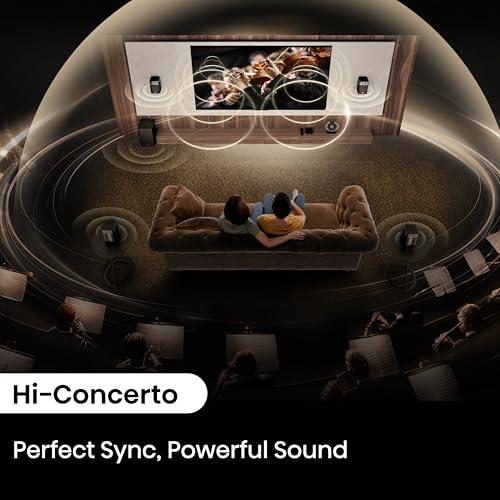
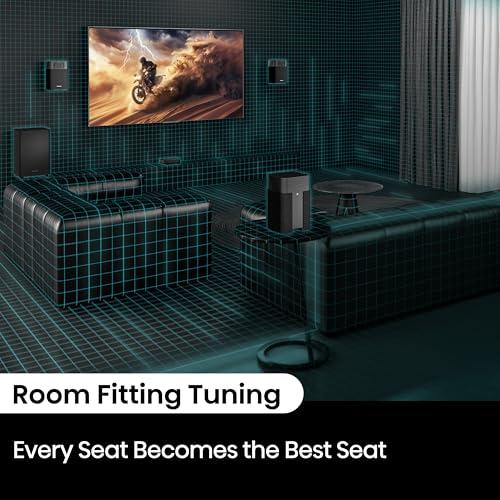
Where the Hisense system truly shines is in its TV integration, particularly with Hisense's own TVs. The Hi-Concerto technology essentially turns your TV's built-in speakers into additional channels, working in coordination with the satellite speakers to create an even wider soundstage. Room Fitting Tuning uses your TV to emit calibration tones and automatically adjusts each speaker's output to match your room's acoustics—think of it as having an audio engineer tune your system automatically.
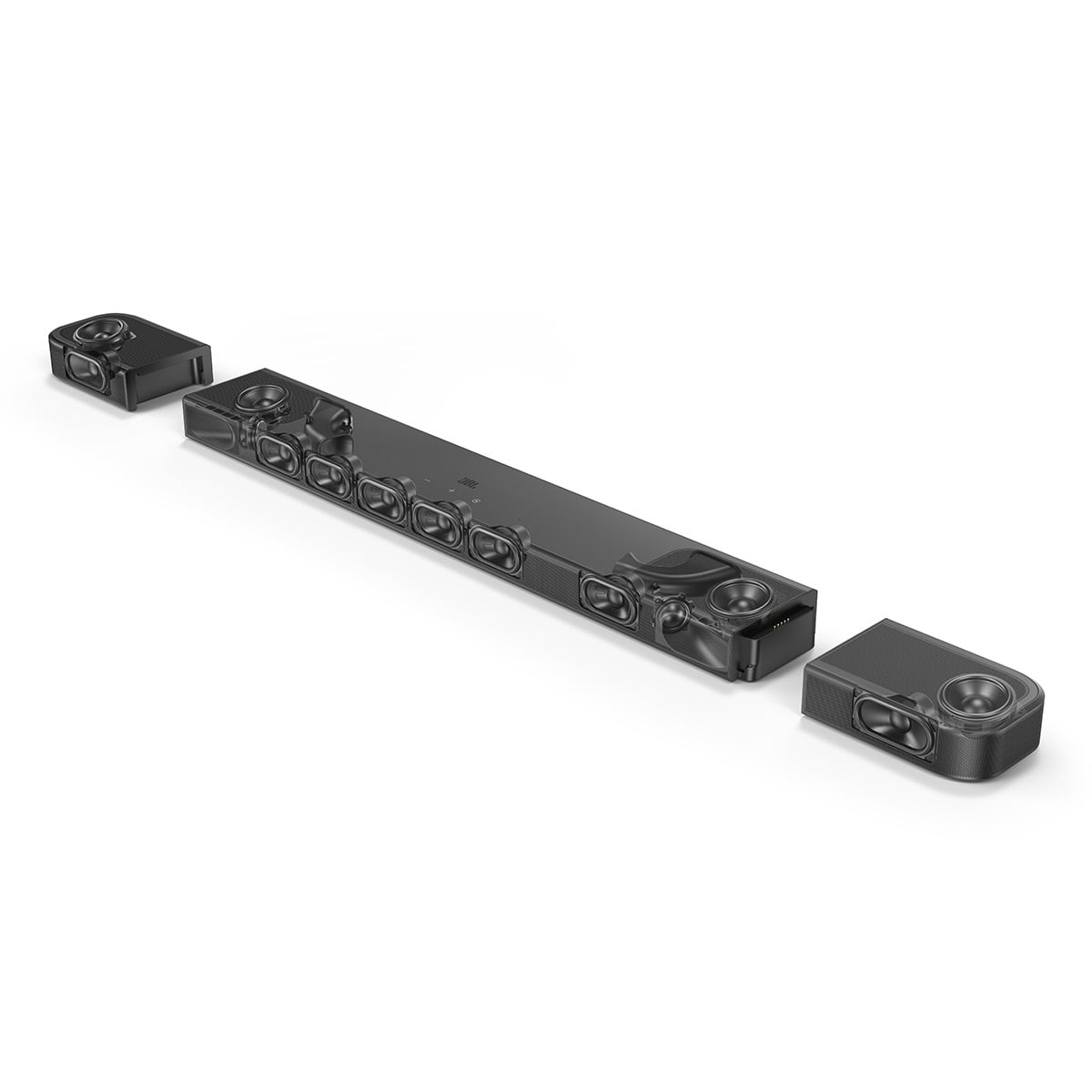
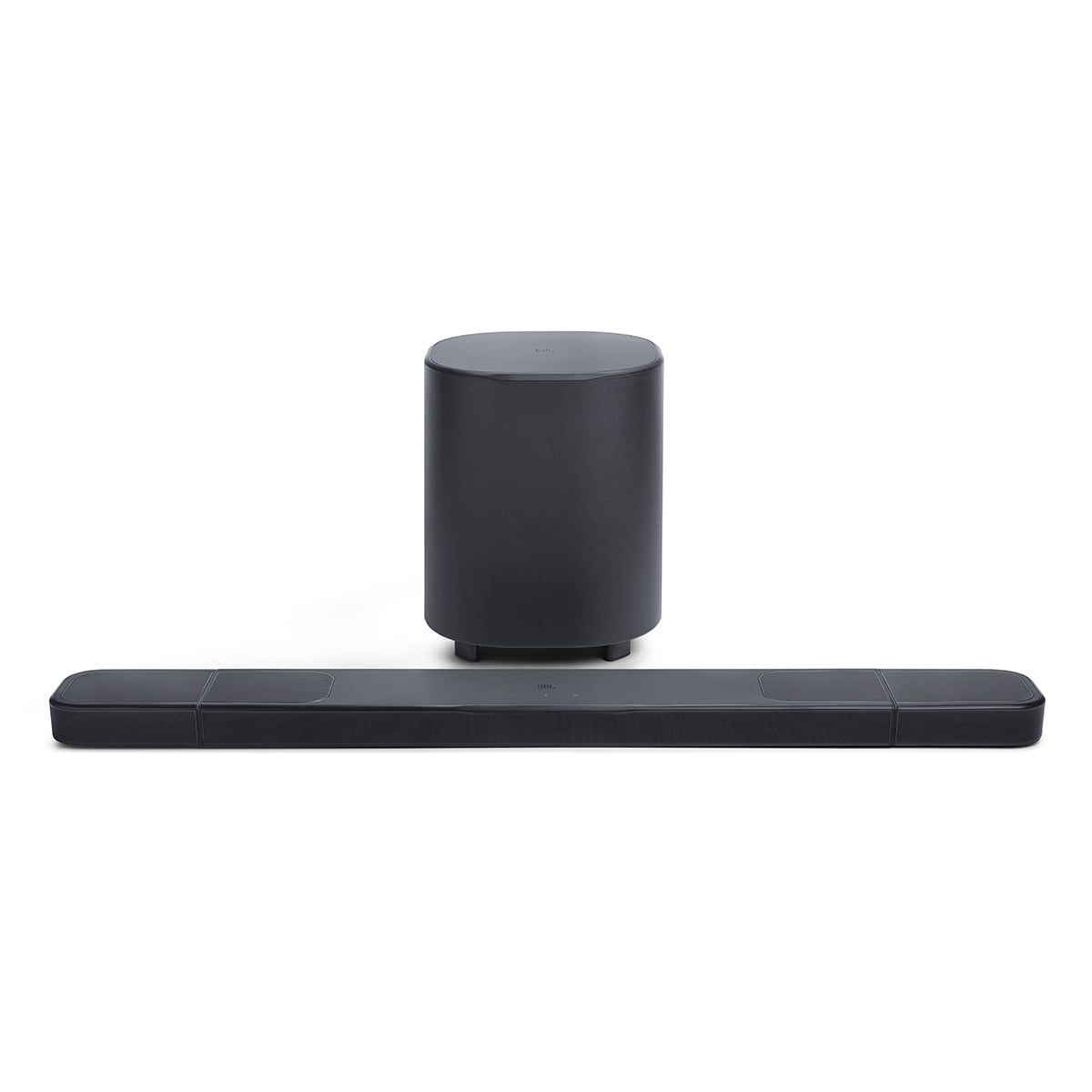
The JBL Bar 1000 MK2 takes a more conventional but arguably more powerful approach. This is a 7.1.4 channel system, meaning seven main channels, one subwoofer, and four height channels—significantly more discrete audio channels than the Hisense option.
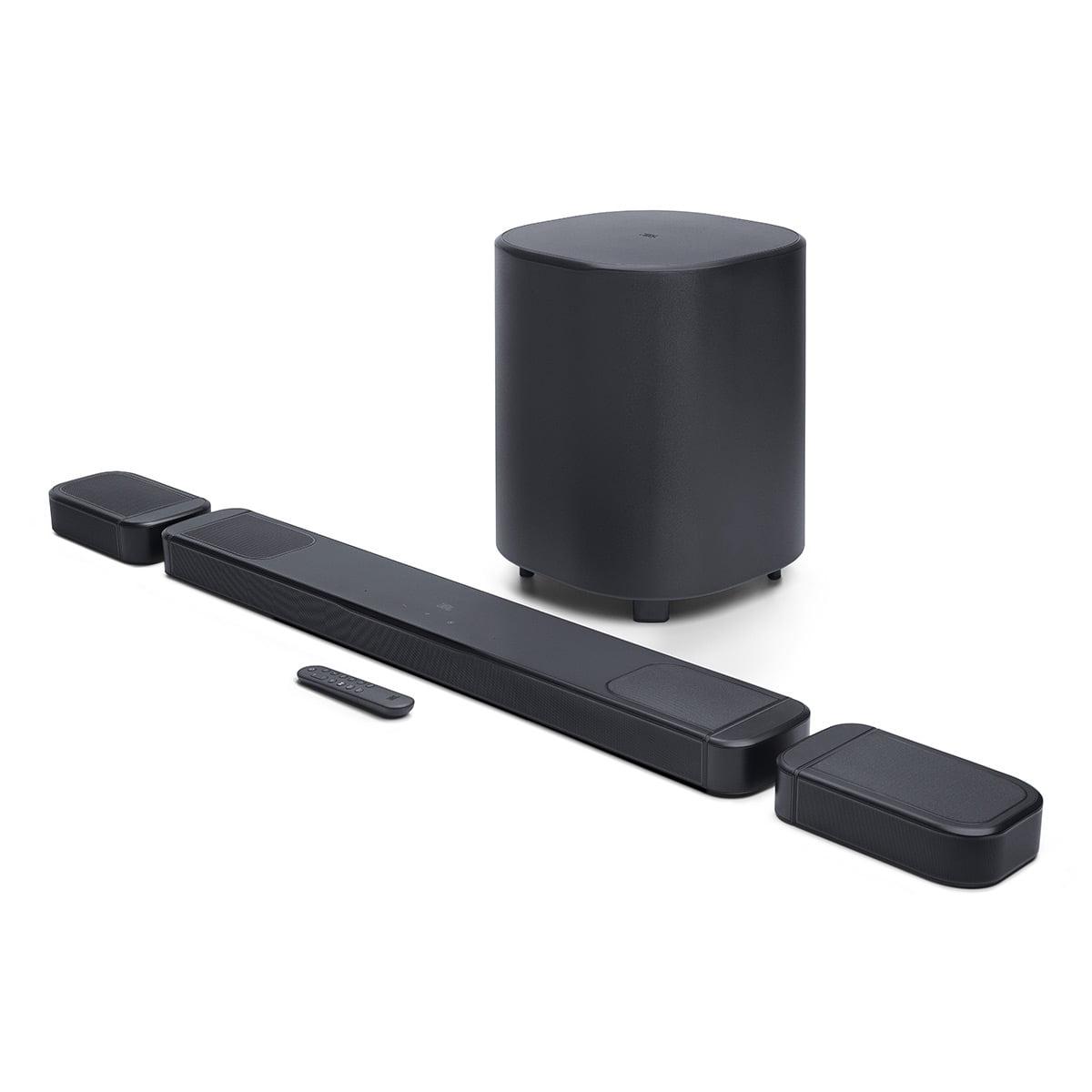
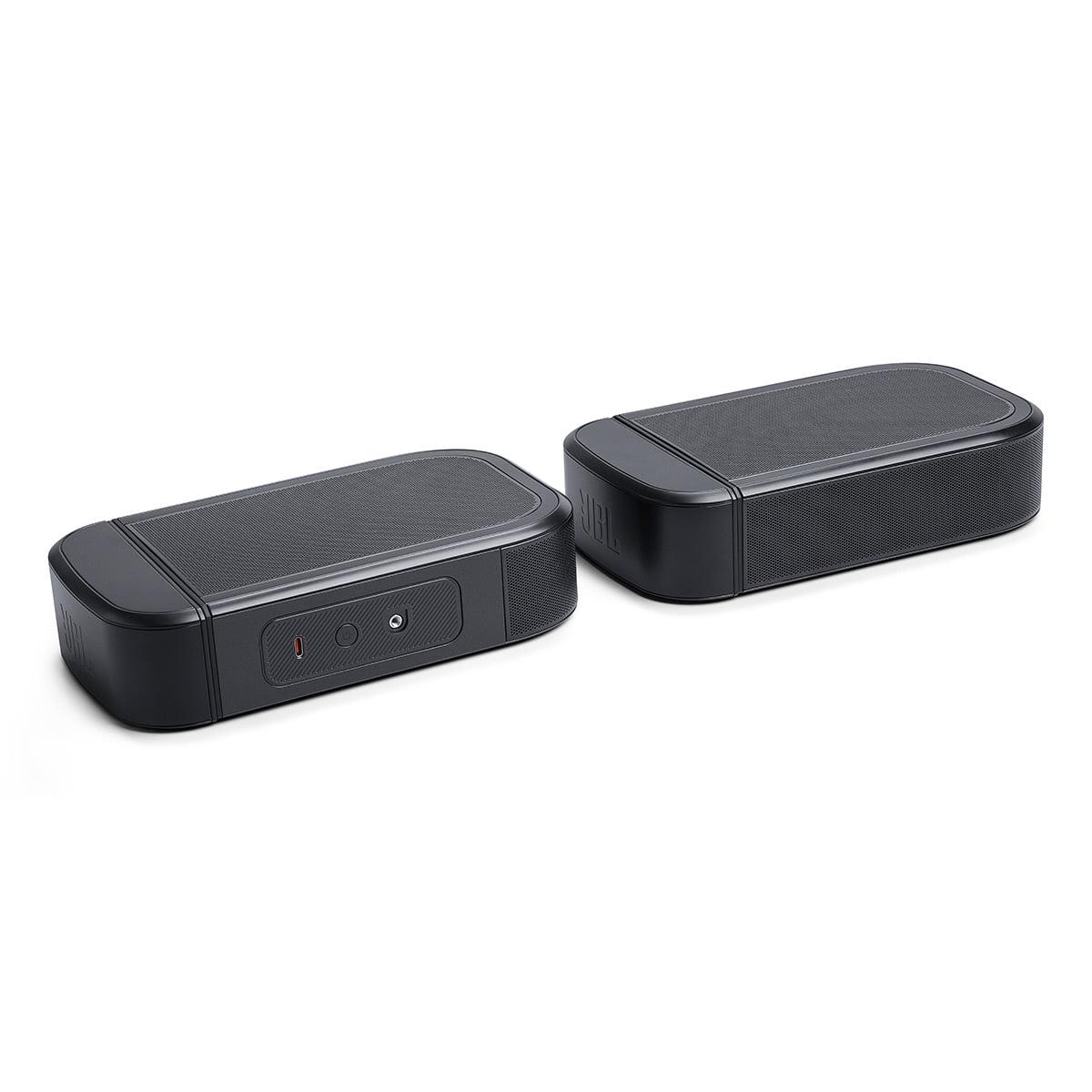
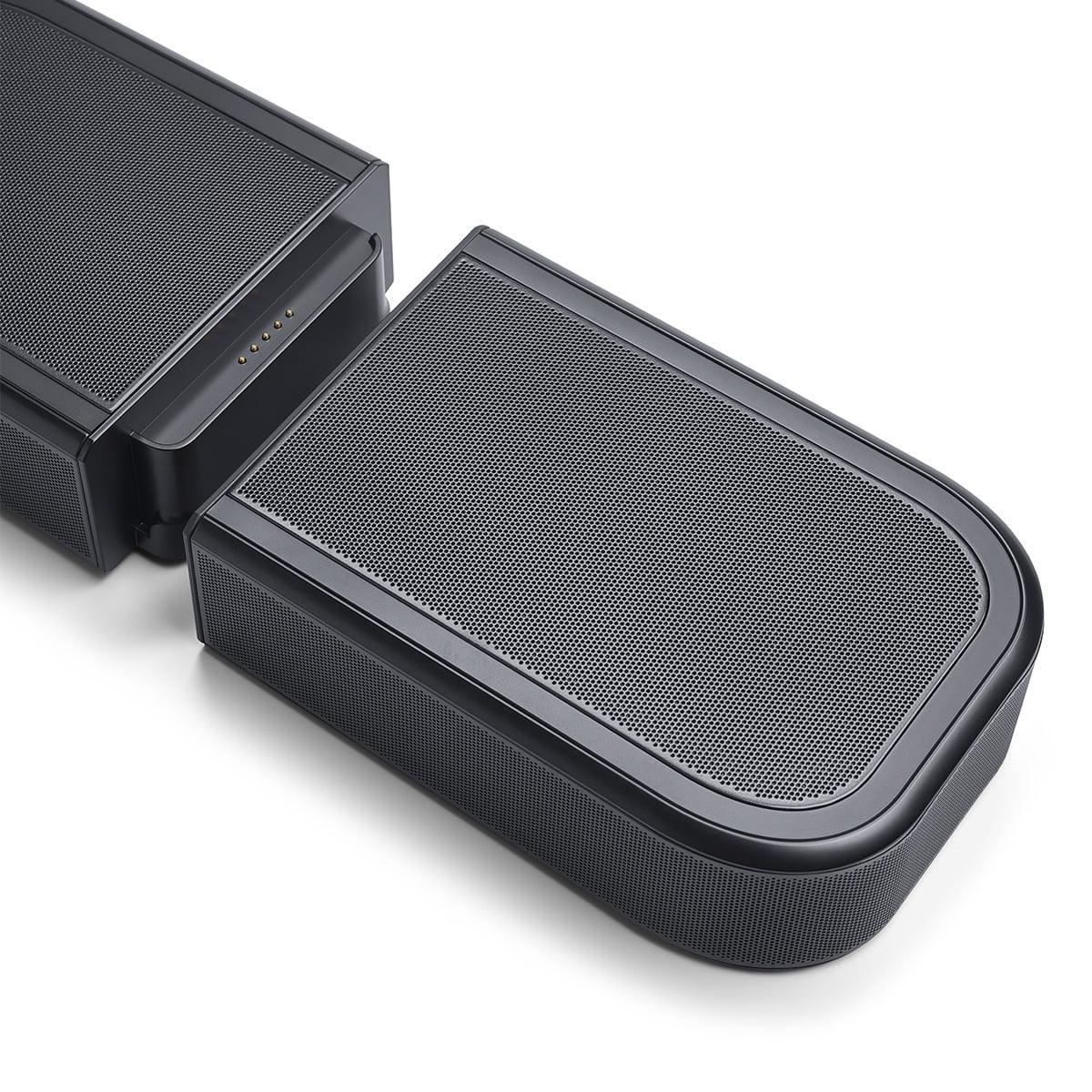
The standout feature here is the detachable surround speakers. These battery-powered units clip onto the ends of the main soundbar for charging and storage, but can be removed and placed behind your seating area for true surround sound. Each detachable speaker runs for up to 10 hours on battery and can even function as portable Bluetooth speakers when you're not using them for home theater.
With 960W of maximum power output (480W RMS, which is the more reliable continuous power rating), the JBL system significantly outmuscles the Hisense option. This power advantage becomes particularly noticeable in larger rooms or when you want to really feel those movie explosions. The 10-inch wireless subwoofer also provides deeper bass extension compared to the HT Saturn's 6.5-inch driver.
The JBL uses what they call MultiBeam 3.0 technology, which uses precise digital signal processing to direct sound in specific directions, creating the illusion of sound coming from locations where there are no physical speakers. Combined with four actual up-firing drivers (two in the main bar, one in each detachable speaker), this creates more convincing overhead effects for Dolby Atmos content.
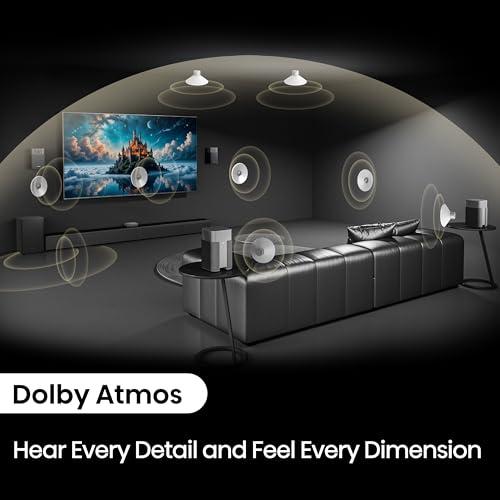
Both systems support Dolby Atmos and DTS:X, the two main formats for 3D surround sound, but they implement height effects quite differently. Dolby Atmos works by bouncing sound off your ceiling to create the illusion of overhead audio—think raindrops, helicopters, or debris falling from above.
The JBL Bar 1000 MK2 has a clear advantage here with four up-firing drivers versus the Hisense HT Saturn's two. More up-firing drivers generally means more convincing height effects, and the JBL's rear detachable speakers add height channels behind you, creating a more complete 3D bubble.
However, the effectiveness of height channels depends heavily on your room. You need a relatively low ceiling (8-10 feet is ideal) with good reflective properties. If you have vaulted ceilings or heavy acoustic treatment, neither system will deliver optimal Atmos effects, but the JBL's additional drivers give it better odds of success.
This is where the differences become stark. The JBL system's 960W maximum output dwarfs the Hisense's more modest power consumption of 120W actual draw. While manufacturers' power ratings can be misleading (they often quote peak watts rather than continuous power), the real-world difference is significant.
Dynamic range refers to a system's ability to reproduce both whisper-quiet dialogue and explosive action sequences without distortion. The JBL's higher power headroom means it can handle demanding content without compression or strain, while our research suggests the Hisense can become harsh in the treble frequencies when pushed to higher volumes.
For smaller to medium rooms, this power difference might not be crucial, but in larger spaces or if you like reference-level volume (the level movie theaters use), the JBL has a clear advantage.
The subwoofer often makes or breaks a home theater system—it's responsible for everything from subtle room ambience to earth-shaking explosions. The JBL's 10-inch driver versus the Hisense's 6.5-inch driver isn't just about size; it's about the ability to move air and reproduce those lowest frequencies that you feel as much as hear.
The HT Saturn extends down to 40Hz, which covers most movie content adequately, but the JBL digs deeper to 33Hz. That extra low-end extension might seem small on paper, but it's the difference between feeling like you're in the theater versus just hearing a good sound system.
Here's where the technical differences really impact the listening experience. The JBL's 7.1.4 configuration provides more discrete audio channels than the Hisense's 4.1.2 setup. More channels mean better separation of sounds—you can more precisely locate where effects are coming from, and complex soundtracks don't become muddled.
The Hisense system's phantom center approach, while cleverly executed thanks to Devialet's tuning, can't match the precision of a true multichannel system. Dialogue might sound centered and clear, but in complex scenes with multiple speakers or layered effects, the JBL provides better spatial accuracy.
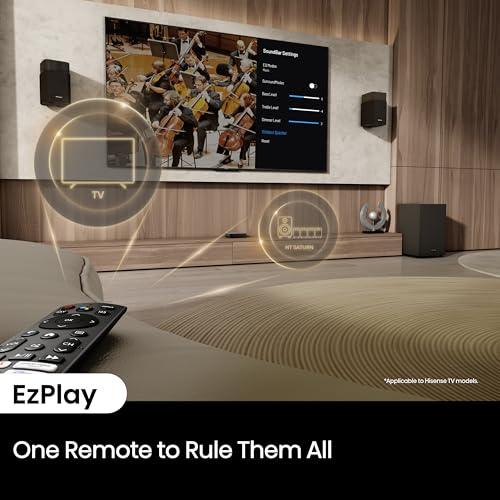
Both systems embrace the smart home era but with different philosophies. The Hisense HT Saturn excels if you're in the Hisense ecosystem—the integration with compatible Hisense TVs is genuinely seamless. You can control everything with your TV remote, the system automatically calibrates to your room, and the Hi-Concerto feature effectively gives you extra speakers for free.
However, if you don't have a compatible Hisense TV, many of these benefits disappear. The JBL Bar 1000 MK2 takes the opposite approach, working well with any TV brand and offering extensive streaming support including AirPlay 2, Chromecast Built-in, Spotify Connect, and Roon Ready compatibility.
The JBL also includes features like Night Mode, which optimizes sound for late-night viewing by reducing dynamic range, and PureVoice 2.0, which automatically adjusts dialogue clarity based on ambient sound and volume levels.
Setting up the Hisense HT Saturn is remarkably simple—the wireless satellites pair automatically when powered on, and there are no speaker wires to run. The tri-band wireless system (2.4GHz, 5.2GHz, and 5.8GHz) provides reliable connections even in WiFi-congested environments.
The JBL Bar 1000 MK2 setup is also straightforward, but the detachable speakers need to be physically removed from the main bar and positioned behind your seating area for optimal surround effects. This creates a more traditional surround sound setup, which some users might find more familiar and reassuring.
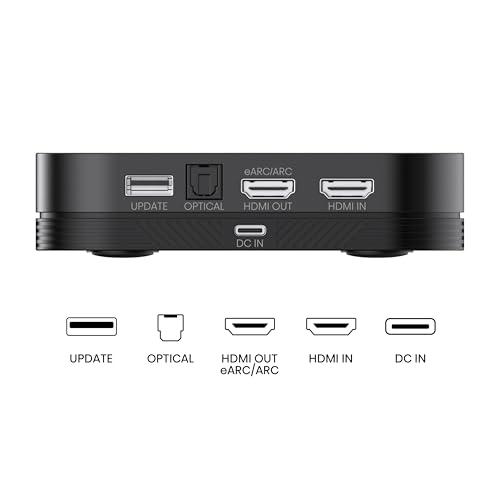
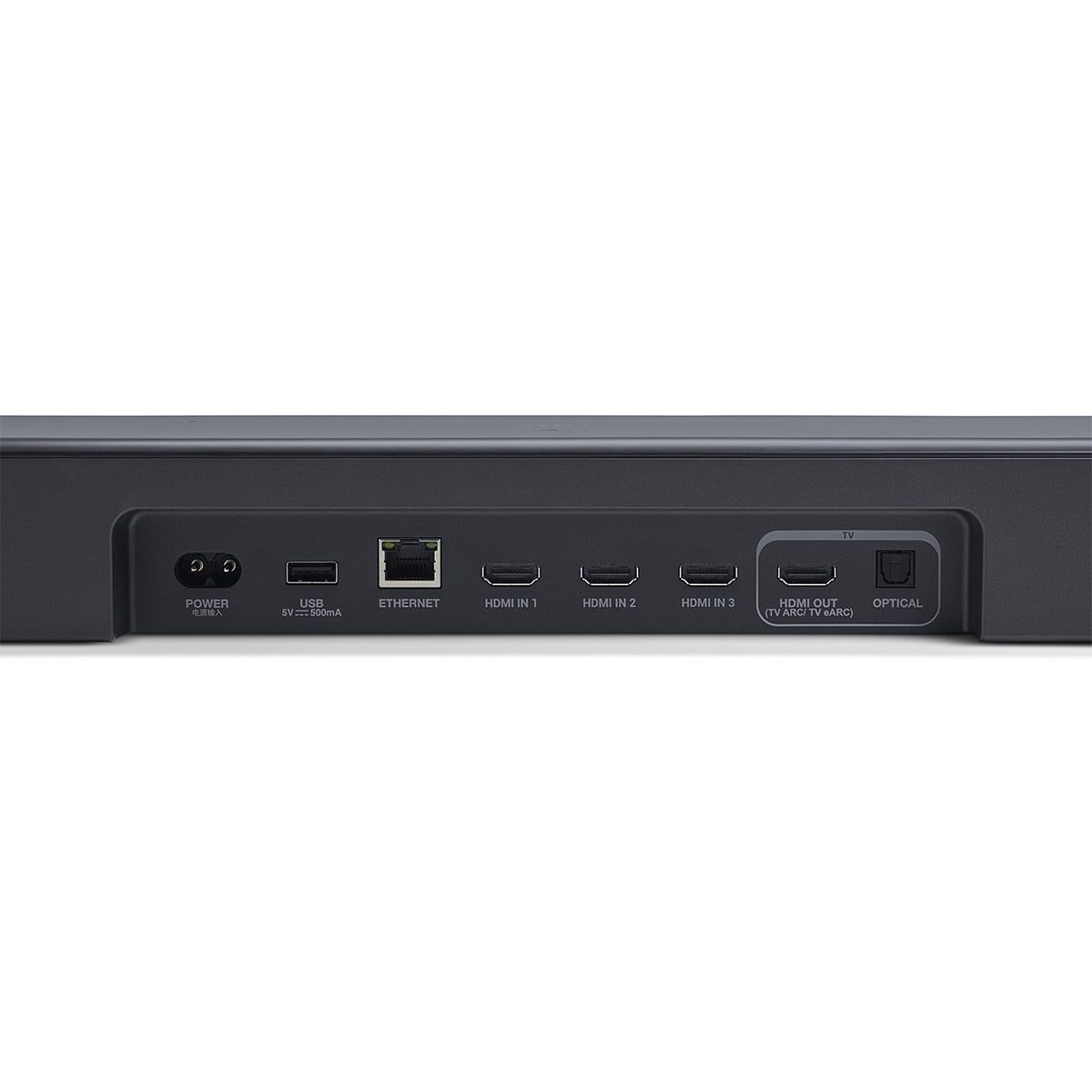
Both systems support HDMI eARC (enhanced Audio Return Channel), which means they can receive high-quality audio directly from your TV and pass through 4K video signals without degradation.
The decision between these systems often comes down to priorities and ecosystem considerations.
Choose the JBL Bar 1000 MK2 if:
The JBL represents the better value proposition for most users at the time of writing. Its combination of power, features, and flexibility makes it suitable for a wide range of rooms and preferences. The detachable speakers add genuine utility beyond home theater use.
Choose the Hisense HT Saturn if:
The Hisense serves a more specific niche but does so very well. If you're invested in the Hisense ecosystem and prioritize convenience and integration over maximum performance, it offers features that no other system can match.
Based on our research into professional reviews and user feedback, the JBL Bar 1000 MK2 emerges as the more versatile and value-focused choice for most buyers. Its superior power, channel count, and streaming capabilities make it suitable for a broader range of users and room types.
However, the Hisense HT Saturn shouldn't be dismissed, particularly for Hisense TV owners who value seamless integration and are willing to pay a premium for Devialet's acoustic expertise and truly wireless operation.
Both systems represent significant improvements over traditional soundbars and simpler surround systems. The choice ultimately depends on your specific needs, room characteristics, and whether you prioritize raw performance or specialized features. Either way, you'll be getting a substantial upgrade over your TV's built-in speakers and most conventional soundbars.
| Hisense HT Saturn HTSATURN | JBL Bar 1000 MK2 |
|---|---|
| Channel Configuration - More channels mean better sound separation and immersion | |
| 4.1.2 channels with phantom center | 7.1.4 channels with discrete center |
| Total Power Output - Higher power fills larger rooms without distortion | |
| 120W actual consumption (modest for large rooms) | 960W max / 480W RMS (excellent for any room size) |
| Speaker Array - More drivers generally mean richer, more detailed sound | |
| 13 speakers total across wireless satellites and sub | Multiple drivers in bar plus detachable surrounds |
| Wireless Implementation - Affects setup flexibility and cable management | |
| Completely wireless satellites (no cables between speakers) | Detachable battery-powered surrounds (10-hour battery life) |
| Subwoofer Size - Larger drivers produce deeper, more impactful bass | |
| 6.5" wireless subwoofer (adequate for most content) | 10" wireless subwoofer (superior low-end extension) |
| Frequency Response - Lower numbers mean deeper bass you can feel | |
| 40Hz - 20kHz (good but limited deep bass) | 33Hz - 20kHz (excellent bass extension for movies) |
| Dolby Atmos Implementation - More height channels create better overhead effects | |
| 2 up-firing drivers (basic height effects) | 4 up-firing drivers (superior 3D immersion) |
| TV Integration - Matters most if you own compatible TVs | |
| Deep Hisense TV integration with Hi-Concerto and unified control | Universal TV compatibility with comprehensive streaming support |
| Acoustic Tuning - Premium tuning can improve sound quality significantly | |
| Devialet-tuned "opera-grade" sound signature | JBL MultiBeam 3.0 and PureVoice 2.0 processing |
| Smart Features - Modern conveniences that enhance daily use | |
| Room Fitting Tuning, EZ Play control via TV remote | AirPlay 2, Chromecast, Spotify Connect, Night Mode |
| Connectivity Options - More inputs mean better compatibility with devices | |
| HDMI eARC, optical, Bluetooth 5.3, tri-band wireless | HDMI eARC (3 inputs), optical, Wi-Fi, Bluetooth 5.3 |
| Unique Selling Point - The standout feature that sets each apart | |
| True wireless satellites with zero cable connections | Detachable speakers double as portable Bluetooth speakers |
| Best For - Which buyers should prioritize each system | |
| Hisense TV owners wanting seamless integration and wireless convenience | Users wanting maximum performance, flexibility, and value across all TV brands |
The JBL Bar 1000 MK2 typically offers better value, delivering significantly more power (960W vs 120W), more audio channels (7.1.4 vs 4.1.2), and a larger 10-inch subwoofer at a lower price point. The Hisense HT Saturn costs more but focuses on premium Devialet tuning and seamless TV integration for Hisense owners.
The key difference is approach: the Hisense HT Saturn uses four completely wireless satellite speakers with no cable connections, while the JBL Bar 1000 MK2 features detachable battery-powered surround speakers that can also function as portable Bluetooth speakers. The JBL also provides more audio channels and significantly more power.
The JBL Bar 1000 MK2 is better suited for large rooms due to its 960W maximum power output and 10-inch subwoofer, which can fill expansive spaces without distortion. The Hisense HT Saturn with its 120W power consumption is more appropriate for small to medium-sized rooms.
Yes, both the JBL Bar 1000 MK2 and Hisense HT Saturn support Dolby Atmos and DTS:X. However, the JBL system offers superior height effects with four up-firing drivers compared to the Hisense's two up-firing drivers, creating more convincing overhead audio.
The Hisense HT Saturn is generally easier to set up since its wireless satellites connect automatically with no cable management required. The JBL Bar 1000 MK2 requires positioning the detachable speakers behind your seating area for optimal surround sound, though both systems support simple HDMI eARC connectivity.
The JBL Bar 1000 MK2 works excellently with all TV brands and offers broad streaming compatibility. The Hisense HT Saturn also works with any TV but provides special integration features like Hi-Concerto and unified remote control only with compatible Hisense TVs.
The JBL Bar 1000 MK2 delivers superior bass with its 10-inch wireless subwoofer that extends down to 33Hz, providing deeper, more impactful low-end response. The Hisense HT Saturn uses a smaller 6.5-inch subwoofer with 40Hz extension, which is adequate but less powerful.
Both systems use advanced wireless technology for reliable connections. The Hisense HT Saturn employs tri-band wireless (2.4G/5.2G/5.8G) for stable satellite connectivity, while the JBL Bar 1000 MK2 uses proven wireless protocols for its detachable speakers and subwoofer. Both have solved the reliability issues of earlier wireless systems.
For home theater use, the JBL Bar 1000 MK2 generally performs better with its 7.1.4 channel configuration providing more discrete audio channels for precise sound placement, superior power handling for dynamic movie soundtracks, and four height channels for convincing Dolby Atmos effects during action sequences.
Both systems handle music well, but differently. The Hisense HT Saturn offers Devialet's premium acoustic tuning for refined music reproduction, while the JBL Bar 1000 MK2 provides multiple EQ modes and streaming options like Spotify Connect and AirPlay 2 for convenient music playback.
The Hisense HT Saturn offers completely wireless satellite operation with no cable connections and deep integration with Hisense TVs including automatic room calibration. The JBL Bar 1000 MK2 features detachable speakers that double as portable Bluetooth speakers and Night Mode for optimized late-night viewing.
Choose the JBL Bar 1000 MK2 if you want maximum performance per dollar, have a medium-to-large room, or use multiple TV brands. Choose the Hisense HT Saturn if you own a compatible Hisense TV, prioritize completely wireless operation, or prefer premium acoustic tuning over raw power output.
We've done our best to create useful and informative comparisons to help you decide what product to buy. Our research uses advanced automated methods to create this comparison and perfection is not possible - please contact us for corrections or questions. These are the sites we've researched in the creation of this article: bestbuy.com - youtube.com - blog.son-video.com - youtube.com - youtube.com - techradar.com - ecoustics.com - jbhifi.com.au - shop.hisense-usa.com - bhphotovideo.com - bestbuy.com - digitalreviews.net - hisense-usa.com - projectorscreenstore.com - valueelectronics.com - dolby.com - giftpack.ai - ecoustics.com - engadget.com - bestbuy.com - techradar.com - rtings.com - hometechnologyreview.com - youtube.com - t3.com - whathifi.com - youtube.com - bhphotovideo.com - gzhls.at - device.report - support.jbl.com - support.jbl.com - jbl.com - av.com - audioadvice.com - jbl.com - target.com - worldwidestereo.com

Privacy Policy
Terms and Conditions - Affiliate Policy
Home Security
© Copyright 2008-2026.
11816 Inwood Rd #1211, Dallas, TX 75244