

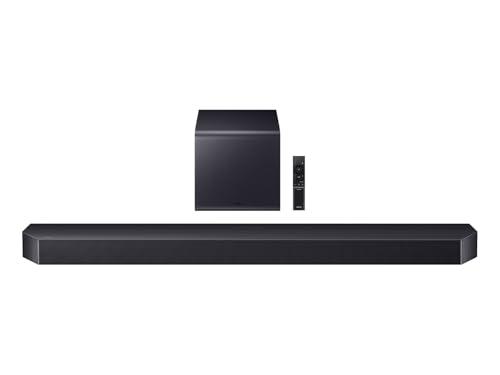
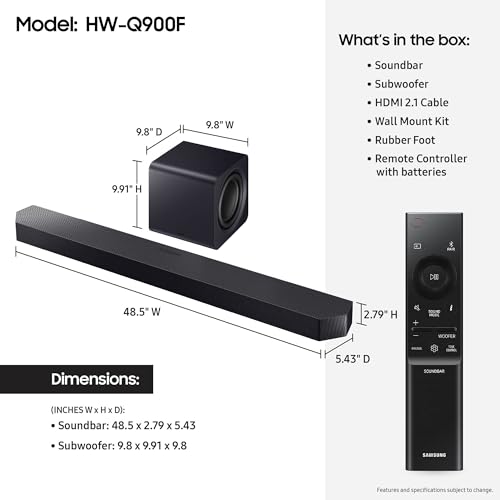
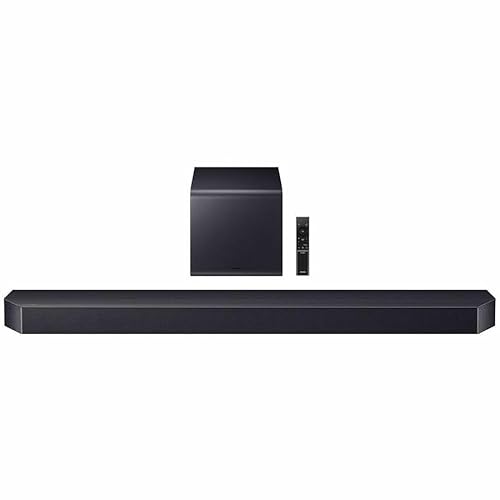
Premium soundbars have evolved dramatically from the simple audio upgrades they once were. Today's flagship models like the Samsung HW-Q990F and JBL Bar 1000 MK2 represent sophisticated audio systems that can rival traditional home theater setups costing thousands more. Both launched in 2025 with cutting-edge features, but they take fundamentally different approaches to solving the same problem: delivering cinema-quality sound without the complexity of separate amplifiers and speakers scattered around your room.
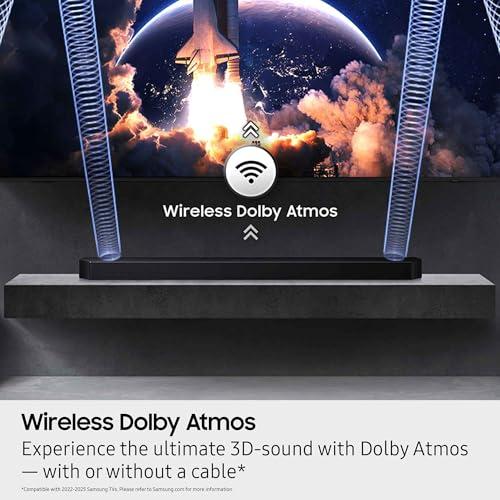
Before diving into specifics, it's worth understanding what separates premium soundbars from basic models. Both the Samsung HW-Q990F and JBL Bar 1000 MK2 support Dolby Atmos and DTS:X—audio formats that create three-dimensional soundscapes by bouncing audio off your ceiling and walls. This means when a helicopter flies overhead in a movie, you'll actually hear it above you, not just from the front speakers.
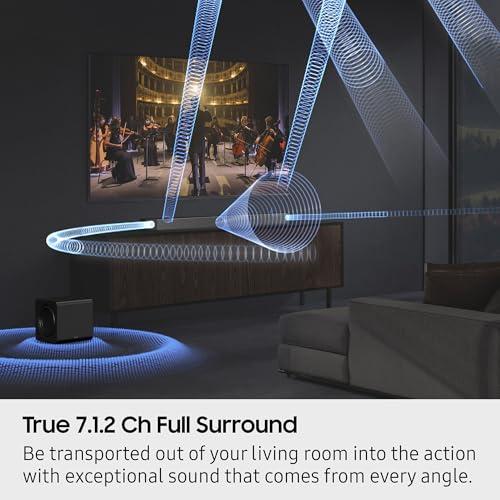
The key difference between these systems and cheaper alternatives lies in their channel configurations. The Samsung HW-Q990F uses an 11.1.4-channel setup, while the JBL Bar 1000 MK2 employs 7.1.4 channels. Those numbers tell you exactly how the sound is distributed: the first number represents main audio channels (left, right, center, surrounds), the second indicates subwoofer channels for bass, and the third shows height channels that fire sound upward for overhead effects.
What's fascinating about comparing these two systems is how they've solved installation challenges differently. The Samsung HW-Q990F follows traditional approaches with more speakers and smarter processing, while the JBL Bar 1000 MK2 introduces genuinely innovative hardware that eliminates common setup frustrations.
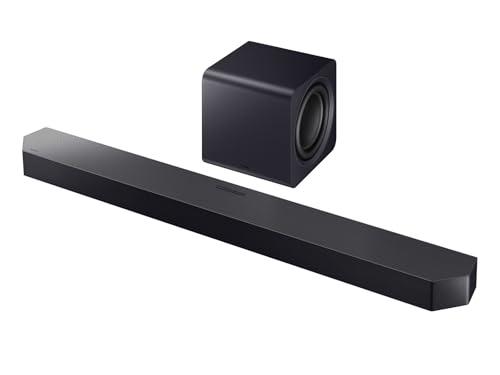
The surround sound experience between these systems reveals their core philosophies. The Samsung HW-Q990F achieves immersion through sheer speaker count—23 individual drivers strategically positioned across four separate units. This includes dedicated side-firing speakers in the main soundbar that create wide soundstages, plus up-firing drivers that bounce audio off your ceiling for height effects.
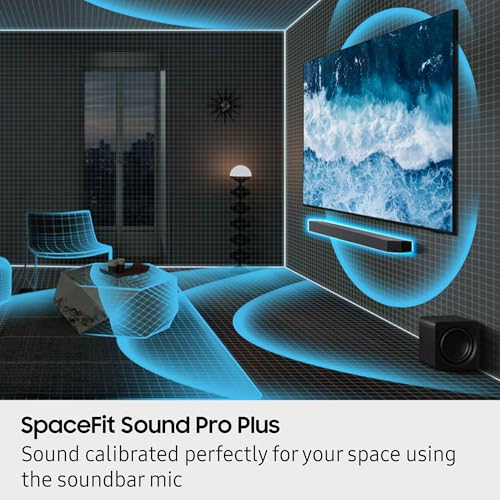
In practice, this translates to incredibly precise object placement. When watching action movies, explosions don't just come from "somewhere to your left"—they come from specific locations you can pinpoint. The system's SpaceFit Sound Pro Plus technology uses built-in microphones to analyze your room's acoustics automatically, then adjusts each speaker's output to compensate for furniture, wall materials, and room shape. It's like having an audio engineer optimize your system every time you turn it on.
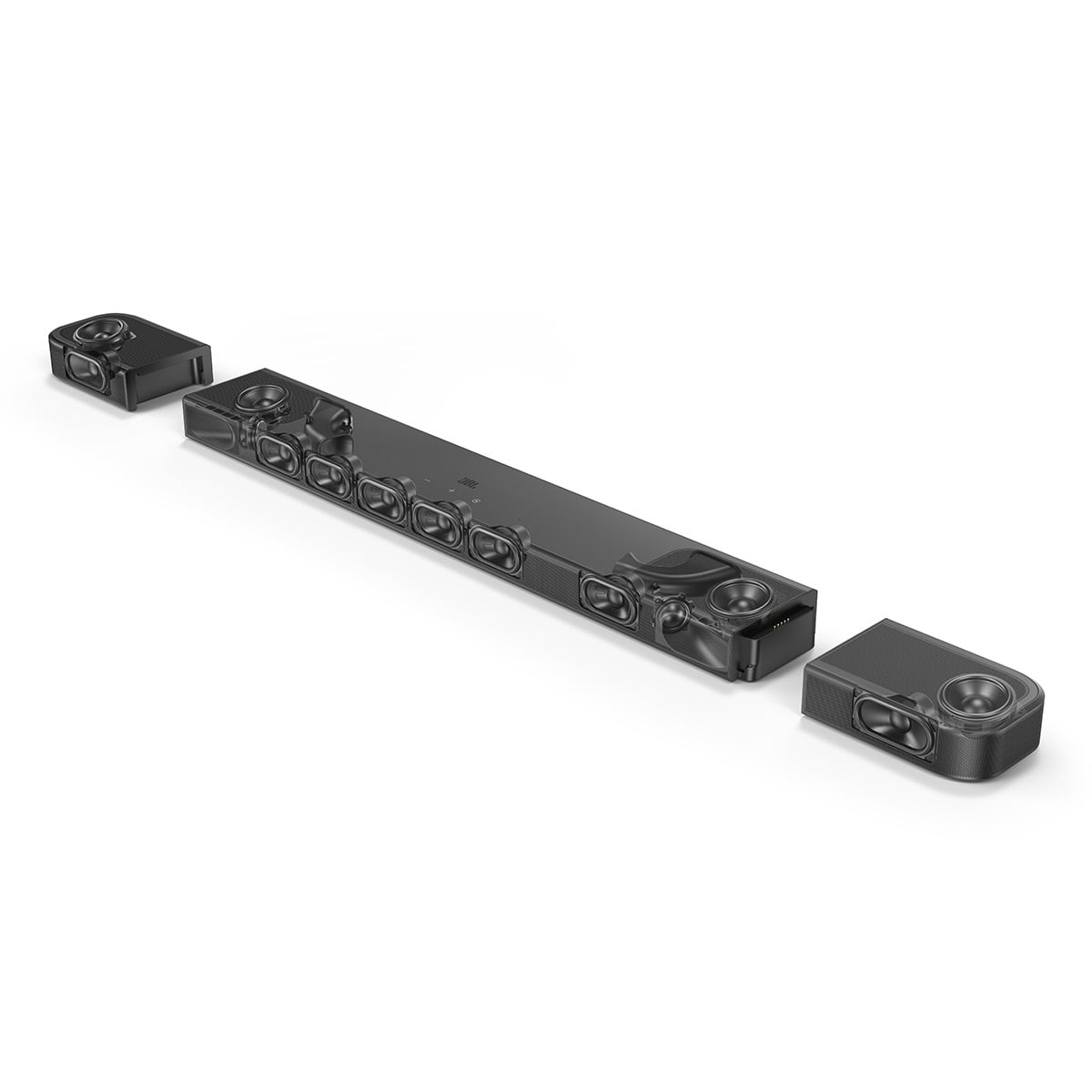
The JBL Bar 1000 MK2 takes a different approach, prioritizing power over precision. Its 960-watt total output significantly exceeds the Samsung's power delivery, creating more dynamic, aggressive surround effects. While it has fewer total speakers, each driver works harder to fill your space with sound. The MultiBeam 3.0 technology creates surprisingly wide soundstages despite the more modest speaker count.
From our research into user experiences, the Samsung consistently wins praise for seamless sound movement—effects that travel smoothly from front to back or side to side without obvious gaps. The JBL gets called out more often for raw impact and the ability to create that "wow" factor during explosive action sequences.
For home theater use specifically, both systems excel, but in different ways. The Samsung HW-Q990F creates more convincing surround bubbles that make you forget you're listening to a soundbar rather than a full speaker system. The JBL Bar 1000 MK2 delivers more visceral, attention-grabbing effects that work especially well for action movies and gaming.
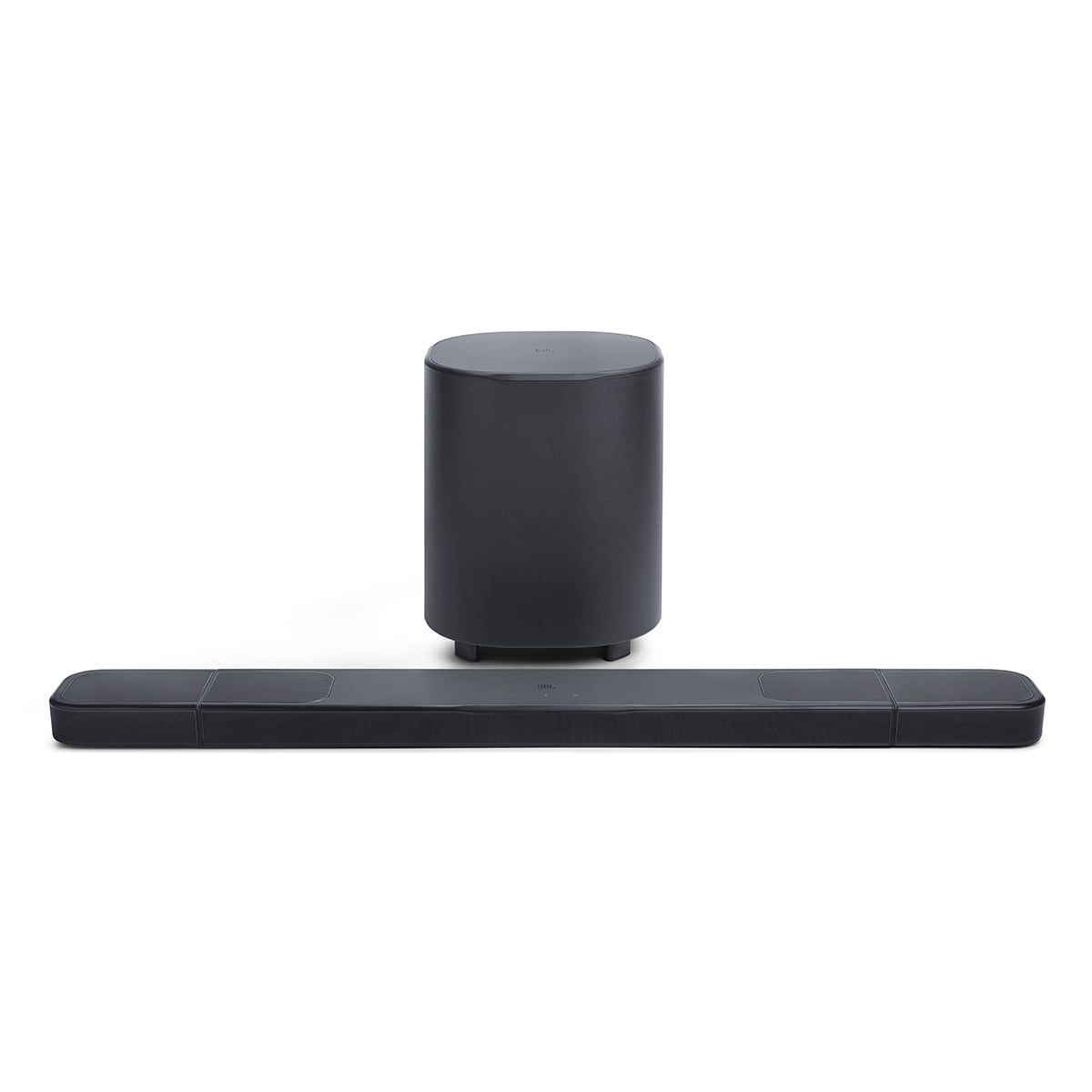
Bass performance represents one of the clearest differences between these systems. The JBL Bar 1000 MK2 uses a 10-inch subwoofer driver compared to the Samsung's dual 8-inch configuration. That 2-inch difference translates to significantly more air movement and physical bass impact.
The JBL's approach creates what audio enthusiasts call "tactile bass"—low-frequency energy you feel in your chest during movie explosions or music with deep synthesizer parts. Multiple reviews consistently mention the JBL's ability to rattle picture frames and create that theater-like rumble that adds excitement to action scenes.
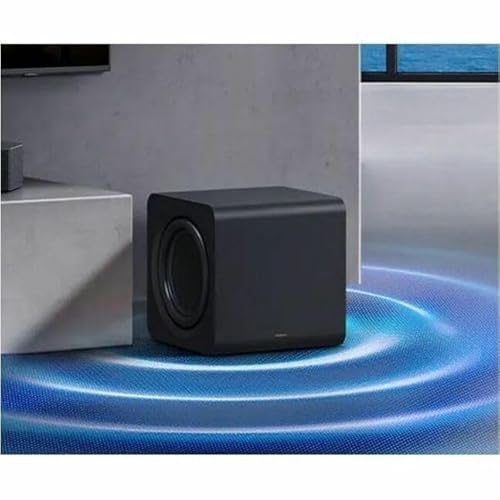
The Samsung HW-Q990F takes a more sophisticated approach with its redesigned dual-woofer subwoofer. While each individual driver is smaller, having two woofers working together can actually move more total air than a single larger driver. More importantly, Samsung's AI-powered bass control system analyzes the incoming audio signal and adjusts the subwoofer's behavior to minimize distortion. This means the bass stays clean and accurate even at high volumes, rather than becoming muddy or overwhelming.
For home theater applications, this difference matters significantly. If you primarily watch action movies and want bass that makes your neighbors take notice, the JBL's raw power and larger driver deliver more excitement. If you watch a variety of content including dialogue-heavy dramas, documentaries, or music performances, the Samsung's more balanced bass integration works better across different genres.
The Samsung's dual-woofer design also offers better room integration. Single large subwoofers can create uneven bass response where some seats get too much bass while others get too little. The Samsung's design tends to create more even bass distribution throughout your seating area.
Nothing ruins a movie night faster than constantly adjusting volume because you can't understand what characters are saying. Both systems address this challenge, but with different technologies and varying degrees of success.
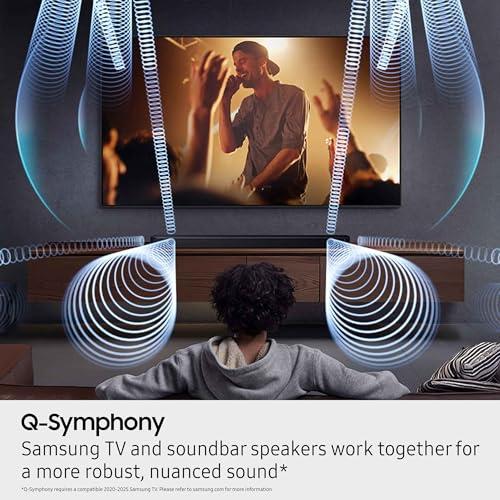
The Samsung HW-Q990F includes Active Voice Amplifier Pro, which continuously monitors ambient noise in your room and automatically boosts dialogue frequencies when needed. If your air conditioner kicks on during a quiet scene, the system detects the background noise and makes voices more prominent without affecting other audio elements. This works particularly well when combined with Samsung's Q-Symphony feature, which coordinates the soundbar with your Samsung TV's built-in speakers to create a wider, more focused center channel for dialogue.
The system's dedicated center channel speaker configuration also helps tremendously. Rather than creating a phantom center image between left and right speakers like many soundbars do, the Samsung HW-Q990F has actual drivers positioned specifically for dialogue reproduction.
The JBL Bar 1000 MK2 uses PureVoice 2.0 technology, which takes a more aggressive approach to dialogue enhancement. Instead of subtle adjustments, it applies more obvious processing to make voices stand out from complex soundtracks. The SmartDetails feature adds clarity to subtle vocal nuances that might get lost in busy movie mixes.
Based on user feedback we've analyzed, both systems handle dialogue well, but the Samsung's approach tends to sound more natural. The JBL sometimes makes voices sound slightly processed or artificial, though this varies depending on your sensitivity to audio processing artifacts.
For home theater use, dialogue clarity often determines whether you'll actually enjoy using a soundbar regularly. The Samsung HW-Q990F edges ahead here due to its more sophisticated center channel configuration and more subtle voice enhancement processing.
Music performance reveals these systems' different target audiences clearly. The Samsung HW-Q990F approaches music reproduction with audiophile sensibilities, offering a seven-band graphic equalizer that lets you fine-tune specific frequency ranges. Whether you're listening to jazz with subtle instrumental details or rock music with complex layering, the Samsung provides tools to optimize the sound signature.
The system's Roon Ready certification indicates serious attention to high-resolution music streaming. Roon is a premium music management platform that audiophiles use to organize and stream lossless audio files with bit-perfect accuracy. If you have a collection of high-quality music files or subscribe to services like Tidal or Qobuz for their lossless streaming, the Samsung handles these formats properly.
The JBL Bar 1000 MK2 takes a more mainstream approach, prioritizing power and impact over analytical accuracy. Its higher total wattage creates more dynamic music presentations, especially for genres that benefit from powerful bass and aggressive dynamics—electronic music, hip-hop, and rock all sound more exciting on the JBL system.
For casual music listening, both systems perform admirably. The Samsung tends to reveal more detail in complex recordings, while the JBL makes everything sound more exciting and energetic. Your preference likely depends on whether you prioritize analytical accuracy or emotional impact when listening to music.
Gaming performance represents perhaps the starkest difference between these systems. The Samsung HW-Q990F includes comprehensive HDMI 2.1 support, which is essential for modern gaming consoles and high-end PCs. This means it can handle 4K video at 120 frames per second, Variable Refresh Rate (VRR) for smoother gameplay, and Auto Low Latency Mode (ALLM) that minimizes audio delay.
These features matter tremendously for competitive gaming. Input lag—the delay between when something happens on screen and when you hear the corresponding audio—can mean the difference between winning and losing in fast-paced games. The Samsung's gaming optimizations ensure audio stays perfectly synchronized with visual elements.
The system's Game Mode Pro also optimizes surround sound specifically for gaming, enhancing directional audio cues that help you locate enemies or environmental elements. In first-person shooters or battle royale games, being able to accurately pinpoint footsteps or gunshots through audio can provide significant competitive advantages.
The JBL Bar 1000 MK2 lacks these modern gaming features entirely. While it provides adequate audio for casual gaming, it can't take advantage of next-generation console capabilities or high-refresh gaming monitors and TVs.
For anyone serious about gaming with PlayStation 5, Xbox Series X, or high-end PC setups, the Samsung is the clear choice. The JBL works fine for occasional gaming, but you'll miss out on features that enhance both performance and immersion.
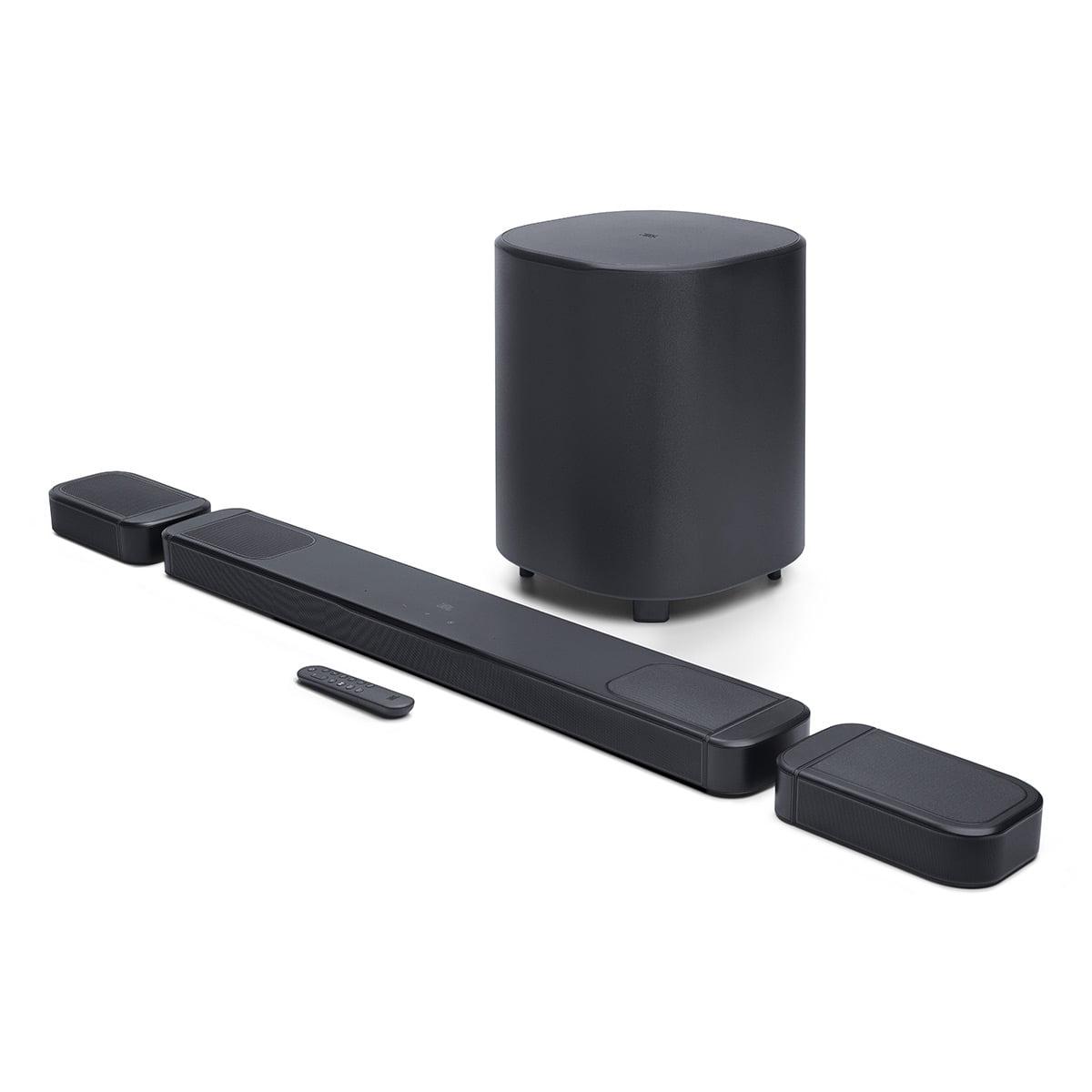
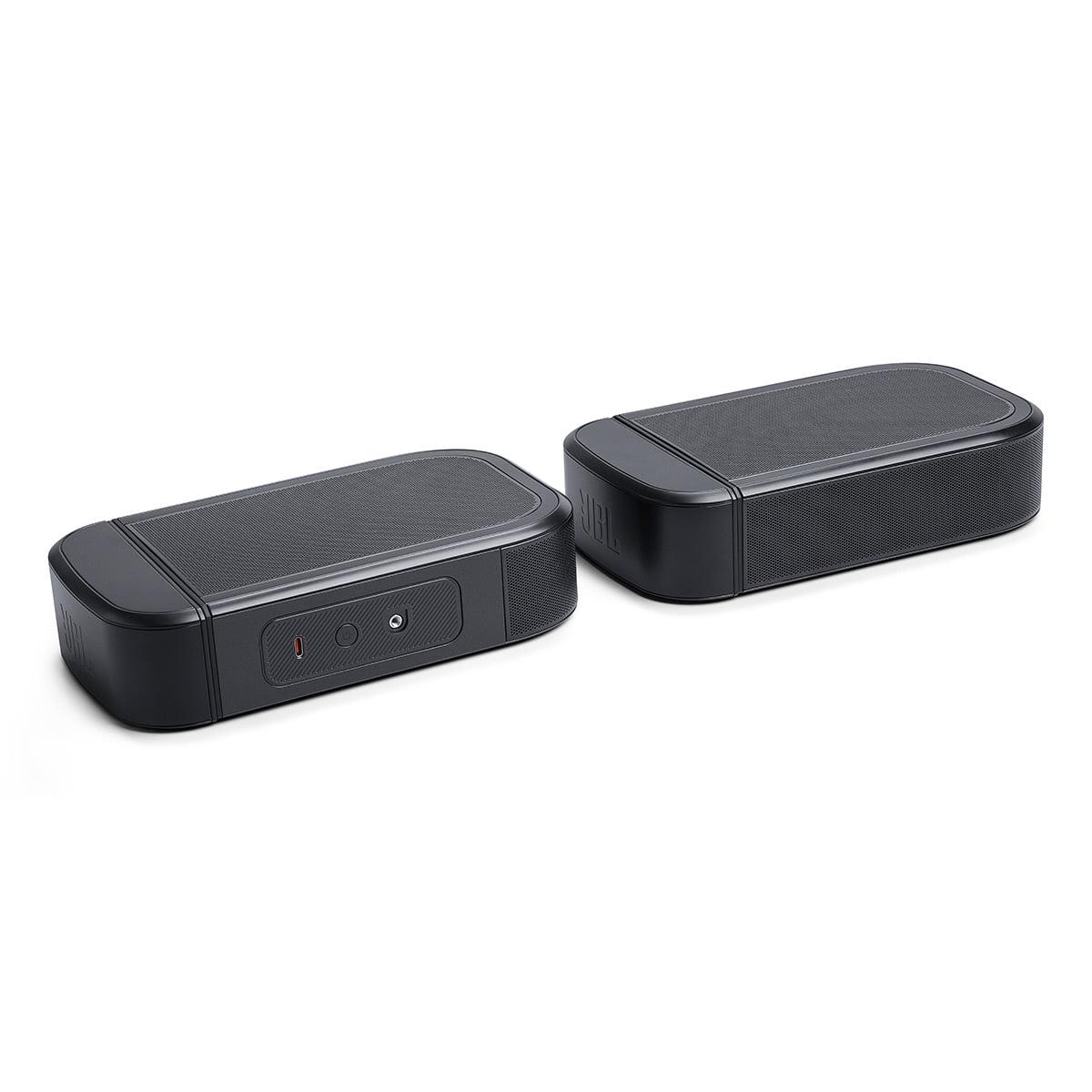
Here's where the JBL Bar 1000 MK2 truly shines with genuinely innovative thinking. Traditional surround sound systems require power outlets near your seating area for rear speakers—something that's often impossible in existing homes without running extension cords or hiring electricians.
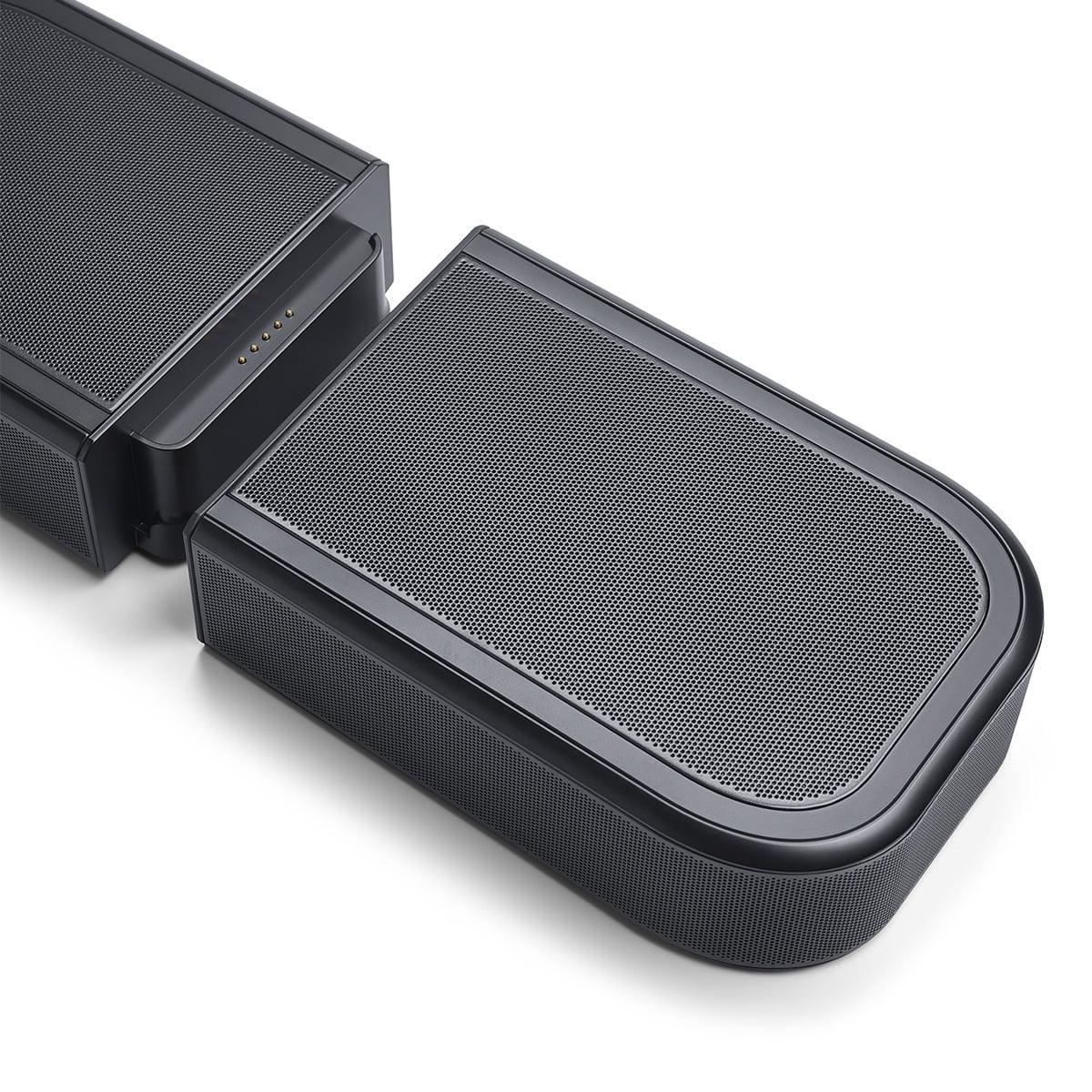
JBL solved this elegantly with detachable, battery-powered rear speakers that provide up to 10 hours of operation per charge. These speakers dock onto either end of the main soundbar for charging, then detach for placement anywhere behind your seating area. No power outlets, no cables, no compromises.
This innovation extends beyond mere convenience. The detachable speakers can function as portable Bluetooth speakers when removed, adding versatility that traditional soundbar systems can't match. Imagine taking them outside for parties or using them in other rooms when you're not watching movies.
The Samsung HW-Q990F follows traditional approaches, requiring accessible power outlets for both rear speakers and the subwoofer. While this ensures consistent power delivery and eliminates battery concerns, it also limits installation flexibility significantly.
For many potential buyers, this installation difference represents the deciding factor. If you rent your home, have furniture blocking power outlets, or simply want maximum placement flexibility, the JBL's battery-powered design offers genuine advantages that no amount of additional channels can overcome.
At the time of writing, both systems command premium pricing that reflects their flagship status, with the Samsung typically costing slightly more due to its additional channels and advanced features. However, evaluating long-term value requires considering more than initial purchase price.
The Samsung HW-Q990F includes HDMI 2.1 features that become more valuable as content and gaming evolve. As more movies and games take advantage of high frame rates and advanced video features, the Samsung's connectivity ensures compatibility. The system's SpaceFit Sound Pro technology also means it should maintain optimal performance even if you move or rearrange your room.
The JBL Bar 1000 MK2 offers different long-term value through its innovative hardware design. The battery-powered speakers provide flexibility that traditional systems can't match, particularly valuable for renters or anyone who moves frequently. However, batteries do degrade over time, potentially requiring replacement after several years of use.
Both systems include comprehensive streaming capabilities and smart features that should remain relevant as entertainment consumption continues evolving toward streaming and wireless connectivity.
After extensive research into user experiences and expert evaluations, clear usage patterns emerge for each system.
Choose the Samsung HW-Q990F if you're building a serious home theater setup where audio precision matters most. This system excels for Samsung TV owners who can take advantage of Q-Symphony integration, gamers who need HDMI 2.1 features, and anyone who has accessible power outlets for traditional speaker placement. The additional channels and sophisticated audio processing justify the premium pricing for users who prioritize refinement and accuracy.
The JBL Bar 1000 MK2 makes more sense for users who value convenience, power, and flexibility over ultimate precision. Its revolutionary wireless rear speakers solve real installation problems that plague traditional systems, while its powerful bass and high total wattage create more immediately impressive demonstrations. This system works particularly well for renters, anyone with challenging room layouts, or users who want speakers that double as portable devices.
Both systems deliver excellent home theater performance that surpasses most traditional soundbars significantly. The choice ultimately depends on whether you prioritize Samsung's technological sophistication and gaming features, or JBL's innovative installation approach and raw audio power.
For most users, either choice represents a substantial upgrade over basic soundbars or TV speakers. The Samsung HW-Q990F pushes the boundaries of what's possible with soundbar technology, while the JBL Bar 1000 MK2 solves practical problems that have plagued home theater enthusiasts for decades. Both approaches have merit, making this one of the more interesting premium soundbar comparisons in recent memory.
| Samsung HW-Q990F | JBL Bar 1000 MK2 |
|---|---|
| Channel Configuration - More channels create better surround precision | |
| 11.1.4 channels with 23 total speakers | 7.1.4 channels with focus on power per channel |
| Total Power Output - Higher wattage enables louder, more dynamic sound | |
| 756W RMS across all channels | 960W total (480W RMS) with higher per-channel power |
| Subwoofer Design - Critical for bass impact and room integration | |
| Dual 8" force-canceling woofers with AI bass control | Single 10" woofer for maximum physical bass impact |
| Rear Speaker Innovation - Determines installation flexibility | |
| Traditional wireless speakers requiring power outlets | Revolutionary detachable battery-powered speakers (10-hour runtime) |
| Gaming Features - Essential for modern console and PC gaming | |
| HDMI 2.1 with 4K/120Hz, VRR, ALLM, Game Mode Pro | Basic HDMI eARC only, no advanced gaming features |
| Room Calibration - Optimizes sound for your specific space | |
| SpaceFit Sound Pro Plus with automatic microphone calibration | Manual calibration through JBL One app |
| TV Integration - Enhanced performance with matching brand TVs | |
| Q-Symphony synchronizes with Samsung TV speakers | Works with all TV brands but no special integration |
| Voice Enhancement - Critical for dialogue clarity | |
| Active Voice Amplifier Pro with adaptive ambient noise detection | PureVoice 2.0 with volume-based dialogue optimization |
| Streaming Capabilities - Modern wireless audio features | |
| Wi-Fi, Bluetooth 5.3, AirPlay 2, Spotify Connect, Roon Ready | Wi-Fi, Bluetooth 5.3, AirPlay 2, Chromecast, Spotify Connect |
| Additional Functionality - Versatility beyond home theater | |
| Dedicated home theater system only | Detachable speakers double as portable Bluetooth speakers |
| Long-term Reliability - Maintenance considerations over time | |
| No batteries to degrade, traditional wired power | Battery replacement may be needed after several years |
The Samsung HW-Q990F delivers superior surround sound precision with its 11.1.4-channel configuration and 23 total speakers, creating more accurate object placement and seamless sound movement around your room. The JBL Bar 1000 MK2 offers impressive surround sound with fewer channels but higher power output, making it better for dynamic action scenes that prioritize impact over precision.
Both the Samsung HW-Q990F and JBL Bar 1000 MK2 excel in home theater environments. The Samsung provides more cinematic precision with its additional channels and room calibration technology, while the JBL delivers more visceral impact with its powerful 10-inch subwoofer and higher total wattage, making explosions and action sequences more thrilling.
The JBL Bar 1000 MK2 revolutionizes installation with detachable, battery-powered rear speakers that eliminate the need for power outlets behind your seating area. The Samsung HW-Q990F requires traditional wired connections to power outlets for all components but offers automatic room calibration through SpaceFit Sound Pro Plus technology.
The JBL Bar 1000 MK2 produces more powerful, tactile bass with its single 10-inch subwoofer that creates wall-rattling impact during movies. The Samsung HW-Q990F uses dual 8-inch woofers with AI-powered bass control for cleaner, more accurate bass integration that works better across different content types without overwhelming dialogue.
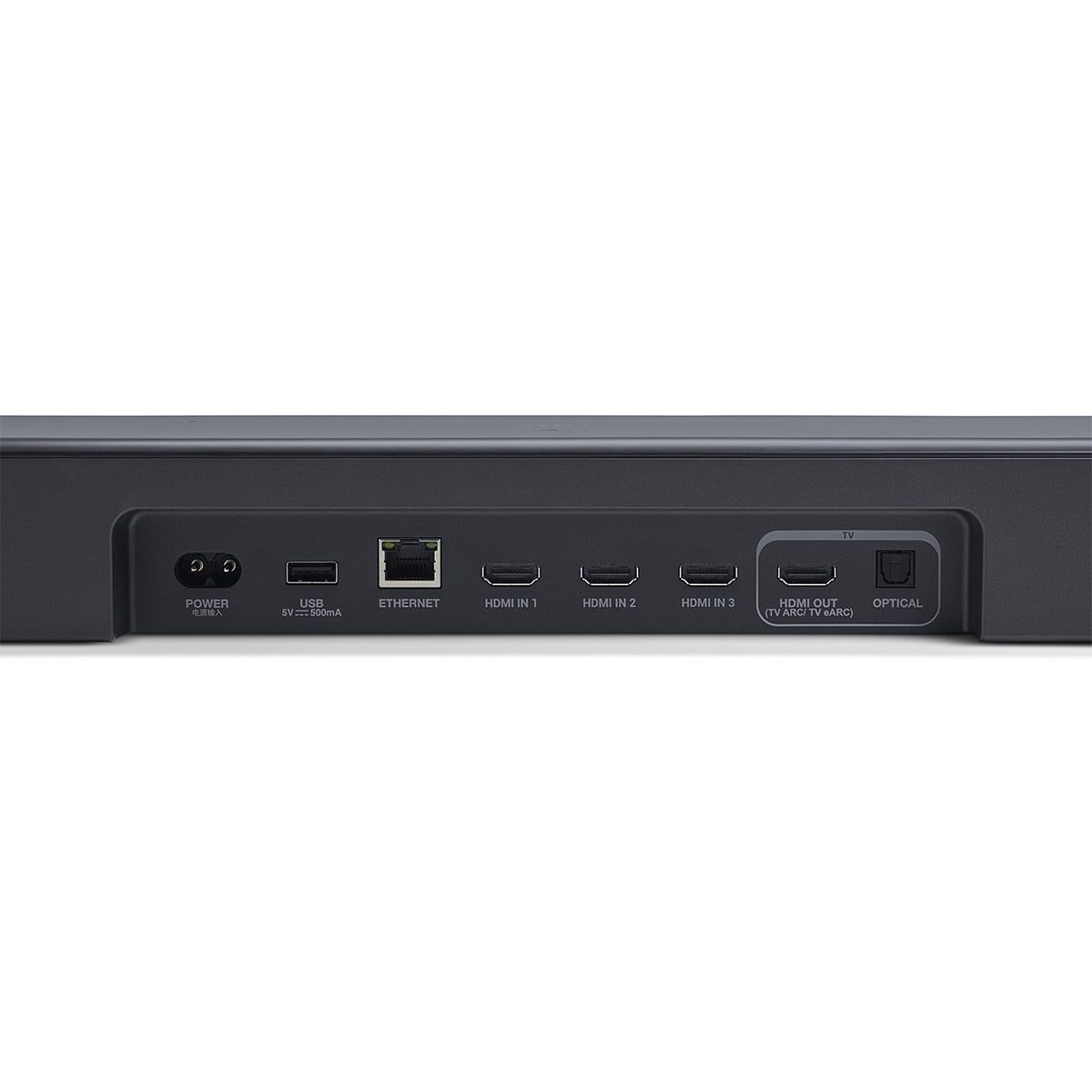
The Samsung HW-Q990F is significantly better for gaming with full HDMI 2.1 support, 4K/120Hz passthrough, Variable Refresh Rate, and Game Mode Pro optimization for competitive gaming. The JBL Bar 1000 MK2 lacks these modern gaming features and only offers basic HDMI eARC connectivity.
Both systems handle dialogue well, but the Samsung HW-Q990F typically provides more natural voice reproduction through its Active Voice Amplifier Pro and dedicated center channel configuration. The JBL Bar 1000 MK2 uses PureVoice 2.0 technology that can sometimes sound more processed but effectively cuts through complex movie soundtracks.
Value depends on your priorities: the Samsung HW-Q990F offers more channels, advanced gaming features, and sophisticated audio processing that justify its premium positioning. The JBL Bar 1000 MK2 provides innovative wireless rear speakers, more raw power, and dual functionality as portable speakers, often at a lower price point.
Both the Samsung HW-Q990F and JBL Bar 1000 MK2 work with all TV brands through HDMI and optical connections. However, the Samsung offers exclusive Q-Symphony integration that synchronizes with Samsung TV speakers for enhanced performance, giving Samsung TV owners additional value.
The Samsung HW-Q990F excels for serious music listening with its seven-band graphic EQ, Roon Ready certification, and balanced sound signature that reveals more detail in complex recordings. The JBL Bar 1000 MK2 makes music sound more exciting and dynamic with higher power output, better suited for genres that benefit from aggressive bass and dynamics.
Both systems offer comprehensive streaming with Wi-Fi, Bluetooth, AirPlay 2, and Spotify Connect. The Samsung HW-Q990F includes Roon Ready certification for audiophile streaming, while the JBL Bar 1000 MK2 adds Chromecast Built-In. Both integrate with voice assistants and offer mobile app control for customization.
The JBL Bar 1000 MK2 provides unique versatility with detachable speakers that function as portable Bluetooth speakers and a Night Listening mode for private audio. The Samsung HW-Q990F offers more traditional flexibility through extensive EQ controls, multiple sound modes, and Samsung ecosystem integration for compatible TV owners.
The Samsung HW-Q990F offers better long-term reliability with no batteries to degrade and more future-proof gaming connectivity. The JBL Bar 1000 MK2 may require battery replacement after several years but provides ongoing installation flexibility that's especially valuable for renters or those who move frequently. Both systems include comprehensive warranties and software update support.
We've done our best to create useful and informative comparisons to help you decide what product to buy. Our research uses advanced automated methods to create this comparison and perfection is not possible - please contact us for corrections or questions. These are the sites we've researched in the creation of this article: rtings.com - crutchfield.com - sound-advice.online - samsung.com - soundandvision.com - samsung.com - whathifi.com - youtube.com - youtube.com - bestbuy.com - avsforum.com - content.syndigo.com - samsung.com - businessinsider.com - dolby.com - youtube.com - abcwarehouse.com - ecoustics.com - engadget.com - bestbuy.com - techradar.com - rtings.com - hometechnologyreview.com - youtube.com - t3.com - whathifi.com - youtube.com - bhphotovideo.com - gzhls.at - device.report - support.jbl.com - support.jbl.com - jbl.com - av.com - audioadvice.com - jbl.com - target.com - worldwidestereo.com

Privacy Policy
Terms and Conditions - Affiliate Policy
Home Security
© Copyright 2008-2026.
11816 Inwood Rd #1211, Dallas, TX 75244