



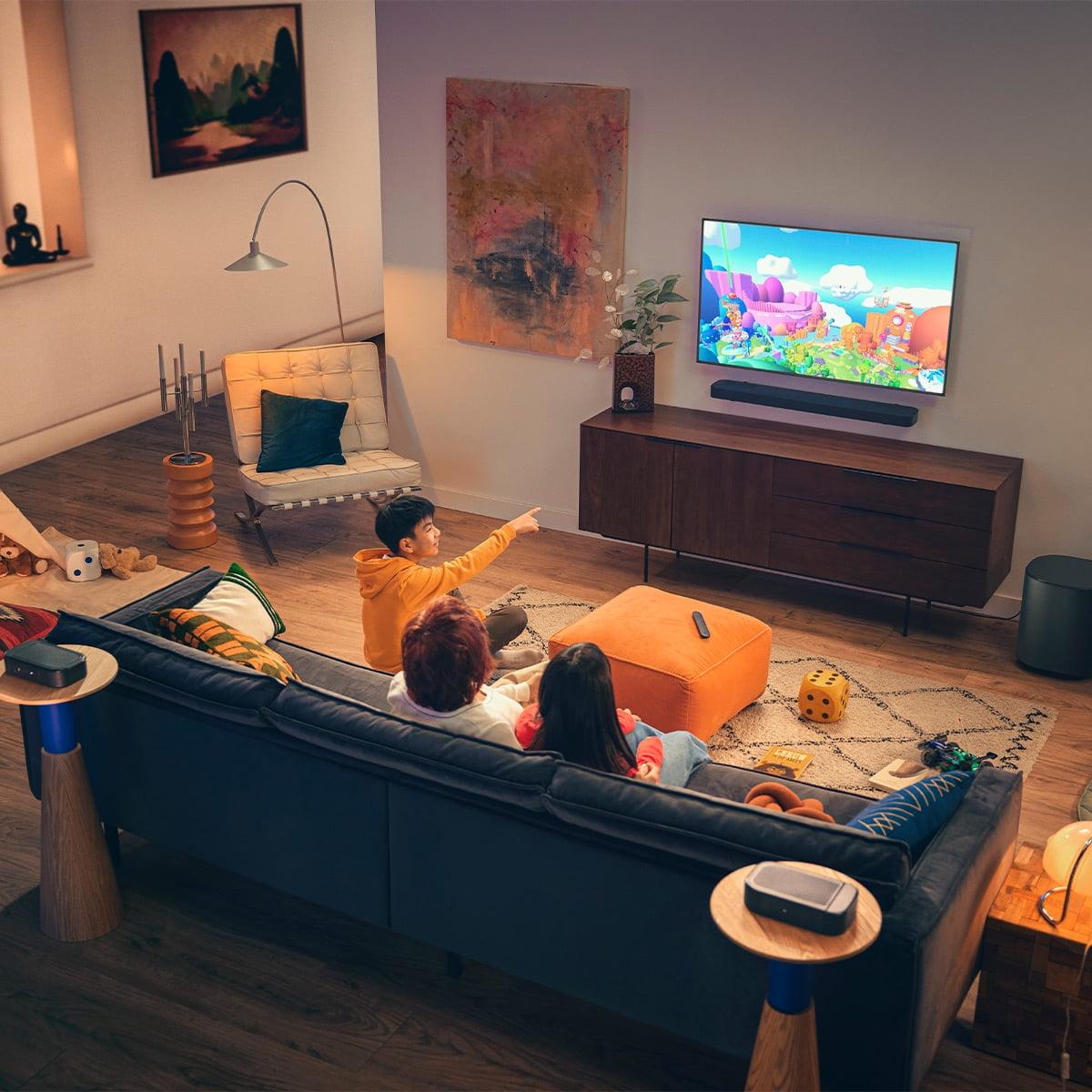
When you're ready to upgrade from your TV's built-in speakers, the world of home theater systems can feel overwhelming. Should you go with a traditional soundbar setup or try something completely different? The Sony HT-A9M2 and JBL Bar 1000 MK2 represent two fascinating approaches to premium surround sound—and at the time of writing, they're priced very differently despite targeting similar audiences.
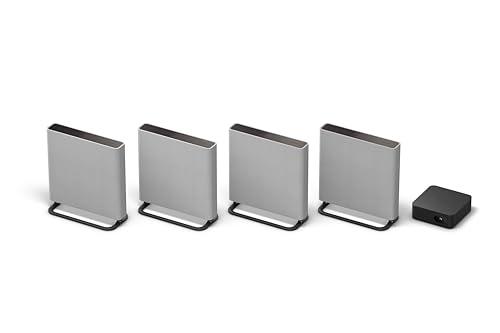
The Sony HT-A9M2, released in 2024, throws out the traditional soundbar playbook entirely. Instead of a single bar sitting under your TV, you get four identical wireless speakers that you can place anywhere in your room. The JBL Bar 1000 MK2, launched in 2025, takes a more conventional approach but adds some clever twists—like rear speakers that can detach from the main soundbar and work as portable Bluetooth speakers.
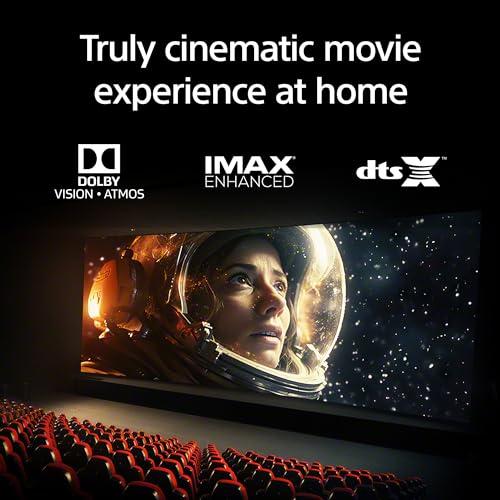
Before diving into the specifics, let's talk about what makes these systems "premium." Both promise true Dolby Atmos support, which means they can process audio that moves in three-dimensional space—not just left and right, but also above and around you. This creates that immersive "you're in the movie" feeling that separates good sound systems from great ones.
The key considerations for any home theater system are setup complexity, room compatibility, total cost, and how well they integrate with your existing gear. Some systems work great in perfect conditions but fall apart when you have an oddly shaped room or too much furniture. Others might sound amazing but require running speaker wires all over your house.
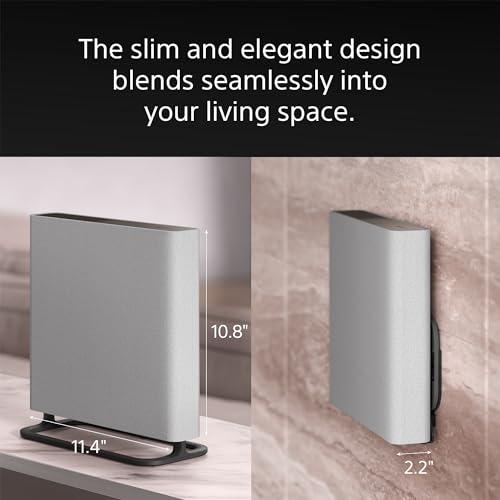
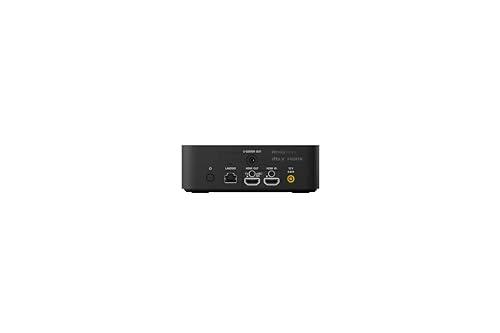
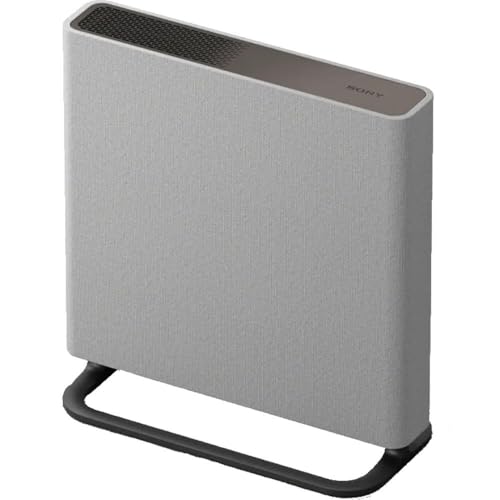
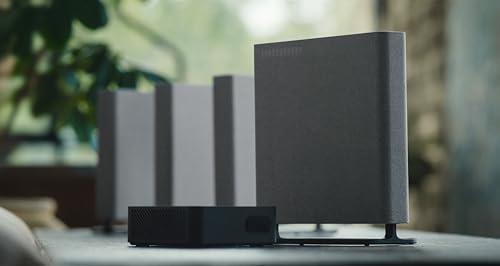
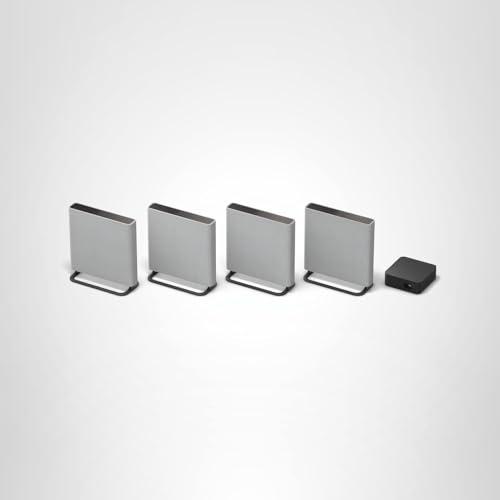
The Sony HT-A9M2 is genuinely unlike anything else on the market. Instead of a traditional soundbar, you get four identical speakers—each about the size of a small bookshelf speaker—that connect wirelessly to a small control box. This control box handles all your HDMI connections and sends audio to the speakers using Sony's proprietary wireless technology.
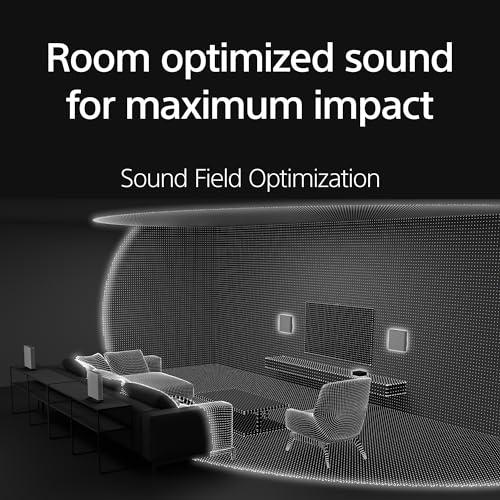
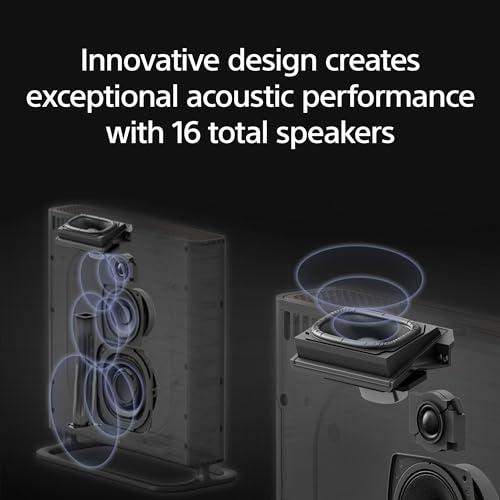
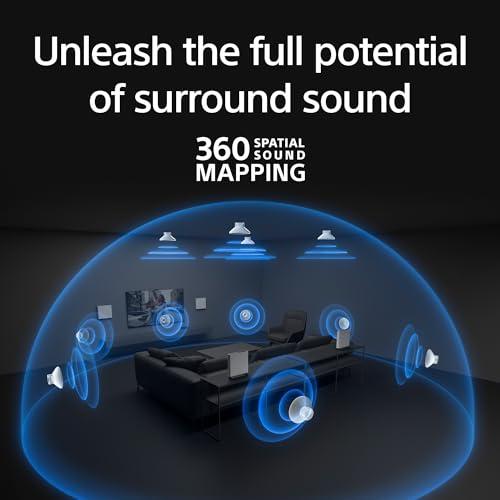
Each speaker contains four drivers: a main full-range driver, a tweeter for crisp highs, and two upward-firing drivers that bounce sound off your ceiling to create height effects. The magic happens with Sony's 360 Spatial Sound Mapping technology, which measures your room's acoustics and creates "phantom speakers"—virtual sound sources that seem to come from places where there aren't actually any speakers.
Think of it like audio holography. The system analyzes how sound bounces off your walls and ceiling, then precisely times the audio from each real speaker to trick your brain into hearing sounds coming from up to 12 different virtual positions around the room. It's genuinely impressive technology that works remarkably well under the right conditions.
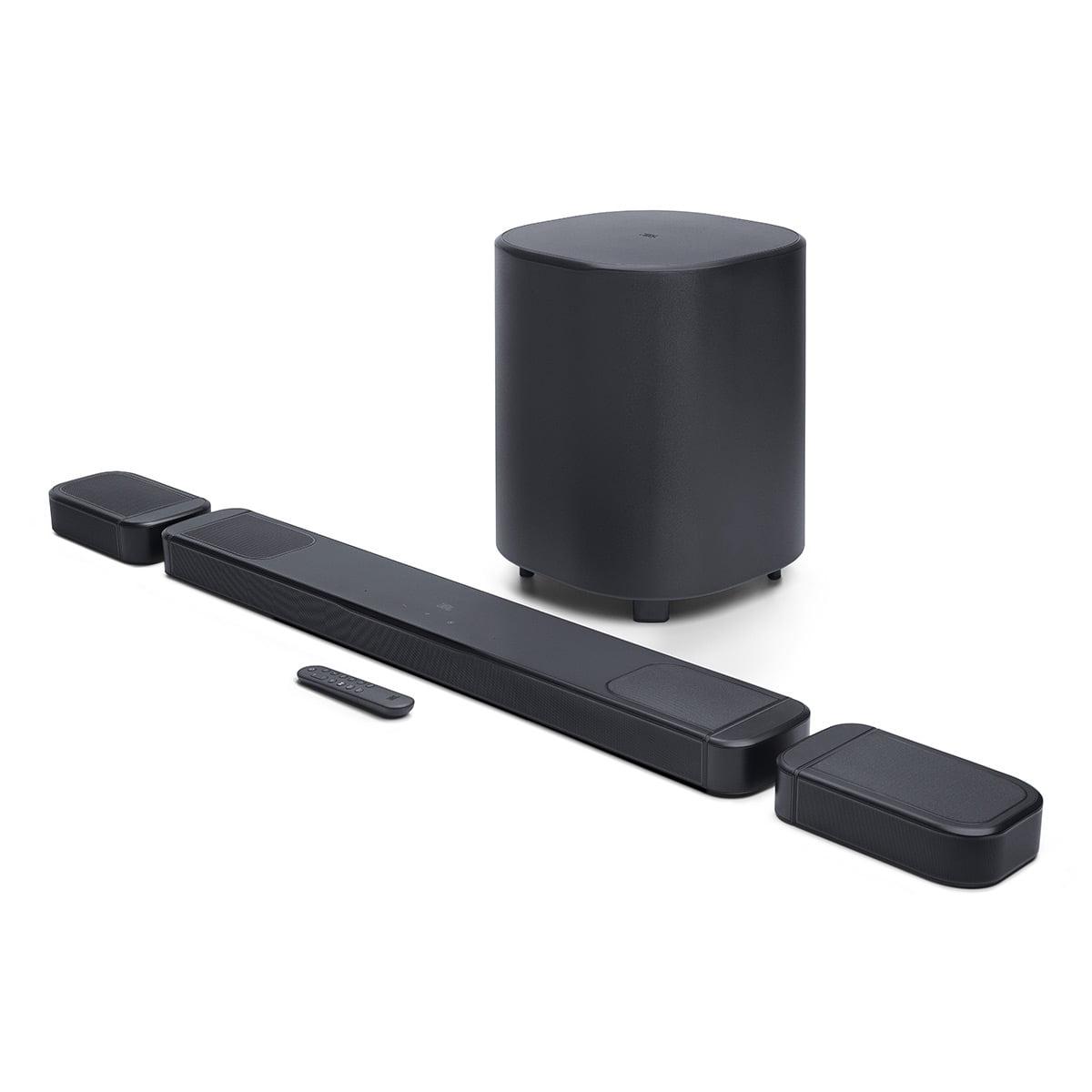
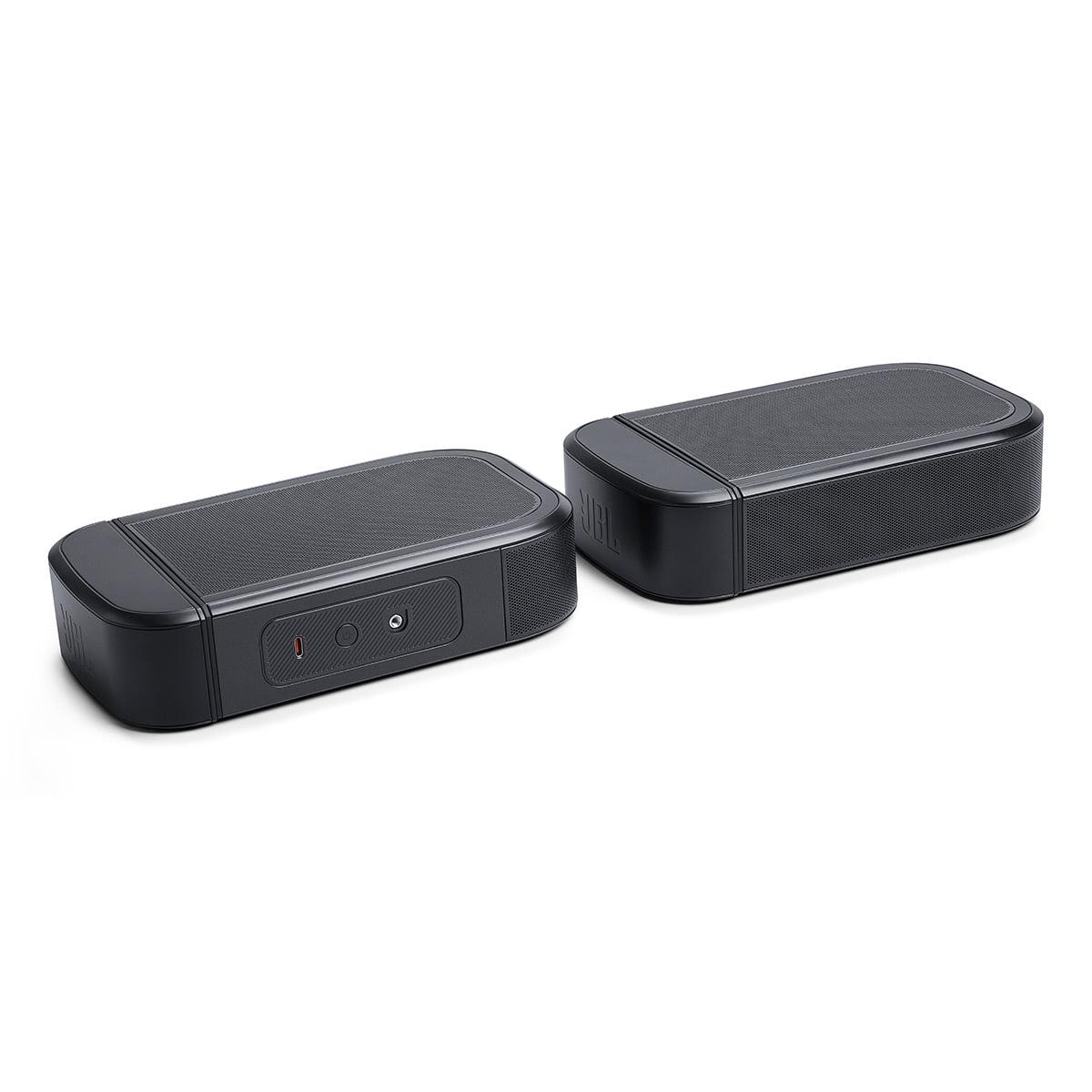
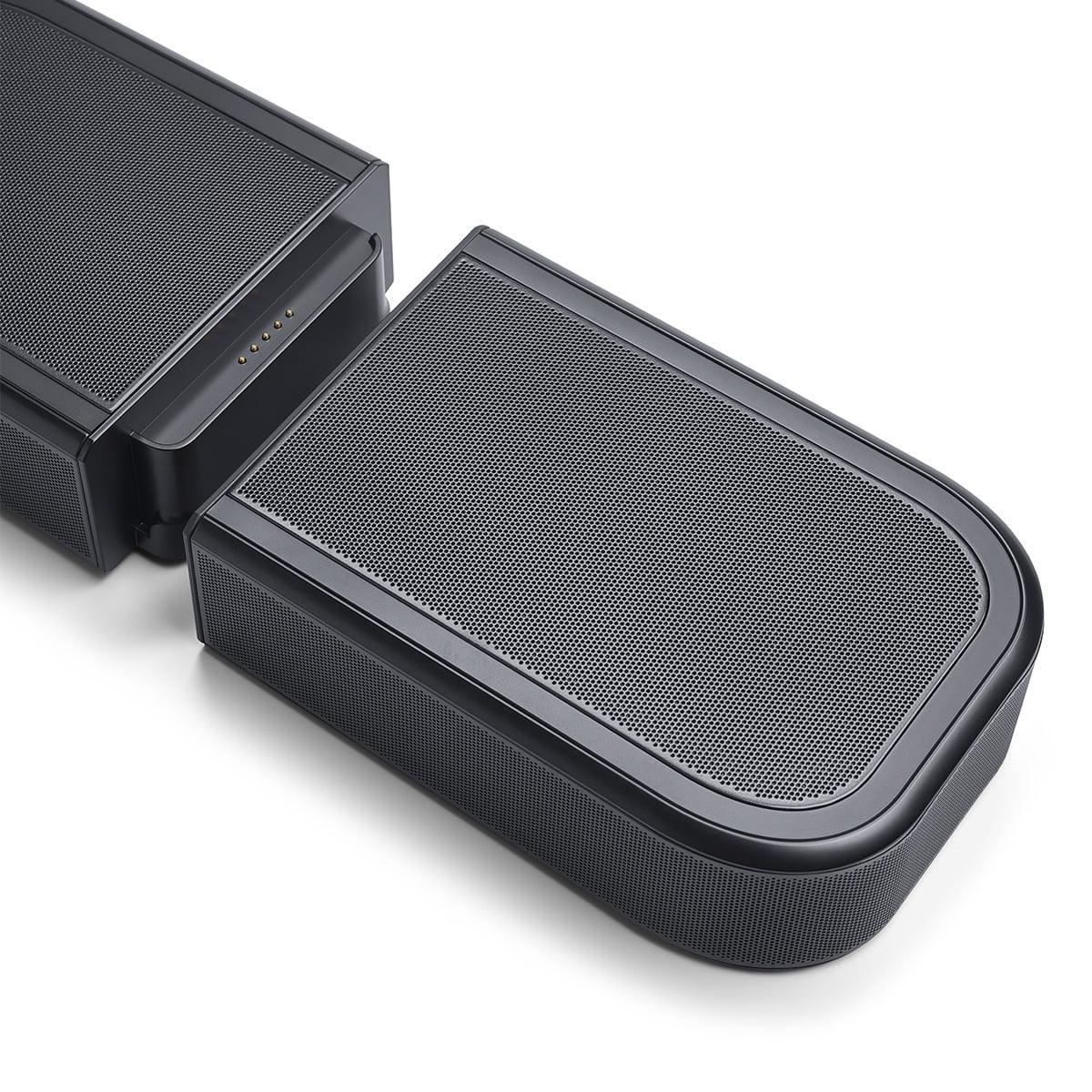
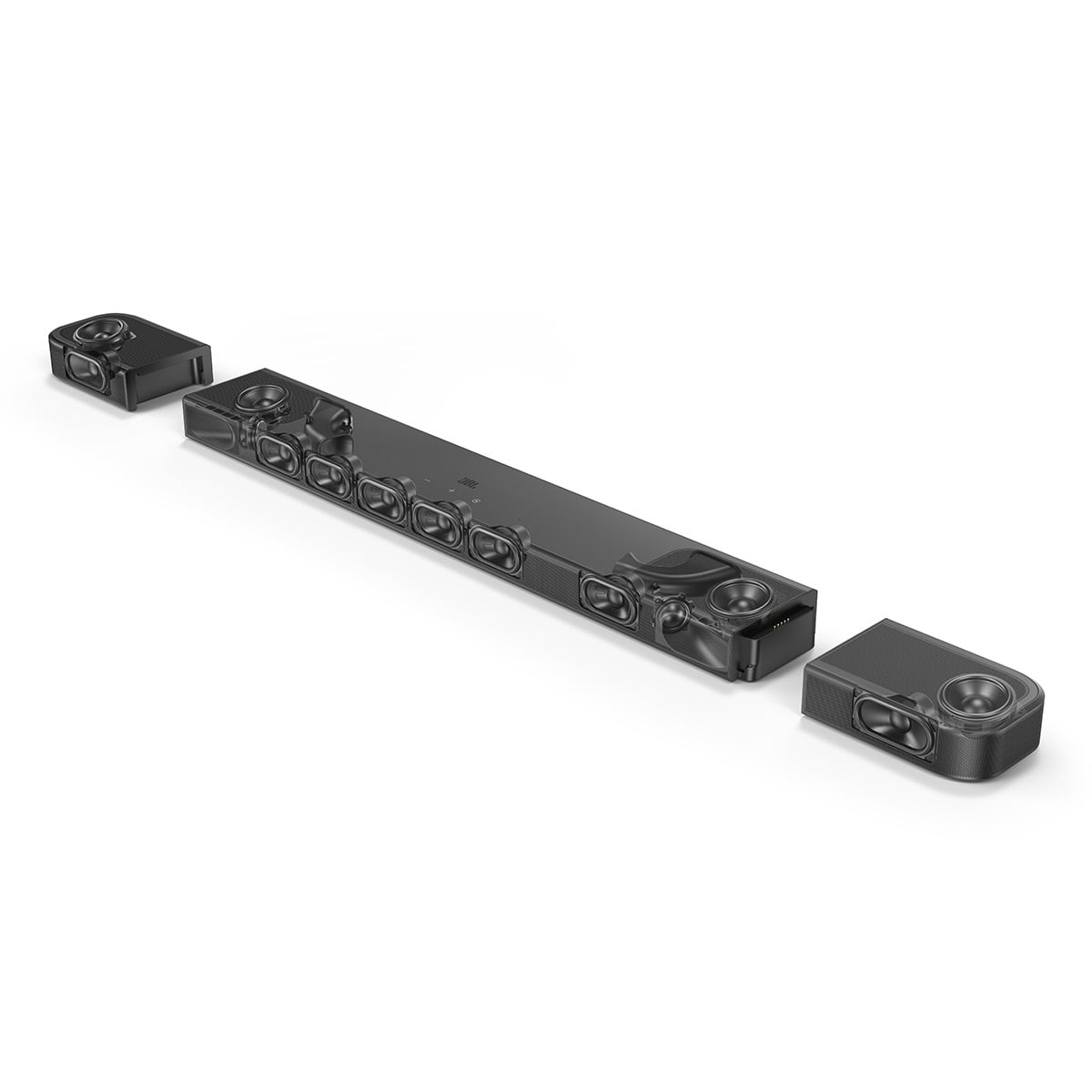
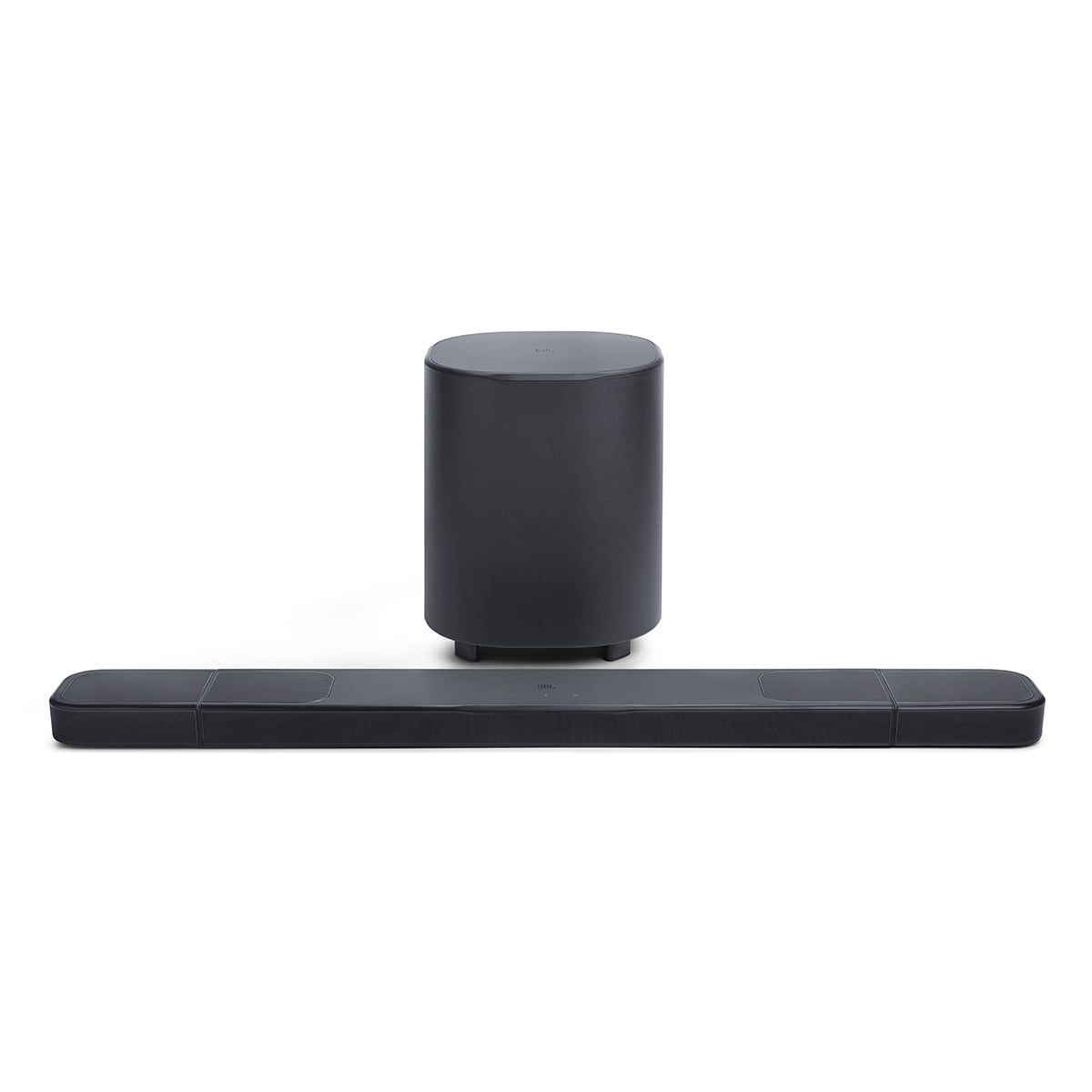
The JBL Bar 1000 MK2 follows a more familiar path but adds some smart innovations. You get a traditional soundbar with a separate wireless subwoofer, plus two rear speakers that magnetically attach to the ends of the main bar. When you want surround sound, you simply pull these rear speakers off the bar and place them behind your seating area.
Each rear speaker has its own battery (lasting up to 10 hours) and charges when docked back on the main bar. This solves one of the biggest problems with traditional surround systems—running power cables to rear speakers. When you're not watching movies, these speakers can work as standalone Bluetooth speakers in other rooms.
The JBL Bar 1000 MK2 uses more conventional surround sound processing but includes four dedicated upward-firing drivers (two in the main bar, one in each rear speaker) for true Dolby Atmos height effects. JBL's MultiBeam 3.0 technology widens the soundstage from the main bar, while the physical rear speakers provide authentic directional surround effects.
This is where the systems diverge most dramatically. The JBL Bar 1000 MK2 includes a wireless 10-inch subwoofer right in the box, capable of reaching down to 33Hz—low enough to feel explosions and car engines in your chest. The sub puts out 300 watts and can genuinely rattle windows when the scene calls for it.
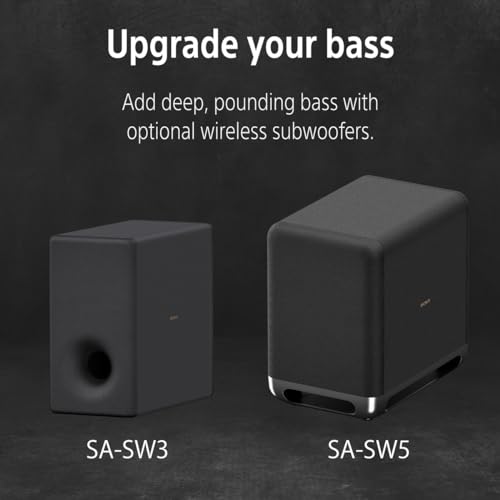
The Sony HT-A9M2, however, ships as a 4.0 system with no subwoofer. While the four speakers can produce some bass through their main drivers, multiple professional reviews consistently cite inadequate low-end impact as the system's primary weakness. Sony does make compatible subwoofers, but they're sold separately and add significantly to the total cost.
For home theater use, bass isn't just about loudness—it's about feeling the action. A good subwoofer makes you feel the rumble of a spaceship engine or the thud of footsteps in a horror movie. Without adequate bass, even the most sophisticated surround processing feels incomplete.
Here's where things get interesting. The Sony HT-A9M2 creates surround effects through pure audio processing wizardry. When it works, it's genuinely magical—sounds seem to come from everywhere, creating an immersive bubble of audio that envelops the entire listening area. The system's room calibration process uses microphones in each speaker to measure distances and reflections, then creates a custom surround field for your specific space.
But—and this is a big but—Sony's virtual approach is heavily dependent on your room's characteristics. It needs reflective surfaces (hard walls and ceilings) to bounce sound effectively. Rooms with lots of carpet, curtains, or soft furniture absorb these reflections, making the phantom speaker effect much less convincing. The system also has a fairly narrow "sweet spot"—move too far from the optimal listening position and the surround illusion collapses.
The JBL Bar 1000 MK2 takes a more straightforward approach with actual speakers behind you. This provides consistent surround effects regardless of your room's acoustics or where you're sitting. The trade-off is that you need to position the rear speakers properly and deal with their battery management, but the surround effects work reliably for everyone in the room.
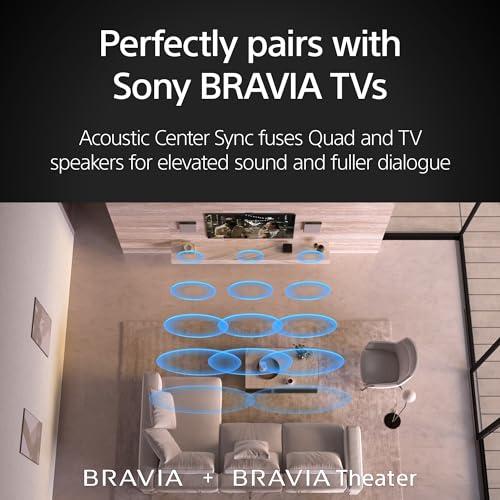
Both systems handle the center channel—where most movie dialogue comes from—differently. The Sony HT-A9M2 creates a phantom center channel by carefully timing audio from the front speakers. When paired with Sony BRAVIA TVs, it can even use the TV's own speakers as part of the center channel through a feature called Acoustic Center Sync.
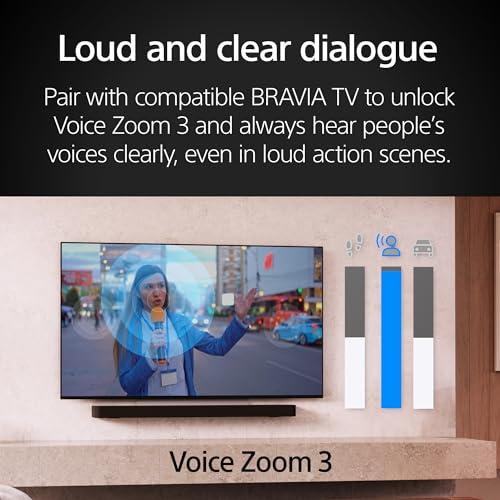
Sony's Voice Zoom 3 technology uses AI to identify and enhance dialogue in the mix, making conversations clearer even during loud action scenes. In our research of user experiences, this works particularly well with Sony TVs, creating dialogue that seems to come directly from characters' mouths on screen.
The JBL Bar 1000 MK2 uses a more traditional approach with dedicated center channel drivers in the main soundbar. JBL's PureVoice 2.0 technology automatically adjusts dialogue levels based on ambient sound and volume, but it's not quite as sophisticated as Sony's AI-driven approach. However, JBL's method works consistently across all TV brands, while Sony's best features are limited to their own televisions.
The power difference between these systems is substantial. The JBL Bar 1000 MK2 delivers 960 watts maximum power (480 watts RMS), while the Sony HT-A9M2 provides 504 watts total. This isn't just about getting louder—it's about having the headroom to reproduce dynamic peaks without distortion.
In practical terms, the JBL can fill much larger rooms with clean, powerful sound. Our analysis of user feedback suggests it works well in spaces up to 400 square feet or more, while the Sony system is better suited to smaller and medium-sized rooms under 300 square feet. The Sony's virtual processing is also more easily overwhelmed in very large spaces where sound reflections become too diffuse to create convincing phantom speakers.
At the time of writing, there's a dramatic price difference between these systems. The JBL Bar 1000 MK2 offers a complete 7.1.4-channel system with all components included for under $1,000. The Sony HT-A9M2 costs significantly more for just the four speakers, and you'll need to budget for an additional subwoofer to get comparable bass performance.
This price difference reflects their different philosophies. Sony is selling cutting-edge audio processing technology and the convenience of wireless speaker placement. JBL is providing maximum bang for your buck with proven surround sound technology and high power output.
The value equation also depends on your room and preferences. If you have an ideal rectangular room with good acoustics and want the cleanest possible aesthetic (no visible soundbar), the Sony's premium price might be worth it. But for most people wanting powerful, room-filling surround sound, the JBL delivers significantly more performance per dollar.
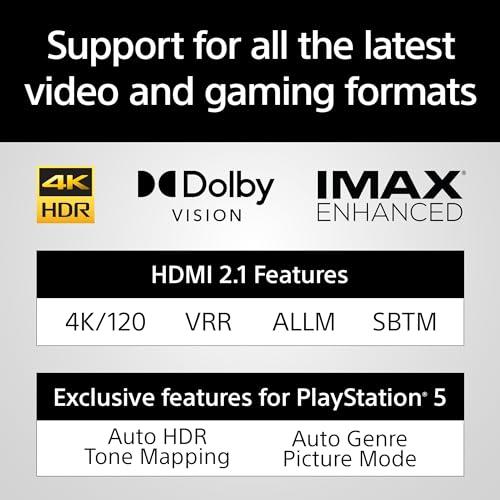
Both systems support the latest gaming features, but with different strengths. The Sony HT-A9M2 offers full HDMI 2.1 support with Variable Refresh Rate (VRR) and Auto Low Latency Mode (ALLM)—features that reduce input lag and screen tearing for responsive gaming. It also includes PlayStation 5-specific optimizations like Auto HDR Tone Mapping.
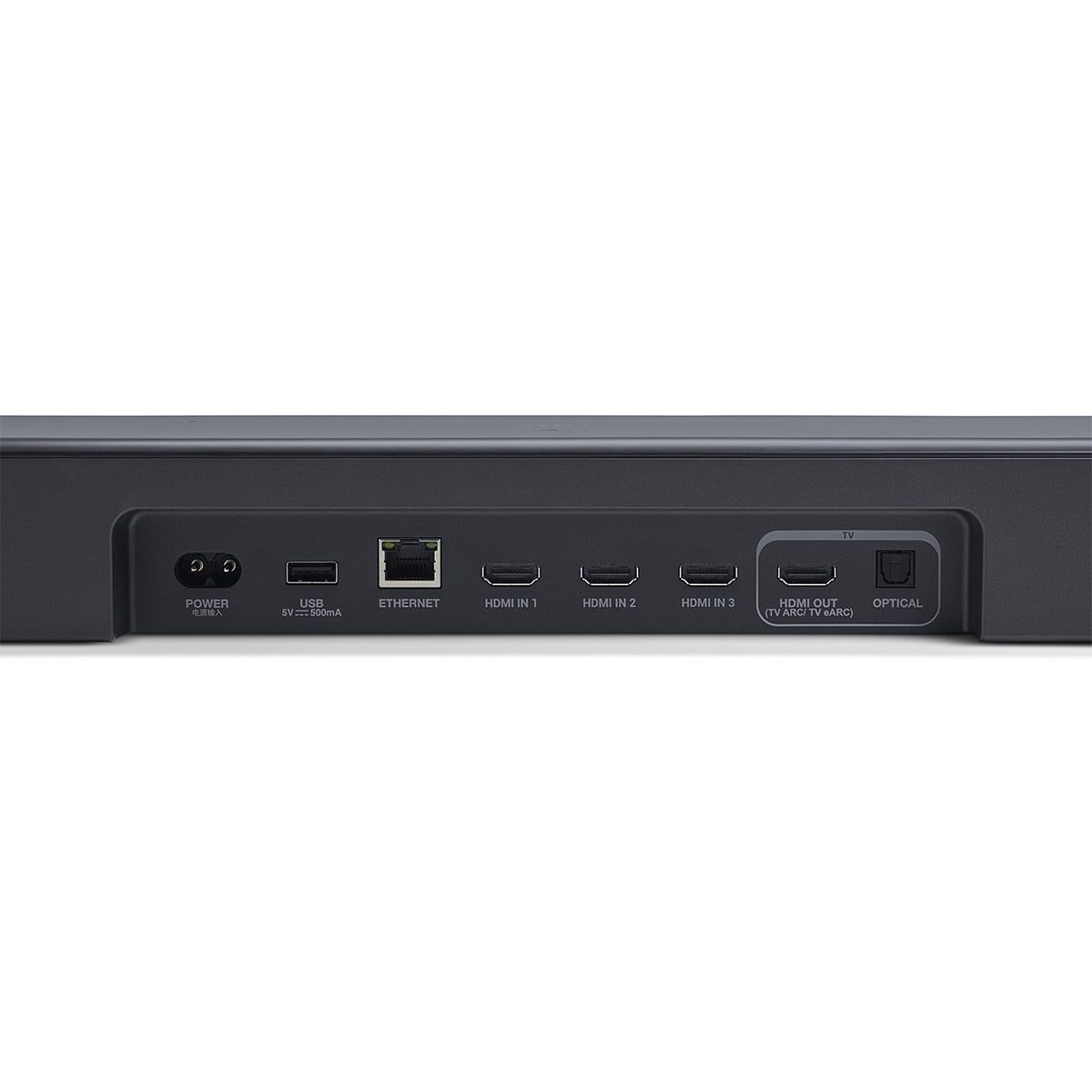
The JBL Bar 1000 MK2 provides three HDMI inputs versus Sony's single input, making it easier to connect multiple gaming consoles and streaming devices. JBL also offers a unique Night Listening mode that mutes the main soundbar and subwoofer while sending audio only to the detachable rear speakers—perfect for late-night gaming sessions without waking anyone up.
For streaming music, both systems support modern wireless standards, but the JBL offers broader compatibility with services like Spotify Connect, Apple AirPlay 2, and Chromecast built-in. The Sony focuses more heavily on integration within Sony's ecosystem.
You own a Sony BRAVIA TV and want seamless integration between all your components. The Acoustic Center Sync feature alone can make dialogue significantly clearer and more natural. You also value cutting-edge technology and don't mind paying a premium for sophisticated audio processing.
Your room is well-suited to the Sony's requirements—rectangular shape, hard surfaces for sound reflection, and under 300 square feet. You prioritize clean aesthetics and want the flexibility to place speakers wherever they work best visually, not just acoustically.
You're willing to invest in a complete system over time, adding the subwoofer and potentially other components as your budget allows. The Sony system is genuinely future-proof, with regular firmware updates adding new features and improvements.
You want maximum performance for your money and need a complete system that works immediately out of the box. The included subwoofer and rear speakers provide authentic surround sound that works in any room configuration.
You have a larger room (over 300 square feet) or challenging acoustics where virtual processing might struggle. The physical speakers provide consistent performance regardless of your room's characteristics or furniture arrangement.
You value versatility—the detachable rear speakers that work as portable Bluetooth speakers add functionality beyond just home theater use. You also appreciate having multiple HDMI inputs for connecting various devices.
Avoid the Sony HT-A9M2 if you're budget-conscious or have a room full of soft furnishings that will absorb sound reflections. Also skip it if you don't own Sony TVs, as many of the best features require Sony's ecosystem.
Avoid the JBL Bar 1000 MK2 if you prioritize minimalist aesthetics above all else, or if you have very specific acoustic requirements that demand the most advanced processing available.
These systems represent two valid but very different approaches to premium home theater sound. The JBL Bar 1000 MK2 delivers proven performance with excellent value, providing everything most people want in a surround sound system at a reasonable price. Its physical approach to surround sound works reliably in any room, and the included subwoofer ensures you get proper bass impact from day one.
The Sony HT-A9M2 is the more innovative choice, using cutting-edge processing to create immersive sound from an unconventional speaker arrangement. When it works well, it's genuinely impressive, but it requires the right room, the right TV, and a significantly higher budget to reach its full potential.
For most people looking to upgrade their home theater experience, the JBL Bar 1000 MK2 offers the better combination of performance, features, and value. But if you're a Sony ecosystem user with an ideal room and budget for premium technology, the Sony HT-A9M2 provides a unique and sophisticated audio experience that's unlike anything else available.
The choice ultimately comes down to whether you value proven performance and immediate satisfaction, or cutting-edge technology and long-term potential. Both approaches have merit, but they serve different priorities and budgets in the premium home theater market.
| Sony HT-A9M2 BRAVIA Theater Quad | JBL Bar 1000 MK2 Soundbar System |
|---|---|
| Channel Configuration - Determines surround sound capabilities | |
| 4.0.4 system with virtual surround processing | True 7.1.4 system with physical surround speakers |
| Total Power Output - Affects volume and dynamic range | |
| 504W total (126W per speaker) | 960W max / 480W RMS |
| Subwoofer Inclusion - Critical for bass impact in movies | |
| Not included (must purchase separately) | 10" wireless subwoofer included |
| Speaker Configuration - Impacts setup flexibility | |
| Four identical wireless satellite speakers | Soundbar + detachable wireless rear speakers + subwoofer |
| Room Size Suitability - Important for matching system to space | |
| Best for small-medium rooms (under 300 sq ft) | Handles large rooms effectively (300+ sq ft) |
| Surround Sound Method - Affects reliability and performance | |
| 360 Spatial Sound Mapping creates phantom speakers | Physical rear speakers provide authentic directional audio |
| TV Brand Integration - Enhances dialogue and control | |
| Enhanced features with Sony BRAVIA TVs only | Works equally well with all TV brands |
| HDMI Connectivity - Matters for multiple device connections | |
| 1 HDMI input with eARC output | 3 HDMI inputs with eARC output |
| Unique Features - Standout capabilities for each system | |
| Voice Zoom 3 AI dialogue enhancement, Acoustic Center Sync | Detachable speakers work as portable Bluetooth speakers, Night Listening mode |
| Setup Complexity - Affects ease of installation | |
| Automatic room calibration, wireless speaker placement | Traditional setup with battery-powered rear speakers |
| Best Use Case - Who each system serves best | |
| Sony ecosystem users wanting cutting-edge processing | Users wanting complete, powerful system with proven surround sound |
The JBL Bar 1000 MK2 provides significantly better value, offering a complete 7.1.4-channel system with soundbar, wireless subwoofer, and detachable rear speakers at a much lower price point. The Sony HT-A9M2 costs considerably more for just the four speakers, with no subwoofer included.
The JBL Bar 1000 MK2 is a complete system out of the box with everything needed for full surround sound. The Sony HT-A9M2 ships without a subwoofer, which most users will want to purchase separately for adequate bass response in movies and music.
Both systems are relatively easy to set up, but the JBL Bar 1000 MK2 follows a more traditional approach that most users will find familiar. The Sony HT-A9M2 requires strategic speaker placement and room calibration to achieve optimal performance with its virtual surround technology.
The JBL Bar 1000 MK2 is better suited for large rooms thanks to its higher power output (960W vs 504W) and physical subwoofer. The Sony HT-A9M2 performs best in smaller to medium-sized rooms under 300 square feet.
Yes, both the Sony HT-A9M2 and JBL Bar 1000 MK2 support Dolby Atmos, DTS:X, and other modern audio formats. However, they achieve height effects differently—Sony uses virtual processing while JBL uses physical upward-firing drivers.
The JBL Bar 1000 MK2 has significantly better bass performance with its included 10-inch wireless subwoofer. The Sony HT-A9M2 lacks a subwoofer and has been consistently noted for weak bass response without purchasing Sony's separate subwoofer.
The JBL Bar 1000 MK2 works equally well with all TV brands via HDMI eARC. The Sony HT-A9M2 works with any TV but offers enhanced features and better dialogue clarity when paired with Sony BRAVIA TVs through Acoustic Center Sync.
Both systems support gaming features, but the Sony HT-A9M2 has more advanced gaming support with HDMI 2.1, VRR, ALLM, and PlayStation 5-specific optimizations. The JBL Bar 1000 MK2 offers more HDMI inputs (3 vs 1) and a unique Night Listening mode for quiet gaming sessions.
The Sony HT-A9M2 uses advanced 360 Spatial Sound Mapping to create virtual surround speakers through room acoustics and processing. The JBL Bar 1000 MK2 uses physical rear speakers that detach from the soundbar and provide traditional, reliable surround sound placement.
The Sony HT-A9M2 offers more placement flexibility with four wireless speakers that can be positioned anywhere, requiring only power outlets. The JBL Bar 1000 MK2 needs space for a soundbar and subwoofer, though the rear speakers are battery-powered and wireless.
Only the JBL Bar 1000 MK2 offers this feature—its detachable rear speakers can function as standalone Bluetooth speakers with 10-hour battery life. The Sony HT-A9M2 speakers are designed to work together as a unified system.
The JBL Bar 1000 MK2 works consistently in any room with its physical speaker approach. The Sony HT-A9M2 performs best in rooms with hard surfaces for sound reflection and may struggle in rooms with lots of soft furnishings or irregular shapes.
We've done our best to create useful and informative comparisons to help you decide what product to buy. Our research uses advanced automated methods to create this comparison and perfection is not possible - please contact us for corrections or questions. These are the sites we've researched in the creation of this article: bestbuy.com - whathifi.com - whathifi.com - youtube.com - rtings.com - audiosciencereview.com - bhphotovideo.com - skybygramophone.com - sony.com - manuals.plus - audioadvice.com - dell.com - valueelectronics.com - youtube.com - merlinstv.com - videoandaudiocenter.com - electronics.sony.com - sony.com - bestbuy.com - beachcamera.com - sony.com - win.consulting - sony.com - ecoustics.com - engadget.com - bestbuy.com - techradar.com - rtings.com - hometechnologyreview.com - youtube.com - t3.com - whathifi.com - youtube.com - bhphotovideo.com - gzhls.at - device.report - support.jbl.com - support.jbl.com - jbl.com - av.com - audioadvice.com - jbl.com - target.com - worldwidestereo.com

Privacy Policy
Terms and Conditions - Affiliate Policy
Home Security
© Copyright 2008-2026.
11816 Inwood Rd #1211, Dallas, TX 75244