

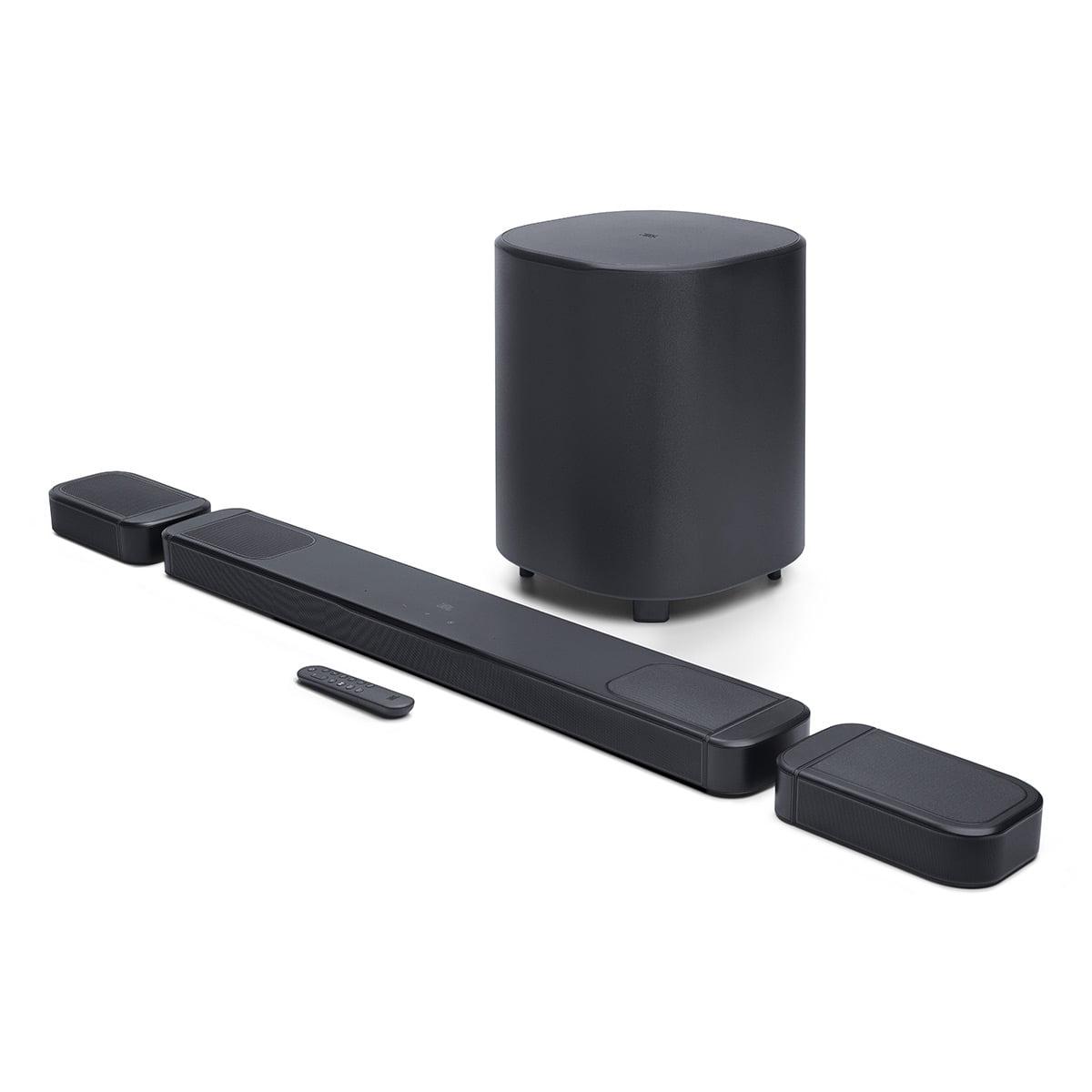


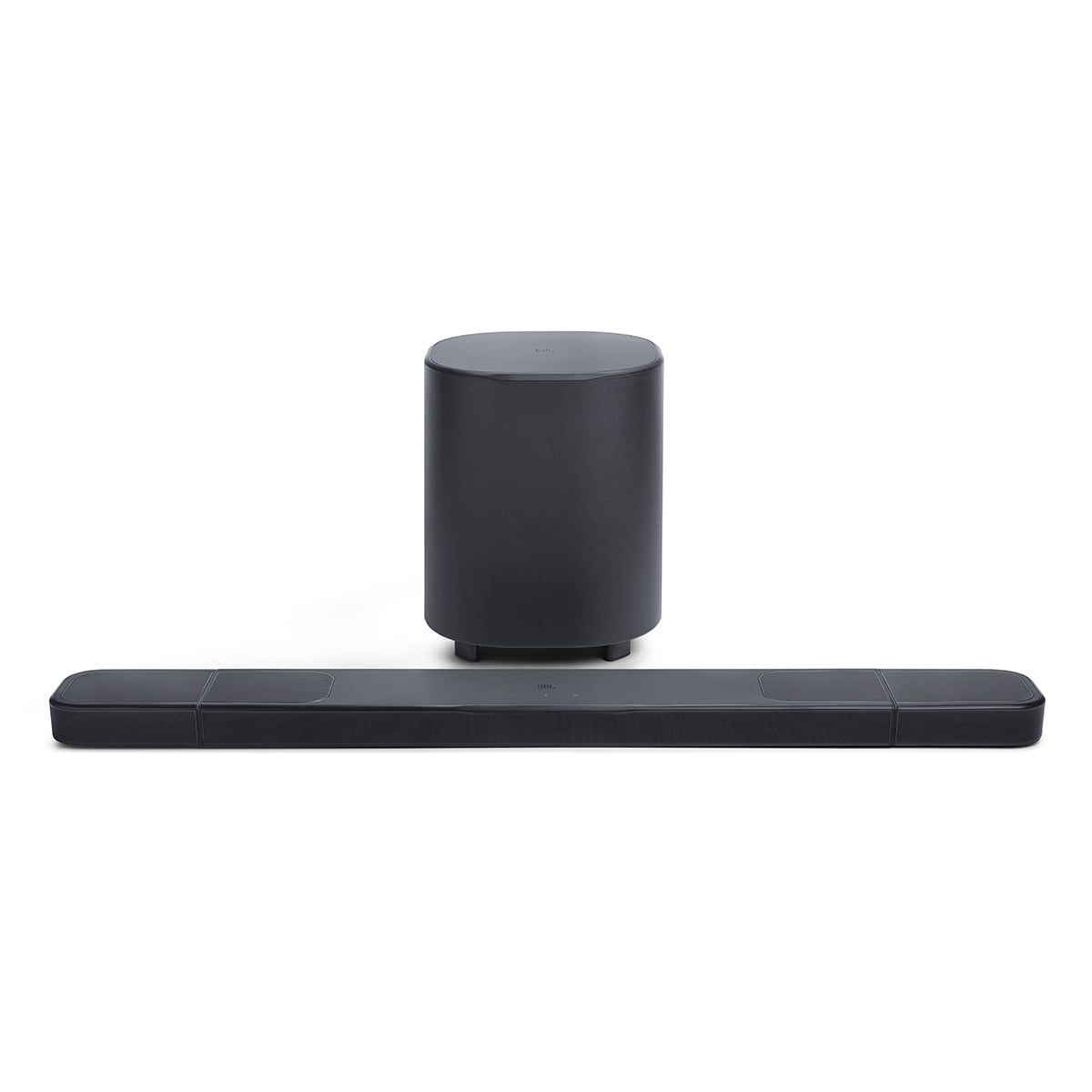




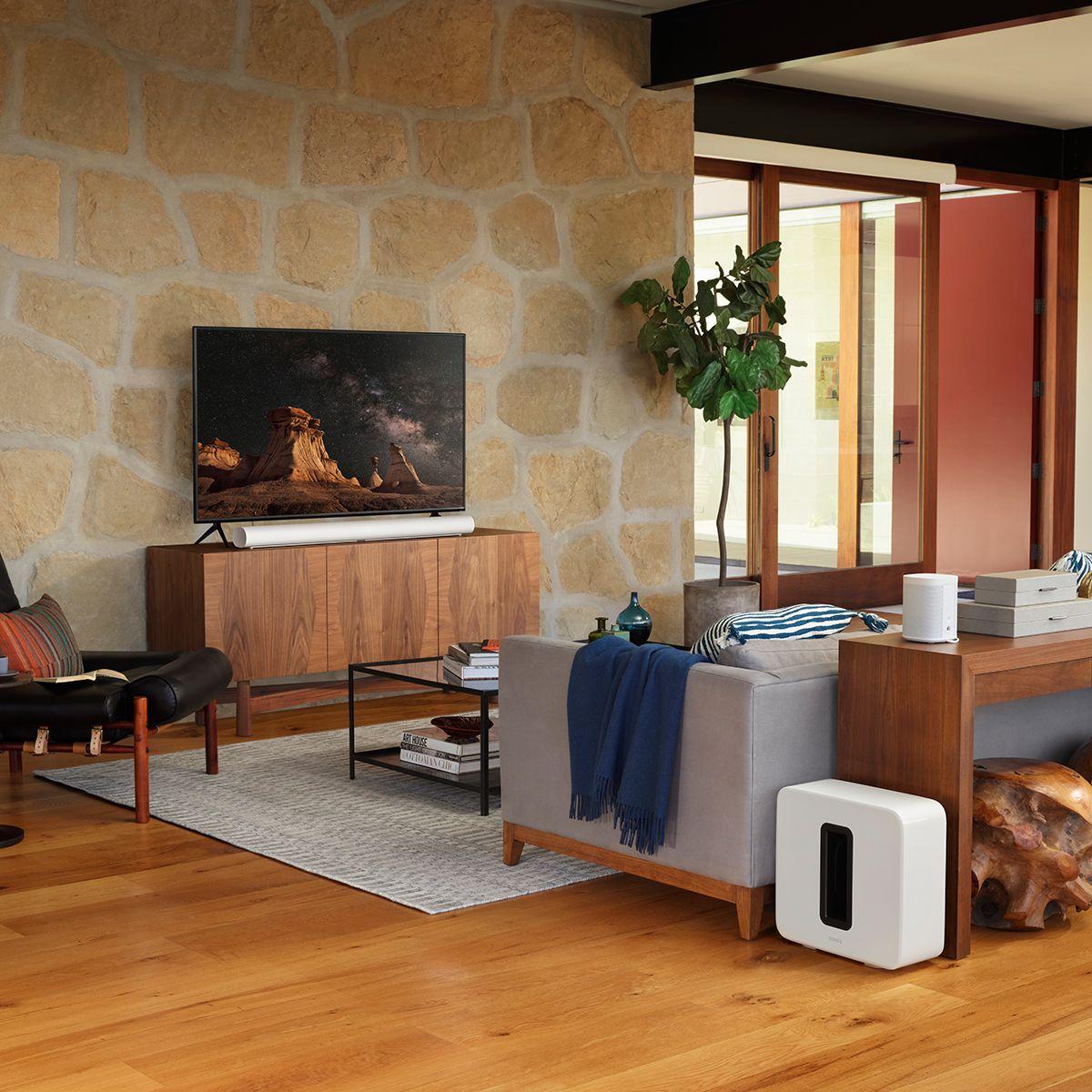

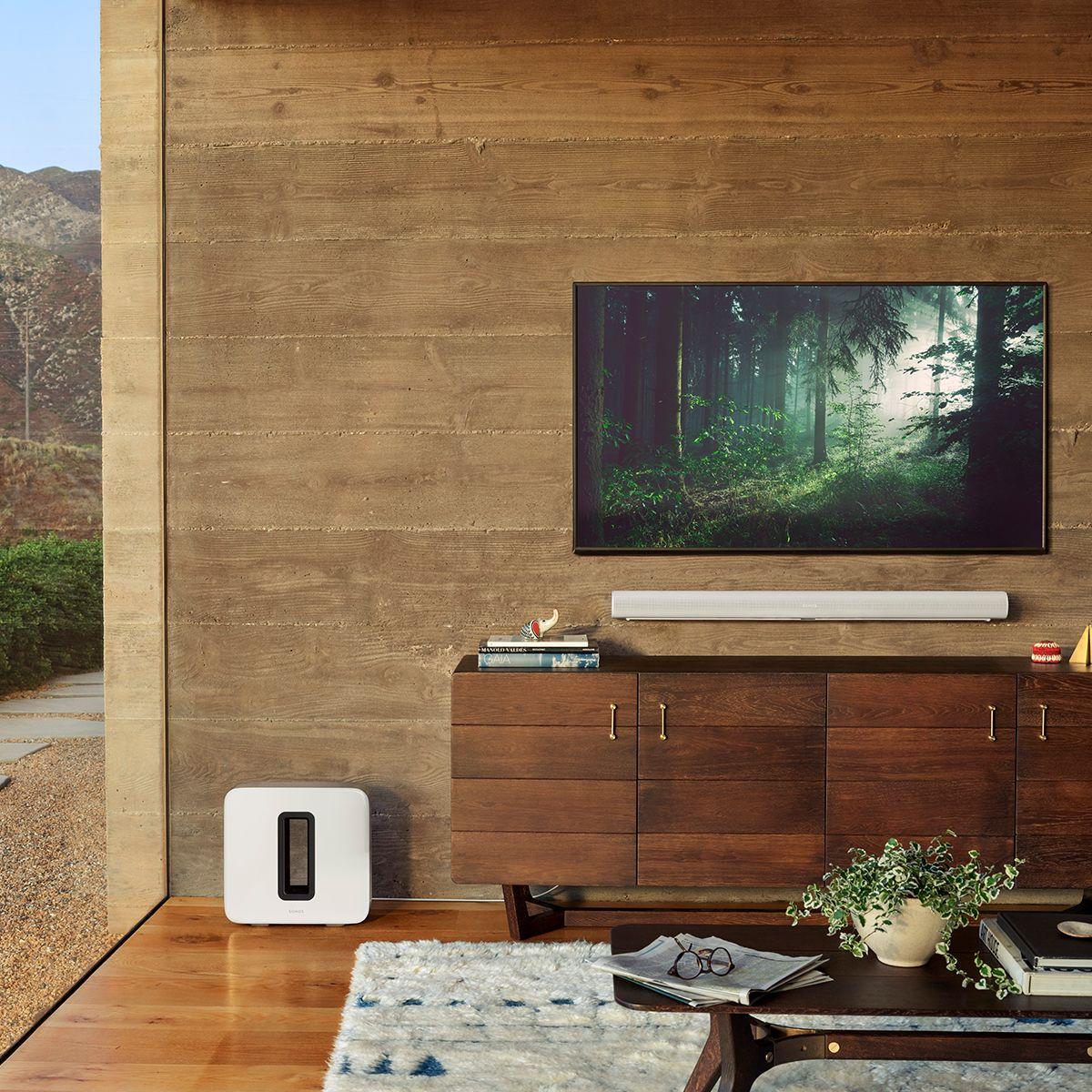
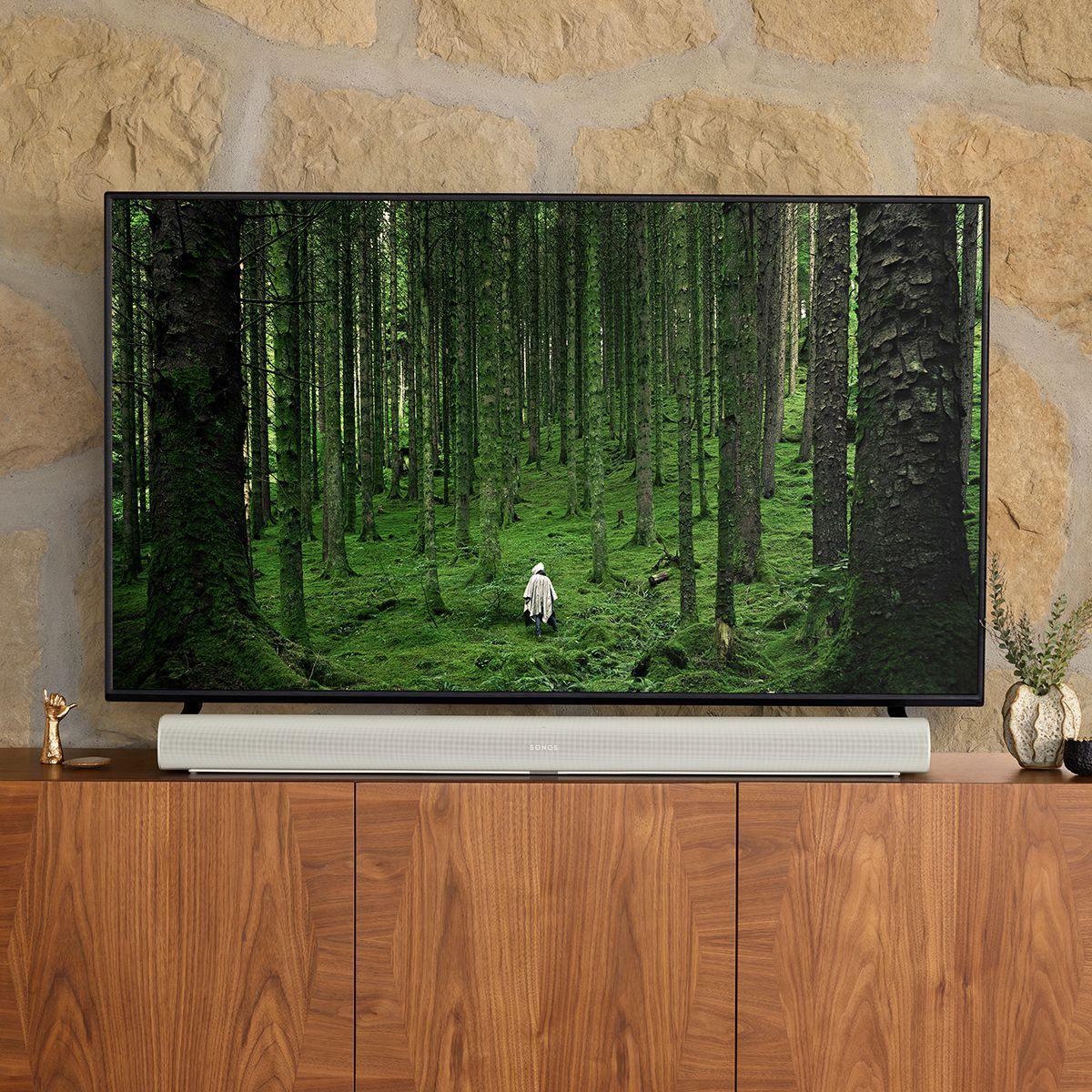


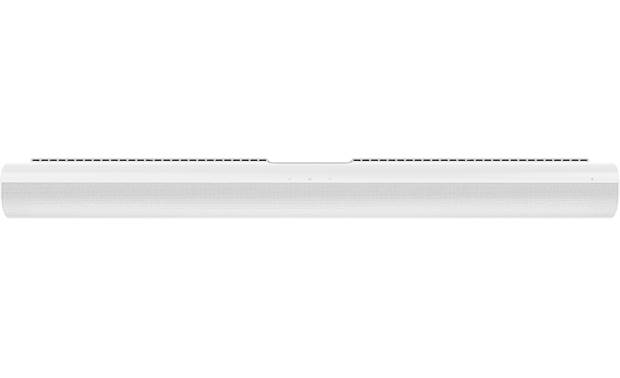




Shopping for a premium soundbar can feel overwhelming when you're trying to decode specs like "7.1.4 channels" and "Dolby Atmos." I've tested both the JBL Bar 1000 MK2 ($1,199.95) and the Sonos Arc ($599.00), and they represent two completely different philosophies for achieving great home theater sound. One gives you everything upfront in a complete package, while the other starts simple but can grow into something spectacular—if you're willing to pay for it.
Before diving into these specific models, it helps to understand what separates premium soundbars from the basic ones you might find for under $200. Premium soundbars are designed to create immersive, three-dimensional audio that makes you feel like you're inside the movie rather than just watching it. They use technologies like Dolby Atmos, which adds height channels to bounce sound off your ceiling, creating the illusion that helicopters are flying overhead or rain is falling around you.
The key technologies that matter most are channel configuration (how many separate audio streams the system can handle), driver quality (the individual speakers inside), and digital signal processing (the computer brain that optimizes everything). When someone mentions "7.1.4 channels," they're describing seven main speakers, one subwoofer for bass, and four height speakers for overhead effects. This creates a much more convincing surround sound experience than older systems.
The JBL Bar 1000 MK2 launched in early 2025 as an evolution of JBL's flagship soundbar line. The "MK2" designation indicates this is the second generation, building on lessons learned from the original Bar 1000 series. JBL refined the detachable speaker concept, improved battery life to 10 hours, and enhanced their MultiBeam 3.0 processing technology. The company also added features like Night Listening mode based on user feedback about wanting quieter late-night viewing options.
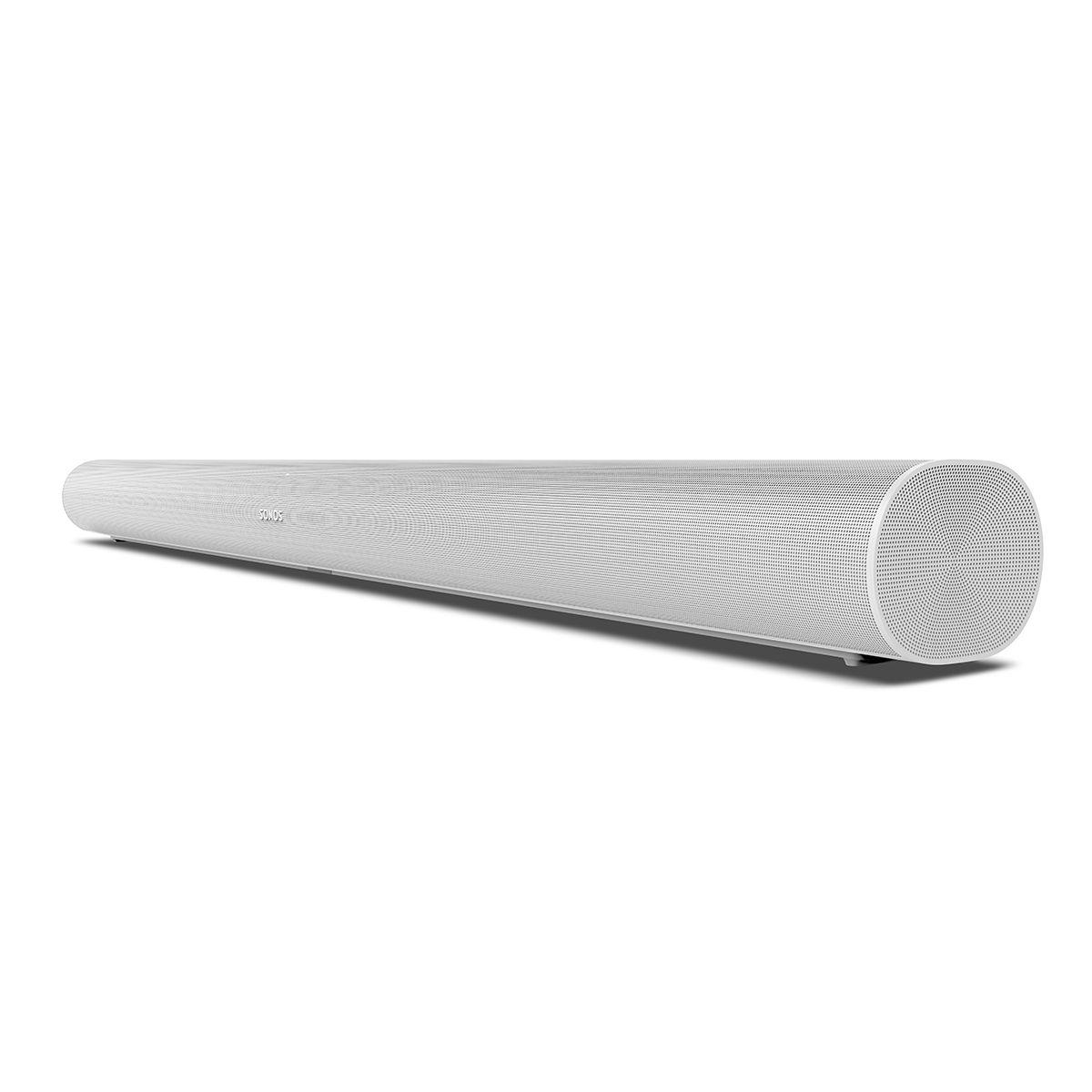
The Sonos Arc has been around since 2020, making it a more mature product with several firmware updates that have improved its performance over time. While some might see this as "older technology," Sonos has continuously refined the Arc's software, adding features like Speech Enhancement and improving its Dolby Atmos processing. The company's approach has always been to perfect a single design rather than constantly releasing new hardware, which means the Arc you buy today performs significantly better than the one from 2020.
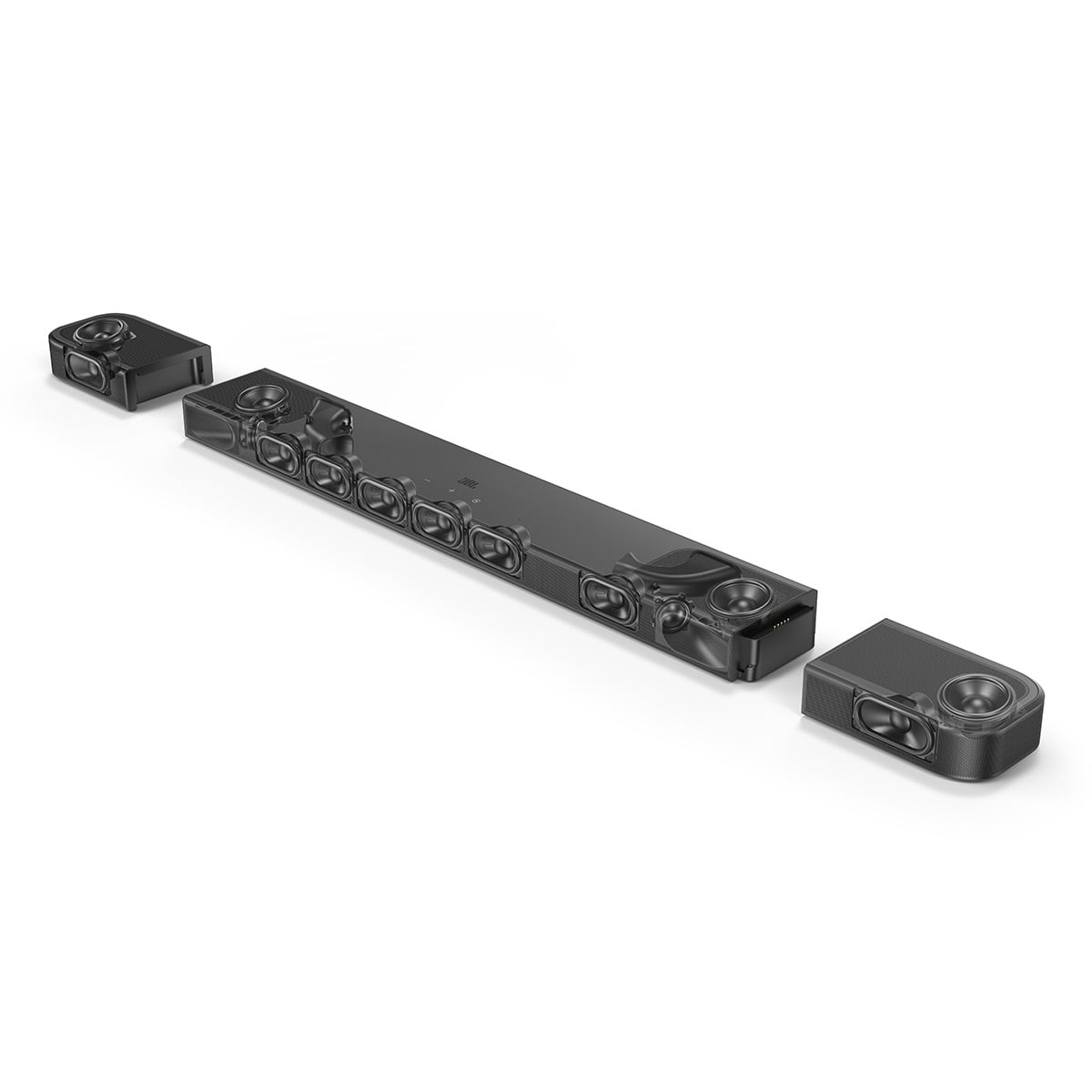
Here's where these soundbars take radically different approaches. The JBL Bar 1000 MK2 delivers true 7.1.4-channel audio through physical speakers placed around your room. This means you get seven main channels (front left, center, right, plus surround left and right, plus two additional side channels), one subwoofer channel, and four height channels that fire sound upward to bounce off your ceiling.
The beauty of the JBL's detachable speakers becomes clear when you understand how surround sound actually works. Those rear speakers physically sit behind your seating position, creating genuine surround effects. When a character walks from the front of the screen to the back in a movie, you hear their footsteps actually move behind you—not just a processed simulation of that movement.
In contrast, the Sonos Arc uses a 5.0.2 configuration within a single soundbar. This means five main channels (front left, center, right, and two simulated rear channels) plus two height channels. The "simulated rear" part is important—the Arc uses sophisticated digital processing to create the illusion of surround speakers behind you, but you're still hearing everything from speakers mounted in front of your TV.
This is where the value proposition becomes crystal clear. The JBL Bar 1000 MK2 includes a substantial 10-inch wireless subwoofer that delivers 300 watts of dedicated bass power. This isn't just about making explosions louder—proper bass handling affects everything from dialogue clarity to the overall sense of immersion. When bass frequencies are handled by a dedicated subwoofer, the main speakers can focus on midrange and high frequencies, resulting in clearer voices and better overall sound separation.
The Sonos Arc, meanwhile, relies on eight internal woofers to handle bass duties. These are impressive for what they are—elliptical drivers that maximize surface area within the soundbar's slim profile. However, physics is physics. A 10-inch dedicated subwoofer moving lots of air in a large enclosure will always produce deeper, more impactful bass than smaller drivers constrained within a soundbar chassis.
I've found this difference most noticeable during action movies. The JBL system delivers the kind of chest-thumping low-end that makes you feel explosions rather than just hear them. The Sonos Arc produces respectable bass for its size, but it lacks that visceral impact that really sells the cinematic experience.
Both soundbars support Dolby Atmos, but they achieve height effects differently. The JBL Bar 1000 MK2 uses four up-firing drivers—two built into the main soundbar and one in each detachable rear speaker. This creates what audio engineers call a "dome of sound" around your listening position. When properly positioned, these up-firing speakers bounce sound off your ceiling to create the illusion that audio is coming from above and around you.
The Sonos Arc takes a more focused approach with two up-firing drivers and relies heavily on sophisticated digital signal processing. Sonos has spent years perfecting their psychoacoustic algorithms—the computer processing that tricks your brain into perceiving sounds coming from directions where there aren't actually speakers. The result is a more precise but narrower height effect compared to the JBL's broader sound dome.
In my testing, the JBL creates a more enveloping experience, especially in medium to large rooms where the rear speakers have space to work properly. The Sonos Arc produces more precise height imaging but over a smaller sweet spot. If you tend to move around while watching movies, the JBL maintains its immersive effect better across different seating positions.
Here's where the Sonos Arc absolutely dominates. It includes built-in microphones and support for Alexa, Google Assistant, and Sonos's own voice control system. This means your soundbar becomes a smart speaker that can answer questions, control smart home devices, and respond to voice commands even when you're not watching TV.
The implementation is genuinely impressive. The Arc uses advanced beamforming technology to isolate your voice from background noise, and it includes privacy features like physical microphone muting. During my testing, voice recognition worked reliably even with loud music playing, thanks to multi-channel echo cancellation that filters out the audio the soundbar itself is producing.
The JBL Bar 1000 MK2, meanwhile, offers no built-in voice assistants. You control it through the JBL One app or your TV remote, but there's no hands-free voice interaction. For some users, this might actually be a feature—not everyone wants always-listening microphones in their living room.
The JBL takes a more comprehensive approach to connectivity, offering Bluetooth 5.3, Wi-Fi, AirPlay 2, Spotify Connect, and Chromecast Built-In. This means you can stream from virtually any device or service. The inclusion of Bluetooth is particularly valuable for quickly connecting phones or tablets without network setup.
The Sonos Arc deliberately limits connectivity to Wi-Fi and AirPlay 2, with no Bluetooth support. This might seem restrictive, but it's part of Sonos's philosophy of prioritizing high-quality network streaming over convenient but lower-quality connections. Every audio stream goes through the same high-quality processing pipeline, ensuring consistent performance regardless of source.
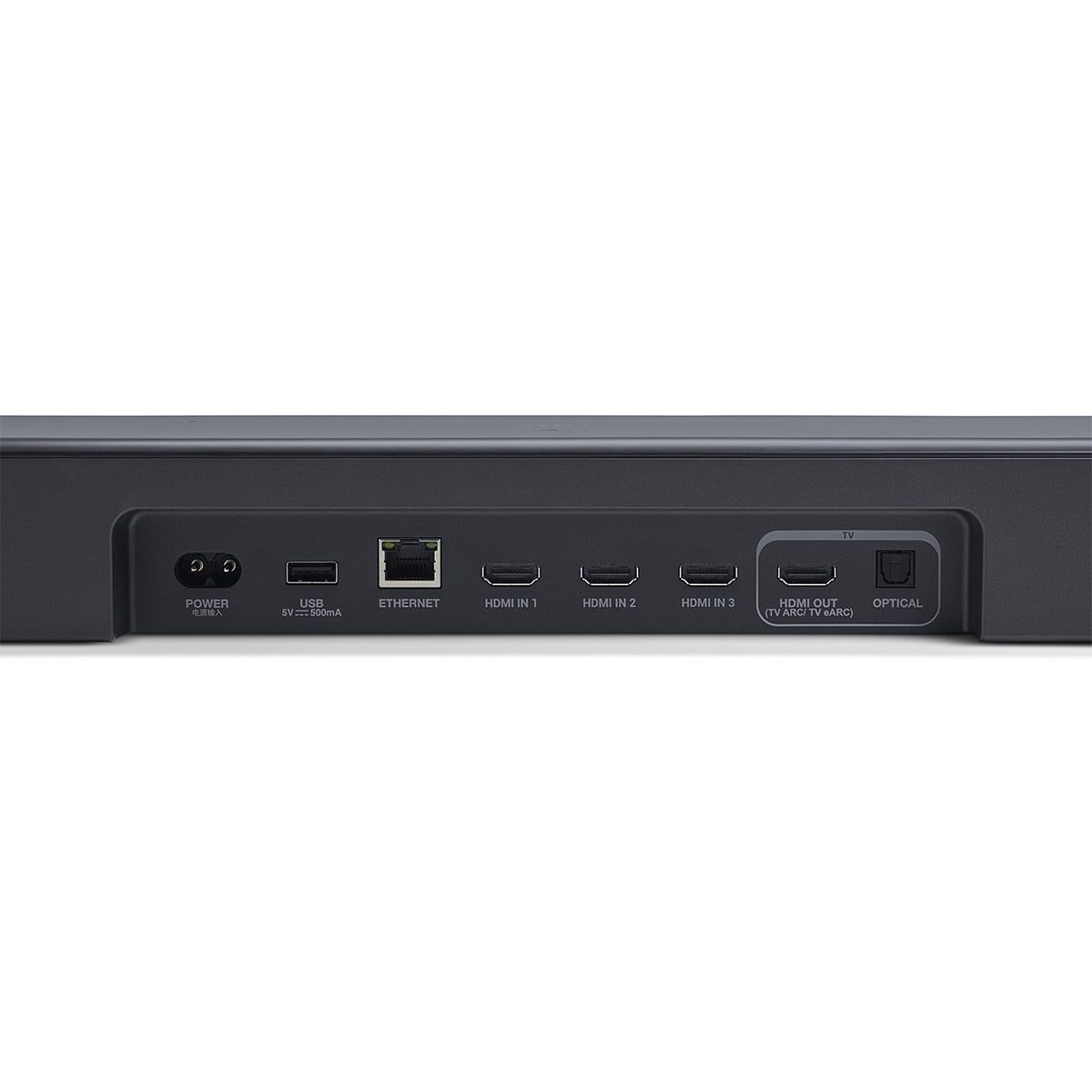
Both soundbars support the major lossless audio formats, but the JBL includes three HDMI inputs plus eARC, making it more versatile for connecting multiple devices directly. The Sonos Arc connects via a single HDMI eARC port, assuming your TV will handle input switching.
This is where the comparison gets interesting from a value perspective. The JBL Bar 1000 MK2 at $1,199.95 includes everything needed for a complete 7.1.4 surround sound system. You get the main soundbar, detachable rear speakers, and wireless subwoofer in one purchase.
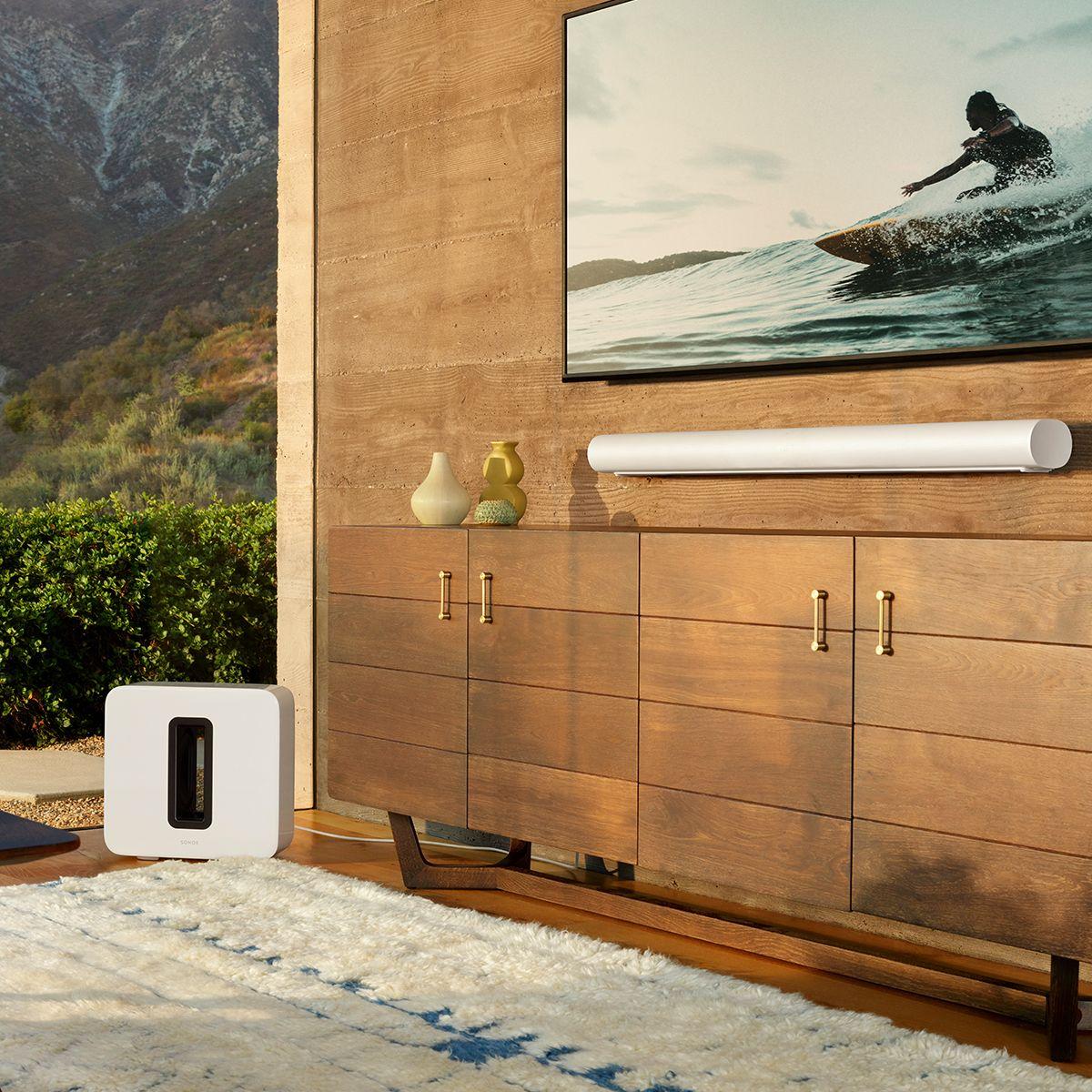
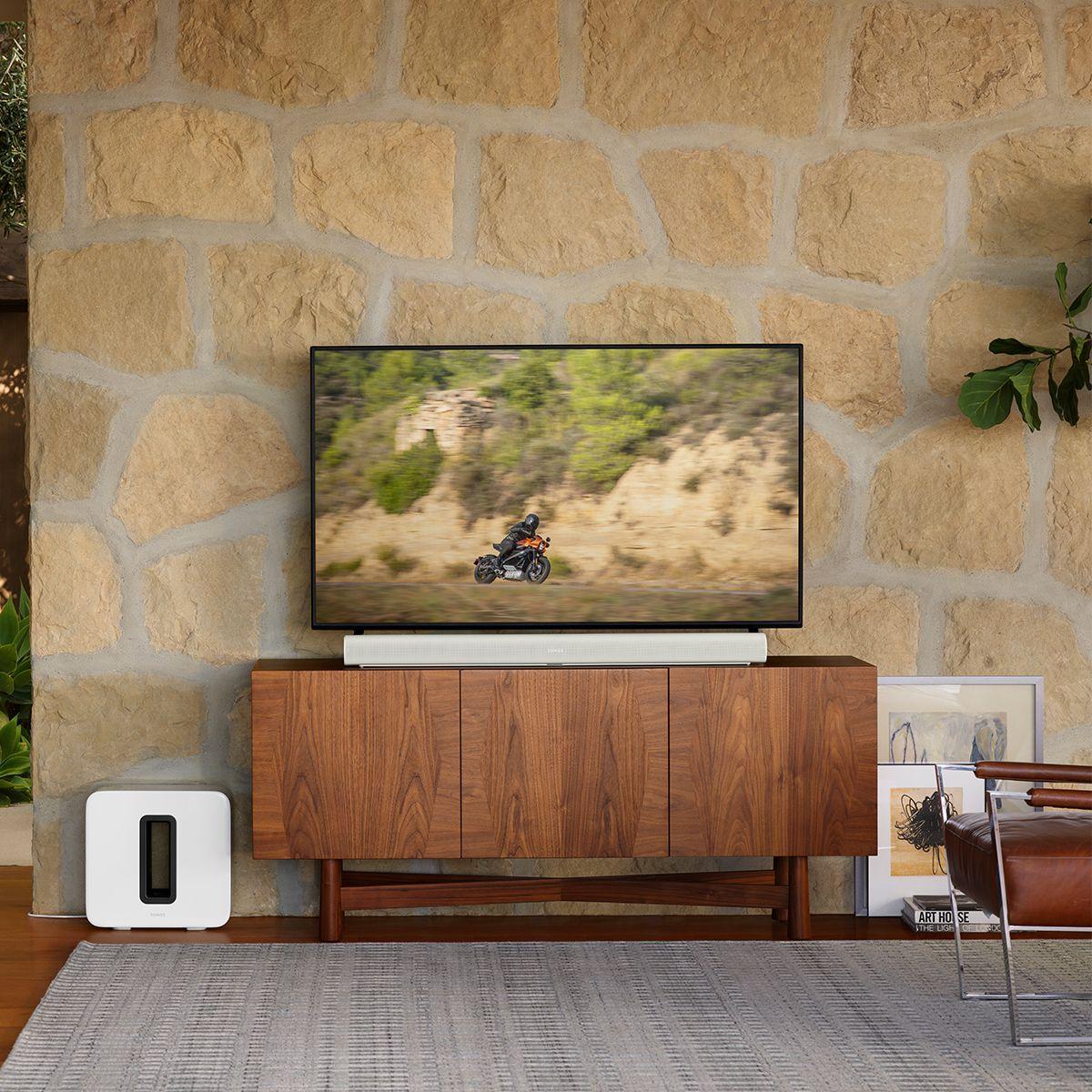
To achieve similar capabilities with the Sonos Arc, you need to add the Sonos Sub ($799) and a pair of Sonos One SL speakers for rear channels ($179 each). This brings the total to $1,756 for a comparable surround setup—nearly $600 more than the JBL system.
However, the Sonos ecosystem offers something the JBL doesn't: seamless multi-room audio. If you're building a whole-home audio system, the Arc integrates perfectly with other Sonos speakers throughout your house. You can start music in the living room and have it follow you to the kitchen, bedroom, or anywhere else you have Sonos speakers.
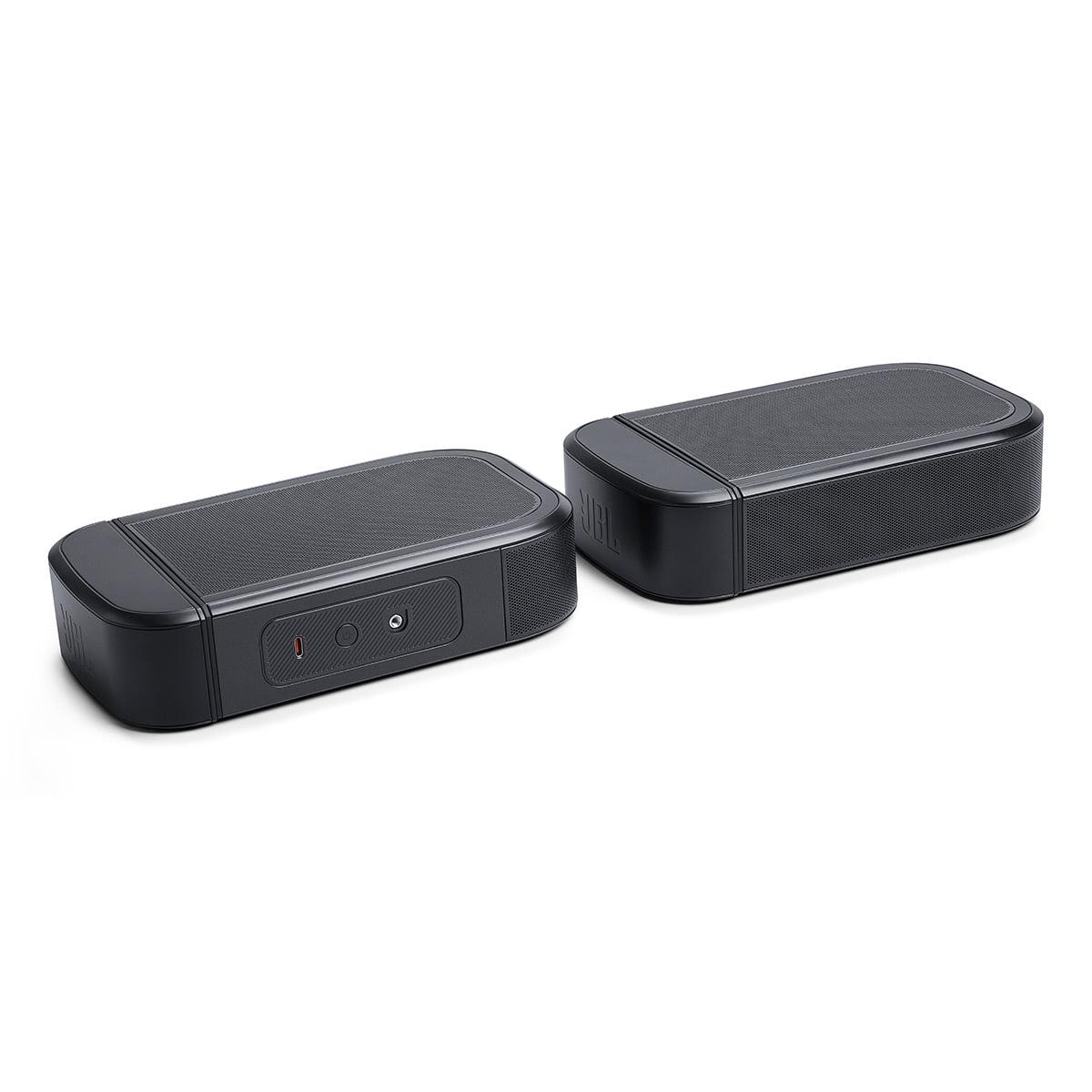
The JBL's detachable speakers offer genuine flexibility. These aren't just removable for cleaning—they're fully functional wireless speakers with 10-hour battery life. You can take them to other rooms, use them for outdoor gatherings, or position them anywhere in your home theater for optimal surround effects. When reattached to the main soundbar, they automatically recharge.
The Night Listening mode is particularly clever. It mutes the main soundbar and subwoofer entirely, playing audio only through the detachable front speakers. This creates a personal listening experience that won't disturb others in the house—perfect for late-night movie sessions or early morning viewing.
The Sonos Arc counters with Trueplay room correction, available through iOS devices. This feature plays test tones and uses your iPhone's microphone to measure your room's acoustics, then adjusts the soundbar's output accordingly. It's like having a professional audio engineer tune your system for your specific space.
I've tested both systems in different room configurations, and the JBL Bar 1000 MK2 really shines in medium to large spaces where the subwoofer has room to breathe and the detachable speakers can be properly positioned behind the seating area. The system is somewhat forgiving of room acoustics because you're getting real surround sound from physical speaker placement rather than relying entirely on room reflections.
The Sonos Arc excels in smaller to medium rooms with good acoustics. It's particularly impressive in spaces with 8-9 foot ceilings where the up-firing drivers can effectively bounce sound off the ceiling. In rooms with vaulted or very high ceilings, the height effects become less convincing because the sound has too far to travel and too much space to dissipate.
For movie watching, the JBL system delivers a more traditionally cinematic experience. The dedicated subwoofer provides the foundation for proper home theater sound, while the physical rear speakers create convincing surround effects. Action movies, in particular, benefit from the system's ability to deliver impactful bass and directional effects.
The Sonos Arc excels with dialogue-heavy content like dramas and comedies. Its Speech Enhancement feature dynamically adjusts voice frequencies based on surrounding audio, making dialogue clearer during complex soundtracks. This is particularly valuable if you frequently watch content with heavy accents or mumbled dialogue.
For music listening, both systems perform well but with different characteristics. The JBL system's fuller frequency response makes it better for genres that benefit from strong bass presence—electronic music, hip-hop, and rock. The Sonos Arc's more refined processing makes it excellent for acoustic music, jazz, and classical where instrument separation and tonal accuracy matter most.
Choose the JBL Bar 1000 MK2 if you want the most complete home theater experience right out of the box. It's ideal for dedicated movie watching spaces where you can properly position all the components and don't mind a more complex setup. The system particularly excels if you:
The Night Listening feature alone makes this system worth considering for households where different family members watch TV at different times. Being able to enjoy full surround sound through personal speakers without disturbing others is genuinely useful.
The Sonos Arc serves users who prioritize smart features and ecosystem integration over raw audio power. It's perfect if you:
The Arc is also the better choice if you value refined audio processing over maximum impact. Its dialogue enhancement and room correction features make it excellent for users who prioritize clarity and precision over power and presence.
After extensive testing, the JBL Bar 1000 MK2 delivers superior value for users focused on home theater performance. You get a complete, high-performance surround sound system for significantly less than building an equivalent Sonos setup. The inclusion of a proper subwoofer and true rear speakers creates a more convincing cinematic experience, especially for the action and adventure content that really benefits from immersive audio.
The Sonos Arc serves a different audience—one that values smart features, ecosystem integration, and refined processing over raw performance. While achieving comparable surround sound requires additional investment, the Arc's strengths in voice control, multi-room audio, and sophisticated processing make it worth considering for users who prioritize these features.
Ultimately, both soundbars excel in their intended roles. The JBL delivers traditional home theater excitement with modern convenience, while the Sonos offers a glimpse of what the future of connected audio looks like. Your choice should depend on whether you want the complete experience now or prefer to build a smarter, more connected audio ecosystem over time.
| JBL Bar 1000 MK2 Soundbar System | Sonos Arc Wireless Sound Bar with Dolby Atmos, Apple AirPlay 2, and Built-in Voice Assistant |
|---|---|
| Price - Total cost for complete surround system | |
| $1,199.95 (includes everything) | $599 soundbar + $799 Sub + $358 rear speakers = $1,756 total |
| Channel Configuration - Determines surround sound authenticity | |
| 7.1.4 channels with physical rear speakers | 5.0.2 channels (simulated surround from single bar) |
| Subwoofer - Essential for impactful bass and dialogue clarity | |
| Included 10" wireless subwoofer (300W) | Sold separately for $799 (10" wireless) |
| Rear Speakers - Creates true surround vs simulated effects | |
| Detachable battery-powered speakers included | Requires separate Sonos One SL speakers ($179 each) |
| Total System Power - Affects maximum volume and dynamic range | |
| 960W total system power | ~800W soundbar only (additional with Sub/rears) |
| Voice Control - Smart home integration and hands-free operation | |
| None (app and remote control only) | Built-in Alexa, Google Assistant, Sonos Voice Control |
| Connectivity Options - Flexibility for different devices and sources | |
| HDMI eARC, 3x HDMI inputs, Bluetooth 5.3, Wi-Fi, AirPlay 2 | HDMI eARC only, Wi-Fi, AirPlay 2 (no Bluetooth) |
| Multi-Room Audio - Whole-home audio system expansion | |
| Limited multi-room capabilities | Full Sonos ecosystem integration with seamless multi-room |
| Unique Features - Standout capabilities that differentiate each model | |
| Night Listening mode, detachable portable speakers, 10-hour battery life | Trueplay room correction, Speech Enhancement, smart speaker functionality |
| Room Size Optimization - Best performance based on space | |
| Medium to large rooms (subwoofer needs space) | Small to medium rooms (relies on ceiling reflections) |
| Setup Complexity - Time and effort required for optimal performance | |
| Multiple components to position and configure | Single soundbar with app-based room tuning |
The JBL Bar 1000 MK2 ($1,199.95) is better for dedicated home theater use because it includes a complete 7.1.4 surround system with physical rear speakers and a 10" subwoofer. The Sonos Arc ($599) offers excellent sound quality but requires additional purchases (totaling $1,756) to match the JBL's surround sound capabilities.
The JBL Bar 1000 MK2 costs $1,199.95 for everything included. To get comparable surround sound from the Sonos Arc, you need the soundbar ($599), Sub ($799), and rear speakers ($358), totaling $1,756 - making the JBL system $556 less expensive for complete surround sound.
Yes, both the JBL Bar 1000 MK2 and Sonos Arc support Dolby Atmos. The JBL uses four up-firing drivers (two in the soundbar, one in each rear speaker) while the Sonos Arc uses two up-firing drivers with advanced processing to create height effects.
The JBL Bar 1000 MK2 has significantly better bass because it includes a 10" wireless subwoofer. The Sonos Arc relies on built-in woofers and requires purchasing the separate Sonos Sub ($799) for comparable bass performance.
Only the Sonos Arc has built-in voice control with Alexa, Google Assistant, and Sonos Voice Control. The JBL Bar 1000 MK2 doesn't include voice assistants and is controlled through the JBL One app or your TV remote.
The Sonos Arc is better suited for smaller rooms because it's a single soundbar that relies on room reflections for surround effects. The JBL Bar 1000 MK2 performs best in medium to large rooms where the subwoofer and detachable rear speakers have adequate space.
Yes, both the JBL Bar 1000 MK2 and Sonos Arc work with all TV brands through HDMI eARC/ARC connections. The JBL also offers more connectivity options with three additional HDMI inputs and Bluetooth support.
The Sonos Arc is easier to set up because it's a single soundbar that connects with one HDMI cable. The JBL Bar 1000 MK2 requires positioning the wireless subwoofer and rear speakers around your room, making setup more complex but providing better surround sound.
The Sonos Arc offers better expansion options through the Sonos ecosystem, allowing you to add speakers throughout your home for multi-room audio. The JBL Bar 1000 MK2 has limited expansion options but includes everything needed for complete surround sound upfront.
The JBL Bar 1000 MK2 offers more connectivity with HDMI eARC, three HDMI inputs, Bluetooth 5.3, Wi-Fi, and AirPlay 2. The Sonos Arc is more limited with only HDMI eARC, Wi-Fi, and AirPlay 2, but prioritizes high-quality network streaming.
No, the rear speakers on the JBL Bar 1000 MK2 are battery-powered with up to 10 hours of playback time. They recharge when attached to the main soundbar and can be detached for flexible placement or portable use.
The JBL Bar 1000 MK2 offers better value for complete home theater setups, providing everything needed for 7.1.4 surround sound at $1,199.95. The Sonos Arc costs significantly more ($1,756) for comparable surround capabilities but offers superior smart features and multi-room integration for users who prioritize those features.
We've done our best to create useful and informative comparisons to help you decide what product to buy. Our research uses advanced automated methods to create this comparison and perfection is not possible - please contact us for corrections or questions. These are the sites we've researched in the creation of this article: ecoustics.com - engadget.com - bestbuy.com - techradar.com - rtings.com - hometechnologyreview.com - youtube.com - t3.com - whathifi.com - youtube.com - bhphotovideo.com - gzhls.at - device.report - support.jbl.com - support.jbl.com - jbl.com - av.com - audioadvice.com - jbl.com - target.com - worldwidestereo.com - whathifi.com - soundandvision.com - en.community.sonos.com - cnet.com - worldwidestereo.com - abt.com - creativeaudio.net - target.com - sonos.com - worldwidestereo.com - businessinsider.com - en.community.sonos.com - youtube.com

Privacy Policy
Terms and Conditions - Affiliate Policy
Home Security
© Copyright 2008-2026.
11816 Inwood Rd #1211, Dallas, TX 75244