


The world of home audio has transformed dramatically over the past few years. Where once you needed a full surround sound system with speakers mounted all around your room, today's premium soundbars promise to deliver that same immersive experience from a much simpler setup. But not all soundbars are created equal, especially when you're looking at the premium end of the market.
Today we're comparing two very different approaches to premium audio: the JBL Bar 1000 MK2 at $1,200 and the Sony HT-A5000 at $600. While both aim to deliver that coveted "theater at home" experience, they take fundamentally different paths to get there. Understanding these differences will help you choose the right system for your space, budget, and listening preferences.
Before diving into these specific models, let's talk about what you're actually paying for in a premium soundbar system. The jump from a basic $200 soundbar to these higher-end options isn't just about getting louder sound – it's about creating a three-dimensional audio experience that surrounds you.
The key technology here is Dolby Atmos, which adds height channels to traditional surround sound. Instead of just hearing sounds from your left, right, and behind you, Atmos lets you hear helicopters flying overhead or rain falling from above. This is achieved through "up-firing drivers" – speakers that point toward the ceiling to bounce sound down at you, creating the illusion of overhead speakers.
Premium soundbars also focus heavily on "soundstage width" – making it seem like sound is coming from a much wider area than just the soundbar itself. They achieve this through sophisticated processing and sometimes additional speakers.
Both of our contenders support these advanced audio formats, but they implement them in very different ways. The JBL takes a "give you everything at once" approach, while Sony starts simpler but offers room to grow.
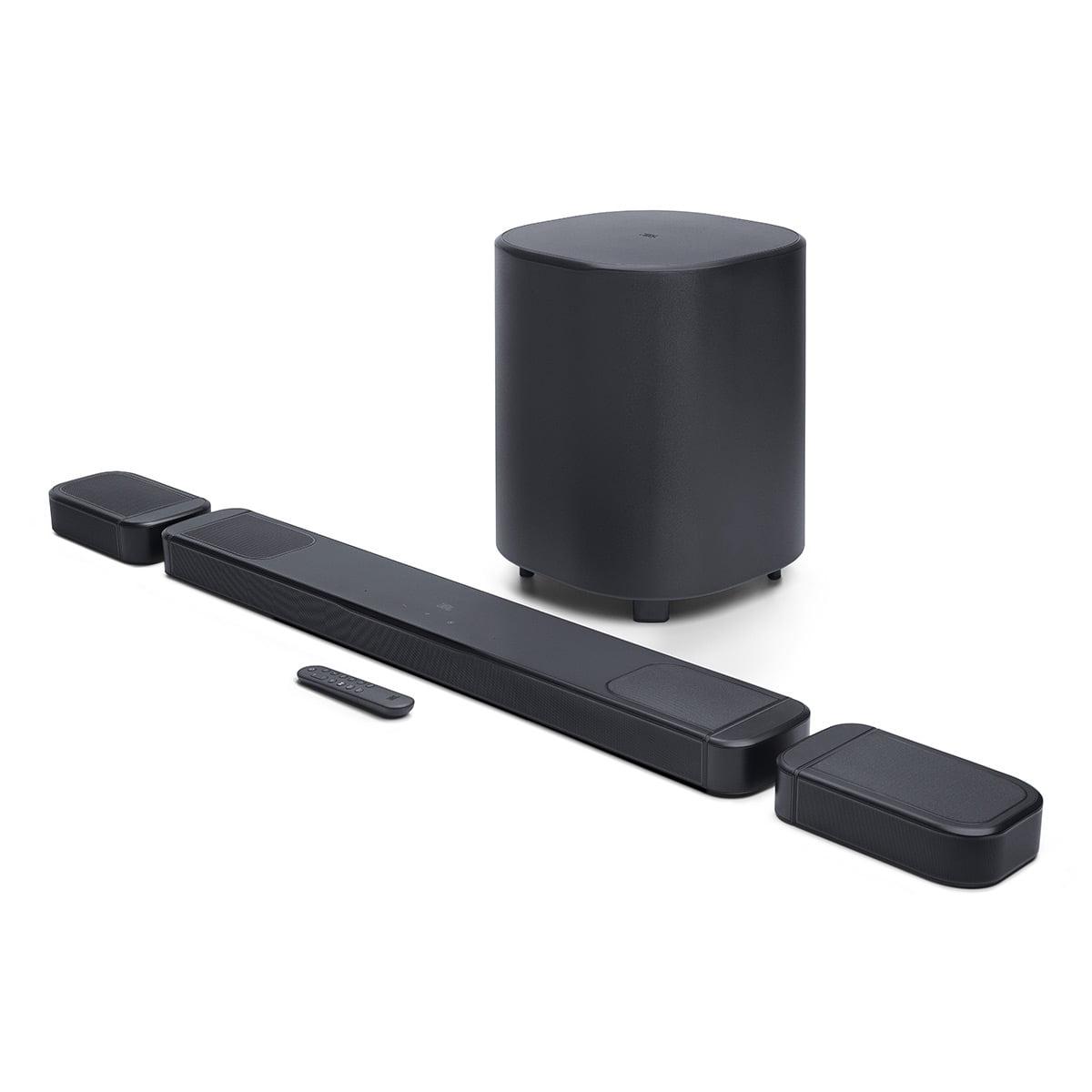
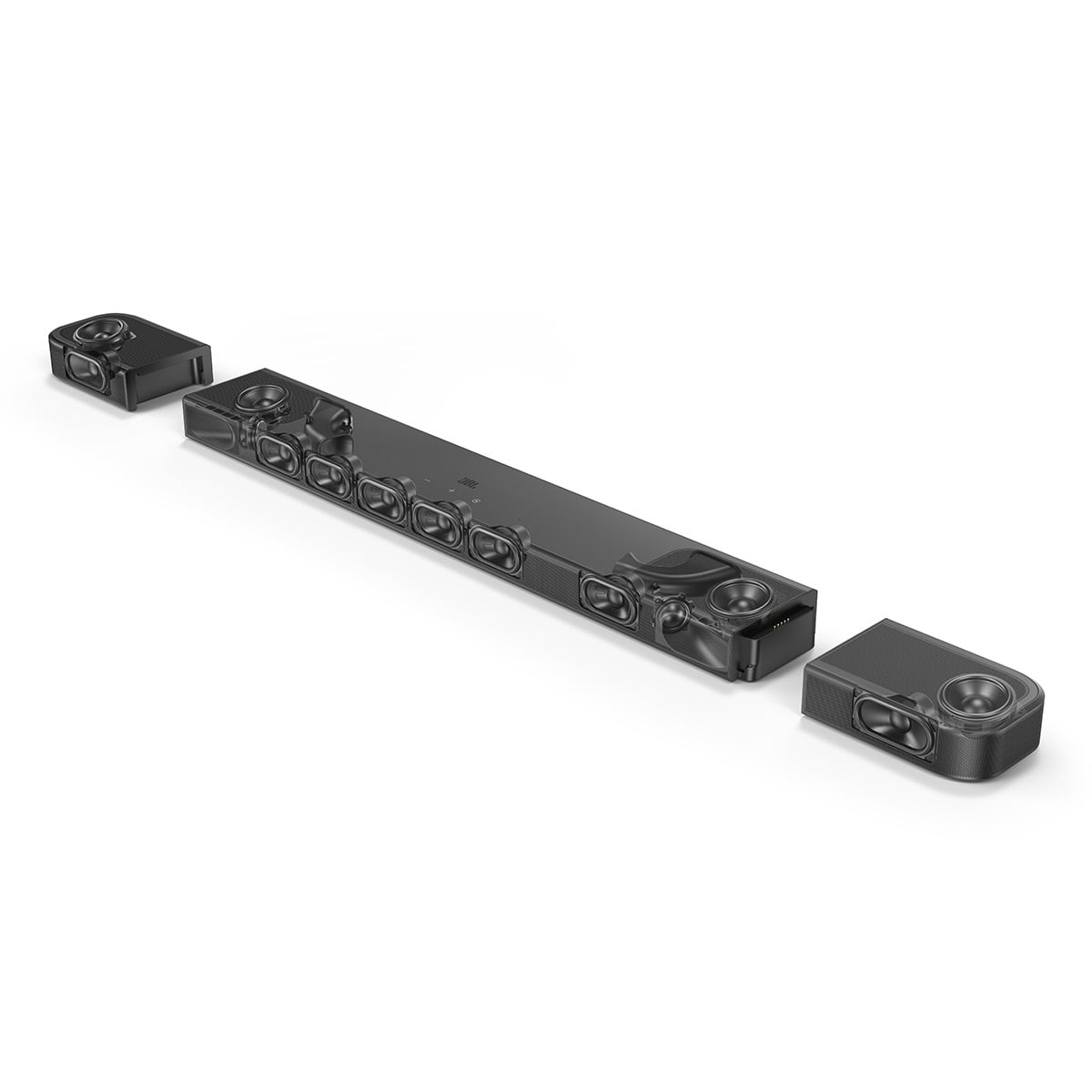
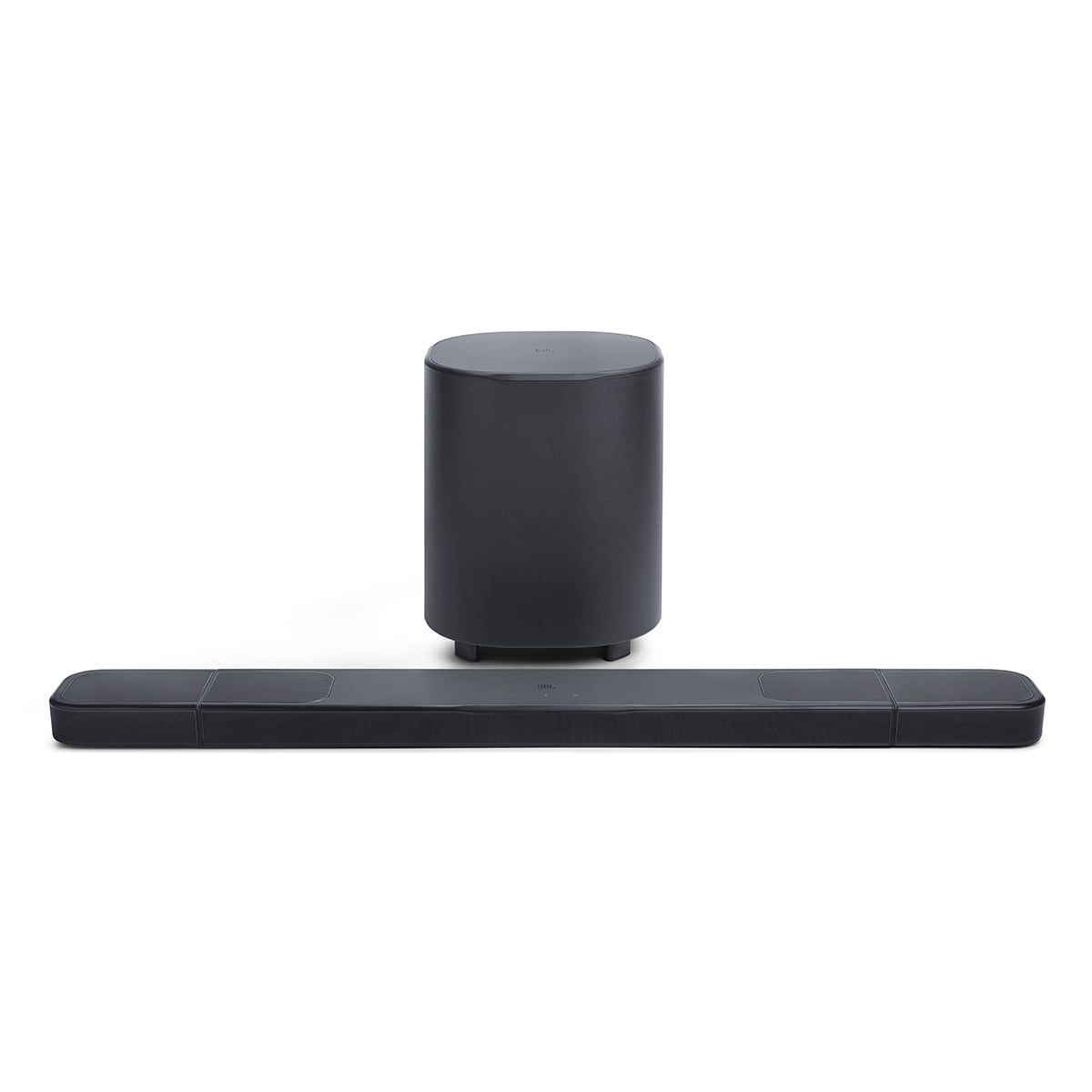
The JBL Bar 1000 MK2, released in early 2024, represents JBL's "no compromises" approach to home theater audio. When you unbox this system, you're getting everything needed for a true 7.1.4 surround setup: the main soundbar, two detachable wireless rear speakers, and a hefty 10-inch wireless subwoofer.
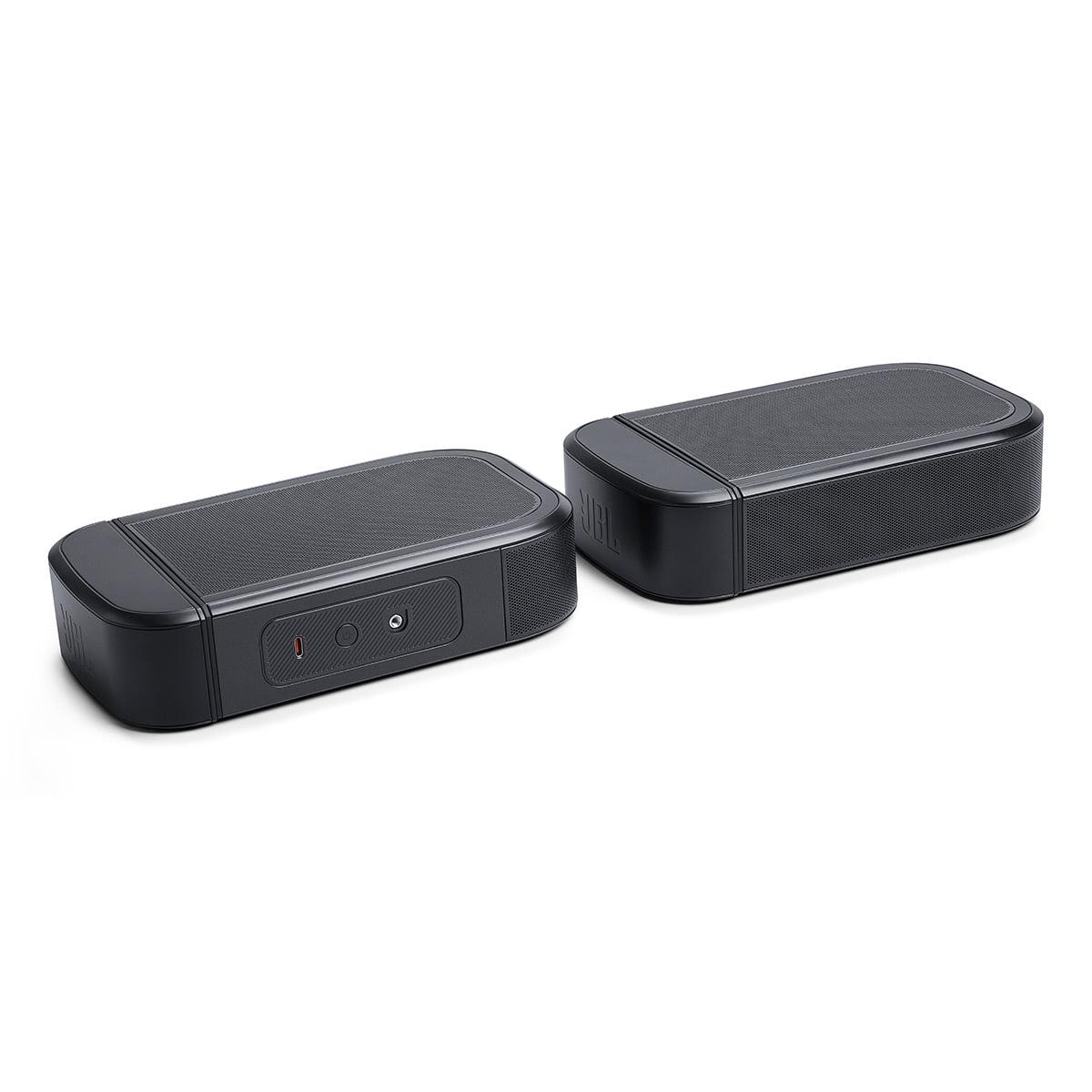
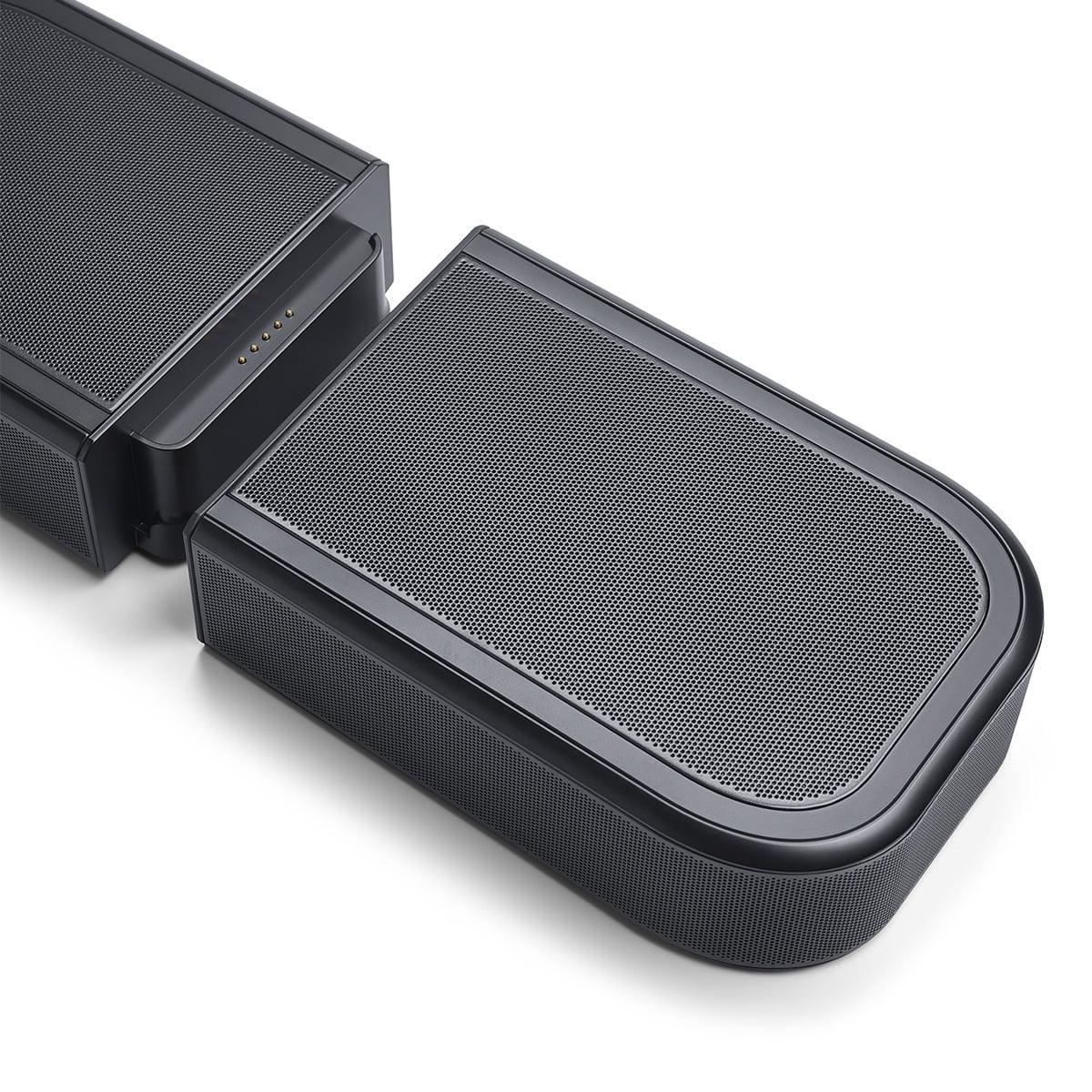
The really clever part is those detachable rear speakers. They normally sit at the ends of the main soundbar, charging wirelessly. When you want the full surround experience, you simply lift them off and place them behind your seating area. Each speaker has a 10-hour battery life, so you're not tied to power outlets. When movie night is over, you can even take one to the kitchen as a Bluetooth speaker while you clean up.
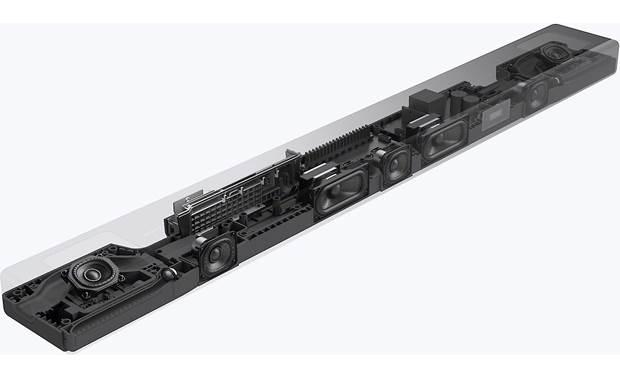
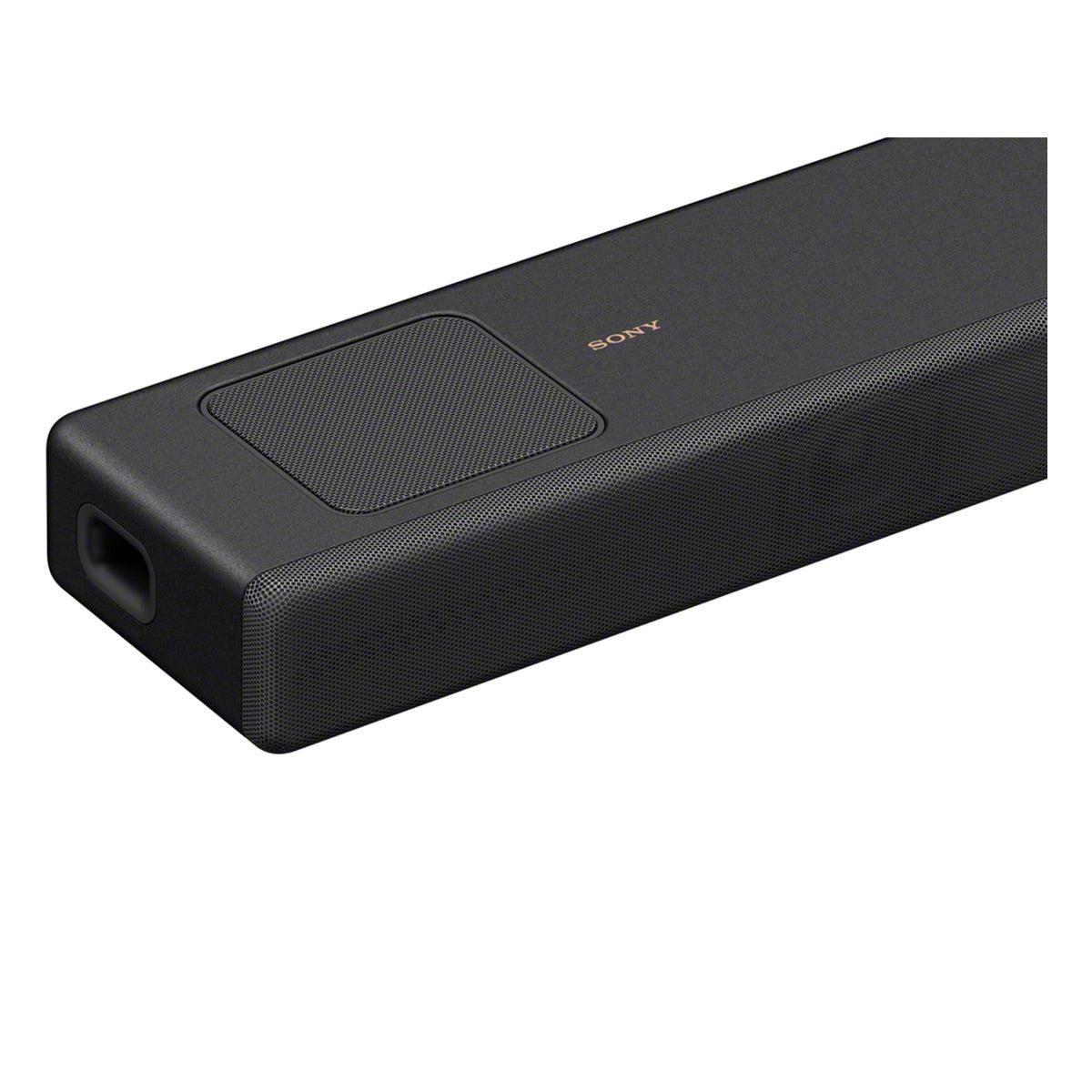
This system includes four up-firing drivers total – two in the main bar and one in each rear speaker. That's double what most soundbars offer, creating a much more convincing overhead soundfield. The 960W total power output is distributed across all these components, giving you genuine room-filling audio.
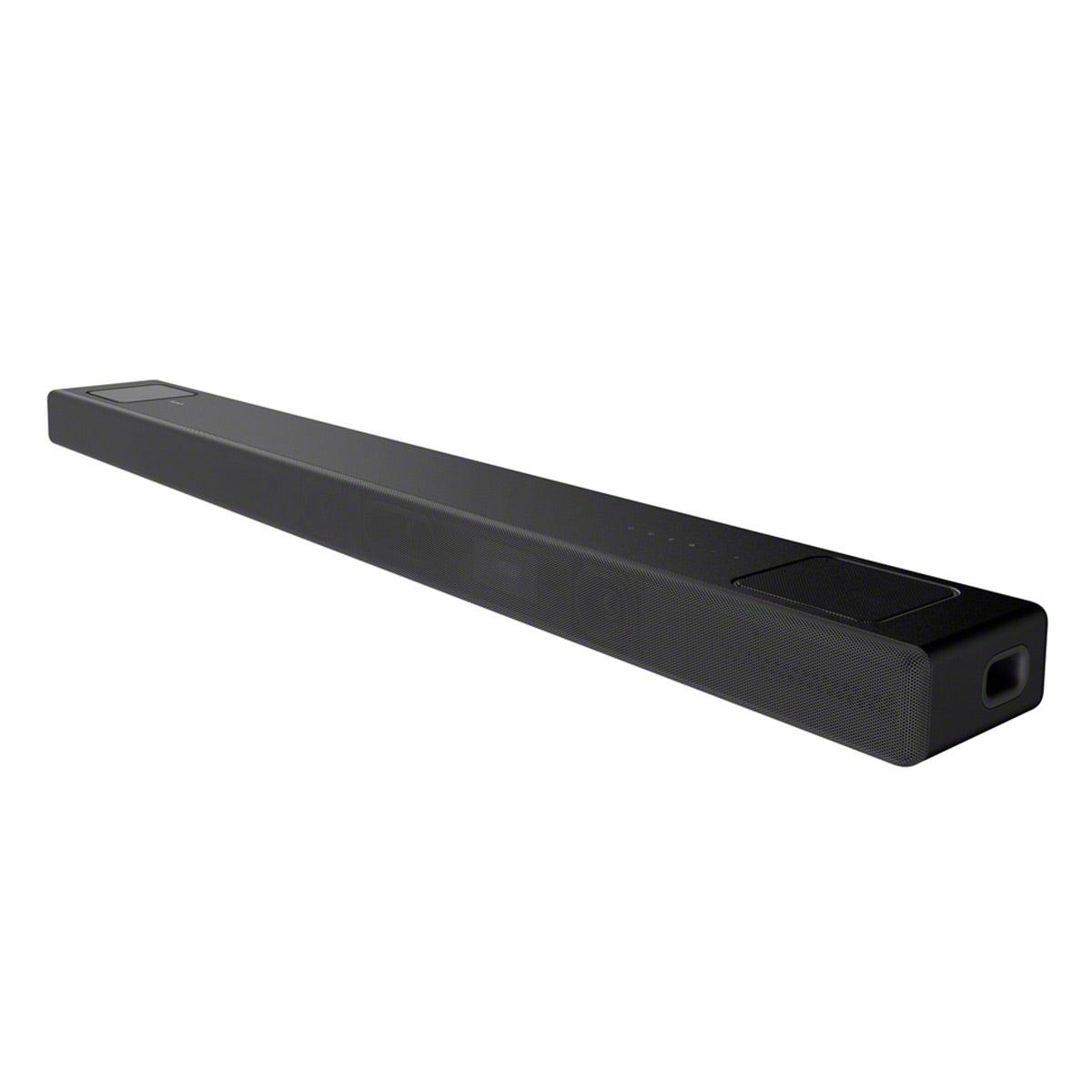
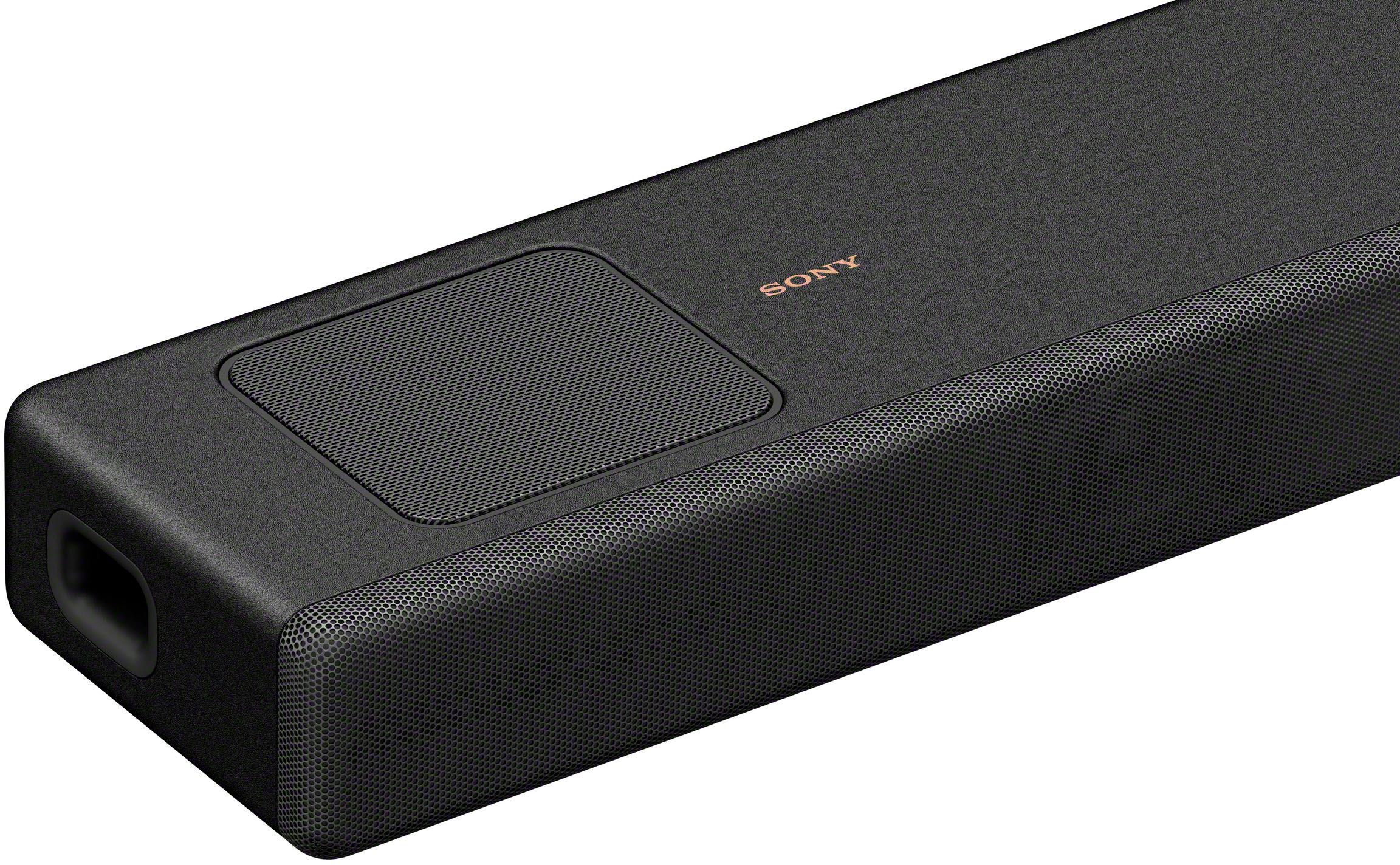
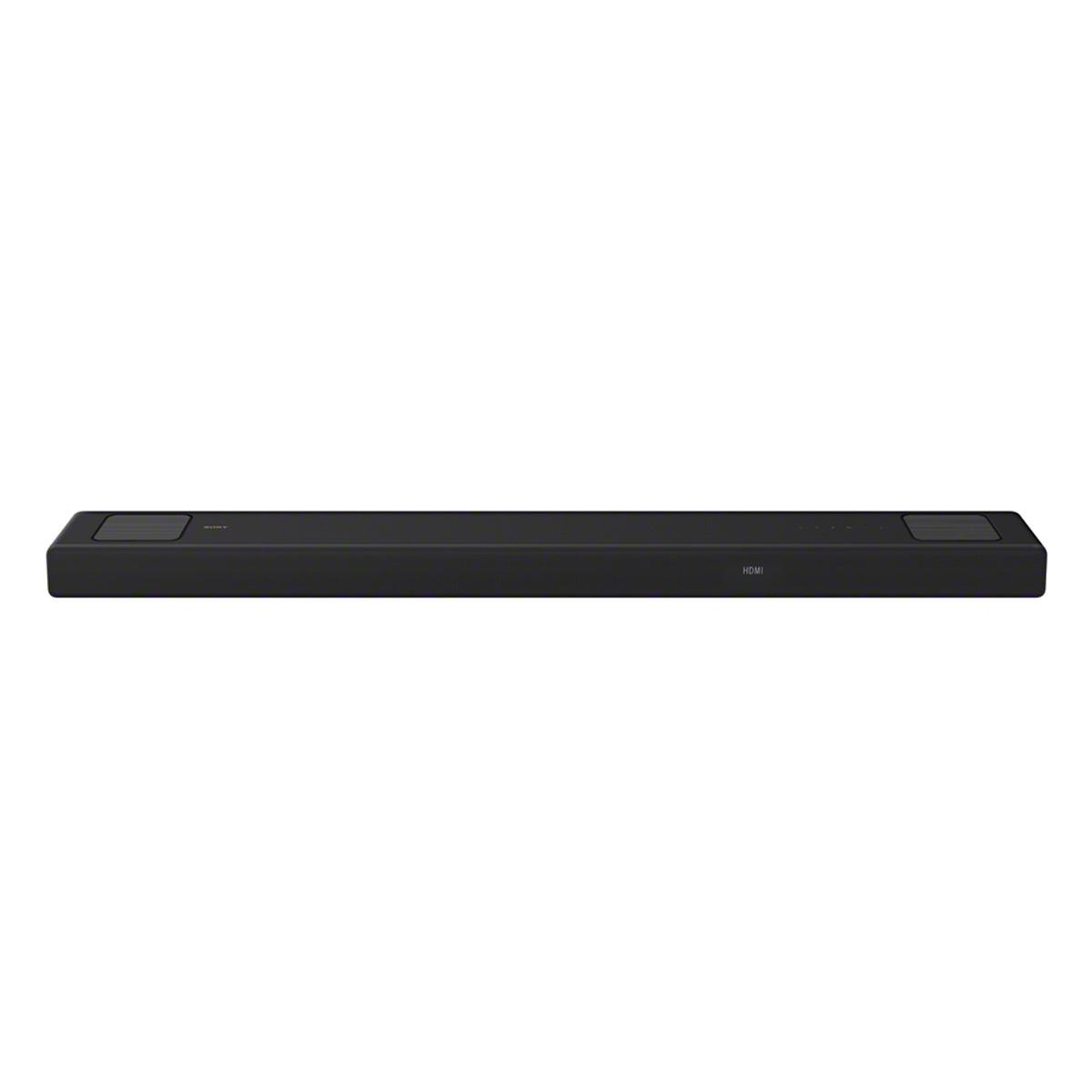
Sony took a different route with the HT-A5000, launched in 2021. Rather than including physical rear speakers, Sony focused on making the single soundbar as intelligent as possible. The system uses advanced beam-forming technology called "S-Force PRO Front Surround" to bounce sound off your walls, creating virtual surround speakers.
The HT-A5000 includes built-in dual subwoofers rather than a separate unit. While this saves space and reduces setup complexity, it also means less bass impact than a dedicated large subwoofer can provide. However, Sony's "Vertical Surround Engine" works with the two up-firing drivers to create surprisingly convincing height effects for a single-unit design.
What Sony loses in immediate completeness, it makes up for in intelligence. The soundbar includes built-in microphones that automatically calibrate the sound to your room through "Sound Field Optimization." It measures reflections and adjusts the audio accordingly – something the JBL requires you to do manually.
Having spent considerable time with both systems, the performance differences are significant and relate directly to their design philosophies.
The most obvious difference between these systems is bass output. The JBL Bar 1000 MK2's 10-inch wireless subwoofer delivers genuinely room-shaking low-end that extends down to around 30Hz. This isn't just about volume – it's about feeling the impact of explosions, the rumble of engines, and the weight of movie soundtracks.
In contrast, the Sony's built-in subwoofers handle bass duties competently but can't match the physics of a larger, dedicated driver. The dual built-in subs work well for dialogue clarity and maintaining a balanced sound, but they simply don't move enough air to create that visceral impact that makes action movies exciting.
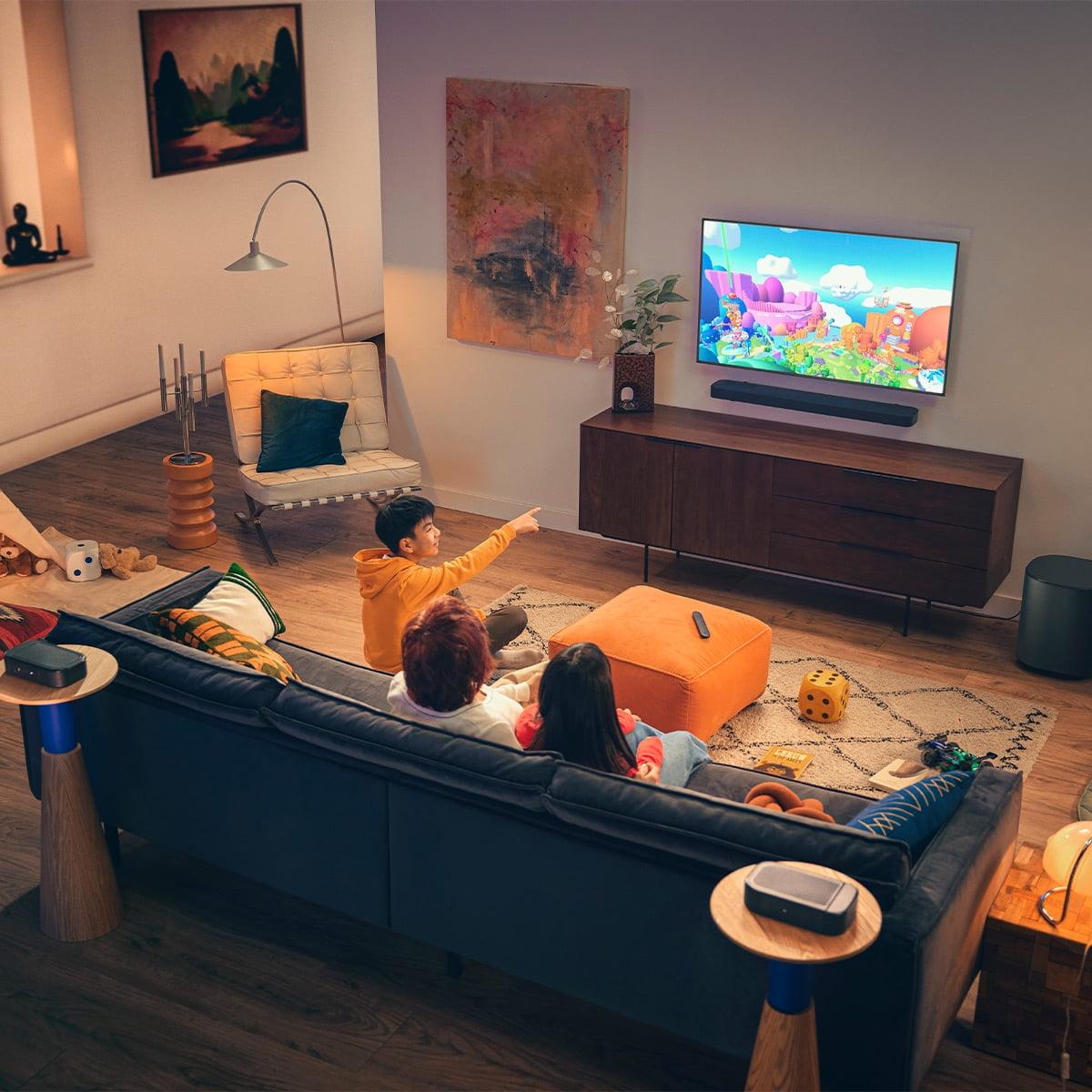
This difference is most apparent in larger rooms. In my 16x20 foot home theater, the JBL's subwoofer fills the space with authoritative bass, while the Sony feels somewhat restrained. However, in a smaller living room or apartment, the Sony's more controlled bass response might actually be preferable – and certainly more neighbor-friendly.
Here's where the fundamental design differences really show. The JBL's physical rear speakers create genuine surround effects that virtual processing simply cannot match. When a car chase scene has vehicles moving from front to back, you hear them actually move behind you with the JBL system. The directional accuracy is impressive and adds genuine immersion to movies and games.
The Sony relies on reflected sound to create its surround field, which works remarkably well but has limitations. The effectiveness depends heavily on your room's acoustics – hard surfaces that reflect sound well will give better results than a room full of soft furniture that absorbs reflections. In the right room, Sony's virtual surround can be convincing, but it's not as consistent or precise as physical rear speakers.
That said, the Sony has some tricks up its sleeve. Its "360 Spatial Sound Mapping" adapts to your room in real-time, and the processing is sophisticated enough that many listeners find it satisfying for daily TV and music listening. It's when you really want to be transported into a movie that the physical speakers make the bigger difference.
Both systems handle Dolby Atmos content well, but the JBL's four up-firing drivers create a more expansive overhead soundfield than the Sony's two drivers. The difference is subtle with some content but becomes apparent with Atmos demos designed to showcase height effects.
In my testing, helicopter flyovers and rainfall scenes had more convincing directionality with the JBL system. However, the Sony's height effects are still quite good for a single-bar solution, and Sony's processing does an admirable job of creating the illusion of height from just two drivers.
Interestingly, the Sony HT-A5000 often delivers clearer dialogue than the JBL, despite having less total power. Sony's center channel processing and overall tuning prioritizes vocal clarity, making it excellent for TV shows and dialogue-heavy movies.
The JBL can sometimes struggle with dialogue balance when bass-heavy content is playing, requiring you to use its "PureVoice" feature to bring voices forward. This isn't a dealbreaker, but it's worth noting if clear dialogue is your top priority.
The day-to-day experience with these soundbars differs significantly, and this is where personal preference really comes into play.
Setting up the JBL Bar 1000 MK2 is definitely more involved. You'll need to position the wireless subwoofer (I recommend a corner for maximum bass impact), place the rear speakers when you want surround sound, and manage the charging cycle for those speakers.
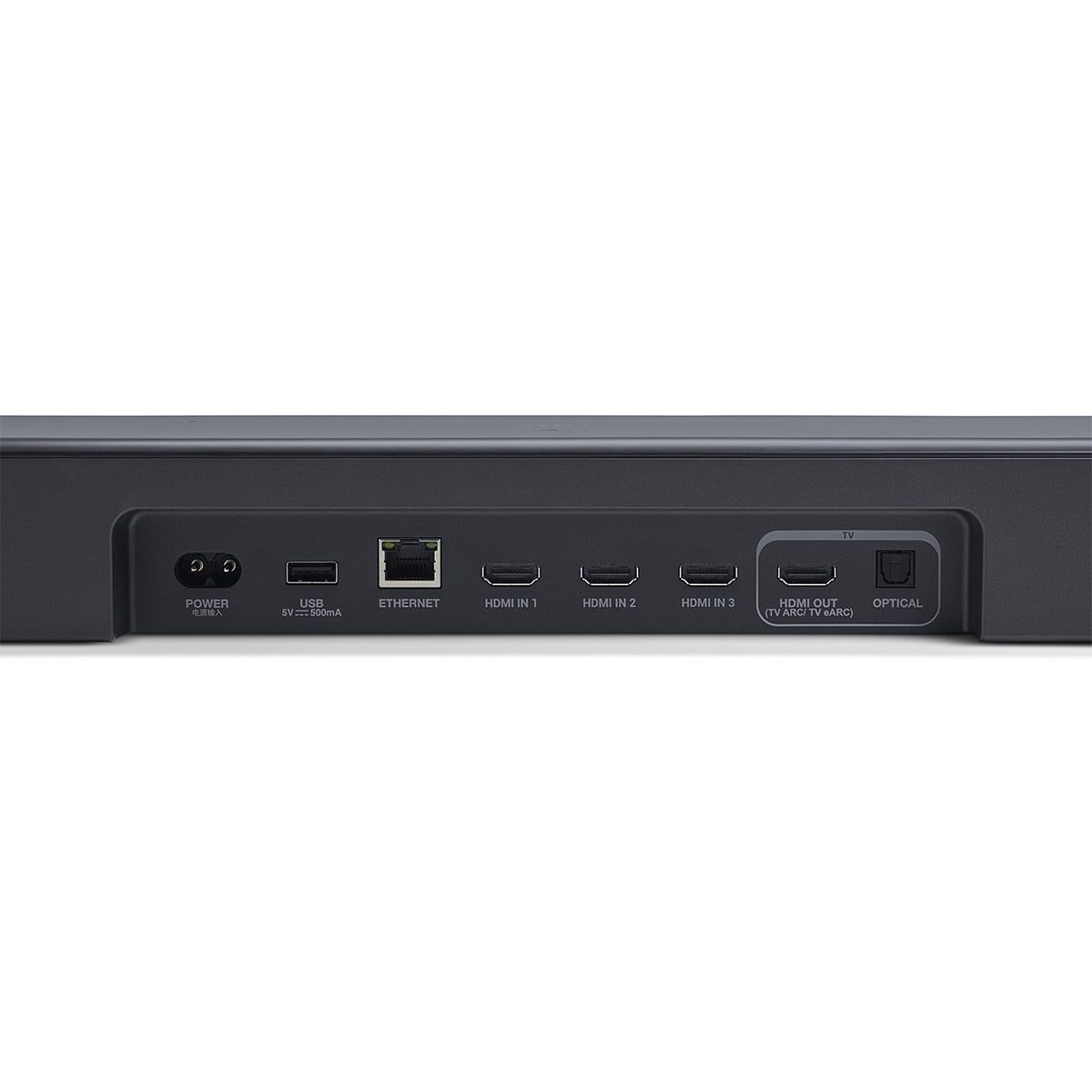
The multiple HDMI inputs (three plus the eARC output) make this system particularly appealing for gamers or anyone with multiple source devices. You can connect your gaming console, Apple TV, and Blu-ray player directly to the soundbar without having to route everything through your TV.
However, the lack of built-in Wi-Fi means you're limited to Bluetooth for wireless audio. This isn't a huge limitation for many users, but it does mean missing out on higher-quality streaming protocols like AirPlay 2 or Chromecast built-in.
Battery management for the rear speakers becomes part of your routine. Ten hours of battery life is generous, but you do need to remember to dock them after use. In practice, this becomes second nature, but it's one more thing to think about.
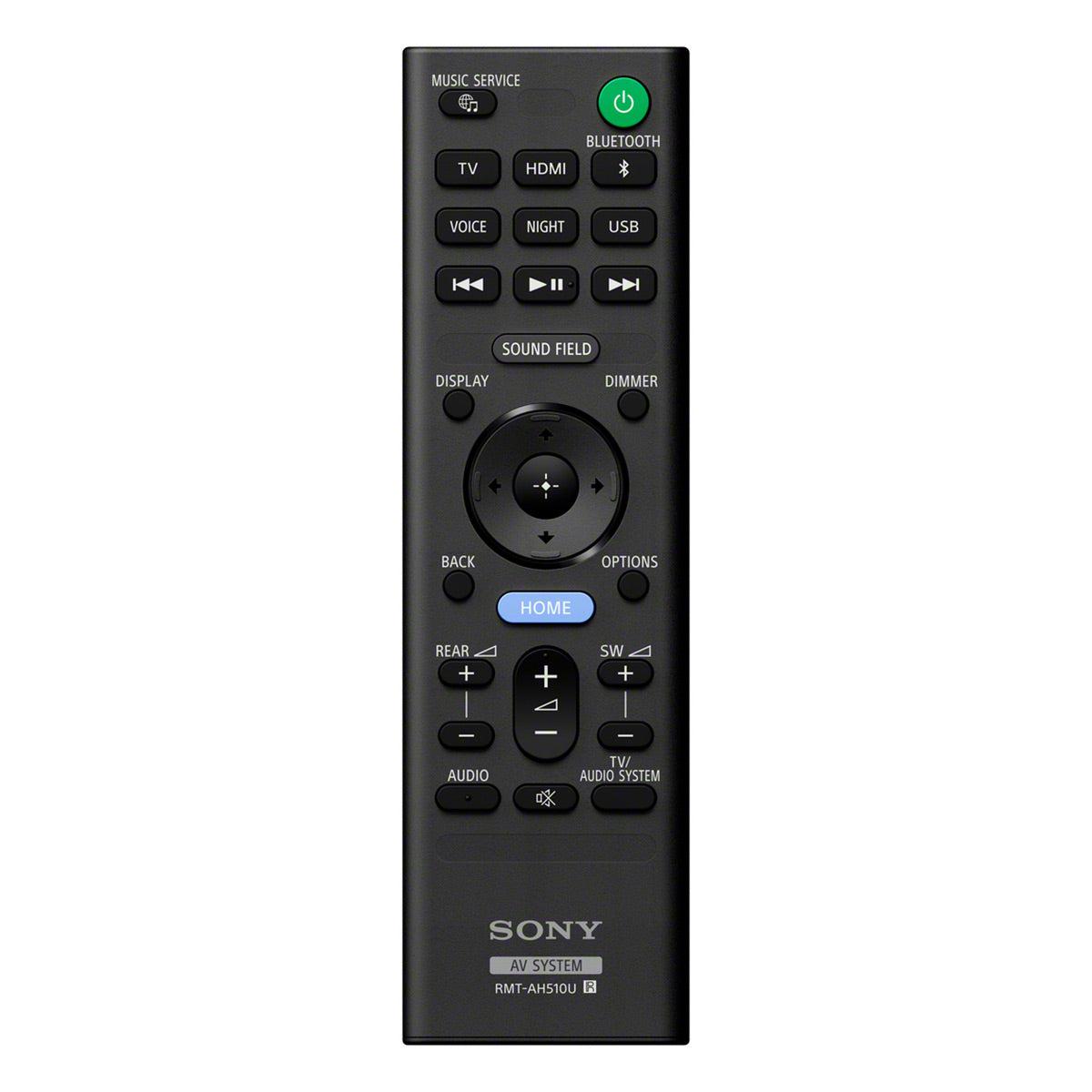
The Sony setup is refreshingly straightforward. Connect one HDMI cable to your TV, plug in power, and run the automatic calibration. The built-in microphones measure your room and optimize the sound accordingly – a process that takes just a few minutes.
The Wi-Fi connectivity opens up excellent streaming options. AirPlay 2, Chromecast built-in, and Spotify Connect all work seamlessly. The integration with voice assistants is also solid, letting you control volume and source selection with voice commands.
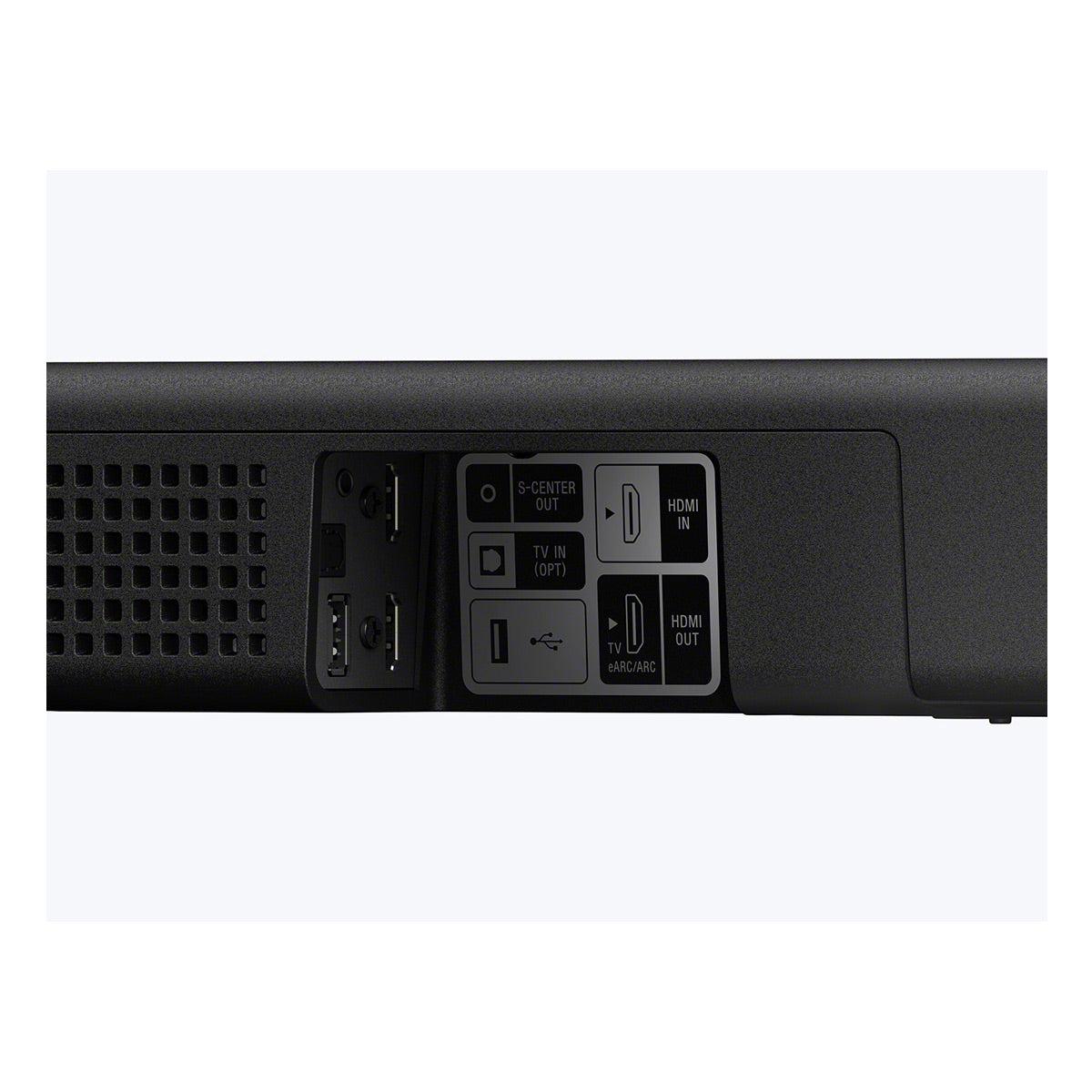
The single HDMI input can be limiting if you have multiple devices, but most modern TVs handle this well by passing audio back through eARC (Enhanced Audio Return Channel). This setup actually results in fewer cables and a cleaner look.
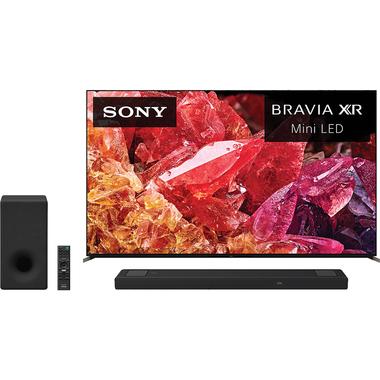
One crucial consideration is expandability. The Sony HT-A5000 is designed to grow with your needs and budget. Sony offers the SA-RS3S or SA-RS5 wireless rear speakers (around $400) and the SA-SW5 wireless subwoofer (around $700).
Adding these components transforms the Sony from a 5.1.2 system into something that can compete directly with the JBL's full setup. However, the total cost of a fully expanded Sony system would be around $1,700 – significantly more than the JBL's $1,200 all-inclusive price.
The JBL, being a complete system from the start, doesn't offer the same upgrade flexibility. What you see is what you get, which can be either a pro or con depending on your perspective.
For gaming enthusiasts, the JBL Bar 1000 MK2 has some advantages. The multiple HDMI inputs support the latest gaming features, and the physical rear speakers can enhance spatial awareness in competitive games. The lower audio latency of the direct HDMI connections can also provide a slight edge in fast-paced games where audio cues matter.
The Sony works well for gaming too, especially when paired with a Sony TV for optimal compatibility. However, the single HDMI input means you'll likely route everything through your TV, which can sometimes introduce slight audio delays.
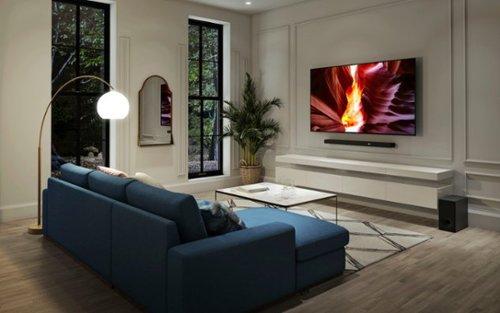
Your room size plays a huge role in which system will work better. In my experience, rooms smaller than 12x15 feet often favor the Sony's more controlled approach. The virtual surround works well in these spaces, and the built-in subwoofers provide adequate bass without overwhelming the room.
Larger spaces, particularly dedicated home theaters, really showcase the JBL Bar 1000 MK2's advantages. The physical subwoofer can pressurize a bigger room, and the rear speakers maintain their effectiveness over greater distances. The Sony's virtual surround becomes less convincing as room size increases and you sit further from the soundbar.
At $600, the Sony represents excellent value for a premium soundbar with advanced features. You're getting sophisticated processing, automatic calibration, excellent streaming capabilities, and good overall performance. For many users, especially those in apartments or smaller homes, it provides everything needed for a significant audio upgrade.
The JBL at $1,200 costs twice as much but includes components that would cost significantly more if purchased separately. A quality 10-inch wireless subwoofer alone typically runs $300-400, and wireless rear speakers add another $300-500. From a pure component value perspective, the JBL pricing is actually quite reasonable.
After extensive testing with both systems, here's how I'd break down the decision:
Choose the Sony HT-A5000 if you value simplicity, have space constraints, prioritize streaming features, or want to start with a solid foundation you can expand later. It's particularly appealing if you're in an apartment, have a smaller room, or are new to premium audio and want to test the waters without a huge initial investment.
Choose the JBL Bar 1000 MK2 if you want the most immersive surround experience possible, have a dedicated theater space, prioritize bass impact, or need multiple HDMI inputs. It's the better choice for serious movie watching, gaming, or larger rooms where virtual surround falls short.
Both systems represent significant upgrades over basic soundbars and will transform your home entertainment experience. The Sony offers a more accessible entry point into premium audio with room to grow, while the JBL delivers a complete, no-compromises theater experience from day one. Your choice ultimately comes down to your space, budget approach, and how much you value that last degree of audio immersion.
The good news? Either choice will have you wondering why you waited so long to upgrade your TV's built-in speakers. The difference really is night and day.
| JBL Bar 1000 MK2 | Sony HT-A5000 |
|---|---|
| Price - Significant cost difference reflects different approaches | |
| $1,199 (complete system) | $597 (single unit, expandable) |
| Channel Configuration - Physical vs virtual surround | |
| 7.1.4 with physical rear speakers included | 5.1.2 with virtual surround processing |
| Subwoofer - Major impact on bass performance | |
| 10" wireless subwoofer included (room-filling bass) | Dual built-in subwoofers (space-saving, less impact) |
| Total Power Output - Affects volume and dynamics | |
| 960W across all components | 450W from single unit |
| Height Channels - Critical for Dolby Atmos effectiveness | |
| 4 up-firing drivers (soundbar + rear speakers) | 2 up-firing drivers (soundbar only) |
| Rear Speakers - True vs simulated surround | |
| Detachable wireless speakers with 10hr battery | Virtual rear effects (optional SA-RS3S/RS5 sold separately) |
| HDMI Inputs - Connectivity for multiple devices | |
| 3 HDMI inputs + 1 eARC output (great for gaming) | 1 HDMI eARC only (requires TV pass-through) |
| Wireless Streaming - Smart features and convenience | |
| Bluetooth only | Wi-Fi with AirPlay 2, Chromecast, Spotify Connect |
| Room Calibration - Setup ease and optimization | |
| Manual setup and positioning | Automatic Sound Field Optimization with built-in mics |
| Expandability - Future upgrade potential | |
| Complete system (no official expansion options) | Modular: add SA-RS5 rears ($400) + SA-SW5 sub ($700) |
| Best Room Size - Where each system excels | |
| Large rooms 15+ feet (physical speakers maintain effectiveness) | Small to medium rooms up to 15 feet (virtual surround works well) |
| Primary Strength - What each does best | |
| Immersive surround with powerful bass impact | Dialogue clarity and streaming integration |
The Sony HT-A5000 at $597 offers better initial value, providing premium features like automatic room calibration and Wi-Fi streaming at half the price. However, the JBL Bar 1000 MK2 at $1,199 includes everything needed for true 7.1.4 surround sound, making it better value if you want a complete system without additional purchases.
The JBL Bar 1000 MK2 includes physical rear speakers and a 10-inch subwoofer for true surround sound, while the Sony HT-A5000 uses virtual surround technology from a single soundbar with built-in subwoofers. JBL provides immediate immersion, Sony offers simplicity with upgrade options.
The JBL Bar 1000 MK2 has significantly better bass with its dedicated 10-inch wireless subwoofer that can shake the room. The Sony HT-A5000 has dual built-in subwoofers that provide adequate bass for most content but can't match the depth and impact of JBL's larger dedicated subwoofer.
The JBL Bar 1000 MK2 is complete out of the box with rear speakers and subwoofer included. The Sony HT-A5000 works well alone but you can add optional SA-RS5 rear speakers ($400) and SA-SW5 subwoofer ($700) for a full surround experience, bringing the total cost to around $1,700.
The Sony HT-A5000 is better for small spaces due to its single-unit design, built-in subwoofers that won't overwhelm neighbors, and virtual surround that works well in compact rooms. The JBL Bar 1000 MK2 is designed for larger spaces where its physical components can be properly positioned.
The Sony HT-A5000 is much easier to set up with one HDMI cable and automatic room calibration. The JBL Bar 1000 MK2 requires positioning multiple components (soundbar, subwoofer, rear speakers), managing wireless connections, and manual calibration, making it more complex but offering more customization.
The JBL Bar 1000 MK2 is better for gaming with three HDMI inputs for connecting multiple consoles directly, lower audio latency, and physical rear speakers that enhance spatial awareness in games. The Sony HT-A5000 works well for gaming but has only one HDMI input, requiring devices to connect through your TV.
The Sony HT-A5000 has superior streaming with Wi-Fi connectivity supporting AirPlay 2, Chromecast built-in, and Spotify Connect. The JBL Bar 1000 MK2 only supports Bluetooth streaming, which limits audio quality and streaming service integration compared to Sony's Wi-Fi options.
The Sony HT-A5000 generally provides clearer dialogue with excellent center channel processing and consistent vocal reproduction. The JBL Bar 1000 MK2 has good dialogue clarity with PureVoice technology but can sometimes struggle with balance during bass-heavy scenes.
The JBL Bar 1000 MK2 delivers superior Dolby Atmos with four up-firing drivers creating more convincing overhead effects and a wider height soundstage. The Sony HT-A5000 provides good Atmos performance with two up-firing drivers and sophisticated processing, but can't match the physical advantage of JBL's additional height channels.
The JBL Bar 1000 MK2 is significantly better for large rooms over 15 feet, where its physical rear speakers maintain effectiveness and the powerful subwoofer can pressurize the space. The Sony HT-A5000 virtual surround becomes less convincing in larger spaces where you sit farther from the soundbar.
The Sony HT-A5000 has no battery requirements as it's a single powered unit. The JBL Bar 1000 MK2 detachable rear speakers have built-in batteries providing 10 hours of playback and automatically recharge when docked to the main soundbar, requiring occasional battery management but offering placement flexibility.
We've done our best to create useful and informative comparisons to help you decide what product to buy. Our research uses advanced automated methods to create this comparison and perfection is not possible - please contact us for corrections or questions. These are the sites we've researched in the creation of this article: ecoustics.com - engadget.com - bestbuy.com - techradar.com - rtings.com - hometechnologyreview.com - youtube.com - t3.com - whathifi.com - youtube.com - bhphotovideo.com - gzhls.at - device.report - support.jbl.com - support.jbl.com - jbl.com - av.com - audioadvice.com - jbl.com - target.com - worldwidestereo.com - whathifi.com - electronics.sony.com - costco.com - sony.com - expertreviews.co.uk - crutchfield.com - audioadvice.com - sony.com - sony.com - bestbuy.com - videoandaudiocenter.com - community.sony.co.uk

Privacy Policy
Terms and Conditions - Affiliate Policy
Home Security
© Copyright 2008-2026.
11816 Inwood Rd #1211, Dallas, TX 75244