


If your TV's built-in speakers leave you constantly reaching for the volume remote during movies, you're not alone. The good news? Premium soundbars have evolved dramatically to solve exactly this problem, and two standout options represent very different approaches to immersive home audio.
The Hisense AX5140Q and JBL Bar 1000 MK2 both promise to transform your living room into a mini movie theater, but they take remarkably different paths to get there. One focuses on delivering maximum bang for your buck, while the other pushes the boundaries of what's possible in a wireless audio system.
Not all soundbars are created equal. Basic models essentially act as wider, louder versions of your TV speakers. Premium soundbars, however, create genuine surround sound environments using multiple speakers positioned around your room.
The magic happens through channel configuration—a numbering system that tells you exactly how many speakers and effects you're getting. When you see "5.1.4," you're looking at five main speakers (left, center, right, and two surrounds), one subwoofer for bass, and four height channels for overhead effects. Dolby Atmos and DTS:X are audio formats that can place sounds in three-dimensional space, making helicopters sound like they're actually flying overhead rather than just coming from speakers in front of you.
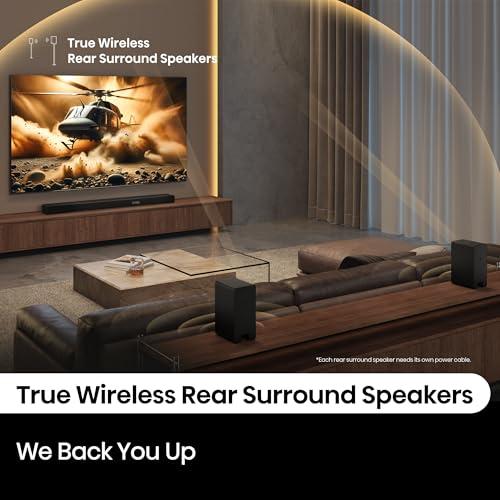
Wireless rear speakers are game-changers because they eliminate the need to run cables across your room while still providing authentic surround sound. Many cheaper "surround" systems try to fake this effect using acoustic tricks, but there's no substitute for actual speakers behind your listening position.
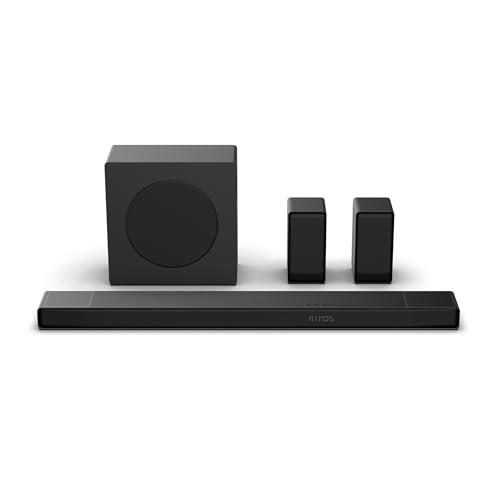
The Hisense AX5140Q, released in 2024, represents what happens when a company focuses laser-sharp attention on delivering genuine surround sound at an accessible price point. At the time of writing, it costs roughly one-third what you'd pay for comparable premium alternatives, yet it doesn't compromise on the core elements that make surround sound work.
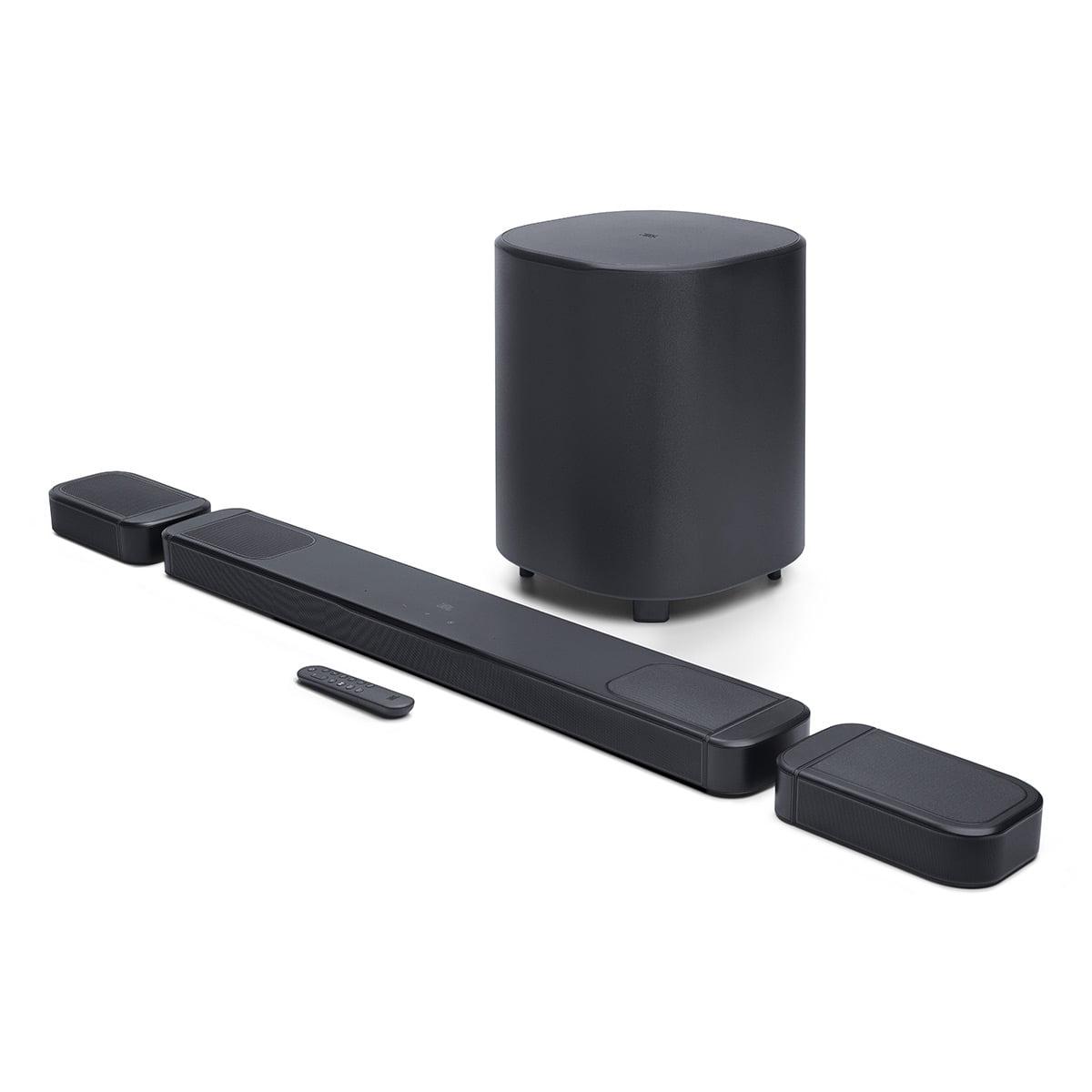
The JBL Bar 1000 MK2, also launched in 2024, takes a different approach entirely. JBL designed this system for users who want cutting-edge features and maximum flexibility, even if it means paying significantly more. The "MK2" designation indicates this is the second generation of JBL's flagship model, incorporating lessons learned from the original and addressing user feedback about connectivity and app integration.
Both systems arrived during a particularly exciting time for soundbar technology. The 2024 models benefit from improved wireless transmission protocols that reduce audio lag, better integration with streaming services, and more sophisticated AI processing that can automatically optimize sound based on what you're watching.
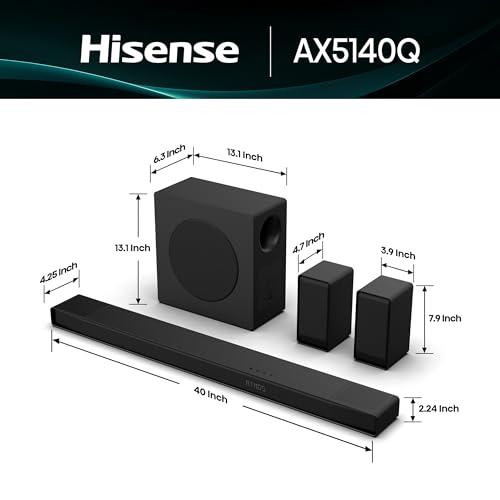
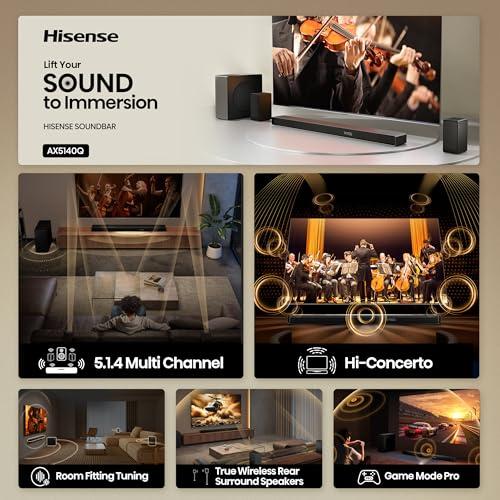
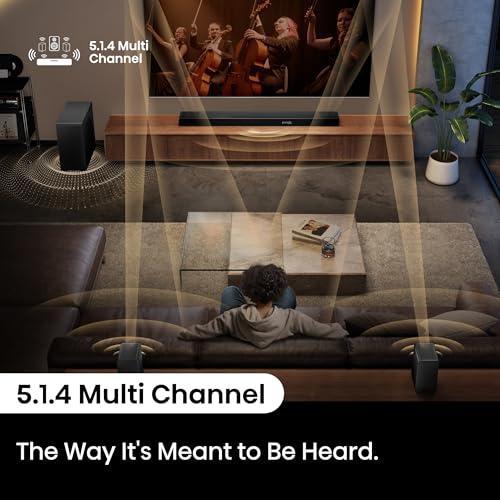
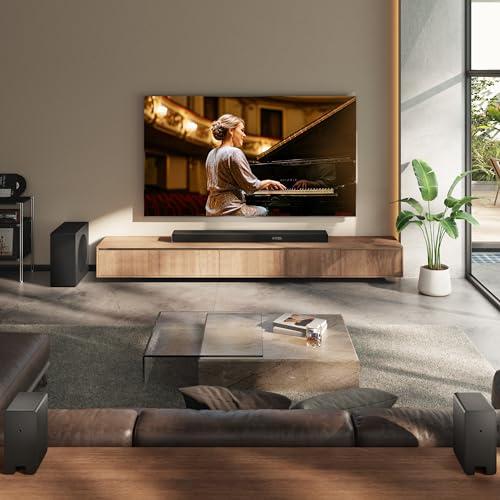
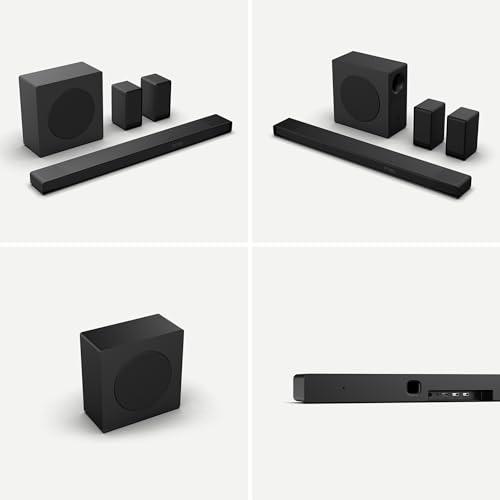
The fundamental difference between these systems lies in their channel configuration. The Hisense AX5140Q delivers true 5.1.4 surround sound with four dedicated upfiring speakers—specialized drivers that bounce sound off your ceiling to create height effects. Two of these are built into the main soundbar, while two more are integrated into the wireless rear speakers.
This setup creates what audio engineers call a "sound dome" around your seating area. When a helicopter flies across the screen in an action movie, the sound literally moves from front to back and overhead, following the visual action. The effect is particularly convincing because you have actual speakers behind you, not just audio processing trying to simulate that experience.
The JBL Bar 1000 MK2 steps up to 7.1.4 channels, adding two additional side surround speakers to the mix. This creates even more precise sound positioning and smoother panning effects as audio moves around the room. JBL's MultiBeam 3.0 technology uses advanced timing and phase relationships between drivers to create virtual speaker positions, effectively expanding the apparent number of sound sources beyond the physical speakers present.
From our research into expert and user reviews, the additional channels in the JBL system become most noticeable in larger rooms. In smaller spaces, the Hisense AX5140Q provides remarkably similar immersion levels, making the extra investment harder to justify purely on audio grounds.
Subwoofer performance represents one of the clearest distinctions between these systems. The Hisense AX5140Q includes a 6.5-inch wireless subwoofer that handles typical movie and music demands well. User reviews consistently describe the bass as "punchy" and "well-integrated," though some note it can sound slightly resonant with certain content or room placements.
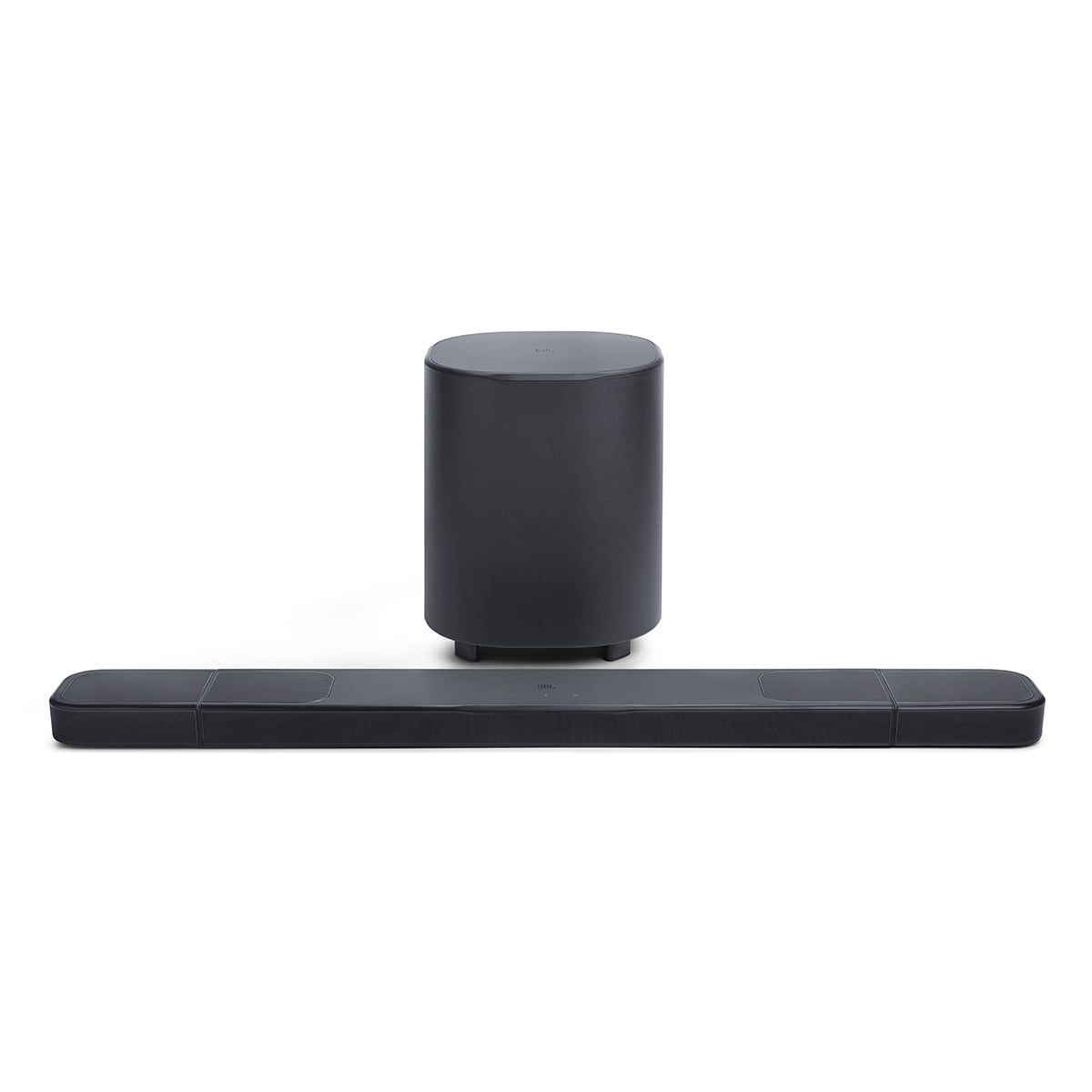
The JBL Bar 1000 MK2 counters with a substantial 10-inch subwoofer capable of extending down to 33Hz—the frequency range where you feel bass as much as hear it. This larger driver provides significantly more headroom for demanding content like action movies or electronic music. The difference becomes particularly apparent at higher volumes, where the JBL's sub maintains clean, distortion-free output while smaller drivers might start to struggle.
Frequency response specs tell the technical story: the JBL's ability to reproduce lower frequencies means it can handle the full range of modern movie soundtracks without compromise. This matters most if you're the type of viewer who wants to feel every explosion or if you frequently listen to music through your soundbar system.
Clear dialogue often separates good soundbars from great ones. Both systems address this challenge but with different approaches. The Hisense AX5140Q uses dedicated center channel processing and voice enhancement modes to keep speech intelligible during complex audio scenes.
The JBL Bar 1000 MK2 employs PureVoice 2.0 technology—an AI-driven system that continuously analyzes the audio signal and automatically adjusts dialogue levels based on ambient conditions and volume settings. This adaptive processing means you're less likely to miss crucial dialogue during whispered conversations or lose clarity when background music swells.
In practical terms, both systems solve the common problem of having to constantly adjust volume during movies. However, user feedback suggests the JBL's automatic optimization works more seamlessly across different types of content and room acoustics.
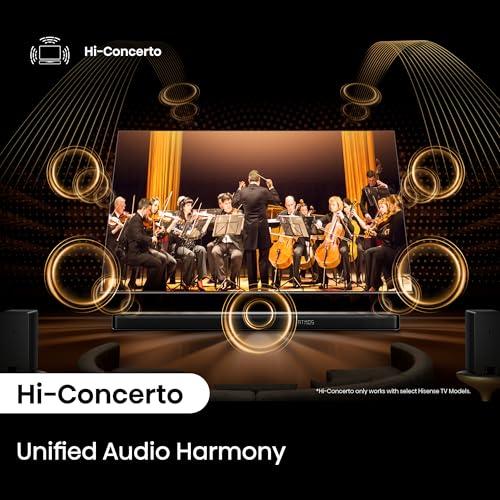
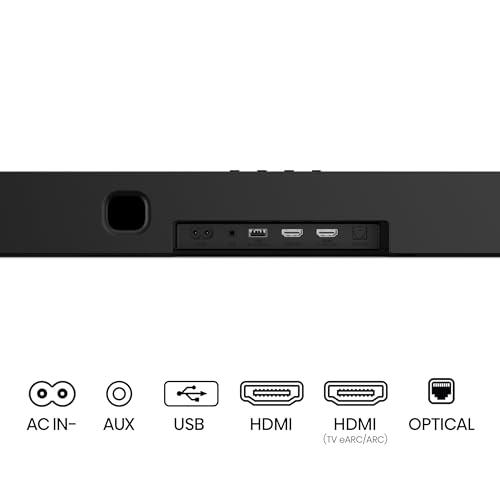
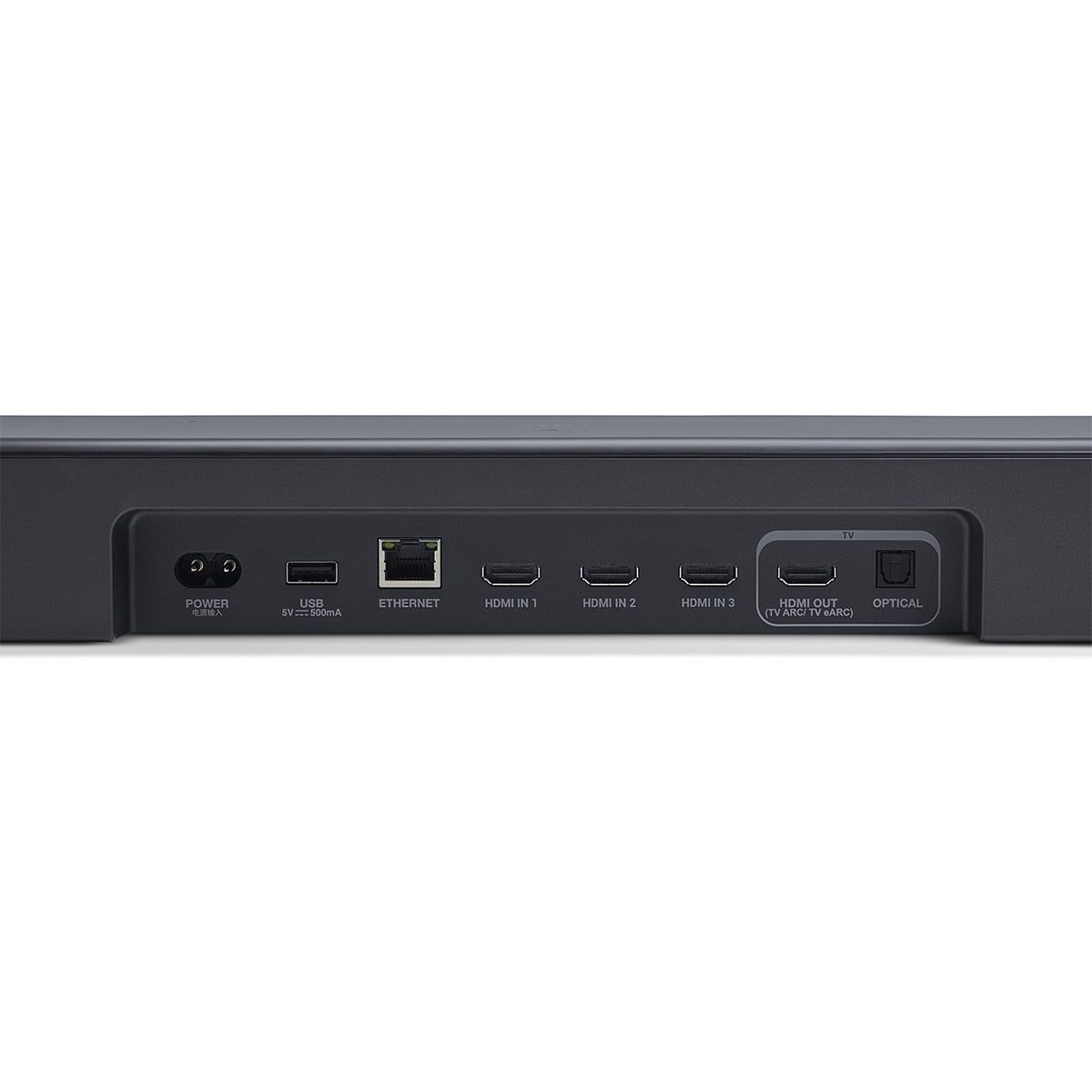
The connectivity differences between these systems reflect their distinct philosophies. The Hisense AX5140Q covers all the essential bases with HDMI eARC (enhanced Audio Return Channel, which carries uncompressed audio from your TV), optical input for older devices, and Bluetooth 5.3 for wireless streaming. The Hi-Concerto integration deserves special mention—when paired with compatible Hisense TVs, it creates a unified audio ecosystem where your TV and soundbar work together as a single system.
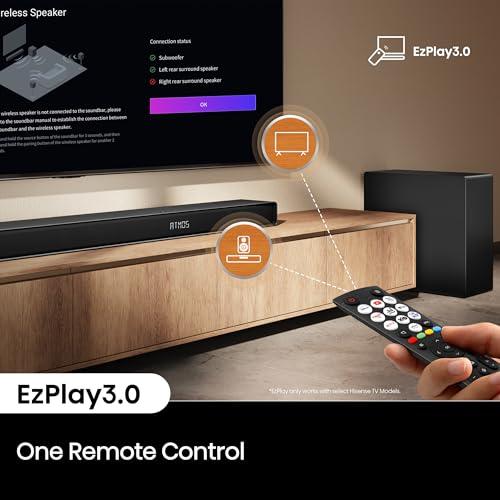
This integration enables some genuinely useful features. The TV can display real-time status of all wireless speakers, and you can control the entire audio system through your TV's interface rather than juggling multiple remotes. However, some users have reported synchronization issues where audio from the TV speakers and soundbar becomes misaligned, creating an echo effect until settings are adjusted.
The JBL Bar 1000 MK2 takes connectivity much further, functioning essentially as a complete smart audio hub. Beyond the standard inputs, it includes three additional HDMI inputs with 4K Dolby Vision passthrough—meaning you can connect multiple devices directly to the soundbar without compromising video quality. The built-in Wi-Fi enables AirPlay 2, Chromecast built-in, and Spotify Connect, allowing direct streaming without needing your phone as an intermediary.
The JBL One app provides detailed control over every aspect of the system, including a precise equalizer for fine-tuning the sound to your preferences. This level of customization appeals particularly to audio enthusiasts who want to optimize performance for their specific room and listening preferences.
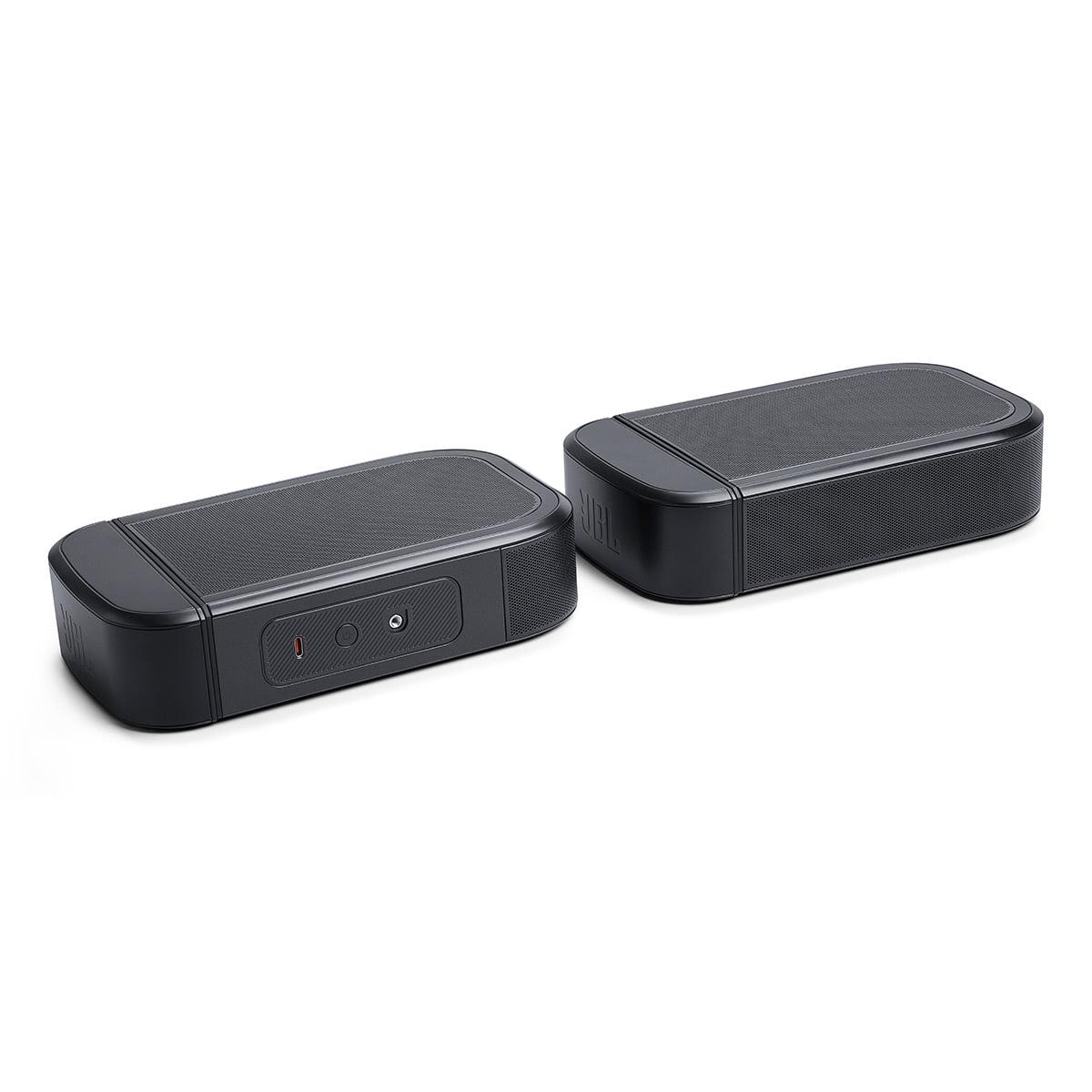
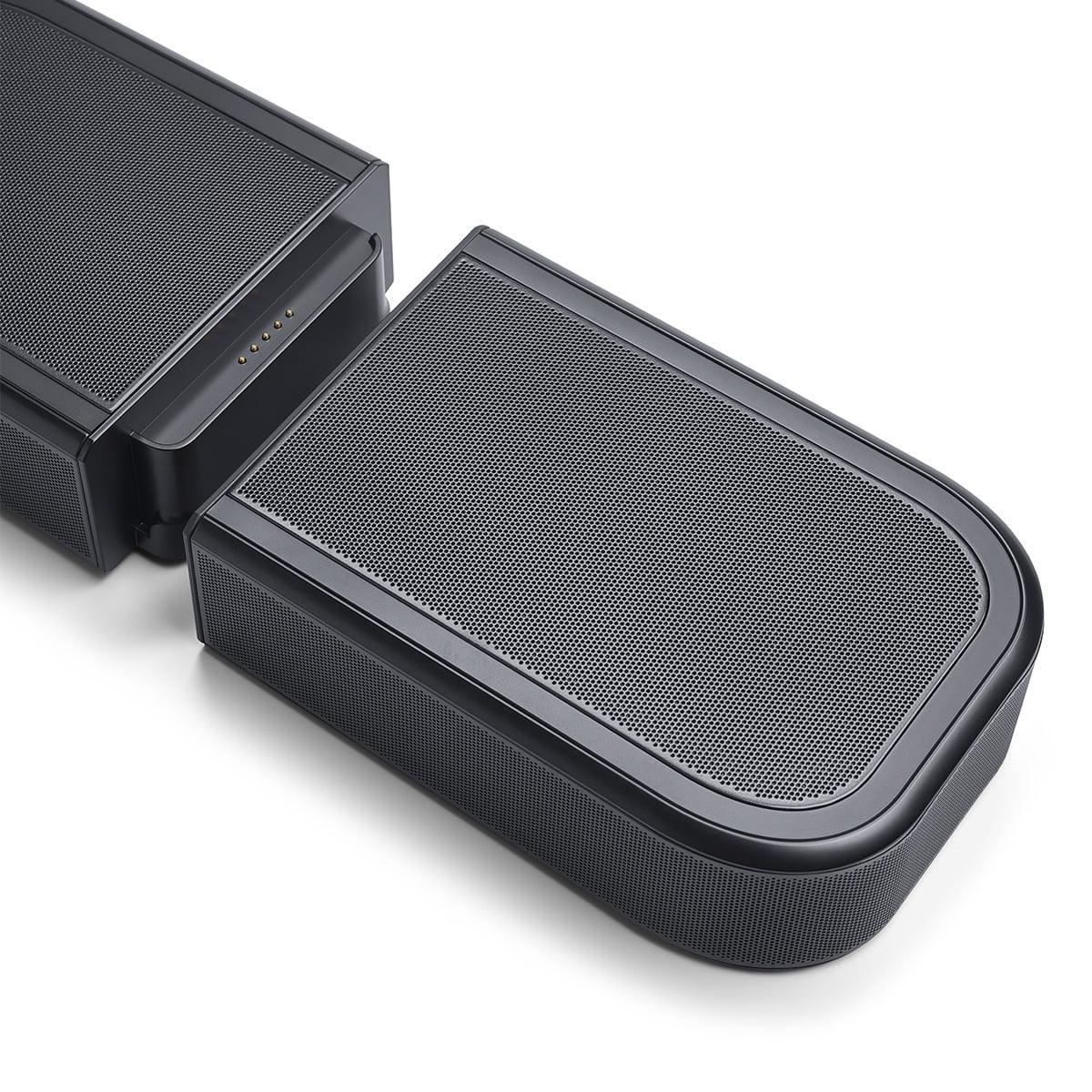
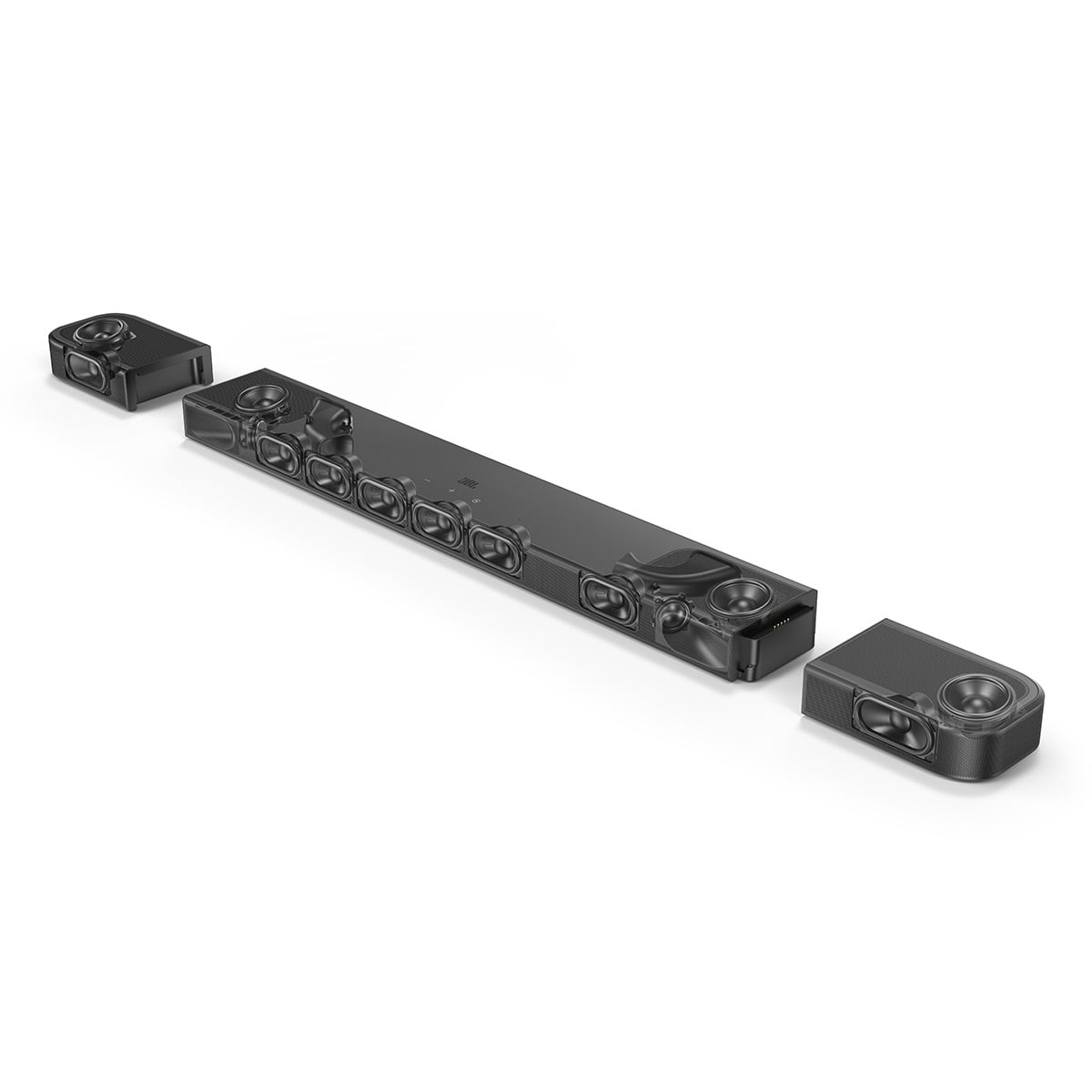
The JBL Bar 1000 MK2's most distinctive feature doesn't appear in traditional spec sheets but fundamentally changes how you can use the system. The rear surround speakers are completely detachable and battery-powered, offering up to 10 hours of wireless operation.
This design enables some unique use cases. The Night Listening mode can mute the main soundbar and subwoofer entirely, delivering audio only through the detachable speakers for private listening without disturbing others. You can also take these speakers to other rooms, the backyard, or even on trips, where they function as high-quality Bluetooth speakers.
From a practical standpoint, this addresses one of the biggest challenges with traditional surround systems: permanent speaker placement. You can set up true surround sound for movie night, then remove the rear speakers entirely when you want a cleaner living room aesthetic for daily use.
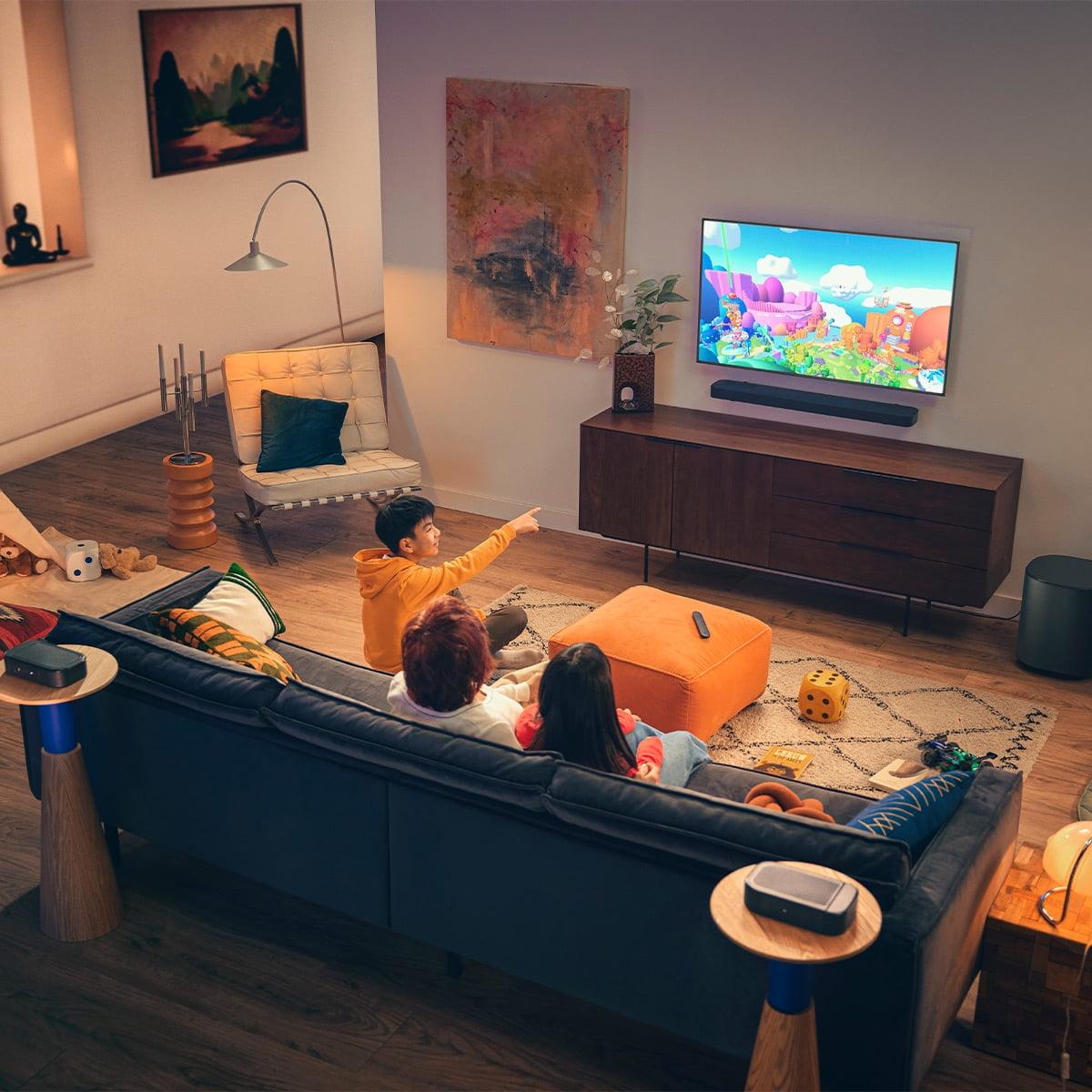
For dedicated movie watching, both systems deliver convincing cinematic audio, but with different strengths. The Hisense AX5140Q excels at creating an immersive experience in small to medium-sized rooms without overwhelming the space or requiring extensive setup. User reviews frequently mention successful setups in apartments and typical living rooms where the system provides genuine surround effects without neighbor complaints.
The JBL Bar 1000 MK2 truly shines in larger spaces where its additional power and channels can stretch their legs. The 10-inch subwoofer provides the kind of deep bass that makes action sequences feel visceral, while the 7.1.4 channel configuration creates more precise sound positioning for complex audio scenes.
Our research suggests that room size becomes the critical factor here. In smaller spaces, the Hisense AX5140Q can deliver 80-85% of the immersion experience at a fraction of the cost. In larger rooms, however, the JBL Bar 1000 MK2 justifies its premium through superior dynamics and coverage.
Both systems handle music competently, though they're obviously optimized for movie audio. The Hisense AX5140Q provides clear, well-balanced sound for casual listening, with music modes that flatten the response somewhat for more natural reproduction.
The JBL Bar 1000 MK2 offers more sophisticated music handling through its app-based EQ controls and streaming integration. The ability to stream directly via Wi-Fi rather than Bluetooth typically provides better audio quality and more reliable connections for extended listening sessions.
Gaming represents an increasingly important use case for soundbars. The Hisense AX5140Q includes a dedicated Game Pro mode that enhances positional audio cues—crucial for competitive gaming where hearing enemy footsteps or directional gunfire provides tactical advantages.
The JBL Bar 1000 MK2 handles gaming well through its multiple HDMI inputs and low-latency processing, though it doesn't include game-specific optimization modes. However, its superior channel separation and bass response create more immersive experiences for single-player adventures and cinematic games.
At the time of writing, these systems occupy very different value propositions. The Hisense AX5140Q represents exceptional value engineering—delivering authentic surround sound technology at a price point that makes it accessible to mainstream buyers who previously might have settled for basic soundbar upgrades.
The JBL Bar 1000 MK2 commands approximately 2.5 times the investment but provides genuinely premium features that extend beyond simple audio improvement. The detachable speaker functionality, comprehensive streaming integration, and superior bass performance justify the cost for users who can fully utilize these capabilities.
Choose the Hisense AX5140Q if you're looking for your first significant audio upgrade, have a small to medium-sized room, or prioritize essential surround sound performance over advanced features. It's particularly compelling if you own a compatible Hisense TV and can benefit from the Hi-Concerto integration. This system proves that you don't need to spend premium prices to experience genuine Dolby Atmos and DTS:X immersion.
The JBL Bar 1000 MK2 makes sense for larger rooms where its additional power and channels provide tangible benefits, users who value the unique detachable speaker flexibility, or those who want their soundbar to serve as a comprehensive smart audio hub beyond just TV enhancement. If you're building a serious home theater setup and can justify the investment, the JBL's superior components and features provide a noticeably more refined experience.
Both systems represent significant steps forward from basic soundbars, but they serve different audiences and use cases. The Hisense AX5140Q democratizes premium audio technology, while the JBL Bar 1000 MK2 pushes the boundaries of what's possible in a wireless surround system. Your choice ultimately depends on your room size, budget, and how much value you place on cutting-edge features versus core performance per dollar.
| Hisense AX5140Q 5.1.4Ch Dolby Atmos DTS:X Sound Bar | JBL Bar 1000 MK2 Soundbar System |
|---|---|
| Channel Configuration - More channels create better surround immersion and sound positioning | |
| 5.1.4 channels with four upfiring speakers | 7.1.4 channels with additional side surrounds |
| Subwoofer Size - Larger drivers produce deeper bass and handle higher volumes without distortion | |
| 6.5" wireless subwoofer | 10" wireless subwoofer (300W, extends to 33Hz) |
| Rear Speaker Design - Physical rear speakers provide authentic surround vs simulated effects | |
| Wireless rear speakers with upfiring drivers | Detachable battery-powered speakers (10-hour life) |
| Total System Power - Higher wattage enables louder volumes and better dynamics in larger rooms | |
| 600W max power | 960W max power |
| Audio Format Support - Determines compatibility with premium streaming and disc content | |
| Dolby Atmos, DTS:X, Dolby TrueHD, DTS-HD Master Audio | Dolby Atmos, DTS:X with MultiBeam 3.0 technology |
| Smart Features - Advanced processing and AI can automatically optimize sound for different content | |
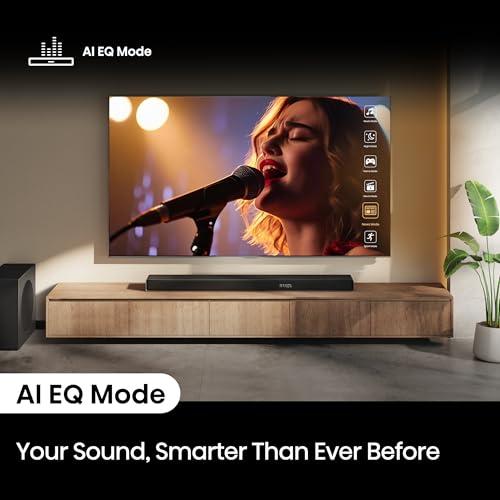
| AI EQ Mode, Room Calibration, Hi-Concerto TV integration | PureVoice 2.0 AI dialogue enhancement, SmartDetails processing |
| Connectivity Options - More inputs and wireless protocols provide greater device compatibility | |
| HDMI eARC, optical, Bluetooth 5.3, USB | HDMI eARC + 3 HDMI inputs, Wi-Fi, AirPlay 2, Chromecast, Spotify Connect |
| Video Passthrough - Ensures gaming consoles and streaming devices maintain full video quality | |
| 4K 60Hz, 3D passthrough | 4K Dolby Vision, HDR10+ passthrough |
| Setup Complexity - Simpler installation gets you enjoying better audio faster | |
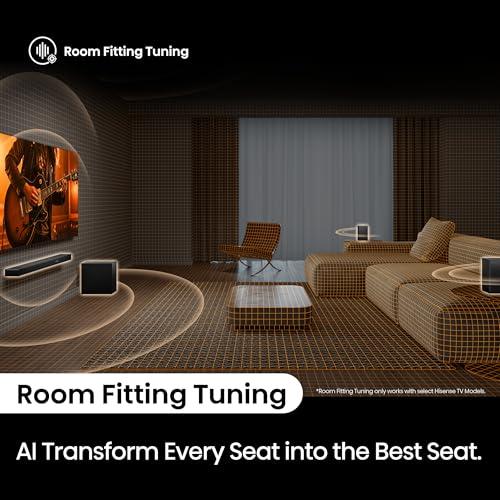
| Automatic wireless pairing, basic room tuning | App-based calibration, comprehensive EQ controls |
| Unique Features - Distinctive capabilities that set each system apart | |
| Hisense AX5140Q Hi-Concerto unified TV control, budget-friendly true surround | JBL Bar 1000 MK2 detachable portable speakers, Night Listening mode |
| Ideal Room Size - Optimal space requirements for best performance | |
| Small to medium rooms (under 300 sq ft) | Large rooms (300+ sq ft) where extra power matters |
| Best For - Target user who will get maximum value from each system | |
| First-time surround buyers wanting authentic Atmos at accessible pricing | Premium experience seekers who want flagship features and portable flexibility |
The Hisense AX5140Q is a 5.1.4 channel system focused on delivering authentic Dolby Atmos at an accessible price point, while the JBL Bar 1000 MK2 is a premium 7.1.4 channel system with detachable wireless speakers and advanced smart features. The JBL offers more channels, a larger subwoofer, and unique portable speaker functionality, but costs significantly more.
The Hisense AX5140Q is better suited for small to medium rooms under 300 square feet. Its 5.1.4 configuration and 6.5" subwoofer provide excellent immersion without overwhelming smaller spaces. The JBL Bar 1000 MK2 is designed for larger rooms where its extra power and 10" subwoofer can be fully utilized.
Both the Hisense AX5140Q and JBL Bar 1000 MK2 feature real wireless surround speakers, not just virtual processing. The Hisense includes traditional wireless rear speakers, while the JBL's rear speakers are detachable and battery-powered, allowing them to function as portable Bluetooth speakers when removed.
The JBL Bar 1000 MK2 has significantly better bass performance with its 10" wireless subwoofer that extends down to 33Hz and delivers 300W of power. The Hisense AX5140Q includes a 6.5" subwoofer that provides adequate bass for most content but can't match the depth and impact of the larger JBL subwoofer.
Both soundbars work well for gaming, but with different strengths. The Hisense AX5140Q includes a dedicated Game Pro mode that enhances positional audio cues for competitive gaming. The JBL Bar 1000 MK2 offers superior channel separation and bass response for immersive single-player experiences, plus multiple HDMI inputs for connecting various gaming devices.
The Hisense AX5140Q is generally easier to set up, with automatic wireless pairing and straightforward installation that most users complete in under an hour. The JBL Bar 1000 MK2 has more components and features to configure through the app, though it still offers relatively simple setup for a premium system.
Yes, both the Hisense AX5140Q and JBL Bar 1000 MK2 work with all TV brands through HDMI ARC/eARC or optical connections. However, the Hisense offers special Hi-Concerto integration features when paired with compatible Hisense TVs, including unified control and on-screen status displays.
The JBL Bar 1000 MK2 offers significantly more advanced smart features, including built-in Wi-Fi, AirPlay 2, Chromecast, Spotify Connect, and comprehensive app control with detailed EQ settings. The Hisense AX5140Q provides essential connectivity with Bluetooth and basic smart features, focusing more on core audio performance.
Both systems handle music well, though the JBL Bar 1000 MK2 is better equipped for serious music listening with Wi-Fi streaming protocols that provide better audio quality than Bluetooth, plus app-based EQ controls for sound customization. The Hisense AX5140Q offers solid music performance through Bluetooth with dedicated music modes.
Both systems excel at dialogue clarity, but the JBL Bar 1000 MK2 has an edge with its PureVoice 2.0 AI technology that automatically optimizes dialogue levels based on content and ambient conditions. The Hisense AX5140Q uses dedicated center channel processing and voice enhancement modes that also keep speech clear and intelligible.
The JBL Bar 1000 MK2 features detachable, battery-powered rear speakers that can be removed from the main soundbar and used as portable Bluetooth speakers for up to 10 hours. This enables unique features like Night Listening mode (audio through rear speakers only) and the flexibility to take high-quality speakers to other rooms or locations.
The Hisense AX5140Q offers exceptional value by delivering authentic 5.1.4 surround sound with real Dolby Atmos at a fraction of the cost of premium alternatives. The JBL Bar 1000 MK2 justifies its premium pricing through superior components, unique detachable speaker functionality, and comprehensive smart features, making it better value for users who can fully utilize these advanced capabilities.
We've done our best to create useful and informative comparisons to help you decide what product to buy. Our research uses advanced automated methods to create this comparison and perfection is not possible - please contact us for corrections or questions. These are the sites we've researched in the creation of this article: shop.hisense-usa.com - manuals.plus - dolby.com - youtube.com - gzhls.at - rtings.com - youtube.com - bestbuy.com - manuals.plus - bestbuy.com - hisense-usa.com - youtube.com - device.report - manuals.plus - youtube.com - device.report - manuals.plus - youtube.com - ecoustics.com - engadget.com - bestbuy.com - techradar.com - rtings.com - hometechnologyreview.com - youtube.com - t3.com - whathifi.com - youtube.com - bhphotovideo.com - gzhls.at - device.report - support.jbl.com - support.jbl.com - jbl.com - av.com - audioadvice.com - jbl.com - target.com - worldwidestereo.com

Privacy Policy
Terms and Conditions - Affiliate Policy
Home Security
© Copyright 2008-2026.
11816 Inwood Rd #1211, Dallas, TX 75244