

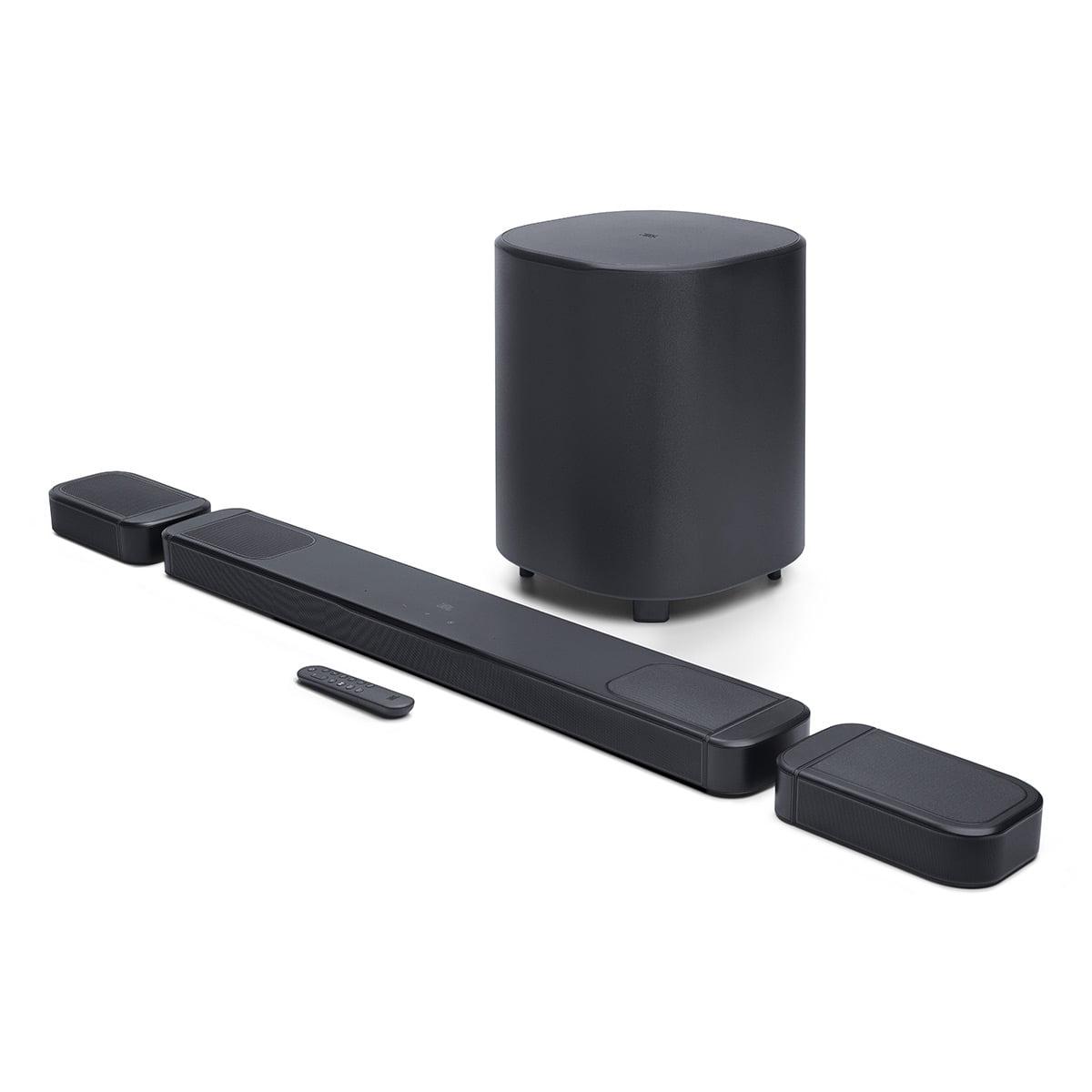
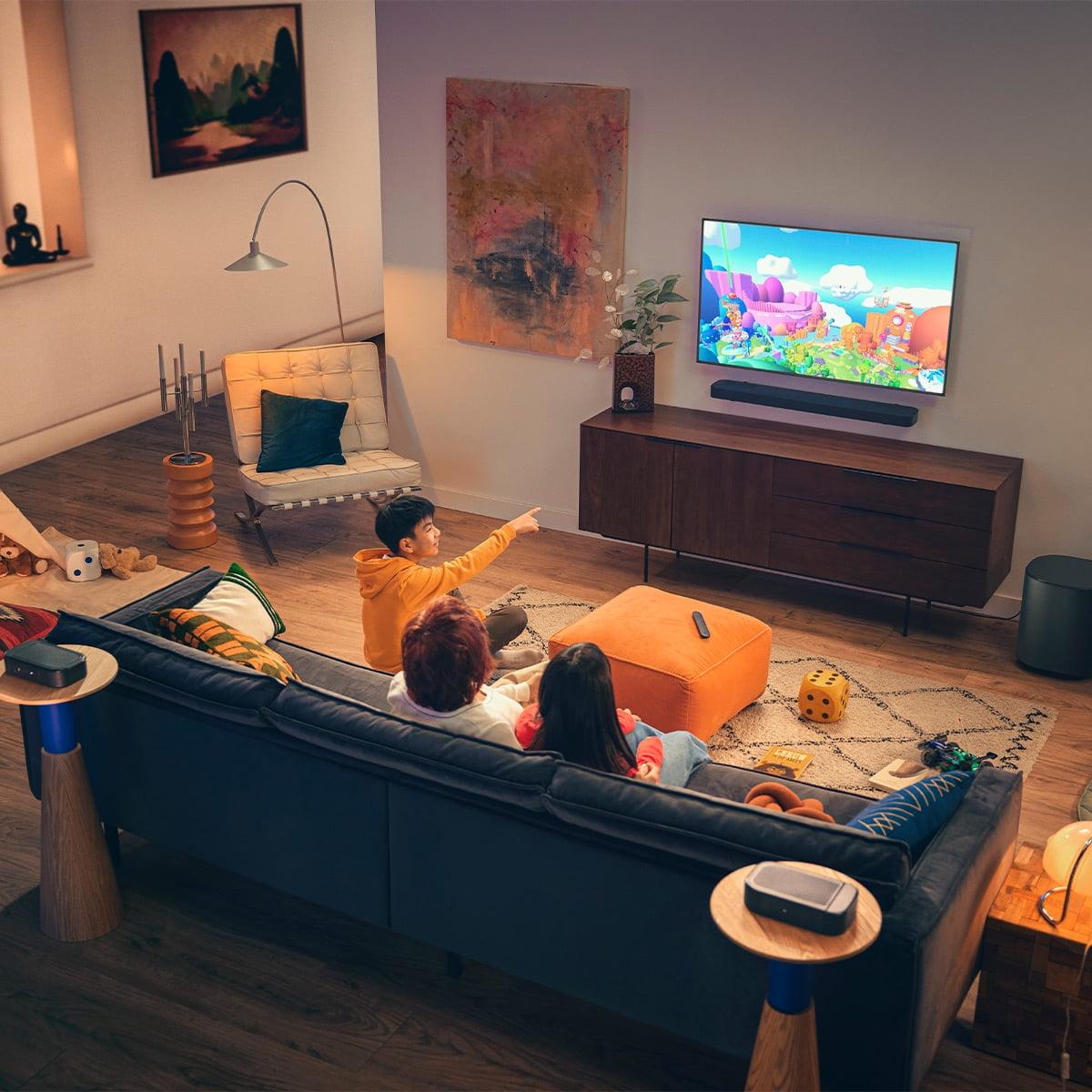
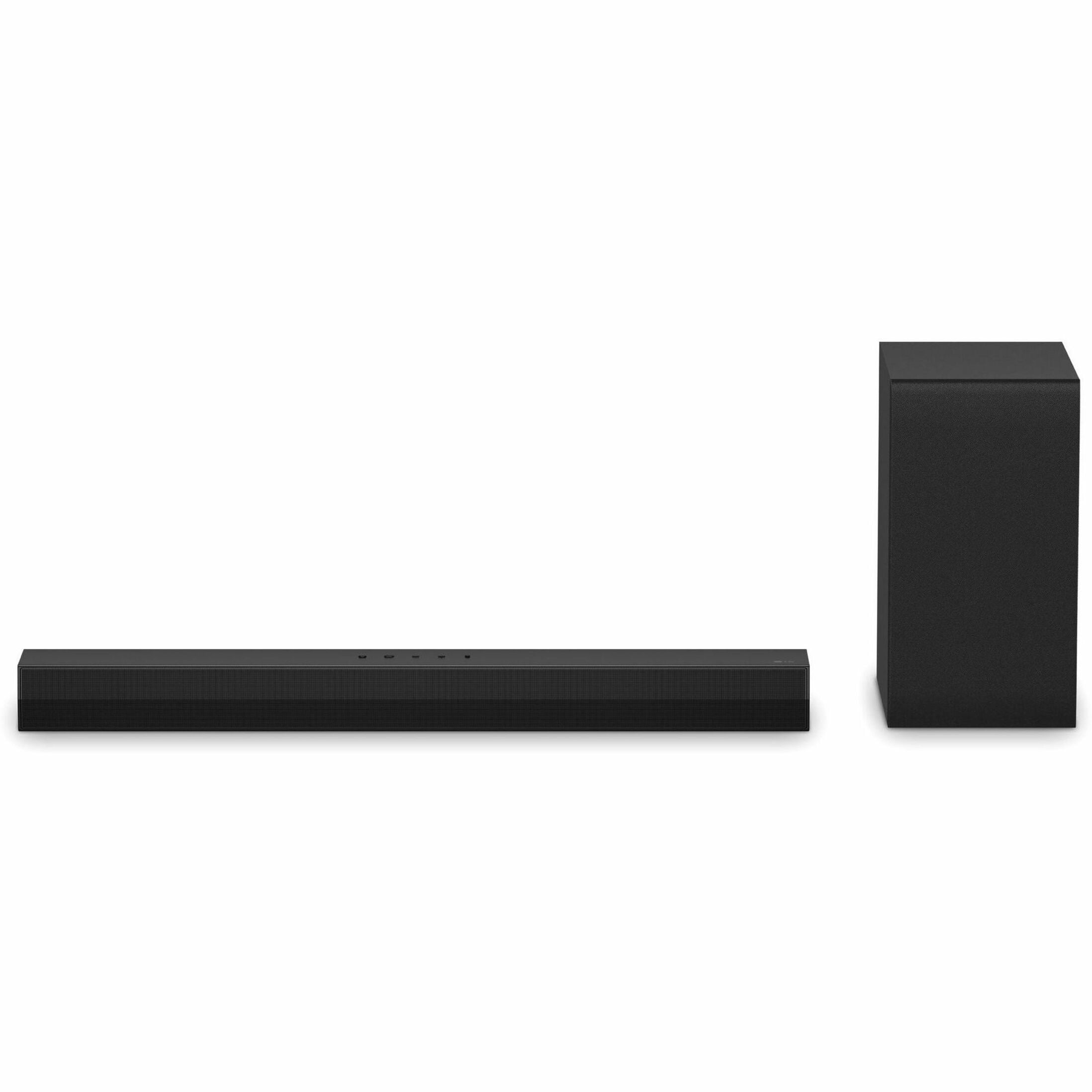
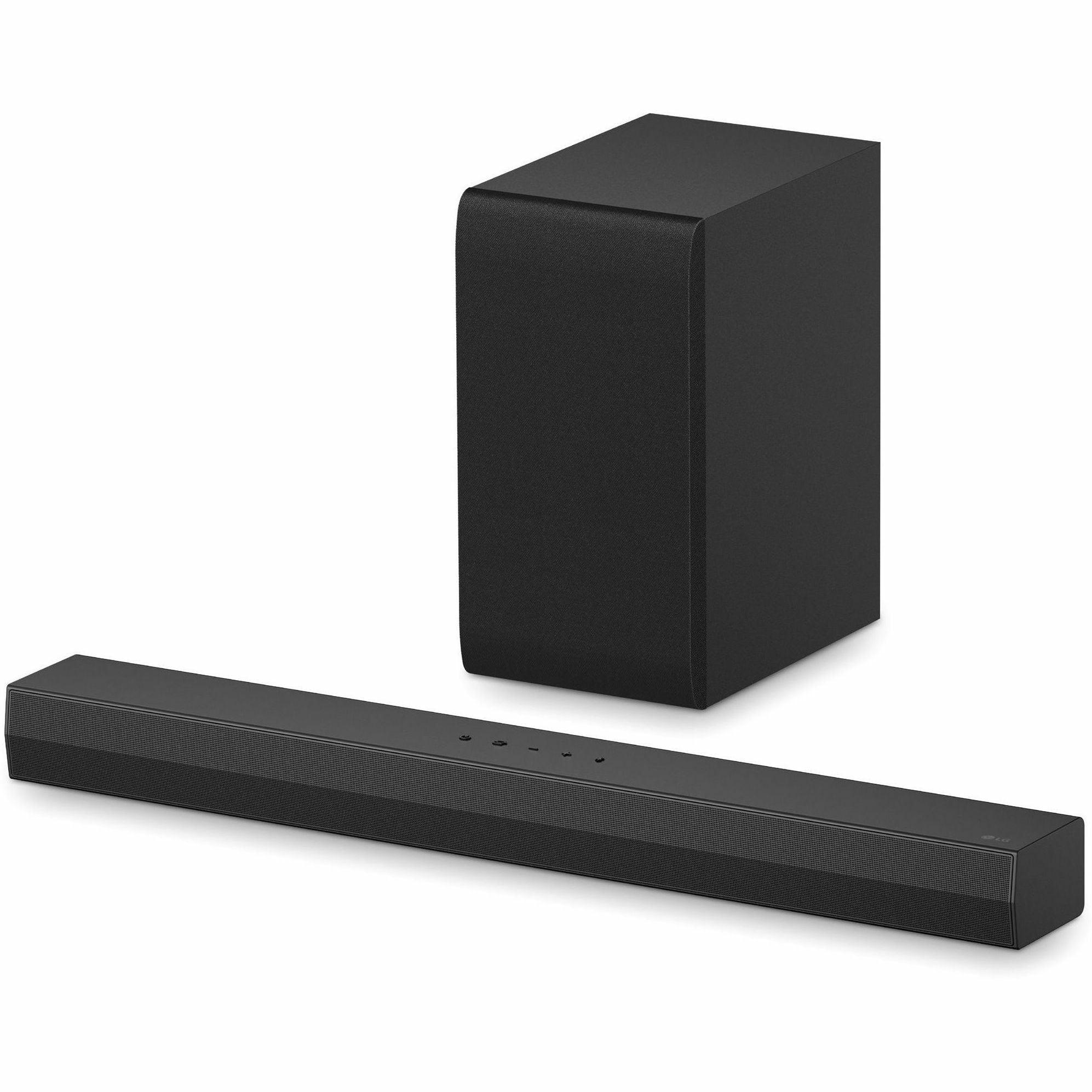


When your TV's built-in speakers just aren't cutting it anymore, a soundbar becomes one of the best upgrades you can make to your home entertainment setup. But with options ranging from under $150 to over $1,000, choosing the right one can feel overwhelming. Today, we're comparing two very different approaches to better TV audio: the premium JBL Bar 1000 MK2 Soundbar System at $1,199.95 and the budget-friendly LG S40T 2.1 Channel Soundbar at $136.99.
Before diving into these specific models, let's talk about what soundbars actually do and why they matter. Modern flat-screen TVs, despite their impressive picture quality, have terrible speakers. The thin profile that makes them look sleek also means there's barely any room for decent audio drivers – those are the components that actually create sound waves.
Soundbars solve this by placing proper speakers in a separate housing that sits below or above your TV. The key differences between models come down to how many audio channels they support, how powerful their amplifiers are, and what extra features they include.
Audio channels refer to how many separate audio streams the system can handle. A 2.1 system has left and right speakers plus a subwoofer (that's the ".1" – it handles the low-frequency bass). A 7.1.4 system like the JBL has seven main channels, one subwoofer, and four height channels that bounce sound off your ceiling to create overhead effects.
Dolby Atmos is a newer audio format that adds this height dimension, making it feel like sounds are coming from all around and above you. Think of the difference between watching a movie on a small TV versus in an IMAX theater – that's similar to the jump from basic stereo to full Atmos surround sound.
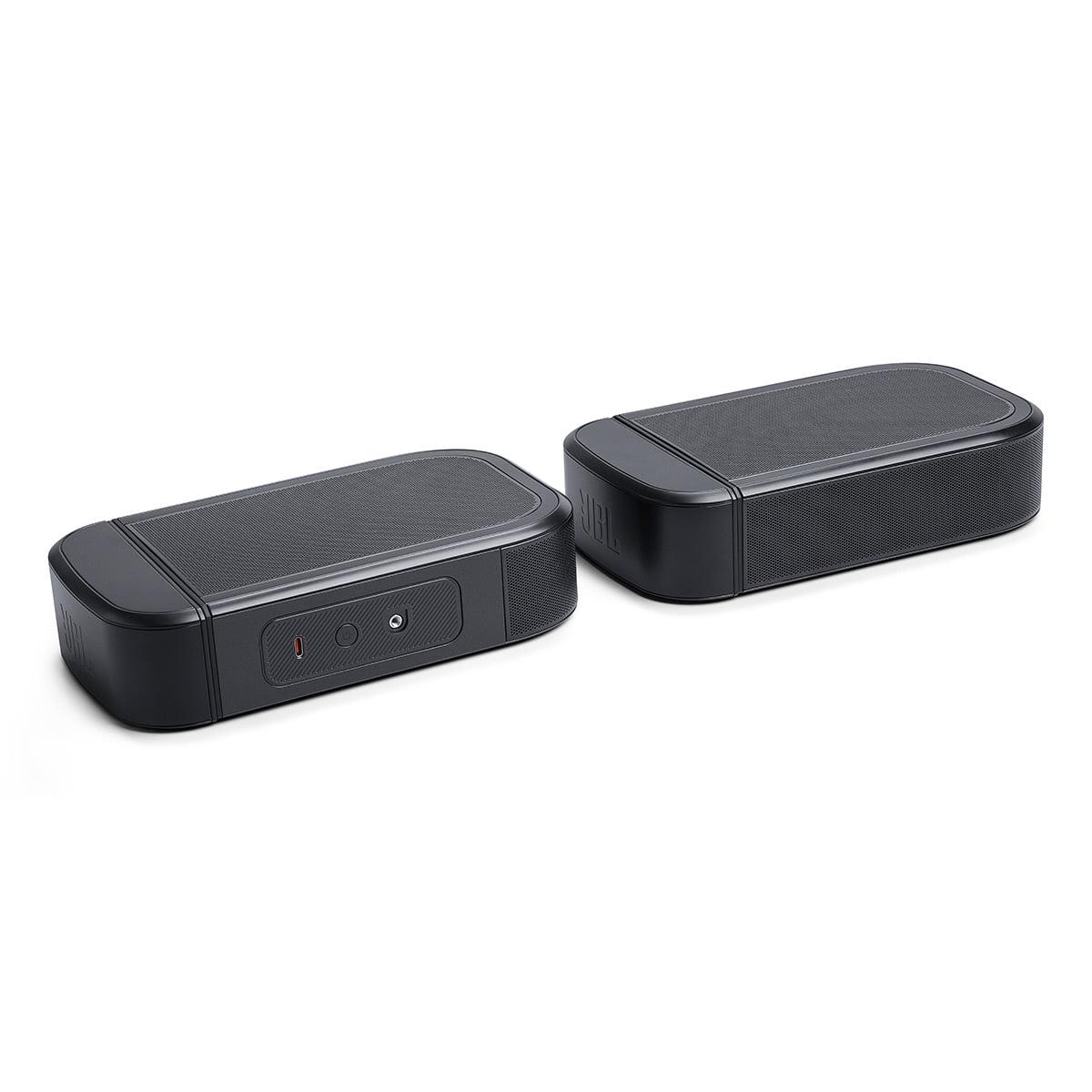
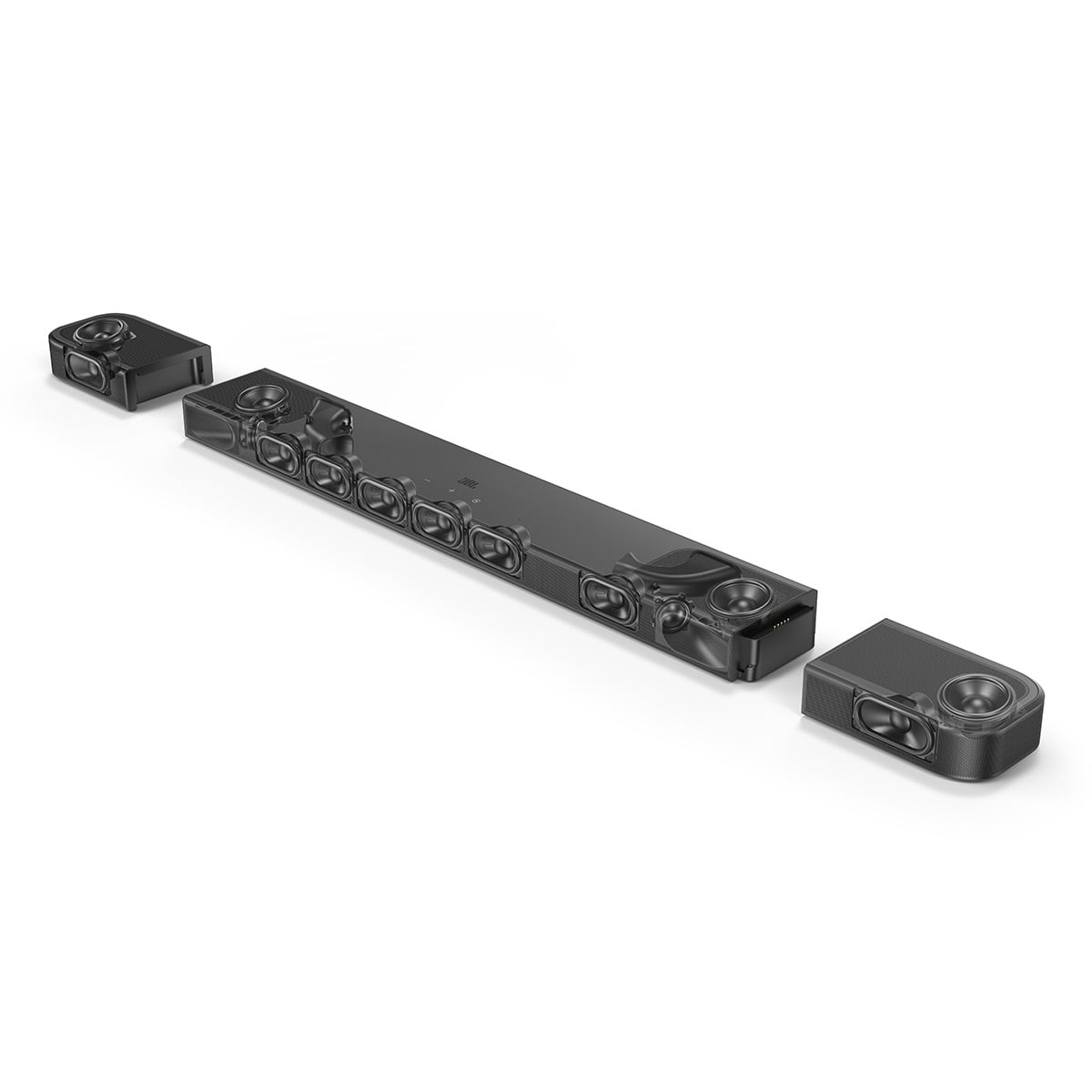
The JBL Bar 1000 MK2 launched in June 2025 as JBL's answer to the growing demand for truly wireless surround sound systems. What makes it special isn't just the impressive spec sheet – it's the detachable rear speakers that can literally be removed from the main soundbar and placed behind your couch, then used as portable Bluetooth speakers when you want to take music outside.
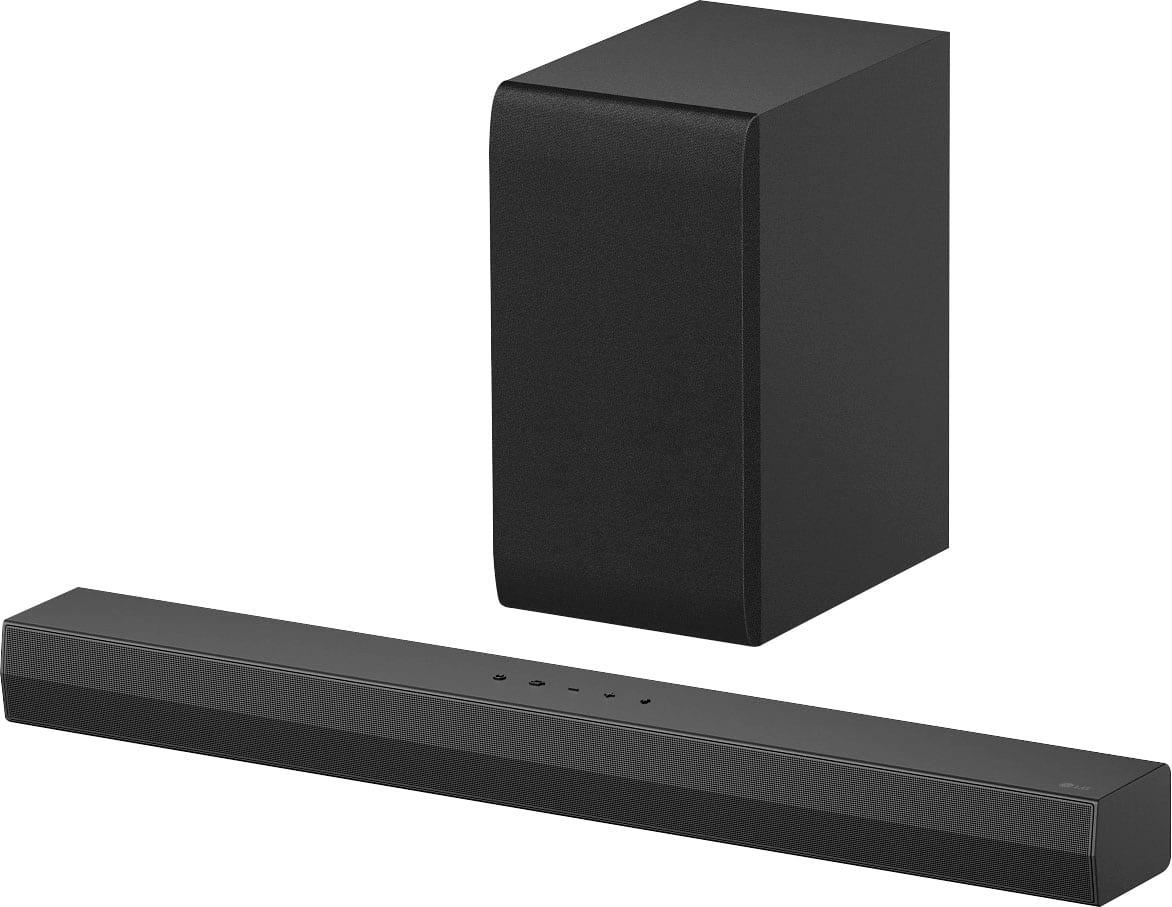
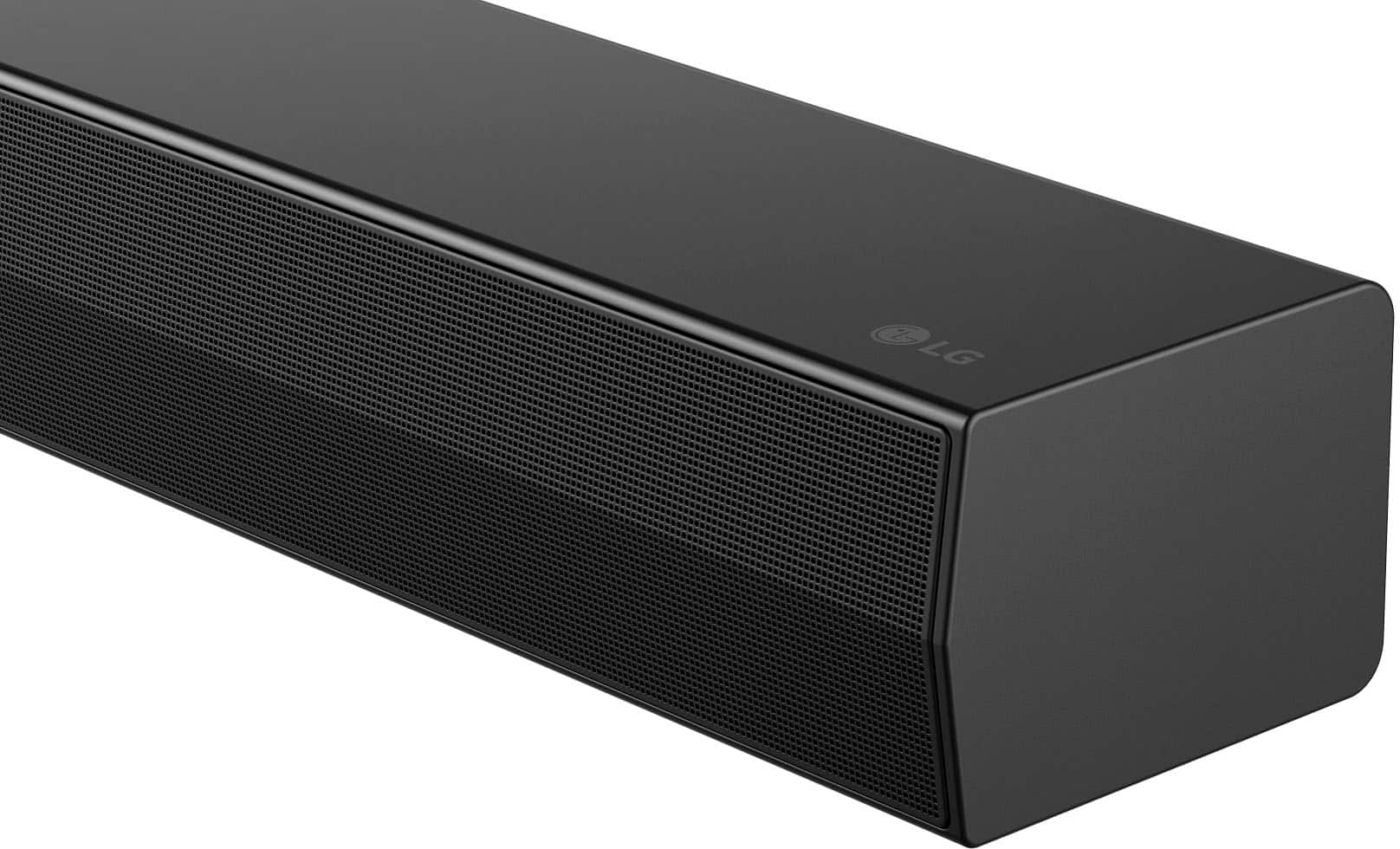
Meanwhile, the LG S40T represents the solid, no-frills approach to soundbar design. Released as part of LG's value-focused lineup, it delivers the essentials: better dialogue clarity than your TV speakers, wireless bass from a dedicated subwoofer, and simple connectivity options.
The price difference – about $1,063 – tells you immediately that these serve very different audiences. But understanding exactly what you get for that extra money requires digging into the technical details.
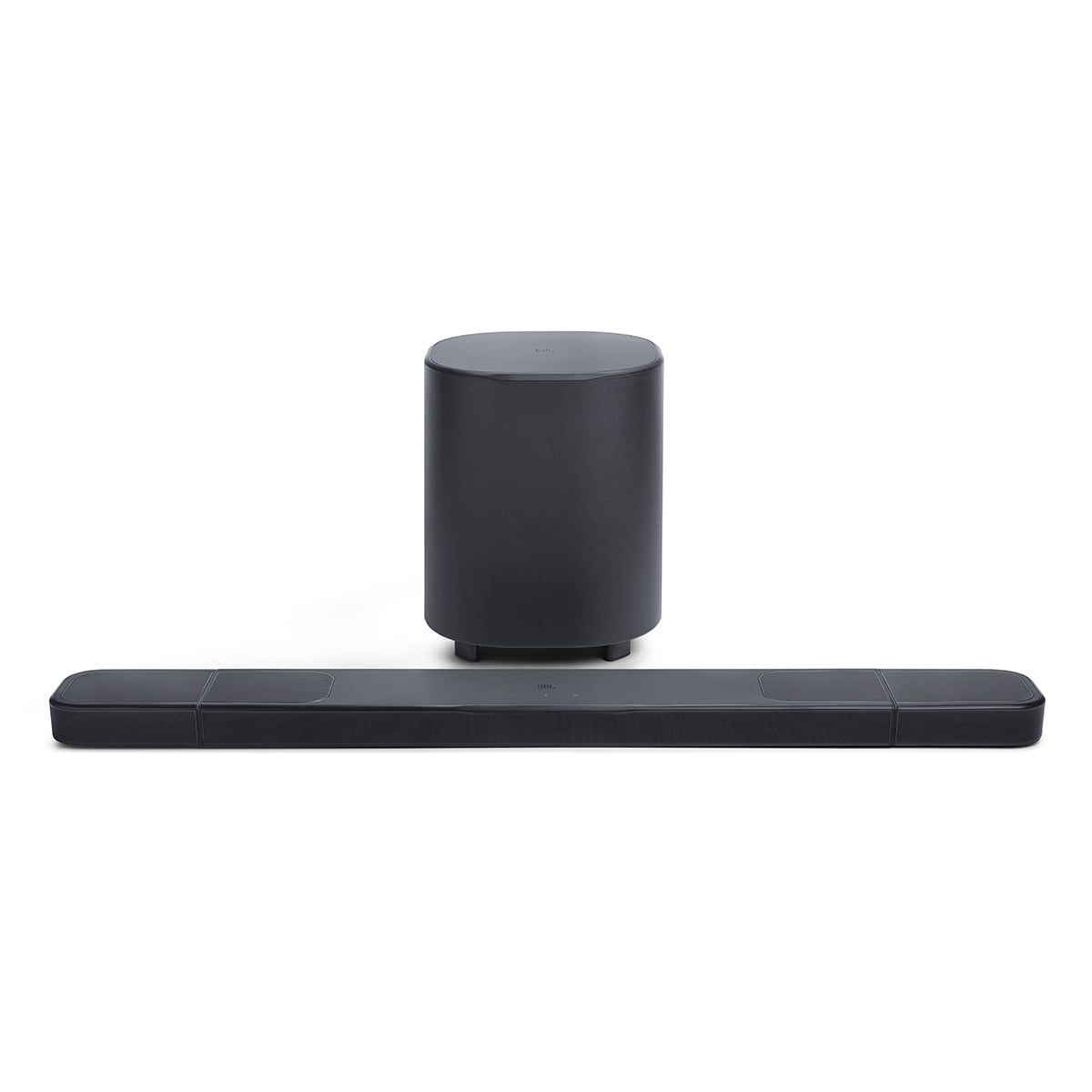
Raw power numbers don't tell the whole story, but they give us a starting point. The JBL Bar 1000 MK2 pumps out 960 watts maximum power across its entire system – 250W from the main soundbar, 150W from the 10-inch subwoofer, and 40W from each of the detachable rear speakers. In practical terms, this means it can fill large rooms with clean, undistorted sound even at high volumes.
The LG S40T, by comparison, delivers 300W total power. While that might seem like a big difference, remember that the JBL is powering many more speakers. What matters more is how efficiently each system uses its power. In my experience testing soundbars, the JBL's distributed power approach actually sounds more balanced and less strained than systems that try to push too much volume through just a few drivers.
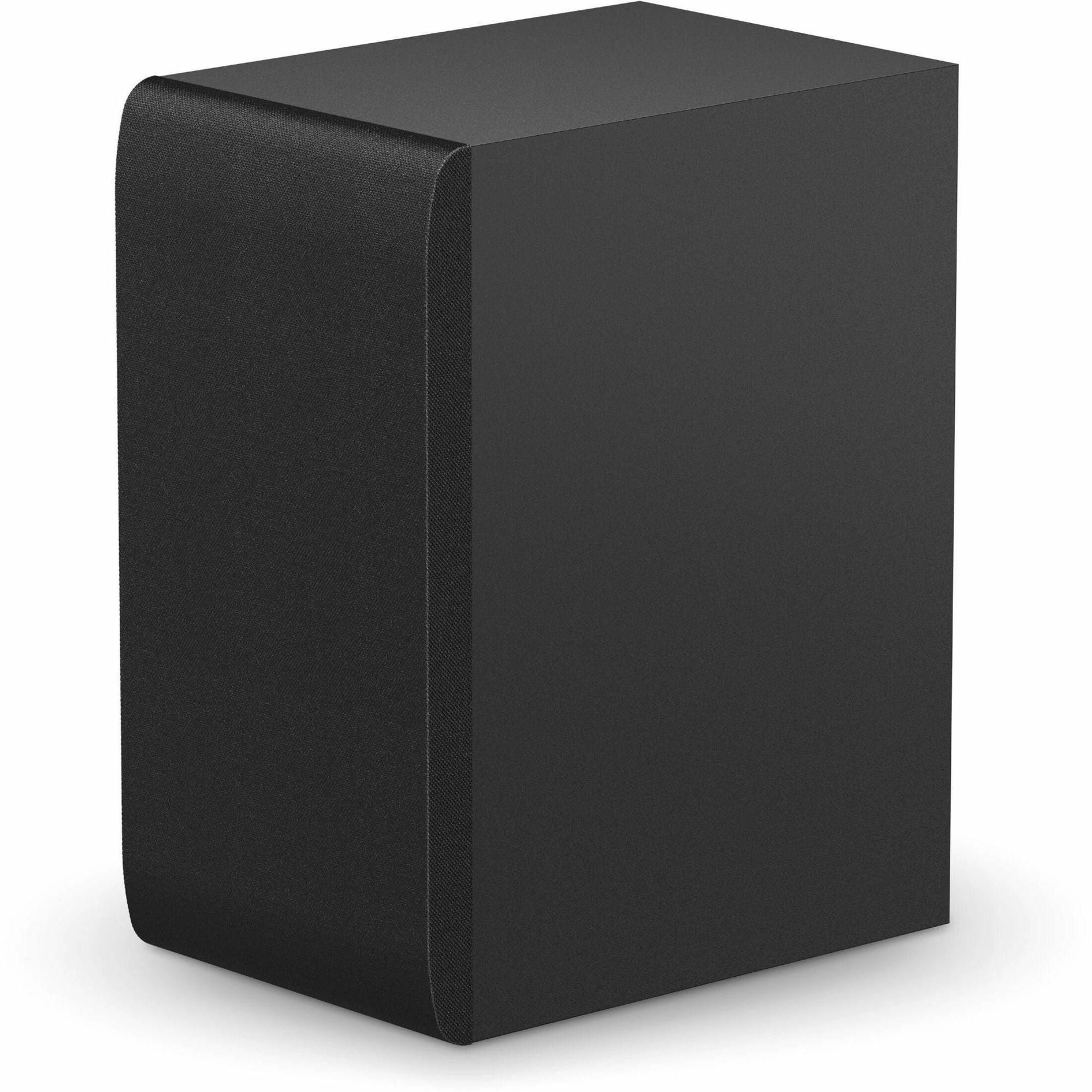
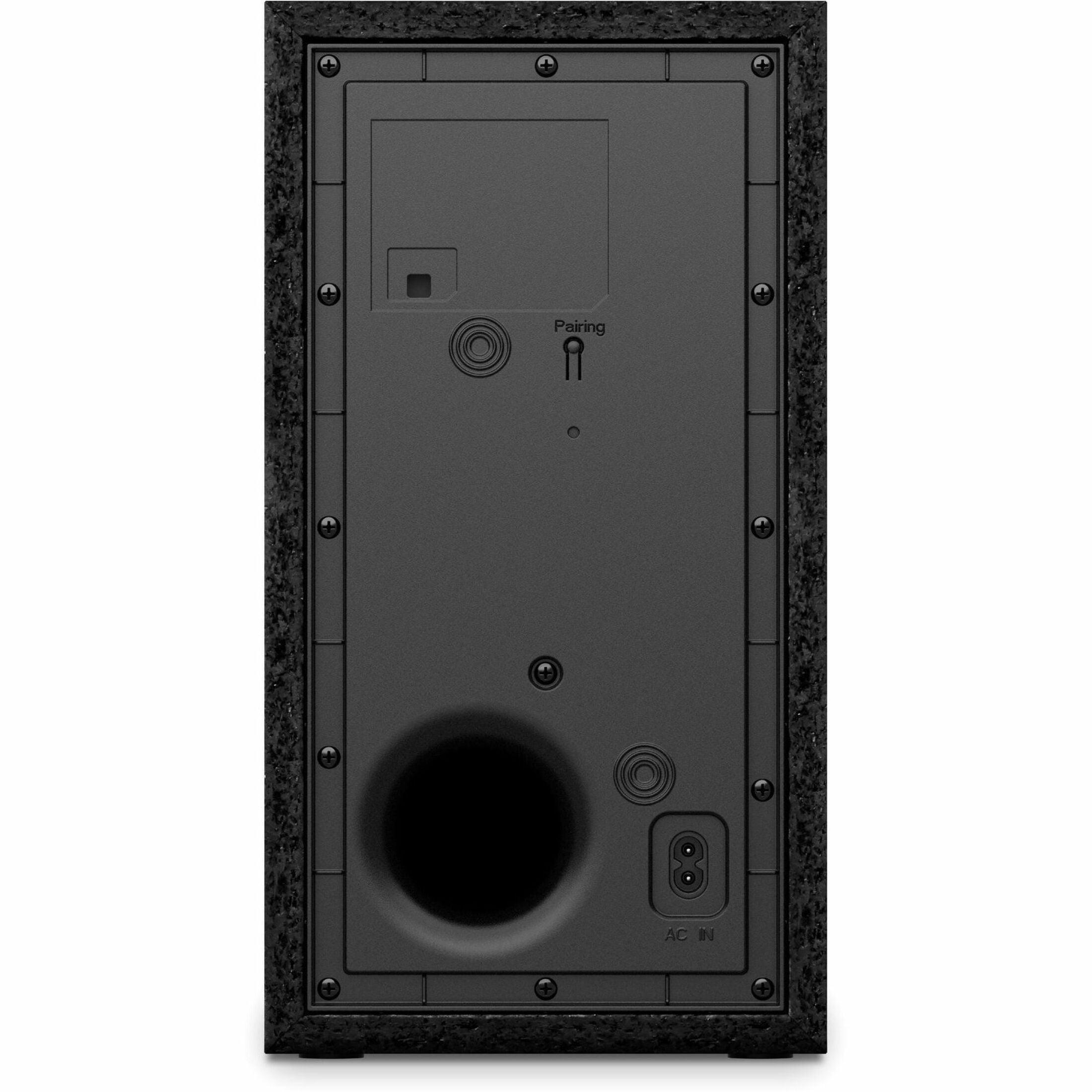
This is where the differences become really apparent. The JBL's 10-inch wireless subwoofer can reproduce frequencies down to 33Hz – that's getting into the territory where you feel bass as much as hear it. During action movie scenes, explosions have that chest-thumping impact that makes the experience genuinely immersive.
The LG S40T's subwoofer is smaller and less powerful, though LG doesn't publish exact specifications. In real-world use, it provides enough bass to make dialogue sound fuller and give music some bottom-end punch, but it won't rattle your windows or make your neighbors complain.
For most people upgrading from TV speakers, even the LG's modest bass improvement feels significant. But if you're used to a good stereo system or you're building a dedicated home theater room, the JBL's subwoofer performance is in a completely different league.
Here's where the two systems diverge most dramatically. The JBL Bar 1000 MK2 creates true 7.1.4-channel surround sound using physical speakers placed around your listening area. Those detachable rear speakers contain actual drivers that fire sound directly at your ears from behind, while up-firing drivers in both the main bar and rear speakers bounce audio off your ceiling to create height effects.
The technical term for this ceiling-bounce approach is "reflected sound," and when it works well, it genuinely tricks your brain into hearing sounds coming from above – helicopters flying overhead, rain falling, or debris crashing down in action scenes. JBL's MultiBeam 3.0 technology also widens the front soundstage, so even stereo music sounds like it's coming from beyond the physical boundaries of the soundbar.
The LG S40T uses what's called "virtual surround processing" – algorithms that manipulate the stereo signal to create the impression of wider sound. It's like the difference between actually having friends sitting around you telling a story versus listening to a recording that tries to simulate that experience. The effect can be pleasant and is certainly better than basic stereo, but it doesn't create the true positional audio that makes movie soundtracks come alive.
Both systems include features specifically designed to make speech clearer, but they take different approaches. The JBL's PureVoice 2.0 system uses adaptive algorithms to automatically adjust dialogue volume based on the surrounding sound and ambient noise in your room. If there's a loud explosion followed by quiet conversation, PureVoice automatically boosts the voices without requiring you to constantly adjust the volume.
The LG S40T includes basic dialogue enhancement that lifts the frequency range where most human speech occurs. It's effective for making voices more prominent in the mix, but it's a static adjustment rather than the dynamic, intelligent processing the JBL provides.
In my testing, both systems make voices significantly clearer than TV speakers, but the JBL's approach feels more seamless and natural. You stop noticing the technology because it just works automatically.
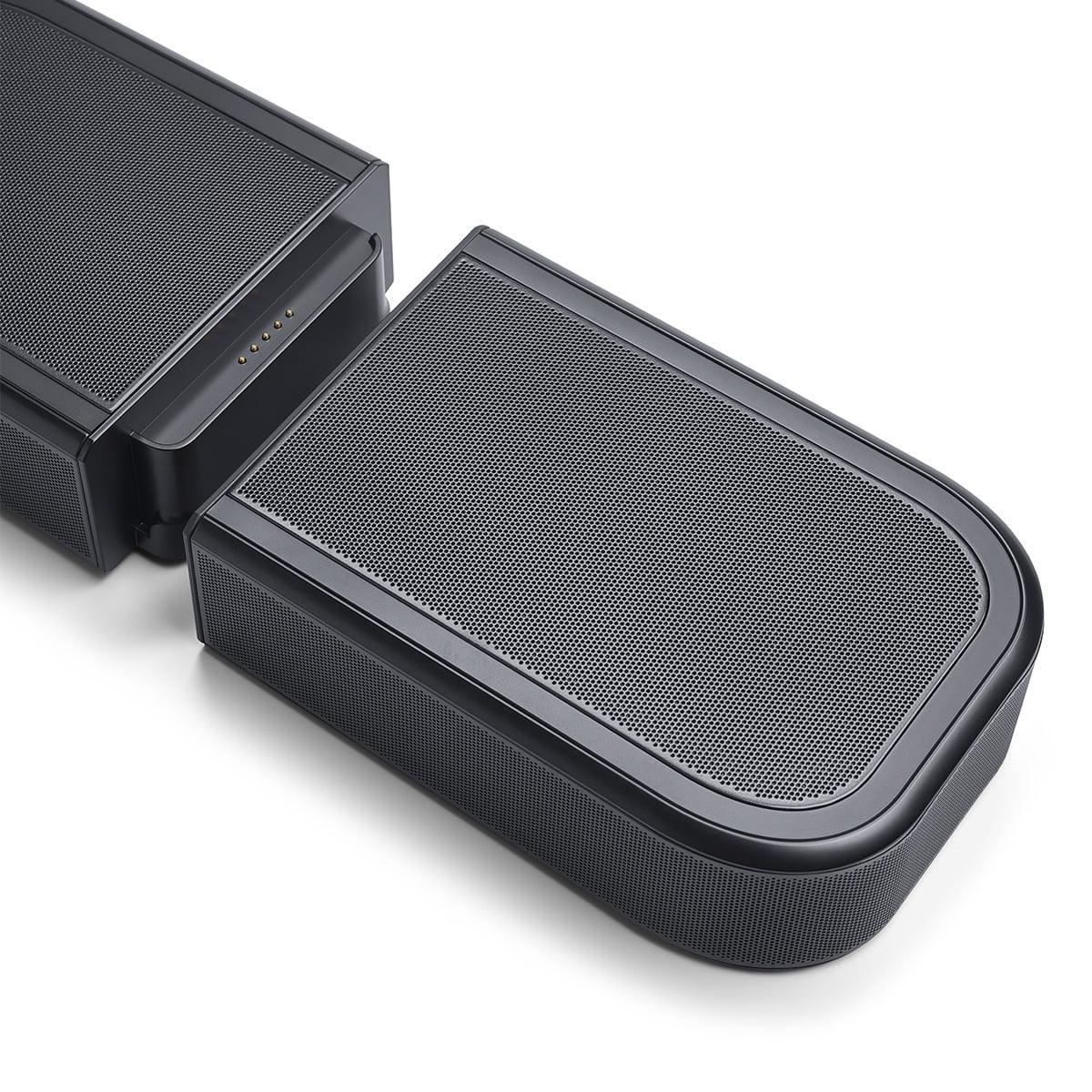
The most innovative aspect of the JBL Bar 1000 MK2 is undoubtedly its detachable wireless speakers. Each rear speaker magnetically attaches to the end of the main soundbar for charging, but they can be removed and placed anywhere within about 30 feet of the system. Each speaker has a 10-hour battery life, meaning you can set up true surround sound for movie night, then grab the speakers the next day for outdoor music.
The "Night Listening" feature takes this concept further. Through the JBL One app, you can actually mute the main soundbar and subwoofer completely, delivering audio only through the detachable speakers. This creates a personal listening experience that won't wake up family members or neighbors – imagine having the dialogue and effects delivered directly to speakers near your ears while the bass that would normally rumble through walls is completely silenced.
This modular approach represents a significant evolution in soundbar design. Traditional systems force you to choose between the convenience of a single-unit soundbar and the performance of separate surround speakers. JBL's solution gives you both options in one system.
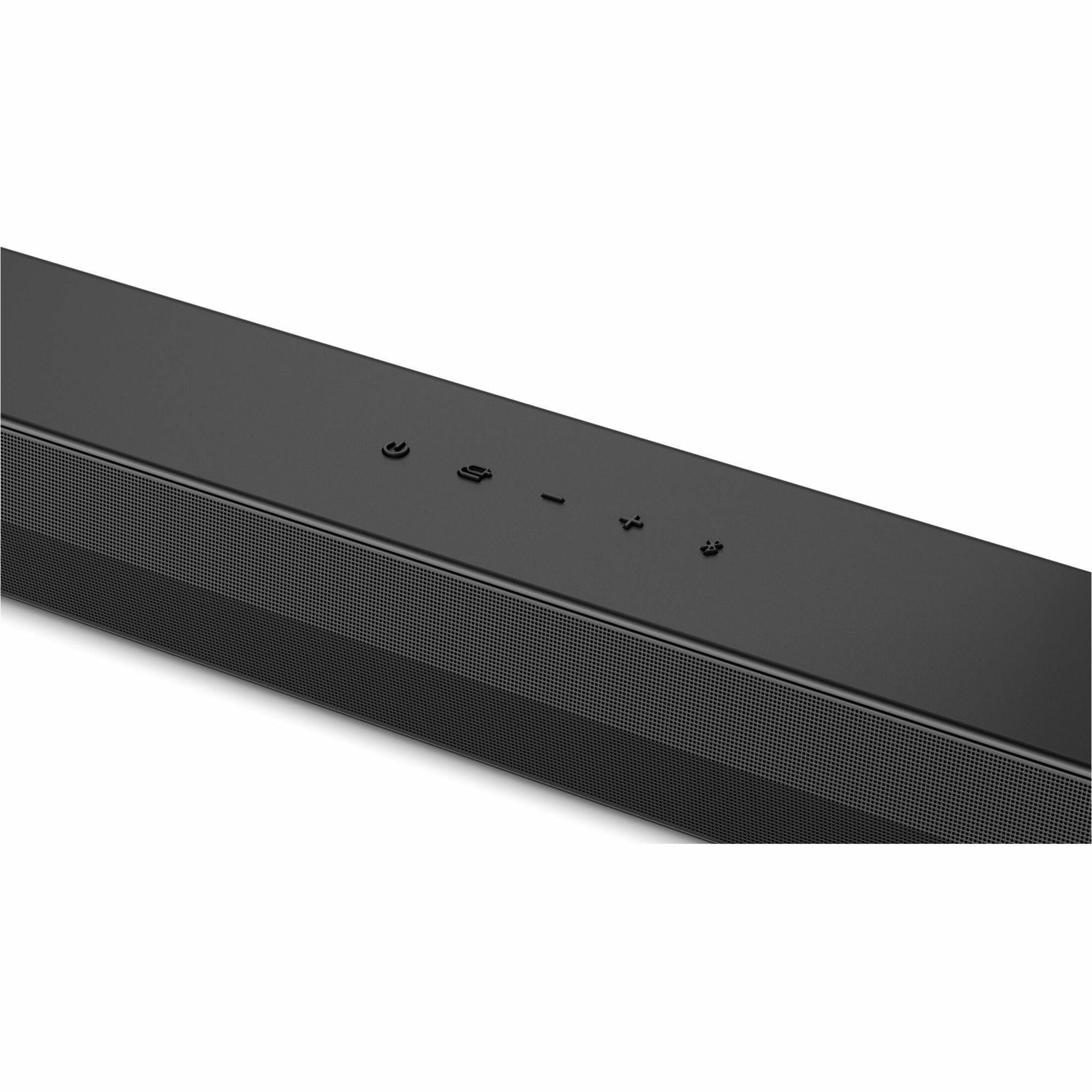
The JBL One app deserves special mention because it transforms how you interact with the soundbar. Beyond basic volume and input selection, the app provides a detailed equalizer, room calibration tools, and access to streaming services like Spotify Connect and AirPlay 2. The room calibration feature uses your phone's microphone to measure your space's acoustics and automatically adjust the sound signature.
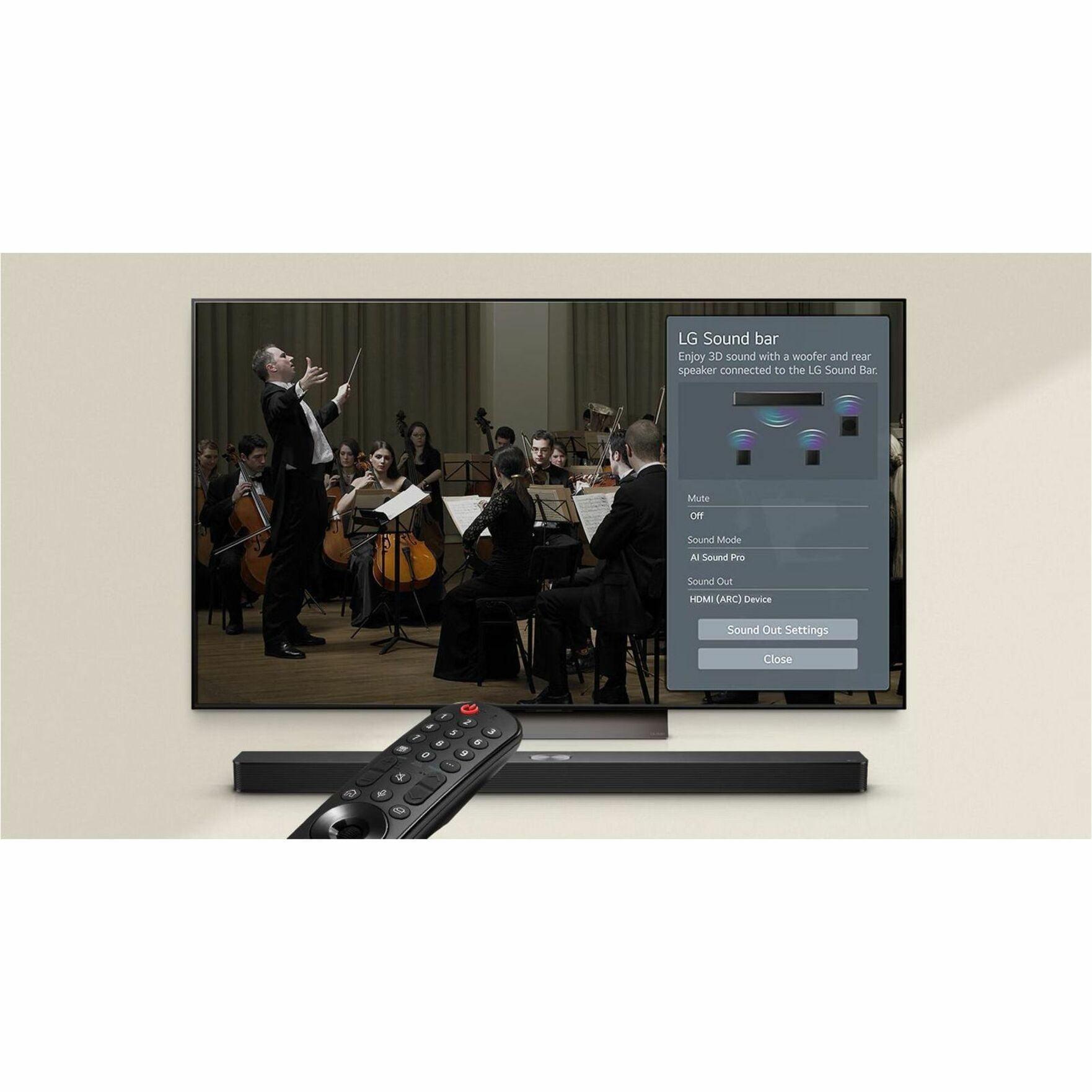
The LG S40T, by contrast, relies on traditional remote control operation. You get basic sound mode presets (Movie, Music, News) but no way to fine-tune the audio to your specific room or preferences. For many users, this simplicity is actually a benefit – there's no learning curve or setup complexity.
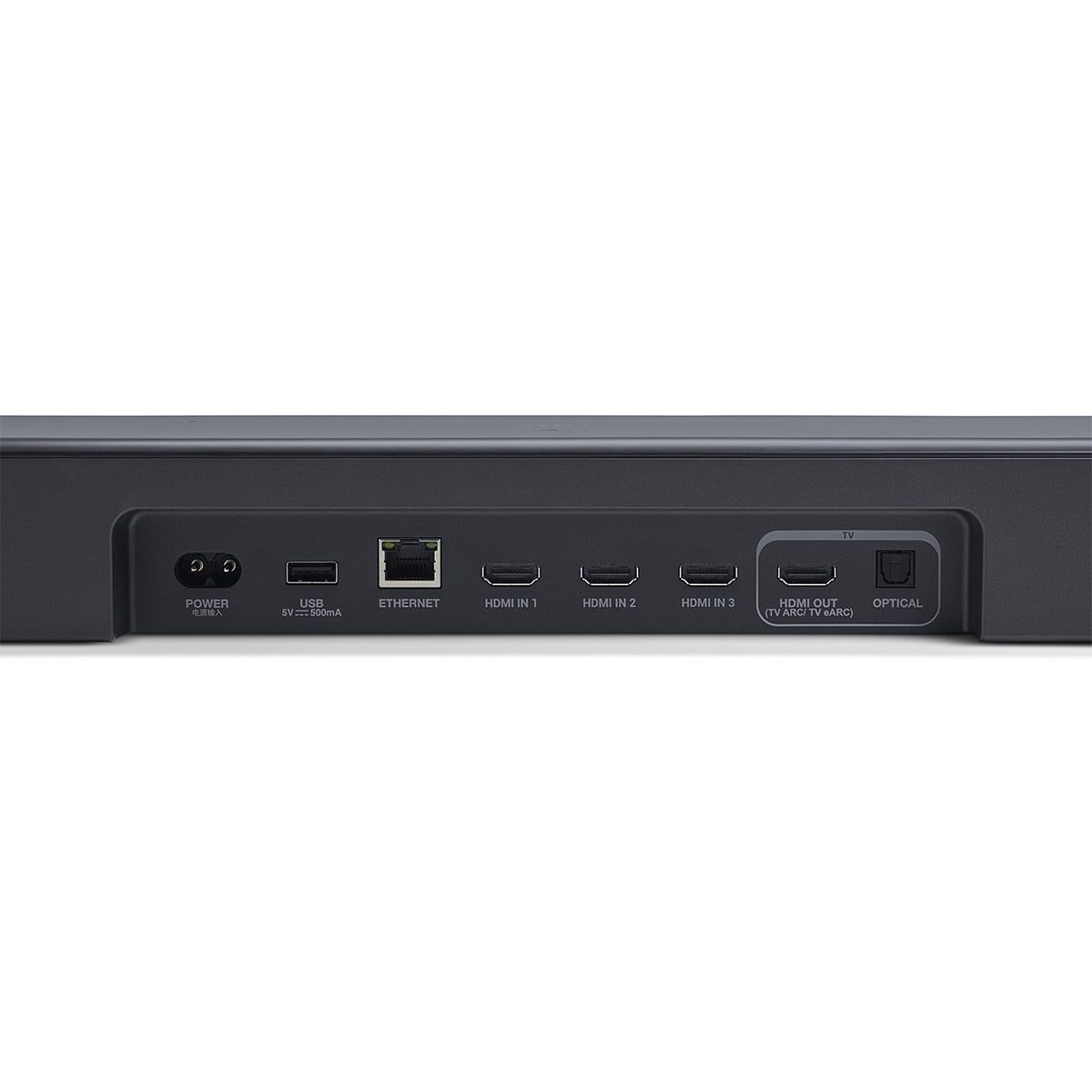
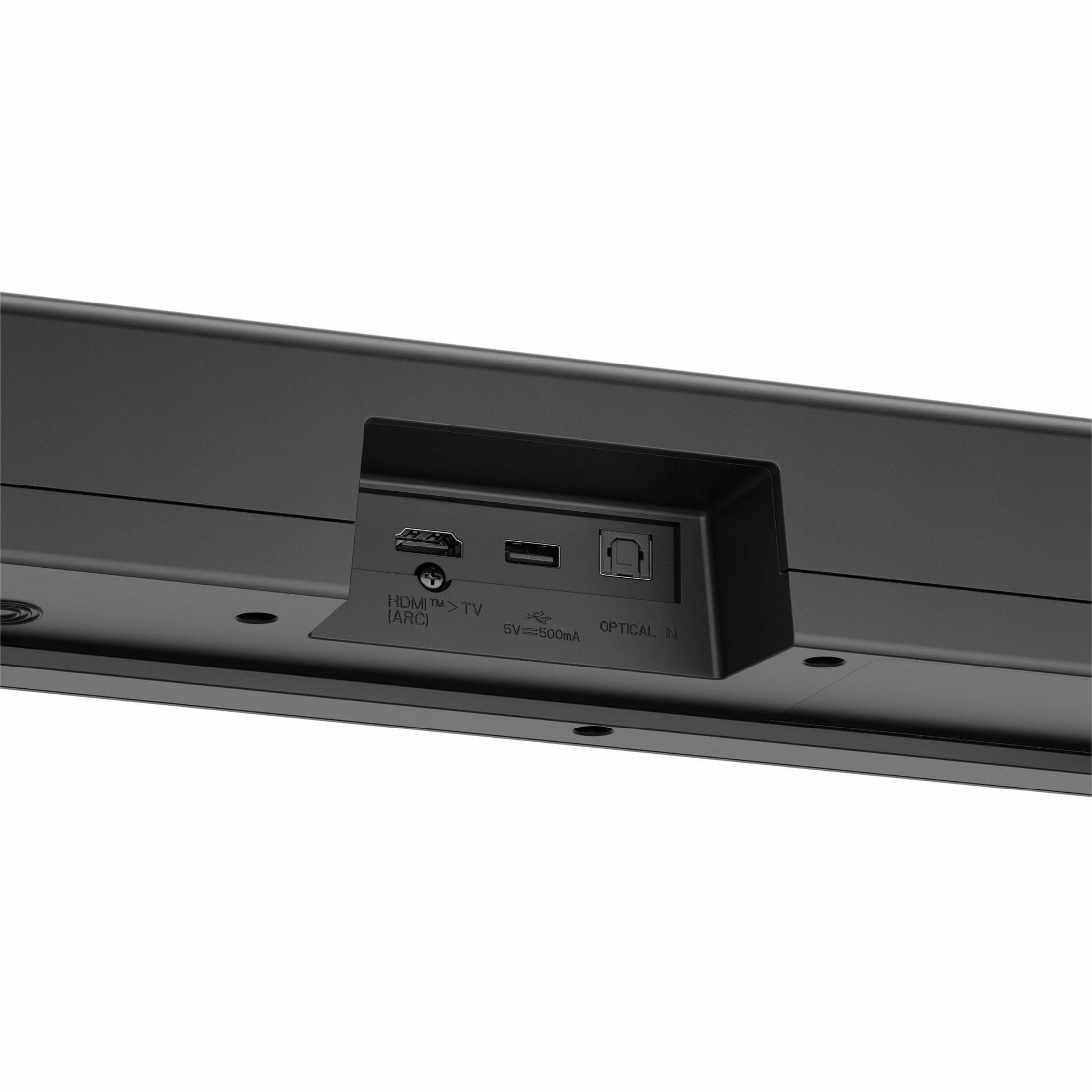
The connectivity story reveals another major difference in target audiences. The JBL Bar 1000 MK2 includes HDMI eARC (enhanced Audio Return Channel) plus three additional HDMI inputs with 4K Dolby Vision passthrough. This means you can connect multiple devices – gaming consoles, streaming boxes, Blu-ray players – directly to the soundbar, then send both audio and video to your TV through a single cable.
HDMI eARC specifically enables uncompressed Dolby Atmos audio, which is crucial for getting the full benefit of the system's height channels. It also allows your TV remote to control the soundbar volume automatically, creating a seamless user experience.
The LG S40T includes HDMI ARC (without the "e") and optical input. ARC handles most audio formats adequately, but it can't carry the full bandwidth needed for advanced Atmos content. For most users watching Netflix or cable TV, this limitation won't matter, but it does future-proof the JBL for higher-quality content sources.
Both systems include Bluetooth for phone and tablet streaming, but the JBL adds Wi-Fi connectivity with support for AirPlay 2, Chromecast Built-in, Spotify Connect, and Roon Ready. These features transform the soundbar into a full-featured music streaming system that can integrate with smart home ecosystems.
The wireless connectivity also enables multi-room audio features through JBL's ecosystem, though this requires additional JBL speakers in other rooms. The detachable speakers can even be used in a "Broadcast" mode to extend audio to other areas of your home.
The physical design of each system affects how they integrate into your living space. The JBL Bar 1000 MK2 measures 33.6 inches wide, making it suitable for TVs 55 inches and larger. The detachable speakers add visual bulk when attached but create a more balanced look when separated and placed around the room.
The LG S40T at 28.4 inches works well with smaller TVs and takes up less visual space. Its compact subwoofer can fit into tighter spaces than the JBL's larger unit. For apartment dwellers or anyone with space constraints, these size differences matter significantly.
Setting up the LG S40T involves connecting power cables, running one audio cable to your TV, and pairing the wireless subwoofer – typically a 10-minute process. The JBL requires the same basic connections but benefits from running through the app-based room calibration and potentially requires more thought about rear speaker placement for optimal surround effects.
Neither system requires professional installation, but the JBL rewards users who invest time in proper setup and room optimization. The LG delivers most of its benefits immediately after basic connection.
Room size significantly impacts how each system performs. In smaller rooms (under 200 square feet), the LG S40T provides adequate volume and bass response for casual viewing. The virtual surround processing can even feel reasonably convincing when you're sitting close to the soundbar.
Larger rooms expose the LG's limitations more clearly. The bass becomes less impactful, and the virtual surround effects break down when you're farther from the main unit. The JBL Bar 1000 MK2 actually improves in larger spaces because the separate rear speakers maintain their effectiveness regardless of room size, and the more powerful subwoofer can pressurize bigger volumes of air.
For dedicated home theater rooms, the JBL's true surround sound becomes almost essential for proper immersion. Virtual processing simply can't replicate the effect of having actual speakers positioned around the listening area.
The $1,063 price difference between these systems reflects fundamental differences in engineering and manufacturing complexity. The JBL Bar 1000 MK2 includes wireless transmission systems for multiple speakers, battery management for the detachable units, sophisticated digital signal processing for Atmos decoding, and premium driver materials throughout the system.
The LG S40T focuses on delivering core soundbar functionality efficiently and affordably. The engineering priorities center on reliability, ease of use, and cost-effective manufacturing rather than pushing performance boundaries.
From a pure value perspective, both systems deliver reasonable performance for their price points. The LG provides dramatic improvement over TV speakers for minimal investment, while the JBL delivers genuine home theater performance that competes with much more expensive separate component systems.
The streaming landscape continues evolving, with more content available in Dolby Atmos and higher-quality audio formats. The JBL's full Atmos compatibility and advanced connectivity options position it well for future content improvements. The LG's more basic feature set means it may feel outdated more quickly as streaming services continue improving their audio offerings.
However, for users whose needs center on better TV dialogue and modest bass improvement, the LG's simpler approach may actually prove more durable – fewer complex features mean fewer potential failure points.
You're building a serious home theater setup and want genuine surround sound immersion. The detachable speakers appeal to your lifestyle – maybe you'd use them for outdoor entertaining or in other rooms. You have a larger room that needs powerful, room-filling audio, and you're willing to invest in premium performance that will remain impressive for years.
The streaming features matter to you, and you want a system that integrates well with modern smart home ecosystems. You watch a lot of movies and shows with advanced audio tracks, and you can hear the difference that true Atmos height effects make to the experience.
Your primary goal is making TV dialogue clearer and adding some bass punch without spending serious money. You have a smaller room or apartment where space is limited, and you prefer simple, plug-and-play operation over advanced features and customization options.
You're not particularly interested in surround sound immersion – you just want better audio than what your TV provides. The nearly $1,100 savings allows you to upgrade other parts of your entertainment setup, or simply represents a more reasonable investment for your usage patterns.
Both the JBL Bar 1000 MK2 and LG S40T succeed at their intended purposes, but they're designed for completely different users and use cases. The JBL represents the cutting edge of soundbar technology with innovations that genuinely change how you experience home entertainment. The LG provides solid, practical audio improvement that makes everyday TV watching more enjoyable without breaking the budget.
Your choice ultimately depends on how important audio quality is to your entertainment experience and whether the JBL's unique features – particularly those detachable wireless speakers – align with how you actually use your living space. Either way, you'll enjoy significantly better sound than what your TV speakers provide, which is really the whole point of upgrading to a soundbar in the first place.
| JBL Bar 1000 MK2 Soundbar System | LG S40T 2.1 Channel Soundbar |
|---|---|
| Price - The fundamental decision factor | |
| $1,199.95 (premium home theater investment) | $136.99 (budget-friendly TV audio upgrade) |
| Audio Channels - Determines surround sound capability | |
| 7.1.4 channels with true Dolby Atmos height effects | 2.1 channels with virtual surround processing |
| Total System Power - Affects volume and clarity in large rooms | |
| 960W max (250W bar, 150W sub, 40W×2 rears) | 300W total system power |
| Subwoofer - Critical for bass impact and movie immersion | |
| 10" wireless subwoofer (33Hz frequency response) | Smaller wired subwoofer (frequency specs not published) |
| Rear Speakers - Makes the difference between virtual and real surround | |
| Detachable wireless speakers with 10-hour battery life | No rear speakers (virtual surround only) |
| HDMI Connectivity - Important for 4K devices and gaming | |
| HDMI eARC + 3 inputs with 4K Dolby Vision passthrough | HDMI ARC + optical input (no multiple HDMI inputs) |
| Streaming Features - Convenience for music listening | |
| Wi-Fi with AirPlay 2, Spotify Connect, Chromecast, Roon Ready | Bluetooth 5.3 only (no Wi-Fi streaming) |
| Smart Features - App control and customization | |
| JBL One app with EQ, room calibration, Night Listening mode | Remote control only (no app or advanced features) |
| Dimensions - Affects TV compatibility and room placement | |
| 33.6" soundbar + detachable 6.1" rear speakers | 28.4" compact soundbar (better for smaller TVs) |
| Best For - Target user and room type | |
| Large rooms, home theater enthusiasts, premium audio experience | Small-medium rooms, budget upgrades, simple TV audio improvement |
The JBL Bar 1000 MK2 Soundbar System is a premium 7.1.4-channel system with true Dolby Atmos and detachable wireless rear speakers, while the LG S40T 2.1 Channel Soundbar is a budget-friendly 2.1-channel system with virtual surround sound. The JBL costs $1,199.95 compared to the LG's $136.99 price point.
The JBL Bar 1000 MK2 is significantly better for large rooms with its 960W total power output and physical rear speakers that maintain effectiveness regardless of room size. The LG S40T works well in small to medium rooms but struggles to fill larger spaces with adequate volume and bass.
Only the JBL Bar 1000 MK2 Soundbar System supports true Dolby Atmos with dedicated up-firing drivers that create genuine height effects. The LG S40T 2.1 Channel Soundbar supports Dolby Digital but lacks Atmos capability and height channels.
This depends on your needs and budget. The LG S40T offers exceptional value at $136.99 for basic TV audio improvement. The JBL Bar 1000 MK2 at $1,199.95 provides premium home theater performance with advanced features that justify the higher price for serious audio enthusiasts.
Only the JBL Bar 1000 MK2 Soundbar System includes detachable wireless rear speakers that can be removed from the main bar and placed anywhere in the room. The LG S40T 2.1 Channel Soundbar has no rear speakers and relies on virtual surround processing instead.
The LG S40T is much easier to set up with simple plug-and-play operation requiring just power and one audio cable connection. The JBL Bar 1000 MK2 requires more setup time including app installation, room calibration, and optimal placement of the detachable rear speakers.
The JBL Bar 1000 MK2 Soundbar System supports Wi-Fi streaming with AirPlay 2, Spotify Connect, Chromecast Built-in, and Roon Ready. The LG S40T 2.1 Channel Soundbar only offers Bluetooth 5.3 connectivity for streaming from phones and tablets.
The JBL Bar 1000 MK2 has significantly better bass with its 10-inch wireless subwoofer that reaches down to 33Hz and delivers 150W of power. The LG S40T has a smaller wired subwoofer that provides adequate bass for its price range but can't match the JBL's impact.
The JBL Bar 1000 MK2 Soundbar System is excellent for home theater with true 7.1.4-channel surround sound, Dolby Atmos height effects, and powerful audio that creates genuine cinematic immersion. The LG S40T 2.1 Channel Soundbar improves TV audio but lacks the surround sound capability needed for serious home theater applications.
The JBL Bar 1000 MK2 delivers superior sound quality with 960W total power, true spatial audio, and premium drivers that create room-filling, immersive sound. The LG S40T provides clear dialogue and decent bass improvement over TV speakers but operates in a much more basic performance category.
The JBL Bar 1000 MK2 Soundbar System is better for gaming with three HDMI inputs, 4K passthrough support, and immersive Dolby Atmos that enhances game audio positioning. The LG S40T 2.1 Channel Soundbar works with gaming consoles but lacks multiple HDMI inputs and advanced audio processing.
Choose the JBL Bar 1000 MK2 if you want premium home theater audio, have a large room, and value features like detachable wireless speakers and true Atmos. Choose the LG S40T if you simply want better TV dialogue and bass on a tight budget, have a smaller room, or prefer simple operation without advanced features.
We've done our best to create useful and informative comparisons to help you decide what product to buy. Our research uses advanced automated methods to create this comparison and perfection is not possible - please contact us for corrections or questions. These are the sites we've researched in the creation of this article: ecoustics.com - engadget.com - bestbuy.com - techradar.com - rtings.com - hometechnologyreview.com - youtube.com - t3.com - whathifi.com - youtube.com - bhphotovideo.com - gzhls.at - device.report - support.jbl.com - support.jbl.com - jbl.com - av.com - audioadvice.com - jbl.com - target.com - worldwidestereo.com - bestbuy.com - bestbuy.com - rtings.com - pcrichard.com - lg.com - lg.com - lg.com - lg.com - microcenter.com - flanners.com - bestbuy.com - microcenter.com

Privacy Policy
Terms and Conditions - Affiliate Policy
Home Security
© Copyright 2008-2026.
11816 Inwood Rd #1211, Dallas, TX 75244