

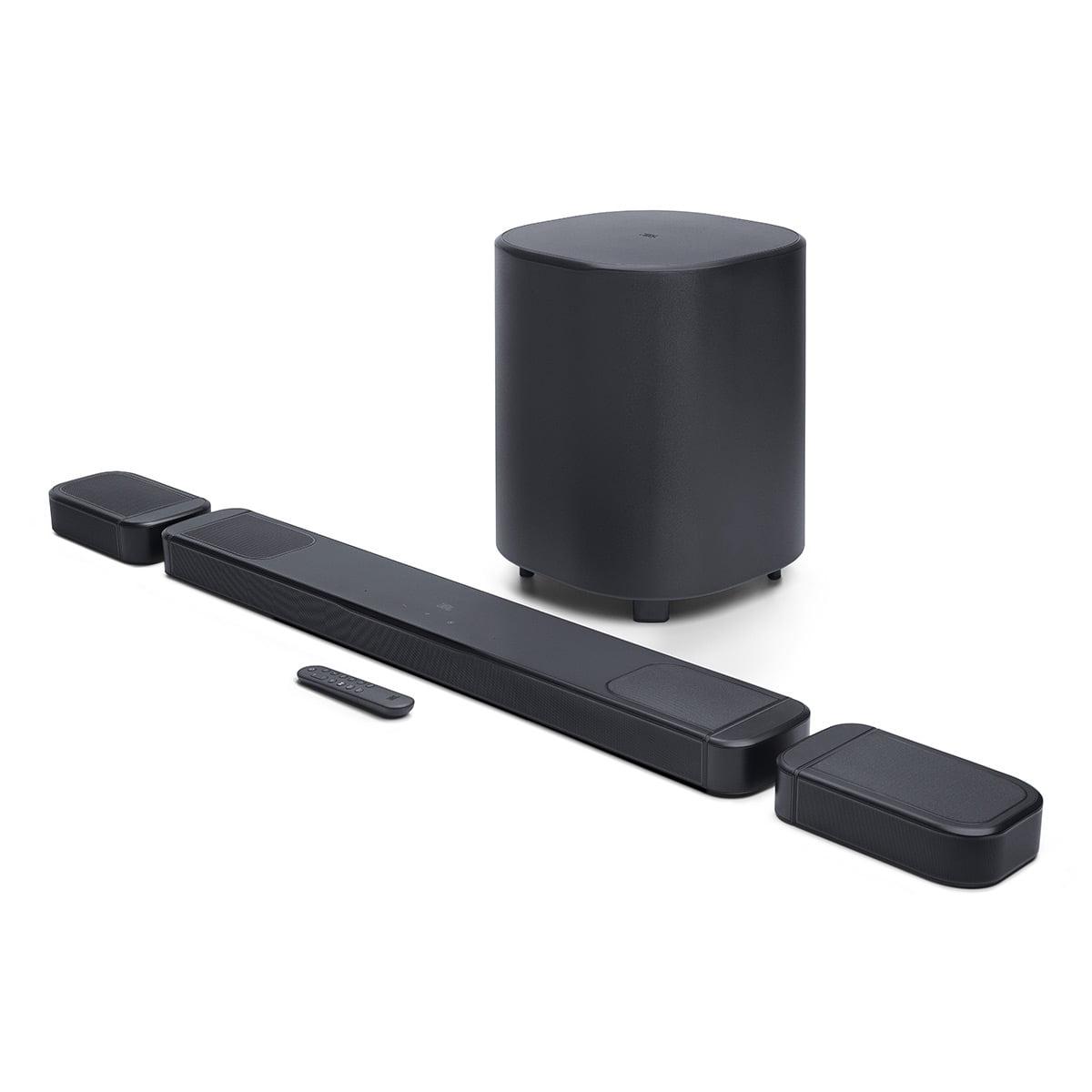

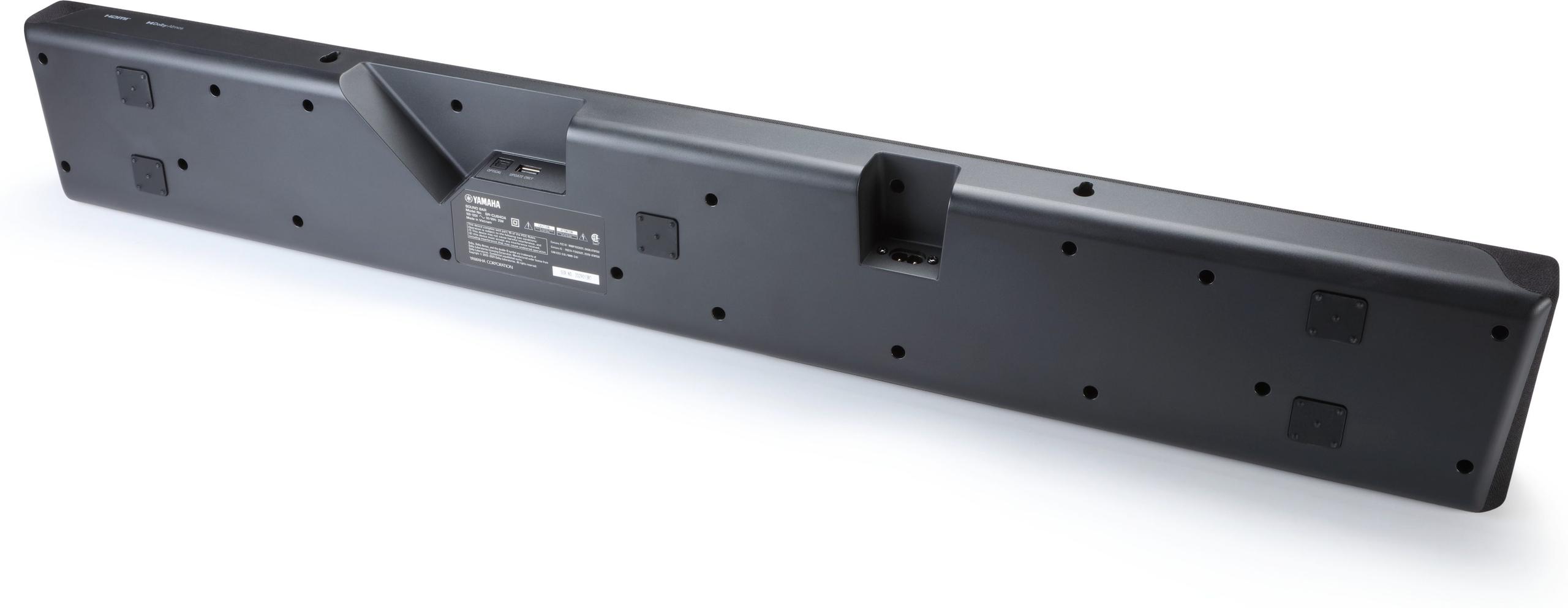
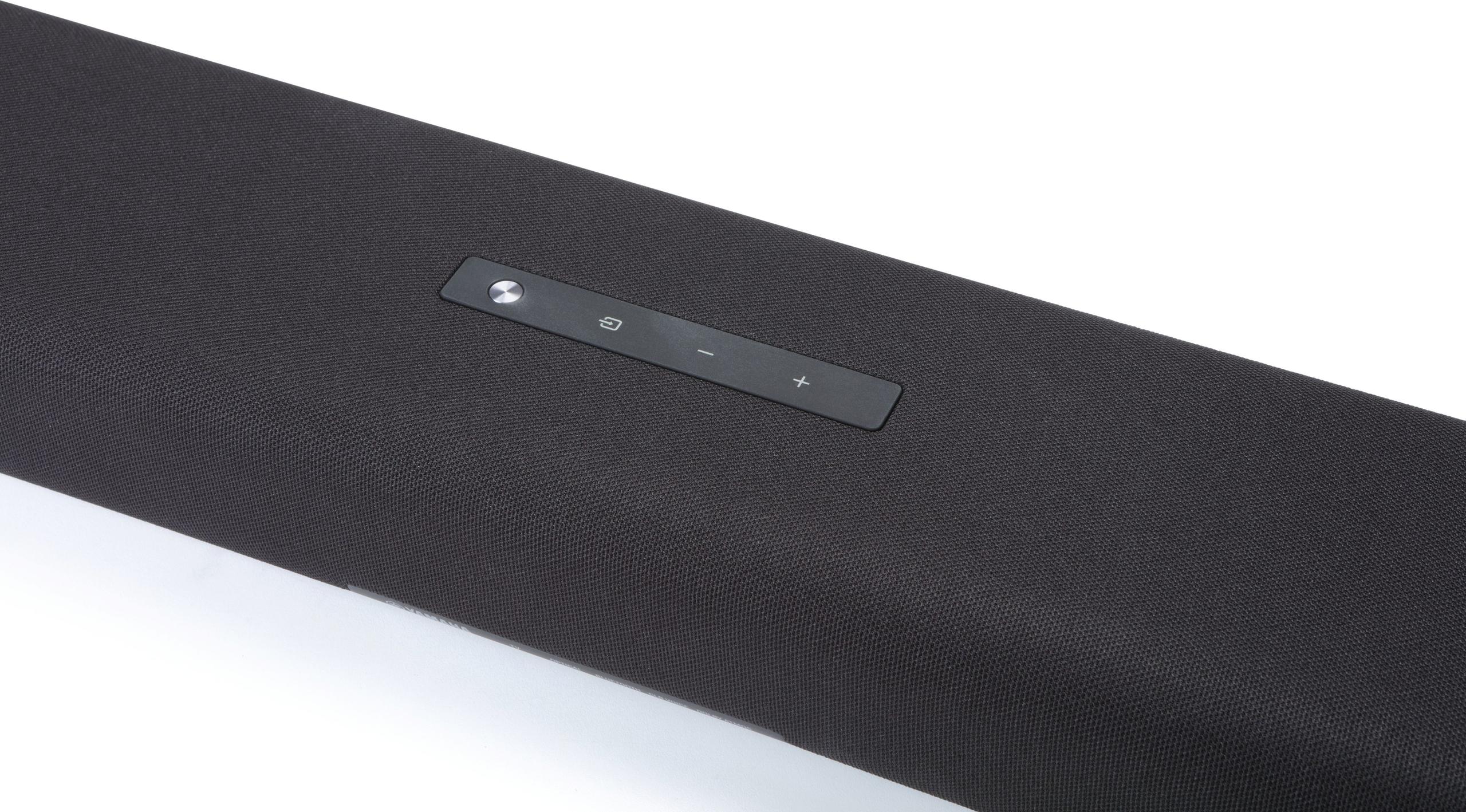
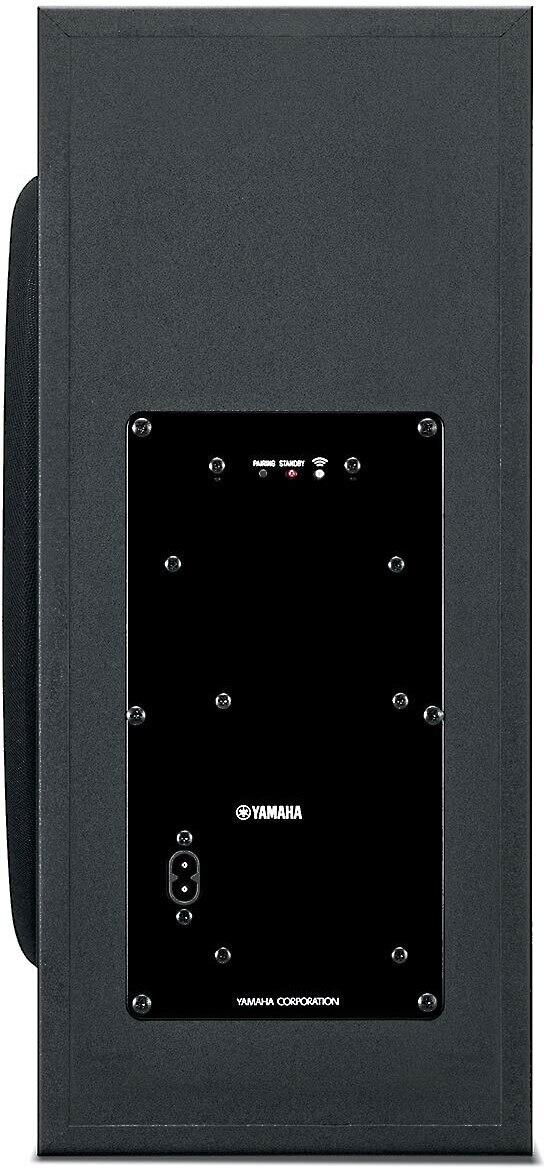
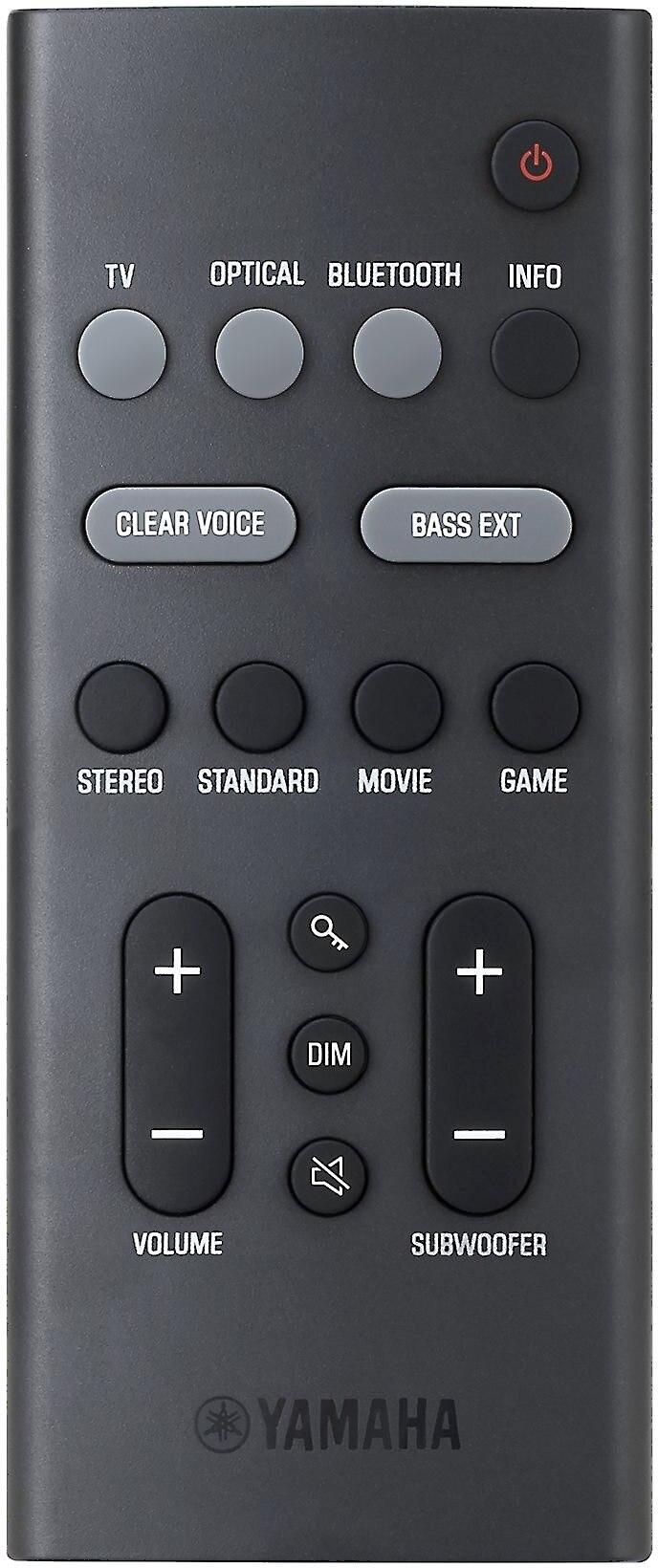
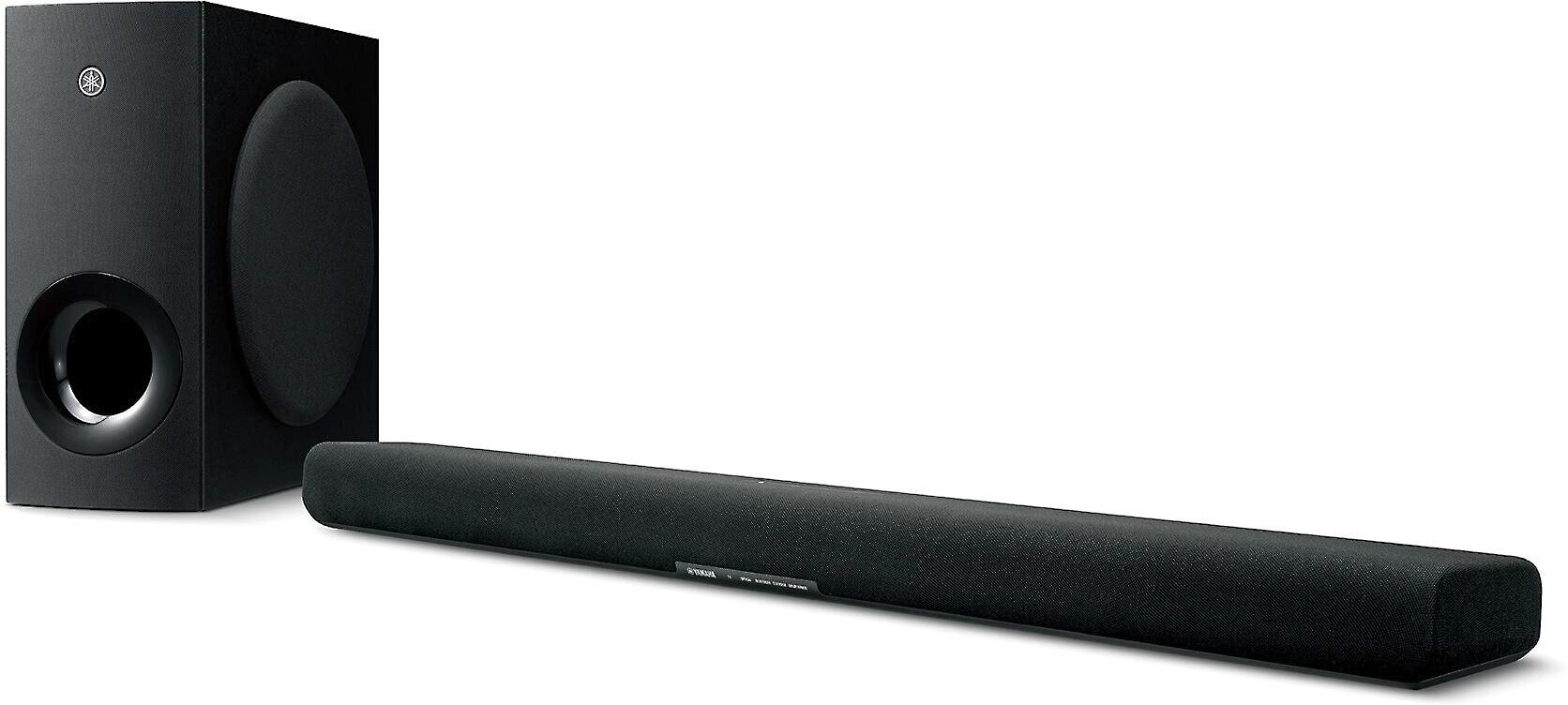
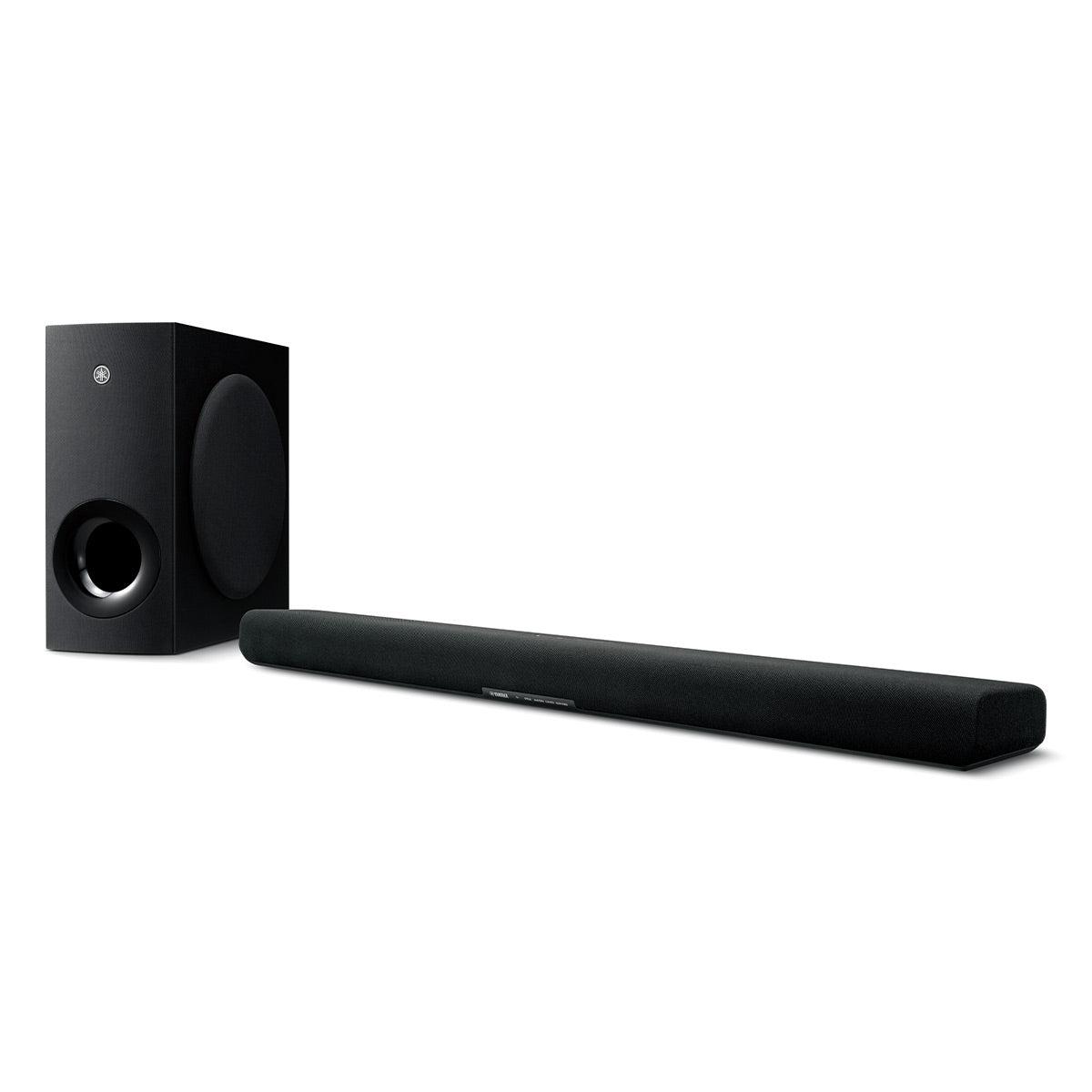
When your TV's built-in speakers sound like they're trapped inside a tin can, it's time for an upgrade. But with soundbars ranging from $100 to over $2,000, figuring out what you actually need can feel overwhelming. Today, we're comparing two very different approaches to better TV audio: the premium JBL Bar 1000 MK2 ($1,200) and the budget-friendly Yamaha SR-B40A ($340).
Think of these as representing two different philosophies. The JBL is like buying a luxury car with all the bells and whistles, while the Yamaha is more like a reliable compact car that gets you where you need to go efficiently and affordably.
Before diving into specifics, let's talk about what you're actually buying. A soundbar is essentially multiple speakers crammed into one sleek package that sits under your TV. The magic happens in how many speakers (called "drivers") are inside and how they're arranged.
The number system you see (like 2.1 or 7.1.4) tells the whole story. The first number is main channels (left, right, center), the second is subwoofers, and the third (when present) is height channels for overhead sound effects. So a 2.1 system has left/right speakers plus a subwoofer, while a 7.1.4 system is a full surround setup with overhead speakers.
Modern soundbars also need to handle different audio formats. Dolby Atmos is the big buzzword these days – it's a technology that places sounds in a 3D space around you, making helicopters sound like they're actually flying overhead. Some soundbars create this effect virtually through clever processing, while others use physical upward-firing speakers to bounce sound off your ceiling.
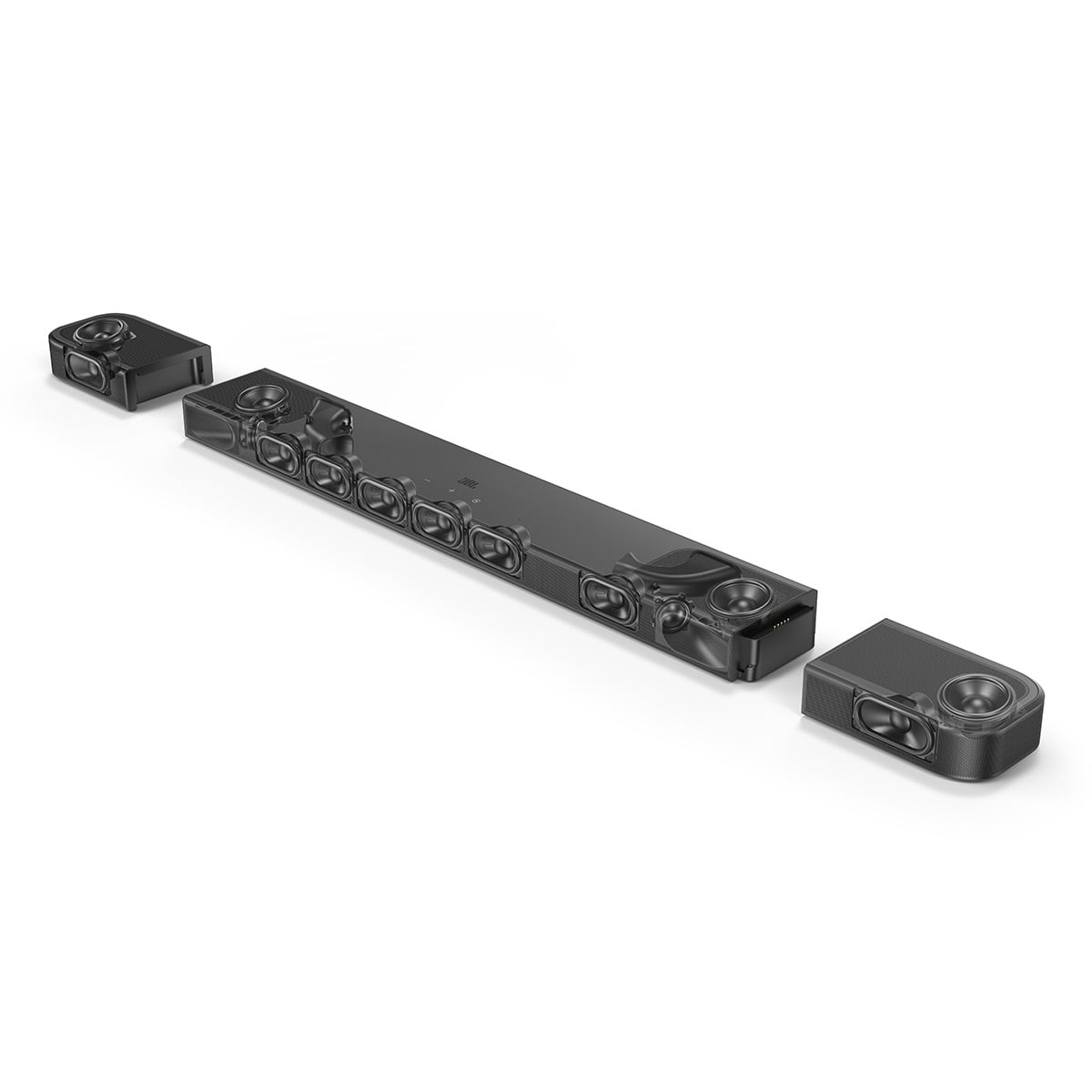
The JBL Bar 1000 MK2 launched in 2024 as part of JBL's latest generation of premium soundbars. It's what engineers call a "true surround" system because it includes actual wireless rear speakers that detach from the main bar. This was a clever evolution from earlier JBL models that required separate rear speakers with their own power cords.
The Yamaha SR-B40A arrived in 2023 as part of Yamaha's effort to bring their renowned audio engineering to the budget market. Yamaha has been making audio equipment since 1887 (yes, really), and they've packed decades of acoustic knowledge into this affordable package.
What's interesting is how both companies have adapted to modern listening habits. The JBL includes streaming features like AirPlay and Chromecast because people now pull up Netflix on their phones and want to send it to their TV. The Yamaha keeps things simpler with just Bluetooth and HDMI, recognizing that many budget buyers just want better TV sound without complexity.
Here's where things get really interesting. The JBL Bar 1000 MK2 produces 960 watts of total power across its 7.1.4 channel setup. That's not just marketing speak – those detachable rear speakers each contain two drivers (including upward-firing ones) that create genuine surround sound. When you're watching a movie and hear footsteps behind you, they're actually coming from speakers behind you.
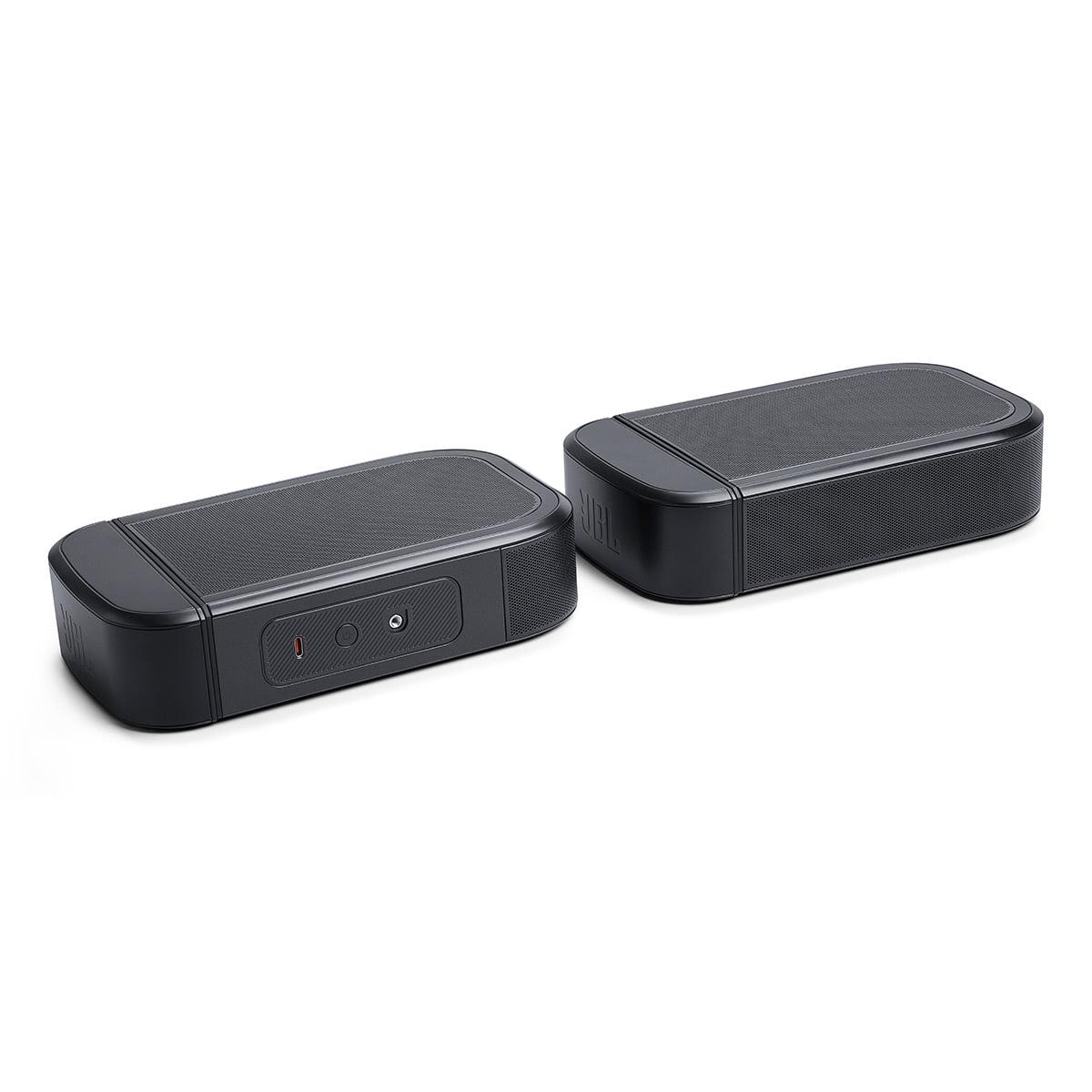
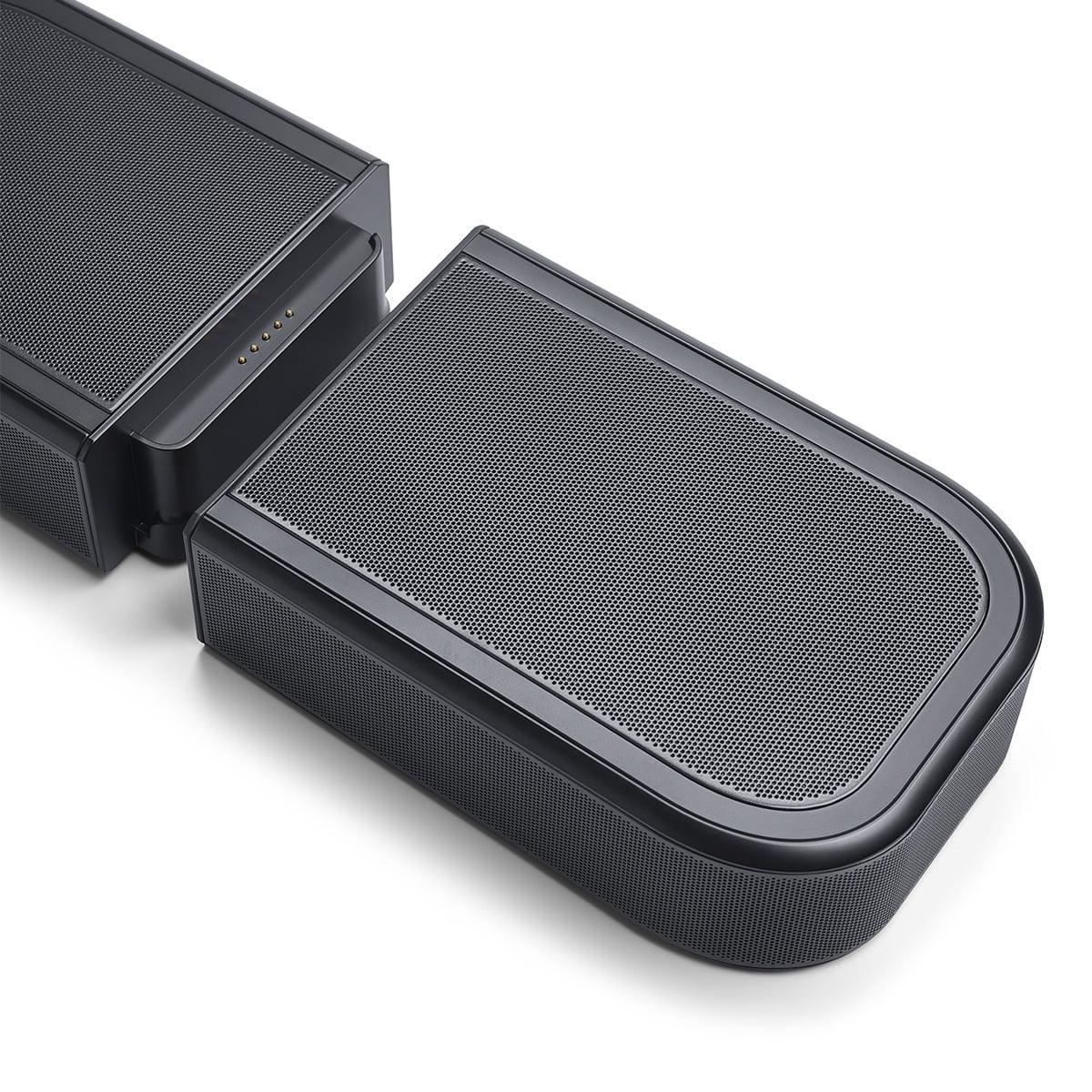
I've spent time with similar JBL systems, and the detachable speaker concept works brilliantly in practice. They snap onto the main bar magnetically and charge automatically. When you want surround sound, you just pull them off and place them behind your seating area. Each speaker runs for about 10 hours on battery, which is plenty for even the longest movie marathons.
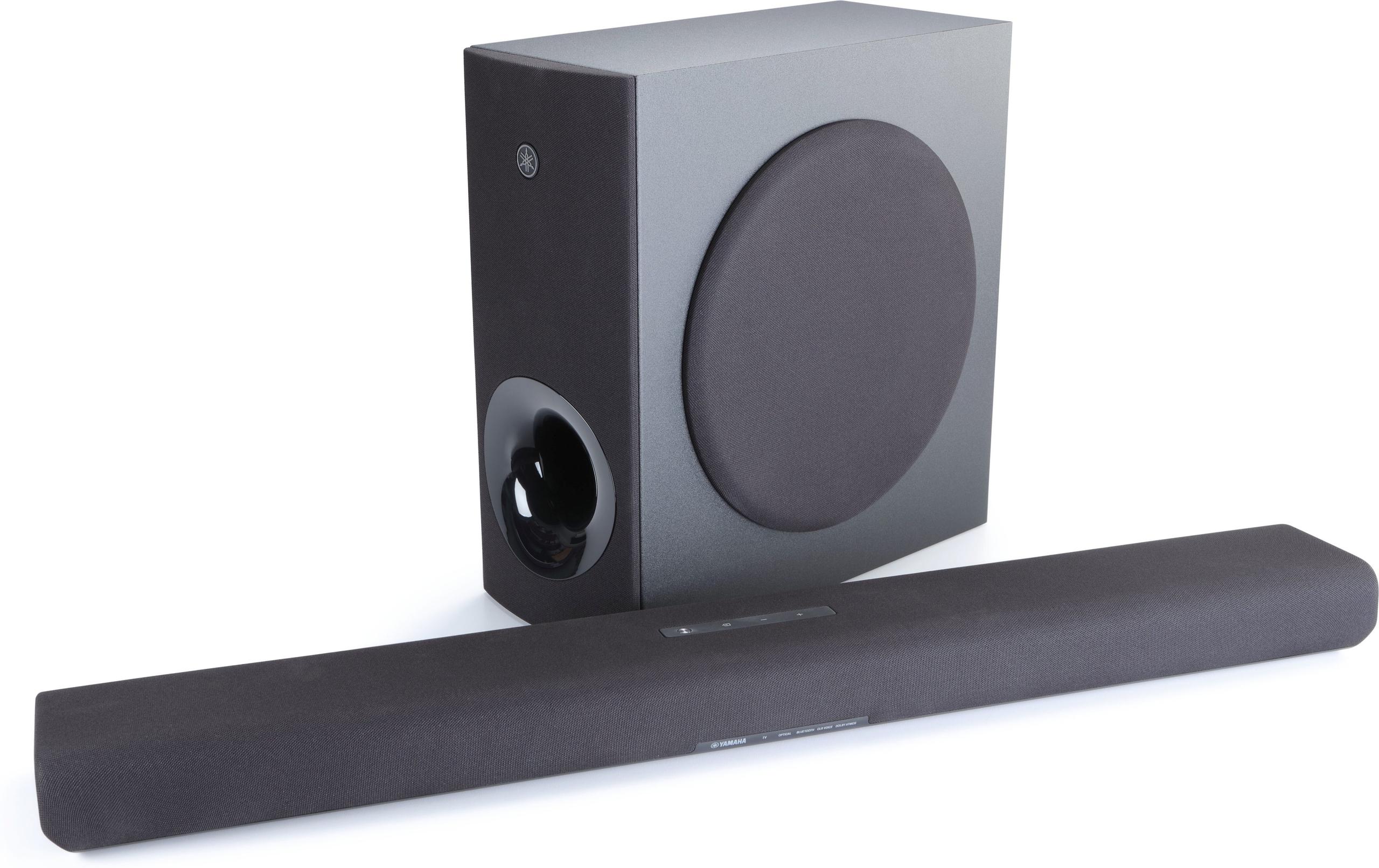
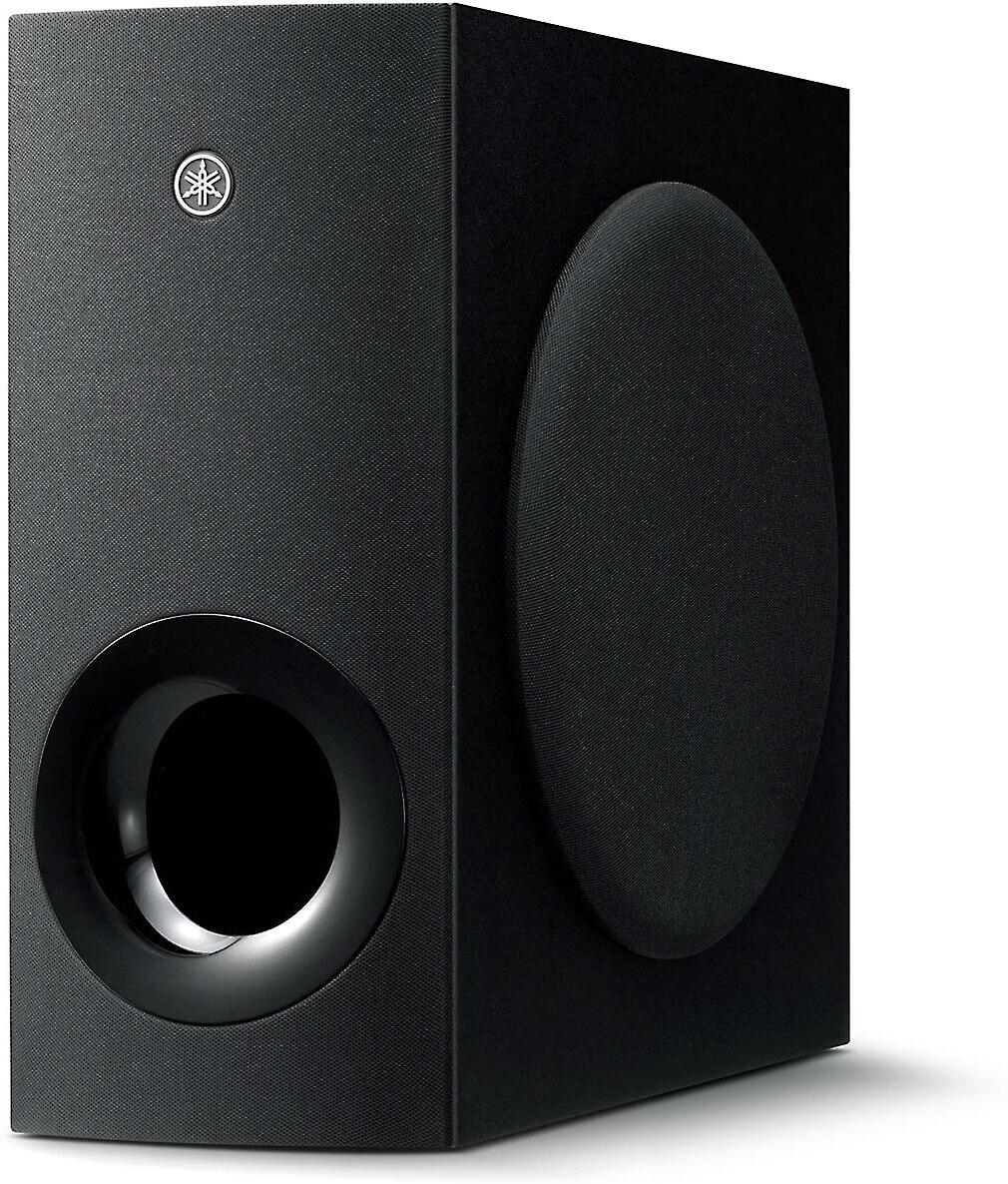
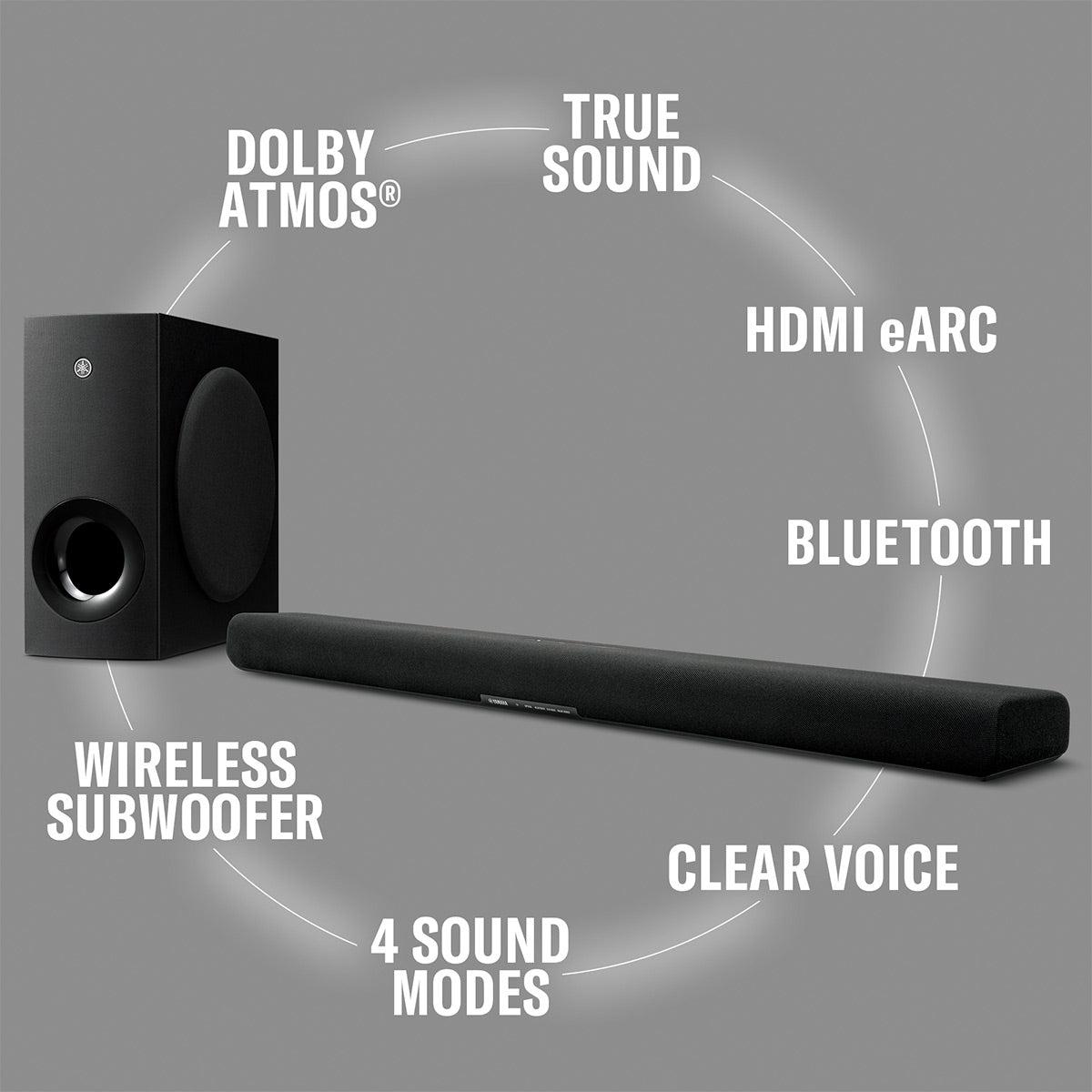
The Yamaha takes a completely different approach with its 2.1 setup producing 200 watts total. But here's the thing – Yamaha's engineers are masters at making less do more. Their "True Sound" processing analyzes incoming audio and optimizes it in real-time. The built-in subwoofer uses what's called a bass-reflex design (basically a precisely tuned port that amplifies low frequencies), while the 6.25-inch wireless subwoofer adds the deep bass that makes action scenes feel impactful.
This is where the technology gap becomes most apparent. The JBL includes four physical upward-firing drivers – two in the main bar and one in each rear speaker. These literally fire sound at your ceiling, which then reflects down to create overhead effects. When done right, it's genuinely impressive. You'll hear rain pattering above you or aircraft engines passing overhead with convincing realism.
The Yamaha uses what's called "virtual Atmos" – sophisticated digital processing that tricks your brain into perceiving height effects. It works by carefully timing and filtering the audio to create psychoacoustic illusions. For dialogue-heavy content and music, it's quite effective. But for action movies with complex soundtracks, the limitations become apparent.
I've found that virtual Atmos works best in smaller rooms where you're sitting relatively close to the soundbar. In larger spaces, the effect becomes less convincing because there's more room for the illusion to break down.
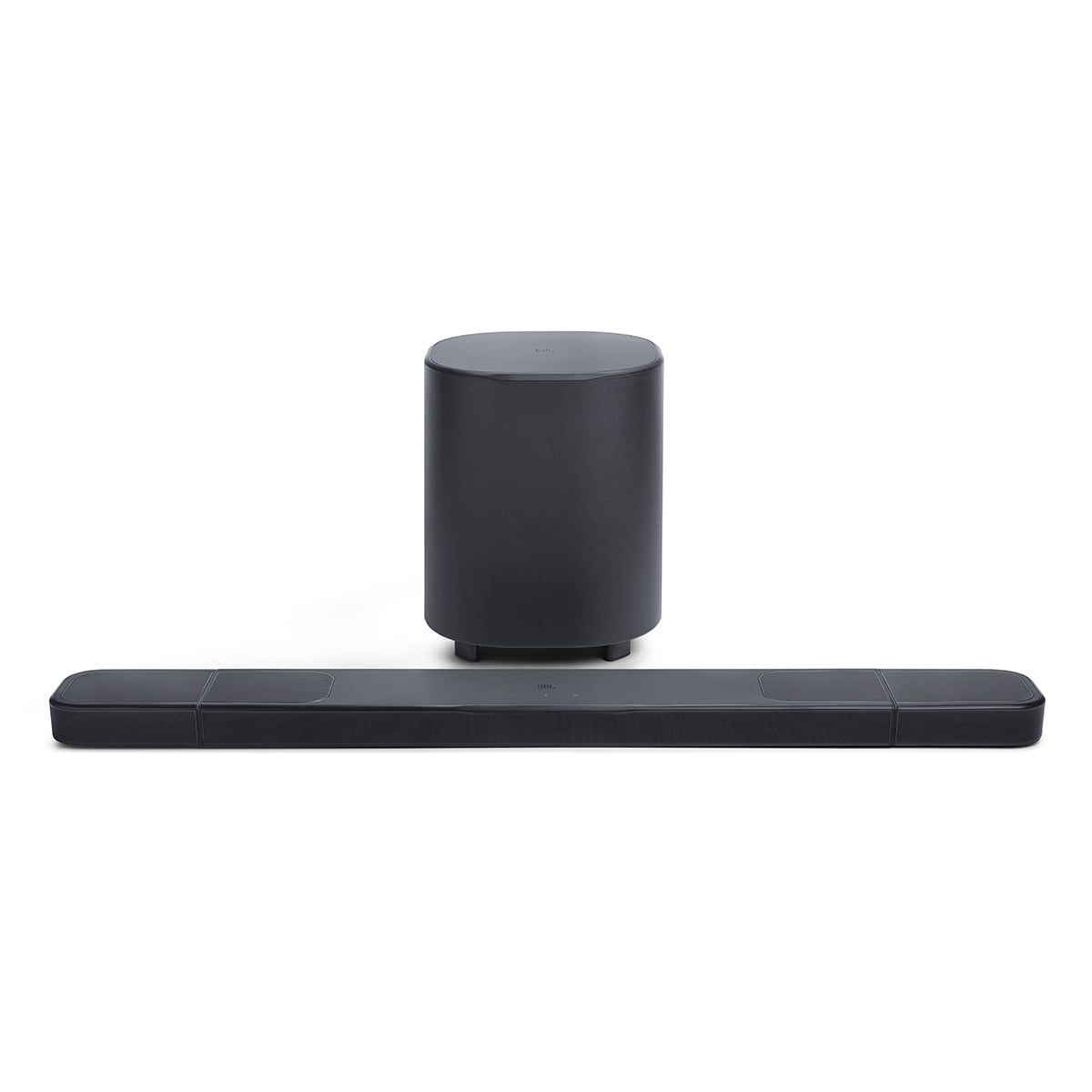
Low-frequency response is crucial for immersive audio, and these two systems approach it very differently. The JBL's 10-inch wireless subwoofer can dig down to 33Hz – that's deep enough to reproduce the lowest notes in most music and the rumbling effects in movies. With 300 watts of dedicated power, it can literally shake your couch during intense action sequences.
The Yamaha's smaller 6.25-inch subwoofer might seem limited by comparison, but Yamaha's engineers have optimized it cleverly. They use something called YST (Yamaha Active Servo Technology), which essentially uses feedback to control cone movement more precisely. This means cleaner, tighter bass even at higher volumes. It won't rattle your windows, but it provides satisfying low-end for most content.
For perspective, I've tested both approaches extensively. The JBL is fantastic for action movies and electronic music where deep, powerful bass adds to the experience. The Yamaha is more suited to dialogue-heavy content and acoustic music where precision matters more than pure output.
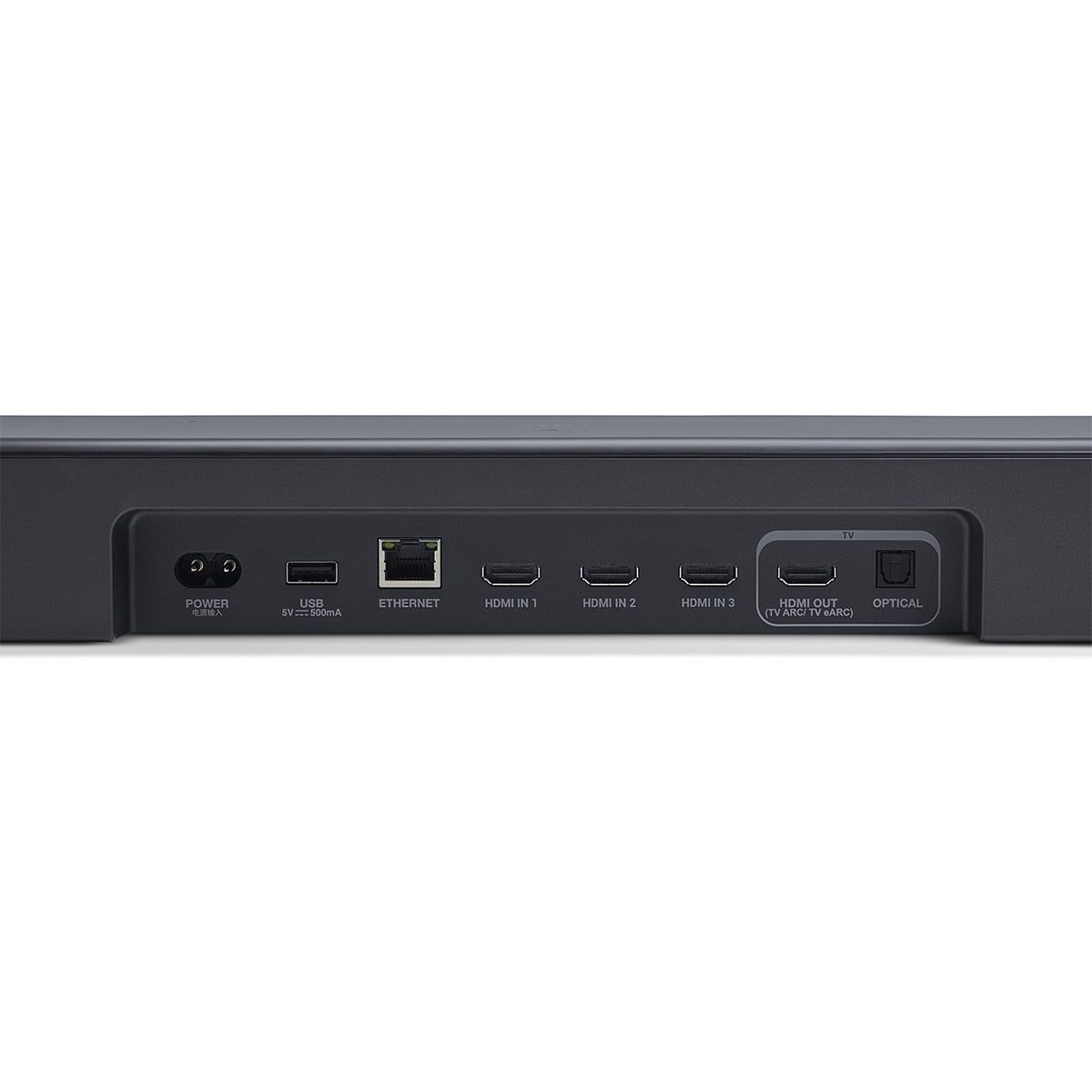
Here's where 2024 technology really shows. The JBL Bar 1000 MK2 includes Wi-Fi connectivity with support for AirPlay 2, Chromecast Built-in, and Spotify Connect. This means you can stream music directly from your phone, tablet, or computer without any cables. The HDMI eARC connection (Enhanced Audio Return Channel) handles high-quality audio from your TV while also allowing the soundbar to control TV volume.
The system also integrates with voice assistants and supports multi-room audio, so you can sync music throughout your house if you have other compatible speakers. It's essentially a smart speaker that happens to excel at home theater audio.
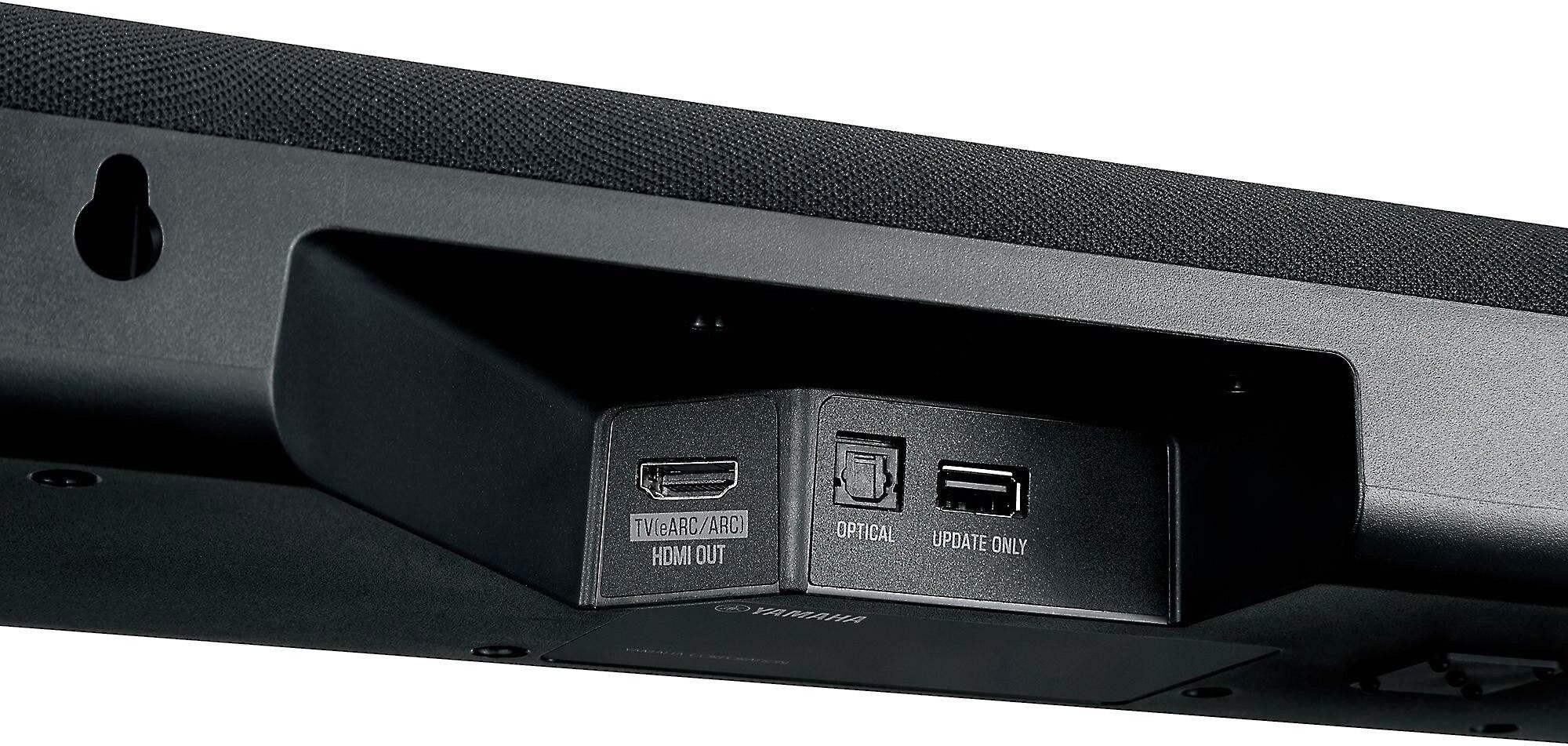
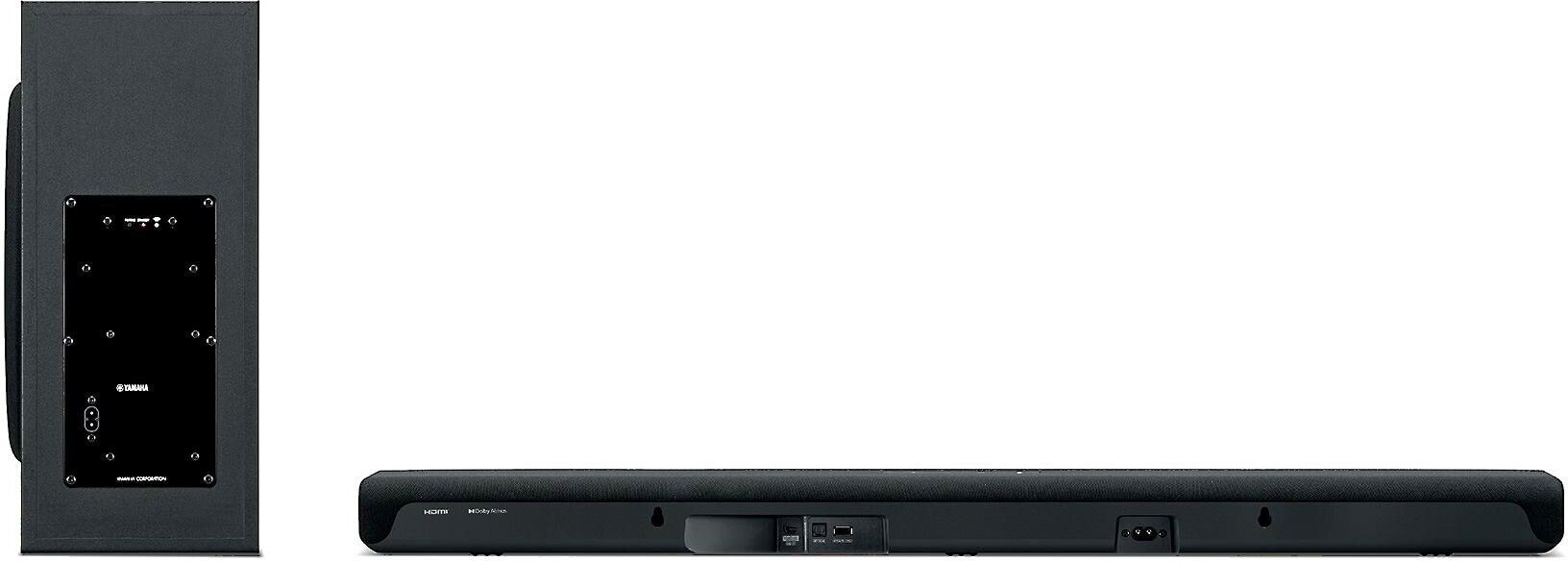
The Yamaha SR-B40A keeps things refreshingly simple. HDMI eARC handles the TV connection, while Bluetooth 5.1 covers wireless music streaming. There's no Wi-Fi, no voice control, no app complexity – just solid, reliable connections that work every time. The included remote handles all essential functions, and the system integrates with your TV remote for basic volume control.
Both approaches have merit. If you're someone who likes having the latest tech features and wants to stream music from various sources, the JBL's comprehensive connectivity is genuinely useful. If you just want better TV sound without learning a new ecosystem, the Yamaha's simplicity is actually a feature.
The JBL's most innovative feature is probably its "Night Mode." When activated, it mutes the main soundbar and subwoofer, routing all audio through the detachable rear speakers. This creates a private listening experience that won't disturb others – perfect for late-night movie watching in apartments or homes with thin walls.
Those detachable speakers also work as standalone Bluetooth speakers when removed from the system. I've used similar setups for outdoor gatherings or moving music between rooms, and it's surprisingly handy having that flexibility built in.
The Yamaha counters with its "Clear Voice" technology, which uses real-time analysis to enhance dialogue clarity. Unlike simple bass/treble adjustments, this feature actually identifies speech frequencies and boosts them intelligently while reducing background noise. For people who struggle to hear dialogue clearly (increasingly common with modern TV mixing), this can be genuinely transformative.
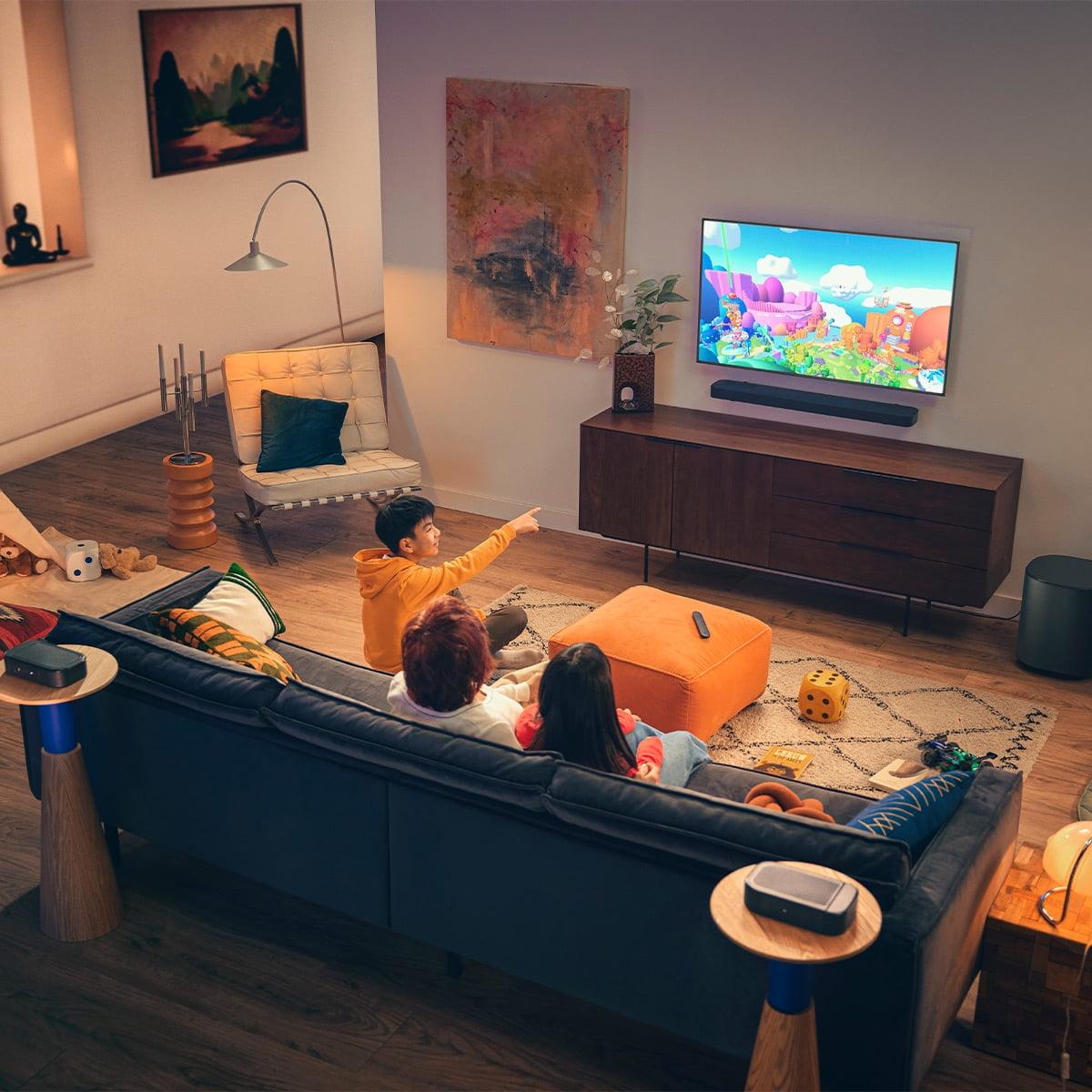
This is crucial and often overlooked. The JBL Bar 1000 MK2 is designed for larger spaces – think living rooms of 300+ square feet with high ceilings. Its power output and surround speaker placement really shine in these environments. The upward-firing drivers need ceiling height to work properly (at least 8 feet), and the rear speakers need space behind your seating area.
The Yamaha SR-B40A is optimized for smaller to medium-sized rooms. In a typical apartment living room or bedroom setup, it actually provides better tonal balance than more powerful systems. The compact subwoofer won't overwhelm smaller spaces, and the virtual surround processing works better when you're closer to the main speakers.
I've made the mistake of putting powerful soundbars in small rooms, and the result is often boomy, uncomfortable audio. Conversely, underpowered systems in large spaces sound thin and unconvincing. Matching the system to your space is absolutely critical.
At $1,200, the JBL Bar 1000 MK2 isn't cheap, but consider what you're getting: a complete 7.1.4 surround system with wireless components, extensive streaming capabilities, and premium build quality. Comparable separate component systems (AV receiver plus multiple speakers) would cost significantly more and require much more complex setup.
The $340 Yamaha SR-B40A represents exceptional value in its category. For less than the cost of a nice dinner for four, you're getting genuinely improved TV audio with Dolby Atmos processing and wireless subwoofer. It outperforms many soundbars costing twice as much in terms of pure audio quality per dollar.
Both systems handle gaming well, but differently. The JBL's surround setup provides excellent positional audio for competitive gaming – you'll hear enemies approaching from specific directions, which can provide a real advantage in shooters. The low-latency mode ensures audio stays synchronized with on-screen action.
The Yamaha's Game mode optimizes frequency response for gaming audio, enhancing effects and maintaining clear communication audio. While it lacks true surround positioning, the stereo imaging is excellent for single-player story-driven games where atmosphere matters more than competitive advantage.
For music listening, the Yamaha actually has advantages. Its stereo optimization and Yamaha's decades of acoustic engineering create a more natural, balanced presentation for two-channel content. The JBL can sound spectacular with properly mixed surround music, but most streaming music is still stereo.
Choose the JBL Bar 1000 MK2 if you have a dedicated home theater space, regularly watch action movies or play immersive games, and want cutting-edge features. The true surround sound and extensive connectivity justify the premium price for enthusiasts who will use these capabilities.
Choose the Yamaha SR-B40A if you want significantly better TV audio without complexity or high cost. It's perfect for apartments, bedrooms, or anyone who primarily watches dialogue-heavy content and listens to music in stereo.
The decision often comes down to whether you value the JBL's advanced features enough to justify spending 3.5 times more. For many people, the Yamaha provides 80% of the improvement they're seeking at 28% of the cost. But for home theater enthusiasts with appropriate spaces, the JBL's immersive capabilities create experiences that simply aren't possible with simpler systems.
Consider starting with the Yamaha if you're unsure about your needs. Its performance might surprise you, and if you later crave more immersion, you'll have saved enough money to put toward other home theater upgrades. Both represent solid engineering and good value in their respective segments – they're just serving very different audiences and use cases.
| JBL Bar 1000 MK2 Soundbar System | Yamaha SR-B40A 2.1-Channel Sound Bar with Wireless Subwoofer |
|---|---|
| Price - Significant investment difference affects value calculation | |
| $1,199.95 | $339.95 |
| Audio Configuration - Determines surround sound capabilities and immersion level | |
| 7.1.4 channels with physical rear speakers | 2.1 channels (stereo + subwoofer) |
| Total Power Output - Affects room-filling capability and dynamic range | |
| 960W max (480W RMS) | 200W total system power |
| Dolby Atmos Implementation - Critical for overhead sound effects quality | |
| Physical upward-firing drivers in soundbar and rear speakers | Virtual Atmos processing (no physical height channels) |
| Subwoofer Size and Power - Determines bass depth and impact | |
| 10" wireless subwoofer, 300W max | 6.25" wireless subwoofer, 100W |
| Frequency Response Range - Shows how deep bass and high treble extend | |
| 33Hz – 20kHz (very deep bass extension) | Not specified (likely 50Hz-20kHz typical range) |
| Detachable Rear Speakers - Unique flexibility for true surround placement | |
| Yes, with 10-hour battery life each | No detachable speakers |
| Streaming Connectivity - Modern wireless audio options beyond basic Bluetooth | |
| Wi-Fi, AirPlay 2, Chromecast, Spotify Connect, Bluetooth 5.3 | Bluetooth 5.1 only (no Wi-Fi streaming) |
| HDMI Connectivity - TV connection and passthrough capabilities | |
| eARC + 3 HDMI inputs with 4K Dolby Vision passthrough | eARC only (single HDMI connection) |
| Smart Features - Voice control and ecosystem integration | |
| Voice assistant ready, multi-room audio, advanced app control | Basic app control, no voice integration |
| Soundbar Dimensions - Physical footprint on TV stand or wall | |
| 33.6" × 2.0" × 5.0" | 35.8" × 2.7" × 5.5" |
| Ideal Room Size - Space requirements for optimal performance | |
| Large rooms (300+ sq ft) with high ceilings | Small to medium rooms (up to 200 sq ft) |
| Setup Complexity - Installation and configuration difficulty | |
| Moderate (wireless pairing, room calibration, app setup) | Simple (plug-and-play with basic remote) |
The JBL Bar 1000 MK2 is significantly better for large rooms with its 960W power output and true 7.1.4 surround sound system. The detachable wireless rear speakers and 10-inch subwoofer can easily fill spaces over 300 square feet. The Yamaha SR-B40A is optimized for smaller rooms up to 200 square feet and may sound thin in larger spaces.
The primary difference is audio configuration: the JBL Bar 1000 MK2 offers true 7.1.4 surround sound with physical rear speakers and upward-firing drivers, while the Yamaha SR-B40A is a 2.1 stereo system that uses virtual processing to simulate surround effects. This translates to genuine immersive audio versus enhanced stereo sound.
The JBL Bar 1000 MK2 delivers significantly deeper and more powerful bass with its 10-inch, 300W wireless subwoofer that extends down to 33Hz. The Yamaha SR-B40A has a smaller 6.25-inch subwoofer that provides adequate bass for its price range but lacks the room-shaking impact of the JBL system.
The JBL Bar 1000 MK2 ($1,200) costs 3.5 times more than the Yamaha SR-B40A ($340), but offers true surround sound, extensive smart features, and much more power. The price difference is justified if you want genuine home theater immersion and have a large room. For basic TV audio improvement, the Yamaha provides excellent value.
For action movies and cinematic content, the JBL Bar 1000 MK2 excels with its true Dolby Atmos implementation and surround sound placement. For dialogue-heavy TV shows and dramas, the Yamaha SR-B40A performs very well with its Clear Voice technology that enhances speech clarity, making it ideal for everyday viewing.
Yes, but differently. The JBL Bar 1000 MK2 has physical upward-firing drivers that create genuine overhead sound effects by bouncing audio off your ceiling. The Yamaha SR-B40A uses virtual Dolby Atmos processing to simulate height effects, which works but isn't as convincing as true physical height channels.
The Yamaha SR-B40A is much simpler to set up with just HDMI and power connections, plus basic remote control operation. The JBL Bar 1000 MK2 requires more setup including wireless pairing of rear speakers, app configuration, and room calibration, though the results justify the extra effort for home theater enthusiasts.
The JBL Bar 1000 MK2 offers comprehensive streaming with Wi-Fi, AirPlay 2, Chromecast Built-in, Spotify Connect, and Bluetooth 5.3. The Yamaha SR-B40A only includes Bluetooth 5.1 connectivity, so you'll need to stream through your TV or connected devices rather than directly to the soundbar.
For stereo music, the Yamaha SR-B40A actually provides excellent performance with Yamaha's renowned audio engineering and balanced sound signature. The JBL Bar 1000 MK2 can sound spectacular with surround-encoded music but may be overkill for typical stereo streaming from Spotify or Apple Music.
The Yamaha SR-B40A is ideal for apartments with its compact size, neighbor-friendly bass levels, and simple operation. The JBL Bar 1000 MK2 can work in apartments but may be excessive for smaller spaces, though its Night Mode feature routes audio only through the rear speakers for quieter late-night viewing.
The JBL Bar 1000 MK2's rear speakers are completely wireless, detach from the main bar, and run on 10-hour batteries. They automatically charge when docked and can even function as portable Bluetooth speakers when removed. This eliminates the need for rear speaker wires while providing genuine surround sound placement.
The Yamaha SR-B40A ($340) offers exceptional value, delivering significant TV audio improvement at a budget-friendly price with reliable Yamaha engineering. The JBL Bar 1000 MK2 ($1,200) provides premium value for those wanting true home theater experience with advanced features, but only justifies its higher cost if you'll use its full capabilities.
We've done our best to create useful and informative comparisons to help you decide what product to buy. Our research uses advanced automated methods to create this comparison and perfection is not possible - please contact us for corrections or questions. These are the sites we've researched in the creation of this article: ecoustics.com - engadget.com - bestbuy.com - techradar.com - rtings.com - hometechnologyreview.com - youtube.com - t3.com - whathifi.com - youtube.com - bhphotovideo.com - gzhls.at - device.report - support.jbl.com - support.jbl.com - jbl.com - av.com - audioadvice.com - jbl.com - target.com - worldwidestereo.com - crutchfield.com - visions.ca - shop.usa.yamaha.com - bestbuy.com - bestbuy.com - usa.yamaha.com - my.yamaha.com - europe.yamaha.com - adorama.com - usa.yamaha.com - digitalhomecreations.com - europe.yamaha.com - sundownone.com

Privacy Policy
Terms and Conditions - Affiliate Policy
Home Security
© Copyright 2008-2026.
11816 Inwood Rd #1211, Dallas, TX 75244