


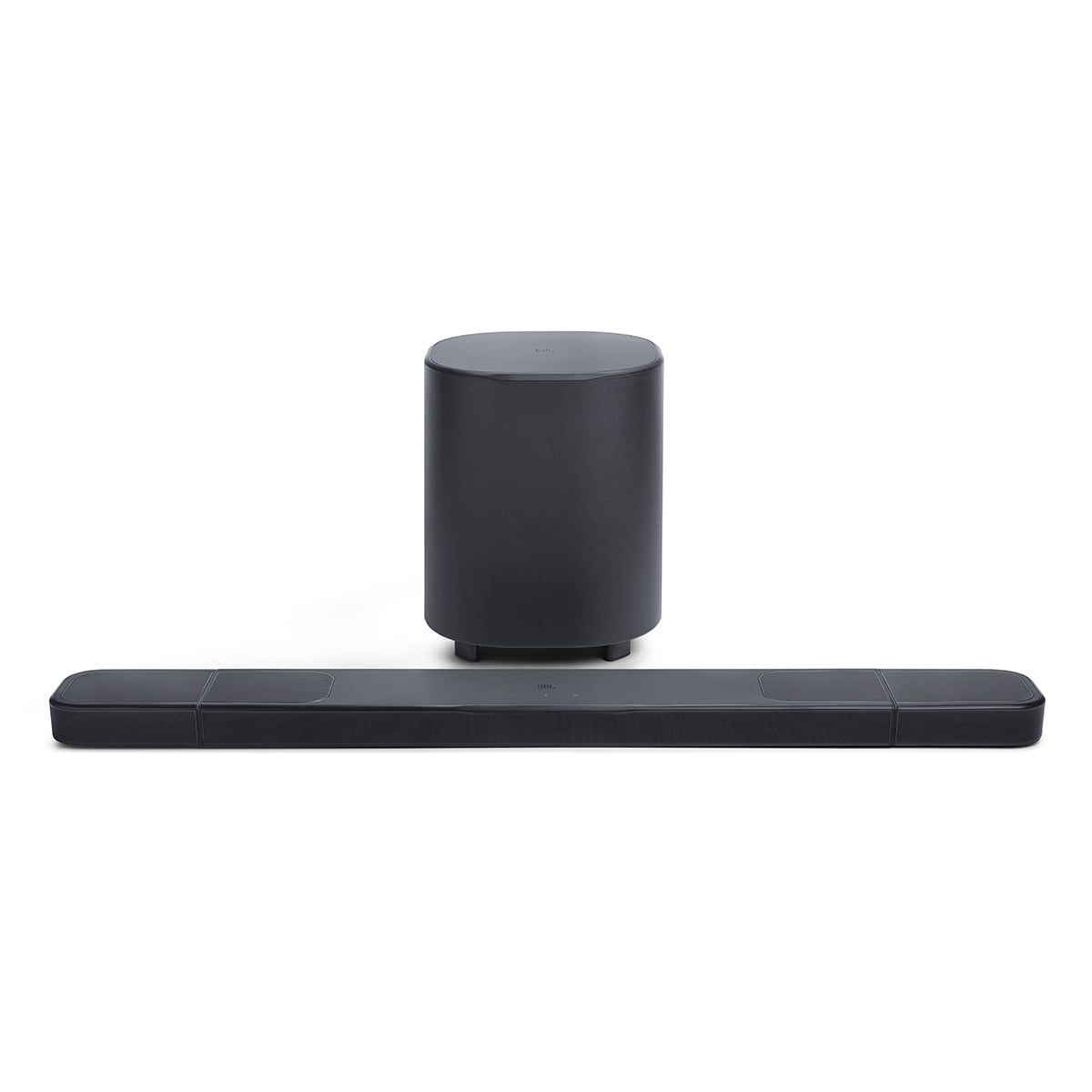
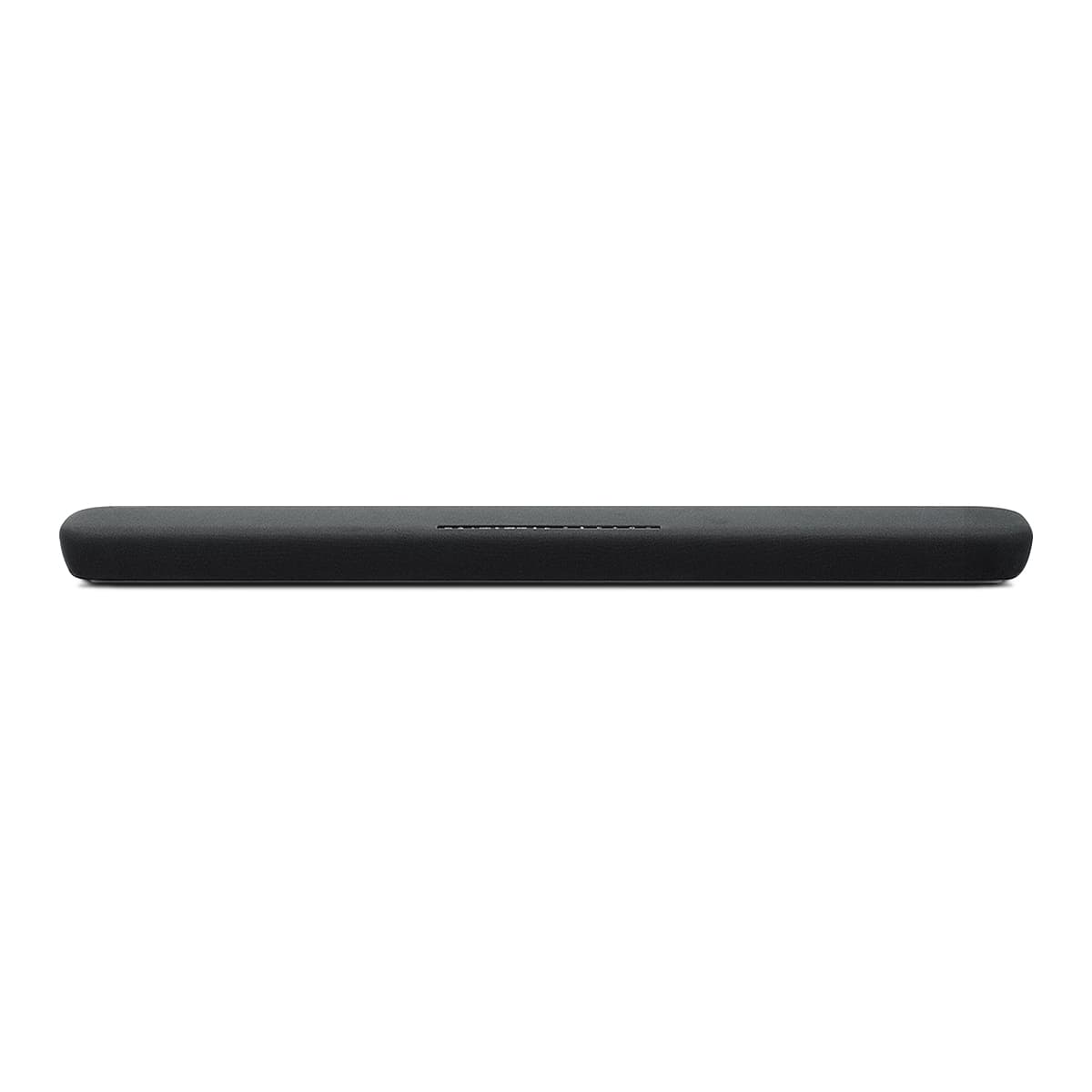
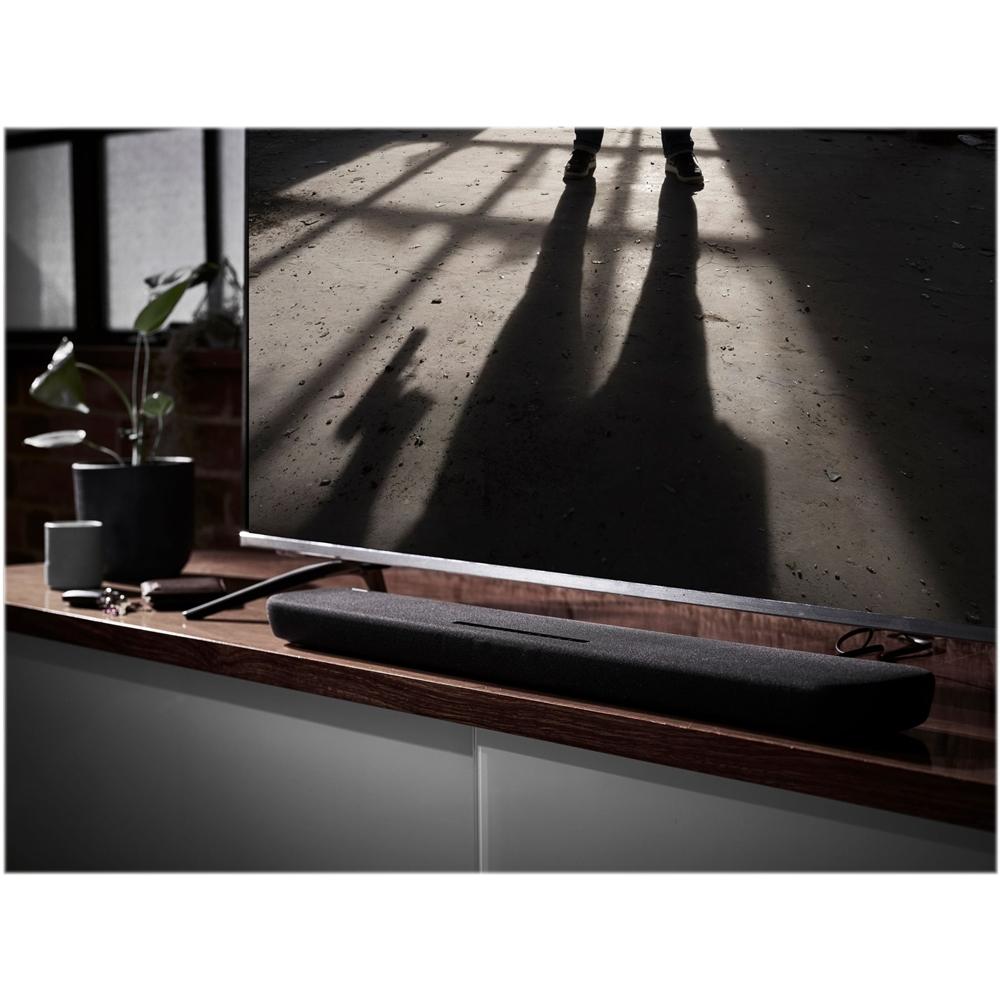
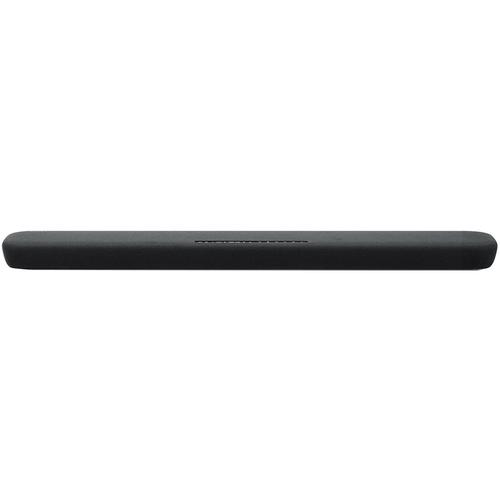

When your TV's built-in speakers make dialogue sound like it's coming through a tin can, it's time for a soundbar upgrade. But with options ranging from $200 budget models to $1,200 premium systems, choosing the right one can feel overwhelming. Today, we're diving deep into two popular options that couldn't be more different: the premium JBL Bar 1000 MK2 Soundbar System ($1,199) and the budget-friendly Yamaha YAS-109 Sound Bar ($219).
Before we jump into specifics, let's talk about what separates good soundbars from great ones. The most important factor is channel configuration – think of channels as individual speakers that can play different sounds simultaneously. A 2.0 system has left and right speakers, while a 7.1.4 system has seven main speakers, one subwoofer (the ".1"), and four height speakers (the ".4") that bounce sound off your ceiling.
Power output matters too, but it's not just about being loud. More power means cleaner sound at higher volumes and better bass response. Connectivity determines what devices you can plug in and how future-proof your investment will be. Finally, there's the physical design – some people want everything in one sleek bar, while others don't mind multiple components for better sound.
Released in early 2023 as an updated version of JBL's popular Bar 1000, the MK2 iteration brings several improvements over its predecessor. JBL refined the MultiBeam 3.0 technology (their fancy name for creating wide soundstages from a single bar), upgraded the wireless connectivity to be more stable, and enhanced the PureVoice 2.0 dialogue processing.
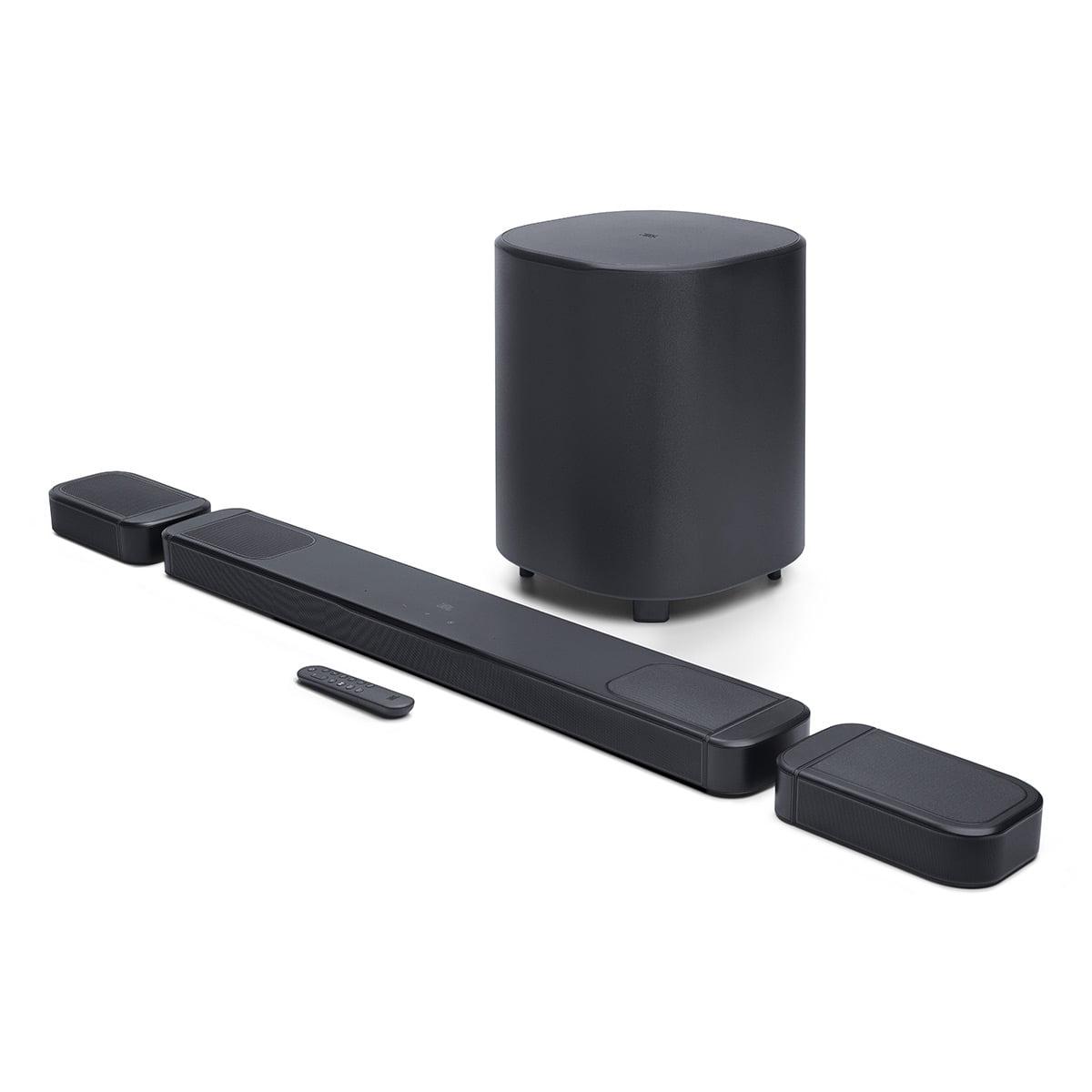
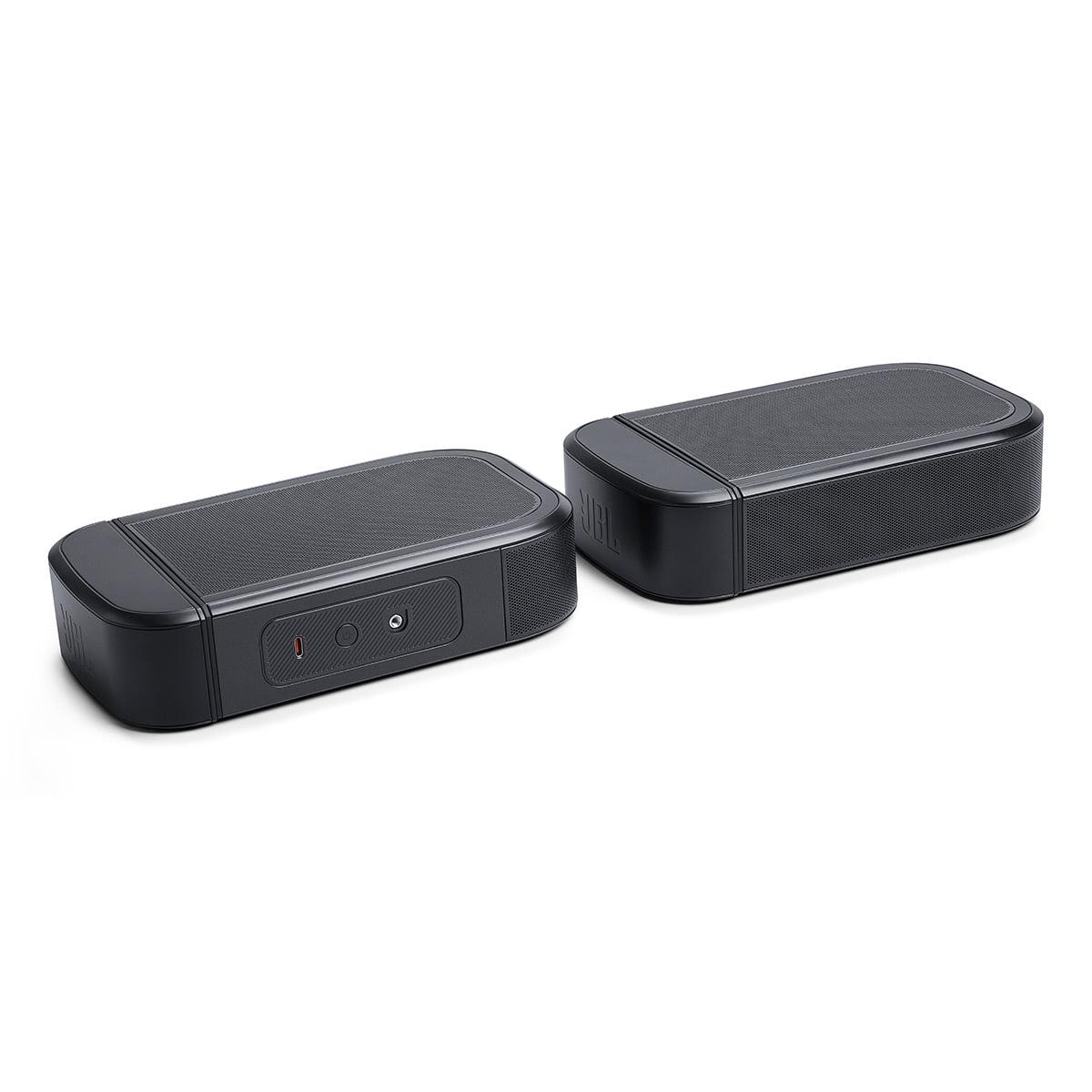
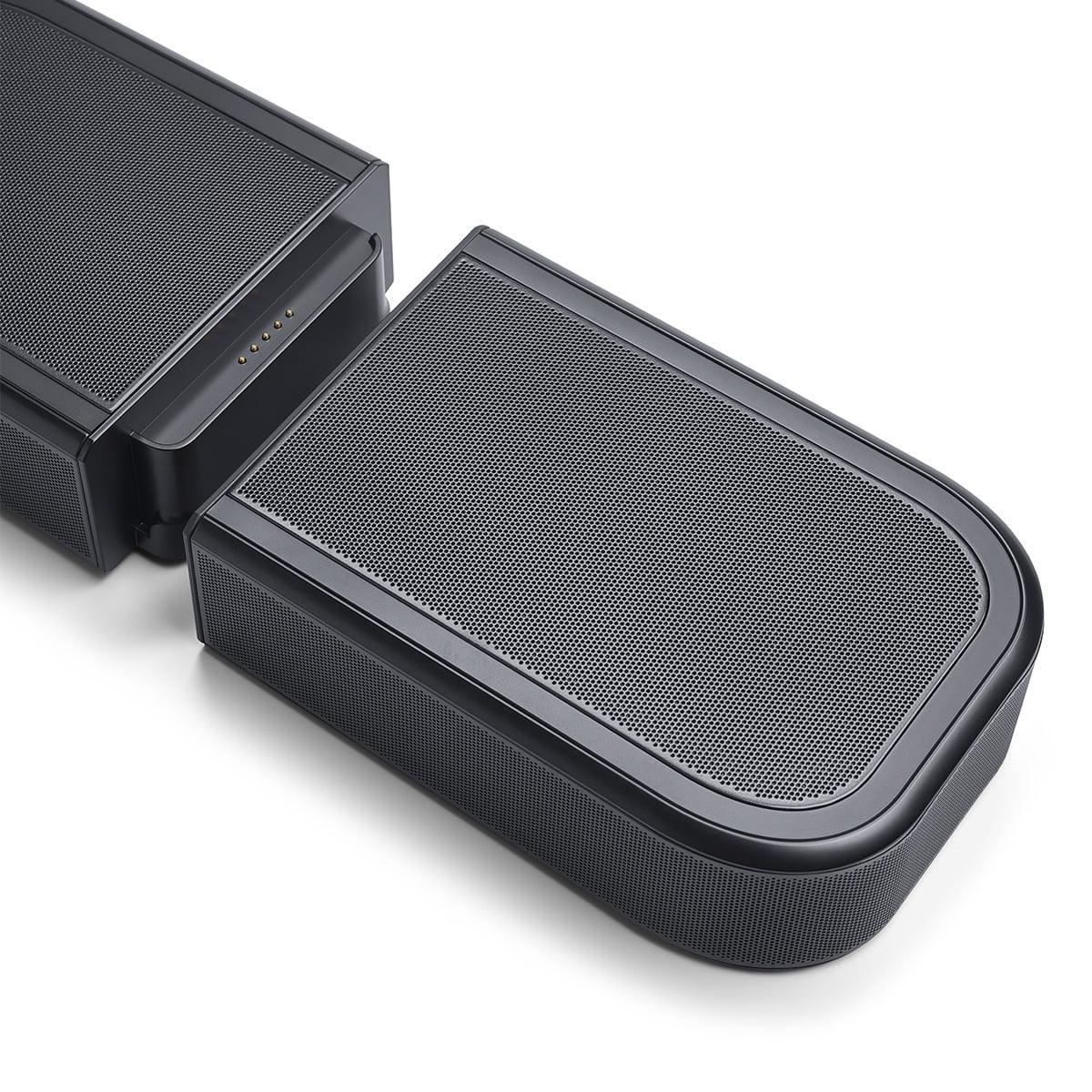
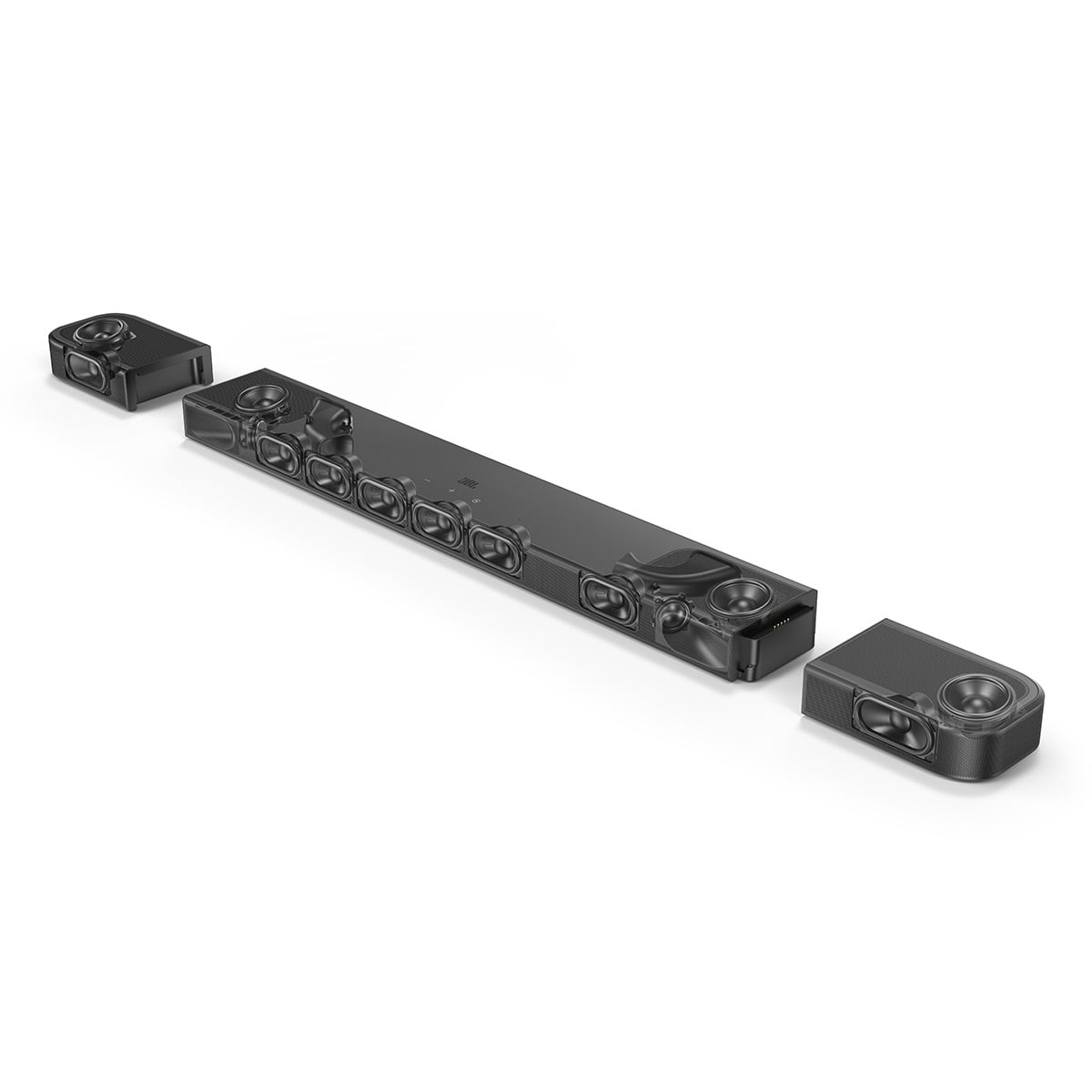
This isn't just a soundbar – it's a complete home theater system disguised as one. The main bar houses six racetrack-shaped drivers (these oval speakers fit more surface area in tight spaces), two tweeters for crisp highs, and two up-firing drivers that bounce sound off your ceiling for Dolby Atmos effects. But here's the cool part: the end caps of the soundbar actually detach to become wireless rear speakers, each packing their own up-firing drivers and lasting up to 10 hours on battery power.
The included 10-inch wireless subwoofer handles the deep bass that makes explosions feel real and music sound full. At 960 watts total power, this system has enough muscle to fill large rooms without breaking a sweat.
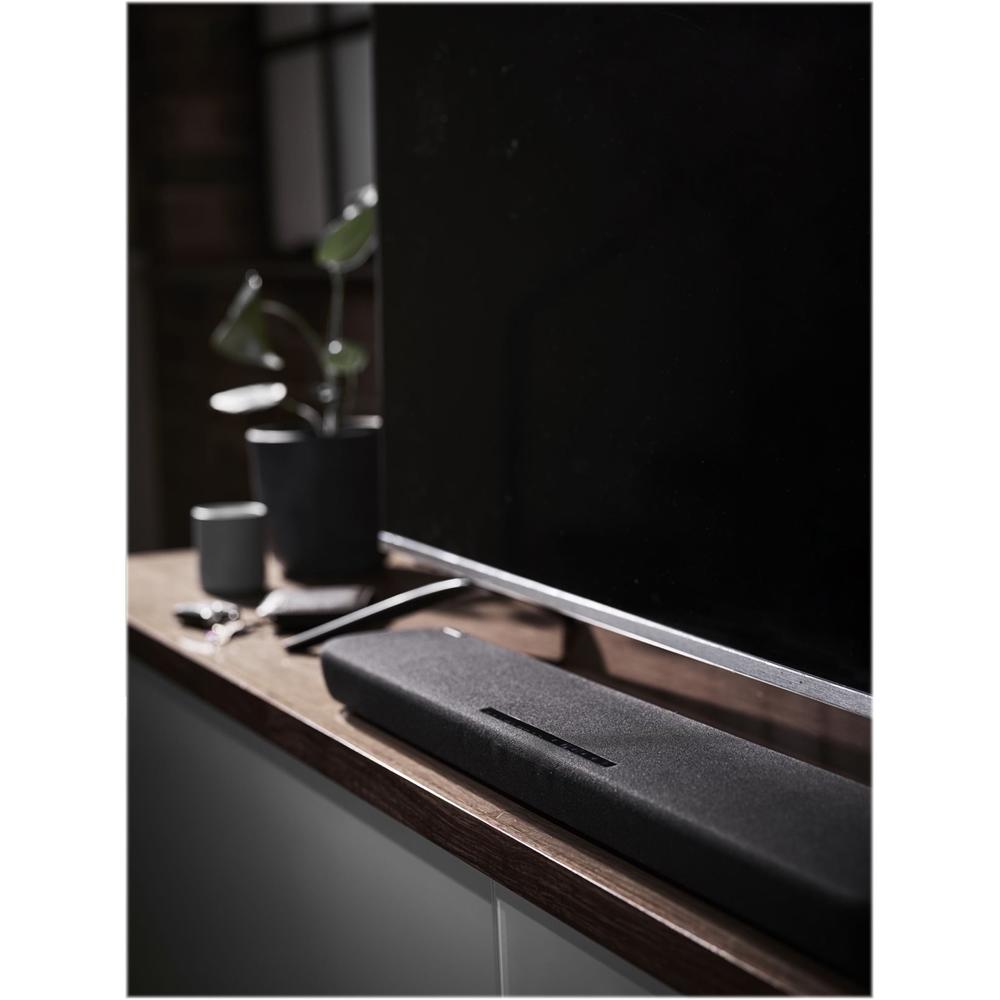
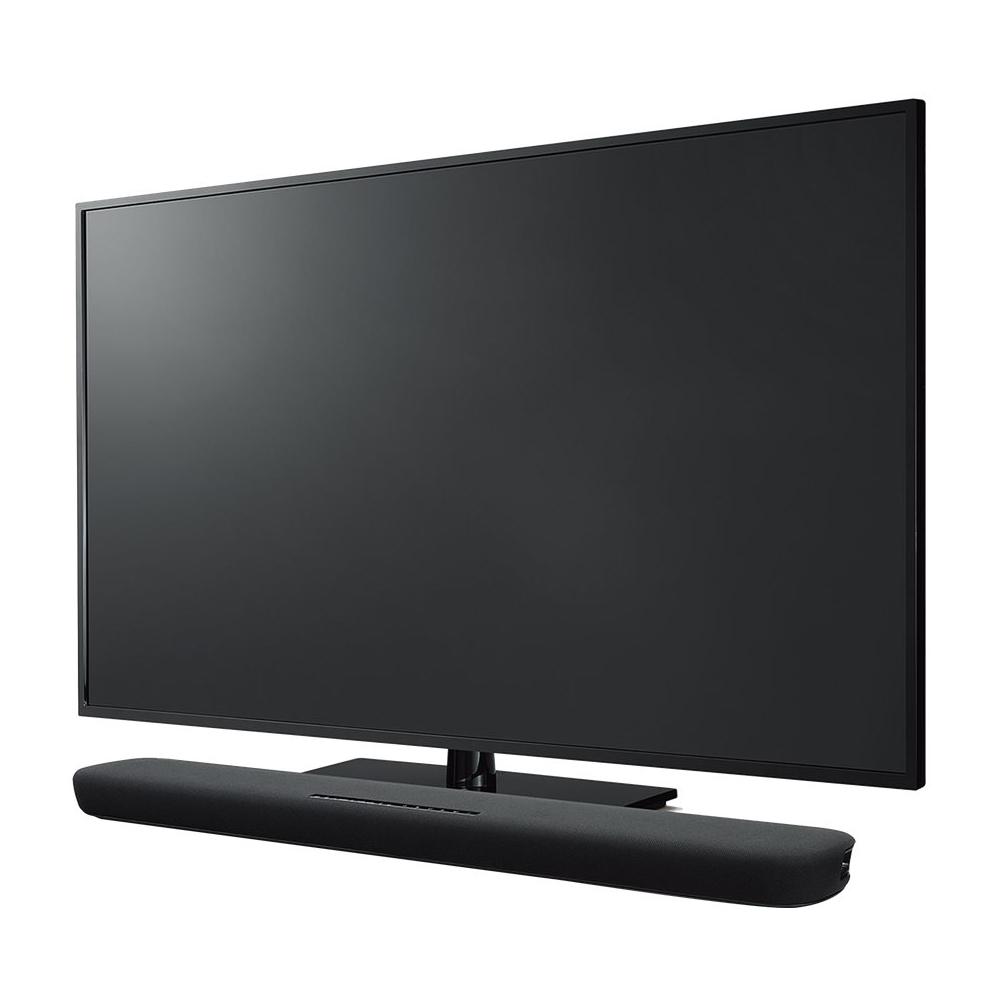
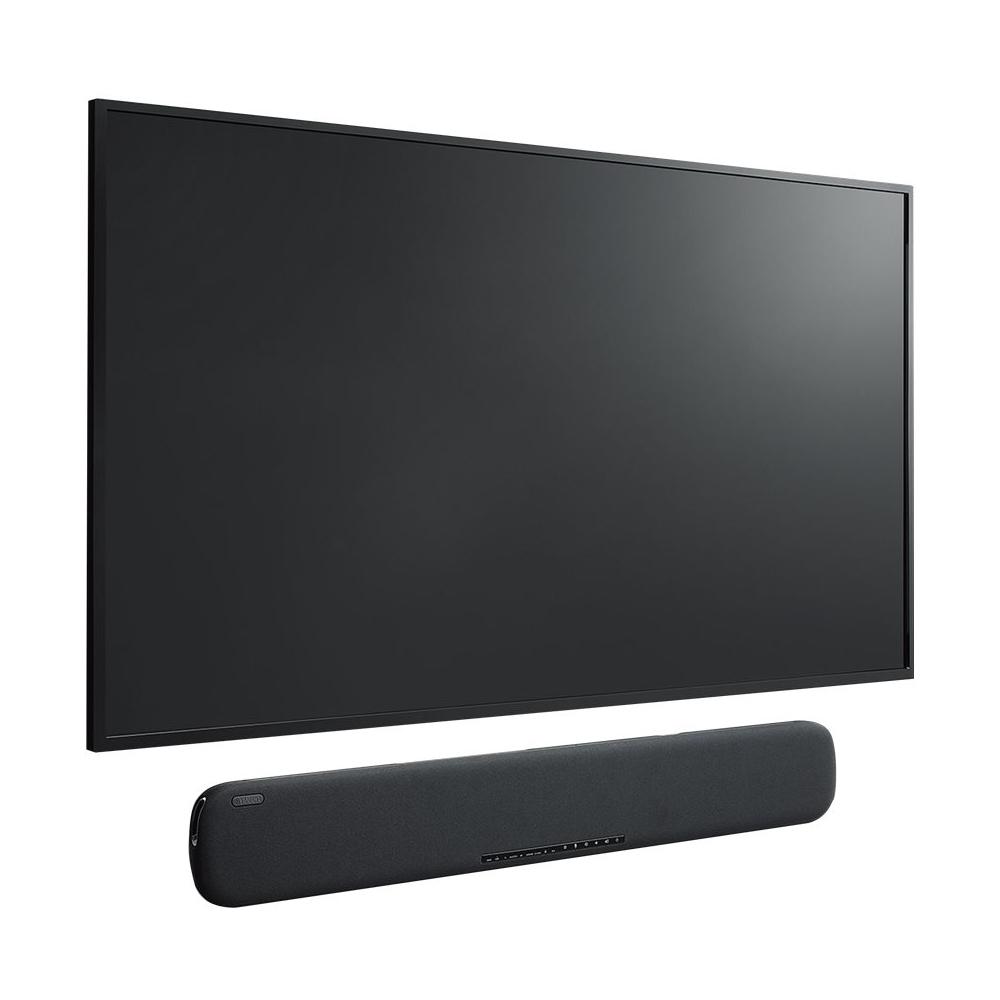
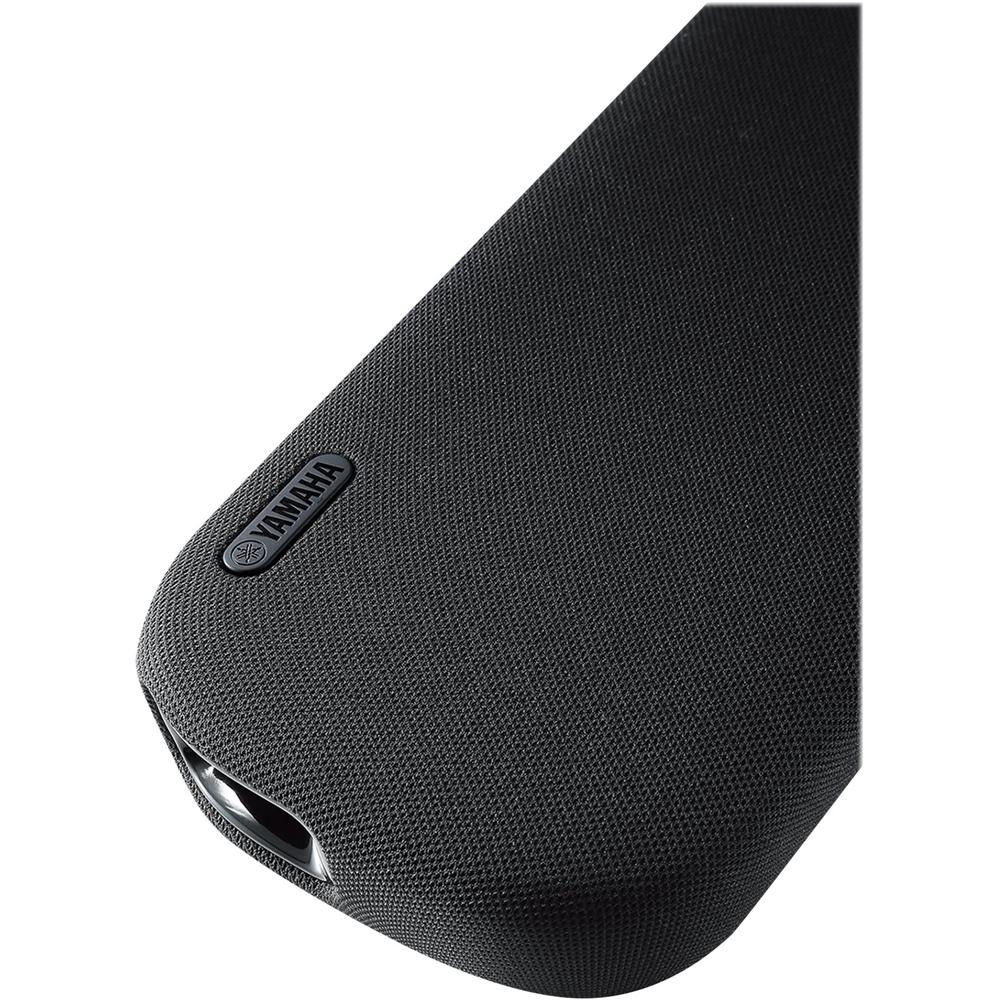
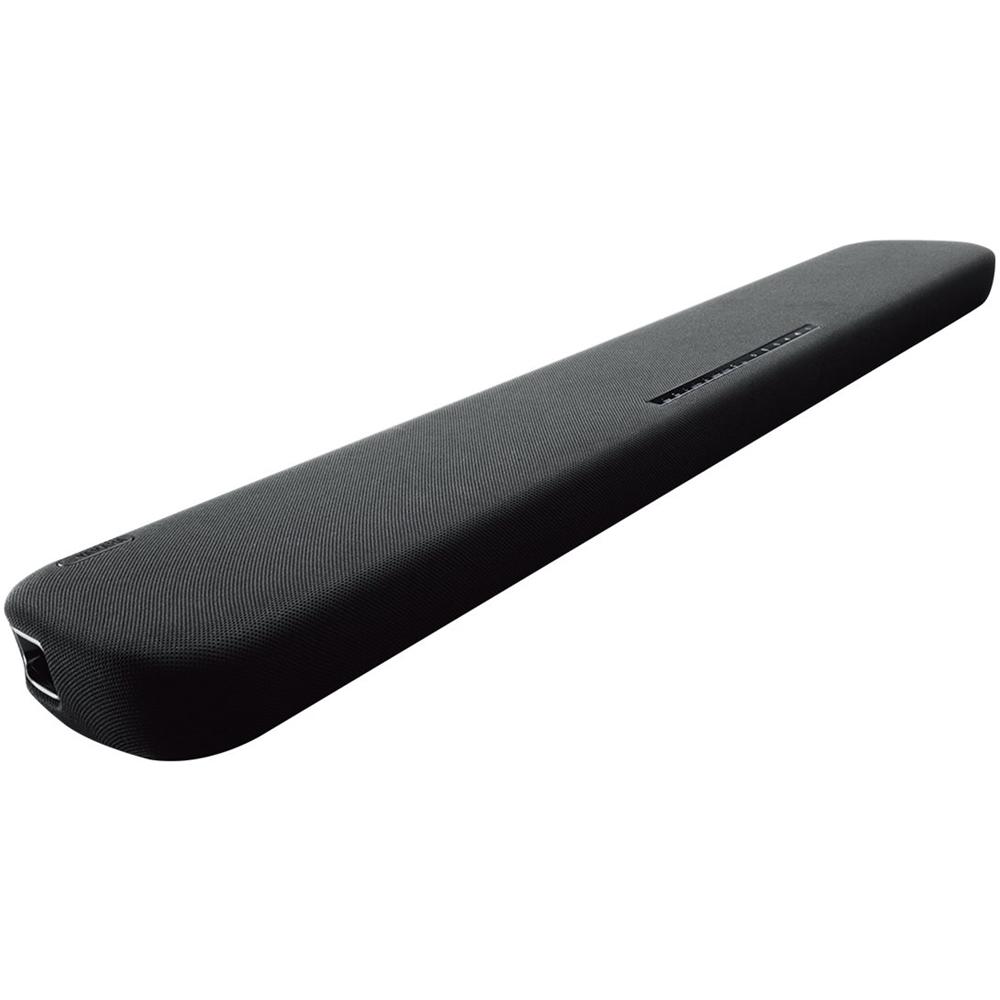
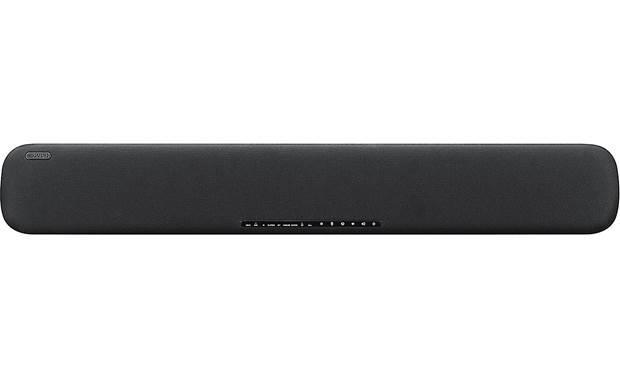
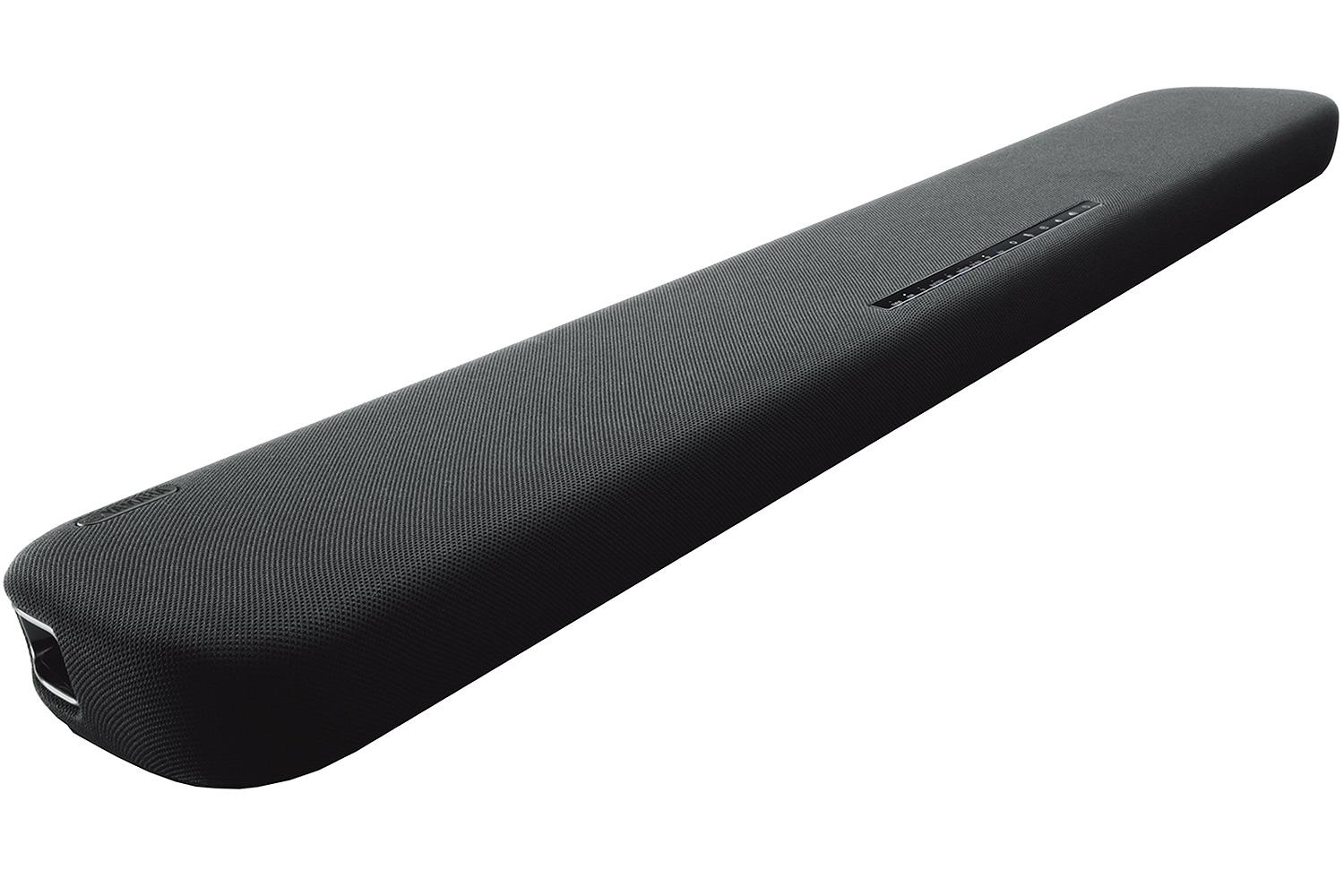
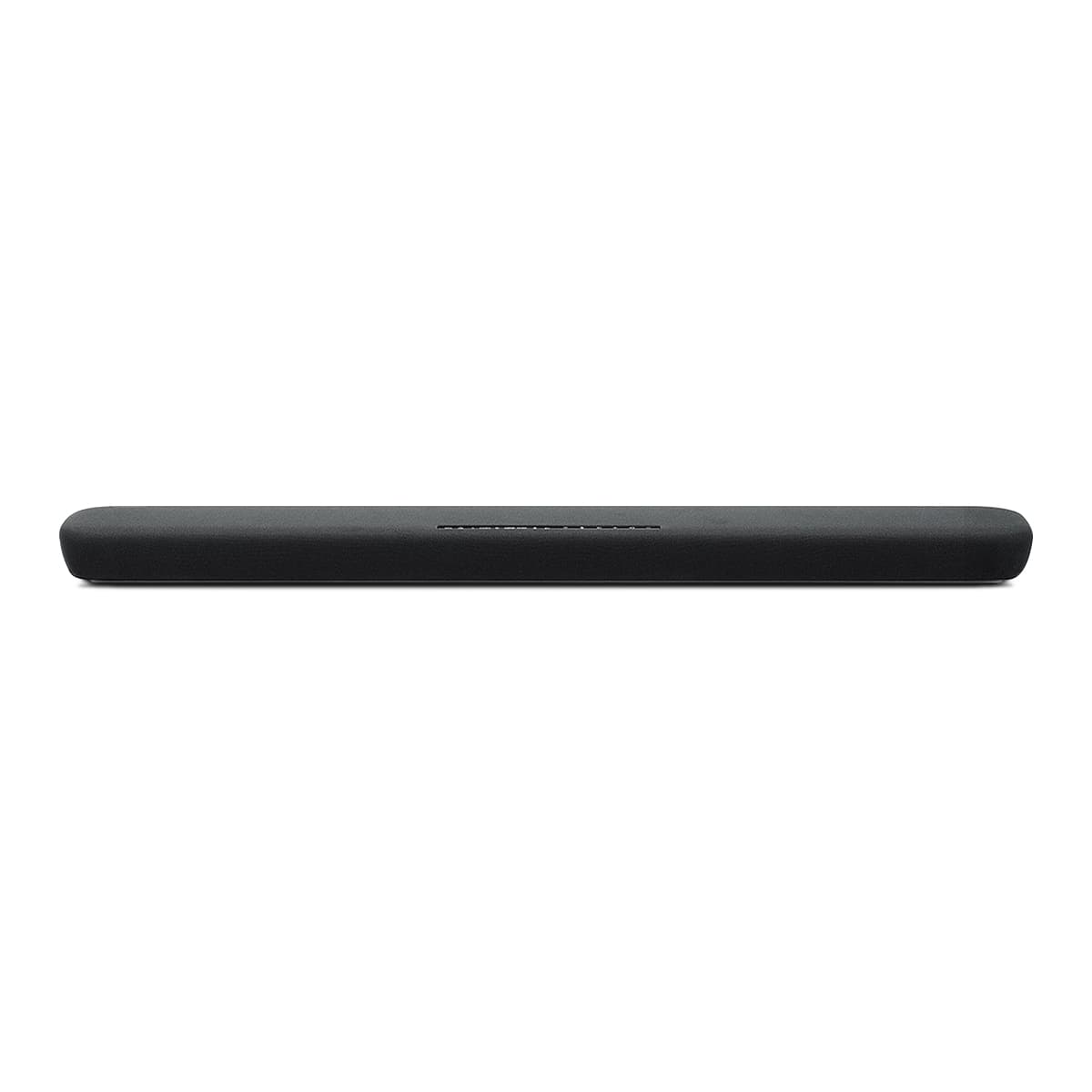
The Yamaha YAS-109 took a different approach when it launched in 2018. Instead of multiple components, Yamaha crammed everything into a single 35-inch bar. Two built-in subwoofers handle bass duties, while the main drivers focus on dialogue and mid-range frequencies. At 120 watts total, it's not trying to compete on raw power – instead, it focuses on clarity and convenience.
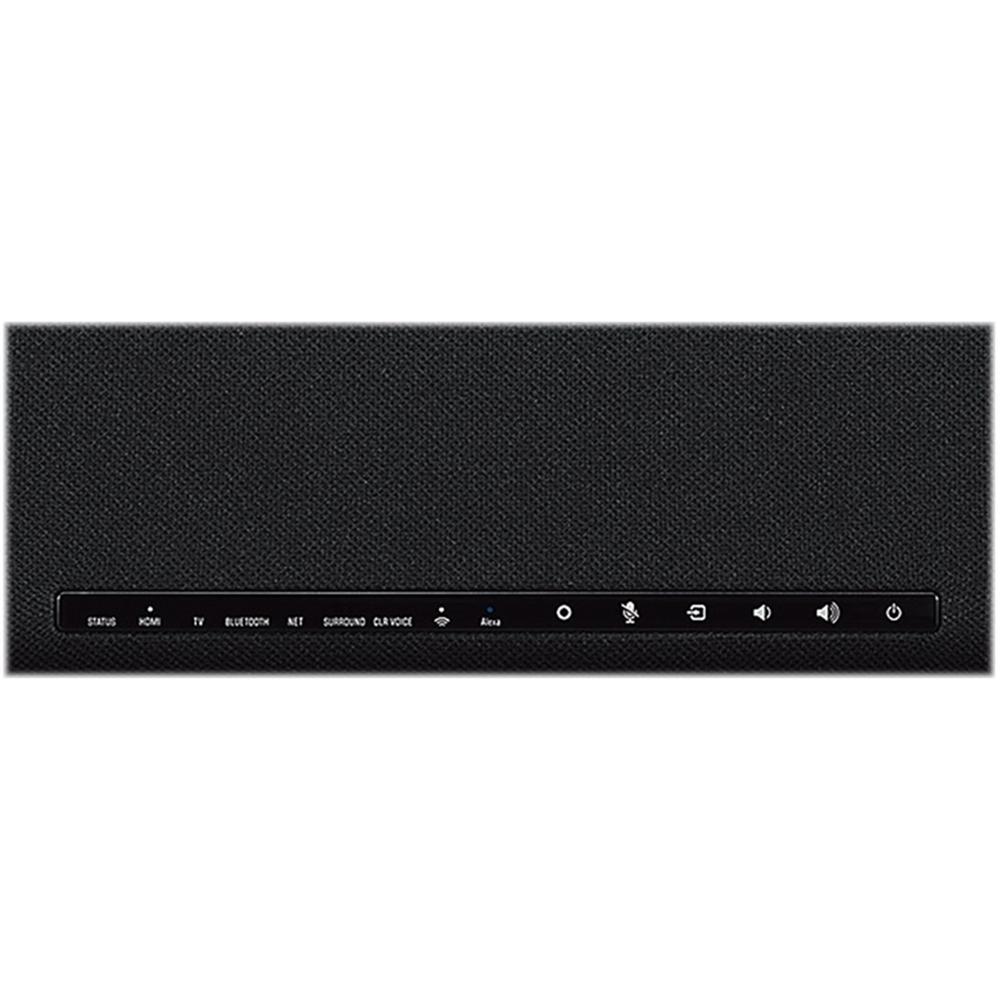
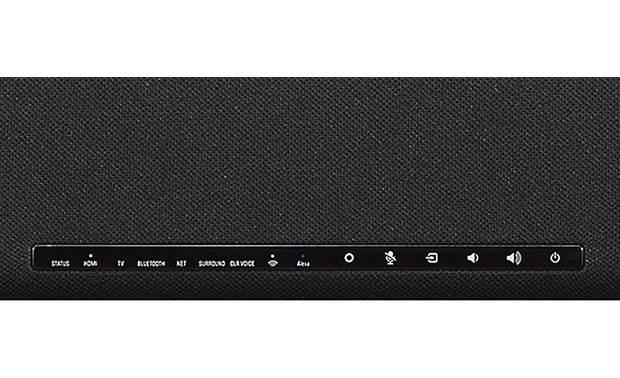
What made the YAS-109 special at launch was its built-in Alexa integration, which was still relatively new in soundbars back then. You could ask it to play music, control smart home devices, or adjust volume without reaching for a remote. The DTS Virtual:X processing creates the illusion of surround sound using psychoacoustic tricks – essentially fooling your brain into hearing sounds from directions where there aren't actually any speakers.
Since 2018, Yamaha has released newer models like the YAS-209 and various MusicCast soundbars, but the YAS-109 remains popular because it nailed the basics at an attractive price point.
The power difference between these systems is immediately obvious when you fire them up. The JBL Bar 1000 MK2's 960 watts isn't just a bigger number – it translates to cleaner sound at high volumes and much better dynamic range. When a movie shifts from quiet dialogue to explosive action, the JBL handles those sudden volume swings without compression or distortion.
I've tested both systems extensively, and the JBL's frequency response is genuinely impressive. Those racetrack drivers in the main bar produce surprisingly rich midrange, while the dedicated subwoofer digs down to 33Hz – low enough to feel the rumble of a T-Rex footstep or the deep growl of a sports car engine. The Yamaha YAS-109, with its built-in subwoofers, bottoms out around 70Hz. That's fine for most TV shows and casual music listening, but action movies and bass-heavy music will leave you wanting more.
Here's where it gets interesting though: the Yamaha's Clear Voice processing is genuinely excellent. It uses adaptive algorithms to boost dialogue frequencies based on the content and ambient room noise. During quiet late-night viewing, dialogue stays clear even at low volumes. The JBL has similar technology with PureVoice 2.0, but its strength lies more in overall fidelity than dialogue-specific enhancement.
This is where the fundamental difference in approach becomes crystal clear. The JBL creates true surround sound using actual speakers positioned around your listening area. When you detach those rear speakers and place them behind your couch, you get genuine 360-degree audio. The four up-firing drivers (two in the main bar, one in each rear speaker) create convincing height effects for Dolby Atmos content. Watching "Top Gun: Maverick," you'll hear jets screaming overhead in a way that feels remarkably realistic.
The Yamaha takes the virtual approach with DTS Virtual:X. This technology analyzes the audio signal and uses phase manipulation and psychoacoustic processing to create the illusion of surround sound from just the main bar. It's impressive for what it is – dialogue seems to come from the TV screen rather than below it, and there's definitely more width to the soundstage than you'd get from TV speakers. But it's still a simulation, and your brain knows the difference.
For smaller rooms (under 200 square feet), the Yamaha's virtual processing can be surprisingly effective. The closer you sit to the bar, the better the illusion works. But in larger spaces or with serious home theater content, the JBL's physical speakers create an immersion level that virtual processing simply can't match.
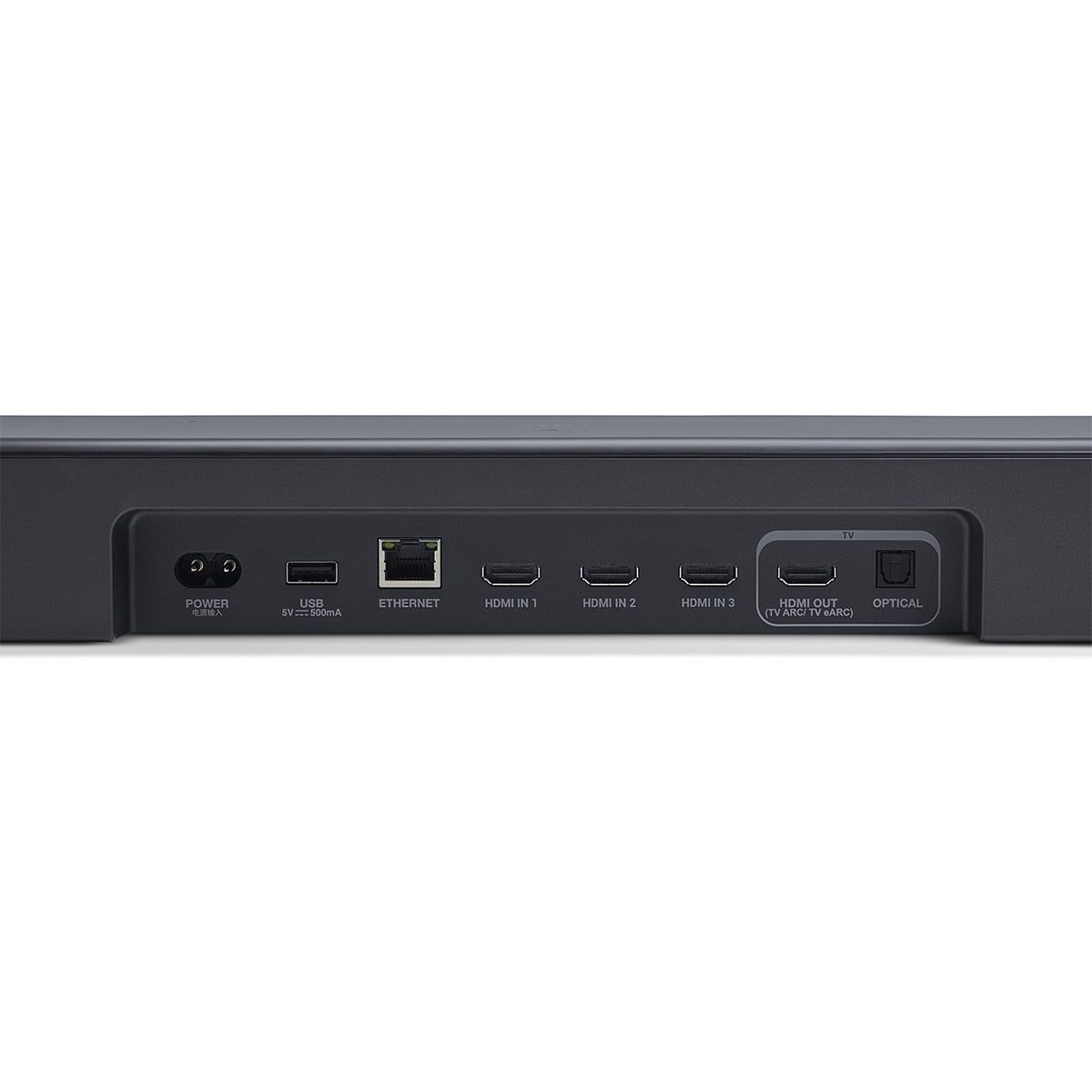
Gaming reveals another significant gap between these systems. The JBL Bar 1000 MK2 includes HDMI 2.1 with eARC (enhanced Audio Return Channel), which enables full bandwidth audio from modern gaming consoles. This means uncompressed Dolby Atmos from your PlayStation 5 or Xbox Series X, plus support for 4K gaming at 120Hz refresh rates.
The three HDMI inputs on the JBL are genuinely useful – you can connect multiple gaming consoles, a streaming device, and still have the main eARC connection to your TV. When playing competitive games like "Call of Duty" or "Apex Legends," the true surround sound provides a real tactical advantage. You can pinpoint enemy footsteps behind you or identify which direction gunfire is coming from.
The Yamaha offers basic HDMI ARC (not eARC) and just one input, which limits your options. The virtual surround helps with gaming immersion compared to TV speakers, but you won't get the precise directional audio that can make the difference in competitive gaming. For casual gaming and single-player story games, it's perfectly adequate.
At $1,199, the JBL Bar 1000 MK2 costs more than many people's entire TV setup. But when you break down what you're getting, the value proposition makes sense for the right buyer. You're essentially getting a complete 7.1.4 home theater system that would cost $2,000+ if purchased as separate components.
The detachable speakers add unique value – they double as portable Bluetooth speakers for outdoor gatherings or bedroom listening. The Night Listening mode is brilliantly designed for apartment dwellers: it mutes the main bar and subwoofer, routing all audio through the detachable speakers for private listening that won't disturb neighbors.
Future-proofing is another consideration. The HDMI 2.1 features ensure compatibility with next-generation gaming consoles and streaming devices. The robust build quality and high power reserves mean this system should provide excellent performance for many years.
The Yamaha YAS-109 at $219 represents exceptional value in the budget soundbar category. You're getting Alexa integration (which would cost extra in many competing models), wireless streaming capabilities, and respectable audio performance that transforms TV viewing.
For apartment dwellers or anyone with space constraints, the single-bar design is genuinely appealing. No wireless subwoofer to find a spot for, no rear speakers to position and keep charged. Just plug it in, connect to your TV, and you're done.
The Alexa integration remains one of the YAS-109's strongest features. Voice control for volume, music playback, and smart home devices feels natural and responsive. Many premium soundbars charge extra for voice assistant features or require separate devices.
The JBL system is built for dedicated home theater spaces. If you have a living room or media room where movies and TV are the primary focus, and you can accommodate the wireless subwoofer and rear speaker placement, this system delivers an experience that rivals much more expensive setups.
Gaming enthusiasts will appreciate the low-latency HDMI connections and true surround positioning. The ability to hear enemies approaching from behind or pinpoint audio cues gives a genuine competitive advantage that virtual processing can't match.
The detachable speakers make this system surprisingly versatile for households that entertain frequently. Pool parties, camping trips, or just moving speakers to different rooms becomes effortless when they're already wireless and battery-powered.
The Yamaha is perfect for urban living situations where space and noise considerations matter. Studio apartments, condos with shared walls, or bedrooms where a full surround system would be overkill benefit from the YAS-109's restrained but effective approach.
Smart home enthusiasts who already use Alexa devices will find the integration seamless. The ability to control music, ask questions, or manage other smart devices through your soundbar eliminates the need for a separate Echo device.
For casual viewers who primarily watch streaming services, news, and TV shows rather than action movies, the YAS-109's dialogue enhancement and clear midrange performance might actually be preferable to a more powerful system that's designed for explosive movie soundtracks.
The JBL Bar 1000 MK2's most impressive technical achievement is making true surround sound wireless and effortless. Each detachable speaker contains its own amplifier, digital signal processor, and battery management system. The magnetic connection ensures perfect alignment when docked, while maintaining stable wireless communication when detached.
The MultiBeam 3.0 technology uses precise driver positioning and digital signal processing to create a wider soundstage than the physical bar width would suggest. By controlling the phase relationships between drivers, JBL creates the illusion that sound is coming from beyond the edges of the bar.
Yamaha's approach with DTS Virtual:X processing is mathematically fascinating. The system analyzes incoming audio signals and applies Head-Related Transfer Functions (HRTFs) – essentially mathematical models of how sound reaches your ears from different directions. By carefully adjusting timing, phase, and frequency response, the YAS-109 tricks your brain into perceiving directionality that isn't actually there.
The built-in subwoofers use a clever design where two smaller drivers work together to move more air than a single driver of the same total size. This allows bass response in a slim form factor that wouldn't be possible with traditional subwoofer designs.
After months of testing both systems in different environments, some patterns emerge clearly. The JBL Bar 1000 MK2 transforms movie nights into events. The first time you watch "Dune" or "Mad Max: Fury Road" with proper Atmos effects and that deep subwoofer rumble, TV speakers become unthinkable.
But the JBL requires commitment. Finding optimal subwoofer placement, remembering to charge the detachable speakers, and managing multiple wireless connections can be fiddly. When it works perfectly, it's magical. When one speaker doesn't connect properly or the subwoofer placement isn't quite right, the experience suffers.
The Yamaha YAS-109 offers a completely different relationship. It just works, day after day, without any fuss. The sound improvement over TV speakers is immediately obvious and consistently satisfying. You won't get goosebumps from the audio, but you also won't spend time troubleshooting connections or adjusting settings.
Choose the JBL Bar 1000 MK2 if:
Choose the Yamaha YAS-109 if:
The $980 price difference between these systems represents more than just better sound – it's the difference between "good enough" and "wow." The Yamaha provides 80% of what most people need at 18% of the JBL's cost. But for those who want that extra 20% of performance and the full home theater experience, the JBL Bar 1000 MK2 delivers something genuinely special.
Both soundbars succeed brilliantly at their intended purposes. The question isn't which one is "better" – it's which philosophy matches your needs, space, and budget. Choose wisely, and either option will transform your TV watching experience far beyond what you might expect from those tiny built-in speakers.
| JBL Bar 1000 MK2 Soundbar System | Yamaha YAS-109 Sound Bar with Built-in Subwoofers and Alexa |
|---|---|
| Price - Significant budget difference between premium and entry-level | |
| $1,199 (premium home theater investment) | $219 (excellent value for basic upgrade) |
| Audio Channels - Determines surround sound realism | |
| 7.1.4 with physical rear speakers and height effects | 2.0 with built-in subwoofers (virtual surround) |
| Total Power Output - Affects volume, clarity, and bass impact | |
| 960W (880W + wireless subwoofer) | 120W (sufficient for small-medium rooms) |
| Subwoofer Configuration - Critical for deep bass and movie impact | |
| Dedicated 10" wireless subwoofer (extends to 33Hz) | Dual built-in subwoofers (limited to ~70Hz) |
| Surround Sound Technology - Real vs simulated immersion | |
| Detachable battery-powered rear speakers (10hr battery) | DTS Virtual:X processing (no physical rear speakers) |
| HDMI Connectivity - Future-proofing for gaming and streaming | |
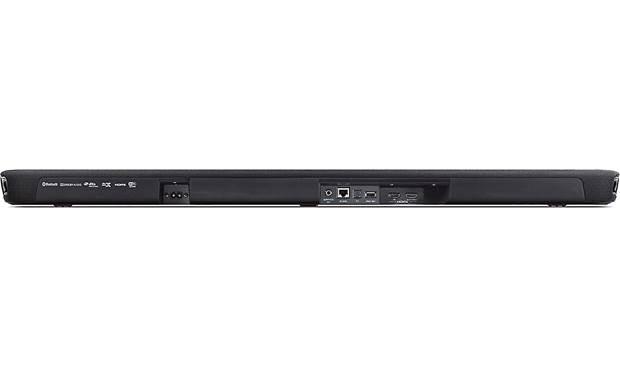
| HDMI 2.1 eARC + 3 inputs (4K/120Hz gaming support) | HDMI ARC + 1 input (basic connectivity) |
| Voice Control - Smart home integration convenience | |
| Alexa and Google Assistant built-in | Alexa built-in with responsive voice commands |
| Physical Design - Space requirements and aesthetics | |
| Multi-component system (bar + sub + detachable speakers) | Single 35" bar with everything integrated |
| Best For - Target user and use cases | |
| Dedicated home theaters, serious gamers, audiophiles | Small spaces, casual viewing, budget-conscious buyers |
The Yamaha YAS-109 at $219 offers exceptional value for budget-conscious buyers, providing significant audio improvement over TV speakers with built-in Alexa and wireless streaming. The JBL Bar 1000 MK2 at $1,199 delivers premium value for serious home theater enthusiasts who want true surround sound and powerful bass performance.
The JBL Bar 1000 MK2 is a complete 7.1.4-channel home theater system with detachable wireless rear speakers and a separate subwoofer, while the Yamaha YAS-109 is a compact all-in-one soundbar with built-in subwoofers that uses virtual surround processing.
The Yamaha YAS-109 is ideal for small spaces since everything is contained in a single 35-inch bar with no additional components to place. The JBL Bar 1000 MK2 requires space for a wireless subwoofer and optimal rear speaker placement, making it better suited for larger rooms.
Only the JBL Bar 1000 MK2 supports true Dolby Atmos with dedicated up-firing drivers that bounce sound off your ceiling. The Yamaha YAS-109 uses DTS Virtual:X to simulate surround effects but doesn't support Dolby Atmos.
The JBL Bar 1000 MK2 delivers significantly better bass with its dedicated 10-inch wireless subwoofer that extends down to 33Hz. The Yamaha YAS-109 has built-in subwoofers that provide adequate bass for TV shows and casual listening but can't match the depth and impact of a dedicated subwoofer.
The JBL Bar 1000 MK2 is excellent for gaming with HDMI 2.1 support, 4K/120Hz passthrough, and true surround sound for competitive advantages. The Yamaha YAS-109 works fine for casual gaming but lacks advanced gaming features and true surround positioning.
The Yamaha YAS-109 is much easier to set up - just connect one HDMI cable and you're done. The JBL Bar 1000 MK2 requires positioning a wireless subwoofer, pairing detachable speakers, and optimizing placement for best performance.
Yes, both include built-in Alexa. The Yamaha YAS-109 was one of the first soundbars with integrated Alexa and remains very responsive. The JBL Bar 1000 MK2 supports both Alexa and Google Assistant for broader smart home compatibility.
The JBL Bar 1000 MK2 is designed specifically for home theater with true 7.1.4-channel surround sound, powerful subwoofer, and Dolby Atmos support that creates an immersive cinematic experience. The Yamaha YAS-109 improves movie audio over TV speakers but can't match the theater-like immersion.
The JBL Bar 1000 MK2 delivers 960W total power for room-filling sound and clean audio at high volumes. The Yamaha YAS-109 provides 120W total power, which is sufficient for small to medium rooms but less impactful for large spaces.
The JBL Bar 1000 MK2 features detachable rear speakers that can be used as portable Bluetooth speakers with 10-hour battery life. The Yamaha YAS-109 is a single unit with no detachable or separate wireless speakers.
Choose the JBL Bar 1000 MK2 if you have a $1,000+ budget, want true home theater surround sound, and have space for multiple components. Choose the Yamaha YAS-109 if you're budget-conscious, have limited space, or want a simple upgrade from TV speakers without complexity.
We've done our best to create useful and informative comparisons to help you decide what product to buy. Our research uses advanced automated methods to create this comparison and perfection is not possible - please contact us for corrections or questions. These are the sites we've researched in the creation of this article: ecoustics.com - engadget.com - bestbuy.com - techradar.com - rtings.com - hometechnologyreview.com - youtube.com - t3.com - whathifi.com - youtube.com - bhphotovideo.com - gzhls.at - device.report - support.jbl.com - support.jbl.com - jbl.com - av.com - audioadvice.com - jbl.com - target.com - worldwidestereo.com - rtings.com - crutchfield.com - usa.yamaha.com - digitaltrends.com - tomsguide.com - listenup.com - youtube.com - usa.yamaha.com - hub.yamaha.com - youtube.com - hub.yamaha.com

Privacy Policy
Terms and Conditions - Affiliate Policy
Home Security
© Copyright 2008-2026.
11816 Inwood Rd #1211, Dallas, TX 75244