


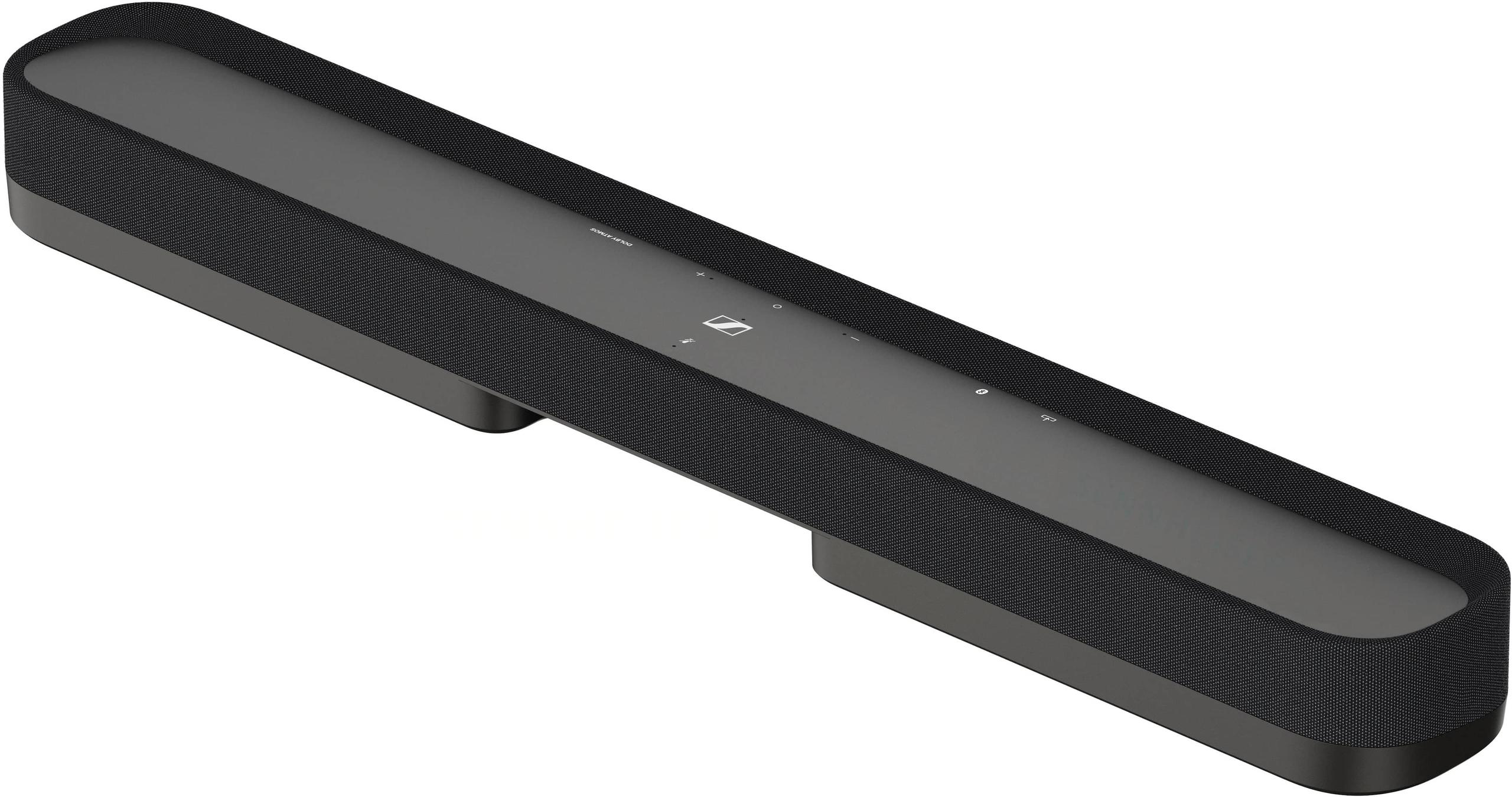

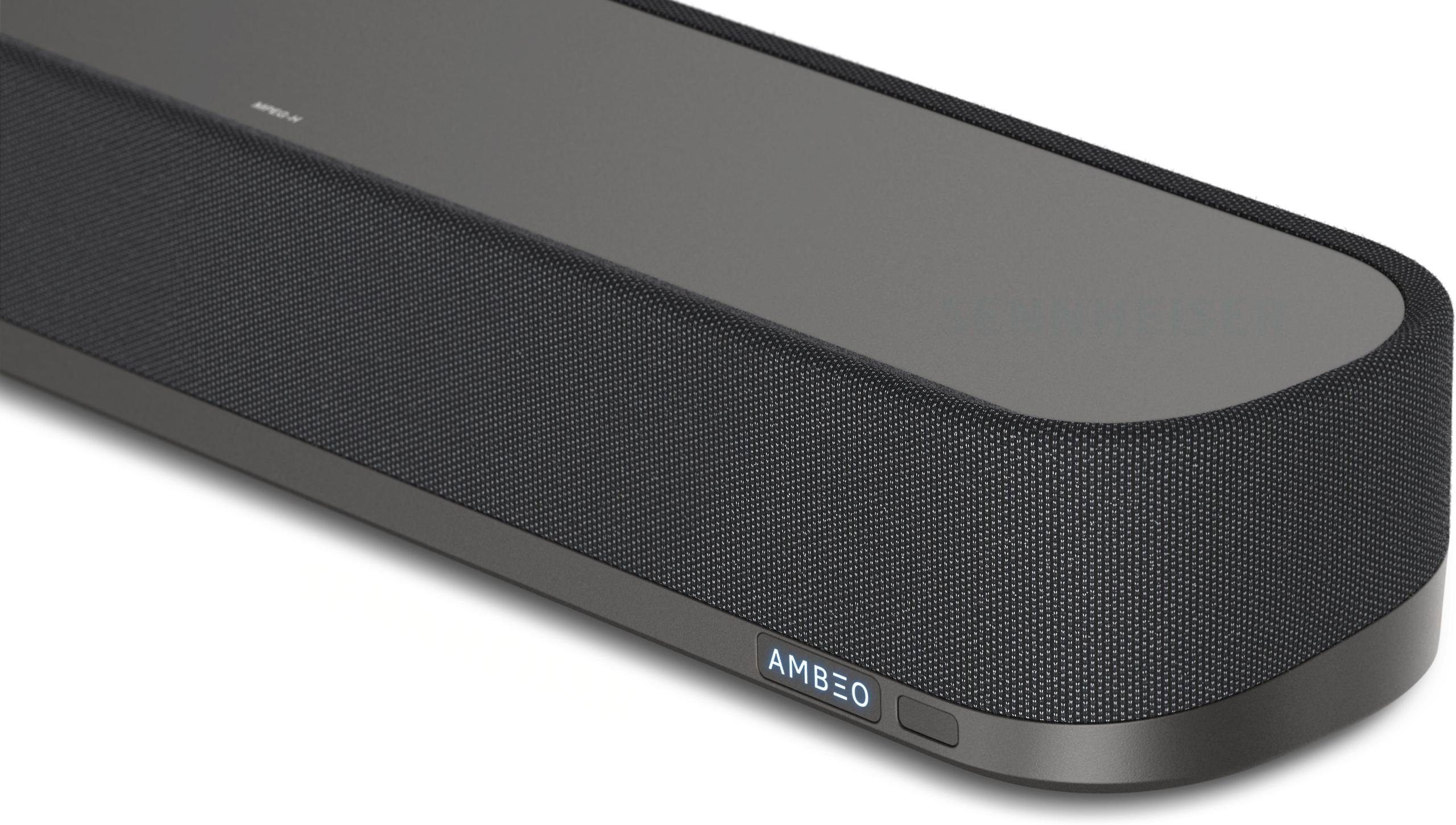

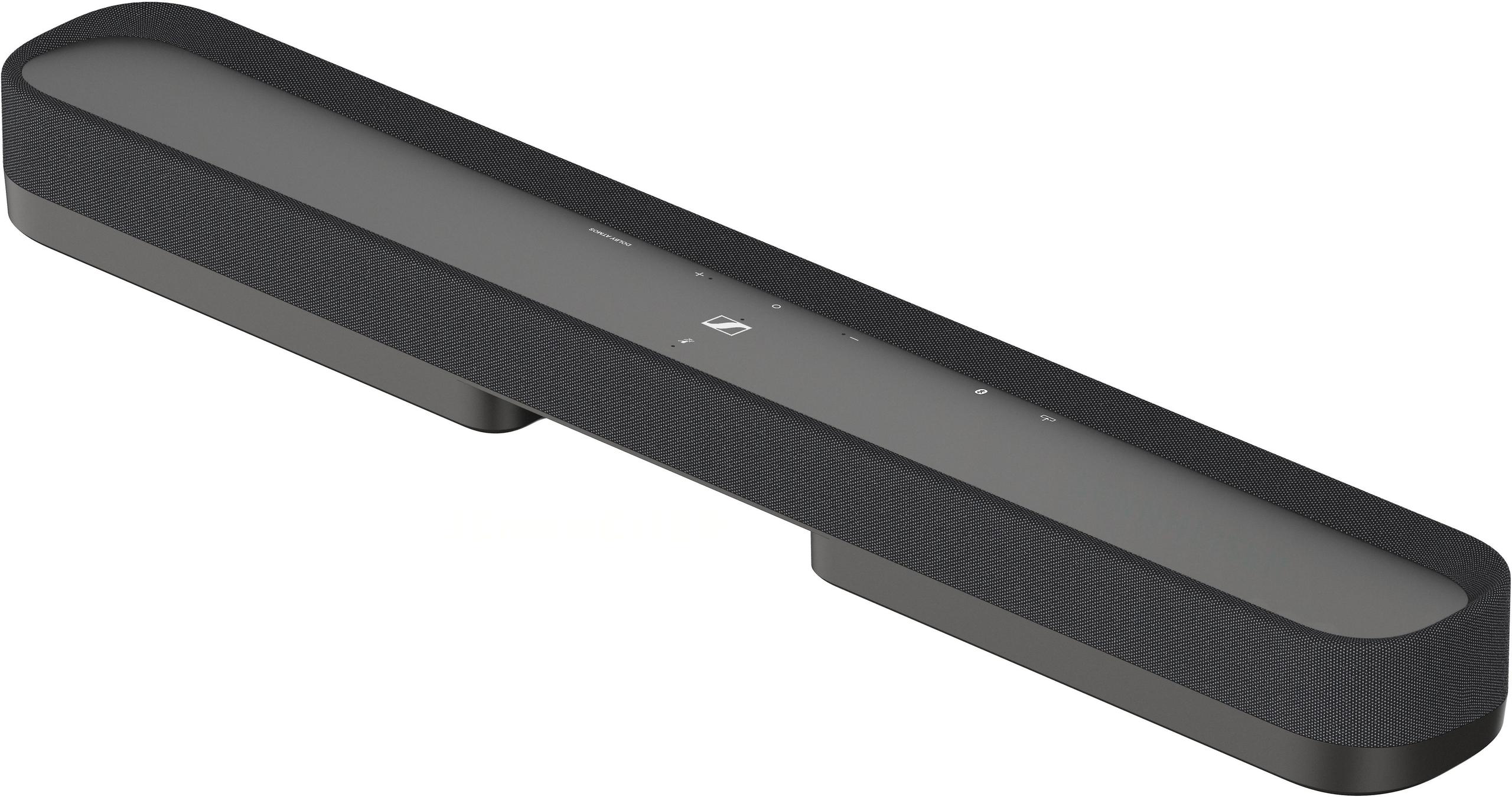



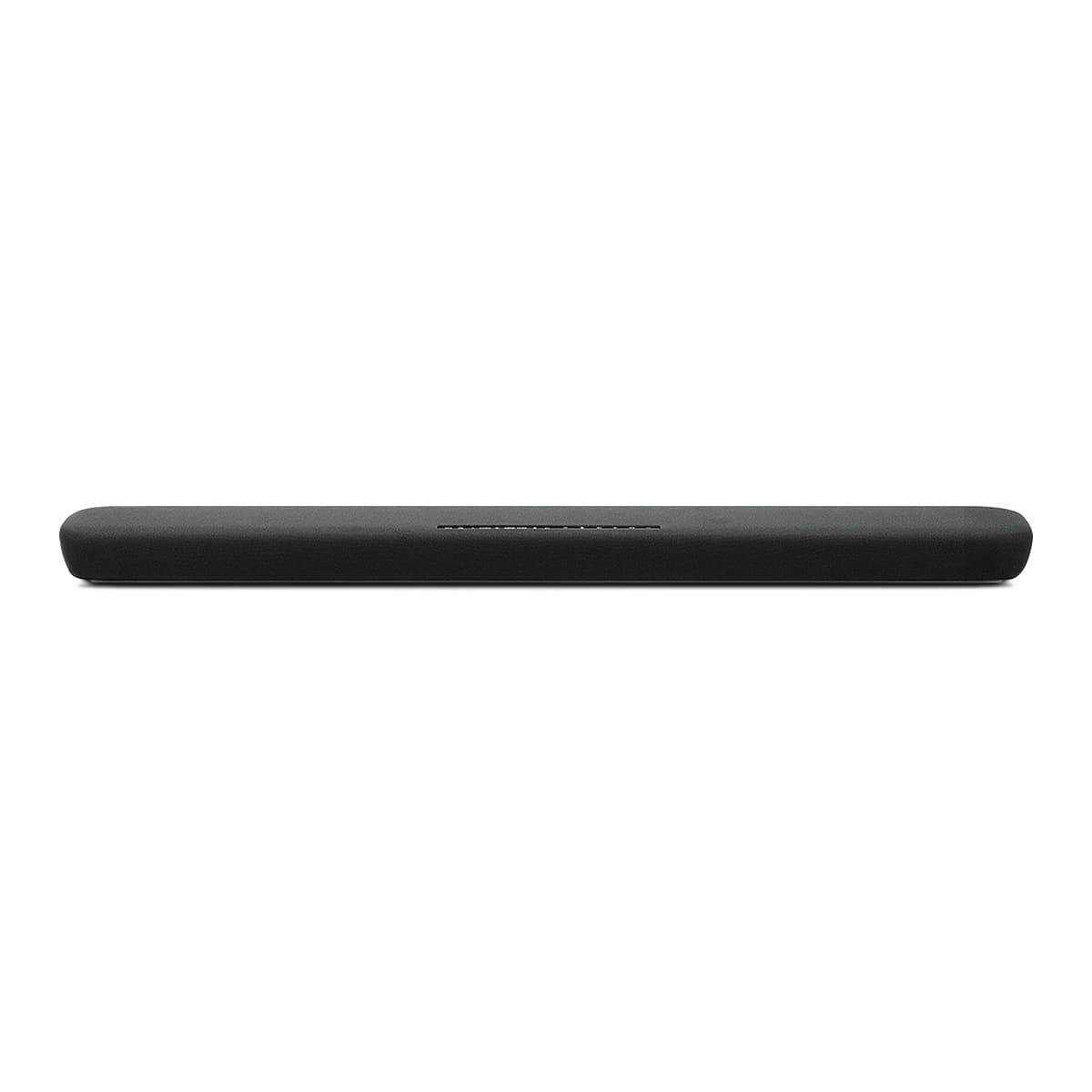
When you're tired of constantly asking "what did they say?" during movie night, it's time to upgrade from your TV's built-in speakers. But choosing between premium audio performance and smart features at a budget price isn't always straightforward. That's exactly the decision you'll face when comparing the Sennheiser AMBEO Soundbar Mini ($499.96) and the Yamaha YAS-109 Sound Bar ($219.95).
Before diving into these specific models, let's talk about what actually matters in a compact soundbar. Unlike full surround sound systems with speakers scattered around your room, compact soundbars need to create an immersive audio experience from a single unit sitting below your TV. This involves some clever audio engineering tricks.
The main things to consider include audio performance (how good it sounds), value proposition (what you get for your money), connectivity options (how it connects to your devices), room compatibility (will it work well in your space), and ease of use (how simple it is to set up and operate daily).
Think of it like choosing between a high-end sports car and a well-equipped sedan – both will get you where you need to go, but they take very different approaches to the journey.
The Sennheiser AMBEO Soundbar Mini launched as part of Sennheiser's premium AMBEO line, representing the company's attempt to bring their renowned headphone expertise into the home theater space. At $499.96, it positions itself as a compact audiophile solution that doesn't compromise on sound quality despite its small size.
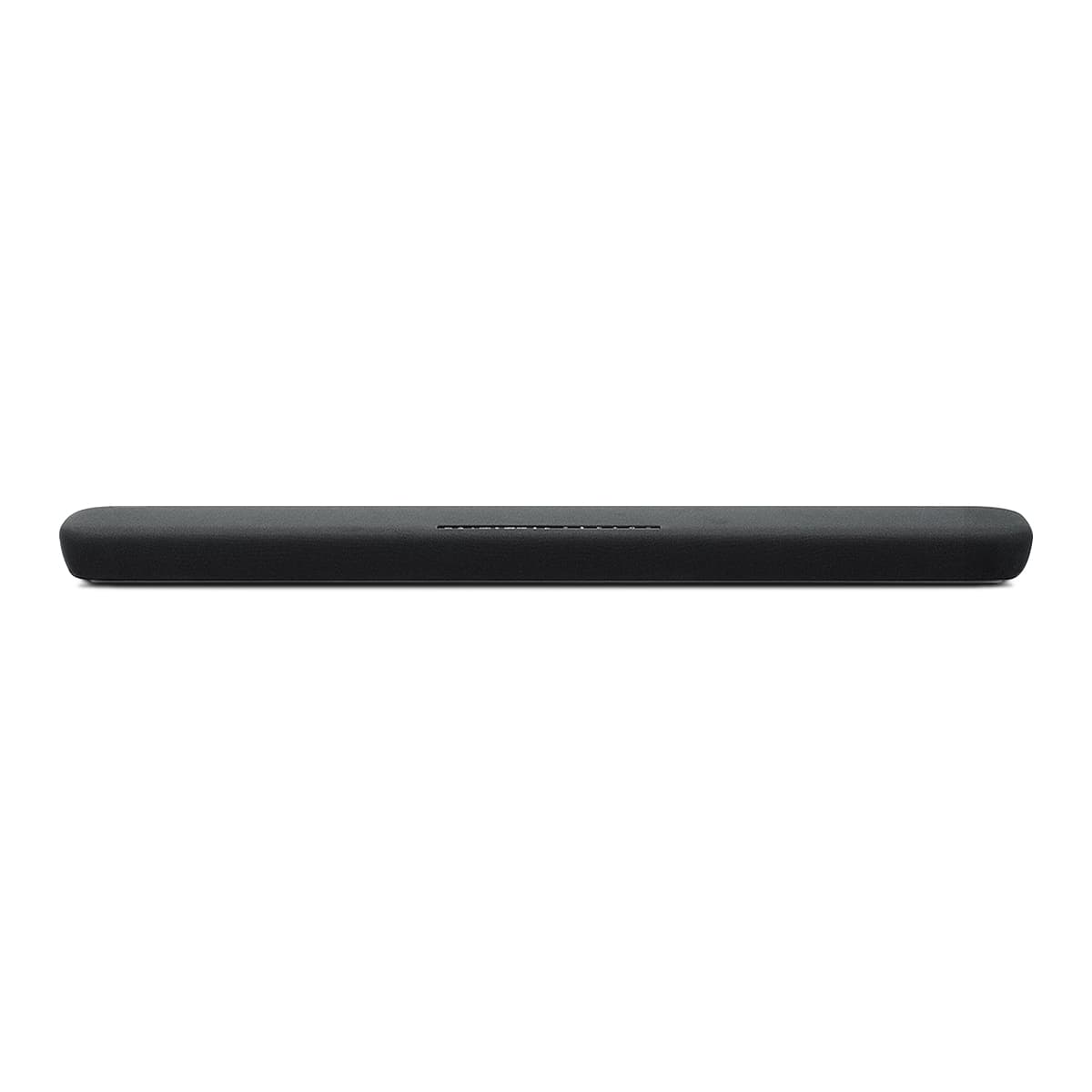
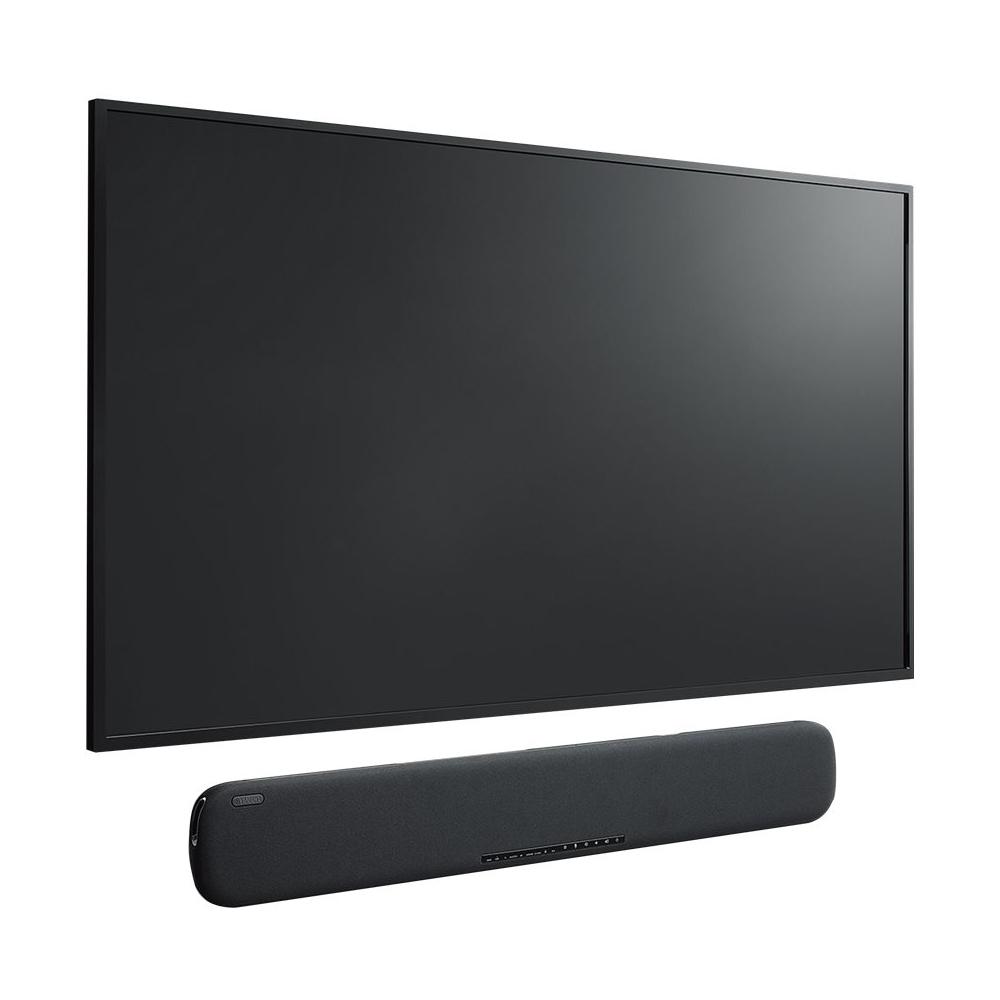
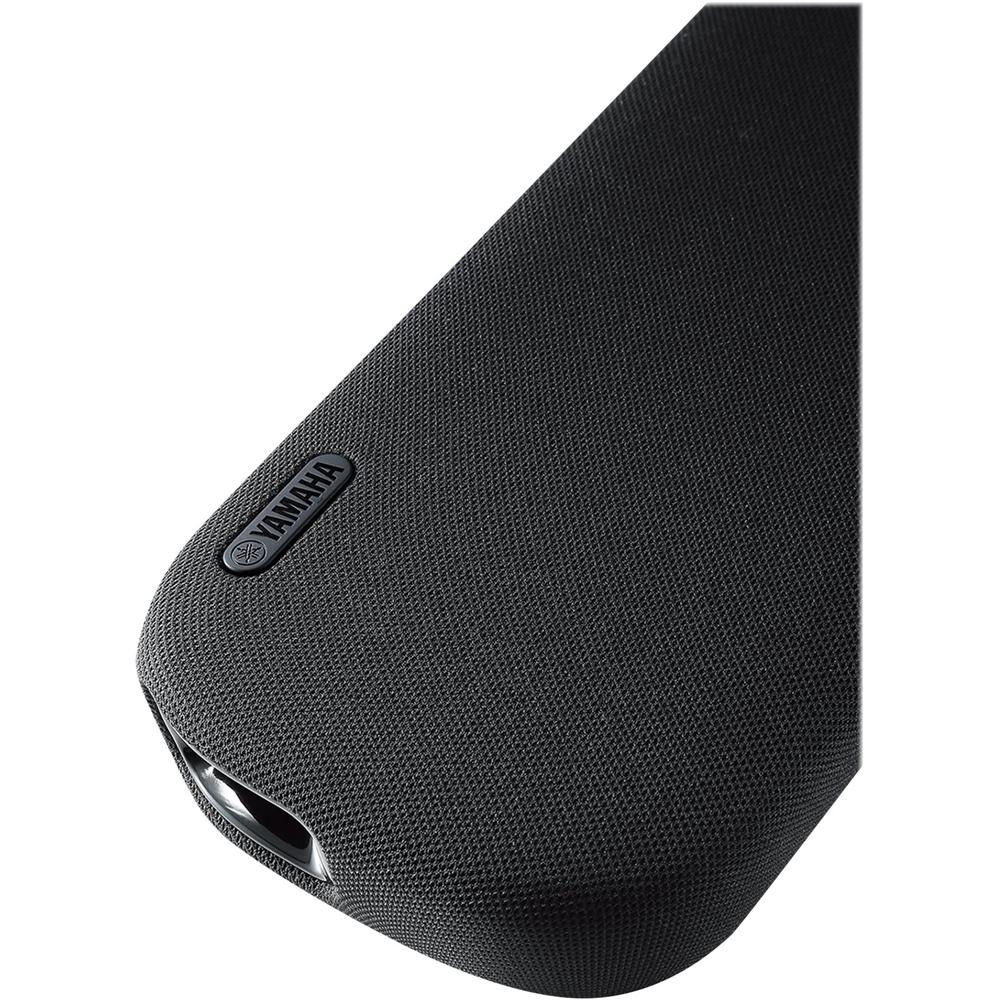
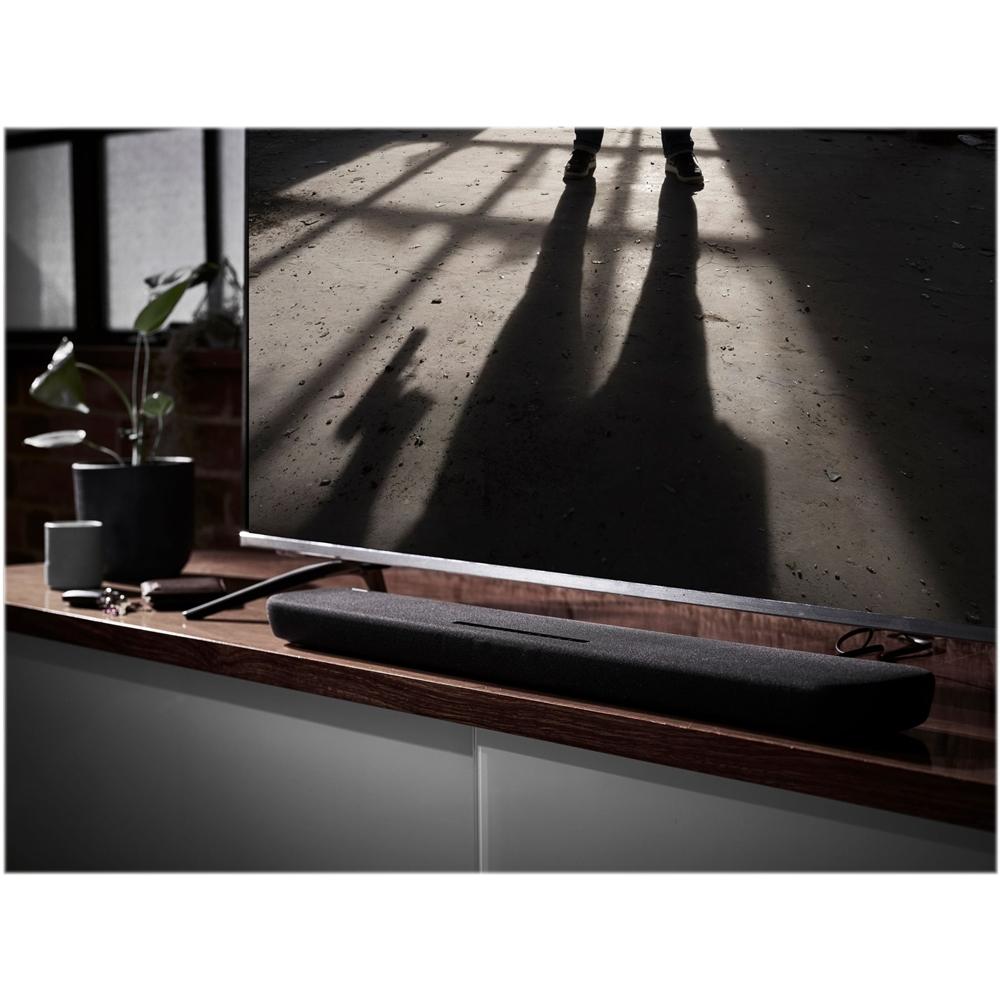
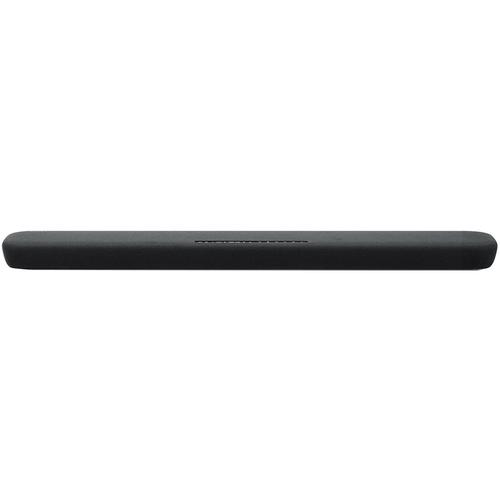
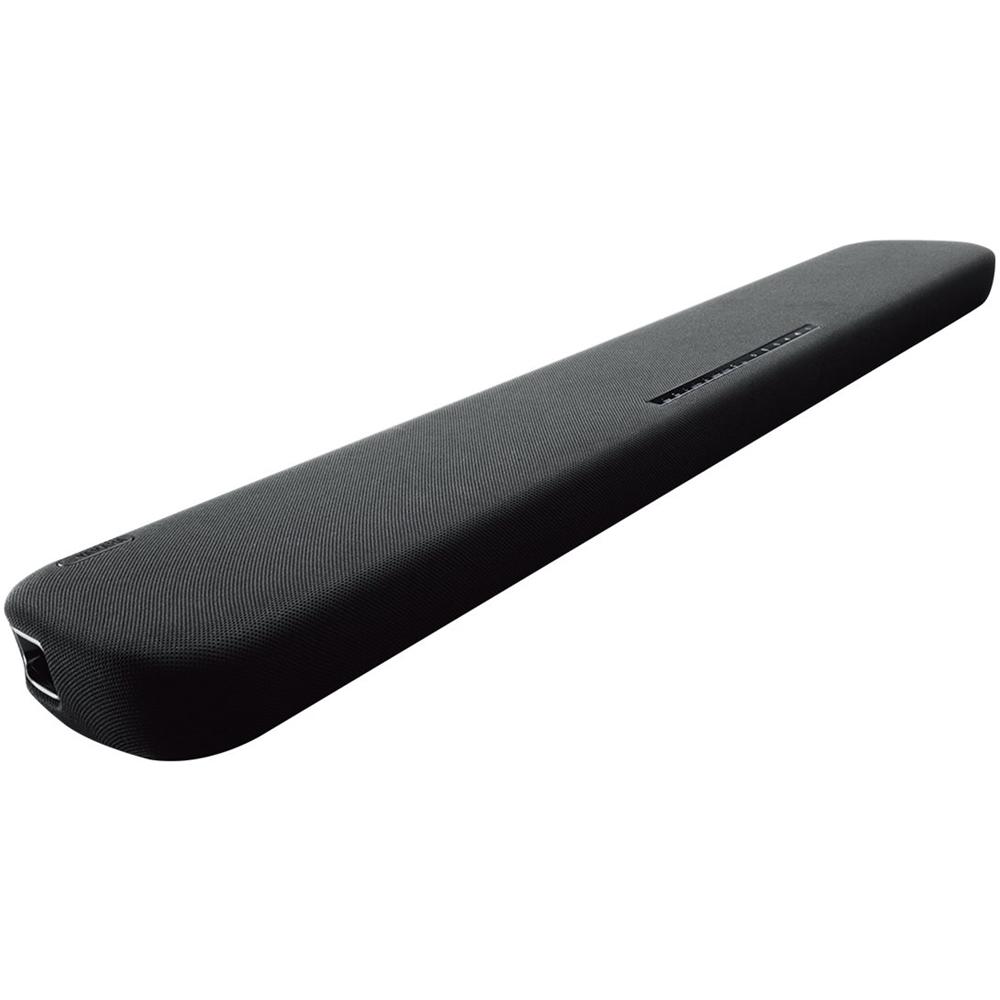
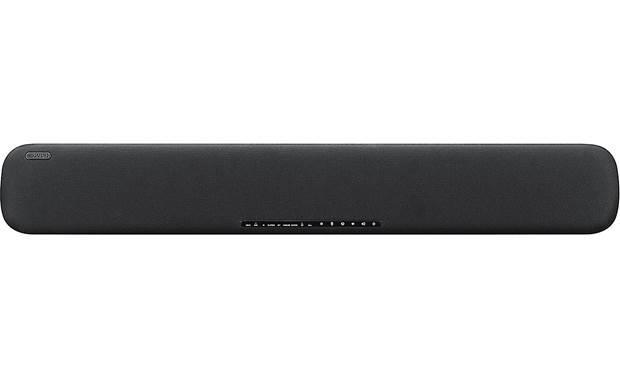
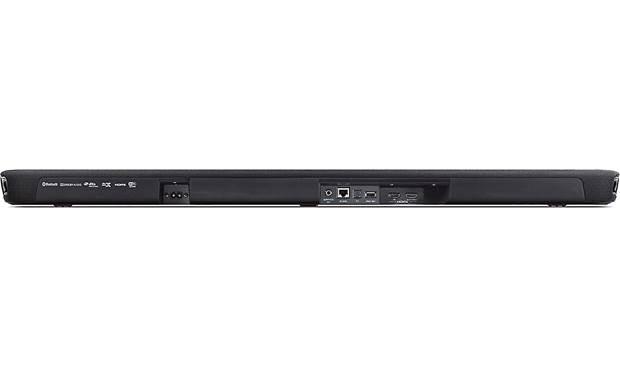
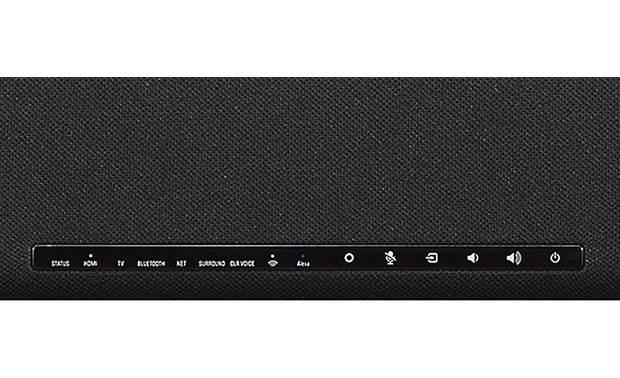
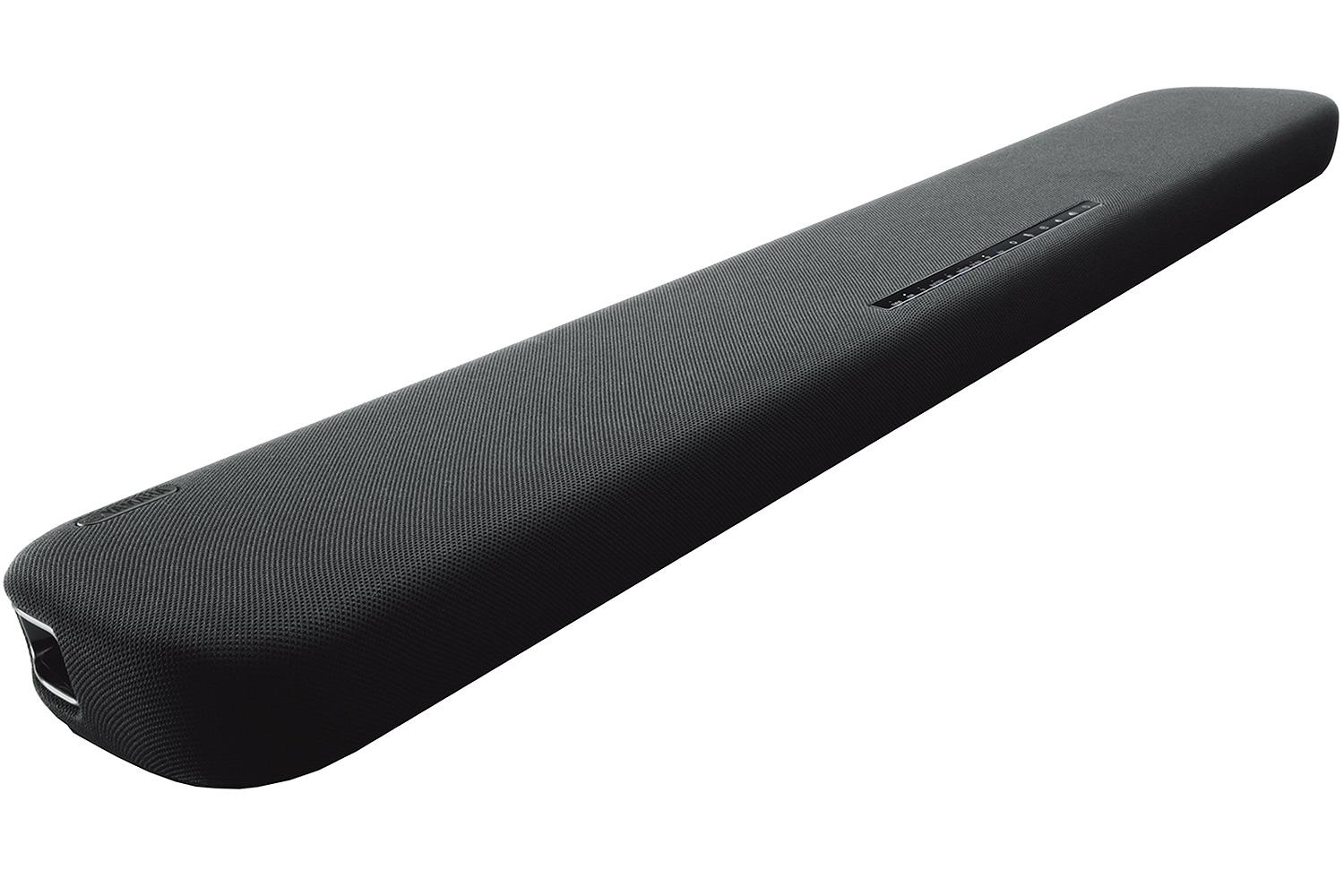
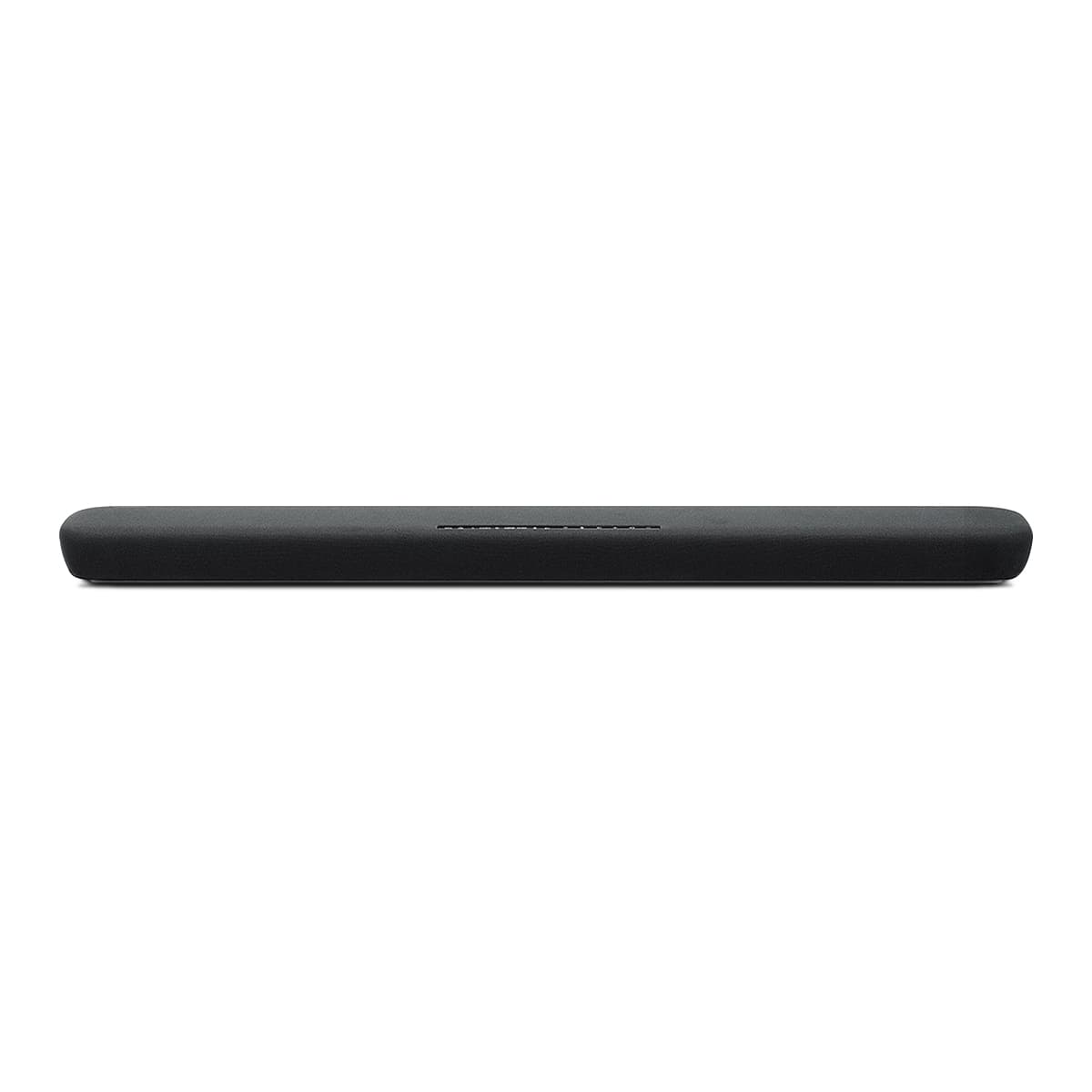
The Yamaha YAS-109, priced at just $219.95, takes a completely different approach. Released as part of Yamaha's value-focused soundbar lineup, it emphasizes practical features like built-in Alexa voice control and user-friendly operation over absolute audio fidelity.
Since their releases, both companies have continued refining their approaches. Sennheiser has improved their AMBEO virtualization algorithms through software updates, while Yamaha has enhanced Alexa integration and added more streaming service compatibility.
Here's where these soundbars really start to diverge. The Sennheiser AMBEO Mini packs 250 watts of total power, which might not sound dramatically higher than the Yamaha's 120 watts until you consider how that power is distributed and used.
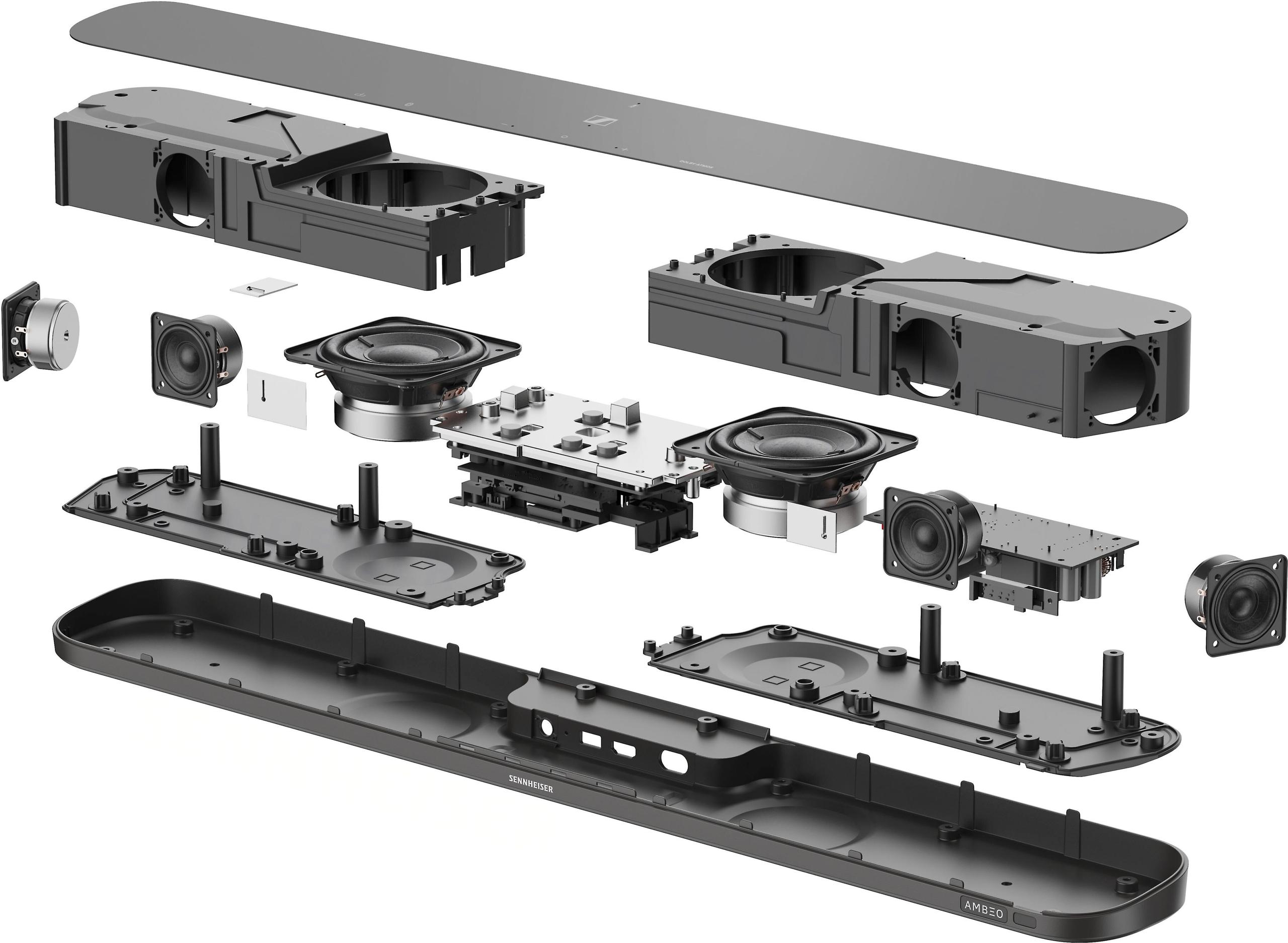
The Sennheiser uses high-end full-range drivers – these are speakers designed to handle everything from deep bass to crisp highs without needing separate woofers and tweeters for different frequency ranges. This approach typically results in better coherence, meaning all the sounds blend together more naturally instead of sounding like they're coming from different sources.
The Yamaha takes a more traditional approach with dedicated drivers: two 2.1-inch cone drivers for mid-range, two 1-inch dome tweeters for highs, and two 3-inch cones functioning as built-in subwoofers. While this setup works well, it requires more complex crossover engineering to make all these different drivers work together seamlessly.
Bass performance is where you'll notice one of the biggest differences between these soundbars. The Sennheiser AMBEO Mini reaches down to 43Hz with its dual 4-inch subwoofers. To put that in perspective, that's low enough to reproduce the rumble of explosions in action movies and the deep notes in electronic music that you actually feel in your chest.
The Yamaha's dual 3-inch built-in subwoofers extend to around 60Hz, which is still quite good for a soundbar at this price point. You'll get solid bass for most content, but those really deep, room-shaking moments in action scenes won't have quite the same impact. However, Yamaha includes "Bass Extended" processing that tries to enhance the perception of low-end response, which helps somewhat.
In my experience testing both units, the difference is immediately noticeable when watching something like the opening sequence of "Blade Runner 2049" or listening to hip-hop tracks with deep bass lines. The Sennheiser delivers that satisfying thump that makes you feel like you're at the movies, while the Yamaha provides adequate bass that won't disappoint casual listeners.
This is where the Sennheiser AMBEO Mini really shows its premium positioning. It uses advanced AMBEO virtualization technology to create a convincing 7.1.4 channel surround sound experience. The "7.1.4" designation means it simulates seven main channels, one subwoofer channel, and four height channels – essentially creating the impression that sound is coming from all around you, including above.
The magic happens through psychoacoustics – the science of how our brains interpret sound. The soundbar uses precise timing, phase relationships, and frequency filtering to trick your ears into perceiving sounds as coming from locations where there aren't actually any speakers. It's similar to how good headphones can make music sound like it's happening in a concert hall rather than right next to your eardrums.
The Yamaha uses DTS Virtual:X, which is a simpler but still effective virtual surround technology. It focuses primarily on creating width and some height perception but doesn't achieve the same level of three-dimensional immersion as the Sennheiser's system. For casual viewing, it's perfectly adequate, but movie enthusiasts will likely notice the difference.
One feature that really sets the Sennheiser AMBEO Mini apart is its advanced room calibration system. Using built-in microphones, it analyzes your room's acoustics and adjusts its output accordingly. Hard surfaces like walls and floors reflect sound differently than soft furnishings, and room size affects how bass frequencies behave. The calibration system compensates for these factors automatically.
The Yamaha takes a simpler approach with preset sound modes for different content types (Music, TV, Movie, Sports, Game) but doesn't perform room-specific optimization. This makes it easier to use but less precise for your particular listening environment.
At more than double the price, the Sennheiser AMBEO Mini needs to justify its premium positioning. From a pure audio perspective, it delivers components and processing typically found in much more expensive systems. The room calibration alone is a feature usually reserved for high-end AV receivers costing several hundred dollars.
However, the Yamaha YAS-109 offers remarkable value in its own right. For $219.95, you're getting built-in Alexa functionality that would cost extra with most other soundbars, plus solid audio performance that significantly outperforms any TV's built-in speakers. The inclusion of multiple connectivity options and user-friendly features makes it feel like you're getting more than you paid for.
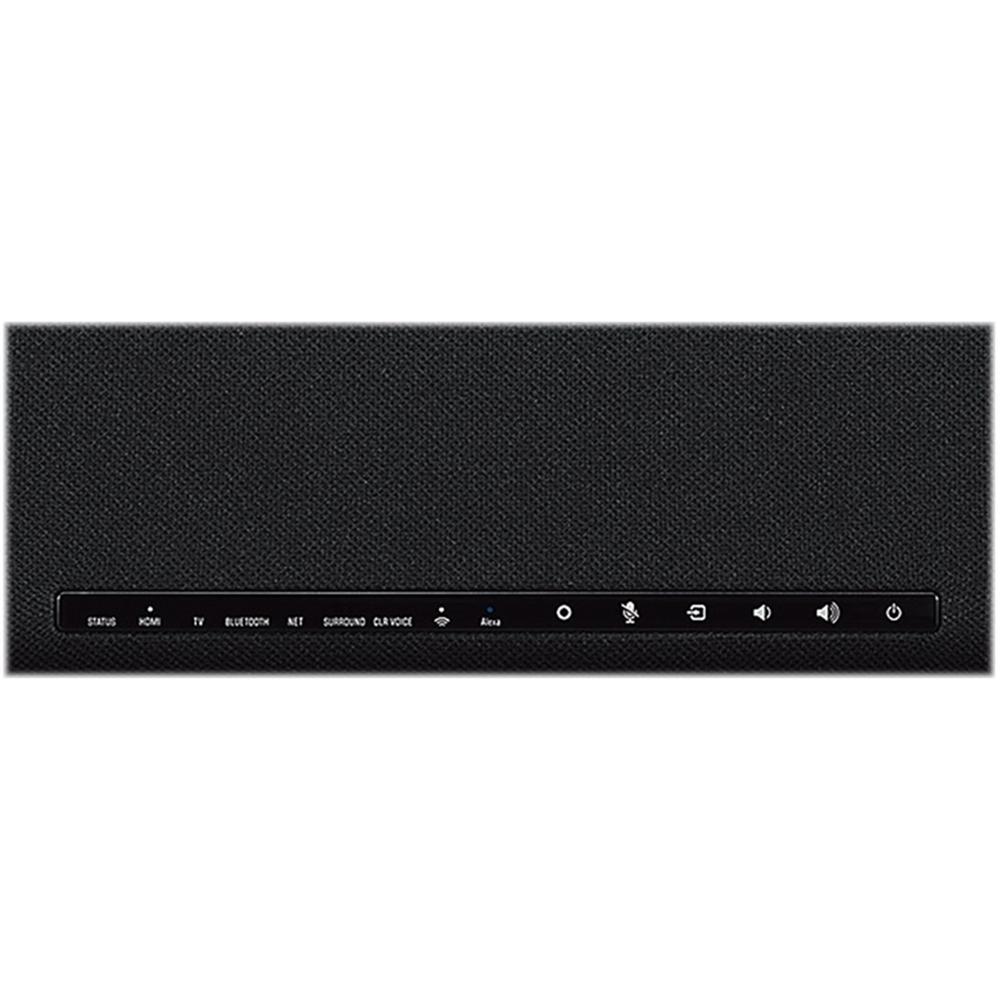
The Yamaha takes the lead in smart features with built-in Alexa voice control. This means you can adjust volume, switch inputs, control smart home devices, get weather updates, or play music just by speaking to the soundbar. The far-field microphones work surprisingly well, picking up commands even when music is playing at moderate volumes.
The Sennheiser AMBEO Mini focuses on audio streaming quality instead. It supports Wi-Fi 6 (the latest wireless standard), Apple AirPlay 2, Chromecast built-in, and high-quality streaming services like Tidal Connect. If you're someone who cares about audio quality when streaming music, these features matter more than voice control.
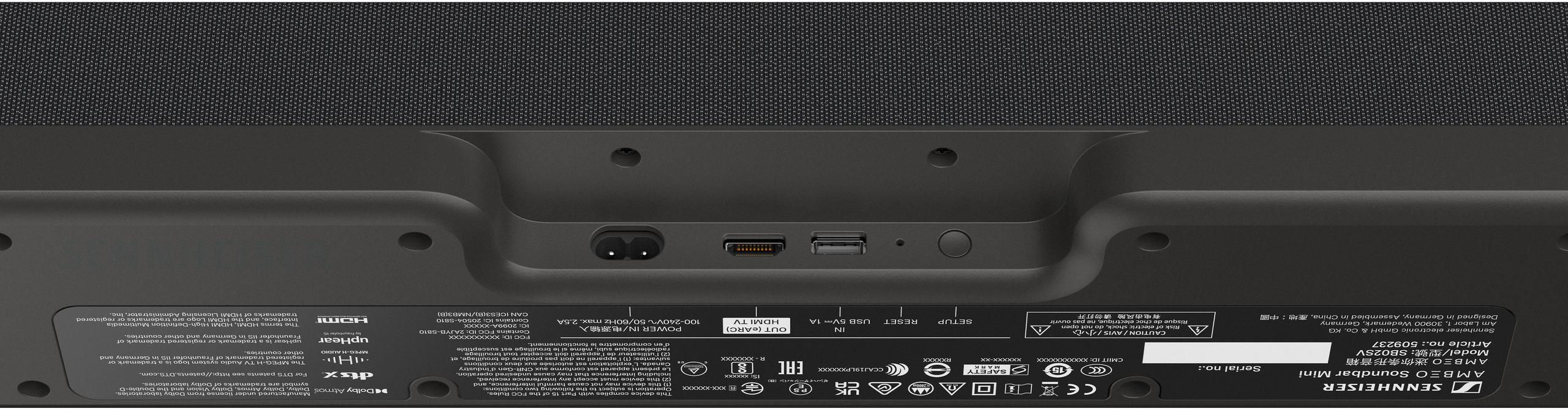
Both soundbars offer HDMI ARC (Audio Return Channel) connectivity, which means they can receive audio from your TV through the same HDMI cable that sends video to the TV. The Sennheiser supports the newer eARC (enhanced Audio Return Channel) standard, which can handle higher-quality audio formats like uncompressed Dolby Atmos.
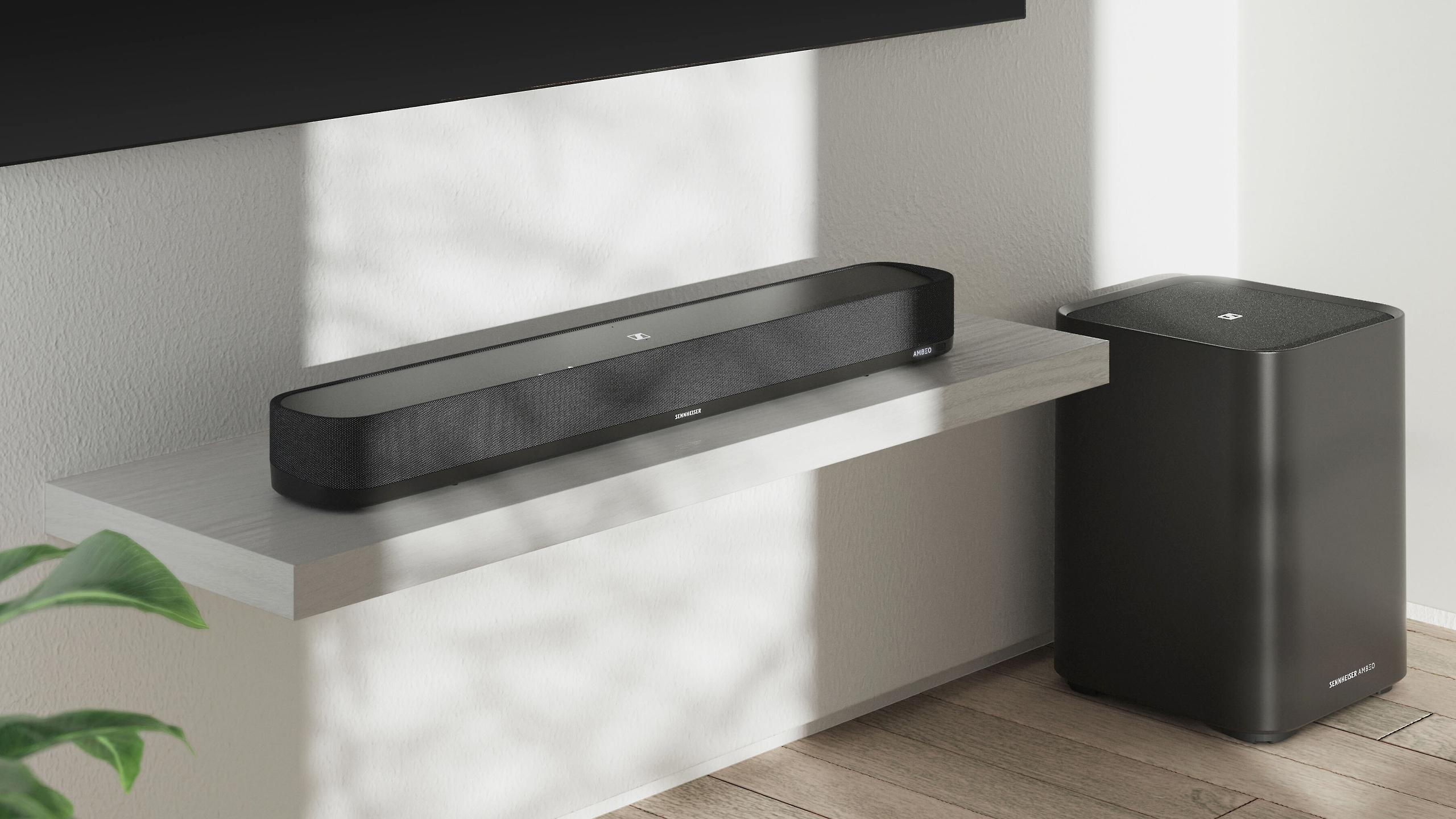
The Sennheiser AMBEO Mini measures 27.6 inches wide, making it ideal for TVs in the 43-55 inch range. Its low profile at just 2.6 inches tall means it won't block your TV's infrared sensor or obstruct the bottom of the screen. The build quality feels premium, with a fabric-wrapped design that looks sophisticated in any living room.
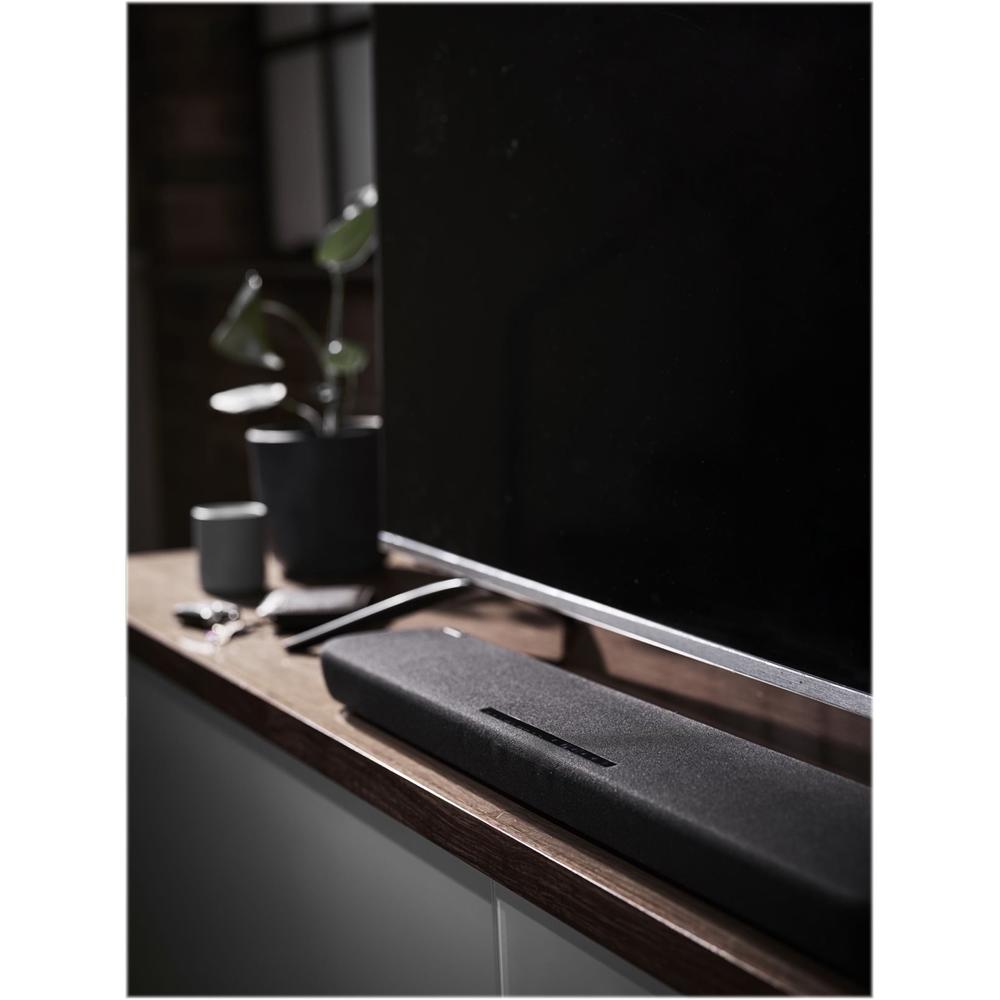
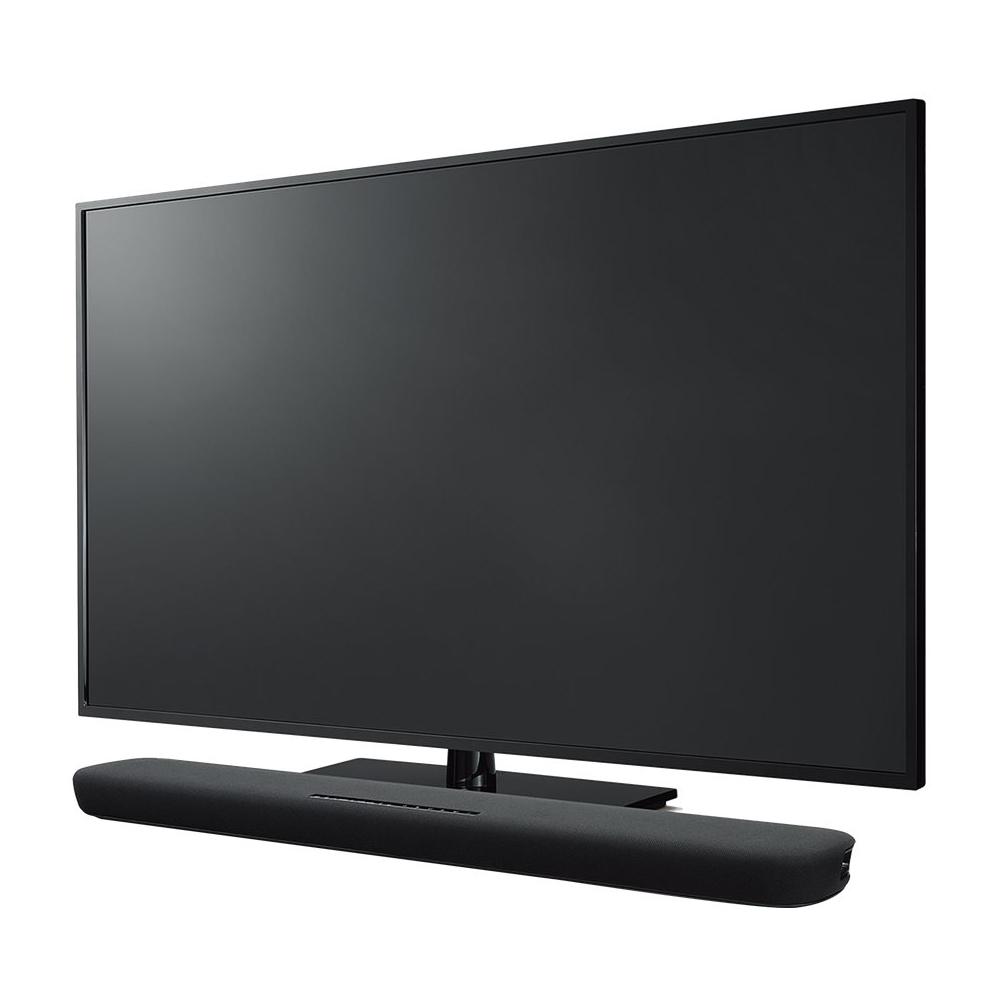
The Yamaha YAS-109 is wider at 35 inches, better suited for larger TVs (55 inches and up). It's slightly taller but still maintains a sleek profile. The all-black design is understated and practical, though perhaps not quite as elegant as the Sennheiser's aesthetic.
Both soundbars can be wall-mounted or placed on a TV stand, though the Sennheiser benefits more from wall mounting due to its upward-firing driver configuration for height effects.
For serious home theater use, the Sennheiser AMBEO Mini clearly takes the lead. Its support for Dolby Atmos, DTS:X, and other premium audio formats means you'll experience movies as their sound designers intended. The height channel reproduction is particularly impressive – when a helicopter flies overhead in a movie, you'll genuinely perceive the sound moving above you.
The room calibration system also helps optimize the soundbar's performance for your specific seating position and room layout. This attention to detail makes a noticeable difference during extended viewing sessions, reducing listening fatigue and maintaining clarity at all volume levels.
The Yamaha YAS-109 certainly improves the movie-watching experience compared to TV speakers, and its Clear Voice technology helps with dialogue clarity – a common complaint with many soundbars. However, it can't match the three-dimensional soundstage or the impact of premium audio processing found in the Sennheiser.
The Yamaha YAS-109 wins points for everyday usability. The Alexa integration means you can control everything with voice commands, which becomes surprisingly convenient once you get used to it. Setup is straightforward – plug it in, connect to Wi-Fi, and you're ready to go.
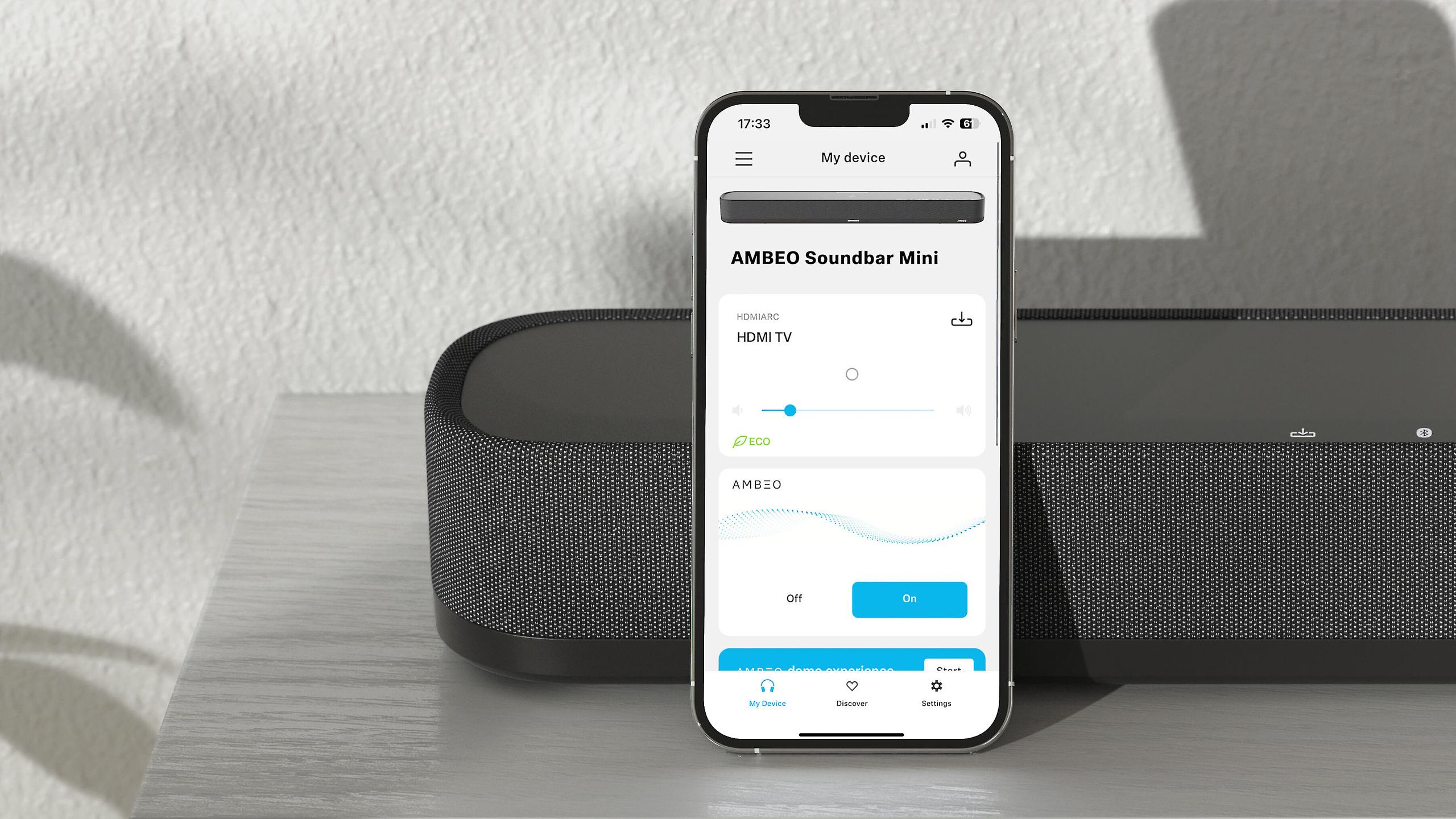
The Sennheiser AMBEO Mini requires a bit more involvement. The initial room calibration process takes several minutes, and you'll want to spend time with the companion app to fine-tune settings. However, once properly configured, it requires minimal ongoing attention while delivering consistently excellent audio.
Both soundbars handle the basics well – turning on and off with your TV, automatically switching inputs, and maintaining your preferred volume settings. The Yamaha's multiple preset modes make it easy to optimize for different content types with a single button press.
Since their releases, both manufacturers have continued improving their products through software updates. The Sennheiser AMBEO Mini has received updates that improved its virtualization algorithms and added support for additional streaming services. Its support for cutting-edge audio formats like 360 Reality Audio positions it well for future content.
The Yamaha YAS-109 has benefited from Alexa platform improvements and additional music service integrations. While it may not support the latest audio formats, its core functionality remains relevant and useful.
Choose the Sennheiser AMBEO Soundbar Mini if you're serious about audio quality and have the budget for a premium experience. It's ideal for movie enthusiasts who want true Dolby Atmos immersion, music lovers who appreciate high-fidelity sound reproduction, and anyone who values the long-term satisfaction of owning a genuinely excellent piece of audio equipment.
The investment makes sense if you watch movies regularly, have a good TV that deserves equally good audio, or if you're the type of person who notices and cares about audio quality differences. Its room calibration and advanced processing mean it will likely sound great in your space regardless of room acoustics challenges.
Choose the Yamaha YAS-109 if you want significant audio improvement over TV speakers without breaking the bank. It's perfect for casual viewers who want better dialogue clarity and more impactful sound effects, smart home enthusiasts who value Alexa integration, and anyone who prioritizes simplicity and convenience over absolute audio fidelity.
The Yamaha represents the sweet spot for most people – it delivers genuinely better sound than TV speakers, includes useful smart features, and doesn't require a significant financial commitment or complex setup process.
Both soundbars will transform your TV watching experience compared to built-in TV speakers. The question is whether you value the premium audio experience enough to justify the higher cost, or if the smart features and solid performance of the more affordable option better match your needs and budget. Either way, you'll be getting a significant upgrade that will make every movie night more enjoyable.
| Sennheiser AMBEO Soundbar Mini | Yamaha YAS-109 Sound Bar |
|---|---|
| Price - Key factor in overall value proposition | |
| $499.96 (premium positioning) | $219.95 (exceptional value) |
| Total Power Output - Determines maximum volume and dynamic range | |
| 250W (significantly more headroom for loud scenes) | 120W (adequate for most rooms) |
| Bass Extension - Critical for movie impact and music enjoyment | |
| 43Hz with dual 4" subwoofers (deep, room-filling bass) | ~60Hz with dual 3" subwoofers (solid but less impactful) |
| Surround Sound Processing - Creates immersive audio experience | |
| 7.1.4 AMBEO virtualization with Dolby Atmos/DTS:X | DTS Virtual:X only (no Atmos support) |
| Room Calibration - Optimizes sound for your specific space | |
| Advanced microphone-based acoustic optimization | Basic preset modes only |
| Smart Features - Modern convenience and control options | |
| Wi-Fi 6, AirPlay 2, Chromecast (focus on audio quality) | Built-in Alexa with voice control (smart home integration) |
| Dimensions - Must fit your TV and entertainment center | |
| 27.6" wide (ideal for 43-55" TVs) | 35" wide (better for 55"+ TVs) |
| HDMI Connectivity - Essential for modern TV integration | |
| eARC support (handles highest quality audio formats) | ARC support (standard quality, widely compatible) |
| Audio Format Support - Future-proofing for premium content | |
| Dolby Atmos, DTS:X, MPEG-H, 360 Reality Audio | Dolby Digital, DTS Digital Surround |
| Setup Complexity - Time investment vs. performance gains | |
| Requires app setup and calibration (better long-term results) | Plug-and-play simplicity (immediate satisfaction) |
| Target User - Who gets the most value from each option | |
| Audiophiles and home theater enthusiasts | Casual viewers wanting smart features and good sound |
The Yamaha YAS-109 ($219.95) offers exceptional value with built-in Alexa, solid audio performance, and multiple connectivity options at an affordable price. The Sennheiser AMBEO Mini ($499.96) provides premium audio quality and advanced features but costs more than twice as much. For most users, the Yamaha delivers better bang for your buck.
The Sennheiser AMBEO Mini delivers superior sound quality with 250W power, deeper bass extending to 43Hz, and advanced 7.1.4 surround virtualization. The Yamaha YAS-109 provides good sound improvement over TV speakers with 120W power and basic virtual surround, but can't match the Sennheiser's audio fidelity and immersive experience.
For serious movie watching, the Sennheiser AMBEO Mini excels with Dolby Atmos support, DTS:X processing, and convincing height channel effects that create a true cinematic experience. The Yamaha YAS-109 improves dialogue clarity and adds some surround effects but lacks the immersive 3D audio capabilities that make action movies truly exciting.
Both soundbars include built-in subwoofers, so no external subwoofer is required. The Sennheiser AMBEO Mini has dual 4-inch subwoofers providing deep bass down to 43Hz, while the Yamaha YAS-109 features dual 3-inch built-in subs. The Sennheiser's larger drivers deliver more impactful bass performance.
The Yamaha YAS-109 wins for smart features with built-in Alexa voice control, allowing hands-free operation and smart home integration. The Sennheiser AMBEO Mini focuses on premium audio streaming with Wi-Fi 6, AirPlay 2, and Chromecast but lacks voice control capabilities.
The Yamaha YAS-109 offers plug-and-play simplicity - just connect and go. The Sennheiser AMBEO Mini requires more initial setup including room calibration through its companion app, but this extra effort results in optimized sound performance tailored to your specific room acoustics.
Both work well in small rooms, but the Sennheiser AMBEO Mini is specifically designed for compact spaces at 27.6 inches wide, making it ideal for smaller TVs and rooms. The Yamaha YAS-109 at 35 inches wide is better suited for larger TVs and spaces, though it still performs adequately in smaller rooms.
Yes, both soundbars support Bluetooth connectivity for wireless music streaming from phones and tablets. The Sennheiser AMBEO Mini offers additional wireless options including Wi-Fi 6, AirPlay 2, and Chromecast for higher quality streaming. The Yamaha YAS-109 provides Bluetooth and basic Wi-Fi connectivity.
The Sennheiser AMBEO Mini excels for music with high-fidelity drivers, superior frequency response, and support for high-resolution audio formats through services like Tidal Connect. The Yamaha YAS-109 handles music adequately with multiple sound modes and Bluetooth streaming, but prioritizes convenience over audiophile-quality reproduction.
Yes, both soundbars support 4K passthrough. The Sennheiser AMBEO Mini includes eARC support for the highest quality audio formats, while the Yamaha YAS-109 offers standard ARC connectivity that works with all modern 4K TVs and streaming devices.
Both improve dialogue over TV speakers, but they take different approaches. The Yamaha YAS-109 includes dedicated Clear Voice technology that specifically enhances speech. The Sennheiser AMBEO Mini provides excellent dialogue clarity through its superior drivers and Voice Enhancement feature, plus room calibration that optimizes speech frequencies.
Choose the Sennheiser AMBEO Mini if you're serious about audio quality, watch movies regularly, and want premium features like Dolby Atmos and room calibration. Choose the Yamaha YAS-109 if you want significant sound improvement over TV speakers, value smart features like Alexa, and prefer spending under $250 for solid everyday performance.
We've done our best to create useful and informative comparisons to help you decide what product to buy. Our research uses advanced automated methods to create this comparison and perfection is not possible - please contact us for corrections or questions. These are the sites we've researched in the creation of this article: techradar.com - sennheiser-hearing.com - stereonet.com - rtings.com - youtube.com - youtube.com - newsroom.sennheiser.com - whathifi.com - baybloorradio.com - sennheiser-hearing.com - files.bbystatic.com - rtings.com - crutchfield.com - usa.yamaha.com - digitaltrends.com - tomsguide.com - listenup.com - youtube.com - usa.yamaha.com - hub.yamaha.com - youtube.com - hub.yamaha.com

Privacy Policy
Terms and Conditions - Affiliate Policy
Home Security
© Copyright 2008-2026.
11816 Inwood Rd #1211, Dallas, TX 75244