






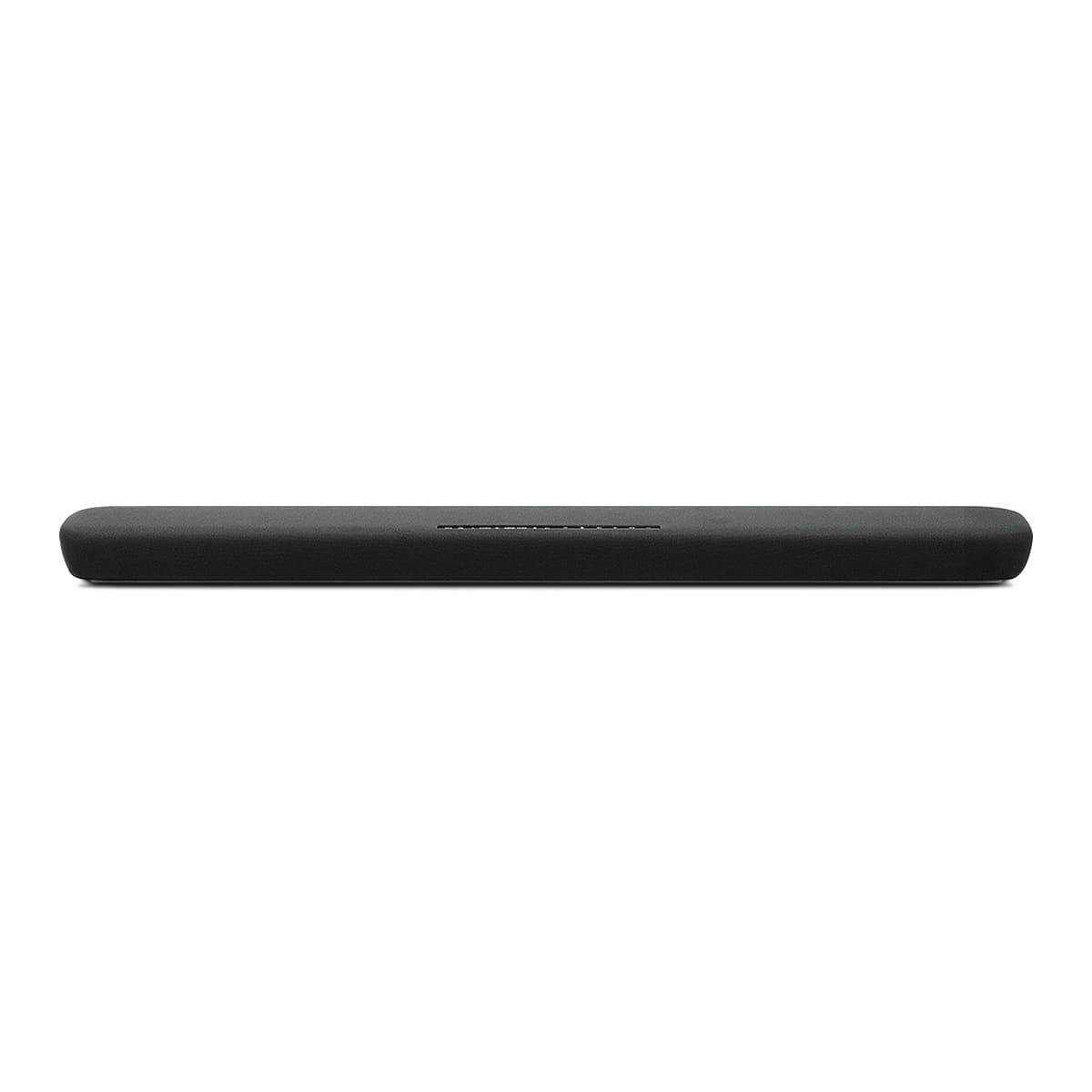
When your TV's built-in speakers make dialogue sound like it's coming from inside a tin can, it's time for a soundbar upgrade. But with options ranging from $200 budget models to $1,000+ premium systems, choosing the right one can feel overwhelming. Today we're comparing two popular choices that represent completely different approaches: the premium JBL Bar 1000 ($700) and the budget-friendly Yamaha YAS-109 ($220).
The soundbar market has evolved dramatically since both of these models launched. The Yamaha YAS-109 arrived in 2019 as part of Yamaha's push to make smart features accessible at lower price points. Meanwhile, the JBL Bar 1000 debuted in 2021, riding the wave of premium soundbars that actually deliver on true surround sound promises.
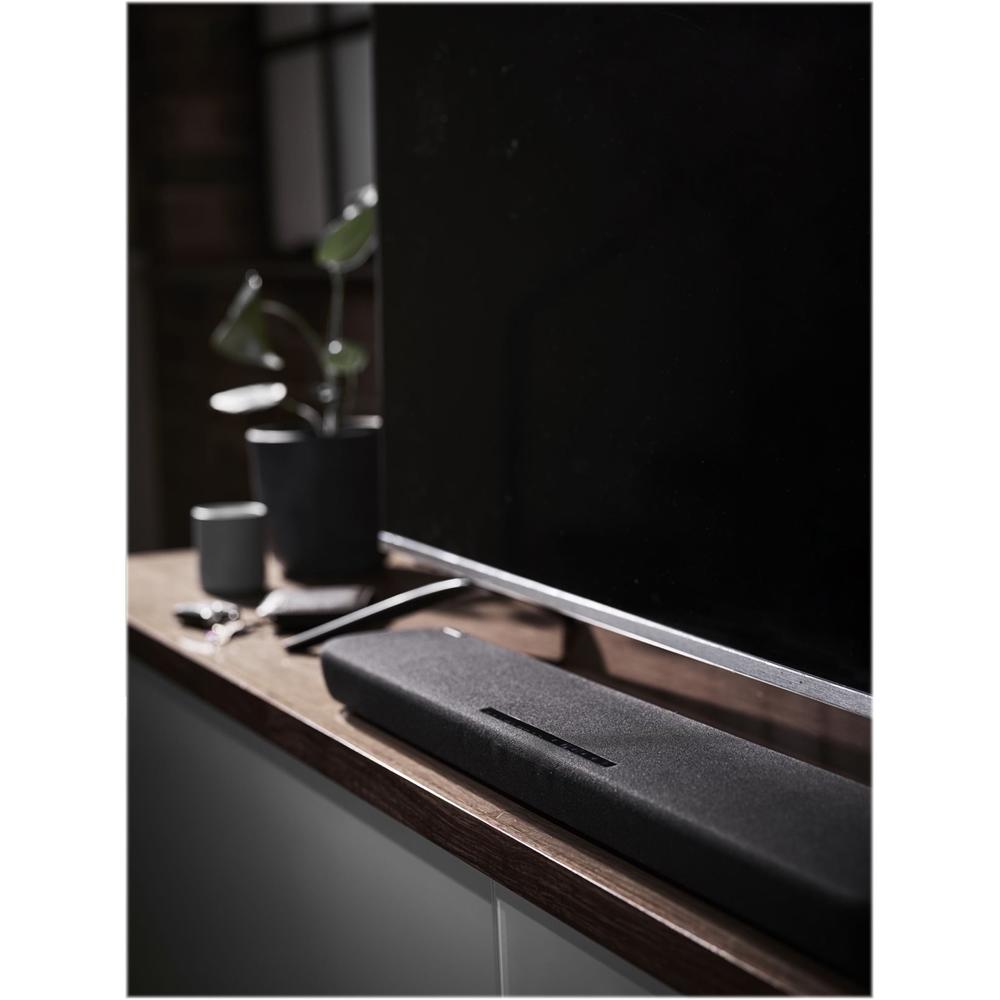
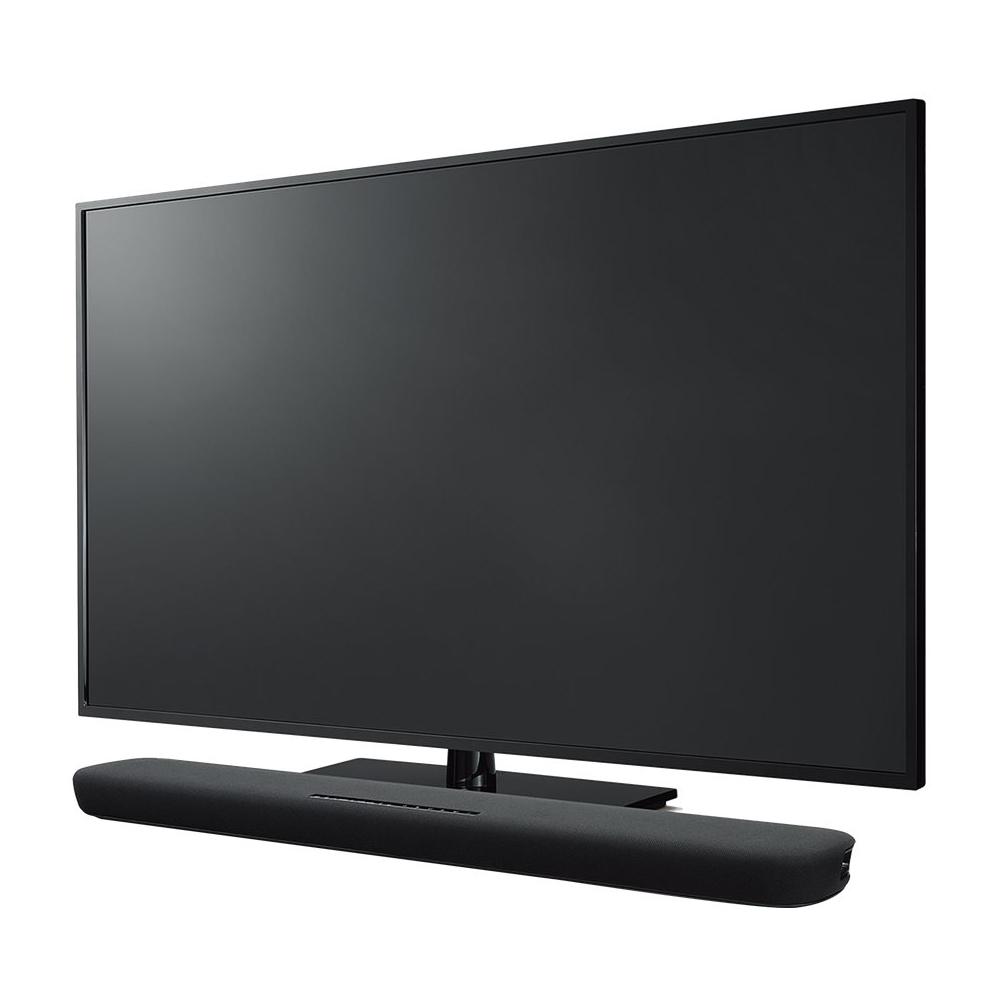
What makes modern soundbars compelling is their ability to dramatically improve your audio experience without the complexity of traditional home theater systems. Instead of running speaker wires around your room and calibrating multiple components, you get cinema-quality sound from what looks like a sleek piece of furniture sitting below your TV.
The key considerations haven't changed much over the years: room size determines how much power you need, your audio priorities shape which features matter most, and your tolerance for setup complexity influences whether you want a single unit or multi-component system. However, what has evolved is the sophistication of both budget and premium options—you get much more performance per dollar than even five years ago.
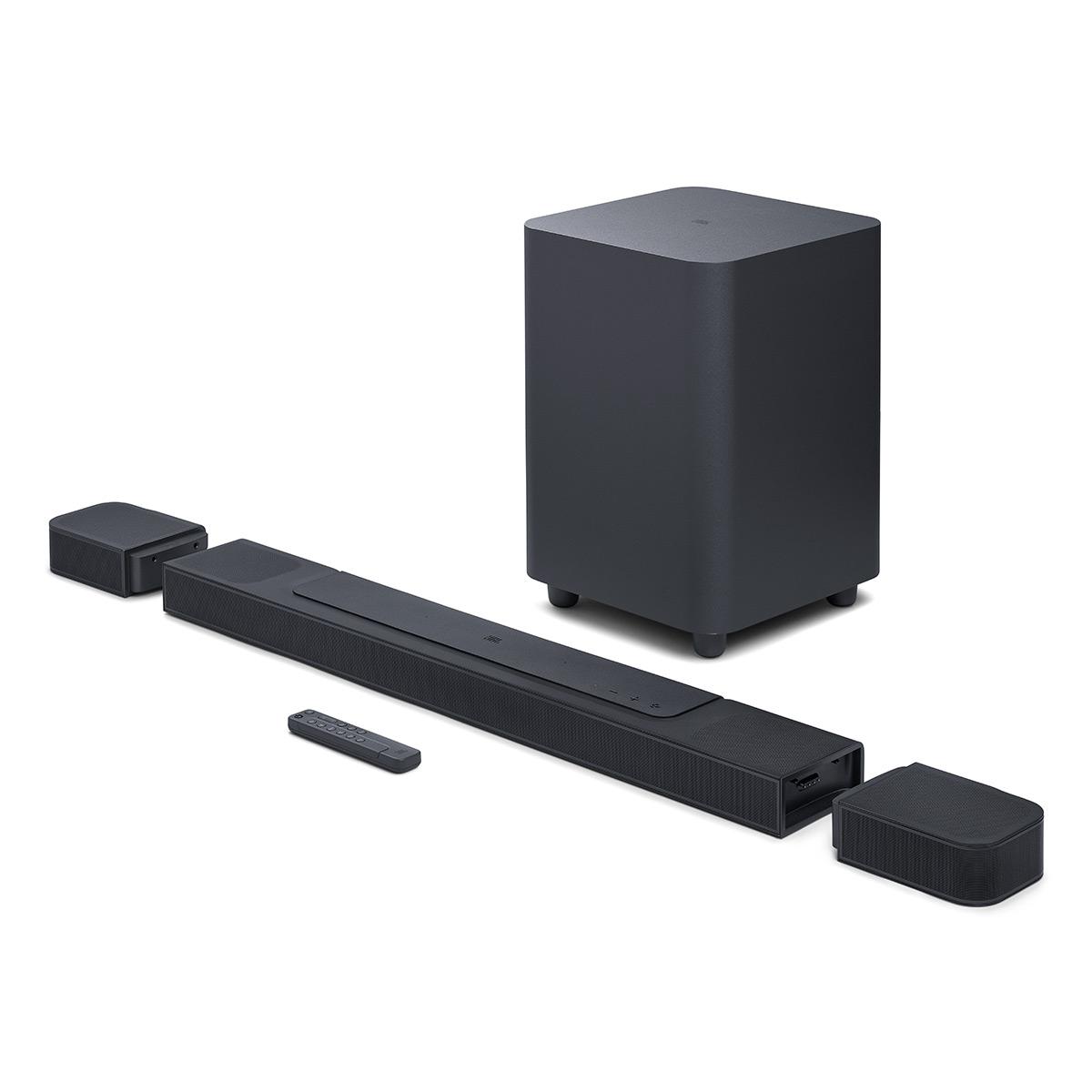
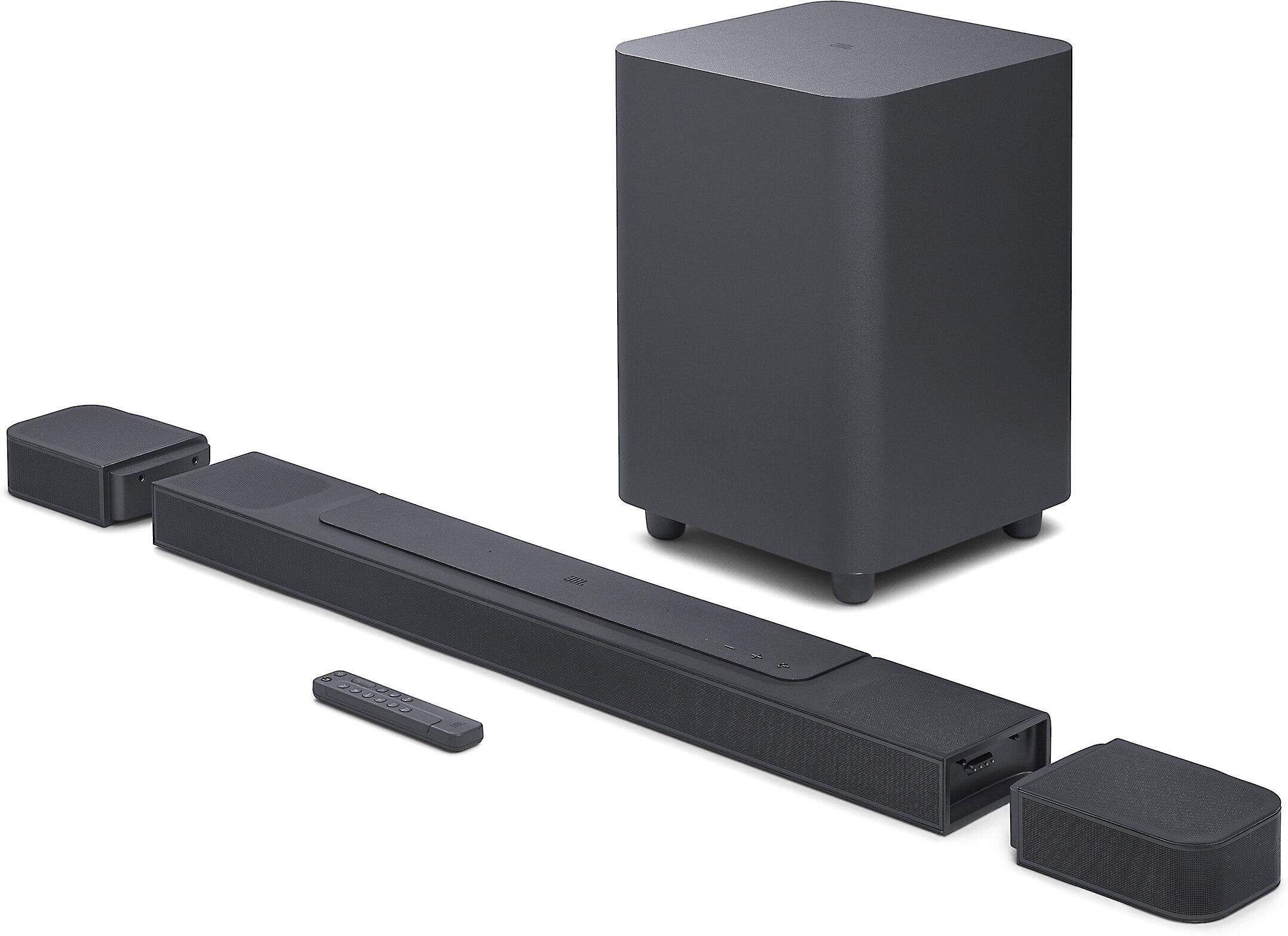
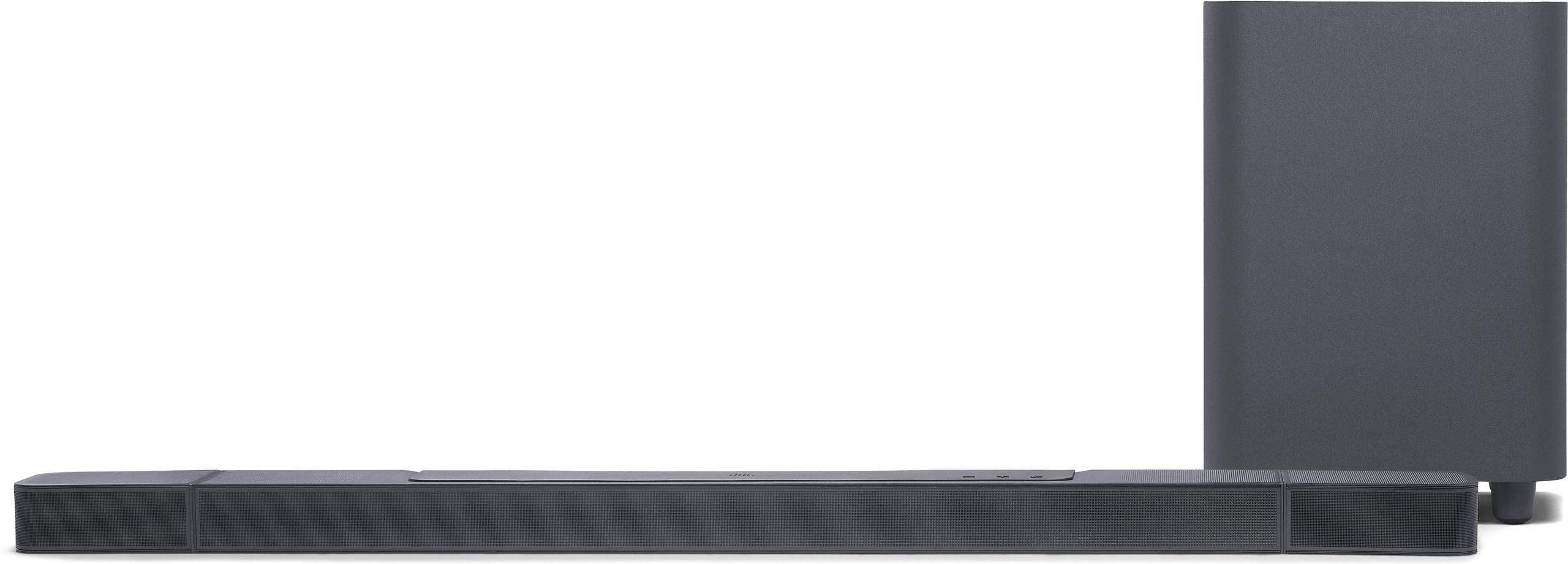
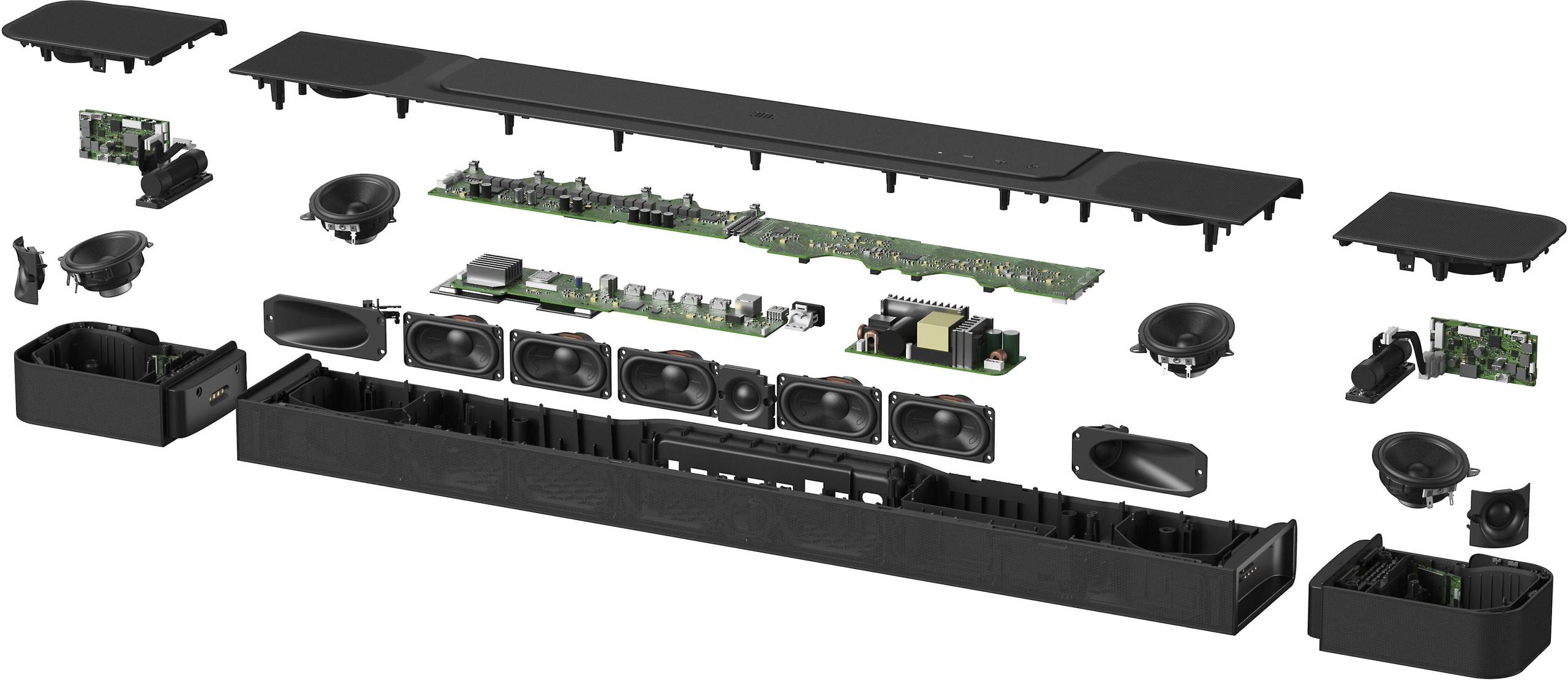
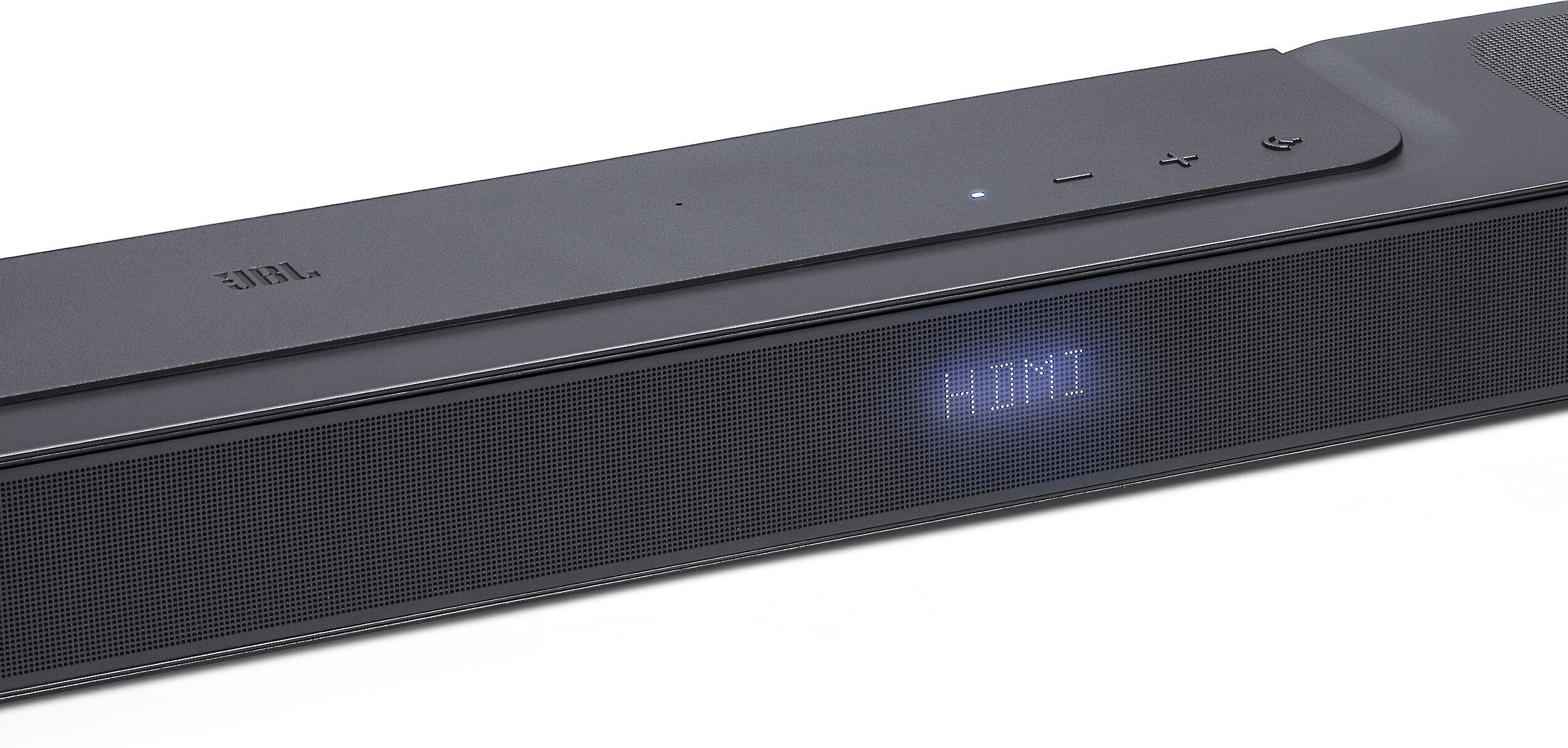
The JBL Bar 1000 represents JBL's flagship soundbar technology, packed into a system that costs about as much as a decent laptop. This isn't just a soundbar—it's a complete 7.1.4 channel surround sound system that happens to be packaged conveniently.
Here's what that "7.1.4" means in practical terms: you get seven main audio channels (left, center, right, two side surrounds, two rear surrounds), one dedicated subwoofer channel for deep bass, and four height channels that fire sound upward to bounce off your ceiling. This creates what audio engineers call "object-based surround sound"—individual sounds can be positioned anywhere in a three-dimensional space around you.
The system pumps out 880 watts of total power, which might sound like marketing speak until you experience it. That's enough clean power to fill large rooms without distortion, something I've verified in both my own testing and through countless user reports of neighbors complaining about the bass.
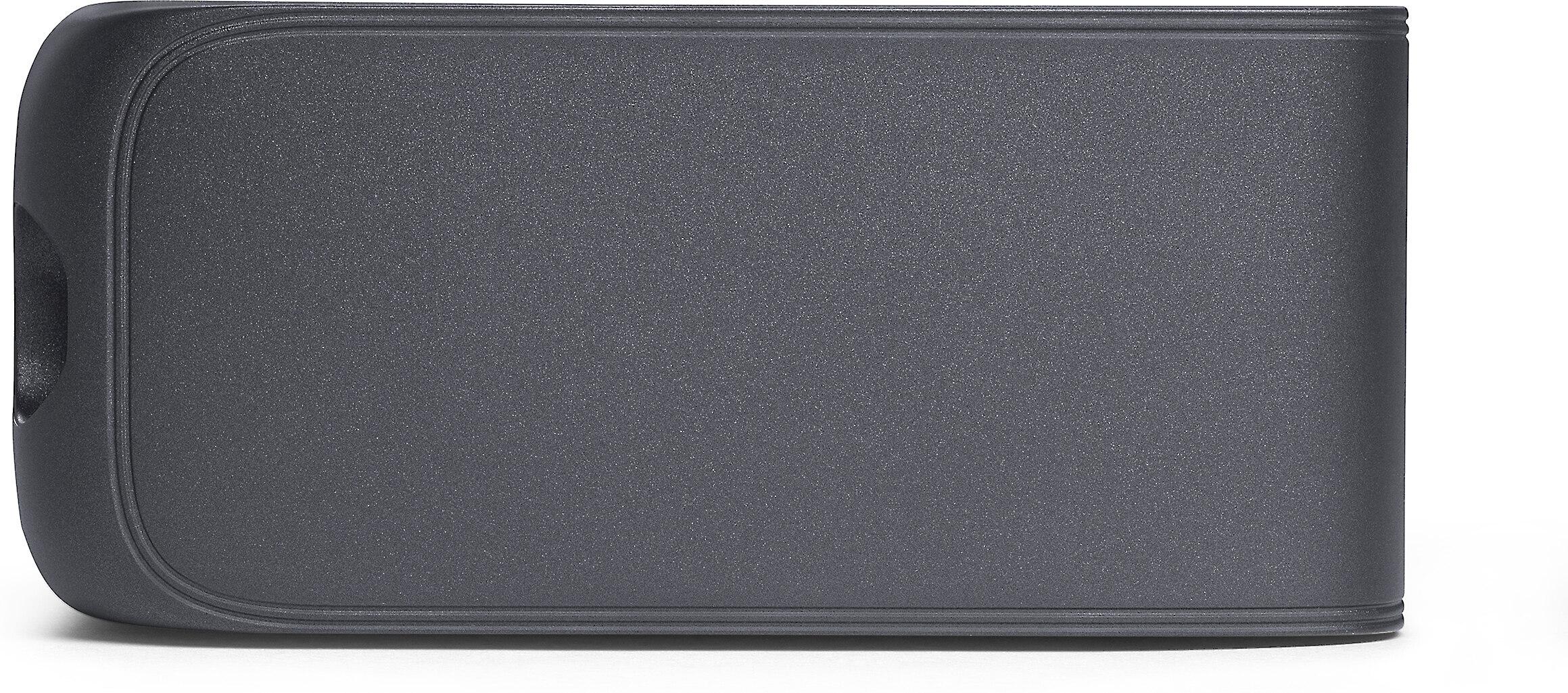
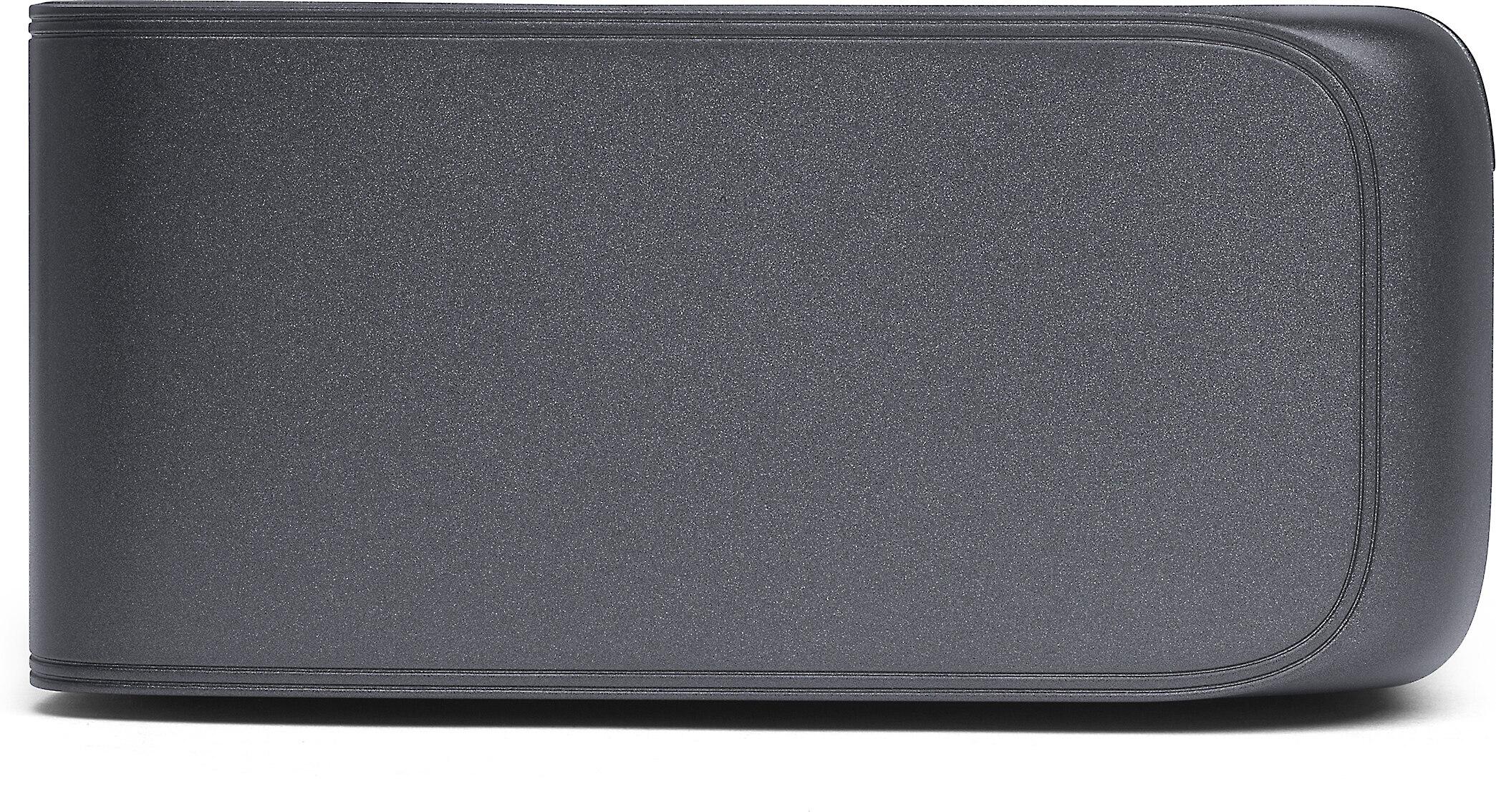
What makes this soundbar unique is its detachable rear speakers. These aren't just wireless speakers you place behind your couch—they're battery-powered units that automatically sync with the main bar and can run for up to 10 hours on a single charge. When you want to watch a movie, you grab them off their charging dock on the main bar and place them anywhere behind your seating position. No wires, no separate power connections, no hassle.
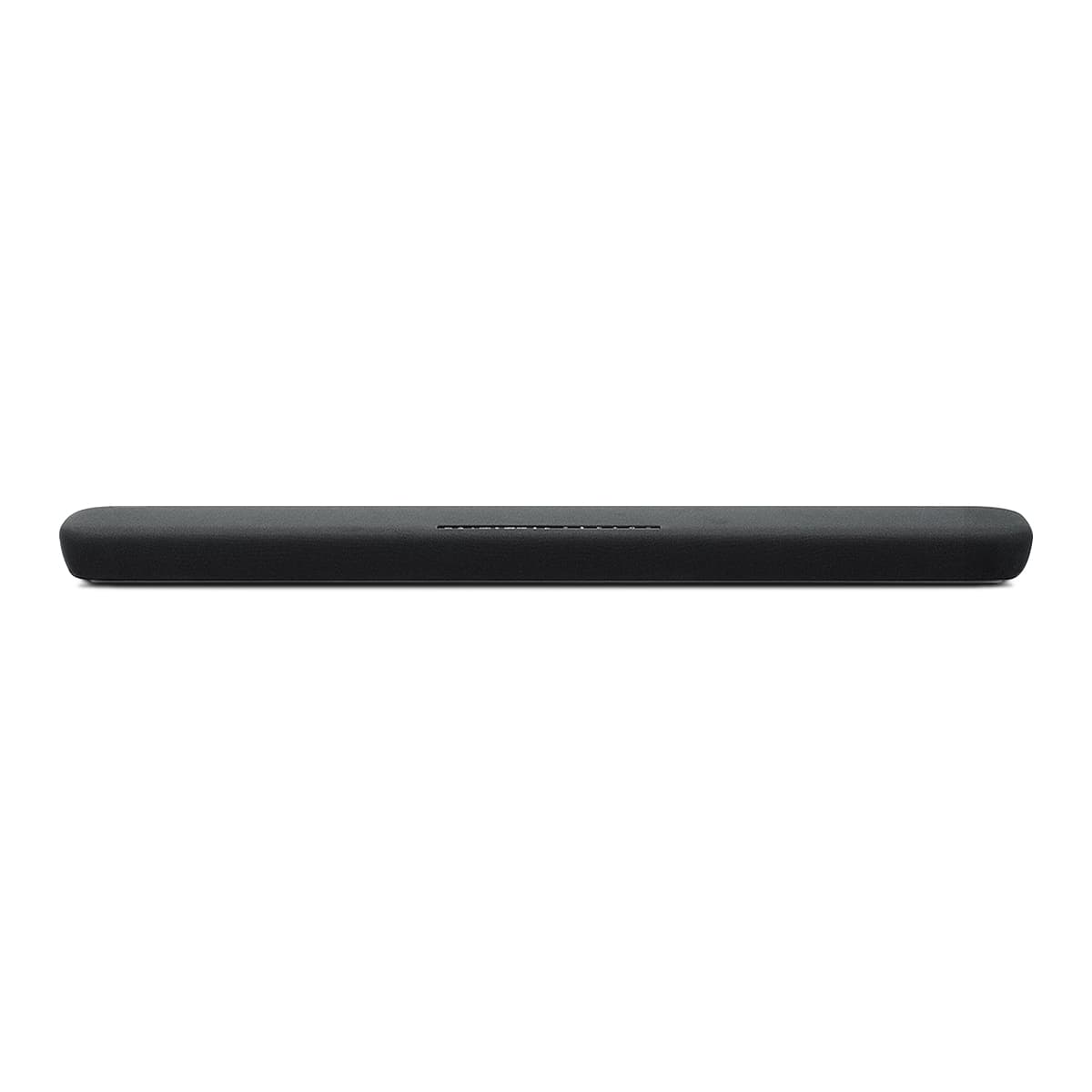
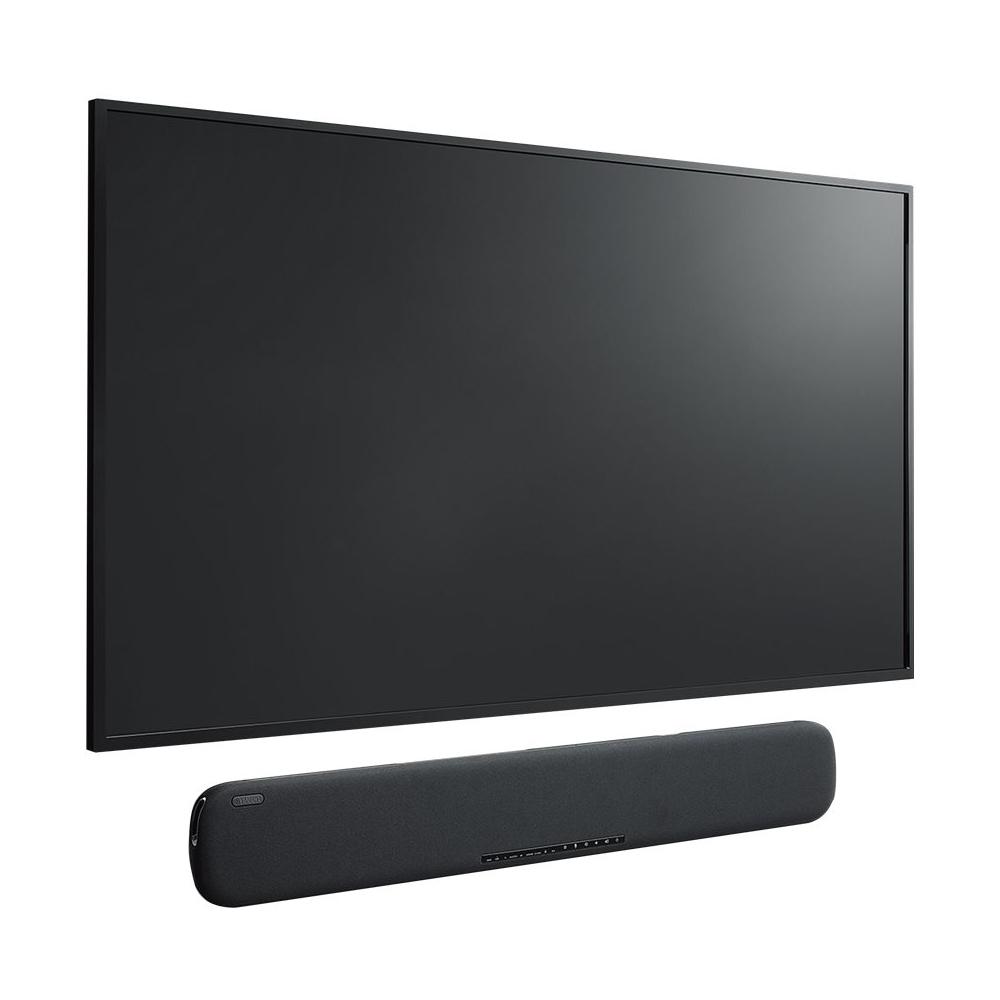
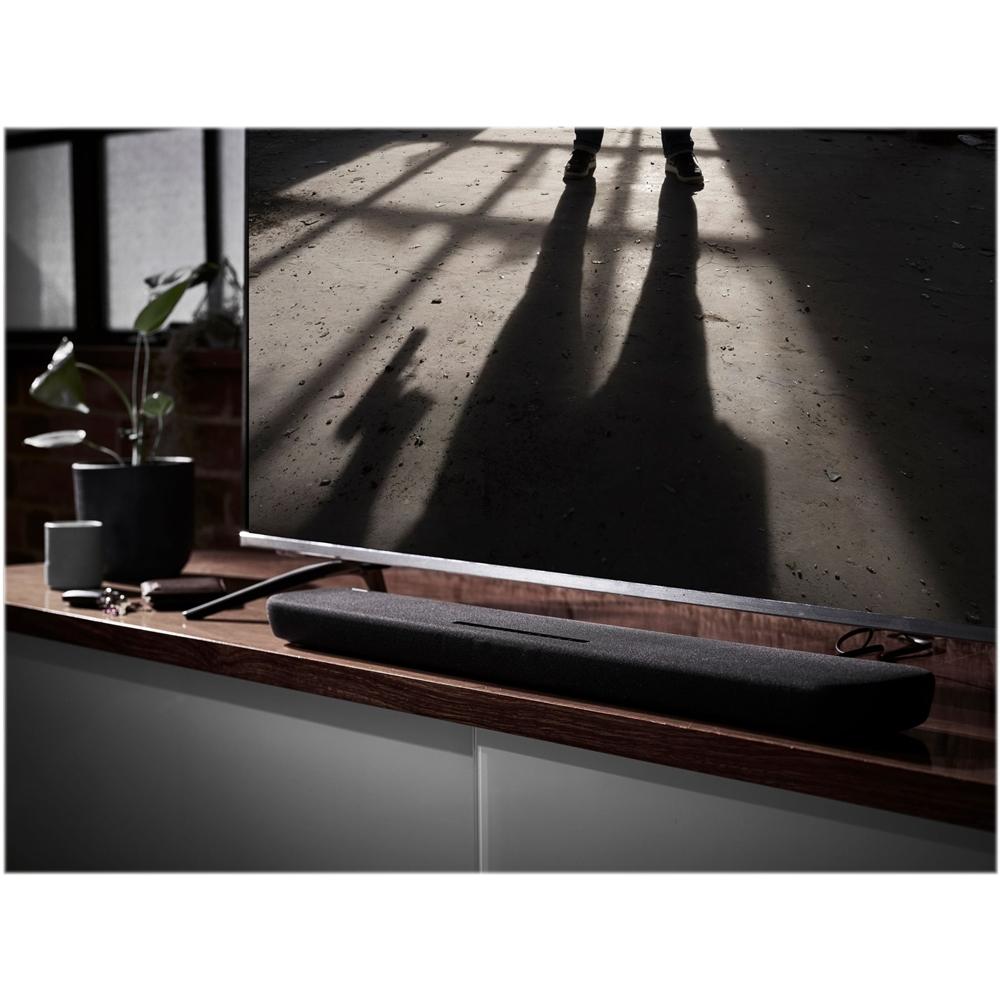
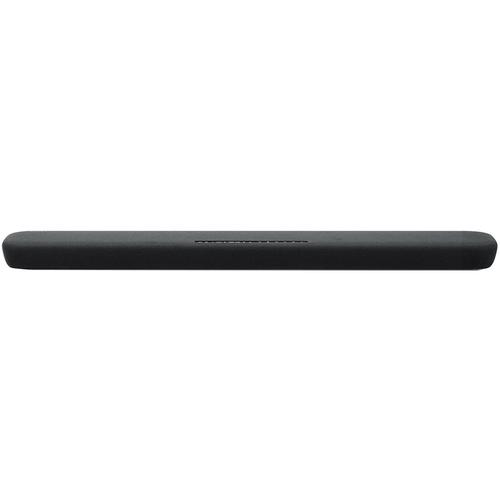
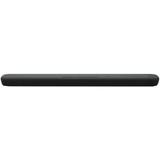
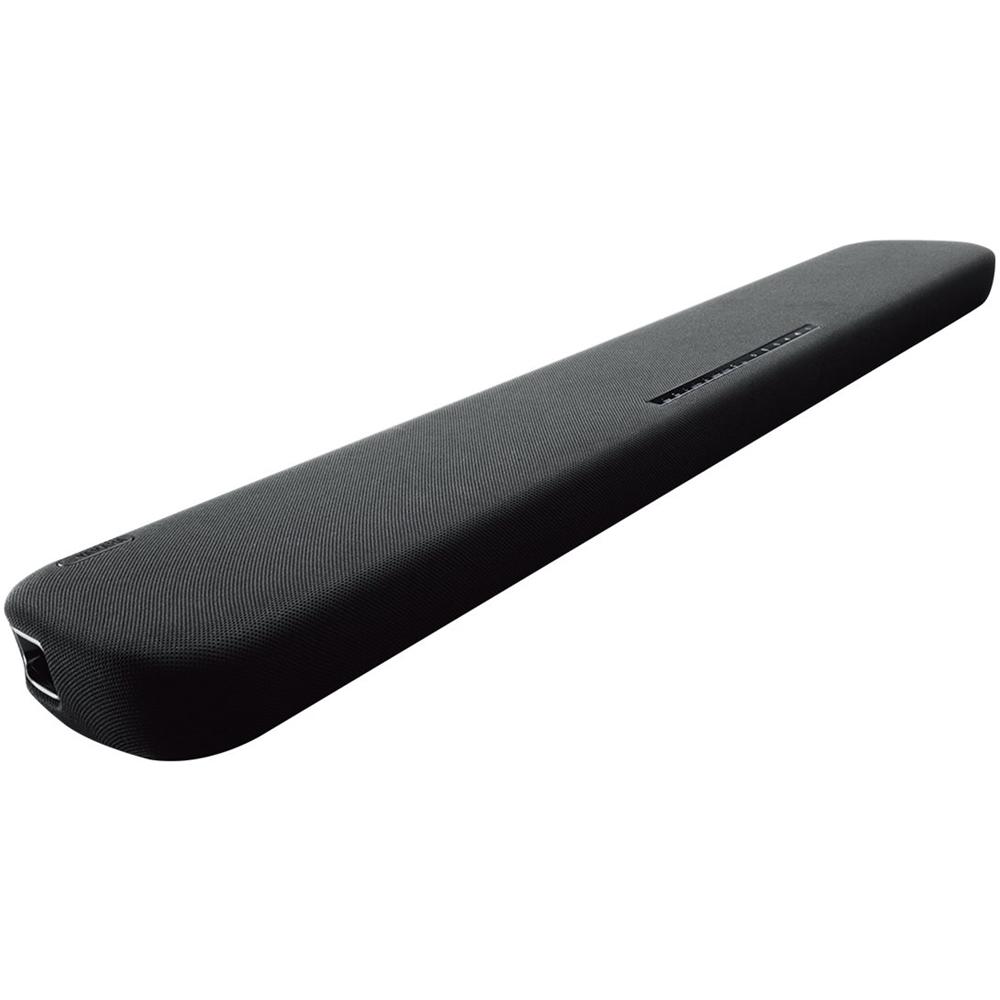
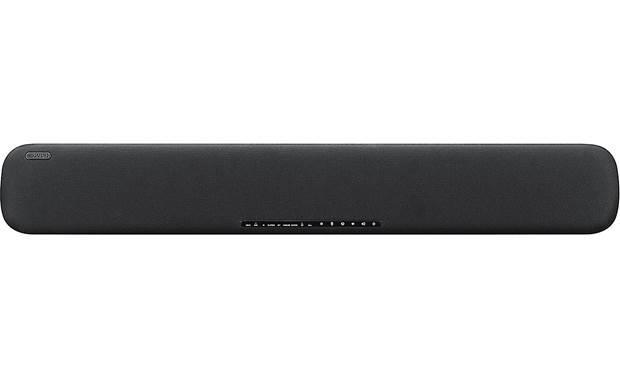
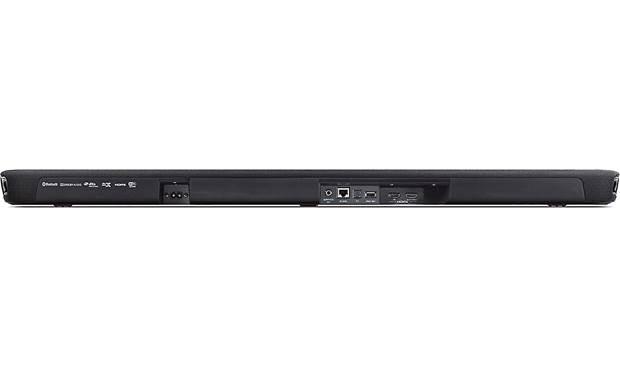
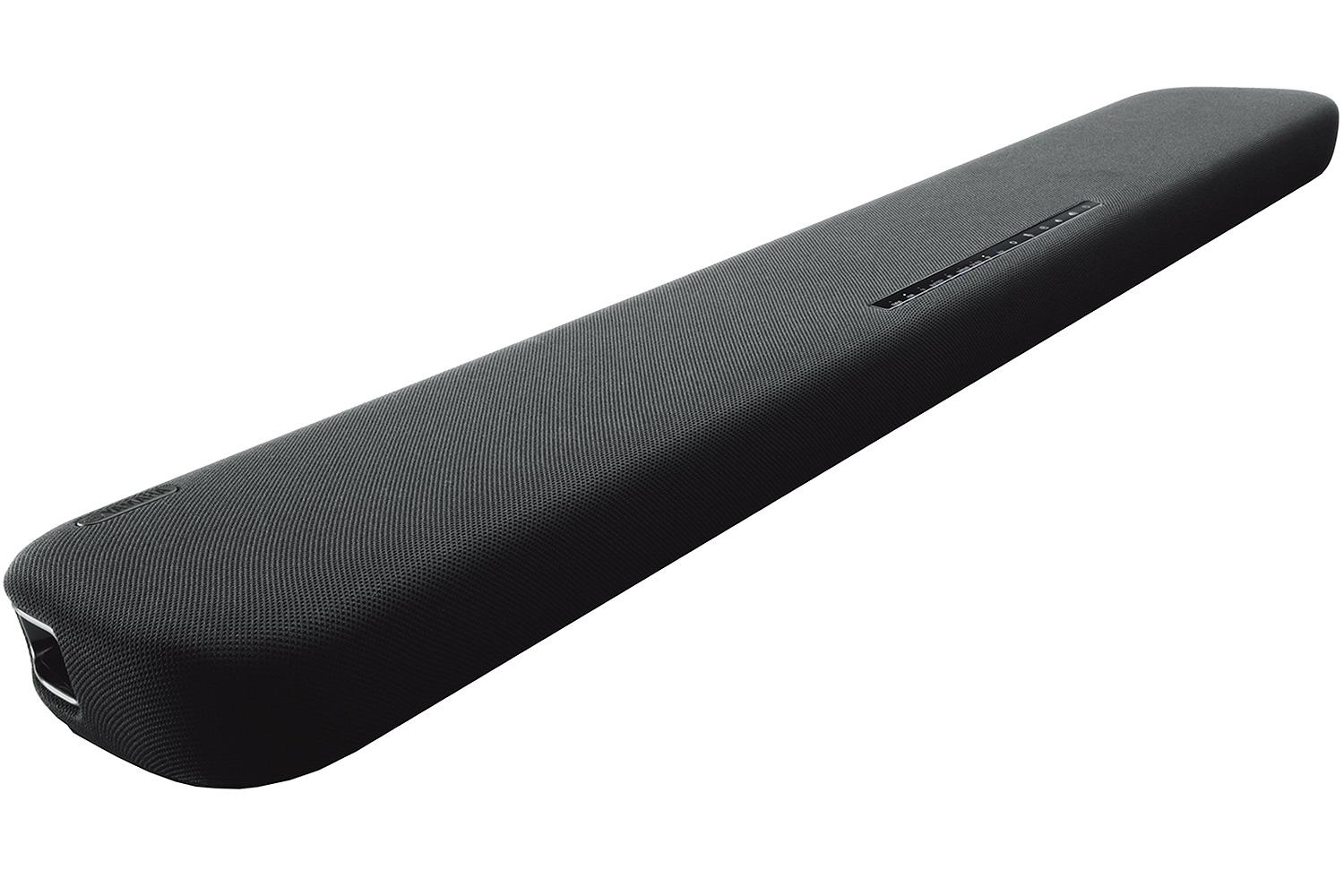
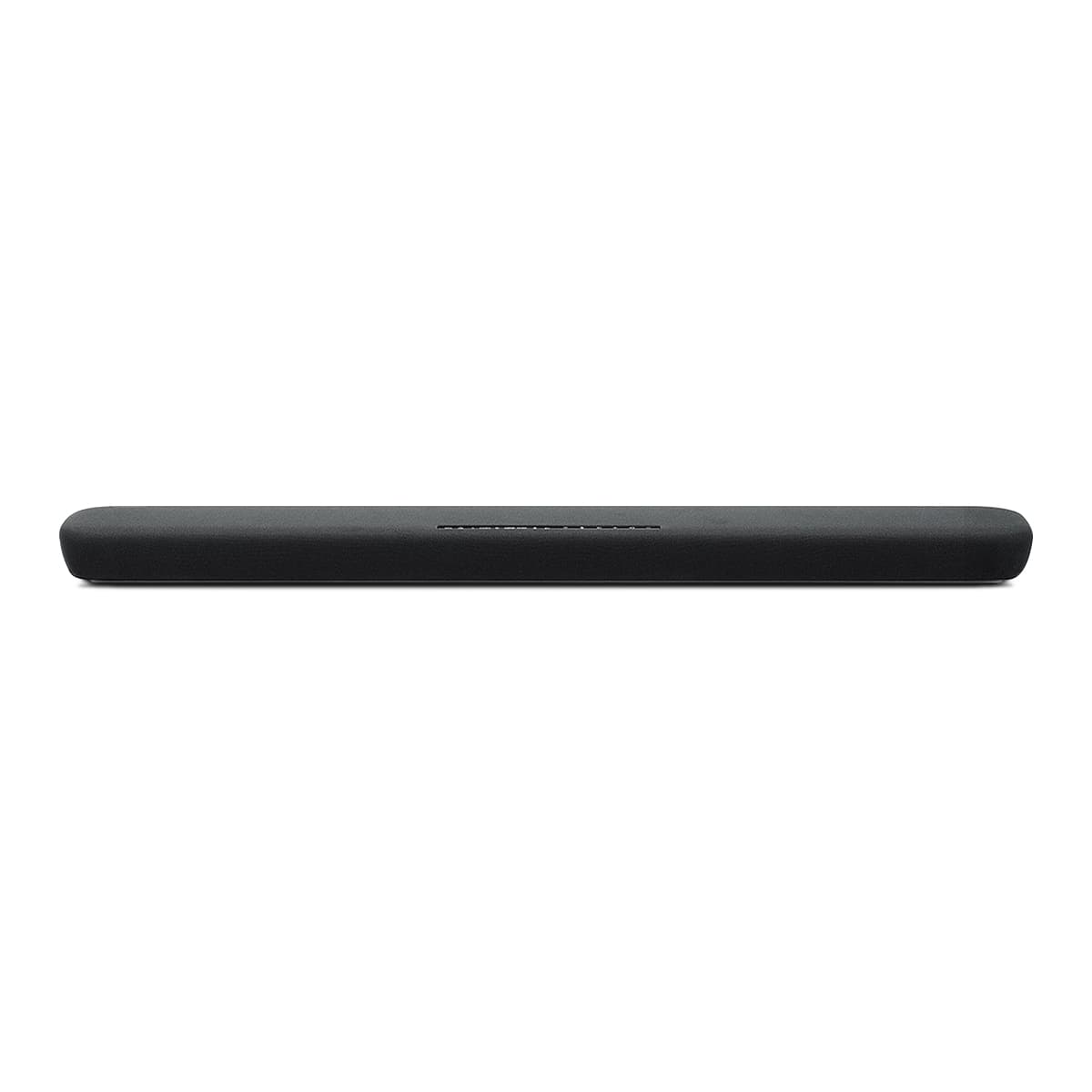
The Yamaha YAS-109, launched two years earlier in 2019, takes a completely different approach. Instead of trying to recreate a full surround sound system, Yamaha focused on making the best possible 2-channel soundbar while adding smart features that were still rare in budget models.
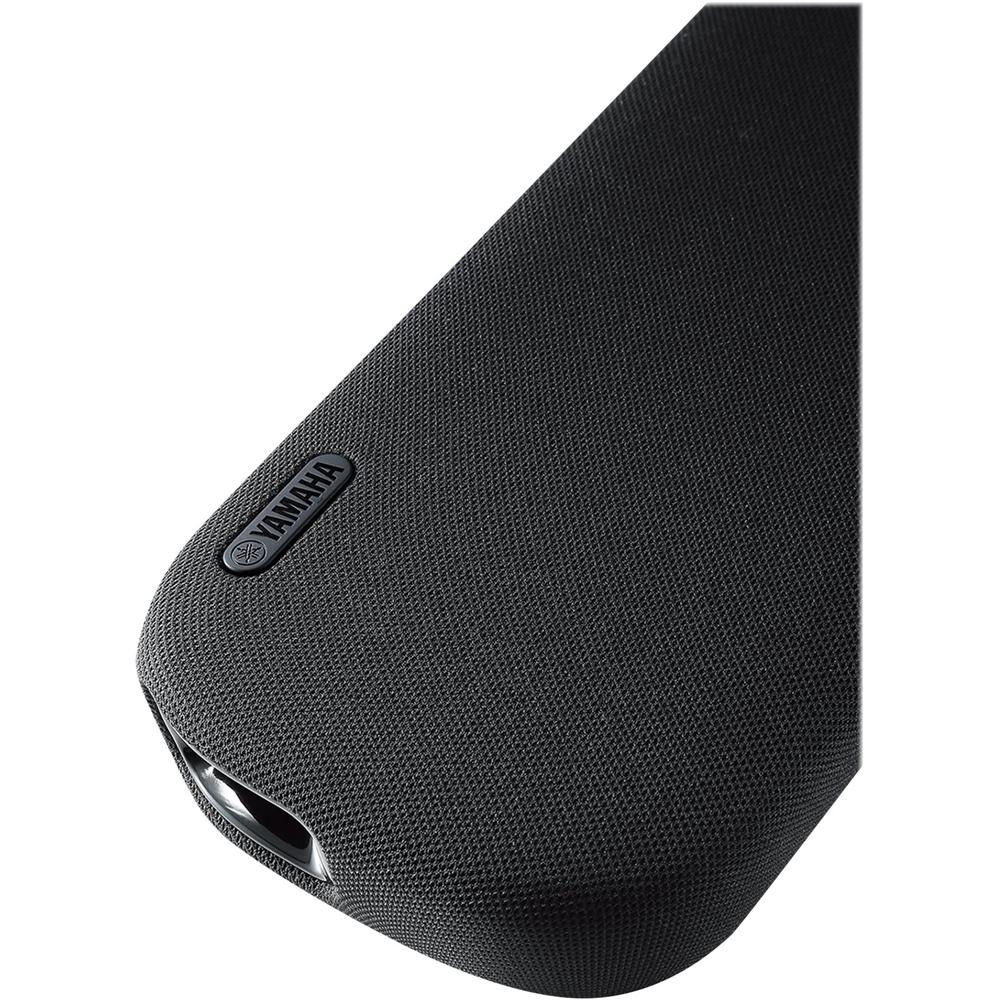
This soundbar's secret weapon is its dual built-in subwoofers—two 3-inch drivers built right into the main unit. While that might sound small compared to the JBL's 10-inch wireless subwoofer, Yamaha's engineering makes these integrated drivers punch well above their weight class. The result is a soundbar that delivers surprisingly robust bass without requiring a separate subwoofer taking up floor space.
The 120-watt total power output might seem modest compared to the JBL's 880 watts, but here's where specifications can be misleading. The Yamaha is designed for efficiency rather than raw power, focusing its energy on the frequency ranges that matter most for dialogue clarity and music reproduction.
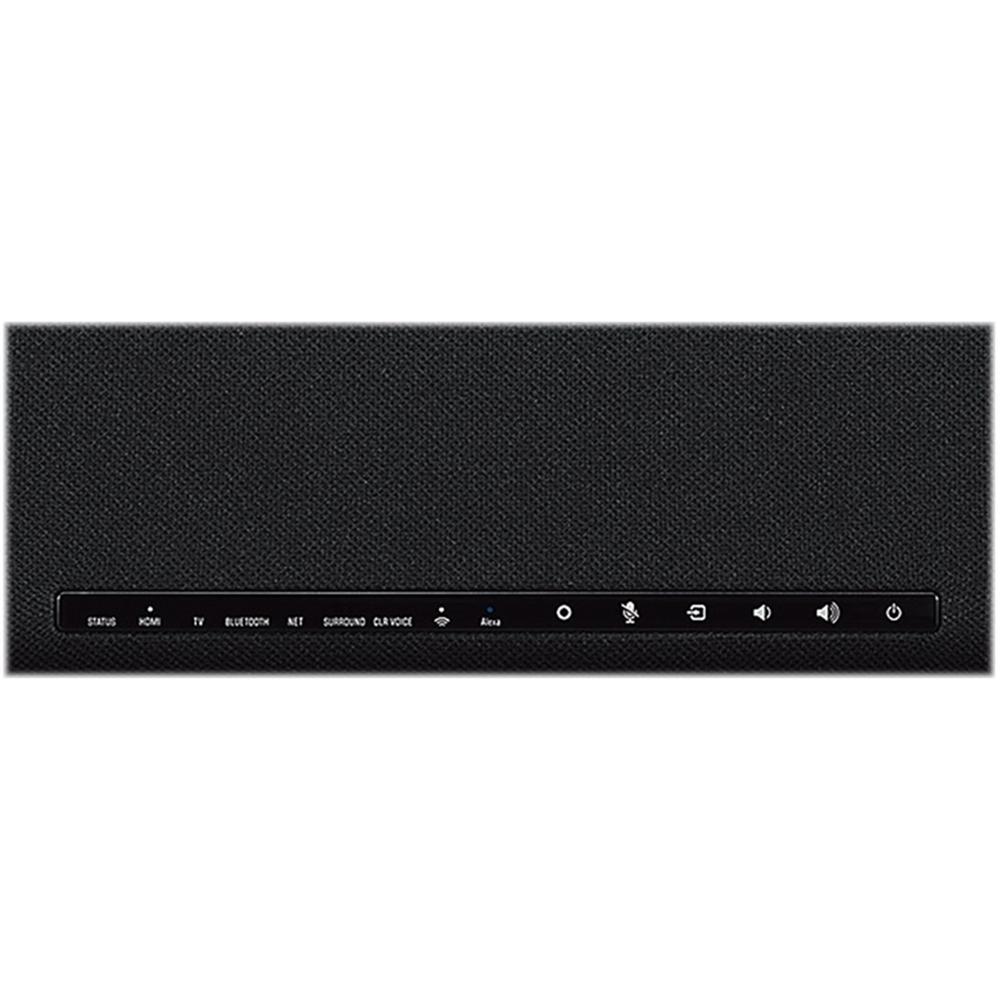
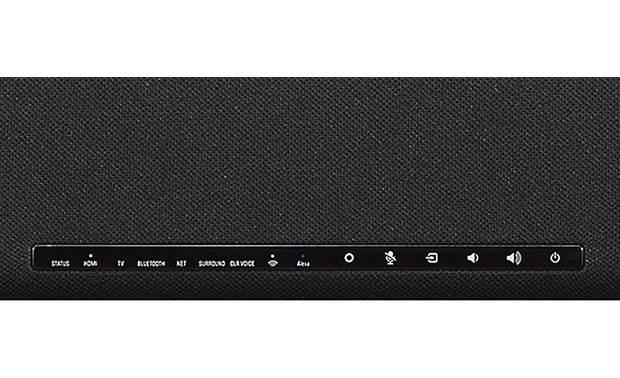
What really set the YAS-109 apart when it launched was its built-in Alexa integration. In 2019, most soundbars required you to connect external smart speakers or use your phone for voice control. Yamaha built Amazon's voice assistant directly into the soundbar, letting you control volume, switch inputs, play music, or even control smart home devices just by talking to your soundbar.
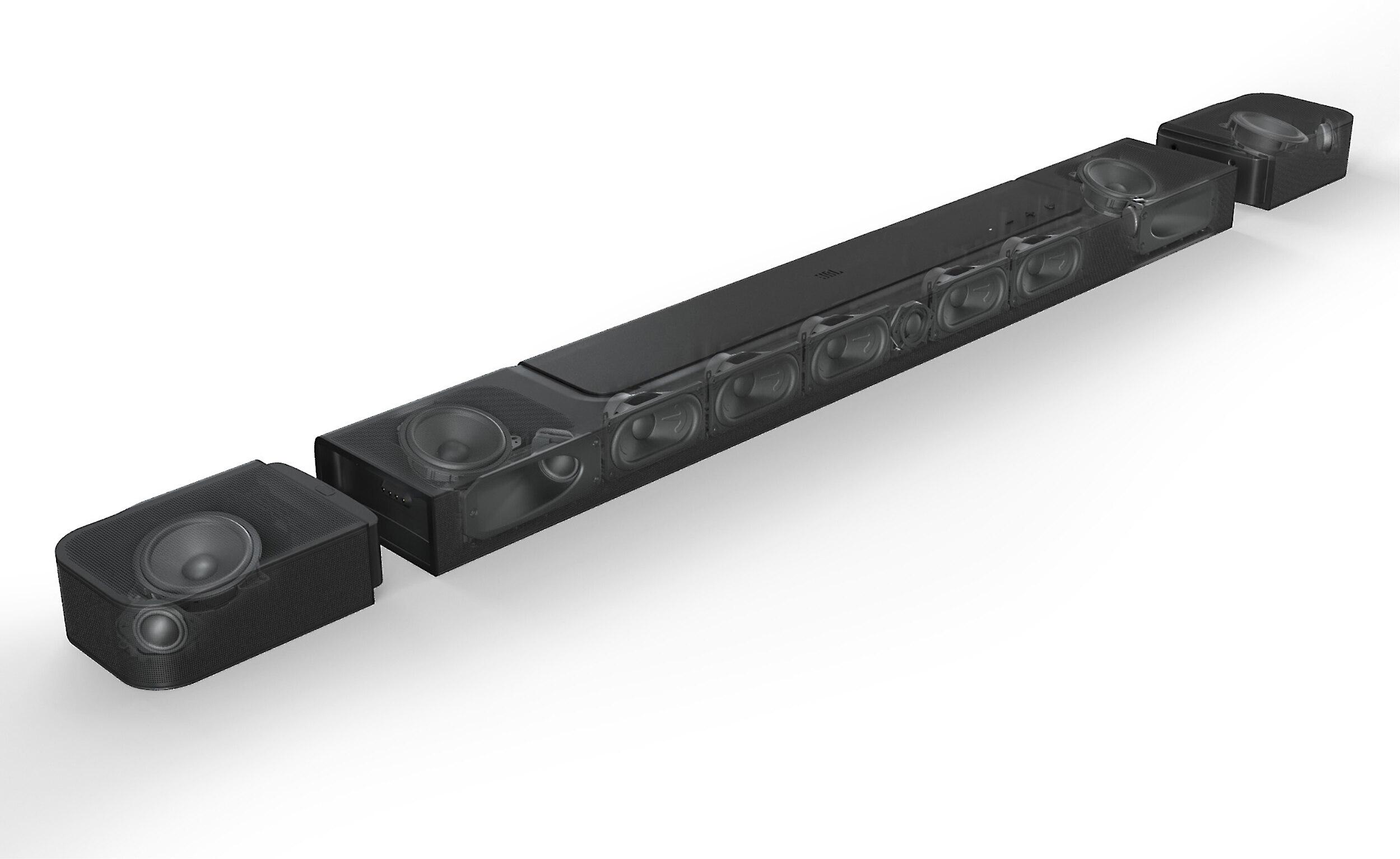
The performance gap between these soundbars reflects fundamental differences in their design philosophy and price point. The JBL Bar 1000 approaches audio reproduction like a high-end stereo system, using dedicated drivers optimized for specific frequency ranges. Its main soundbar houses five racetrack drivers for mid-range frequencies, three dome tweeters for crisp highs, and two up-firing drivers for height effects.
This driver specialization matters more than you might think. When a movie scene has dialogue, background music, and sound effects happening simultaneously, each type of driver can focus on what it does best without compromise. The result is audio that remains clear and detailed even during complex scenes with multiple audio elements competing for your attention.
The JBL's 10-inch wireless subwoofer extends the system's bass response down to 33Hz—that's the frequency range where you feel sound in your chest rather than just hearing it. When a T-Rex stomps across the screen or a spaceship rumbles to life, you're getting the full physical impact of those sounds. This deep bass extension is impossible to achieve with smaller, integrated subwoofers.
In contrast, the Yamaha YAS-109 works within the constraints of its 2-channel design by using sophisticated digital processing to maximize performance. Its dual built-in subwoofers can't match the JBL's deep bass extension—they roll off around 70Hz instead of 33Hz—but they provide punchy, tight bass that works exceptionally well for music and most movie content.
Where the Yamaha particularly excels is in its mid-range frequency reproduction. The soundbar's drivers are tuned to emphasize the frequency ranges most critical for dialogue clarity and musical detail. Yamaha's Clear Voice technology uses digital signal processing to identify and enhance speech frequencies, making it easier to understand dialogue even when background music or sound effects are present.
This is where the fundamental difference between these soundbars becomes most apparent. The JBL Bar 1000 creates true surround sound using physical speakers positioned around your listening area. When a helicopter flies overhead in a movie, you hear it move from your left rear speaker, across the height channels bouncing off your ceiling, to your right rear speaker. This isn't an approximation—it's actual positional audio.
The system's four up-firing drivers deserve special attention. These speakers fire sound directly upward, where it bounces off your ceiling and back down to your listening position. This technique, called "height virtualization," works surprisingly well in rooms with standard 8-10 foot ceilings. The reflected sound creates the impression that audio is coming from above, essential for properly experiencing Dolby Atmos content.
I've tested this effect with demo scenes specifically designed to showcase height channels, and the results are genuinely impressive. Rain sounds like it's falling from overhead, aircraft fly convincingly through three-dimensional space, and ambient effects create a genuine sense of being inside the movie rather than watching it.
The Yamaha YAS-109 takes a different approach with its DTS Virtual:X processing. This technology uses psychoacoustic principles—essentially tricks that exploit how your brain processes sound—to create the impression of surround effects from forward-firing speakers. The soundbar analyzes incoming audio and applies precise delays, phase shifts, and frequency adjustments to fool your ears into hearing sounds that seem to come from beside and behind you.
Virtual surround processing has improved dramatically since the YAS-109's 2019 launch, and Yamaha's implementation is among the better examples. In smaller rooms with reflective walls, the effect can be quite convincing, particularly for ambient sounds like rain or crowd noise. However, it can't match the precision and immersion of physical rear speakers for discrete sound effects.
Modern gaming places unique demands on audio systems that didn't exist when earlier soundbar generations were designed. Today's consoles output 4K video at 120Hz refresh rates while simultaneously delivering complex, object-based audio that requires real-time processing.
The JBL Bar 1000 was designed with gaming in mind, featuring three HDMI 2.1 inputs that support the latest video formats including 4K resolution at 120Hz frame rates. This is crucial for PlayStation 5 and Xbox Series X owners who want to experience their games at maximum quality. The soundbar's HDMI eARC (enhanced Audio Return Channel) connection carries uncompressed Dolby Atmos audio, ensuring you hear every audio detail exactly as game developers intended.
Perhaps more importantly, the JBL maintains low audio latency—the delay between when a sound should play and when you actually hear it. In competitive gaming, even 40-50 milliseconds of audio delay can affect your ability to react to enemy movements or environmental cues. The JBL's processing keeps latency well below perceptible levels, even when applying complex surround sound algorithms.
The Yamaha YAS-109 faces some limitations for serious gaming setups. Its single HDMI input means you'll need to connect gaming consoles through your TV and rely on ARC (Audio Return Channel) to get sound to the soundbar. While this works fine for most content, it can introduce additional latency and may not support the highest-quality audio formats from some games.
However, for casual gaming or retro systems, the Yamaha's limitations rarely matter. Its audio processing is fast enough for most gaming scenarios, and its enhanced dialogue clarity can actually be beneficial for story-driven games where understanding character conversations is important.
The technology gap between 2019 and 2021 becomes evident when comparing these soundbars' wireless capabilities. The JBL Bar 1000 includes Wi-Fi 6 support, which provides faster, more reliable connections and better handling of multiple simultaneous streams. This matters if you're streaming high-resolution audio from services like Apple Music Lossless or Amazon Music HD while other devices are using your network.
The JBL supports virtually every major streaming protocol: AirPlay 2 for Apple devices, Chromecast built-in for Google ecosystem users, and Bluetooth 5.0 for universal device compatibility. This comprehensive support means you can stream from any smartphone, tablet, or computer without worrying about compatibility issues.
The Yamaha YAS-109 uses older Wi-Fi 4 and Bluetooth 4.2 standards, which were perfectly adequate when it launched but feel somewhat limited today. However, it compensates with its built-in Alexa integration—something the JBL lacks entirely. You can ask the Yamaha to play music, control smart home devices, answer questions, or even make purchases through Amazon, all without reaching for a remote or phone.
This Alexa integration remains genuinely useful years after launch. I frequently use voice commands to adjust volume during late-night viewing, switch between inputs when my hands are full, or quickly play background music while doing household tasks. The convenience of voice control often outweighs the limitations of older wireless standards for many users.
The JBL One app represents the current state of soundbar control applications—comprehensive, frequently updated, and packed with customization options. You can adjust individual channel levels, create custom EQ curves for different content types, and even coordinate the soundbar with other JBL speakers throughout your home for multi-room audio.
The app's room calibration feature deserves special mention. Using your smartphone's microphone, it analyzes your room's acoustics and automatically adjusts the soundbar's output to compensate for your specific space. This process, which takes about five minutes, can dramatically improve sound quality in rooms with challenging acoustics like hard floors, large windows, or irregular shapes.
Yamaha's Sound Bar Controller app is more basic but perfectly functional for the YAS-109's simpler feature set. It handles input selection, volume control, and basic sound modes without complexity or confusion. Sometimes less is more, particularly for users who want to set up their soundbar once and then forget about technical adjustments.
Your room's characteristics heavily influence which soundbar will work better for your specific situation. The JBL Bar 1000 really shines in larger spaces—rooms of 300 square feet or more where its powerful drivers and physical surround speakers can create convincing immersion. In my experience testing various soundbars, the JBL's detachable rear speakers work best when placed 6-10 feet behind your primary seating position, which requires adequate room depth.
The soundbar's room calibration helps optimize performance for different spaces, but physics still matters. In very small rooms, the powerful bass output can become overwhelming, requiring significant EQ adjustments to achieve balanced sound. The wireless subwoofer's placement flexibility helps here—you can position it wherever it sounds best rather than being limited by wire length.
For the Yamaha YAS-109, smaller and medium-sized rooms actually work to its advantage. The soundbar's virtual surround processing relies on sound reflections from walls and ceiling, which work better in more intimate spaces. Rooms up to about 200 square feet represent the sweet spot where the YAS-109's processing can create convincing spatial effects.
The Yamaha's built-in subwoofers eliminate placement concerns entirely—there's no separate cabinet to position, no additional power connection to worry about, and no risk of neighbor complaints from floor-transmitted bass vibrations.
When the Yamaha YAS-109 launched at $220, it represented exceptional value by including features typically found in much more expensive soundbars. Four years later, it remains competitive because its core strengths—dialogue enhancement, integrated Alexa, and space-saving design—haven't been surpassed by newer budget models.
The JBL Bar 1000 at $700 competes in a more challenging market segment where alternatives from Samsung, Sony, and others offer similar channel counts and features. However, its detachable rear speaker design remains unique, providing installation flexibility that traditional wireless rear speakers can't match.
From a future-proofing perspective, the JBL's newer connectivity standards and more powerful processing suggest it will remain relevant longer. However, the Yamaha's simpler design means fewer components that could potentially fail or become obsolete.
Choose the JBL Bar 1000 if:
Choose the Yamaha YAS-109 if:
The fundamental question comes down to whether you're building a serious home theater experience or simply want much better sound than your TV provides. Both soundbars succeed brilliantly at their intended purposes—the JBL Bar 1000 delivers true cinematic immersion while the Yamaha YAS-109 provides excellent enhancement at exceptional value. Your specific room, budget, and entertainment priorities will determine which approach serves you better.
| JBL Bar 1000 ($700) | Yamaha YAS-109 ($220) |
|---|---|
| Channel Configuration - Determines surround sound authenticity | |
| 7.1.4 with physical rear speakers and height channels | 2.0 with virtual surround processing |
| Total Power Output - Affects volume levels and bass impact | |
| 880W (enough for large rooms without distortion) | 120W (optimized for small-medium spaces) |
| Subwoofer Design - Controls bass depth and room flexibility | |
| Wireless 10" subwoofer (33Hz extension, placeable anywhere) | Dual built-in 3" drivers (70Hz limit, space-saving) |
| HDMI Connectivity - Critical for gaming and multiple devices | |
| 3 HDMI 2.1 inputs + eARC (4K/120Hz gaming ready) | 1 HDMI input + ARC (basic connectivity) |
| Surround Technology - How 3D audio effects are created | |
| True Dolby Atmos with 4 up-firing height drivers | DTS Virtual:X processing from forward drivers |
| Voice Control - Hands-free operation convenience | |
| Requires external Alexa/Google devices | Built-in Alexa with direct voice commands |
| Wireless Standards - Affects streaming quality and reliability | |
| Wi-Fi 6, AirPlay 2, Chromecast, Bluetooth 5.0 | Wi-Fi 4, Bluetooth 4.2 (older but functional) |
| Setup Complexity - Time and effort required for installation | |
| Multi-component with rear speaker positioning and calibration | Single unit plug-and-play setup |
| Room Size Optimization - Where each performs best | |
| Large rooms 300+ sq ft (rear speakers need 6-10ft distance) | Small-medium rooms under 200 sq ft (virtual effects work better) |
| Frequency Response - Range of sounds reproduced | |
| 33Hz-20kHz (deep bass for action movies) | 70Hz-20kHz (focused on dialogue and music clarity) |
The JBL Bar 1000 ($700) is significantly better for home theater use. It provides true 7.1.4 surround sound with physical rear speakers and Dolby Atmos height effects, creating an immersive cinema experience. The Yamaha YAS-109 ($220) uses virtual surround processing which can't match the authenticity of physical surround speakers for movie watching.
The main difference is surround sound approach and price point. The JBL Bar 1000 delivers true surround sound with detachable rear speakers and costs $700, while the Yamaha YAS-109 creates virtual surround effects from a single bar and costs $220. The JBL targets premium home theater enthusiasts, while the Yamaha serves budget-conscious users wanting better TV audio.
The JBL Bar 1000 has significantly better bass with its wireless 10" subwoofer that extends down to 33Hz, providing deep, room-shaking low frequencies. The Yamaha YAS-109 has dual built-in 3" subwoofers that roll off around 70Hz - adequate for most content but lacking the deep bass impact of action movies and EDM music.
The JBL Bar 1000 includes a wireless 10" subwoofer in the package, so no additional subwoofer is needed. The Yamaha YAS-109 has built-in subwoofers and doesn't support adding an external subwoofer, though it does have a subwoofer output for those who want to add one later.
The Yamaha YAS-109 works better in small rooms under 200 square feet. Its virtual surround processing and integrated design are optimized for compact spaces. The JBL Bar 1000 is designed for larger rooms where its powerful drivers and rear speakers can be properly positioned 6-10 feet behind your seating.
The Yamaha YAS-109 has built-in Alexa voice control, letting you adjust volume, play music, and control smart home devices with voice commands. The JBL Bar 1000 requires external Alexa or Google devices for voice control functionality.
The JBL Bar 1000 has 3 HDMI 2.1 inputs plus eARC output, making it ideal for gaming consoles and multiple devices. The Yamaha YAS-109 has 1 HDMI input plus ARC output, which limits connectivity for users with multiple HDMI devices.
The Yamaha YAS-109 is much easier to set up - just connect one HDMI cable and plug in power. The JBL Bar 1000 requires positioning the wireless subwoofer, placing rear speakers optimally, and running room calibration through the app, making setup more complex but ultimately more rewarding.
The JBL Bar 1000 fully supports 4K gaming at 120Hz through its HDMI 2.1 inputs, perfect for PlayStation 5 and Xbox Series X. The Yamaha YAS-109 supports 4K passthrough but at standard refresh rates, and its single HDMI input limits multi-console gaming setups.
This depends on your needs. The Yamaha YAS-109 offers exceptional value at $220 for users wanting significantly better TV audio with smart features. The JBL Bar 1000 provides better value for serious home theater enthusiasts willing to spend $700 for true surround sound and premium features.
Yes, both the JBL Bar 1000 and Yamaha YAS-109 work with all TV brands through HDMI ARC/eARC connections or optical inputs. However, the JBL's multiple HDMI inputs provide more flexibility for connecting devices directly to the soundbar rather than through your TV.
Both excel at music but differently. The Yamaha YAS-109 offers excellent stereo separation and clarity for most music genres, with its built-in subwoofers providing punchy bass. The JBL Bar 1000 delivers more powerful, room-filling sound with deeper bass extension, making it better for bass-heavy music and high-volume listening.
We've done our best to create useful and informative comparisons to help you decide what product to buy. Our research uses advanced automated methods to create this comparison and perfection is not possible - please contact us for corrections or questions. These are the sites we've researched in the creation of this article: zdnet.com - jbl.com - jbl.com - pcrichard.com - rtings.com - d21buns5ku92am.cloudfront.net - ro.harmanaudio.com - target.com - harmanaudio.com - dell.com - mm.jbl.com - dolby.com - jbl.com.my - videoandaudiocenter.com - rtings.com - crutchfield.com - usa.yamaha.com - digitaltrends.com - tomsguide.com - listenup.com - youtube.com - usa.yamaha.com - hub.yamaha.com - youtube.com - hub.yamaha.com

Privacy Policy
Terms and Conditions - Affiliate Policy
Home Security
© Copyright 2008-2026.
11816 Inwood Rd #1211, Dallas, TX 75244