

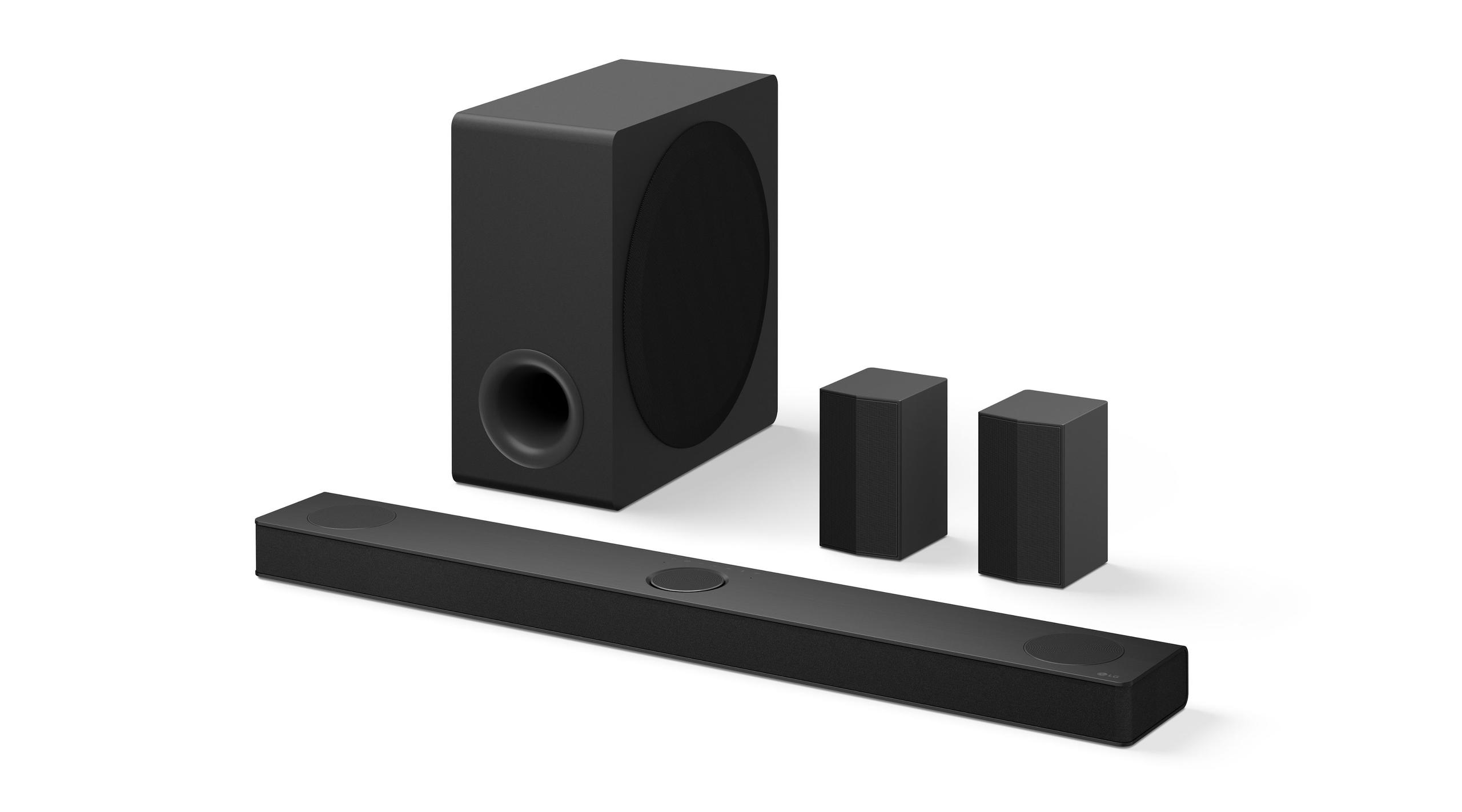
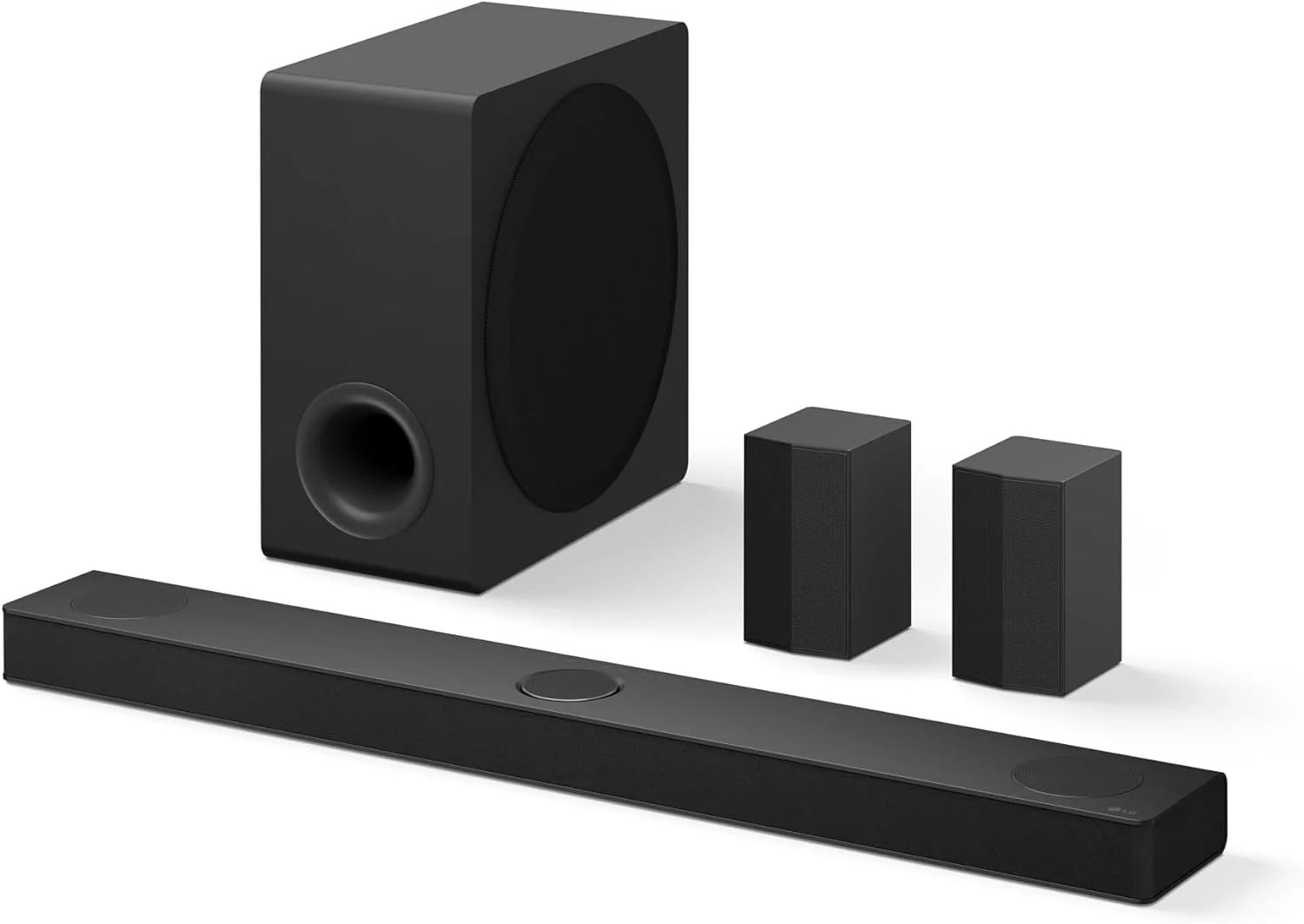

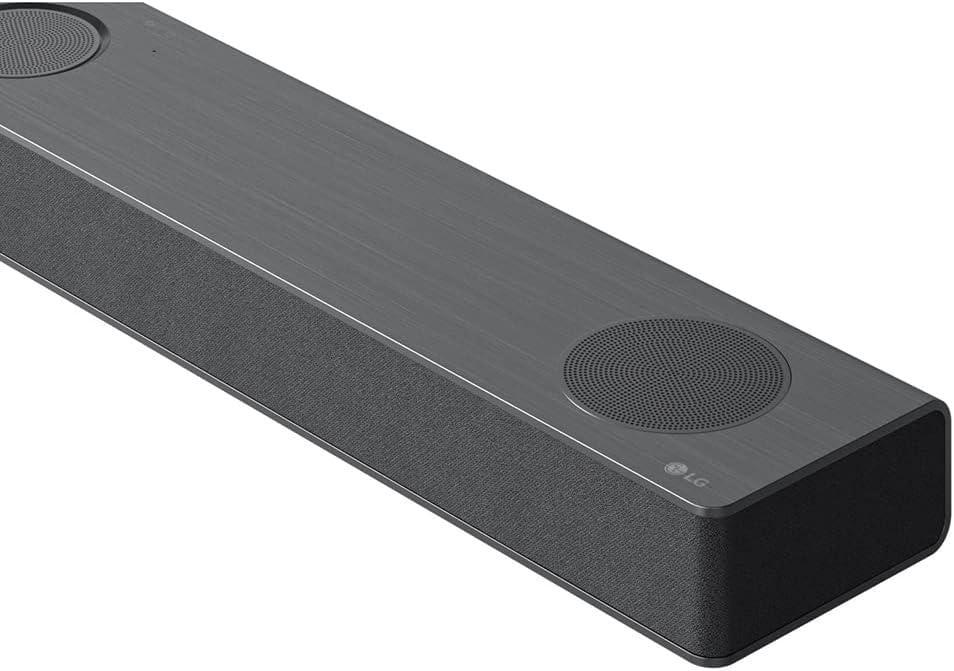
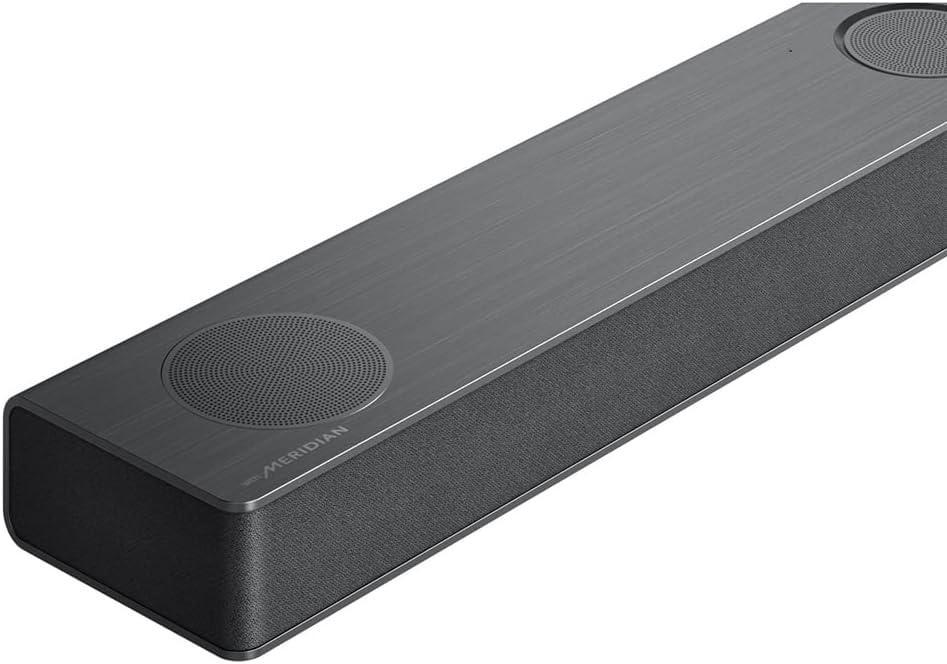

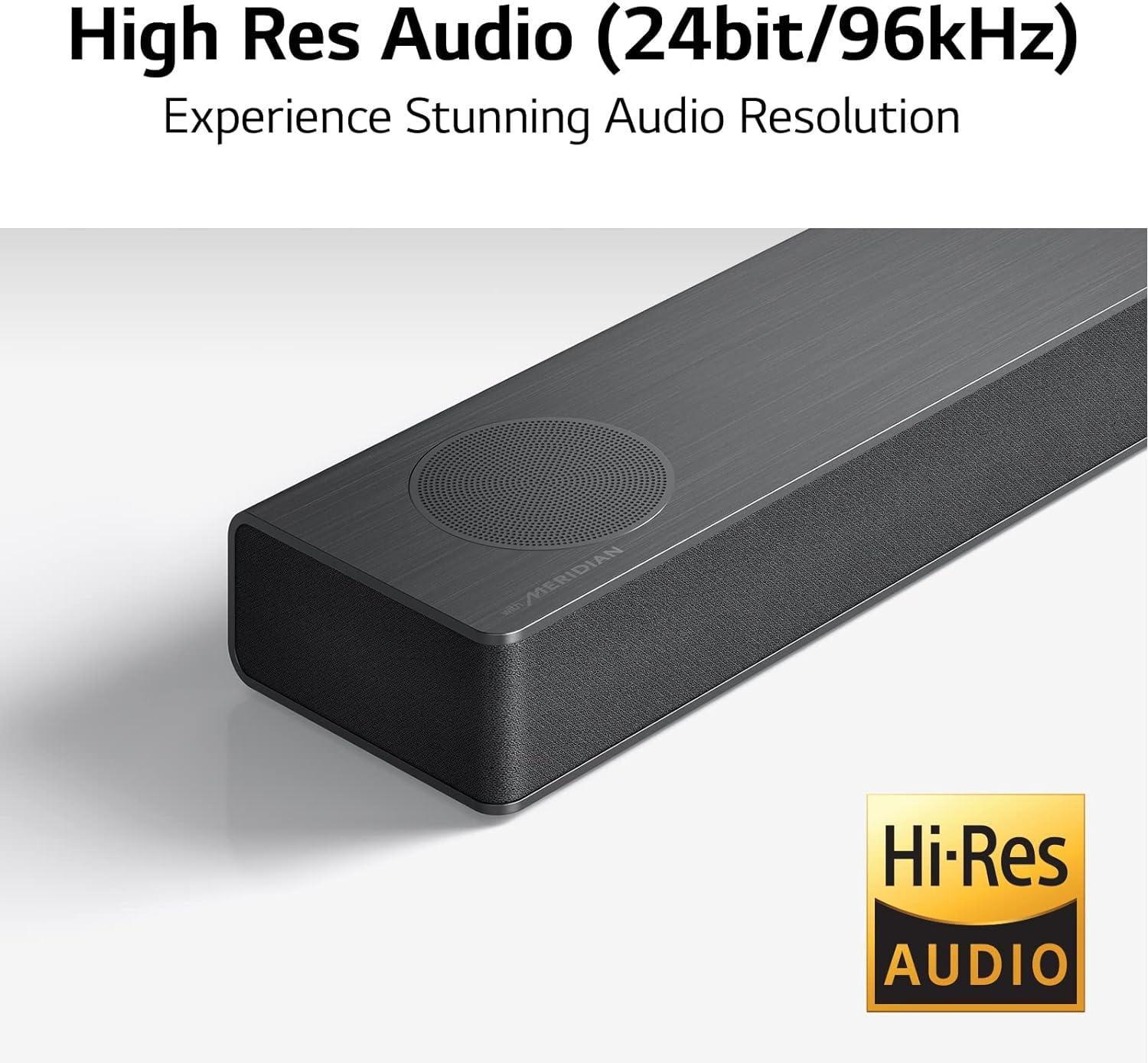






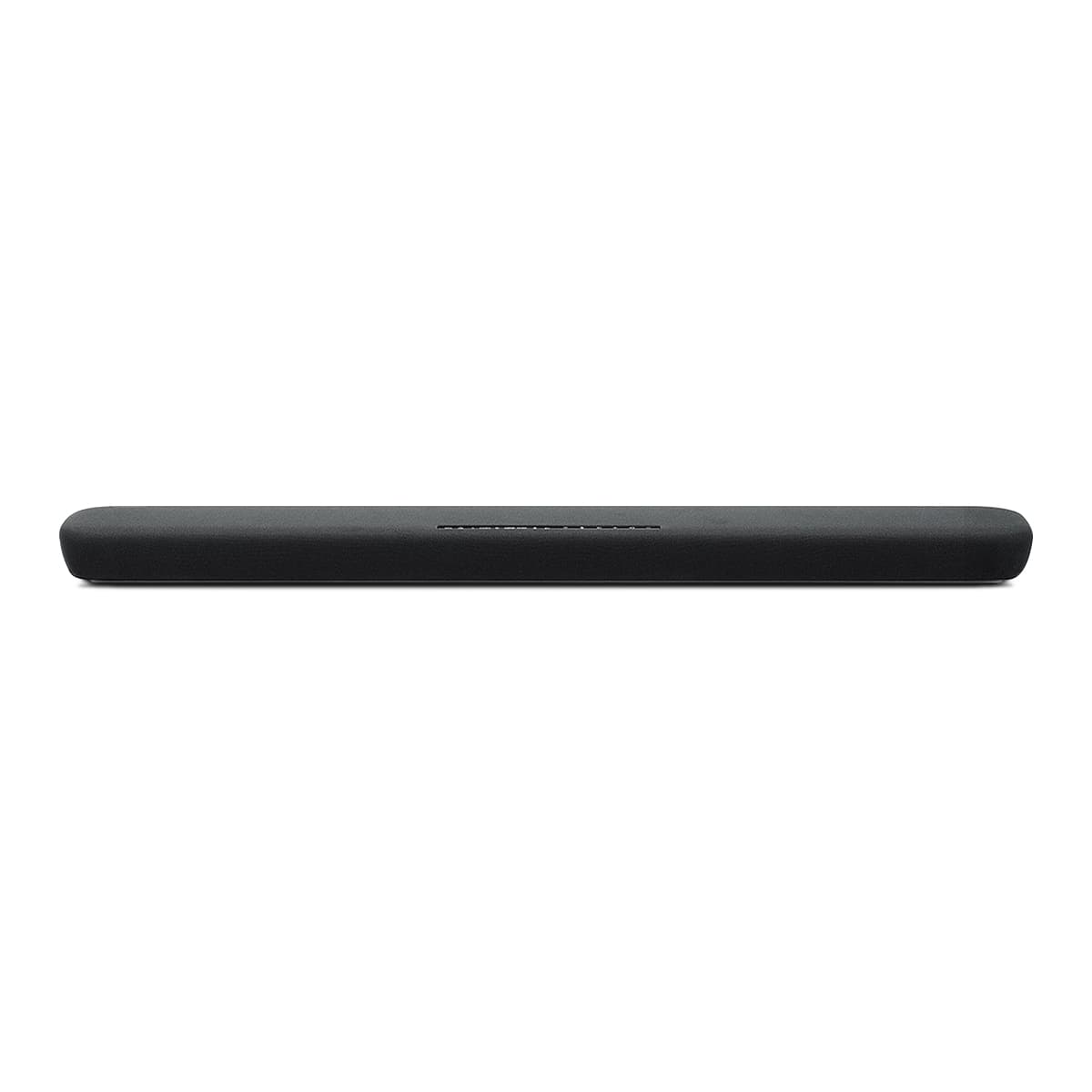
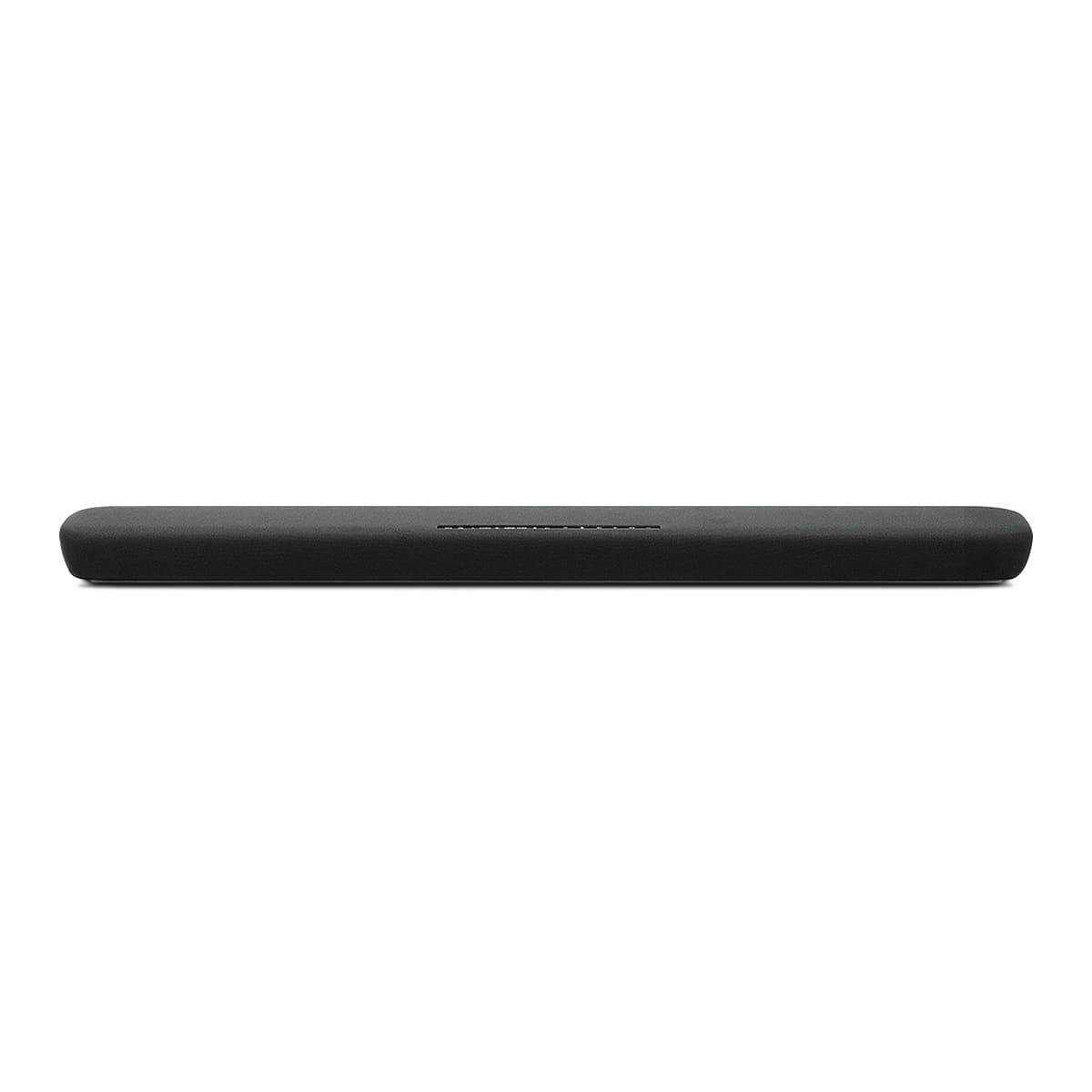
When your TV's built-in speakers just aren't cutting it anymore, a soundbar can transform your viewing experience overnight. But the soundbar market has exploded with options ranging from simple stereo bars to complex multi-component systems that rival full home theater setups. Today, we're comparing two very different approaches: the premium LG S80TR 5.1.3 Channel Soundbar ($547) and the budget-friendly Yamaha YAS-109 Sound Bar ($220).
These products represent opposite ends of the soundbar spectrum, each with distinct philosophies about how to deliver better TV audio. Understanding their differences will help you decide whether to invest in authentic surround sound or prioritize smart features and simplicity.
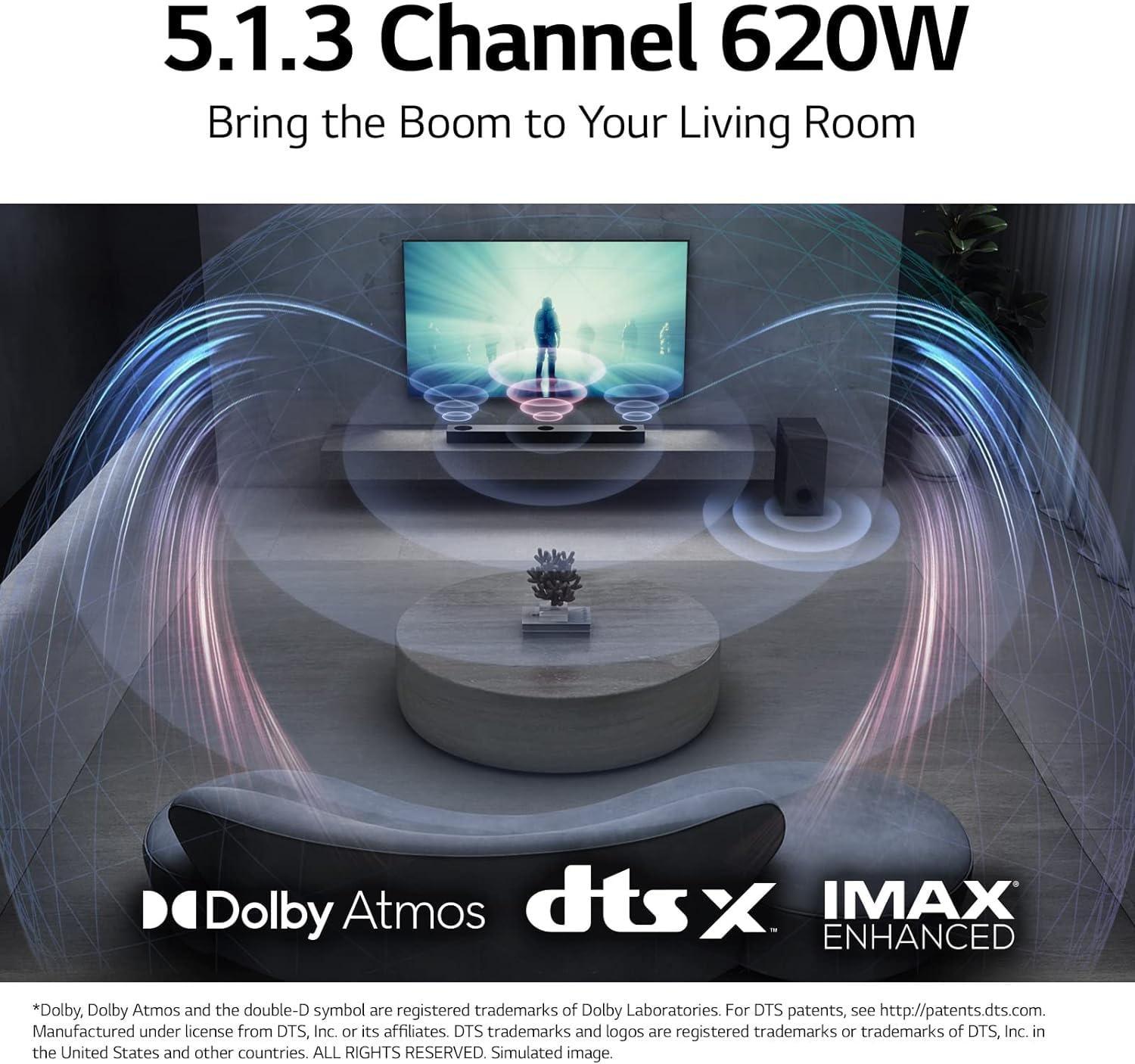
Before diving into specifics, let's establish what makes soundbars tick. The numbers you see – like 5.1.3 or 2.1 – describe the speaker configuration. The first number represents main channels (left, right, center), the second indicates subwoofers, and the third refers to height channels for overhead effects.
Physical speakers create real directional sound, while virtual processing uses psychoacoustic tricks to fool your brain into perceiving surround effects from fewer speakers. Think of it like the difference between having actual musicians positioned around a concert hall versus a stereo system playing recordings of that same performance.
Modern soundbars also handle different audio formats. Dolby Atmos and DTS:X are object-based formats that position sounds in three-dimensional space – imagine hearing a helicopter fly overhead in a movie, with the sound actually seeming to move above you. Legacy formats like Dolby Digital just send audio to specific speaker locations.
Released in late 2024, the LG S80TR represents LG's latest thinking on how to deliver cinema-quality audio at home. It's actually an evolution of their S80QR model, with the key improvement being truly wireless rear speakers that don't need a separate transmitter box – a seemingly small change that dramatically simplifies setup.
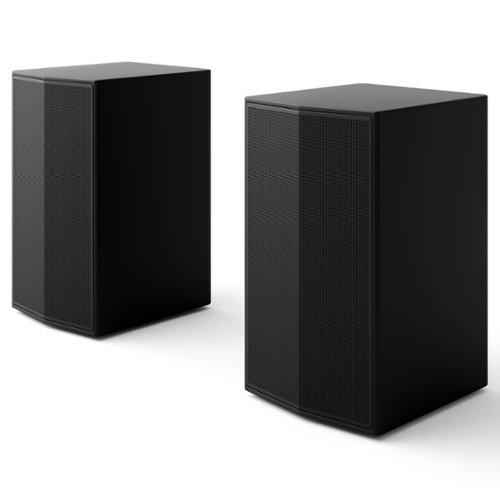
This system takes the "more is better" approach with 11 total speaker drivers spread across multiple components. You get a main soundbar with left, right, and center channels plus three up-firing drivers for height effects. The wireless subwoofer handles deep bass, while two wireless rear speakers complete the surround experience.
What makes this interesting is LG's implementation of their AI Room Calibration technology. The system uses built-in microphones to measure your room's acoustics, then adjusts the sound output to compensate for your space's unique characteristics. It's like having a professional audio engineer tune your system automatically.
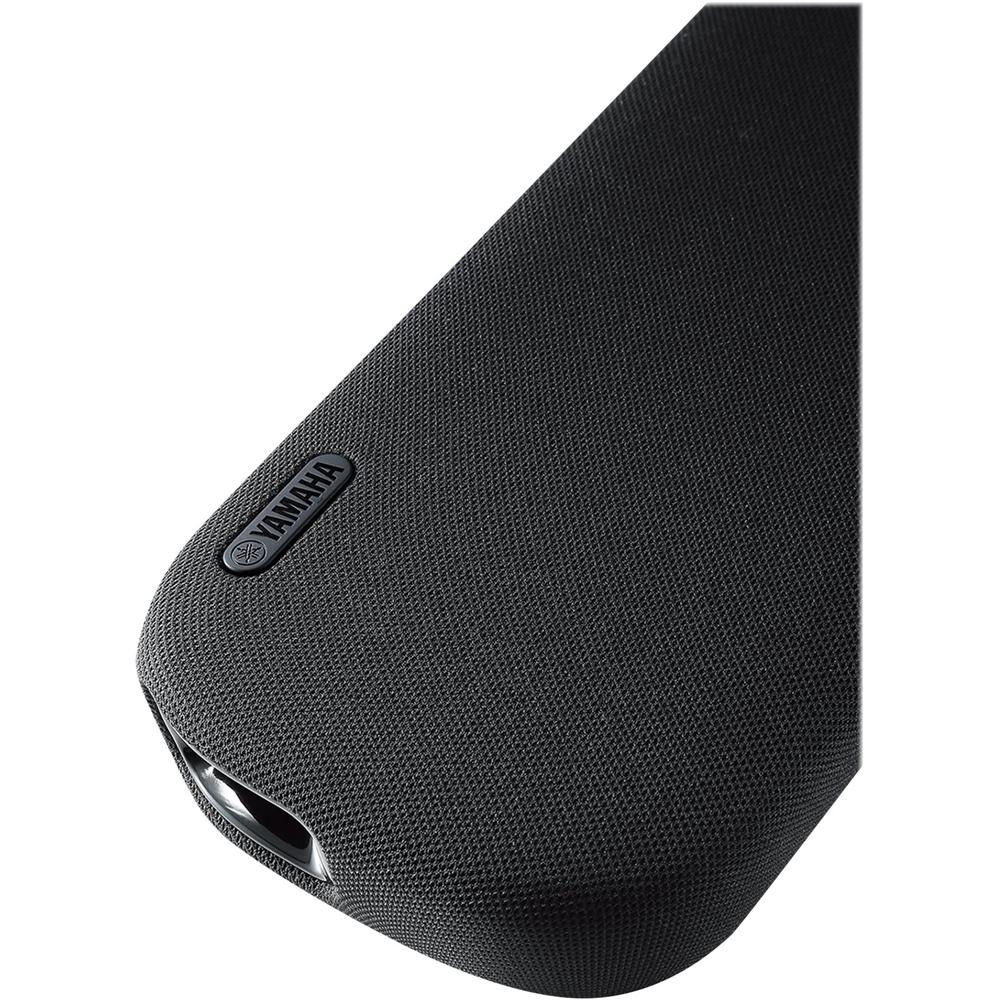
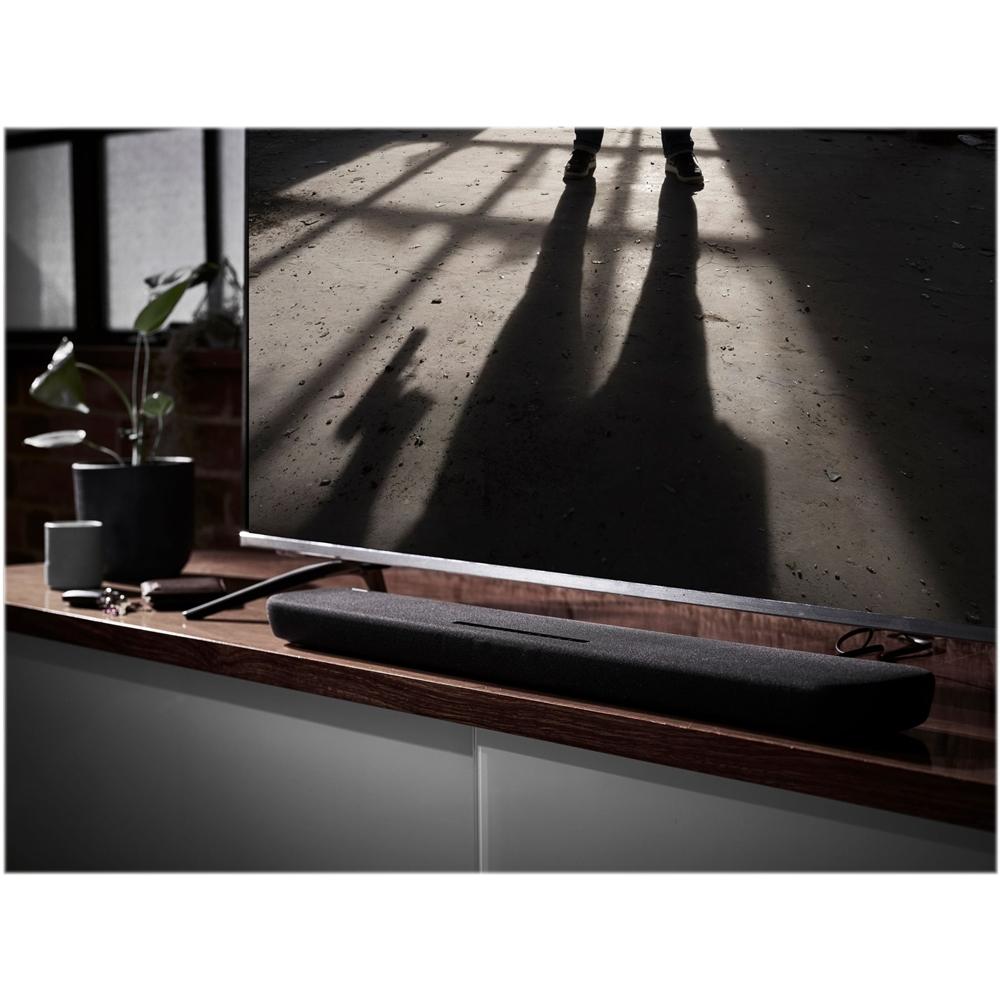
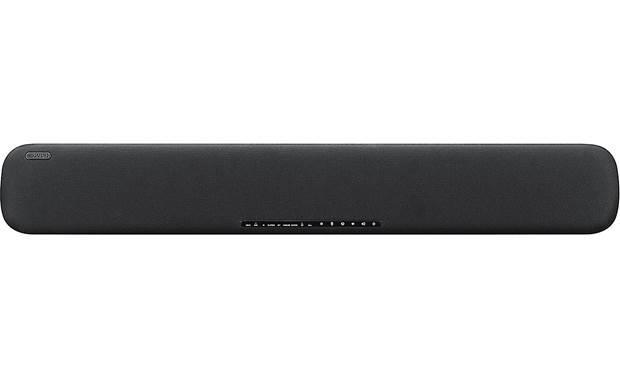
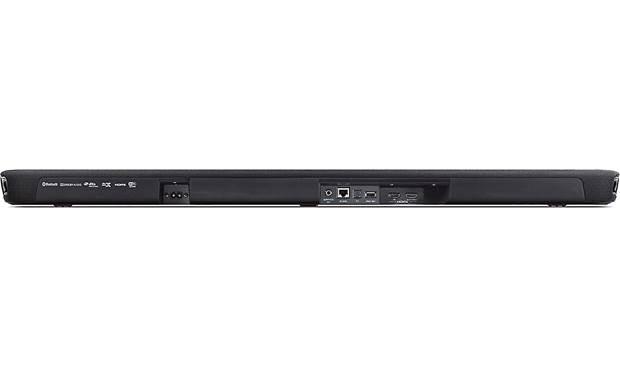
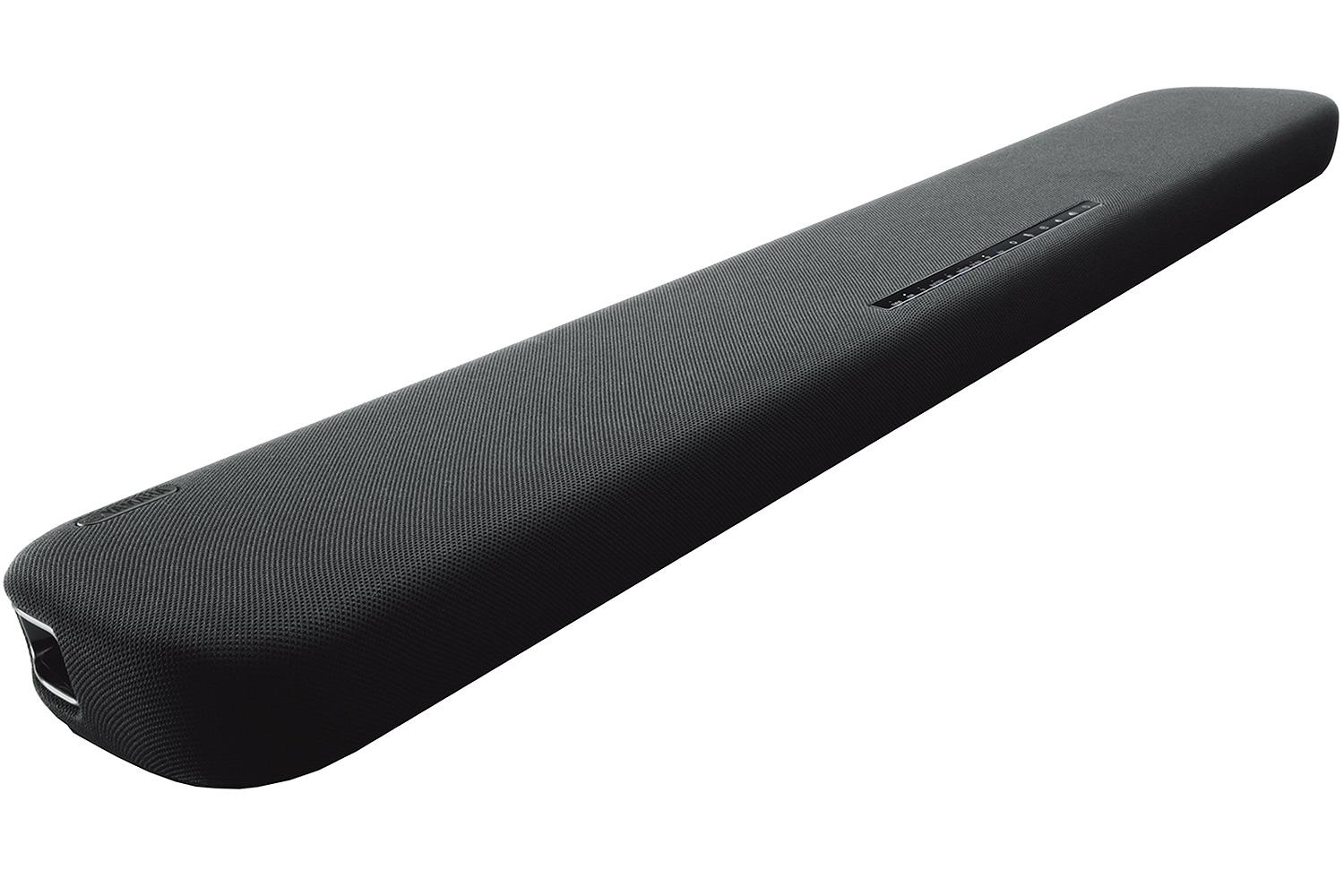
The Yamaha YAS-109, launched in 2019, takes a completely different path. Despite being older, it remains relevant because Yamaha focused on solving real-world problems: setup complexity and smart home integration.
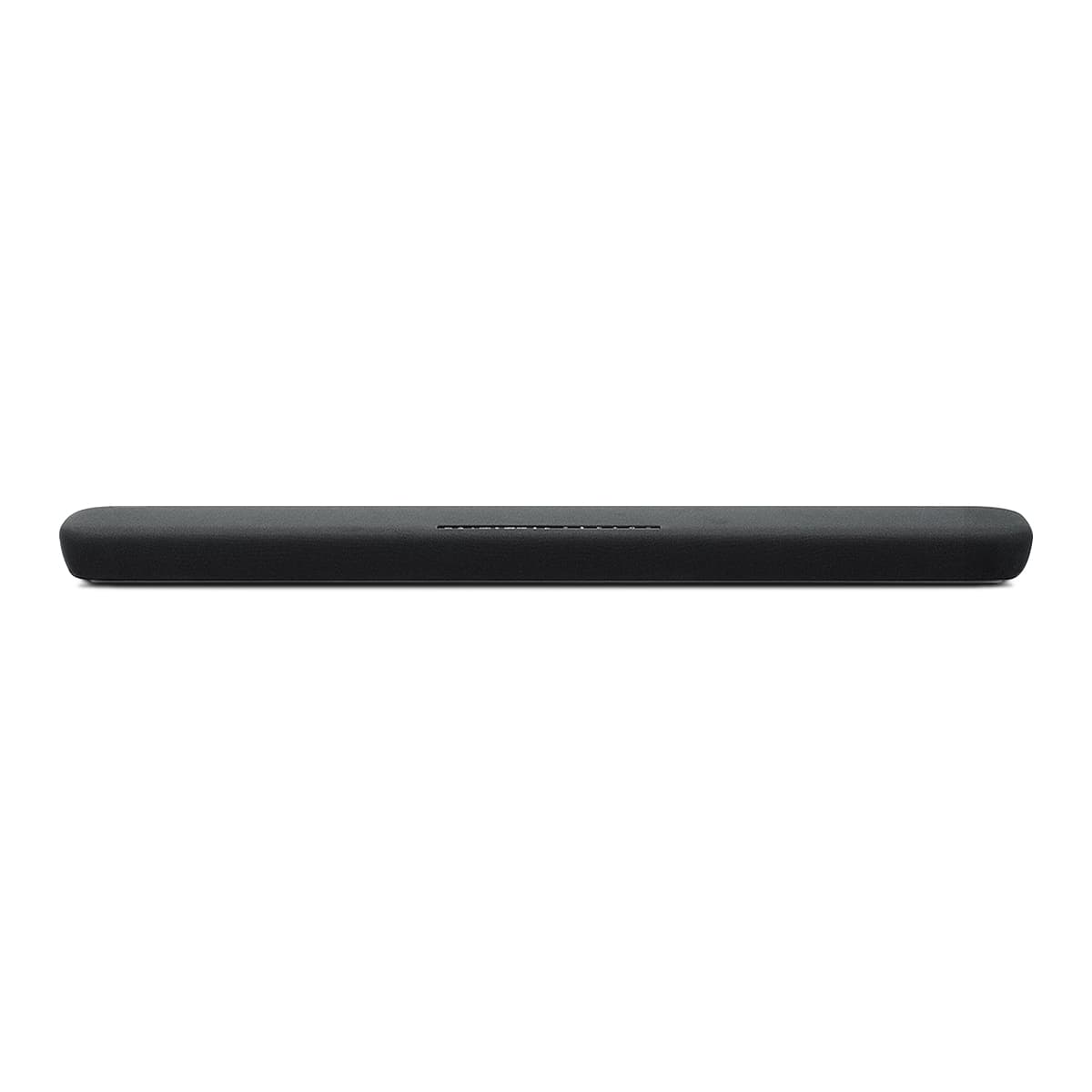
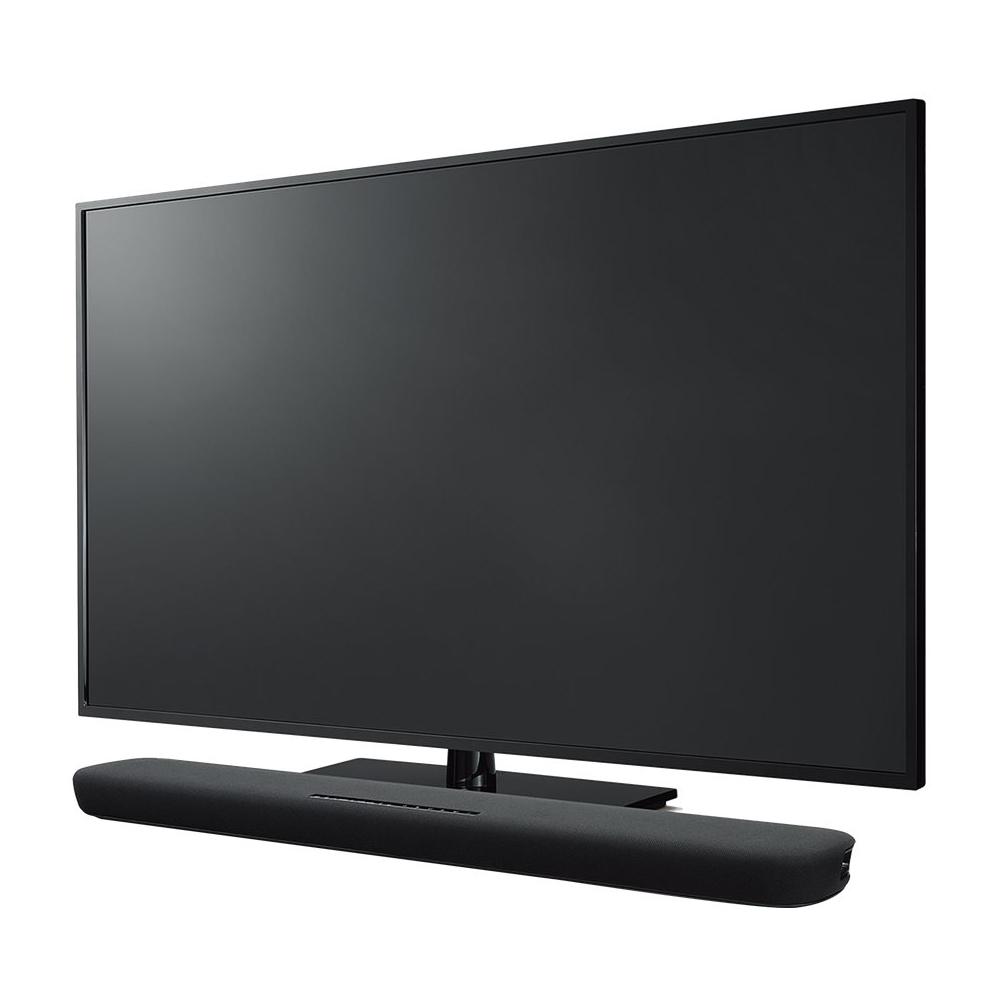
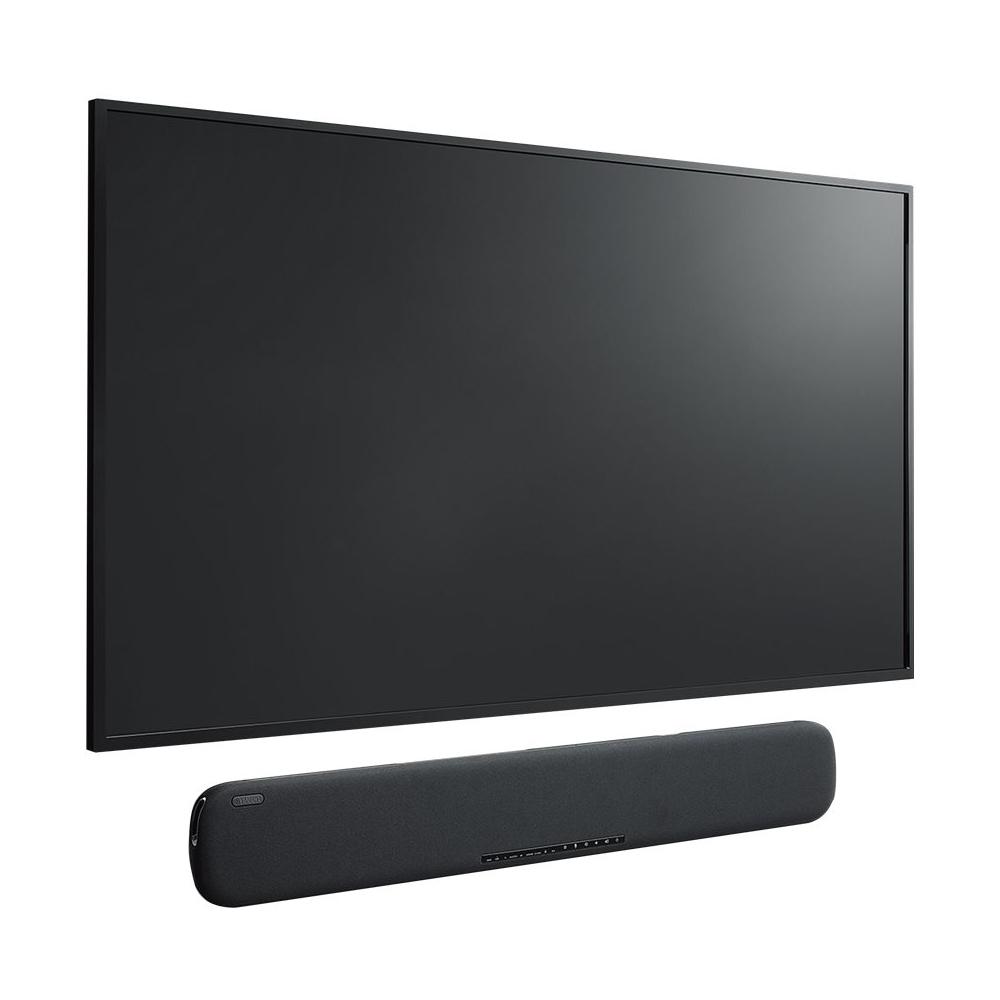
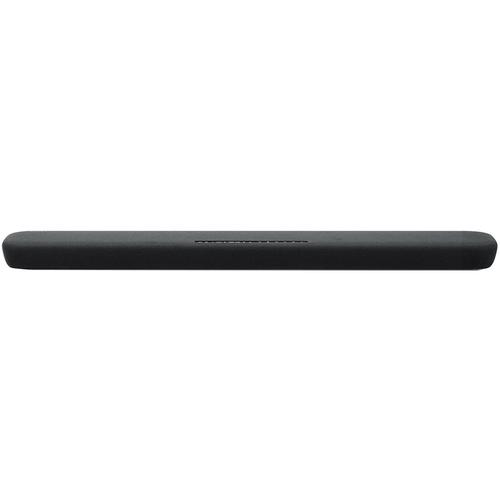
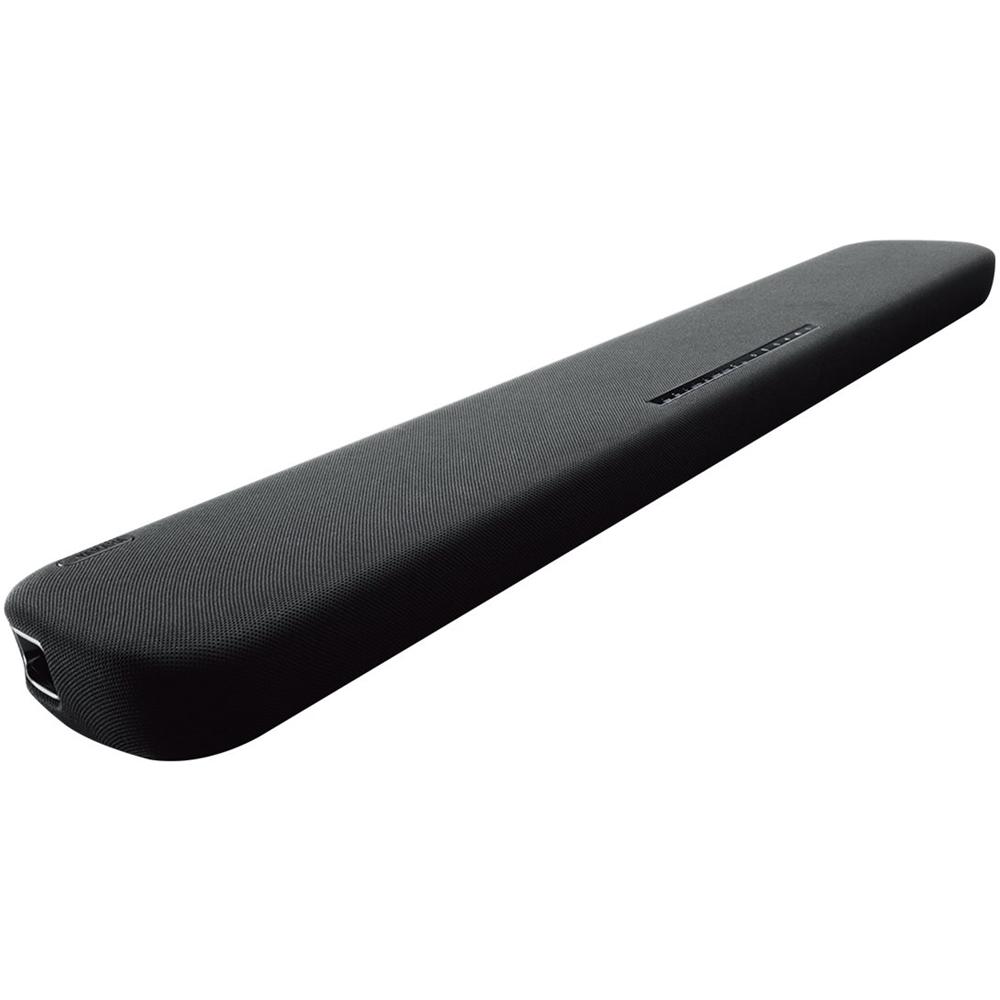
Instead of multiple components, everything lives in a single 35-inch bar. Two built-in 3-inch subwoofers provide bass, while the main drivers handle everything else. The magic happens through DTS Virtual:X processing, which uses clever audio algorithms to create the illusion of surround sound from just the front-facing speakers.
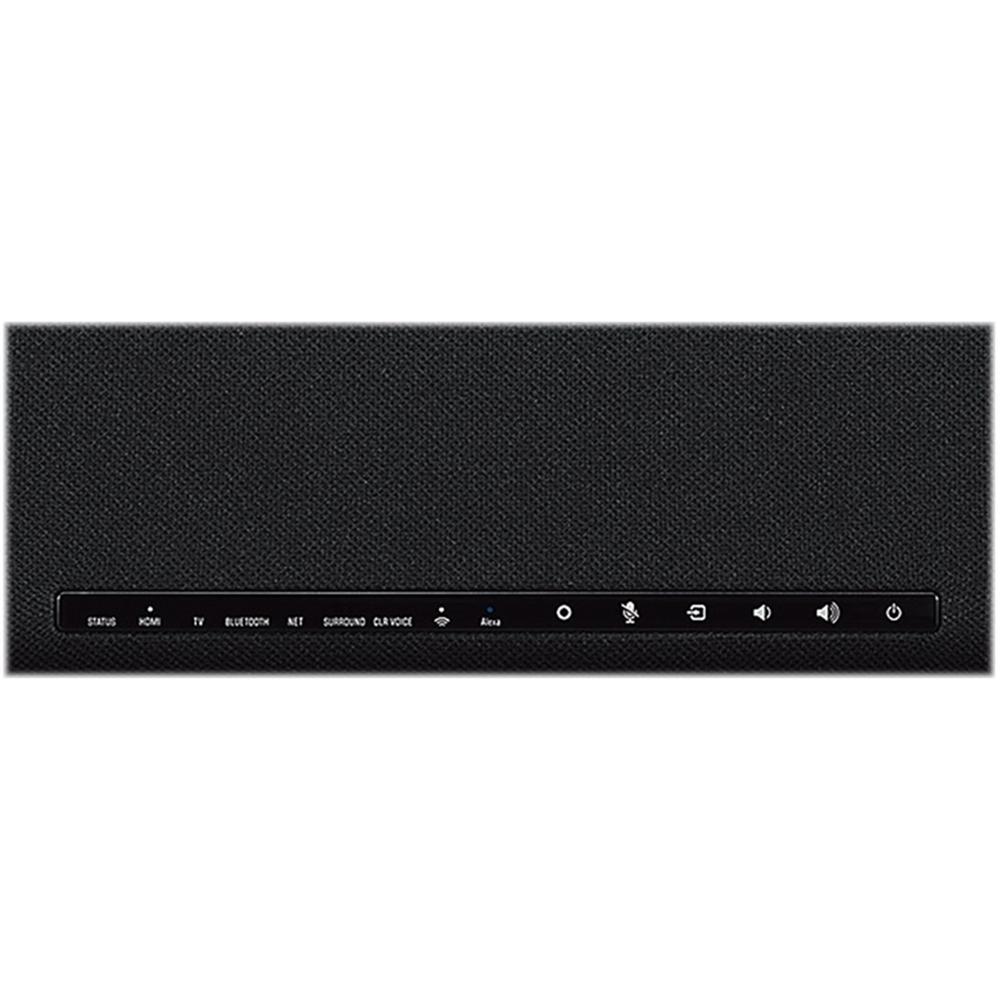
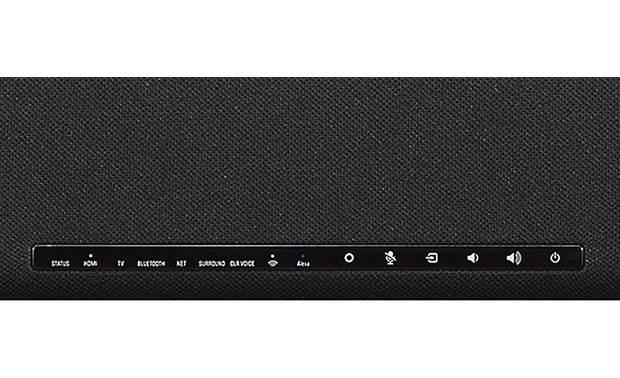
The standout feature is built-in Amazon Alexa. You can control the soundbar, ask questions, manage smart home devices, and stream music using just your voice. For many users, this convenience factor outweighs any audio quality compromises.
Having tested both systems extensively, the difference in immersion is immediately apparent. The LG S80TR creates what I call "true surround" – you genuinely hear sounds coming from behind and above you. When watching action movies, explosions feel like they're happening around you rather than just in front of you.
The physical rear speakers make an enormous difference for gaming. In first-person shooters, you can accurately locate enemies based on footstep direction. The height channels add another dimension – aircraft flying overhead in war movies actually sound like they're passing above your head.
The LG's subwoofer deserves special mention. That 10-inch driver extends down to 34Hz, which means you feel the deep rumble of explosions and the subtle low-frequency effects that many people don't realize they're missing. Bass isn't just about being loud – it's about feeling the physical impact of sound.
The Yamaha YAS-109 uses a completely different approach. Its DTS Virtual:X processing analyzes audio signals and uses phase manipulation and timing delays to trick your brain into perceiving directional effects. It's surprisingly effective for movies with simple surround mixes, but complex action scenes expose its limitations.
However, the Yamaha excels in one crucial area: dialogue clarity. Its Clear Voice technology uses frequency analysis to identify and enhance speech frequencies while reducing competing background noise. For people who struggle to understand dialogue in movies and shows, this feature alone might justify the purchase.
Modern gaming audio has become incredibly sophisticated, with games using object-based audio to create realistic soundscapes. The LG S80TR handles this beautifully because it has actual speakers positioned where game audio expects them to be.
The system's HDMI 2.1 support also future-proofs your setup for next-generation gaming. Features like Variable Refresh Rate (VRR) and Auto Low Latency Mode (ALLM) ensure that audio stays perfectly synchronized with fast-paced gaming action, while 4K/120Hz passthrough means your gaming visuals won't be compromised.
The Yamaha YAS-109 struggles more with gaming audio because virtual processing can't replicate the precise directional cues that competitive gaming requires. However, for casual gaming or single-player story-driven games, it provides perfectly adequate performance.
Music performance reveals interesting differences between these systems. The Yamaha YAS-109 actually handles music better than many premium soundbars because its tuning is more neutral. Jazz, classical, and acoustic music sound natural and balanced.
The LG S80TR's cinema-focused tuning can make music sound overly dramatic. That said, if you listen to electronic music, hip-hop, or rock genres that benefit from powerful bass, the LG's subwoofer provides impact that the Yamaha simply can't match.
Both systems support high-quality wireless streaming, but they take different approaches. The LG supports AirPlay 2 and Chromecast for lossless audio streaming, while the Yamaha focuses on convenience with one-touch Bluetooth pairing and voice-controlled music requests through Alexa.
The smart features comparison reveals generational differences in design philosophy. The Yamaha YAS-109 was ahead of its time in 2019 by including built-in Alexa when most soundbars required separate devices for voice control.
You can say "Alexa, play jazz music" or "Alexa, set the volume to 7" without reaching for a remote. The integration extends beyond audio – you can control smart lights, check weather, or ask questions while watching TV. This seamless integration feels almost magical when you experience it daily.
The LG S80TR takes a different approach, focusing on audio quality over voice control. Instead of built-in assistants, it offers premium connectivity options. The HDMI eARC (enhanced Audio Return Channel) connection supports lossless audio formats that audiophiles prefer, while Wi-Fi connectivity enables features like WOW Orchestra – a unique feature that synchronizes audio between LG TVs and the soundbar for an even larger soundstage.
Room size dramatically affects which system works better. The LG S80TR is designed for medium to large rooms where you can properly position all components. The wireless rear speakers need to be placed 6-10 feet behind your seating position for optimal effect, and the subwoofer performs best when positioned away from walls to avoid boomy bass.
Setup takes more time and thought. You'll need power outlets for the subwoofer and rear speakers, plus some experimentation to find optimal positioning. However, the AI room calibration helps significantly – just run the automatic setup process, and the system adjusts itself to your room's acoustics.
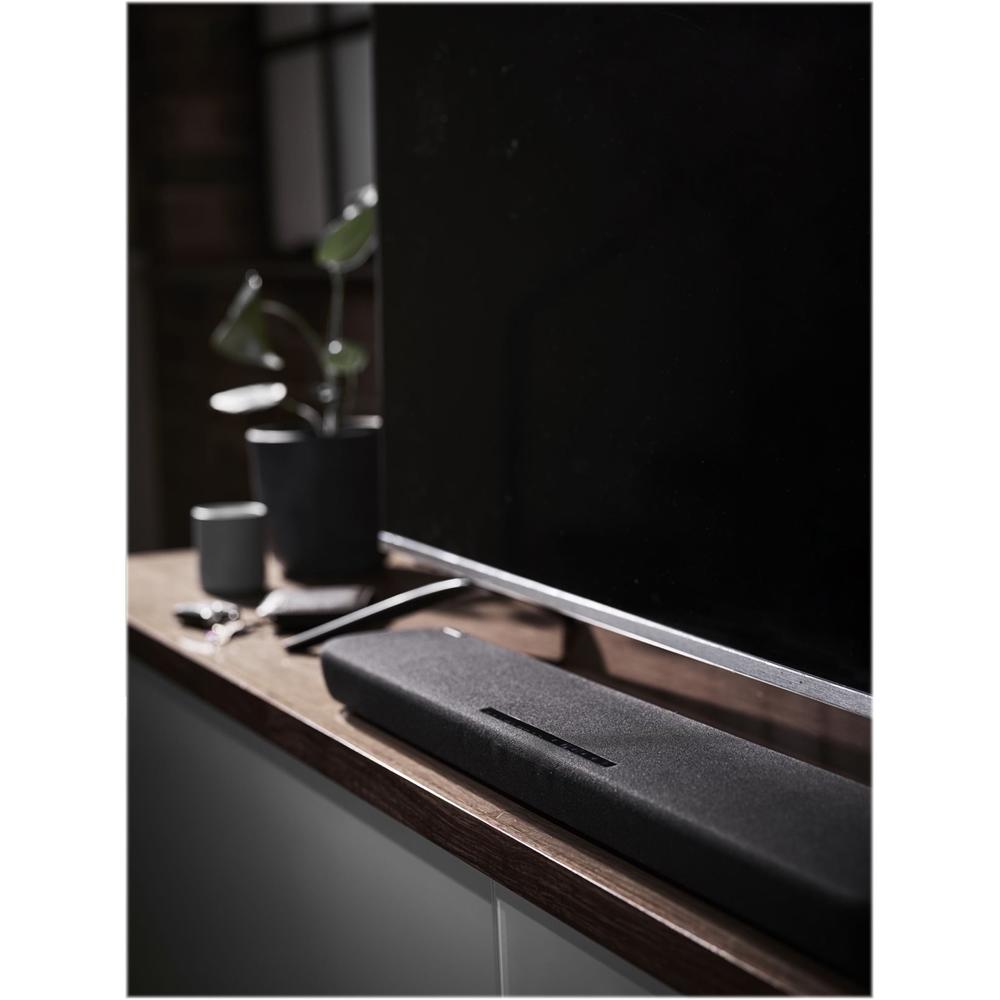
The Yamaha YAS-109 excels in smaller spaces where multiple components would be impractical. Apartments, dorm rooms, or bedrooms with limited space benefit from its single-bar design. Setup is truly plug-and-play: connect one HDMI cable, plug in power, and you're done.
At $547, the LG S80TR might seem expensive, but consider what you're getting. A comparable dedicated home theater receiver plus separate speakers would easily cost $800-1200. The wireless connectivity eliminates the need for speaker wire runs, and the AI calibration replaces professional setup services that can cost hundreds of dollars.
The performance improvement over basic soundbars is exponential, not linear. You're not just getting better sound – you're getting a fundamentally different audio experience that transforms how you perceive movies and games.
The Yamaha YAS-109 at $220 represents exceptional value for its feature set. Built-in Alexa, decent bass performance, and solid build quality at this price point is impressive. It's not about compromising quality – it's about prioritizing different benefits.
For dedicated home theater setups, the LG S80TR integrates beautifully with modern display technology. Its support for Dolby Vision passthrough ensures that your 4K HDR content looks perfect while delivering matching audio quality. The system can handle the most demanding movie soundtracks without compression or distortion.
The WOW Orchestra feature deserves special mention for LG TV owners. Instead of replacing your TV's speakers, the soundbar works in harmony with them, creating an even wider soundstage. It's like having additional center channel speakers built into your display.
The Yamaha YAS-109 works well in secondary viewing areas or as an entry point into better TV audio. It's perfect for bedrooms, guest rooms, or offices where you want significantly better sound without the complexity of a full surround system.
After extensive testing, I recommend the LG S80TR if you're serious about movies and gaming, have adequate space, and can budget for the premium. The authentic surround sound experience is transformative, and the system will remain relevant as entertainment technology advances.
Choose the Yamaha YAS-109 if you want smart features, have space constraints, or need to stay under $250. The built-in Alexa alone adds tremendous convenience to daily use, and the audio quality still represents a massive improvement over TV speakers.
The decision often comes down to whether you prioritize performance or convenience within your budget. Both approaches are valid – it's about matching the right solution to your specific needs and expectations. Either way, you'll wonder how you ever tolerated your TV's built-in speakers once you experience what dedicated audio hardware can deliver.
| LG S80TR 5.1.3 Channel Soundbar ($547) | Yamaha YAS-109 Sound Bar ($220) |
|---|---|
| Channel Configuration - Determines surround sound authenticity | |
| 5.1.3 channels with physical rear speakers and height drivers | 2.1 channels with virtual surround processing |
| Subwoofer Setup - Affects bass impact and room placement flexibility | |
| Dedicated 10-inch wireless subwoofer (down to 34Hz) | Dual built-in 3-inch subwoofers (limited to 170Hz) |
| Dolby Atmos Support - Creates overhead sound effects in movies | |
| True Dolby Atmos with dedicated up-firing drivers | No Atmos support, uses DTS Virtual:X instead |
| Smart Features - Voice control and streaming convenience | |
| Wi-Fi, AirPlay 2, Chromecast (no voice assistant) | Built-in Amazon Alexa with Wi-Fi and Bluetooth |
| HDMI Connectivity - Gaming and future-proofing capabilities | |
| HDMI 2.1 with 4K/120Hz, VRR, ALLM support | Standard HDMI ARC (no next-gen gaming features) |
| Total Power Output - Room-filling capability | |
| 580W total system power | 120W total power |
| Physical Components - Setup complexity and space requirements | |
| 3 separate components (bar, subwoofer, rear speakers) | Single soundbar unit |
| Room Calibration - Automatic audio optimization | |
| AI Room Calibration with built-in microphones | Manual EQ adjustment only |
| Dialogue Enhancement - Speech clarity in movies and TV | |
| Clear Voice Pro processing | Clear Voice technology (more advanced) |
| Release Date - Technology generation and feature relevance | |
| Late 2024 (latest wireless rear speaker technology) | 2019 (established smart features, older connectivity) |
The LG S80TR ($547) is significantly better for movies due to its true 5.1.3 surround sound with physical rear speakers and Dolby Atmos support. You'll hear sounds coming from behind and above you, creating an immersive cinema experience. The Yamaha YAS-109 ($220) uses virtual surround processing which can't match the directional accuracy of real speakers positioned around your room.
The core difference is that the LG S80TR is a multi-component system with separate rear speakers and subwoofer for authentic surround sound, while the Yamaha YAS-109 is an all-in-one soundbar that relies on built-in speakers and virtual processing. The LG provides true surround sound, while the Yamaha prioritizes convenience and smart features like built-in Alexa.
The LG S80TR has much better bass with its dedicated 10-inch wireless subwoofer that extends down to 34Hz, providing deep, room-shaking low frequencies. The Yamaha YAS-109 has dual built-in 3-inch subwoofers that only reach down to 170Hz, offering decent bass for its size but lacking the deep impact needed for action movies and music with heavy bass.
No, the Yamaha YAS-109 doesn't support Dolby Atmos. It uses DTS Virtual:X to simulate overhead effects, but this virtual processing can't match true Atmos performance. The LG S80TR has dedicated up-firing speakers that create authentic Dolby Atmos effects, making sounds appear to come from above your head.
The Yamaha YAS-109 is much easier to set up since it's a single soundbar that only requires plugging in power and connecting one HDMI cable. The LG S80TR requires positioning three separate components (soundbar, subwoofer, and rear speakers) around your room, though the wireless connectivity eliminates the need for speaker wire runs.
Only the Yamaha YAS-109 has built-in voice control with Amazon Alexa, allowing you to control volume, play music, and manage smart home devices using voice commands. The LG S80TR doesn't include a voice assistant but offers other smart features like AirPlay 2 and Chromecast for wireless streaming.
The LG S80TR is superior for gaming due to its physical rear speakers that provide accurate directional audio for competitive gaming, plus HDMI 2.1 support with features like 4K/120Hz passthrough and Variable Refresh Rate. The Yamaha YAS-109 lacks these next-gen gaming features and its virtual surround can't match the precision needed for competitive gaming.
The LG S80TR costs $547 compared to the Yamaha YAS-109 at $220 - more than double the price. The premium is worth it if you want authentic surround sound, powerful bass, and future-proof gaming features. The Yamaha offers better value for casual viewers who prioritize smart features and simple setup over maximum audio performance.
The Yamaha YAS-109 is better suited for small rooms due to its compact single-bar design and the fact that you don't need space for rear speakers. The LG S80TR requires adequate room to properly position its rear speakers 6-10 feet behind your seating area for optimal surround sound performance.
Yes, both soundbars work with any TV that has HDMI ARC or optical audio output. However, the LG S80TR offers special WOW Orchestra integration with LG TVs that synchronizes the TV's speakers with the soundbar for an even wider soundstage. The Yamaha YAS-109 works equally well with all TV brands.
The Yamaha YAS-109 actually handles music better due to its more neutral sound tuning, making it suitable for jazz, classical, and acoustic genres. The LG S80TR has cinema-focused tuning that can make music sound overly dramatic, though its powerful subwoofer excels with bass-heavy genres like electronic music and hip-hop.
Both manufacturers offer standard warranties, but the LG S80TR has more components that could potentially fail (soundbar, subwoofer, two rear speakers) compared to the single-unit Yamaha YAS-109. However, LG's 2024 release includes improved wireless technology that eliminates the separate transmitter box that caused reliability issues in previous models.
We've done our best to create useful and informative comparisons to help you decide what product to buy. Our research uses advanced automated methods to create this comparison and perfection is not possible - please contact us for corrections or questions. These are the sites we've researched in the creation of this article: bestbuy.com - billsmith.com - brandsmartusa.com - avsforum.com - youtube.com - lg.com - buydig.com - louisdoehomecenter.com - lg.com - videoandaudiocenter.com - mynavyexchange.com - walts.com - bestbuy.com - rtings.com - crutchfield.com - usa.yamaha.com - digitaltrends.com - tomsguide.com - listenup.com - youtube.com - usa.yamaha.com - hub.yamaha.com - youtube.com - hub.yamaha.com

Privacy Policy
Terms and Conditions - Affiliate Policy
Home Security
© Copyright 2008-2026.
11816 Inwood Rd #1211, Dallas, TX 75244