








When your TV's built-in speakers sound like they're broadcasting from inside a tin can, it's time for an upgrade. But the soundbar world has evolved dramatically since these audio enhancers first appeared, creating two distinct paths: simple all-in-one units that prioritize convenience, and multi-component systems that chase authentic home theater performance.
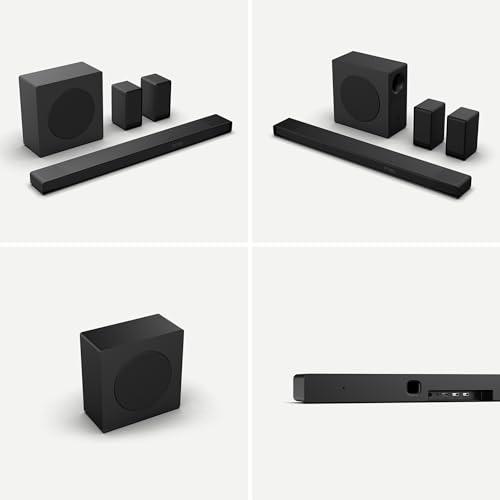
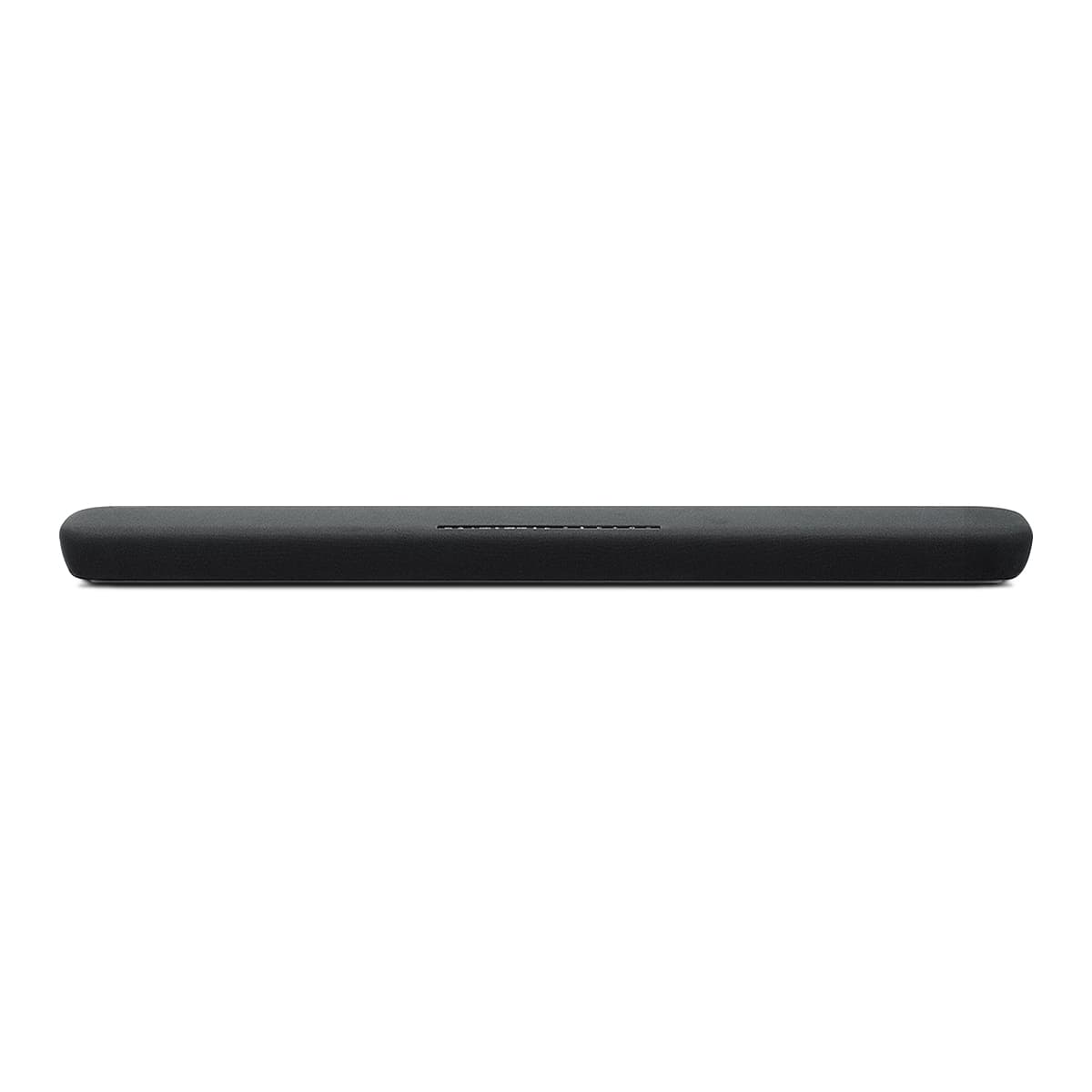
Today we're comparing two soundbars that perfectly represent these different philosophies. The Yamaha YAS-109, released in 2019, embodies the smart, space-saving approach with built-in Alexa and wireless connectivity. The Hisense AX5140Q, a more recent entry, takes the opposite route with a complete 5.1.4 surround system featuring separate wireless components.
The soundbar category has undergone massive changes since the early 2010s. What started as simple stereo bars designed to make dialogue clearer has exploded into sophisticated audio systems that can rival traditional home theater setups. The key evolution has been the introduction of object-based audio formats like Dolby Atmos and DTS:X, which add height channels to create a "dome" of sound around listeners.
This technological shift created a fundamental split in soundbar design. Some manufacturers focused on cramming more drivers into single units while adding smart features. Others embraced multi-component systems that use separate speakers to create genuine surround effects. Understanding this distinction is crucial because it determines everything from setup complexity to long-term satisfaction.
Channel configuration tells the whole story. A 2.1 soundbar has left and right channels plus a subwoofer. A 5.1.4 system adds center, surround, and height channels—the ".4" specifically refers to upfiring drivers that bounce sound off your ceiling to create overhead effects. The difference isn't just numbers; it's about whether you're getting simulated surround sound or the real thing.
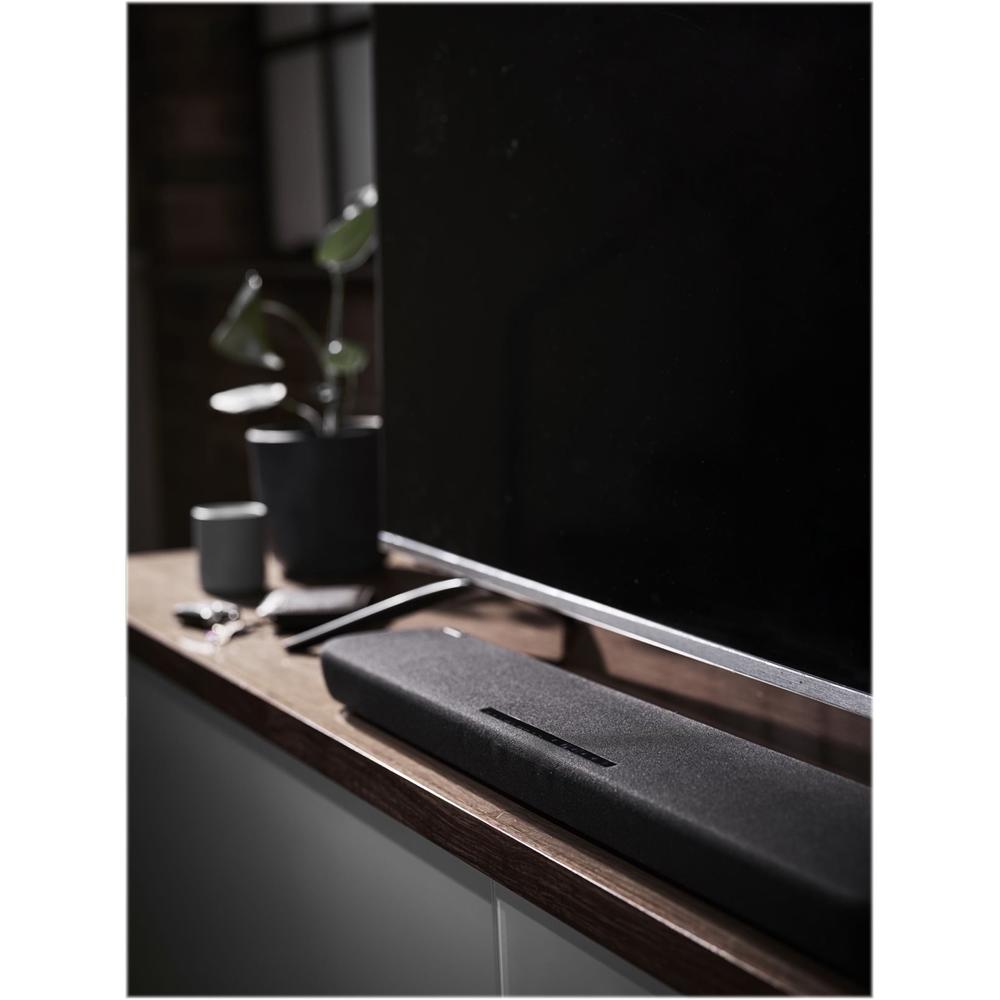
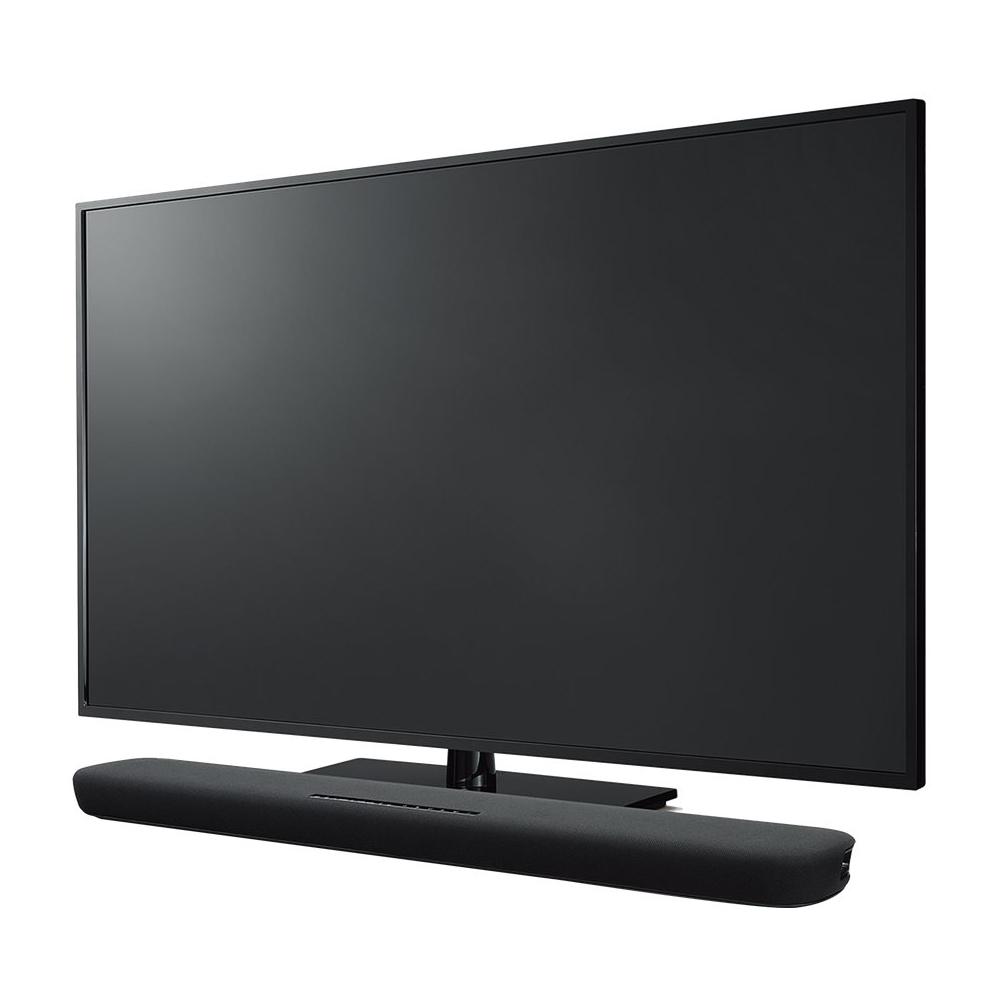
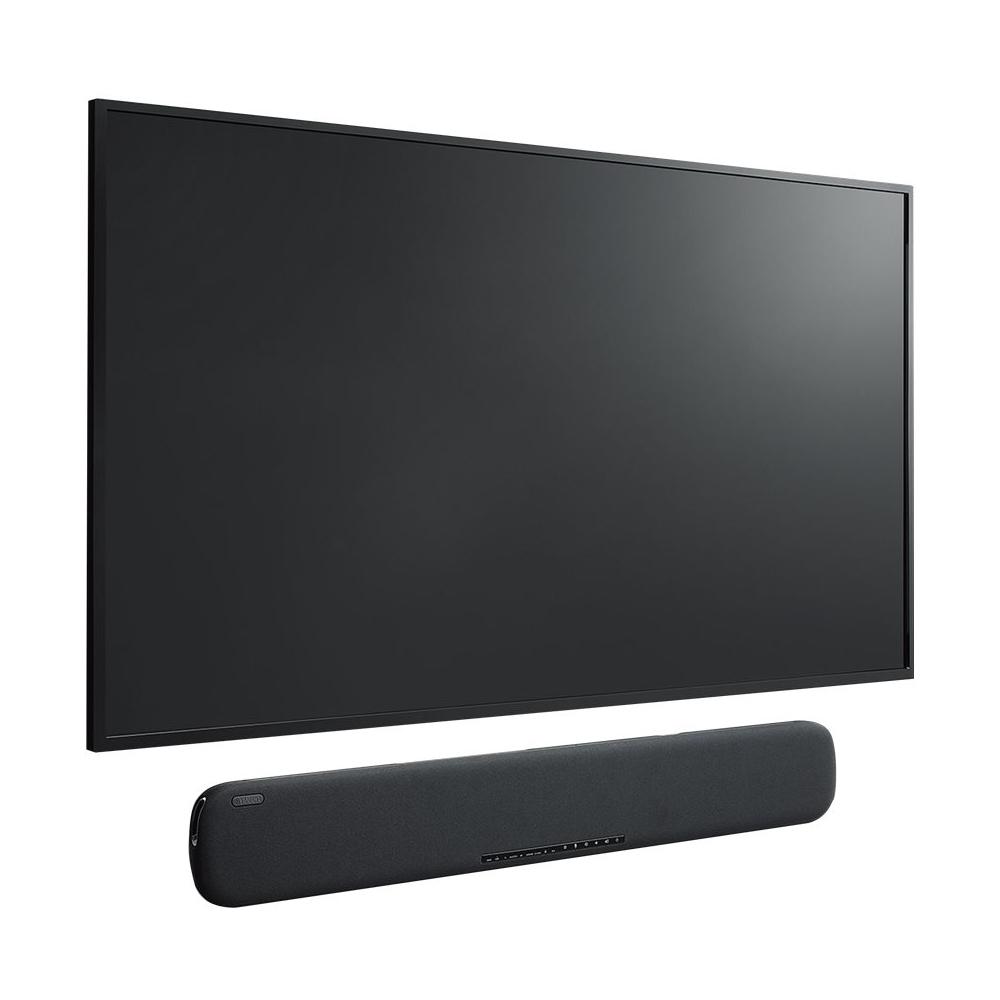
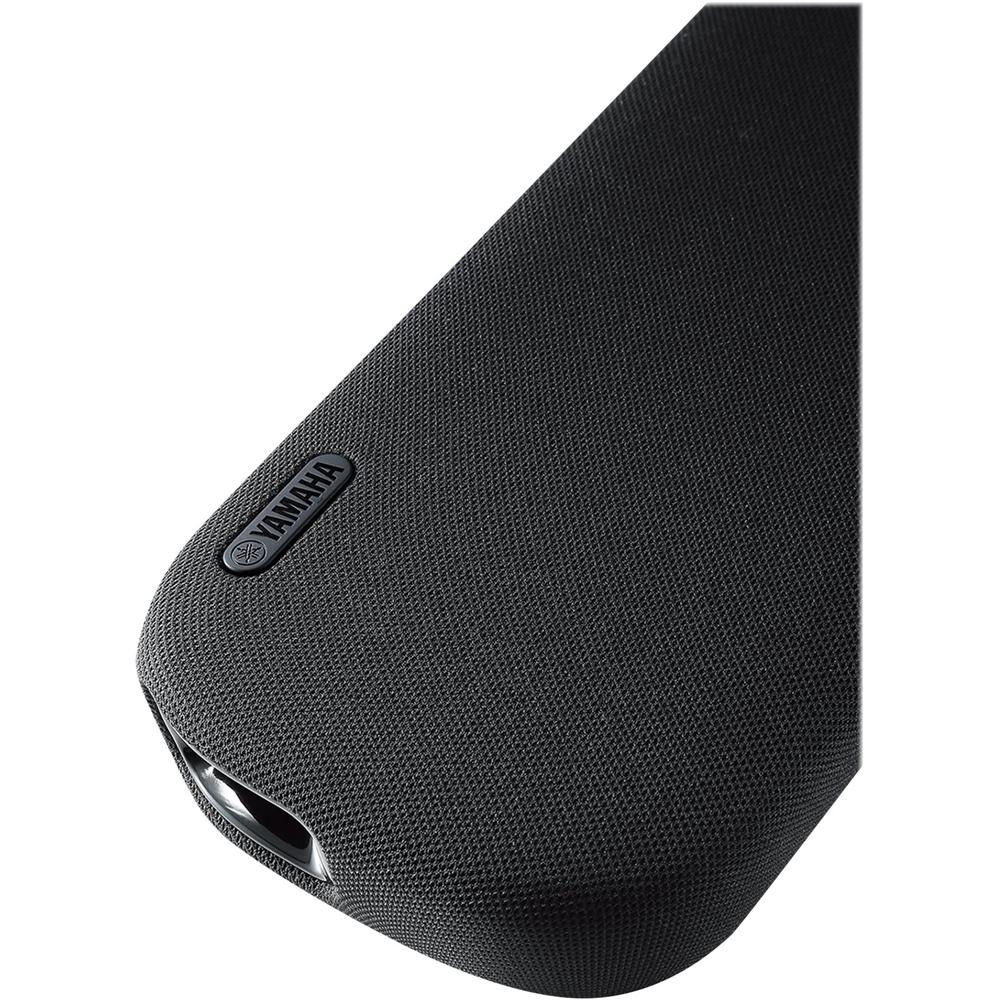
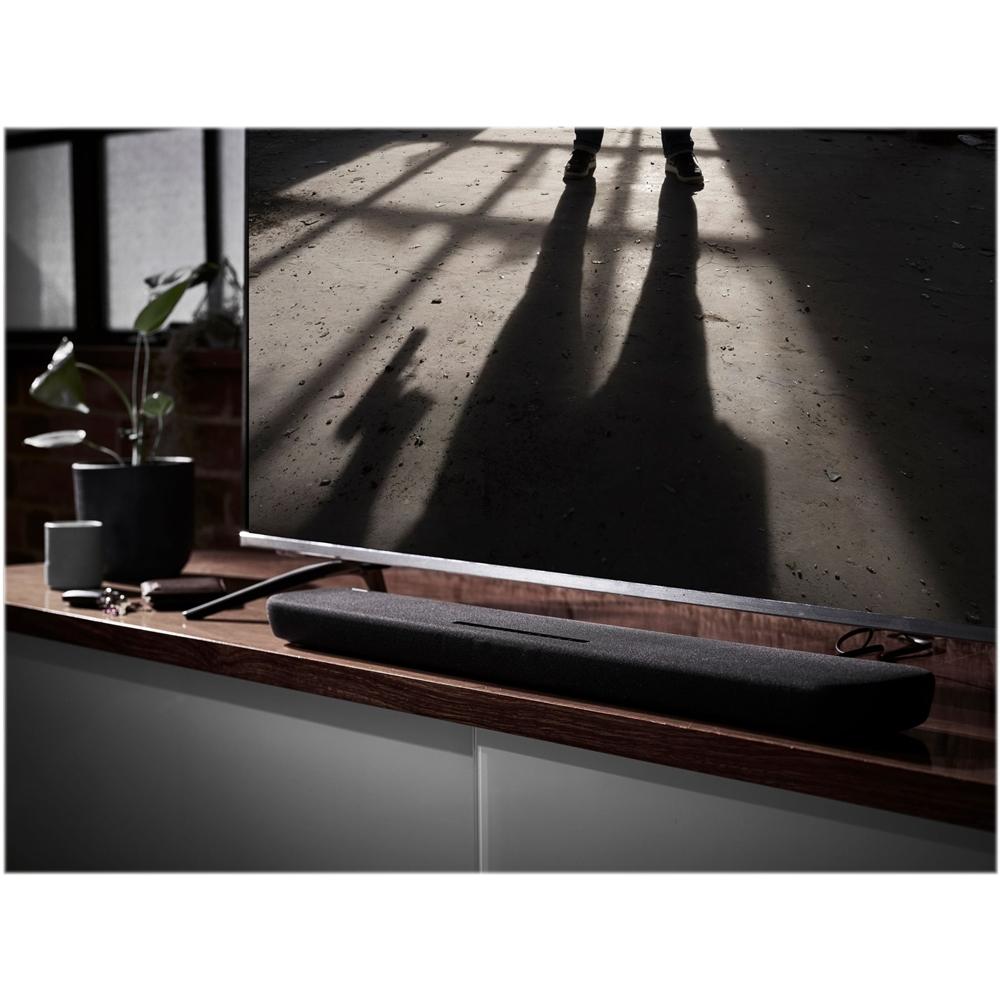
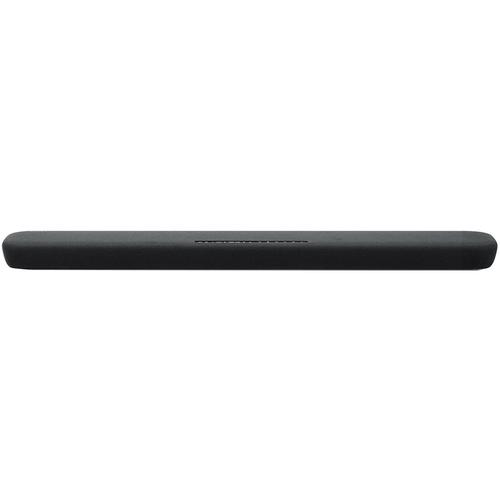
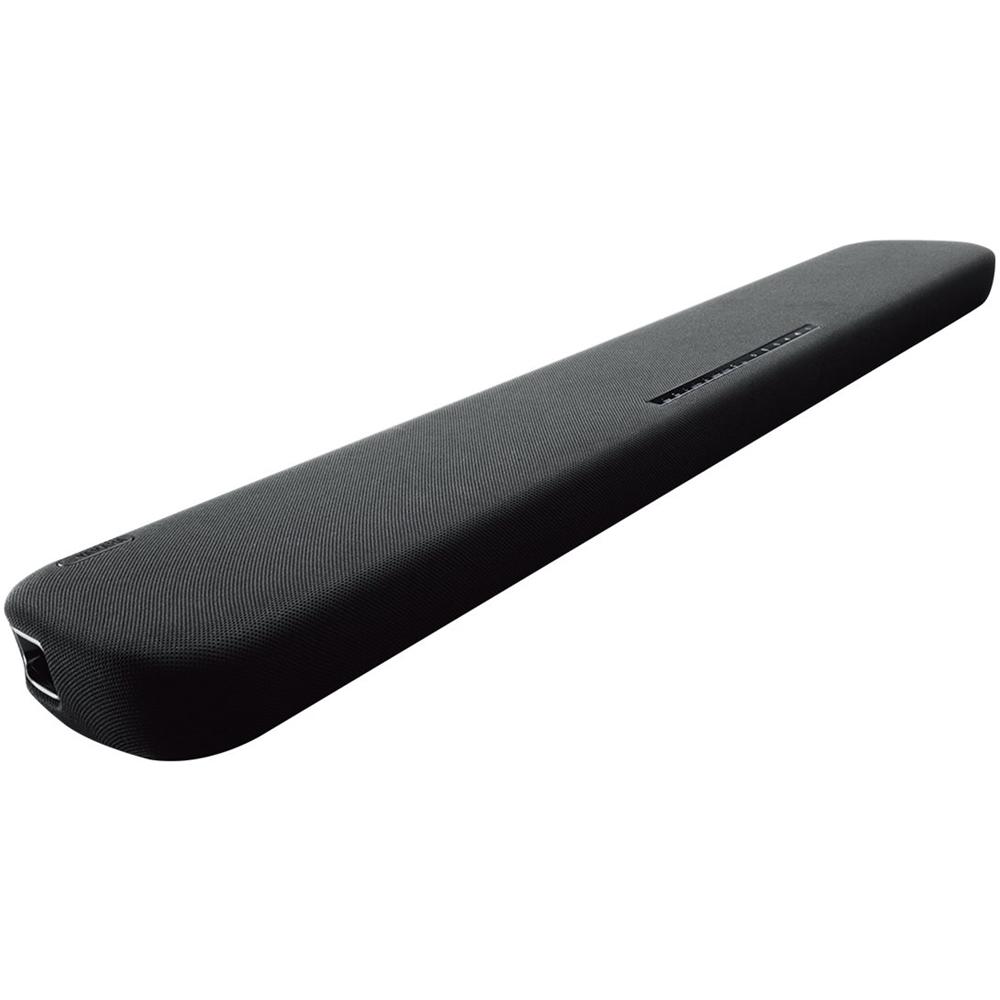
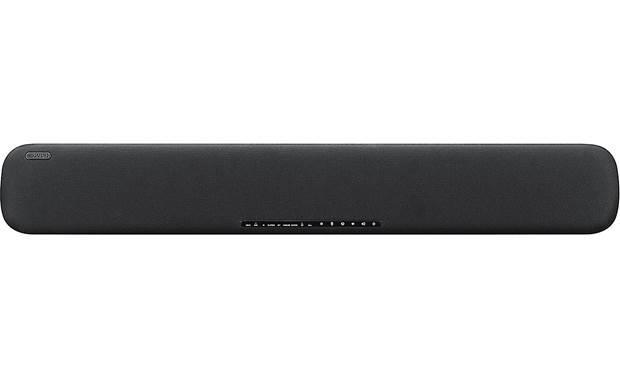
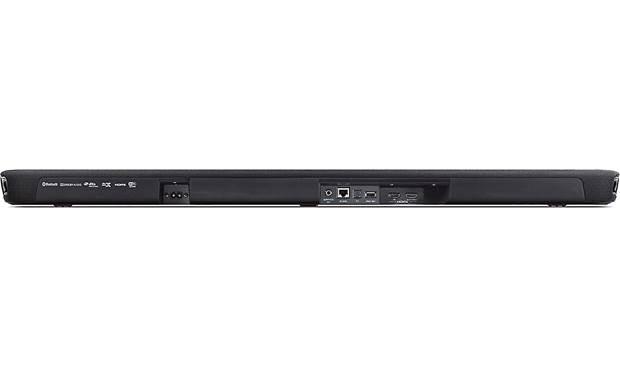
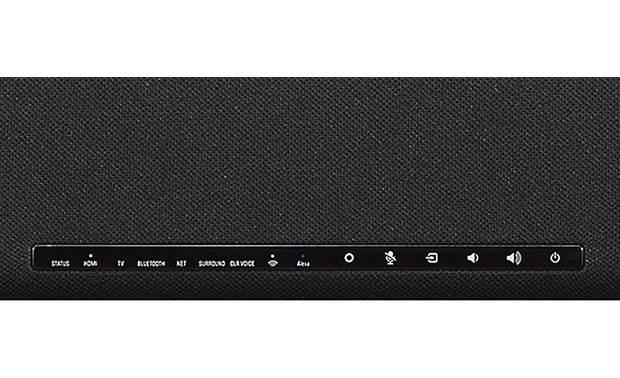
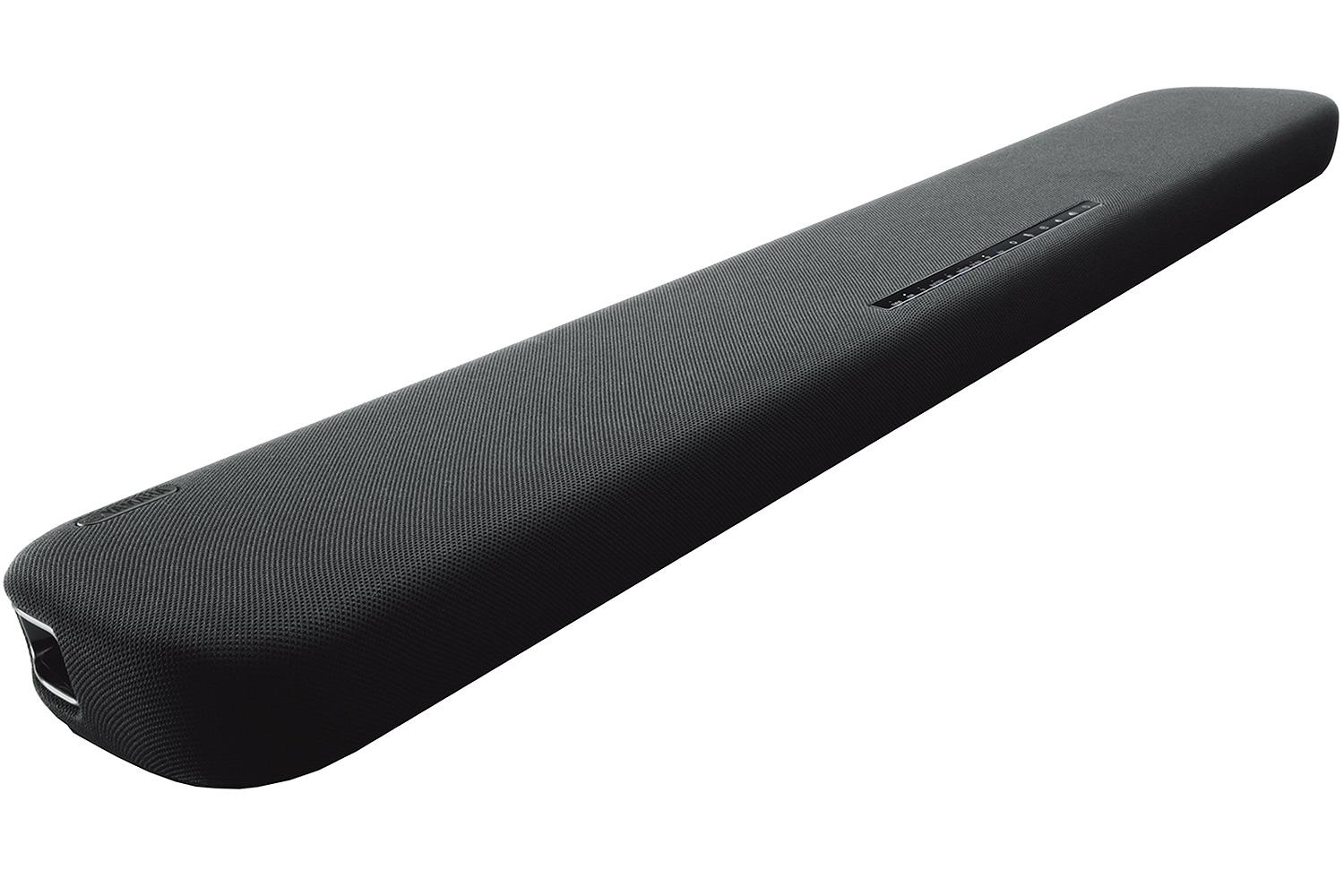
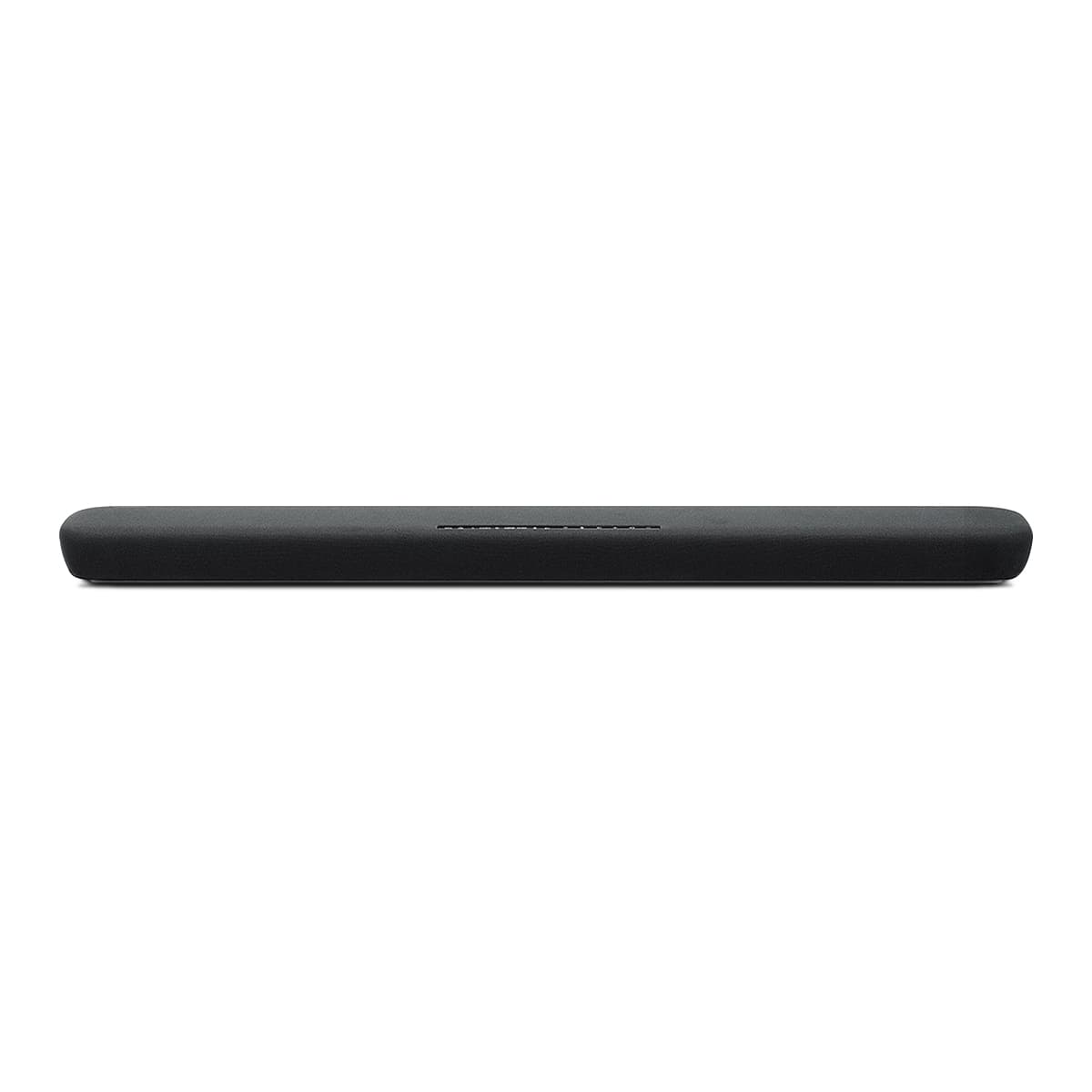
The Yamaha YAS-109 represents peak evolution of the all-in-one soundbar philosophy. Released in 2019 as an upgrade to Yamaha's popular YAS-108, it packs dual built-in subwoofers, Alexa voice control, and comprehensive wireless connectivity into a sleek 35-inch package weighing just 7.5 pounds.
What makes this approach compelling is the 2.2 channel configuration—that's left and right main drivers plus two dedicated 3-inch subwoofer cones built right into the bar. Most budget soundbars fake their bass response or rely on tiny drivers that can't move enough air. Yamaha's dual subwoofer design actually works, delivering surprising low-frequency punch for a unit this compact.
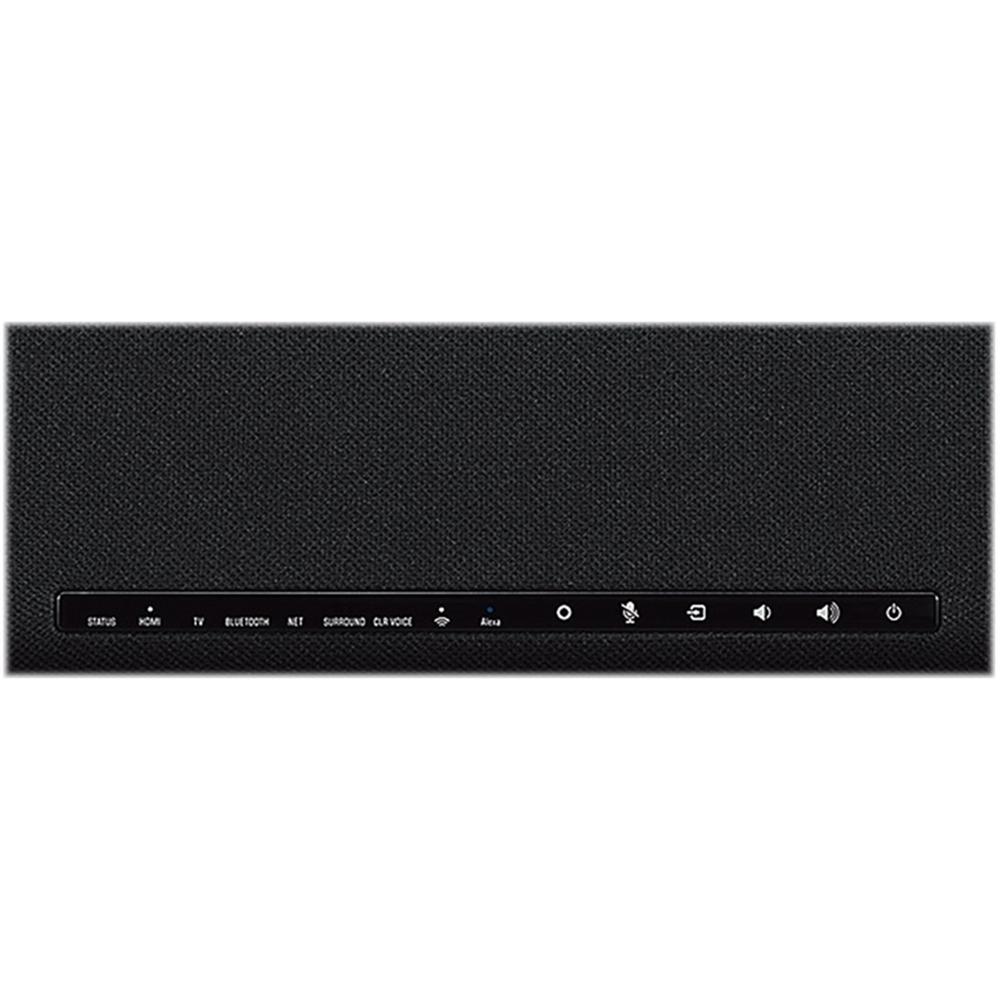
The built-in Alexa integration deserves special attention because it transforms the soundbar into a smart home hub. You can control volume, switch inputs, play music from streaming services, and manage other connected devices using voice commands. This isn't just a gimmick—it's genuinely useful when your hands are full or the remote is buried in couch cushions.
DTS Virtual:X technology handles the surround sound simulation. This processing creates the illusion of sound coming from beside and behind you using psychoacoustic tricks and carefully timed reflections. While it can't match discrete rear speakers, Virtual:X produces a noticeably wider soundstage than basic stereo, especially for movie content with dynamic soundtracks.
The YAS-109 includes six EQ presets specifically tuned for different content types. Movie mode emphasizes dialogue clarity and dynamic range, while Music mode provides more neutral frequency response. The Sports preset enhances crowd noise and commentary, and there's even a dedicated Game mode that reduces audio latency for console gaming.
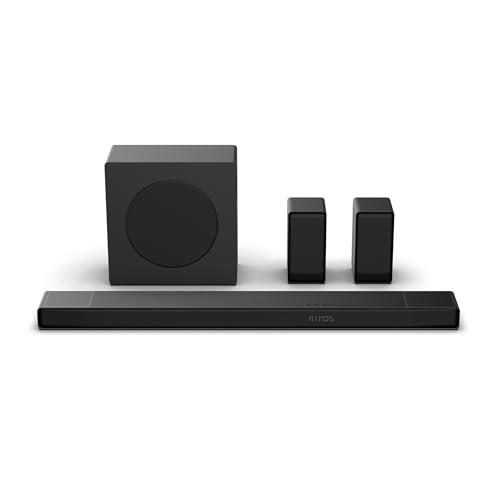
The Hisense AX5140Q takes a completely different approach, embracing the complexity of a multi-component system to deliver authentic 5.1.4 surround sound. This isn't virtual processing—it's four separate speakers working together to create a genuine bubble of audio around your seating area.
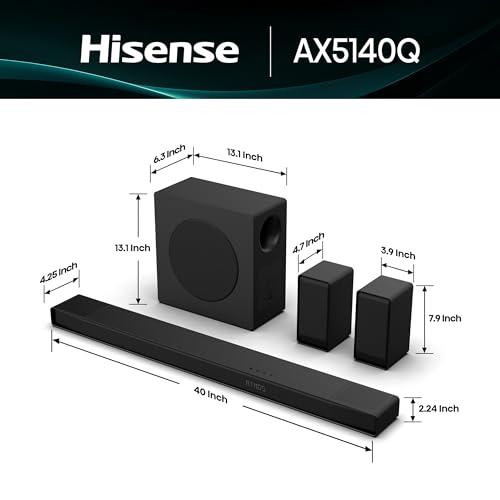
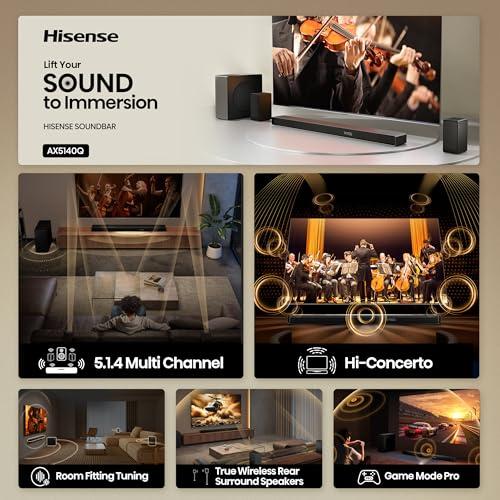
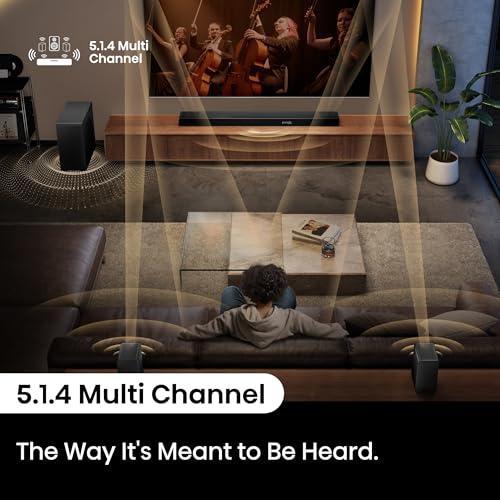
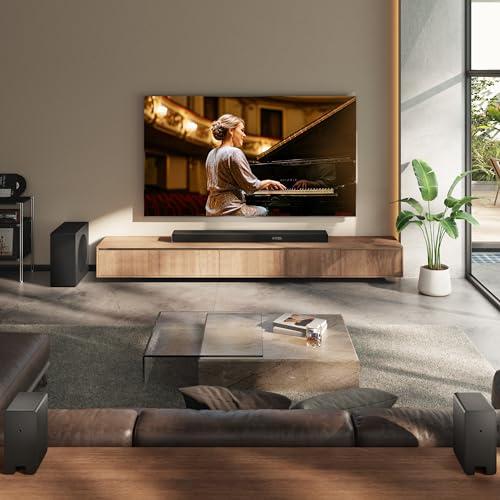
The system includes a main soundbar, wireless 6.5-inch subwoofer, and two wireless rear speakers that each contain their own upfiring drivers for height effects. This 5.1.4 configuration means you get front left, center, and right channels from the main bar, true surround channels from the rear speakers, low-frequency effects from the dedicated subwoofer, and four height channels that bounce sound off your ceiling.
Those upfiring drivers are crucial for understanding why this system works so much better than virtual processing. Dolby Atmos content includes specific audio objects that are meant to come from overhead—helicopters, rain, ambient effects, even dialogue in certain scenes. The AX5140Q can reproduce these objects in their intended positions because it has physical drivers pointing at your ceiling.
The wireless connectivity eliminates the cable management nightmare that traditionally plagued surround sound systems. Each component only needs power; audio signals transmit wirelessly with minimal latency. Based on user reports, the wireless connection remains stable even in environments with significant Wi-Fi interference, though optimal performance requires thoughtful speaker placement.
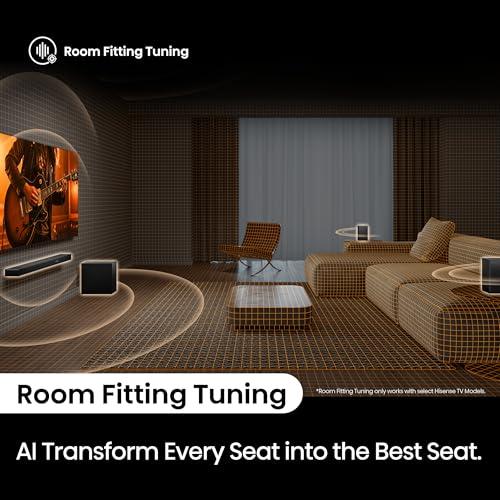
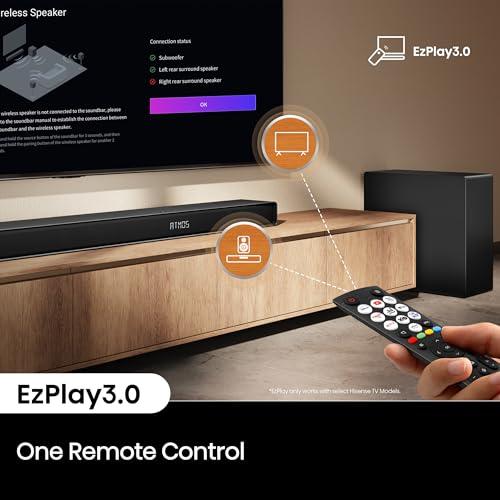
Hisense's Hi-Concerto integration represents another technical advantage, especially for users with compatible Hisense TVs. This ecosystem allows the TV and soundbar to work together for synchronized power control, unified volume adjustment, and automatic input switching. The system can even perform room calibration using the TV's interface, measuring your space's acoustic characteristics and adjusting output accordingly.
Bass performance reveals the most dramatic difference between these approaches. The Yamaha YAS-109's dual 3-inch subwoofers produce respectable output for their size, easily outperforming TV speakers and many single-driver soundbars. However, physics limits what small drivers can achieve. Explosions in action movies lack visceral impact, and bass-heavy music genres like electronic and hip-hop sound restrained.
The Hisense AX5140Q's dedicated 6.5-inch subwoofer operates in a completely different league. This driver can move substantially more air, producing the kind of deep, room-shaking bass that makes movie explosions feel real and music sound full-bodied. User reviews consistently highlight the subwoofer's ability to fill medium and large rooms without distortion, something the Yamaha simply cannot match.
Room placement flexibility gives the Hisense another advantage. The wireless subwoofer can be positioned anywhere within reasonable range, allowing you to find the spot that produces the smoothest bass response in your specific room. The Yamaha's built-in approach locks you into whatever bass response your soundbar position provides.
This comparison isn't even close. The YAS-109 processes surround content admirably for a single-unit design, but it's ultimately creating an illusion. Movie scenes with bullets whizzing past or cars racing around the track produce a wider soundstage than stereo, but effects clearly originate from the front of the room.
The AX5140Q transforms your living space into an actual surround sound environment. Rear speakers place effects precisely behind and beside your seating position, while the upfiring drivers create convincing overhead effects. When a helicopter flies across the screen in a Dolby Atmos movie, you hear it move from front to back and overhead in a way that feels genuinely three-dimensional.
Gaming performance showcases this difference dramatically. The Hisense system's directional audio helps with competitive gaming, where hearing enemy footsteps or gunfire location can mean the difference between virtual life and death. The Yamaha provides good game audio but can't match the spatial precision of discrete speakers.
Here's where the Yamaha YAS-109 fights back effectively. Its Clear Voice technology and relatively neutral midrange tuning make dialogue exceptionally intelligible. The dedicated tweeters handle high-frequency detail cleanly, ensuring that conversations remain crisp even during busy action scenes.
The Hisense AX5140Q includes a dedicated center channel, which traditionally provides the best dialogue reproduction in surround systems. However, our research suggests the Yamaha's tuning specifically emphasizes speech frequencies more aggressively. For users who primarily watch dialogue-heavy content like news, talk shows, or character-driven dramas, the Yamaha offers a slight edge in vocal clarity.
Both systems handle lip-sync well through their HDMI connections, automatically adjusting audio delay to match video processing times from modern TVs.
Power handling reveals another fundamental difference between these designs. The Hisense AX5140Q rates 600 watts total system power across nine individual drivers, enabling substantially higher maximum volume levels without distortion. This matters for large rooms, outdoor spaces, or simply when you want to feel immersed in movie soundtracks.
The Yamaha YAS-109's 120-watt rating accurately reflects its capabilities—adequate for small to medium rooms but limited when you need serious output. The soundbar maintains good clarity at moderate volumes but compresses dynamic range as you push toward maximum levels.
For home theater applications, dynamic range is crucial. Movie soundtracks contain whispered dialogue followed immediately by explosive action sequences. The Hisense system's higher power reserves and dedicated subwoofer handle these transitions smoothly, while the Yamaha requires more careful volume management to balance soft and loud passages.
The Yamaha YAS-109 dominates the smart features category with built-in Alexa, comprehensive Wi-Fi connectivity, and support for multiple streaming services including Spotify Connect. The integration feels natural—Alexa responds quickly to voice commands and can control not just the soundbar but your entire smart home ecosystem.
Music streaming capabilities set the Yamaha apart for casual listening. You can play Spotify directly through Wi-Fi without using Bluetooth, maintaining higher audio quality and avoiding the battery drain on your phone. The soundbar also supports music server connectivity, allowing playback from network-attached storage devices.
The Hisense AX5140Q takes a more focused approach, prioritizing home theater performance over smart features. Bluetooth 5.3 provides reliable wireless audio streaming, but there's no built-in voice control or Wi-Fi streaming. The trade-off is more processing power dedicated to audio performance rather than smart features.
For users invested in voice control ecosystems, the Yamaha offers immediate value. However, many home theater enthusiasts already use separate streaming devices or smart TVs for content access, making the Hisense approach perfectly adequate.
Setup complexity differs dramatically between these systems. The YAS-109 exemplifies plug-and-play simplicity—connect the HDMI cable, download the app, set up Alexa, and you're done. Wall mounting requires minimal effort thanks to the lightweight design and included hardware.
The AX5140Q demands more thoughtful installation. While the wireless connections eliminate cable runs, you need appropriate placement for four separate components. The rear speakers require positioning behind or beside your primary seating, and the subwoofer needs adequate space for optimal bass response.
However, our research indicates that most users find Hisense setup surprisingly straightforward. The components pair automatically out of the box, and the room calibration process guides you through optimization. The time investment pays dividends in long-term satisfaction.
Living space requirements favor the Yamaha for apartments, small rooms, or frequently rearranged furniture. The Hisense works best in dedicated viewing spaces where speaker positions can remain consistent.
At the time of writing, these soundbars occupy different price tiers, with the Yamaha YAS-109 positioned as an affordable upgrade and the Hisense AX5140Q representing a more substantial investment in audio performance.
The Yamaha delivers exceptional value for users seeking immediate TV audio improvement with smart features. It's a complete solution that addresses most common TV audio complaints—weak dialogue, poor bass response, and limited connectivity—while adding voice control functionality.
The Hisense requires higher initial investment but provides performance that approaches dedicated home theater systems. For movie enthusiasts or gamers who value immersive audio, the additional cost delivers proportional performance gains that justify the price difference.
Future-proofing considerations favor the Hisense approach. As streaming services expand Dolby Atmos content and gaming adopts more sophisticated audio, the AX5140Q's native format support and discrete speakers position it better for upcoming content evolution.
Choose the Yamaha YAS-109 if you want immediate improvement over TV speakers with minimal complexity. It's perfect for apartments, small rooms, or situations where you need smart home integration and voice control. The sound quality easily surpasses TV speakers and many budget soundbars, while Alexa functionality adds genuine daily utility.
The Hisense AX5140Q makes sense when audio performance takes priority over convenience. If you're building a dedicated home theater space, frequently watch movies with advanced audio tracks, or play games where directional audio matters, the investment in true surround sound pays measurable dividends.
Consider your content consumption patterns carefully. News, talk shows, and dialogue-heavy series work beautifully with the Yamaha's Clear Voice technology. Action movies, video games, and music with complex soundstages shine through the Hisense system's discrete speakers and dedicated subwoofer.
Room size and layout ultimately determine practical limits. The Yamaha works in virtually any space, while the Hisense requires adequate room for component placement and benefits from larger spaces that can showcase its dynamic range capabilities.
Both represent smart choices within their intended use cases, but they solve fundamentally different problems. The Yamaha transforms any TV into a smart entertainment hub with substantially improved audio. The Hisense transforms your living room into a genuine home theater experience. Understanding which transformation you value more makes the decision straightforward.
| Hisense AX5140Q | Yamaha YAS-109 |
|---|---|
| Channel Configuration - Determines surround sound authenticity and immersion level | |
| 5.1.4 channels with discrete speakers | 2.2 channels in single unit |
| Physical Components - Affects setup complexity and audio positioning flexibility | |
| Main soundbar + wireless subwoofer + 2 wireless rear speakers | Single soundbar with built-in subwoofers |
| Subwoofer Driver Size - Critical for bass depth and room-filling low frequencies | |
| 6.5" dedicated wireless subwoofer | Dual 3" built-in subwoofers |
| Total System Power - Determines maximum volume and dynamic range capability | |
| 600W (distributed across 9 drivers) | 120W (concentrated in compact form) |
| Dolby Atmos Support - Essential for modern streaming content and immersive overhead effects | |
| Yes, with 4 dedicated upfiring speakers | No (DTS Virtual:X simulation only) |
| DTS:X Support - Advanced object-based audio for premium movie content | |
| Yes, native decoding | No |
| Voice Assistant Integration - Convenience for smart home control and music streaming | |
| None built-in | Alexa built-in with full voice control |
| Wi-Fi Connectivity - Enables wireless music streaming and smart features | |
| No (Bluetooth 5.3 only) | Yes, with Spotify Connect and streaming services |
| HDMI Connectivity - Important for 4K passthrough and eARC audio quality | |
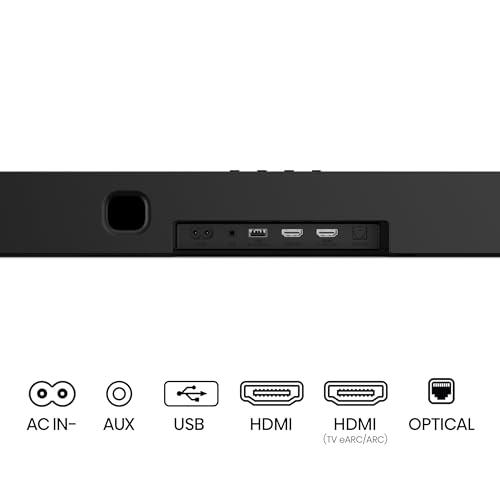
| 1 HDMI input + eARC with 4K 60Hz passthrough | 1 HDMI input + eARC with 4K HDR passthrough |
| Rear Speaker Requirement - Space and placement considerations for optimal performance | |
| Yes, requires positioning behind seating area | No, works from any TV placement |
| Room Calibration - Automatic optimization for your specific listening space | |
| Yes, AI-powered with compatible Hisense TVs | No automatic calibration |
| Optimal Room Size - Performance sweet spot based on power and speaker configuration | |
| Medium to large rooms (needs space for components) | Small to medium rooms (compact single-unit design) |
| Setup Complexity - Time investment required for optimal performance | |
| Moderate (4 components to position + calibration) | Minimal (single unit plug-and-play) |
| Future Content Compatibility - Readiness for evolving streaming audio formats | |
| Excellent (supports all current premium formats) | Limited (may miss advanced streaming audio) |
The Hisense AX5140Q is significantly better for movies and home theater use. It provides true 5.1.4 surround sound with physical rear speakers and four upfiring drivers for authentic Dolby Atmos effects. The Yamaha YAS-109 only offers virtual surround simulation, which can't match the immersive experience of discrete speakers placed around your room.
The Hisense AX5140Q includes a wireless 6.5" subwoofer as part of the system, providing deep, room-filling bass. The Yamaha YAS-109 has built-in subwoofers (dual 3" drivers) that work well for its size but offer less bass extension and impact than a dedicated subwoofer unit.
The Yamaha YAS-109 is much easier to set up since it's a single unit that only requires connecting one HDMI cable. The Hisense AX5140Q requires positioning four separate components (soundbar, subwoofer, and two rear speakers) around your room, though the wireless connections make installation manageable.
The Yamaha YAS-109 has Alexa built-in, allowing you to control the soundbar, play music, and manage smart home devices using voice commands. The Hisense AX5140Q doesn't include voice assistant integration but can be controlled through compatible Hisense TV remotes.
Only the Hisense AX5140Q supports true Dolby Atmos with dedicated upfiring speakers that create overhead sound effects. The Yamaha YAS-109 doesn't support Dolby Atmos but uses DTS Virtual:X to simulate surround effects from its front-facing drivers.
Both soundbars support Bluetooth music streaming. The Yamaha YAS-109 also includes Wi-Fi connectivity with Spotify Connect for higher-quality wireless streaming. The Hisense AX5140Q uses Bluetooth 5.3 for wireless audio but doesn't have built-in Wi-Fi streaming services.
The Hisense AX5140Q can get significantly louder with 600W of total system power distributed across multiple drivers and components. The Yamaha YAS-109 has 120W of power, which is adequate for small to medium rooms but can't match the volume levels and dynamic range of the larger system.
Both the Hisense AX5140Q and Yamaha YAS-109 work with any TV that has HDMI ARC/eARC or optical audio output. The Hisense AX5140Q offers enhanced integration features when paired with Hisense TVs, including room calibration and unified control.
The Yamaha YAS-109 is better suited for small spaces due to its compact single-unit design that doesn't require rear speaker placement. The Hisense AX5140Q needs adequate space behind your seating area for the rear speakers to be effective, making it better for larger rooms.
The rear speakers in the Hisense AX5140Q are crucial for creating authentic surround sound effects and proper Dolby Atmos immersion. They provide true directional audio that places sounds behind and around you, something the Yamaha YAS-109 cannot replicate with its front-only driver configuration.
The Yamaha YAS-109 typically offers better value for users wanting a simple TV audio upgrade with smart features at a lower cost. The Hisense AX5140Q provides better value for those prioritizing authentic surround sound performance, as it delivers true multi-channel audio comparable to much more expensive home theater systems.
Neither the Hisense AX5140Q nor Yamaha YAS-109 can be expanded with additional speakers. The Hisense AX5140Q comes as a complete 5.1.4 system with all components included, while the Yamaha YAS-109 is designed as an all-in-one solution that doesn't support expansion.
We've done our best to create useful and informative comparisons to help you decide what product to buy. Our research uses advanced automated methods to create this comparison and perfection is not possible - please contact us for corrections or questions. These are the sites we've researched in the creation of this article: shop.hisense-usa.com - manuals.plus - dolby.com - youtube.com - gzhls.at - rtings.com - youtube.com - bestbuy.com - manuals.plus - bestbuy.com - hisense-usa.com - youtube.com - device.report - manuals.plus - youtube.com - device.report - manuals.plus - youtube.com - rtings.com - crutchfield.com - usa.yamaha.com - digitaltrends.com - tomsguide.com - listenup.com - youtube.com - usa.yamaha.com - hub.yamaha.com - youtube.com - hub.yamaha.com

Privacy Policy
Terms and Conditions - Affiliate Policy
Home Security
© Copyright 2008-2026.
11816 Inwood Rd #1211, Dallas, TX 75244