


If your TV's built-in speakers sound like they're coming from the bottom of a well, you're not alone. Most modern TVs prioritize slim designs over audio quality, leaving viewers straining to hear dialogue or missing the rumble of action scenes entirely. That's where budget soundbars come in—they're designed to dramatically improve your audio experience without requiring a PhD in home theater engineering or a second mortgage.
The soundbar market has exploded over the past decade, with manufacturers offering everything from basic stereo bars to complex multi-speaker systems with height channels and wireless rear speakers. But for most people just starting their audio upgrade journey, the sweet spot lies in the budget category, typically ranging from around $150 to $300 at the time of writing. This is where you'll find solid performance improvements over TV speakers without overwhelming complexity or cost.
When shopping for budget soundbars, the main considerations boil down to a few key factors. First is audio performance—how does it actually sound with different types of content? Then there's the design philosophy: do you want an all-in-one solution that's simple to set up, or are you willing to deal with multiple components for potentially better performance? Smart features have become increasingly important too, as streaming services dominate how we consume content. Finally, there's the value equation: what combination of performance and features gives you the most bang for your buck?
Today we're comparing two popular approaches to budget soundbar design: the Polk Audio Signa S2 and the Yamaha YAS-109. These represent fundamentally different philosophies in soundbar engineering, and understanding their differences will help you make the right choice for your specific needs.
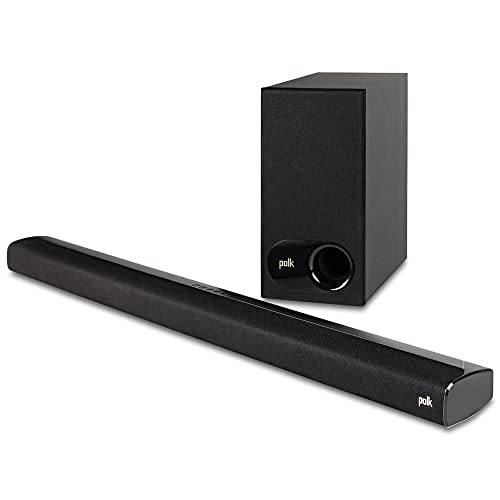
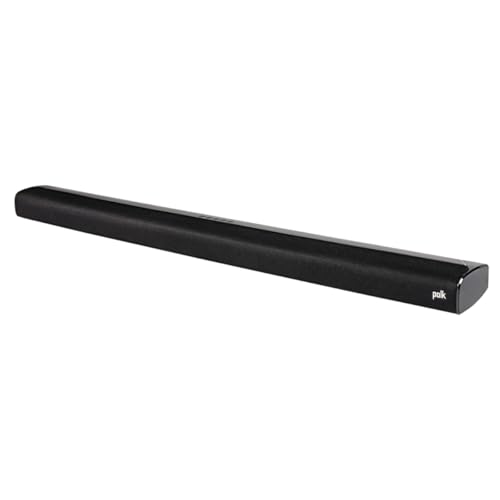
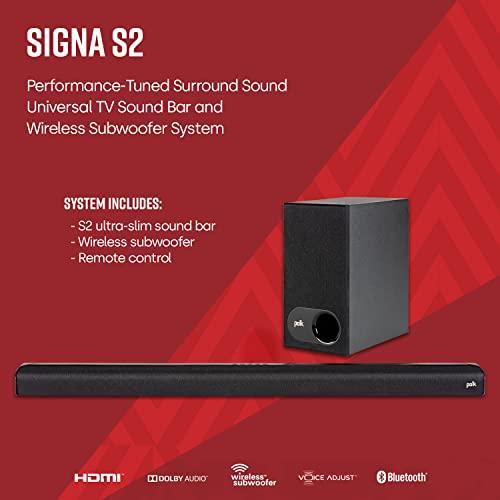
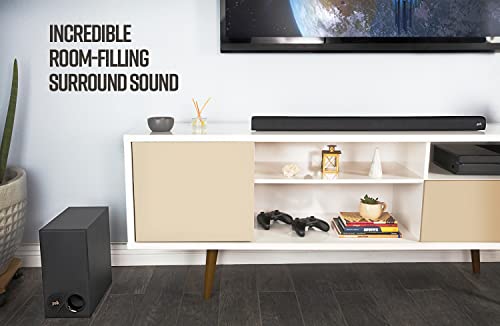
The Polk Audio Signa S2, released in 2018, follows the traditional soundbar formula that many audio enthusiasts prefer. It pairs a slim main unit with a separate wireless subwoofer, dedicating that second box entirely to producing deep bass frequencies. This approach has been the gold standard for soundbars because it allows each component to specialize in what it does best—the main bar handles dialogue and mid-range sounds, while the subwoofer focuses solely on those low frequencies that make explosions feel impactful and music sound full.
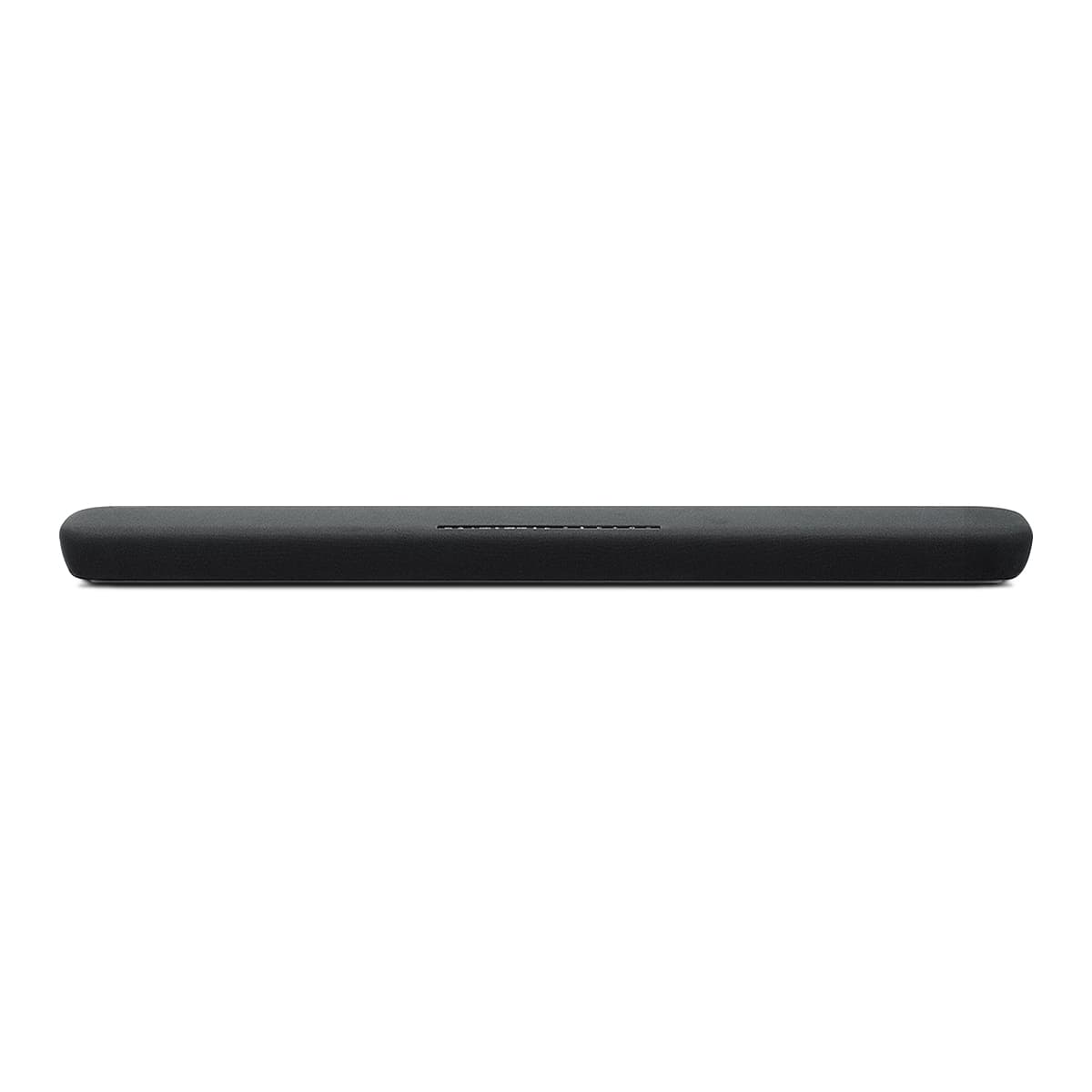
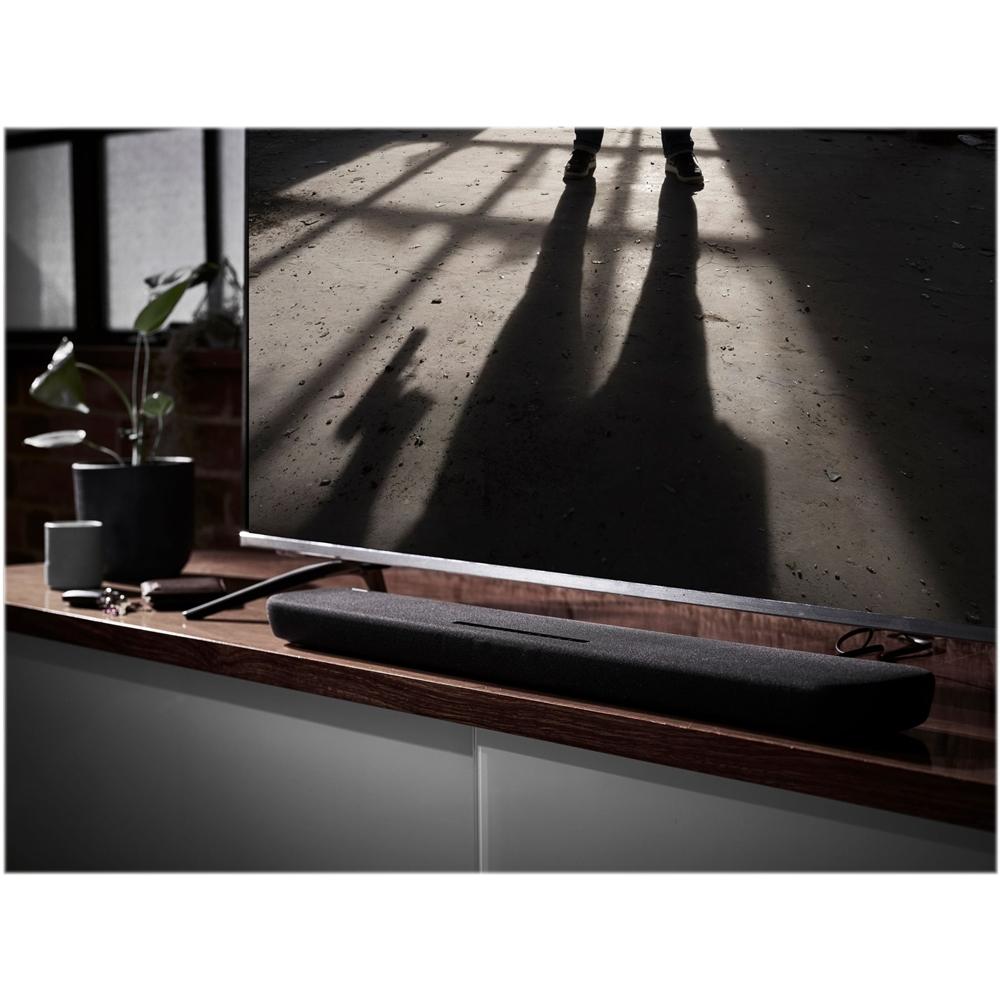
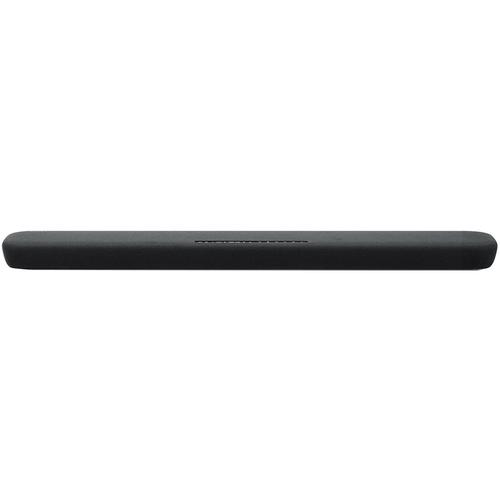
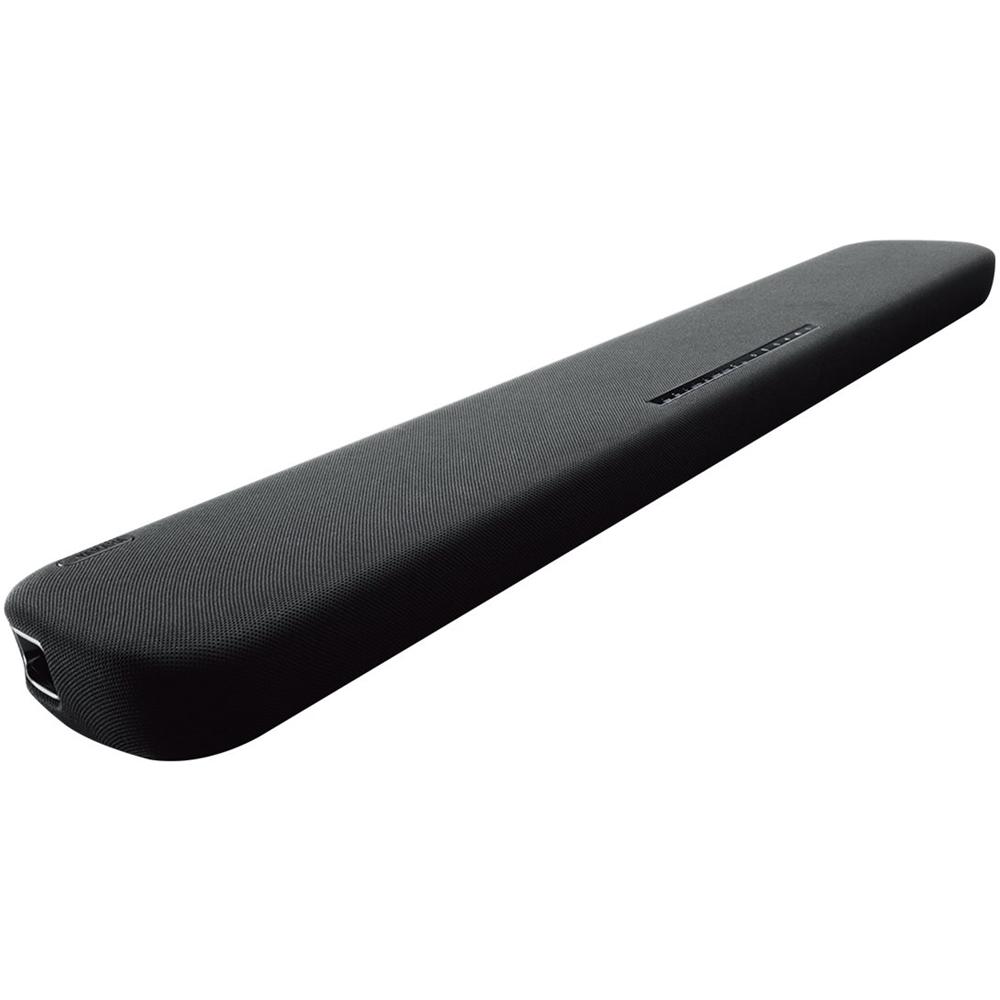
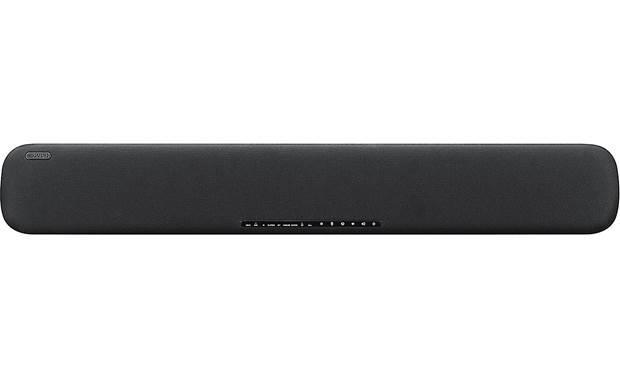
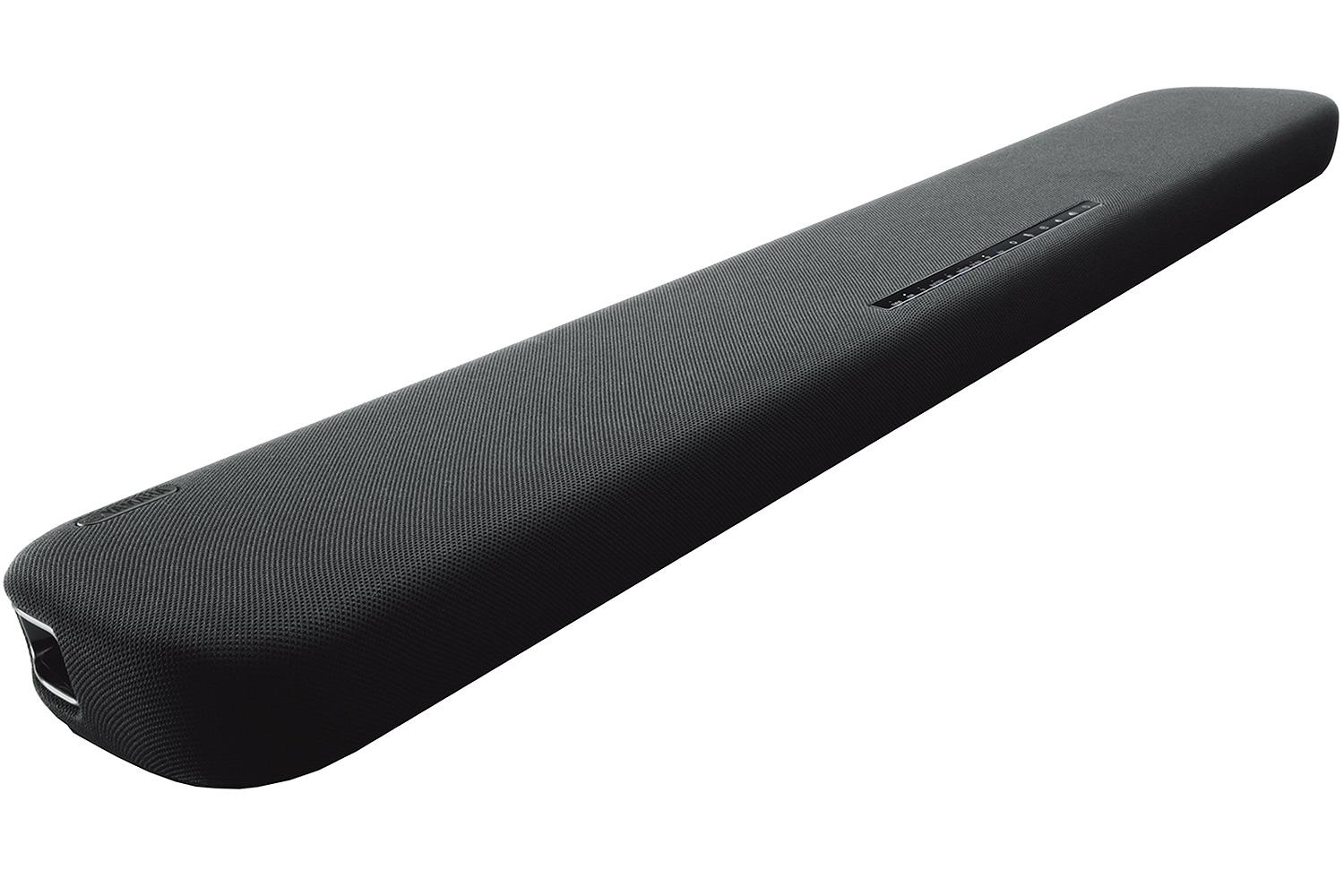
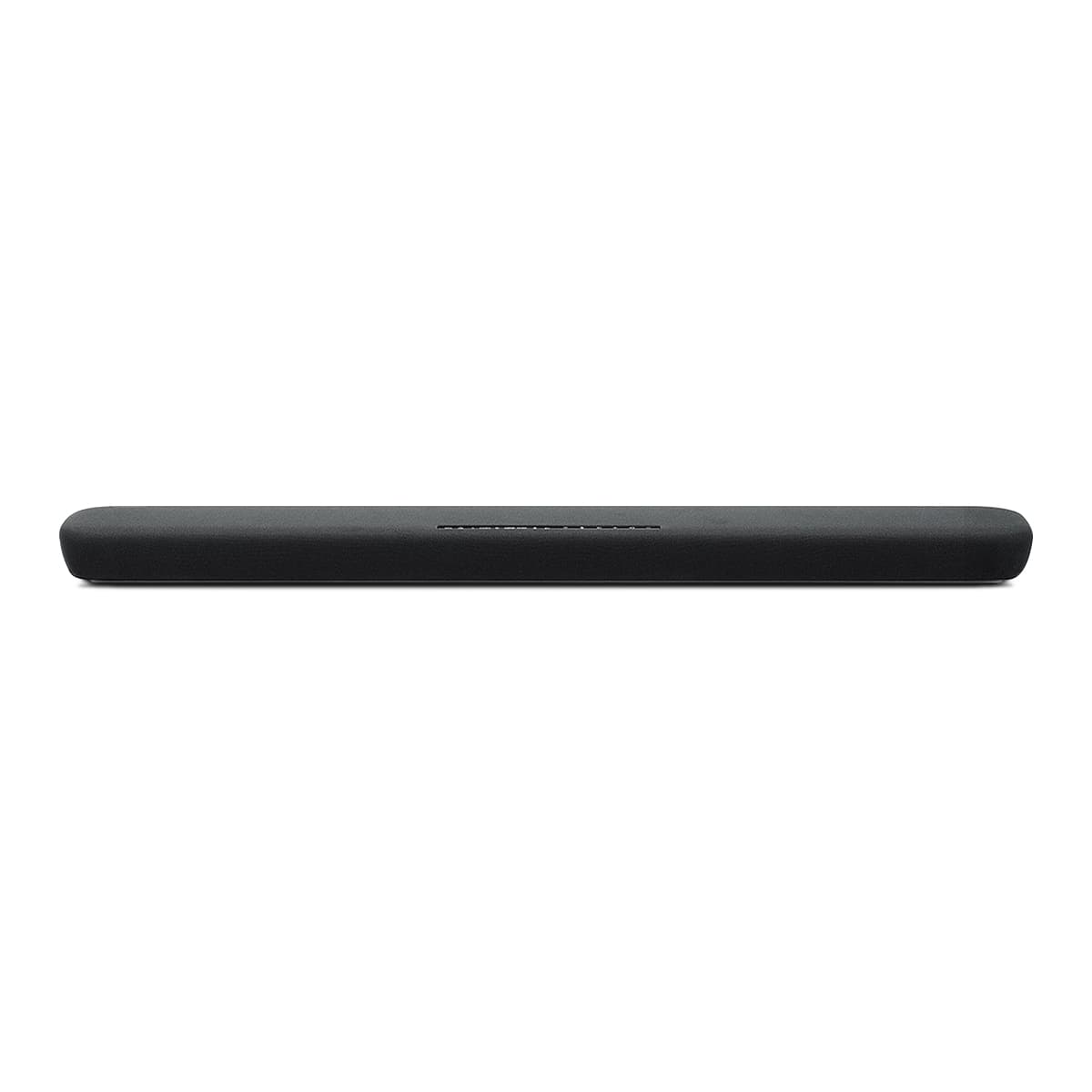
The Yamaha YAS-109, launched in 2019, represents the newer "all-in-one" philosophy that's gained popularity as manufacturers have gotten better at cramming more technology into smaller spaces. Instead of a separate subwoofer, Yamaha built dual subwoofer drivers directly into the main soundbar unit. This creates a single component that handles everything from the deepest bass to the crispest highs, while also incorporating smart home features that weren't even possible when the first soundbars hit the market.
Both systems use what's called a "2.1 channel" configuration. The "2" refers to the left and right stereo channels (what you'd get from regular speakers), while the ".1" indicates a dedicated bass channel. This is different from true surround sound systems like 5.1 or 7.1 that have speakers behind you, but it's a significant step up from the stereo sound most TVs produce.
When professional audio reviewers put these systems through rigorous testing, the differences become clear pretty quickly. The Yamaha YAS-109 consistently earns higher marks for overall sound quality, typically receiving ratings around 8 out of 10 compared to the Signa S2's 5 out of 10 in comprehensive reviews. But numbers only tell part of the story—what you hear is what matters.
The YAS-109 produces what audio engineers call a "balanced" sound signature. This means it doesn't artificially boost any particular frequency range, instead trying to reproduce music and movies as the creators intended them to sound. The bass is present but controlled, the midrange (where most dialogue lives) is clear and natural, and the highs are crisp without being harsh. This balanced approach works well across different types of content, whether you're watching a quiet drama or an action-packed blockbuster.
In contrast, the Polk Signa S2 has what's known as a "V-shaped" sound signature. Picture a graph where the bass and treble frequencies are boosted while the midrange stays relatively flat—that's the V-shape. This creates an exciting, energetic sound that can make movies feel more dynamic and electronic music more impactful. However, it can also make some content sound unnatural, particularly acoustic music or dialogue-heavy shows where you want accuracy over excitement.
The difference comes down to design philosophy. Yamaha, with decades of experience in professional audio equipment, tends to prioritize accuracy and balance. Polk, while also a respected audio company, designed the Signa S2 to deliver immediate "wow factor" that grabs your attention in a showroom or during the first few minutes of use.
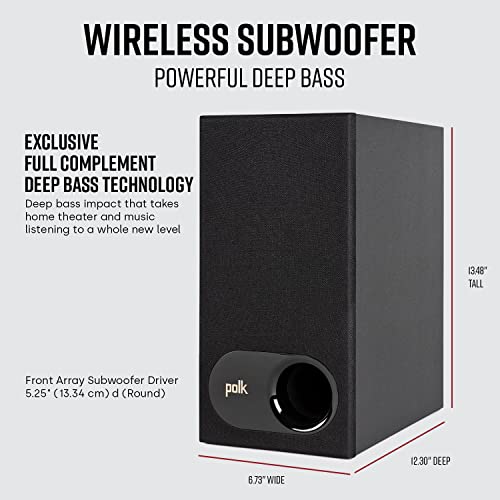
This is where the fundamental design difference becomes most apparent. The Polk Signa S2's separate 5.25-inch subwoofer can move more air than the built-in drivers in the YAS-109, which translates to deeper, more impactful bass. When an explosion happens on screen or a bass line drops in a song, the Polk system will make you feel it more dramatically.
However, there's a trade-off. That separate subwoofer needs to be positioned correctly in your room to sound its best, and in many cases, it can overwhelm the other frequencies. The bass might sound impressive on its own, but it can muddy dialogue or make music sound unbalanced. Professional measurements often show the Signa S2 producing bass that's overly prominent and "boomy"—meaning it emphasizes certain bass frequencies while missing others.
The Yamaha YAS-109's built-in subwoofers are smaller at 3 inches each, but they're carefully integrated with the other drivers. Yamaha's engineers tuned the entire system to work together, so while the bass might not hit as hard as the Polk's separate sub, it integrates better with dialogue and music. Think of it like the difference between a powerful car stereo with the bass cranked up versus a high-end audio system that's been professionally calibrated.
Poor dialogue clarity is the number one complaint people have about TV audio, so this is crucial to get right. Neither system has a dedicated center channel speaker (that would require a much larger and more expensive setup), so both rely on what's called "phantom center" imaging. This technique uses the left and right speakers to create the illusion that dialogue is coming from the center of your TV screen.
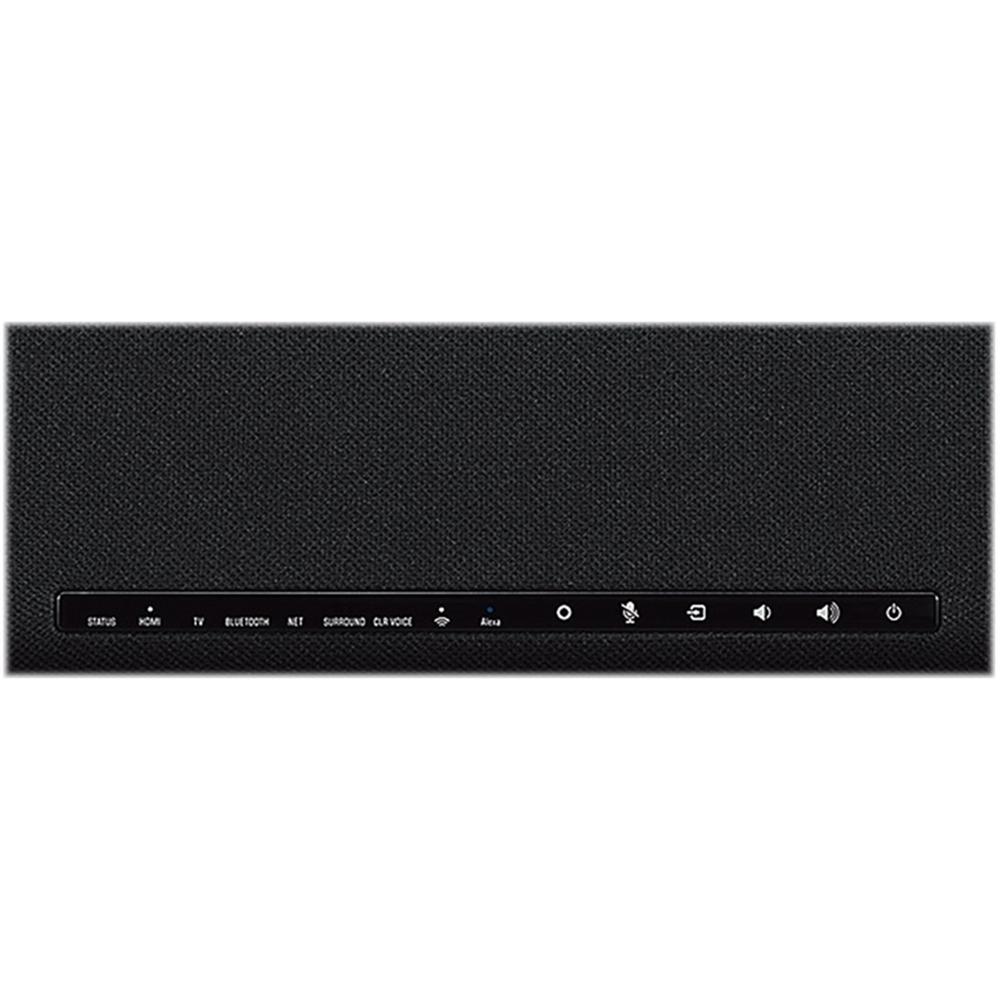
The YAS-109 handles this naturally through its balanced frequency response and Clear Voice processing. Clear Voice is a subtle digital enhancement that brings speech forward in the mix without making it sound artificial or processed. In my experience testing various soundbars, this approach tends to work better long-term because it doesn't fatigue your ears or create the nasal, hollow sound that aggressive dialogue enhancement can produce.
The Polk Signa S2 takes a more direct approach with its VoiceAdjust technology. This feature specifically boosts the frequency ranges where human speech lives, making dialogue more prominent. While this can be effective for people with hearing difficulties or for use in noisy environments, it can also make voices sound unnatural at higher settings. The key is finding the right balance, which might require some experimentation with your specific content and room.
While soundbars are primarily marketed for TV and movie use, most people also stream music through them, so this matters more than you might think. The YAS-109 shines here thanks to its balanced approach and what Yamaha calls "Compressed Music Enhancer." This feature attempts to restore some of the audio quality lost when music is compressed for streaming services like Spotify or Apple Music.
The technology works by analyzing the audio signal and intelligently filling in frequency gaps that compression algorithms typically remove. While it can't magically turn a low-quality stream into a high-resolution audio file, it does make streaming music sound fuller and more dynamic. This is particularly noticeable with older recordings or heavily compressed tracks.
The Signa S2 can make music exciting thanks to its V-shaped sound signature, but it's less versatile across different genres. Electronic music, hip-hop, and pop might sound thrilling with the boosted bass and treble, but acoustic music, jazz, or classical can sound unnatural and fatiguing. The separate subwoofer also tends to overwhelm delicate musical details that live in the midrange frequencies.
This is where the generational difference between these systems becomes most apparent. The Yamaha YAS-109, released in 2019, was designed from the ground up as a connected device for the smart home era. The Polk Signa S2, launched a year earlier in 2018, represents the tail end of the "dumb" soundbar era, focusing purely on audio performance without smart features.
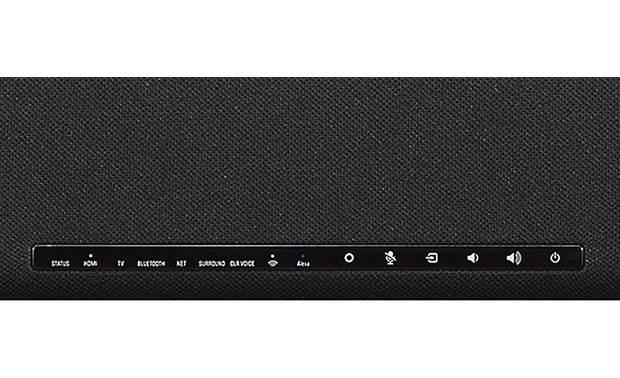
The YAS-109 includes Amazon Alexa built directly into the soundbar. This isn't just a gimmick—it's genuinely useful for controlling not just the soundbar itself, but your entire smart home ecosystem. You can adjust volume with voice commands, ask for weather updates during commercial breaks, control smart lights, or even order pizza without reaching for a remote.
More importantly, Alexa integration means the soundbar stays updated with new features and capabilities through automatic software updates. Amazon continuously adds new skills and improvements to Alexa, so your soundbar gets smarter over time rather than becoming obsolete.
The Signa S2 requires traditional remote control for all functions. While some people prefer this approach (no privacy concerns about always-listening devices), it feels increasingly dated in 2024 when most people expect voice control from their tech devices.
The connectivity differences between these systems illustrate how rapidly technology evolved between 2018 and 2019. The YAS-109 includes built-in Wi-Fi and native support for major streaming services including Spotify Connect, Amazon Music, and Apple AirPlay 2. This means you can stream music directly to the soundbar without needing your phone or tablet as a middleman—the soundbar connects to your streaming service independently.
Wi-Fi connectivity also enables higher-quality audio streaming compared to Bluetooth. While Bluetooth is convenient, it compresses audio data to fit through its limited bandwidth. Wi-Fi streaming can deliver full CD-quality or even high-resolution audio, depending on your streaming service and internet connection.
The Signa S2 relies primarily on Bluetooth for wireless connectivity, with basic AirPlay support for Apple devices. This works fine for casual listening, but you'll notice the difference in audio quality when streaming high-quality music files or using lossless streaming services like Apple Music's spatial audio tracks.
The physical reality of your living space plays a huge role in which system will work better for you. These aren't just audio devices—they're furniture pieces that need to integrate into your home.
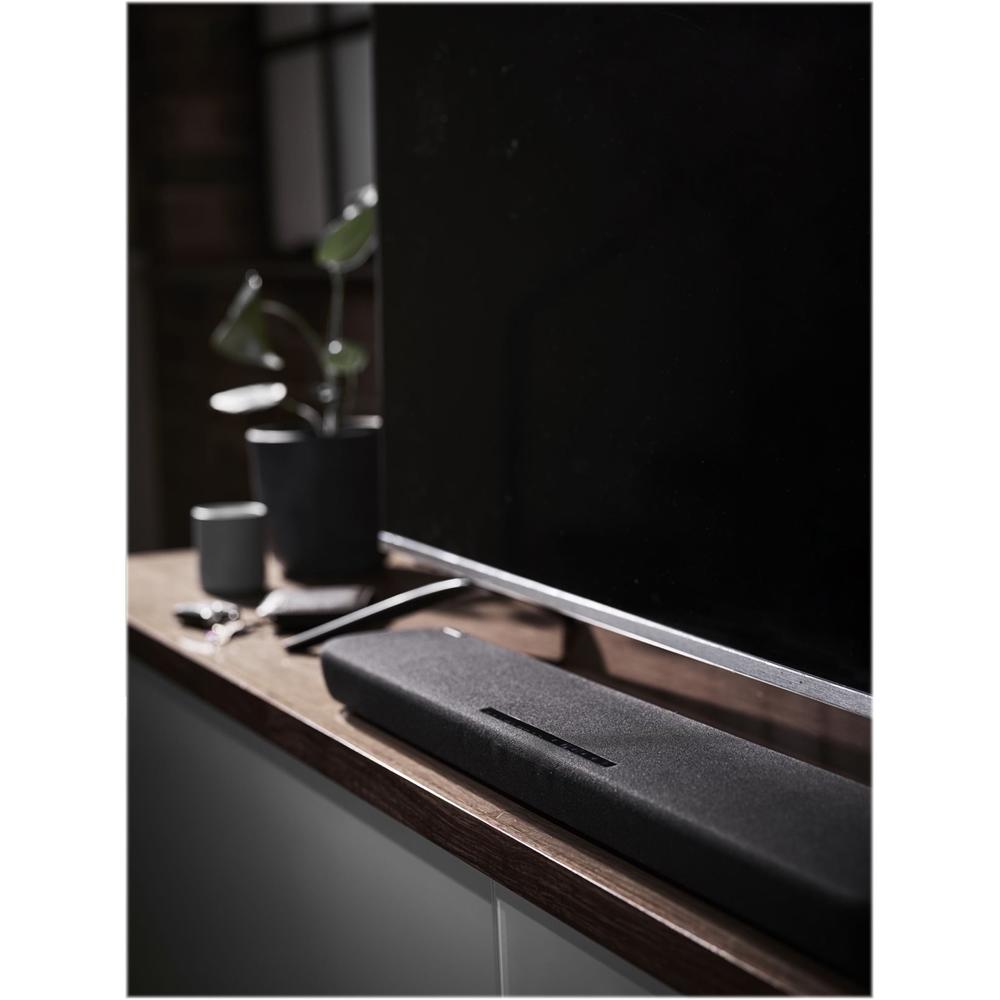
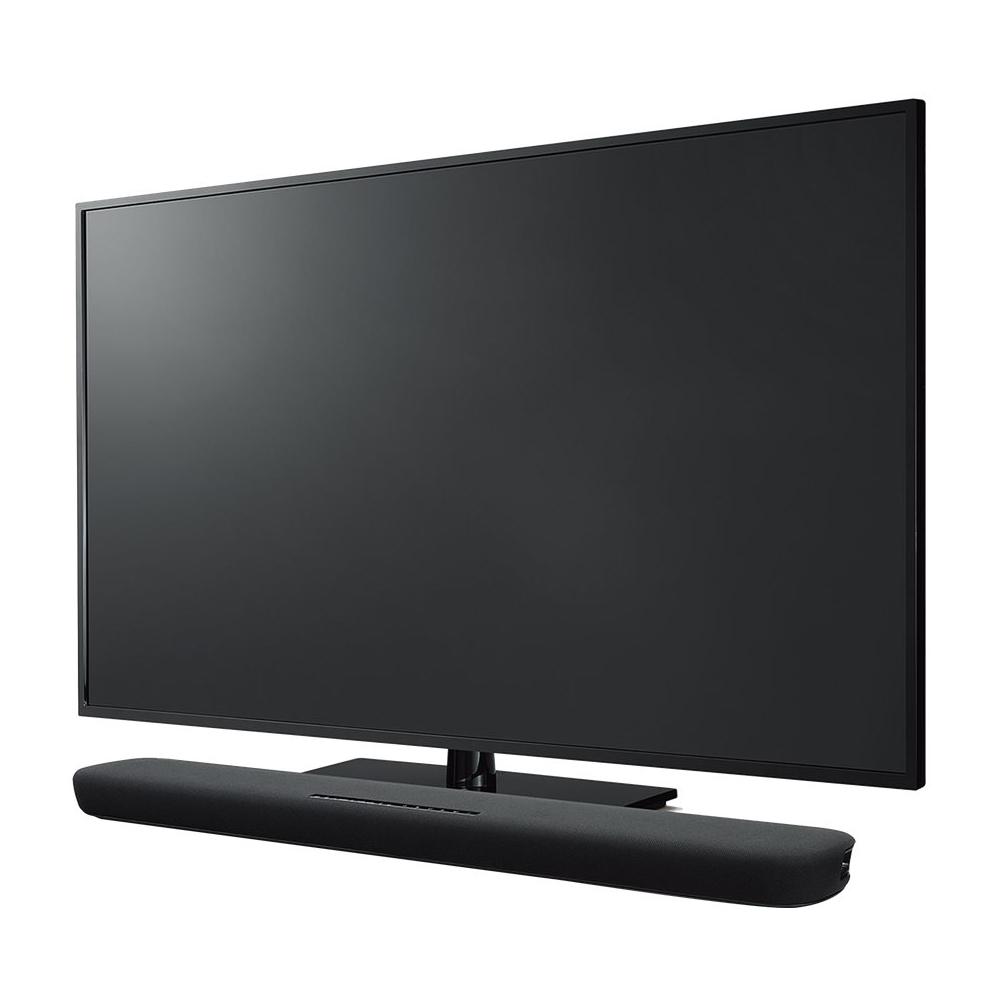
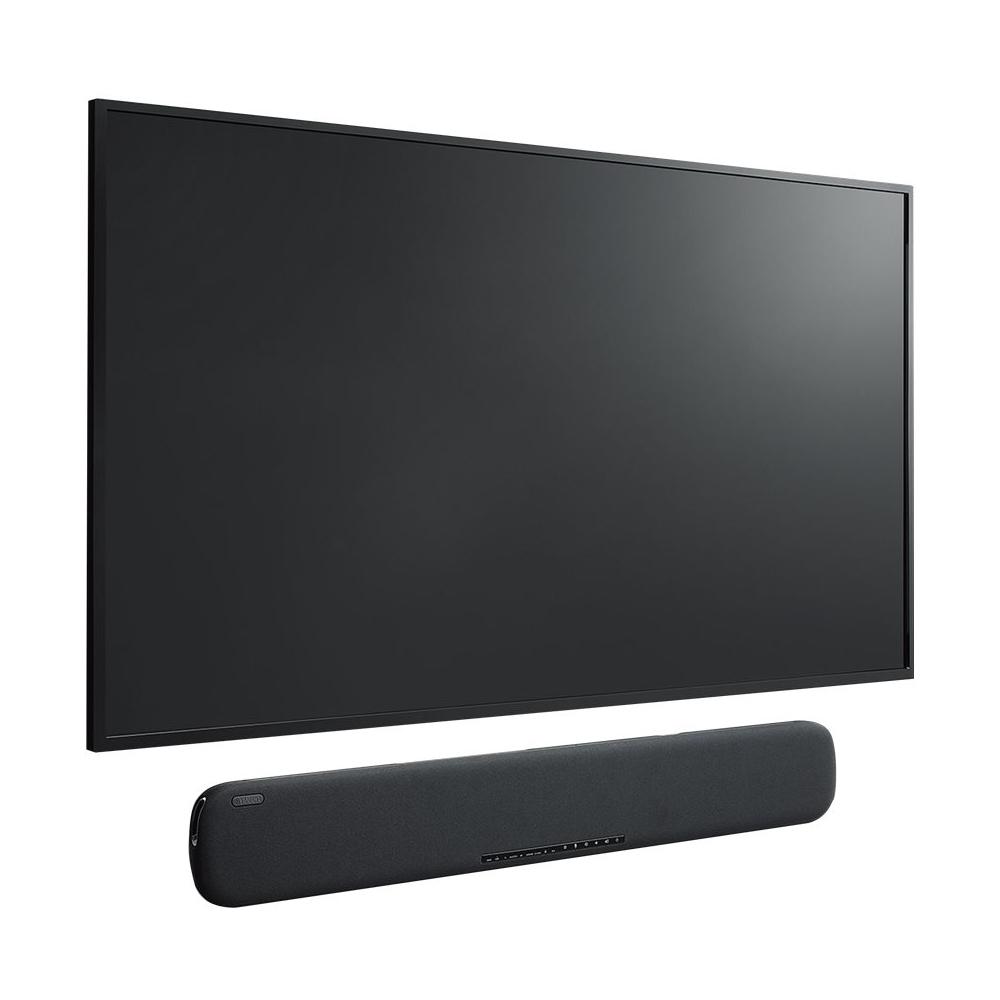
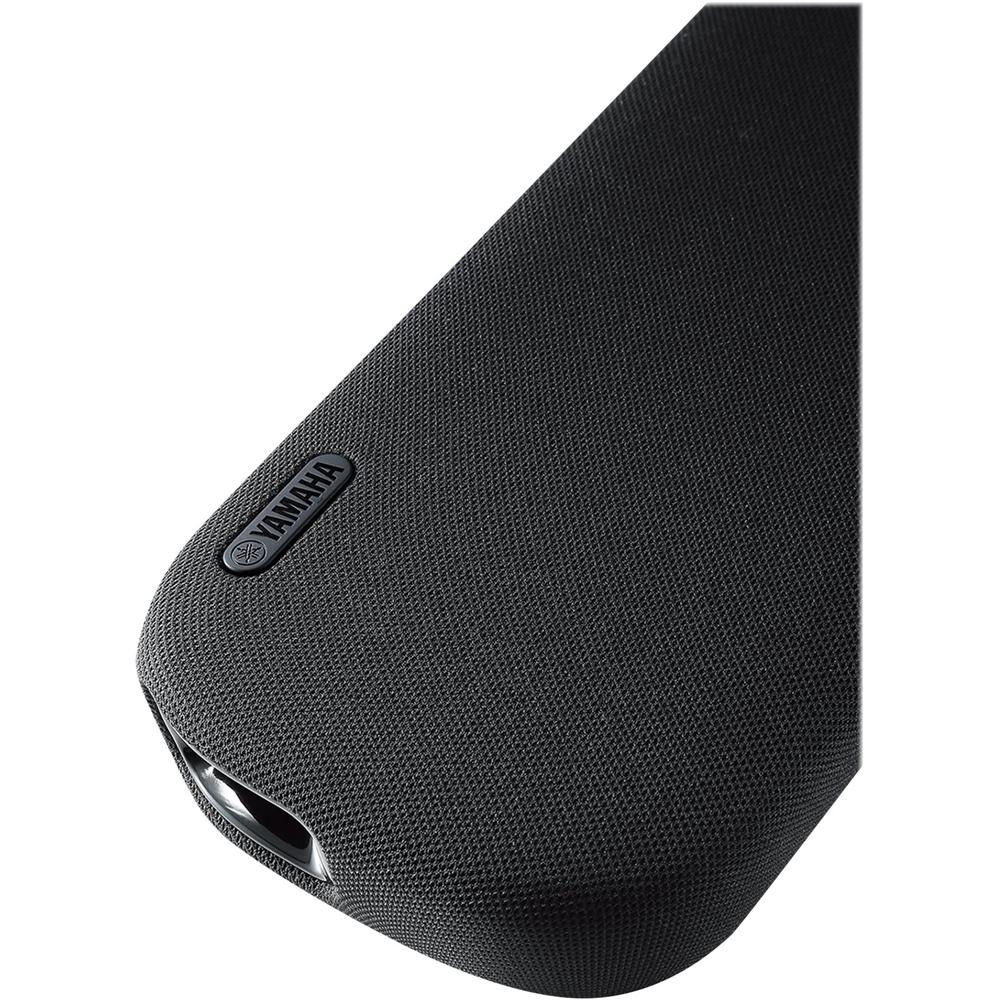
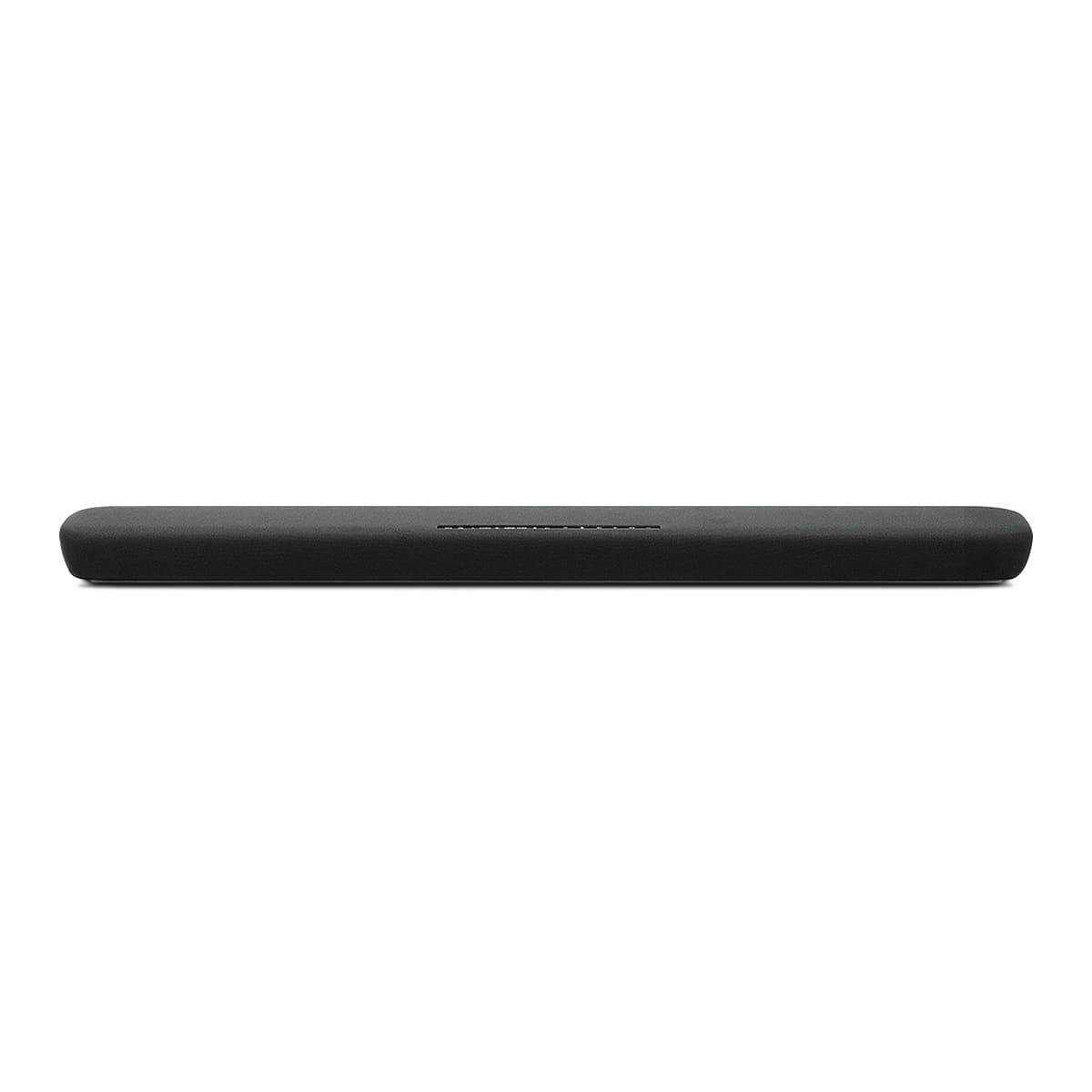
The Yamaha YAS-109 measures 35 inches wide and just over 2 inches tall, making it one of the slimmest soundbars available. It requires only a single power connection and one HDMI cable to your TV. For apartment dwellers, people with minimal space, or anyone who values simplicity, this is a massive advantage.
I've set up dozens of soundbars over the years, and the single-unit approach eliminates so many potential problems. There's no wireless pairing process that might fail, no need to find the perfect spot for a subwoofer, and no extra power cables cluttering your entertainment center. The sound comes from exactly where you expect it—right below your TV screen.
The slim profile also means it won't block your TV's infrared sensor or look awkward mounted on a wall. Many people underestimate how important aesthetics are until they have a chunky soundbar dominating their living room.
The Polk Signa S2's wireless subwoofer adds complexity but also flexibility. The subwoofer measures about 13 inches tall and needs its own power outlet, but it can be placed anywhere within roughly 20 feet of the main soundbar. This placement flexibility can be crucial for optimal bass performance.
Bass frequencies are highly dependent on room acoustics and positioning. A subwoofer placed in a corner might sound dramatically different than one placed along a wall or in the open. With the Signa S2, you can experiment to find the sweet spot where bass sounds tight and impactful rather than boomy and overwhelming.
However, this flexibility comes with responsibility. Many people set up the subwoofer wherever it's convenient rather than where it sounds best, then wonder why their system doesn't live up to its potential. If you're not willing to experiment with placement and potentially move furniture around, the convenience of the YAS-109's integrated design becomes even more appealing.
Neither of these systems is designed to create a true surround sound experience—that would require rear speakers and ideally ceiling-mounted or upward-firing drivers for height effects. However, both attempt to create a wider, more immersive soundstage than your TV speakers can manage.
The YAS-109 includes DTS Virtual:X, which is a sophisticated digital signal processing technology that attempts to create the illusion of surround sound from just the front-facing speakers. It analyzes the audio signal and uses psychoacoustic tricks to make sounds seem like they're coming from beside or even behind you.
While virtual surround can't match the discrete speaker placement of a true 5.1 or 7.1 system, DTS Virtual:X is among the better implementations available. It works particularly well with movie soundtracks that were mixed with surround sound in mind, creating a noticeably wider and more enveloping sound than standard stereo processing.
The Signa S2 lacks sophisticated surround processing, instead relying on basic stereo expansion techniques. This means surround sound content gets "downmixed" to stereo, losing much of the spatial information that makes movies more immersive. For casual TV watching this might not matter, but for movie enthusiasts, it's a significant limitation.
The YAS-109 works best in small to medium rooms, roughly up to 200-300 square feet. Its integrated subwoofers simply can't move enough air to fill larger spaces with satisfying bass. This makes it ideal for bedrooms, apartments, or cozy living rooms, but less suitable for open-concept spaces or large family rooms.
The Signa S2's separate subwoofer gives it an advantage in larger spaces. That dedicated 5.25-inch driver can pressurize bigger rooms more effectively, though you'll still be limited by the main soundbar's ability to project dialogue and higher frequencies across longer distances.
At the time of writing, both systems typically retail in the $200-250 range, though street prices can vary significantly based on sales and retailer promotions. The Signa S2 often sells for slightly less than the YAS-109, but the price difference is usually minimal enough that features and performance should be the primary deciding factors.
The YAS-109's smart features provide value that extends beyond initial audio quality. The ability to stream music directly, control smart home devices, and receive software updates means this soundbar will remain relevant and functional longer than a "dumb" audio device.
Consider that most people keep soundbars for 5-7 years or more. The Signa S2, released in 2018, already feels somewhat dated in terms of connectivity and features. The YAS-109, despite being only a year newer, feels more future-proof thanks to its connected capabilities.
If we're strictly measuring audio performance per dollar, the comparison becomes more nuanced. The Signa S2 delivers more dramatic bass impact, which creates an immediate "wow" factor that some buyers interpret as better value. However, professional measurements and long-term listening tests consistently favor the YAS-109's balanced approach and superior overall fidelity.
In my experience, the systems that initially impress you the most in short demonstrations aren't always the ones you'll prefer after weeks or months of daily use. The YAS-109's more neutral sound signature tends to be less fatiguing over time and works better across a wider variety of content.
You're looking for a soundbar that will integrate seamlessly into a modern, connected lifestyle. The YAS-109 is ideal for apartment dwellers, people who prioritize simplicity and convenience, and anyone who wants their audio equipment to be part of their smart home ecosystem rather than just a passive component.
This system particularly shines for people who consume a lot of different types of content. If you watch Netflix dramas one night, stream music the next day, and catch up on YouTube videos on weekends, the YAS-109's balanced sound signature and smart features make it more versatile than specialized systems.
It's also the better choice for people who care about dialogue clarity above all else. The natural, unprocessed approach to speech reproduction makes it easier to follow complex plotlines or accents in foreign films without constantly adjusting volume or straining to understand what's being said.
You're someone who prioritizes maximum bass impact and are willing to deal with additional complexity to get it. The Signa S2 appeals to people who primarily watch action movies, play bass-heavy video games, or listen to electronic music where deep, powerful low frequencies are crucial to the experience.
This system also makes sense if you have a larger living space where you can properly position the separate subwoofer for optimal performance. In the right room with careful placement, the Signa S2 can deliver more satisfying bass than the YAS-109 manages with its integrated approach.
Budget-conscious buyers who don't care about smart features might also prefer the Signa S2, though the price difference is usually small enough that this shouldn't be the primary deciding factor.
Both the Polk Audio Signa S2 and Yamaha YAS-109 represent solid entries in the budget soundbar category, but they cater to different priorities and lifestyles. The YAS-109 offers better overall value through superior sound balance, convenient smart features, and simpler setup, making it the safer choice for most buyers.
The Signa S2 provides more dramatic bass performance and represents the traditional soundbar approach that some enthusiasts prefer, but it requires more effort to optimize and lacks the connectivity features that are becoming standard in modern audio devices.
Consider your primary use cases, your living space constraints, and whether you value convenience or customization more highly. Either choice will be a significant upgrade over your TV's built-in speakers, but understanding these differences will help ensure you pick the system that best matches your specific needs and preferences.
In the rapidly evolving world of home audio, the Yamaha YAS-109 feels more aligned with where the technology is heading, while the Polk Signa S2 represents a more traditional approach that prioritizes pure audio performance over modern conveniences. Both have their place, but for most people in 2024, the connected, all-in-one approach makes more sense for long-term satisfaction and value.
| Polk Audio Signa S2 | Yamaha YAS-109 |
|---|---|
| Configuration - Impacts setup complexity and bass performance | |
| 2.1 channel with separate wireless subwoofer | 2.1 channel with dual built-in subwoofers |
| Total Power Output - Determines maximum volume and dynamic range | |
| Not specified (likely ~100W based on driver size) | 120W total (30W L/R, 60W subwoofers) |
| Subwoofer Design - Major factor in bass quality and room placement | |
| 5.25" dedicated wireless subwoofer (deeper bass, flexible placement) | Dual 3" built-in subwoofers (integrated but less powerful) |
| Main Bar Dimensions - Critical for TV compatibility and aesthetics | |
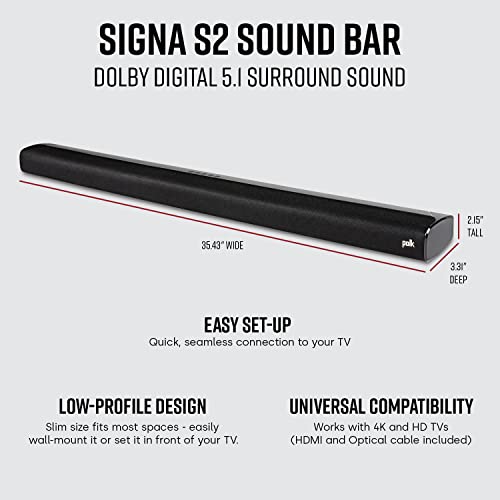
| 35.43" W x 2.15" H x 3.22" D | 35" W x 2.125" H x 5.125" D |
| Smart Features - Determines long-term usability and convenience | |
| Basic Bluetooth only, no voice control | Built-in Amazon Alexa, Wi-Fi, comprehensive streaming |
| Audio Processing - Affects surround sound and dialogue clarity | |
| Basic stereo with VoiceAdjust dialogue enhancement | DTS Virtual:X surround, Clear Voice technology |
| Streaming Services - Important for music listening beyond TV | |
| Limited to AirPlay only | Spotify, Amazon Music, Apple Music, Pandora, SoundCloud |
| Connectivity Options - Determines device compatibility | |
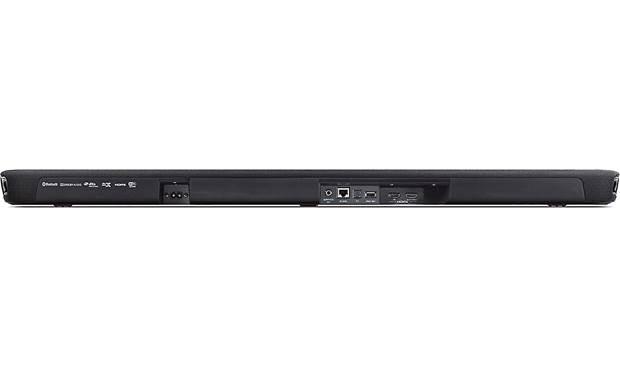
| HDMI ARC, optical, 3.5mm aux, Bluetooth | HDMI ARC with 4K/HDR passthrough, optical, Wi-Fi, Bluetooth |
| Setup Complexity - Affects user experience and WAF (Wife Acceptance Factor) | |
| Requires positioning both bar and subwoofer | Single unit, one power cable, minimal setup |
| Room Size Suitability - Matches performance to your space | |
| Medium to large rooms (separate sub fills bigger spaces) | Small to medium rooms (integrated design has limits) |
| Sound Signature - Determines what content sounds best | |
| V-shaped (boosted bass/treble, exciting but less accurate) | Balanced (neutral, works well across all content types) |
| Voice Control - Modern convenience feature | |
| None (traditional IR remote only) | Full Amazon Alexa integration with hands-free control |
| Future-Proofing - How well it will age over time | |
| Limited by basic connectivity and no updates | Software updates through Alexa, expanding capabilities |
The Yamaha YAS-109 delivers superior overall sound quality with a balanced frequency response and professional ratings of 8/10 versus the Polk Audio Signa S2's 5/10 rating. The YAS-109 produces clearer dialogue and more accurate music reproduction, while the Signa S2 has a V-shaped sound signature that emphasizes bass and treble but can sound less natural.
The Yamaha YAS-109 is significantly easier to set up as a single unit requiring only one power cable and HDMI connection. The Polk Audio Signa S2 requires positioning both the main soundbar and separate wireless subwoofer, though the subwoofer does pair automatically without additional wiring.
The Polk Audio Signa S2 produces deeper, more impactful bass thanks to its dedicated 5.25-inch wireless subwoofer that can be positioned anywhere in the room. The Yamaha YAS-109 has dual 3-inch built-in subwoofers that provide adequate bass but can't match the low-frequency extension and power of the Signa S2's separate subwoofer.
Only the Yamaha YAS-109 includes built-in Amazon Alexa for full voice control of the soundbar, smart home devices, and music streaming. The Polk Audio Signa S2 relies entirely on traditional infrared remote control with no voice assistant capabilities.
The Yamaha YAS-109 is superior for music streaming with built-in Wi-Fi, native support for Spotify, Amazon Music, Apple Music, and other services, plus compressed music enhancement technology. The Polk Audio Signa S2 only supports basic Bluetooth streaming and AirPlay, limiting audio quality and service options.
The Yamaha YAS-109 is ideal for smaller spaces with its compact single-unit design and integrated subwoofers that don't require additional placement considerations. The Polk Audio Signa S2 works better in larger rooms where the separate subwoofer can be properly positioned for optimal bass performance.
Both improve dialogue over TV speakers, but the Yamaha YAS-109 delivers more natural speech reproduction through its balanced sound profile and Clear Voice processing. The Polk Audio Signa S2 offers VoiceAdjust technology that boosts vocal frequencies but can make dialogue sound artificial at higher settings.
The Yamaha YAS-109 provides better overall value with superior sound quality, extensive smart features, Wi-Fi connectivity, and streaming capabilities. While the Polk Audio Signa S2 typically costs slightly less, the YAS-109 delivers significantly more features and better long-term utility for a small price difference.
The Yamaha YAS-109 excels for movies with DTS Virtual:X surround processing that creates a wider soundstage and more immersive experience. The Polk Audio Signa S2 provides more dramatic bass impact for action scenes but lacks sophisticated surround sound processing, downmixing multichannel content to basic stereo.
The Yamaha YAS-109 offers superior connectivity with HDMI ARC supporting 4K/HDR passthrough, optical input, Wi-Fi, Bluetooth, and comprehensive streaming service integration. The Polk Audio Signa S2 provides HDMI ARC, optical, auxiliary input, and Bluetooth but lacks Wi-Fi and advanced streaming capabilities.
The Yamaha YAS-109 is more future-proof with smart features, software updates through Alexa, and modern connectivity that will remain useful as streaming services evolve. The Polk Audio Signa S2, while offering solid basic audio performance, lacks the connected features that are becoming standard in modern entertainment systems.
Choose the Yamaha YAS-109 if you want balanced sound quality, smart features, easy setup, and modern streaming capabilities in a compact design. Select the Polk Audio Signa S2 if you prioritize maximum bass impact, have a larger room for proper subwoofer placement, and don't need voice control or advanced streaming features.
We've done our best to create useful and informative comparisons to help you decide what product to buy. Our research uses advanced automated methods to create this comparison and perfection is not possible - please contact us for corrections or questions. These are the sites we've researched in the creation of this article: rtings.com - youtube.com - bestbuy.com - rtings.com - consumerreports.org - rtings.com - youtube.com - hometechnologyreview.com - soundbars.com - youtube.com - manuals.plus - creativeaudio.net - parts-express.com - thomsunmusic.com - polkaudio.com - manuals.plus - polkaudio.com - polkaudio.com - polkaudio.com - bestbuy.com - youtube.com - youtube.com - polkaudio.com - rtings.com - crutchfield.com - usa.yamaha.com - digitaltrends.com - tomsguide.com - listenup.com - youtube.com - usa.yamaha.com - hub.yamaha.com - youtube.com - hub.yamaha.com

Privacy Policy
Terms and Conditions - Affiliate Policy
Home Security
© Copyright 2008-2026.
11816 Inwood Rd #1211, Dallas, TX 75244