


When I first started reviewing soundbars five years ago, the market was pretty straightforward—you bought a basic soundbar to make your TV sound better than its built-in speakers. Today's soundbar landscape is far more complex, with manufacturers taking dramatically different approaches to solve the same problem: how to deliver great audio without the complexity of a full surround sound system.
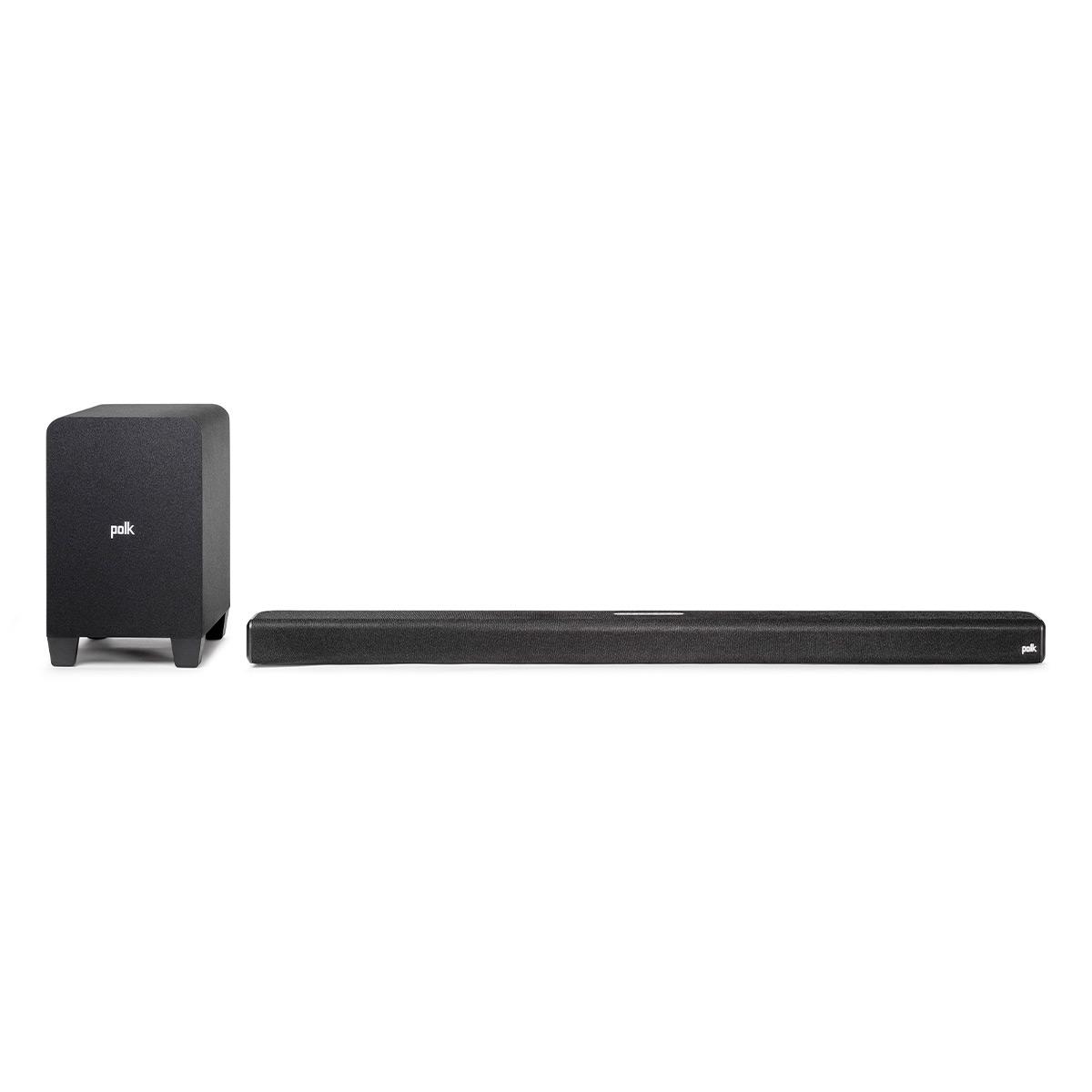
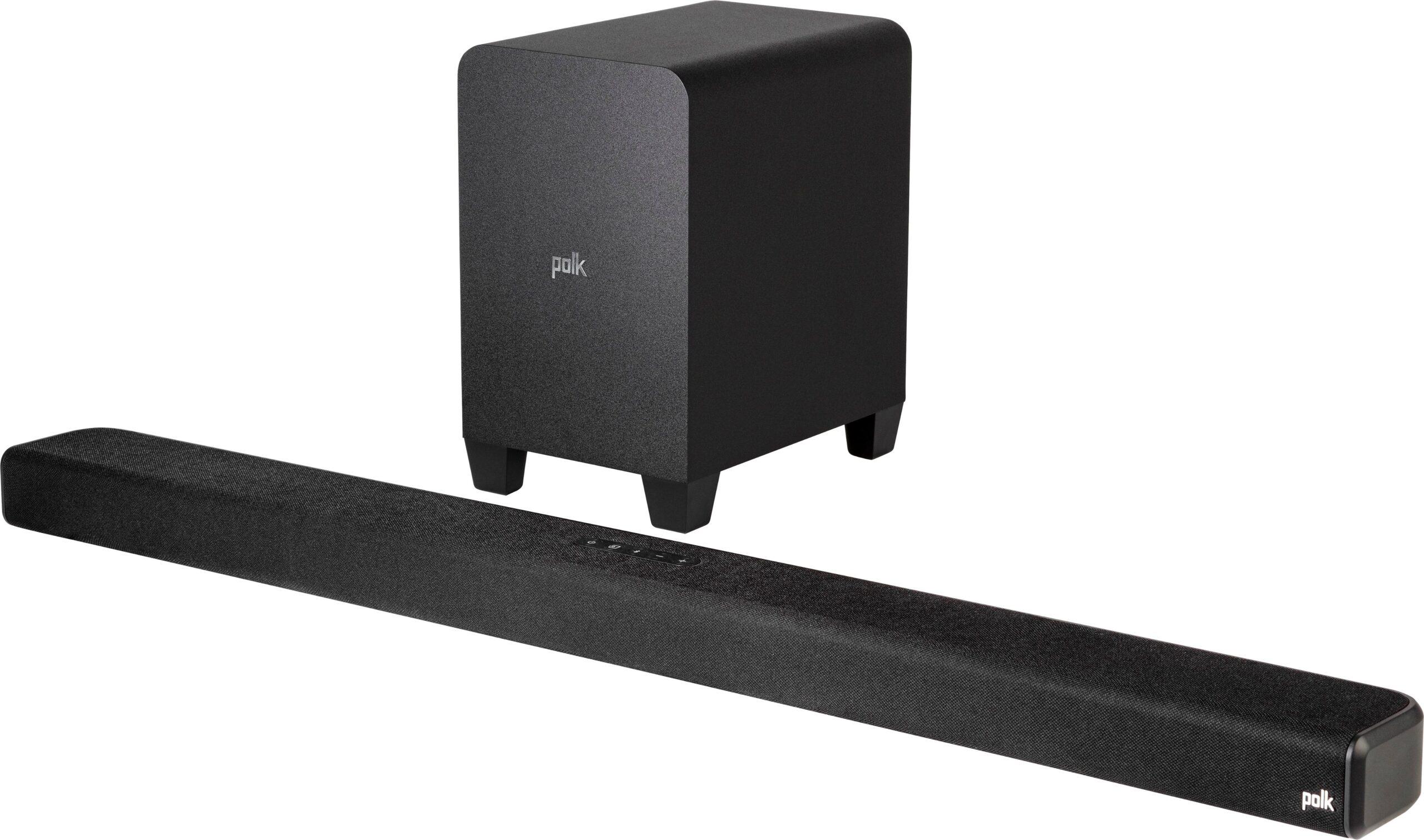
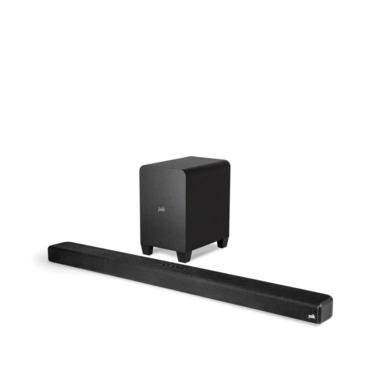
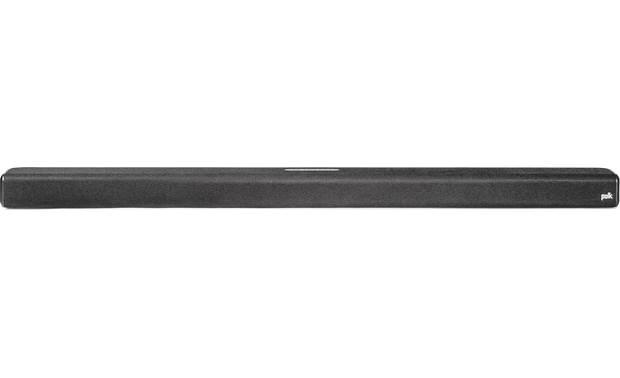
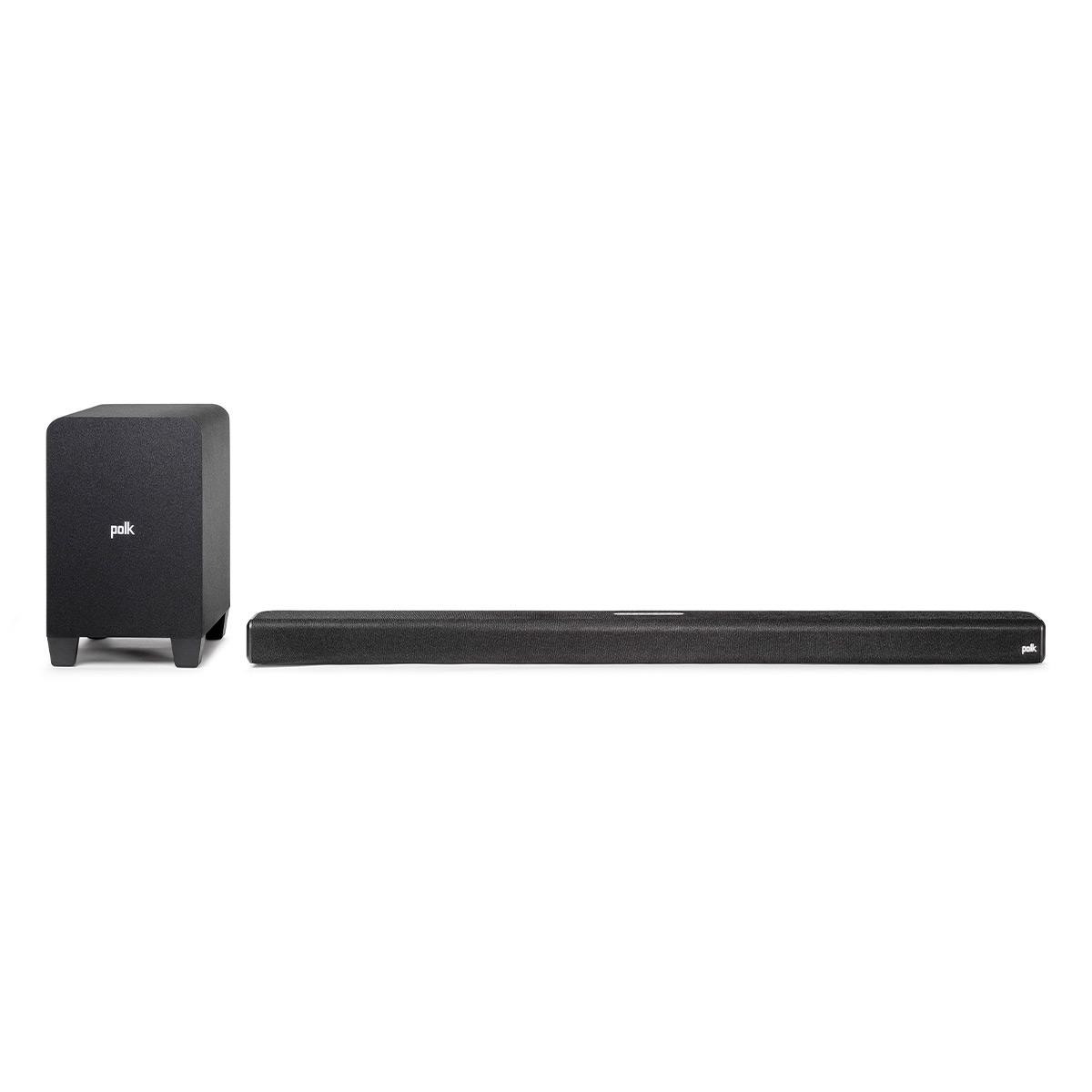
The Polk Audio Signa S4 ($299) and Yamaha YAS-109 ($220) perfectly illustrate this evolution. Released four years apart, they represent two distinct philosophies that have emerged in modern soundbar design. Understanding these differences will help you choose the right approach for your specific needs and setup.
The soundbar category has transformed dramatically since streaming services began supporting advanced audio formats. What started as simple stereo speakers in a bar-shaped enclosure has evolved into sophisticated audio systems capable of creating immersive, three-dimensional soundscapes.
Modern soundbars generally fall into three categories. Basic stereo soundbars simply amplify your TV's audio with better drivers and more power. Virtual surround soundbars use digital signal processing (DSP) to create the illusion of surround sound from strategically placed speakers. Object-based audio soundbars like those supporting Dolby Atmos actually move individual sound elements around your room in three-dimensional space.
The key considerations when shopping for a soundbar today include the audio technology it supports, how it physically fits in your space, what kind of content you consume most, and how much setup complexity you're willing to accept. Room size plays a crucial role too—a powerful system with a separate subwoofer might overwhelm a small apartment, while a compact all-in-one unit could get lost in a large living room.
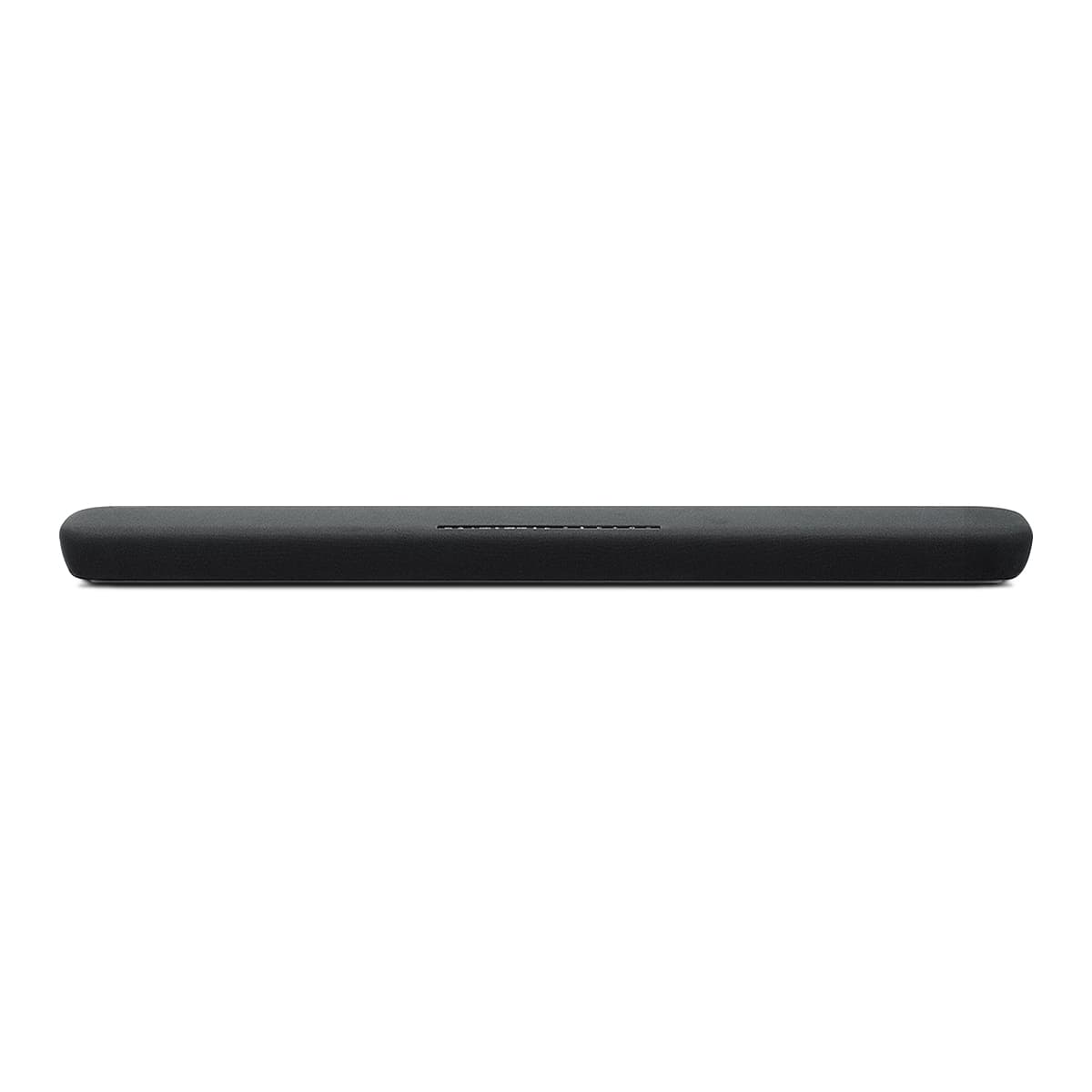
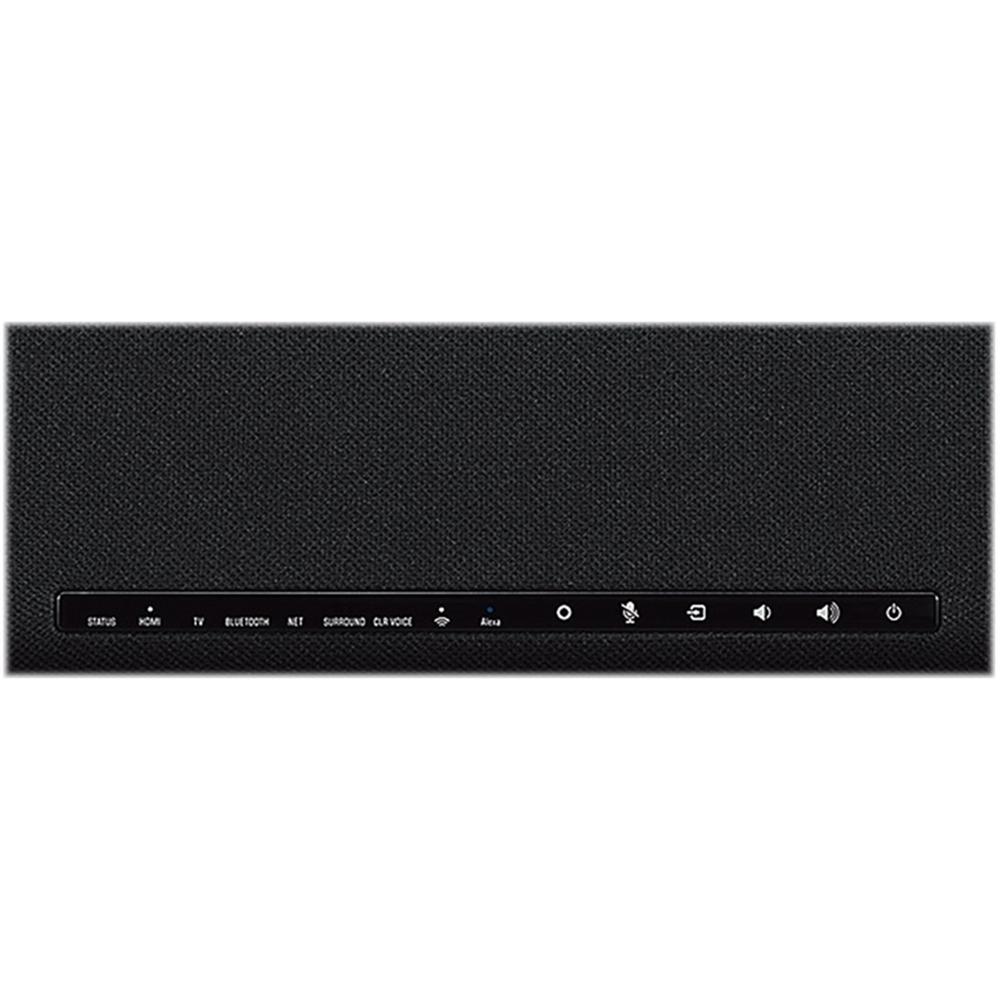
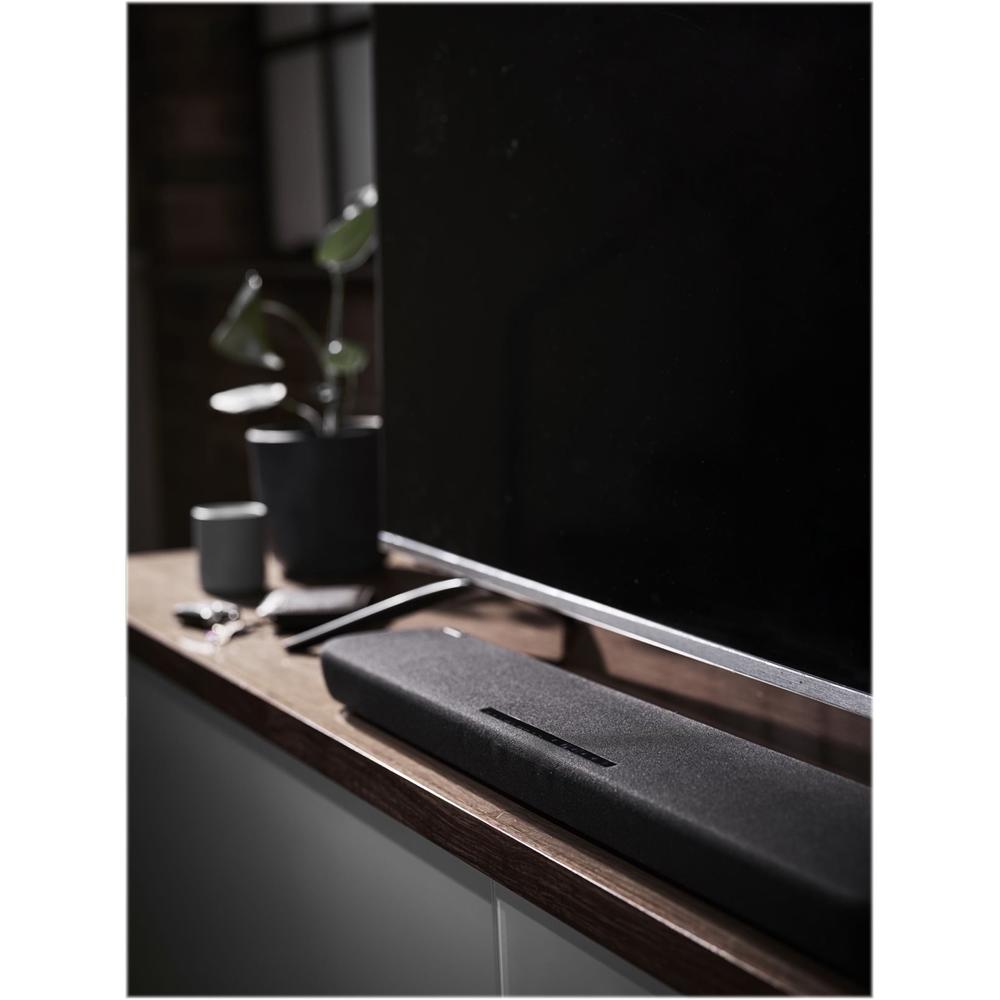
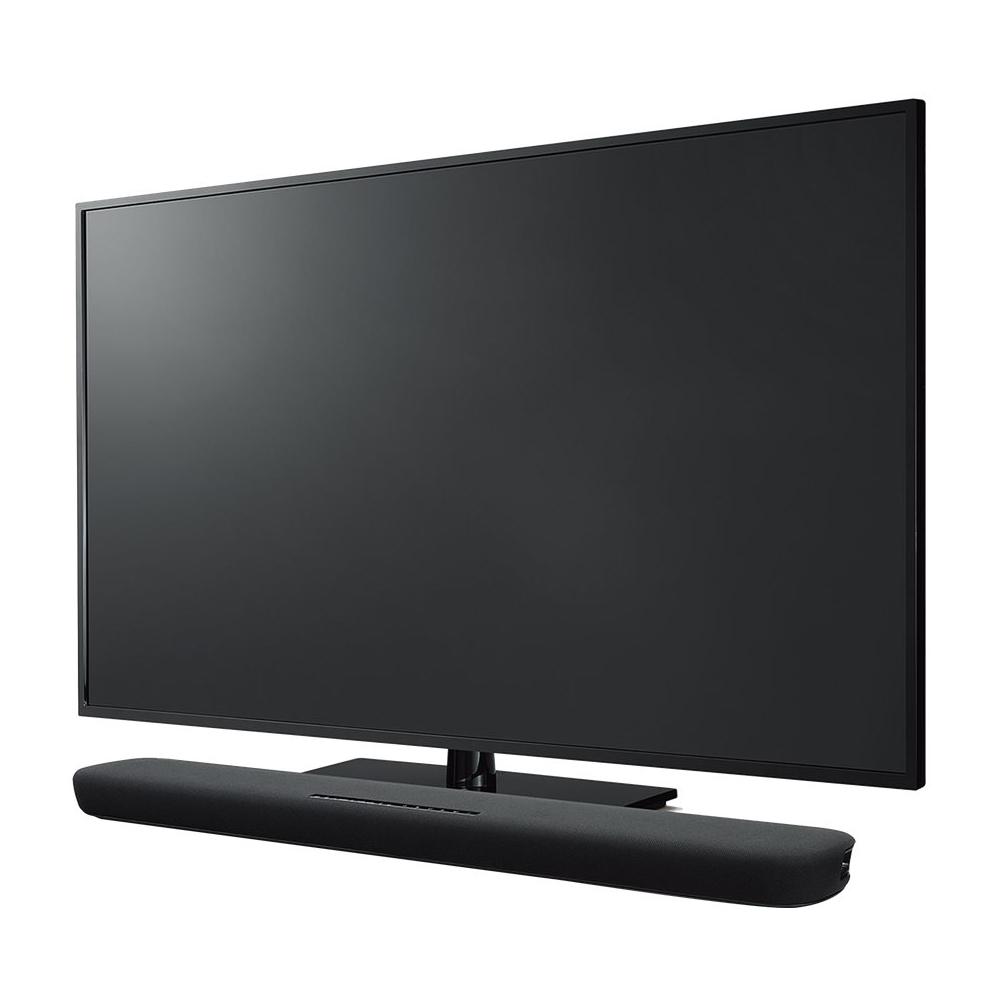
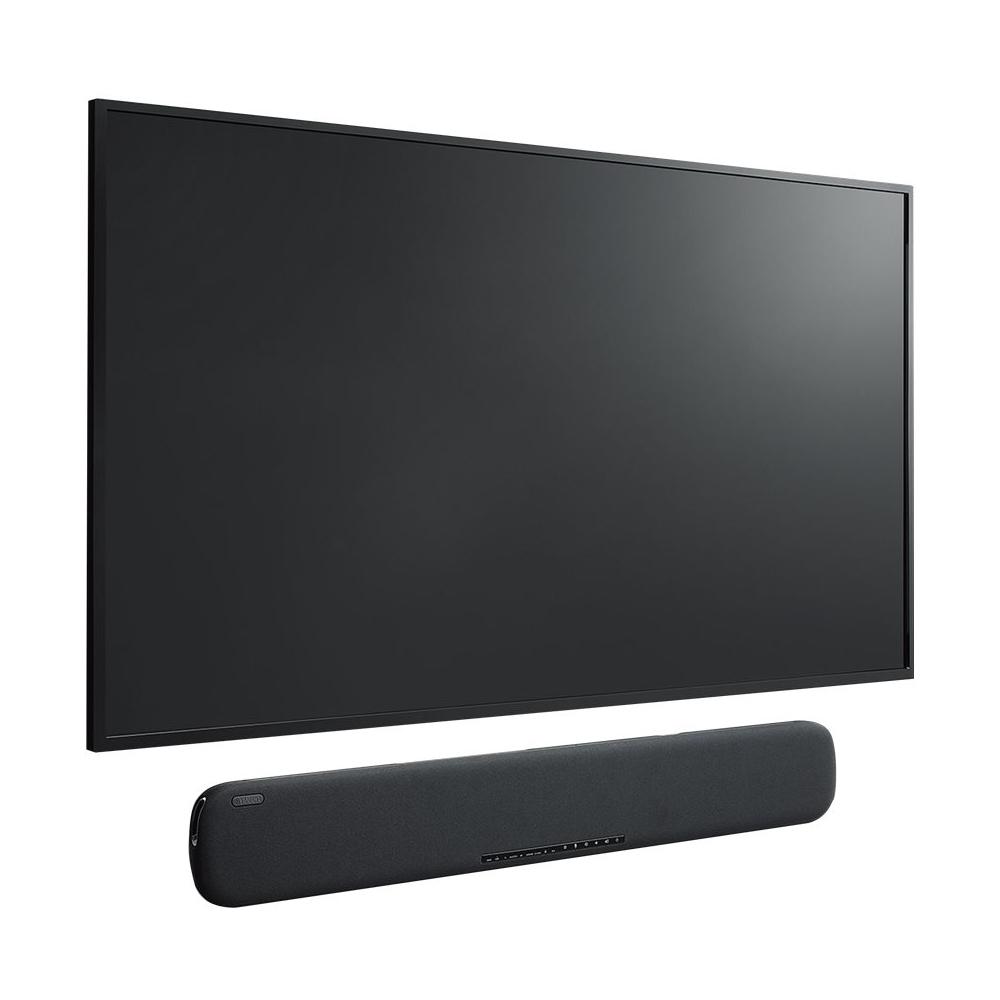
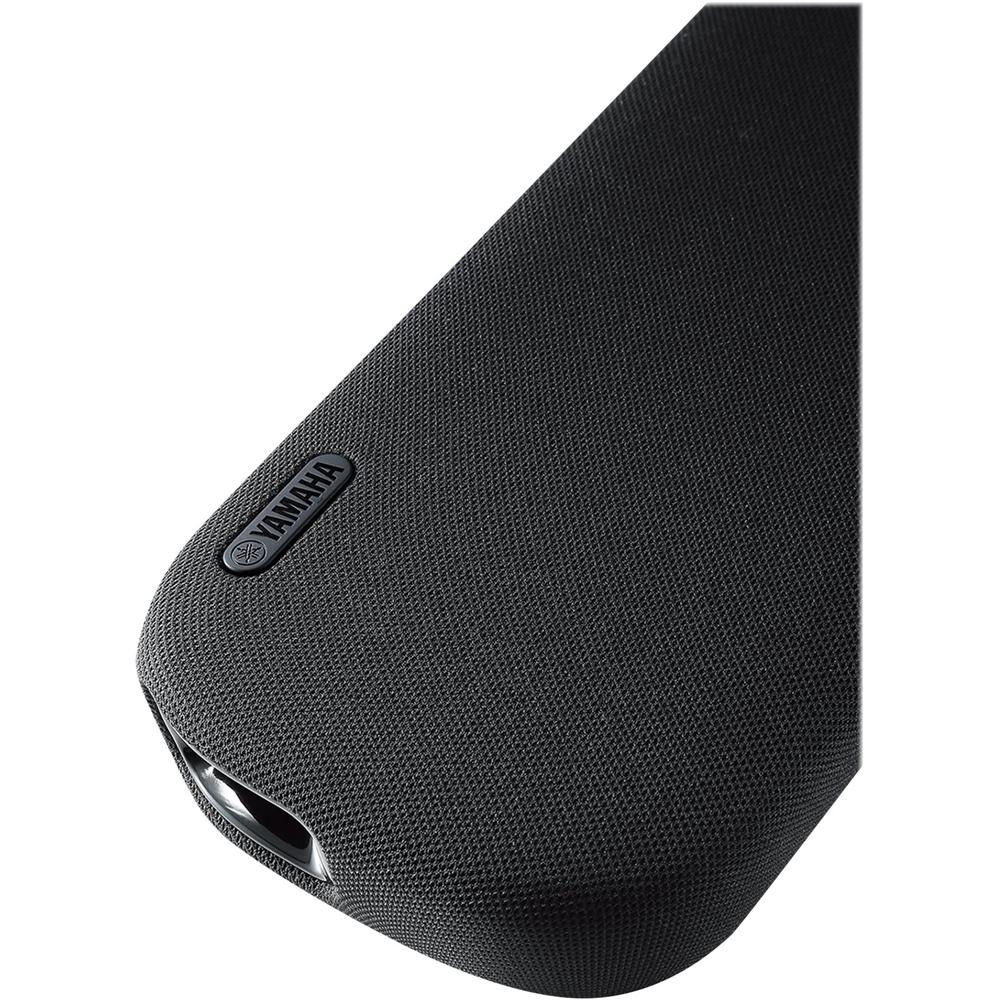
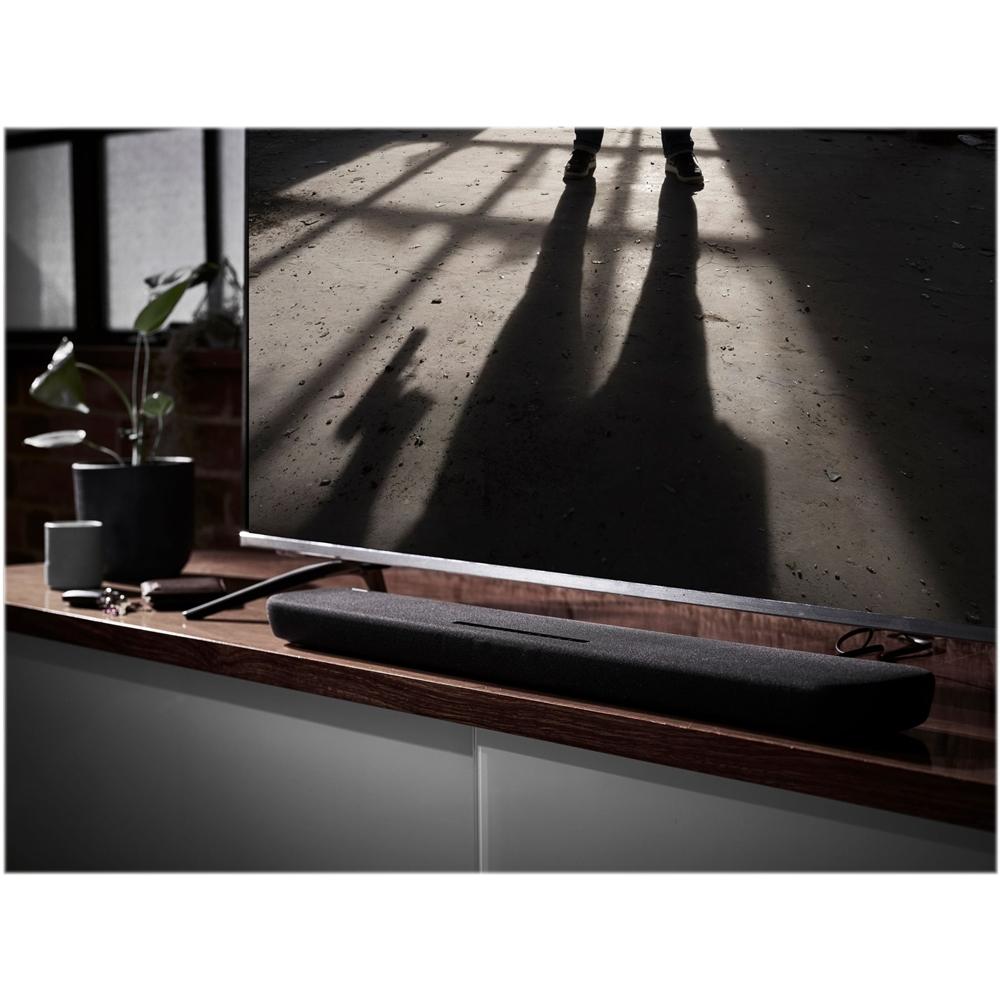
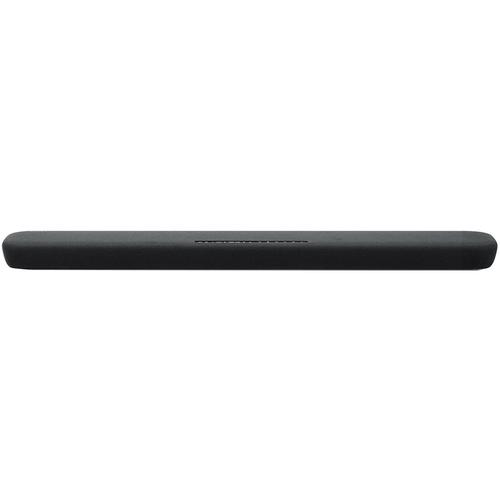
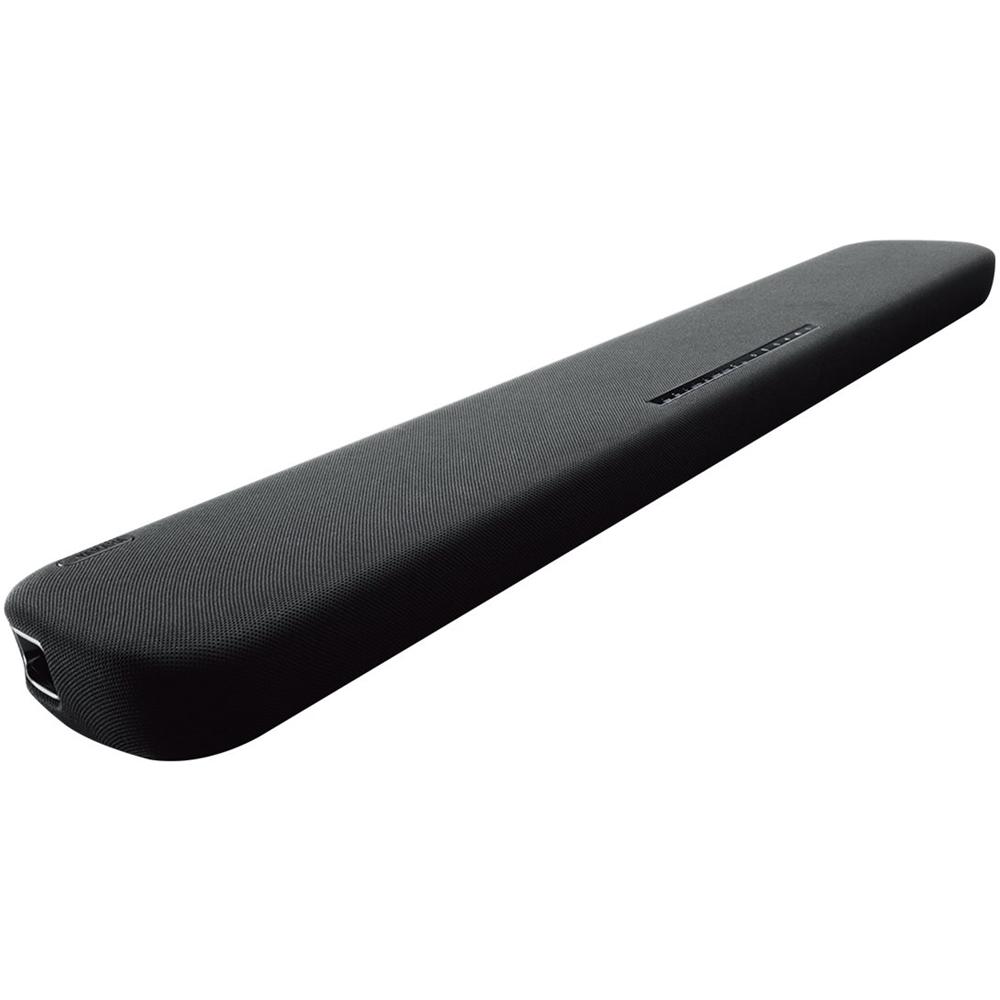
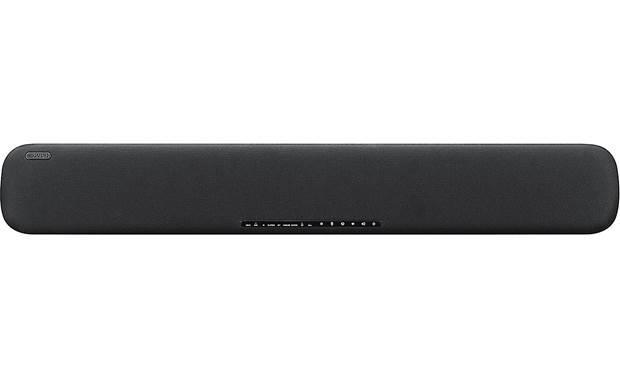
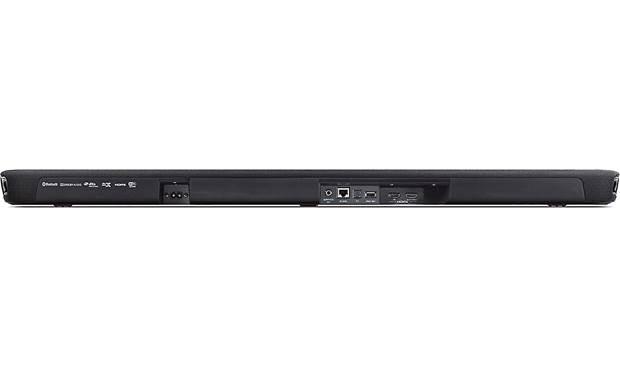
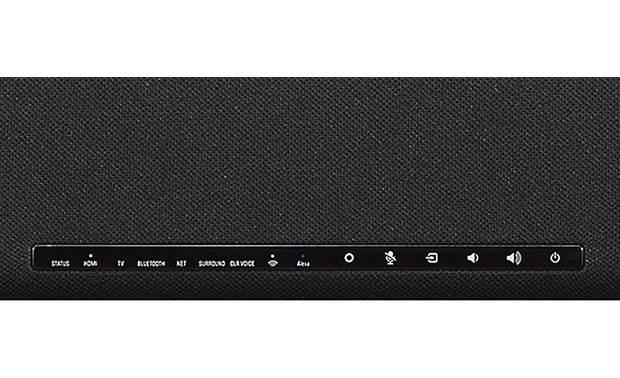
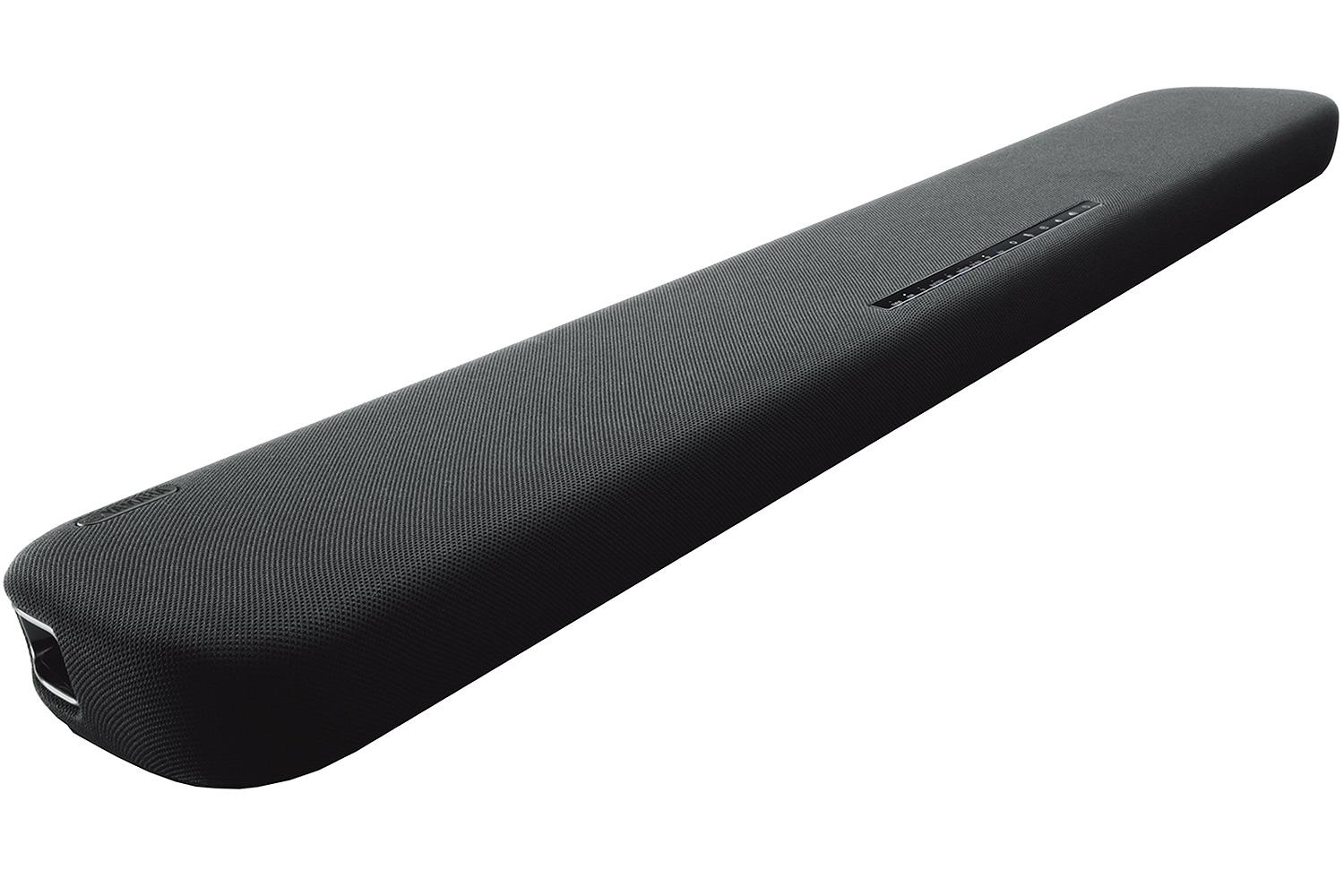
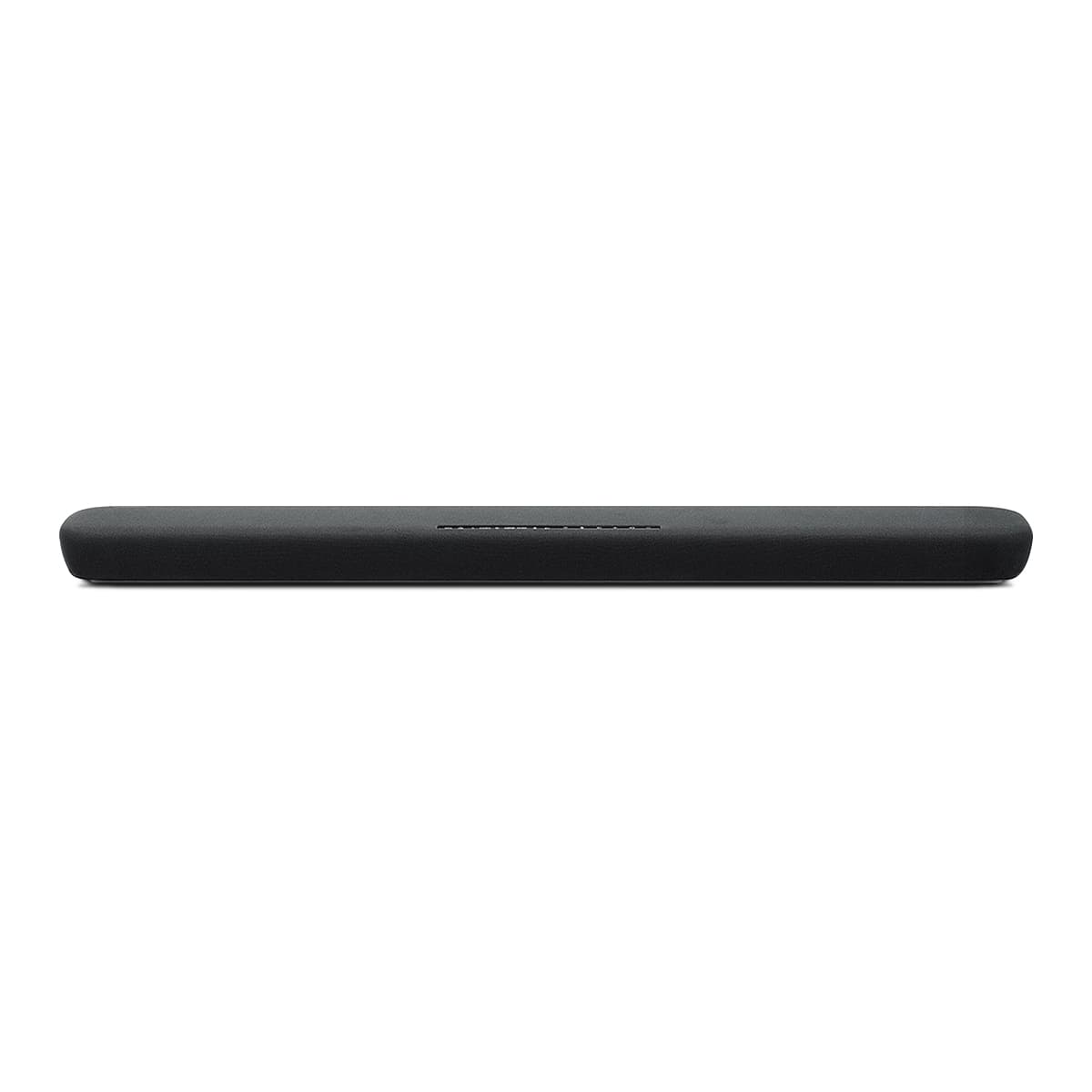
The Yamaha YAS-109 launched in 2019 during what I'd call the "convenience era" of soundbars. Manufacturers focused on making TV audio better while keeping everything simple and integrated. Yamaha packed dual built-in subwoofers, Alexa voice control, and virtual surround processing into a single 35-inch unit weighing just 7.5 pounds.
Fast forward to 2023, and the Polk Audio Signa S4 represents the current "immersion era." By this time, streaming services like Netflix and Disney+ were regularly delivering Dolby Atmos content, next-generation gaming consoles supported advanced audio formats, and consumers had become more sophisticated about home theater audio. Polk responded with true 3.1.2 Dolby Atmos processing, a wireless subwoofer, and dedicated height channels—technology that simply wasn't accessible at this price point when the Yamaha launched.
This four-year gap explains much about their different approaches. The YAS-109 prioritizes convenience and smart features because that's what the market demanded in 2019. The Signa S4 focuses on audio performance and future-proofing because that's what enthusiasts want in 2023.
The most fundamental difference between these soundbars lies in how they create surround sound effects. The Yamaha uses DTS Virtual:X, which is essentially sophisticated audio trickery. It takes stereo or surround audio and processes it through algorithms that manipulate phase, timing, and frequency response to fool your brain into hearing sounds that seem to come from locations where there are no speakers.
I've tested dozens of virtual surround systems, and while they've improved significantly over the years, they're still creating an illusion. The effect works best when you're sitting in the optimal listening position, and it tends to collapse when you move around the room or when multiple people are listening.
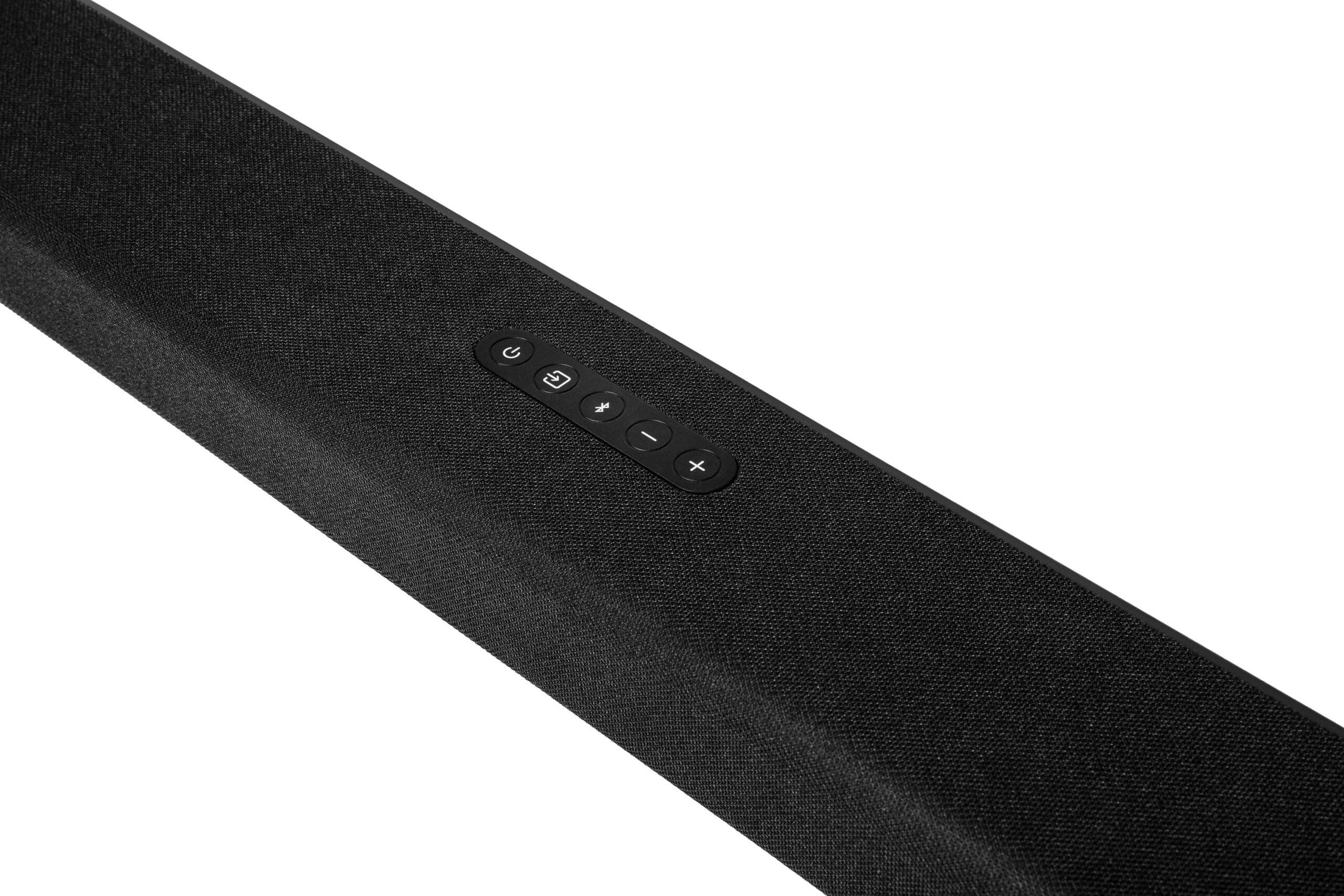
The Polk Signa S4 takes a completely different approach with true Dolby Atmos 3.1.2 processing. Those numbers tell the story: 3 represents the front left, center, and right channels, 1 is the subwoofer channel, and 2 refers to the height channels. The soundbar includes dedicated up-firing drivers that bounce sound off your ceiling to create genuine overhead effects.
What makes this special is that Dolby Atmos content includes metadata—essentially instructions telling each speaker exactly what to play and when. Instead of the soundbar guessing where sounds should appear, the content creators specifically placed each audio element in three-dimensional space. When a helicopter flies overhead in a movie, the Polk's height drivers actually direct that sound above your head, while the Yamaha can only approximate the effect.
The practical difference is substantial. During my testing with action movies like "Top Gun: Maverick," the Polk creates distinct overhead movement during the flying sequences. Jet engines seem to whoosh over your head from specific directions. The Yamaha makes these scenes sound bigger and more enveloping than TV speakers, but the effects remain anchored to the soundbar's physical location.
This might be the most significant performance difference between these two approaches. The Yamaha YAS-109 includes dual 3-inch subwoofer drivers built into the main soundbar enclosure. While this creates a clean, minimalist setup, physics limits what these small drivers can accomplish. They struggle to reproduce frequencies below about 70Hz, which means you'll miss the deep rumble of explosions, the full weight of orchestral music, and the satisfying thump of electronic music.
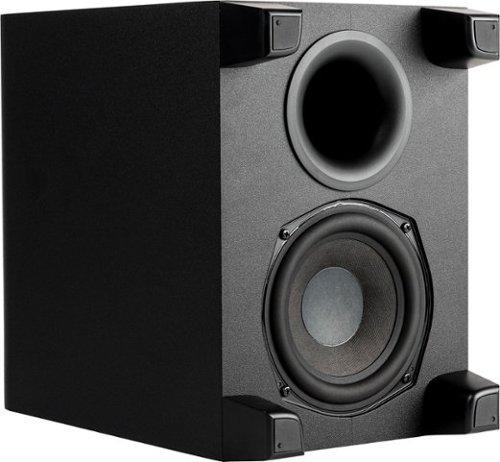
The Polk's wireless 5.9-inch subwoofer operates in a completely different league. Housed in its own dedicated enclosure, it can extend bass response down to around 30Hz—deep enough to reproduce most of the low-frequency content in movies and music. The difference isn't subtle; it's transformative for content with significant bass content.
During my testing, I played the opening scene from "Blade Runner 2049," which features incredibly deep bass synthesizer notes that establish the film's sonic landscape. The Yamaha reproduced these as thin, hollow sounds that registered intellectually but didn't create any physical impact. The Polk delivered these same notes with chest-thumping authority that made the entire listening experience more immersive and emotionally engaging.
The wireless subwoofer also provides placement flexibility that's impossible with built-in drivers. You can position it anywhere in your room to optimize bass response, which is crucial because low frequencies interact heavily with room boundaries. I typically recommend placing subwoofers along walls or in corners where boundary reinforcement naturally amplifies bass output.
However, the Yamaha's integrated approach has advantages too. There's no additional component to place, no extra power cable to run, and no wireless connection to potentially drop out. For users who prioritize simplicity and have modest bass expectations, the built-in solution eliminates complexity while providing adequate low-end reinforcement for most TV content.
Clear dialogue reproduction has become increasingly important as movie soundtracks have grown more complex and TV shows adopt cinematic audio mixing. Both soundbars address this challenge, but through different methods.
The Polk Signa S4 includes a dedicated center channel driver—a physical speaker specifically responsible for dialogue reproduction. This matters because in surround sound mixes, dialogue is typically isolated in the center channel, making it possible to process speech independently from music and effects. Polk's VoiceAdjust technology takes advantage of this separation, allowing you to boost dialogue clarity without making explosions unbearably loud or music sound harsh.
I find this particularly valuable when watching dialogue-heavy content like prestige dramas or British shows where accents can be challenging to understand. The VoiceAdjust feature lets me dial in exactly the right balance between speech intelligibility and soundtrack impact.
The Yamaha relies on phantom center imaging, where left and right speakers work together to create the illusion of a center channel. Its Clear Voice technology processes the entire audio signal to bring speech forward in the mix, but it can't separate dialogue as precisely as a dedicated center channel can.
Both approaches work, but the dedicated center channel provides more surgical control over dialogue. If you frequently struggle to understand speech in movies and TV shows, the Polk's approach offers a more sophisticated solution.
Here's where the Yamaha YAS-109 clearly leads. Its built-in Alexa integration means you can control the soundbar, adjust settings, play music, control smart home devices, and access information using only voice commands. The implementation is seamless—you simply say "Alexa" and start talking, just like you would with an Echo device.
The soundbar also includes Wi-Fi connectivity for direct streaming from services like Spotify Connect, Amazon Music, and Pandora. This eliminates the need to use your phone as an intermediary device and often provides better audio quality than Bluetooth streaming.
The Polk Signa S4 takes a more focused approach, prioritizing audio performance over smart features. It includes Bluetooth connectivity for wireless streaming but requires an external Alexa or Google device for voice control. This isn't necessarily a disadvantage—many users already have smart speakers in their living rooms—but it does require additional setup and potentially another device on your entertainment center.
However, the Polk's HDMI eARC (enhanced Audio Return Channel) connection represents a significant technical advantage. While the Yamaha's older HDMI ARC connection can handle compressed Dolby Digital audio, eARC supports uncompressed, lossless audio formats including high-bitrate Dolby Atmos. If you have a premium 4K Blu-ray player or next-generation gaming console, this connection ensures you're getting the full audio quality these sources can provide.
Your physical space significantly influences which approach works better. The Yamaha YAS-109 excels in smaller rooms, apartments, and bedrooms where its compact 35-inch footprint and integrated design make sense. The built-in subwoofers provide adequate bass reinforcement for spaces under 200 square feet, and there's no additional component to accommodate.
The Polk Signa S4 really shines in medium to large rooms where its separate subwoofer can operate effectively and the Dolby Atmos effects have space to develop. Ceiling height matters too—Atmos height effects work best with ceilings between 8 and 12 feet where sound reflections can create convincing overhead imaging.
I've found that the Polk's wireless subwoofer typically needs to be placed within about 20 feet of the main soundbar for reliable connection, which works well in most living rooms but might be limiting in very large or unusually shaped spaces.
While both soundbars primarily target TV and movie audio improvement, their music reproduction capabilities differ significantly. The Polk Signa S4 includes a dedicated Music mode that optimizes frequency response and imaging for stereo content. Combined with its seven-driver array and substantial subwoofer, it delivers surprisingly engaging music reproduction that works well for casual listening sessions.
The Yamaha YAS-109 also handles music competently, with a balanced frequency response that doesn't overly emphasize any particular range. However, its built-in subwoofers limit dynamic range and bass extension, making it less satisfying for music genres that rely on deep bass or wide dynamic swings.
If you plan to use your soundbar for regular music listening—especially if you enjoy electronic music, hip-hop, or orchestral recordings—the Polk's superior bass extension and driver array provide a more complete musical experience.
Modern gaming consoles have become increasingly sophisticated audio sources, supporting advanced formats like Dolby Atmos and DTS:X for immersive gaming experiences. The Polk Signa S4 fully supports these formats through its eARC connection, ensuring compatibility with PlayStation 5 and Xbox Series X audio enhancements.
The Yamaha YAS-109, limited by its older HDMI ARC connection and virtual surround processing, can't take full advantage of these gaming audio improvements. While it will still improve gaming audio compared to TV speakers, it can't deliver the spatial audio effects that enhance gameplay immersion.
Looking forward, content creators continue expanding their use of object-based audio formats. Netflix, Amazon Prime, Disney+, and Apple TV+ regularly release new content with Dolby Atmos soundtracks. The Polk positions you to take full advantage of this trend, while the Yamaha will process these soundtracks but can't reproduce their intended spatial effects.
At $220, the Yamaha YAS-109 represents excellent value for users who want convenient TV audio improvement with smart features. Its built-in Alexa integration alone adds significant functionality, and the compact design eliminates placement complexity. For apartment dwellers, casual viewers, and users who prioritize convenience over audio fidelity, it delivers meaningful improvement at a reasonable price.
The Polk Signa S4 at $299 costs about 35% more but delivers substantially superior audio performance. True Dolby Atmos processing, deep bass extension, and dedicated center channel dialogue handling justify the premium for users who regularly watch movies, play games, or listen to music through their TV setup.
Choose the Yamaha YAS-109 if you live in a smaller space, want integrated smart features, prefer minimal setup complexity, and primarily watch TV shows and casual content. Its built-in Alexa, compact design, and adequate audio improvement make it ideal for users who want better TV sound without complexity.
Choose the Polk Audio Signa S4 if you have a medium or large room, regularly watch movies or play games, want future-proof audio format support, and don't mind accommodating a separate subwoofer. Its true Dolby Atmos processing, deep bass extension, and advanced dialogue controls create a genuinely immersive home theater experience.
The fundamental question comes down to whether you want convenient audio improvement or immersive audio experience. Both soundbars succeed at their intended purposes, but they serve different users with different priorities. Understanding which category you fall into will guide you toward the right choice for your specific situation and preferences.
| Polk Audio Signa S4 ($299) | Yamaha YAS-109 ($220) |
|---|---|
| Audio Technology - Determines immersion level and future content compatibility | |
| True Dolby Atmos 3.1.2 with dedicated height channels | DTS Virtual:X simulated surround processing |
| Subwoofer Configuration - Major impact on bass depth and room placement flexibility | |
| Wireless 5.9" external subwoofer (30Hz extension) | Dual 3" built-in subwoofers (70Hz limitation) |
| Center Channel - Critical for dialogue clarity in movies and TV | |
| Dedicated center driver with VoiceAdjust technology | Phantom center imaging with Clear Voice processing |
| HDMI Connection - Affects compatibility with premium sources and gaming | |
| eARC (supports lossless Dolby Atmos from 4K sources) | ARC (limited to compressed audio formats) |
| Voice Control - Convenience factor for daily use | |
| Requires external Alexa/Google device | Built-in Alexa with direct voice commands |
| Physical Design - Space requirements and aesthetic impact | |
| 41.2" soundbar + separate wireless subwoofer | 35" all-in-one unit weighing 7.5 lbs |
| Smart Features - Streaming and connectivity options | |
| Bluetooth, potential AirPlay support | Built-in Wi-Fi, Spotify Connect, Amazon Music |
| Release Date - Technology generation and feature currency | |
| 2023 (current-gen Atmos implementation) | 2019 (focused on convenience over immersion) |
| Target Room Size - Where each performs optimally | |
| Medium to large rooms (300+ sq ft) with 8-12 ft ceilings | Small to medium spaces, apartments, bedrooms |
| Best Use Cases - Content and user priorities | |
| Home theater, gaming, immersive movie watching | TV viewing, smart home integration, space-conscious setups |
The Polk Audio Signa S4 ($299) is significantly better for home theater use. It features true Dolby Atmos 3.1.2 processing with dedicated height channels that create genuine overhead sound effects, plus a wireless subwoofer that delivers deep bass down to 30Hz. The Yamaha YAS-109 ($220) only offers virtual surround sound simulation and built-in subwoofers with limited bass extension.
The core difference is audio technology approach. The Polk Signa S4 delivers true Dolby Atmos immersion with physical height drivers and a separate subwoofer, while the Yamaha YAS-109 focuses on convenience with built-in Alexa, integrated subwoofers, and virtual surround processing in a single compact unit.
The Polk Audio Signa S4 has substantially better bass thanks to its wireless 5.9-inch subwoofer that extends down to 30Hz. The Yamaha YAS-109 uses dual 3-inch built-in subwoofers that are limited to around 70Hz, making them adequate for TV dialogue but lacking the deep rumble needed for action movies and music.
It depends on your priorities. The Polk Signa S4's separate wireless subwoofer provides much deeper bass and flexible placement but requires more space. The Yamaha YAS-109's built-in subwoofers offer convenience and simplicity but can't match the bass depth and impact of a dedicated subwoofer enclosure.
The Yamaha YAS-109 is better for small spaces due to its compact 35-inch all-in-one design and built-in subwoofers that don't require additional floor space. The Polk Signa S4 works best in medium to large rooms where its separate subwoofer has space to operate and Dolby Atmos effects can properly develop.
The Yamaha YAS-109 wins for smart features with built-in Alexa, Wi-Fi connectivity, and direct streaming from Spotify Connect and Amazon Music. The Polk Audio Signa S4 requires an external Alexa or Google device for voice control and focuses primarily on audio performance over smart functionality.
The Polk Signa S4 costs $299 compared to the Yamaha YAS-109 at $220, a difference of about $80. The Polk justifies the premium with true Dolby Atmos processing, deeper bass extension, and future-proof audio technology, making it worthwhile for serious movie watchers and home theater enthusiasts.
The Polk Audio Signa S4 is superior for gaming thanks to its HDMI eARC connection that supports lossless Dolby Atmos from PlayStation 5 and Xbox Series X consoles. The Yamaha YAS-109 uses older HDMI ARC technology that limits audio quality from premium gaming sources.
Both improve dialogue over TV speakers, but the Polk Signa S4 offers superior control with its dedicated center channel and VoiceAdjust technology that independently boosts speech. The Yamaha YAS-109 uses Clear Voice processing but relies on phantom center imaging rather than a physical center speaker.
The Yamaha YAS-109 is much easier to set up as a single unit that only requires one power cable and HDMI connection. The Polk Audio Signa S4 requires positioning both the soundbar and wireless subwoofer, though the subwoofer connects automatically and doesn't need separate wiring.
Both support wireless music streaming, but differently. The Yamaha YAS-109 offers built-in Wi-Fi for direct streaming from Spotify and other services, plus Bluetooth connectivity. The Polk Signa S4 primarily uses Bluetooth streaming and may support AirPlay, requiring your phone or device as the source.
The Polk Audio Signa S4 is more future-proof with its 2023 release date, true Dolby Atmos support, and HDMI eARC connectivity that handles current and emerging audio formats. The Yamaha YAS-109 from 2019 lacks the advanced audio processing and connections needed for premium content sources and next-generation gaming.
We've done our best to create useful and informative comparisons to help you decide what product to buy. Our research uses advanced automated methods to create this comparison and perfection is not possible - please contact us for corrections or questions. These are the sites we've researched in the creation of this article: soundandvision.com - audioholics.com - crutchfield.com - cnet.com - richersounds.com - crutchfield.com - rtings.com - polkaudio.com - walmart.com - polkaudio.com - crutchfield.com - youtube.com - profx.com - rtings.com - crutchfield.com - usa.yamaha.com - digitaltrends.com - tomsguide.com - listenup.com - youtube.com - usa.yamaha.com - hub.yamaha.com - youtube.com - hub.yamaha.com

Privacy Policy
Terms and Conditions - Affiliate Policy
Home Security
© Copyright 2008-2026.
11816 Inwood Rd #1211, Dallas, TX 75244