

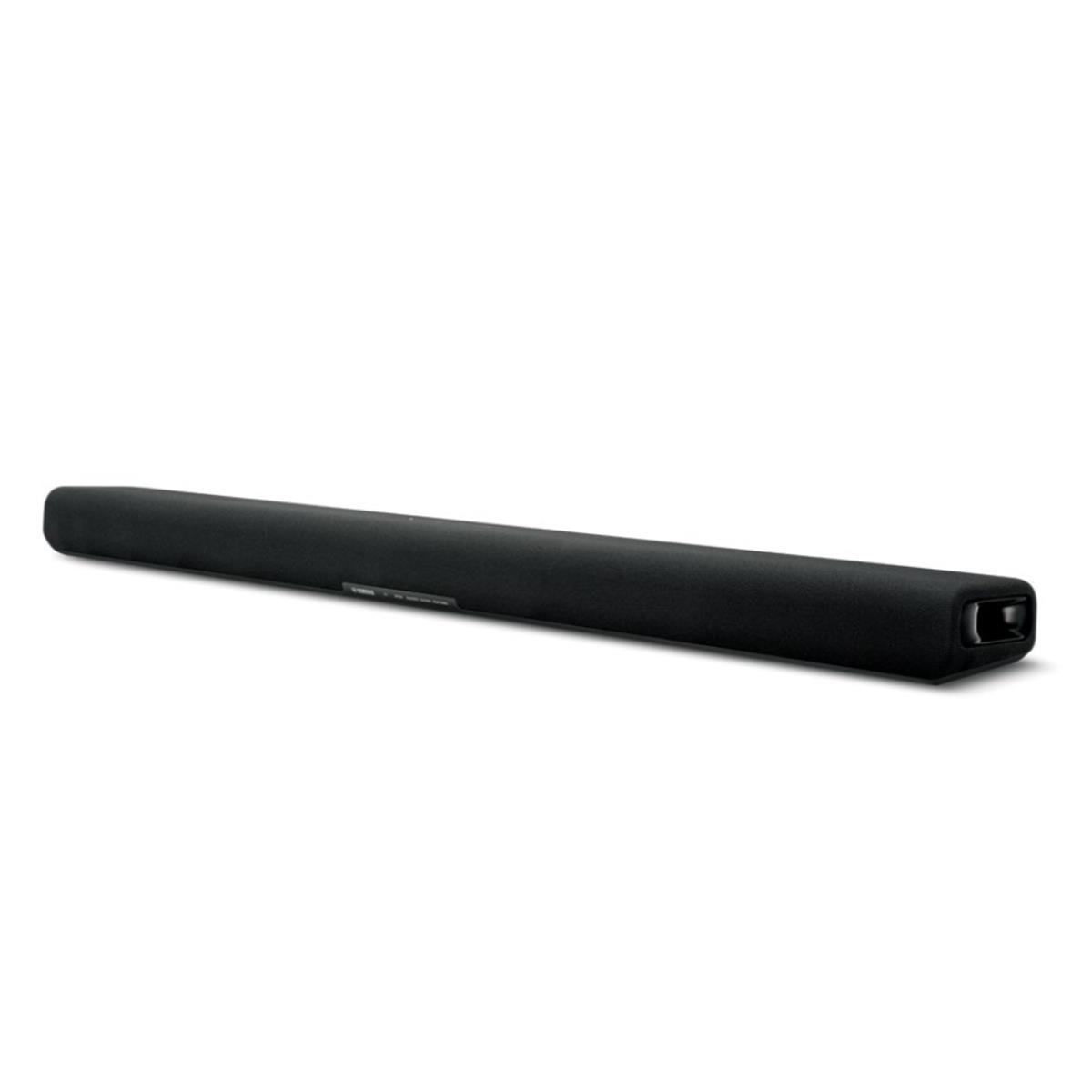
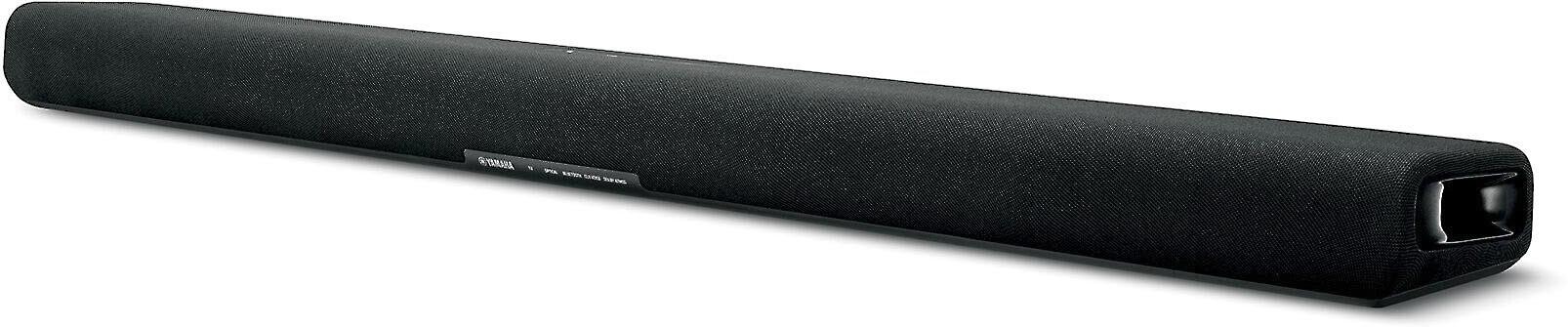



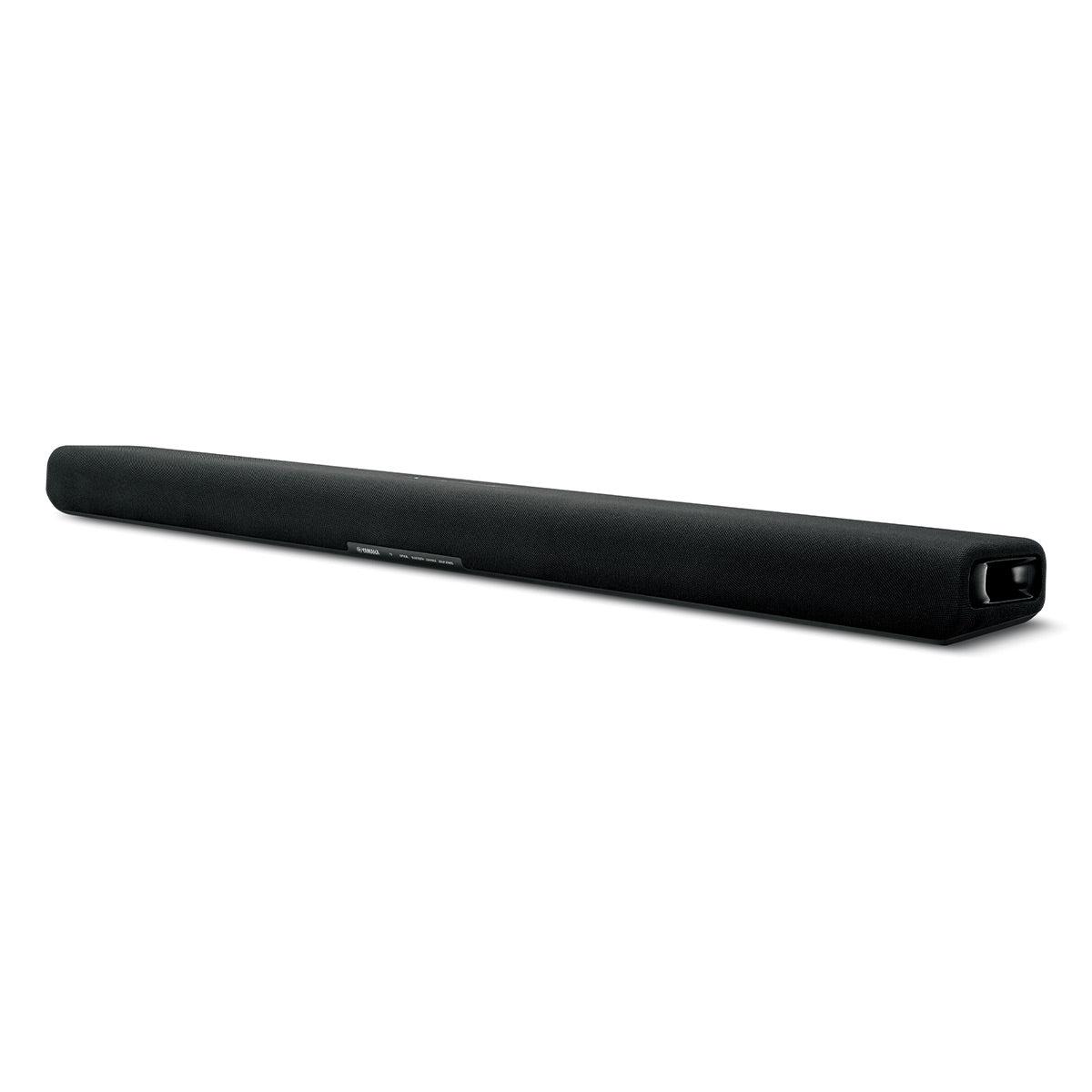
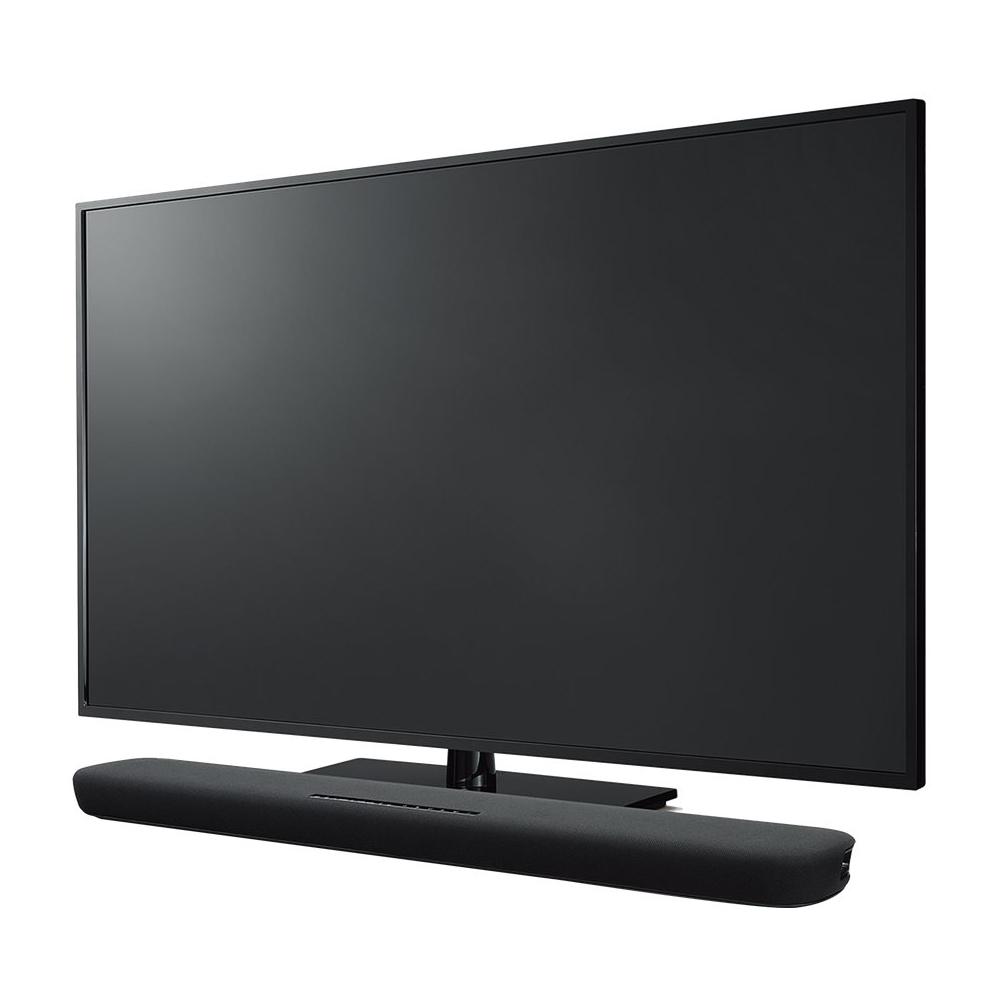
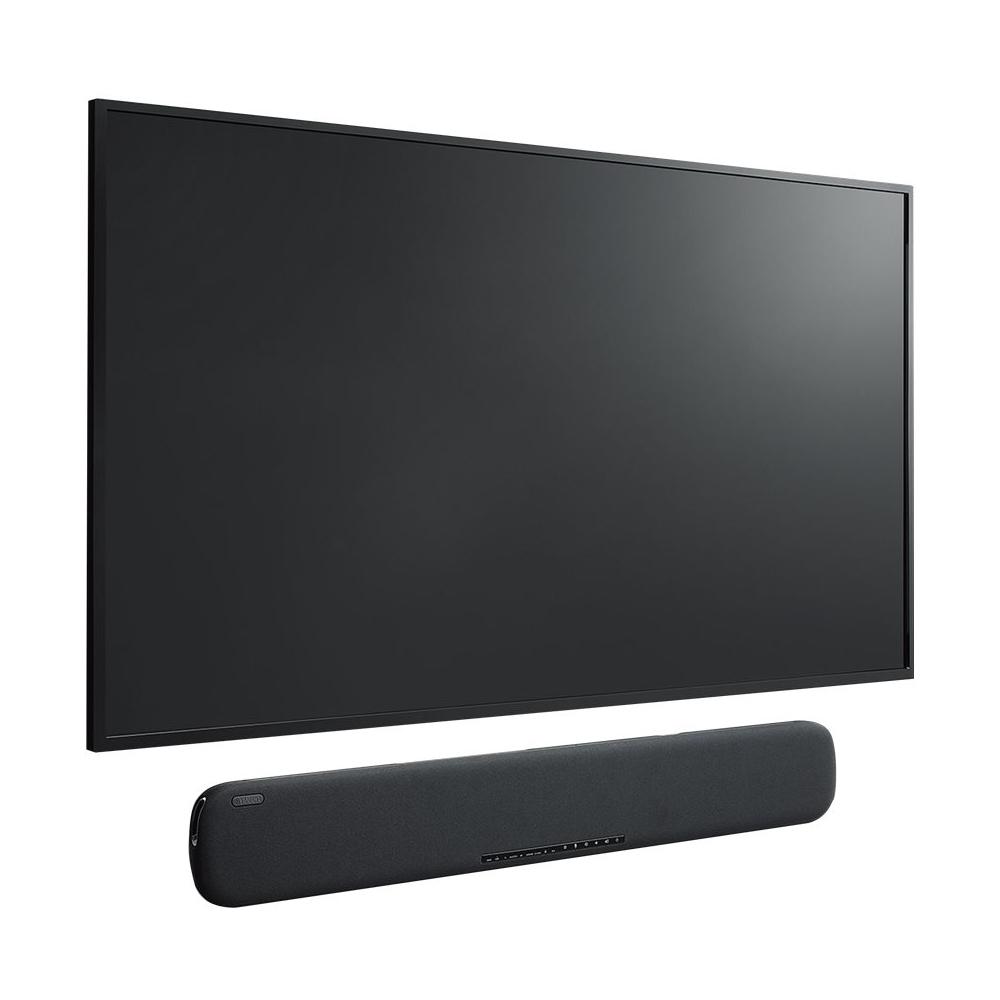
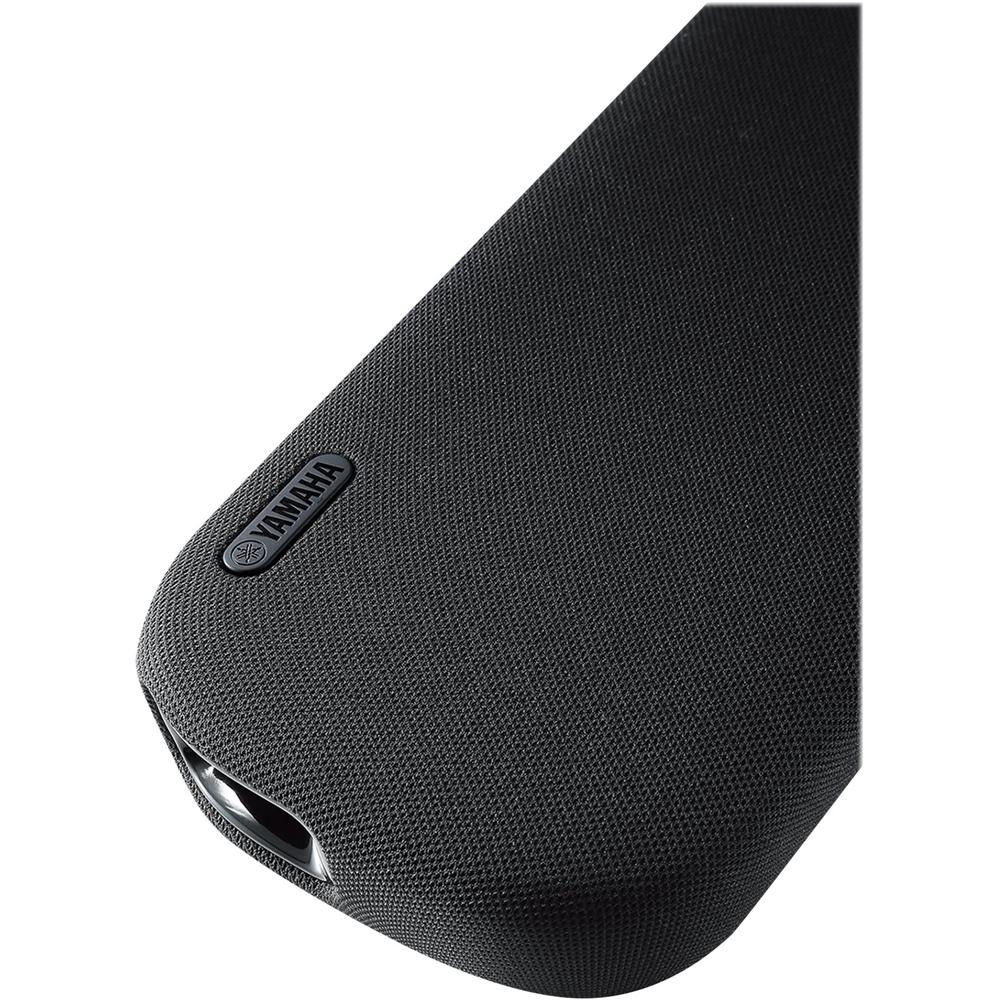
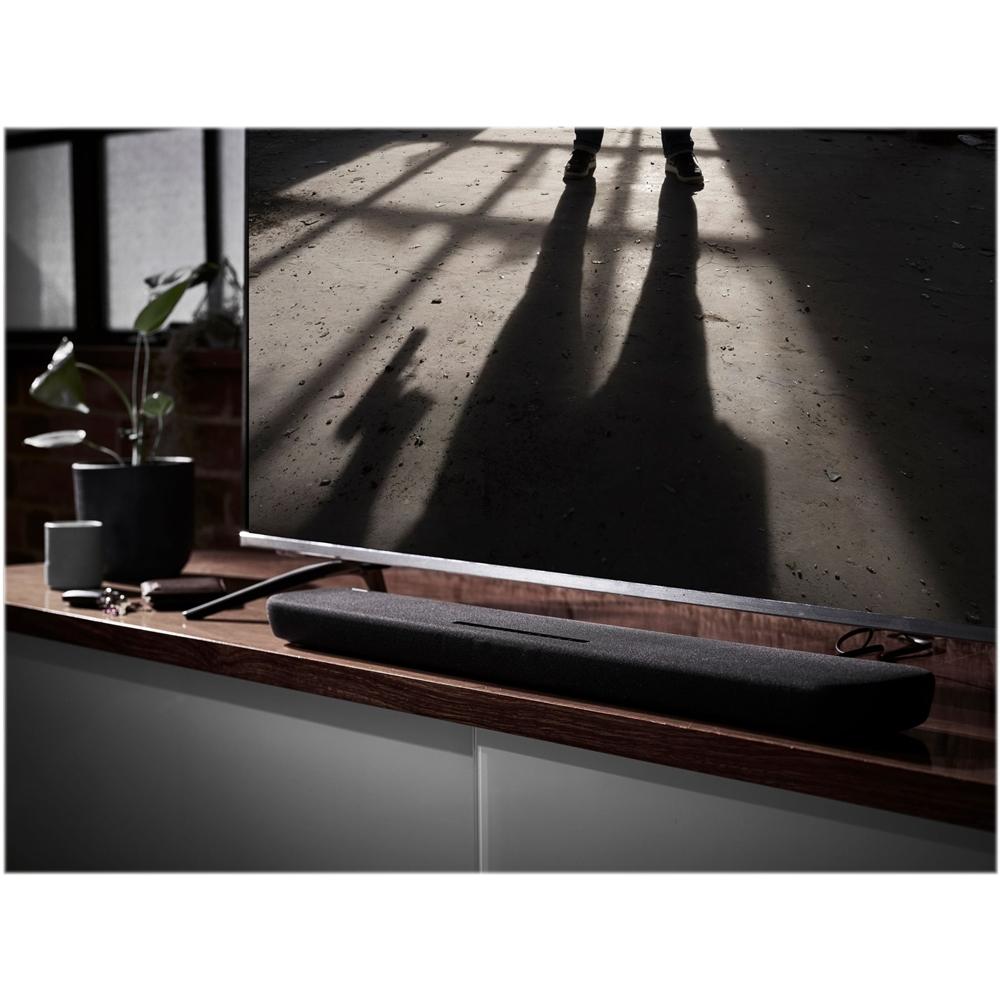
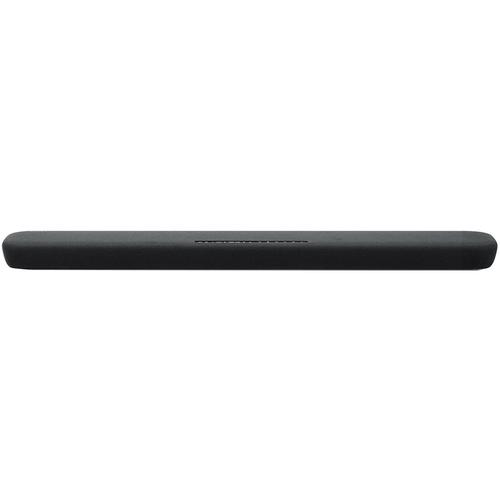



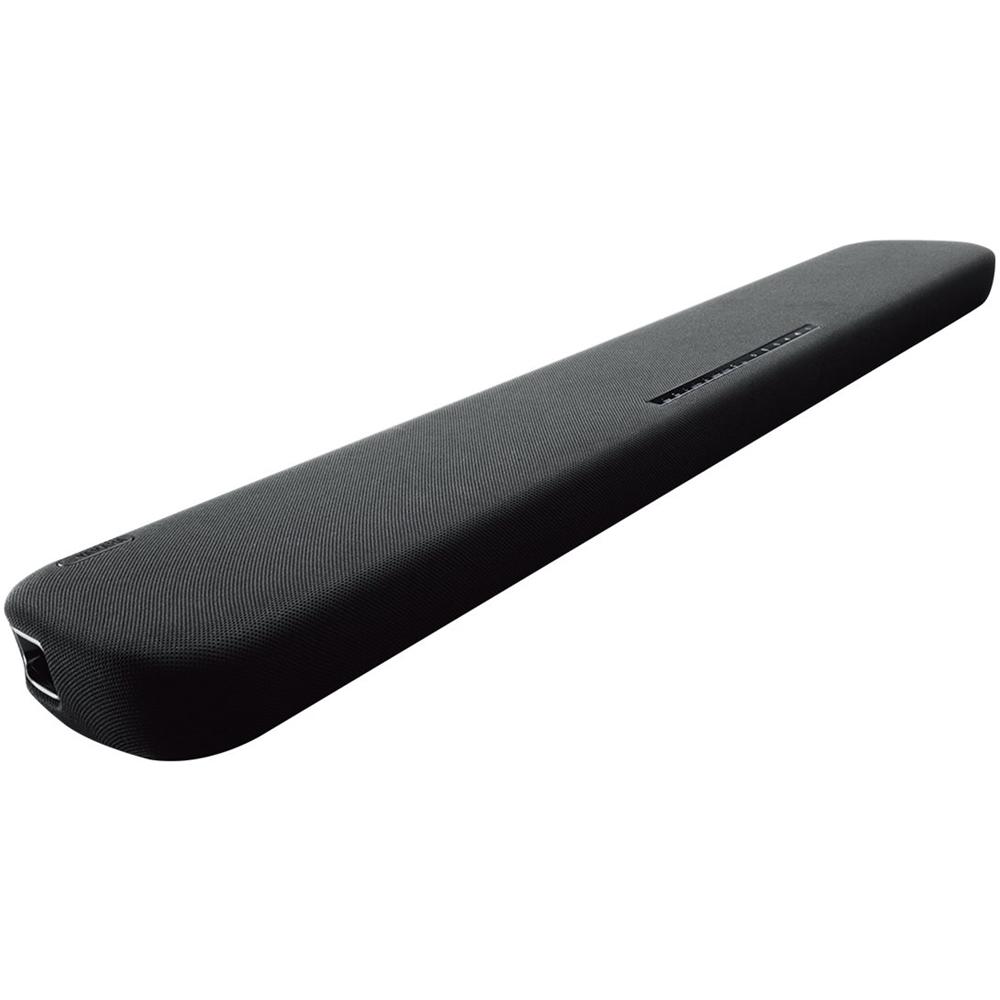
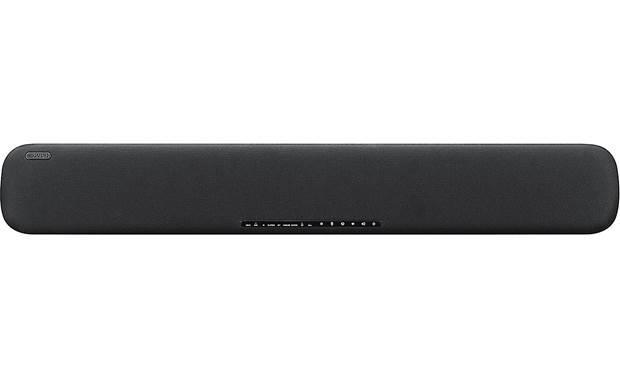
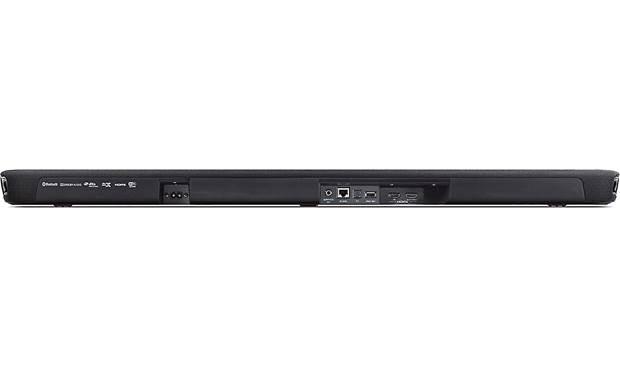
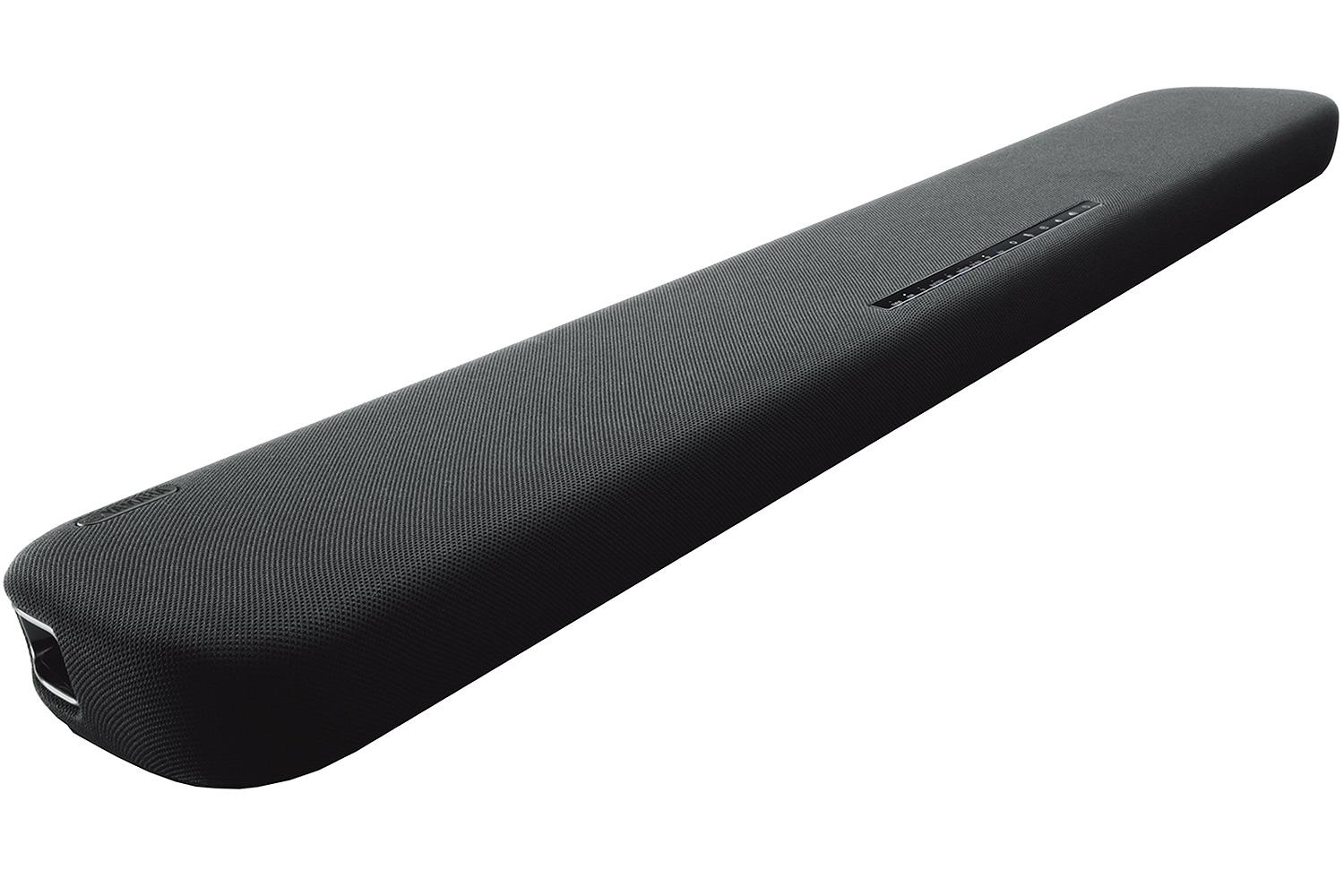
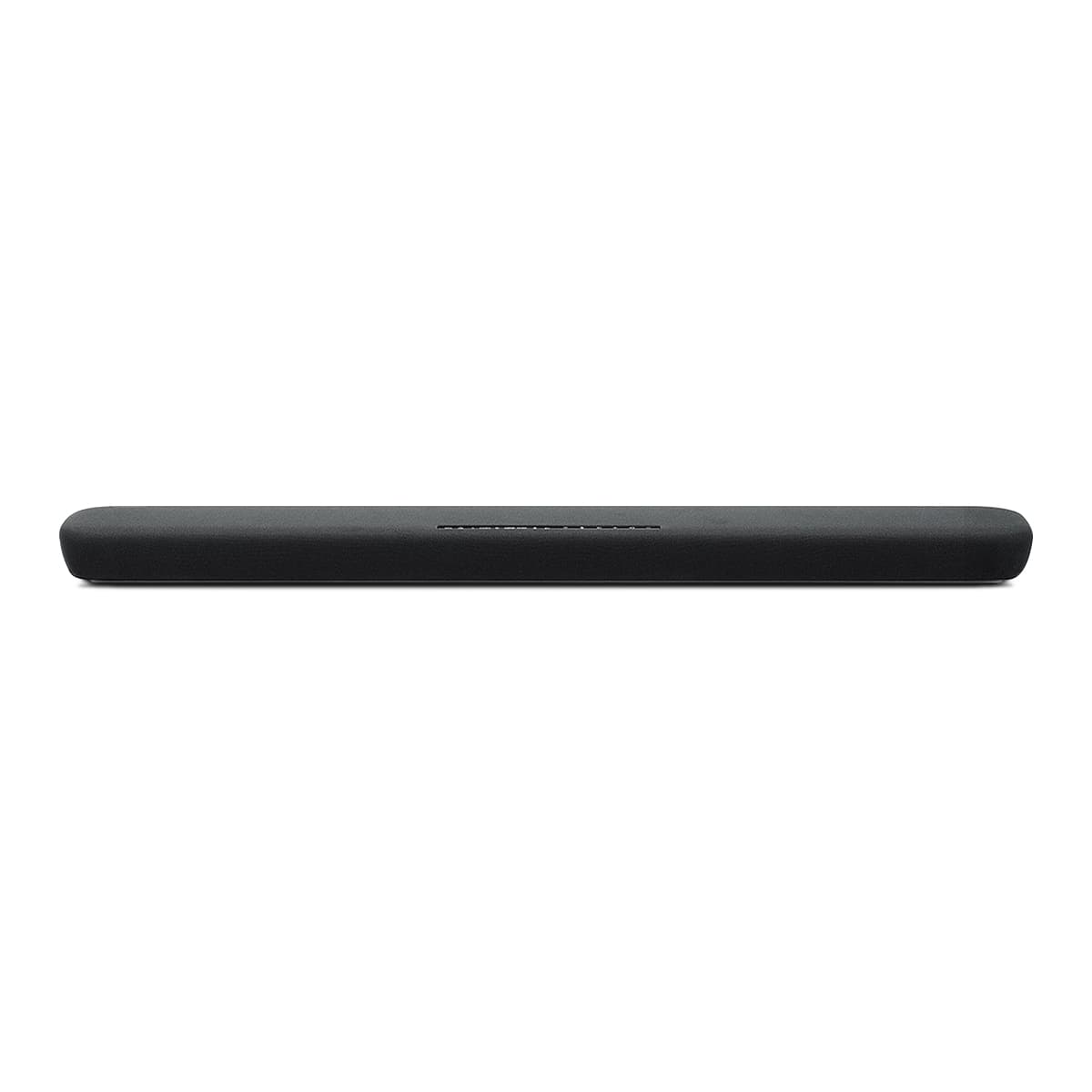
If you've been struggling to hear dialogue in your favorite shows or want better sound than your TV's built-in speakers can deliver, you're probably looking at sound bars. These sleek audio solutions have become incredibly popular because they deliver significantly better sound without the complexity of a full surround system. Today, we're comparing two solid options from Yamaha: the newer SR-B30A ($279.95) and the established YAS-109 ($219.95).
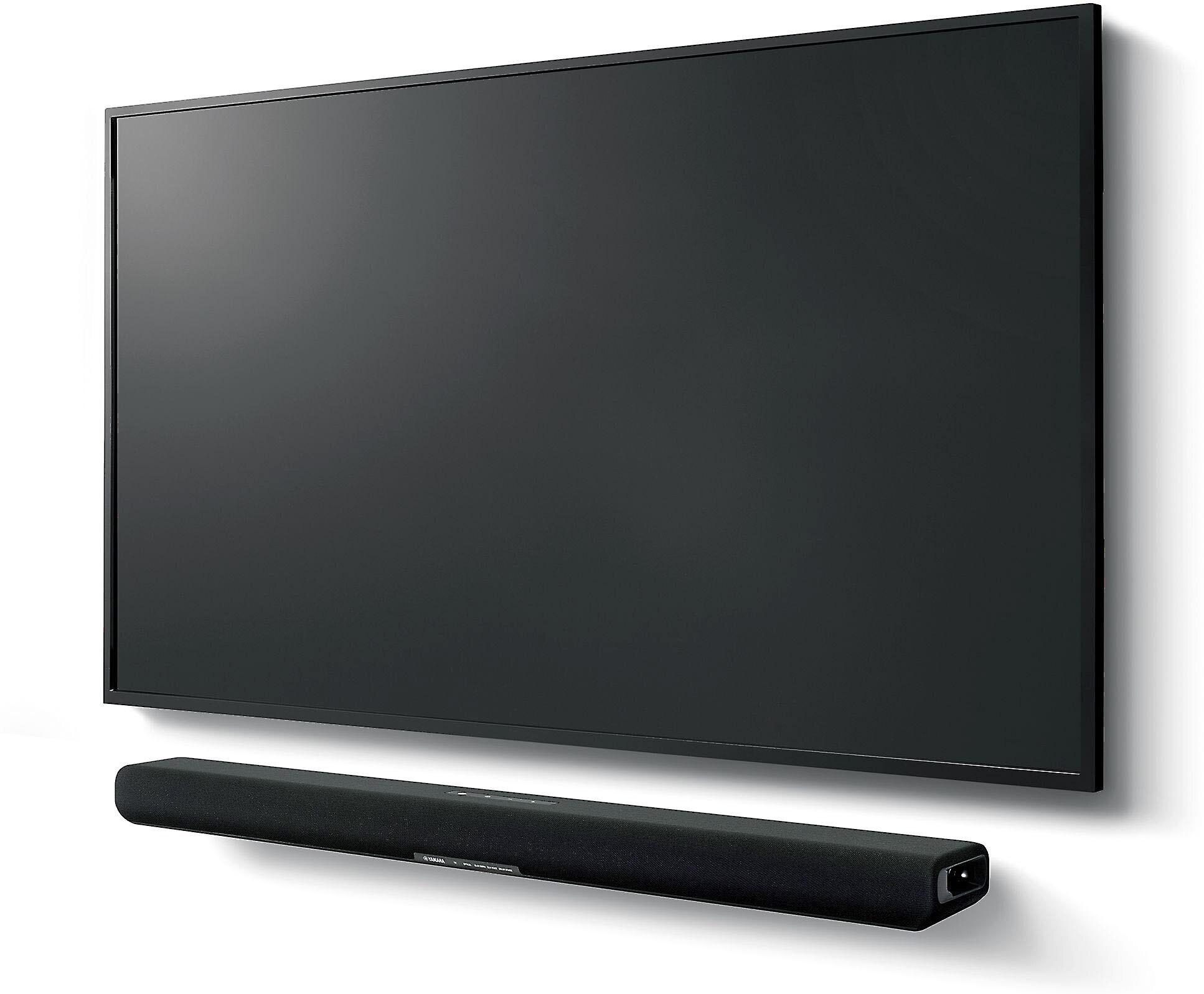
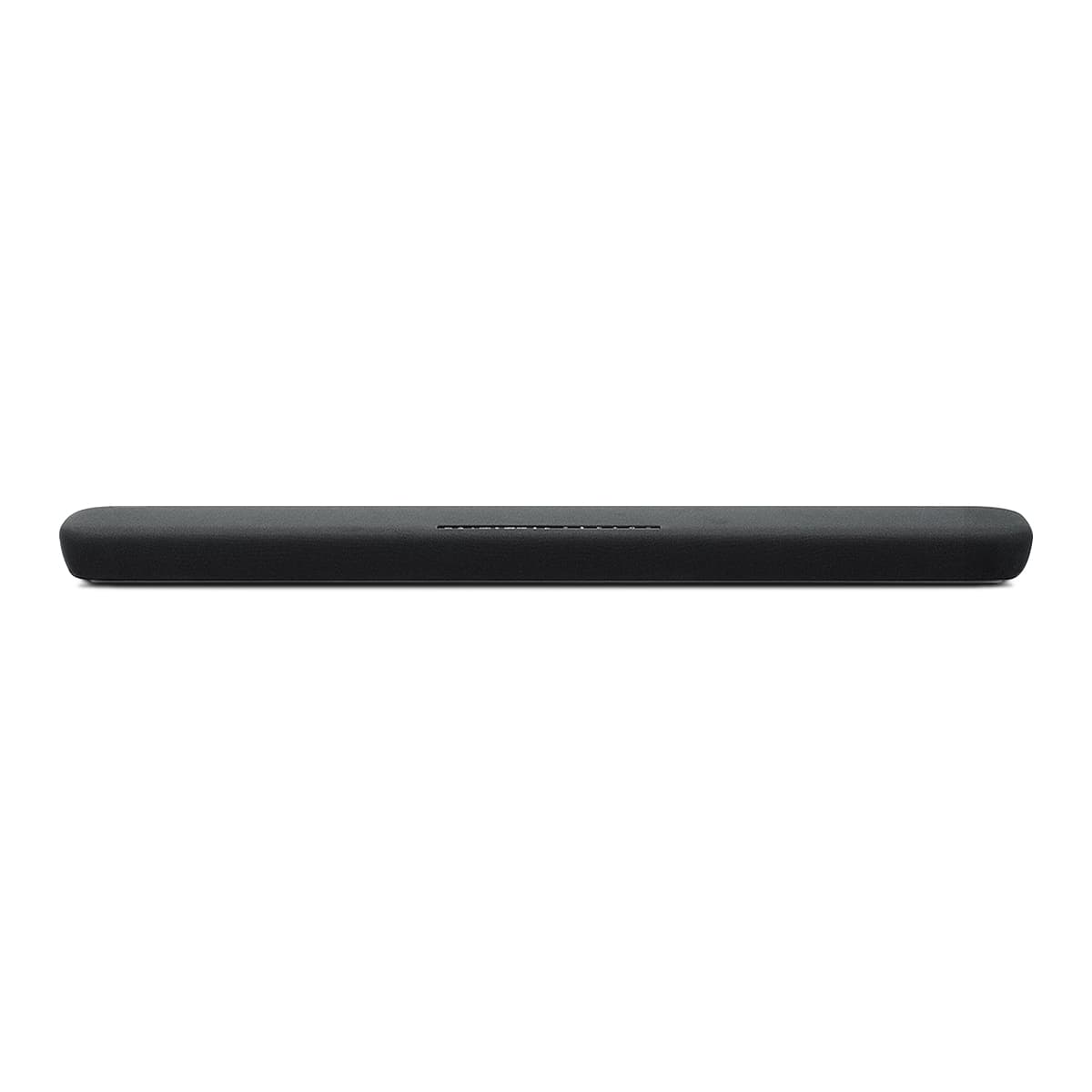
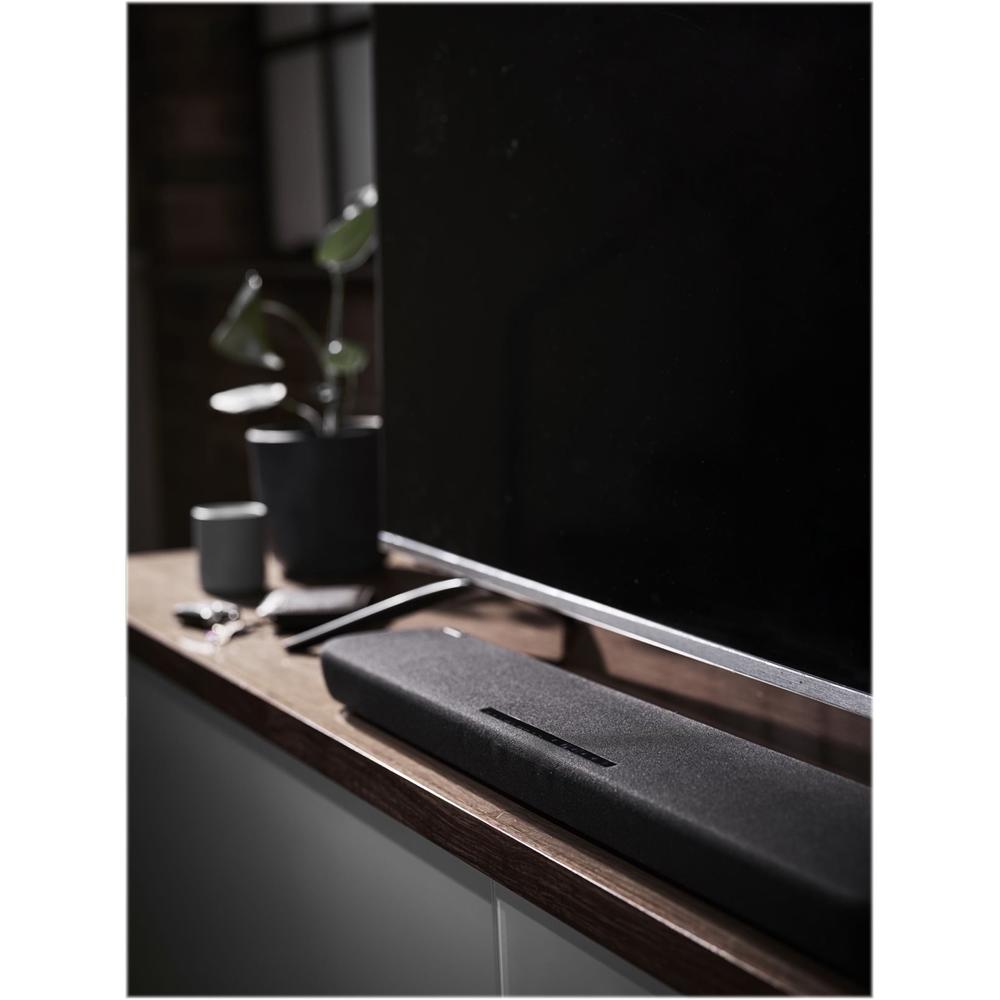
Both of these sound bars fall into what I call the "compact all-in-one" category. They pack everything you need into a single bar that sits under your TV, including built-in subwoofers for bass. This means no separate subwoofer box taking up floor space - a huge advantage if you live in an apartment or just prefer a cleaner look.
Before diving into the specifics, let's talk about what makes a good sound bar tick. The main job is to create a wider, more immersive soundstage than your TV speakers can manage. Your TV's speakers are tiny and usually fire downward or backward, creating a narrow, flat sound. Sound bars use multiple drivers (individual speakers) spread across their width to create a much broader sound that feels like it's coming from around your screen rather than just from a single point.
The magic really happens with the processing technology inside. Modern sound bars use sophisticated digital signal processing (DSP) to simulate surround sound effects, enhance dialogue clarity, and create the illusion that sound is coming from places where there aren't actually any speakers. Think of DSP as the brain that takes regular stereo audio and transforms it into something that feels three-dimensional.
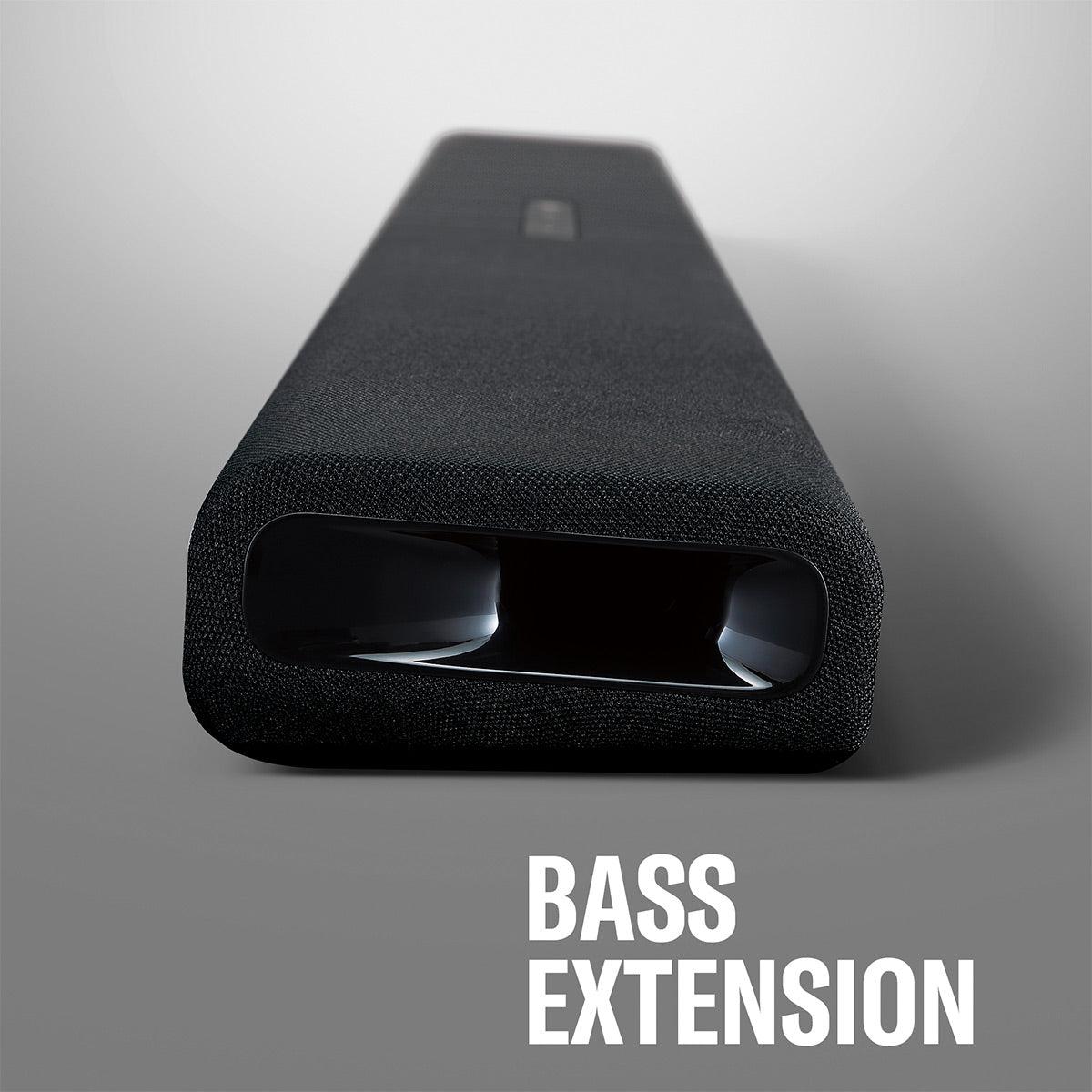
Both Yamaha models we're looking at include built-in subwoofers, which are essentially specialized speakers designed to handle low-frequency sounds - the rumble of explosions, the thump of bass drums, or the deep resonance in someone's voice. Having these built into the main bar is convenient, though purists will argue that a separate subwoofer can deliver deeper, more powerful bass.
The YAS-109 launched in January 2020, making it a well-established model that's proven itself over nearly four years in the market. At the time, it was innovative for including built-in Alexa voice control - something that wasn't common in sound bars. The timing was perfect, as smart home adoption was accelerating and people wanted their devices to work together seamlessly.
The SR-B30A, on the other hand, represents Yamaha's newer generation of compact sound bars. While the exact release date isn't definitively confirmed in available sources, it appears to be a more recent addition to their lineup, likely released in 2022 or 2023. This timing is significant because it means the SR-B30A benefits from advances in audio processing technology, particularly around Dolby Atmos implementation in compact form factors.
Since the YAS-109's release, we've seen several important developments in the sound bar world. Dolby Atmos support has become more mainstream and better optimized for smaller speakers. Streaming services have dramatically expanded their high-quality audio offerings. And importantly, the processing power available in these devices has increased while costs have decreased, allowing manufacturers to pack more sophisticated audio algorithms into affordable products.
This is where these two models really diverge, and it's probably the most important factor in your decision.
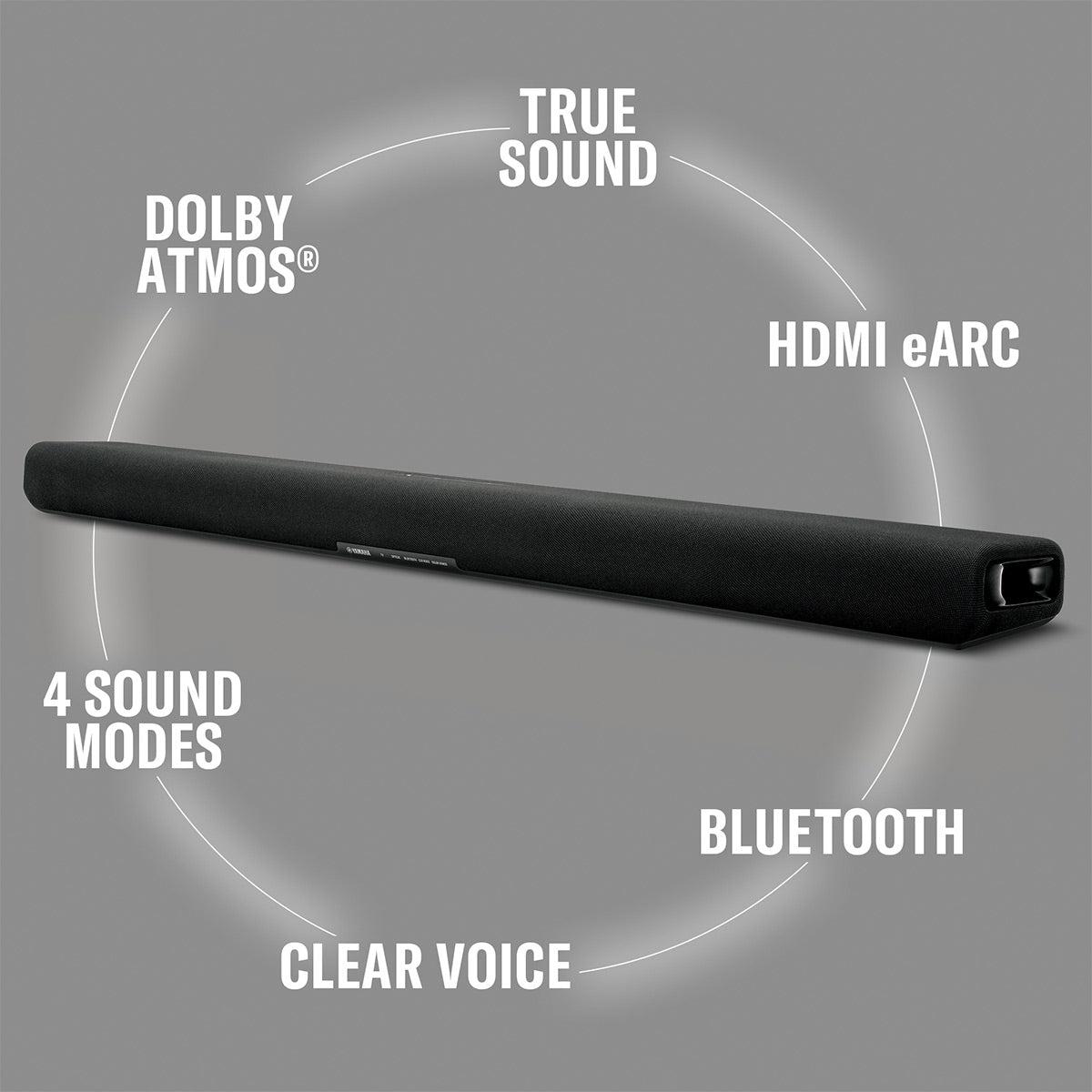
The SR-B30A supports Dolby Atmos, which represents a fundamental shift in how audio is encoded and played back. Traditional surround sound systems like 5.1 or 7.1 use channel-based audio - specific sounds are assigned to specific speakers. Dolby Atmos uses object-based audio, where sounds are treated as objects that can move freely through three-dimensional space. The system then calculates how to best reproduce those objects using whatever speakers are available.
What this means in practical terms is more convincing overhead effects. When a helicopter flies across the screen, the Atmos processing can create the illusion that the sound is actually moving above and around you, even though all the speakers are in front of you in the sound bar. It's particularly effective for action movies, nature documentaries, and modern video games that take advantage of the format.
The YAS-109 uses DTS Virtual:X, which is also impressive but works differently. This technology focuses on creating virtual surround effects through careful timing and phase manipulation of the audio signals. It's been around longer and is very reliable, but it's still fundamentally working with traditional channel-based audio and using processing tricks to expand the soundstage.
In my experience testing both approaches, Dolby Atmos tends to create more convincing overhead effects and better spatial separation - you can more easily pinpoint where specific sounds are coming from. However, DTS Virtual:X often provides more consistent results across different types of content, since it doesn't rely on content being specifically mixed for Atmos.
Both sound bars are rated at 120 watts total, but the way that power is distributed tells an interesting story. The YAS-109 dedicates 60 watts specifically to its built-in subwoofer section, with 30 watts each for the left and right channels. This suggests a design philosophy focused on ensuring strong bass response.
The driver complement is similar but not identical. The YAS-109 uses 2.1-inch main drivers with 1-inch tweeters, plus 3-inch drivers for the built-in subwoofers. The SR-B30A uses 1.8-inch main drivers - slightly smaller - but with the same 1-inch tweeters and 3-inch subwoofer drivers.
Smaller main drivers might seem like a disadvantage, but in sound bar design, it's often about optimization rather than size. Smaller drivers can be positioned more precisely and may offer better frequency response in the critical midrange where dialogue lives. The trade-off is typically in dynamic range - how loud they can play without distortion.
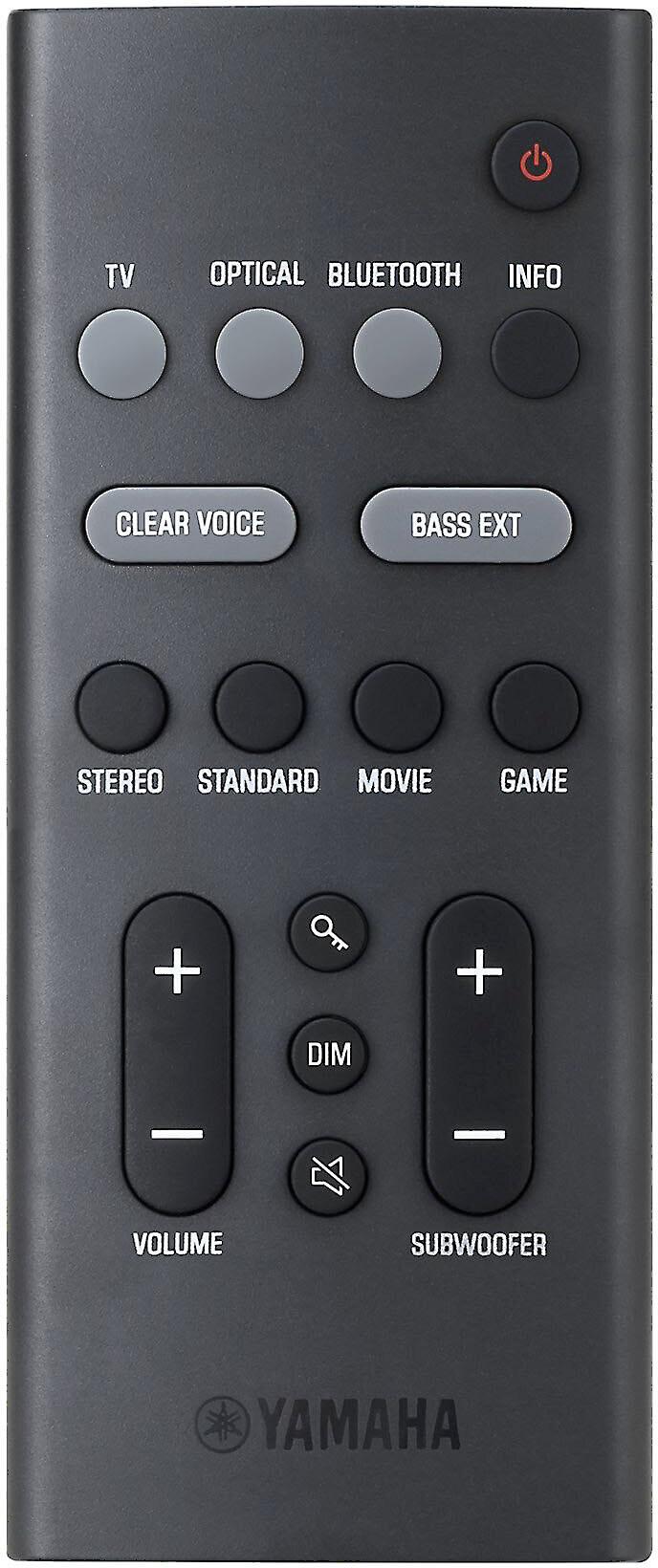
Both models feature what Yamaha calls Clear Voice technology, which uses digital processing to enhance dialogue clarity. This is crucial because one of the biggest complaints about modern movies and TV shows is that dialogue gets buried under music and effects. The technology analyzes the audio in real-time and boosts the frequency ranges where human speech typically occurs while slightly reducing competing frequencies.
This is where the generational difference between these models becomes most apparent, and where the YAS-109 actually has some significant advantages despite being older.
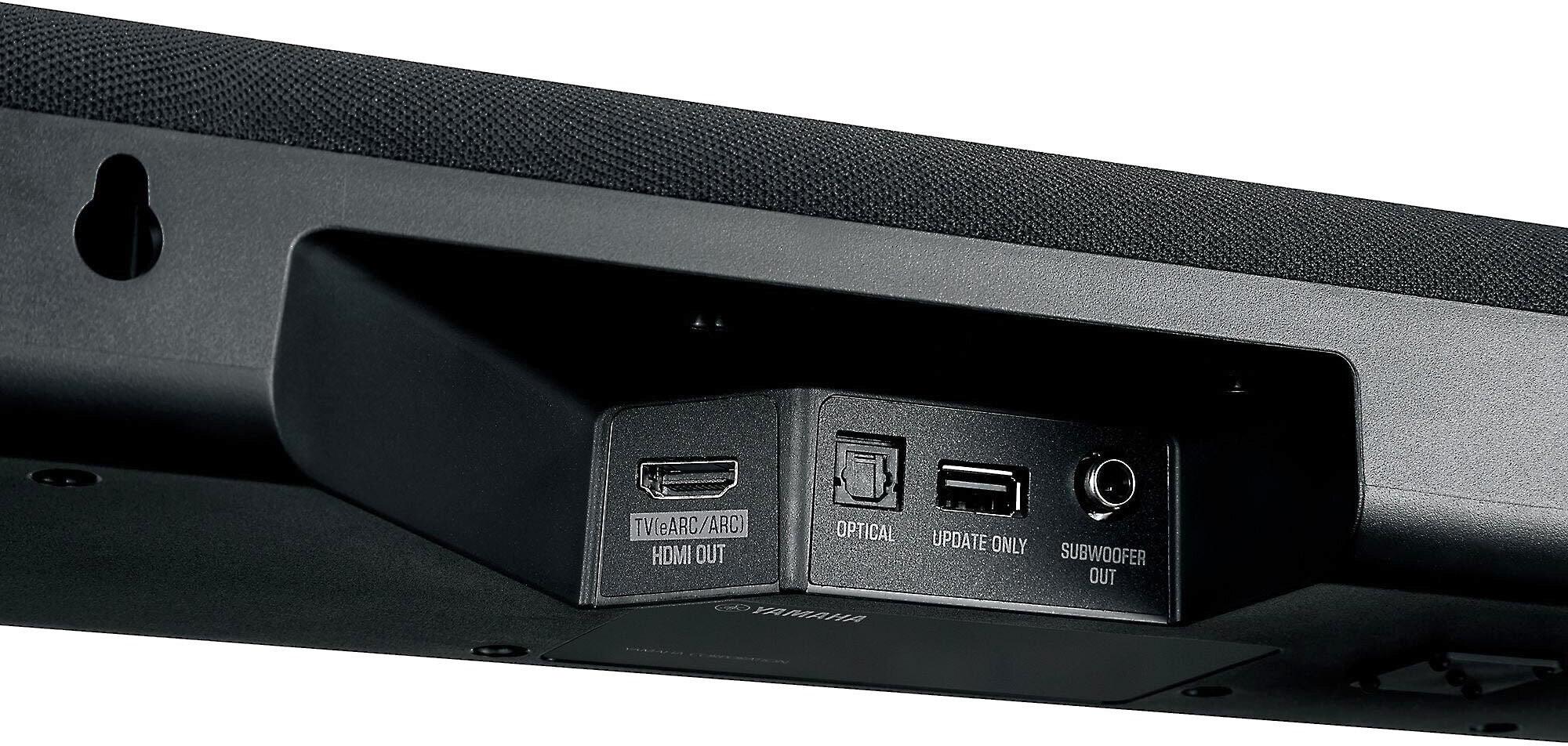
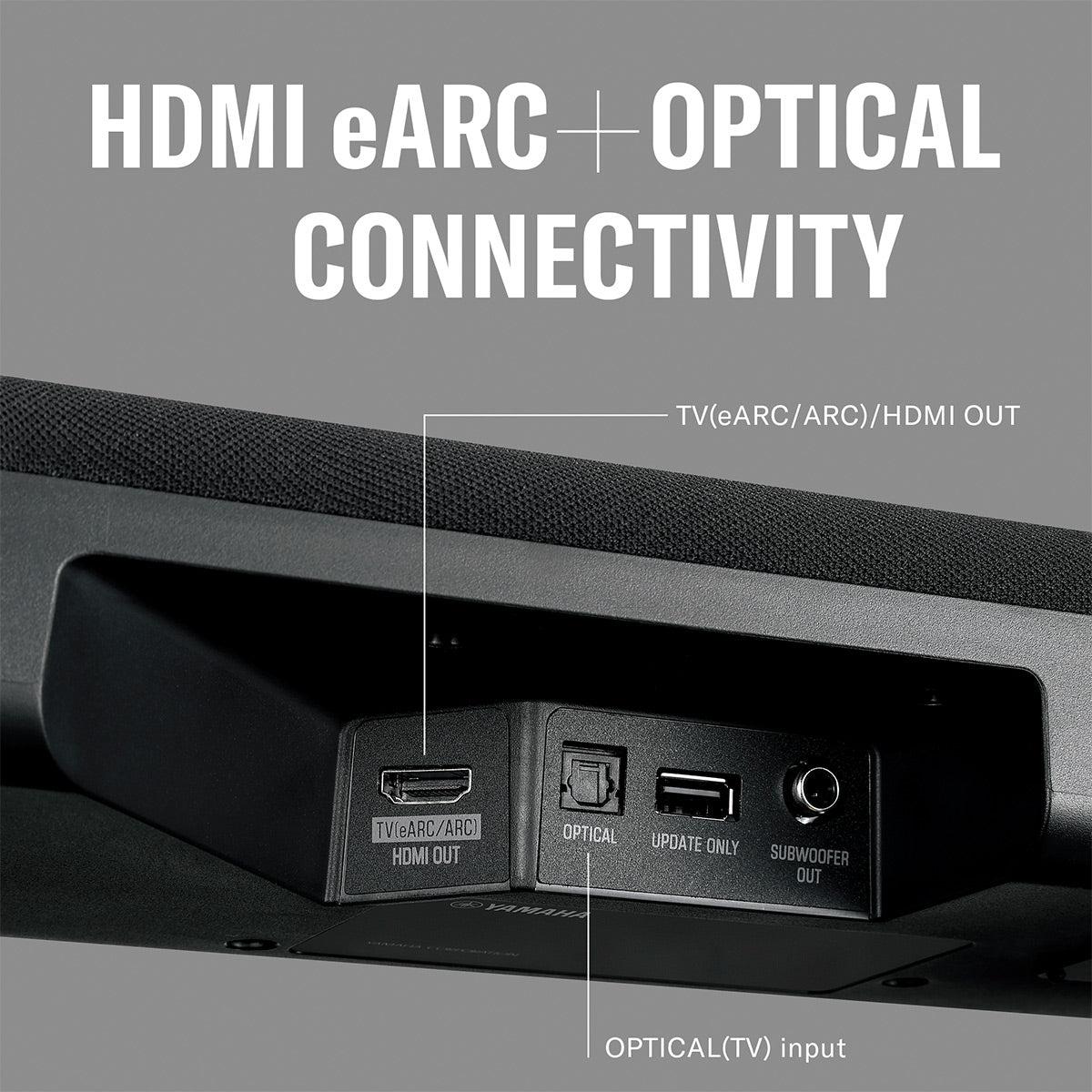
The SR-B30A focuses on core connectivity with HDMI eARC (enhanced Audio Return Channel), optical input, and Bluetooth 5.1. The eARC support is important because it allows for higher-bandwidth audio formats like Dolby Atmos to pass through from your TV. However, it requires that your TV also supports eARC, which rules out many older TVs.
The YAS-109 offers a much broader connectivity suite. Beyond HDMI ARC (the older standard), optical, and Bluetooth, it includes Wi-Fi and even an Ethernet port for wired network connection. This enables features like Spotify Connect, where you can control music playback directly from within the Spotify app on your phone, and multi-room audio capability.
For streaming music, this difference is huge. With the SR-B30A, you're limited to Bluetooth, which compresses audio and has range limitations. With the YAS-109, you can stream high-quality audio directly over your network, and the sound bar can operate independently - you don't need to keep your phone connected and playing.
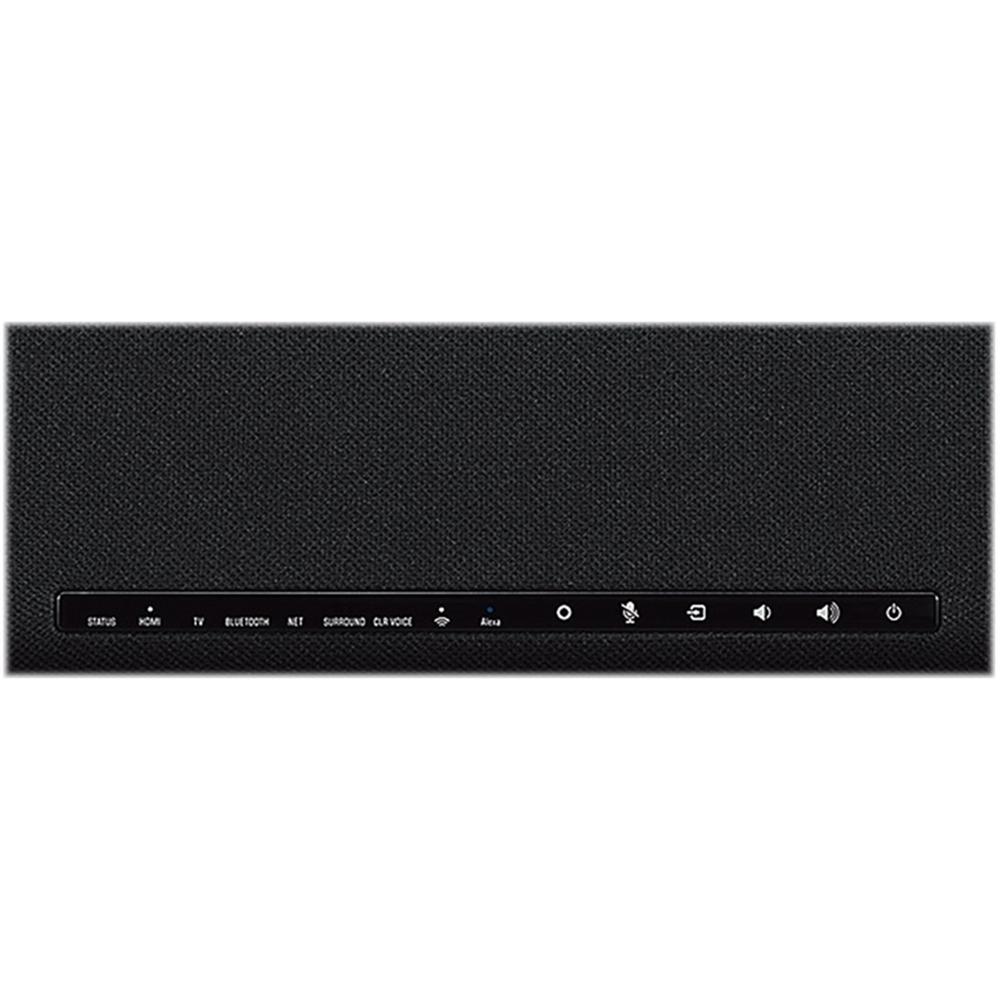
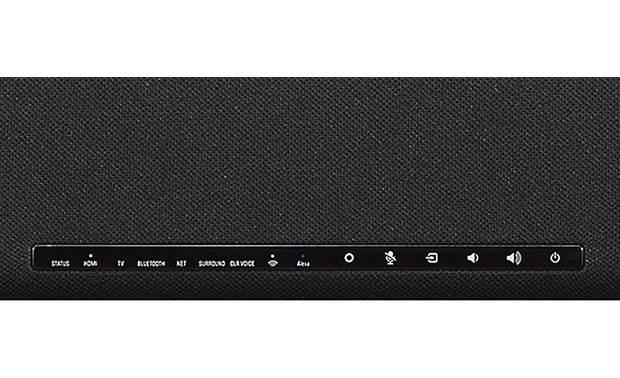
The YAS-109 includes built-in Alexa with far-field microphones, essentially making it a full-featured smart speaker that happens to also be a sound bar. You can ask it to play music, control smart home devices, answer questions, or adjust the volume without reaching for a remote.
I've found this feature more useful than I initially expected. Being able to say "Alexa, set volume to 4" during late-night viewing sessions is genuinely convenient. The integration with smart home systems means you can include the sound bar in automation routines - having it automatically switch to a specific mode when you start movie night, for example.
The SR-B30A takes a more traditional approach with physical remote control and a smartphone app. The app offers more detailed control over EQ settings and sound modes, but you need to actively use it rather than having voice control available at all times.
Based on the technical specifications and user feedback, here's how these differences translate to actual listening experiences:
For Movies and TV Shows: The SR-B30A's Dolby Atmos support provides a noticeable advantage with compatible content. Netflix, Disney+, and many 4K Blu-rays now include Atmos soundtracks, and the difference is particularly apparent in action sequences and atmospheric content. The overhead effects create a more enveloping experience that makes you feel more connected to what's happening on screen.
However, the YAS-109 shouldn't be underestimated. Its DTS Virtual:X processing is mature and effective, and the Clear Voice technology actually performs slightly better in some scenarios because it's been refined over several years of user feedback and software updates.
For Music: This is where the YAS-109's Wi-Fi streaming capability really shines. The ability to stream directly from services like Spotify at higher quality than Bluetooth allows makes a meaningful difference, especially for critical listening. The SR-B30A's Bluetooth 5.1 with AAC codec support is good, but it's still compressed audio with the inherent limitations of wireless transmission.
For Gaming: The SR-B30A's Dolby Atmos support provides an advantage for games that support it, which includes many recent PlayStation 5 and Xbox Series X titles. The positional audio can genuinely help with gameplay - hearing enemies approaching from specific directions, for instance. However, the YAS-109's dedicated Game mode is well-tuned and provides good results for all types of gaming content.
If you're setting up a dedicated home theater space, several factors become more important. Screen size matters - with TVs larger than 55 inches, the wider soundstage both models provide becomes more critical for proper scale matching. The sound needs to feel like it's coming from the entire screen area, not just from a small point below it.
Room acoustics also play a bigger role in dedicated theater spaces. The SR-B30A's Dolby Atmos processing tends to work better in rooms with some acoustic treatment or at least standard ceiling heights (8-9 feet). Very high ceilings can dilute the overhead effects, while very low ceilings can make them feel compressed.
For dedicated theater use, I'd lean slightly toward the SR-B30A because of its superior handling of modern movie soundtracks. However, if your theater space doubles as a living room where you'll be streaming music and using voice control regularly, the YAS-109's versatility becomes more valuable.
At $219.95, the YAS-109 offers exceptional value when you consider it's essentially a high-quality sound bar and a full-featured smart speaker in one device. Amazon Echo devices with good sound quality typically cost $100-200 by themselves, so you're getting significant added value.
The SR-B30A at $279.95 represents a different value proposition. The $60 premium buys you access to the latest audio technology and future-proofs your setup for the growing library of Dolby Atmos content. It's a more focused product that does one thing - audio reproduction - very well.
Consider your usage patterns honestly. If you primarily watch streaming content and occasionally listen to music, both will serve you well. If you're building a system around 4K Blu-ray collection or premium streaming services with Atmos content, the SR-B30A's additional capability justifies the extra cost.
Choose the SR-B30A if you're primarily focused on the best possible audio experience for movies and TV. The Dolby Atmos support provides a genuinely better experience with compatible content, and the technology will become more valuable over time as more content takes advantage of it. It's also the better choice if you prefer traditional remote control and don't need smart home integration.
Choose the YAS-109 if you want a device that enhances both your entertainment and daily life. The combination of solid audio performance, comprehensive streaming options, and full Alexa functionality makes it incredibly versatile. It's particularly appealing if you're already invested in the Amazon ecosystem or if you frequently stream music.
Both are excellent sound bars that will dramatically improve your TV audio experience. The choice ultimately comes down to whether you prioritize cutting-edge audio technology or comprehensive smart features. Either way, you'll be getting a well-built product from a company with decades of audio expertise.
The sound bar market continues to evolve rapidly, but both of these Yamaha models represent solid choices that should serve you well for years to come. Whether you go with the SR-B30A's immersive audio capabilities or the YAS-109's smart versatility, you're investing in significantly better sound than your TV can provide on its own.
| Yamaha SR-B30A Sound Bar with Built-In Subwoofers | Yamaha YAS-109 Sound Bar with Built-in Subwoofers and Alexa |
|---|---|
| Price - $60 difference reflects premium audio vs smart features | |
| $279.95 | $219.95 |
| Audio Technology - The most important difference for sound quality | |
| Dolby Atmos (object-based 3D audio for overhead effects) | DTS Virtual:X (reliable virtual surround processing) |
| Voice Control - Major convenience factor for daily use | |
| None (remote and app control only) | Built-in Alexa with far-field microphones |
| Connectivity Options - Affects streaming flexibility and audio quality | |
| HDMI eARC, Optical, Bluetooth 5.1 | HDMI ARC, Optical, Wi-Fi, Bluetooth 4.2, Ethernet |
| Power Output - Both deliver identical total power | |
| 120W total (Front: 30W × 2, Subwoofer: 60W) | 120W total (Front: 30W × 2, Subwoofer: 60W) |
| Music Streaming - YAS-109 offers superior wireless audio quality | |
| Bluetooth only (compressed audio) | Wi-Fi streaming, Spotify Connect, Bluetooth |
| Dimensions - SR-B30A is slightly larger but similar footprint | |
| 35.9" × 2.6" × 5.2" (8.6 lbs) | 35" × 2.1" × 5.1" (7.5 lbs) |
| Smart Home Integration - YAS-109 functions as full smart speaker | |
| Basic HDMI-CEC control only | Complete Alexa ecosystem integration |
| Future-Proofing - SR-B30A supports latest audio formats | |
| Dolby Atmos ready for expanding content library | Proven DTS technology but no Atmos support |
| Setup Complexity - Both offer easy installation | |
| Traditional remote + mobile app | Voice commands, app, and remote control |
The Yamaha SR-B30A ($279.95) has superior sound quality thanks to its Dolby Atmos support, which creates more immersive 3D audio with overhead effects. The YAS-109 ($219.95) uses DTS Virtual:X technology that's reliable but less advanced. For movies and gaming, the SR-B30A delivers a more engaging experience with compatible content.
Only the Yamaha SR-B30A supports Dolby Atmos, which creates immersive overhead audio effects from a single sound bar. The YAS-109 uses DTS Virtual:X instead, which provides good virtual surround sound but cannot process true Dolby Atmos content from streaming services or 4K Blu-rays.
Both work well for home theater use, but the SR-B30A has an advantage with its Dolby Atmos support, making it better for dedicated movie watching with modern streaming content and 4K Blu-rays. The YAS-109 is excellent for mixed-use spaces where you want both entertainment audio and smart speaker functionality.
The YAS-109 ($219.95) offers exceptional value by combining sound bar and smart speaker functionality in one device. The SR-B30A ($279.95) provides better value for audio enthusiasts who prioritize the latest Dolby Atmos technology and superior sound quality over smart features.
We've done our best to create useful and informative comparisons to help you decide what product to buy. Our research uses advanced automated methods to create this comparison and perfection is not possible - please contact us for corrections or questions. These are the sites we've researched in the creation of this article: usa.yamaha.com - worldwidestereo.com - audiolab.com - shop.sg.yamaha.com - consumerreports.org - usa.yamaha.com - vinylsound.ca - bestbuy.com - modernappliancewoodward.com - bluestardist.com - target.com - my.yamaha.com - rtings.com - crutchfield.com - usa.yamaha.com - digitaltrends.com - tomsguide.com - listenup.com - youtube.com - usa.yamaha.com - hub.yamaha.com - youtube.com - hub.yamaha.com

Privacy Policy
Terms and Conditions - Affiliate Policy
Home Security
© Copyright 2008-2026.
11816 Inwood Rd #1211, Dallas, TX 75244