

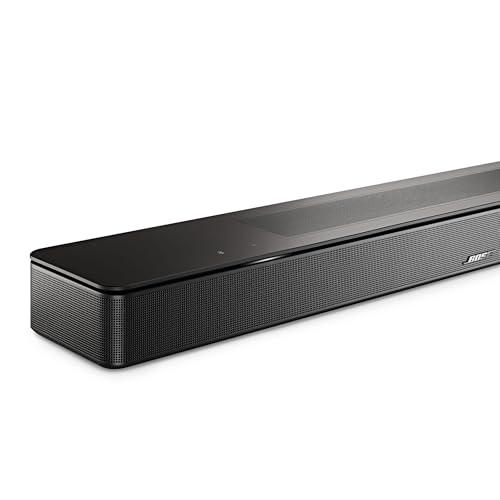
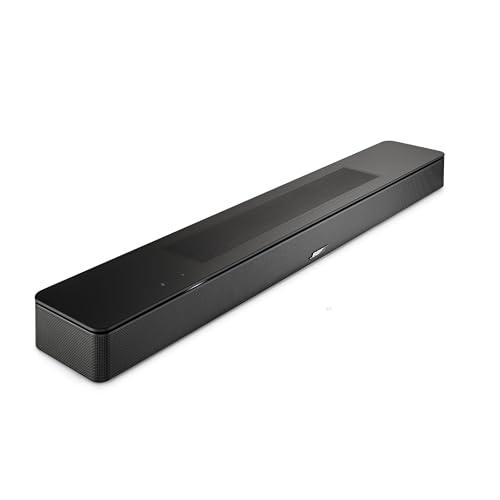

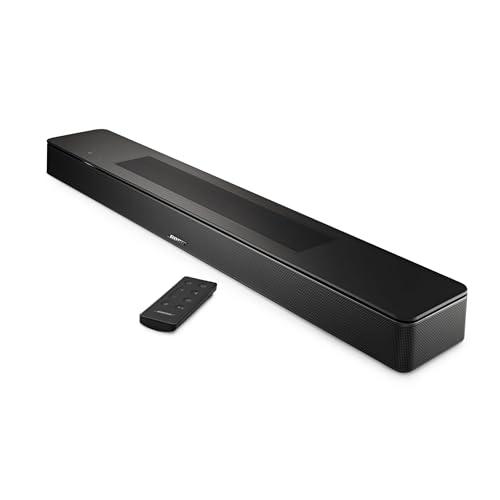
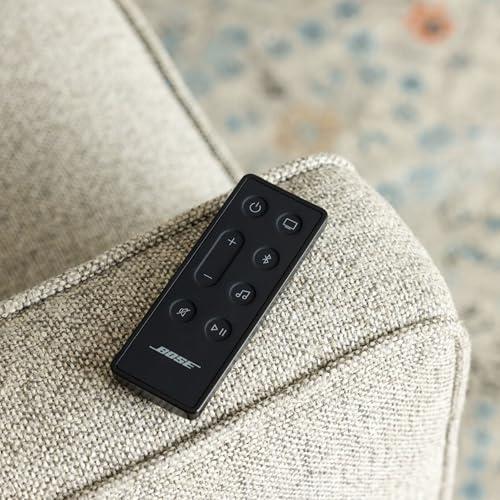

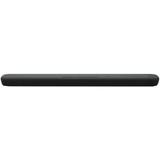
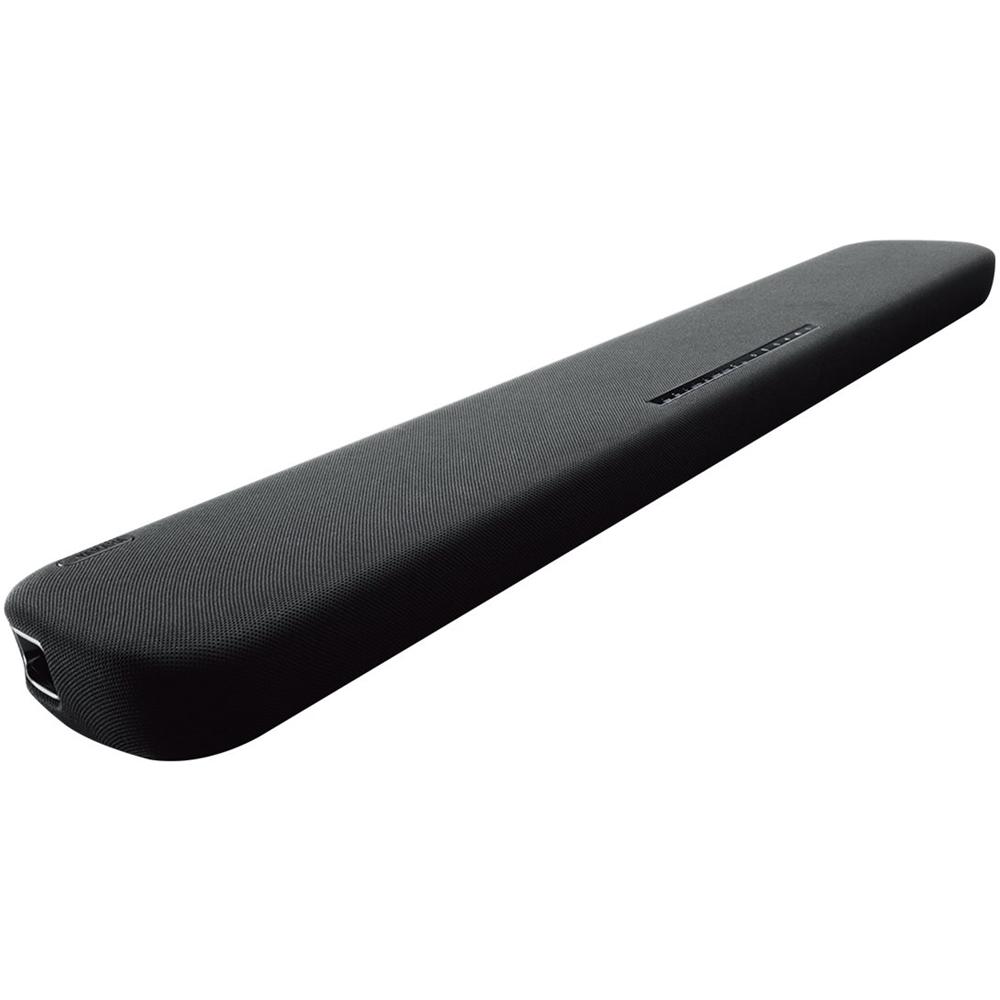
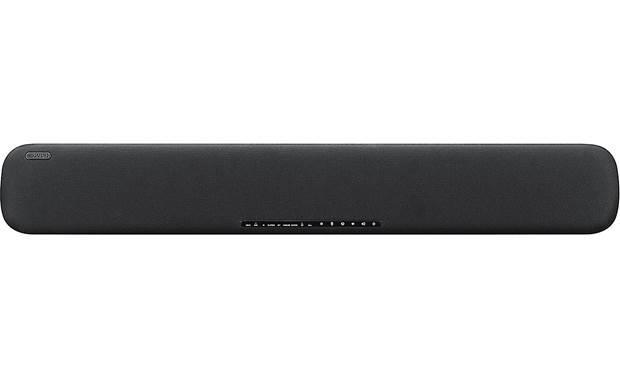
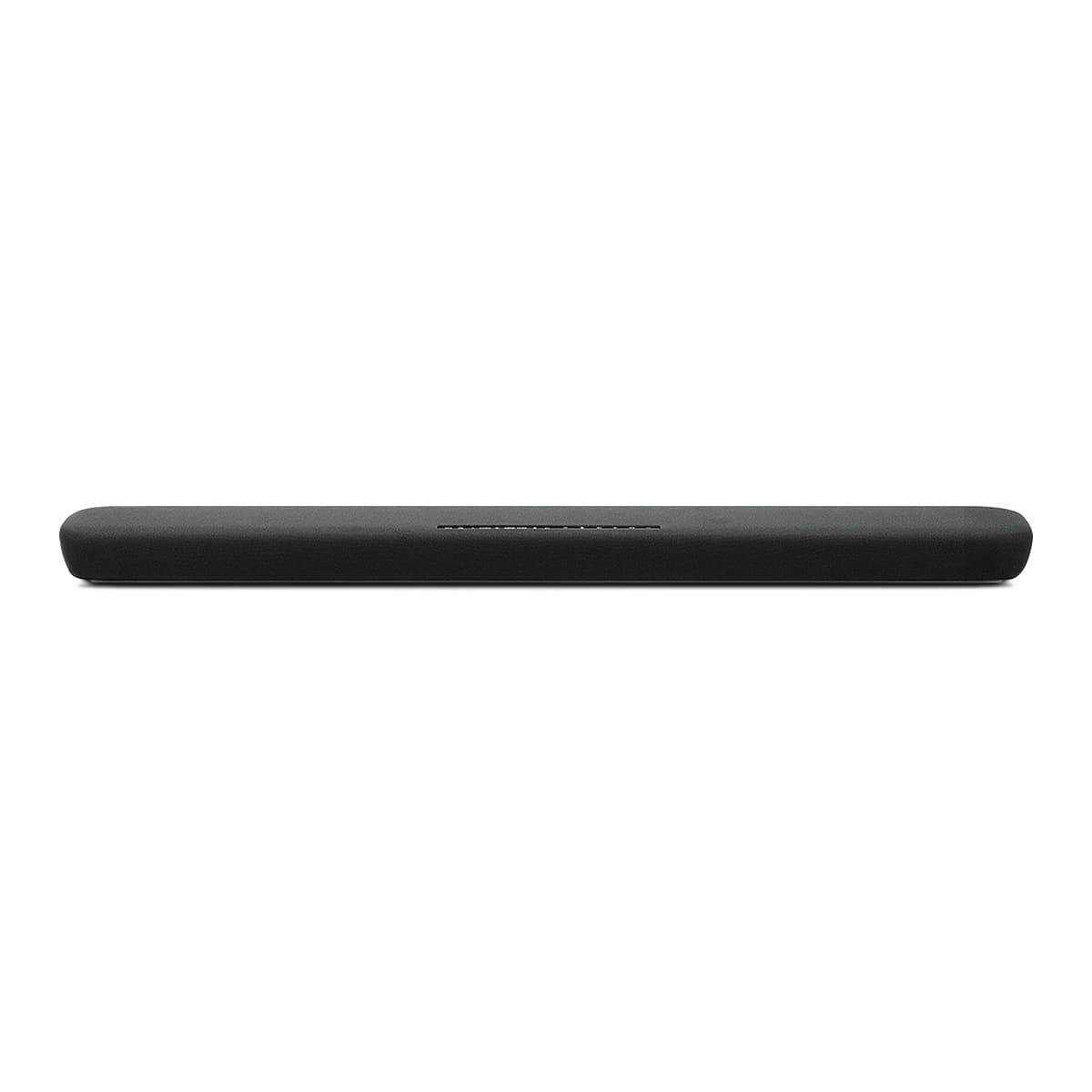
When your TV's built-in speakers make dialogue sound like it's coming from underwater and explosions feel more like gentle puffs of air, it's time for a soundbar. But with options ranging from budget-friendly to wallet-draining, choosing the right one can feel overwhelming. Today, we're comparing two popular approaches to better TV audio: the premium Bose Smart Soundbar 1100 and the budget-conscious Yamaha YAS-109.
These soundbars represent completely different philosophies. Bose focuses on premium audio engineering with cutting-edge features, while Yamaha emphasizes practical performance at an accessible price point. Understanding which approach suits your needs—and your budget—will help you make the right choice for your living room.
Before diving into specifics, let's talk about what actually matters in a soundbar. The most important factors are dialogue clarity, bass response, soundstage width (how spread out the sound feels), and surround sound capabilities. Think of dialogue clarity as the foundation—if you can't understand what people are saying, nothing else matters. Bass response adds impact to action scenes and music, while soundstage width makes audio feel more immersive and natural.
Smart features like voice assistants and wireless streaming have become increasingly important, especially as our homes become more connected. Connectivity options determine how easily you can hook everything up, and expandability affects whether you can upgrade your system later without starting over.
Room size plays a crucial role too. A soundbar that works perfectly in a cozy bedroom might get lost in a large family room, while an oversized system can overwhelm a small space with boomy, uncontrolled sound.
The Bose Smart Soundbar 1100, released in 2023, represents Bose's entry into the compact premium soundbar market. It's designed for people who want high-end audio technology in a sleek, space-efficient package. Despite its modest size—just over 27 inches wide and barely 2 inches tall—it packs true Dolby Atmos processing with dedicated up-firing speakers.
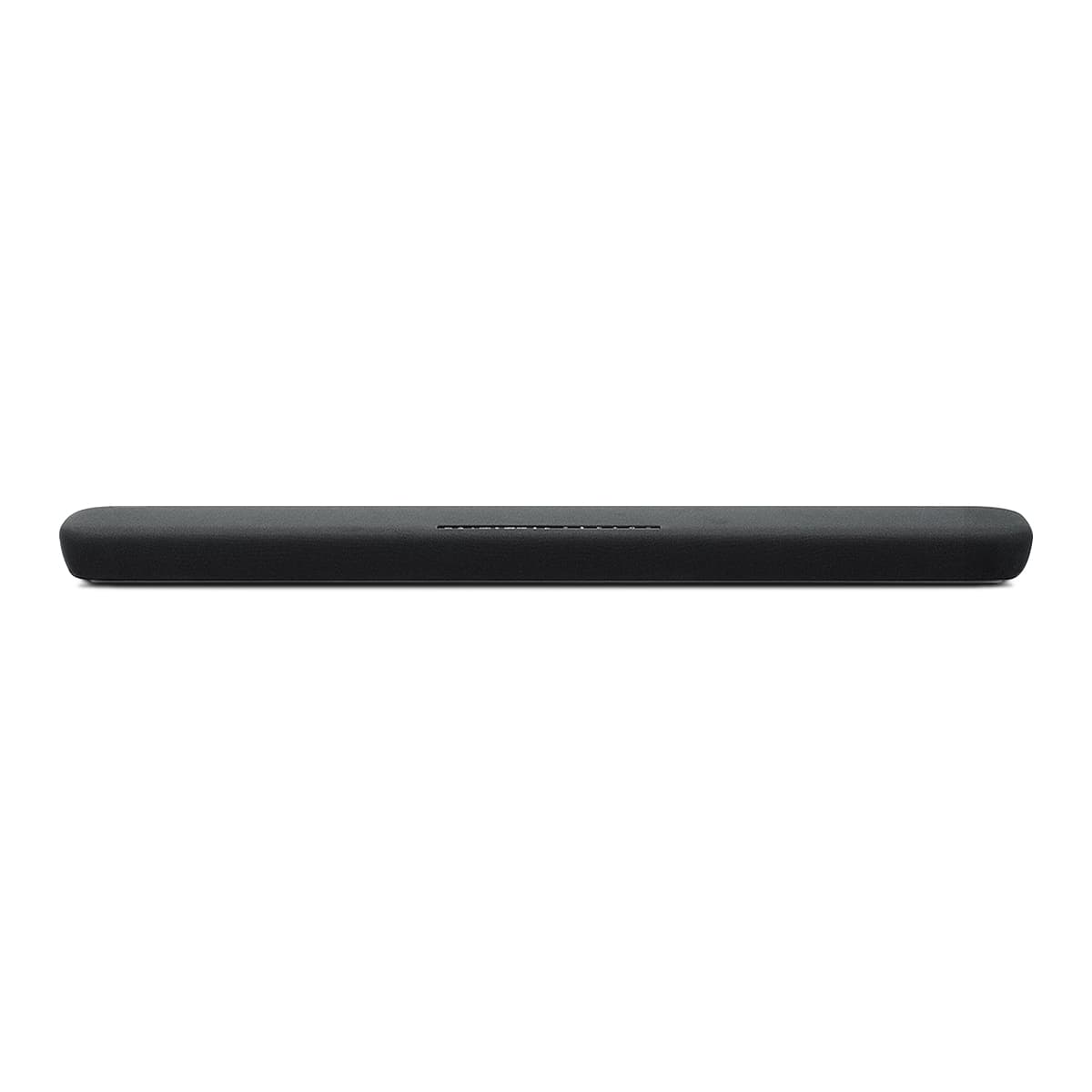
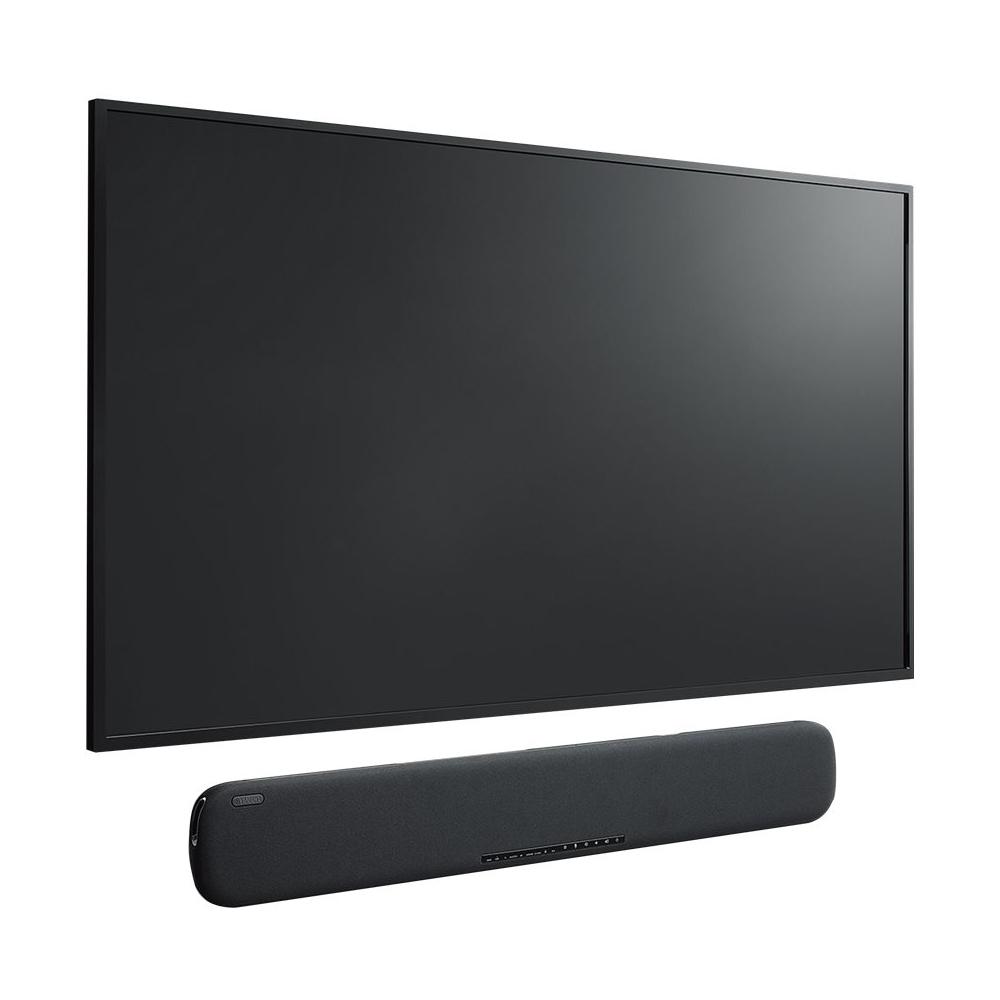
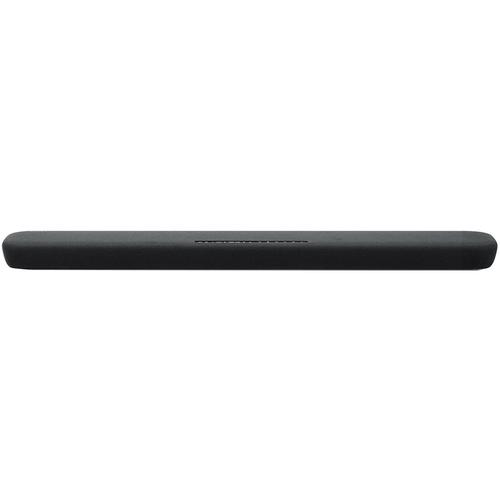
The Yamaha YAS-109, launched in 2019, takes a different approach entirely. Instead of chasing the latest audio formats, Yamaha focused on delivering solid fundamentals: clear dialogue, punchy bass from built-in subwoofers, and practical connectivity features. It's larger than the Bose but costs significantly less.
The four-year gap between these releases matters more than you might think. Audio technology has advanced considerably since 2019, particularly in areas like spatial audio processing, voice control integration, and wireless connectivity standards.
Nothing ruins a movie night faster than constantly rewinding to catch missed dialogue. This is where the Bose Smart Soundbar 1100 really shines with its A.I. Dialogue Mode—a feature that uses artificial intelligence to automatically detect when people are speaking and adjusts the sound accordingly. It's not just a simple treble boost; the system analyzes the audio in real-time and makes subtle adjustments to bring voices forward without making them sound thin or unnatural.
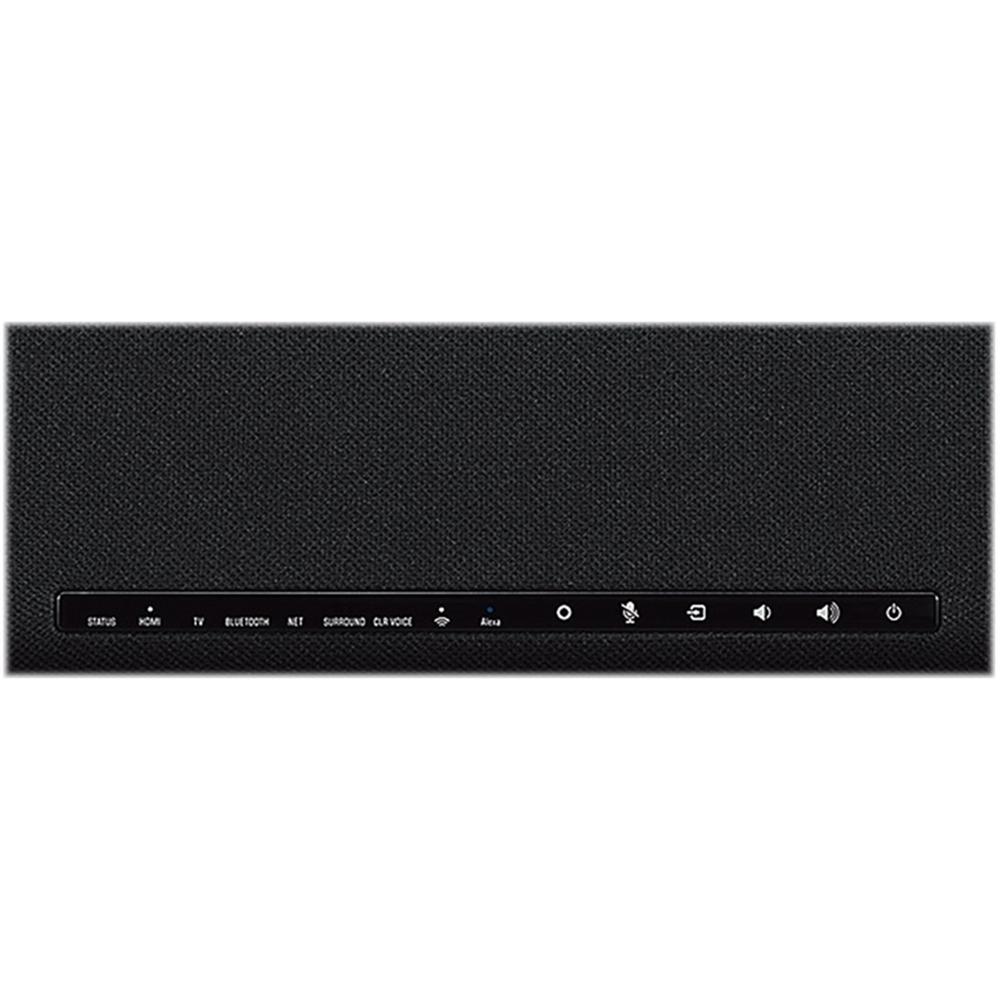
The Yamaha YAS-109 uses a more traditional approach called Clear Voice technology, which essentially applies a preset EQ curve to emphasize the frequency range where most dialogue occurs. It works well enough for the price point, but it's a more basic implementation that can sometimes make voices sound slightly artificial.
In our research of expert reviews and user feedback, the difference is clear: Bose delivers noticeably clearer, more natural-sounding dialogue, especially in challenging content like British accents or whispered conversations. This advantage becomes even more pronounced when watching content with complex audio mixes where dialogue competes with music and effects.
Here's where things get interesting. The Yamaha YAS-109 includes two built-in 3-inch subwoofers, giving it a significant advantage in raw bass output compared to the Bose Smart Soundbar 1100's slim profile design. Yamaha's approach produces more immediate, in-your-face bass that makes action movies and bass-heavy music more exciting.
However, the Bose takes a more sophisticated approach with its QuietPort technology—a system that uses specially designed ports to minimize the turbulence that typically causes distortion in small speakers. The result is tighter, more controlled bass that might not shake your couch but integrates better with the overall sound signature.
Think of it like comparing a sports car to a luxury sedan. The Yamaha delivers more dramatic bass impact, while the Bose focuses on refinement and accuracy. For movie nights with lots of explosions, many people prefer Yamaha's more aggressive approach. For daily TV watching and music listening, Bose's cleaner bass integration often sounds more natural.
This is perhaps the biggest technical difference between these soundbars. The Bose Smart Soundbar 1100 includes actual up-firing drivers—small speakers that bounce sound off your ceiling to create the impression of overhead audio. This enables true Dolby Atmos processing, where sounds can be precisely placed in a three-dimensional space around you.
Dolby Atmos is an advanced audio format that treats individual sounds as objects that can be positioned anywhere in a room, rather than just assigning them to specific speaker channels. When a helicopter flies overhead in a movie, Atmos can make it sound like it's actually above you, not just coming from the soundbar in front of your TV.
The Yamaha YAS-109 uses DTS Virtual:X, which is essentially advanced audio processing that tries to simulate surround sound using only the speakers built into the soundbar itself. It's clever technology that can create a wider soundstage than you'd expect from a single box, but it can't replicate the true height dimension that Bose's physical up-firing drivers provide.
In practice, this means the Bose creates a more convincing illusion of surround sound, especially for content specifically mixed in Dolby Atmos. The Yamaha does a decent job of making stereo content sound wider and more immersive, but it's fighting physics rather than working with it.
The four-year technology gap really shows in connectivity options. The Bose Smart Soundbar 1100 supports modern Wi-Fi standards with dual-band capability, Bluetooth 5.0, and streaming protocols like AirPlay 2 and Chromecast. This means faster, more reliable connections and better audio quality when streaming wirelessly.
The Yamaha YAS-109 uses older Bluetooth 4.2 and basic Wi-Fi connectivity that was standard in 2019. It still works fine for basic streaming, but you might notice occasional dropouts or longer connection times compared to more modern implementations.
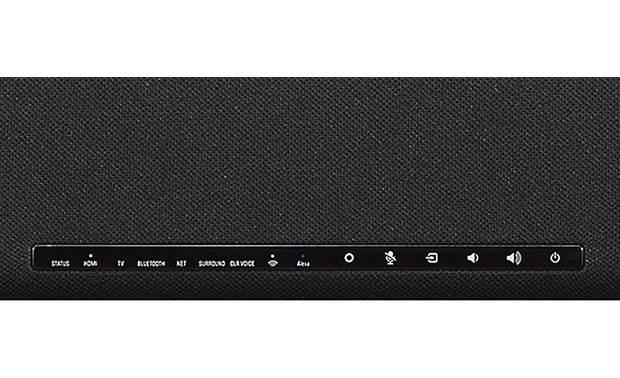
Both soundbars include Amazon Alexa, but Bose's implementation is more sophisticated. Its Voice4Video feature lets you control not just the soundbar but also your TV and cable box with voice commands—something that wasn't common when the Yamaha was designed. Bose also includes a noise-rejecting microphone array that works better when the soundbar is playing loudly.
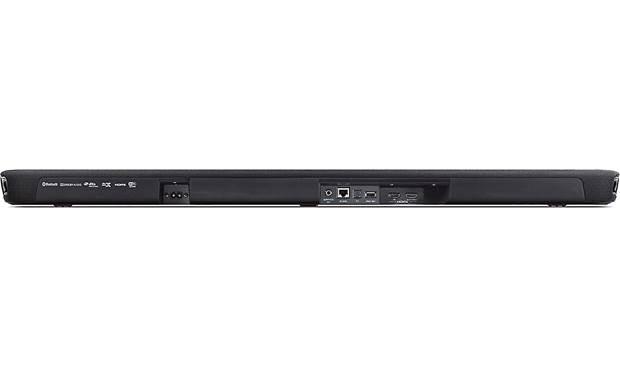
However, the Yamaha YAS-109 has one significant connectivity advantage: it includes an HDMI input along with its HDMI output, allowing it to act as a switching hub for multiple devices. The Bose Smart Soundbar 1100 only has an HDMI output with eARC/ARC support, so you'll need to connect all your devices directly to your TV instead.
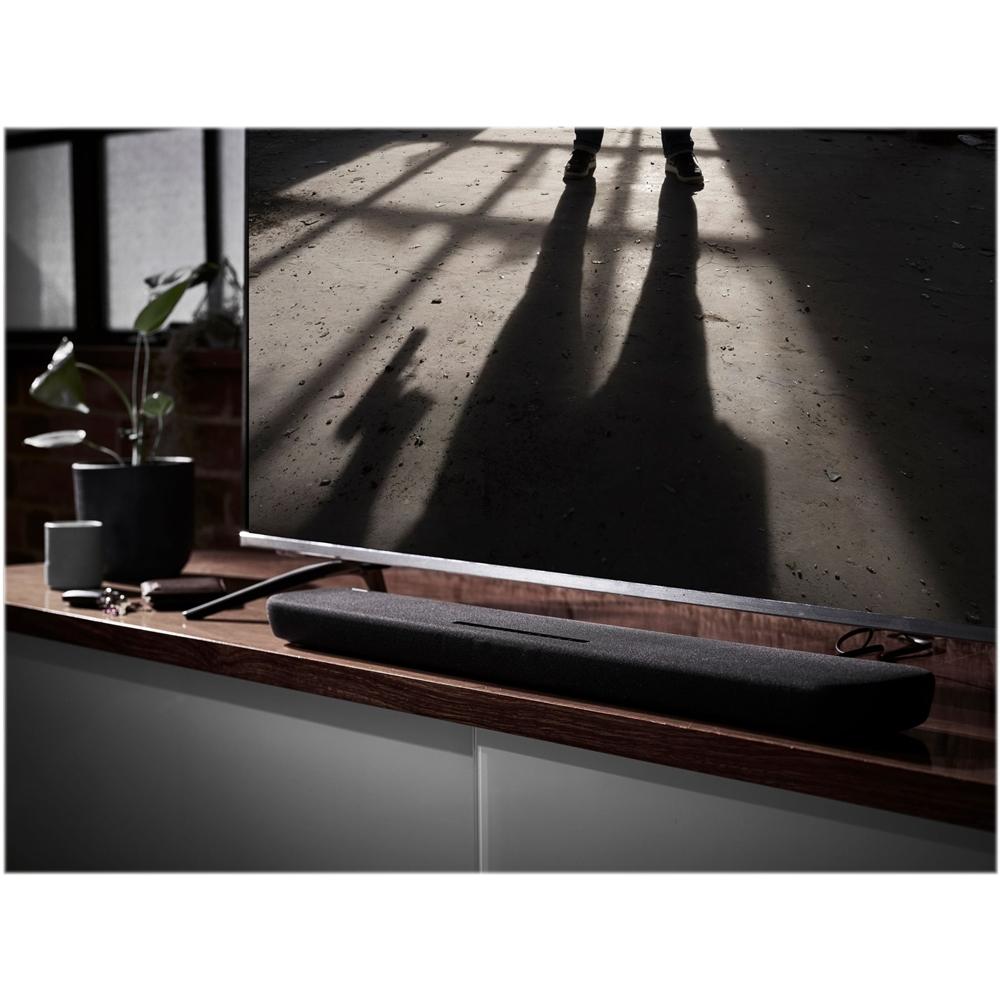
The physical design differences reflect each company's priorities. The Bose Smart Soundbar 1100 prioritizes discreteness—it's designed to virtually disappear under your TV while delivering premium performance. At just over 2 inches tall, it won't block your TV's remote sensor or create visual clutter.
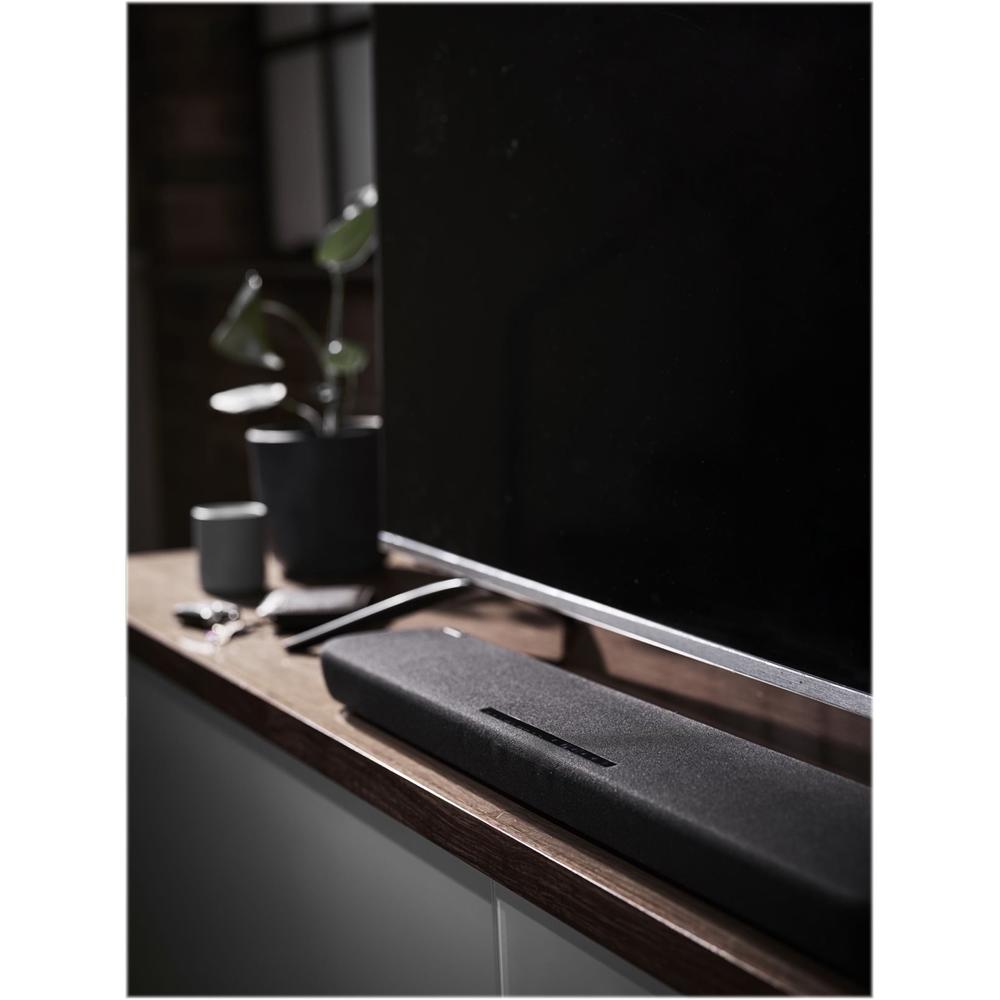
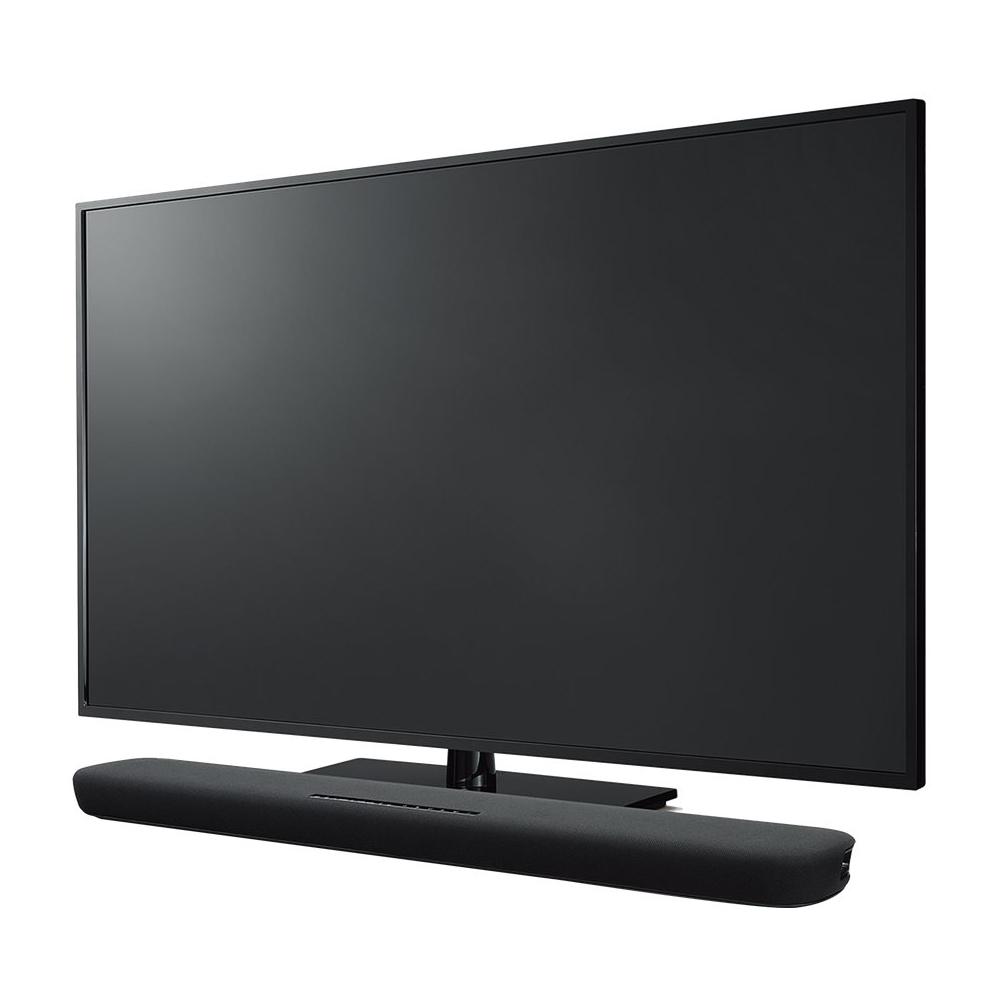
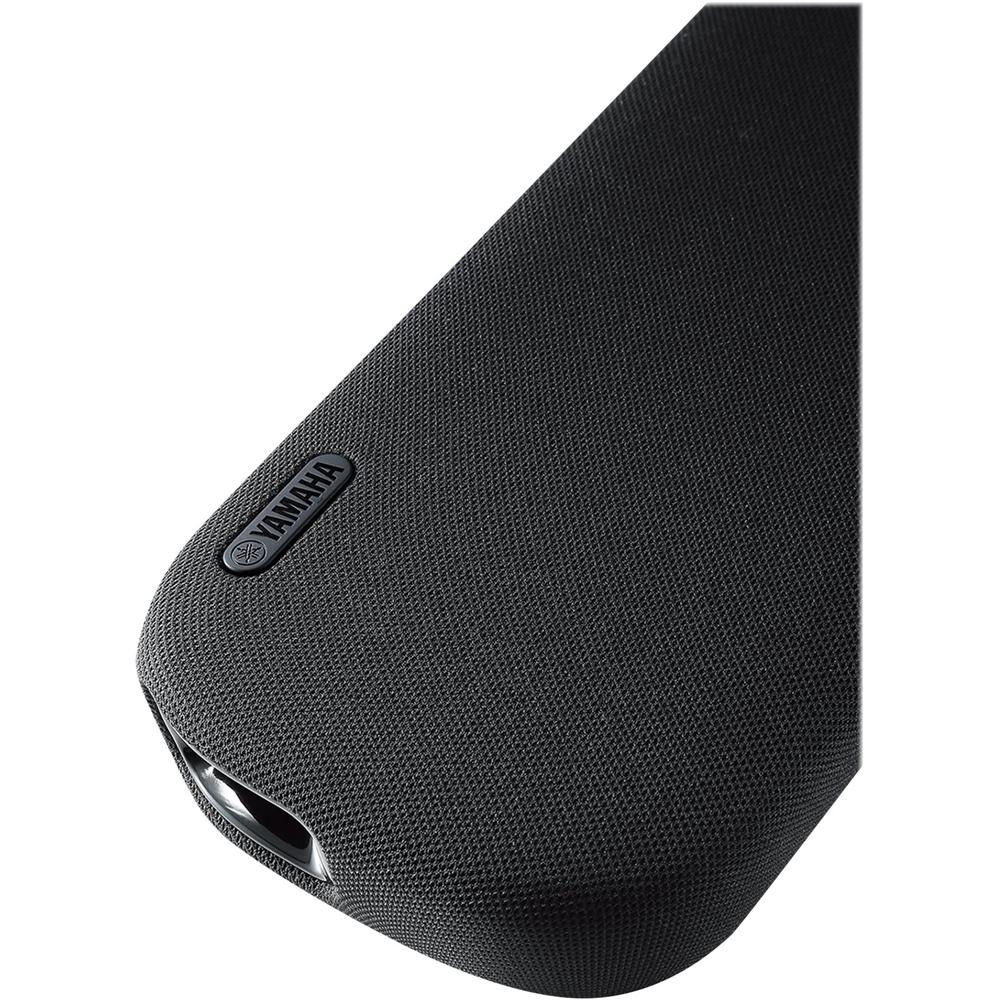
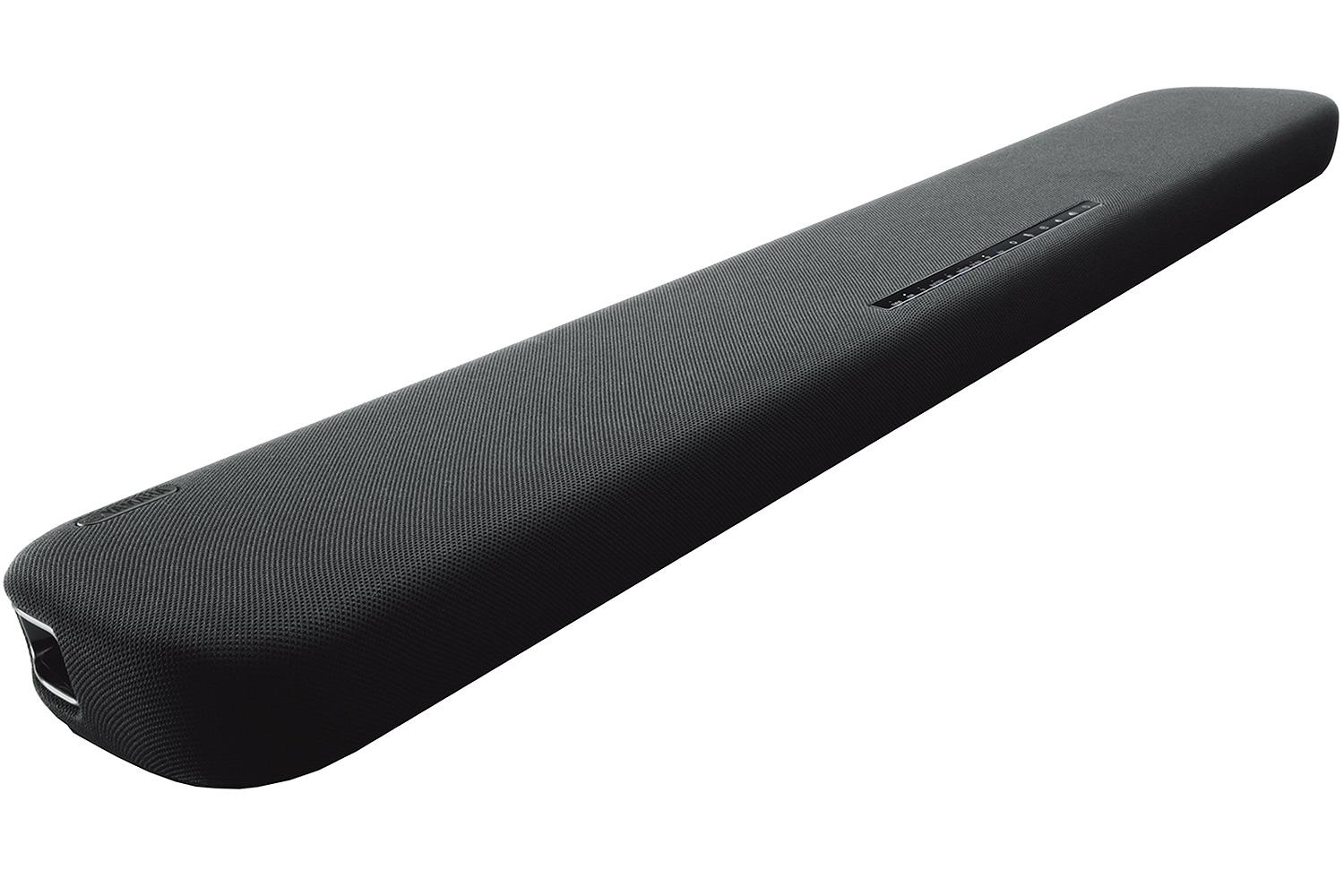
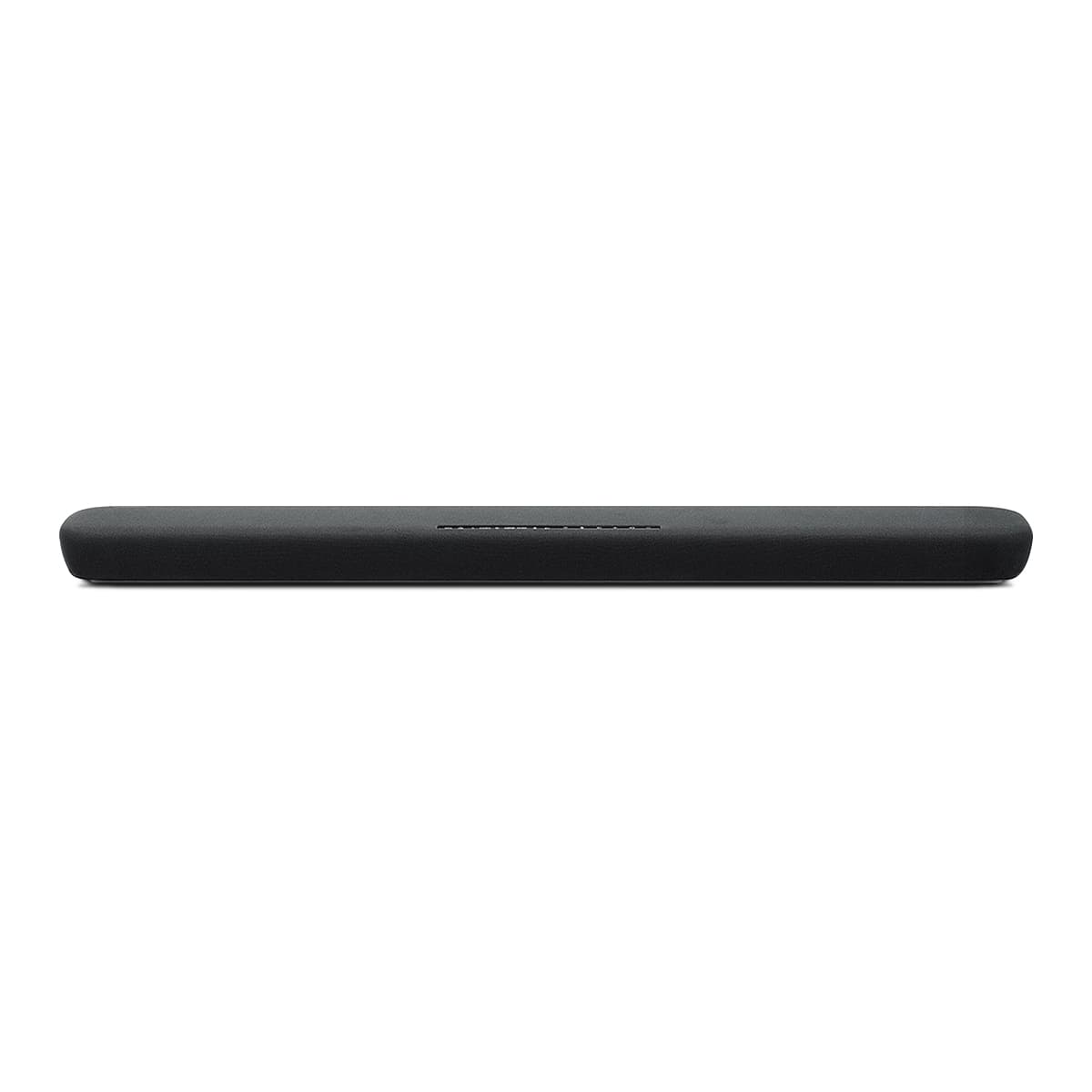
The Yamaha YAS-109 is larger and more utilitarian, but that size serves a purpose. Those built-in subwoofers need physical space to move air and create bass, and Yamaha chose function over form. It's still reasonably attractive, but it's clearly designed as a value-focused product rather than a premium lifestyle accessory.
This is where the Bose Smart Soundbar 1100 really shows its premium positioning. Bose offers optional wireless subwoofers (the Bass Module 500 or 700) and surround speakers that integrate seamlessly with the soundbar. More uniquely, Bose's Personal Surround feature lets you pair certain Bose earbuds as wireless rear speakers for private surround sound listening—a clever solution for apartment dwellers or late-night viewing.
The Yamaha YAS-109 includes a standard subwoofer output, so you can add a third-party subwoofer if needed, but it doesn't have an official surround speaker expansion system. This limits your upgrade path and means you might need to replace the entire system if your needs change.
For dedicated home theater setups, the Bose Smart Soundbar 1100 is the more future-proof choice. Its true Dolby Atmos support ensures compatibility with the latest movie formats, and its expansion options let you build a complete surround system over time. The sophisticated audio processing also means it will handle complex movie soundtracks more effectively.
The Yamaha YAS-109 works well for casual movie watching and daily TV use, but it's not really designed for serious home theater applications. The lack of true Atmos support and limited expansion options make it better suited for bedrooms, smaller living rooms, or situations where simplicity is more important than ultimate performance.
At the time of writing, these soundbars occupy very different price tiers. The Yamaha YAS-109 typically costs less than half what you'd pay for the Bose Smart Soundbar 1100, making the value comparison complex.
The Yamaha delivers impressive performance for its price point. The built-in subwoofers alone provide value that would cost extra with most compact soundbars. For someone who just wants significantly better TV audio without spending premium money, it's an excellent choice.
The Bose costs more but includes premium audio technology that justifies the price difference for many buyers. The true Dolby Atmos implementation, sophisticated dialogue processing, and premium build quality represent genuine technological advantages rather than just brand markup.
Choose the Bose Smart Soundbar 1100 if you prioritize audio quality above all else, especially dialogue clarity for TV shows and movies. It's ideal for smaller to medium-sized rooms where its compact size is an advantage, and perfect for anyone planning to build a complete surround system over time. The advanced wireless capabilities make it future-proof for smart home integration, and the premium build quality should provide years of reliable performance.
The Yamaha YAS-109 makes more sense for budget-conscious buyers who want substantial improvement over TV speakers without premium pricing. It's particularly appealing if you prefer more aggressive bass response and need HDMI switching capabilities. The larger size might actually be a benefit in bigger rooms where the Bose could get lost.
For apartment dwellers or those in smaller living spaces, the Bose's compact design and Personal Surround feature offer unique advantages. For family rooms where multiple people will be watching action movies and sports, the Yamaha's built-in subwoofers provide more immediate excitement.
Both soundbars succeed at their intended missions, but they're designed for different users with different priorities. The Bose Smart Soundbar 1100 represents the premium approach—pay more upfront for superior audio engineering, advanced features, and expansion flexibility. The Yamaha YAS-109 delivers the essentials exceptionally well at a price that makes high-quality TV audio accessible to more people.
Your choice ultimately depends on whether you value cutting-edge audio technology and refinement over raw performance per dollar. Both will dramatically improve your TV listening experience compared to built-in speakers, but they'll do it in distinctly different ways that appeal to different types of users.
| Bose Smart Soundbar 1100 | Yamaha YAS-109 Sound Bar |
|---|---|
| Release Year - Indicates technology generation and feature set | |
| 2023 (latest audio processing and connectivity) | 2019 (proven but older technology standards) |
| Dimensions - Critical for TV compatibility and room aesthetics | |
| 27.3" × 2.2" × 4.6" (ultra-compact, fits under most TVs) | 35" × 2.1" × 5.1" (larger footprint, may obstruct smaller TVs) |
| Weight - Affects mounting options and portability | |
| 6.9 lbs (lightweight for easy wall mounting) | 7.5 lbs (slightly heavier but still manageable) |
| Audio Channels - Determines surround sound capabilities | |
| 3.0.2 (dedicated up-firing drivers for true Atmos) | 2.1 (stereo plus built-in subwoofers) |
| Total Power Output - Affects maximum volume and dynamic range | |
| Not specified (typical for premium brands) | 120W total (30W L/R + 60W subwoofer) |
| Dolby Atmos Support - Essential for immersive movie experiences | |
| True Dolby Atmos with physical up-firing drivers | No Atmos (uses DTS Virtual:X simulation instead) |
| Built-in Subwoofer - Impacts bass response without external components | |
| No dedicated subwoofer (relies on main drivers) | Dual 3" built-in subwoofers for enhanced bass |
| HDMI Connectivity - Determines device switching capabilities | |
| 1 HDMI eARC output only (no input switching) | 1 HDMI input + 1 HDMI output with 4K passthrough |
| Wireless Standards - Affects streaming quality and reliability | |
| Wi-Fi 802.11ac dual-band, Bluetooth 5.0 | Wi-Fi 2.4GHz only, Bluetooth 4.2 |
| Voice Assistant Integration - Convenience for hands-free control | |
| Built-in Alexa with Voice4Video TV control | Built-in Alexa with basic functionality |
| Streaming Support - Determines music service compatibility | |
| AirPlay 2, Chromecast, Spotify Connect, plus major services | Basic streaming with limited protocol support |
| Dialogue Enhancement - Critical for clear speech in movies/TV | |
| A.I. Dialogue Mode with real-time processing | Clear Voice technology with preset EQ |
| Room Calibration - Optimizes sound for your specific space | |
| Basic Wall EQ preset only | No room calibration features |
| Expandability - Future upgrade potential without replacing entire system | |
| Optional Bose Bass Modules and surround speakers | Standard subwoofer output for third-party subs only |
| App Control - Ease of setup and ongoing management | |
| Bose Music app with full feature control | Yamaha Sound Bar Controller app with basic functions |
| Unique Features - Differentiating capabilities worth considering | |
| Personal Surround with Bose earbuds, TrueSpace upmixing | HDMI switching hub, aggressive bass tuning |
The Bose Smart Soundbar 1100 provides superior dialogue clarity thanks to its A.I. Dialogue Mode that automatically adjusts audio in real-time to enhance speech. While the Yamaha YAS-109 includes Clear Voice technology, it uses a more basic preset approach that doesn't match Bose's sophisticated processing for clear conversations and movie dialogue.
Yes, the Yamaha YAS-109 delivers more impactful bass out of the box with its dual built-in 3-inch subwoofers. The Bose Smart Soundbar 1100 produces cleaner, more refined bass but lacks the deep low-end extension that Yamaha provides without requiring an additional subwoofer purchase.
Only the Bose Smart Soundbar 1100 supports true Dolby Atmos with dedicated up-firing drivers that bounce sound off your ceiling for overhead effects. The Yamaha YAS-109 uses DTS Virtual:X to simulate surround sound but cannot process actual Dolby Atmos content for genuine spatial audio experiences.
The Bose Smart Soundbar 1100 is more compact at 27.3" wide and just 2.2" tall, making it ideal for smaller TVs and tight spaces. The Yamaha YAS-109 is larger at 35" wide and 2.1" tall, requiring more space but accommodating the built-in subwoofers that provide its enhanced bass response.
The Bose Smart Soundbar 1100 features modern Wi-Fi 802.11ac, Bluetooth 5.0, AirPlay 2, and Chromecast for superior wireless streaming. However, the Yamaha YAS-109 includes HDMI input switching capabilities that the Bose lacks, though it uses older Bluetooth 4.2 and basic Wi-Fi standards from 2019.
The Bose Smart Soundbar 1100 offers comprehensive expansion options including optional Bass Modules and surround speakers, plus unique Personal Surround functionality with compatible earbuds. The Yamaha YAS-109 only supports adding a third-party subwoofer through its standard output, with no official surround speaker expansion system available.
The Bose Smart Soundbar 1100 excels in small rooms due to its compact 27.3-inch width and sophisticated audio processing that creates an impressive soundstage despite its size. The larger Yamaha YAS-109 may overwhelm smaller spaces with its more aggressive bass tuning, though both will fit under most TVs.
Yes, both the Bose Smart Soundbar 1100 and Yamaha YAS-109 feature built-in Amazon Alexa. However, the Bose implementation is more advanced with Voice4Video capabilities that extend control to your TV and cable box, while Yamaha offers standard voice assistant functionality for basic smart home control.
The Yamaha YAS-109 provides exceptional value with built-in subwoofers, Alexa integration, and solid performance at a budget-friendly price point. The Bose Smart Soundbar 1100 costs significantly more but delivers premium audio engineering, true Dolby Atmos, and advanced features that justify the higher investment for audio enthusiasts.
The Bose Smart Soundbar 1100 is better suited for serious home theater applications with its true Dolby Atmos support, superior dialogue processing, and expansion capabilities for building a complete surround system. The Yamaha YAS-109 works well for casual movie watching but lacks the advanced audio formats and expandability for dedicated home theater setups.
The Bose Smart Soundbar 1100 delivers superior wireless streaming with modern Bluetooth 5.0, dual-band Wi-Fi, and support for high-quality streaming protocols like AirPlay 2 and Chromecast. The Yamaha YAS-109 uses older wireless standards that may result in occasional dropouts or lower audio quality during wireless playback.
Both soundbars support wall mounting, though the Bose Smart Soundbar 1100 is easier to mount due to its lighter 6.9-pound weight and ultra-slim 2.2-inch height profile. The Yamaha YAS-109 weighs slightly more at 7.5 pounds and requires more wall space, but both include mounting options for clean installation below wall-mounted TVs.
We've done our best to create useful and informative comparisons to help you decide what product to buy. Our research uses advanced automated methods to create this comparison and perfection is not possible - please contact us for corrections or questions. These are the sites we've researched in the creation of this article: bestbuy.com - rtings.com - rtings.com - youtube.com - staples.com - youtube.com - soundguys.com - businessinsider.com - youtube.com - rtings.com - crutchfield.com - youtube.com - youtube.com - smart.dhgate.com - dolby.com - bose.com - assets.bose.com - bose.com - connection.com - bestbuy.com - cdw.com - dell.com - device.report - rtings.com - crutchfield.com - usa.yamaha.com - digitaltrends.com - tomsguide.com - listenup.com - youtube.com - usa.yamaha.com - hub.yamaha.com - youtube.com - hub.yamaha.com

Privacy Policy
Terms and Conditions - Affiliate Policy
Home Security
© Copyright 2008-2026.
11816 Inwood Rd #1211, Dallas, TX 75244