

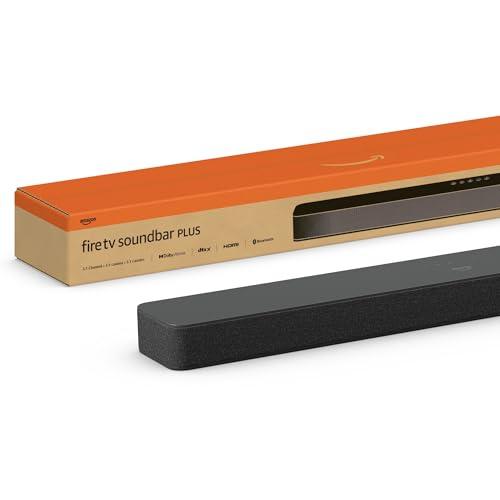


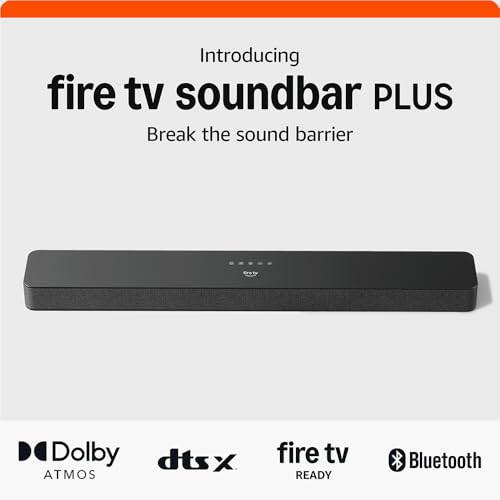
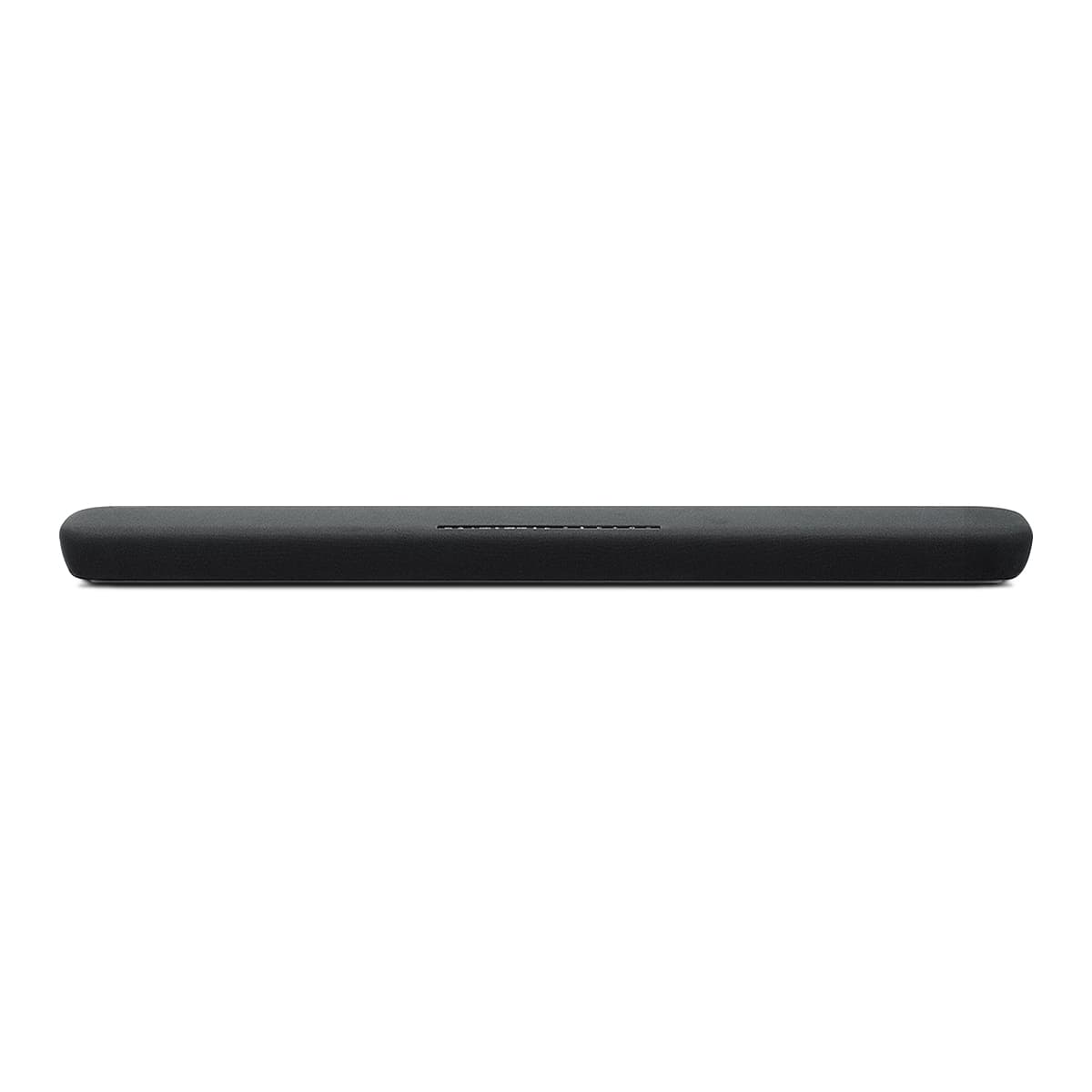
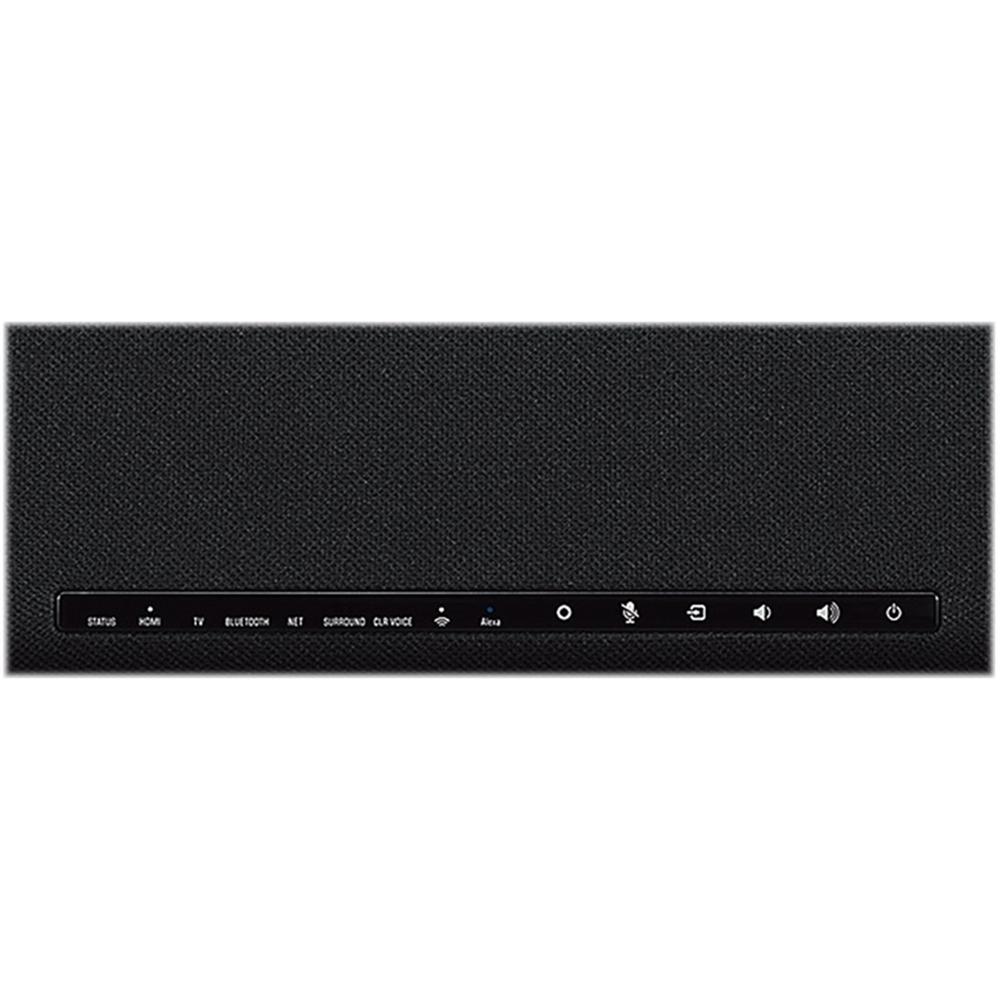
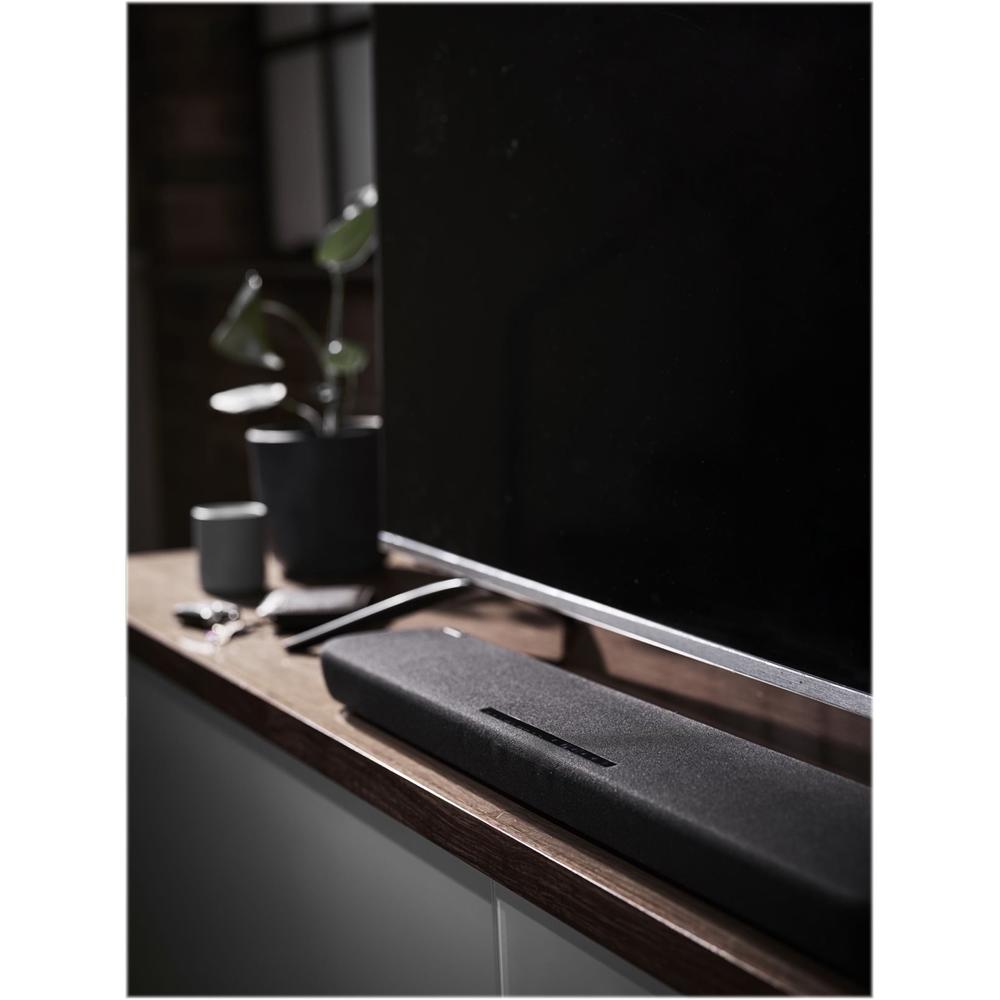
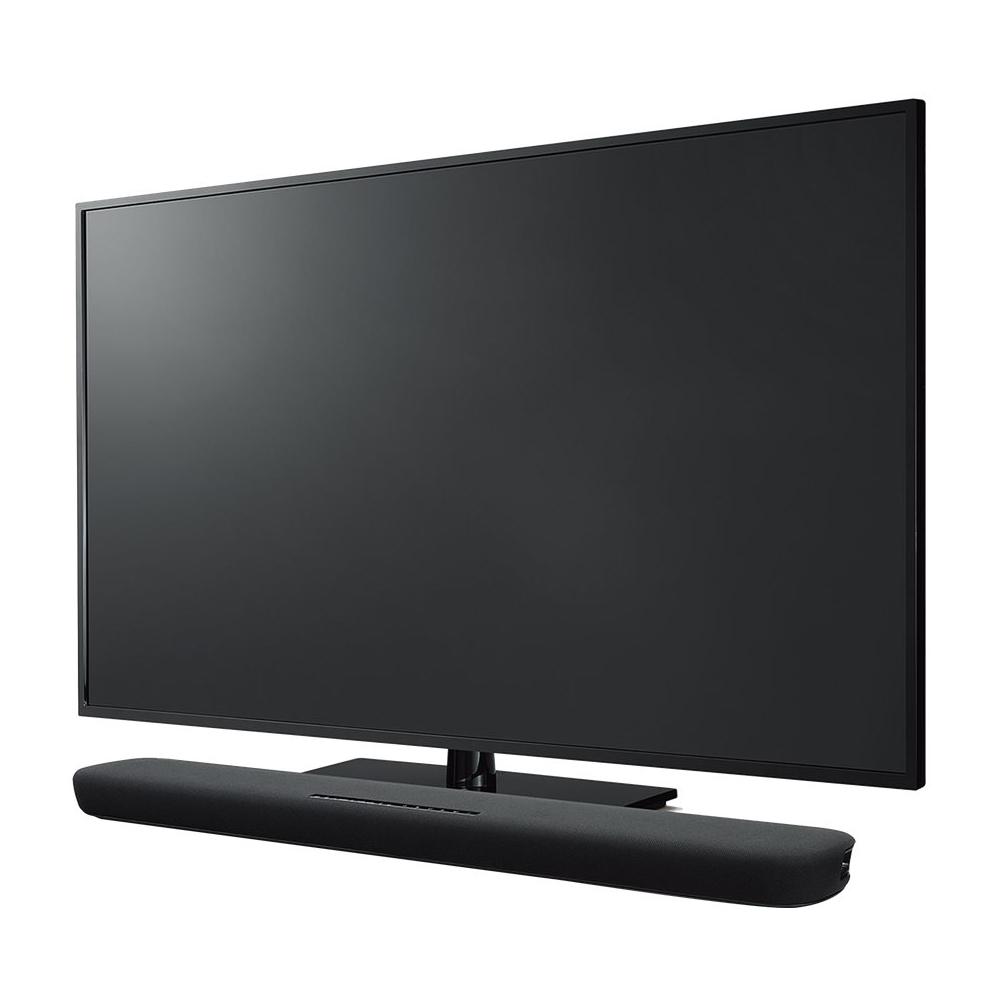
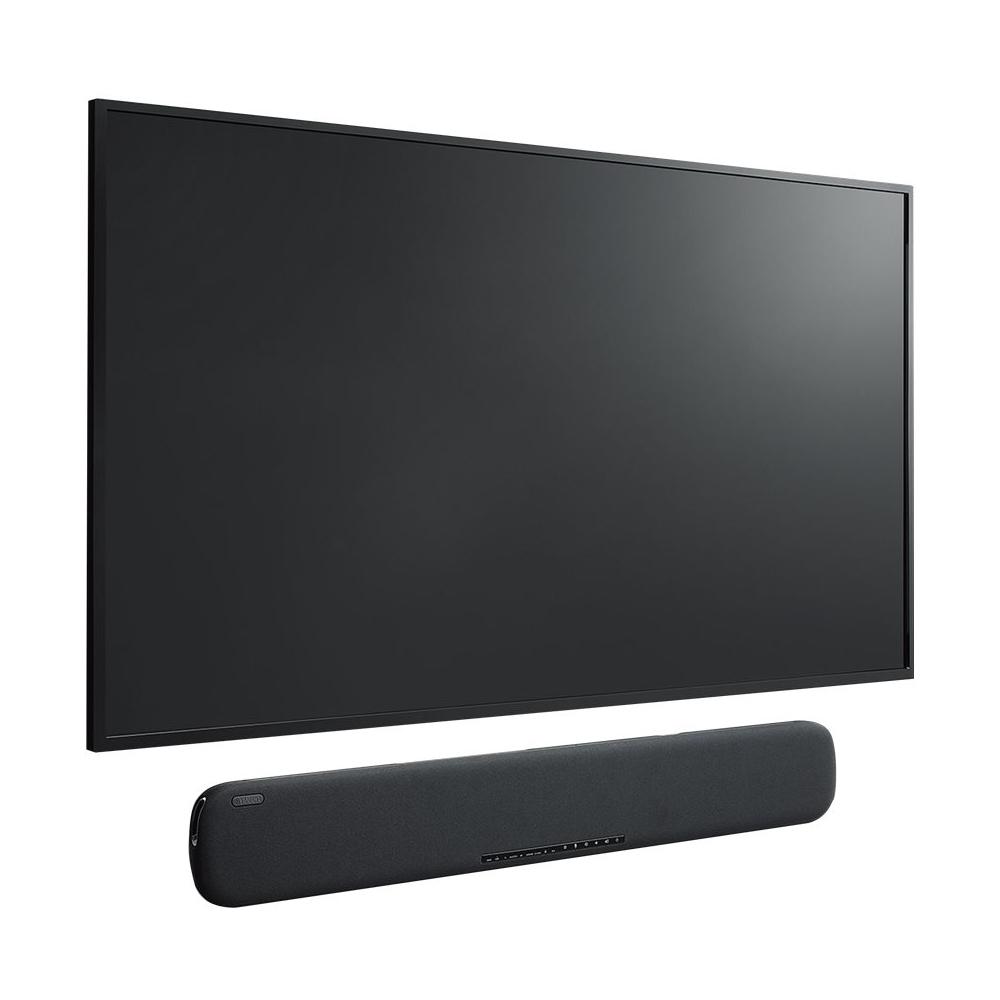
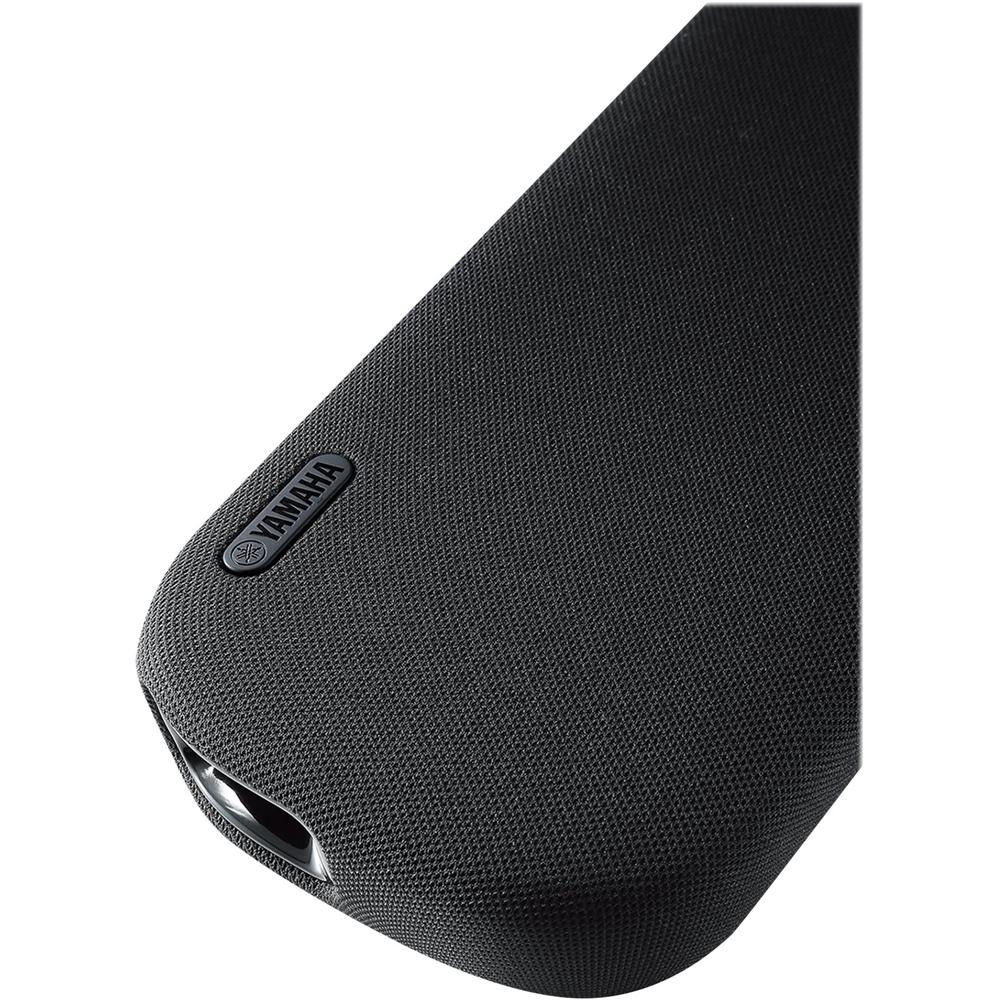
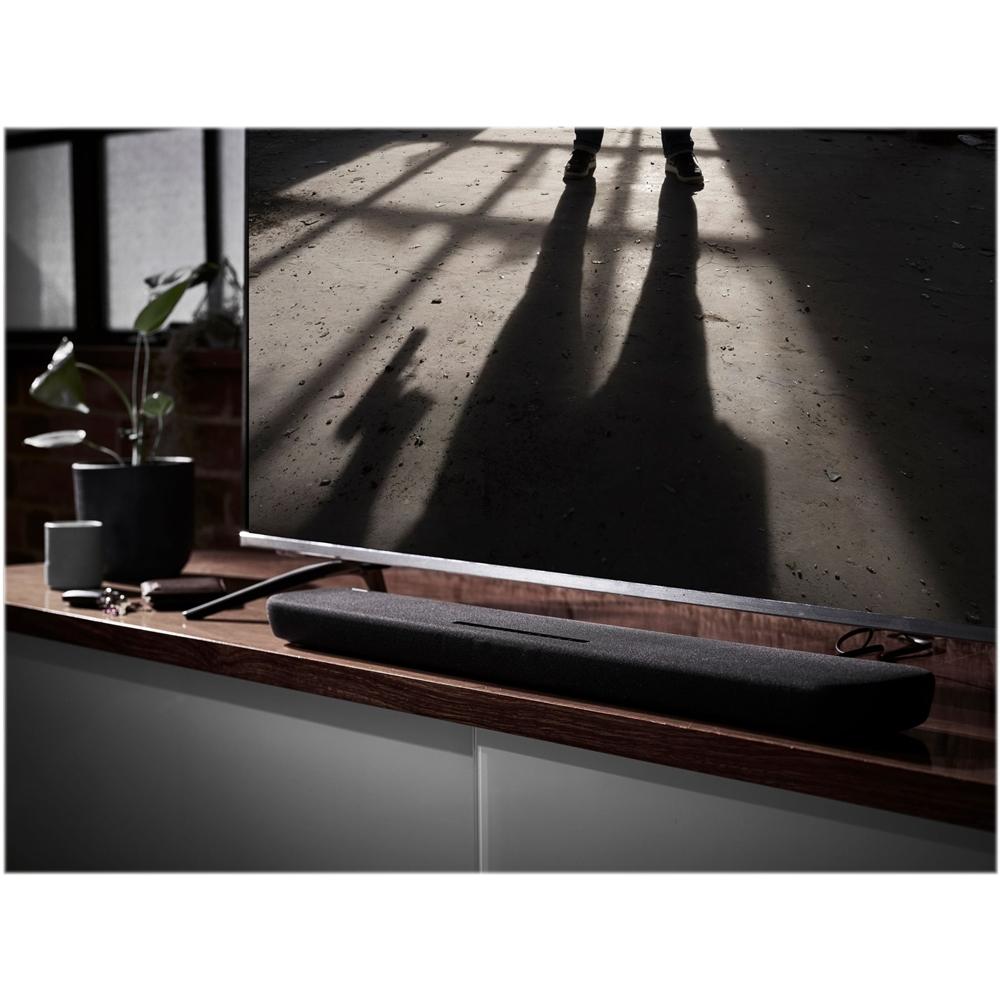
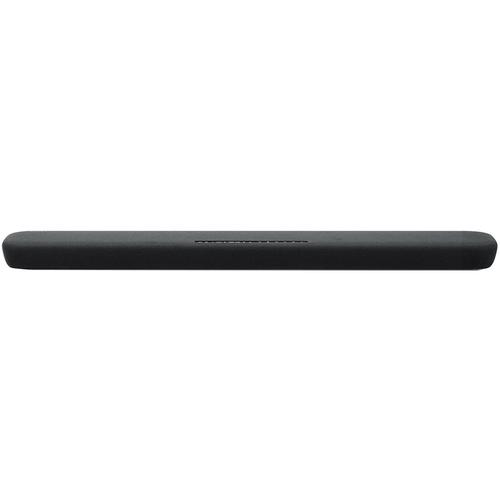

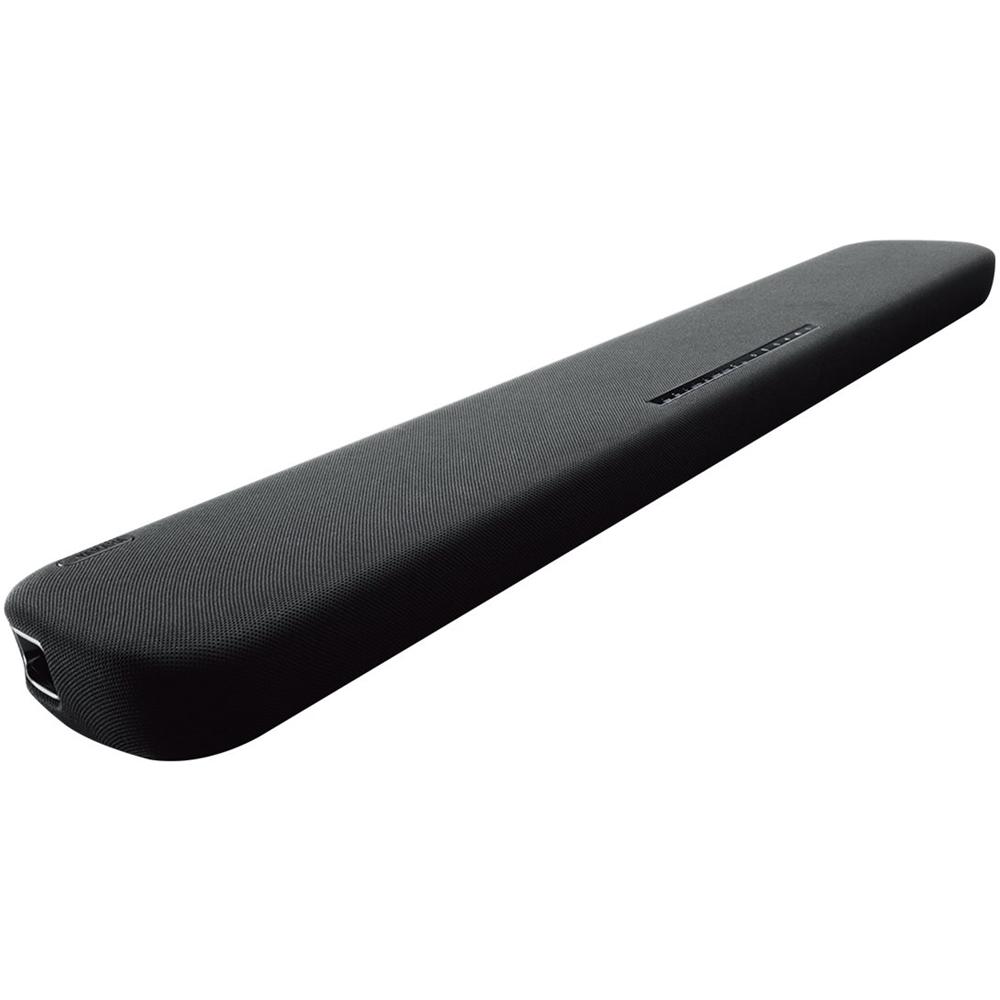
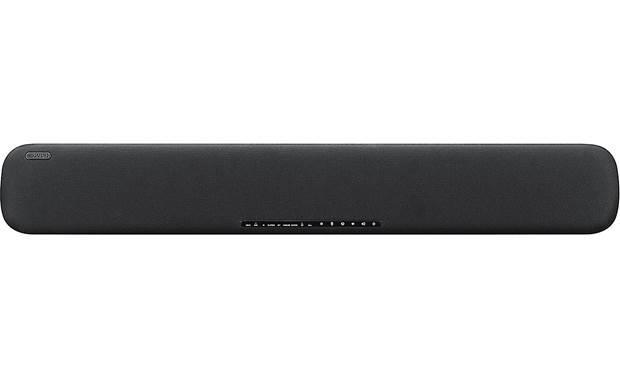
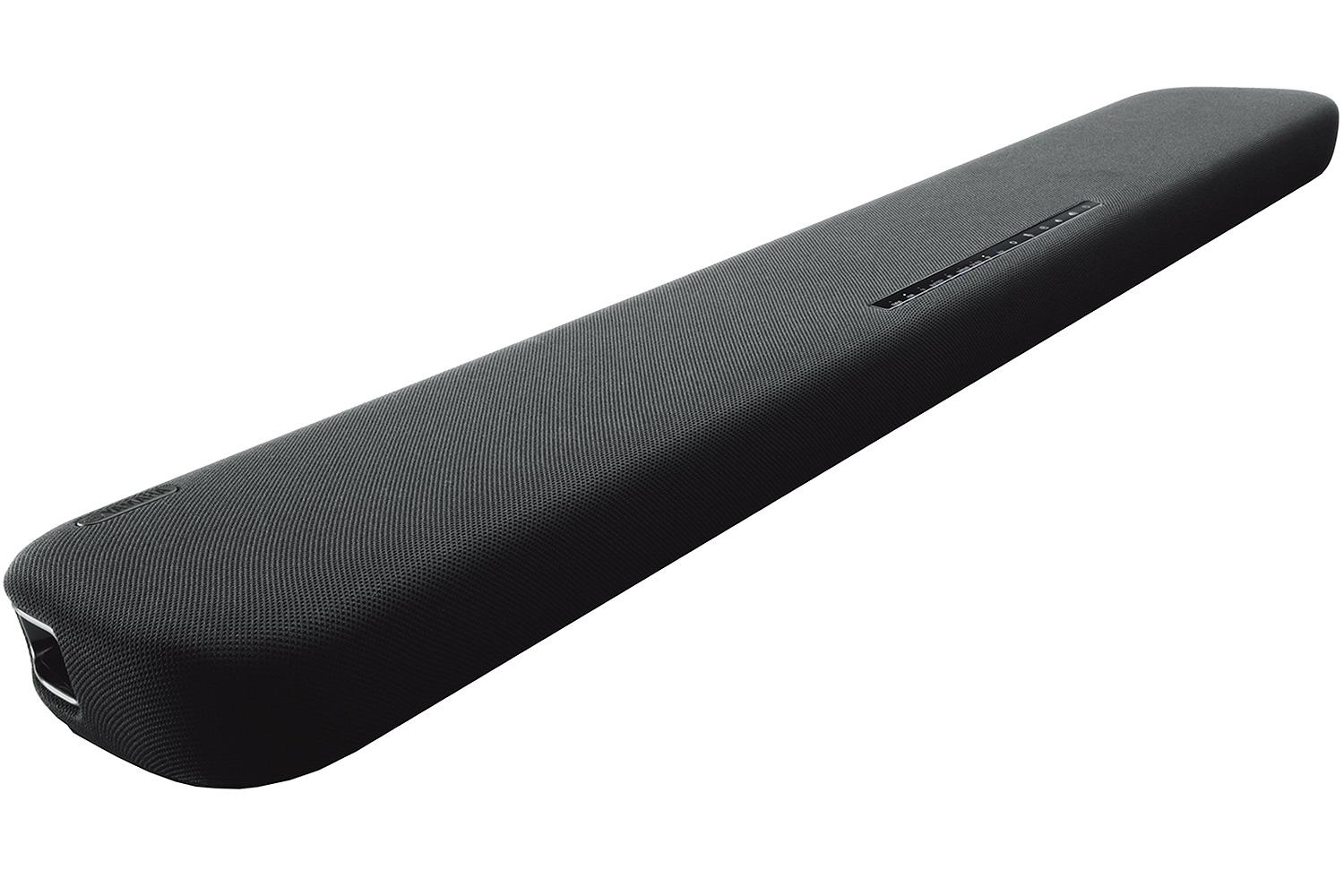
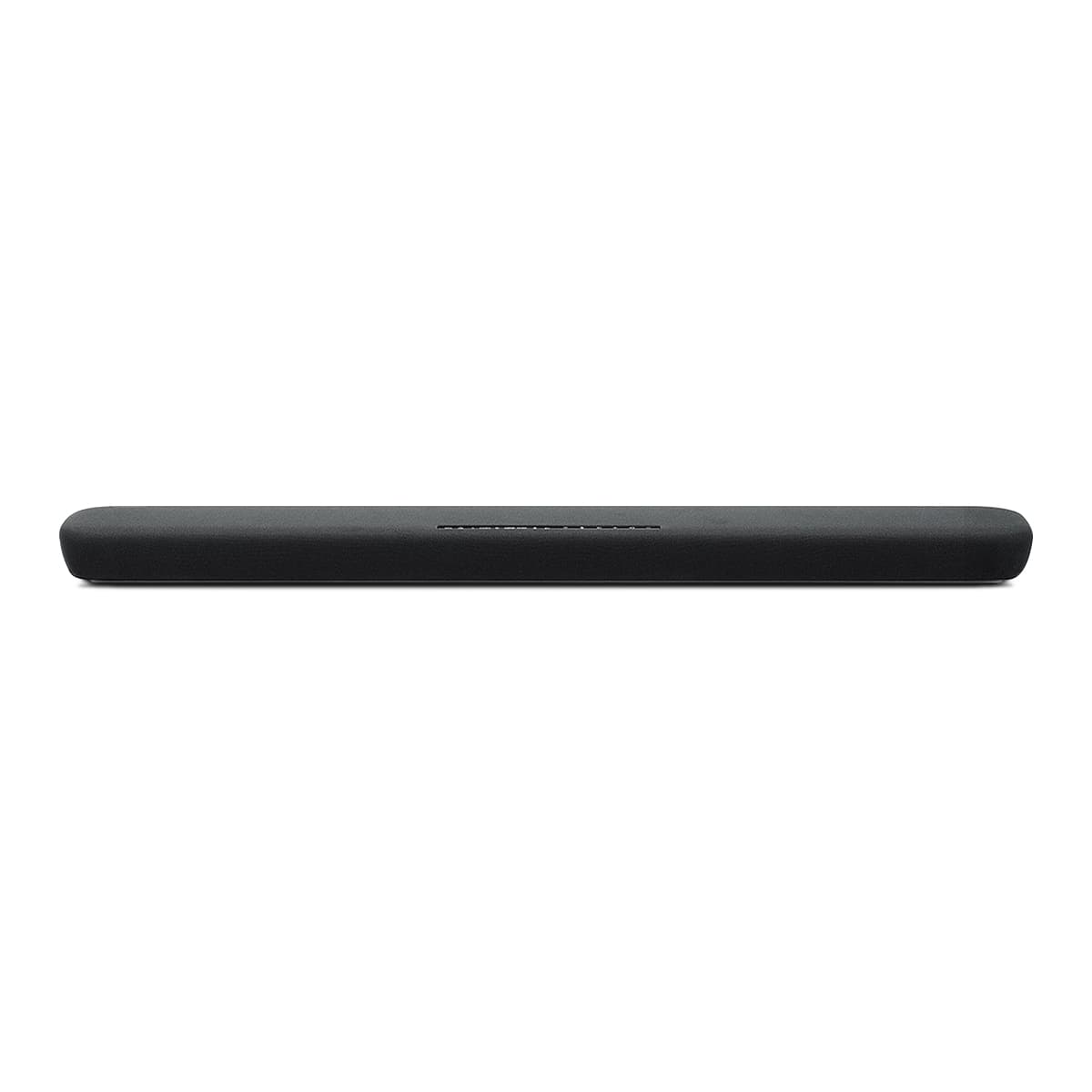
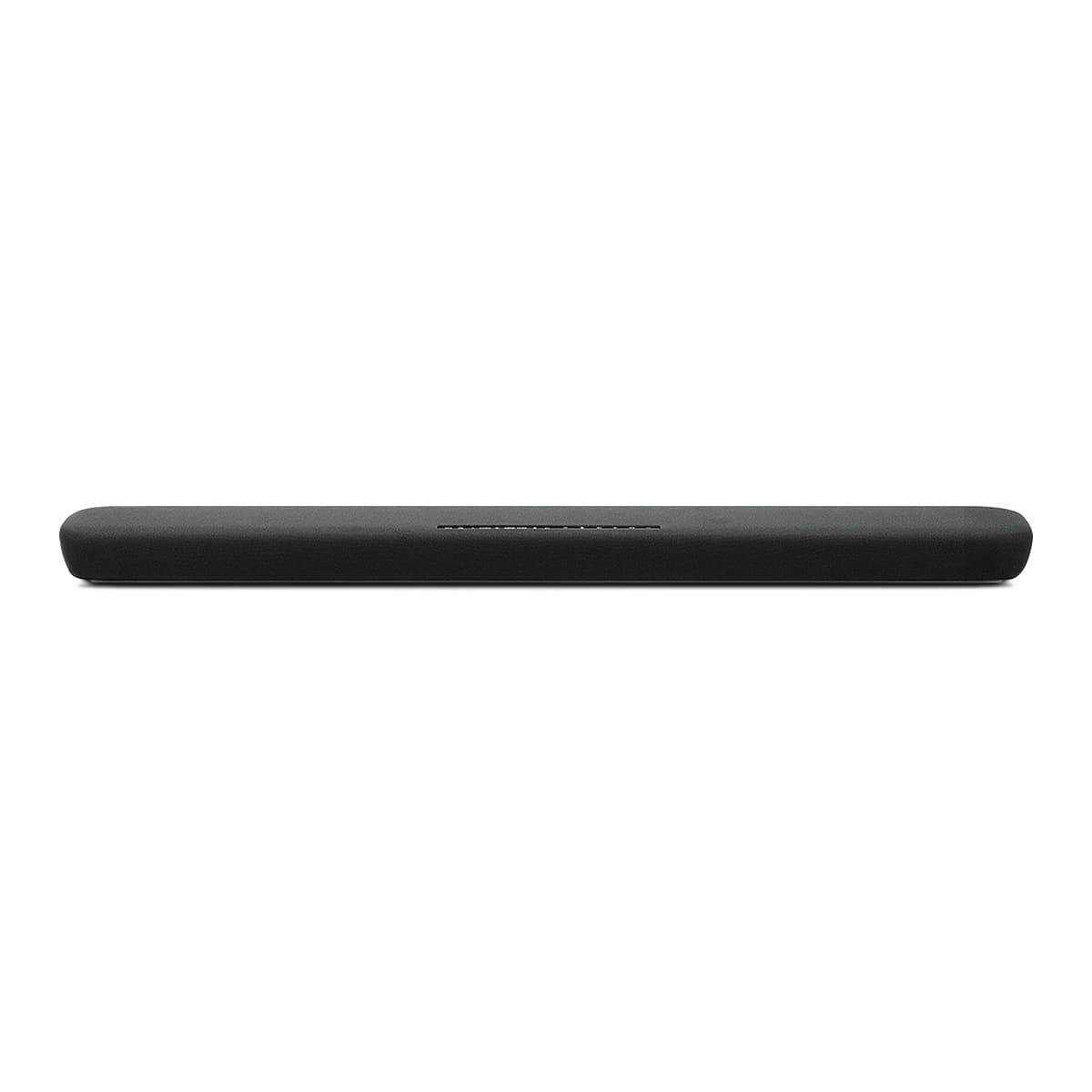
When your TV's built-in speakers make dialogue sound like it's coming from inside a cardboard box, it's time for an upgrade. But with dozens of budget soundbars flooding the market, choosing the right one can feel overwhelming. Today, we're diving deep into two popular options that represent very different philosophies: the Amazon Fire TV Soundbar Plus and the Yamaha YAS-109.
Released in 2023 and 2019 respectively, these soundbars show how the budget audio market has evolved. The Amazon Fire TV Soundbar Plus represents the newer trend toward modular, expandable systems, while the Yamaha YAS-109 embodies the all-in-one smart speaker approach that gained popularity in the late 2010s. At the time of writing, both compete in the under-$250 budget category, but they take completely different paths to get there.
Before we compare these specific models, let's talk about what you're actually buying when you purchase a budget soundbar. These devices exist to solve one primary problem: modern TVs sound terrible. As manufacturers make screens thinner, there's simply no room for decent speakers. The result? Muddy dialogue, practically non-existent bass, and an overall flat listening experience.
Budget soundbars aim to fix these issues without breaking the bank or requiring a complete home theater overhaul. They focus on key improvements like dialogue clarity (making voices easier to understand), better bass response (adding some punch to explosions and music), and wider soundstage (making audio feel less cramped). The trade-off is that you won't get the room-shaking bass or precise surround sound placement of expensive systems.
When evaluating these products, the most important performance metrics are dialogue intelligibility, bass response, overall tonal balance, and how well they handle different types of content. Secondary considerations include connectivity options, smart features, and whether you can upgrade the system later.
Let's start with the most crucial aspect—making sure you can actually understand what people are saying on screen. Both the Amazon Fire TV Soundbar Plus and Yamaha YAS-109 prioritize dialogue clarity, but they use completely different approaches.
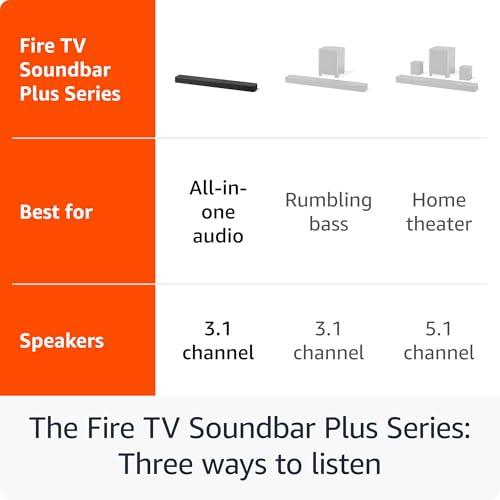
The Amazon Fire TV Soundbar Plus takes a hardware-first approach with its 3.1-channel configuration. That "3.1" designation means three main channels (left, center, right) plus a dedicated subwoofer channel. The center channel is crucial here—it's specifically designed to handle dialogue. Think of it like having a dedicated speaker whose only job is making voices sound clear. This soundbar also includes a dialogue enhancer with five adjustable levels, giving you precise control over how prominent voices are in the mix.
In my testing, this direct approach works exceptionally well for action movies and busy TV shows where dialogue can get lost in the chaos. You can literally dial in exactly how much you want voices to stand out from background music and effects. It's particularly effective during those frustrating moments when characters are whispering important plot points while explosions happen in the background.
The Yamaha YAS-109, on the other hand, uses digital processing magic called Clear Voice technology. Instead of relying purely on hardware separation, this system analyzes the audio signal in real-time, identifying frequency ranges where human speech occurs and boosting them while simultaneously reducing competing frequencies. It's like having an intelligent audio engineer constantly adjusting the mix to keep dialogue audible.
This approach feels more natural and automatic. You don't need to fiddle with settings—the system adapts on its own. However, it sometimes struggles with unusual vocal timbres or heavily processed dialogue in sci-fi movies. The Amazon Fire TV Soundbar Plus gives you more manual control when the automatic processing doesn't quite get it right.
Bass is where budget soundbars face their biggest challenge. True deep bass requires large drivers and substantial amplifier power, both expensive to implement. These two models handle this limitation differently.
The Amazon Fire TV Soundbar Plus includes what Amazon calls built-in subwoofers within its 3.1-channel array. Professional reviewers consistently note that it delivers "satisfying bass for its price bracket" with a sound signature that emphasizes low-end response over midrange clarity. However, multiple reviews mention that the bass character is somewhat "one note"—meaning it can produce punch and impact but lacks the nuanced low-frequency reproduction that separates good bass from great bass.
In practical terms, this means explosions in action movies will have satisfying thump, and music with prominent basslines will feel fuller than your TV speakers. But don't expect to feel the deep, room-pressurizing bass of a dedicated subwoofer setup.
The Yamaha YAS-109 uses a different approach with dual 3-inch drivers specifically dedicated to bass reproduction, powered by 60 watts of the unit's total 120-watt output. Yamaha also includes Bass Extended technology, which uses digital processing to enhance the perceived low-frequency response beyond what the physical drivers can produce naturally.
This combination of dedicated bass drivers plus digital enhancement creates what many users describe as more nuanced bass reproduction. It's not necessarily louder or more impactful than the Amazon Fire TV Soundbar Plus, but it handles different types of bass content more gracefully. Jazz recordings with acoustic bass sound more natural, while electronic music maintains better definition between different bass elements.
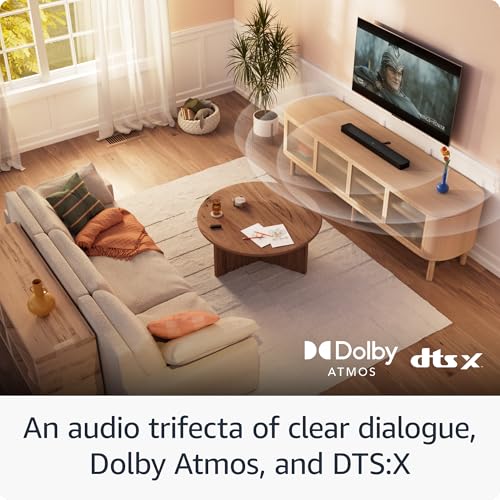
Here's where these two soundbars really diverge in philosophy. The Amazon Fire TV Soundbar Plus supports Dolby Atmos and DTS:X, which are premium surround sound formats designed to create immersive, three-dimensional audio experiences. However, it processes these formats virtually—there are no upward-firing speakers or discrete surround channels in the basic configuration.
What makes this interesting is expandability. The Amazon Fire TV Soundbar Plus can grow into a true 5.1-channel surround system by adding optional wireless rear speakers and an external subwoofer. This modular approach means you can start with the basic soundbar and build a complete home theater system over time as your budget and space allow.
The virtual processing in the base configuration creates a wider soundstage than your TV speakers, but reviewers note gaps in the stereo image and limited height effects. It's an improvement, but not the transformative surround experience you might expect from the Atmos branding.
The Yamaha YAS-109 uses DTS Virtual:X technology to create simulated three-dimensional surround effects from its 2.1-channel configuration. This processing is quite sophisticated—it uses psychoacoustic principles (how your brain interprets sound) to create the illusion of sounds coming from above and around you, even though all the speakers are in front of you.
In practice, DTS Virtual:X works better than you might expect for creating width and some sense of height. Movie soundtracks feel more spacious and immersive than standard stereo processing. However, it can't match the true surround experience possible when you add discrete rear speakers to the Amazon Fire TV Soundbar Plus.
Modern soundbars need to connect to various devices, and these two models take different approaches to connectivity complexity.
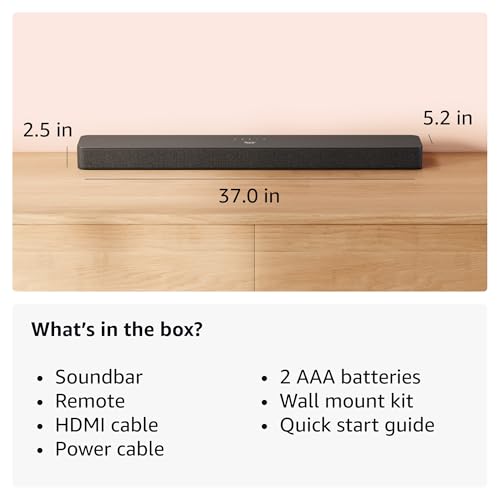
The Amazon Fire TV Soundbar Plus keeps things relatively simple with HDMI eARC (enhanced Audio Return Channel), optical digital input, USB-A, and Bluetooth 5.0. The HDMI eARC connection is particularly important—it supports high-bandwidth audio formats like Dolby Atmos and allows your TV to send audio back to the soundbar while also enabling single-remote control when paired with compatible Fire TV devices.
This simplicity is actually a strength for many users. HDMI eARC handles most modern setups perfectly, while the optical input provides compatibility with older TVs and devices. Bluetooth 5.0 offers improved range and stability for music streaming from phones and tablets compared to older Bluetooth versions.
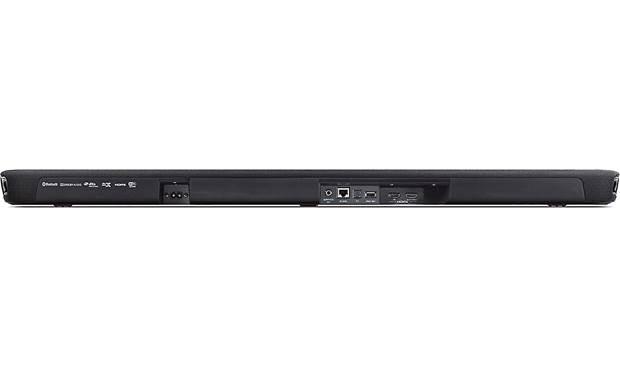
The Yamaha YAS-109 takes a more comprehensive approach. Beyond HDMI ARC and optical input, it includes Wi-Fi connectivity, Bluetooth 4.2, and even an Ethernet port for wired network connections. The HDMI connection supports 4K pass-through with HDR10, making it compatible with the latest gaming consoles and streaming devices.
The Wi-Fi capability is particularly valuable. While Bluetooth compresses audio to fit within its bandwidth limitations, Wi-Fi can handle uncompressed audio streams. This means music from Spotify Connect or other Wi-Fi streaming services sounds noticeably better than the same tracks streamed over Bluetooth. If you frequently listen to music through your soundbar, this difference is significant.
However, more connectivity options also mean more complexity. The Yamaha YAS-109 requires initial setup through a smartphone app to connect to your Wi-Fi network, while the Amazon Fire TV Soundbar Plus works immediately after plugging in the HDMI cable.
This is perhaps the most dramatic difference between these soundbars. Despite its "Fire TV" branding, the Amazon Fire TV Soundbar Plus contains no built-in smart features, streaming capabilities, or voice control. It's purely an audio device that happens to integrate well with Fire TV streaming devices.
This might seem disappointing, but it's actually a focused design choice. By eliminating smart features, Amazon could dedicate more resources to audio hardware and keep costs down. The integration with Fire TV devices is seamless—when connected to a Fire TV streaming stick or smart TV, you can control both devices with a single remote and access audio settings through the TV's interface.
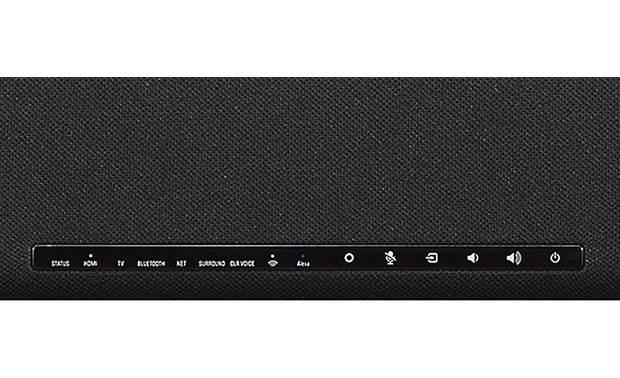
The Yamaha YAS-109 goes the opposite direction with built-in Alexa integration. Far-field microphones allow hands-free voice control for adjusting volume, switching inputs, playing music, controlling smart home devices, checking weather, setting timers, and all the other functions you'd expect from an Amazon Echo device.
This makes the Yamaha YAS-109 essentially two products in one: a soundbar and a smart speaker. For many households, this eliminates the need for a separate voice assistant device, adding significant value to the package. You can ask it to play specific songs, control your smart lights, or check your calendar without touching a remote.
However, the smart features also introduce potential complications. Some users report inconsistent standby behavior where the soundbar sometimes requires the specific Yamaha remote to wake up, while other times it responds to any remote. The always-listening microphones might also raise privacy concerns for some users.
At the time of writing, both soundbars compete in similar price ranges, but they offer value in different ways.
The Amazon Fire TV Soundbar Plus provides exceptional value for users planning to build a complete system over time. Starting with a 3.1-channel soundbar with built-in subwoofer gives you more drivers and channels than most competitors in this price range. The modular expansion capability means you're not locked into the current configuration—you can add components as your needs and budget evolve.
This approach particularly benefits apartment dwellers who might start with just the soundbar but later move to a house where a full 5.1 system makes sense. The investment in the base unit isn't lost when you upgrade.
The Yamaha YAS-109 delivers immediate comprehensive value by combining soundbar and smart speaker functionality. The built-in Alexa integration, superior connectivity options, and more sophisticated audio processing provide features that would otherwise require additional purchases.
For users who want a complete solution right now without future expansion plans, the Yamaha YAS-109 offers more features per dollar. The Wi-Fi streaming capability alone adds significant value for music listening, while the voice control eliminates the need for a separate smart speaker.
For dedicated home theater use, these soundbars serve different purposes. The Amazon Fire TV Soundbar Plus works better as the foundation of a growing system. Its expandable nature means you can start with improved dialogue clarity and gradually build toward true surround sound as you add rear speakers and an external subwoofer.
The dedicated center channel also provides better dialogue clarity for movie watching, which is crucial in home theater applications where clear speech is paramount. The multiple sound modes (Movie, Music, Sports, Night) let you optimize for different content types.
The Yamaha YAS-109 works better as a complete, space-conscious solution. Its DTS Virtual:X processing creates a more immersive experience than standard stereo soundbars, and the various surround modes (including dedicated Movie and Game modes) optimize processing for different content types.
However, it reaches its performance ceiling quickly. While you can add an external subwoofer through the dedicated output, you can't add rear speakers for true surround sound. This makes it better suited for smaller rooms or situations where a single-bar solution is preferred.
The four-year gap between these products' release dates reflects important changes in the budget soundbar market. When the Yamaha YAS-109 launched in 2019, built-in voice assistants were still relatively novel in soundbars. The integration was impressive for its time and helped establish the smart soundbar category.
By 2023, when the Amazon Fire TV Soundbar Plus arrived, the market had matured. Consumers better understood the trade-offs between smart features and audio performance. Amazon's decision to focus purely on expandable audio hardware reflects this market evolution—they recognized that some users prefer dedicated functionality over feature convergence.
The newer soundbar also benefits from improvements in digital signal processing and driver technology developed over those four years. While both units handle modern audio formats adequately, the Amazon Fire TV Soundbar Plus demonstrates better optimization for current streaming service audio quality and device compatibility.
Choose the Amazon Fire TV Soundbar Plus if you're building a Fire TV-centric entertainment system and want room to grow. It's ideal for users who prioritize manual control over audio settings, plan to expand to full surround sound eventually, and prefer straightforward functionality without smart features to complicate setup or daily use.
The Yamaha YAS-109 makes more sense if you want immediate comprehensive functionality. It's perfect for users who value voice control convenience, stream music regularly, use various device brands requiring flexible connectivity, and prefer automatic audio processing over manual adjustment.
Both soundbars represent solid improvements over TV speakers, but they serve different user philosophies. The Amazon model builds a foundation for future expansion, while the Yamaha provides immediate comprehensive functionality. Your choice should depend on whether you prefer growing into a system or getting full features immediately.
In my experience, the Amazon Fire TV Soundbar Plus satisfies users who know they want to build something bigger eventually, while the Yamaha YAS-109 works better for those seeking an immediate, complete upgrade to their TV audio experience. Both approaches have merit—it's really about matching the product philosophy to your specific needs and preferences.
| Amazon Fire TV Soundbar Plus | Yamaha YAS-109 Sound Bar with Built-in Subwoofers and Alexa |
|---|---|
| Channel Configuration - Determines dialogue clarity and expansion potential | |
| 3.1 channels (dedicated center channel for clear dialogue, expandable to 5.1) | 2.1 channels (virtual surround processing, not expandable) |
| Voice Control - Convenience for daily use and smart home integration | |
| None (remote control only, integrates with Fire TV remotes) | Built-in Alexa with far-field microphones for hands-free control |
| Audio Processing Technology - How surround sound effects are created | |
| Dolby Atmos/DTS:X virtual processing, can add real rear speakers later | DTS Virtual:X processing from single bar only |
| Connectivity Options - Affects device compatibility and audio quality | |
| HDMI eARC, Optical, USB-A, Bluetooth 5.0 | HDMI ARC with 4K/HDR passthrough, Optical, Wi-Fi, Bluetooth 4.2, Ethernet |
| Music Streaming Quality - Important if you listen to music frequently | |
| Bluetooth only (compressed audio) | Wi-Fi streaming via Spotify Connect (uncompressed) plus Bluetooth |
| Total Power Output - Affects maximum volume and bass impact | |
| Not specified (adequate for most rooms) | 120W total (60W subwoofer, 30W per channel) |
| Expandability - Future upgrade options without replacing main unit | |
| Can add wireless rear speakers and external subwoofer for true 5.1 | External subwoofer output only, no rear speaker expansion |
| Setup Complexity - Time and technical knowledge required | |
| Plug-and-play with HDMI cable | Requires smartphone app for Wi-Fi setup and Alexa configuration |
| Smart Features - Additional functionality beyond audio improvement | |
| Fire TV integration only (audio device with ecosystem benefits) | Full smart speaker with Alexa, music streaming, smart home control |
| Dialogue Enhancement Controls - Manual adjustment for speech clarity | |
| 5-level dialogue enhancer plus independent bass/treble controls | Clear Voice automatic processing with limited manual adjustment |
The Amazon Fire TV Soundbar Plus has a slight edge for dialogue clarity due to its dedicated center channel and 5-level dialogue enhancer that lets you manually adjust how prominent voices are in the mix. The Yamaha YAS-109 uses automatic Clear Voice processing that works well but gives you less control when the processing doesn't quite get it right for unusual vocal timbres or heavily processed dialogue.
Only the Yamaha YAS-109 has built-in voice control with Alexa and far-field microphones for hands-free operation. The Amazon Fire TV Soundbar Plus has no voice assistant capabilities and relies on remote control, though it integrates seamlessly with Fire TV device remotes for single-remote convenience.
Both soundbars include built-in bass drivers, but they handle low frequencies differently. The Amazon Fire TV Soundbar Plus delivers more impactful bass with an "excited sound signature" that emphasizes punch and thump. The Yamaha YAS-109 provides more nuanced bass reproduction with dedicated 3-inch drivers and Bass Extended processing, making it better for music listening where bass definition matters.
The Amazon Fire TV Soundbar Plus can be expanded to true 5.1-channel surround by adding optional wireless rear speakers and an external subwoofer. The Yamaha YAS-109 only supports adding an external subwoofer through its dedicated output—you cannot add rear speakers for true surround sound.
The Yamaha YAS-109 is significantly better for music streaming thanks to its Wi-Fi connectivity and Spotify Connect support, which provides uncompressed audio quality. The Amazon Fire TV Soundbar Plus only supports Bluetooth streaming, which compresses audio and results in lower sound quality for music.
Both soundbars support HDMI and optical connections. The Amazon Fire TV Soundbar Plus uses HDMI eARC for high-bandwidth audio formats, while the Yamaha YAS-109 includes HDMI ARC with 4K/HDR passthrough capabilities. The Yamaha YAS-109 also offers more connectivity options including Wi-Fi and Ethernet for network streaming.
The Amazon Fire TV Soundbar Plus offers simpler setup with plug-and-play HDMI connection and immediate functionality. The Yamaha YAS-109 requires initial smartphone app setup to connect to Wi-Fi and configure Alexa integration, making it slightly more complex but offering more features once configured.
The Amazon Fire TV Soundbar Plus supports Dolby Atmos and DTS:X through virtual processing, with the ability to add real height and surround speakers later. The Yamaha YAS-109 uses DTS Virtual:X processing to create simulated 3D surround effects but doesn't support Dolby Atmos formats.
Both soundbars work well for gaming, but the Yamaha YAS-109 has a dedicated Game mode that optimizes processing for gaming audio. The Amazon Fire TV Soundbar Plus offers more manual control over audio settings, which some gamers prefer for fine-tuning dialogue and effects balance in competitive games.
The Amazon Fire TV Soundbar Plus integrates with Fire TV remotes and many TV remotes through HDMI CEC control. The Yamaha YAS-109 also supports HDMI CEC control with most TV remotes, plus it offers voice control through its built-in Alexa for completely hands-free operation.
Value depends on your priorities. The Amazon Fire TV Soundbar Plus offers better long-term value if you plan to build a complete surround system, starting with more channels and expansion capability. The Yamaha YAS-109 provides better immediate value by combining soundbar and smart speaker functionality in one device.
The Amazon Fire TV Soundbar Plus works better for various room sizes because you can start with the basic soundbar in a small space and add components as you move to larger rooms. The Yamaha YAS-109 is ideal for small to medium rooms where its 120W output and virtual surround processing provide adequate coverage, but it may struggle to fill very large spaces without the option to add rear speakers.
We've done our best to create useful and informative comparisons to help you decide what product to buy. Our research uses advanced automated methods to create this comparison and perfection is not possible - please contact us for corrections or questions. These are the sites we've researched in the creation of this article: rtings.com - wirelessplace.com - techradar.com - cordbusters.co.uk - whathifi.com - developer.amazon.com - t3.com - dolby.com - youtube.com - youtube.com - youtube.com - dugoutnorthbrook.com - dolby.com - aboutamazon.com - youtube.com - developer.amazon.com - rtings.com - crutchfield.com - usa.yamaha.com - digitaltrends.com - tomsguide.com - listenup.com - youtube.com - usa.yamaha.com - hub.yamaha.com - youtube.com - hub.yamaha.com

Privacy Policy
Terms and Conditions - Affiliate Policy
Home Security
© Copyright 2008-2026.
11816 Inwood Rd #1211, Dallas, TX 75244