




If you've been frustrated with your TV's tinny, muffled audio, you're not alone. Modern TVs have gotten incredibly thin, which means there's simply no room for decent speakers. That's where soundbars come in – these sleek audio devices sit below or mount above your TV to dramatically improve your listening experience. But with so many options available, choosing the right one can feel overwhelming.
Today we're comparing two popular soundbars that take very different approaches to solving your TV audio problems: the Bose TV Speaker at $199 and the Yamaha YAS-109 at $220. While they're only separated by about $20 in price, they represent fundamentally different philosophies about what makes great TV audio.
Before diving into specifics, let's talk about what you should actually care about when shopping for a soundbar. The most important factors are audio quality (how natural and clear everything sounds), dialogue clarity (can you actually understand what people are saying?), bass response (that low-end rumble that makes action scenes exciting), and how well the device fits into your living space and lifestyle.
Size matters more than you might think. A soundbar that's too small for your TV will look odd and may not provide enough audio coverage. Too large, and it might dominate your entertainment center or block your TV's sensors. Connectivity is another crucial consideration – you want something that works seamlessly with your TV and other devices without requiring an engineering degree to set up.
Smart features have become increasingly important as our homes get more connected. Voice assistants, wireless streaming, and smartphone app control can transform a simple soundbar into a central hub for your entertainment. However, these features come with trade-offs in complexity and sometimes cost.
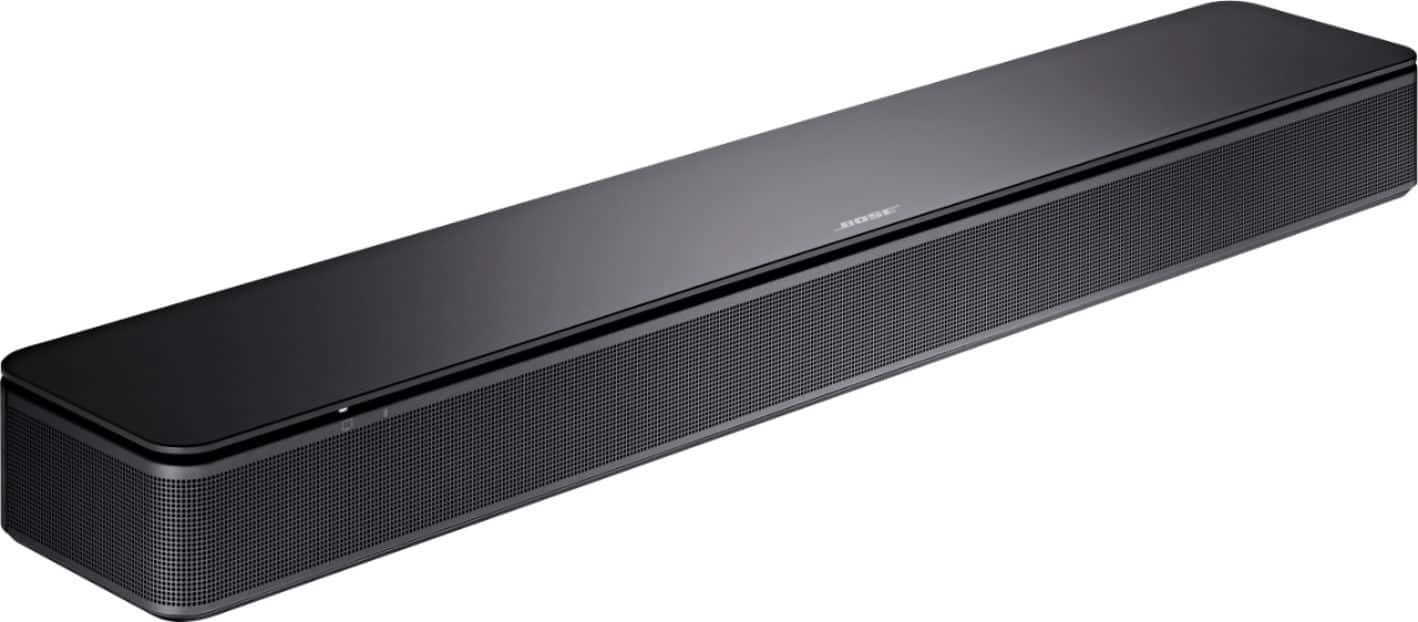
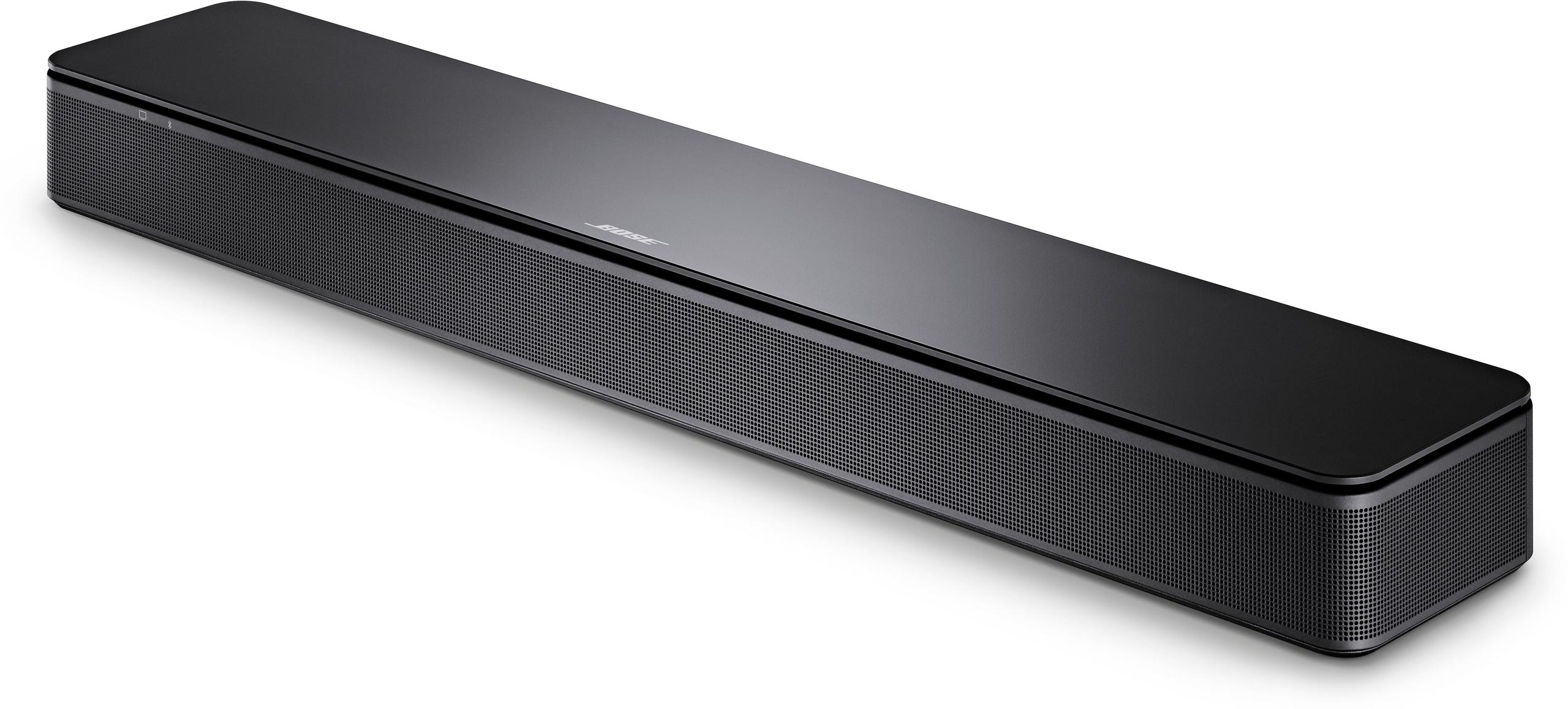
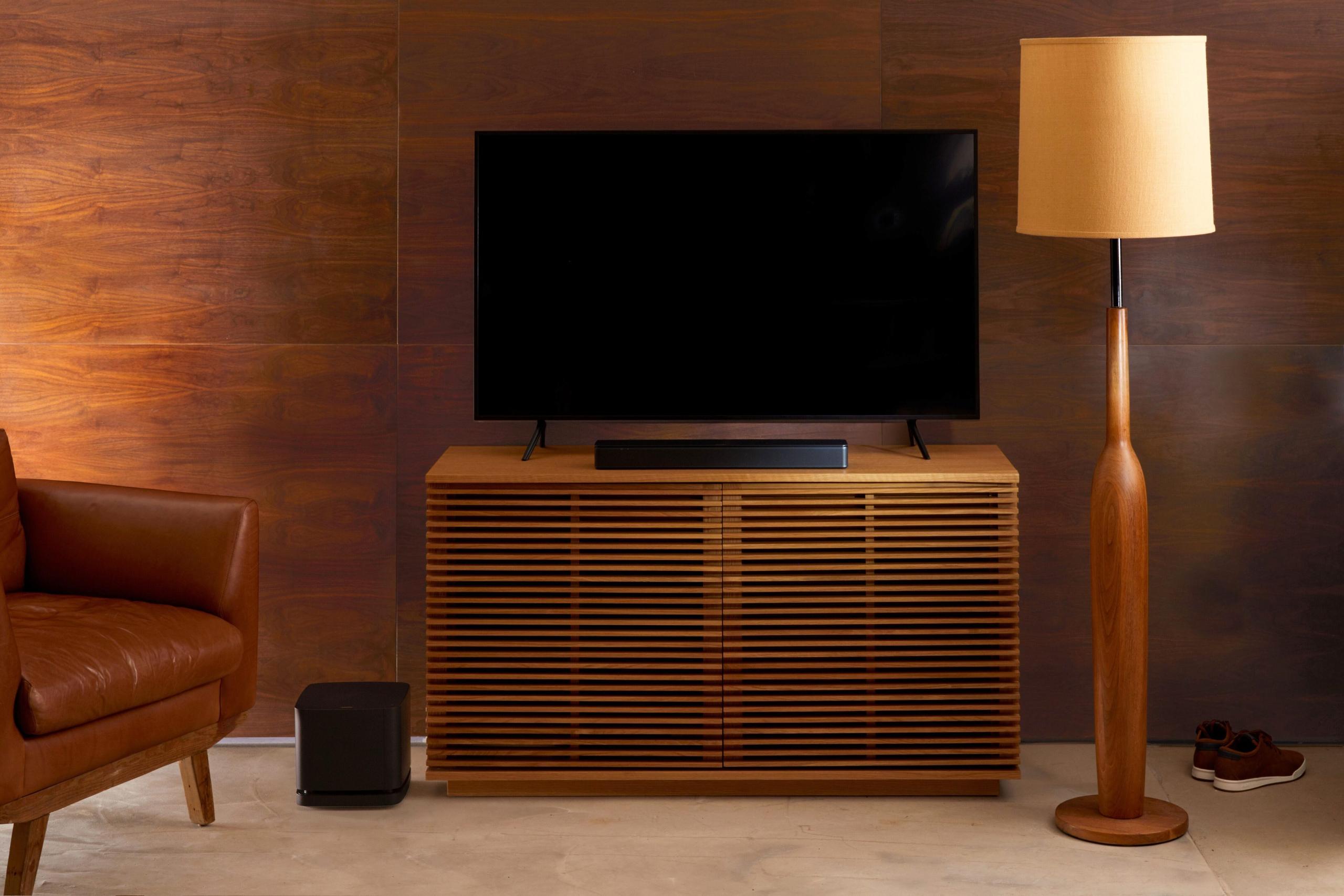
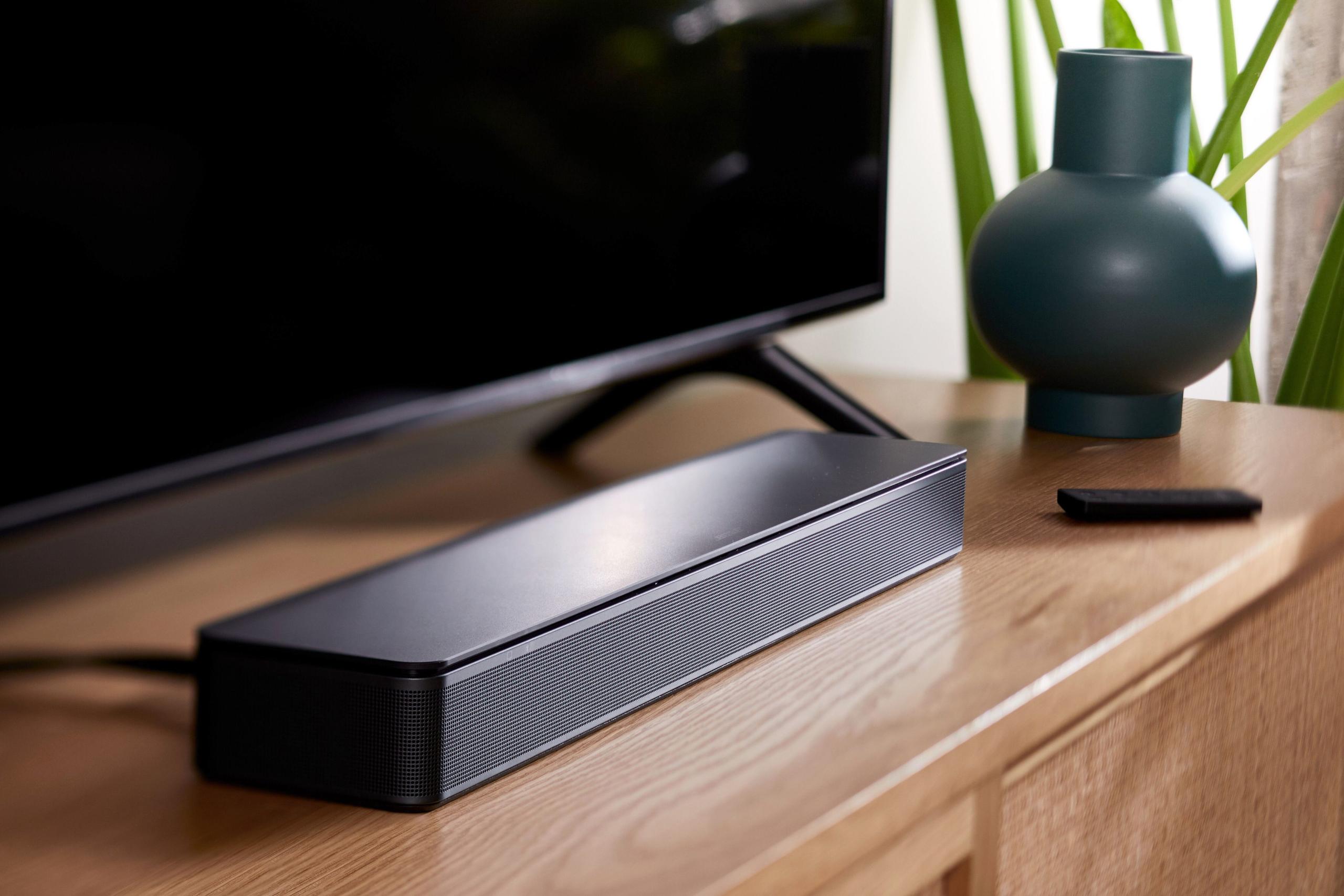
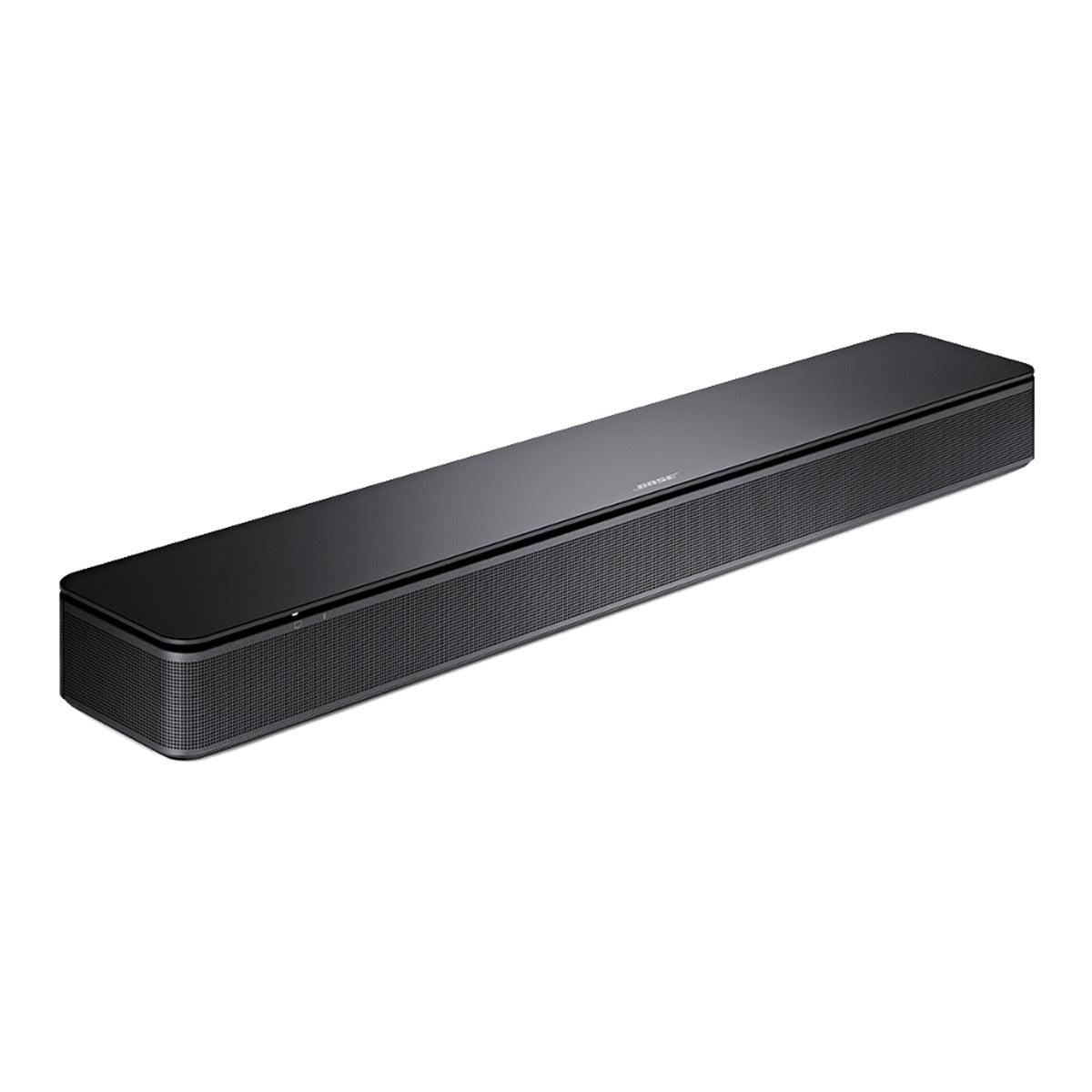
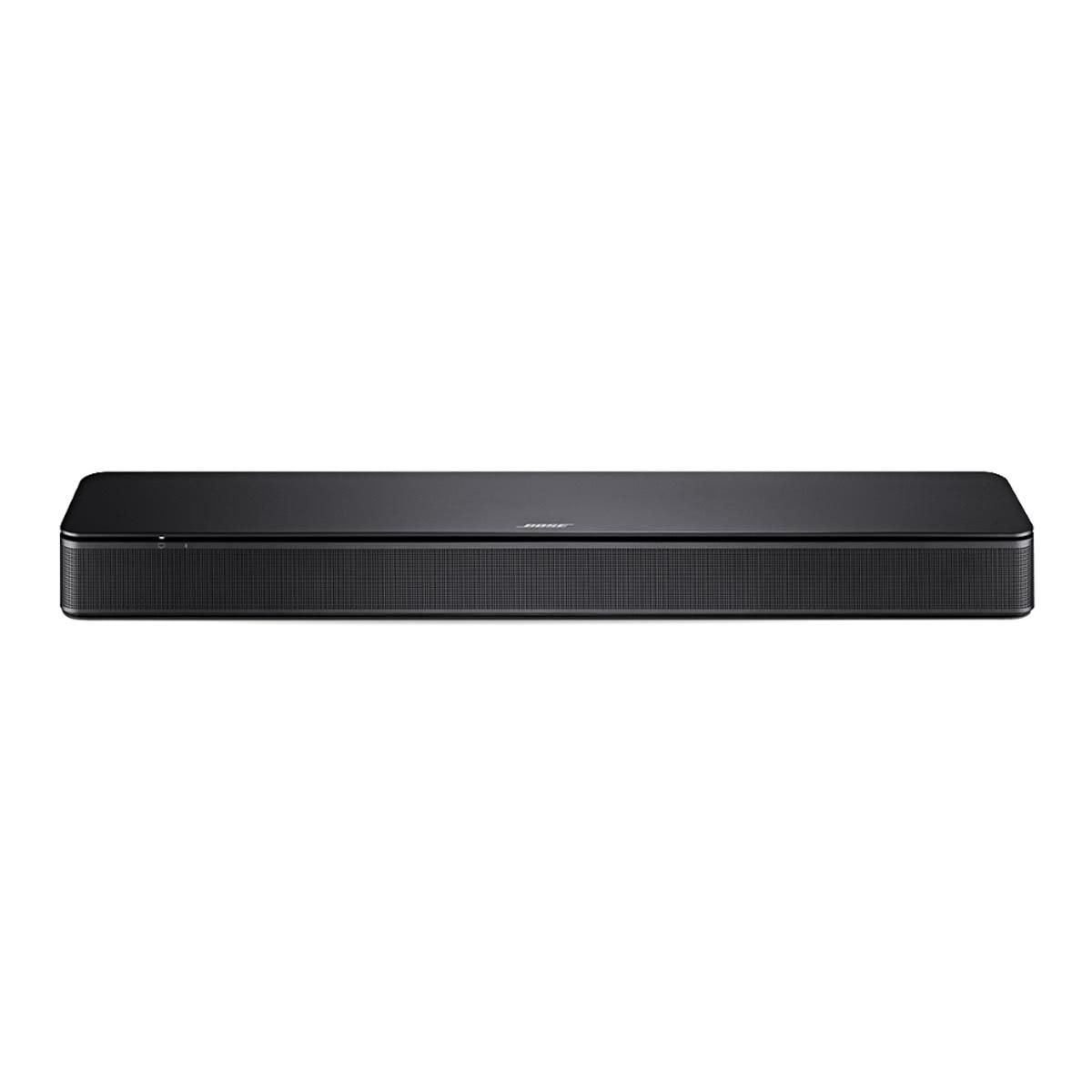
The Bose TV Speaker, released in 2020, represents Bose's "less is more" philosophy. At just 23.4 inches wide and weighing only 4.3 pounds, this compact soundbar is designed to disappear into your setup while dramatically improving your TV's audio quality.
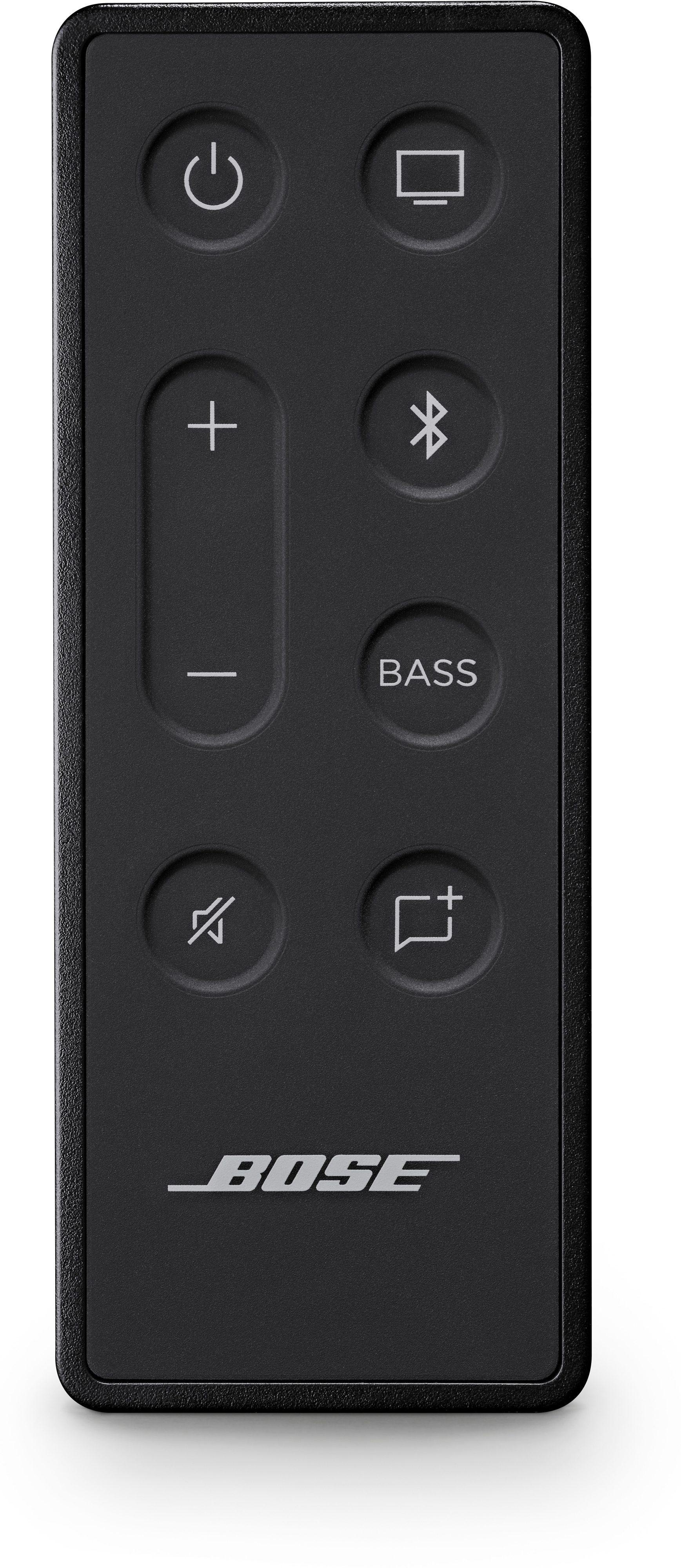
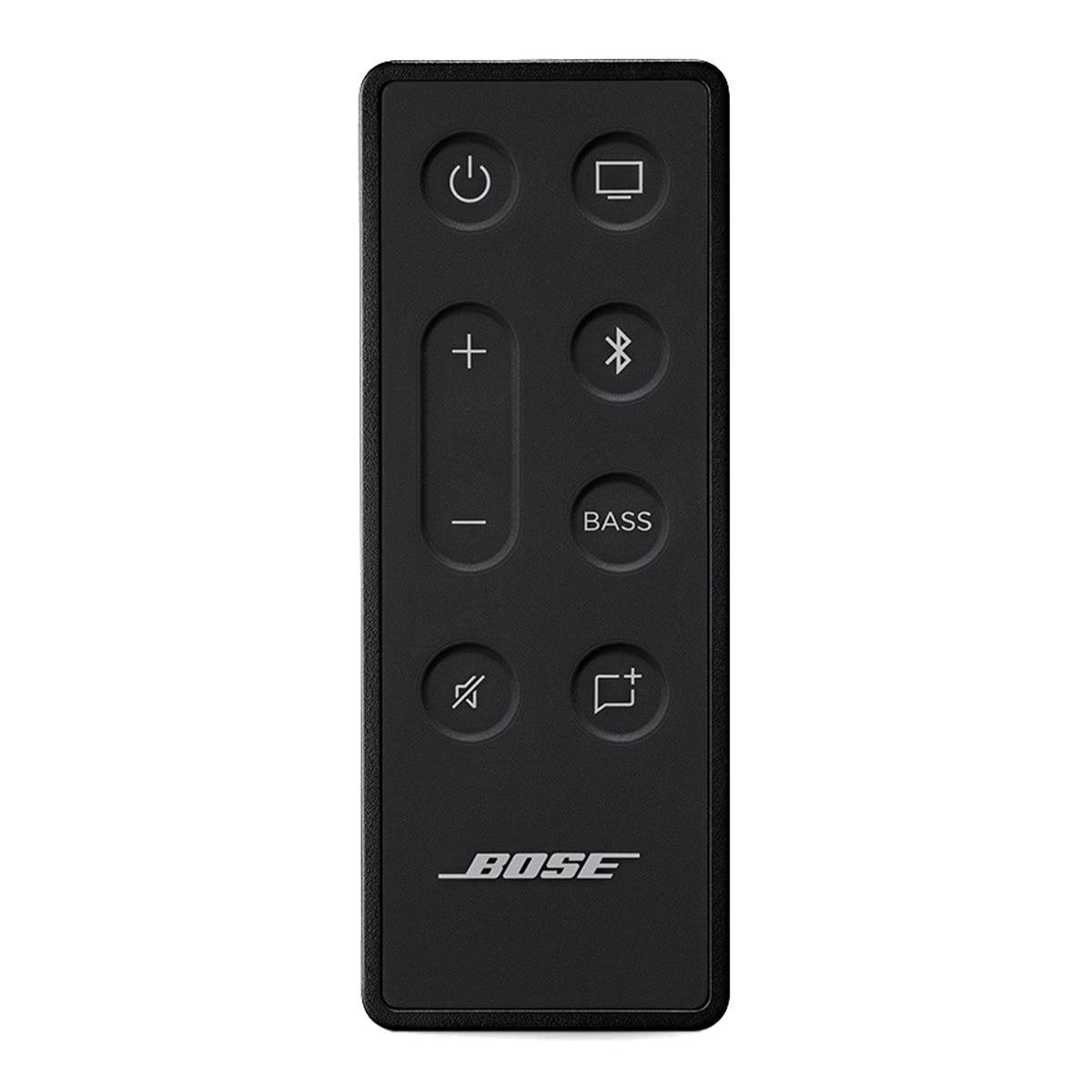
What makes the Bose special is its laser focus on dialogue enhancement. The company has spent decades perfecting audio processing technology, and it shows in this soundbar's ability to make human speech crystal clear. When you press the dialogue mode button on the remote, the soundbar analyzes what you're watching in real-time and adjusts frequencies to bring vocals forward. This isn't just a simple EQ boost – it's sophisticated signal processing that adapts to different types of content.
I've noticed this makes a huge difference when watching shows with heavy background music or action sequences where dialogue often gets buried. The difference is particularly noticeable with British shows or movies where accents might make dialogue harder to follow. The Bose essentially acts like having subtitles for your ears.
The technical implementation uses what Bose calls "proprietary signal processing algorithms." In plain terms, this means the soundbar's computer brain constantly listens to the audio signal and identifies which frequencies contain human speech, then selectively amplifies those while maintaining the overall audio balance. It's similar to how noise-canceling headphones work, but in reverse – instead of removing unwanted sound, it enhances wanted sound.
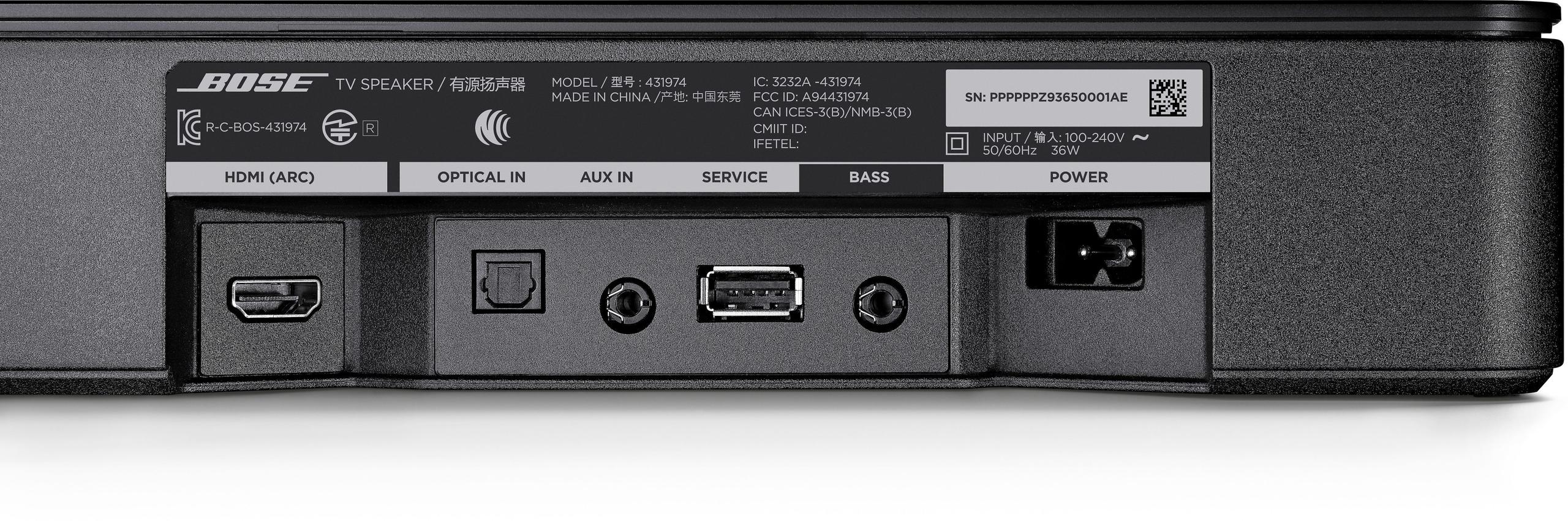
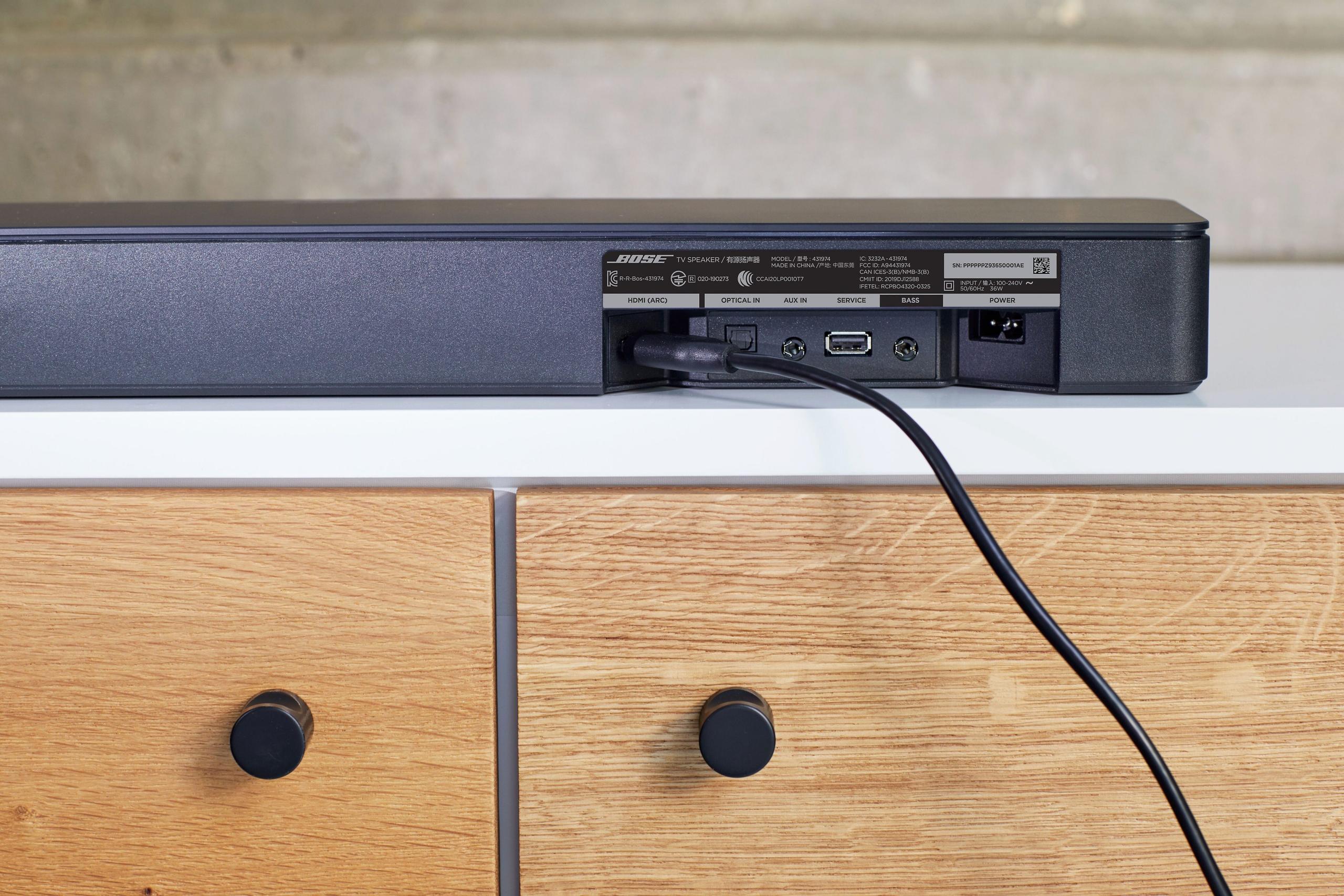
Setup couldn't be simpler. One optical cable (included) or HDMI cable connects to your TV, and you're done. The soundbar automatically syncs with your TV remote through HDMI-CEC (Consumer Electronics Control), which means you don't need to juggle multiple remotes. When you adjust volume on your TV remote, the soundbar responds instantly.
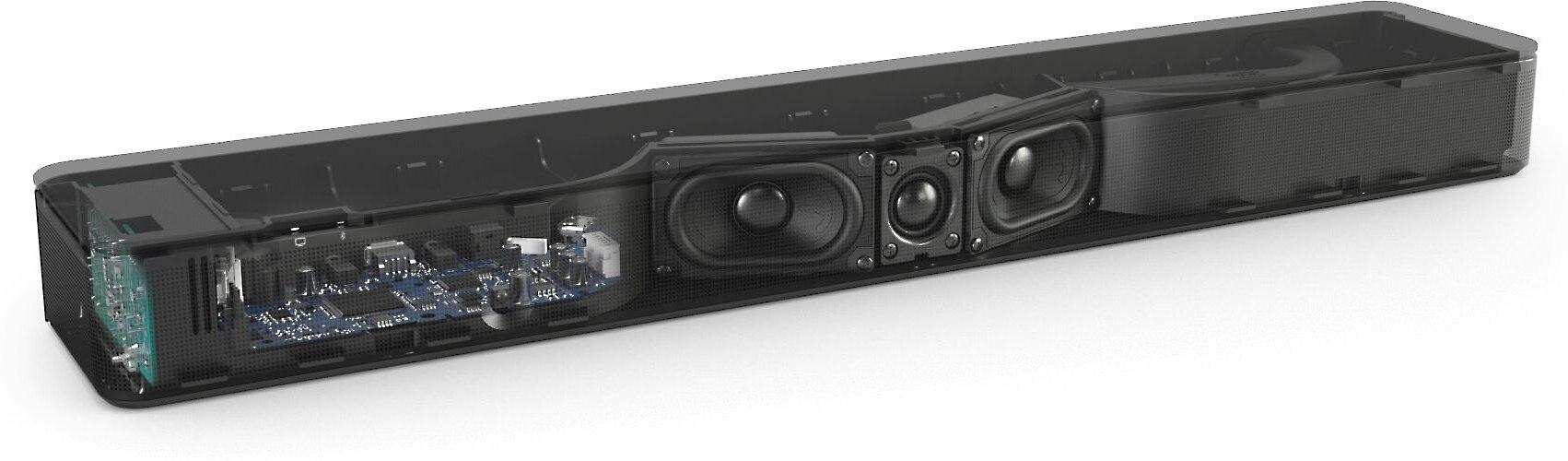
The bass performance, however, is where the Bose shows its limitations. Without a dedicated subwoofer, it relies on two small cone drivers and some clever acoustic engineering. There's a bass boost feature accessible via the remote, but it can't defy physics. Action movies and music with heavy low-end will expose these limitations pretty quickly.
Bose does offer an upgrade path through their Bass Module 500 or 700, but these require a wired connection and cost almost as much as the soundbar itself. This modular approach appeals to minimalists who might want to add bass later, but it's worth considering the total system cost upfront.
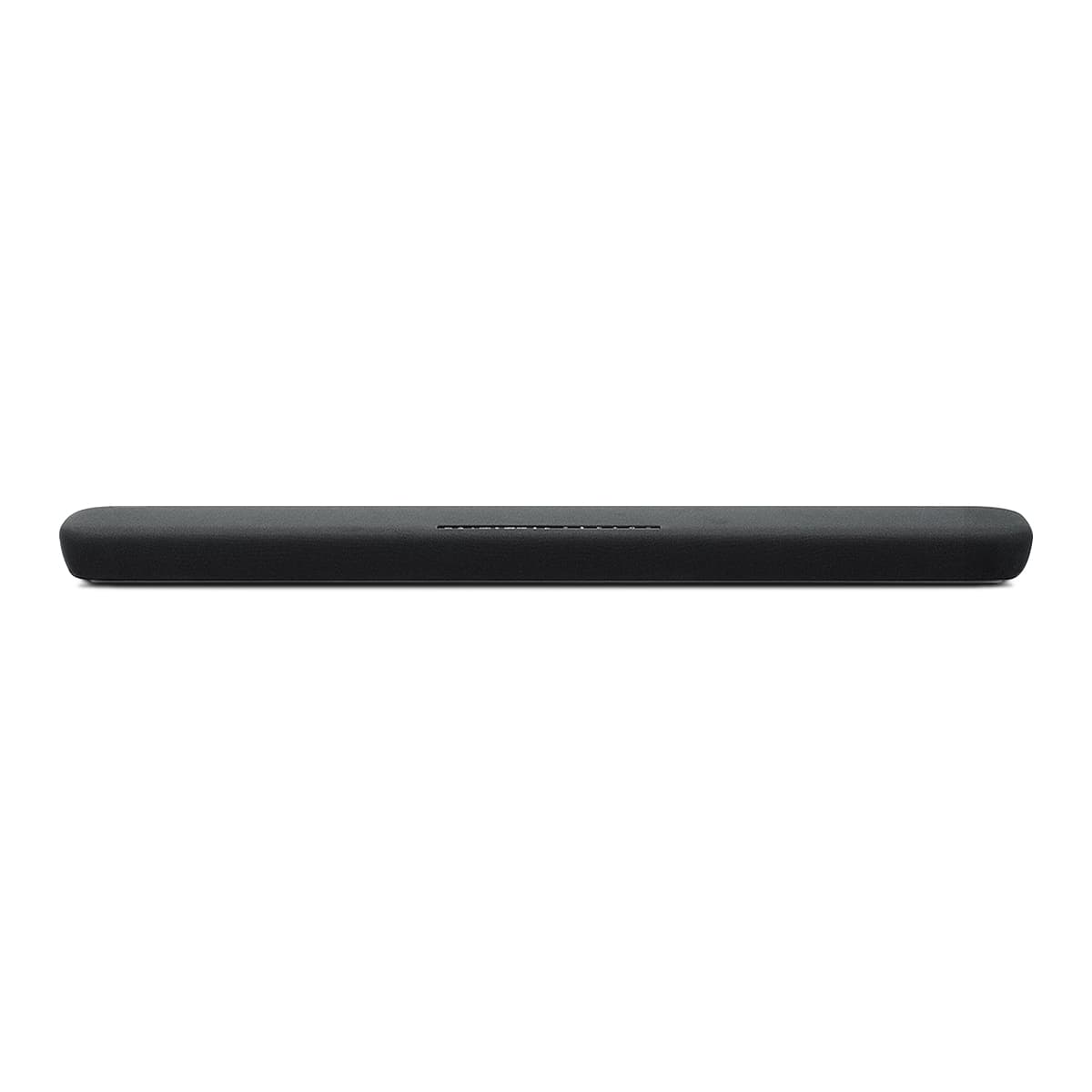
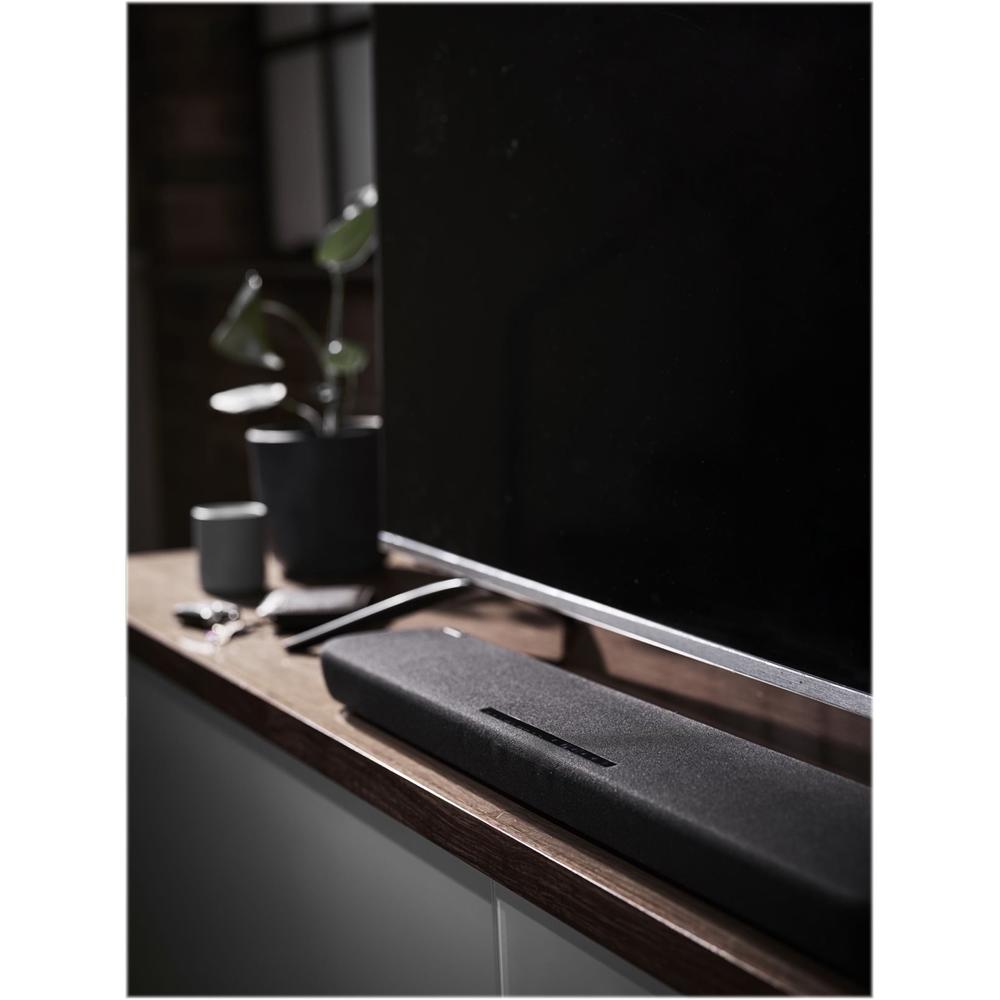
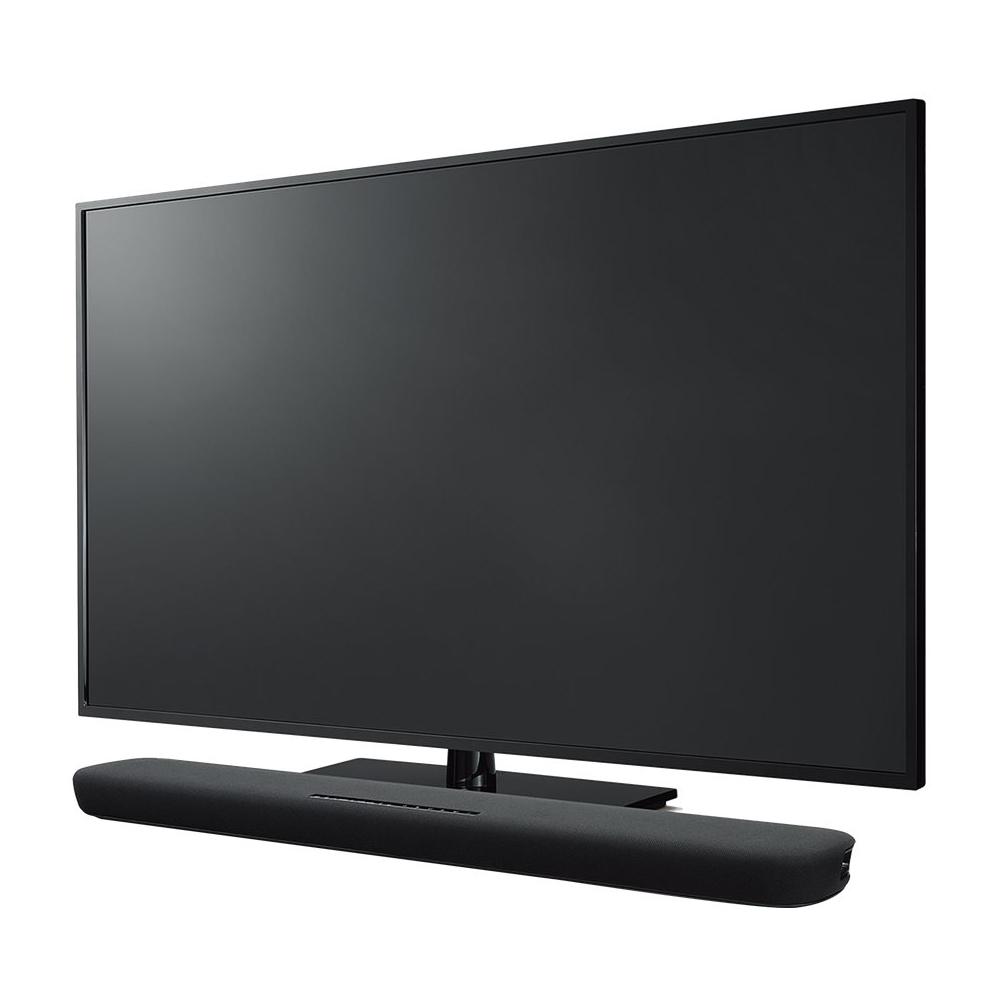
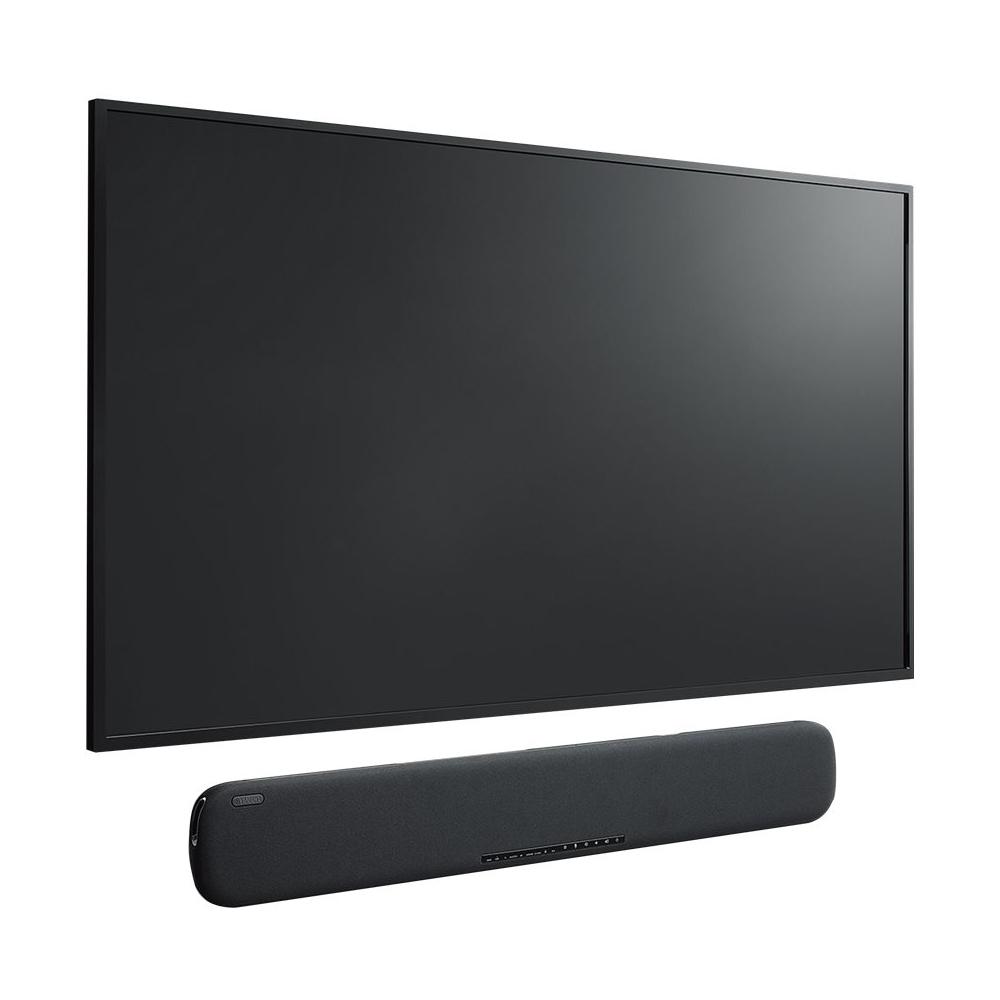
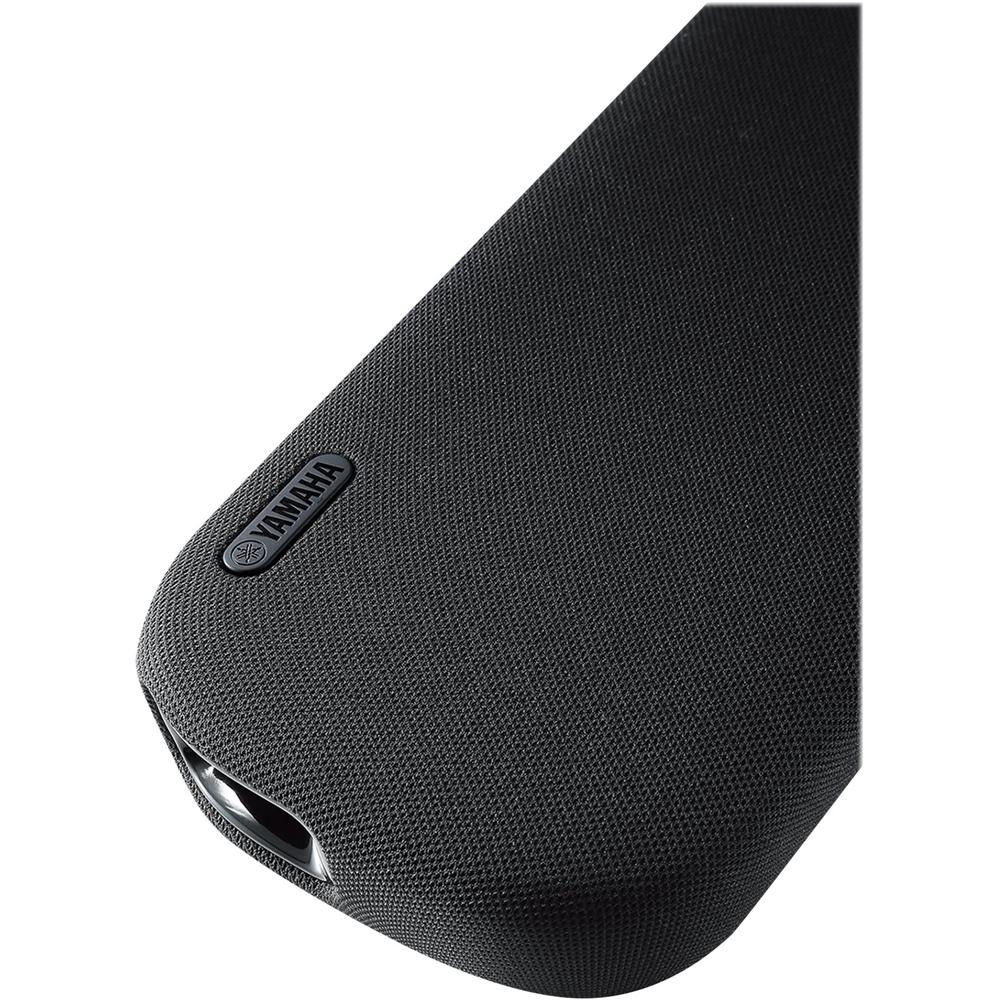
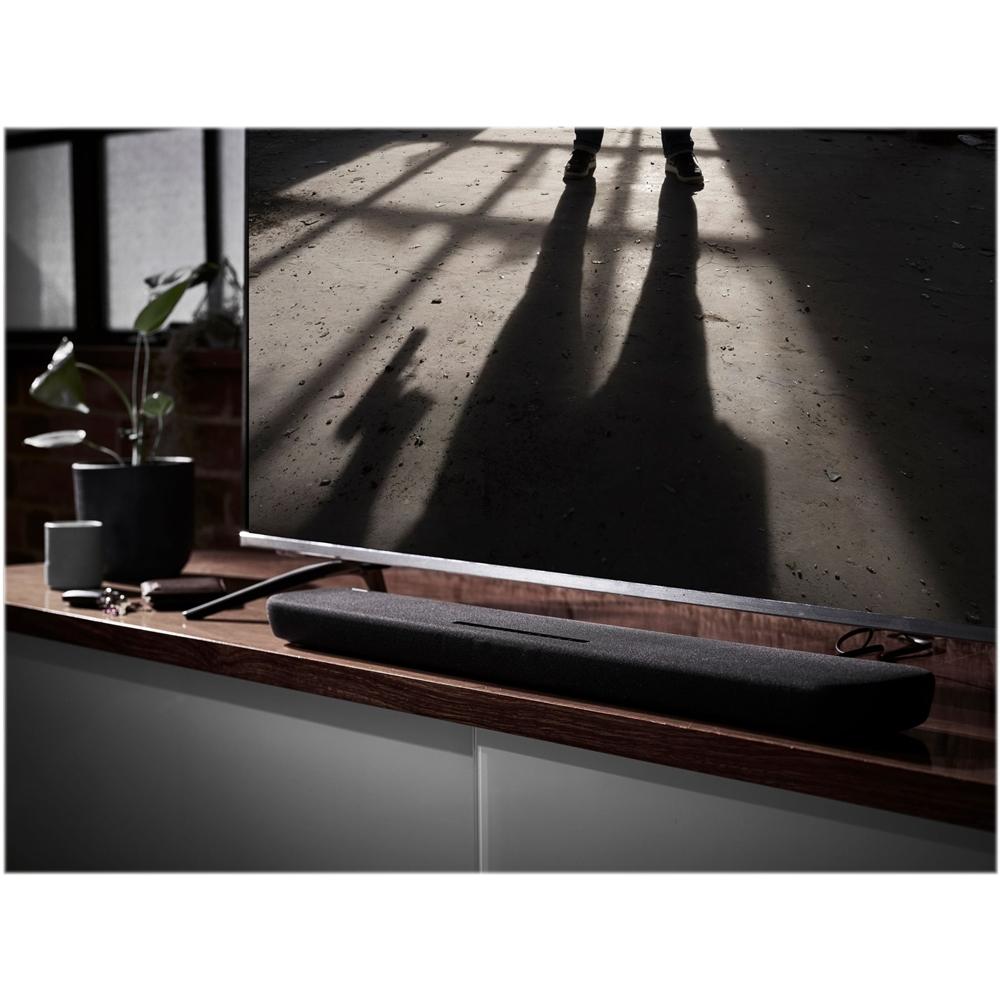
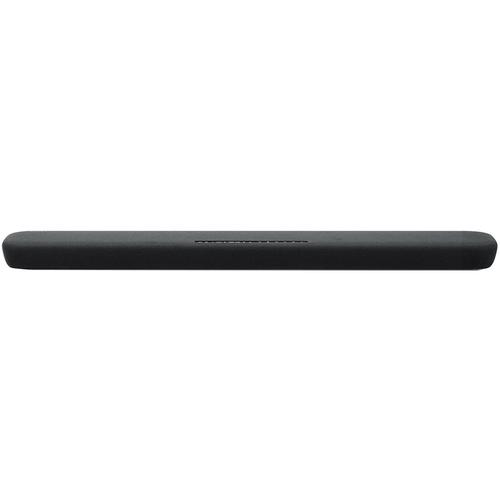
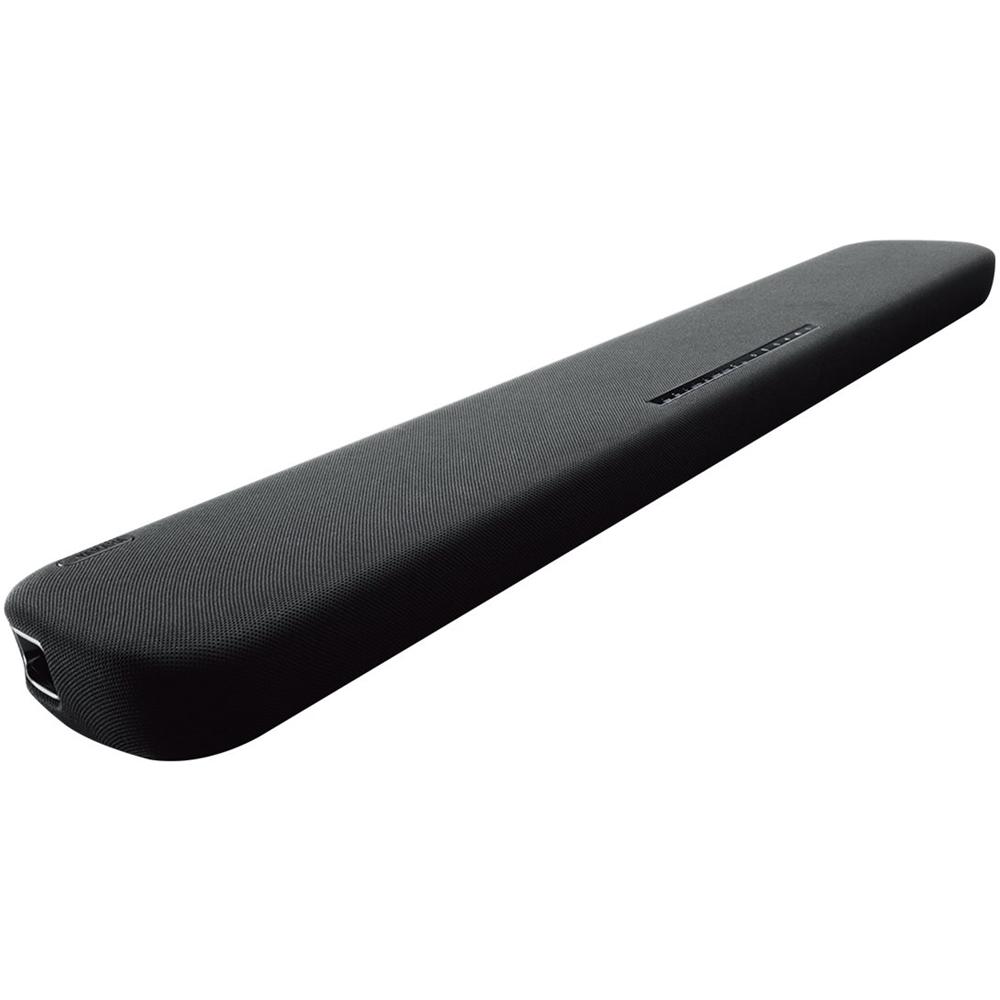
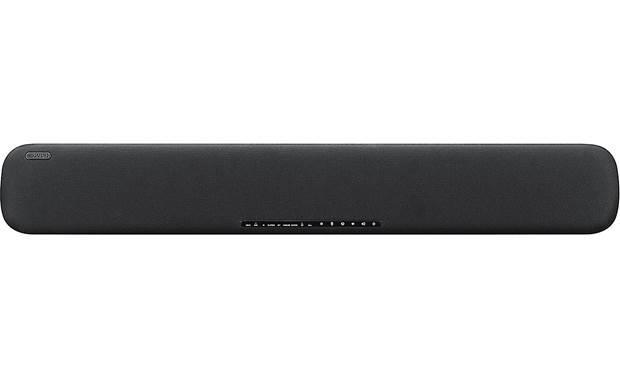
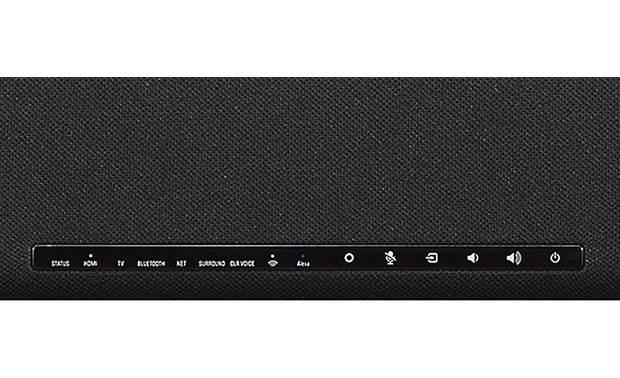
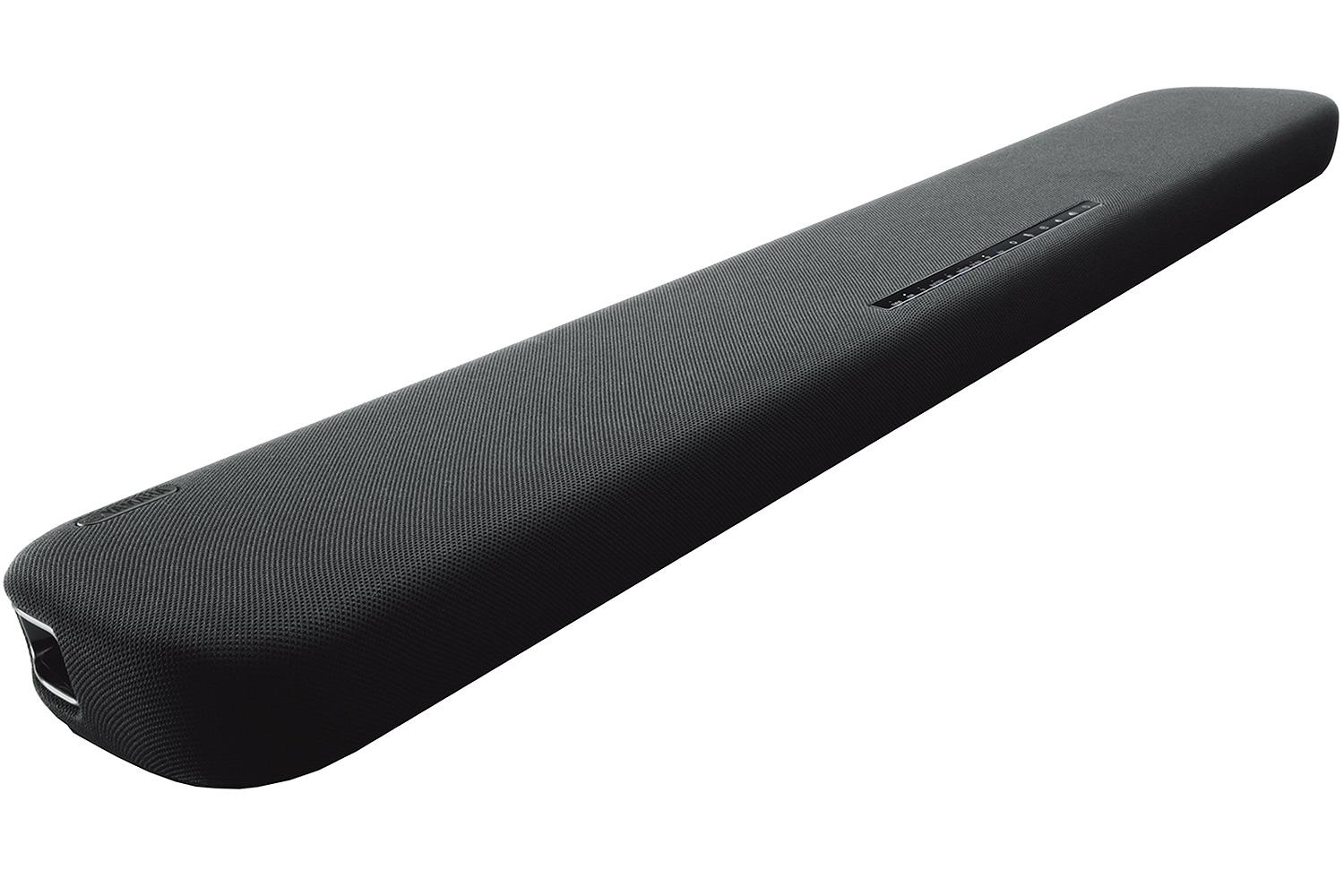
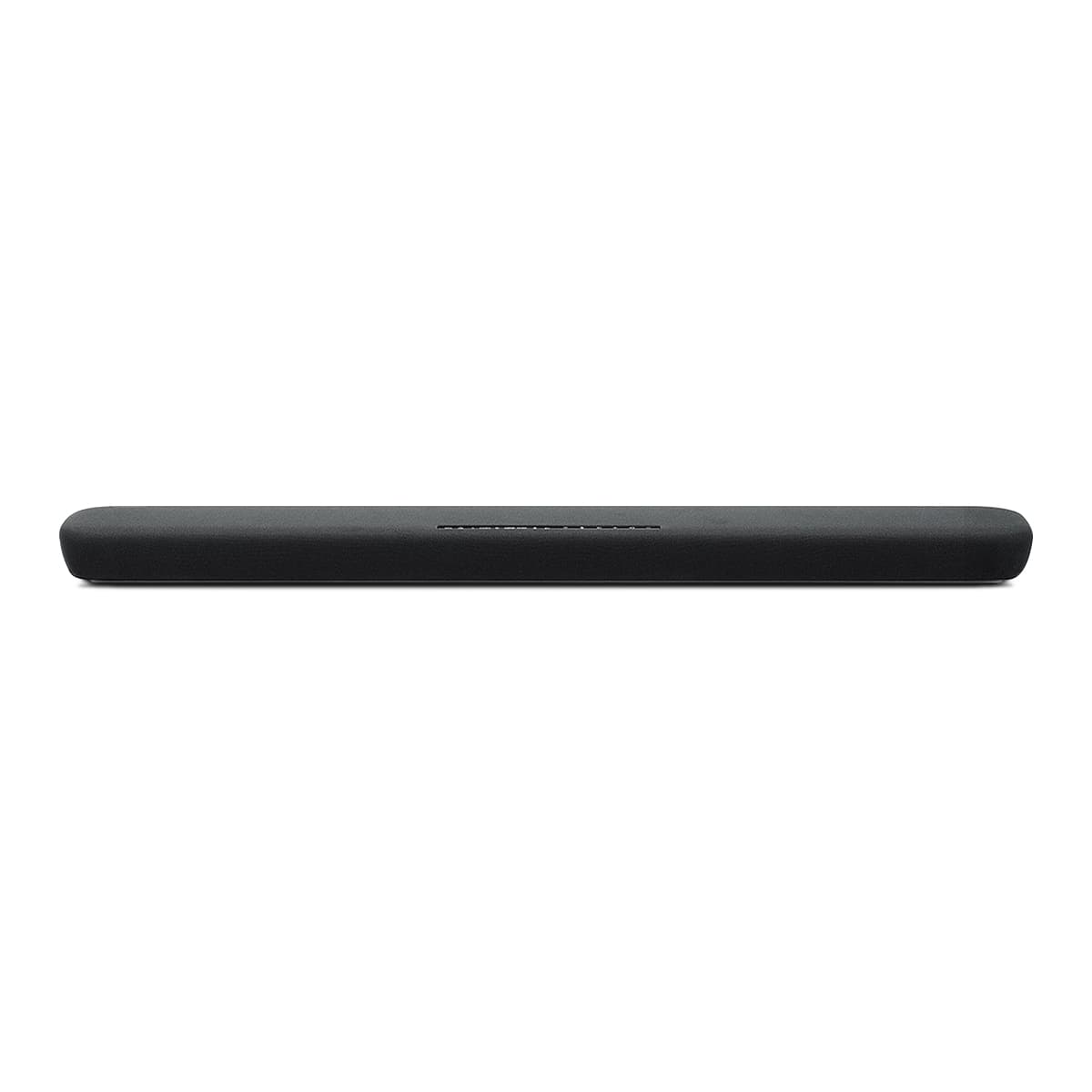
The Yamaha YAS-109, also released in 2020, takes a completely different approach. At 35 inches wide and 7.5 pounds, it's designed to be a more comprehensive entertainment solution rather than just a TV audio enhancer.
The standout feature is the dual built-in subwoofers – two 3-inch drivers dedicated solely to bass reproduction. This is unusual for a soundbar at this price point. Most competitors either skip the subwoofer entirely or require a separate wireless unit that takes up floor space. Yamaha's engineers managed to integrate meaningful bass response into the main bar, which is genuinely impressive from a technical standpoint.
The 120-watt total power output is distributed strategically: 30 watts each for the left and right channels, and 60 watts for the built-in subwoofers. This power distribution shows Yamaha's priorities – they're dedicating half their amplification to bass response, which translates to more impactful low-frequency performance than you'd expect from such a compact design.
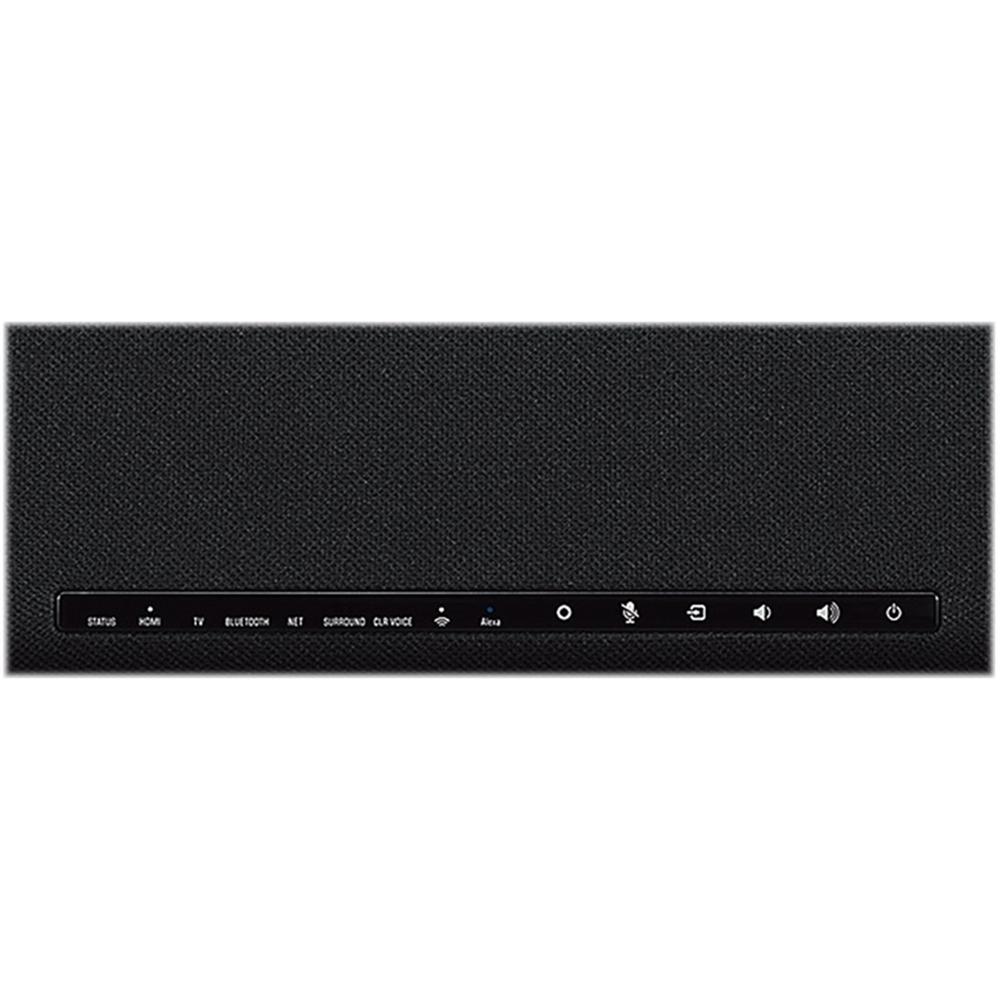
But the Yamaha's most distinctive feature is built-in Amazon Alexa. This isn't just Alexa compatibility – the soundbar has far-field microphones that can hear your voice commands from across the room, even when music is playing. You can ask it to adjust volume, change inputs, play specific songs from streaming services, control smart home devices, or answer questions just like an Echo speaker.
The implementation is quite sophisticated. The microphones use beamforming technology (multiple mics working together to focus on your voice while ignoring background noise) and echo cancellation to hear you clearly even during loud scenes. In practice, this works surprisingly well, though I've found it occasionally struggles with very quiet voice commands during action sequences.
DTS Virtual:X is another significant feature that deserves explanation. Traditional surround sound requires multiple speakers placed around your room. Virtual surround uses digital signal processing to create the illusion of sounds coming from above and behind you, using just the soundbar's drivers. The Yamaha analyzes the incoming audio signal and applies complex algorithms to modify how sounds reach your ears, tricking your brain into perceiving a larger soundscape.
The effectiveness of virtual surround varies significantly based on your room acoustics and seating position. In my experience, it works best in medium-sized rooms with some reflective surfaces. Very large or acoustically dead rooms won't provide the reflections needed for the effect to work properly.
This is where the philosophical differences become most apparent. The Bose TV Speaker treats dialogue enhancement as its primary mission. Every aspect of its design – from driver selection to signal processing – is optimized for human speech reproduction.
The frequency response is carefully tuned to emphasize the 1-4kHz range where most vocal intelligibility lives. The soundbar's DSP (Digital Signal Processing) continuously analyzes content to identify speech patterns and applies dynamic range compression to ensure dialogue stays audible even when background elements get loud.
The Yamaha YAS-109 takes a more balanced approach. Its Clear Voice technology helps with dialogue, but it's not as aggressive or specialized as Bose's implementation. The trade-off is more natural-sounding overall audio that doesn't sacrifice other elements for speech clarity.
For someone who primarily watches news, talk shows, or dialogue-heavy dramas, the Bose advantage is immediately noticeable. For mixed content including action movies and music, the Yamaha's more balanced approach often sounds more engaging.
This is where the Yamaha clearly dominates. Those built-in 3-inch subwoofers make a dramatic difference in action scenes, providing the chest-thumping impact that makes explosions and crashes feel visceral rather than flat.
The bass extension reaches down to around 60Hz, which covers most of the fundamental frequencies that make movie soundtracks exciting. While it won't match a full-size subwoofer that can hit 20-30Hz, it provides enough low-end presence to make most content engaging.
The Bose, by comparison, starts rolling off around 80Hz and relies heavily on psychoacoustic tricks to create the impression of bass. The bass boost feature helps, but it's essentially EQ enhancement rather than true low-frequency extension. For action movies, the difference is stark.
The Yamaha's superior connectivity and power handling make it much better suited for music listening. Wi-Fi connectivity enables high-quality streaming through Spotify Connect and Apple AirPlay 2, while the more robust bass response makes genres like hip-hop, electronic, and rock much more engaging.
The soundbar includes a compressed music enhancer that attempts to restore detail to Bluetooth audio streams. While this can't fully compensate for Bluetooth's audio compression, it does make wirelessly streamed music sound noticeably better.
The Bose's music performance is respectable for its size, but it's clearly optimized for spoken content. The balanced midrange makes vocals sound natural, but the limited bass response leaves music feeling incomplete.
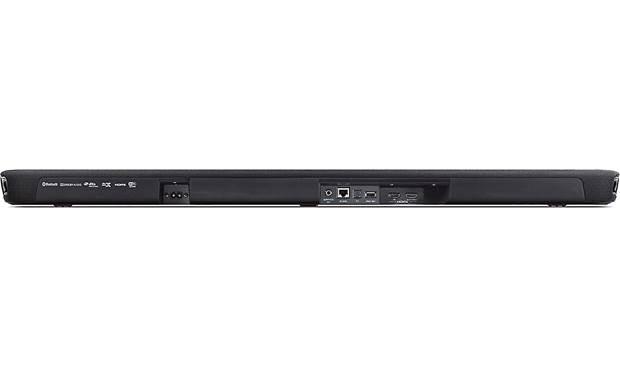
Both soundbars support HDMI-ARC (Audio Return Channel), which allows them to receive audio from your TV and control basic functions through your TV remote. However, their approaches to home theater integration differ significantly.
The Bose focuses on seamless TV integration. HDMI-CEC support means it automatically powers on with your TV, switches inputs appropriately, and responds to your TV remote without any additional setup. It's the closest thing to "set it and forget it" that you'll find in audio equipment.
The Yamaha offers more flexibility but requires more initial setup. The smartphone app walks you through connecting to your Wi-Fi network and configuring Alexa, but the process takes longer and offers more opportunities for things to go wrong.
For true home theater enthusiasts, both soundbars offer subwoofer outputs for adding external bass. The Yamaha's approach is more standard (3.5mm output that works with most powered subwoofers), while Bose requires their proprietary connection cable for their Bass Modules.
The connected features gap between these soundbars is substantial. The Yamaha YAS-109 feels like a 2020s product with its Alexa integration, Wi-Fi streaming, and app control. The Bose TV Speaker feels more like a 2010s approach focused purely on audio performance.
This difference matters for long-term satisfaction. Streaming habits continue to evolve, and having built-in support for services like Spotify Connect means you won't need additional devices cluttering your setup. The Alexa integration also means the Yamaha can grow with your smart home ecosystem.
However, there's something to be said for the Bose's simplicity. Fewer connected features mean fewer things that can break or become obsolete. The basic audio processing that makes dialogue sound great will work the same way in five years as it does today.
Physical design impacts daily use more than most people realize. The Bose TV Speaker measures just 23.4 inches wide, making it perfect for TVs in the 32-43 inch range. Its low profile (2.2 inches tall) fits easily in TV stands and won't block IR sensors.
The compact size comes with audio trade-offs, though. There's less internal volume for bass reproduction, and the shorter driver spacing limits stereo imaging width. For smaller rooms and nearfield listening, these limitations are less noticeable.
The Yamaha YAS-109 at 35 inches wide is designed for larger TVs (43 inches and up). The extra width allows for better stereo separation and more internal volume for those built-in subwoofers. However, it may overwhelm smaller entertainment centers or look disproportionate with smaller TVs.
Both soundbars can be wall-mounted, though the Yamaha includes mounting hardware while Bose sells their wall bracket separately. The mounting experience differs too – the Bose is light enough that basic drywall anchors work fine, while the Yamaha's extra weight really benefits from mounting into wall studs.
At $199 versus $220, the price difference is small enough that features and performance should drive your decision rather than budget constraints. However, the value proposition of each product is quite different.
The Bose TV Speaker delivers premium build quality and specialized performance at an entry-level price. If improving TV dialogue is your primary goal, it's hard to find better value. The limitation is that it does one thing extremely well rather than being a versatile entertainment device.
The Yamaha YAS-109 offers significantly more functionality for just $20 more. Built-in subwoofers, Alexa integration, Wi-Fi streaming, and app control represent features that would typically cost $100+ if purchased separately. For users who want a single device to handle both TV enhancement and music streaming, the value is exceptional.
Consider the total cost of ownership too. The Bose's modular design means you might eventually want to add their Bass Module ($300-400), bringing the total system cost to $500-600. The Yamaha's built-in bass might satisfy your needs long-term without additional purchases.
Choose the Bose TV Speaker if:
Choose the Yamaha YAS-109 if:
The fundamental question is whether you want a specialized TV audio enhancer or a more versatile entertainment hub. Both soundbars excel at their intended purposes, but they serve different user needs and preferences.
In my experience, most people underestimate how much they'll use music streaming features once they have them. The convenience of saying "Alexa, play jazz music" while cooking dinner or "Alexa, play the news" while getting ready in the morning can quickly become part of your daily routine. However, if you've lived happily without these features so far, the Bose's superior dialogue clarity might provide more immediate satisfaction.
Consider your space, usage patterns, and long-term plans. The Yamaha YAS-109 represents better overall value for most users, but the Bose TV Speaker is unmatched if crystal-clear dialogue is your top priority. Either choice will dramatically improve your TV listening experience compared to built-in TV speakers.
| Bose TV Speaker | Yamaha YAS-109 |
|---|---|
| Price - Entry-level soundbar pricing with different value propositions | |
| $199 (premium dialogue focus) | $220 (feature-rich entertainment hub) |
| Size & Design - Critical for TV compatibility and room aesthetics | |
| 23.4" × 2.2" × 4", 4.3 lbs (ideal for 32-43" TVs) | 35" × 2.1" × 5.2", 7.5 lbs (designed for 43"+ TVs) |
| Audio Drivers - Determines sound character and bass capability | |
| 2 cone drivers + 2 dome tweeters (no dedicated subwoofer) | 2 front drivers + 2 tweeters + dual 3" built-in subwoofers |
| Total Power Output - Affects maximum volume and dynamic range | |
| Not specified (focuses on efficiency over raw power) | 120W total (60W dedicated to built-in subwoofers) |
| Dialogue Enhancement - Most important feature for TV watching | |
| Specialized dialogue mode with real-time content analysis | Clear Voice technology (good but less specialized) |
| Bass Response - Critical for movies and music enjoyment | |
| Limited without external subwoofer, includes bass boost button | Strong bass from dual 3" built-in subwoofers, extends to ~60Hz |
| Smart Features - Future-proofing and convenience | |
| None (TV remote control via HDMI-CEC only) | Built-in Alexa with far-field mics, voice control |
| Wireless Connectivity - Streaming music and modern device compatibility | |
| Bluetooth 4.2 only | Bluetooth 4.2 + Wi-Fi (Spotify Connect, AirPlay 2) |
| Setup Complexity - How quickly you'll be enjoying better audio | |
| Plug-and-play (one cable, automatic TV remote sync) | Moderate (requires app setup for smart features) |
| Audio Formats - Compatibility with modern content | |
| Dolby Digital (basic but sufficient for TV) | Dolby Digital + DTS Digital Surround + DTS Virtual:X |
| Expandability - Upgrade options for enhanced performance | |
| Compatible with Bose Bass Module (wired connection required) | 3.5mm subwoofer output (works with most powered subs) |
| Best Use Case - Who should choose this soundbar | |
| TV dialogue enhancement, compact spaces, simplicity priority | Movies, music streaming, smart home integration, larger rooms |
The Bose TV Speaker excels at TV dialogue clarity with specialized speech enhancement technology that makes conversations easier to understand. The Yamaha YAS-109 offers more balanced overall sound with better bass response from its built-in subwoofers. For pure TV watching, especially news and dialogue-heavy content, the Bose provides superior clarity.
The Bose TV Speaker costs $199, while the Yamaha YAS-109 is priced at $220. The $21 difference is minimal, making features and performance the primary deciding factors rather than budget constraints.
The Yamaha YAS-109 is significantly better for movies due to its dual built-in 3-inch subwoofers that provide deep bass for explosions and action sequences. The Bose TV Speaker lacks dedicated bass drivers and would require an additional subwoofer purchase for comparable movie performance.
Only the Yamaha YAS-109 has built-in Amazon Alexa with far-field microphones for voice control. The Bose TV Speaker has no voice assistant integration and relies on your TV remote or its included remote for control.
The Bose TV Speaker offers simpler setup with one cable connection and automatic TV remote integration through HDMI-CEC. The Yamaha YAS-109 requires additional app setup for Wi-Fi and Alexa features, though the basic audio connection is equally straightforward.
Both soundbars support Bluetooth streaming, but the Yamaha YAS-109 also includes Wi-Fi connectivity with Spotify Connect and Apple AirPlay 2 for higher-quality wireless streaming. The Bose TV Speaker is limited to Bluetooth 4.2 only.
The Bose TV Speaker at 23.4 inches wide is designed for smaller TVs (32-43 inches) and compact spaces. The Yamaha YAS-109 at 35 inches wide is better suited for larger TVs (43 inches and up) and may look disproportionate with smaller displays.
The Yamaha YAS-109 includes built-in subwoofers and doesn't require additional bass enhancement for most users. The Bose TV Speaker works well for dialogue but benefits from adding Bose's Bass Module for better movie and music performance.
The Yamaha YAS-109 delivers significantly better bass performance with its dual built-in 3-inch subwoofers and 60 watts of dedicated bass amplification. The Bose TV Speaker has limited bass response and relies on a bass boost feature rather than dedicated low-frequency drivers.
Yes, both the Bose TV Speaker and Yamaha YAS-109 support wall mounting. The Yamaha includes mounting hardware, while Bose sells their wall bracket separately. The lighter Bose is easier to mount with basic drywall anchors.
The Yamaha YAS-109 is superior for music with its built-in subwoofers, higher power output, and better wireless streaming options including Wi-Fi connectivity. The Bose TV Speaker is optimized for speech and lacks the bass response most music genres require.
The Bose TV Speaker focuses specifically on improving TV dialogue clarity with minimal complexity, while the Yamaha YAS-109 offers a more complete entertainment experience with built-in bass, smart features, and music streaming capabilities. Choose Bose for specialized TV enhancement or Yamaha for versatile home entertainment.
We've done our best to create useful and informative comparisons to help you decide what product to buy. Our research uses advanced automated methods to create this comparison and perfection is not possible - please contact us for corrections or questions. These are the sites we've researched in the creation of this article: bestbuy.com - projectorscreen.com - forums.audioholics.com - digitaltrends.com - abt.com - crutchfield.com - staples.com - bestbuy.com - pcrichard.com - visions.ca - bose.com - assets.bose.com - rtings.com - crutchfield.com - usa.yamaha.com - digitaltrends.com - tomsguide.com - listenup.com - youtube.com - usa.yamaha.com - hub.yamaha.com - youtube.com - hub.yamaha.com

Privacy Policy
Terms and Conditions - Affiliate Policy
Home Security
© Copyright 2008-2026.
11816 Inwood Rd #1211, Dallas, TX 75244