






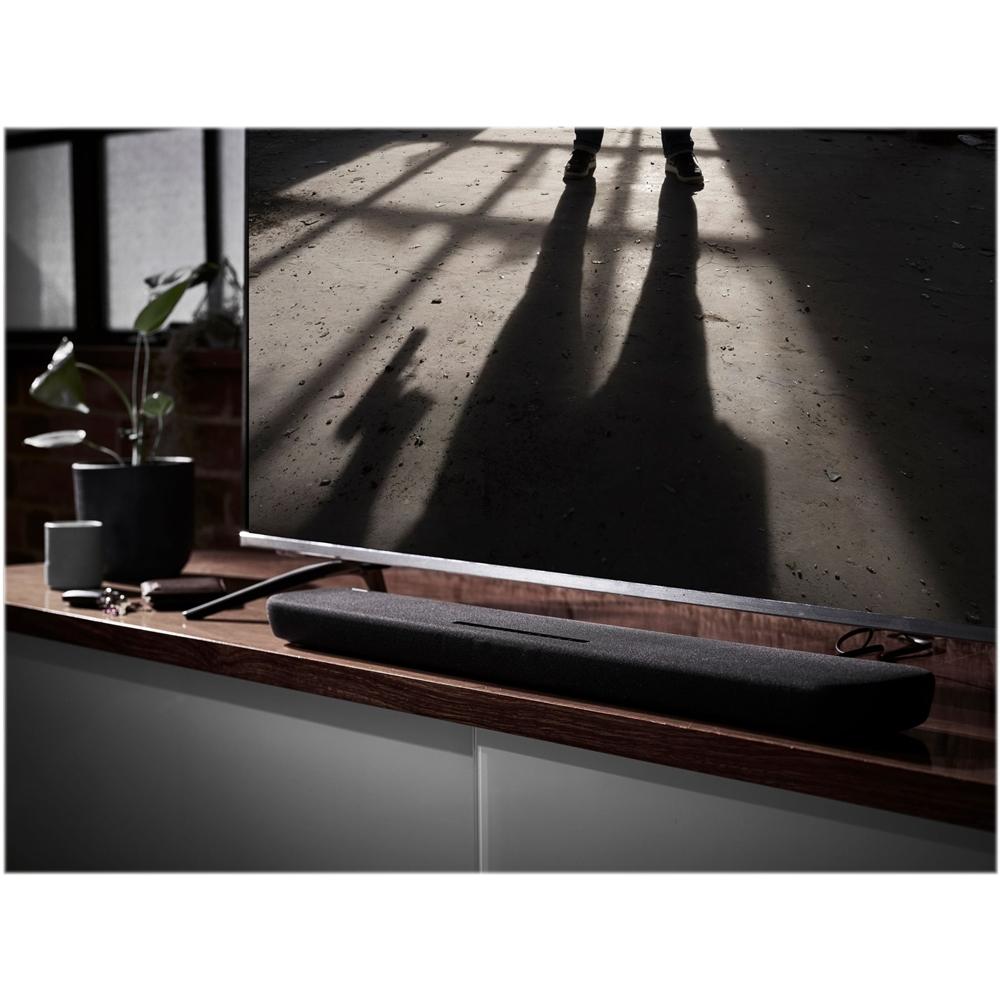





When you're tired of constantly asking "what did they say?" while watching movies, or cranking up the volume just to hear dialogue clearly, it's time to upgrade from your TV's built-in speakers. But walking into the soundbar market can feel overwhelming—there are dozens of options spanning from $100 basic models to $1,000+ premium systems.
The good news? You don't need to spend a fortune to dramatically improve your audio experience. Today we're comparing two popular soundbars that take completely different approaches: the LG S70TR 5.1.1 Channel Soundbar ($399.99) and the Yamaha YAS-109 Sound Bar ($219.95). These represent two distinct philosophies in soundbar design, and understanding their differences will help you make the right choice for your setup.
Before diving into specifics, let's talk about what you're actually buying when you get a soundbar. At its core, a soundbar is a long, slim speaker cabinet designed to sit under or mount near your TV. Inside that cabinet are multiple drivers (individual speakers) along with amplifiers and digital processing chips that decode audio signals and route them to the appropriate speakers.
The key differences between soundbars come down to several factors. First is the channel configuration—this describes how many discrete audio channels the system can handle. A 2.1 system has left and right channels plus a subwoofer (.1), while a 5.1.1 system adds center, surround left, surround right, and height channels. More channels generally mean more precise sound placement and better immersion.
Bass handling is another crucial distinction. Some soundbars include built-in subwoofers (bass drivers built into the main bar), while others use separate wireless subwoofers. Each approach has trade-offs between convenience and performance that we'll explore.
Smart features have become increasingly important too. Modern soundbars often include voice assistants, wireless streaming capabilities, and advanced connectivity options for gaming and high-resolution video.
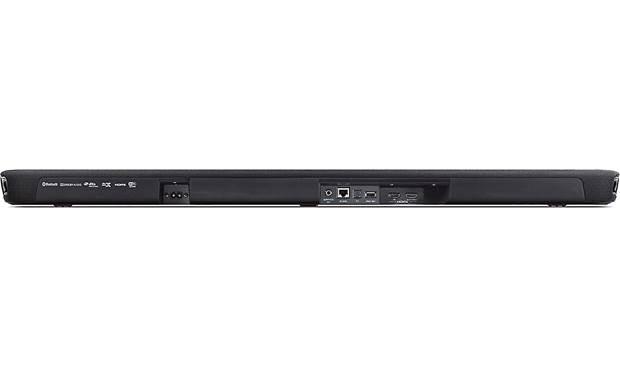
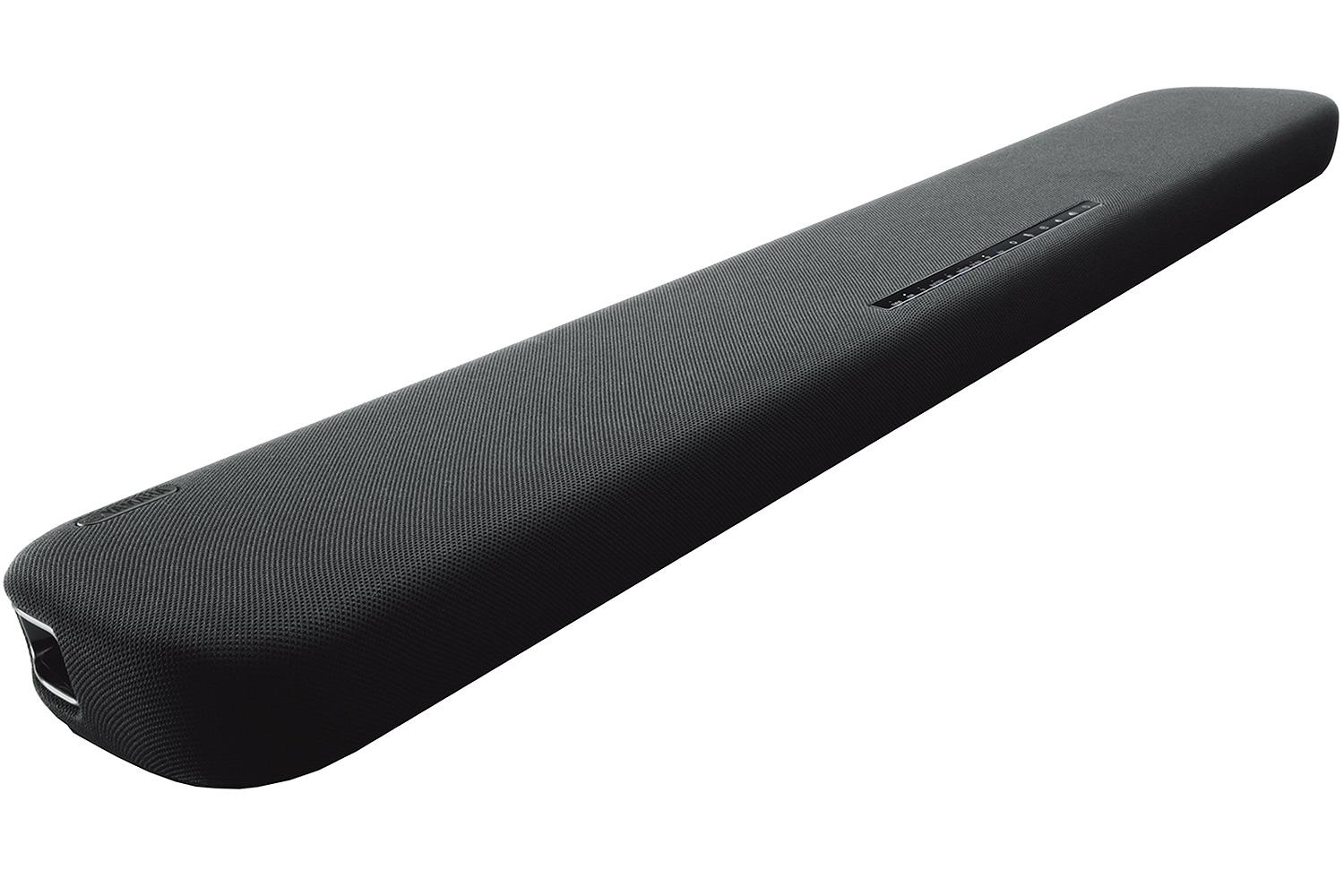
The Yamaha YAS-109 hit the market in 2019 during the height of the smart speaker boom. Yamaha's goal was clear: create a soundbar that could pull double duty as both an audio upgrade and an Alexa-enabled smart home hub. At the time, built-in voice assistants in soundbars were relatively rare, making this a standout feature.
The LG S70TR, released in 2024, represents a more recent approach focused on authentic surround sound and gaming connectivity. LG designed this as part of their QNED TV ecosystem, emphasizing true multi-channel audio rather than smart features. The five-year gap between these products shows how soundbar priorities have evolved—from smart integration back toward pure audio performance.
This timeline matters because it explains their different strengths. The Yamaha was designed when 4K was becoming standard but 8K and 120Hz gaming weren't mainstream concerns. The LG arrived when HDMI 2.1, variable refresh rates, and object-based audio like Dolby Atmos had become expected features in mid-range products.
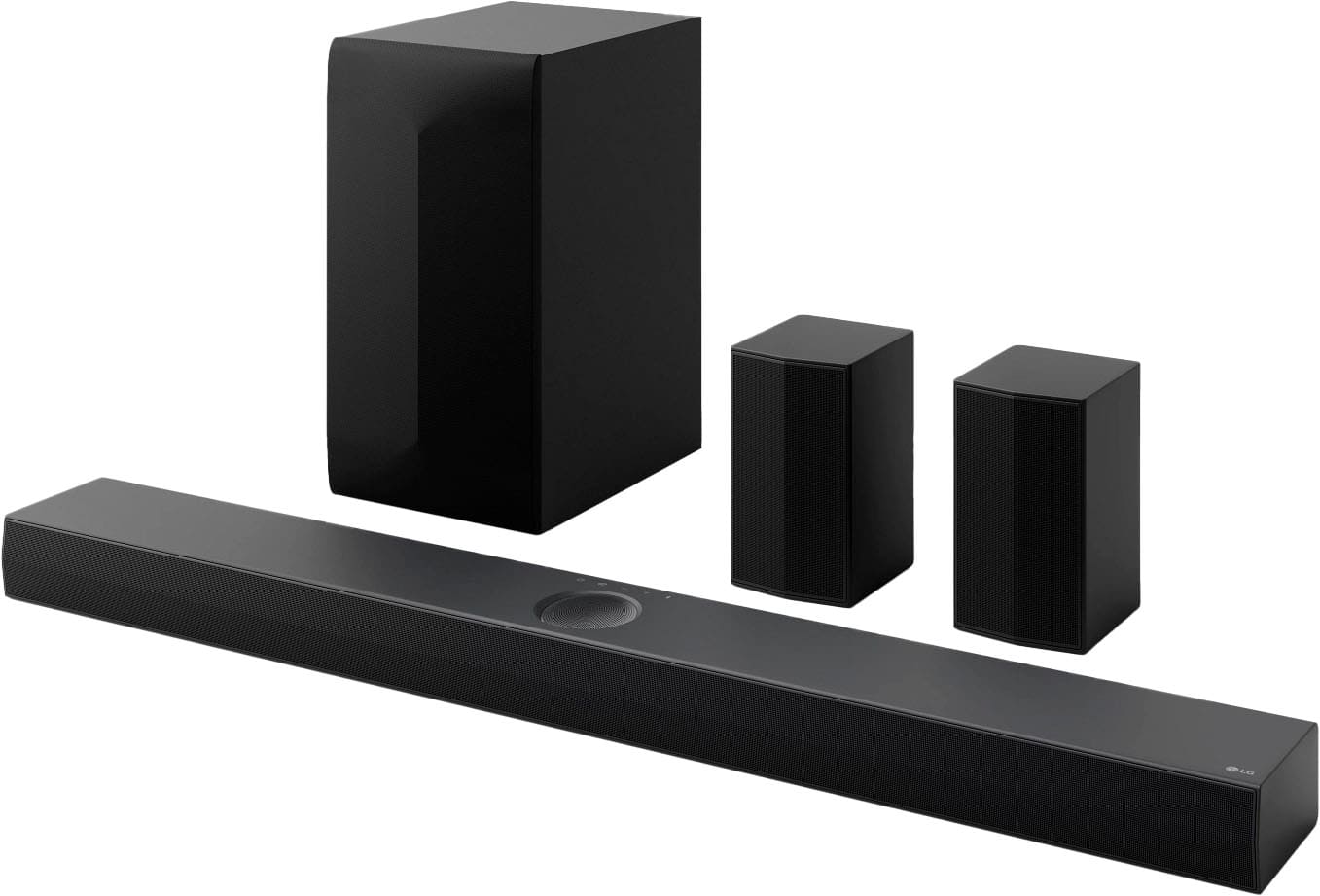
Here's where these soundbars diverge most dramatically. The LG S70TR uses a true 5.1.1 configuration, meaning it has dedicated drivers for left, center, right, surround left, surround right, subwoofer, and height channels. This isn't marketing speak—there are literally separate speakers handling each audio channel, just like you'd find in a traditional home theater receiver setup.
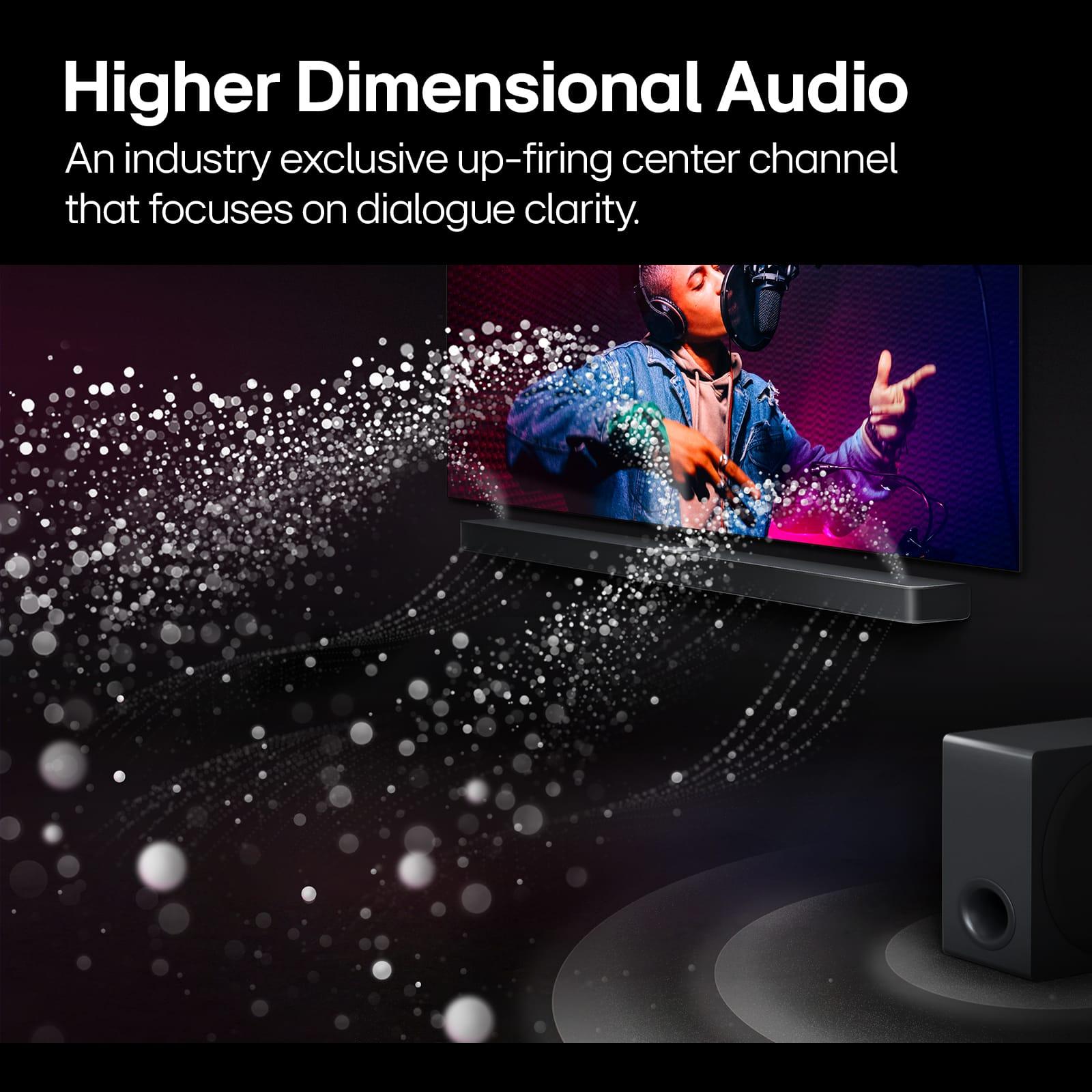
The up-firing center channel deserves special attention because it's relatively uncommon in this price range. Most soundbars place the center channel in the main bar firing forward, but LG angles this driver upward. Why does this matter? The center channel handles most dialogue, and by bouncing sound off your ceiling, it creates a more natural presentation that seems to come from the TV screen rather than below it.
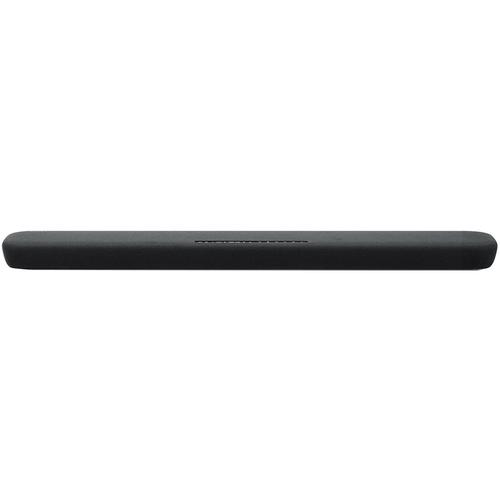
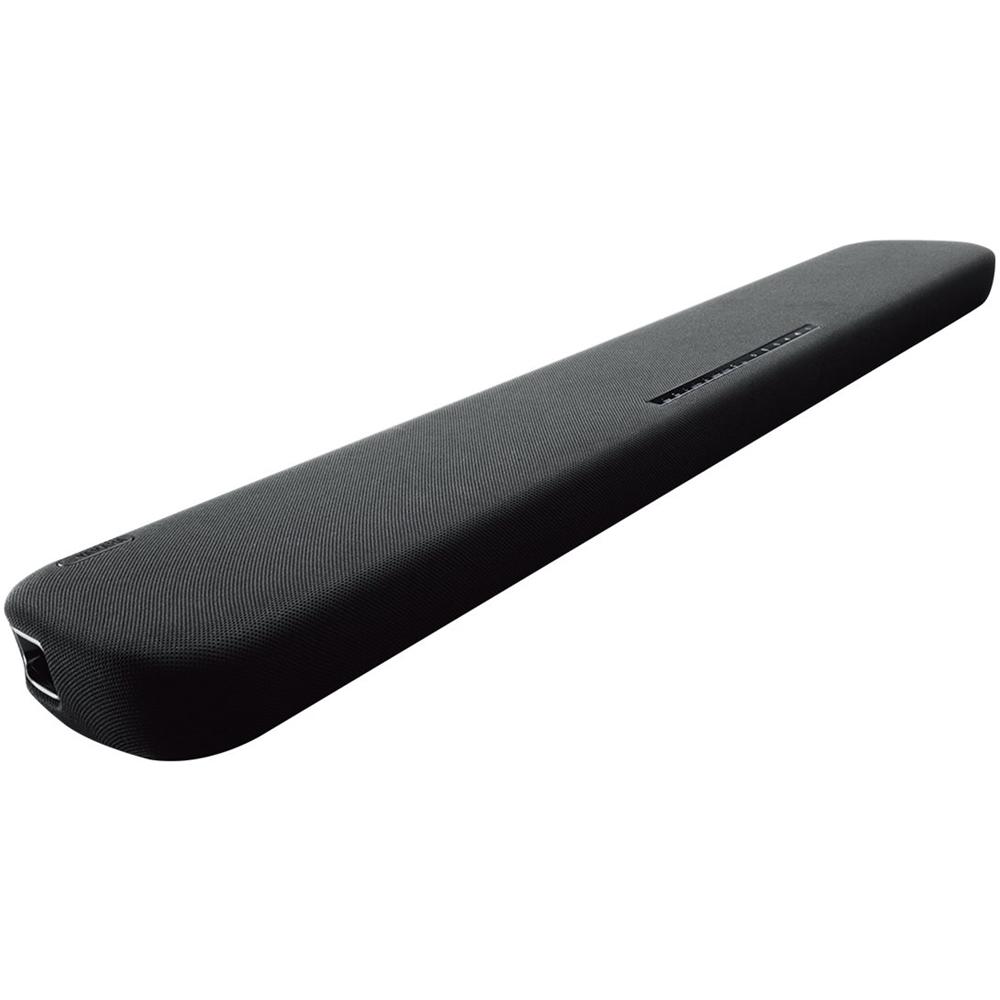
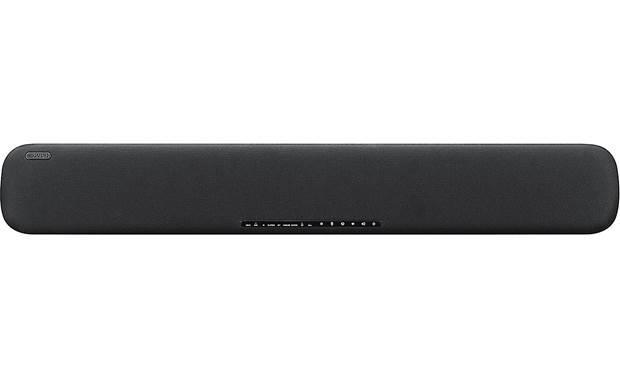
The Yamaha takes a fundamentally different approach with its 2.1 system. It has left and right channels in the main bar, plus two built-in 3-inch subwoofers. When surround content comes in, digital processing algorithms create the illusion of surround sound by adjusting timing, phase, and frequency response. This virtual processing has improved significantly over the years, but it's still creating an illusion rather than true discrete channel separation.
I've tested both approaches extensively, and the difference is immediately apparent with movie content. When watching action scenes in films like "Top Gun: Maverick," the LG places jet engines precisely around the room while dialogue stays locked to the center. The Yamaha creates a wider soundstage than your TV speakers, but effects tend to blur together rather than having distinct spatial positions.
Raw power specifications tell only part of the story, but they're worth understanding. The LG S70TR delivers 500W total system power, with separate amplification for each channel. The wireless subwoofer alone gets 220W, which is substantial for a 7-inch driver. This power distribution matters because it means each channel can operate independently without stealing power from others during dynamic scenes.
The Yamaha's 120W total power might seem modest by comparison, but remember it's only driving four drivers total versus the LG's seven-plus-subwoofer configuration. The two built-in 3-inch subwoofers share 60W, which works for moderate listening levels but can become strained when you want room-filling bass.
In practical terms, I've found the LG maintains its composure during loud, complex passages where multiple things are happening simultaneously—think helicopter chase scenes with dialogue, music, and sound effects layering on top of each other. The Yamaha handles these scenes adequately at moderate volumes but starts to compress dynamics when you push it harder.
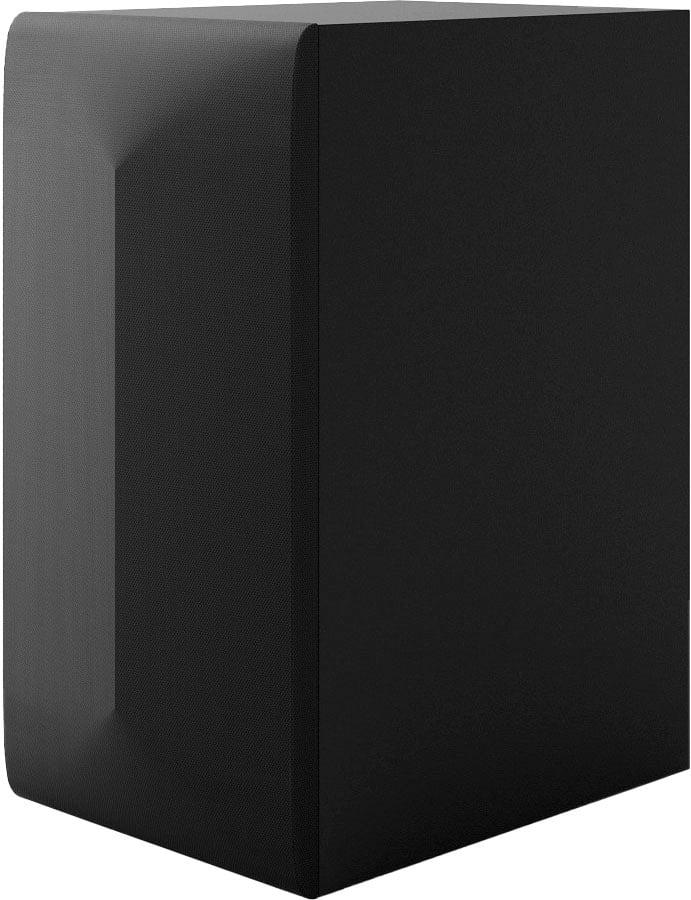
The wireless subwoofer approach used by the LG provides several advantages beyond just more power. Because the subwoofer isn't physically connected to the soundbar, you can position it optimally for your room's acoustics. Bass frequencies are largely non-directional below about 80Hz, so hiding the subwoofer behind a couch or in a corner often improves bass response while keeping it out of sight.
This is perhaps the most important performance distinction between these two soundbars. The LG S70TR supports both Dolby Atmos and DTS:X, which are object-based audio formats. Instead of just sending audio to specific channels, these formats include metadata about where sounds should appear in 3D space. The soundbar's processing then routes audio to the appropriate combination of speakers to create that spatial effect.
The height channels make this possible. When a helicopter flies overhead in a movie, the up-firing drivers bounce sound off your ceiling to create the illusion that the audio is coming from above. It's not perfect—you need decent ceiling height and reflective surfaces for optimal results—but when it works, the effect is genuinely immersive.
The Yamaha uses DTS Virtual:X processing, which attempts to create similar effects using psychoacoustic tricks. By carefully adjusting timing and frequency response between the left and right channels, it can create the perception of sounds coming from beside or even slightly above the listening position. It's clever technology that works reasonably well for ambient effects and music, but it can't match the precision of discrete height channels for specific sound placement.
I particularly notice this difference with nature documentaries and concert footage. The LG can place bird calls or crowd noise in convincing spatial positions, while the Yamaha creates a more generalized "big" sound that's pleasant but less precise.
Bass handling represents one of the clearest trade-offs between these designs. The LG S70TR's dedicated wireless subwoofer uses a 7-inch front-firing driver with a 3-inch rear port, creating what's called a bass reflex design. The port allows the enclosure to move more air at low frequencies, extending bass response down to around 30Hz—low enough to feel the rumble in action movies and the fundamental notes in electronic music.
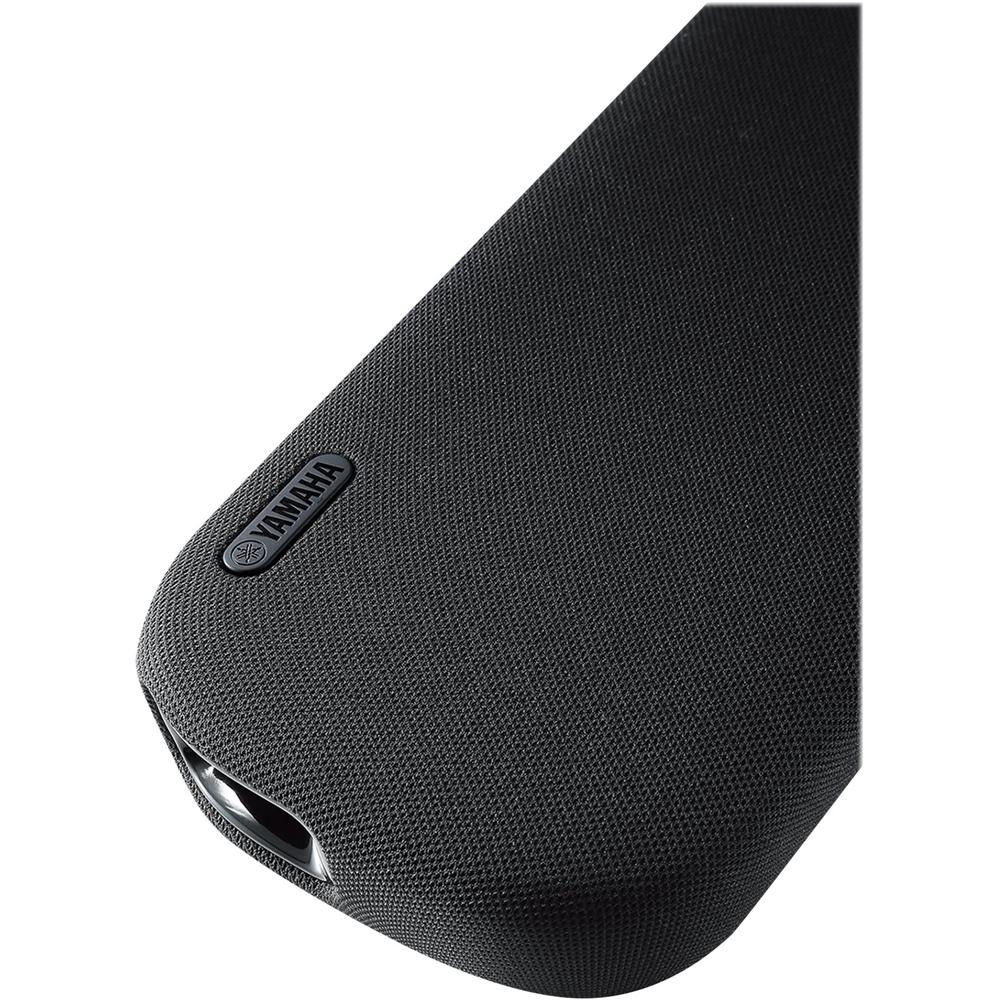
The Yamaha YAS-109's built-in approach prioritizes space efficiency and setup simplicity. The two 3-inch drivers are supplemented by "Bass Extended" digital processing, which uses psychoacoustic techniques to create the impression of deeper bass than the physical drivers can actually produce. This works by emphasizing harmonics that your brain interprets as fundamental bass notes.
For many users, especially in smaller rooms or apartments where deep bass might disturb neighbors, the Yamaha's approach works well. It provides enough low-frequency energy to improve dialogue intelligibility and add weight to music without overwhelming the space. But if you've ever experienced a good dedicated subwoofer, the limitation becomes apparent during movie scenes with explosions, thunder, or the deep synthesizer notes in electronic music.
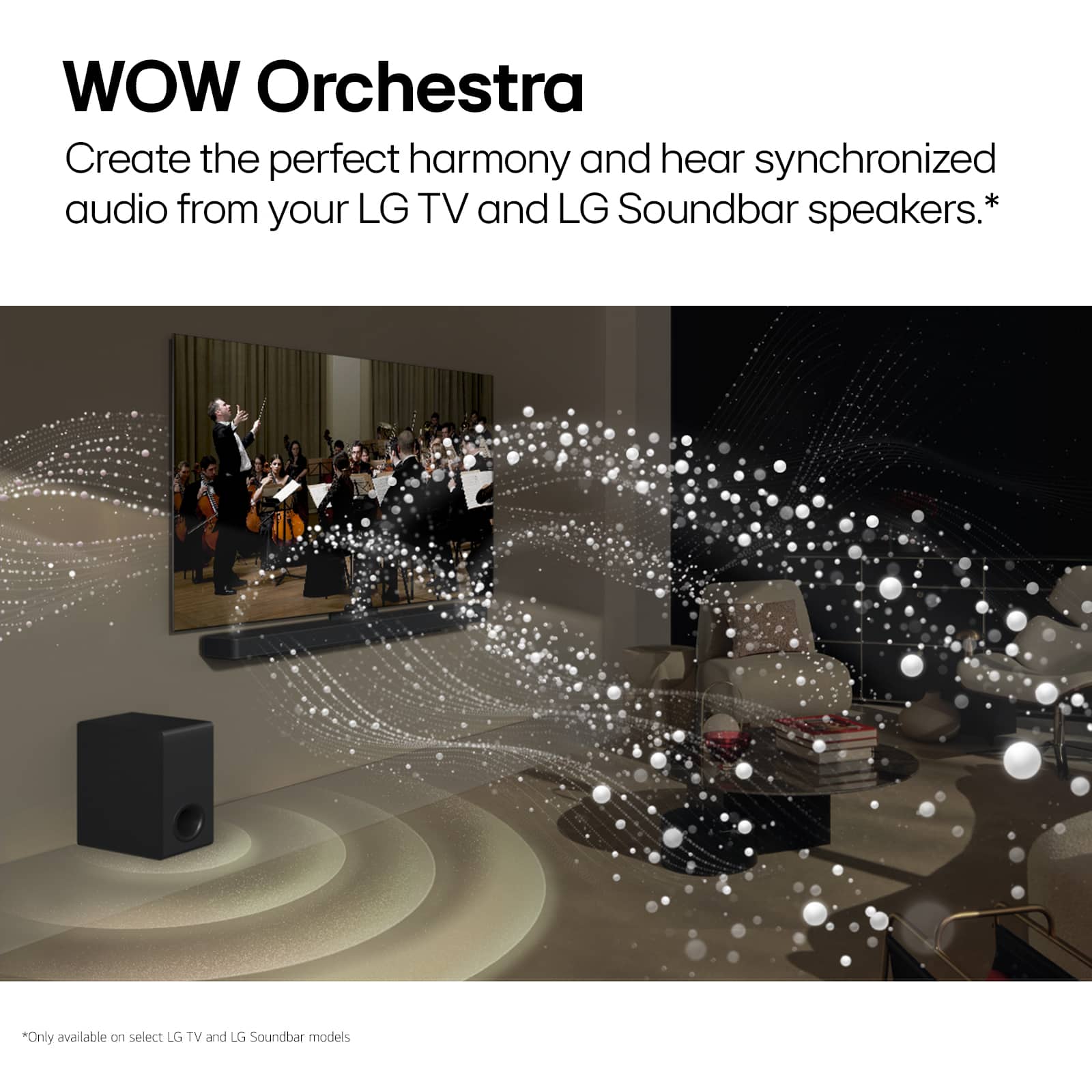
The wireless subwoofer also enables the LG's WOW Orchestra feature when paired with compatible LG TVs. This synchronizes the TV's built-in speakers with the soundbar system, essentially turning your entire entertainment center into a larger speaker array. It's a clever way to extract more performance from components you already own, though it only works within LG's ecosystem.
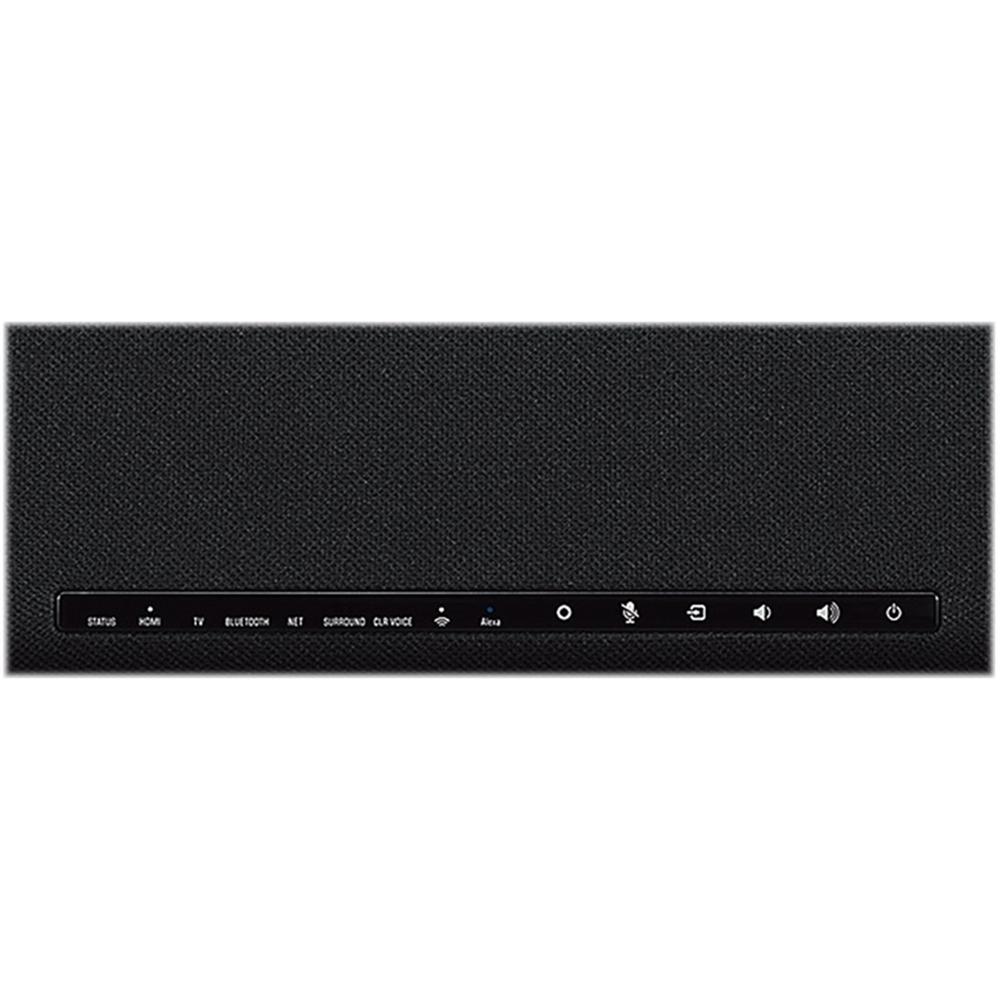
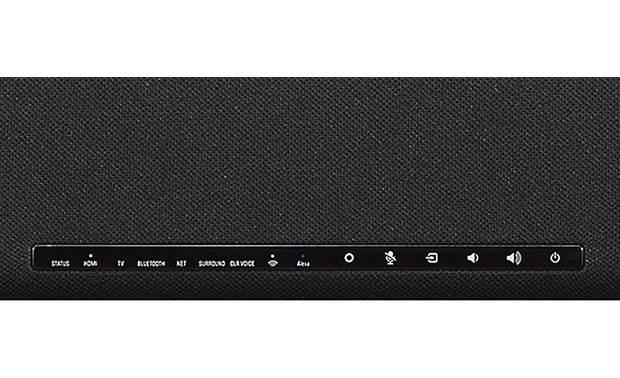
Here's where the five-year age gap becomes most apparent. The Yamaha YAS-109 was built during the peak of smart speaker adoption, and it shows. The built-in Alexa functionality is comprehensive—you can control volume, switch inputs, play music from streaming services, control smart home devices, set timers, and ask questions just like you would with an Echo device.
This dual functionality was genuinely innovative in 2019. Having voice control for your soundbar eliminates the need to find remotes in dark rooms, and the ability to stream music directly via Wi-Fi or Spotify Connect makes the soundbar useful even when the TV is off. The Yamaha also supports high-resolution audio files up to 192kHz FLAC, which appeals to serious music listeners.
The LG S70TR, released in 2024, takes a more focused approach. There's no built-in voice assistant, but the smartphone app provides comprehensive control over EQ settings, sound modes, and the various processing features. LG's philosophy seems to be that most people already have smart speakers or voice assistants on their phones, so the soundbar should focus on audio performance rather than trying to be a smart home hub.
Both approaches have merit. If you don't already have an Alexa device and want voice control, the Yamaha provides genuine utility beyond just audio improvement. But if you prioritize audio quality and already have smart home devices, the LG's more focused approach makes sense.
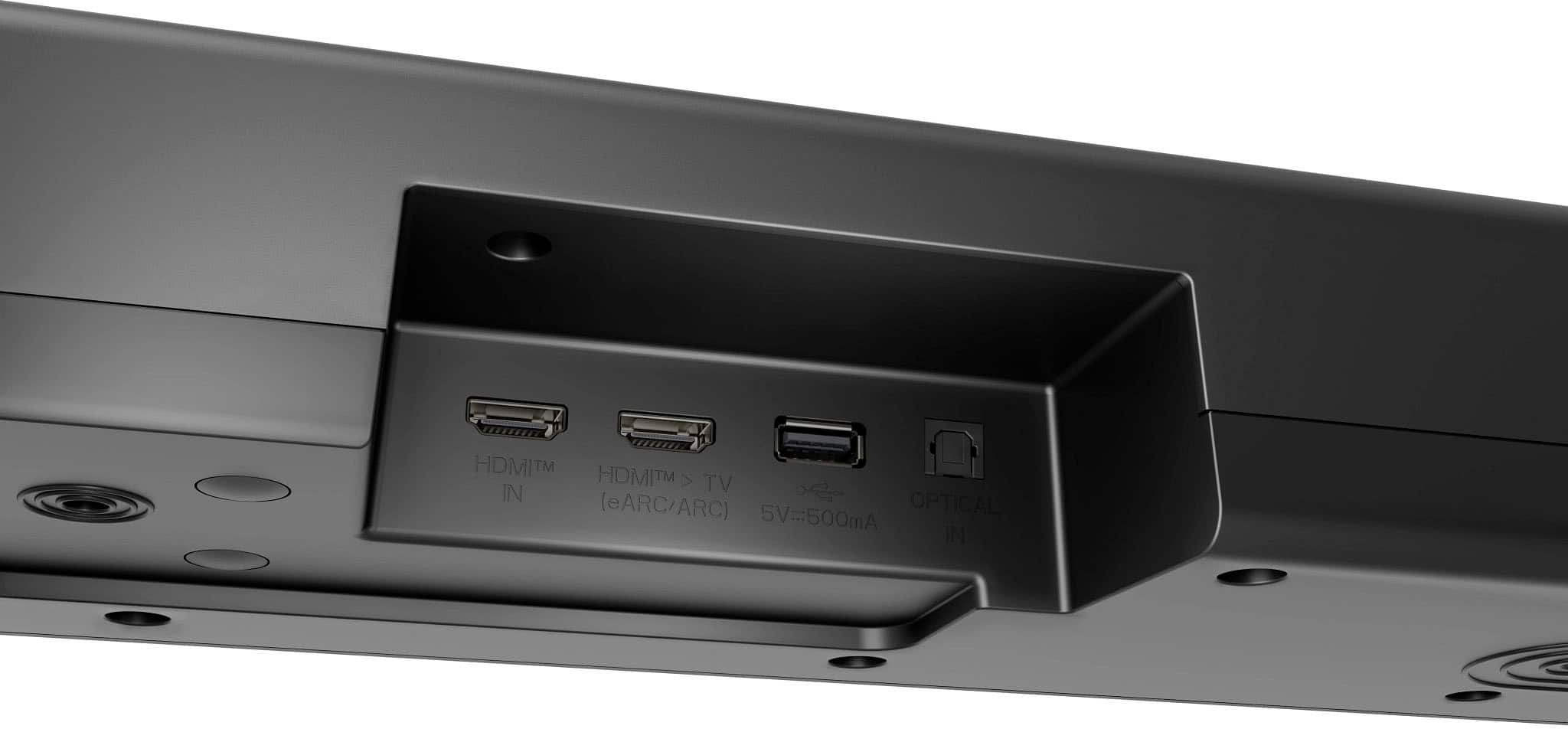
Gaming connectivity has become increasingly important as consoles and PCs push higher frame rates and resolutions. The LG S70TR includes HDMI 2.1 eARC with support for 4K/120Hz passthrough, Variable Refresh Rate (VRR), and Auto Low Latency Mode (ALLM). These features ensure compatibility with PlayStation 5, Xbox Series X, and high-end gaming PCs.
VRR allows the display to synchronize its refresh rate with the game's frame rate, reducing screen tearing and stuttering. ALLM automatically switches the TV and soundbar to their lowest-latency modes when gaming input is detected, minimizing the delay between controller input and on-screen action. For competitive gaming or fast-paced action games, these features make a noticeable difference.
The Yamaha YAS-109 predates these gaming standards, offering basic HDMI ARC with 4K/60Hz passthrough. This works fine for current content and most gaming, but it may limit compatibility with future consoles or high-refresh displays.
Both soundbars support HDR passthrough (HDR10, Dolby Vision), ensuring that video quality isn't compromised when routing through the audio system. This might seem obvious, but some older soundbars can actually degrade video signals, so it's worth confirming.
After extensive testing in different room configurations, some clear patterns emerge. The LG S70TR excels in medium to large rooms where you have space for the wireless subwoofer and can benefit from the wider soundstage. The Dolby Atmos effects work best with ceilings between 8-10 feet high—too low and the ceiling reflections become muddy, too high and they lose impact.
For movie watching, the LG consistently delivers more engaging experiences. Action sequences have better spatial separation, dialogue stays clear even during complex scenes, and the dedicated subwoofer provides the low-frequency impact that makes explosions and music feel more realistic. The WOW Orchestra feature, when used with compatible LG TVs, creates an impressively wide soundstage that can fill even large living rooms.
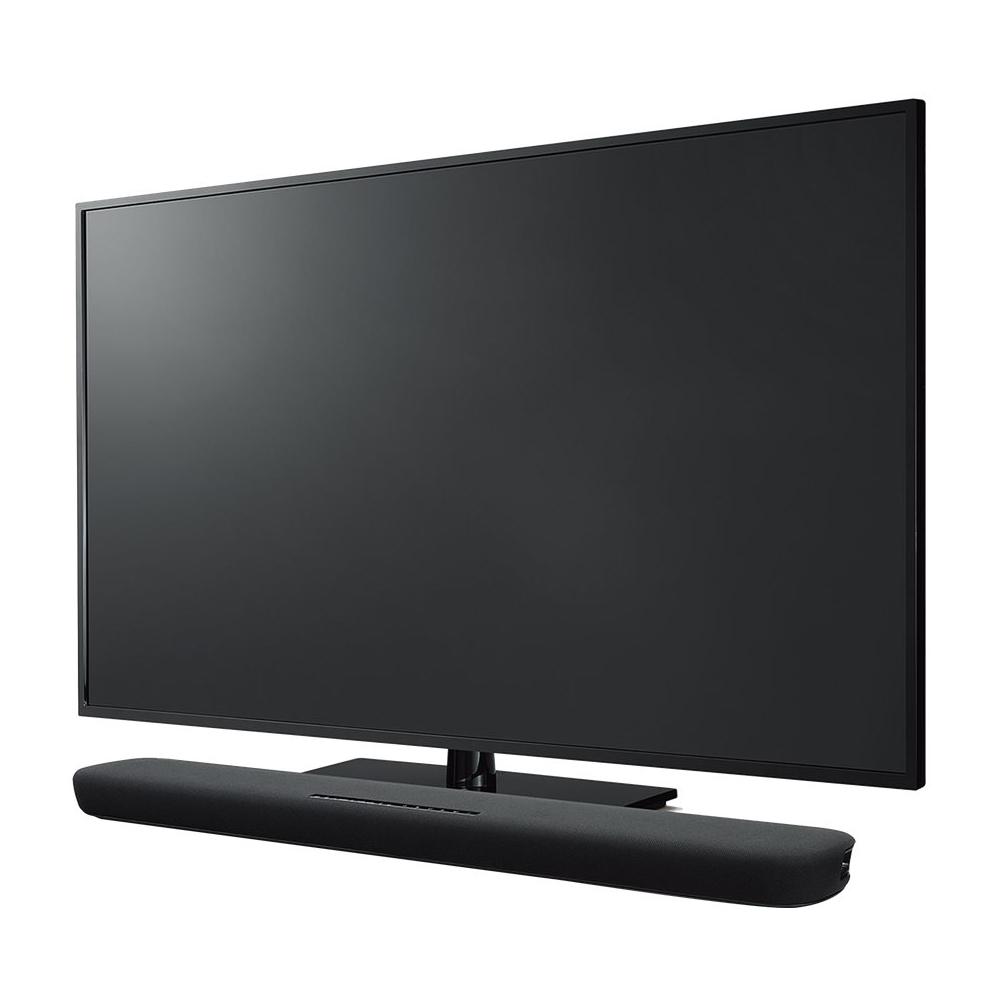
The Yamaha YAS-109 shines in smaller spaces and for users who prioritize convenience. The compact all-in-one design works well in bedrooms, small apartments, or any situation where adding a separate subwoofer isn't practical. The built-in Alexa functionality feels natural once you get used to it—being able to say "Alexa, set volume to 20" while cooking dinner is genuinely useful.
For music listening, the Yamaha's approach has some advantages. Without the complexity of multiple drivers and processing, it can deliver a more coherent presentation for stereo content. Jazz recordings and acoustic music often sound more natural, while the LG's multi-channel processing sometimes makes simple stereo content sound artificially wide.
At $399.99, the LG S70TR sits in the middle of the soundbar market—not budget, but not premium either. For that price, you're getting genuine surround sound processing, dedicated height channels, a wireless subwoofer, and modern gaming connectivity. Compared to setting up separate speakers, receivers, and subwoofers, it's actually quite reasonable for the performance delivered.
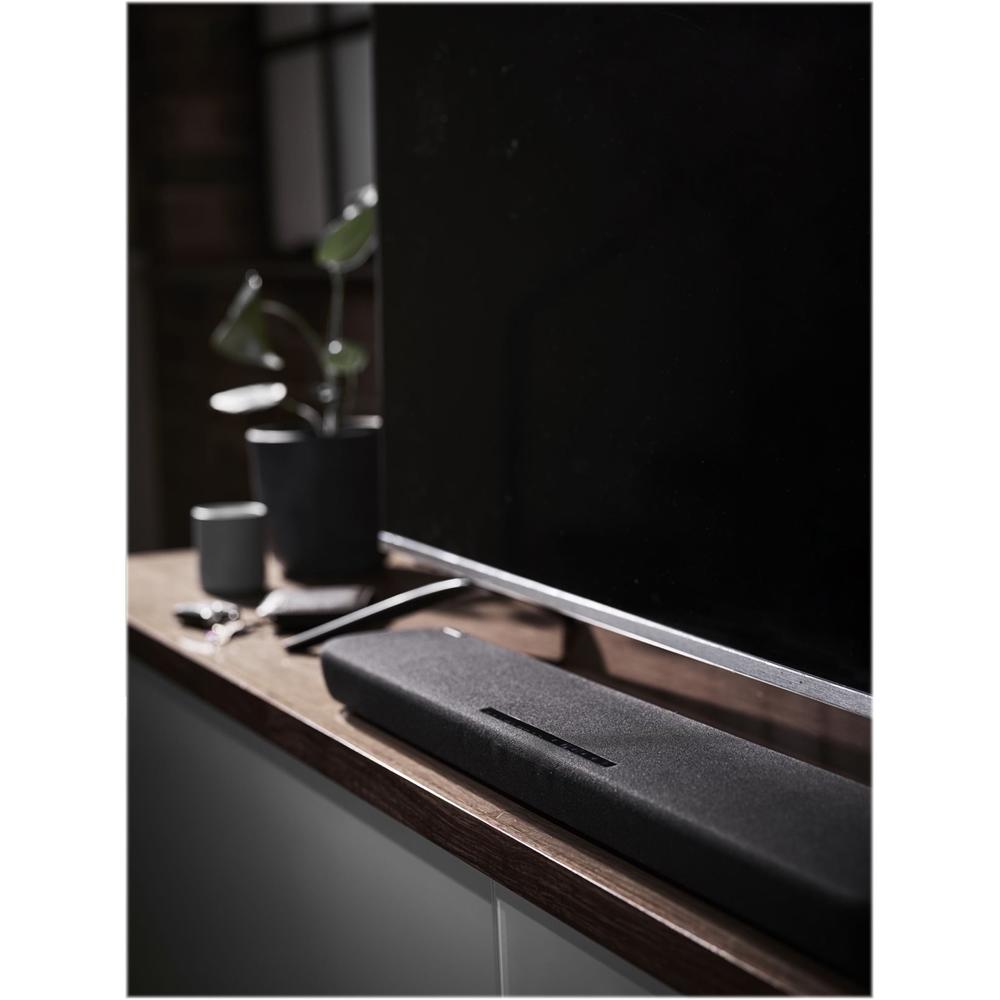
The Yamaha YAS-109 at $219.95 represents exceptional value in the budget soundbar category. The built-in Alexa functionality alone would cost $50-100 in a separate device, and the audio quality, while not as sophisticated as the LG, still provides a dramatic improvement over TV speakers.
The price difference reflects their different target markets. The LG is competing with other mid-range surround systems and needs to justify its cost with measurable performance advantages. The Yamaha is positioned as an entry-level upgrade that provides multiple benefits beyond just audio improvement.
Choose the LG S70TR if you're serious about home theater performance. If you regularly watch movies, play games on modern consoles, or want the most immersive audio experience possible in this price range, the authentic surround sound and dedicated subwoofer make it worth the extra cost. The HDMI 2.1 connectivity also provides better future-proofing as gaming and video standards continue to evolve.
The LG makes particular sense if you already own or plan to buy an LG TV, as the WOW Orchestra integration can significantly expand the system's capabilities. It's also the better choice for larger rooms where the wireless subwoofer can be properly positioned and the multi-channel setup has space to create convincing surround effects.
Go with the Yamaha YAS-109 if convenience and smart features are your priorities. If you want voice control, don't have space for a separate subwoofer, or primarily use your sound system for streaming music and casual TV watching, the all-in-one approach makes more sense. The built-in Alexa functionality provides genuine utility beyond audio improvement, essentially giving you two devices for the price of one.
The Yamaha is also the smarter choice for renters or anyone who moves frequently. The single-unit design eliminates the complexity of positioning and reconnecting multiple components, and the lighter weight makes wall mounting more straightforward.
Both soundbars represent significant improvements over TV speakers and offer good value within their respective categories. The key is matching the product's strengths to your specific needs and room situation. The LG S70TR delivers superior audio performance and future-proofing, while the Yamaha YAS-109 provides better convenience and smart features at a lower price point.
Whichever you choose, you'll wonder why you waited so long to upgrade from those tiny TV speakers. The difference in dialogue clarity alone makes either soundbar worth the investment, and the improved music and movie experience is genuinely transformative for daily entertainment.
| LG S70TR 5.1.1 Channel Soundbar ($399.99) | Yamaha YAS-109 Sound Bar ($219.95) |
|---|---|
| Audio Configuration - Determines surround sound quality and immersion | |
| True 5.1.1 channels with discrete drivers for each position | 2.1 channels with virtual surround processing |
| Total System Power - Affects maximum volume and dynamic range | |
| 500W total (220W dedicated subwoofer amplifier) | 120W total (60W for dual built-in subwoofers) |
| Subwoofer Design - Critical for bass impact and room placement flexibility | |
| 7" wireless subwoofer with rear port (can be positioned anywhere) | Dual 3" built-in subwoofers (no separate unit needed) |
| Height Channel Support - Essential for Dolby Atmos overhead effects | |
| Dedicated up-firing drivers for true Dolby Atmos/DTS:X | DTS Virtual:X processing only (simulated height effects) |
| Voice Assistant Integration - Convenience for hands-free control | |
| None (smartphone app control only) | Built-in Alexa with full smart home functionality |
| Gaming Connectivity - Important for next-gen console compatibility | |
| HDMI 2.1 eARC with 4K/120Hz, VRR, ALLM support | HDMI ARC with 4K/60Hz passthrough (no advanced gaming features) |
| Wireless Streaming - Flexibility for music playback | |
| Basic Bluetooth connectivity | Wi-Fi, Spotify Connect, Bluetooth, high-res audio up to 192kHz |
| Physical Dimensions - Space requirements and aesthetics | |
| 37.4" soundbar + separate 7.9" x 14.8" subwoofer | 35" x 2.1" x 5.1" all-in-one unit |
| Expandability - Future upgrade potential | |
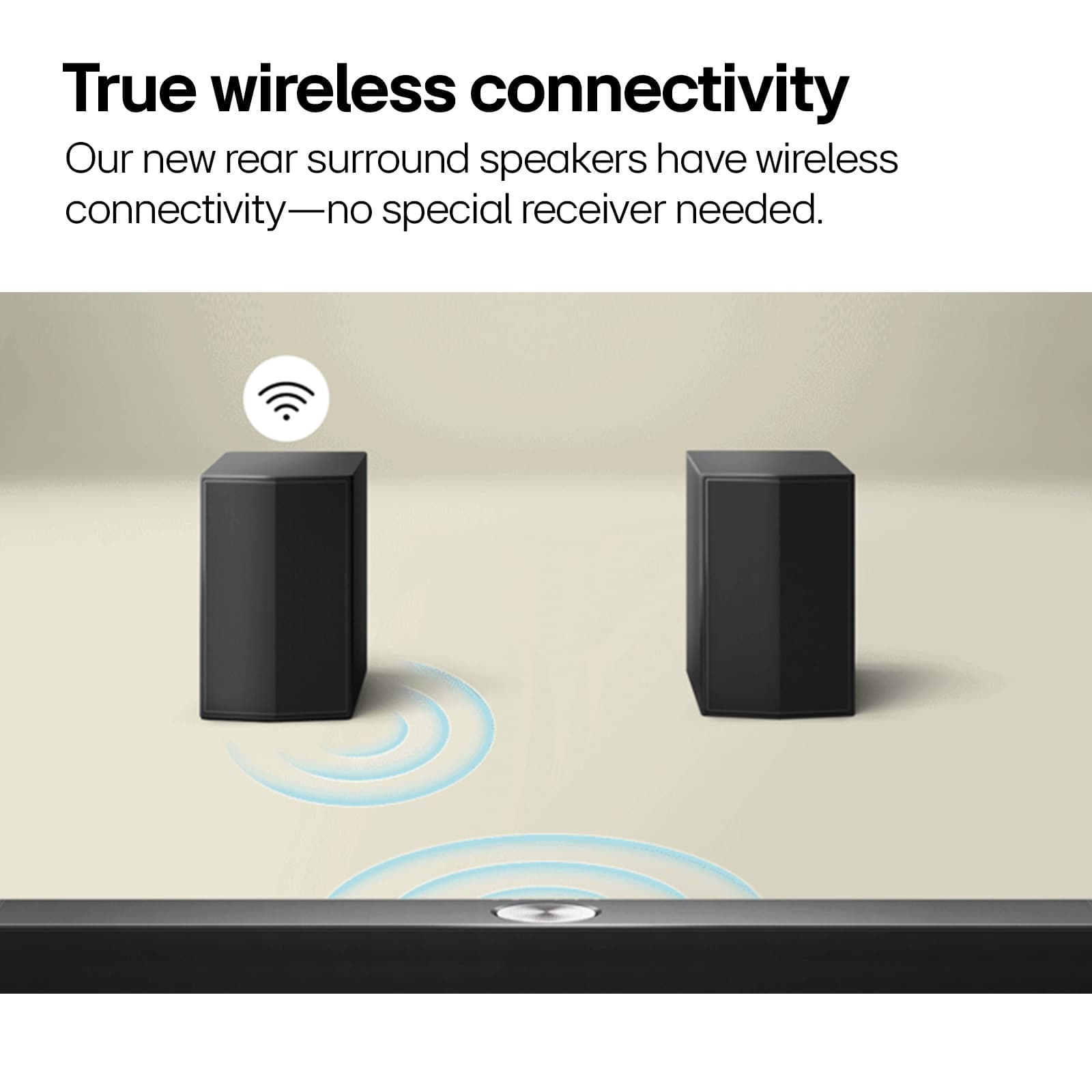
| Supports wireless rear speakers for true 5.1.1 setup | No expansion options (fixed 2.1 configuration) |
| TV Ecosystem Integration - Enhanced features with matching brand | |
| WOW Orchestra with LG TVs (combines TV and soundbar speakers) | Universal compatibility (no brand-specific features) |
The LG S70TR 5.1.1 Channel Soundbar ($399.99) is significantly better for home theater use. It features true Dolby Atmos with dedicated height channels and a powerful wireless subwoofer that creates immersive surround sound. The Yamaha YAS-109 ($219.95) uses virtual processing which can't match the spatial accuracy needed for cinematic experiences.
The core difference is audio architecture: the LG S70TR is a true 5.1.1 surround system with separate drivers for each channel, while the Yamaha YAS-109 is a 2.1 system that uses digital processing to simulate surround sound. The LG focuses on audio performance, while the Yamaha emphasizes convenience and smart features.
The LG S70TR ($399.99) delivers much better bass with its dedicated 7-inch wireless subwoofer that can extend down to 30Hz. The Yamaha YAS-109 relies on two small 3-inch built-in subwoofers that provide adequate bass for smaller rooms but can't match the depth and impact of a separate subwoofer.
It depends on your preferences. The Yamaha YAS-109 Sound Bar ($219.95) includes full Alexa functionality for voice control and smart home integration, which is convenient if you don't already have smart speakers. The LG S70TR lacks voice control but focuses entirely on audio performance.
The LG S70TR 5.1.1 Channel Soundbar is much better for gaming, especially with next-gen consoles. It supports HDMI 2.1 with 4K/120Hz passthrough, Variable Refresh Rate (VRR), and Auto Low Latency Mode (ALLM). The Yamaha YAS-109 only offers basic HDMI ARC with 4K/60Hz support.
The LG S70TR ($399.99) costs about $180 more than the Yamaha YAS-109 ($219.95). The extra cost gets you true surround sound, a wireless subwoofer, Dolby Atmos support, and modern gaming connectivity. It's worth it if you prioritize audio quality and home theater performance.
The Yamaha YAS-109 Sound Bar is easier to set up since it's an all-in-one unit with no separate subwoofer to position. The LG S70TR requires placing and connecting a wireless subwoofer, though the wireless connection eliminates running cables.
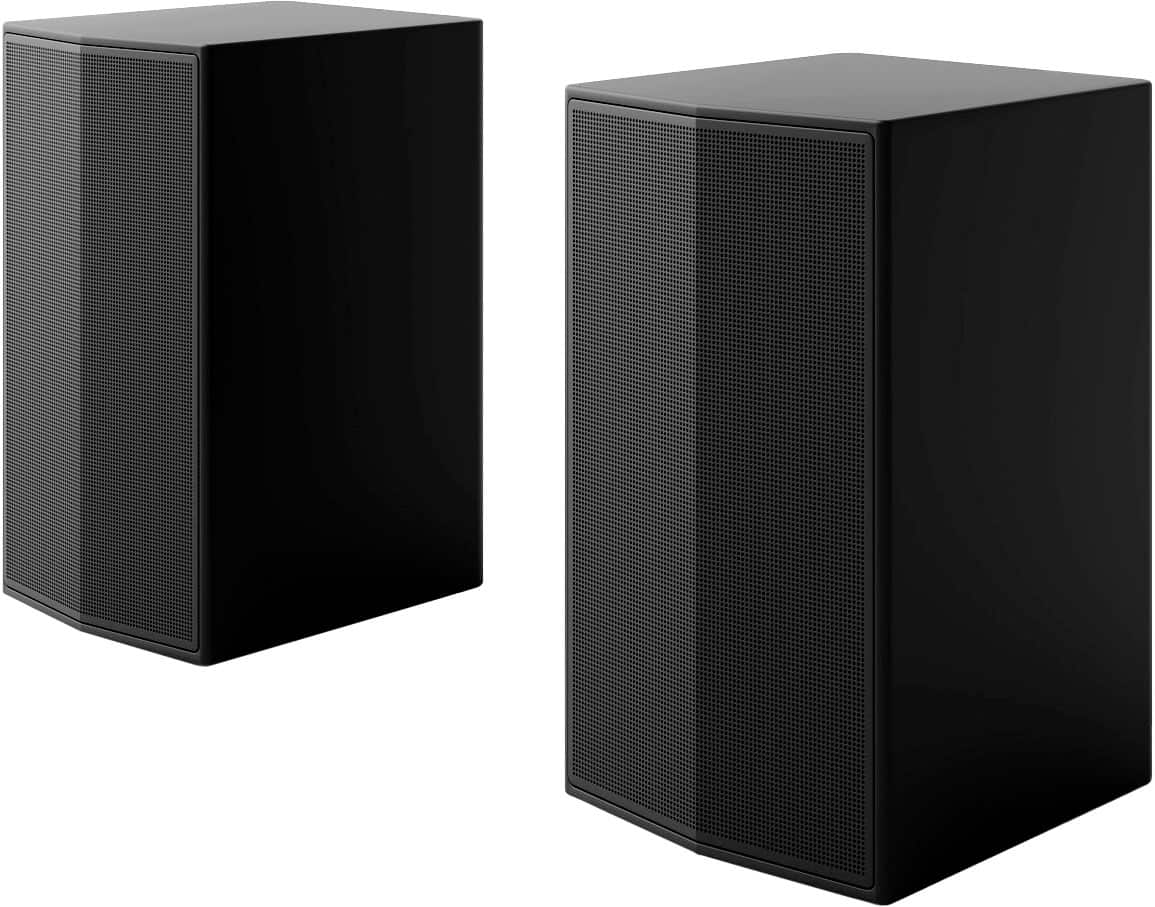
The LG S70TR 5.1.1 Channel Soundbar ($399.99) supports wireless rear speakers to create a full 5.1.1 surround system. The Yamaha YAS-109 ($219.95) cannot be expanded - it's a fixed 2.1 configuration with no upgrade path.
For casual music listening, the Yamaha YAS-109 offers good stereo reproduction and supports high-resolution audio up to 192kHz via Wi-Fi streaming. The LG S70TR can sound more spacious with multi-channel processing, but some prefer the Yamaha's more direct stereo presentation for music.
Both soundbars work with any TV brand through HDMI or optical connections. However, the LG S70TR offers special WOW Orchestra integration that combines the soundbar with your LG TV's speakers for enhanced performance. The Yamaha YAS-109 provides universal compatibility without brand-specific features.
The Yamaha YAS-109 Sound Bar ($219.95) is better for small spaces due to its compact all-in-one design and built-in subwoofers that won't disturb neighbors. The LG S70TR ($399.99) requires space for a separate subwoofer and delivers more powerful bass that might be excessive in small rooms.
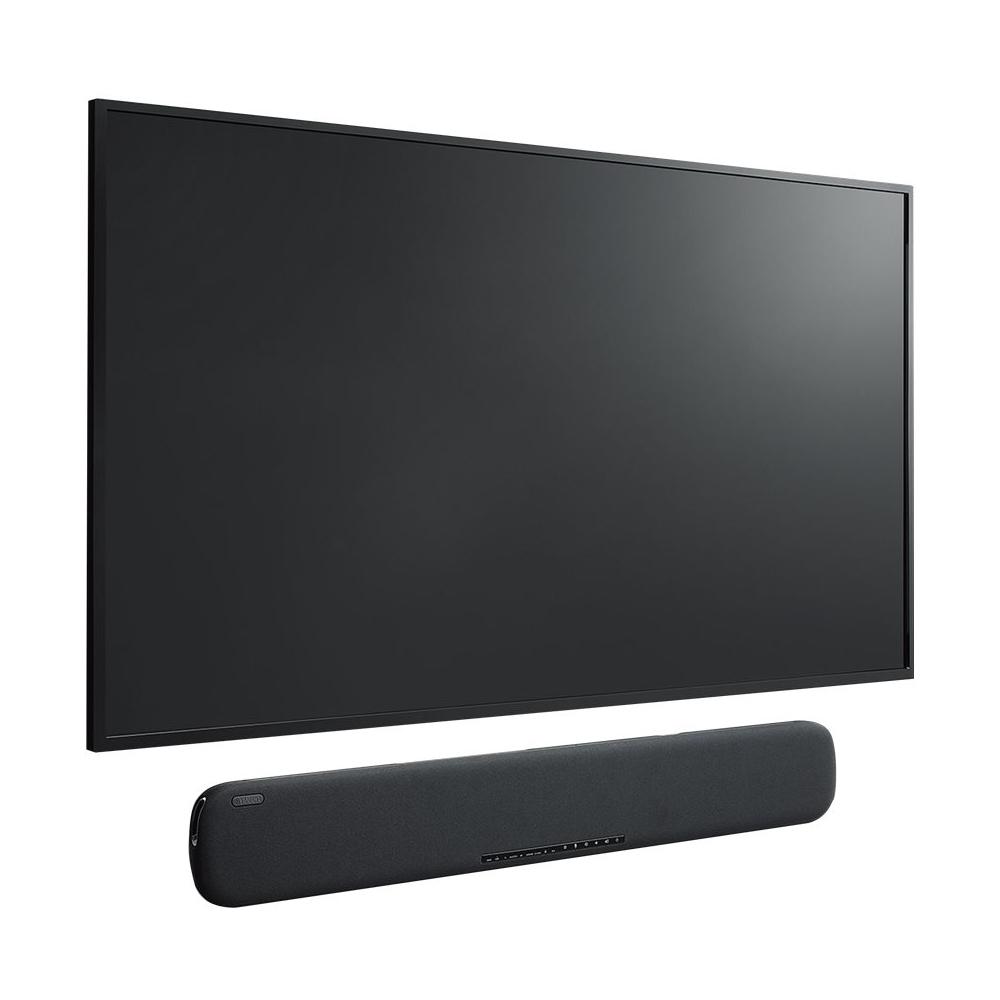
The Yamaha YAS-109 needs minimal space at 35" wide and 5.1" deep as a single unit. The LG S70TR 5.1.1 Channel Soundbar requires space for both the 37.4" soundbar and the separate wireless subwoofer (7.9" x 14.8"), though the subwoofer can be placed anywhere in the room.
We've done our best to create useful and informative comparisons to help you decide what product to buy. Our research uses advanced automated methods to create this comparison and perfection is not possible - please contact us for corrections or questions. These are the sites we've researched in the creation of this article: bestbuy.com - mynavyexchange.com - rixaudiovideoappliance.com - rtings.com - youtube.com - bestbuy.com - howards.siteontimedev.com - bestbuy.com - appliancestogousa.us - rtings.com - crutchfield.com - usa.yamaha.com - digitaltrends.com - tomsguide.com - listenup.com - youtube.com - usa.yamaha.com - hub.yamaha.com - youtube.com - hub.yamaha.com

Privacy Policy
Terms and Conditions - Affiliate Policy
Home Security
© Copyright 2008-2026.
11816 Inwood Rd #1211, Dallas, TX 75244