
































When you're tired of constantly adjusting your TV volume—turning it up to hear dialogue, then quickly turning it down when an explosion happens—it's time to consider a soundbar. These sleek audio devices have revolutionized home entertainment by delivering dramatically better sound than your TV's built-in speakers while maintaining a clean, minimalist look that fits modern living spaces.
The soundbar market offers everything from basic audio upgrades to full-blown home theater replacements. Today, we're comparing two very different approaches: the premium Sonos Arc ($799) and the budget-friendly Yamaha YAS-109 ($220). Think of it as comparing a luxury sedan to a reliable compact car—both will get you where you need to go, but the experience and capabilities differ significantly.
Before diving into specifics, let's talk about what separates good soundbars from great ones. The most important factors are audio performance (how good it actually sounds), connectivity options (how well it plays with your other devices), smart features (voice control, streaming capabilities), and overall value for your specific needs.
Modern soundbars use multiple speakers positioned strategically within a single cabinet to create the illusion of surround sound. Premium models like the Arc use advanced processing to actually bounce sound off your walls and ceiling, creating genuine three-dimensional audio. Budget models often rely on psychoacoustic tricks—essentially fooling your brain into thinking sounds are coming from places they're not.
Released in June 2020, the Sonos Arc represented Sonos's ambitious entry into the premium soundbar market. This wasn't just another speaker from the company known for wireless multi-room audio—it was their statement piece for serious home theater enthusiasts.
The Arc's most impressive feature is its support for Dolby Atmos, a surround sound technology that adds height to your audio experience. Traditional surround sound creates a circle of audio around you, but Atmos adds a dome above, making helicopter sounds actually seem to fly overhead or rain appear to fall from the ceiling. The Arc achieves this through eleven carefully positioned drivers: three silk-dome tweeters for crystal-clear dialogue and high frequencies, plus eight elliptical woofers that handle everything from vocal ranges to deep bass.
What makes the Arc special is that each driver has its own dedicated amplifier—imagine having a separate engine for each wheel of your car. This individual control means the Arc can push each speaker to its limits without distortion affecting the others. The result is remarkably clean sound even at high volumes, something I've noticed particularly when watching action movies where dialogue needs to cut through explosions and crashes.
The Arc also features Trueplay technology, which uses your iPhone's microphone to analyze your room's acoustics and automatically adjusts the sound profile. It's like having an audio engineer personally tune your system for your specific space. This feature alone can make the difference between good sound and exceptional sound, especially in rooms with challenging acoustics.
Since its 2020 launch, Sonos has regularly updated the Arc's software, adding new features like Speech Enhancement (which makes dialogue clearer during noisy scenes) and Night Sound (which reduces loud peaks while boosting quiet sounds—perfect for late-night viewing). These updates arrive automatically over Wi-Fi, meaning your soundbar actually gets better over time.
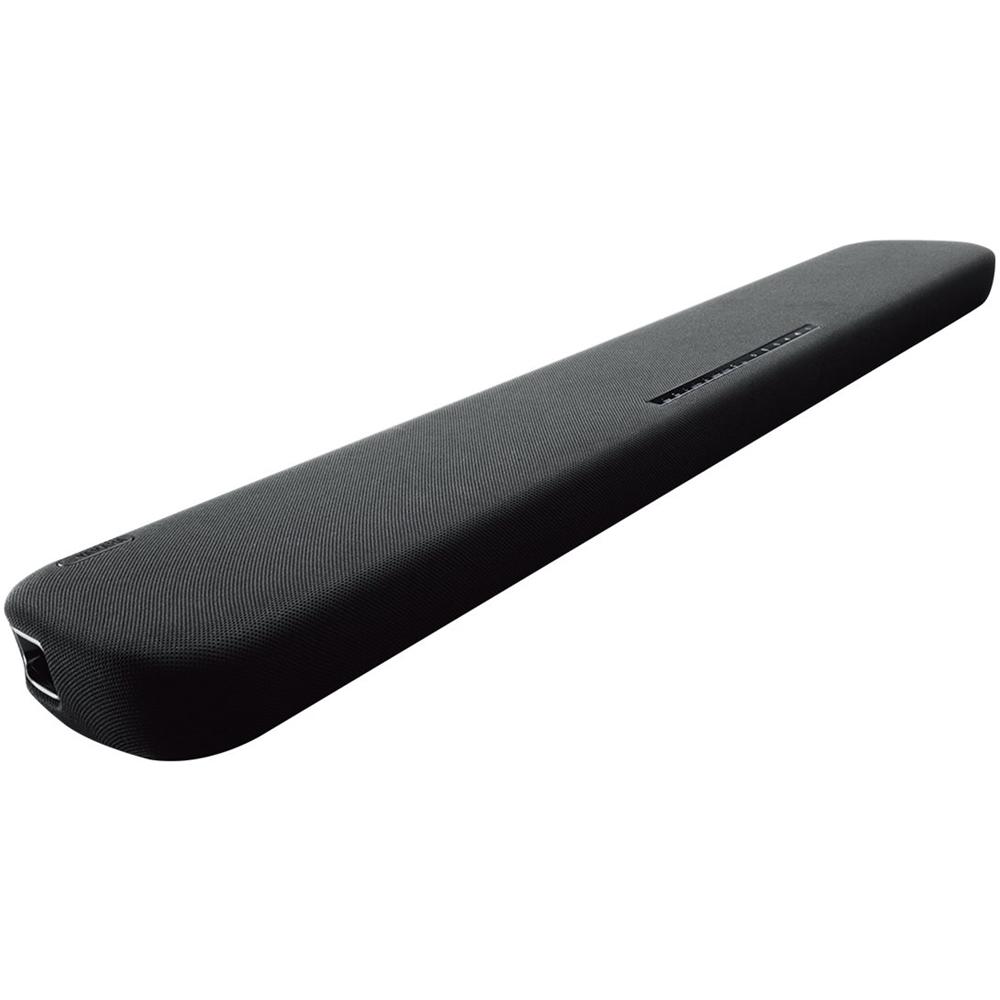
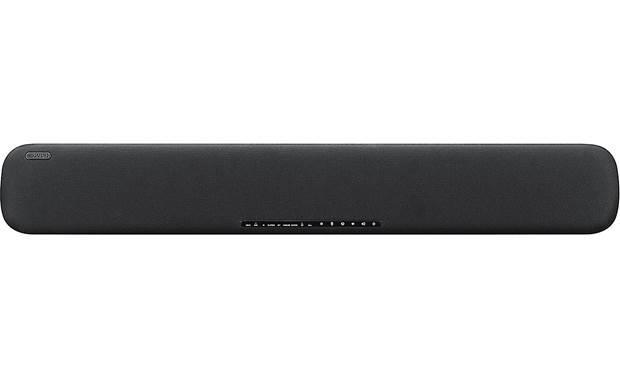
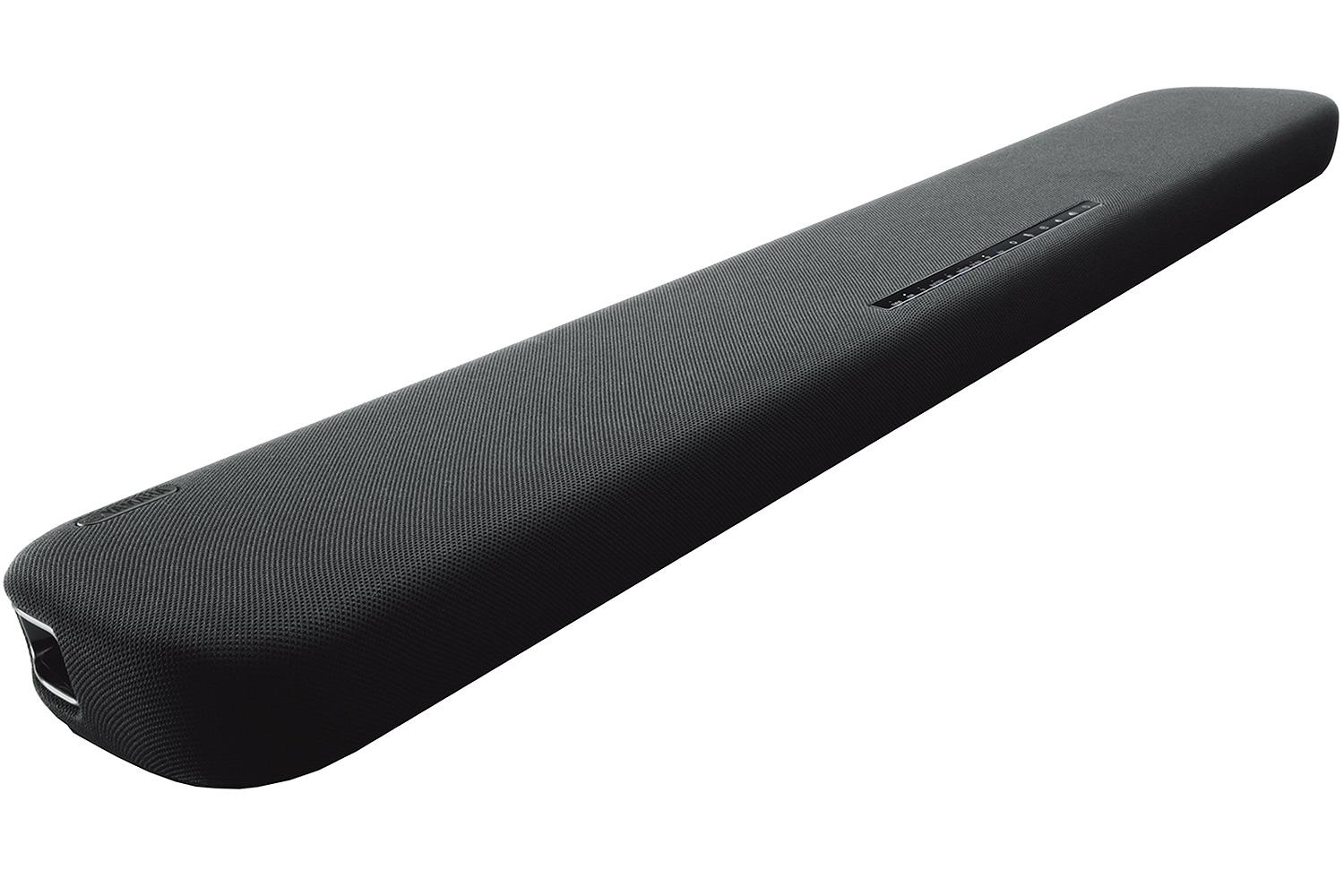
The Yamaha YAS-109 took a different approach when it launched in 2019. Instead of chasing premium features, Yamaha focused on delivering solid performance and useful features at a price point that wouldn't require a second mortgage. The result is a soundbar that punches well above its weight class while keeping things simple and accessible.
The YAS-109's standout feature is its built-in subwoofers—those are the speakers responsible for deep bass sounds. Most soundbars at this price either skip bass entirely or require you to buy a separate subwoofer box. Yamaha managed to integrate dual 3-inch subwoofer drivers directly into the soundbar, giving you noticeably better bass than your TV speakers without needing additional equipment cluttering your entertainment center.
For surround sound, the YAS-109 uses DTS Virtual:X technology. While it can't match the Atmos experience of the Arc, Virtual:X does a respectable job of creating the illusion of sounds coming from beside and behind you. It works by carefully timing and processing audio to trick your brain into perceiving a wider soundstage—not as convincing as true surround speakers, but effective enough to enhance your viewing experience.
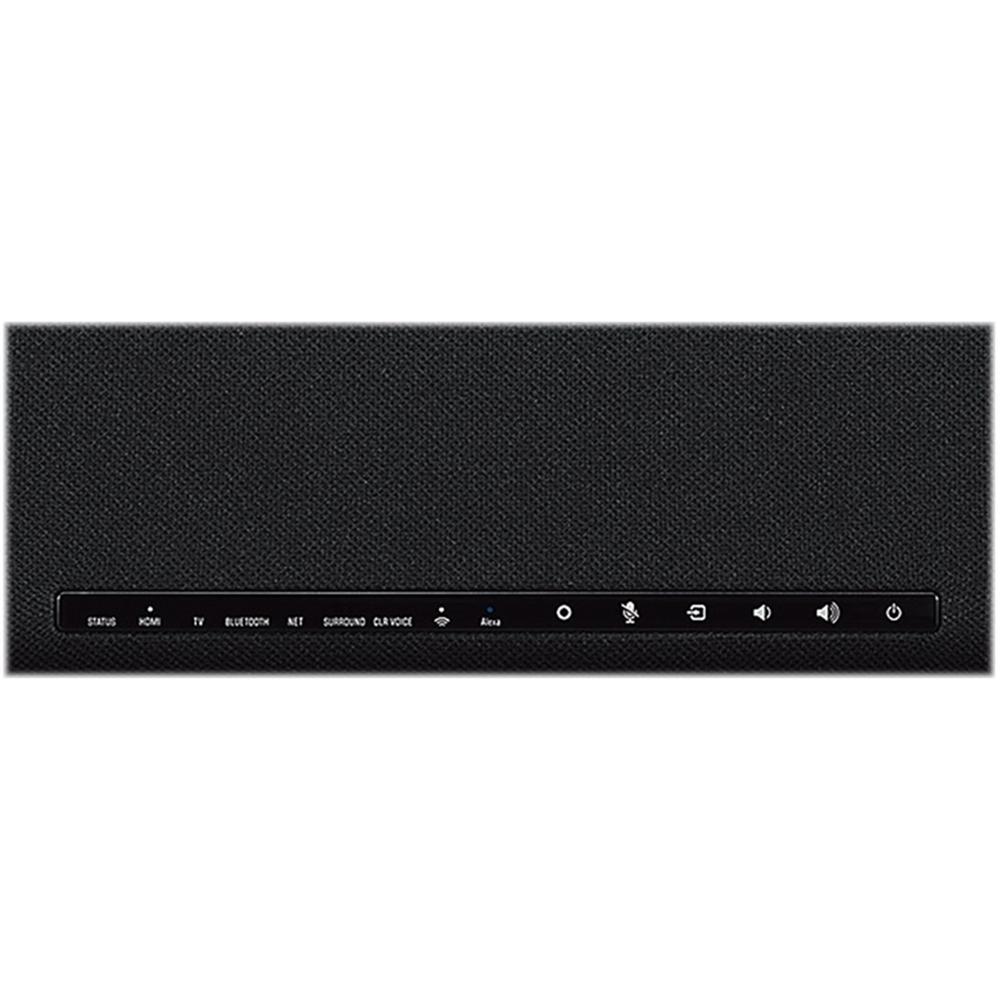
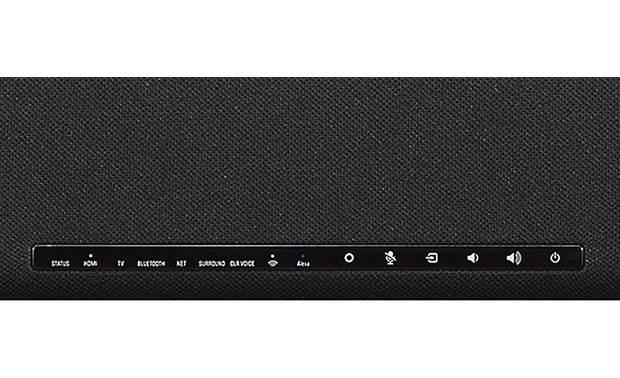
The YAS-109 also includes built-in Alexa, making it a smart speaker as well as a soundbar. You can ask it to play music from Spotify, control smart home devices, or check the weather without reaching for a remote. Since its 2019 release, Yamaha has maintained the YAS-109's software and added streaming service compatibility, though it doesn't receive the frequent feature updates that Sonos products enjoy.
Here's where the price gap between these soundbars becomes most apparent. The Sonos Arc delivers genuinely immersive audio that can make you forget you're listening to a soundbar rather than a full surround sound system. When watching movies with Dolby Atmos soundtracks—think Marvel films or nature documentaries—the Arc creates an envelope of sound that places you in the middle of the action.
The Arc's bass response extends down to 34Hz, which means you'll feel the rumble of earthquakes and the thump of movie explosions without needing a separate subwoofer. Its eight woofers work together using force-canceling technology (where speakers facing opposite directions cancel out vibrations that would otherwise rattle your furniture) to produce clean, powerful bass that integrates seamlessly with the rest of the sound.
Dialogue clarity is another area where the Arc excels. Its three tweeters and sophisticated processing ensure that conversations remain intelligible even during the loudest action sequences. I've found this particularly valuable when watching shows like "Game of Thrones" or "The Dark Knight," where whispered dialogue often gets lost in the mix on lesser sound systems.
The Yamaha YAS-109, while not matching the Arc's performance, still delivers a significant upgrade over TV speakers. Its built-in subwoofers provide enough bass for most content, though they struggle with the deepest frequencies that make action movies truly impactful. The overall sound is clean and balanced, with decent dialogue clarity thanks to Yamaha's Clear Voice technology, which boosts speech frequencies to make conversations easier to follow.
Where the YAS-109 falls short is in dynamic range—the difference between its quietest and loudest sounds. With only 120 watts of total power spread across six drivers, it can't match the Arc's ability to deliver both whisper-quiet dialogue and thunderous explosions with equal clarity. You'll find yourself adjusting volume more frequently, especially with movies that have dramatic shifts between quiet and loud scenes.
Both soundbars offer HDMI connectivity, but the implementation differs significantly. The Sonos Arc features HDMI eARC (enhanced Audio Return Channel), which supports uncompressed audio formats like Dolby TrueHD and DTS-HD Master Audio. These formats contain more audio information than compressed versions, resulting in better sound quality from Blu-ray discs and high-end streaming services.
The Yamaha YAS-109 uses the older HDMI ARC standard, which only supports compressed audio formats. For most streaming content from Netflix or Disney+, this limitation won't matter much. However, if you're a serious movie enthusiast with a 4K Blu-ray collection, the Arc's superior connectivity will deliver noticeably better audio quality.
Both soundbars include voice control, but with different approaches. The Arc supports both Amazon Alexa and Google Assistant, giving you choice in ecosystems. Its far-field microphone array with beamforming technology (which focuses on your voice while filtering out background noise) works exceptionally well, responding reliably even during loud movie scenes.
The YAS-109 focuses exclusively on Alexa integration. While it works well for basic voice commands and smart home control, its microphone system isn't as sophisticated as the Arc's. You might need to raise your voice or pause your content to ensure reliable voice recognition.
The pricing difference between these soundbars reflects fundamentally different value propositions. The Sonos Arc at $799 represents a long-term investment in premium audio quality. You're paying for cutting-edge technology, superior build quality, regular software updates, and the ability to expand your system over time with additional Sonos speakers.
The Arc's construction quality is immediately apparent—from its matte finish that resists fingerprints to its substantial weight that suggests quality components inside. Sonos products also hold their value well; even older Sonos speakers command strong resale prices, making the higher initial investment more palatable.
The Yamaha YAS-109 at $220 offers exceptional value for budget-conscious buyers. You get dramatically better sound than TV speakers, useful smart features, and built-in bass—all for less than the cost of a nice dinner for two. It's the soundbar equivalent of a reliable economy car: not luxurious, but it gets the job done without breaking the bank.
For many users, especially those primarily watching TV shows and casual streaming content, the YAS-109 provides all the audio improvement they need. It's when you start watching high-end movies, gaming with surround sound, or listening to music that the Arc's premium capabilities become truly worthwhile.
If you're building a dedicated home theater setup, the Sonos Arc offers significant advantages. Its Dolby Atmos capabilities truly shine with movie content designed for the format. Watching "Mad Max: Fury Road" or "Blade Runner 2049" with Atmos processing creates an almost cinematic experience, with sounds precisely positioned in three-dimensional space around your seating area.
The Arc also integrates beautifully with other Sonos products. You can add the Sonos Sub for deeper bass extension and a pair of Sonos One speakers as rear surrounds, creating a true 5.1.2 surround system that's entirely wireless except for power connections. This expandability means you can start with just the Arc and upgrade your system over time as your budget allows.
For smaller rooms or casual viewing setups, the Yamaha YAS-109 proves more practical. Its built-in subwoofers eliminate the need for additional components, and its compact size fits well in apartments or bedrooms where space is at a premium. The sound quality, while not matching the Arc's sophistication, still provides an engaging experience for everyday viewing.
Choose the Sonos Arc if audio quality is your priority and your budget can accommodate the investment. It's ideal for movie enthusiasts, music lovers, and anyone planning to build a more comprehensive home theater system over time. The Arc's technology will remain relevant for years to come, thanks to ongoing software updates and its support for current audio standards.
The Arc also makes sense if you're already invested in the Apple ecosystem, thanks to its excellent AirPlay 2 integration, or if you prefer having multiple voice assistant options. Its sophisticated room correction and expandability make it suitable for a wide range of room sizes and acoustic challenges.
Opt for the Yamaha YAS-109 if you want immediate improvement over TV speakers without the premium price tag. It's perfect for casual viewers who primarily watch streaming services and broadcast television. The built-in Alexa functionality adds convenient smart home control, and the all-in-one design keeps your entertainment setup clean and simple.
The YAS-109 also works well as a starter soundbar—you can always upgrade to something more sophisticated later while moving the Yamaha to a bedroom or secondary TV. Its low price point makes it easy to justify as an experiment in better TV audio.
Ultimately, both soundbars successfully address the fundamental problem of poor TV audio, just at different performance levels and price points. The Sonos Arc delivers a premium experience that justifies its cost for serious audio enthusiasts, while the Yamaha YAS-109 provides remarkable value for budget-conscious buyers who want better sound without complexity or high cost.
Consider your viewing habits, room size, and long-term audio goals when making your choice. Either way, you'll enjoy a significant upgrade over your TV's built-in speakers and a much more engaging entertainment experience.
| Sonos Arc Wireless Sound Bar ($799) | Yamaha YAS-109 Sound Bar ($220) |
|---|---|
| Audio Technology - Determines immersion and sound quality | |
| True Dolby Atmos with 11 drivers and height channels | DTS Virtual:X simulation with 6 drivers |
| Total Power Output - Affects maximum volume and dynamic range | |
| 820W with individual amplifiers per driver | 120W shared across all drivers |
| Bass Extension - Critical for movie impact and music fullness | |
| 34Hz with force-canceling woofers (no subwoofer needed) | Built-in 3" subwoofers (adequate for most content) |
| HDMI Support - Determines audio format compatibility | |
| eARC with uncompressed TrueHD and DTS-HD support | ARC with compressed audio formats only |
| Voice Assistants - Smart home control and convenience | |
| Alexa and Google Assistant with advanced microphones | Alexa only with basic voice recognition |
| Wireless Connectivity - Affects streaming quality and reliability | |
| Wi-Fi 6, AirPlay 2, high-resolution audio support | Wi-Fi 4, basic Bluetooth with compressed audio |
| Room Optimization - Automatically adjusts sound for your space | |
| Trueplay technology with iOS device tuning | Fixed audio tuning (no room correction) |
| Expandability - Future upgrade options | |
| Compatible with Sonos Sub and rear speakers | No expansion options available |
| Build Quality - Durability and premium feel | |
| Premium materials, matte finish, substantial construction | Standard plastic construction, basic finish |
| Software Updates - Long-term feature additions | |
| Regular feature updates and improvements | Basic maintenance updates only |
| Dimensions - Physical footprint in your entertainment setup | |
| 45" x 3.4" x 4.6" (13.8 lbs) | 35" x 2.1" x 5.1" (7.5 lbs) |
| Best For - Target user and use cases | |
| Audiophiles, home theaters, multi-room systems | Budget upgrades, casual viewing, simple setup |
The Yamaha YAS-109 ($220) offers exceptional value for budget-conscious buyers, providing built-in subwoofers, Alexa voice control, and significantly better sound than TV speakers. The Sonos Arc ($799) delivers premium value for audiophiles willing to invest in superior sound quality, Dolby Atmos technology, and long-term expandability with regular software updates.
The Sonos Arc delivers true Dolby Atmos with 11 drivers and individual amplification, creating genuine 3D surround sound with overhead effects. The Yamaha YAS-109 uses DTS Virtual:X to simulate surround sound with 6 drivers, providing a decent upgrade over TV speakers but without the immersive height channels of true Atmos.
The Yamaha YAS-109 includes built-in subwoofers, eliminating the need for additional components. The Sonos Arc produces impressive bass down to 34Hz without a subwoofer, but can be enhanced with the optional Sonos Sub for even deeper bass extension in larger rooms.
The Yamaha YAS-109 is ideal for smaller spaces due to its compact size (35 inches), built-in bass, and simple setup. The Sonos Arc at 45 inches is designed for larger rooms and may overpower smaller spaces, though its room correction technology helps optimize performance.
The Sonos Arc supports both Amazon Alexa and Google Assistant with advanced far-field microphones that work even during loud content. The Yamaha YAS-109 includes built-in Alexa only, with basic voice recognition that may require pausing content for reliable commands.
Yes, both soundbars can stream music independently. The Sonos Arc offers superior music streaming with AirPlay 2, Wi-Fi connectivity, and support for high-resolution audio formats. The Yamaha YAS-109 provides basic music streaming via Bluetooth and Wi-Fi with standard audio quality.
The Sonos Arc excels for movies and gaming with true Dolby Atmos support, HDMI eARC connectivity for uncompressed audio, and superior dynamic range. The Yamaha YAS-109 provides adequate movie and gaming audio enhancement but lacks the immersive surround effects and audio format support of the Arc.
Both soundbars offer straightforward setup. The Yamaha YAS-109 provides simple plug-and-play installation with HDMI ARC or optical connections. The Sonos Arc requires slightly more setup for optimal performance, including Trueplay room tuning with an iOS device and network configuration.
The Sonos Arc can be expanded with the Sonos Sub and rear surround speakers to create a wireless 5.1.2 system. The Yamaha YAS-109 is a standalone unit with no expansion options, though it does include a subwoofer output for connecting an external powered subwoofer.
The Sonos Arc provides superior connectivity with HDMI eARC, Wi-Fi 6, AirPlay 2, and support for high-resolution audio formats. The Yamaha YAS-109 offers basic connectivity with HDMI ARC, older Wi-Fi standards, and standard Bluetooth for wireless streaming.
The Sonos Arc features premium construction with high-quality materials, matte finish, and substantial build weight indicating robust internal components. The Yamaha YAS-109 uses standard plastic construction that's adequate but not premium, reflecting its budget-friendly positioning.
Choose the Sonos Arc ($799) for serious home theater setups where audio quality is priority, especially with Dolby Atmos content and plans for system expansion. Select the Yamaha YAS-109 ($220) for casual viewing, budget constraints, or smaller rooms where built-in bass and Alexa integration provide sufficient enhancement over TV speakers.
We've done our best to create useful and informative comparisons to help you decide what product to buy. Our research uses advanced automated methods to create this comparison and perfection is not possible - please contact us for corrections or questions. These are the sites we've researched in the creation of this article: whathifi.com - soundandvision.com - en.community.sonos.com - cnet.com - worldwidestereo.com - abt.com - creativeaudio.net - target.com - sonos.com - worldwidestereo.com - businessinsider.com - en.community.sonos.com - youtube.com - rtings.com - crutchfield.com - usa.yamaha.com - digitaltrends.com - tomsguide.com - listenup.com - youtube.com - usa.yamaha.com - hub.yamaha.com - youtube.com - hub.yamaha.com

Privacy Policy
Terms and Conditions - Affiliate Policy
Home Security
© Copyright 2008-2026.
11816 Inwood Rd #1211, Dallas, TX 75244