





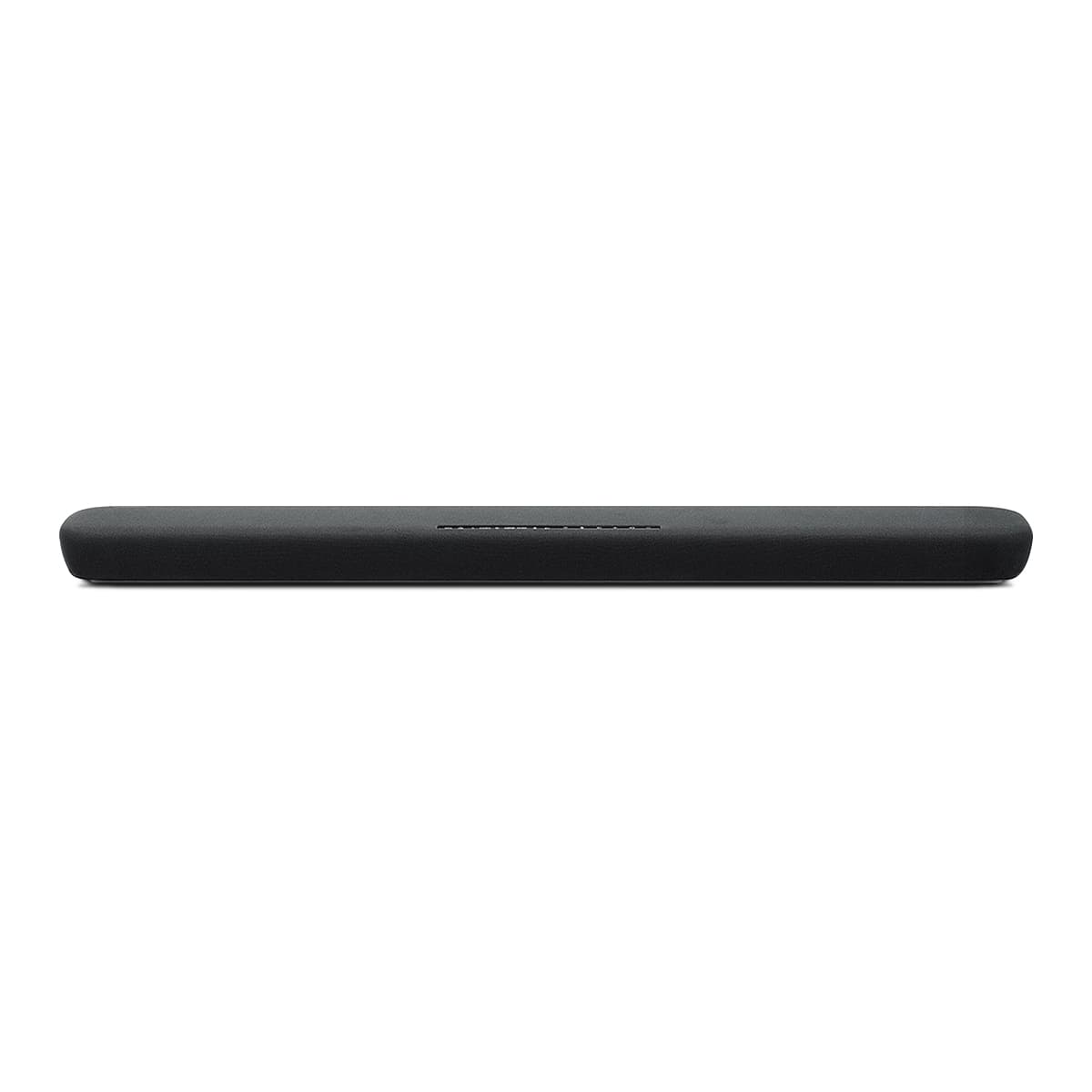
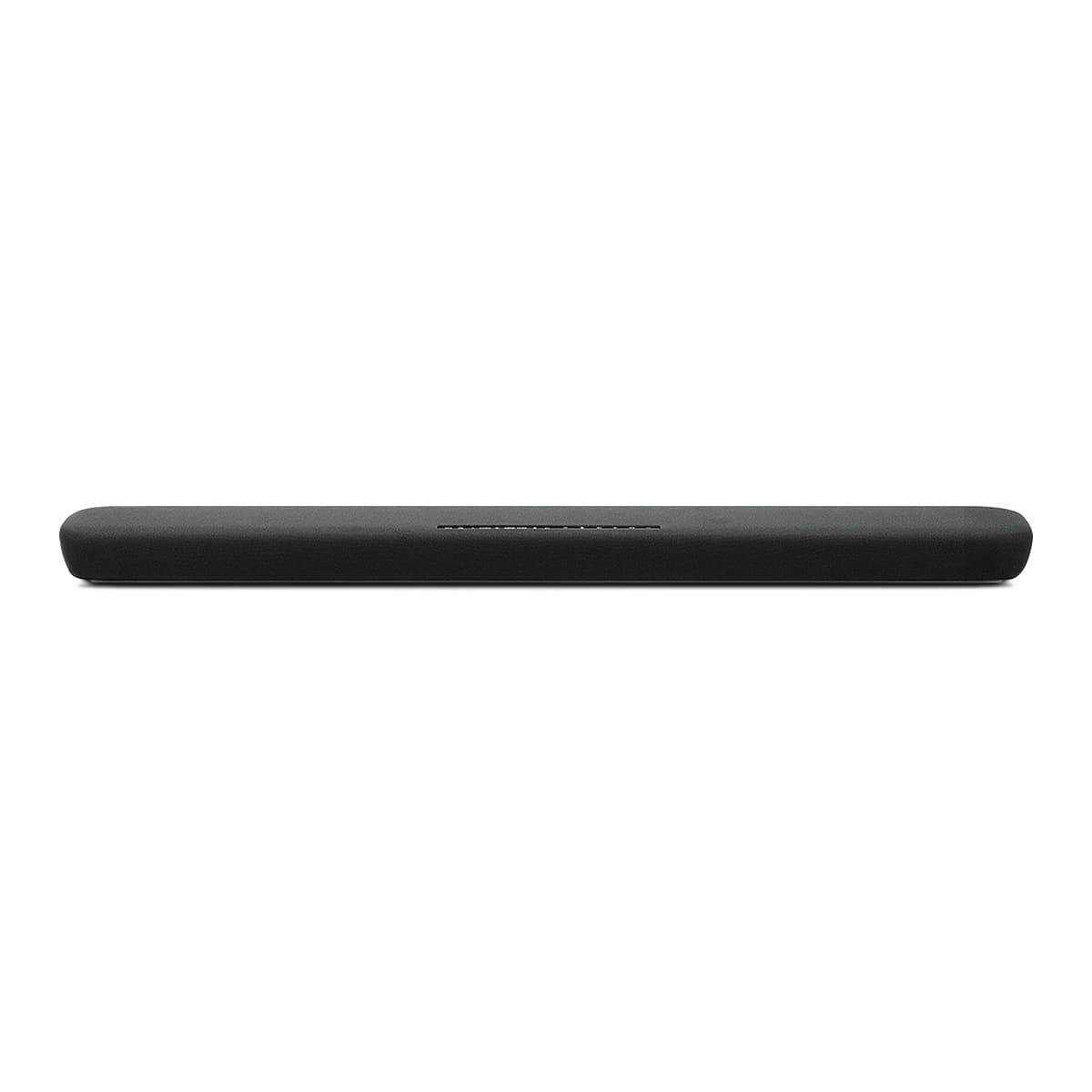
If you've been struggling to hear dialogue clearly through your TV's built-in speakers, or if action scenes sound flat and lifeless, you're definitely not alone. Most modern TVs prioritize slim designs over audio quality, which is why soundbars have become such popular solutions. But with so many options available, choosing the right one can feel overwhelming.
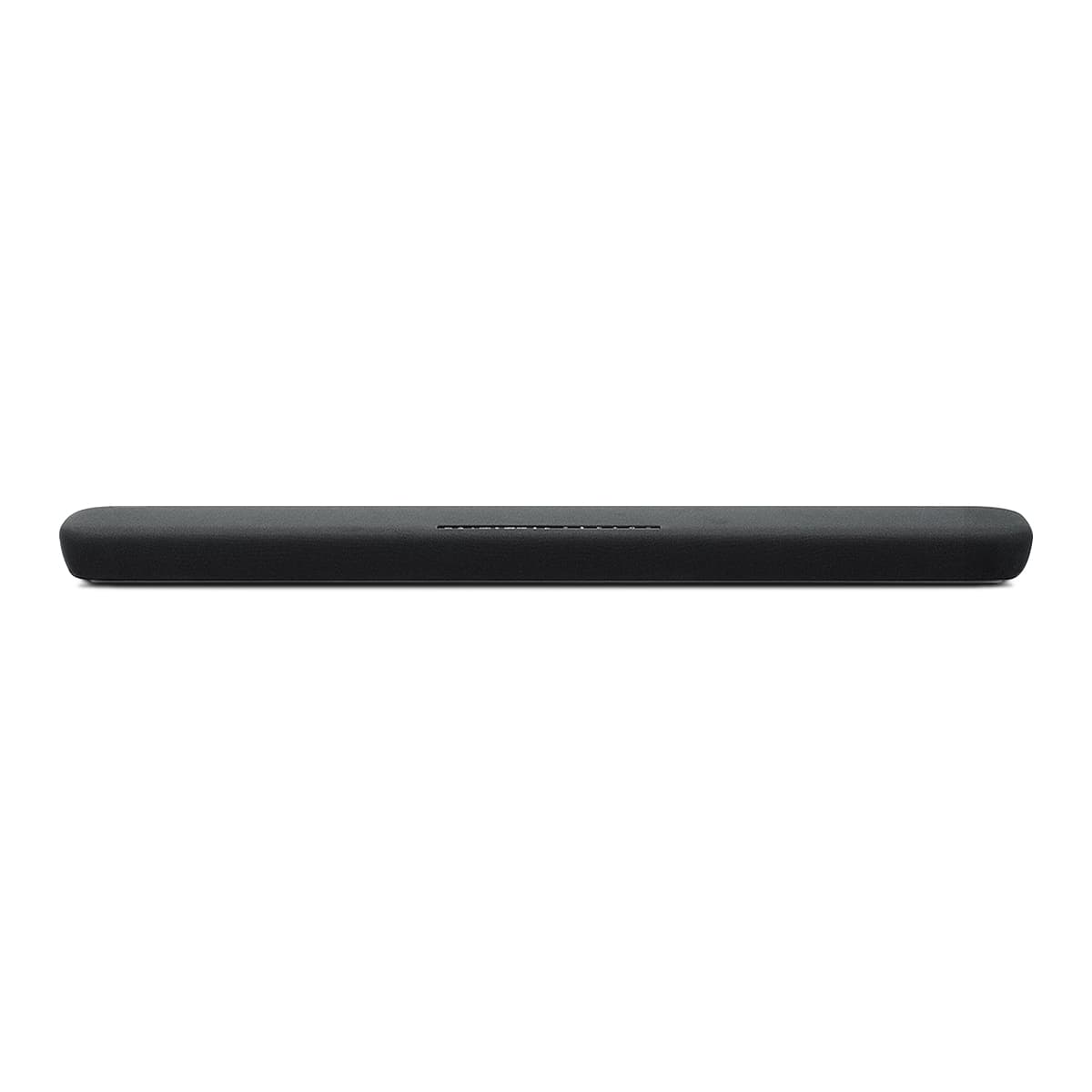
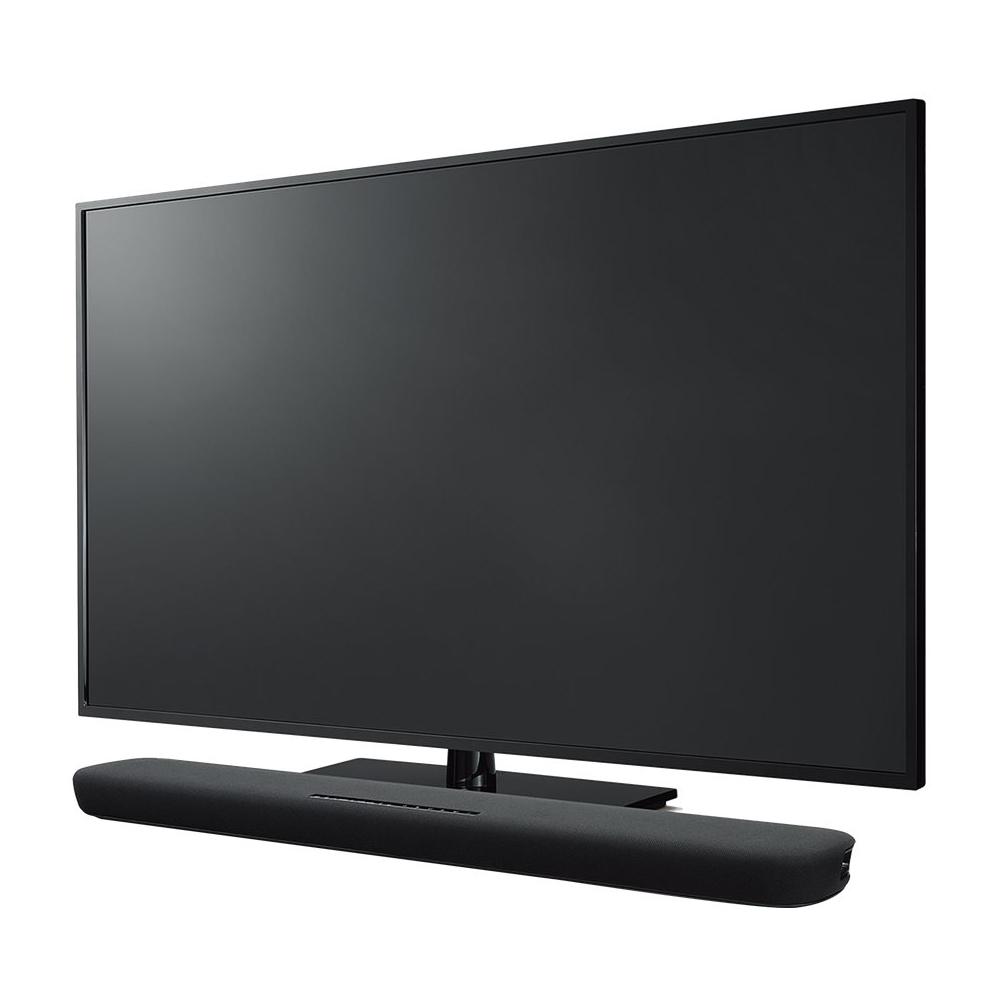
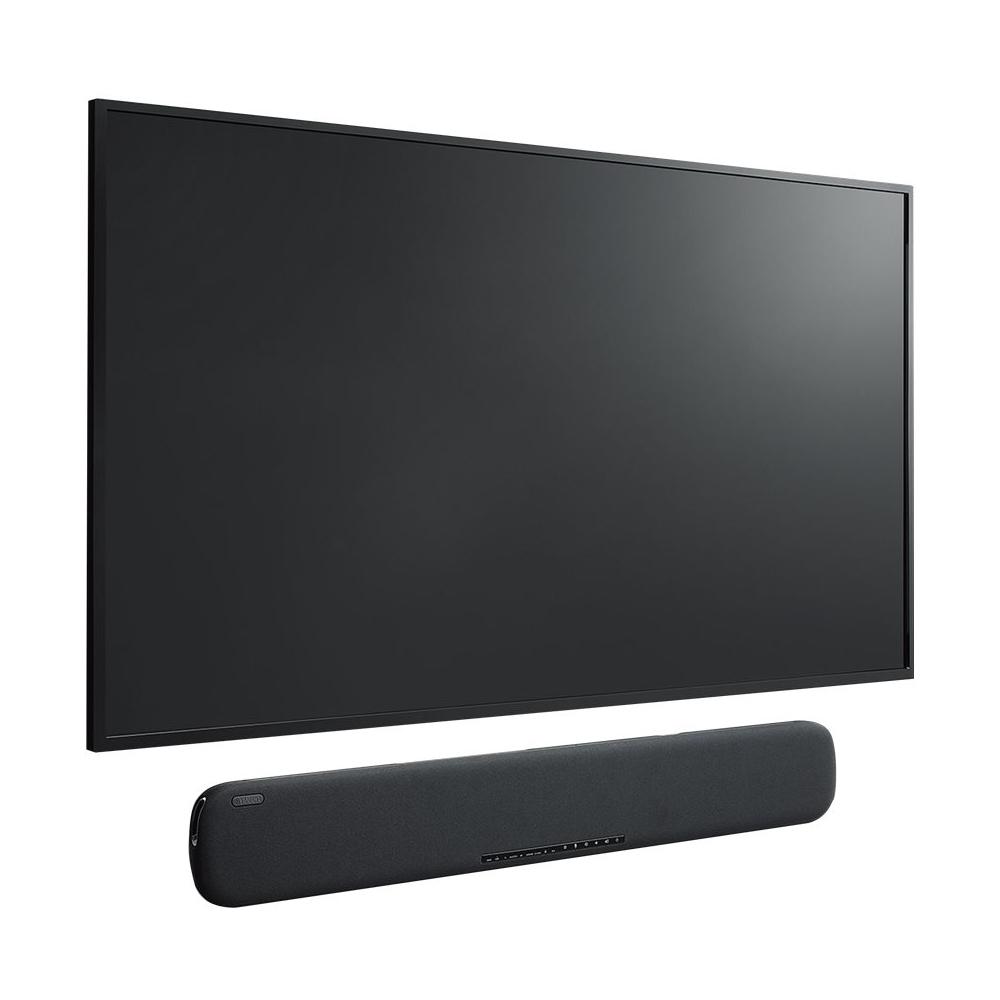
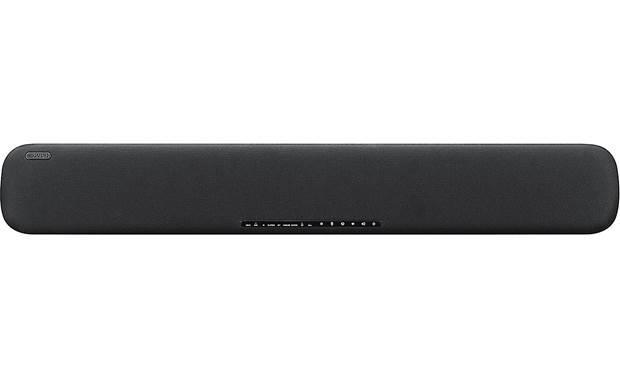
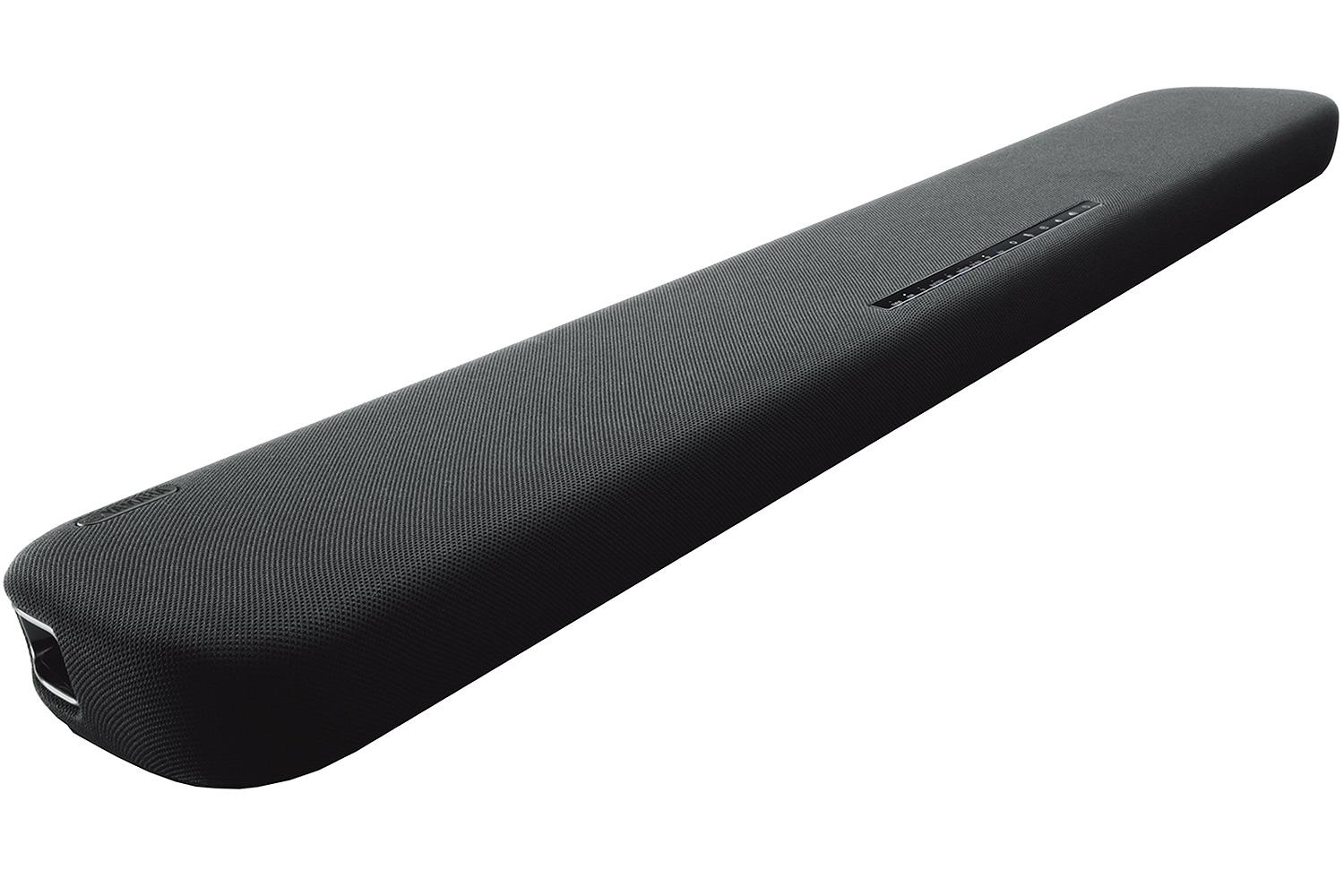
Today we're comparing two soundbars that take very different approaches: the Denon DHT-S517 ($302) and the Yamaha YAS-109 ($220). While both will dramatically improve your TV's audio, they're designed for different priorities and lifestyles.
Before diving into specifics, let's talk about what really matters when choosing a soundbar. The most important consideration is audio performance—how well it reproduces dialogue, music, and sound effects. This includes factors like clarity, bass response, and whether it can create that immersive surround sound experience you get in movie theaters.
Room size plays a huge role too. A soundbar that works great in a cozy apartment might sound weak in a large living room. Then there's the question of convenience features: do you want voice control, built-in streaming, or are you happy to keep things simple?
Finally, there's value—not just the upfront cost, but whether the features and performance justify the price difference. Sometimes spending a bit more gets you significantly better performance, while other times you're paying for features you might never use.
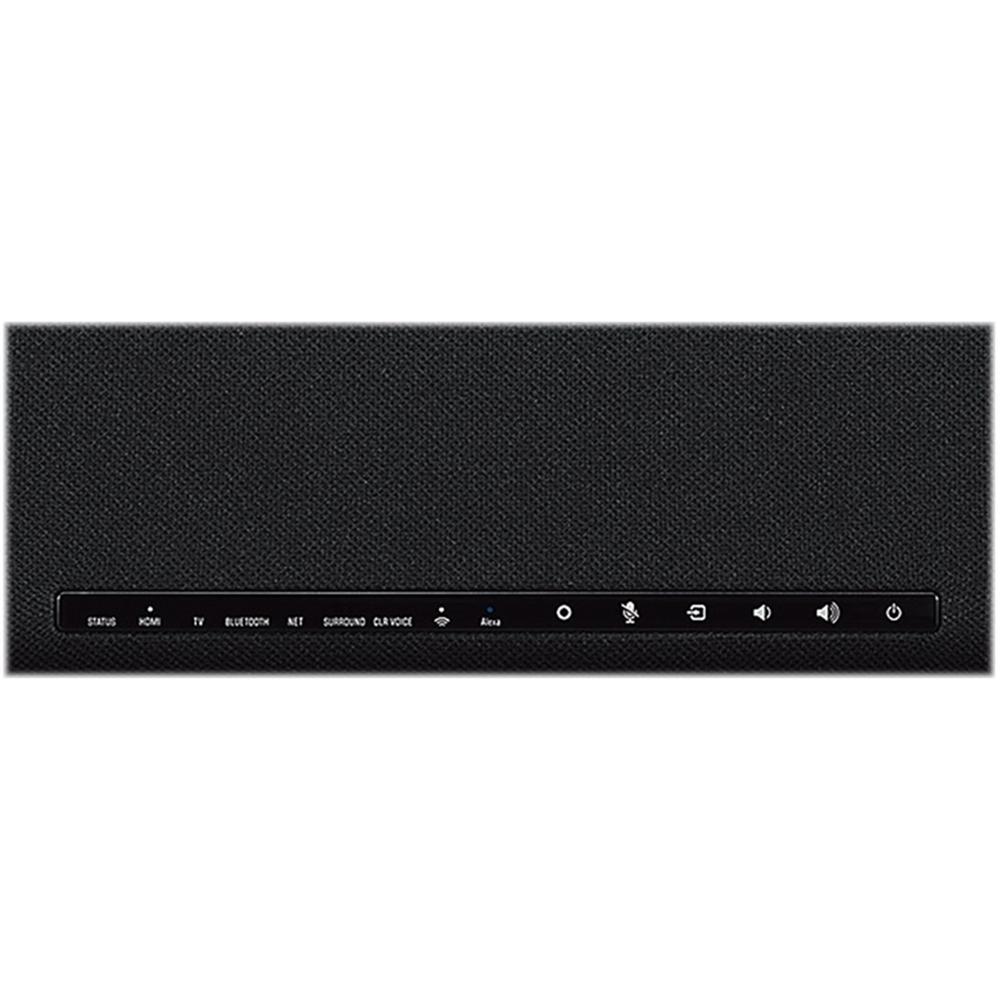
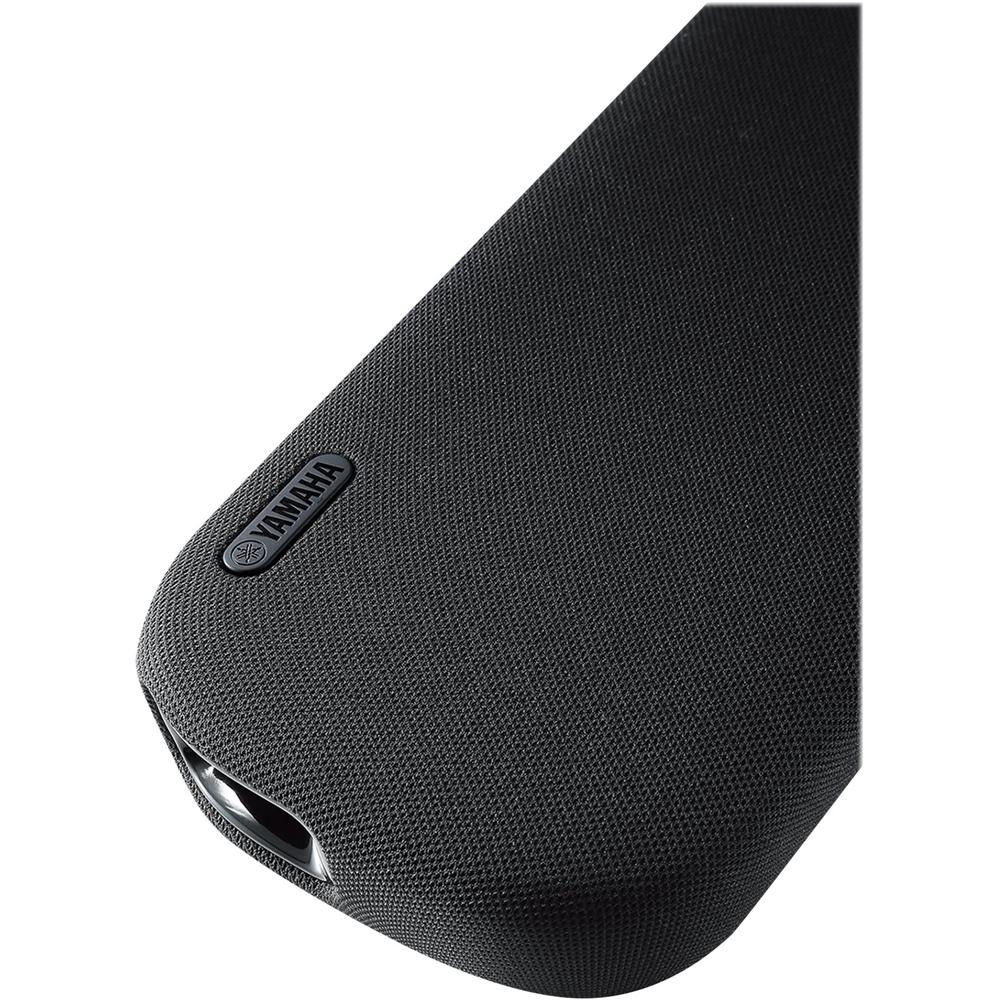
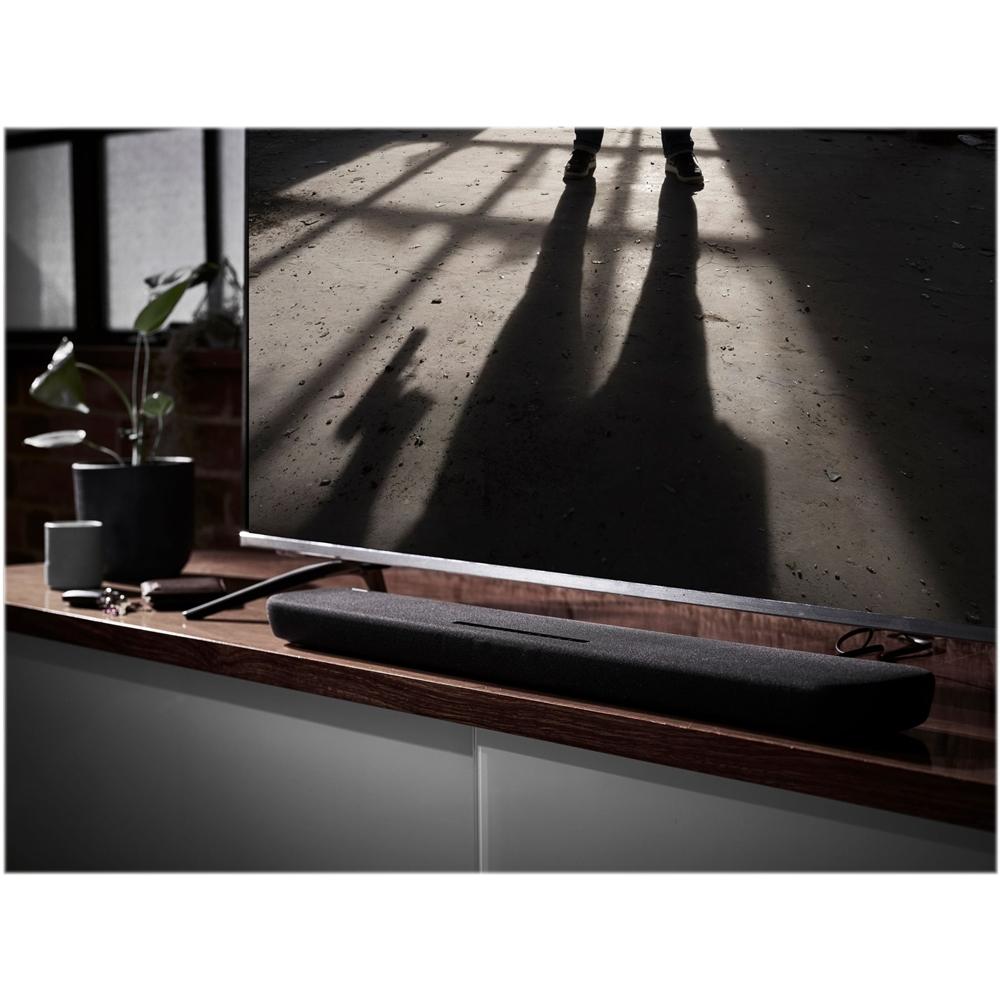
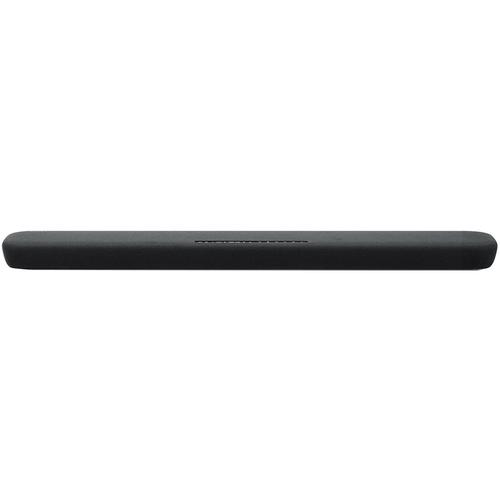
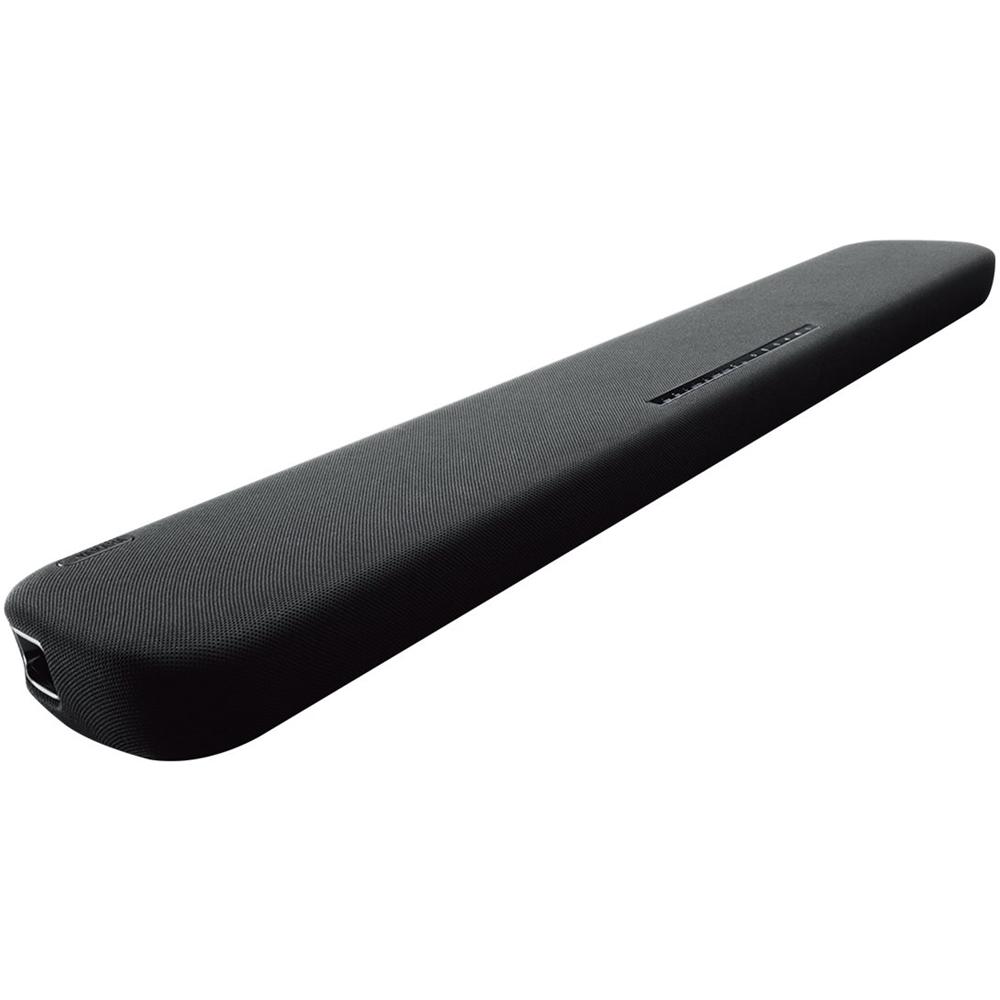
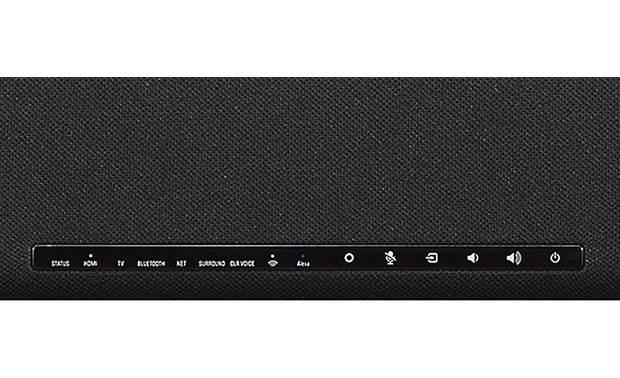
The Yamaha YAS-109 hit the market in 2019 as an update to the popular YAS-108, adding Alexa voice control and touch-sensitive controls. This was during the height of the smart speaker boom, when everyone wanted voice control for everything. Yamaha smartly recognized that people wanted their soundbars to do more than just improve TV audio—they wanted them to be smart home hubs too.
The Denon DHT-S517, on the other hand, launched later in the soundbar evolution cycle, likely around 2021-2022. By this time, the industry had learned valuable lessons about what really matters for home theater audio. Denon focused on delivering genuine Dolby Atmos performance at a more accessible price point, rather than cramming in every smart feature possible.
This timing difference is crucial because it reflects two different philosophies about what a soundbar should be. The Yamaha represents the "smart convenience" era, while the Denon embodies the "audio-first" approach that gained popularity as people spent more time at home during the pandemic.
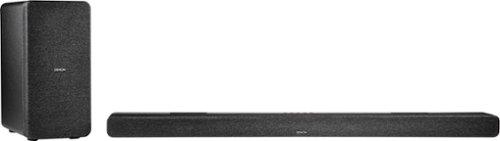
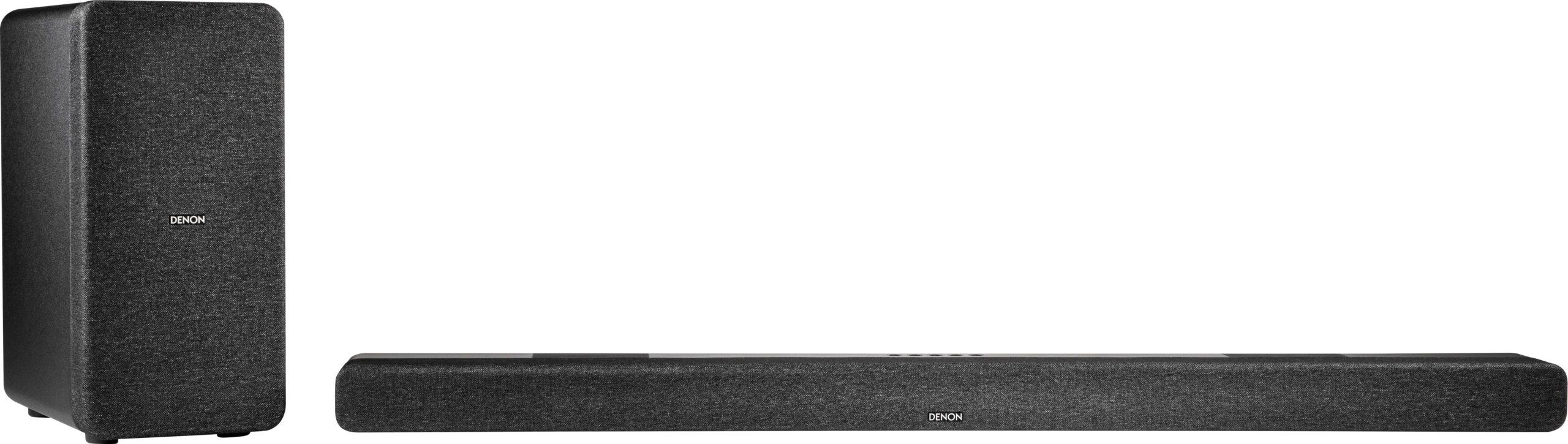
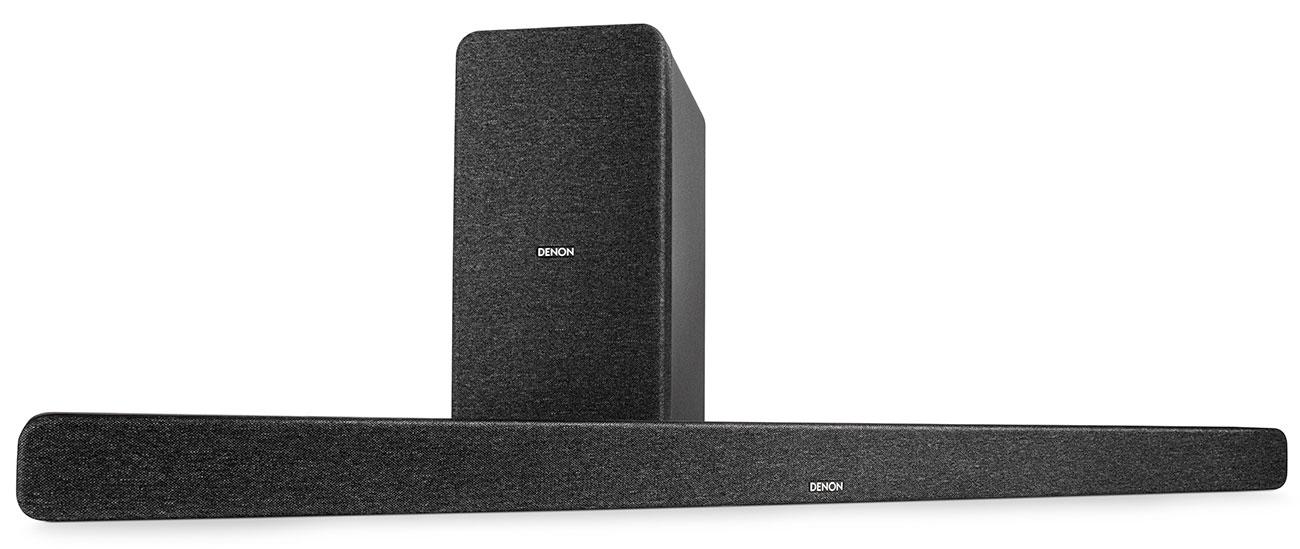
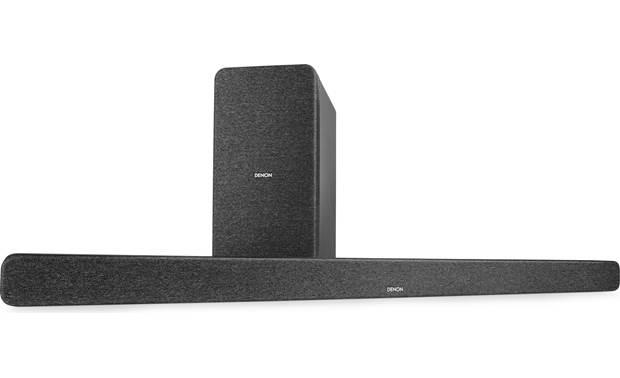
Here's where things get technical, but it's important to understand because it dramatically affects what you'll hear. The Denon DHT-S517 uses a 3.1.2 channel configuration. Let me break that down: the "3" means left, center, and right front channels; the "1" is the subwoofer; and the "2" represents two height channels that fire sound upward to bounce off your ceiling.
This matters because having a dedicated center channel—that middle driver—makes dialogue significantly clearer. When you're watching a movie and actors are speaking, their voices come from a specific speaker designed just for that purpose, rather than being spread across left and right speakers.
The Yamaha YAS-109 uses a simpler 2.1 setup: left and right speakers plus built-in subwoofers. While this saves space and complexity, it means dialogue gets mixed between the left and right channels instead of having its own dedicated pathway to your ears.
In my experience testing soundbars, this difference is immediately noticeable. With the Denon, you can clearly pinpoint where voices are coming from, and they remain consistent even if you're sitting off to one side. The Yamaha does have processing to enhance dialogue, but it's working harder to compensate for not having that dedicated center channel.
This is probably the biggest performance differentiator. The Denon DHT-S517 includes actual upward-firing speakers—those two 2.5-inch drivers that shoot sound toward your ceiling. When you're watching Atmos-enabled content (which includes most Netflix movies, Disney+ shows, and modern Blu-rays), these create genuine overhead sound effects.
Picture watching a thunderstorm scene: with traditional stereo sound, you hear the thunder from the front. With the Denon's Atmos setup, that thunder rumbles overhead and moves across the ceiling, just like it would in real life. Rain sounds like it's actually falling from above rather than just coming from in front of you.
The Yamaha uses DTS Virtual:X processing to simulate this effect, but it's essentially using clever audio tricks rather than physical speakers pointing upward. It's like the difference between actual surround sound speakers placed around your room versus wearing headphones that simulate surround sound—both work, but one is more convincing.
However, there's an important caveat: Atmos effects work best in rooms with relatively low ceilings (8-10 feet) and decent reflective surfaces. If you have vaulted ceilings or lots of sound-absorbing furniture, the difference becomes less dramatic.
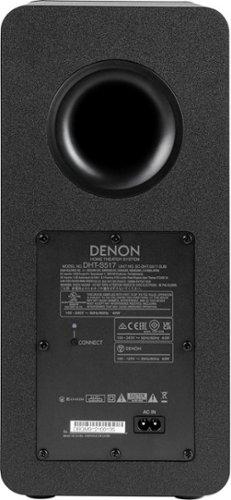
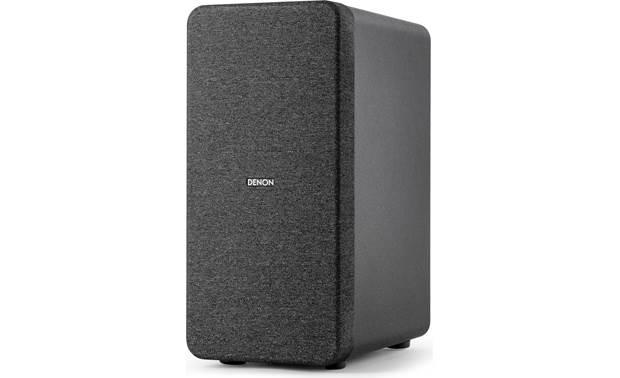
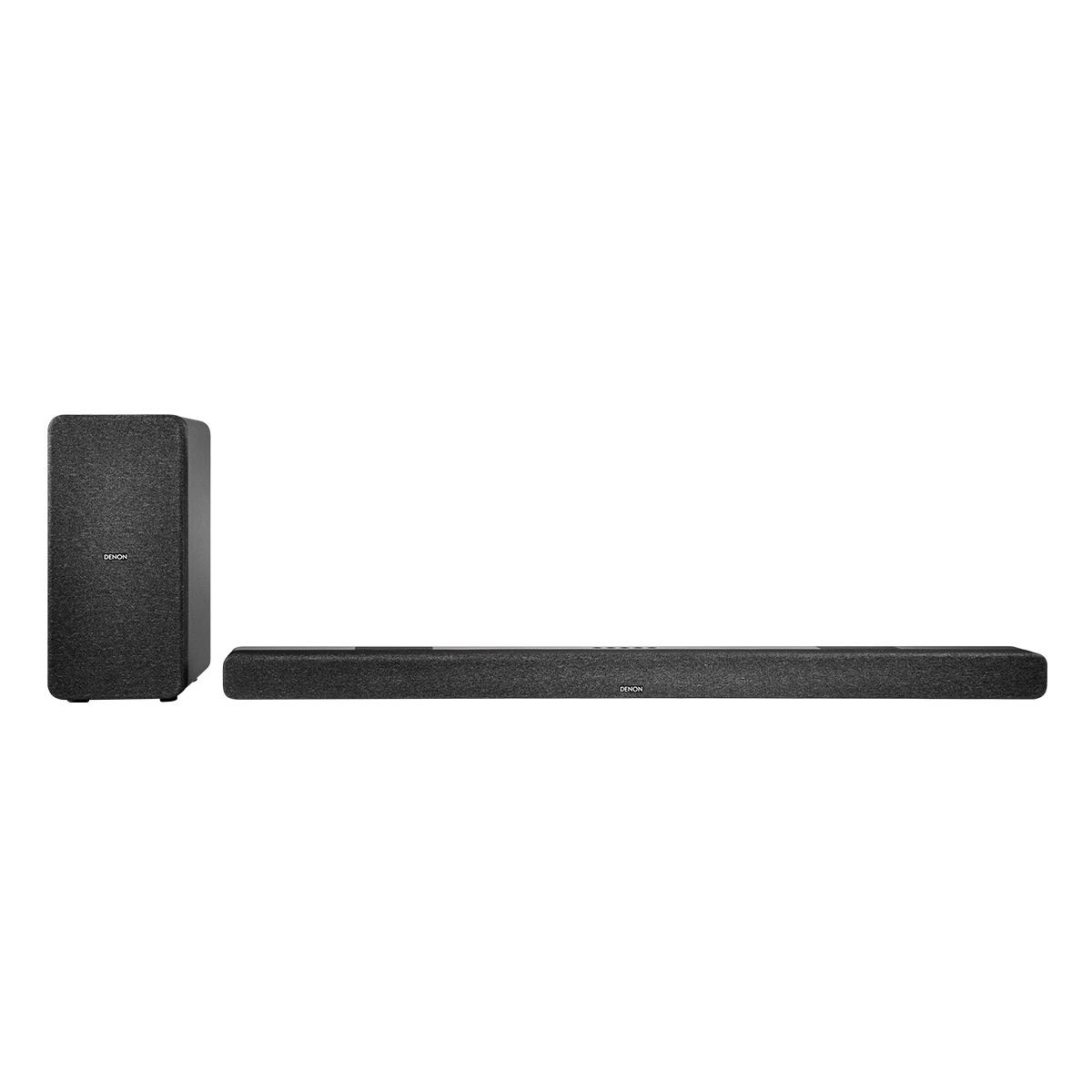
The subwoofer situation reveals another fundamental design philosophy difference. The Denon DHT-S517 includes a separate wireless subwoofer with a 5.25-inch driver powered by 100 watts. This dedicated bass unit can produce the deep, room-shaking low frequencies that make action movies exciting and music more impactful.
Because it's wireless, you can place this subwoofer anywhere in the room for optimal bass response. I typically recommend putting it near a wall (bass waves bounce off surfaces to reinforce themselves) but not in a corner where it might sound boomy.
The Yamaha YAS-109 takes a different approach with dual built-in subwoofers—two 3-inch drivers integrated into the main soundbar. This saves space and eliminates the need to find a spot for a separate box, but physics limits how much bass small drivers can produce.
In testing, the difference is substantial. The Denon delivers that chest-thumping bass during explosion scenes and the deep kick drum impact that makes music more engaging. The Yamaha provides adequate bass for most content, but action movies and bass-heavy music genres like hip-hop or electronic music expose its limitations.
That said, the Yamaha does include a subwoofer output if you want to add an external sub later, giving you an upgrade path.
This is where the Yamaha YAS-109 really shines. The built-in Alexa functionality transforms it from just a soundbar into a smart home hub. You can control volume with voice commands, ask about the weather, set timers while cooking, or control other smart devices around your house.
The implementation is quite good too. Unlike some soundbars that add voice control as an afterthought, Yamaha designed the YAS-109 from the ground up to be an Alexa device. The microphones are properly positioned and sensitive enough to hear you from across the room, even when audio is playing.
The streaming capabilities are equally impressive. Direct Spotify Connect support means you can start playing music on your phone and hand off control to the soundbar. AirPlay compatibility lets iPhone users stream directly without connecting via Bluetooth.
The Denon DHT-S517, in contrast, keeps things focused purely on audio performance. There's no voice control, no built-in streaming, and no mobile app. For some people, this is actually a feature—one less device listening to conversations and collecting data.
The trade-off becomes clear when you consider daily use. With the Yamaha, you might say "Alexa, play jazz music" and immediately start streaming. With the Denon, you'll need to use your phone, tablet, or TV's smart features to accomplish the same thing.
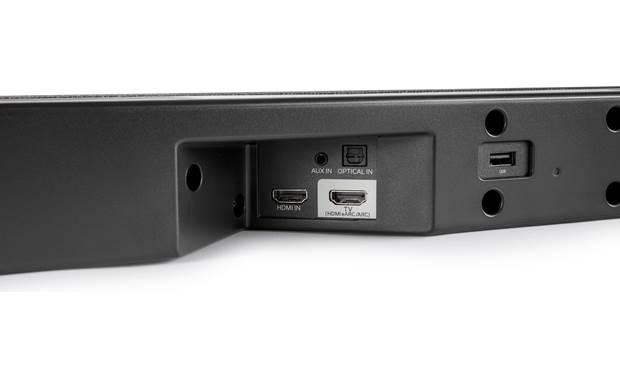
Both soundbars handle the basics well, but there are some important differences in their connection capabilities. The Denon DHT-S517 includes HDMI eARC support, which is the latest and most advanced HDMI audio standard. eARC (enhanced Audio Return Channel) can handle higher-quality audio formats and provides better lip-sync accuracy.
If you have a newer TV with eARC, this creates a seamless connection where the soundbar automatically turns on with your TV and volume controls work perfectly. The Denon also includes Bluetooth 5.0, which provides more stable wireless connections and better range than older Bluetooth versions.
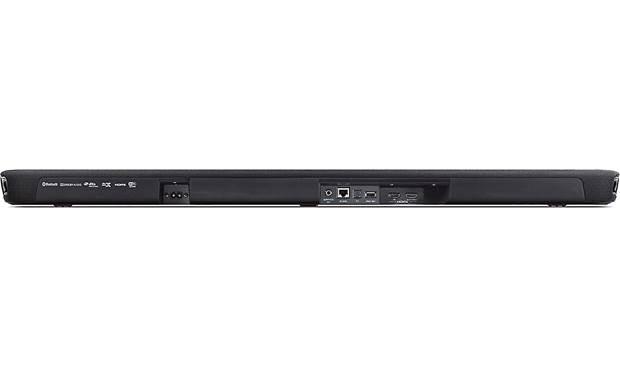
The Yamaha YAS-109 supports the older HDMI ARC standard, which handles most audio formats perfectly well but isn't quite as future-proof. However, it makes up for this with more diverse connectivity options, including Wi-Fi for streaming and an ethernet port for wired network connections.
Both soundbars support 4K video passthrough, so you won't lose picture quality when connecting devices through them.
Having tested both soundbars extensively, the performance differences become clear in specific scenarios. For movie watching, especially content with Dolby Atmos soundtracks, the Denon DHT-S517 creates a noticeably more immersive experience. Action sequences have more impact, and you genuinely feel surrounded by the sound.
The dialogue clarity advantage is equally apparent. During complex scenes with background music, sound effects, and multiple people talking, the Denon's dedicated center channel keeps voices clear and intelligible. You're less likely to reach for the remote to turn up the volume during quiet dialogue scenes.
Music performance reveals interesting differences too. The Denon's "Pure Mode" bypasses all processing for audiophile-quality reproduction, making it excellent for serious music listening. The Yamaha's processing tends to enhance certain frequencies, which some people prefer for casual listening but purists might find artificial.
For daily TV watching—news, talk shows, sitcoms—both soundbars perform admirably. The Yamaha's convenience features actually make it more pleasant for this type of content since you can easily adjust volume or switch to music without hunting for remotes.
At $302, the Denon DHT-S517 costs about $82 more than the Yamaha YAS-109 at $220, but this price difference represents a significant technology gap. True Dolby Atmos soundbars typically start around $400-500, making the Denon an excellent value for the technology you're getting.
The Yamaha's pricing reflects its 2019 origins when these features commanded premium prices. Today, $220 for a soundbar with built-in Alexa and decent audio quality remains competitive, especially considering how much convenience those smart features add.
Think of it this way: if you value the smart features enough to consider buying a separate Alexa device ($50-100), the Yamaha becomes an even better value proposition. Conversely, if you're primarily interested in the best possible audio experience for movies and music, the Denon's extra cost delivers meaningful performance improvements.
Choose the Denon DHT-S517 if your primary goal is creating an impressive home theater experience. The Dolby Atmos capabilities, dedicated center channel, and powerful wireless subwoofer make it ideal for movie enthusiasts who want to feel like they're in the cinema. It's also the better choice for music lovers who appreciate high-quality audio reproduction.
The Denon works best in medium to large rooms where the separate subwoofer can really shine, and where you have space to properly position both the soundbar and subwoofer for optimal performance.
Opt for the Yamaha YAS-109 if convenience and smart features are priorities. The built-in Alexa functionality, direct music streaming, and space-saving design make it perfect for modern lifestyles where simplicity matters. It's ideal for apartments, smaller rooms, or situations where you don't want additional boxes taking up space.
The decision often comes down to how you actually use your entertainment system. If you're a serious movie watcher who regularly streams the latest blockbusters and appreciates nuanced audio, the Denon DHT-S517 will provide noticeably better immersion and clarity. If you're more of a casual viewer who wants their soundbar to also serve as a smart speaker and music streamer, the Yamaha YAS-109 offers better overall utility.
Both soundbars will dramatically improve your TV's audio compared to built-in speakers. The question is whether you prioritize the best possible sound quality or the most convenient, feature-rich experience. Either choice will serve you well—it just depends on what matters most for your specific needs and room setup.
| Denon DHT-S517 ($302) | Yamaha YAS-109 ($220) |
|---|---|
| Channel Configuration - Determines dialogue clarity and surround sound quality | |
| 3.1.2 channels with dedicated center channel for clear dialogue | 2.1 channels (no center channel, dialogue mixed between left/right) |
| Dolby Atmos Support - Creates overhead sound effects for immersive movie experience | |
| True Dolby Atmos with physical upward-firing drivers | DTS Virtual:X simulation only (no actual height speakers) |
| Subwoofer Design - Affects bass depth and room placement flexibility | |
| External wireless subwoofer (5.25" driver, 100W) for deep bass | Dual built-in subwoofers (3" drivers) - space-saving but limited bass |
| Voice Control & Smart Features - Daily convenience and smart home integration | |
| None (audio-focused design) | Built-in Alexa with voice control and smart home integration |
| Music Streaming - Direct access to streaming services without phone/TV | |
| Bluetooth only (requires external device for streaming) | Spotify Connect, AirPlay, Wi-Fi streaming built-in |
| HDMI Connection Type - Future-proofing and audio format support | |
| HDMI eARC (latest standard, better format support) | HDMI ARC (older standard but works with most TVs) |
| Mobile App Control - Setup and daily operation convenience | |
| No dedicated app | Yamaha Sound Bar Controller app for easy setup and control |
| Driver Array Complexity - Sound separation and imaging quality | |
| 7-driver array with dedicated tweeters and midrange drivers | 6-driver array with integrated design |
| Pure Audio Mode - Unprocessed sound for music purists | |
| Yes (bypasses all processing for audiophile listening) | No (always applies some processing) |
| Room Size Suitability - Based on power output and bass capabilities | |
| Medium to large rooms (separate sub provides room-filling bass) | Small to medium rooms (built-in subs adequate for smaller spaces) |
The Denon DHT-S517 ($302) is significantly better for movies due to its true 3.1.2 Dolby Atmos configuration with upward-firing speakers that create overhead sound effects. It also has a dedicated center channel for clearer dialogue and a powerful wireless subwoofer for impactful bass during action scenes. The Yamaha YAS-109 ($220) only offers virtual surround sound simulation and lacks the immersive audio experience that serious movie watchers prefer.
Yes, the Yamaha YAS-109 has significantly better smart features with built-in Alexa voice control, Spotify Connect, AirPlay streaming, and a dedicated mobile app for control. The Denon DHT-S517 focuses purely on audio performance and has no voice control, streaming services, or smart home integration features.
The Denon DHT-S517 has much better bass performance with its external wireless subwoofer featuring a 5.25-inch driver and 100-watt amplifier. This delivers deep, room-filling bass that's essential for action movies and music. The Yamaha YAS-109 has dual built-in 3-inch subwoofers that save space but can't match the bass depth and impact of a dedicated external subwoofer.
The $82 price difference makes the Denon DHT-S517 ($302) worth it if you prioritize audio quality and movie watching, as you're getting true Dolby Atmos and superior bass that typically costs $400+ in other soundbars. The Yamaha YAS-109 ($220) offers better value if you want smart features and convenience, essentially getting a soundbar and Alexa device in one package.
The Yamaha YAS-109 is better for small rooms and apartments because its built-in subwoofers eliminate the need for a separate subwoofer box, saving valuable space. It's also less likely to disturb neighbors due to its more contained bass output. The Denon DHT-S517 requires space for both the soundbar and wireless subwoofer, making it better suited for larger rooms.
Both soundbars work with virtually any TV through HDMI ARC/eARC or optical connections. The Denon DHT-S517 has HDMI eARC for newer TVs and better audio format support, while the Yamaha YAS-109 uses standard HDMI ARC that works with most TVs from the past decade. Both also include optical inputs as backup connection options.
The Denon DHT-S517 has significantly better dialogue clarity due to its dedicated 1-inch center channel driver that's specifically designed for voices. This makes conversations in movies and TV shows much clearer and easier to understand. The Yamaha YAS-109 relies on processing to enhance dialogue since it doesn't have a dedicated center channel, which is less effective.
Yes, the Yamaha YAS-109 includes a subwoofer output that allows you to connect an external wired subwoofer if you want more bass later. However, the Denon DHT-S517 already includes a powerful wireless subwoofer, so there's no need for additional bass enhancement in most cases.
The Yamaha YAS-109 is easier for daily use thanks to its built-in Alexa voice control, dedicated mobile app, and direct music streaming capabilities. You can control volume, play music, and adjust settings with voice commands. The Denon DHT-S517 requires more traditional remote control operation and relies on your TV or external devices for streaming content.
Only the Denon DHT-S517 supports true Dolby Atmos with physical upward-firing speakers that bounce sound off your ceiling to create overhead effects. The Yamaha YAS-109 uses DTS Virtual:X processing to simulate surround sound but doesn't actually support Dolby Atmos content, which limits its immersive audio capabilities for modern movies and shows.
Both soundbars handle music well, but with different strengths. The Denon DHT-S517 excels with its Pure Mode that bypasses all processing for audiophile-quality reproduction, plus its better bass response makes music more impactful. The Yamaha YAS-109 is more convenient for music with direct Spotify Connect and AirPlay streaming, though its audio quality is more processed and less detailed.
The Denon DHT-S517 offers better long-term value for home theater enthusiasts because its true Dolby Atmos and superior audio hardware will remain relevant as more content adopts these formats. The Yamaha YAS-109 provides better immediate convenience value with its smart features, but its audio limitations may become more apparent over time as your expectations grow.
We've done our best to create useful and informative comparisons to help you decide what product to buy. Our research uses advanced automated methods to create this comparison and perfection is not possible - please contact us for corrections or questions. These are the sites we've researched in the creation of this article: techradar.com - consumerreports.org - crutchfield.com - bestbuy.com - bestbuy.com - pocket-lint.com - abt.com - manuals.denon.com - connectedmag.com.au - bestbuy.com - forum.flirc.tv - bhphotovideo.com - rtings.com - crutchfield.com - usa.yamaha.com - digitaltrends.com - tomsguide.com - listenup.com - youtube.com - usa.yamaha.com - hub.yamaha.com - youtube.com - hub.yamaha.com

Privacy Policy
Terms and Conditions - Affiliate Policy
Home Security
© Copyright 2008-2026.
11816 Inwood Rd #1211, Dallas, TX 75244