



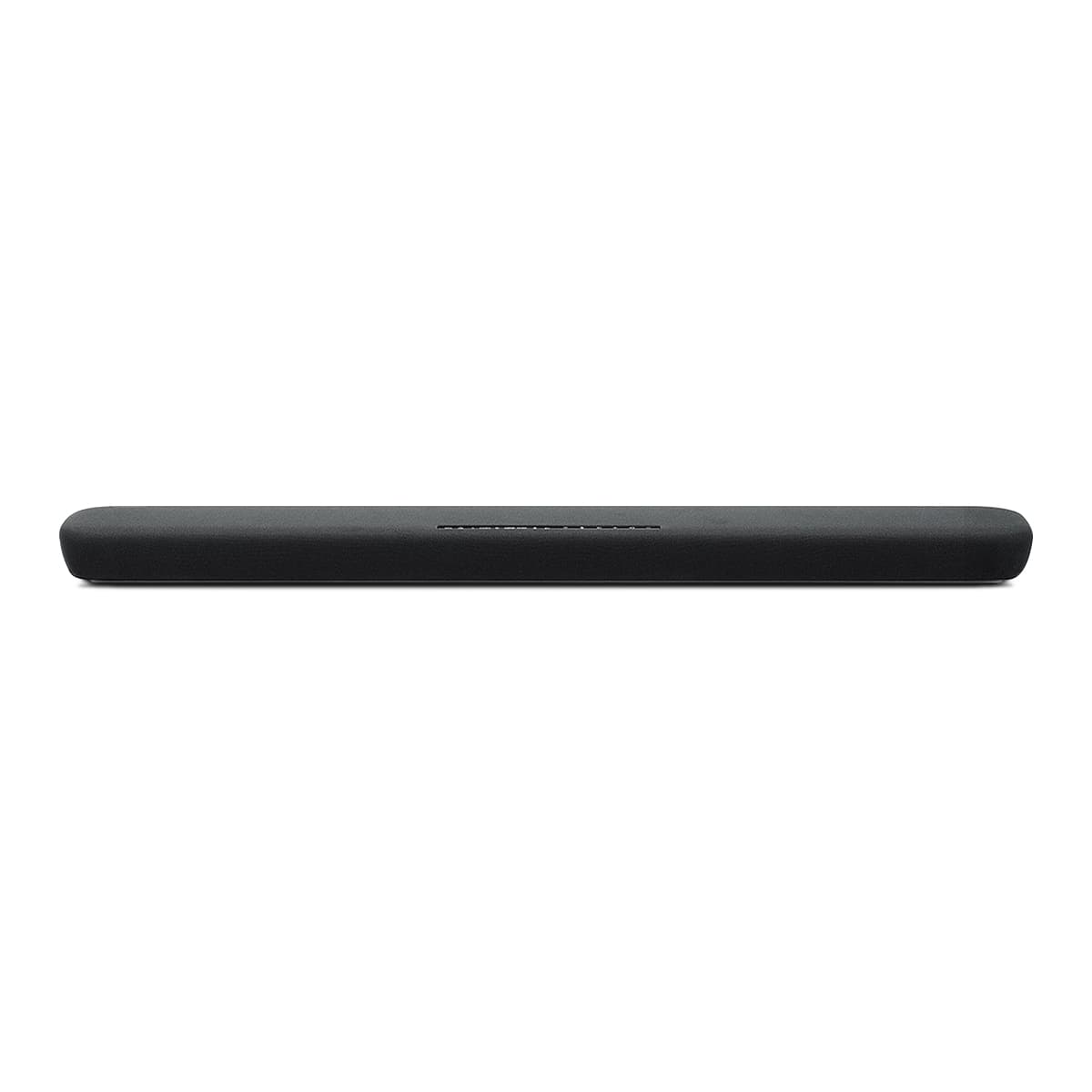
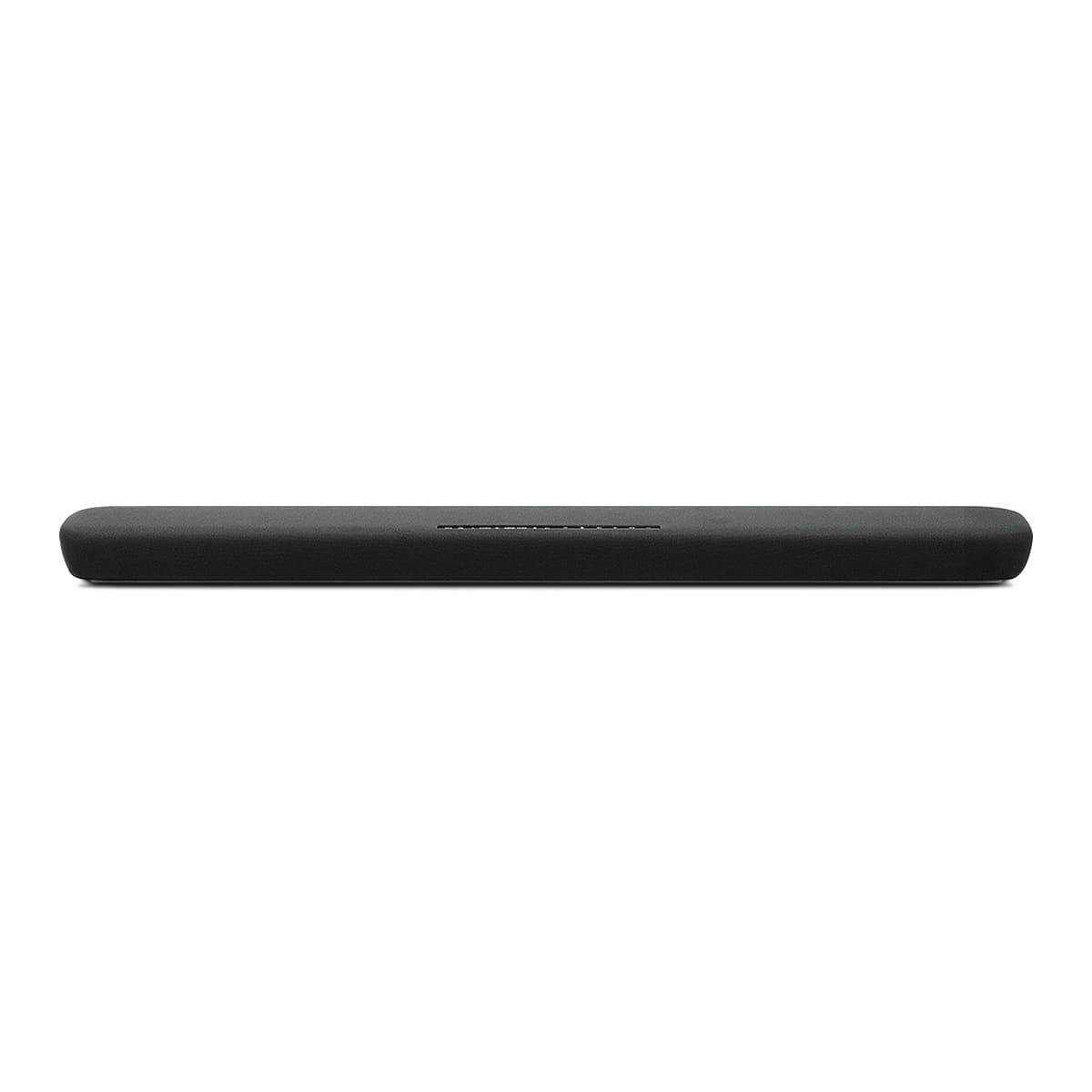
Shopping for a soundbar can feel overwhelming when you're staring at options that range from a couple hundred dollars to well over a thousand. The Samsung HW-Q990F and Yamaha YAS-109 perfectly illustrate this price spectrum—and more importantly, they show you exactly what that price difference gets you.
At the time of writing, these two soundbars sit at opposite ends of both the price and performance scale, with the Samsung costing roughly five times more than the Yamaha. But this isn't just a story about expensive versus cheap—it's about understanding when premium features translate to real benefits in your living room.
Before diving into specifics, let's talk about what actually matters when you're trying to improve your TV's audio. Most built-in TV speakers are terrible because they're tiny, face backward, and have no room for proper bass drivers. Any soundbar will sound better than these, but the question is: how much better, and in what ways?
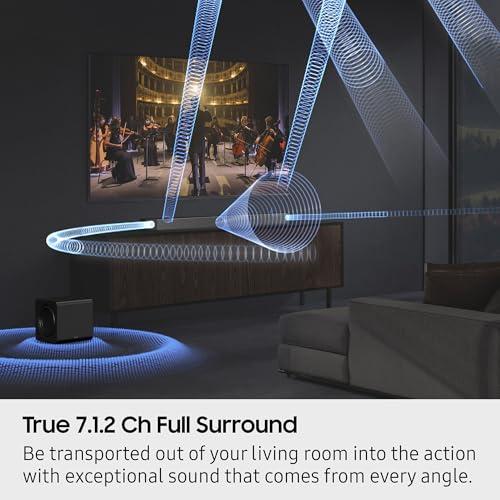
The fundamental difference between budget and premium soundbars comes down to channels and drivers. A "channel" refers to an independent audio signal—think of it as a separate speaker that can play different sounds simultaneously. A 2-channel soundbar has left and right speakers, while something like the Samsung HW-Q990F has 11.1.4 channels, meaning 11 main speakers, 1 subwoofer channel, and 4 height channels for overhead effects.
When you see terms like "Dolby Atmos" or "DTS:X," these are audio formats that can send different sounds to different speakers around your room, creating the illusion that explosions are happening behind you or rain is falling from above. But here's the catch: you need the right hardware to actually reproduce these effects properly.
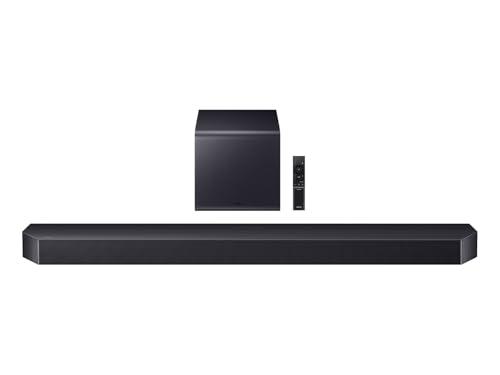
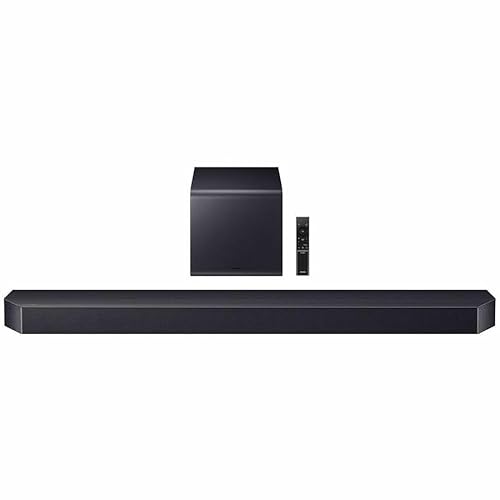
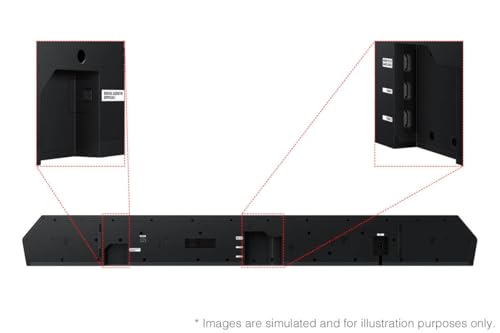
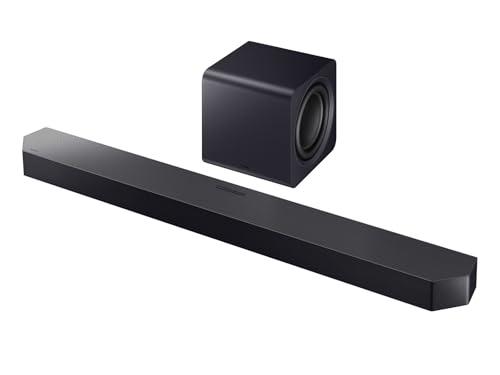
The Samsung HW-Q990F, released in 2024, represents Samsung's flagship approach to home audio. This isn't just a soundbar—it's a complete surround sound system that happens to be packaged as three separate wireless components instead of traditional wired speakers scattered around your room.
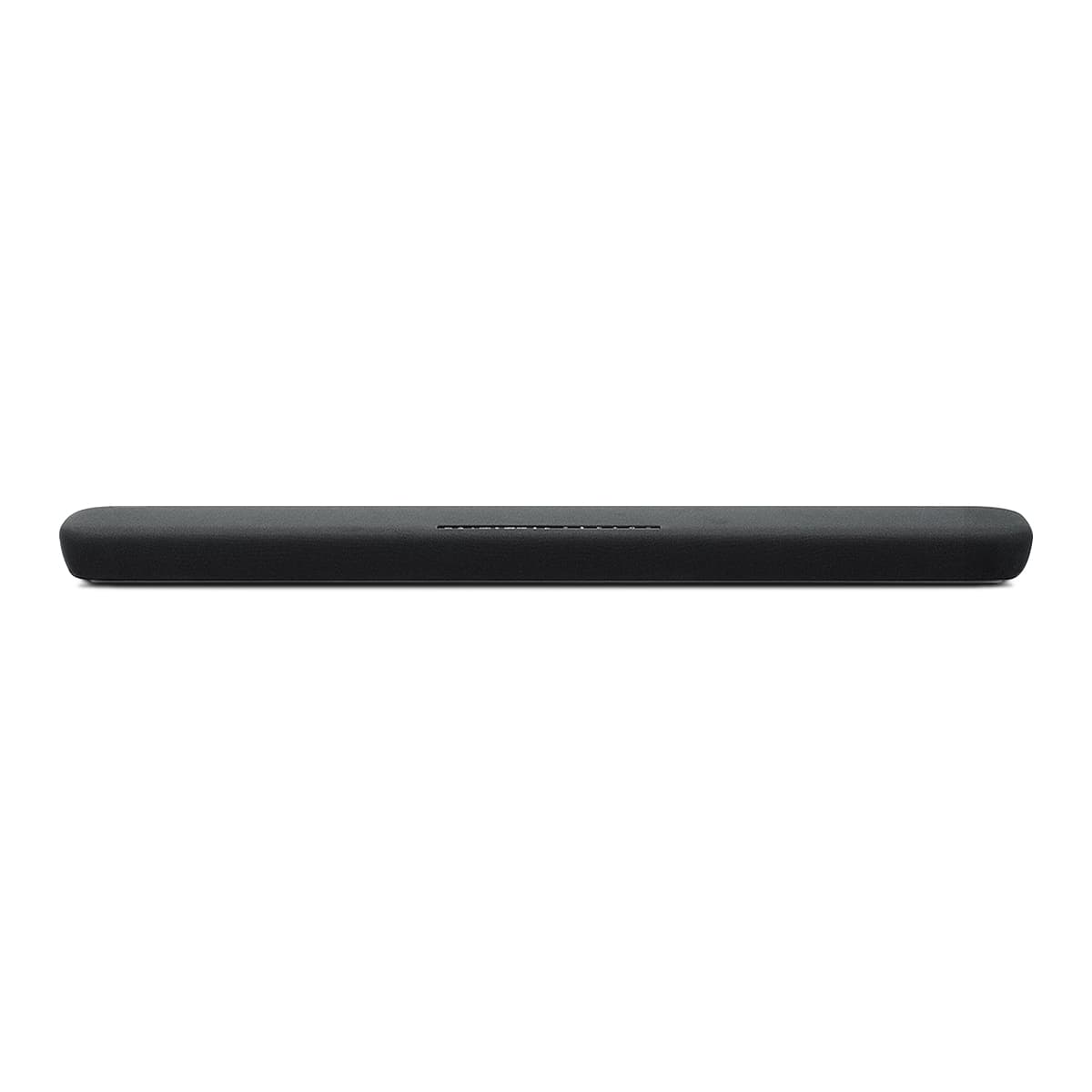
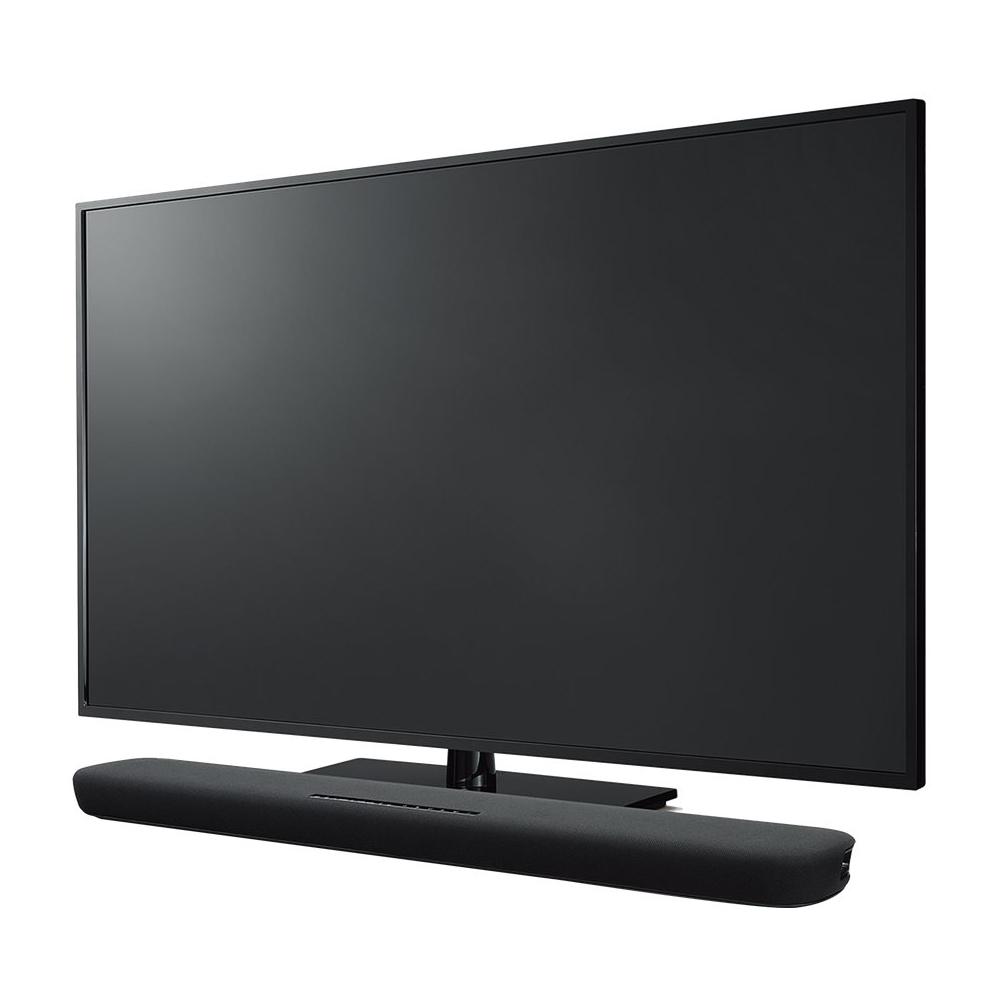
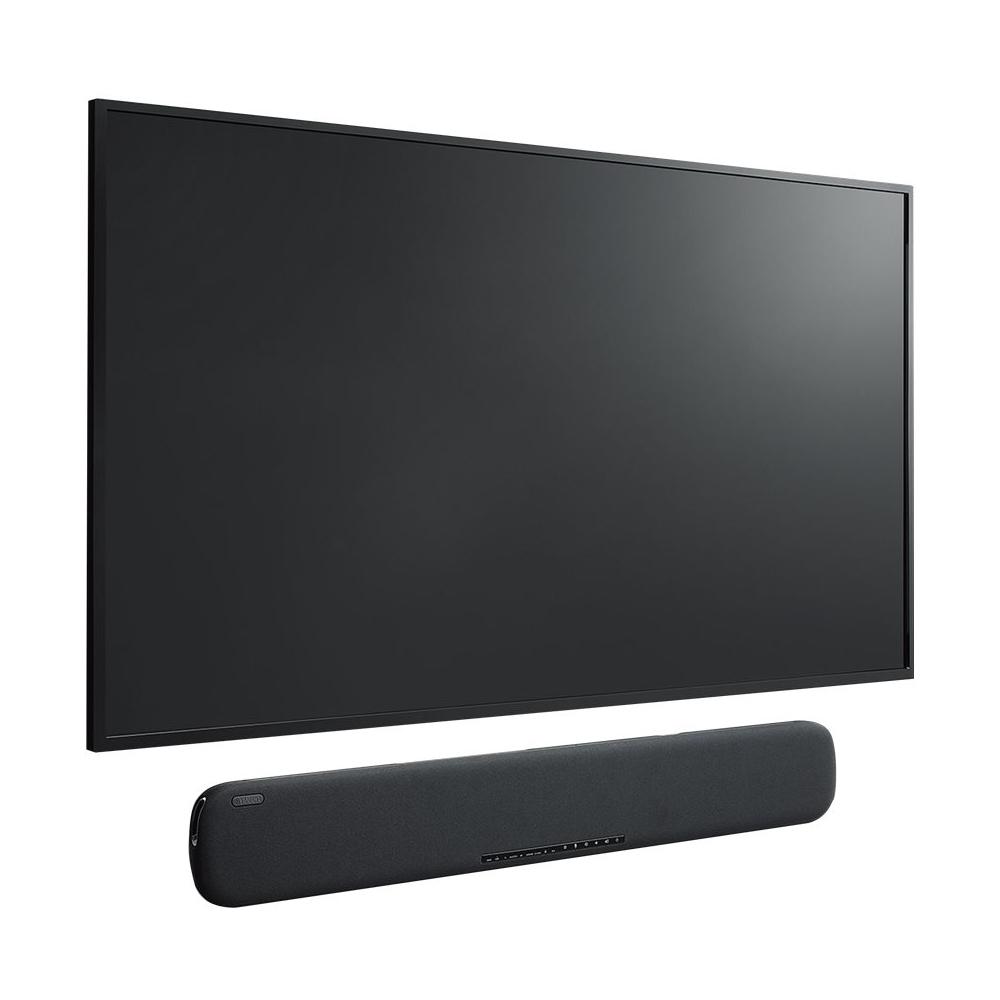
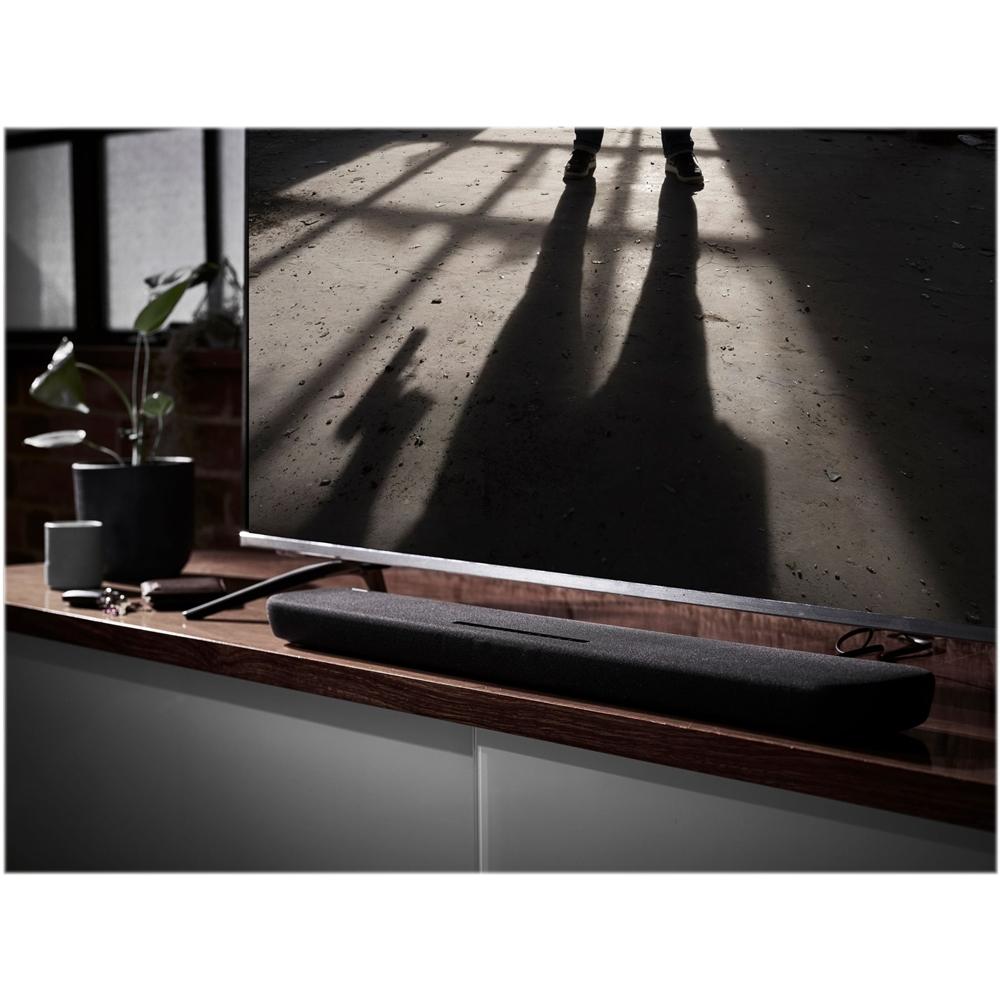
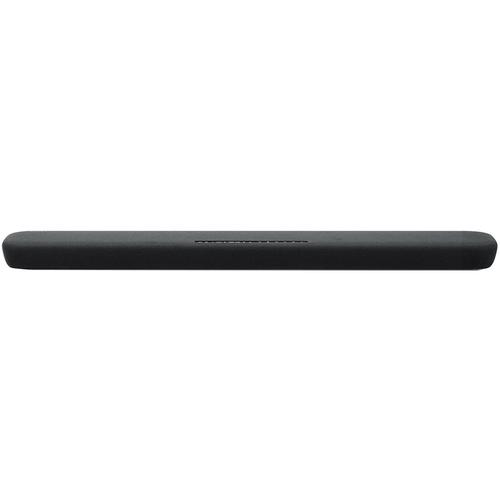
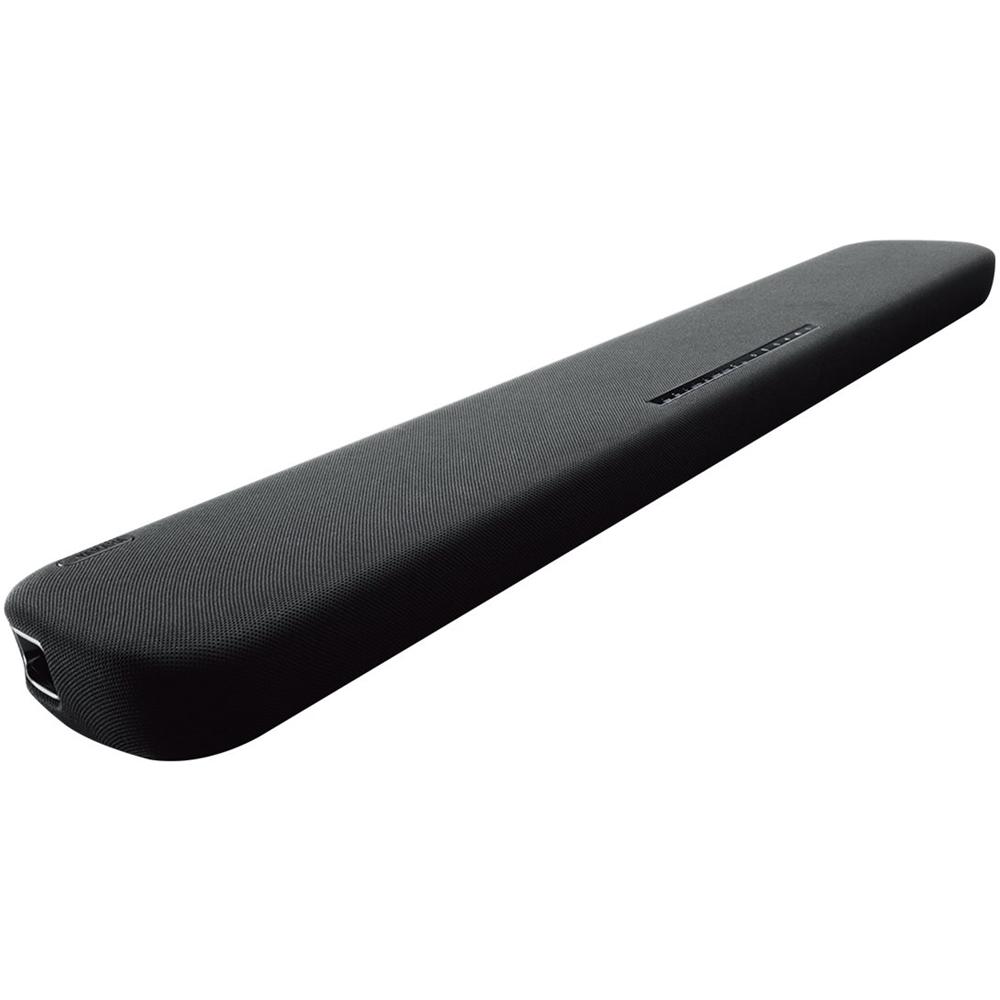
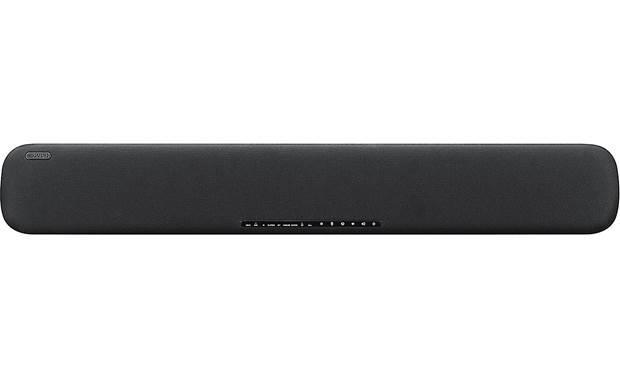
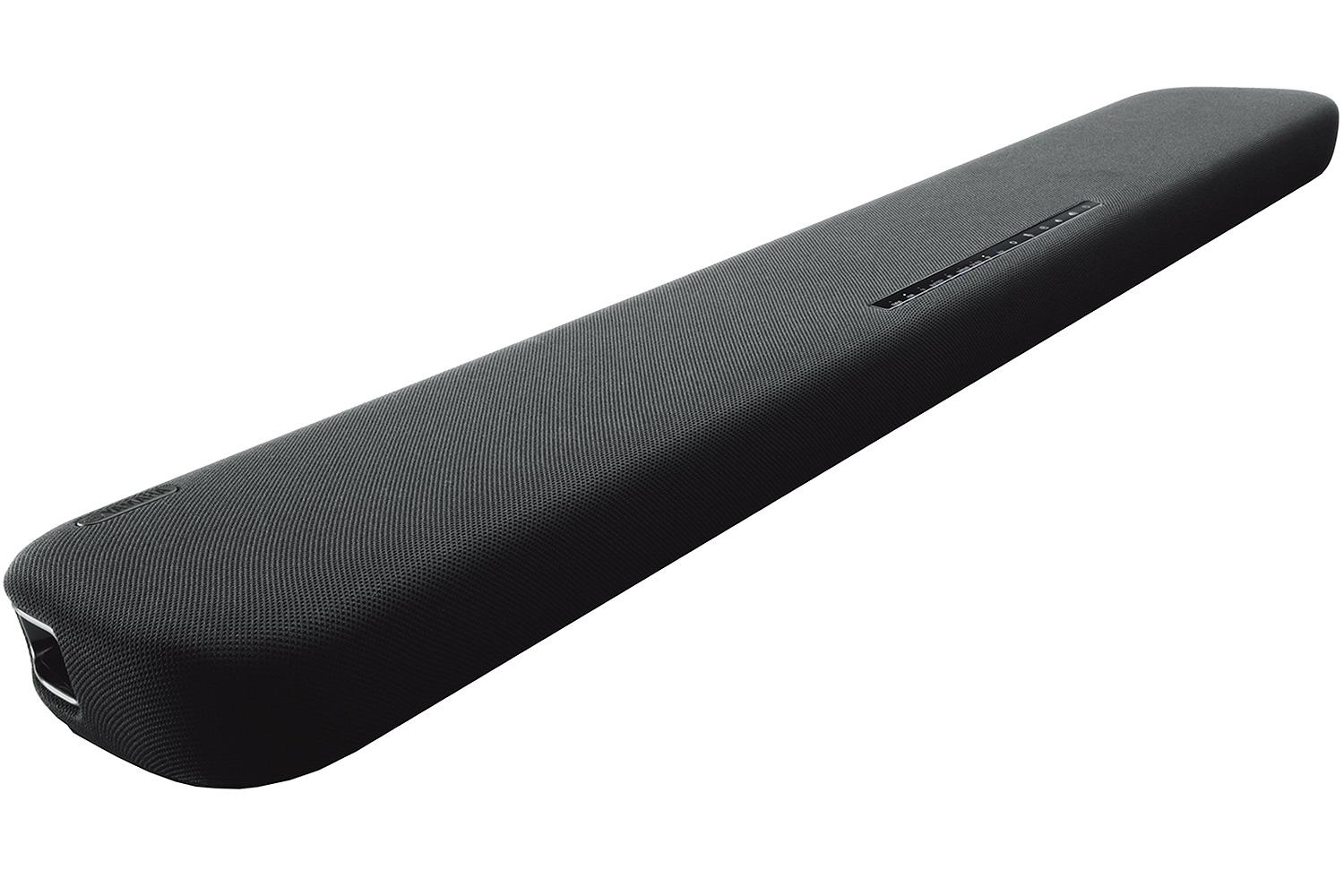
Meanwhile, the Yamaha YAS-109, which hit the market around 2019, takes the opposite approach. Yamaha designed it as a single-unit solution that improves your TV's sound without requiring any additional components or complex setup.
These different philosophies matter because they determine what each soundbar can and cannot do, regardless of price.
The Samsung HW-Q990F produces 756 watts of total power across its 23 individual speakers, while the Yamaha YAS-109 generates 120 watts from just 4 drivers. But raw power numbers only tell part of the story.
What matters more is how that power gets distributed. The Samsung spreads its audio across front-firing speakers for dialogue, side-firing speakers for ambient effects, up-firing speakers that bounce sound off your ceiling, wireless rear speakers for true surround effects, and a substantial wireless subwoofer for deep bass. Each component has a specific job, which means the system can handle complex movie soundtracks without different elements competing for the same speakers.
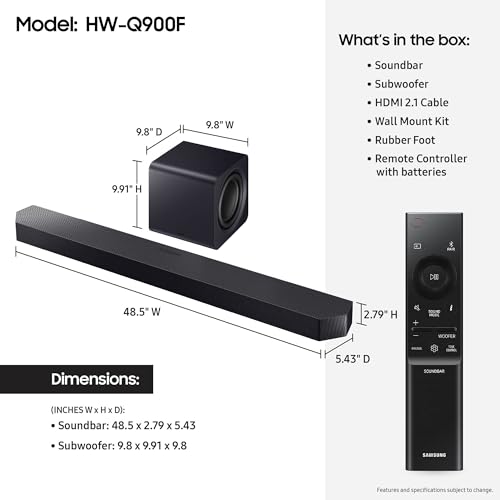
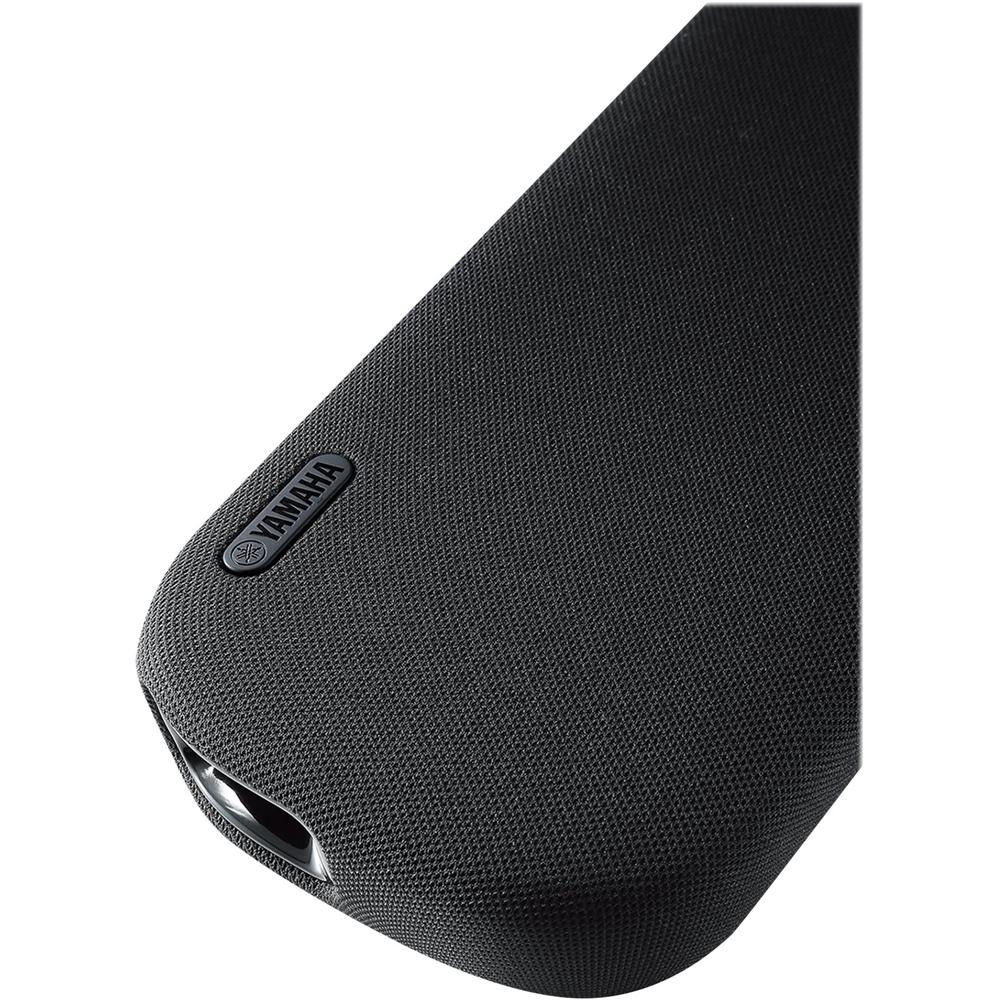
The Yamaha YAS-109 crams everything into one 35-inch bar. Its built-in subwoofers are only 3 inches in diameter—compared to the Samsung's dual 8-inch drivers—which means it simply cannot move enough air to produce deep, impactful bass. The frequency response tells the whole story: while the Samsung reaches down to around 30Hz (the rumble you feel during explosions), the Yamaha's bass response starts at 170Hz, missing entirely the low-frequency effects that make action movies exciting.
This is where the fundamental difference between these soundbars becomes most apparent. The Samsung HW-Q990F creates true surround sound by physically placing speakers around your listening area. When a helicopter flies overhead in a movie, you'll hear it start from the front soundbar, move to the rear speakers behind you, and transition through the up-firing drivers that bounce sound off your ceiling.
The Yamaha YAS-109 uses something called "DTS Virtual:X," which is essentially audio processing that tries to fool your brain into thinking sounds are coming from different directions, even though they're all coming from the front-facing bar. This psychoacoustic processing (a fancy term for tricking your ears) can create a wider soundstage than you'd expect from a single unit, but it cannot replicate the experience of having actual speakers behind you.
From our research into user reviews and professional testing, the difference is immediately noticeable. Virtual surround can make dialogue seem wider and give some sense of space, but it doesn't create the immersive bubble of sound that physical surround speakers provide. If you've ever been in a movie theater and heard sounds move seamlessly around the room, you understand what the Samsung can do that the Yamaha simply cannot.
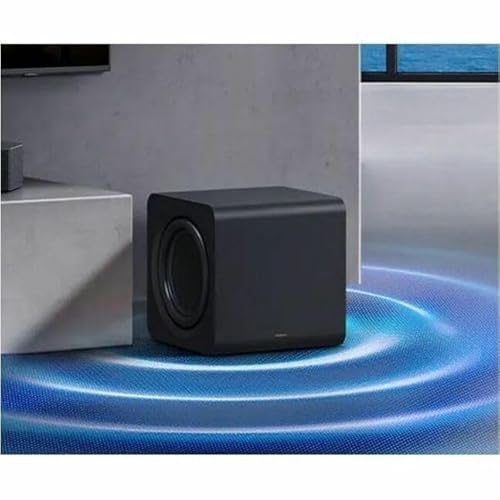
Bass reproduction is perhaps where the technical limitations become most obvious. The Samsung HW-Q990F includes a wireless subwoofer with dual 8-inch force-canceling drivers. "Force-canceling" means the two drivers face opposite directions and work together to eliminate cabinet vibration while maximizing bass output—it's an elegant engineering solution that produces clean, powerful low frequencies without rattling your furniture.
The subwoofer also features AI-powered dynamic bass control, which analyzes the audio signal in real-time and adjusts the output to prevent distortion. This means you get consistent bass performance whether you're watching a quiet dialogue scene or an explosion-heavy action sequence.
The Yamaha YAS-109 handles bass through its built-in 3-inch drivers, and while these are surprisingly capable for their size, they're fighting physics. Smaller drivers simply cannot move as much air as larger ones, which means less bass impact and virtually no deep bass extension. You'll hear the bass frequencies that are there, but you won't feel them the way you would with a proper subwoofer.
Both soundbars include smart features, but the implementation differs significantly. The Samsung HW-Q990F supports HDMI 2.1 with 4K passthrough at 120Hz, which matters if you own or plan to buy a PlayStation 5, Xbox Series X, or high-end gaming PC. This means you can connect your gaming console directly to the soundbar and pass the video signal through to your TV without compromising visual quality.
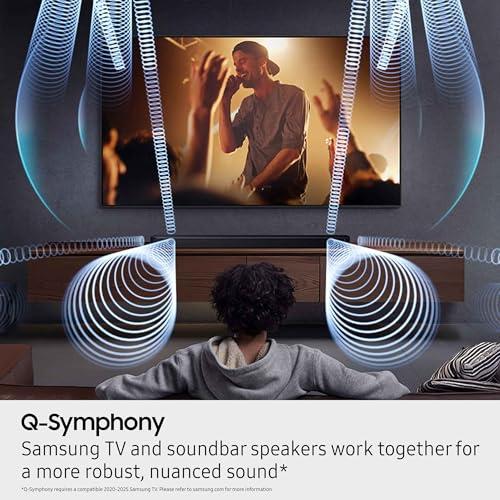
The Samsung also includes what they call "Q-Symphony," which allows compatible Samsung TVs to work in harmony with the soundbar instead of shutting off when external audio is detected. Essentially, your TV speakers become additional channels in the surround setup, creating an even larger soundstage.
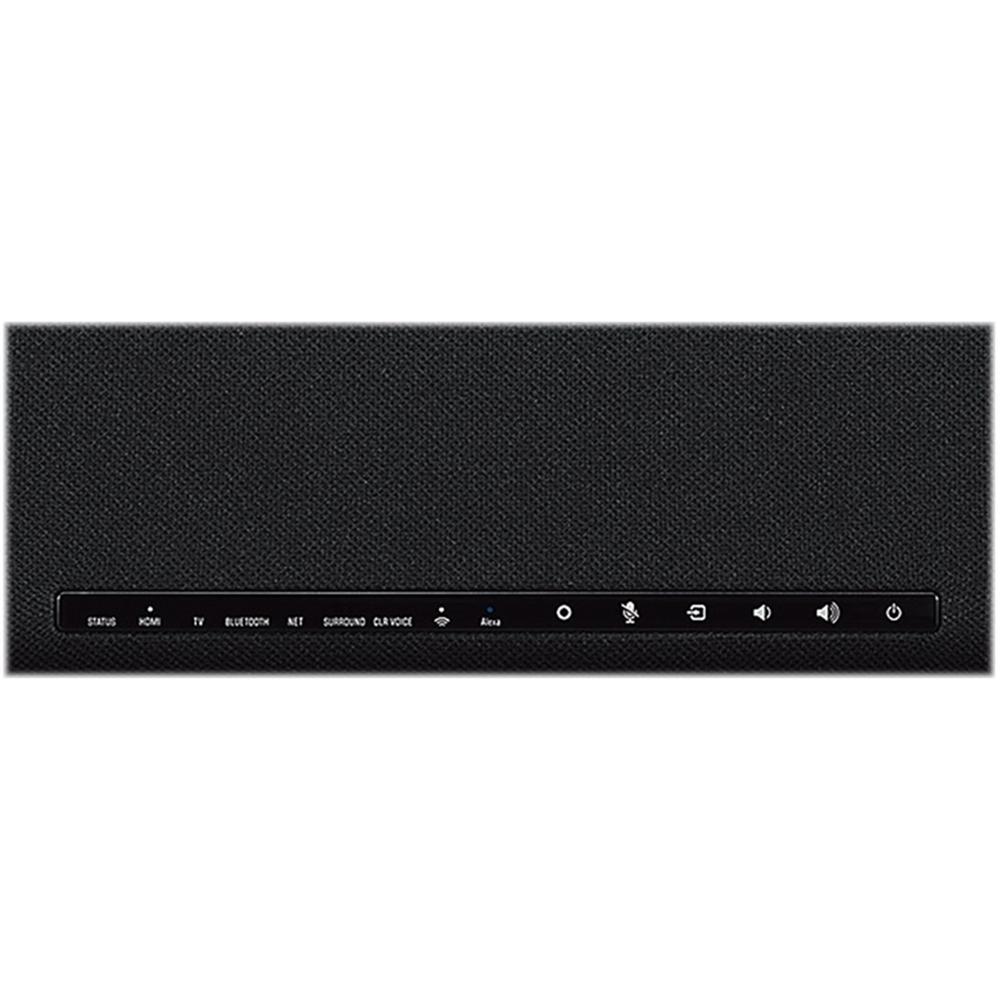
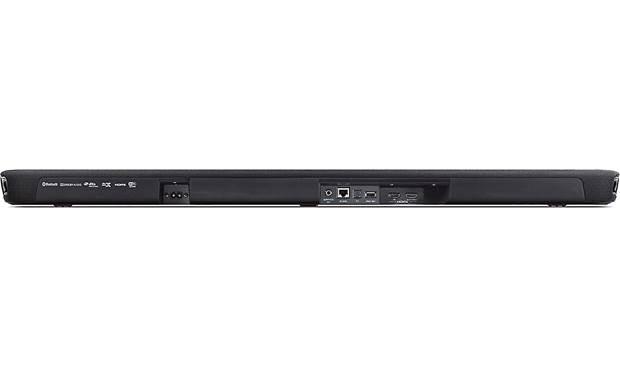
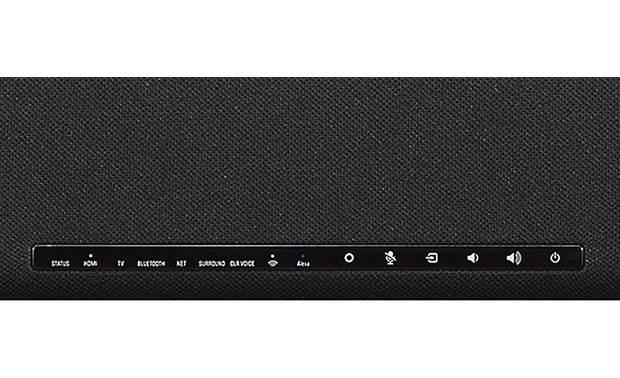
The Yamaha YAS-109 offers more basic connectivity with HDMI ARC (Audio Return Channel) and optical inputs, which covers most users' needs for connecting cable boxes, streaming devices, and gaming consoles. It includes built-in Alexa voice control, which is genuinely useful for adjusting volume, changing inputs, or controlling smart home devices without finding the remote.
Both soundbars support wireless music streaming through Bluetooth and Wi-Fi, though the Samsung includes more premium options like Apple AirPlay 2 and Google Chromecast built-in.
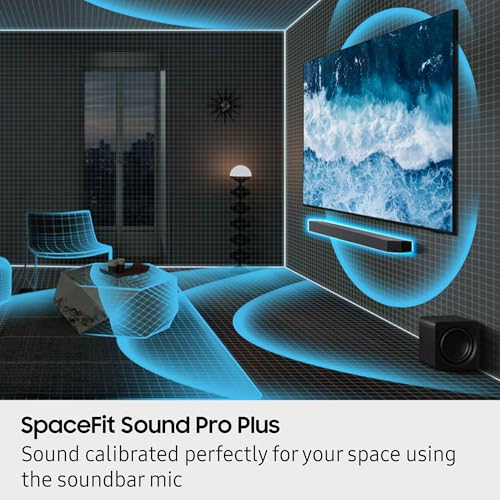
One of the Samsung HW-Q990F's most impressive features is SpaceFit Sound Pro, which uses built-in microphones to analyze your room's acoustics and automatically adjust the sound output. This room calibration technology measures how sound reflects off your walls, ceiling, and furniture, then modifies the audio processing to optimize clarity and immersion for your specific space.
The Yamaha YAS-109 doesn't include room calibration, which means it sounds the same regardless of whether you place it in a small bedroom or a large living room. While you can manually adjust some basic settings through the mobile app, you won't get the sophisticated acoustic optimization that the Samsung provides.
At the time of writing, the Samsung HW-Q990F costs approximately five times more than the Yamaha YAS-109. This price difference represents more than just brand positioning—it reflects fundamentally different capabilities.
The Samsung's value proposition makes sense if you're building a primary home theater setup. You're getting a complete surround sound system that would cost significantly more if purchased as separate components. The wireless rear speakers alone would typically cost several hundred dollars if bought individually, and the sophisticated room calibration and processing would require an expensive AV receiver in a traditional setup.
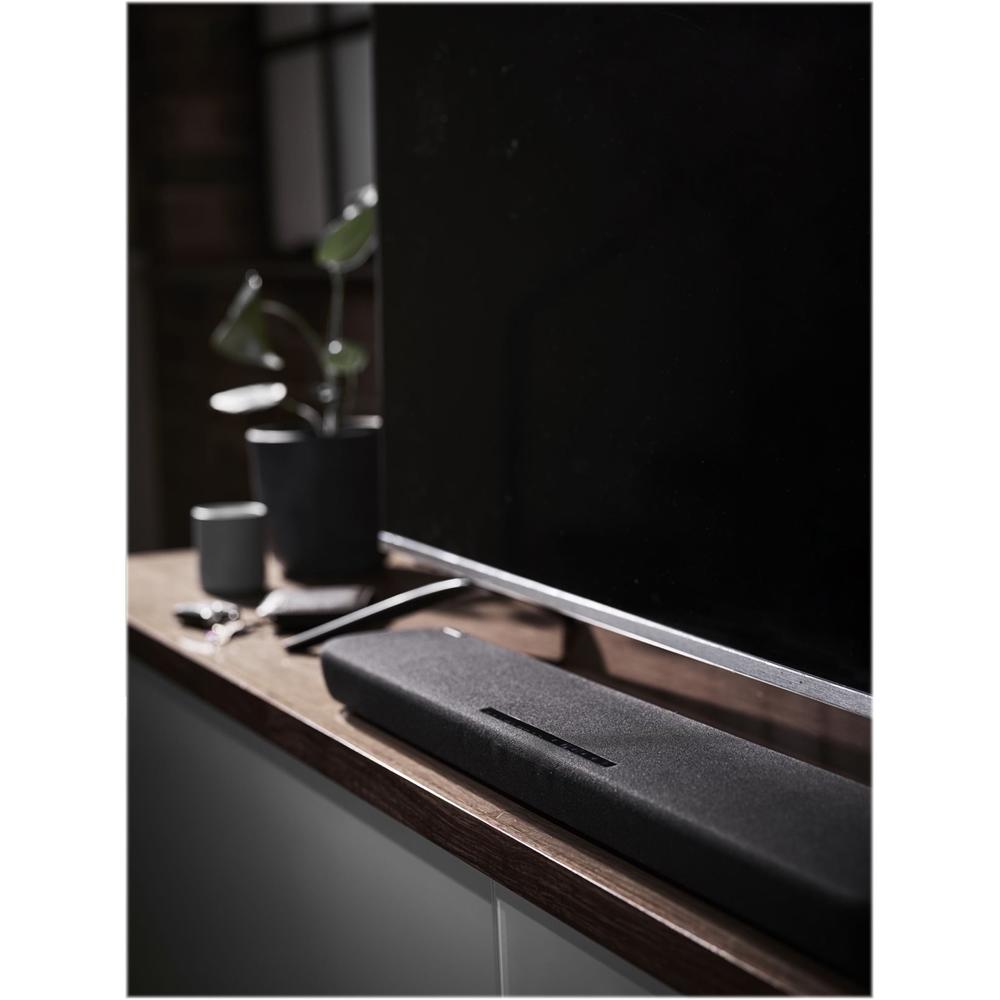
The Yamaha YAS-109 offers exceptional value for what it is: a simple, reliable upgrade over TV speakers that doesn't break the budget or complicate your entertainment center. For many users, especially those with smaller rooms or casual viewing habits, this represents the sweet spot between cost and benefit.
Your room size dramatically affects which soundbar makes sense. The Samsung HW-Q990F truly shines in medium to large rooms where you can properly position the rear speakers and have enough space for the surround effects to develop. In a small apartment or bedroom, much of its capability would be wasted.
Content type also matters significantly. If you primarily watch news, sitcoms, or basic streaming content, the Yamaha YAS-109 will provide noticeable improvement in dialogue clarity and overall audio quality. However, if you regularly watch movies with complex soundtracks, play modern video games with spatial audio, or listen to high-quality music, the Samsung's superior drivers and processing become immediately apparent.
The rise of Dolby Atmos content on streaming platforms like Netflix, Disney+, and Apple TV+ has made object-based audio more relevant than ever. These services increasingly offer movies and shows with overhead effects and precise sound placement, but you need compatible hardware to experience them as intended.
Since the Yamaha YAS-109 launched in 2019, soundbar technology has evolved considerably. Early soundbars focused primarily on improving dialogue clarity and adding basic bass response. The YAS-109 represents this era well—it's a competent execution of the traditional soundbar concept.
The Samsung HW-Q990F, released in 2024, incorporates five years of additional development in wireless audio, room calibration, and multi-component integration. Samsung has refined their approach to wireless surround sound, improving the reliability and performance of the connections between components while adding sophisticated processing capabilities.
The Samsung HW-Q990F makes sense if you're serious about home entertainment and have the budget and space to support it. This soundbar will transform your viewing experience in ways that are immediately noticeable and consistently impressive. It's particularly compelling if you own a large TV (65 inches or bigger), have a dedicated entertainment room, or frequently watch content that benefits from surround sound.
Choose the Yamaha YAS-109 if you want meaningful audio improvement without complexity or major investment. It's ideal for bedrooms, kitchens, apartments, or as a secondary room solution. The built-in Alexa functionality and simple setup make it particularly appealing for users who prioritize convenience over ultimate performance.
The fundamental question isn't whether the Samsung sounds better—it absolutely does. The question is whether that improvement is worth the additional investment for your specific situation and viewing habits. For casual viewers in smaller spaces, the Yamaha provides excellent value and meaningful improvement over TV speakers. For movie enthusiasts with larger rooms and higher expectations, the Samsung justifies its premium through genuinely superior performance that can't be replicated by less expensive alternatives.
Understanding these differences helps ensure you'll be happy with whichever choice you make, whether that's embracing the simplicity of the Yamaha YAS-109 or investing in the comprehensive capabilities of the Samsung HW-Q990F.
| Samsung HW-Q990F | Yamaha YAS-109 |
|---|---|
| Channel Configuration - Determines surround sound capability and immersion level | |
| 11.1.4 channels with 23 total speakers (true surround sound) | 2.0 channels with 4 built-in speakers (stereo enhancement only) |
| Components Included - What you get in the box affects setup and performance | |
| Main soundbar + wireless subwoofer + 2 wireless rear speakers | Single soundbar unit with built-in subwoofers |
| Total Power Output - Higher wattage typically means louder, cleaner sound | |
| 756W RMS across all components | 120W total from main unit |
| Dolby Atmos Support - Essential for modern movie and streaming content | |
| Full Dolby Atmos and DTS:X with overhead effects | No Atmos support, uses DTS Virtual:X simulation |
| Subwoofer Specifications - Critical for bass impact and movie immersion | |
| Separate wireless unit with dual 8" force-canceling drivers | Built-in dual 3" drivers within main soundbar |
| Bass Frequency Response - Lower numbers mean deeper, more impactful bass | |
| Down to ~30Hz (deep theater-quality bass) | Starts at 170Hz (limited low-frequency extension) |
| HDMI Connectivity - Important for 4K gaming and future-proofing | |
| HDMI 2.1 with 4K/120Hz passthrough and eARC | Basic HDMI with 4K/60Hz passthrough and ARC |
| Room Calibration - Automatically optimizes sound for your specific space | |
| SpaceFit Sound Pro with automatic acoustic analysis | No room calibration (manual EQ only) |
| Smart Features - Voice control and streaming capabilities | |
| Built-in Alexa, Google Cast, Apple AirPlay 2, Wi-Fi streaming | Built-in Alexa, basic Wi-Fi and Bluetooth streaming |
| Release Year - Indicates technology generation and feature set | |
| 2024 flagship model with latest Samsung innovations | 2019 budget model with established Yamaha reliability |
| Best Use Case - Who should consider each option | |
| Large rooms, movie enthusiasts, premium home theater setups | Small to medium rooms, budget-conscious buyers, simple TV upgrades |
The Samsung HW-Q990F is significantly better for movies and home theater use. It features true 11.1.4 Dolby Atmos surround sound with wireless rear speakers and overhead effects, creating an immersive cinema experience. The Yamaha YAS-109 only offers virtual surround sound from a single bar, which can't match the spatial audio and deep bass that movies require.
The main difference is that the Samsung HW-Q990F is a complete surround sound system with multiple wireless components, while the Yamaha YAS-109 is a simple all-in-one soundbar. The Samsung provides true surround sound with rear speakers and a separate subwoofer, whereas the Yamaha improves TV audio from a single unit with built-in subwoofers.
The Samsung HW-Q990F has substantially better bass with its wireless subwoofer featuring dual 8-inch drivers that reach down to 30Hz. The Yamaha YAS-109 uses small 3-inch built-in subwoofers that only reach 170Hz, missing most deep bass frequencies that make action movies and music impactful.
Only the Samsung HW-Q990F supports true Dolby Atmos with dedicated height channels and overhead effects. The Yamaha YAS-109 does not support Dolby Atmos but uses DTS Virtual:X to simulate surround sound effects from the front-facing speakers.
The Yamaha YAS-109 is much easier to set up since it's a single unit that only requires one power connection and one audio cable. The Samsung HW-Q990F requires positioning the main soundbar, wireless subwoofer, and two rear speakers around your room, though all components connect wirelessly after initial setup.
The Samsung HW-Q990F outputs 756 watts across all its speakers, while the Yamaha YAS-109 produces 120 watts from its built-in drivers. This power difference translates to much louder, cleaner sound and better dynamic range from the Samsung system.
The Yamaha YAS-109 is better suited for small rooms due to its compact single-unit design and appropriate power output. The Samsung HW-Q990F is designed for medium to large rooms where you have space to properly position the rear speakers and appreciate the full surround sound experience.
Yes, both the Samsung HW-Q990F and Yamaha YAS-109 include built-in Amazon Alexa voice control. The Samsung also supports Google Assistant compatibility and additional smart home integration features through its advanced connectivity options.
This depends on your needs and budget. The Yamaha YAS-109 offers excellent value for basic TV audio improvement at a budget-friendly level. The Samsung HW-Q990F provides premium value if you want flagship home theater performance and have the budget for a complete surround sound system.
The Samsung HW-Q990F includes HDMI 2.1 support for 4K/120Hz gaming, Game Mode Pro for optimized audio processing, and spatial audio support for modern consoles. The Yamaha YAS-109 has basic gaming support through its HDMI connection and game mode, but lacks advanced gaming-specific features.
The Samsung HW-Q990F is superior for music with its wider frequency response, dedicated tweeters, powerful subwoofer, and multiple EQ options. The Yamaha YAS-109 can handle casual music listening adequately but lacks the detail, bass extension, and stereo imaging that serious music listeners prefer.
Both soundbars support Wi-Fi and Bluetooth streaming, but the Samsung HW-Q990F includes more premium options like Apple AirPlay 2, Google Chromecast, and high-resolution audio support. The Yamaha YAS-109 covers the basics with Spotify Connect and standard streaming protocols, which satisfies most casual users' needs.
We've done our best to create useful and informative comparisons to help you decide what product to buy. Our research uses advanced automated methods to create this comparison and perfection is not possible - please contact us for corrections or questions. These are the sites we've researched in the creation of this article: rtings.com - crutchfield.com - sound-advice.online - samsung.com - soundandvision.com - samsung.com - whathifi.com - youtube.com - youtube.com - bestbuy.com - avsforum.com - content.syndigo.com - samsung.com - businessinsider.com - dolby.com - youtube.com - abcwarehouse.com - rtings.com - crutchfield.com - usa.yamaha.com - digitaltrends.com - tomsguide.com - listenup.com - youtube.com - usa.yamaha.com - hub.yamaha.com - youtube.com - hub.yamaha.com

Privacy Policy
Terms and Conditions - Affiliate Policy
Home Security
© Copyright 2008-2026.
11816 Inwood Rd #1211, Dallas, TX 75244